You likely know HBCUs as colleges founded to educate Black Americans, but they’re also essential engines for opportunity, culture, and leadership today. They’ve shaped careers, sustained communities, and advanced scholarship under difficult conditions. Understanding their history, strengths, and ongoing challenges shows why policy, investment, and partnerships still matter—so let’s examine how these institutions continue to influence equity, the economy, and American higher education.
Key Takeaways
- HBCUs are colleges and universities founded before 1964 to educate and serve Black Americans.
- They provide culturally affirming education and mentorship that improves retention and graduation rates for Black students.
- HBCUs produce disproportionate shares of Black professionals in STEM, education, medicine, business, and law.
- They act as economic anchors, creating jobs, spurring local businesses, and supplying regional workforce pipelines.
- Despite funding and infrastructure challenges, HBCUs drive leadership development, civic engagement, and innovation.
Defining Historically Black Colleges and Universities (HBCUs)
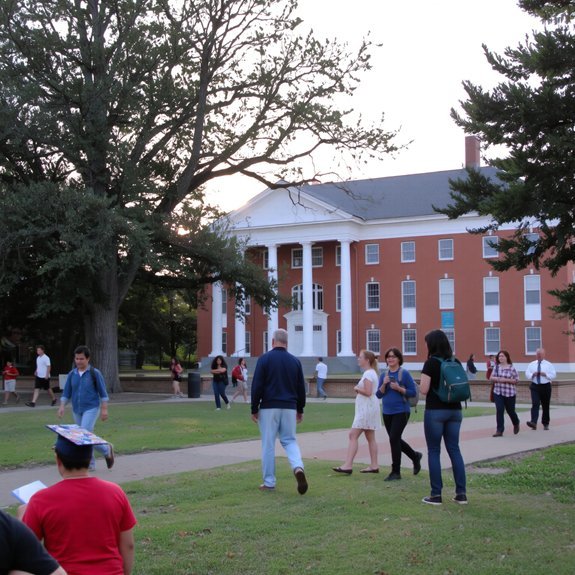
Think of Historically Black Colleges and Universities (HBCUs) as institutions created before 1964 with the primary mission of educating Black Americans when segregation barred them from many other colleges; they include public and private schools that still center Black student success, culture, and community. You’ll recognize HBCUs by legal designation and by mission: they’ve cultivated curricula, support systems, and campus life that respond to Black students’ academic and social needs. You should view them as durable structures that produce degrees, leadership, and cultural capital while addressing persistent equity gaps in higher education. Analytically, HBCUs combine targeted recruitment, mentoring, and civic engagement to raise graduation and mobility rates. Practically, they function as community anchors and innovation sites shaping policy and workforce diversity.
The Origins and Early History of HBCUs
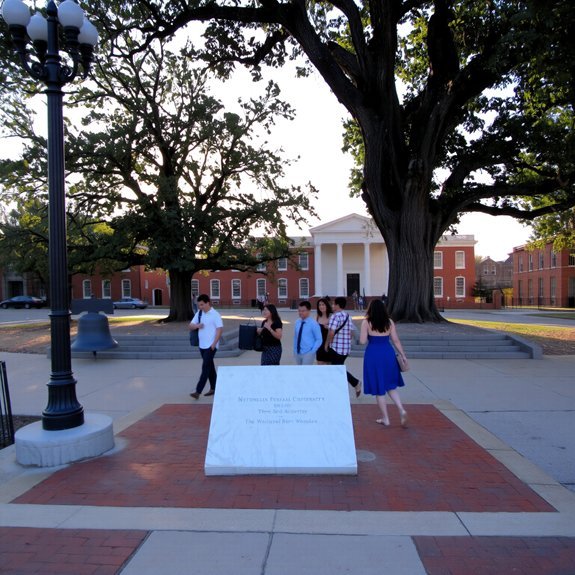
When you trace HBCUs back to their origins, you’ll see they emerged in the aftermath of slavery and during Reconstruction as deliberate responses to denied educational access for formerly enslaved people and free Black communities; religious groups, philanthropic organizations, and Black leaders founded the earliest schools to teach literacy, vocational skills, and civic knowledge. You can view these institutions as pragmatic solutions to exclusion, designed to build individual capacity and communal leadership. Their early curricula balanced basic literacy with trades and teacher training, reflecting social and economic needs. Consider three defining features of that era:
- Mission-driven founding by churches, northern philanthropies, and Black activists.
- Focus on literacy, vocational training, and teacher preparation.
- Local community support and adaptive governance models.
The Role of HBCUs During Segregation and the Civil Rights Era
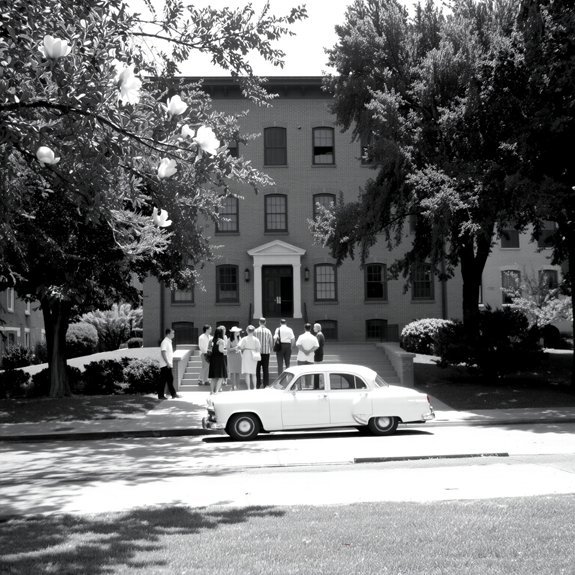
You see how HBCUs provided essential education under Jim Crow, offering rigorous instruction and professional training when other institutions barred Black students. They also became centers for activism, where classrooms, churches, and student organizations shaped leaders and strategies for the Civil Rights movement. That dual role—educating minds while organizing social change—helped sustain community resilience and political progress.
Education Under Jim Crow
Although legally barred from white institutions and routinely denied resources, Black colleges and universities became essential sites of learning, leadership, and resistance during Jim Crow and the Civil Rights era. You relied on HBCUs to provide rigorous instruction, vocational training, and cultural affirmation when other options were closed. They built professional pipelines for teachers, doctors, and lawyers who served segregated communities. They preserved Black intellectual traditions and cultivated civic confidence that fed later movements.
- Curricula focused on practical skills and liberal arts to prepare you for constrained labor markets.
- Faculty mentored students in scholarly rigor and ethical leadership despite material shortages.
- Institutions coordinated community uplift—health clinics, libraries, and teacher training—that stabilized daily life.
That legacy shaped opportunities you still see today.
Centers for Activism
Building on their roles as educators and community anchors, HBCUs also became hubs of organized resistance, where classrooms, dormitories, and student newspapers turned into planning rooms for protest. You’ll see how faculty mentored leaders, students coordinated sit-ins, and campus networks linked local communities to national movements. HBCUs provided intellectual frameworks—courses on law, history, and sociology—that grounded tactics in moral and legal reasoning. They offered safe spaces for strategy, fundraising, and training in nonviolent direct action, while alumni and clergy amplified campaigns beyond campus. By preserving records and shaping narratives, these institutions guaranteed that local struggles informed federal policy and public opinion. Understanding this role clarifies why HBCUs remain crucial civic incubators even today.
Academic Programs and Areas of Excellence at HBCUs
When HBCUs tailor curricula to community needs and cultural legacy, they create academic programs that excel in both technical fields and the liberal arts. You’ll find rigorous STEM training—engineering, nursing, computer science—paired with strong programs in history, literature, and the arts that center Black perspectives. That combination prepares you for workforce demands and leadership roles.
- STEM and Health: focused, often with high licensure and placement rates.
- Business and Public Policy: practical management, entrepreneurship, civic leadership.
- Arts and Humanities: critical inquiry, cultural scholarship, creative industries.
You should expect hands-on labs, research mentoring, internship pipelines, and faculty who integrate community priorities into syllabi. This alignment produces measurable outcomes: higher degree completion in targeted areas and pathways into graduate study and professions.
Campus Culture and the Importance of Culturally Affirming Environments
You feel a stronger sense of belonging at HBCUs because campus rituals, music, and communal practices reflect your history and values. Those cultural traditions are actively preserved through ceremonies, student organizations, and curriculum choices that reinforce identity and pride. That affirming environment doesn’t just comfort you—it shapes academic engagement and long-term success.
Sense of Belonging
Although HBCUs grew from necessity, they now offer more than historical refuge—they create campus cultures where students feel seen, supported, and empowered to succeed. You’ll notice how intentional policies, mentorship, and peer networks reduce isolation and improve retention. Sense of belonging shapes academic risk-taking, identity development, and career trajectories.
- Structured mentorship: you get guidance from faculty who understand your context and expectations.
- Peer networks: you join cohorts that share goals, cultural references, and mutual accountability.
- Institutional supports: you access counseling, affinity groups, and advising tailored to your experiences.
Analytically, these elements interact—mentorship amplifies peer support, institutional programs formalize belonging—so you navigate college with confidence and clearer pathways to achievement.
Cultural Traditions Preserved
Many HBCU campuses keep dozens of cultural traditions alive—homecomings, step shows, convocation rites—that give students a continuous sense of history and identity. You experience rituals that link you to generations who resisted exclusion and built institutions where Black excellence could flourish. Those practices aren’t decorative; they transmit values, communal memory, and norms that shape leadership, scholarship, and civic engagement. By participating, you learn culturally specific forms of expression and collective responsibility that mainstream campuses rarely teach. Administrators and faculty intentionally preserve these customs to foster culturally affirming environments that support retention and achievement. In that context, traditions become pedagogical tools: they contextualize academic work, reinforce social networks, and produce graduates grounded in a legacy of resilience and purpose.
HBCUs as Engines of Leadership and Professional Development
Leadership thrives at HBCUs, where institutions intentionally cultivate the skills, networks, and confidence students need to lead across sectors. You gain hands-on leadership through student government, mentoring programs, and faculty-guided research that translate into real managerial competence. HBCUs emphasize professional readiness alongside civic responsibility, so you leave prepared to navigate organizational politics and community expectations.
- Career preparation: internships, alumni pipelines, and tailored advising sharpen your market fit.
- Leadership labs: experiential programs build decision-making, public speaking, and team management.
- Network density: concentrated alumni engagement offers mentorship, sponsorship, and job referrals.
This focused ecosystem accelerates leadership identity formation and practical skill acquisition, giving you credibility and resilience in workplaces that demand both technical skill and cultural intelligence.
Economic Impact of HBCUs on Local and National Communities
You’ll see that HBCUs aren’t just educational institutions but major local employers and workforce pipelines that train talent for regional and national markets. Their presence fuels nearby small businesses and services while campus procurement and events circulate dollars through local economies. Beyond that, HBCU research and innovation often spill over into startups, partnerships, and patents that boost broader economic growth.
Jobs and Workforce Development
Because HBCUs have long combined rigorous education with targeted career training, they’re key engines for job creation and workforce development in both local and national economies. You’ll see graduates entering high-demand fields—STEM, education, health care—prepared with practical skills and professional networks that employers need. HBCUs also align programs with regional labor gaps, reducing mismatches and lowering hiring costs.
- They supply talent pipelines through internships, apprenticeships, and industry partnerships.
- They upskill existing workers via continuing education and certificate programs.
- They diversify sectors by increasing representation in leadership, technical, and public-service roles.
You can rely on HBCUs to deliver measurable workforce outcomes: higher employment rates, stronger earnings trajectories, and improved labor-market resilience.
Local Business Growth
HBCUs drive local business growth by acting as economic anchors that generate jobs, attract spending, and stimulate entrepreneurship in surrounding communities. You’ll see restaurants, bookstores, housing, and service firms expand to meet student and staff needs, which boosts local revenue and tax bases. When HBCUs source locally, they create supply-chain demand that sustains small businesses. You can also track increased consumer confidence where steady campus employment smooths economic cycles. As alumni stay or return, they launch ventures that leverage campus networks and cultural knowledge, filling market gaps others overlook. Your municipal planners can partner with HBCUs to coordinate workforce training, procurement policies, and infrastructure investments that amplify these spillover benefits without relying solely on external capital.
Research and Innovation Spillover
When universities translate research into real-world solutions, they spark a cascade of economic activity that reaches beyond campus—so you see startups form, patents get licensed, and established firms tap university expertise to innovate faster. At HBCUs, that spillover matters because you gain technical talent, community-rooted projects, and culturally relevant approaches that firms otherwise miss. Your local economy benefits when faculty-led labs commercialize discoveries and students launch ventures. Nationally, HBCU innovations diversify supplier networks and broaden the types of problems being solved.
- Commercialization: you get patents, licenses, and startups that create jobs.
- Talent pipeline: graduates feed regional firms with skilled workers.
- Knowledge diffusion: collaborations spread best practices and technologies.
These mechanisms amplify economic resilience and inclusion.
Challenges Facing HBCUs in the 21st Century
Although they carry a legacy of resilience and achievement, historically Black colleges and universities face a complex set of challenges in the 21st century that threaten their stability and mission. You see constrained funding streams—limited endowments, state disinvestment, and competitive federal grants—that force tough choices about programs and student support. Enrollment pressures compound this: demographic shifts, rising tuition sensitivity, and recruitment competition make retention and persistence harder. Infrastructure and technology gaps hinder teaching, research, and online offerings, while accreditation and compliance demands strain administrative capacity. You also confront external perceptions and policy environments that can marginalize HBCU priorities in higher education planning. Addressing these challenges requires targeted investment, strategic partnerships, and policy reforms tailored to HBCU contexts.
Notable HBCU Alumni and Their Contributions
Because they blend rigorous education with community uplift, graduates from historically Black colleges and universities have shaped politics, arts, science, business, and social movements in ways you’ll recognize across American life. You can trace leadership patterns: HBCU alumni often bring community-rooted perspectives and networks that change institutions and cultural norms. Consider specific contributions and what they signify:
- Political leadership — alumni who’ve held elected office translate civic learning into policy, showing how representation alters agendas.
- Arts and culture — creatives from HBCUs reshape narratives, expand visibility, and influence mainstream taste while mentoring new voices.
- Science and business — researchers and entrepreneurs apply problem-solving skills to close gaps in health, technology, and economic access.
These examples show how education plus mission-driven training produces measurable societal impact you can observe and assess.
The Future of HBCUs: Innovation, Partnerships, and Policy Needs
As HBCUs adapt to shifting demographics and a fast-changing economy, they’ll need to innovate in academics, partnerships, and policy to stay essential and expand their impact. You should expect curricular updates that align with growth sectors—technology, health, green energy—while preserving cultural studies that sustain community identity. Forge cross-sector partnerships with industry, research institutions, and local governments to secure internships, funding, and applied research opportunities that boost student outcomes. Advocate for policy reforms that address predictable funding disparities, student support services, and infrastructure modernization. Use data to demonstrate return on investment for public and private backers. By combining targeted innovation, strategic alliances, and focused policy engagement, you’ll help HBCUs remain engines of social mobility and incubators of leadership for decades.
Conclusion
You’ve seen how HBCUs teach, protect culture, and power communities—think of Spelman’s legacy like an old oak: one grad once told me receiving her degree felt like finding saplings beneath its branches, ready to grow. With HBCUs producing nearly 25% of Black graduates in STEM at a fraction of institutions, they’re not relics but living roots. You’ll keep needing them—to nourish talent, anchor economies, and deepen democracy for generations.
Leave a Reply