
So you got a sweater that looks like a raccoon in a snowstorm and the tag’s gone—now what? Stay calm, grab the box, the tags if you can, and picture the receipt date in your head; you’ll need that memory like a plot twist. Walk in polite, say, “Hi, it was a gift,” offer an exchange or store credit, and watch how staff react—some will help, some won’t. I’ll tell you which stores bend, which don’t, and what to do if they slam the door.
Key Takeaways
- Check the retailer’s return policy online or call customer service to confirm receipt-free options and time limits.
- Bring the gift, original packaging, tags, and any barcode or serial number to strengthen your return claim.
- Offer a gift receipt, order confirmation email, or the giver’s name and purchase date as alternative proof.
- Expect store credit, an exchange, or a gift card instead of a cash refund when no receipt is available.
- Stay polite, ask to speak with a manager if needed, and be prepared for restocking fees or ID verification.
What Retailers Typically Require for Returns Without a Receipt
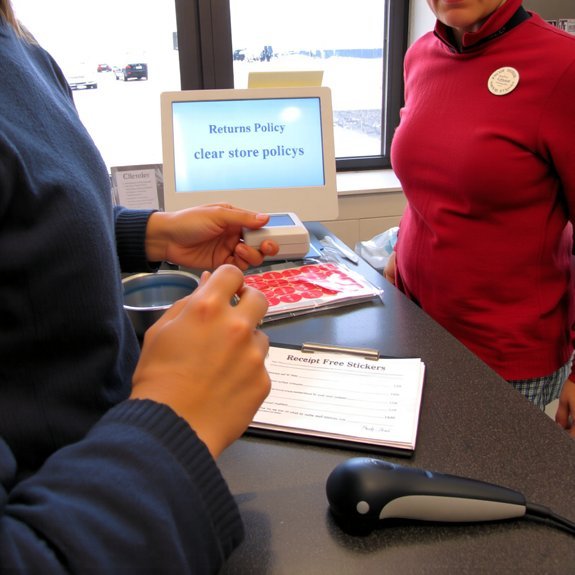
If you’ve ever stood at a returns counter holding a sweater that smells faintly of peppermint and regret, don’t panic — most stores won’t leave you stranded. You’ll meet staff who ask for ID, describe the item, maybe offer store credit instead of cash; that’s the usual dance, because return policies vary and they’re protecting against fraud. Expect tags, original packaging if possible, and maybe a barcode or card used to buy it; sometimes they’ll look up a transaction, sometimes they won’t. Be polite, explain it was a gift, and don’t stage a melodrama—customer service reps are people, not plot devices. If they’re flexible, great; if not, ask for a manager, stay calm, and pivot to plan B.
How to Prepare Before You Go to the Store
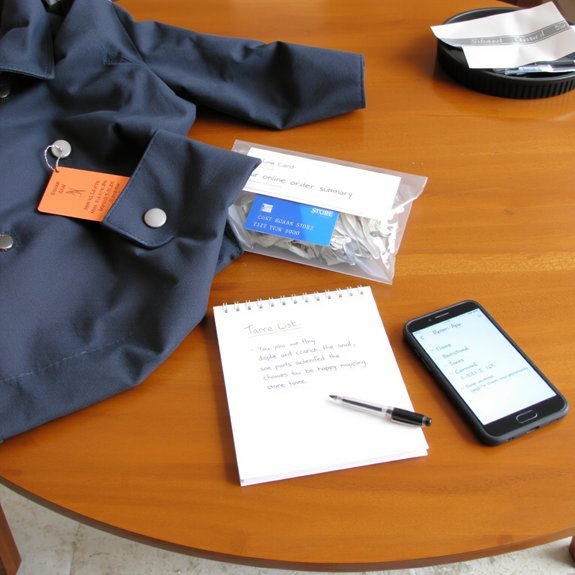
Because I don’t want you wandering into a fluorescent-lit returns line clutching a tagless sweater and blind optimism, let’s get practical: gather the receipt or any photo of it, dig out the gift box and tags, and take a quick picture of the item and its barcode on your phone so you’ve got proof if someone asks. I’ll say it plainly: check the store’s return policy online before you leave, note time limits and restocking rules, and screenshot that page. Put everything in a tote, zip it, and breathe. Dress like you respect the cashier, and practice a calm line: “Hi, I’d like to return this.” That little prep, plus good store etiquette, makes you look organized, not entitled.
Strategies to Increase Your Chances of an Exchange or Store Credit
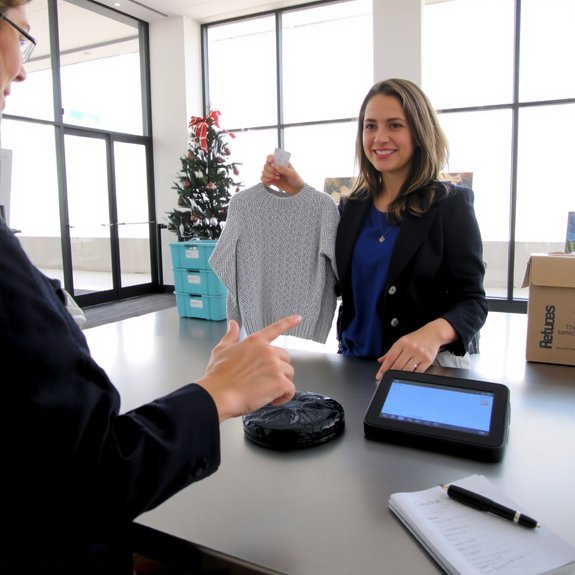
While you’re still standing in your kitchen, clutching that slightly itchy sweater, imagine this: me, marching into a store with a neat tote, phone buzzing with screenshots, and a game plan so simple it feels cheeky. You nod, I smile, and we move fast. Start by being polite, clear, and armed with photos of tags, packaging, and any card that came with the gift; good gift etiquette goes a long way. Ask calmly for a manager if the clerk hesitates, reference the store’s return policies, and offer a store credit or exchange option first — it’s easier to accept. Dress like you own the place, speak like you own the facts, and leave with a receipt, not regret.
Handling Online Orders and Gift Cards Without Proof of Purchase
Okay, so you’ve conquered the in-person tango with a clerk and left the store feeling like a tiny, victorious superhero. Now you’ll wrestle with online order issues and gift card policies, because life loves a sequel. Check the sender’s email, order number, and delivery screenshot, then call customer service—don’t apologize for breathing. If the buyer used the retailer’s site, you can often pull up the order with their email or phone; ask for a return label or exchange. For gift cards, read gift card policies: some stores allow refunds to original payment or issue store credit, others don’t. Be polite, persistent, and offer the card code or photo. If they balk, escalate, and keep calm—your dignity is intact, mostly.
Options When the Item Is From a Small Business or Local Shop
If you’ve got a gift from a mom-and-pop shop, don’t expect chain-store magic—small businesses run on memory, handwritten receipts, and the owner’s knack for storytelling—so walk in like you belong, smile, and be ready to charm. I tell you this because local policies vary wildly, and a small business often improvises. Try these moves:
- Ask calm, mention date or person, show photos of the item and packaging, let them search their memory.
- Offer store credit or an exchange, be flexible, suggest you’ll take a rain check if stock’s low.
- Bring ID, proof of payment from the giver if possible, or accept a manager’s note as a compromise.
You’ll leave warmer, maybe with coffee, maybe with a deal.
Using Manufacturer Warranties or Product Registrations Instead
Sometimes the warranty is your secret weapon, and you’ll be glad you asked about it over coffee instead of staging a return heist. I tell you this because warranties often cover defects even without a store receipt; you just need the serial number, proof of ownership, and patience. Call the manufacturer, describe the issue in plain language, and they’ll tell you whether to ship, drop off, or get a replacement. If you find product registration online, register the item — it speeds warranty claims and limits hassle. Keep emails, take photos of damage, and note dates; these sensory details — the ding of an upload, the smell of packing tape — matter. Be polite, persistent, and a little charming; it usually pays off.
What to Do If the Store Refuses Any Return or Credit
When the cashier flatly says “no” and the store manager’s smile goes polite-robot, you don’t have to fold like a soggy gift receipt; I’ve been there, arms full of unwanted tech and a slowly forming migraine, and here’s how you act without flailing. Stay calm, breathe, and ask for the specific store policies, by name. If they refuse, remind them you’re aware of basic customer rights and you’d like a supervisor or corporate contact. Write down names, times, and what they say.
When the clerk says no and the manager smiles polite-robot, stay calm, ask for policies, names, and escalation.
- Ask firmly for manager escalation, policies, and a written denial.
- Call corporate customer service, cite policy phrases, request a case number.
- Consider filing a consumer complaint or disputing the charge with your card.
How to Document the Gift to Support Your Request
Because you’re not a magician and receipts vanish like socks in a dryer, you’ll want to make the gift feel real, tangible, and impossible to argue with — so start photographing everything. Take wide shots of the boxed item on a table, close-ups of brand tags, serial numbers, and any defects. Record a short video unboxing, narrate what you’re doing, and timestamp it on your phone. Write a one-paragraph note explaining who gave it, when, and why you need a return. Scan any gift receipts, cards, or messages. Put all files into a single PDF, label them clearly. This gift documentation becomes your supporting evidence, it’s tidy, persuasive, and makes you look like you actually planned this, even if you didn’t.
Preventive Steps to Avoid Receipt Issues in Future Gift Seasons
Okay, now let’s stop playing detective and start building a little defense system for next year. I’ll keep it simple, because you’ll forget otherwise. Tuck a copy of the receipt into the gift wrapping, or snap a photo and stash it in a shared album — paper crumbs are sneaky, photos aren’t. Use short communication tips: tell the giver where you prefer receipts go, no awkwardness. Label gifts subtly, note date and store. Here’s a tiny checklist you can actually follow:
- Fold the receipt into the card, or tape a photo inside the wrapping, so it’s found immediately.
- Send one-line communication tips: “Receipt to email, please,” or “Wrap with receipt,” and mean it.
- Keep a shoebox or digital folder labeled “Gifts — receipts.”
When Selling or Donating an Unwanted Gift Is the Best Choice
If you can’t stand the sweater, and the receipt’s gone, selling or donating often beats hawking it back to the giver and pretending you loved it, trust me. I’ll walk you through quick Selling strategies: photograph the item in bright light, stage it on a clean surface, write a sharp description, price it honestly, and post to local apps or marketplaces where people swipe fast. Or, if guilt nags, consider Donation options: scout nearby thrift stores, shelters, or charity drives that accept gently used goods, bag it neatly, drop it off, get a tax receipt if you want bragging rights, feel lighter instantly. You’ll recycle value, spare feelings, and reclaim closet space—win, win, win.
Conclusion
You’ve got options, even without a receipt — and about 66% of stores will offer store credit or an exchange if you play your cards right, according to recent retail surveys. I’ve stood in that fluorescent-lit returns line, clutching a crinkled gift box, and you can do it too. Gather tags, photos, and a calm smile, ask for a manager if needed, offer store credit, and walk out relieved — or at least with a funny story.
Leave a Reply