
You’re about to ask someone to vouch for you—no pressure, right? Imagine this: you knock on their office, hand them a neat packet (resume, brag sheet, deadline), and say, “Can you help me get into an HBCU?” Keep it specific, give examples they can quote, and set a soft deadline—then follow up politely. Do it early, be organized, and don’t panic when they ask for more info; I’ll show you exactly what to include next.
Key Takeaways
- Ask early—give recommenders at least 3–4 weeks and clear deadlines to write and submit letters.
- Choose recommenders who can share specific anecdotes about your growth, leadership, or community impact.
- Provide a packet with your resume, personal statement, key achievements, and submission instructions or pre-filled forms.
- Request in person or via a concise, respectful email, then send polite reminders two weeks and one week before the deadline.
- Follow up with a thank-you note, update them on outcomes, and offer to stay connected for future support.
Why HBCU Recommendation Letters Matter

Because recommendation letters do more than confirm your grades, I treat them like secret weapons—slim, paper-wrapped weapons that can flip a decision in your favor. You’ll want one that smells like effort, not printer ink, one that hums with specific stories about your hustle. Picture a teacher tapping a pen, smiling, saying, “Remember when you stayed after to lead that study group?” That tiny scene paints you better than GPA alone. Schools at HBCUs look for cultural fit, leadership, resilience, that tangible spark. A good letter names moments, shows growth, and makes an admissions reader nod, maybe chuckle, then circle your name. Ask early, give materials, and let them craft the scene you can’t narrate alone.
Who Makes a Strong Recommender for HBCU Applications

You want people who know you beyond your transcript, so start with a teacher who watched you wrestle with equations at midnight and still cheered when you solved them. Ask a community leader who’s seen you organize neighborhood clean-ups, an employer or coach who can name the exact way you show up under pressure, and don’t be shy about reminding them of those moments. I’ll show you how to pick the right person, what to say, and how to make it easy for them to sing your praises.
Teacher Who Knows You
Think of Mrs.
I’m picturing you in her classroom, smell of chalk and warm coffee, trading a grin after you nailed a presentation. You want a teacher who knows your work, your hustle, the late nights you survived. Ask someone who’s seen your growth, noticed your voice, can tell a story that feels true.
- Teaches a subject you excel in, uses concrete examples.
- Has watched you lead, stumble, and come back stronger.
- Writes with specific scenes, not just praise.
- Knows your goals, can link them to HBCU values.
- Feels comfortable saying something real, even human.
Go ask in person, bring a resume, remind them of moments to quote.
Community Leader Recommender
A great community leader recommender is the neighbor who hands you a hammer when your porch falls apart, the coach who wipes the sweat off your brow after you sink the game-winner, the pastor who called you out—and cheered—when you stopped showing up; I want someone like that to speak for you. I’d pick someone who’s seen you act, not just listed you on a roster, someone who can smell the paint on your shoes and recall the time you stayed late to help. Ask folks who lead clubs, run neighborhood boards, or organize drives, people who know your grit and your laughs. Be blunt, say why HBCU matters, give dates, offer bullet points—make it easy. Hand them a thank-you card.
Employer or Coach
When someone’s stayed late with you on a Saturday shift or shouted your name from the sideline, they’ve already got the stories that make an HBCU recommender sing—so roping them in is smart and practical. I want you to think like a director, casting someone who’s seen you sweat, laugh, and improve. Pick people who give details, not platitudes. Ask them in person, bring a resume, remind them of specific moments, and follow up with a thank-you note that smells like coffee and effort.
- Your boss who taught you deadlines and grit
- The coach who knows your hustle in the rain
- A manager who saw you lead a shift
- A mentor who corrected you kindly
- A trainer who tracked your progress
Be direct, be grateful, be memorable.
When to Ask for Recommendation Letters
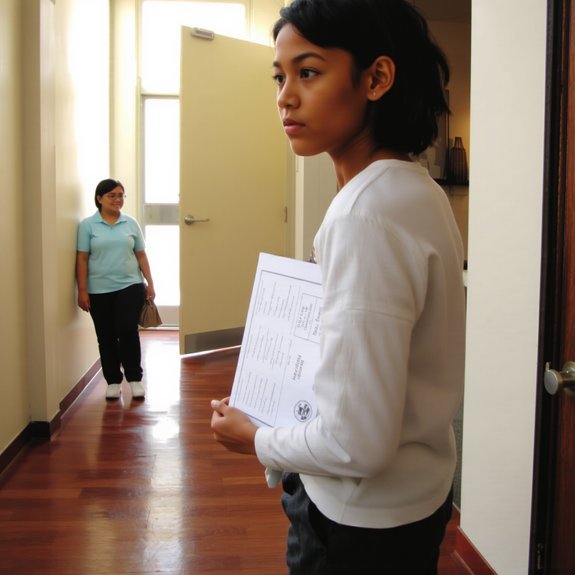
Because deadlines sneak up like surprise pop quizzes, you should ask for recommendation letters well before applications open — I’m talking weeks, not days. Plan backward from deadlines, mark calendar alerts, and imagine the ref’s inbox as a slow coffee maker: it takes time. Catch them after class or work when they’re not juggling a hundred tabs. Give a clear due date, materials list, and a brief reminder of your accomplishments — a tidy bullet list, no novel. Offer to meet or send a resume and transcript. Follow up gently two weeks later, then a firm nudge one week out. If someone says no, thank them and pivot quickly. I promise, prep like this feels nerdy now, but it saves you panic later, and that’s worth bragging about.
How to Ask — In Person, Email, or Virtual
Okay, so you’ve planned your timeline and prepped your packet — now let’s talk about how you actually ask. You’ll pick the method that fits the person — some love face-to-face, others prefer a calm email, and a few only answer during a quick video chat. Be polite, specific, and human. Say what you need, why it matters, and give a gentle out if they’re swamped.
Planned your timeline and packet — now ask kindly: choose the method, be specific, explain why it matters, offer an easy out.
- Ask in person when you can, smile, make eye contact, hand them a printed note.
- Email when you need a record, keep it short, friendly, subject line clear.
- Virtual call for busy folks, send a calendar invite with agenda.
- Text a quick check-in before asking formally.
- Follow up kindly, like a teammate reminding you about practice.
What Materials to Provide Recommenders
Think of your recommender like a chef you’re hiring to cook a signature dish — you don’t hand them an empty bowl and hope for magic. Give them a tidy packet: your resume, a short personal statement, the program list with deadlines, and one-paragraph reminders of classes or projects you did with them. Slip in concrete examples — a project title, grade, a quick quote you used in class — so they can taste the specifics. Attach submission instructions, preferred salutations, and any forms already filled with your name. Offer a draft bullet list of strengths, but don’t demand they copy it. Say thanks, and mention a dinner or coffee offer later; flattery plus carbs works. Keep it clean, clear, and easy to cook from.
How to Help Recommenders Tailor Letters to HBCU Values
You’ll want to nudge your recommenders to mention HBCU history, so they can paint your fit against a proud tradition, not just list achievements. Point out the ways you’ve shown community commitment—volunteering, mentoring, rallying classmates—and give them a quick example they can quote. I’ll admit I’m picky about wording, so offer a short bullet script, a line or two they can borrow, and maybe a funny anecdote to make the letter pop.
Center HBCU History
Because I want your recommenders to write letters that actually sing, not just filler, we start by centering HBCU history—those schools have a proud, specific beat and your letter should dance to it. I tell recommenders a quick, vivid primer: dates, founders, struggles, triumphs. You point to traditions, campus rhythms, and the legacy of leadership and joy. Ask them to connect your story to that legacy, briefly, lovingly.
- Name a historic figure or event the school honors.
- Mention institutional values like resilience and cultural pride.
- Tie one of your actions to a tradition or milestone.
- Use concrete images: chapel bells, homecoming parades, classroom debates.
- Keep it specific, under 150 words, emotionally clear.
Highlight Community Commitment
Community matters, and I want you to make it loud and tactile in your recommender’s letter—don’t let “community” be an abstract noun they toss in like wallpaper. Tell them to describe the smell of fresh paint after you helped revamp the youth center, the sound of laughter at your tutoring table, the way you stayed after practice to pick up trash, not as a checklist, but as scenes. Ask recommenders to name people you helped, quote a student you encouraged, note meetings you organized. Push them to link those scenes to HBCU values: leadership, mutual care, legacy. Give them bullets, dates, photos, a quick script. If they need a line, give a punchy one: “They showed up, always.”
Respectful Follow-Up and Deadline Reminders
If a deadline’s breathing down your neck, don’t panic — just pick up the phone or type a short note that sounds human, not robotic. I’ll say it plainly: be kind, be clear, and don’t ghost your recommenders. Send a gentle reminder with specifics — deadline, submission link, and any missing materials. Offer a quick thank-you, and a way to contact you if they hit a snag.
- Mention the exact deadline, time zone, and platform
- Ask if they need anything else, like a resume or draft
- Keep messages under three sentences when possible
- Use phone calls for urgent, same-day deadlines
- Always close with a sincere thank-you and warm sign-off
You’ll stay organized, calm, and memorable — and that feels good.
Handling Difficult Situations and Declined Requests
If someone says no, thank them warmly, shrug it off, and mean it — you’ll sleep better. Scan for backup recommenders right away, ping them with a short, specific ask, and offer to drop a draft in their inbox to save time. If a last-minute snag hits, stay calm, call your top choice, explain the timeline clearly, and treat it like a fast rescue mission — you’d be surprised how often people step in.
Responding Graciously to Declines
Wondering what to do when someone says no? I get it — your chest tightens, you rehearse a comeback, then breathe. Stay calm, be kind, and treat the moment like a small rainstorm: inconvenient, but manageable.
- Thank them sincerely, quick and specific, like you mean it.
- Ask if they’d prefer a brief reason, or politely accept silence.
- Offer a graceful exit line, “I appreciate your honesty,” then smile.
- Keep the door open, not propped: “If circumstances change, I’d be grateful.”
- Note the interaction, file it away, then move on with dignity.
Say nothing defensive, avoid guilt trips, and don’t burn bridges. You’ll learn, adapt, and keep your rhythm. I promise, this stings less than it feels.
Seeking Alternative Recommenders
Sometimes people won’t — and that’s okay; it’s just part of the game. You shrug, breathe out, and pivot. Scan your list: coaches, club advisors, lab techs, pastors, supervisors. Think of people who’ve seen you work, not just sit pretty. Knock on doors, send a crisp message, remind them what you did together — the late-night project, the messy fundraiser, the lab that smelled like burnt toast. Offer a one-page resume, bullet points, a friendly deadline, and a gift-card-sized thank-you plan. If someone hesitates, ask who else they’d trust to tell your story, and take that referral like gold. I’ll tell you: persistence with grace wins. You’ll collect voices that sound like you, and that’ll matter.
Handling Last-Minute Setbacks
When plans blow up at the last minute, you don’t freeze — you pivot, breathe, and get tactical, like a chef salvaging a burnt sauce with a squeeze of lemon and a prayer. I’ve been there, heart racing, inbox ominous. You call, you text, you offer a draft, you stay kind. If someone declines, don’t take it personally — they might be swamped, sick, or honest.
- Ask a counselor or coach for a quick note, they know your scores and sweat.
- Offer to draft the letter, then let them edit, so you both win.
- Use a recent supervisor from a job, concrete examples sell.
- Check application deadlines, request extensions if needed.
- Keep gratitude ready, a genuine thank-you and a follow-up update.
Keeping Recommenders Updated After Submission
After you hit “submit” and breathe that tiny, glorious sigh, don’t ghost your recommenders — they’ve just done you a solid and deserve a little follow-up. I shoot a quick thank-you email right away, imagine the sender’s name popping up like confetti, and keep it short, warm, specific. Say which school and program you applied to, note any deadlines met, and mention one detail they wrote about — that line about your lab grit or debate fire? Quote it. A week later I send a brief update if decisions roll in, even a one-liner works: “Got an interview!” or “Waitlisted, still hopeful.” I include a thank-you gif sometimes, because I’m human and slightly ridiculous. Close with gratitude, offer to keep them posted, and mean it.
Building Long-Term Relationships With Recommenders
You’ve thanked them, kept them in the loop, maybe even sent that ridiculous GIF — now let’s flip the script and treat these people like actual allies, not just one-off signature givers. I’m talking long game: keep contact warm, not clingy. Drop notes about wins, invite them to campus talks, grab coffee when schedules align. Show you remember their research, compliment their lecture, bring a homemade cookie if you’re feeling brave.
- Send occasional updates, brief and specific, so they feel useful.
- Ask about their work, listen more than you speak.
- Offer to help catalog references or prep materials.
- Invite them to events, celebrate milestones together.
- Keep thanksgiving habits: emails, photos, that silly GIF.
This builds trust, respect, and real mentorship.
Conclusion
You’ve got this—ask early, bring a tidy packet, and speak plainly. Picture a warm kitchen table, coffee steam curling, you handing a recommender your resume like a tiny, hopeful flag. Say thanks, send reminders that feel like friendly taps, and keep them posted when you’re accepted. If someone says no, shrug and find another ally. I’ll keep nudging you—metaphorically, gently—and you’ll walk into that HBCU future with carrying hands behind you.
Leave a Reply