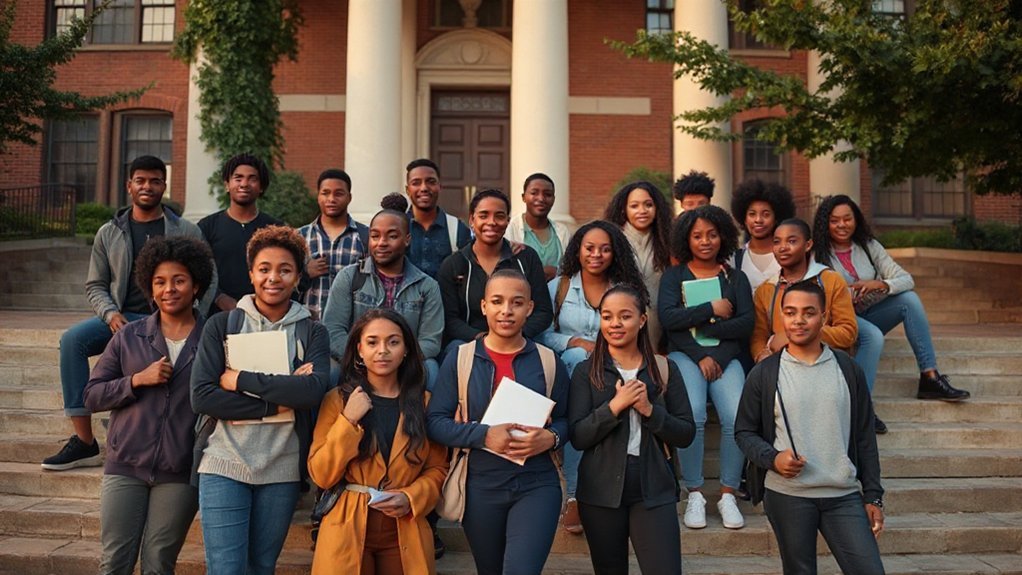
You’ve got options—more than you think—if you’re aiming for an HBCU scholarship. I’ll walk you through merit awards, need grants, corporate funds, and those niche stipends for grad students and parents, with concrete tips you can use tonight, no crusade required. Picture application packets, deadlines glowing like traffic lights, and a quick strategy that actually works. Stick around—there’s one move most applicants miss.
Key Takeaways
- National and corporate scholarships (e.g., UNCF, Thurgood Marshall College Fund) offer targeted tuition support and internships for HBCU students.
- Institutional merit and need-based awards at HBCUs include tuition breaks, departmental grants, and talent or leadership stipends.
- Private foundation scholarships fund specific majors, research, or community leadership, often with mentorship and networking components.
- Graduate- and professional-focused fellowships provide research grants, TA stipends, and support for law, medical, and business students.
- Maximize chances by matching eligibility, polishing essays with specific anecdotes, securing strong recommenders, and tracking deadlines.
Types of Scholarships Available to HBCU Students

If you’re picturing scholarships as a single golden ticket, think again — there’s a whole buffet waiting for you, and yes, I sampled it so you don’t have to. You’ll spot merit awards that wink at your grades, need-based grants that listen when your bank account sighs, and community scholarships that reward the time you spend elbow-deep in service. There are private foundations handing out niche cash for music, STEM, or activism, plus national programs targeting first-gen students and Black scholars. Some have essays that make you sweat; others ask for a photo and a smile. You can stack certain awards, or spend afternoons toggling forms. I’ll be honest — it feels like coupon-clipping for college, but with better coffee.
Institutional Scholarships From HBCUS
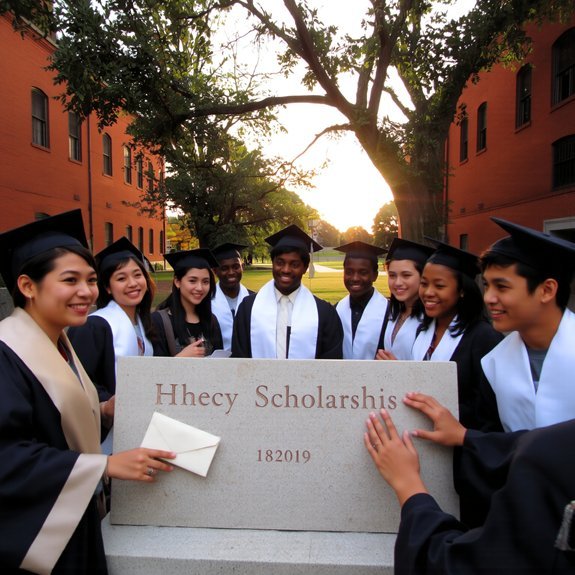
When you walk onto an HBCU campus, you’ll notice the banners, hear the brass in the band, and probably smell someone’s famous barbecue — and somewhere in that hum is money your school has already set aside for you. I’m talking institutional scholarships — tuition breaks, merit awards, need-based grants, even program-specific stipends. You apply, they review your file, and sometimes they just hand you a package because they want you on that quad. Ask admissions, check department pages, and don’t skip the financial aid office — they’re human, helpful, and a little dramatic. Treat it like matchmaking: you and the scholarship, swiping right. Be thorough, be polite, follow up.
Walk an HBCU quad and you’ll find banners, brass, barbecue — and institutional scholarships waiting if you ask, apply, and follow up.
- Merit and academic awards
- Departmental and major-specific grants
- Talent, leadership, and diversity stipends
Corporate and Foundation Scholarships Targeting HBCU Students
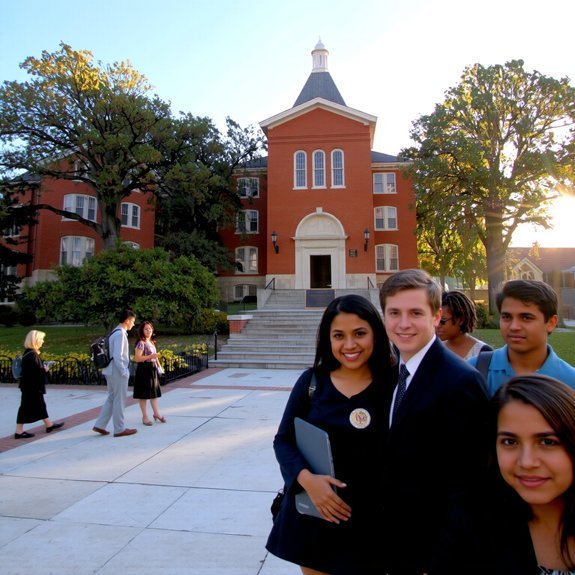
You’ll spot big-name companies and steady foundations showing up on HBCU campuses, handing out scholarships, internships, and messy-but-valuable networking events that smell faintly of coffee and ambition. I’ll point to major corporate partners who fund programs and to foundation grant programs that underwrite everything from research stipends to cap-and-gown costs, so you know where the money’s coming from. Stay sharp, ask for details, and don’t be shy about calling them out—funders love a confident student who knows what they want.
Major Corporate Partners
Three big-name partners—think tech giants, banks, and media companies—are showing up with checks, programs, and internships that actually change lives, and I’ll walk you through how they do it. You’ll see targeted scholarships, paid internships, and mentoring that land you in real roles, not just résumé fluff. I point out who pays attention to HBCU talent, where you apply, and what to say in interviews, with a wink because I’ve stumbled through this too.
- Direct scholarship pools that fund tuition and summer research, so you breathe easier.
- Corporate internship funnels that hire from HBCUs, offering pay and project ownership.
- Mentorship networks pairing you with executives, feedback that sharpens your career.
Foundation Grant Programs
If you’ve ever scanned a scholarship list and sighed, thinking “yeah right,” stick with me—foundations and corporate grant programs actually pull through more than charity platitudes; they write checks, fund research, and bankroll study-abroad laps around your budget worries. I’ll show you how to sniff out grants aimed at HBCU students, spot application gold, and avoid forms that eat your weekend. Picture crisp emails arriving, deadlines highlighted in neon, recommendation letters that actually say something. You’ll apply, submit, and hear back with a real “congrats.” Foundations like Ford, Kellogg, and local community trusts target HBCUs, offer summer research stipends, and fund campus projects. I’ll be blunt, cheer you on, and keep the paperwork mercifully short.
Scholarships for Graduate and Professional HBCU Students
You’re moving up the ladder now, so let’s talk grad-level cash that’s built just for you — fellowships that fund research, tuition, and those late-night study snacks. I’ll point out specific graduate-only grants, plus professional degree fellowships for law, medicine, and business, with concrete steps to apply and quick tips you can use tonight. Stick with me, I’ll keep it sharp, slightly cheeky, and useful — no fluff, just the money moves.
Graduate-Specific Funding Options
Because grad school costs sneak up on you like a pop quiz, I’m going to walk you through the scholarships that actually make a dent in tuition, books, and late-night coffee runs. You’ll get targeted awards for research, teaching, and campus leadership, plus department funds that don’t require you to sell your soul. I’ll point you to alumni grants, association monies, and HBCU-specific endowments that reward grit, not just grades.
- Research and thesis grants: small, quick, and perfect for lab fees or fieldwork.
- Teaching assistant stipends: steady pay, tuition remission, and face-time with mentors.
- Diversity and leadership scholarships: flexible cash for conferences, books, or rent.
Use office hours, email politely, apply early, and brag—modestly—about your wins.
Professional Degree Fellowships
When you’re eyeing a J.D., M.D., Pharm.D., or MBA at an HBCU, professional degree fellowships step in like a hired therapist for your bank account — calm, practical, and slightly miraculous. You’ll find stipends that cover tuition, stipends that pay living costs, and mentorship that actually answers emails. Picture late-night study sessions fueled by coffee and a fellowship check clearing the rent. Apply early, polish your statement, and interview like you mean it. I’ll say it straight: these awards expect grit, service, and a plan, not a miracle. They pair you with faculty, give networking doors, and sometimes fund summer internships. You get less financial dread, more focus on your craft, and real runway to launch the career you’ve wanted.
STEM and Research Funding Opportunities at HBCUs
If you’ve ever wandered into a campus lab and felt that electric buzz — the whir of centrifuges, the sharp scent of solder, students trading theories like trading cards — then you’ll get why STEM funding at HBCUs matters so much. You’ll find grants that pay tuition, fund summer research, and buy gear you’d normally only dream about. You’ll work with mentors who push, correct, and cheer. You’ll present at conferences, sometimes nervously, often triumphantly. You’ll learn to write proposals, not just lab reports. Funding opens doors, and you walk through them.
Walk into an HBCU lab and feel the buzz — funding turns curiosity into hands-on research, mentorship, and opportunity.
- Undergraduate research stipends that let you stay on campus over breaks
- Faculty-led grants that include paid positions and equipment access
- NSF and private fellowships guiding grad-school changes
Leadership, Service, and Community-Based Scholarships
While you’re leading a neighborhood clean-up, organizing a voter-registration drive, or coaching a shaky middle-school robotics team, scholarships are watching — and sometimes cheering — from the sidelines. You get mud on your shoes, calloused hands, and that warm buzz when someone says “thank you,” and yes, foundations notice. They want leaders who act, not just talk. Apply with crisp stories: the night you calmed panicked volunteers, the spreadsheet you made to track turnout, the prototype that finally rolled. Highlight measurable impact, community ties, and sustained commitment. Expect interviews that feel like friendly grilling, essays that beg for one vivid scene, recommendation letters that name specifics. These awards reward grit, curiosity, and the messy, beautiful work of leading others.
Scholarships for Transfer and Nontraditional HBCU Students
You’ve been applauded for leading the neighborhood clean-up, now let’s talk about scholarships that meet you where you actually are — mid-degree, mid-career, juggling a job and a kid, or switching schools because life had other plans. I see you, coffee cooling, syllabi peeking from a tote, wondering if money will follow your detour. There are funds for transfers, for evening students, for parents returning to class, for military vets sliding into campus life. They respect resumes with gaps, not just straight lines.
- Community college to HBCU bridge awards that cheer when you walk in.
- Employer tuition support plus HBCU matching grants, yes please.
- Childcare stipends and flexible disbursements that fit your schedule.
Application Strategies and Eligibility Tips for HBCU Scholarships
Because scholarship apps are a job you can learn to do well, I’m going to walk you through the parts that actually matter—no fog, just tools. You’ll learn to scan eligibility like a detective: deadlines, residency, major, GPA, and enrollment status. Read criteria aloud, underline words, and match them to your resume—yes, loudly, like a weirdo who wins money. Polish essays with specific scenes: the smell of campus coffee, a professor’s joke, the click of your laptop at 2 a.m. Get recommenders who know anecdotes, not generic praise. Save screenshots of requirements, and calendar reminders like a hawk. When in doubt, email the funder with a clear question; they’ll respect clarity. Small rituals—proofread twice, send thank-you notes—improve odds.
Resources and Organizations That Support HBCU Scholarship Access
If you want scholarships without the scavenger-hunt stress, start by leaning on the people and places that actually make them happen—I’m talking community groups, HBCU foundations, corporate diversity programs, and alum networks that keep a stack of applications like treasured vinyl. I’ve poked through stacks, called contacts, and smelled coffee at late-night info sessions so you don’t have to. You’ll tap foundation portals, text alumni mentors, and RSVP to recruiter mixers. These groups hand you deadlines, essay prompts, and sometimes rides to campus interviews. Use them. Be bold, ask for sample essays, and swap notes. I’ll cheer you on, quietly judge typos, and celebrate when you win.
- HBCU foundations: grants, workshops, archived essays
- Corporate diversity programs: paid internships, scholarships
- Local community groups: application help, mentoring
Conclusion
You’ll find scholarships everywhere, sometimes where you least expect them — a dean’s email, a company booth, your grandma’s church bulletin — and I know, because I once missed a deadline while sniffing cafeteria fries. Keep your eyes sharp, click submit, and ask for help when forms smell like ancient glue. Coincidence? Maybe. Or proof that persistence, luck, and a well-crafted essay walk into the same room—usually hungry, always ready.
Leave a Reply