
You’re not starting with a blank slate, you’ve got habits, tastes, and a cozy pile of excuses—so let’s pick goals that actually fit your life. I’ll help you choose one to three values-driven priorities, chop them into ten-minute moves, set small milestones you can see, and plan for the potholes—plus celebrate tiny wins so you don’t bail at week two. Stick with me and you’ll have a plan that feels doable, not punitive, and a sweet little victory to chase first.
Key Takeaways
- Choose one to three goals that reflect your core values and excite you, not what others expect.
- Define clear, measurable outcomes and deadlines so success is objectively trackable.
- Break each goal into tiny, prioritized tasks you can do in ten minutes or less.
- Anticipate obstacles, create backup actions, and plan quick recovery steps after setbacks.
- Track progress daily or weekly with simple logs and celebrate small wins to sustain motivation.
Choose Goals That Reflect Your Values

Pick one, or three—whatever feels honest. I’ll say this plainly: you’re picking goals that should sit right in your chest, not in someone else’s calendar. Do a quick personal reflection, sit by a window, smell coffee, jot what matters—kindness, curiosity, sleep. Test each idea for value alignment: does it match your day-to-day choices, your awkward jokes, the way you spend Saturday mornings? If not, toss it. Pick specific actions: call once a week, walk twenty minutes, read one chapter. Say them out loud, feel them in your mouth, imagine the small wins. I’ll admit I sometimes aim too high; you’ll laugh, adjust, and keep the ones that actually fit your life. Simple, honest, steady.
Focus on a Few Priorities, Not Everything at Once
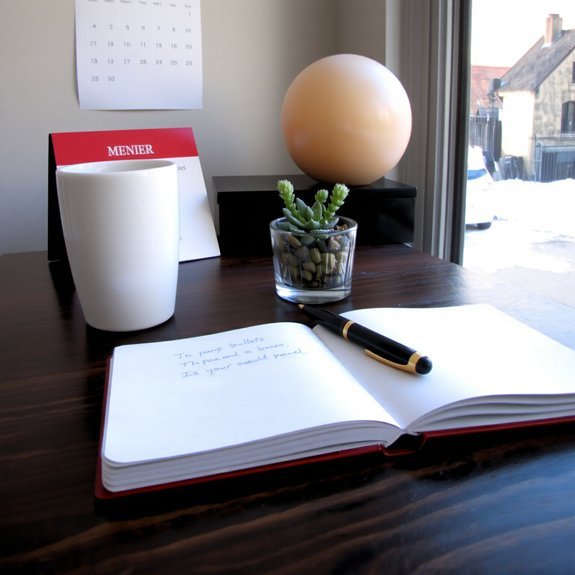
Pick one to three resolutions you actually care about, not a laundry list that makes you sneeze just looking at it. I’ll help you break each into measurable milestones—small wins you can touch, track, and high-five when they happen. Then we’ll schedule regular check-ins, a quick calendar ping and a sit-down with your coffee, so you can course-correct before enthusiasm goes extinct.
Pick One to Three
One to three goals—no more, no less—are all you need to start the year without collapsing into overwhelm. I want you to pick the sharpest resolution types, the ones that buzz when you think of them, and forget the rest. I’ll show goal examples that feel possible, not heroic. You’ll touch them daily, like tasting coffee—small, precise sips.
- Choose one health goal, say morning walks, and schedule them.
- Pick one skill, like 20-minute guitar practice, and keep a log.
- Select a money habit, maybe automate savings, watch it grow.
- Reserve one social aim, call a friend weekly, notice the warmth.
You’ll focus, you’ll breathe, you’ll actually finish something.
Set Measurable Milestones
Good—you’ve narrowed your list to a handful of buzzy goals that actually feel doable; now let’s give them a map. You pick the priority, I cheer wildly, we get specific. Break each goal into bite-sized milestones, name measurable outcomes like “lose 8 pounds” or “read 12 books,” and set dates that make sense. Picture stickers on a calendar, the satisfying tug of a checked box. Use simple tools for progress tracking—a notebook, app, or sticky notes on the fridge—whatever you’ll actually use at 6 p.m., tired. Celebrate small wins, adjust if a milestone feels ridiculous, and be honest when you slip up. You’ll build momentum, not guilt. I promise, it’s more rewarding than whining about vague ambitions.
Schedule Regular Check-Ins
Think of this like date night with your goals — regular, predictable, and slightly romantic in its commitment. I tell you, set a clear check in frequency, weekly or biweekly, so momentum smells like fresh coffee, not panic. Pick a quiet corner, calendar visible, phone off. Bring concrete wins, failures, and next steps. Loop in accountability partners, a friend or coach, someone who asks the blunt questions.
- Choose frequency: weekly for fast habits, monthly for big projects.
- Keep it short: 20–30 minutes, focused on progress, not excuses.
- Bring specifics: numbers, receipts, photos — sensory evidence.
- Debrief and reset: decide one micro-action, set a deadline, celebrate small wins.
You’ll laugh, adjust, and keep moving.
Make Goals Specific and Measurable
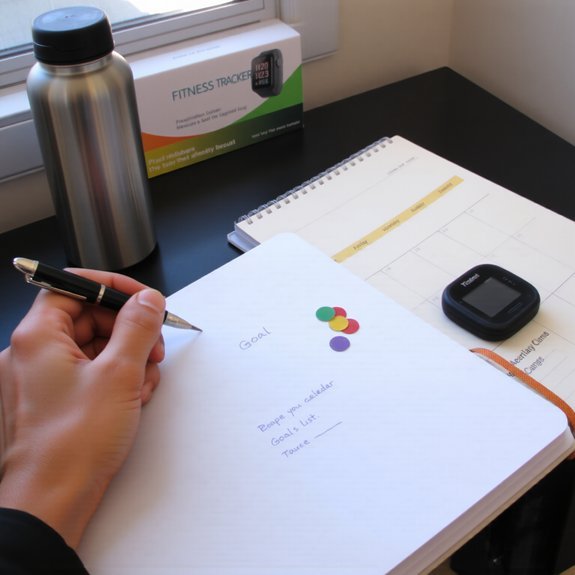
You’ll want to name what success looks like, not just hope it happens — “lose weight” is fuzzy, “lose 10 pounds in three months” tells you when to celebrate. Mark progress with measurable checkpoints you can actually see and feel, like weighing in every two weeks, logging workouts, or counting servings of veggies. I’ll hold you to it, gently, with reminders, tiny rewards, and the occasional sarcastic cheer.
Define Clear Success Criteria
If you want that New Year’s promise to actually stick, don’t mumble a wish—define success like a tiny referee with a clipboard. I want you to name success indicators, set goal benchmarks, and picture the win so clearly you can almost hear the confetti. Be concrete, not vague. Say, “I’ll hit X,” not “I’ll do better.” Measure outcomes you can see, touch, or count. Commit to one clear finish line, then describe it.
- List the exact outcome, with numbers or visible proof.
- State the deadline, calendar date, and final scene.
- Note what counts as partial wins, and what’s a fail.
- Keep the rules simple, review them weekly, adjust if needed.
You’ll thank yourself later, trust me.
Set Measurable Progress Markers
A few clear checkpoints will save your goal from becoming a dusty promise in drawer three of life—trust me, I’ve checked. You’ll pick tiny, measurable outcomes, like “run 3 miles twice a week” instead of “run more.” I’ll nudge you to name the numbers, deadlines, and evidence you’ll show yourself, a sweaty shoe, a calendar sticker, a spreadsheet row. That’s progress tracking, plain and useful. Set weekly mini-goals, log them, review every Sunday, celebrate with a treat that doesn’t undo progress. If a marker’s too hard, shrink it; too easy, stretch it. I promise bluntness: you won’t guess your way to change. Do the small checks, watch momentum build, and feel the satisfying click of real progress.
Break Each Goal Into Small, Actionable Steps
While big goals feel thrilling, they also choke on vagueness—so I break them down into tiny, chewable bites you can actually swallow without gagging. You’ll laugh, then act. Start with a clear goal breakdown, naming the outcome, then slice it into actionable steps you can do in ten minutes. Picture sticky notes, a pen that squeaks when you press too hard, and a timer clicking like a tiny coach.
Big goals choke on vagueness—break them into ten-minute bites, sticky notes, squeaky pen, tiny-timer momentum.
- Define the exact win you want, write it down, smell the paper.
- Split that win into daily micro-tasks, each under 15 minutes.
- Order tasks by effort, tackle the smallest first, build momentum.
- Track one completed step, celebrate with a dramatic fist pump.
Build Routines and Cues to Support New Habits
Because habits don’t just happen, I build tiny rituals that nudge me like a polite but persistent roommate. You’ll do the same: link a new habit to something you already do, that’s habit stacking, and it’ll feel oddly inevitable. Put your running shoes by the door, brew one coffee right when you wake, leave a sticky note on the bathroom mirror. Use environmental cues—sight, smell, touch—to trigger action, not guilt. Start tiny, celebrate instantly, then add five extra seconds. I whisper, “You’ve got this,” to my toothbrush and mean it. Set a simple sequence: cue, action, reward. Repeat until it’s automatic. It’s boring, steady work, like folding laundry, but way more satisfying.
Plan for Obstacles and Setbacks
You’ll hit a snag — and sooner than you think — so let’s plan like a tiny, cheerful army would. I picture you, coffee cup in hand, spotting the first obstacle identification on the path — a late meeting, a cold, a snack attack — and you sigh, then smirk, then act. You’ll name the snag, breathe, and pick a simple counter.
You’ll hit a snag — smile, name it, breathe, and pick a tiny, cheerful counter to keep moving.
- Anticipate: list likely obstacles, sensory triggers, times of day, people involved.
- Reduce friction: lay out clothes, prep snacks, set buffer time, make the default easy.
- Backup plans: three tiny alternatives you can do in five minutes.
- Recovery script: a quick pep line and a next-step you can actually do.
These setback strategies keep you moving, not stalled, with dignity intact.
Track Progress and Celebrate Milestones
Now that you’ve sketched the path, track it like a friendly detective: eyes on the breadcrumbs, coffee mug next to your notebook, pen tapping when you spot progress. I want you to log tiny wins, snap a photo, jot a sentence, or tick a box. Progress tracking isn’t glamorous, but it’s proof. Set weekly check-ins, calendar alerts, and a simple chart you’ll actually update. Reward yourself, not with guilt, but with small milestone celebrations — a favorite snack, a movie night, a new pair of socks that make you feel heroic. Say aloud, “I did that.” Celebrate, then reset the aim. Keep it sensory, honest, and slightly ridiculous; you’ll laugh, and you’ll keep going.
Conclusion
You’ll nail this, I promise — maybe not on day one, but like, probably by day seven if you’re honest. Pick what matters, chop it into tiny ten-minute wins, and set a little alarm that smells like progress (figuratively). I’ll check in with a calendar cue, you’ll do the short task, we’ll high-five over coffee. Adjust when life sneaks up, celebrate the tiny victories, and keep the goals real — you’ve got this, seriously.
Leave a Reply