
You’re about to get a straight-up tour of HBCUs, and I’ll be your frank, slightly sarcastic guide—think campus walks, fried-plantain smells, marching band beats, and stories your history class skipped. I’ll show you why these schools matter, how they build leaders, and which ones excel at what, but I won’t sugarcoat funding gaps or tough choices. Stick around—there’s a tradition, a secret handshake, and a scholarship tip you’ll want.
Key Takeaways
- Overview of HBCU history, mission, and cultural significance, highlighting origins and milestones.
- Top academic strengths and signature programs, including mentoring, nursing, engineering, and social justice.
- Campus life, traditions, Greek life, homecoming, and student experiences that build identity and community.
- Practical application and financial-aid guidance: tailored essays, recommenders, FAFSA, scholarships, and negotiating packages.
- Current challenges and future directions: funding gaps, infrastructure needs, alumni partnerships, and innovation strategies.
Origins and Historical Milestones of HBCUs
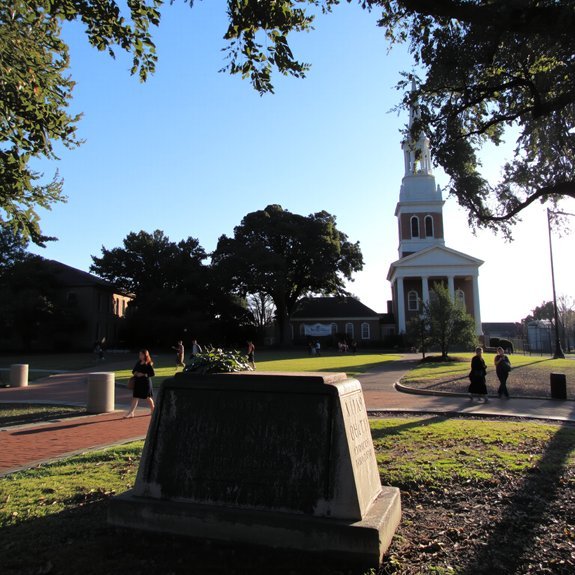
Even though the country wasn’t built for them, HBCUs sprang up anyway, stubborn and brilliant; I like to picture founders sweeping out a single classroom and declaring, “We’ll teach anyone who shows up,” and then teaching until midnight by candlelight. You step into that story, feel rough wooden floors underfoot, smell wax and chalk, hear determined voices. From antebellum risks to Reconstruction triumphs, schools opened, survived, and pushed for more; you watch graduates march into professions, some scuffling, others triumphant. You’ll meet leaders who argued, lobbied, and sometimes got arrested for education itself — dramatic, yes, and also human. Milestones stack: first charter, first degree, legal wins, expanded campuses. You nod, you grin, you learn why persistence matters.
Mission, Values, and Cultural Significance

You’re standing on a campus that smells like fried chicken and old books, and I’ll bet you can feel the history humming under your feet. These schools were built to teach you, to lift whole communities, and to keep Black culture alive, loud, and proud — that mission still shapes classrooms, homecomings, and late-night talk on the quad. So let’s look at how that purpose and cultural heartbeat keep traditions breathing, students grounded, and futures bright.
Historical Mission Focus
When I walk onto an HBCU campus, the air feels different—thick with history, warm like cocoa, and humming with voices that insist you belong; that’s not nostalgia talking, it’s mission. You see buildings named for pioneers, plaques that whisper backstories, and folks who nod as if to say, “We got you.” The historical mission centers education, leadership, and uplift, aimed at correcting exclusion and opening doors you didn’t know were stuck. You’ll find classes that teach resistance alongside math, chapel songs that steady nervous hands before exams, and recruiters who promise chance, not charity. The campus moves with purpose, rooted in struggle, sharpened by hope. I joke that the library smells like ambition; you’ll understand when you pull a book, and feel it.
Cultural Identity Preservation
If you step onto an HBCU quad and listen close, you’ll hear heritage doing its everyday work—books clatter, sneakers skitter, a choir warms up in the distance—and that sound is the college’s soul spelling itself out. You feel that mission in your bones, it anchors classes, plays, meals, and protests. You’ll join rituals that feed identity: homecoming parades, storytelling nights, jazz in the courtyard. Faculty hand down values, elders nod with quiet approval, students riff on tradition and remix it. You learn history not as museum dust, but as instructions for living. You’ll leave fluent in cultural codes, carrying responsibility and joy. It’s both shelter and launchpad, a place that says, emphatically, we belong and we make the future.
Academic Strengths and Signature Programs
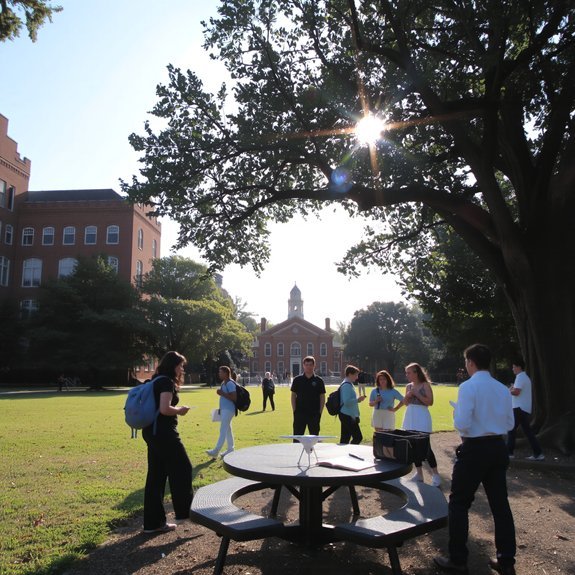
Think of walking into a lab where the air hums with ideas—HBCUs do that, and they do it with swagger. You find programs built to lift talent, STEM pipelines that actually mentor you, and business schools that teach hustle with ethics. You’ll touch microscopes, sketch designs, pitch startups, and argue policy, all in rooms where faculty know your name. Signature majors—nursing, engineering, social justice studies, performing arts—come with deep ties to industry and community. Research gets real, internships start early, and alumni open doors, sometimes with a wink. You’ll get hands-on practice, tight advising, and professors who push you, gently and not-so-gently. It’s rigorous, personal, and practical—education that readies you, sharpens you, and keeps you aiming higher.
Campus Life and Student Traditions
You walk onto campus and the air hits you—brass bands, shouted chants, the smell of grilled food from tailgate tents—and you know you’re in the middle of something alive. I’ll point out the big draws: Homecoming and step shows that rattle your ribs, Greek lineages that teach you history through synchronized swagger, and campus traditions that stick like gum under a bench. Stick around, I’ll show you how students make rituals into identity, prank into pride, and parties into pilgrimage.
Homecoming and Step Shows
When I step onto an HBCU quad during Homecoming, my ears start a small riot—brass blares, drums roll like distant thunder, and everybody’s stomping in time, so you either join in or look painfully out of sync; I always join. You’ll weave through alumni in bright jackets, students draped in school colors, and vendors selling sweet, greasy goodness that smells like nostalgia. Step shows hit next: barefoot precision, thunderous stomps, sharp hand claps, and chants that slice the air. You’ll feel the floor vibrate, your chest answering. Judges lean forward, crowd roars, someone cracks a joke you laugh at late. You clap, you chant, you learn secret moves, and by midnight you’re exhausted, sticky, and strangely proud—already planning next year.
Greek Life and Lineage
If you haven’t stood under a sorority’s canopy on Bid Day and felt the air change—sweet perfume, nervous laughter, and the soft rustle of satin sashes—you haven’t really smelled legacy yet, and I’ll admit I got swept up faster than I planned. You’ll watch pledges rehearse chants, you’ll learn secret handshakes that feel ridiculous until they don’t, and you’ll see elders press pins into new jackets, eyes glossy with memory. You’ll join lineages that map out who taught whom, names stitched into history. You’ll balance meetings, service, and late-night study sessions, and yes, you’ll borrow a sash and inevitably spill coffee on it. It’s ritual, camaraderie, and a loud, proud family that keeps you grounded.
Campus Culture and Traditions
After the sorority canopy settles and the satin sash finally dries, campus life grabs you by the lapel and won’t let go. You’ll stroll past drumlines, feel bass thrum through your chest, smell fried fish and sweet tea as you follow the crowd. I’ve tripped into homecoming parades, laughed trying to mimic steps, and learned chants before sunrise. You’ll learn secret handshakes, wear school colors like armor, and argue passionately about lunch specials. Late-night study groups turn into storytelling circles, voices low, candles flickering (or fluorescent lights buzzing—romance optional). Tradition isn’t static, it’s lived—pep rallies, step shows, bell chimes, elderly professors who remember your grandparents. You’ll belong, you’ll test boundaries, and you’ll leave with rituals tucked into your pockets, comfort and courage blended.
Notable HBCUs and Their Legacies
Think of these campuses as living museums you can walk through, not the dusty kind but the ones where statues nod and brick steps still remember marching feet. You’ll visit Howard’s buzzing quad, hear professors riff, smell coffee and old books, feel history underfoot. Spelman’s gardens teach patience, alumnae stories bloom like magnolias. At Morehouse you’ll catch speeches that land in your chest, cadence and conviction. Tuskegee’s labs whisper innovation, the runway and workshop still hum. Fisk’s archives sing with poetry, notes hanging in the air. Negro colleges became laboratories of leadership, art, science, protest. You’ll touch plaques, sit in chapels, laugh with students. I’ll point out markers, trade a joke, and leave you wanting to walk every campus, now.
Admissions Strategies and Application Tips
While you’re packing pens and pride, I’ll tell you how to make HBCU applications feel less like chore work and more like matchmaking; I’ve read enough essays to know what sings and what snores. Start by visiting campuses, breathe in brick and brass, listen to choir echoes, and jot down moments that stick. Tailor each essay to a school’s vibe, name faculty or programs, show curiosity, not clichés. Ask teachers for recommenders who know your grit, give them bullet points, and a polite deadline nudge. Practice interviews aloud, smile—voice cracks are human, humor lands. Proofread slowly, read essays backward, catch typos. Submit early, keep copies, and follow up with gratitude notes. You’ll apply like someone who belongs, because you do.
Financial Aid, Scholarships, and Affordability
You’ve packed your essays, handed teachers bullet-pointed brag sheets, and probably perfected a grin for interviews — now let’s talk money, because great fit doesn’t pay tuition. I’ll walk you through FAFSA, state aid, and campus forms like a GPS that actually knows where you’re going. Hunt HBCU scholarships early — departmental grants, alumni awards, and those quirky essay contests that pay for a semester worth of ramen. Negotiate packages, call financial aid offices, and bring receipts, questions, and a friendly stubbornness. Work-study gives you cash and resume material; internships prep you for life and sometimes a signing bonus. Don’t forget emergency funds and payment plans. With strategy, persistence, and a little charm, you’ll afford the experience you deserve.
Current Challenges and Future Directions
Because HBCUs have been doing heavy lifting for generations, we can’t pretend everything’s fine just because the campus quad looks picture-perfect at homecoming. You feel the pride, you smell the burgers on the grill, but you also see aging labs, tight budgets, and faculty stretched thin. I’ll call it like I see it: resilience meets the hard work of repair.
- Tuition pressure — students hustle, families sacrifice, dreams hang in the balance.
- Infrastructure gaps — leaky roofs, outdated tech, classrooms that creak when ideas fly.
- Funding inequality — donations help, but systemic underfunding bites deep.
- Future pathways — innovate programs, alumni networks, public-private partnerships — we push, we insist, we build.
Conclusion
You’ll leave these pages knowing history and hope, side by side—dusty archives next to loud homecoming bands. I’ve walked quads where struggle smells like sweat and triumph tastes like sweet tea, and I’m telling you: HBCUs are both classroom and cathedral. You’ll find mentors who push, traditions that hug, programs that launch. So pack curiosity and grit, enroll your heart, and expect to be challenged, comforted, and changed—often at the same time.
Leave a Reply