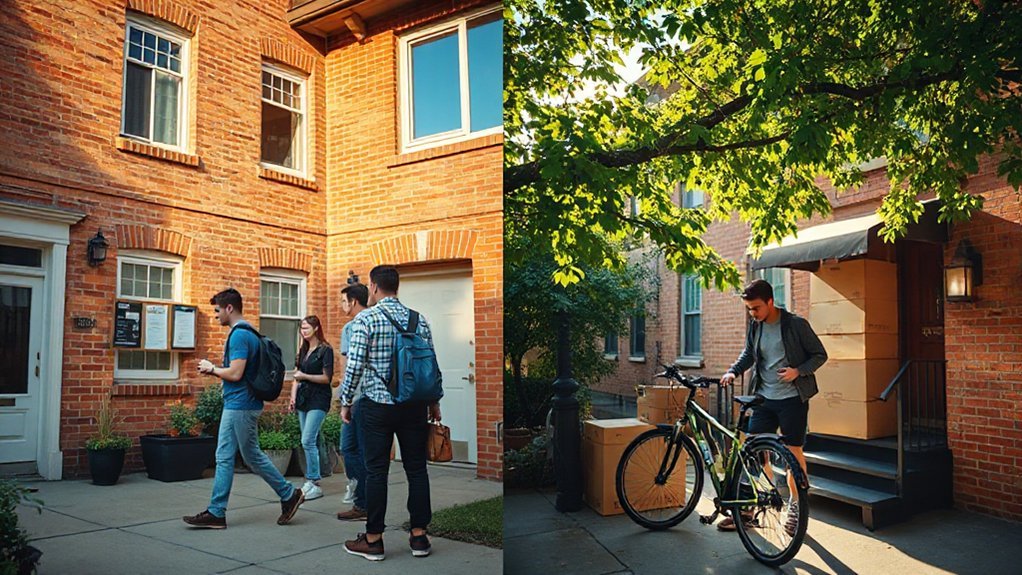
You’ll smell fresh paint the first day you walk into a dorm room, and that little thrill tells you something important about choosing where you’ll live. I’ll be blunt: living on campus hands you convenience, roommates, late-night pizza runs, and Hall Council drama; off-campus gives you space, quieter study nights, and bills that bite. I’ll walk you through costs, safety, social life, and the trade-offs, so you can pick what actually fits—not what sounds cool.
Key Takeaways
- Compare total monthly costs: rent, utilities, meal plans, deposits, and furnishings to ensure it fits your budget.
- Evaluate safety and accessibility: campus security presence, lighting, transit options, and commute time to classes.
- Consider social needs: dorms offer built-in community and activities; off-campus requires more effort to build networks.
- Assess academic support: on-campus housing facilitates study groups and campus resources; off-campus needs proactive planning.
- Visit both options at different times, meet potential roommates, and list pros/cons to make an informed decision.
Why Housing Choice Matters at an HBCU
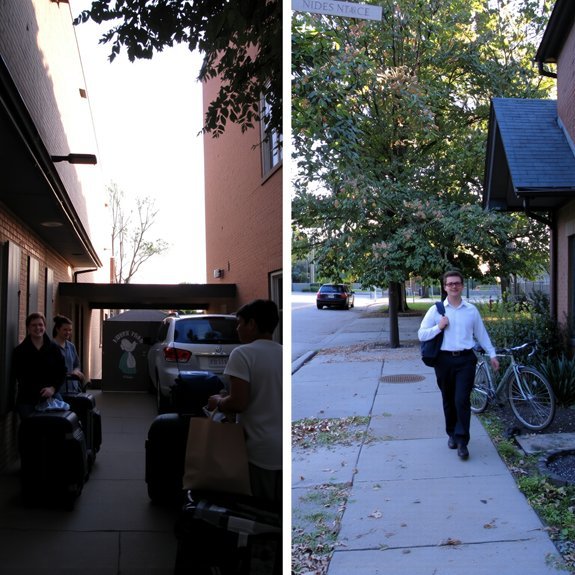
Because where you sleep shapes how you show up, your dorm choice at an HBCU matters more than you think. You’ll wake to hallway laughter, old vinyl drifting through vents, or to streetlight hum if you choose off-campus life. I’ll say it straight: your room sets your rhythm. Pick a buzzing dorm and you’ll join impromptu study groups, step into midnight conversations, smell someone’s coffee at 7 a.m., and learn names fast. Go apartment-route and you’ll savor quiet, negotiate chore charts, and master the art of cooking for one—burnt toast included. You’re choosing community or calm, ritual or solitude. So listen to your daily self—are you craving drumline energy or slow Sunday mornings? Trust that gut. It knows your semester.
Comparing Costs: Room, Board, and Hidden Expenses
If you want to sleep comfortably and still eat, you’ve got to do the math, plain and simple. I’ll walk you through numbers so you don’t wake up hungry and broke. You’ll compare tuition-adjacent housing rates, meal plan tiers, and the little charges that pile up like laundry quarters.
- Rent vs. dorm fee — dorms bundle utilities and internet, off-campus means bills, pipes, and that one angry landlord text.
- Meal plan levels — eat-in convenience, but you’ll miss midnight ramen autonomy and savings when you cook.
- Transport and parking — campus walks save cash, off-campus costs gas, rideshares, and time.
- Hidden extras — deposits, furnishing, laundry, and surprise repairs, they nibble your budget, quietly.
Campus Culture and Community: Social Life and Support

When you step onto an HBCU quad, you don’t just notice the banners and the brick; you feel the bass from a practice run, smell frying chicken at a tailgate, and hear a dozen voices calling your name before you even get your campus map out—so yeah, community hits fast. You’ll find study groups that turn into impromptu jam sessions, professors who know your nickname, and clubs that drag you into things you didn’t know you loved. Living on campus plugs you into midnight talks, quick meals with friends, and support networks that text when you skip class. Off campus, you get quieter mornings, BBQs you host, and neighbors who become family. Either way, you won’t be invisible—just choose the scene that fits your vibe.
Safety, Security, and Accessibility Considerations
You’re picking a room, not a haunted maze, so check how visible campus police are and whether they patrol where you walk at night. Look for bright lights, clear sidewalks, and covered crosswalks, picture your phone flashlight actually helping instead of freaking out, and ask whether buses or shuttles stop near your building. I’ll be blunt—you want routes that feel safe and accessible, for everyone, every trip, so scope them out and trust your gut.
Campus Police Presence
Because campus police are part of the soundtrack here, you’ll want to listen closely—sirens aren’t the only signal that matters. I’ll tell you straight: patrols, presence, and how officers show up affect your sleep, your late-night pizza runs, and whether you feel safe texting Mom at 2 a.m. I watch routes, note community meetings, and chat with officers—yes, I talk to strangers so you don’t have to.
- Visible patrols: regular, predictable beats calm nerves, and you’ll spot them on bikes or in cruiser headlights.
- Community ties: officers who know names, not ID numbers, reduce tension.
- Response times: quick, confident arrivals matter more than badges.
- Reporting ease: clear channels, anonymous tips, and follow-through build trust.
Lighting and Pathways
How bright should a walkway be before you start relaxing about late-night walks and pizza runs? I want you to picture LED pools, warm glows on brick, and sharp shadows that don’t hide surprise puddles or sketchy corners. You’ll notice well-lit paths guide your steps, reveal faces, and make you breathe easier; poor lighting makes you squint, slow down, and rehearse escape routes. Check lamp spacing, bulb color—warm yellows feel friendly, cool whites read safer—fixture height, and maintenance; flickering lights are mood killers and safety hazards. Paths should be even, clear of tripping hazards, and have tactile edges for vision-impaired folks. Walk them at night, listen for echoes, test sightlines; if it feels off, don’t shrug—it matters.
Transit and Accessibility
A few good transit options can make campus life feel like a small-city adventure instead of a daily obstacle course, and I’ll be blunt: that matters more than you think. You want to get to class, work, and late-night pizza without becoming a sweatball, right? I do too. Scan routes, timing, and well-lit stops. Listen for buses, feel pavement underfoot, note ramps and elevators. If you’re off-campus, test the walk once at 10 p.m., just to be real.
- Bus frequency — does one show up when you actually need it?
- Shuttle safety — are drivers alert, lights working, doors reliable?
- Bike lanes & racks — secure, visible, easy to lock up?
- ADA access — ramps, elevators, curb cuts, and smooth pathways?
Academic Impact: Study Environment and Resources
You’ll want a room that actually lets you hear your thoughts, not the hallway playlist—quiet study nooks and library corners matter. Make sure your building hooks you up with tutoring access and study groups, so you can grab help between classes without playing scheduling Tetris. I’ll say it plainly: living where classmates become study buddies turns late-night cram sessions into something almost productive, and yes, you’ll thank me later.
Quiet Study Spaces
If you’ve been cramming at 2 a.m. under a desk lamp that smells faintly of ramen, then I’ve got good news: quiet study spaces at an HBCU can change your GPA and your sleep schedule, in that order. You’ll love the hush, the soft HVAC hum, the way footsteps land like punctuation. I’ve claimed a corner of the library that feels like a secret club, and yes, I bring an emergency snack.
- Look for light, outlets, and firm chairs, those small comforts matter.
- Check noise policies, some rooms enforce silence, others allow whispering.
- Scout peak hours, arrive early, secure a window seat.
- Respect the space, clean up, and keep your phone face down.
Access to Tutoring
When I realized my calculus notes looked like ancient hieroglyphs, I started treating tutoring like a life hack—quick visits, big returns. You want help that’s near, reliable, and doesn’t require a pilgrimage. On-campus centers sit steps from class, smell like coffee, and have tutors who’ll rewrite your panic into a plan. Off-campus options might offer evening hours, private sessions, or quieter rooms where you can actually hear yourself think. You’ll want to check schedules, reservation systems, and whether tutors know your professor’s tests. Bring snacks, a pen that works, and the exact problem that made you cry last night. Say something blunt like, “I bombed this,” and they’ll fix the holes. Tutoring isn’t magic, it’s access—use it.
Academic Community Ties
Anyone can tell you a library is just books, but I’ll tell you it’s a living room for brains—warm lights, the hum of pages, and someone tapping a pen like a tiny heartbeat. You’ll pick housing that plugs you into study groups, late-night quizzes, and that one roommate who keeps flashcards on the fridge. I want you to feel the buzz, not just see it.
- On-campus gives instant study buddies, bulletin boards with tutors, and impromptu review sessions in lounges.
- Off-campus forces you to build networks, trek to campus, and curate your own quiet corners.
- Choose where you’ll join seminars, study rituals, and ritualized snack runs.
- Pick the scene that keeps you learning, laughing, and turning pages.
Independence, Responsibilities, and Life Skills Off-Campus
Because moving off-campus means you’re suddenly the boss of your own life, you’ll learn fast — maybe the hard way — what “adulting” actually costs. You’ll cook, or try to, the first night, burning garlic and pride while the smoke alarm judges you; you’ll schedule utilities, wrestle with internet installation, and discover how loud neighbors can be at 2 a.m. You’ll pay rent, clip coupons, and learn that pasta is cheap until you crave real food. You’ll fix a leaky faucet with YouTube and stubborn optimism, and argue calmly with roommates about dishes like a diplomat on caffeine. These chores teach time management, budgeting, compromise, and resilience. It’s messy, loud, expensive, and oddly liberating — welcome to your crash course.
Practical Steps to Decide: Questions to Ask and Next Moves
How do you actually pick between the dorm with the free laundry and the apartment with that glorified balcony? I’ll walk you through fast, honest steps, you’ll smell detergent or fresh paint, hear hallway laughs or city horns, and you’ll know which feels like home.
Dorm laundry’s free, apartment’s got a balcony — visit both, breathe the air, listen, and choose the place that feels like home
- Ask: What’s my budget, really? Tally rent, utilities, snacks, late-night pizza, then sigh and adjust.
- Ask: How’s my commute? Time matters; I hate rushing, so I pick calm routes.
- Ask: Who’s my roommate? Meet them, test the vibe with one awkward laugh.
- Next move: Visit at night and morning, take photos, text yourself pros and cons, then choose without panic.
Conclusion
You’re the director of this tiny life experiment, and you’ll pick the set. Listen to your wallet, your sleep schedule, and the kind of noise you can tolerate—dorm laughter at midnight or peaceful off-campus mornings. Walk both spaces, taste the cafeteria mac and the corner café’s drip, talk to roommates and landlords, breathe the air. Trust your gut, pack a planner, and remember: whichever stage you choose, you’re the lead, not an extra.
Leave a Reply