
About 40% of LGBTQ+ students at HBCUs report feeling only somewhat supported on campus, which means you’re probably not alone — and yes, that stings. I’ll talk straight: start by sneaking into the student center, ask about queer groups, grab coffee with a professor who seems kind, and find the counselor who actually listens; small moves add up, trust me — you’ll want the next steps, because safety, privacy, and real friends don’t just fall into your lap.
Key Takeaways
- Locate campus LGBTQ+ centers, student organizations, or affinity groups through the student activities office or campus calendar.
- Connect with supportive faculty, RAs, and staff by requesting meetings and sharing pronouns and support needs.
- Use counseling services and peer support groups, clarifying confidentiality and available LGBTQ+-affirming counselors.
- Build safety plans: identify allies, safe routes, documentation methods, and when to prioritize privacy over disclosure.
- Expand support online and nationally via moderated forums, virtual meetups, and LGBTQ+ national organizations for mentorship and resources.
Understanding Campus Climate and Policies
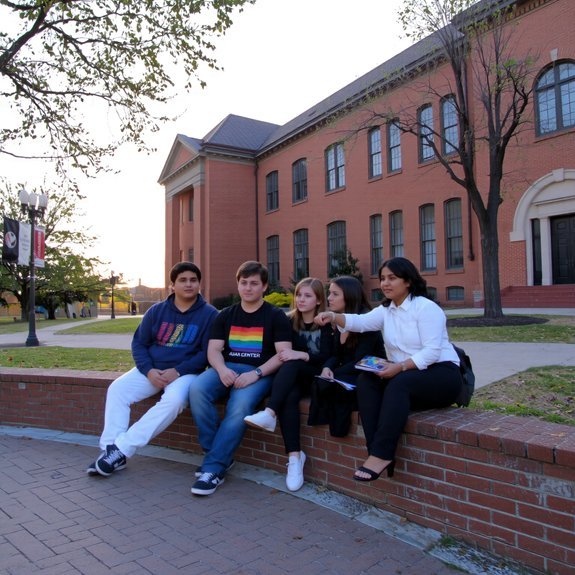
If you want to know what campus life really feels like, don’t just read the student handbook — walk the quad at noon, listen to laughter spill from the student center, and notice who’s standing alone by the fountain. You’ll sense vibes fast. Policies live on paper, but people make the climate. Ask professors about housing rules, read nondiscrimination statements, and check whether pronouns are respected in class rosters. Notice tone: are advisories supportive, or do they use vague legalese? Talk to campus safety, they’ll tell you how complaints are handled, awkward as that sounds. Peek into residence life guides, they matter. Trust your gut. If you encounter microaggressions, document dates, names, words. That record will save you more than apologies ever will.
Finding and Connecting With Lgbtq+ Student Organizations
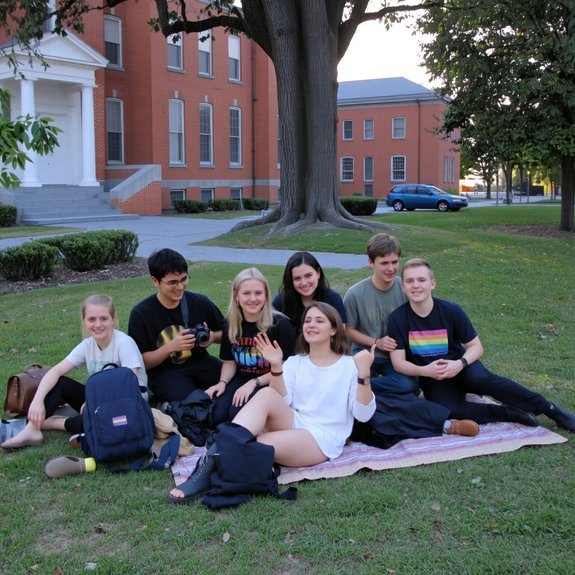
You can start by scouting campus—check the student activities board, the LGBTQ+ center, or that group table by the student union that always smells like free pizza. Go to a first meeting, say hi, listen, ask one bold question (I promise you won’t die), and take a name or two for coffee later. Then stitch together allies—faith groups, cultural clubs, and faculty sponsors—so you’ve got backup, snacks, and someone to text when you need it.
Locate Campus Groups
Three quick steps usually do the trick: scan the student org fair, stalk the campus calendar, and slide into a few DMs — I say “slide” like it’s effortless, but we both know it comes with sweaty-palmed courage. Start by smelling the coffee at the fair, read flyers pinned to the student center, and note meeting rooms. Use the online directory, search “LGBT,” “queer,” “ally,” and your campus-specific slang. Ask your RA or that classmate who seems chill, they’ll usually point you right. Peek at club pages for photos and event vibes, watch short videos, and save contacts. When you find options, map them on your phone, rank by comfort level, and plan a low-stakes intro message. You got this.
Attend Initial Meetings
Because stepping into a new room feels like walking onto a stage, I always tell folks to treat that first meeting like a curious, low-stakes audition — not a lifetime commitment. You’ll peek in, feel the air, hear chairs scrape, and maybe catch a laugh that loosens your shoulders. Say hello, give your name, and clap when someone shares; tiny actions show you belong. Ask simple questions: “What do you do here?” “Is there food?” Listen more than talk, but bring one honest line about yourself, even if it’s awkward. Take notes on names, meeting rhythm, and where people hang out after. Leave when you need to, text a friend, and come back if it felt like home.
Build Intergroup Alliances
Anyone curious about finding queer community at an HBCU should think of it like scouting a neighborhood block party — walk the route, knock on doors, listen for music, and don’t be surprised if you end up dancing on someone’s porch. I tell you, start small: drop into meetings, bring snacks, and notice who lights up talking about activism or art. You’ll find clubs, faith groups, cultural orgs, even study tables that welcome you.
- Share goals, don’t hog the mic, build trust over coffee and chaos.
- Cross-post events, swap contacts, make alliances that feel like mutual aid.
- Partner on panels, fundraisers, talent shows — let creativity glue you.
- Celebrate wins loudly, grieve together quietly, keep the porch light on.
Building Relationships With Allies and Supportive Faculty
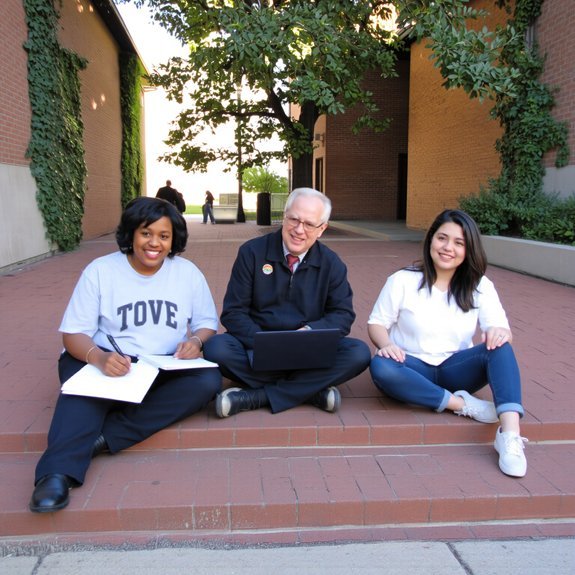
Trust is the secret handshake here — you’ll know it when a professor holds the door and actually waits, or when an advisor remembers your pronouns and asks how your weekend went; those small, human moments add up fast. You lean into those gestures, say thanks, and keep a mental list. Invite a prof for coffee, bring a question, watch their eyes light up — that’s your cue. Be candid about needs, but don’t demand an FAQ; offer quick context, a pronoun line in email, a simple “I’d like your support.” Notice who defends you in class, who follows up, who checks your syllabus language. Keep it mutual: share wins, ask for feedback, and return favors — allies grow when you water them.
Accessing Mental Health and Wellness Resources
You’ve probably walked past the counseling center a dozen times, nerves humming, and wondered if it’s actually for you — it is, and you deserve that quiet, air-conditioned room and someone who listens without judgment. Try a drop-in session or ask about LGBTQ+-affirming counselors, and if you’d rather test the waters first, join a peer support group where people get it, crack jokes, and pass tissues like it’s a sport. I’ll say it plainly: get help early, lean on the crew around you, and don’t worry, awkward small talk is part of the healing.
Campus Counseling Services
If campus counseling feels intimidating at first, don’t worry—I’ve tripped over the intake form too. You walk in, clutch a tote, feel the AC hum, and wonder if they’ll get you. Be direct, ask about confidentiality, and tell them your pronouns—small moves, big relief. I’ll admit, I once joked about needing a therapist for my roommate’s drum practice; they laughed, then helped me map coping strategies.
- Ask about LGBTQ+-affirming counselors, and if none, request referral.
- Check appointment types: drop-in, sliding scale, telehealth options.
- Clarify limits of confidentiality, mandatory reporting, emergency procedures.
- Bring notes, examples, or a friend for support, if that helps.
You’ll leave steadier, one small step at a time.
Peer Support Groups
When I first wandered into a peer support group, my palms were sweaty and my voice sounded like I’d swallowed a kazoo, but I stayed—because these rooms hum with something honest and low-key hopeful. You’ll find chairs in circles, sticky coffee cups, a bulletin board of tiny, hopeful flyers. Sit, listen, breathe out. People share short, sharp truths, then laugh, then pass tissues. You’ll talk about coming out at family dinner, bad pronoun slips, campus microaggressions—real stuff, no textbook. Leaders keep things grounded, they’ll remind you of confidentiality, of breaks, of grounding exercises. If a group feels off, try another; if you need one-on-one, ask the facilitator. These groups are practice, refuge, and weirdly fierce community—all in one.
Navigating Safety, Privacy, and Disclosure Decisions
Because college is loud — dorm hallways smell like ramen and laundry detergent, campus quad chatter bounces off brick, and every calendar seems to be shouting events at you — deciding how much of your queer life to show is its own kind of choreography. You learn quick, you test the water, you stash pride pins for nights out. Trust your gut, carry backups, and make low-stakes disclosures first. I’ll say it plain: safety beats being “authentic” in risky spots.
- Scope it: name, pronouns, and outfits, each released on your terms.
- Check signals: tone, jokes, and who laughs, they’re data.
- Map exits: safe rooms, allies, and routes off the quad.
- Archive proof: texts, dates, and witnesses, just in case.
Engaging With Local Community and Off-Campus Resources
You don’t have to keep your queer life boxed inside the dorm. Walk down the block. Find the little cafe with rainbow stickers on the window, smell espresso, hear laughter—you’ll spot folks who get it. Go to local LGBTQ+ centers, drop in for meetings, pick up pamphlets, ask about queer-friendly health clinics and therapists. Volunteer at Pride events, meet DJs, practice your small talk, cringe and then laugh about it. Check community boards at libraries and churches that welcome you, call ahead if you need safety. Bring a friend or go solo; both work. Keep a list: names, numbers, safe routes. I promise, leaning into the neighborhood gives you practical help, surprising allies, and a few good stories.
Using Online Networks and National Organizations for Support
If you’re short on local options or just craving a wider queer choir, hop online — I promise the internet’s not all doomscrolling and karaoke fails. You can find national groups, moderated forums, and mentorship programs that actually listen. I’ll show you quick ways to plug in, without the noise. Join an org, sign up for a newsletter, DM a mentor, or drop into a Zoom—feel the relief of voices that match yours, even miles away. I’ve scrolled late nights for allies, cried into my laptop, then found community at dawn. Here are practical routes that helped me breathe easier, and might do the same for you.
If local options fall short, go online—find moderated groups, mentors, and virtual meetups that actually listen.
- Join national orgs for policy support and scholarships
- Use moderated forums for safety and shared tips
- Attend virtual meetups to practice coming out language
- Find online mentors for career and wellness guidance
Conclusion
I know you’re thinking, “HBCUs aren’t welcoming,” but hear me: you’ll find pockets of fierce love if you look. Walk into a meeting, say hi, grab a cookie—feel the carpet under your shoes, the hum of voices—then ask one person for coffee. I’ll bet they listen. Use counseling, faculty allies, online groups, and local centers. It’s not instant, it’s real work, and yes, you belong here.
Leave a Reply