
Like Marcus Garvey telling you to rest before you run, you need a break that doesn’t wreck your GPA. I’ll say it straight: plan it, tell folks, and pack a tiny action list you can actually finish—no mythical “catching up later.” Picture yourself on the quad, warm sun, phone on Do Not Disturb, syllabus open—now let’s map the two-week move that keeps your peace and your grades intact.
Key Takeaways
- Schedule breaks around midterms and finals using your academic calendar to avoid conflicting with major deadlines.
- Tell professors and advisors your exact absence dates early and arrange extensions or make-up work plans.
- Prioritize high-impact assignments, block focused study slots, and use timers to stay efficient before your break.
- Book campus support services (tutoring, counseling) in advance and set brief check-ins to maintain academic momentum.
- Plan a gentle re-entry with small course goals, blocked study times, and a checklist of due dates to catch up smoothly.
Recognize When You Really Need a Break

If you’ve been sprinting through classes, meetings, and late-night study sessions until your brain feels like day-old coffee, stop—really stop—and listen. You’re jittery, your shoulders live by your ears, and even your favorite hoodie feels like a straightjacket. I’ll tell you what to watch for: foggy recall, yawns that come from your bones, emails piling like unread laundry. You snap at friends, then apologize with a guilty laugh. Your notes look like hieroglyphs, and food tastes muted. Take a breath, touch a windowpane, feel the campus air—if it calms you, that’s a cue. Don’t wait for a breakdown; notice the small alarms, honor them, and step back before burnout becomes drama.
Time Your Breaks Around the Academic Calendar
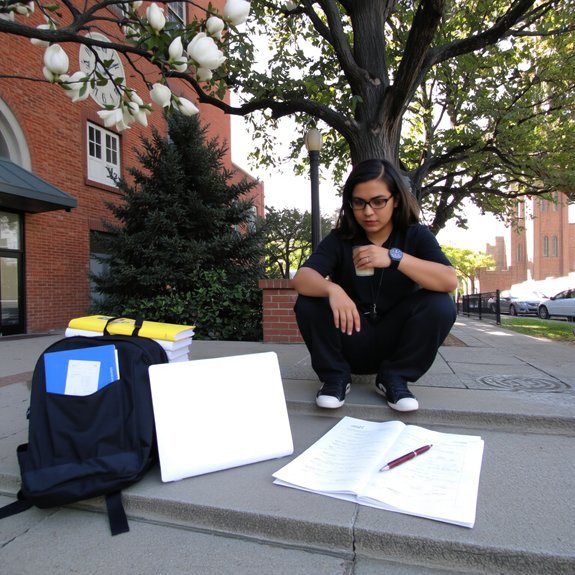
You’ll want to plan your breaks around big deadlines, like midterms and finals, so you don’t crash into a paper or exam unprepared. I say block off chunks on the academic calendar — visuals help, and nothing beats the relief of a bright, empty weekend square. Pack a snack, shut your laptop, and actually leave campus when the calendar gives you a clear window.
Plan Around Key Deadlines
Because the semester’s heartbeat is a calendar, I start by stalking it like it owes me money—pull up that academic calendar, circle exam weeks, highlight add/drop deadlines, and sniff out registration windows like a bargain hunter in a yard sale. You’ll map your breaks to safe pockets, so you don’t implode during finals. Block travel when papers aren’t due, schedule mini-stays before intensive weeks, and stash study sprints after long weekends. Tell friends your windows, so invites don’t ambush you. Pack chargers, notes, and a snack that won’t betray you. Pretend you’re a project manager with feelings.
- Reserve buffer days around big deadlines.
- Prioritize hard classes’ milestones first.
- Set alarms two weeks before major submissions.
Use Academic Calendar Blocks
When the registrar drops the academic calendar, I treat it like a treasure map—so pull yours up, zoom in until the tiny type looks like a ransom note, and start shading in the safe islands where you can actually breathe. You’ll spot midterm windows, reading days, and that blessed stretch between grades and finals. Circle those blocks. Block travel, naps, family dinners, whatever fills your tank. Tell professors early, reserve study rooms, and set alarms so your break doesn’t evaporate into email scrolling. Pack a tiny checklist: one assignment to finish, one social thing, one nap plan. When you return, you won’t be sprinting, you’ll be stepping in rhythm. Trust me, timing beats panic, every single time.
Communicate Proactively With Professors and Advisors
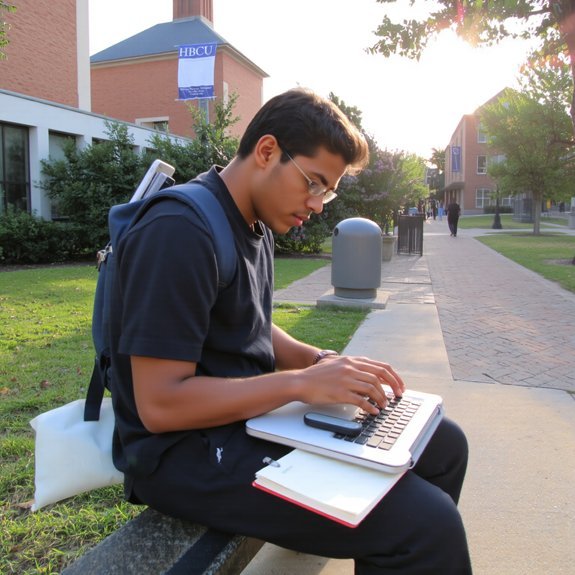
Tell your professors before things go sideways, and do it early — shoot a short email or stop by after class so they can hear it from you, not the rumor mill. Lay out a clear plan: what dates you’ll be gone, how you’ll keep up, and which assignments you’ll hand in late, and say it like you mean it. Then ask straight-up about supports — extensions, tutoring, or advisor check-ins — so you’re not guessing when you get back.
Notify Professors Early
If you’re planning to disappear for a few days — or a whole semester — tell your professors early, and do it like you mean it. I mean, don’t text at midnight; send a clear email, calmly state dates, reasons in a sentence, and ask about missed work. Say it in person when you can, too — office hours beat mystery. You’ll feel lighter, and professors will respect you for being upfront.
- Give specific dates, contact info, and preferred communication method.
- Offer to check in occasionally, or name someone who can update you.
- Ask about deadlines, substitutions, or short-term accommodations.
You’ll sleep better, trust me. Being honest is practical, respectful, and surprisingly empowering.
Outline Your Plan
Because you’re not ghosting forever, treat your break like a project and outline the plan like you actually mean it — I do this with a notebook, a loose-leaf calendar that smells faintly of cafeteria coffee, and a stubborn highlighter. You tell professors what dates you’ll be out, what assignments you’ll finish before you leave, and what you’ll submit after. You propose realistic deadlines, offer brief check-ins, and ask for syllabus clues — page numbers, rubric hints, test windows. You copy advisors on emails, so no one plays telephone. You schedule a quick meeting, bring the crinkled calendar, and say, “Here’s the plan.” They nod. You breathe. You leave with a roadmap, not a mystery novel.
Confirm Support Options
Support is a check-in — loud, clear, and slightly inconvenient, which is exactly what you want. You email your professor, you tap your advisor’s calendar, you say, “Hey, I’m stepping back for two weeks, here’s my plan,” and you mean it. Say dates, say goals, say where you’ll be reachable. Don’t apologize for being human.
I picture the inbox: subject line sharp, voice steady, no novella. They reply faster than you expect. You jot their suggestions, you schedule a brief follow-up call, you breathe.
- Ask about missed lectures and prioritized readings.
- Request extensions or alternate assignments, with deadlines.
- Confirm check-in frequency, contact method, and emergency protocol.
You leave the conversation lighter, options clear, confidence restored.
Use Campus Support Services Strategically
There’s a little map I keep in my head of campus services, and I’m telling you, it’s how I survive midterms and existential crises alike. You learn it fast: counseling center for a mind reboot, tutoring lab for the math monster, career services for the resume glow-up. Walk there, smell the coffee, grab a flyer. Ask quick questions, bring a draft, book a slot. Use email templates the advisers actually respond to. Share snacks with a peer mentor, they’ll remember you. Rotate between quiet study rooms and the wellness lounge, don’t camp in the library like a raccoon. Treat services like tools, not last resorts. Plan appointments before panic hits, and call them allies—because they are, even on your messiest days.
Build Micro-Breaks Into Your Daily Routine
If you peek at my schedule, you’ll see tiny islands of sanity tucked between lectures and lab reports — two-minute stretches where I shut my laptop, breathe like I mean it, and stare out at the quad until my eyes stop twitching. You can steal those minutes too. Slide a timer into your day, stand up, roll your shoulders, smell the coffee shop, feel the sun on your face for a beat. Micro-breaks reset focus without guilt. They’re cheap, legal, and oddly luxurious.
- Look away from screens every 25–30 minutes, blink slowly, flex your hands.
- Walk to the water fountain, sip, and hum a silly tune.
- Do three lunges, laugh at your own dramatic form, then return calmer.
Treat tiny pauses like study hacks, not laziness.
Prioritize High-Impact Tasks Before Time Off
Before you wander off to that picnic blanket or lock your phone in a drawer, finish the thing that actually moves the needle — trust me, your future self will thank you. Look at your to-do list, sniff the coffee, and pick the one task that changes grades or frees time later. Do the draft paragraph that scares you, submit the group doc, or email the professor one crisp question. Set a 45-minute sprint, close tabs, mute notifications, stare down the work like it owes you money. When the timer dings, you’ll feel lighter, the campus breeze will taste sweeter, and you can genuinely relax without that nagging dread. You’ve earned the rest, but only after you seal the important deal.
Stay Connected to Your Community While Resting
While you’re chilling on the quad, don’t ghost the folks who make campus feel like home — wave, shout a goofy hello, and plug into the small rhythms that remind you you’re not doing life solo. I’ll tell you straight: rest doesn’t mean vanishing. Sit by the fountain, let the sun warm your face, and catch up with your group chat while savoring that cold drink. Say yes to low-key invites, scout club tables for quick vibes, and cheer at a passerby’s practice run like you’re their unpaid hype squad. Those tiny interactions refill you. They’re balm, not busywork. Keep it easy, keep it real, and let community breathe life back into your batteries.
Resting doesn’t mean disappearing — soak up the sun, wave at people, and let small, easy connections refill you.
- Share quick check-ins.
- Drop by casual events.
- Offer small favors.
Create a Re-entry Plan for a Smooth Return
Once you’re ready to come back, you need a plan that’s smarter than just “wing it” — trust me, wings get soggy fast. I tell you, map your first week like it’s a small mission: list classes, due dates, and one tiny goal per course. Text your advisor now, set two realistic check-ins, and block study slots on your calendar, bright as warning tape. Walk campus before class, breathe the coffee and cut grass, scout the shortest route — you’ll thank me when you’re not late and breathless. Reconnect with one friend, send a funny “I’m back” meme, schedule a catch-up coffee. Start with doable tasks, celebrate tiny wins, and fold this plan into your phone — you’ll glide back, not crash.
Conclusion
You need the break, but you also need the grades — so let’s be smart. I say: close your laptop, breathe in cafeteria coffee and fresh lawn air, then text your professor a quick plan. I’ll cheer you on, you’ll get the missed notes, and the deadlines won’t bite. Take micro-breaks, use tutoring, and promise yourself one tiny celebration when you’re back. Rest hard, return sharp — you’ve got this, honestly.
Leave a Reply