
Did you know that employers trust faculty recommendations more than 70% of the time? You’re going to need that kind of backup, so start now — not the night before a deadline. Walk into office hours with a crisp résumé, name-drop a class discussion, say, “Can you help me?” and let their smile tell you whether to proceed. I’ll show you how to build rapport, time your ask, and leave them glad they said yes—but first, a quick trick.
Key Takeaways
- Build relationships early by attending office hours, asking questions, and sharing class progress so professors remember your work and character.
- Ask at least four weeks before the deadline via email, then follow up in person to confirm and provide materials.
- Provide a one-page résumé, relevant job/program description, submission links, deadlines, and suggested talking points to simplify writing.
- Choose recommenders who know your academic growth and campus contributions—faculty, advisors, or staff with specific memories of you.
- Send a timely thank-you, update them on outcomes, and stay connected for future networking and mentorship.
Why Strong References Matter for HBCU Students
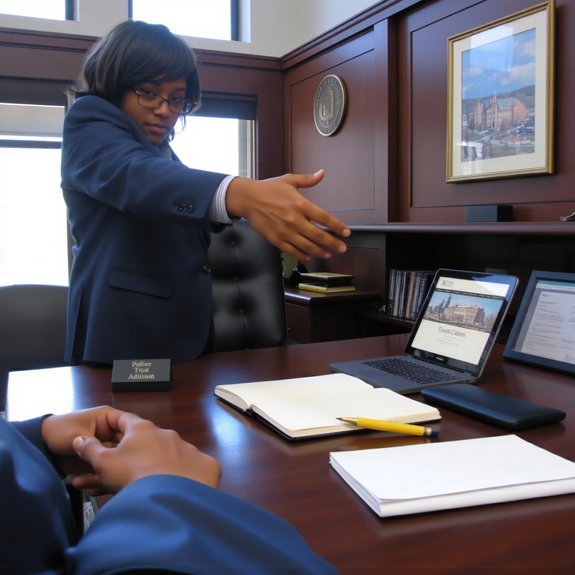
Envision this: I’m standing outside the registrar’s office, backpack heavier than my nerves, and I know a strong reference can change everything. You’ll feel that lift, trust me. A solid letter opens doors—internships, grad programs, scholarships—especially at an HBCU where professors know your story, your hustle, your voice. You want someone who remembers the late-night questions, the class jokes, the time you stayed after lab fixing a busted experiment. Those sensory moments—coffee steam, squeaky chair, warm hallway light—become testimony. You don’t need perfection, you need credibility and context. A reference ties your grades to grit, your résumé to real work. So aim for relationships that let a recommender narrate you, vividly, honestly, and with a wink.
When to Ask: Timing Your Request Strategically

If you’re like me, you wait until the last minute and then panic—don’t do that here. Picture crinkled deadlines, fluorescent office lights, your stomach doing a drum roll. Ask at least four weeks before your deadline, sooner if the request needs a detailed letter, committee form, or department signature. Email first, then follow up with a quick office visit, knock-knock, “Got a minute?” Bring a one-page résumé, deadline dates, submission links, and a polite calendar reminder. Avoid finals week and major campus events; professors are human, they sip cold coffee and forget things. If a reference must be rushed, give a clear justification, express gratitude, and offer a brief bullet list of achievements. Respect time, say thanks, and never ghost them afterward.
Building Relationships Before You Need a Reference
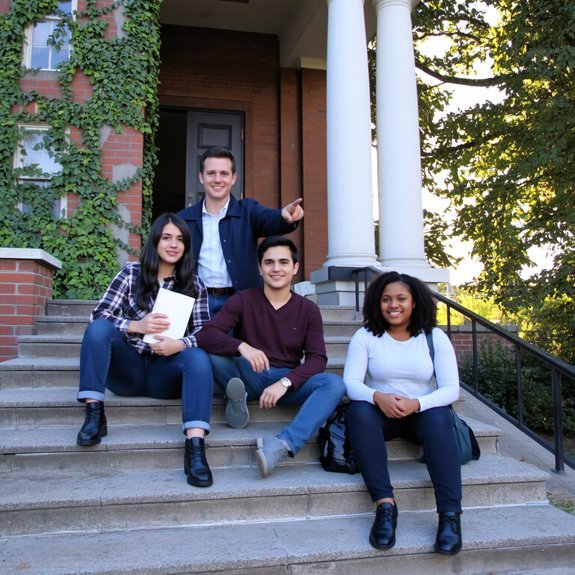
When you’re strolling past faculty offices with a backpack that smells faintly of cafeteria fries, don’t wait until your senior-year panic spiral—start building relationships now. I tell you, knock and ask a quick question about yesterday’s lecture, bring graded papers to chat, or drop by office hours with a genuine, “Hey, can I pick your brain?” You’ll remember names faster if you pair them with smells, jokes, or a helpful anecdote. Share small wins, invite professors to see a project, text a polite thank-you after feedback. Be consistent, not creepy—show up, listen, follow through. Those tiny, messy moments add up. When recommendation time hits, you won’t be a stranger, you’ll be a story.
Who to Ask: Professors, Advisors, and Staff to Consider
You want people who can actually vouch for you, so start with professors who’ve seen your work up close — the one who praised your paper in sophomore comp, or the lab instructor who stayed late to help you troubleshoot. Don’t forget campus staff allies, like career center coaches and residential life coordinators, they notice how you show up and can tell a real story. I’ll walk you through who to ask, what to say, and how to make it easy for them to say yes.
Professors Who Know You
Because you’ve been showing up — in class, office hours, and that chaotic group project that somehow survived — professors who actually know you are your golden ticket, not some random name off the department webpage. I’ll say it bluntly: pick someone who’s seen you work, stumble, then come back smiling. They’ll talk specifics, not generic fluff.
- The professor who remembers your late-night email and replied with resources, not just a thumbs-up.
- The instructor who sat with you after class, sketched ideas on a napkin, and pushed you to revise.
- The advisor who knows your research topic, can name your method, and even laughs at your bad coffee jokes.
Ask them face-to-face, bring a reminder packet, and say thanks like you mean it.
Campus Staff Allies
Profs are stars, sure, but the people who actually keep campus humming will often write a better, more grounded letter — the staff who see you in the trenches. I’m telling you, go talk to them. The residence director who’s heard your midnight worries, the career counselor who polished your resume until it gleamed, the lab tech who watched you mess up a protocol and try again — they know your grit. Walk into their office, smell the coffee, make eye contact, and ask plainly. Offer a quick reminder of who you are, hand them a bulleted sheet, say when you need it, thank them like you mean it. Those voices feel real, they sound human, and they land.
What to Provide: Documents and Information That Make It Easy
Bring your résumé or CV, neatly formatted, and a one-line reminder of why you need the reference — you’d be surprised how often people forget the deadline. I’ll say it plainly: give dates, spell out the position or program, and tuck the submission link or contact info right on the page so they can click and go. Do it kindly, with a quick “thank you” and a deadline that’s at least two weeks away, and you’ll make their life a lot easier — and yours too.
Relevant Résumé or CV
Think of your résumé or CV as a tiny stage where your best moments get the spotlight, and don’t hand someone a script with the pages out of order. I tell you, I’ve watched resumes flop like wet curtains; don’t let yours be one. Clean layout, bold headings, neat dates — they let a reader skim and smile. Use active verbs, show measurable wins, and tape in the sensory details: paper crisp, font steady, margins even. Tailor it to the role, but keep your true voice; authenticity rings truer than jargon. Include contact info, relevant coursework, campus leadership, and tidy links to portfolios. Here’s what to highlight:
- Clear summary and objective
- Recent, relevant experience with results
- Campus roles, awards, and links to work
Clear Purpose and Deadlines
Because deadlines are tiny fences you either hop or trip over, tell your referee exactly what hill they’re helping you climb, and do it early — like, give them breathing room and a calendar invite, not a surprise sprint. I say the job, grad program, or scholarship name aloud, paste the URL, and point out the key line: “Due April 15, online form, two letters.” You’ll attach the job description, your résumé, and a draft brag-sheet (two paragraphs tops). Say how to submit — portal link, email, or stamped envelope — and offer a gentle timeline: first draft review, final send date, and a polite reminder a week before. Be vivid: include filenames, expected format, and a short thank-you script they can copy.
How to Ask: Email and In-Person Templates That Work
Okay — let’s get practical. I’ll show you short scripts that actually work, no fluff, just crisp lines you can copy. Picture the scene: your phone buzzes, you clear your throat, you ask—calm, confident. For email, open with context, state the ask, attach resume, give deadline. In person, smile, name-drop a shared class moment, then ask plainly. I’ll keep it real, I’ve fumbled too, so you won’t.
- Email template: subject line, one short paragraph, one polite question, resume attached, deadline bolded.
- In-person template: greeting, quick context, one-sentence ask, confirm they’re comfortable.
- Quick follow option: offer polite alternative, thank them, leave contact info.
Professional Etiquette and Follow-Up After the Request
When you’ve asked and they’ve said yes, don’t vanish like a ghost — follow up, fast and friendly. I’d shoot a thank-you note within 24 hours, upbeat and specific: remind them which program or job, deadline, and why their voice matters. Attach your resume, transcript, and a paragraph of talking points—short bullets, not an essay. Offer deadlines gently, like, “Would you mind submitting by May 10?” Check in once if the deadline’s near, polite and breezy: “Hi Professor Lee — quick nudge on the letter, hope all’s well!” After it’s sent, send a heartfelt thank-you, and loop them in with the outcome. Treat references like people, not utilities—show gratitude, stay organized, and be memorable for the right reasons.
Conclusion
Think of your reference hunt like planting a garden on campus: you show up, get your hands dirty in class, water relationships with office-hour chats, and harvest when applications bloom. I’ll be blunt — don’t wait. Ask early, bring a tidy résumé, and say thank you like you mean it. You’ll leave with strong letters and a network that smells like coffee, late-night study sessions, and quiet pride. Keep planting, you’ll eat well.
Leave a Reply