
You walk onto an HBCU quad, feel the warm brick under your hand, and hear somebody calling out a startup pitch between classes — that’s not accidental. I’ll tell you straight: these schools teach skills that matter, connect you to mentors who actually care, and funnel real money and job doors your way, so you can build weatherproof wealth. Stick around — I’ve got the receipts and the playbook.
Key Takeaways
- HBCUs provide culturally relevant education and practical skills (finance, law, coding) that prepare students for entrepreneurship and wealth-building.
- Campus incubators and accelerators offer mentorship, product development, and early-stage funding to launch student and alumni ventures.
- Strong alumni networks and sustained mentorship connect graduates to job leads, investors, and long-term business support.
- HBCU-driven community programs (maker markets, pop-up shops, student gardens) create local revenue opportunities and hands-on business experience.
- Policy advocacy and bank partnerships expand access to capital, favorable procurement, and local economic development that grow Black-owned wealth.
The Historical Role of HBCUs in Economic Mobility
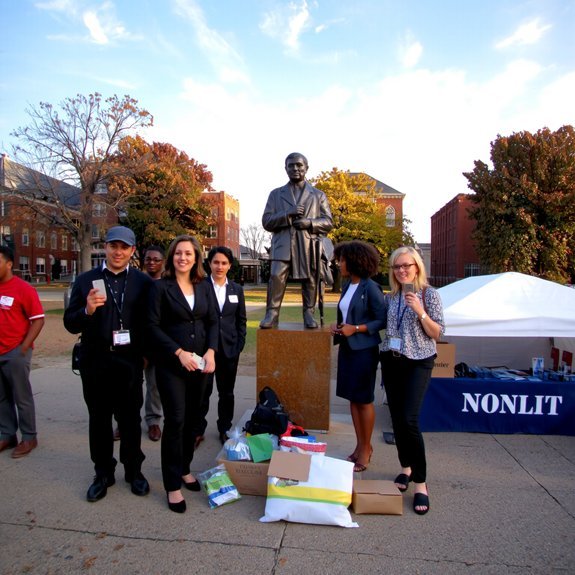
When I walk onto an HBCU quad, I can almost hear the past tapping its foot—stubborn, patient, proud—and you feel it too, whether you’re a freshman hauling a coffee or an alum tracing the molding on a brick column. You learn how these schools turned scarce resources into ladders, taught trades in lamp-lit rooms, and pushed graduates into offices, farms, and storefronts that otherwise would’ve stayed closed. You see mortar and ambition mixed together, smell chalk and lunchroom stew, hear commencement speeches that double as strategy sessions. You get mentors who hand you ledgers and courage, networks that feel like extended family, and a quiet promise: show up, work, build. Yes, they made wealth possible, step by stubborn step.
Culturally Relevant Curricula and Skill Development
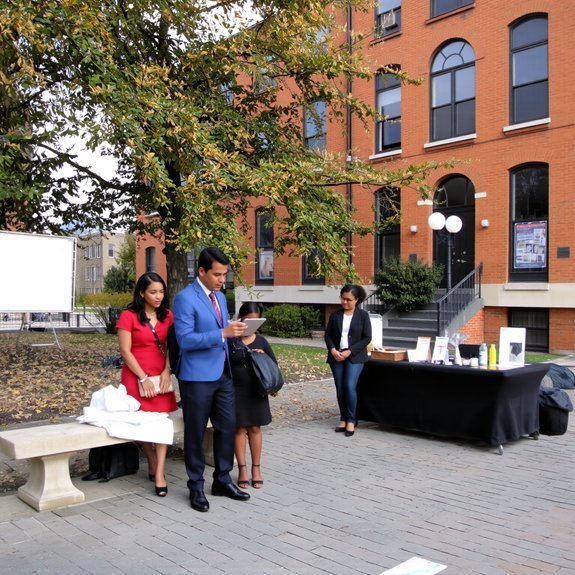
Because classrooms should feel like home, I make sure the lessons smell of familiar things—collard greens and motor oil, gospel and garage-band riffs—so you don’t just learn a concept, you recognize it in your life. You walk into labs where textbooks share shelf space with family recipes and neighborhood maps. I teach finance with examples from corner stores, law through church bylaws, coding by automating everyday chores. You practice pitching to real community partners, build prototypes for local problems, and get graded on hustle and heart. I nudge you, sometimes stern, often amused, to own your voice and your skillset. These courses give you tools, language, confidence — so when opportunity knocks, you answer, hands steady, plan ready, grin intact.
Mentorship Networks and Alumni Support Systems
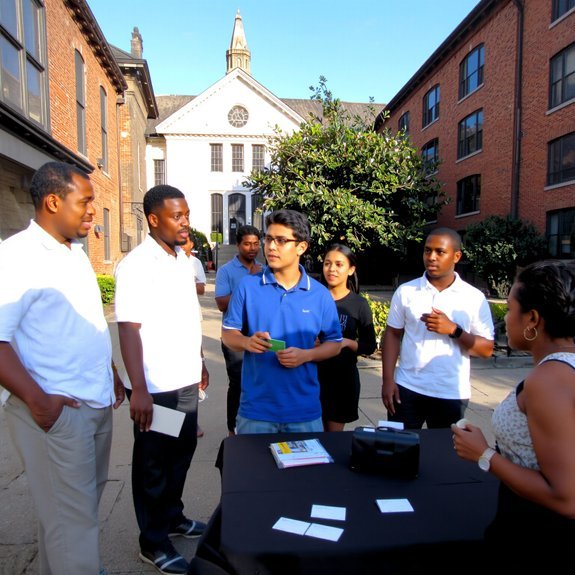
Envision this: I tap your shoulder in the quad, hand you a coffee that’s too strong, and say, “You need a guide.” I’ve been that nudge, that voicemail at midnight, that alum who shows up with a resume and a job lead, because mentoring here isn’t a checkbox — it’s a practice. You get mentors who read your draft, critique your pitch, and complain about commas like it’s therapy. They invite you to dinners, slide into your inbox with industry rumors, and pull strings without fanfare. Alumni breakfasts smell like strong coffee and second chances. You’re handed business cards and hard truths, encouraged to fail fast, try again. Those ties turn into introductions, seed money, and a stubborn belief that you belong at the table.
HBCU-Based Incubators, Accelerators, and Pitch Programs
You’re standing in a bright campus lab, coffee cooling by your laptop, and I’m here to tell you HBCU-run incubators turn nervous ideas into tangible products, with mentors showing you how to solder a prototype and pitch it without sweating. You’ll see accelerator partnerships bring in outside funding and corporate expertise, they sling term sheets and critique your slides like friendly, brutal coaches. So grab a notepad, practice your one-liner with me, and let’s map how campus programs and pitch nights can actually put capital and connections in your hands.
Campus Startup Incubators
When I walk onto an HBCU quad and hear the hum — laptops clicking, mentors laughing, pizza boxes rustling — I know something electric is happening: campus incubators. You’ll find scrappy teams prototyping in converted classrooms, sticky notes plastered like confetti, and that delicious smell of ambition — burnt coffee, fresh ideas. I nudge a student testing a prototype, they grin, “It works,” I high-five, we both laugh. You get coaching in real time, legal clinics, workshops that cut through jargon, and peers who’ll call you out, kindly. These spaces teach you to pitch, iterate, fail fast, and pivot smarter. They turn coursework into company-building, leverage campus culture, and make entrepreneurship feel like a team sport you actually want to join.
Accelerator Partnerships & Funding
I saunter out of the incubator with coffee on my breath and a sticky note stuck to my shoe, and I’m thinking: great ideas only get you so far — money and connections finish the job. You walk in hungry, you walk out with a stack of pitch decks and a blazer that doesn’t smell like ramen. HBCU accelerators link you to alumni investors, corporate partners, and mentors who actually get your story. They run brutal, loving demo days, cut checks, and open doors to revenue, not just applause. You’ll practice a thirty-second hook until it snaps, then deliver it to people who can write checks. That bridge from campus hustle to funded business is where Black wealth starts getting built.
Access to Capital: HBCU Partnerships and Financial Institutions
You’re standing in the student center, coffee warm in your hand, hearing about a campus loan program that actually helps graduates start businesses instead of burying them in paperwork — I’ll admit it makes me a little jealous. Picture local banks and HBCUs high-fiving over tailored credit lines, shared underwriting, and financial literacy workshops, where real people explain credit like it’s not rocket science. Let’s talk about how these campus-based loans and bank–HBCU partnerships can turn ideas into payroll, not just promises.
Campus-Based Loan Programs
Three core partners usually make campus-based loan programs hum: the HBCU, a local or national lender, and a campus office that actually knows students’ names. You walk into that office, smell coffee, hear laughter, and someone already has your file open. I’ll tell you straight: these programs wrap flexible credit around real student needs, with lower rates, tailored repayment, and emergency bridges when rent or supplies hit. You get counseling, budgeting drills, and a contact who texts back. They fund internships, seed microbusinesses, and stop small crises from derailing big dreams. It’s practical generosity, with paperwork that actually helps. You leave feeling seen, with a loan that’s a ladder, not a trap—smart, humane, and frankly, overdue.
Bank-Hbcu Partnerships
When banks and HBCUs link arms, sparks fly — sometimes the good kind, like the smell of fresh coffee in a student services office when a counselor slides a grant form across the desk. You get access to capital, mentorship, and real-world internships, without the usual corporate distance. I’ve watched bankers hand over seed money at pitch nights, nods serious, smiles relieved. You pitch, they quiz, you leave with a term sheet, or at least a sharper plan. Partnerships fund startups, underwrite community projects, and build credit pathways that stick. They sponsor financial literacy workshops, co-create incubators, and open doors that used to be locked. Sure, there’s paperwork, protocols, ego checks — but you walk away richer in knowledge and opportunity.
Workforce Pipelines and Employer Relationships
If we want HBCUs to turn diplomas into paychecks, we’ve got to treat employer relationships like a rooftop garden—tended, planted with intention, and showing off at graduation. You’ll build internships that smell like coffee and real work, not menial tasks, where employers mentor, judge, and then hire. I’ll set up pipeline events that feel like speed dating for careers: crisp resumes, quick interviews, awkward laughs, handshake deals. You’ll track placements, tuition-to-salary metrics, and use that data like fertilizer. Bring employers onto campus, into classrooms, let students touch tools, pitch projects, and solve problems under pressure. Negotiate paid apprenticeships, clear pathways from entry roles to leadership, and brag about alumni wins. Do this, and those diplomas start paying rent.
Community Engagement and Local Business Ecosystems
You’ve built those employer pipelines and watched students walk out with paychecks — now let’s push that energy into the neighborhood outside the quad. You’ll knock on doors, smell coffee from new cafés, and see students swap résumés for storefront keys. You’ll coach a neighbor through a first loan application, celebrate a popup that sells out, and cheer when a barber hires an intern. This feels hands-on, not preachy.
- Host weekend maker markets that smell like cinnamon and ambition.
- Run quick business clinics, honest and blunt, with free snacks.
- Turn empty lots into student-run gardens and pop-up shops.
- Match alumni mentors with local founders for monthly check-ins.
You’ll get your hands dirty, and the block will hum back.
Policy Opportunities to Amplify HBCU Economic Impact
Because policy shapes pathways, I want us to think like both campus organizers and city planners — loud, practical, a little stubborn. Hear me: you push zoning reforms that let HBCUs host makerspaces and coffee-roasteries next to classrooms, smell of espresso mixed with solder. You lobby for procurement rules that favor campus-based Black suppliers, clapping when contracts land. You tie workforce grants to apprenticeships, so students get paychecks and real tools. Picture tax credits that reward building rehab, scaffolding glinting in morning sun. Don’t forget seed funds, small and nimble, handed out fast, like friendly pocket change. Speak at council meetings, draft clear ordinances, build coalitions. Be persistent, witty, reasonable — and annoyingly effective.
Conclusion
You’ve seen how HBCUs hustle — history, hands-on help, hometown hubs. I’ll say it straight: you can’t ignore their power to propel people. Picture a campus buzzing, business plans clutched, mentors smiling, money moving. I cheer, I nudge, I dare you to act. Support schools, seed startups, shift policy. Simple steps, seismic shifts. Bold, bright, brave — build Black businesses, boost Black balance sheets, believe in better.
Leave a Reply