
You’ll feel seen the minute you arrive — someone’s waiting with a welcome packet, a campus map, and a smile that actually means it; I’ll tell you about the advisors who sort visas before you’ve finished jet lagged coffee, the tutors who make grammar click, the mixers where you learn slang and soul food in one night, and professors who pull you into research like a proud parent, but there’s a twist you’ll want to stick around for.
Key Takeaways
- Dedicated international student offices assist with visas, housing, orientation, and practical needs to ensure smooth campus integration.
- Warm, community-focused campus culture and mentorship programs foster belonging and personalized faculty support.
- Language labs, writing clinics, and tailored academic advising help international students succeed academically.
- Career services and internship offices provide resume support, interview prep, and CPT/OPT guidance for work opportunities.
- Mental health resources, culturally aware counselors, and wellness programs address homesickness and promote student well-being.
Why International Students Choose HBCUs
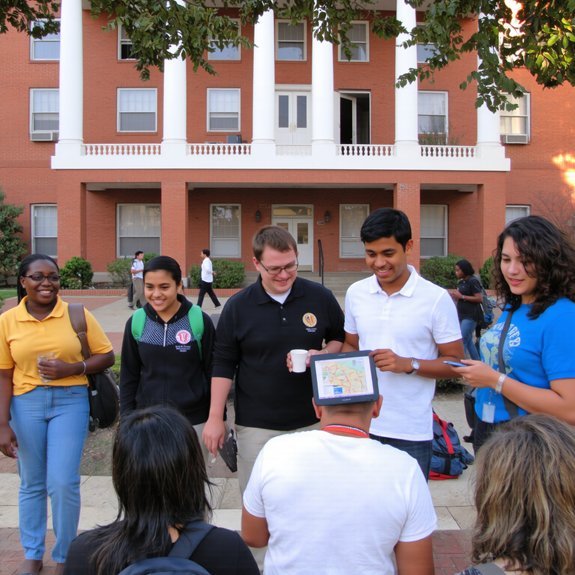
When I first stepped onto a campus where the banners swayed like a chorus of welcome, I thought, “Okay, this is different — in the best way.” You can taste the pride in the air, hear it in the laugh of a student walking by, and feel it in the firmness of a handshake from a professor who actually remembers your name; that mixture of warmth and seriousness is why lots of international students pick HBCUs. You’ll notice classes that buzz with debate, music spilling from practice rooms, and food that tracks you down between lectures. You get mentorship that’s hands-on, alumni who show up, and communities that wrap around you. It’s challenging, joyful, and oddly like finding home abroad.
Dedicated International Student Offices and Services

Picture an office that smells faintly of coffee and determination — that’s where your international-story gets practical. I’ll meet you at the welcome desk, hand you a map, a lanyard, and survival tips for U.S. weather. You’ll get help with visas, housing, and sense-checking class schedules, plus someone to call when printers revolt at midnight. Staff offer workshops, social mixers, and visa check-ins, they translate forms, and they decode campus slang — yes, “syllabus week” is real. You’ll find quiet advising rooms, bulletin boards stuffed with part-time gigs, and a calendar that actually updates. It’s organized chaos, reliable and warm. You’ll leave feeling guided, less lonely, and oddly proud of surviving your first campus rainstorm.
Targeted Recruitment and Scholarship Opportunities
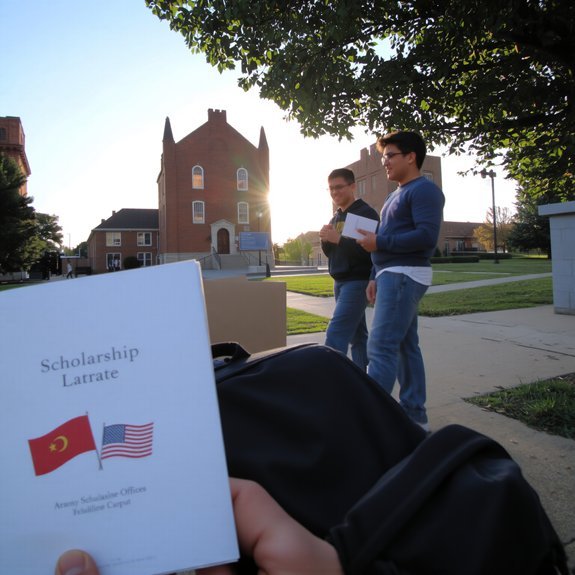
Because I’ve knocked on more dorm doors and emailed more prospective students than I can count, I know targeted recruitment isn’t a spray-and-pray poster campaign — it’s a tailored conversation. You’ll see recruiters at cultural fairs, tasting local food, swapping jokes, and learning names—small moves that signal big respect. They craft messages for regions, highlight majors that match local industries, and offer virtual campus tours with crisp visuals so you can almost hear marching band drums. Scholarships get framed as invitations, not lifelines: merit awards, need-based grants, and program-specific funds with clear deadlines. You’ll get personalized outreach, step-by-step application aids, and sometimes a friendly alumni note in your inbox. It’s about fit, frank talks, and a few good laughs.
Visa Guidance and Immigration Support
If you’re juggling passports, deadlines, and the alphabet soup of forms, I’ve got your back — and a file folder that’s seen better days. You’ll find dedicated visa counselors who walk you step-by-step, coach your immigration interviews, and double-check I-20s like hawks with soft hearts. We’ll schedule checklist meetings, send timely email reminders, and practice that “why this school” answer until it sounds human. When travel restrictions pop up, we’ll text alerts, arrange emergency appointments, and help you document gaps so sponsors stay happy. Expect clear timelines, printable forms, and a campus rep who meets you at the consulate when things get weird. It’s hands-on, gritty support, with a wink and a plan.
Academic Advising and Language Support Programs
When the syllabus lands on your desk and you’re squinting at course codes like they’re ancient runes, I’m the person who’ll untangle them with a cup of bad campus coffee and a stubborn grin; I’ll sit across from you, laptop open, highlight pencil at the ready, and map out a plan that actually matches your goals, not somebody else’s checklist. I’ll explain prerequisites in plain talk, show which classes build on one another, and warn you about semester overloads before you commit. You’ll get tailored study strategies, weekly check-ins, and clear steps for academic probation if needed. For language support, we run focused labs, conversation partners, and writing clinics that read your papers like detectives, then hand you fixes you can use.
Cultural Integration and Student Organizations
You’ve got your course map and your language lab schedule, and now we’ll talk about the part of college that actually makes it feel like home: the people, the parties, the tiny rituals that sneak into your day and never leave. You’ll find clubs that taste like home — dance troupes, cultural councils, food nights that smell like grandma’s kitchen — and you’ll join because curiosity wins, not obligation. You’ll swap recipes in a cramped dorm kitchen, practice a speech with a friend who corrects your slang, and laugh when you mispronounce a mascot’s name. Student orgs run mixers, open mics, prayer groups, service projects, late-night study jams. They’ll hand you a name tag and a feeling: welcome, seen, invited.
Career Services, Internships, and Work Authorization Assistance
Because careers don’t just happen, I’ll show you how the campus actually helps you build one — step by step, and with fewer awkward networking handshakes than you’re imagining. You’ll meet a career coach who listens, points to job boards, and critiques your resume until it sings; you’ll practice interviews in a mock room with a one-way mirror and a cup of terrible coffee that becomes sacred. The internship office scouts roles that fit your visa, they email you openings, and they nag in a helpful way. When work authorization gets tricky, advisors walk you through CPT and OPT applications, paperwork in hand, coffee steam fogging your glasses. You leave with contacts, confidence, and a plan that actually works.
Global Partnerships, Exchanges, and Research Opportunities
You’ll want to scout strategic international partnerships that bring fresh perspectives, faculty swaps, and internships that actually change your resume — I’ll admit, I get a little jealous of the countries we’re not in yet. Sign up for study abroad exchanges that drop you into a Friday market, a lab at dawn, and a classroom where your ideas get shouted back; those vivid, awkward first days teach more than any syllabus. Then push for collaborative research initiatives that pair labs and libraries across oceans, because the best discoveries happen when you stop working alone and start trading messy, brilliant questions.
Strategic International Partnerships
When I first toured an HBCU campus with a gaggle of wide-eyed international students, I smelled frying plantains and heard laughter ricochet off red-brick halls, and I knew partnerships were more than paperwork. You’ll see that too, when faculty host visiting scholars, and you grab coffee while a research idea sparks over spilled cream. You’ll join faculty-led startup labs, co-design curricula with overseas universities, and snag funding through joint grant proposals. It’s hands-on, messy, and brilliant. I trip over bureaucracy sometimes, you’ll laugh, then we’ll fix it together. These partnerships expand networks, boost resources, and create real-world projects that welcome your voice.
- Joint research centers
- Faculty exchange visits
- Collaborative grant writing
- Dual-degree program planning
- Industry-sponsored labs
Study Abroad Exchanges
If you’ve ever swapped a dorm room poster for a tiny apartment above a bakery, you know study abroad isn’t just a stamp in your passport, it’s a full-sensory remix of your life—warm croissants at dawn, a busker’s guitar bleeding into your evening study session, and professors who grade with a grin and a different kind of rigor. I’ll tell you how HBCUs make that remix smooth. You get tailored exchange programs, advising that holds your hand and nudges you toward adventure, and credit transfers that don’t make you cry. You’ll meet peers from around the world, trade recipes and slang, join cultural trips, and navigate cities with a mentor who’s been there. It’s structured freedom, with heart.
Collaborative Research Initiatives
While I’m not promising lab-coat glamour in every hallway, collaborative research at HBCUs feels like teamwork with purpose—think late-night data runs, steamed coffee, and colleagues on Zoom from Lagos to Lisbon, all swapping hypotheses like trading cards. You’ll join projects that blend local knowledge with global reach, roll up your sleeves, and actually touch samples, code, or community notes. I’ll nudge you, cheer, and admit when I’m out of breath. You’ll present findings, get grilled kindly, then celebrate with cheap pizza. These partnerships open travel, funding, and publication doors, and they teach you how to lead, listen, and laugh when experiments rebel.
- Cross-campus lab exchanges
- Joint faculty-student grants
- Virtual co-mentoring sessions
- Fieldwork in partner countries
- Shared data repositories
Mental Health, Wellness, and Wraparound Support
Because you’re juggling classes, visas, and a new country’s rhythms, your mental health deserves more than a pamphlet shoved under a welcome packet; it needs real, loud support that actually listens. I’ll say it plainly: you shouldn’t have to suffer alone. At HBCUs, counselors greet you by name, call you after exams, and text check-ins that feel human, not robotic. You’ll find group sessions where folks trade survival tips, meditation in sunlit rooms, and free meals at wellness nights that smell like home. Staff help with paperwork, roommate talks, even late-night crisis calls—yes, they answer. You’ll get referrals to culturally aware therapists, workshops on homesickness, and quiet spaces to breathe. It’s practical care, with warmth and a wink.
Conclusion
You’ll find HBCUs feel like home fast — warm cafeterias, late-night study groups, caring advisors who actually answer emails. I once watched Amina, fresh off a red-eye, get a scholarship, join a dance circle, and nail her visa meeting within two weeks — I cheered, she cried happy tears, we all ate sloppy fries. So go on, take the leap: you’ll get guidance, grit, and a community that won’t let you flounder.
Leave a Reply