
You’re weighing an HBCU campus vibe against study-in-your-pajamas freedom, and I get it — both promise pride, history, and a future you can brag about. Picture brisk walks past oak-lined quads, choir practice humming, real-time debates — now picture logging on at midnight, coffee cooling, class on your couch. I’ll walk you through the trade-offs, the costs, and the networking tricks, but first—what matters most to you?
Key Takeaways
- Compare accreditation, faculty qualifications, and program reputation to ensure academic quality and transferability of credits.
- Evaluate campus culture, mentoring, and extracurricular opportunities versus the structured social options of online programs.
- Calculate total cost including tuition, fees, textbooks, proctoring, and living expenses, then explore scholarships and aid.
- Assess career services, internship pipelines, alumni networks, and how each format supports your professional goals.
- Ask admissions about refund policies, scholarship renewal rules, student support services, and technical requirements.
Understanding HBCU Mission and Culture
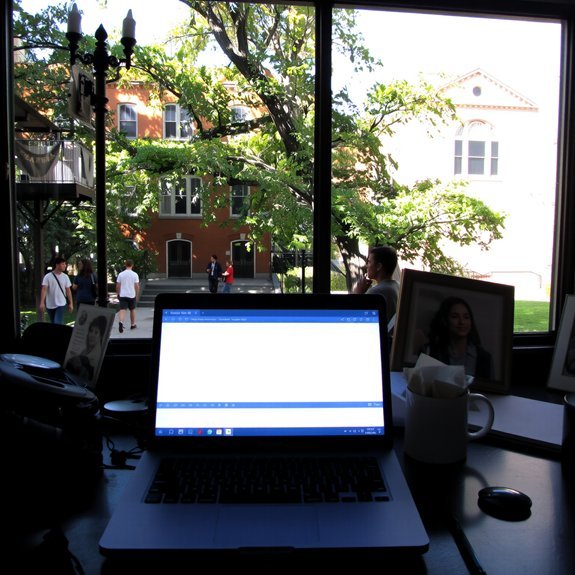
Heritage matters — it’s the beat you feel when you walk across an HBCU quad at sunset, the warm mix of laughter, brass band drums, and old brick that tells you you’ve arrived somewhere with a story. You notice traditions, rituals, the way alumni call you by your major like it’s a badge, and you grin because community happens on purpose here. I’ll be blunt, you won’t just get classes, you’ll inherit mentors who push, a culture that expects excellence, and extracurriculars that double as life training. You’ll taste soul food at midnight, join convos that sharpen your thinking, and find role models who look like you. It’s intentional, rooted, and oddly comforting — like home, but with deadlines.
Comparing Academic Quality and Accreditation

I want you to know, straight up, that accreditation is the fast-pass ticket that proves a program meets real standards, so you should check whether an HBCU’s on-campus and online offerings are accredited by the same regional or specialized agency. Look closely at faculty bios too, compare who’s teaching online versus in person, what degrees they hold, and whether they’re publishing, mentoring, or actually showing up to class—no mystery professors hiding behind a webcam. Ask crisp questions, read the fine print, and trust your gut when credentials and classroom experience line up, because that’s where real quality shows itself.
Accreditation Status Clarity
When you’re weighing an on-campus HBCU against an online program, accreditation should snap into focus like a neon sign in a foggy parking lot—blink and you’ll miss the fine print. I tell you straight: check regional versus national accreditation, program-specific vs. institutional. Scan the school’s site, call the registrar, scribble notes—don’t trust a glossy brochure. Look for recognized agencies, federal financial aid eligibility, and state authorization if you’ll cross borders online. I’ve dug through PDFs at midnight, squinting at seals; you will too, but it’s worth it. If credits transfer cleanly, that’s a green light. If accreditation is murky, alarms blink. Trust me, clarity now saves you a headache later, and maybe a tuition refund drama.
Faculty Qualifications Comparison
So you’ve checked accreditation till your eyes watered and the seals finally made sense—nice work. Now look at who’s teaching. You want professors with real credentials, not just catchy bios. Smell the campus coffee, read a CV, watch a lecture clip, and ask: do they publish, advise, and actually show up?
- Faculty degrees and ranks — PhDs, terminal degrees, tenure track, adjunct mix.
- Teaching experience and student feedback — office hours, mentorship, clarity in lectures.
- Research, community work, and industry ties — grants, local projects, real-world partnerships.
I’ll admit, I skimmed syllabi for drama once. You’ll do better. Compare lists, email a professor, sit in on a class online or live, then pick the fit that sparks your brain.
Social Life and Campus Community Differences
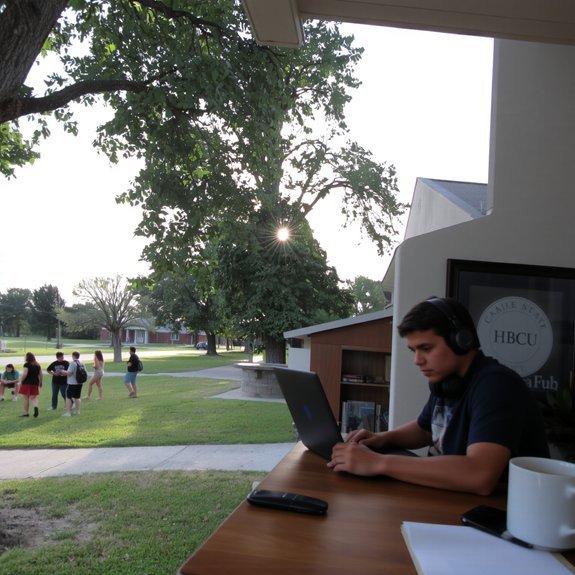
You’re weighing whether to feel the thump of a marching band under your feet or hear laughter through a headset at midnight. I’ll be blunt: on-campus life hands you tailgates, homecoming parades, and hallway jokes you can taste—online gives you scheduled socials, tight-knit chats, and the kind of friendships that bloom in shared screens. Let’s walk those scenes, compare the rituals and peer moments, and see which vibe makes you smile more.
Campus Traditions & Events
Even if you swore you’d only come for the degree, campus traditions grab you by the collar and won’t let go—festivals smell like funnel cake and rain-soaked barbecue, step shows boom so loud your chest vibrates, and late-night study breaks morph into impromptu block parties. You’ll learn school chants, wear colors you didn’t own before, and queue for homecoming like it’s a family reunion you actually want to attend. You’ll taste alumni gumbo, join a parade that refuses to be polite, and clap until your hands sting. If you’re weighing online versus on-campus, remember these trade-offs:
- Live rituals: immersive, sensory, contagious energy.
- Scheduled events: fixed calendars, occasional conflicts.
- Serendipity: bump-into moments, friendships born mid-chant.
Peer Interaction Opportunities
If homecoming had me drenched in gumbo steam and the bass from step shows rattling my ribs, then peer life is where those smells and sounds turn into people you actually know—friends who borrow your hoodie and return it with mysterious BBQ stains. You’ll get hallway nods, late-night study jam sessions, and that one roommate who makes cereal at 2 a.m., every spoon clink a small rebellion. On campus you touch shoulders in chapel lines, join clubs that meet in cramped rooms, and laugh loudly between classes. Online, you’ll trade dorm chatter for chat threads, scheduled video hangouts, and emoji-filled group texts that try, bless them, to replicate real warmth. Both work, but one feels like home.
Learning Styles and Instructional Formats
When I picked my first HBCU course, I thought “learning” meant sitting in a stuffy lecture hall or staring at my laptop until my eyes felt like two tired moons. You learn best when instruction matches your style, and you should pick a format that actually fits your brain and day. Do you thrive on live debate, hands-on labs, or step-by-step videos you can pause while making noodles? On-campus classes give immediate back-and-forth, the hum of bodies, paper rustling, and that awkward, brilliant whiteboard moment. Online formats offer bite-size modules, recorded demos, and forums you can answer at midnight, with captions for when the bus is noisy. Think honestly about focus, schedule, and how you like to practice skills.
- Active, discussion-heavy
- Hands-on, lab or studio
- Self-paced, recorded modules
Technology Requirements and Access
Alright, so you’ve figured out whether you need live debates or prerecorded noodle-pausing videos — now let’s talk gear. You’ll need a reliable laptop, a decent webcam, and headphones that don’t make you sound like a tunnel ghost. Check your school’s platform requirements, test your Wi‑Fi speed, and clear browser cache like a tiny, satisfying ritual. If you’re on campus, labs and loaner tech can save you; if you’re online, you’ll want backup chargers and a quiet nook, not a laundry-laden couch. Ask about captioning, screen-reader compatibility, and software licenses before term starts. I’ll say it plainly: tech hiccups can derail learning, so prep, test, and keep a plan B — your GPA will thank you.
Cost, Financial Aid, and Hidden Expenses
Because money talks loudest when college schedules your life, I’m going to be blunt: sticker price is just the opening act. You’ll want to compare tuition per credit, fees, and residency rules, because online may hide per-credit savings that vanish with tech or proctored exam fees. I sniff out scholarships like a raccoon at midnight — you should too — and apply early. Ask financial aid officers direct questions; don’t flatter them, grill them politely.
Sticker price is the teaser — compare per-credit costs, hunt down scholarships, and grill financial aid like a pro.
- Tuition, fees, and per-credit differences you can actually see.
- Hidden costs: software, proctoring, travel for orientations, textbooks.
- Aid timing: grants, loans, work-study, and scholarship deadlines.
Pack a calculator, a sense of humor, and a spreadsheet.
Student Support Services and Resources
If you think student support is just counselors behind a closed door, you haven’t poked enough doors — I have, and some of them even welcome you with coffee and a Wi‑Fi password. You’ll find tutoring hubs that smell like printer ink and hope, labs with patient techs who’ll stay late, and librarians who hunt down sources like bloodhounds. Online? Expect real-time chat, video drop‑ins, and screen shares that feel like someone peeking over your shoulder — in a good way. Disability services, mental‑health check‑ins, and academic coaches coordinate so you don’t fall through cracks. You’ll get orientation that actually orients you, peer mentors who text when assignments loom, and clear steps to ask for help — just say the word, I promise you’ll be noticed.
Career Outcomes and Networking Opportunities
When you walk into an on-campus career fair, it smells like polished floors and ambition — I’ll admit I once tried to network with a stack of business cards like they were a buffet. You get face time, handshake practice, immediate feedback, and those hallway chats that turn into internships. Online, you’ll trade smell for screen-time, but you’ll gain flexibility, virtual panels, and alumni from coast to coast who’ll DM you job leads at midnight.
Walking into a fair smells like ambition; swaps for screen-time bring coast-to-coast mentors, midnight DMs, and flexible opportunities.
- On-campus: instant, tactile connections, practice interviews, local employer pipelines.
- Online: broader alumni reach, virtual mentorships, recorded workshops you can revisit.
- Hybrid: best of both — meet in person sometimes, network online often.
I guide you to weigh immediacy versus reach, and choose what fits your rhythm.
Questions to Ask Admissions and Financial Aid Offices
Curious what to ask admissions and financial aid so you don’t walk out feeling like you just bought a mystery box? I’d ask specifics, plain and simple. What’s the exact tuition, fees, and refund policy if plans change? How much aid is need- versus merit-based, and will scholarships renew? Ask about hidden costs — tech fees, books, practicum travel — and get numbers, not guesses. For online programs, demand details on proctored exams, bandwidth needs, and loan deferment options. Ask admissions how they support career placement, internships, and mentorships, and request timelines. Say it out loud: “If I can’t make this work, what then?” Listen closely, take notes, and don’t sign until answers sound solid, sensible, and human.
Conclusion
You’ll feel it when you pick the right fit — campus buzz underfoot, or midnight lectures in your pajamas. I tested the rumor that one beats the other: they don’t, they trade strengths. Trust your study style, budget, and need for real faces or flexible screens. Visit, ask blunt questions, imagine a semester. You’ll know: choose the place that makes you want to get up, show up, and do the work with a grin.
Leave a Reply