
If drama on campus were a sport, you’d already have a trophy—and a restraining order. I’ve seen whispers start in stairwells and blow into full-blown sagas by this afternoon, so you learn quick: name your boundaries out loud, smile like you mean it, and say “I don’t do rumor relay” with a calm, crisp tone. Keep a few trusted people close, correct false stuff once, then move to something real—coffee, class, counseling—and watch the noise fade.
Key Takeaways
- Set firm boundaries with phrases like “I don’t do rumor relay” and calmly exit gossip conversations.
- Address harmful rumors early with a short factual correction instead of emotional reactions.
- Build a small trusted support network of mentors and peers who value confidentiality.
- Redirect gossip by asking “Where’d you hear that?” or changing the subject to neutral topics.
- Protect your mental health: avoid toxic late-night chats, use campus counseling, and practice calming rituals.
Understanding Why Drama and Gossip Flourish on Campus
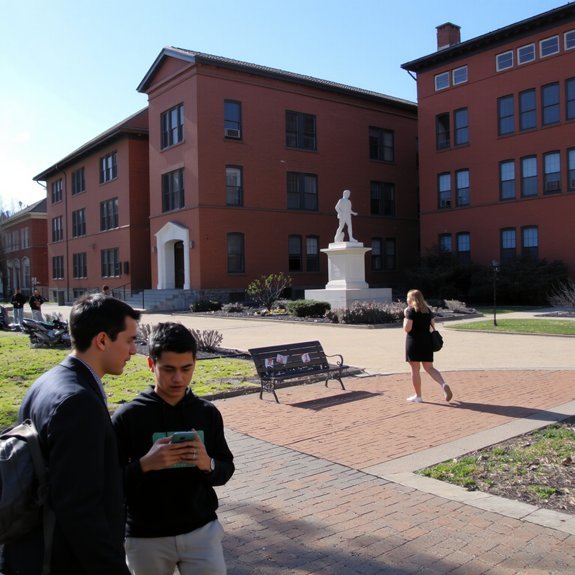
Even though you came to school to major in something useful, you’ll still notice the rumor mill churning by day two—tea in the dining hall, whispers in the quad, a group chat lighting up at midnight. You watch it all, smelling coffee and burnt toast, feeling the laughter ripple like a playlist on repeat. People bond fast here, tight as braids, so small sparks become bonfires; proximity, pride, and shared history amplify every pause and look. You hear secrets folded into jokes, see cliques trade glances, sense insecurity masquerading as swagger. You’ll catch yourself listening, then cringing, then laughing—because drama fills idle hands, gives stories teeth. I’ll admit it: you’re part detective, part popcorn vendor, and that’s human.
Setting Boundaries and Responding With Poise

So you’ve been eavesdropping at the dining hall, scrolling the group chat, maybe even laughing at a joke you know you shouldn’t—welcome to Act Two. You’re tired, you want peace, so set a line and keep it simple. Tell people, “I don’t do rumor relay,” and mean it. Use calm tones, steady eye contact, a small laugh to defuse. Walk away when noise rises, breathe the campus air, feel the sun on your shoulder.
Been eavesdropping? Draw a quiet line: “I don’t do rumor relay,” breathe, smile, and walk away.
- Say no with grace — short, firm, polite.
- Mirror facts, not feelings — ask questions, then pause.
- Exit scenes gently — “I’ll catch you later,” and go.
I’ll admit, boundaries sting at first, but they work.
Strategies to Stop Rumors Before They Spread
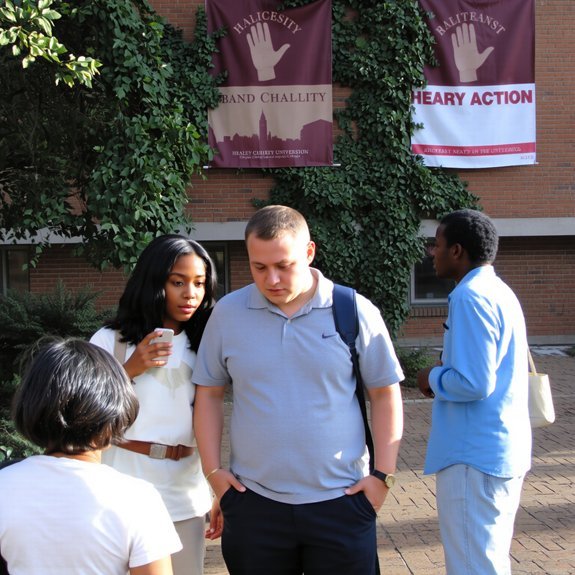
If you want gossip to die fast, you’ve got to catch it like a cold—early, and with a paper towel. I’d stroll up, smell the cafeteria coffee, and shut it down. Say what you know, plainly, not loud. Ask one calm question that redirects, like, “Where’d you hear that?” Watch their face. Facts wobble when pressure’s on. Correct false bits fast, with a tiny joke, because people relax when you do. Offer the truth in one crisp sentence, then walk away—don’t feed the rumor with long speeches. If you overhear a whisper, step into the light, use names, fix timelines. Call out exaggeration gently, don’t shame. Rumors sputter when you treat them like silly gossip, not a scandal.
Building a Trusted Support Network at Your HBCU
When you’re juggling classes, work, and a social calendar that looks like a dotted line, you need people who’ll brag on you in public and tell you the hard truth in private; I learned that fast, sitting under the magnolia by the quad, coffee cooling in my hand, listening to friends trade life hacks like mixtapes. Build a crew that’s honest, loud, and kind. Start small, test trust, celebrate wins.
- Find one professor or mentor, someone who notices your attendance and your dreams, then show up for them.
- Befriend peers who keep receipts for your promises, not your gossip.
- Keep two friends for fun, one for tough talks, one for networking — rotate as life changes.
Protecting Your Mental Health Amid Campus Tension
Because campus drama feels loud enough to drown out your playlist, you’ve got to protect your headspace like it’s a limited-edition sneaker—valuable, fragile, and worth policing. I tell you to set small boundaries, say no to late-night gossip sessions, and leave group chats that buzz like mosquitoes. Breathe: count to four, feel the air cool your lungs, let tension loosen. Carry a comfort ritual — tea, playlist, five-minute walk — something sensory that snaps you back. Talk to one trusted friend, not ten acquaintances auditioning for chaos. Use campus counseling, it’s legit, not only for crisis scenes. If a rumor hits, respond once, calmly, with facts, then drop the mic. Protecting your mind is daily, practical, almost rebellious. Do it.
Conclusion
Alright, you don’t need to become campus rumor police. I’ll watch the tea, you sip it in peace. Say “I don’t do rumor relay,” correct facts calmly, and walk away like you own your day. Phone the friend who’s equal parts wise and snacks, breathe in the late-night campus air, laugh at the chaos, then call counseling if it’s heavy. Drama’s noisy, you’re steady — now go enjoy your HBCU.
Leave a Reply