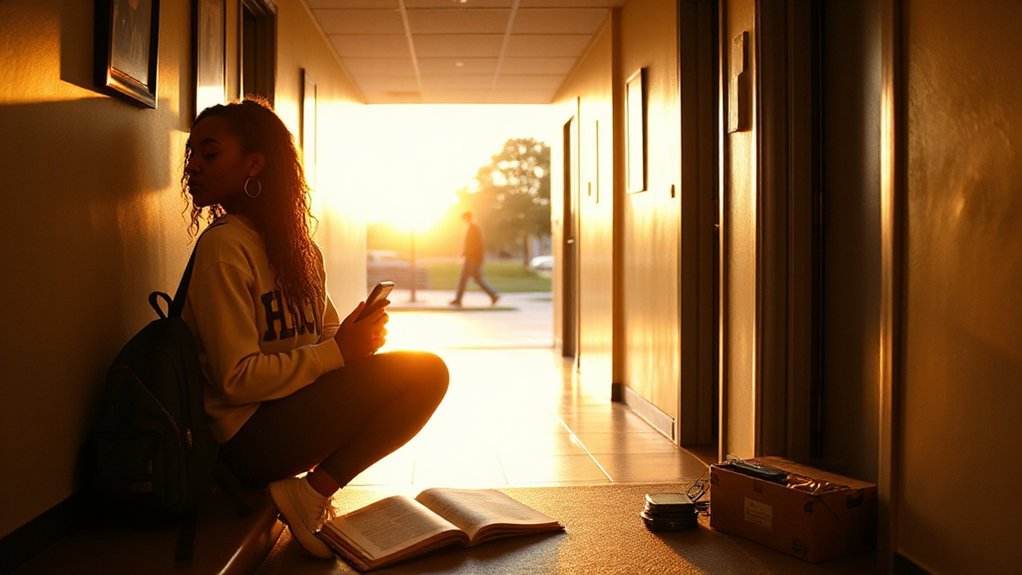
You’re on campus, the quad buzzing, and your chest feels like a bass drum — awkward and loud; I get it, I’ve sat under that same oak pretending my playlist is a thesis. You’ll want rules: who to avoid, what texts to mute, when to show up for class even if you’re a little hollow; set them, say them out loud, and keep your favorite hoodie close, smells help. Stick around — there’s a smart, messy way out of this, and we’ll map it.
Key Takeaways
- Prioritize your mental health: use campus counseling, breathing techniques, and journaling to process emotions before reacting.
- Set clear boundaries with mutual friends and group chats to avoid awkward interactions and preserve your comfort.
- Rebuild routine by scheduling small daily rituals, exercise, and consistent sleep to restore stability and focus.
- Lean into Black cultural spaces and campus communities for relatable support and shared healing.
- Protect academics: break tasks into chunks, use office hours, and request extensions when needed.
Understanding the Unique Impact of Breakups at an HBCU
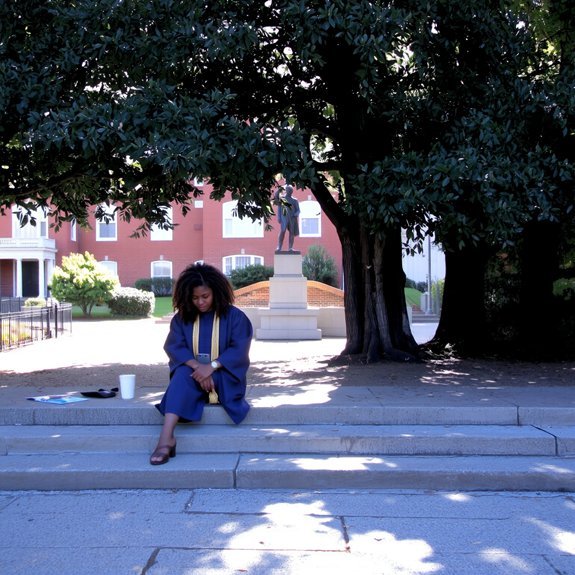
If you’re at an HBCU, you feel breakups differently — trust me, I know the terrain. You walk campus, every statue and porch remembers your laughter, and that makes absence loud. You’ll hear cousins whisper at cookout, see them sidestep like you’ve got a bruise. I tell you, the band’s drum hits in your chest, not just the field. You’ll dodge exes between class and the library, pretend air is neutral, while your stomach flips. You smell fried chicken and sweet tea, and memory tastes like both. You’ll lean on friends who know family histories, who’ll joke to make you breathe. It’s messy, sacred, public and small all at once — and you’ll survive it.
Caring for Your Mental Health and Academic Responsibilities
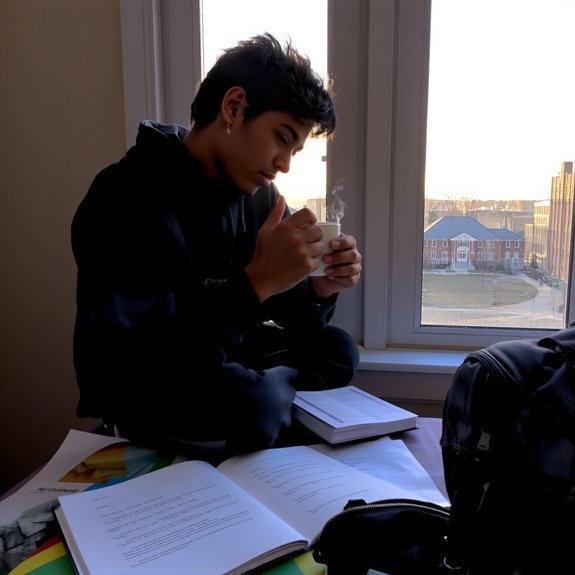
While your heart’s doing a drum solo in your chest, you’ve still got a paper due and a professor who doesn’t care about your feelings, so let’s get practical — I’m talking breathing, boundaries, and a plan you can actually stick to. Breathe like you mean it, slow inhales, long exhales; feel shoulders drop, coffee steam, campus wind on your face. Split tasks into tiny, grab-able bites: read one page, write one paragraph, save the messy feelings for a ten-minute journaling sprint. Use office hours, email your TA, ask for an extension if you need it — adults respond to actions, not sob stories. Sleep, move, eat something green. Reach out to counseling, call one friend, then do your work, one deliberate step at a time.
Setting Boundaries With Mutual Friends and Campus Community

You’re going to set clear social limits, and yes, that means saying no to awkward double-date invites with a smile and a firm “not this time.” I’ll walk you through handling shared friends, who might wobble between loyalty and logistics, and we’ll practice quick lines you can use when someone asks where you stand. Picture yourself at a noisy dorm party, palm on the sticky cup, voice low and steady—“I need space from relationship talk”—and watch people adjust, sometimes grudgingly, mostly respectfully.
Define Clear Social Limits
When breakups happen on a small campus, your social life suddenly feels like a crowded hallway where everyone’s whispering, so I say we grab the map and set some rules. You’ll tell a few friends, “Not every convo needs receipts,” and mean it. Decide which events you’ll attend solo, which you’ll skip, and which you’ll go to with a wingperson who gets your vibe. Say out loud where you need space — study spots, weekend plans, the group chat — and watch people adjust. Use short scripts: “I’m taking a break from couple hangouts,” works. Feel the relief when campus noise fades, notice your breathing, your coffee tastes better. Boundaries aren’t walls, they’re polite signs: clear, kind, firm.
Manage Shared Friend Dynamics
If you want your friendships to survive the breakup minefield, start by telling the truth before gossip fills the air like stale cafeteria pizza. I tell people what I need, you tell yours, we all avoid rumor. Say when you need space, when you’ll still hang with group study, and when you won’t attend couple-only events. Use small, kind scripts so you don’t cry in the quad.
- Name the boundary, politely — “I’m avoiding dating talk for a bit.”
- Offer alternatives — “Let’s grab coffee instead of game night.”
- Rotate hangouts — keep mutual friends, drop couple scenes.
- Enforce consequences — polite exits, mute group texts.
You’ll bungle it sometimes, laugh it off, learn fast, keep the community intact.
Finding Support Within Black Culture and Campus Resources
Because healing feels better around people who get your jokes and your history, lean into Black cultural spaces on campus for support — not like a charity, but like a home-cooked meal after a bad day. I’m telling you, hit the student center, choir rehearsal, or cultural club meeting, sniff the coffee, hear the laughter, and let that warmth sink in. Say hi, sit down, share a guilty smile, and somebody will hand you cornbread and a story. Use the counseling center too — that counselor who reads Maya Angelou is a gift. Go to events, study nights, and open mics, where jokes land and hugs are real. Don’t isolate, pull people close, trade tea for truth, and collect small comforts.
Rebuilding Routine, Identity, and Self-Worth After a Split
Even though your days might feel like a shuffled playlist, you can rebuild a routine that actually fits you — less autopilot, more intentional. I’ll say it straight: small rituals reset you. Wake with a glass of cold water, lace up sneakers, steal ten minutes of sunlight. Your room can smell like coffee, not regret. Try this:
- Morning anchor: water, stretch, one goal.
- Midday check-in: call a friend, eat something real.
- Study sprint: 25 minutes, then a walk, repeat.
- Night wind-down: journal two wins, turn screens off.
You’re more than a relationship label. Reclaim hobbies, wear the jacket you love, laugh at your own bad jokes. Identity rebuilds through tiny, stubborn acts.
Moving Forward: Dating, Healing, and Staying True to Your Goals
You don’t have to rush into dating, take it at your pace, swipe when you’re ready, not because someone’s watching. Let friends, campus groups, or that goofy dormmate who brings too much pizza be your healing crew, talk, laugh, and cry in bright, messy rooms until the knot loosens. Keep your goals front-and-center—class, internship, self-care—and if romance barges in, make sure it fits your schedule, not the other way around.
Dating at Your Pace
When you’re ready to date again—no rush, no neon sign declaring “Immediate Availability”—own that timeline like it’s yours; I’ll admit I flinched at my first coffee date, tasted burnt espresso and shaky small talk, but I also felt the tiny thrill of choosing me. You set the pace, you choose the spots, you say yes or no. Keep it simple, keep it yours.
- Start slow — text, walk, coffee; test the vibe, notice how air smells, how their laugh lands.
- Set boundaries — bedtime, study nights, talk limits; be firm, be kind.
- Prioritize goals — grades, auditions, family; dates fit around you.
- Trust instincts — if something’s off, pause, reassess, breathe, laugh at the weirdness, move on.
Healing With Community
Okay, so you’ve paced yourself back into the dating world and survived that awkward coffee sip — congrats, small victory dance duly noted — now let’s talk about who’s on the sidelines with you. You lean into friends who see you, not just your breakup highlights reel; they bring snacks, ugly sweaters, and brutal honesty. Go to study sessions that end in laughter, join choir rehearsals that make your chest buzz, sit in the quad where stories fly like confetti. Say yes to cookouts, say no to pity parties. Call your aunt, text your roommate a GIF, hold a friend’s hand through the tears. Community heals with noise, food, and presence, it stitches you up, slowly, with real people.
Goals Before Romance
If you want sparks to be back on your schedule, put your goals on the calendar first — I mean literal calendar, color-coded and stickered if that helps. I tell you this because you’ll flake on dates if you don’t guard your class time, internships, and mental health like they’re limited edition sneakers. Make romance a sweet extra, not the main course.
- List your semester goals, deadline, reward — and tape it to your mirror.
- Block study, work, gym slots, protect them like family group chat drama.
- Plan small joys—coffee with friends, a solo walk, creative hours—so you don’t depend on someone else for happy.
- Reassess monthly, celebrate wins, cancel what drains you.
Conclusion
You’ll be okay — I promise. Remember, 1 in 5 college students reports anxiety after a breakup, so you’re not alone, and that’s oddly comforting. Breathe, text a friend, hit the campus counseling center, then make soup like you mean it. Set boundaries, show up for class, and wear your favorite hoodie. Healing’s a weird, slow song; dance offbeat, learn the steps, laugh at yourself, and keep moving forward.
Leave a Reply