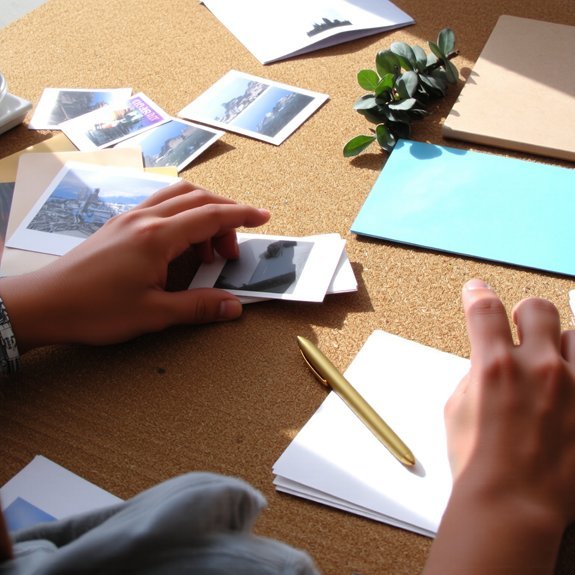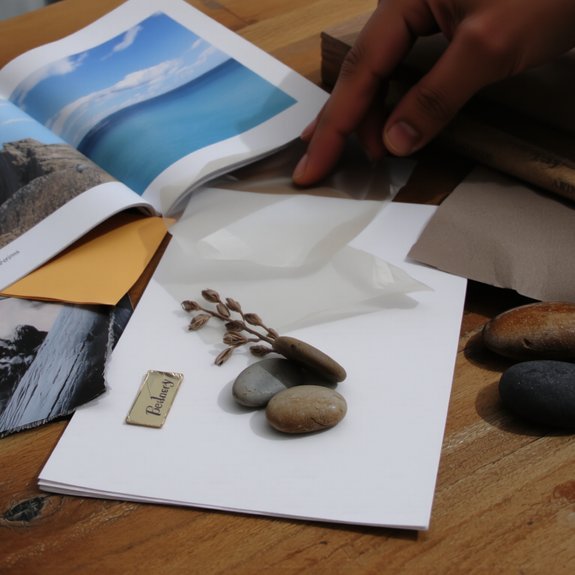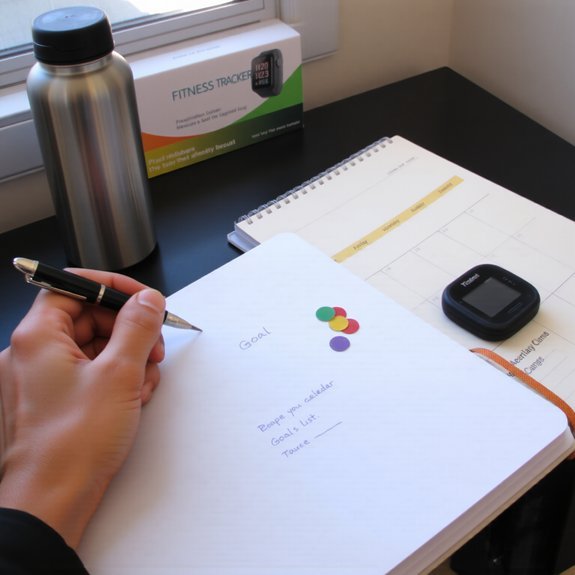
You’re going to clear space before the New Year, and yes, you can do it without crying into a trash bag; I’ll be blunt and helpful. Start with your closet—feel the hangers, smell the sweaters, try on the one shirt you keep “just in case” and decide. Set a 20-minute timer, sort into keep, donate, recycle, trash, and celebrate the small pile that leaves. Keep reading for a simple room-by-room plan that actually works.
Key Takeaways
- Start small: set a ten-minute timer per spot to tackle counters, drawers, or a shelf for quick, satisfying progress.
- Sort fast using four bins — keep, donate, recycle, trash — and decide without overthinking.
- Begin with your closet: remove items not worn in two seasons and box donations immediately.
- Make daily 5-minute sweeps of surfaces and a weekly reset to prevent clutter from returning.
- Celebrate tiny wins and visualize spaces as fresh starts to keep motivation and momentum.
Why Decluttering Before the New Year Matters
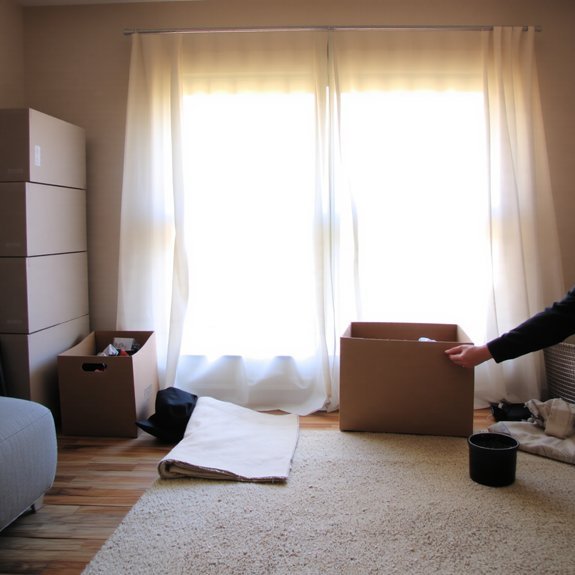
Even if you’re not a minimalist, clearing stuff before the New Year gives you a weird little hit of freedom; I know, I’ve chased that high. You walk room to room, fingers dusty, and the air smells faintly of old paper and cinnamon from last month’s candle — small comforts, but they crowd your head. You’ll notice mental clarity settle like sunlight on a table when you toss or donate items that don’t spark joy or purpose. It’s a ritual, a tidy shove toward a fresh start, and yes, it feels oddly ceremonial. You’ll bin impulse buys, fold sweaters you forgot you owned, and feel lighter. I talk fast, you act, we both get the payoff: space, breath, and a grin.
Quick Mindset Shifts to Make Decluttering Easier

If you treat decluttering like a chore, you’ll stall — but if you treat it like a tiny rebellion, you’ll actually have fun. I tell you this because mindset motivation matters; you’ll swap dread for curiosity, and that’s half the battle. Picture the drawer as a treasure chest, not a landfill; touch each item, listen to the small click of decision. Say aloud, “Keep, donate, toss,” like a quirky auctioneer, and move fast. Set a ten-minute timer, sprint through a shelf, feel the relief like cool air after a muggy day. Celebrate tiny wins with a silly fist pump, because your declutter mindset needs rewards. You’ll be surprised how playful choices turn chaos into calm, and yes, it’s oddly satisfying.
Room-by-Room Decluttering Checklist
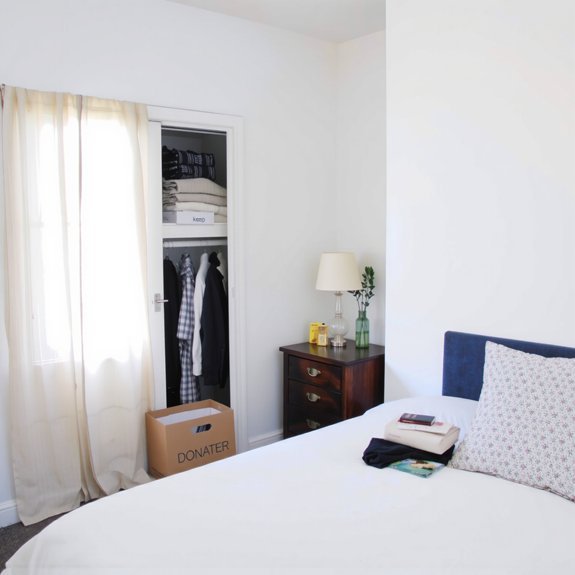
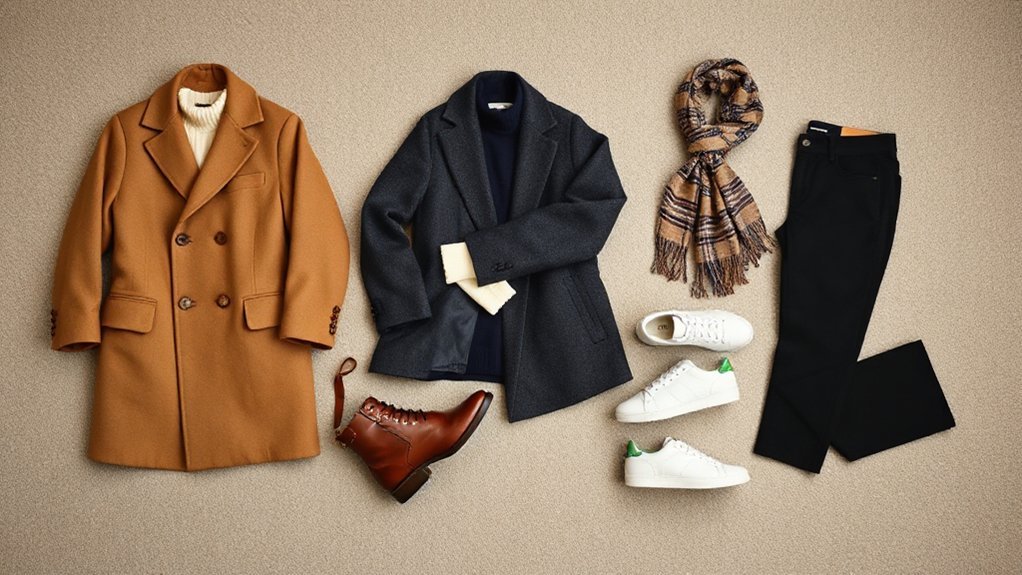
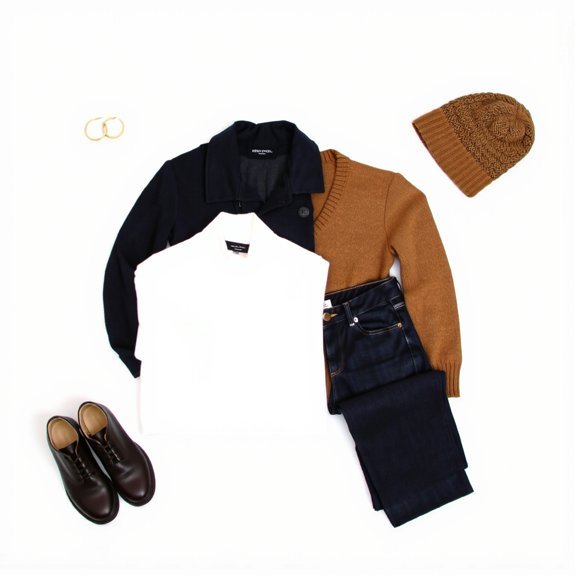
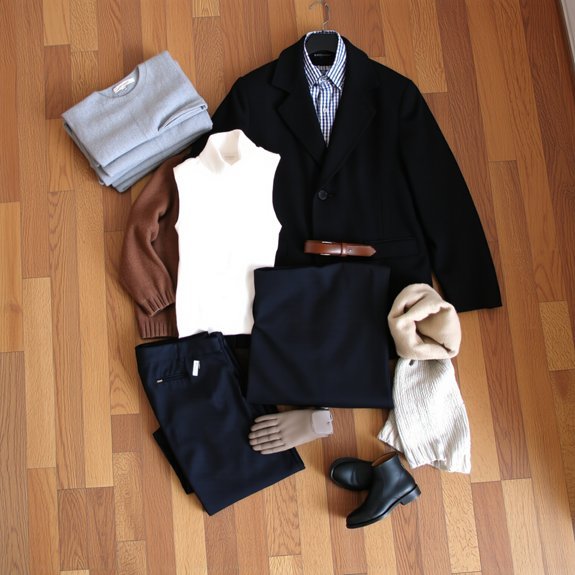
Alright, you’re starting with the closet — I’ll make you ruthless, quick, and slightly smug about it. Run your fingers across hangers, feel for the weights and memories, toss anything that pinches, stains, or hasn’t seen daylight in two seasons. Then sweep the surfaces, clear flat spots into labeled bins, and actually put things where they belong—no more mystery piles, promise.
Closet Purge Strategy
One closet, one hour — that’s my promise and your tiny miracle. I tell you, grab a trash bag, two boxes, and a loud playlist. You pull everything out, feel the fabric, smell the season — yes, literally sniff that wool sweater — and sort into keep, donate, repair. I coach you through closet organization: uniform hangers, strategic shelves, labeled bins. Don’t overthink, try pieces on, be honest, and laugh when something still has a price tag. Make a seasonal rotation plan, stash off-season clothes in vacuum bags or high shelves, swap twice a year. You’ll wipe down the empty space, sweep, then rehanger with breathing room. One hour, less chaos, more mornings that actually feel calm.
Surfaces and Storage
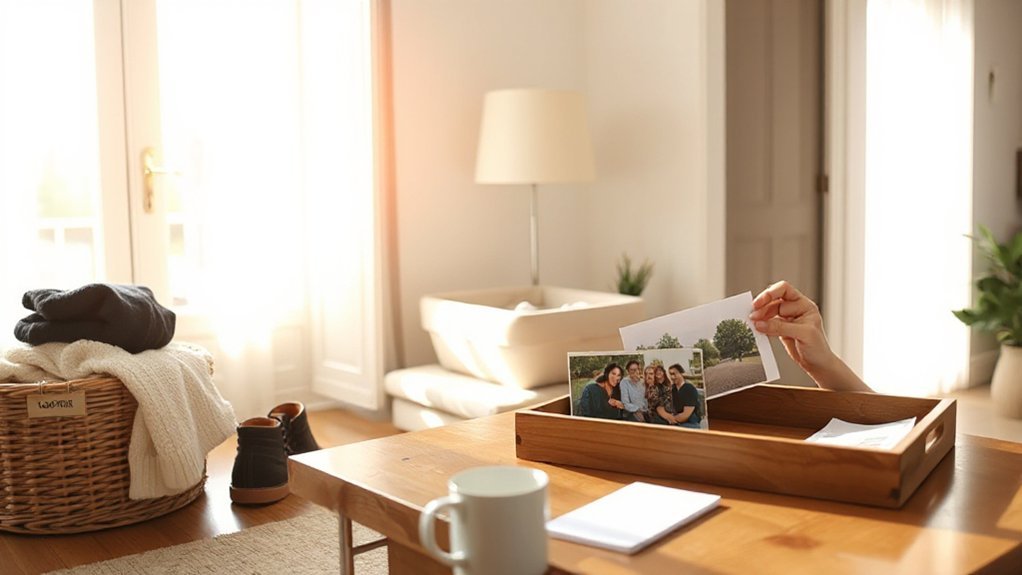
Surfaces are where your life lands — keys, coffee rings, mystery crumbs, and the remote that always vanishes when you actually need it — and I’m here to make those flat lands behave. You’ll clear counters, tables, and dressers, touching each item, asking: keep, relocate, or ditch. Surface organization means defining zones — a morning station for keys and mail, a night zone for chargers and glasses — and refusing clutter’s slow creep. I’ll show you quick wins: tray corals for loose things, shallow baskets for mail, a catchall bowl for coins. Then you’ll pick storage solutions that match the room’s rhythm, label boldly, and commit: five minutes daily, one sweep nightly. It’s tidy, not tortured, and you’ll absolutely notice.
Sorting Techniques: Keep, Donate, Recycle, Trash
Think of sorting like triage for your stuff—you’ll touch fabrics, sniff old candles, hear the clink of glass, and make fast, honest calls. I tell you, decluttering strategies work best when you set four sorting categories: keep, donate, recycle, trash. Start loud: grab a box for each, label them, and move through a surface or shelf. If you use it weekly, keep it. If it’s intact but unloved, donate. If it’s paper, plastic, or broken glass, recycle. If it’s moldy, stained, or safety-risk, trash. Say aloud, “Nope,” like a tiny referee. I’ll nag you: don’t overthink. Feel textures, test zippers, sniff candles — decisions get easier with action, and your space thanks you.
How to Handle Sentimental Items Without Overwhelm
When you open that box of childhood treasures, your stomach might do a tiny backflip — and that’s okay, I promise; I do the same thing, hands hovering, breathing in faded birthday cake and old marker, feeling the crinkle of paper and the dent in a plastic toy that once ruled your afternoons. You don’t have to keep everything. Touch each item, ask one sharp question: does this spark joy, or does it spark guilt? Photograph bulky things for memory preservation, tuck prints in a slim album, or pick one token to represent a set. Tell the story out loud, even if it sounds ridiculous. Set a small limit, label a “maybe” box, revisit in a month. Honor emotional attachment, not clutter. Simple, brave, done.
Time-Saving Tools and Supplies to Have on Hand
I’ll show you the few supplies that make sorting fast and painless — think sturdy boxes, bright labels you can actually read, and a trash bag that gets used. You’ll want a couple of clever gadgets too, like a cordless label maker that sings your choices into tidy strips, and a timer so you don’t wander off mid-sort. Grab these, set a sixty-minute sprint, and we’ll turn chaos into a neat, sniffable victory.
Essential Sorting Supplies
Okay — let’s arm you for battle. I’ll hand you the kit: sturdy sorting bins for keep, toss, donate, and maybe “not sure”—they click, they stack, they make choices feel real. Grab labeling supplies, a bold marker, and colored tape; slap labels on lids like you mean it, your future self will thank you. Have a timer, gloves, a small trash bag, and a box for quick desk tools. Keep a microfiber cloth nearby, you’ll wipe surfaces and feel victorious. Play upbeat music, talk to the socks if it helps, I won’t judge. Move briskly, sort by sight and touch, toss what smells off, donate what sparks neutral. Celebrate tiny piles, they’re progress, not shame.
Time-Saving Gadgets
Because you want speed without chaos, arm yourself with gadgets that do more than look cool on a shelf — they save minutes, and minutes become hours. I tell you, start with smart organizers that clip, label, and hide chargers; you’ll feel the weight lift when cables stop staging a rebellion. Grab a portable label maker, a compact vacuum for crumbs and dust bunnies, and a cordless scanner for receipts — quick scans beat piles of paper every time. For screens, I swear by apps for digital decluttering, batch-unsubscribe, and one-touch file sorting — it’s like a spa day for your phone. You’ve got this, and these tools will make the job fast, oddly satisfying, and even a little fun.
Where to Donate, Sell, or Recycle Unwanted Items
Where do you start when every drawer feels like a small museum of things you don’t need? You grab a box, breathe, and whisper to yourself, “Be brave.” Donate items that still spark usefulness to local charities; you’ll feel lighter, and someone else will score a win. Sell higher-value stuff on online marketplaces—snap bright photos, write clear descriptions, price to move, and watch notifications ping like tiny triumphs. Recycle electronics at designated drop-offs, toss textiles at fabric bins, and take hazardous waste to scheduled events; smell-free, safe, responsible. If an item’s sentimental, bag it, date it, stash it—don’t altar your whole closet for old ticket stubs. I’ll cheer you on, and yes, we’ll laugh when you find that long-lost mug.
Maintaining a Clutter-Free Home After the Reset
Set three tiny rules and call it your new domestic religion—no dramatic vows required. I’ll be blunt: keeping a reset home means tiny, steady practices, not epic Saturday marathons. You’ll build decluttering habits that feel like breathing, not a chore. Touch surfaces, sniff the warm linen, decide fast. Use clear organization systems, bins you can open with one hand, labels you actually read.
Set three tiny rules. Small, steady habits—touch, decide, stash—keep your home calm without heroic cleaning binges.
- Daily 5-minute sweep: counters, shoes, mail.
- One-item-in, one-item-out: clothes, gadgets, knickknacks.
- Weekly reset: laundry, surfaces, donation box.
- Monthly audit: toss, repair, reorder supplies.
You’ll learn to spot clutter triggers, laugh at past hoarding, and keep the calm you earned.
Conclusion
You’ll sweep out more than dust; you’ll clear the attic of your mind. I’ve been there—half a box of memories, half a pizza slice—and you’ll sort with scissors and love. Set a timer, toss what’s stale, cradle what’s precious, give the rest a new home. The closet becomes a shoreline, each kept thing a smooth stone. Breathe in the clean air, smile, and step into the New Year lighter, louder, yours.