Author: Jordan C

  • How Do I Make a Christmas Wreath

    How Do I Make a Christmas Wreath

    You’re about to make a wreath, and I’ll walk you through it without the fluff; we’ll pick a sturdy base, stack fragrant greens, and wire on ornaments so nothing droops by New Year’s — you’ll feel the pine needles snap under your fingers and smell citrus ribbon as you tie the bow, and yes, you’ll get a little sap on your sleeve (I do too); stick with me and you’ll have a balanced, weatherproof wreath that actually looks like you meant it, but first—let’s choose the base.

    Key Takeaways

    • Choose a sturdy wreath base (metal ring, grapevine, or foam) sized for your doorway and secure an armature wire loop for hanging.
    • Select a mix of greenery (fresh pine, cedar, eucalyptus or artificial) to vary texture, color, and longevity.
    • Layer sturdier greens first, overlap mid-length sprigs like shingles, then tuck softer bits into gaps for depth and balance.
    • Add decorations (ornaments, pinecones, berries) strategically in clusters, anchoring with floral wire or hot glue for weatherproofing.
    • Finish with a wired ribbon bow, trim tails neatly, and use a strong hook or fishing line loop to hang at eye level.

    Choosing the Right Wreath Base
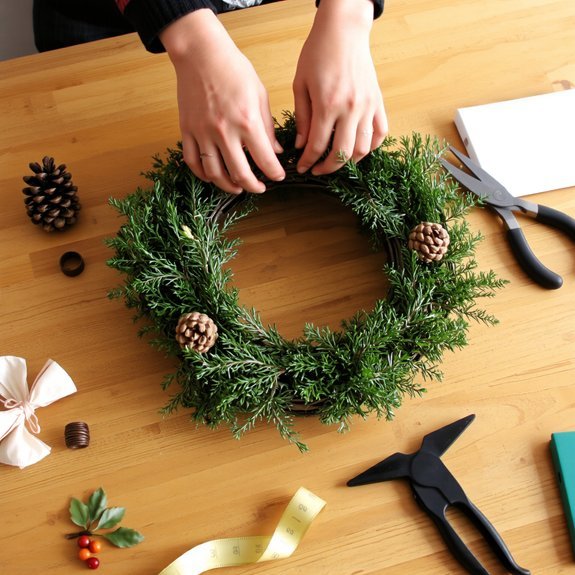
    choose sturdy wreath base

    One simple rule: pick a base that can hold up to your ambition, not just your Pinterest fantasies. I’ll say it like a coach: you want sturdiness, not drama. Feel the twig frame’s rough bark, the metal ring’s cool edge, the foam’s spongey give. I’ll show you how wreath materials change the game — grapevine for rustic, wire for sculpted, straw for lightweight cheer. Consider base sizes frankly: small for doors with personality, large for that entryway that needs applause. You’ll test balance, press ribbon into place, listen for wobble. I joke that my first wreath fell like a confused pancake, but you’ll learn to pick the right base, twist wire tight, and finish with confidence. Simple, tactile, satisfying.

    Selecting Greenery and Foliage
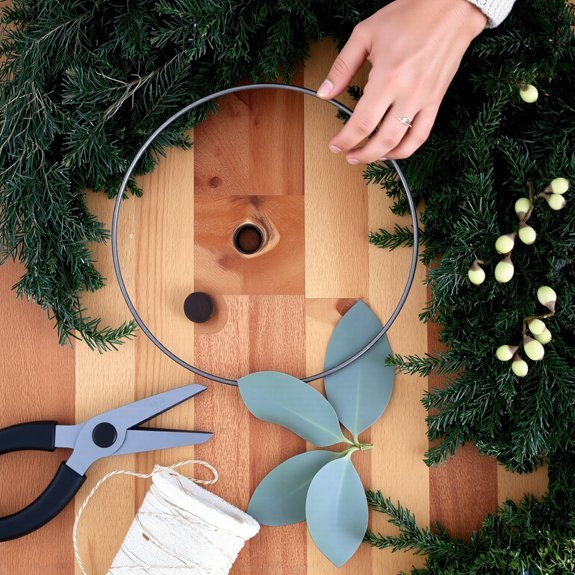
    fresh greenery versus artificial

    You’ll decide whether to go fresh—piney, resin-scented and a little sticky—or artificial, which won’t shed on your sweater and lasts for many seasons. I’ll show you how to mix needles, eucalyptus leaves, and glossy holly, balancing textures and colors so your wreath reads cozy but never cluttered. Grab clippers, sniff the greens, and let’s make something that smells like winter and looks like you actually knew what you were doing.

    Fresh vs. Artificial

    Fresh greenery smells like winter captured in a basket—piney, resinous, a little sharp in the back of your throat—and it’ll make your wreath feel alive; artificial, on the other hand, is the dependable roommate who never drops needles and will survive your cat’s enthusiasm. You’ll notice fresh advantages immediately: scent that fills the room, soft flexible stems you can bend, a rustic imperfect look that screams homemade. But it sheds, it needs water, and it ages like a diva in February. Artificial benefits are tidy, reusable, and you can work on the wreath months ahead without panic. I pick based on where it hangs, how much fuss I’ll tolerate, and whether I want that real-forest thrill or effortless longevity.

    Mixing Textures and Colors

    If you picked fresh, good — your house smells like a ski lodge and you’ve got pliable stems to work with; if you went artificial, also good — no needles, no drama, you can binge-wreath at 2 a.m. I tell you which greens play nice, and why texture combinations make your wreath sing. You’ll mix soft fir, spiky juniper, glossy holly, and feathery eucalyptus, feeling each under your fingers, hearing a little crunch or none at all.

    • Start with a bulky base, like noble fir, for structure and drama.
    • Add sprigs of juniper for contrast, and candlewick texture.
    • Tuck glossy holly for shiny pops and color blending.
    • Finish with eucalyptus for scent and movement.

    Picking a Color Scheme and Style
    wreath color scheme choices

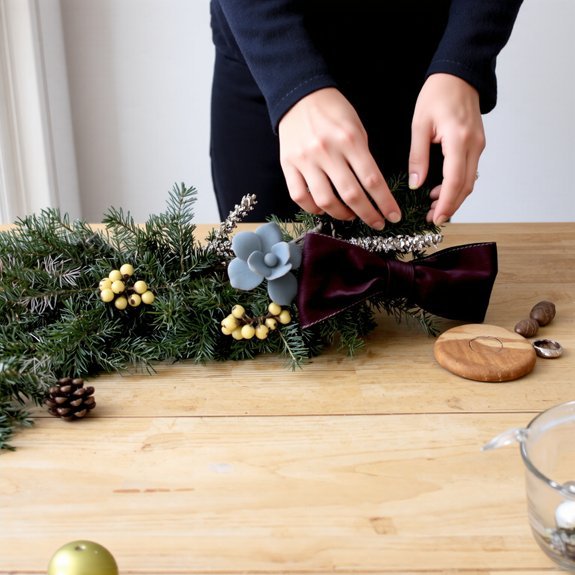
    You’re choosing whether your wreath will feel classic and cozy or sleek and modern, and I’ll admit I’m biased toward lots of ribbon and twinkle lights — they make everything friendlier. Pick a color palette next: go traditional with deep greens, reds, and golds that smell like pine and cinnamon, or choose a modern combo—think cool whites, silvers, and a single bold accent—that pops against your door. I’ll help you match tones and textures so your wreath tells the story you want, no judgment if you sneak in a glittery ornament.

    Traditional vs. Modern

    Because colors set the mood before anyone rings the doorbell, I like to decide my wreath’s personality first—classic or bold, cozy or surprising—so the whole project feels intentional, not accidental. You’ll pick a path: lean into traditional designs with deep greens, berries, pinecones, and velvet ribbons, or go modern with unexpected textures and modern materials like metallic mesh or acrylic ornaments. I talk you through vibe, not math. You’ll touch, tweak, step back, and grin or rework.

    • Choose anchors: evergreen base or sleek wire frame.
    • Add focal points: pinecones and plaid, or glossy baubles.
    • Layer textures: soft needles, crisp metal.
    • Finish with mood: vintage charm or clean, minimalist cheer.

    Color Palette Selection

    When I pick a color palette, I start like a chef tasting salt—small, deliberate, confident—because the first swipe sets the whole recipe. You’ll pick a base, a contrast, and a pop. Think deep forest greens or icy blues, then add copper, berry, or matte gold for punch. Use basic color theory—complements calm, analogous blends soothe, triads energize—so your wreath won’t argue with the mantel. Scan seasonal trends, yes, but don’t be a slave to them; slip in a vintage ornament for personality. Lay swatches on the table, squint, rotate them under light, and step back—trust your gut. If it makes you smile, it’s right. I’ll call that decorator’s proof and move to wiring.

    Gathering Tools and Supplies

    Alright — let’s gear up. You’re about to gather wreath making essentials, and I’ll walk you through the stash you’ll actually use, not the junk you’ll regret buying. Picture crunchy pine needles, cold wire under your nails, bright ribbon catching light. You’ll want tools that feel steady in your hand, supplies that scream seasonal decorations, and nothing fussy.

    • Pruning shears or wire cutters, sharp and reliable.
    • A sturdy wreath frame, grapevine or wire, no wobbly drama.
    • Assorted greenery and filler—pine, eucalyptus, berries for texture.
    • Ribbon, floral wire, hot glue sticks—color and hold in one kit.

    I’ll keep you honest, practical, and a little smug about how great this will smell.

    Preparing and Wiring the Base

    You’ll pick a wreath frame that fits your door and your patience, whether it’s wire, foam, or that rustic twig thing that pokes you. I’ll show you how to wrap and anchor armature wire so the greens don’t wobble off, fingers smelling like pine and wire prickling your skin. Grab your wire cutters, pliers, and floral tape—let’s get the base tight, tidy, and ready for the fun stuff.

    Choosing a Wreath Frame

    Because the frame is the wreath’s skeleton, you’ll want one that’s sturdy, easy to work with, and not going to sag like my last attempt (which looked like a sad, festive pancake). You’ll weigh wreath frame options, do a quick materials comparison, and pick what fits your style and patience. I like something I can poke, bend, and not cry over.

    • Metal ring: rigid, thin, holds shape, clicky when you tap it.
    • Grapevine: rustic, fragrant, forgiving, a few pokes required.
    • Foam form: light, smooth, perfect for pins and glue.
    • Wire grid: customizable, strong, ideal for heavy ornaments.

    Grab gloves, feel the textures, imagine the finished wreath, then choose confidently.

    Securing Armature Wire

    Grab your wire, roll up your sleeves, and let’s tame this skeleton. You’ll start by measuring a length that wraps the frame twice, you’ll twist the ends to form a secure loop, and you’ll feel the mild snap of wire under your fingers — not painful, dramatic, but honest. I show you simple wreath assembly techniques that don’t pretend to be magical. Anchor the wire at regular intervals, make tight wraps, tuck tails beneath previous coils, and test for wiggle. Use consistent spacing, listen for rattles, adjust until solid. My wire securing methods are straightforward: twist, snug, and clip. You’ll be proud, the base will be honest, and you’ll smile at your own handiwork.

    Preparing Wiring Tools

    One set of tools will save you from a thready disaster: wire cutters, pliers with good grip, floral wire in two gauges, and a spool of twine for backup—lay them out like a tiny surgical tray and feel oddly official. I tell you this because the right tool types change the whole feel of the job, they make wiring techniques simple instead of stubborn. You’ll hear me mutter as I work, but you’ll also smile at the clean snips.

    • Wire cutters: crisp, sharp, no ragged ends.
    • Pliers: good grip, small jaws for twisting.
    • Floral wire (20 & 24 gauge): stiff and flexible.
    • Twine: emergency holds, rustic texture.

    Touch the metal, listen for the snap, start confidently.

    Layering Greenery for Fullness

    If you want a wreath that looks like it swallowed a forest, start by thinking in layers—really, like lasagna but greener and less saucy. I’ll walk you through layering techniques that make a thin hoop look abundant, and show how achieving balance keeps it from tipping into chaos. First, attach a base of sturdier greens, fir or pine, wired tight; that’s your scaffold. Add mid-length sprigs, overlapping like shingles, wire each bundle near the stems. Tuck softer bits—cedar, eucalyptus—into gaps for texture and scent, push stems in, listen for a satisfying thud. Step back, rotate, trim stray tips. If one side screams “too much,” soften it. You’ll end up with depth, scent, motion, and guilt-free bragging rights.

    Adding Ornaments and Decorative Accents

    Now that your wreath looks like it could hide small woodland creatures, it’s time to dress it up—no tuxedo required. You’ll think about ornament placement like composing a little chorus: balance, rhythm, a pop of surprise. Tuck shiny balls into nooks, cluster matte ones for contrast, and let a pinecone peek out for texture. Handle each piece, feel the cool glass or rough cone, secure it with wire so it won’t wobble when the door slams.

    • Cluster three ornaments at varying depths for depth and interest.
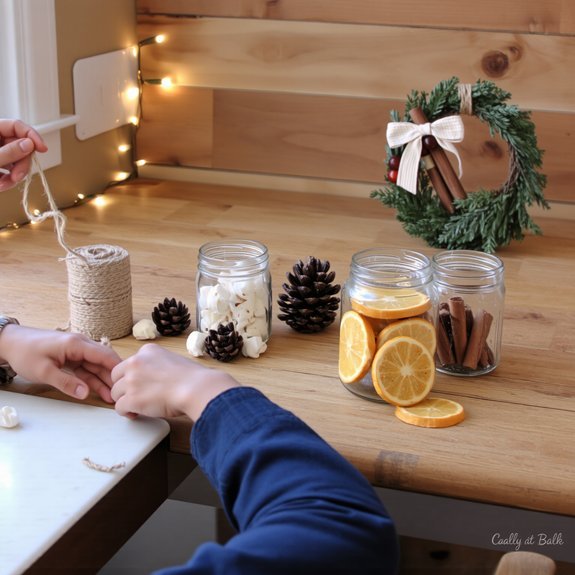
    • Add natural decorative accents, like cinnamon sticks or dried orange slices.
    • Use small picks to anchor lighter pieces deep inside the greens.
    • Step back, squint, adjust spacing until it sings.

    Tying and Styling the Bow

    Bows are the grand finale, the hat on your wreath’s head, and they’ll make people stop mid-walk to admire—or at least not notice the squirrel you’ve accidentally invited. I’ll walk you through bow tying so your ribbon looks pro, not panic. Pick wired ribbon for shape, cut tails at an angle, and hold the loops like small presents. Twist the center, cinch with floral wire, flare the loops, trim tails to match. For bow styling, fluff each loop, bend wired edges, and tuck a sprig or ornament into the knot for depth. Step back, squint, adjust—trust your eyes. If it droops, tighten; if it’s too stiff, loosen. You’re aiming for cheerful, not combative.

    Weatherproofing and Long-Lasting Tips

    Because your wreath will face wind, rain, and the occasional curious raccoon, I treat weatherproofing like giving it a tiny, stylish umbrella. You’ll pick weatherproof materials, seal delicate bits, and think ahead, so your wreath survives sleet and surprise hugs from the porch. I talk you through quick, smart fixes that actually work, no artisanal nonsense.

    • Use waterproof glue and wired stems, for strength and clean lines.
    • Spray a matte sealant on pine cones and berries, to lock color and scent.
    • Wrap ribbon ends in clear tape, then heat-shrink, prevents fraying fast.
    • Swap perishable greens weekly, tuck in faux stems for seasonal durability.

    Do it right, and you’ll brag to neighbors without shame.

    Hanging and Displaying Your Wreath

    If you want your wreath to look like it belongs on the front door and not in a sad pile on the porch, think placement first and hardware second. Pick eye level, where passersby meet it, not under a porch light that melts pine needles. I like magnetic hooks for metal doors, over-the-door hangers for ease, and a discreet loop of fishing line for that floating look. Try different hanging techniques, give each a tug, listen for secure silence. For indoor display ideas, hang above the mantel, over a mirror, or on a gallery wall to steal the show. Add a ribbon that matches your door’s color, feel the texture, trim the tail. If it leans, adjust, step back, admire — you nailed it.

    Conclusion

    You’ve got the gist, and you’re ready—so go grab that metal ring, a clump of fragrant fir, and some ribbon. I’ll cheer from the kitchen while you trim, wire, and tuck, feeling sap on your fingers and pine in the air. Want praise or a hot cocoa afterward? I’ll take both. Hang it at eye level, step back, admire, and know you made something merry, sturdy, and utterly yours.
  • How Do I Celebrate Christmas on a Budget

    How Do I Celebrate Christmas on a Budget

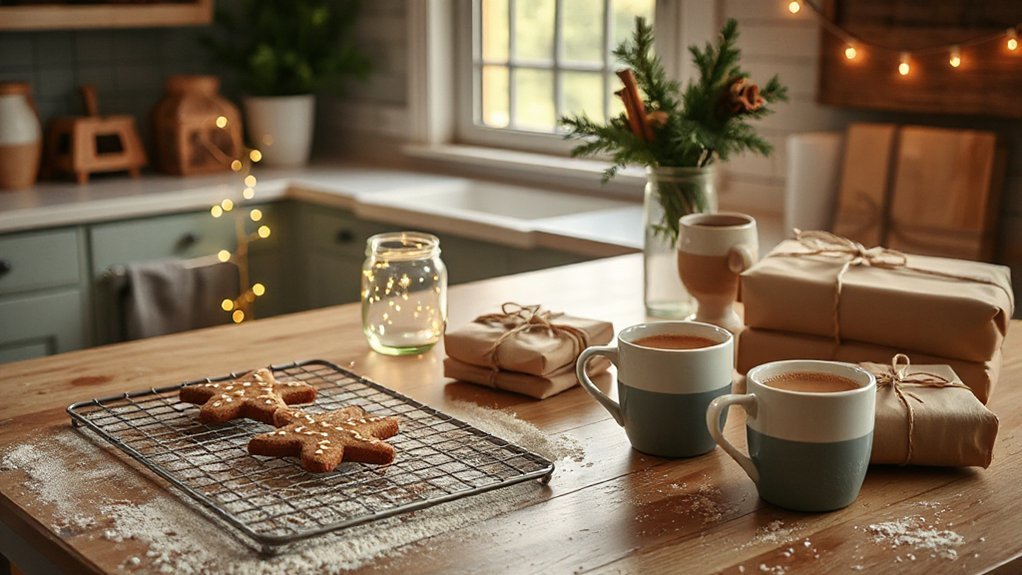
    You can make Christmas feel rich without blowing your wallet, and I’ll show you how to do it without sounding preachy or resorting to fruitcake. Picture cinnamon steam from a cheap-but-cheerful mulled cider, twinkling paper stars you folded at midnight, and a potluck that’s more laughter than stress; we’ll set a smart budget, DIY clever gifts, and snag deals that actually matter—come on, let’s pare down the noise and keep the good stuff.

    Key Takeaways

    • Set a realistic holiday budget and use a sinking fund or weekly deposits to avoid last-minute overspending.
    • Prioritize homemade gifts and experiences—jarred treats, coupon booklets, or framed photos—to save money and add meaning.
    • DIY decorations using dollar-store supplies, foraged foliage, and simple crafts to create festive ambiance cheaply.
    • Plan meals with potlucks, shared ingredients, and clear assignments to reduce cost and food waste.
    • Seek free local events, volunteer opportunities, and smart shopping tactics like price alerts and late-night markdowns.

    Set a Realistic Holiday Budget and Savings Plan

    realistic holiday budgeting plan

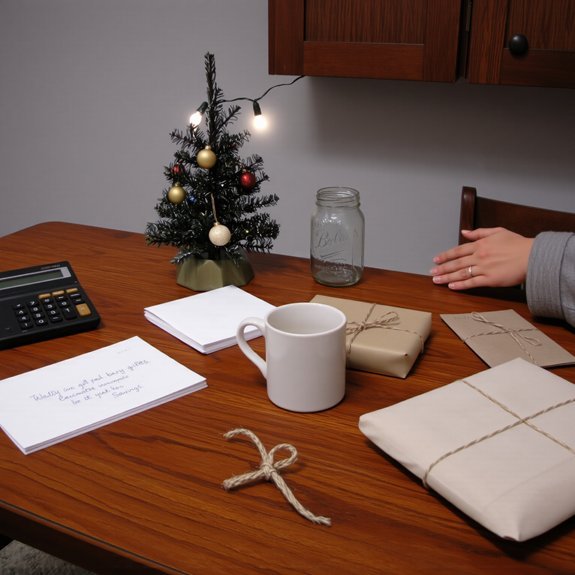
    If you don’t want January to feel like a financial hangover, start by naming the number you can actually live with—no fantasy wishlists, no “maybe I’ll win the lottery” math. I’ll say it plain: you pick a figure, breathe, then commit. You’ll map gifts, food, travel, and little extras into one honest total. Use holiday financial planning tools, a spreadsheet, or an app, whatever feels tactile—tap, type, scribble. Track receipts like crumbs on the counter, practice seasonal expense tracking weekly, and call yourself out when temptation sneaks in. I suggest a sinking fund: small weekly deposits that you barely notice, but Santa will. Talk to your people, set expectations, and celebrate tiny wins; budgeting can be fierce, funny, and surprisingly cozy.

    DIY Decorations and Frugal Decorating Ideas

    frugal festive diy decorations

    You’ll laugh at how festive a $1 ornament can look once you add a dab of glitter and a hot-glue bow, I promise — I’ve rescued more sad plastic balls than I care to admit. Walk outside with a mug of cocoa, grab pinecones, sprigs, and crunchy leaves, and you’ll have natural garlands that smell like winter and cost nothing but a brisk breeze. Mix those finds with dollar-store charms, string some warm lights, and you’ve turned thrift into charm — no elf budget required.

    Dollar-Store Ornaments

    Ornaments are tiny miracles when your budget’s tight — trust me, I’ve turned a $1 paperclip into a tree conversation piece. You’ll love how dollar store finds transform with glue, paint, and a little nerve. I scoop plastic baubles, ribbon, and charms, then tweak, glue, and glitter until they feel boutique.

    1. Spray-paint plain balls, rub on metallic wax, add twine hooks — instant rustic glam, no guilt.
    2. Hot-glue beads to wooden discs, thread a loop, whisper “handmade” when guests ooh — you’ll grin.
    3. Clip candy-cane hooks to ribbon bundles, tuck tiny bells, shake for tiny, merry sound effects.

    You’ll craft tactile, scented, colorful pieces that smell like cinnamon, look festive, and cost almost nothing.

    Natural, Foraged Decor

    When I stroll the frost-crisp edges of a park and tuck pine cones into my coat pockets like tiny, pointy treasures, I’m not just scavenging — I’m assembling atmosphere on a shoestring. You’ll learn to spot foraged foliage, haul home fragrant sprigs, and make magic from what others call yard waste. Tie twine around a bundle of cedar, wedge eucalyptus into a candle ring, or thread cranberries like edible beads; the smells hit first, then the smug satisfaction. You’ll press leaves into simple frames, roast orange slices in the oven until they perfume the kitchen, and lean rustic wreaths against a bookshelf for instant charm. It’s cheap, earthy, a little messy, and honestly, very you.

    Affordable Gift-Giving: Thoughtful, Low-Cost Presents

    thoughtful affordable gift ideas

    Even if your wallet’s whispering “nope,” you can still hand someone a present that makes their eyes light up and their kitchen smell better than your last attempt at baking; I’ve done it, you’ll laugh, and they’ll pretend not to care while clutching it. I’ll show you quick, clever swaps that feel luxe, not cheap. Think handmade gifts, experience gifts, and tiny luxuries that sing.

    1. Jarred goodies — spice mixes, cookie mix, infused oil; label by hand, tie with twine, your kitchen will smell amazing.
    2. Coupon booklet — breakfast in bed, a hike, tech help; print, fold, decorate, promise kept.
    3. Upcycled treasure — frame a photo, mend a scarf, curate a playlist; personal beats pricey every time.

    Budget-Friendly Holiday Meals and Potluck Strategies

    If your holiday budget is whispering “compromise” and your oven’s already scolding you for that pan of experimental cookies, don’t panic—I’ve got a game plan that keeps bellies full and wallets happy. You’ll use meal planning like a boss: inventory the fridge, pick recipes with shared ingredients, and write a shopping list that won’t wander into impulse lane. Host a potluck with clear potluck themes—soups, sides, or desserts—so nobody brings twelve salads and one sad pie. Assign dishes by skill level, text reminders, and label everything with tiny notes, because people will forget names faster than Uncle Joe forgets diets. Set out platters, light a citrus-spritzed candle, and enjoy hearty bites without blowing the budget.

    Free and Low-Cost Local Activities and Traditions

    Because you don’t need a fat wallet to have a loud, lovely holiday, I go hunting for free and cheap local stuff like it’s a seasonal sport. You’ll find joy in community events, twinkling lights, carolers’ breath fogging the air, and cinnamon from a vendor at holiday markets that won’t nick your budget. I show up early, snag a hot cider, listen, laugh, and soak it in.

    1. Free tree lightings — bring a thermos, hug a friend, sing off-key.
    2. Carol swaps and neighborhood walks — flashlights, mittens, unexpected cheer.
    3. Volunteer nights at shelters or toy drives — hands busy, heart warm, stories richer.

    Get out, be present, trade dollars for memories.

    Smart Shopping Tactics and Timing to Save More

    All that neighborhood cheer works up an appetite for deals, so now I’m steering you toward the part where your wallet gets proactive — smart shopping and timing. You’ll watch lighted windows and calendar alerts, snagging gifts when prices dip; sales timing is your secret holiday scent, follow it. I set alerts, stalk apps, and wait for that “flash” like a hawk with a smartphone. Use coupon strategies, stack promos, and clip digital codes, don’t be proud — you’re grocery-cart rich, not royalty. Tip: shop late-night markdowns, feel the crisp sticker peel, grab imperfect packaging for big savings. Say aloud, “I love bargains,” and mean it. You’ll score presents, keep your sanity, and still have cash for cocoa.

    Conclusion

    You’ve got this. I’ll say it like I mean it: plan your budget, craft a few decorations, trade potluck dishes, and give small gifts that actually matter — like warm cookies and time, not credit-card regret. Picture your holiday as a cozy campfire, not a department-store fireworks show; light a few meaningful sparks and everyone’ll warm up. You’ll eat better, laugh more, and sleep without bills buzzing under your pillow. Celebrate with intention, not excess.

  • How Do I Organize a Christmas Cookie Exchange

    How Do I Organize a Christmas Cookie Exchange

    Did you know nearly 60% of people say homemade cookies beat store-bought every time? You’ll want a cozy date, clear rules, and a simple sign-up so Aunt June doesn’t bring 200 thumbprints; I’ll walk you through how many bite-sized pieces to ask for, how to label allergies, pack for transport, set up a cute serving table, and add a goofy game that gets everyone laughing — but first, pick a spot with good lighting and a trash plan, or you’ll regret it.

    Key Takeaways

    • Choose a date, time, and cozy location, send clear invites with RSVP deadline and parking/seating details.
    • Use a shared sign-up (Google Sheet) to track cookie types, quantities, and dietary notes to avoid duplicates.
    • Ask about allergies and dietary restrictions, label all trays clearly with ingredients and cross-contact warnings.
    • Ask each guest to bring 6–8 bite-sized cookies, plated and labeled, plus containers for taking home extras.
    • Create a festive setup with music, seating, tasting order, cleanup assignments, and small prizes or favors.

    Choosing the Date, Time, and Location

    cozy weekend baking gathering

    When should you pick the date — and no, “whenever” isn’t an answer I accept? You’ll want a weekend evening, not the frantic morning before work, so pick a date that gives guests time to bake and taste. I suggest early December, when holiday themes are fresh but calendars aren’t slammed. Choose a cozy location — your kitchen, a community room, or a friend’s living room with good lighting and counter space — and imagine cinnamon, butter, and laughter filling the air. Invite early, be specific about time, and mention parking or stairs so nobody shows up sweaty or lost. I’ll admit I once forgot to reserve chairs; don’t be me. Clear invites, comfy space, tasty samples — you’re set.

    Setting Clear Rules and Participation Guidelines

    cookie swap participation guidelines

    Because chaos tastes worse than a burnt gingersnap, I lay down the rules up front so nobody shows up with three dozen unlabeled marshmallow monstrosities or a competitive streak worthy of Olympic frosting. I tell you, plainly: list ingredients, label allergies, and bring bite-size portions for easy swapping. That’s basic cookie etiquette, no diva behavior. I also state participation expectations—how many cookies to bring, whether you’re swapping or just tasting, and the RSVP deadline. I set arrival times, plating rules, and a neutral tasting order so the ginger snaps don’t drown out delicate shortbread. I’ll call out who’s handling napkins, plates, and clean-up, because someone has to love the sink. Be clear, be kind, enforce gently, and laugh when someone forgets a spatula.

    Creating a Simple Sign-Up System

    simple cookie sign up system

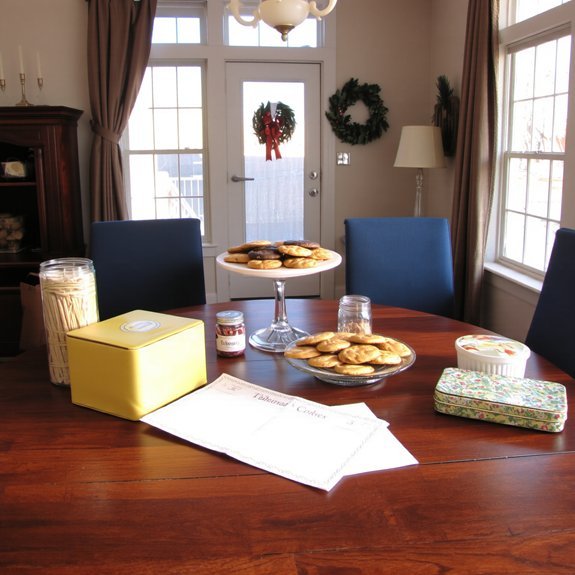
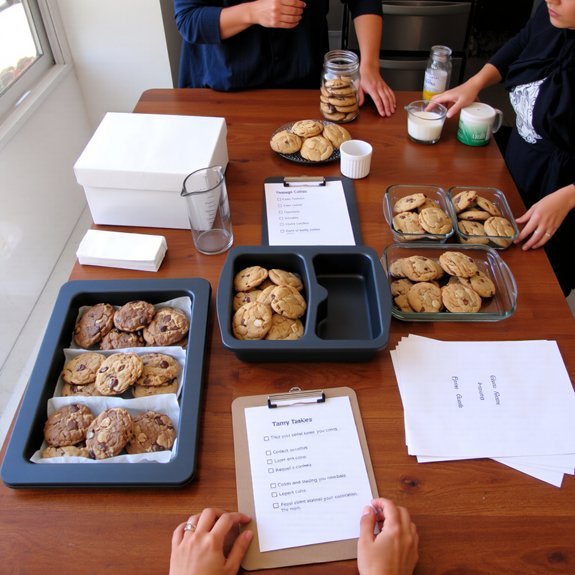
    A simple spreadsheet or a shared note will save your sanity, trust me—I learned the hard way after three people showed up with the same peppermint bark. You’ll pick a method that fits your crowd: a tidy digital sign up that auto-sorts names and flavors, or an old-school paper sign up pinned to a fridge at work. I like a Google Sheet, because it shows columns, allergies, and who’s bringing napkins, but I’ll tape a clipboard too, for the one friend who never checks email. Tell people to list cookie type, quantity, and any dietary notes. Send friendly reminders, post a photo of the potluck table setup, and cheer when you see the cookie parade—smiles guaranteed.

    Deciding How Many Cookies Each Person Brings

    You’ll want to start by estimating how many people are actually coming, so you’re not surprised when the table groans under cookies. Decide a sensible portion size per person — say six to eight bite-sized cookies — and tell everyone to bring that many so guests can try everything without wobbling home stuffed. I’ll nudge you to account for variety too, label trays, and maybe hide the one spectacular batch you’ll pretend was store-bought.

    Estimate Guest Count

    Let’s start with a little math that won’t make you cry—count your guests first, then work backwards to cookies. You’ll jot names, RSVPs, and note guest preferences, allergies, plus who brings kids or a plus-one. I ask, do they love ginger snaps or hate nuts? That matters. Then eyeball space: can your kitchen hold ten Tupperware towers or just three? I picture countertops crowded with sugar-dusted chaos, and I laugh. Flag potential conflicts—diet clashes, duplicate flavors—and nudge folks to diversify. Send a quick signup sheet, set a deadline, and text reminders with character: “Bring 36 cookies or bring cheer.” You’ll end up calm, organized, and smelling butter and cinnamon, ready for the swap.

    Portion Size per Person

    Think regarding rounds, not whims—figure out how many cookies each person should bring before you start suggesting extravagant seven-tier cookie towers. You’ll want a simple rule: plan for 3–5 cookies per guest, per cookie type you expect to swap, then tweak for serving sizes that match bite-size or hearty slices. Tell each baker their target count, mention if cookies are delicate or freezer-friendly, and note whether they’re meant for nibbling with cocoa or gifting in tins. I’ll be blunt: too few, you’ll ration like a sugar-starved elf; too many, you’ll invent late-night cookie diplomacy. Label expectations clearly, ask for quick confirmations, and imagine the table stacked just right — enough to taste, not enough to induce a festive sugar coma.

    Account for Variety

    A few smart choices will keep the buffet interesting and prevent everyone from bringing twelve jars of identical sugar cookies—trust me, I’ve been to that sad, monochrome party. Decide a target count per person, say two dozen, then tweak by household size and variety needs. Ask bakers to list cookie flavor combinations so you don’t end up with three chocolate-mint disasters and no shortbread. Suggest one showstopper, one simple classic, one bite-sized option; that keeps texture and taste balanced. Offer festive decoration ideas as an optional badge of honor, and encourage labels: name, allergy notes, best-by time. You’ll keep colors popping, plates emptying, and guests bragging. I promise, your spread will sing.

    Considering Dietary Restrictions and Labeling

    If someone in your crowd has a nut allergy, you can’t just shrug and hope for the best; you need a plan, and I promise it’s not as grim as it sounds. You’ll ask about nut allergies up front, offer gluten free options, vegan alternatives, dairy free treats and sugar substitutes, and insist on ingredient transparency — no mystery crumbs allowed. Labeling is your superhero cape. I’ll help you make it simple, neat, and honest.

    1. List allergens clearly, in bold if you like; call out cross-contact risk, so people can choose with confidence.
    2. Note substitutions used — almond milk vs. oat, cane sugar vs. erythritol — small print, big relief.
    3. Provide one plain cookie as a safe fallback, like a soft butter-free oatmeal.

    Packaging, Transport, and Storage Tips

    Someone’s got to play Tetris with your cookie boxes, and that someone is you — so let’s do it like the smug, efficient baker you pretend to be on Instagram. You’ll gather packaging materials: sturdy cookie containers, parchment, tape, and pretty ribbon if you’re feeling dangerous. Layer cookies with parchment, fit them snugly in containers, don’t let the snickerdoodles smoosh the spritz. Choose transport methods that suit distance — cooler bags for long drives, flat trays for short hops — and wedge boxes with towels to stop sliding. For storage solutions at home, use airtight tins in a cool spot, or freeze on a tray then stack in labeled containers. Tell recipients reheating tips, and call it a win. You survived, and it smells like victory.

    Presentation and Serving Ideas for the Exchange

    Deck the table, because presentation is half the magic and I’m not above admitting I judge cookies by their wrapping. You set the tone, so make a cookie display that sings: tiered stands, mismatched vintage plates, and edible confetti that crunch. I’ll tell you how to make it sing, without turning it into a circus.

    1. Group by color and texture — stack chewy next to crinkly, frostings together — use festive platters for contrast, add sprigs of rosemary for scent, simple labels for clarity.
    2. Offer small tongs and parchment squares — guests pick without guilt, crumbs stay civilized, the mood stays relaxed.
    3. Keep warmth in mind — room temp for crisp cookies, covered domes for soft ones, a kettle nearby for cocoa, because you’ll want a sip.

    Activities, Games, and Gift Extras to Add Festivity

    You’ve got the table singing and the cookies looking like tiny holiday celebrities, so now let’s make the party actually fun. I’ll cue the games: set up quick cookie themed games like blind-taste challenges, cookie-decorating races, or trivia with jingling bells for wrong answers. Toss in a gingerbread house photo corner, string lights that smell like pine—well, fake pine—and a playlist that nudges toes under the table. Hand out tiny prize bags: tea sachets, cookie cutters, or mismatched holiday socks—cute, useful, cheap. Use festive decoration ideas that double as props, think ornament garlands and chalkboard labels you can scribble jokes on. Keep the energy moving, prompt people with playful announcements, laugh at my corny puns, and let the cookies steal the show.

    Post-Exchange Cleanup and Leftover Distribution

    You’ll want to sweep up crumbs and wipe sticky countertops right after the last cookie trade, because no one likes crumbs in their cardigan. I’ll show you simple ways to store leftovers—airtight tins, labeled bags, and a fridge strategy that keeps frosting and texture happy. And don’t forget to send extras home with guests, with a friendly “take one” pile or little to-go boxes I’ll help you prep, so no cookie goes unloved.

    Clearing Crumbs and Surfaces

    Once the last tin snaps shut and the cookie swaps stop, start by sweeping the visible crumbs into a neat pile—don’t pretend they’ll disappear on their own, they won’t. I grab a dustpan and a small broom, humming off-key, because crumbs get everywhere, in corners, under chairs, like tiny saboteurs. Keep a caddy of cleaning supplies handy, wipes, spray, fresh cloths; surface sanitization isn’t glamorous, but it matters.

    1. Wipe tabletops down, move platters, catch sticky spots before they harden.
    2. Vacuum rugs and mop floors, follow crumbs to their hiding spots, don’t be shy.
    3. Empty trash, wash used tins, and offer leftovers politely — your guests will thank you.

    Storing Leftover Cookies

    If you want those cookies to survive past tomorrow, don’t just toss them in any old box and hope for the best—I’ve learned that the wrong storage kills texture and flavor faster than my sister’s critique of my frosting skills. After the exchange, sort by texture: keep crunchy cookies separate from soft ones, label them if you’re fancy, or just narrate to the pile like I do. Use ideal storage containers — airtight tins for crisps, glass or plastic with tight seals for chews — and tuck in parchment between layers. For soft cookies, a slice of bread keeps moisture steady, weird but true. These cookie freshness tips save you from sad, stale bites, and let you enjoy leftovers like a champion, not a casualty.

    Sharing Extras With Guests

    Three quick moves will save you from the post-party guilt spiral: gather, divide, and send people home happy. I scoop up stray tins, sniff for the butter cookies that vanished first, and set a clean workspace. You’ll want to be decisive, upbeat, and slightly bossy — it’s for their benefit.

    1. Label and portion: weigh or eyeball equal piles, tuck each into festive packaging, tie with twine, and add a tiny note — people love notes.
    2. Offer choice: lay out bowls so guests can pick extras, chat a beat, joke about cookie crimes, and let them leave with pride.
    3. Donate or stash: box unloved cookies, drop at a shelter, or freeze for midnight snacking — problem solved.

    Conclusion

    You’ve nailed the plan, so picture a kitchen buzzing with cinnamon steam and laughter as guests swap tins like tiny treasures. Keep rules simple, labels clear, and cookies bite-sized — six to eight per person, problem solved. I’ll cheer from the doorway while you orchestrate music, games, and tidy leftovers into pretty boxes. You’ll leave with recipes, new friends, and a pantry full of joy; I’ll take credit for the playlist.

  • How Do I Watch Classic Christmas Movies for Free

    How Do I Watch Classic Christmas Movies for Free

    You’d think the whole town turns into a snow globe of nonstop Christmas classics, right? But you don’t need a miracle to watch them for free — I’ll show you ad-supported streams, library loans, network airings, and smart free trials that get you the good stuff without crying over your wallet; picture warm cocoa steam, a scratched DVD click, and your couch claiming you as its human-shaped indent — stick around and I’ll walk you through the easiest, safest ways to snag those holiday gems.

    Key Takeaways

    • Use ad-supported free tiers of streaming services (Tubi, Pluto TV, Roku Channel) that often host classic Christmas films.
    • Sign up for free trials or promotional offers of paid platforms, then cancel before the trial ends.
    • Borrow DVDs or digital copies from your local library’s physical collection or apps like Hoopla and Kanopy.
    • Watch scheduled broadcasts on network/cable holiday lineups and record with a DVR to avoid missing them.
    • Prioritize official sources and library apps, and avoid suspicious sites to prevent piracy and malware.

    Where to Find Ad-Supported Streaming Platforms

    ad supported classic movie streaming

    One quick tip before you start hunting: you don’t need a wallet attack to binge the classics. I’ll walk you through ad supported platforms that actually feel generous, not stingy—think crisp visuals, popcorn-sized comfort, and occasional witty commercial interruptions. You’ll scan free services, public broadcasters, and niche catalog sites, click play, and smell cinnamon toast via imagination. Try mainstream streaming options with “free” tiers, check dedicated classic-movie apps, and don’t forget local PBS or film archive feeds; they toss in gems. You’ll bookmark favorites, set a “watch party” for one, and revel when a beloved line lands just right. I’m blunt: ads won’t kill the mood, they’ll remind you you’re saving money, and that’s festive.

    Using Free Trials and Rotating Promotional Offers

    maximize free trial benefits

    I’ll show you how to snag free trials without getting burned, so you can binge those snowball-fight classics guilt-free. Try new services on a schedule, cancel before the month ends, and stack promos with trial offers and short-term discounts to stretch every free day—yes, even that one-week streaming gift from Aunt Marge counts. Keep a running calendar, reminders pinging, and a wallet that thinks it’s on vacation.

    Free Trial Tips

    If you play the trial game smart, you can binge half your holiday list for free and still afford eggnog. I’ll walk you through quick moves: sign up for a free streaming trial, note the end date with a loud alarm, and queue holiday classics you’ve wanted forever. Don’t forget to change your default payment after you cancel—yes, I’ve paid for one extra month because I forgot. Rotate trials between services, start one on a Friday night, cancel Monday, and savor the popcorn and faux fireplace crackle. Use throwaway email tricks sparingly, keep passwords organized, and screenshot confirmations. It’s efficient, slightly sneaky, and totally legal if you cancel. You’ll laugh, you’ll cry, you’ll save money.

    Promo Stacking Strategies

    You’ve already mastered the free-trial shuffle, so now let me show you how to stack those freebies like a pro — think of it as holiday Tetris, but with streaming icons instead of blocks. I’ll walk you through quick moves: grab short trials, cancel, and switch accounts, but do it politely — no subscription shame. Hunt promo codes in newsletters, snag bundle deals, and rotate offers so you always have a live trial when a classic drops. I keep a spreadsheet, yes I’m that person, it smells faintly of coffee and triumph.

    • Sign up, note trial end, set a calendar alert.
    • Redeem promo codes, combine with bundle deals when legal.
    • Rotate accounts, clear cookies, enjoy the movie.

    You’ll win the season.

    Borrowing DVDS and Digital Copies From Your Library

    library dvd and digital borrowing

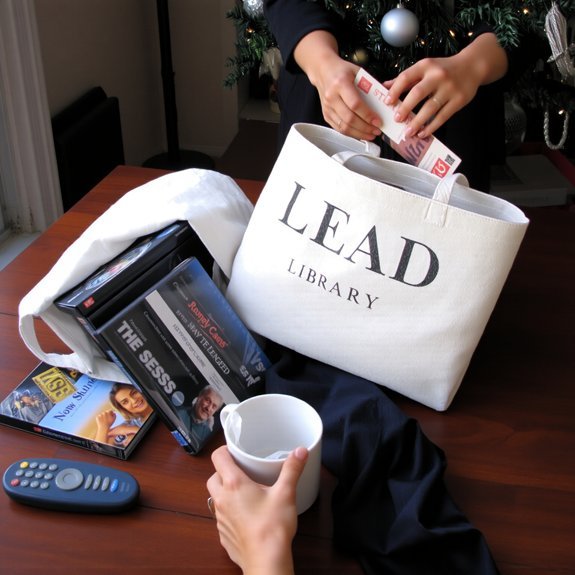
    When the smell of pine and cocoa hits and you’re craving a classic holiday movie without dropping cash, head straight to your local library like it’s a secret cinema tucked between encyclopedias and travel guides. You’ll find library resources stacked on shelves and in apps, DVDs and digital copies ready to borrow. I’ll show you quick borrowing strategies: reserve popular titles online, check interlibrary loan, and set alerts for returns. Bring a tote, your card, and patience, grin when you snag a rare gem. For digital, install the library’s app, sign in, borrow, and stream or download before the loan expires — it’s annoyingly satisfying. You’ll feel clever, cozy, and smugly thrifty, popcorn optional.

    Catching Holiday Broadcasts on Network and Cable TV

    You can keep the library jackpot in your heart and your wallet intact, but don’t toss your TV guide — network and cable broadcasts still serve up a buffet of holiday classics, often without a single click or subscription fuss. You scan local channels, you mark TV schedules, you plan a couch stakeout. The living room smells like hot cocoa, the tree lights blink; you’re ready.

    • Tune in early, set a reminder, grab blankets.
    • Check local channels’ weekly listings, jot times on your phone.
    • Use a DVR if you miss the start, or enjoy the commercials, they’re part of the charm.

    I’ll admit I’ve nodded off mid-snowball fight, but you’ll catch the best bits, honest.

    Checking Subscription Services’ Seasonal Rotations

    Even if streaming feels like a never-ending buffet, you’ve still got to peek at the daily specials—so I poke through my apps like a detective sniffing out eggnog. You’ll want to check subscription services each week, because seasonal availability flips fast; a Santa staple might vanish overnight. I scan my home screen, tap descriptions, peek “leaving soon” lists, and set quick reminders. Sometimes I narrate aloud, “Don’t let Miracle leave me!” which is embarrassing but effective. Use search filters, sort by release date, and follow channel pages that post holiday drops. If something’s gone, note where it popped up last year; patterns emerge. With this tiny ritual, you’ll catch classics without paying extra stress.

    Safe Search Tips to Avoid Pirated or Malicious Sites

    How do you dodge the sketchy corner of the internet that promises free classics but hands you malware instead? I’ll keep it blunt: trust signals matter, and your device’s smell of fresh popcorn shouldn’t end with a virus. Use safe browsing habits, scan links, and trust official streams or library sites.

    Trust signals matter—avoid sketchy free-stream sites, scan links, use reputable platforms and extensions so popcorn night doesn’t end in malware.

    • Check URLs and SSL (padlock), avoid odd domains, don’t click pop-up play buttons.
    • Use a reputable ad-blocker and updated antivirus, run quick scans after downloads.
    • Prefer verified platforms, use browser extensions that flag risky sites, read user reviews.

    You’ll spot shady promises, fake players, sneaky downloads. Be cautious, enjoy the soundtrack, and yes, I still get tricked sometimes — then learn fast.

    Setting Alerts and Watchlists to Never Miss a Classic

    Alright, now that we’ve avoided the sketchy sites and saved our hard drives from doom, let’s make sure you never miss a single jolly jingle or tearful reunion again. I tell you, immerse yourself in alert settings on streaming apps and free channels, toggle notifications, pick releases or keywords like “holiday classic,” and you’re half-way to bliss. Next, get ruthless with watchlist management — create lists named “Must Watch,” “Kids’ Faves,” “So-Bad-It’s-Good.” Add, reorder, delete, repeat. I swipe, you sigh, we both win. Set calendar reminders too, because tech forgets like my goldfish memory. When a treasured film pops up, you’ll see a banner, smell virtual popcorn, and know exactly when to press play. No drama, just cozy victory.

    Conclusion

    You’ll find classics for free, like snowflakes that drift from different skies: stream a cheeky, ad‑supported version on your couch, or hold a warm DVD from the library in your hands — both feel like Christmas. I’ll nag you to set a reminder, you’ll grin when a favorite pops up on TV, and we’ll skip the sketchy sites together. Do that, and you’ll have movie magic without spending a dime, popcorn optional, pajamas mandatory.

  • How Do I Create a Christmas Playlist

    How Do I Create a Christmas Playlist

    Let’s call it “selective seasonal chaos” so your relatives don’t panic. You’ll pick a mood—cozy, merry, rowdy—then mix old chestnuts with fresh takes, toss in a few instrumentals for breathing room, and sneak in that embarrassing childhood carol you secretly love; I’ll show how to balance tempo, set scenes for cooking or gift opening, and keep the vibe alive without repeating the same jingles every hour, so stick around to hear the simple rules that actually work.

    Key Takeaways

    • Pick a clear mood and target length (e.g., cozy two-hour dinner or upbeat three-hour party) to guide song choices.
    • Start with familiar classics, then sprinkle in modern covers and a few surprising tracks for balance.
    • Arrange energy: open bright, dip to mellow mid-set, then rise again toward the finale.
    • Mix tempos and instruments, using short instrumentals as palate cleansers between different energies.
    • Test and edit ruthlessly, set low repeat frequency, and share/update the playlist based on feedback.

    Choosing Your Playlist’s Overall Mood

    choose mood curate tracks

    If you want everyone to sing along or you just need a cozy soundtrack for hot chocolate, pick the mood first — it’s the playlist’s north star. You’ll decide whether the room smells like cinnamon, or feels like a twinkling mantel. I tell you this because mood steers tempo, instrumentation, and even who gets up to dance. Choose a holiday vibe that fits your crowd, then stack tracks that build emotional resonance — slow, glittering songs for quiet nights, bouncy jingles for cookie-baking chaos. Picture guests, mugs in hand, or solo evenings with fairy lights. You’ll cue tracks that match the moment, swap a track if it jars, and let songs fade when conversations swell. Trust your ears, and don’t be afraid to edit ruthlessly.

    Mixing Timeless Classics With Modern Takes

    blend classics with remixes

    While classic carols carry the smell of pine and grandma’s cardigan, modern takes bring the fizz of new ornaments and unexpected beats — and you’re the conductor blending both, so don’t be shy. I bet you’ll pulse the room with a warm croon, then slip in a cheeky modern remix that makes toes tap. Keep a stack of classic favorites, vocals rich and familiar, and sprinkle in modern remixes that surprise without shocking. Picture uncle nodding, teens texting, and you smirking, swapping tracks like sleight-of-hand. Cue a low-key piano, then a beat drops, guests glance up, and conversation perks. Trust your ear, nudge the flow, laugh at your bold moves, and own the holiday soundtrack.

    Balancing Tempos and Energy Levels

    curate moods through music

    Because you’re in charge of the room’s heartbeat, you’ve got to think like a DJ and a maître d’ at once: start mellow, warm the room with a slow piano carol that smells faintly of cinnamon, then nudge the pace up before dessert so cousins stop nodding and start dancing. I tell you this because tempo variations keep folks comfortable, and you’ll want smooth energy shifts, not whiplash. Blend soft hymns with a mid-tempo singalong, slip in an upbeat classic right after a quiet verse, watch hands clap, cheeks flush. Cue a playful instrumental as a palate cleanser. If it flops, own it, laugh, fix the queue. You’re steering moods, one track at a time, with gentle confidence and a little mischief.

    Curating for Different Holiday Activities

    Think of your playlist like a Swiss Army knife for the holidays — it has a tool for every moment, and you’re the one deciding which blade comes out when. You pick tracks for holiday gatherings that lift chatter, add familiar melodies for family traditions, and tuck mellow tunes into pockets for relaxing moments. For festive activities you want upbeat rhythms, for cozy nights choose soft acoustic warmth. Outdoor celebrations call for bold, brassy numbers that cut through cold air, and shopping trips need steady, unobtrusive grooves that keep you moving.

    • Bright sing-alongs for party vibes and clinking glasses
    • Soft piano for late-night cocoa, dim lights, soft fleece
    • Marching brass for snowy parades, laughter, footsteps
    • Steady beats for mall strolls, bags jingling, list-checking

    Adding Personal and Nostalgic Picks

    How do you make a playlist feel like home? You toss in the songs that reveal nostalgic memories — the creak of grandma’s floorboards, the cinnamon smell from the kitchen, a choir that made you cry in seventh grade. I tell you to add personal favorites, the goofy jingles you hum in the shower, the slow ballad that stole a kiss, the upbeat tune that gets the tree lights blinking; each one stamps your stamp. I ask questions, then act: listen, trim, reorder. Imagine pressing play, hearing vinyl crackle or synth sparkle, and smiling because it’s yours. Keep a few surprises, sure, but mostly serve comfort, warmth, and the exact slice of you people will recognize.

    Avoiding Overplayed or Predictable Tracks

    If you want your playlist to feel like a cozy room and not a shopping mall, you’ve got to dodge the usual suspects—those jingles everyone’s heard a hundred times until they mean nothing, the radio staples that turn sentimental into background noise. You’ll hunt for hidden gems, poke at genre exploration, and keep things surprising. I’ll be blunt: less predictable is more memorable. Mix low-key covers, cozy instrumentals, and a cheeky indie track that makes people raise an eyebrow.

    Make your playlist a cozy room, not a shopping mall—favor hidden gems, quiet covers, and delightful surprises.

    • A warm jazz cover with a slightly offbeat tempo
    • Sparse acoustic versions that let lyrics breathe
    • A mellow synth piece, like snow falling in slow motion
    • An unexpected world-music carol that smells like spice

    Trust your ears, skip the autopilot.

    Using Streaming Tools and Smart Playlists

    When you open your streaming app, you’re holding a tiny, merry conductor’s baton — and yes, I’ll smugly admit I get a little giddy about that — because playlists aren’t just lists, they’re mood architects. You tap through streaming platforms, and you’ll find clever playlist features: filters, collaborative modes, auto-fill suggestions. Use smart playlists to pull in mellow carols after dinner, then swap to upbeat classics for cookie baking, without lifting a finger. I’ll show you how to set rules — tempo, era, even instrumentation — and let the app do the heavy lifting, while you sip cocoa. Test, tweak, and delete with no shame. It’s like having a tiny elf DJ, only less glittery and more obedient.

    Sequencing Songs for Smooth Transitions

    You start soft, then build to the big sing-along, and finally let people catch their breath — I’ll show you how to think in Start, Peak, Wind-Down. Pay attention to tempo and key flow so songs slide together, and nudge mood and energy shifts with a cheeky bridge or two. Trust me, you’ll feel the room change when beats match and keys kiss, and yes, I’ve ruined more playlists than I care to admit.

    Start, Peak, Wind-Down

    Because you want people arriving with smiles, not shock, I always start a Christmas playlist like I’m opening a door: gentle lights, soft snow sounds, a warm cinnamon note in the air. You’re creating atmosphere and thinking song arrangement from the first second, so the room eases in, conversations bloom, glasses clink. Then you lift—cheerful classics, sing-along hooks, a little brass for sparkle—so laughter peaks without feeling staged. Finally, you wind down: quieter carols, mellow piano, that last track that feels like a goodnight kiss.

    • A soft instrumental as guests arrive, light and warm.
    • A gradual build into upbeat, familiar favorites.
    • A mid-party peak with singable choruses.
    • A gentle cool-down to close the evening.

    Tempo and Key Flow

    Although I’m all for dramatic key changes in movies, your living room deserves gentler surprises; think of tempo and key flow as a polite handshake between songs, not a wrestling match. I want you to listen like a host, nudging beats up or down, avoiding abrupt tempo changes that spill eggnog. Match tempos for easy fades, or use a clear drum hit to bridge a faster song into a slower one. Pay attention to key relationships, pick songs in related keys or use a little instrumental to smooth the gap. Cue tracks tightly, trim silence, and crossfade when needed. You’ll feel the room relax, guests hum along, and you’ll take credit while admitting you cheated with clever edits.

    Mood and Energy Shifts

    We’ve smoothed tempos and nudged keys so the music doesn’t spill anyone’s punch, now let’s play with mood and energy like a skilled bartender mixing strong and soft pours. You’ll guide guests by shifting moods, making cozy lullabies land after bright jingles, and using mood shifts to avoid whiplash. Think of energy dynamics as the pour size — build, hold, then let it breathe. You’ll swap goofy sing-alongs for tender instrumentals, then drop in a spirited classic to wake smiles, because you’re merciful like that.

    • Start bright, simmer to mellow, then lift with a familiar anthem.
    • Use short instrumental interludes to reset feelings.
    • Place novelty songs sparingly, they’re candy.
    • End warm, not exhausted.

    Tailoring Length and Repeat Strategy

    If you want your playlist to feel like a holiday hug rather than a looping headache, start by deciding how long you want the soundtrack to run—an hour for a small dinner, three for a party where people actually dance, eight-plus for full-day decorating chaos. You pick a playlist duration, I help you tweak it. Short? Pick tight hits, sprinkle classics, nobody gets bored. Long? Layer instrumentals, slow jams, goofy novelty tracks, so it breathes. Now set repeat frequency: no one wants “Jingle Bells” on side-repeat. I recommend low repeats, maybe once every few hours, unless Grandma insists. Test it once, walk the room, reset transitions. You’ll hear where to cut, where to loop, and where to add a peppermint break.

    Sharing and Updating Your Playlist Over Time

    Okay, you’ve nailed the run time and repeat rhythm, now let’s make sure other people can actually enjoy your sonic sleigh ride. I’ll walk you through playlist sharing, and how to choose an update frequency that isn’t annoying. Share a link, slap on a cover, add a cheeky description, then tell people why track three is non-negotiable. Update every week if you’re hosting parties, every month for steady cheer, or once a season if you like tradition—yes, you can be that person.

    • Send a collaborative link, let friends add guilty pleasures.
    • Post a snapshot of the playlist art on social.
    • Pin a “now playing” song to your group chat.
    • Archive old versions, keep a “classic” list.

    Do it, enjoy the compliments, accept blame for off-key choices.

    Conclusion

    You’ve got this: craft a cozy, catchy collection that sings to your soul. Pick a mood, pile in classics and clever covers, pause for mellow pieces, pepper in personal picks, and proof-listen for flow. I’ll confess, I binge-test with cocoa-stained headphones — it’s scientific. Share it, swap songs, refresh it weekly. Keep it simple, surprise yourself, savor the season. Your playlist will be warm, winsome, and wonderfully, wildly yours.
  • How Do I Take Good Family Christmas Photos

    How Do I Take Good Family Christmas Photos

    You want family Christmas photos that feel warm, not staged, and I’ve got tricks that actually work — think golden-hour glow, cozy layers, and a few playful prompts to ditch the forced smiles. I’ll show you how to pick colors that pop on camera, set a lived-in scene with twinkly light and mugs of cocoa, wrangle the kids without bribery, and edit down to a set that tells your story — but first, let’s talk timing and light.

    Key Takeaways

    • Shoot during golden hour or on overcast days for soft, flattering light and use a reflector to bounce warmth under chins.
    • Coordinate a simple color palette with mixed textures, avoiding clashing patterns and over-accessorizing.
    • Create a cozy, natural set with warm bulbs, blankets, lived-in props, and layered elements that feel comfortable.
    • Direct natural movement—have subjects lean in, walk, chat, and keep hands engaged to capture genuine expressions.
    • Choose the best moments ruthlessly, boost warmth and lift shadows subtly, and test-print before ordering the final album.

    Choosing the Best Time and Light

    golden hour photography tips

    Pick a time when light actually flatters everyone, not just your favorite kid. You’ll chase the golden hour, that soft, buttery glow right after sunrise or before sunset, because it erases blemishes and makes eyes pop; trust me, you’ll look kinder in that light. Think about seasonal timing—late December sun sits low, so plan earlier than you’d guess. Scout a spot where light wraps around faces, not blasts from behind; move a step left, step right, tilt chins, whisper “silly” to get real smiles. Bring a reflector or a pale blanket to bounce warmth under chins. If clouds roll in, don’t panic—diffused light is your friend. I’ll help you read the sky, coax natural grins, and keep chaos charming.

    Picking Coordinated Outfits That Work Together

    coordinated outfits for photography

    When everyone looks like they raided different planets, your photo becomes a puzzle nobody wants to solve—so let’s fix that. You pick a simple color palette first, maybe warm reds, deep greens, and creams, then pull clothes that echo those tones. I tell you to mix patterns sparingly, pair a plaid scarf with solid sweaters, and avoid clashing prints—trust me, chaos photographs badly. Think outfit textures too: chunky knits, soft flannel, and smooth denim add depth without shouting. Ask everyone to try pieces on together, step back, and tweak—move a jacket, swap shoes. Keep accessories minimal, but cozy: hats, a thin belt, a subtle necklace. You’ll end up with a unified look that still feels like your family.

    Setting Up a Cozy, Natural Background

    cozy lived in warm ambiance

    You want your background to feel like the room remembers you, not like a showroom, so pick warm bulbs or fairy lights that glow soft, not glare. Layer blankets, pillows, a well-loved throw, and a few lived-in props—think dog-eared books, a mitten on the armrest—to give the scene texture and stories. I’ll help you place them so the frame breathes, everyone looks comfy, and no one mistakes your set for a catalog.

    Warm Lighting Choices

    Even if your living room looks like a holiday cyclone, you can still create warm, natural lighting that feels like a cozy hug; I’ll show you how to make the space look deliberately lived-in, not like a staged catalog. You want a soft glow, not a harsh spotlight. Dim overheads, pull curtains to tame daylight, then add lamps with warm bulbs for believable ambient light. Place a floor lamp behind the couch for rim warmth, set a table lamp near the tree for depth, and use fairy lights as low-key fill—think twinkle, not Vegas. Bounce light off a pale wall to avoid shadows. Test angles, move one lamp an inch, take a frame, laugh at your cat photobombing. Keep it comfy, not catalog-clean.

    Layered, Lived-In Props

    A few well-chosen messes make a photo sing, and I’m not joking — lived-in props give your scene personality, the kind that says “we actually live here” instead of “we rented a showroom.” I like to layer textures: a slightly rumpled knit throw over the armchair, a basket of mismatched ornaments, a couple of board books with dog-eared covers on the coffee table, maybe a mug with lipstick on the rim (yes, that one). You want layered textures and lived in warmth, so pile things with intent. Try this:

    1. Rumpled throw + soft pillow
    2. Basket of ornaments, half-full
    3. Open book, visible dog-ear
    4. Mug with a tea stain

    Place items asymmetrically, keep paths clear, and snap while someone laughs — that’s the magic.

    Using Props to Add Personality and Warmth

    If props feel cheesy, let them—cheese makes everything taste like Christmas, and I’ve learned to lean into it. You pick items with purpose: prop selection matters, so grab a battered sled, a knit blanket that smells like cocoa, or mismatched mugs that clink when you toast. Use creative accessories, but don’t overdo it; one bold piece anchors the shot. I tell you to layer textures, drape a scarf over shoulders, let pine needles fall on a mitten. Encourage small actions: pass a cookie, fluff a pillow, whisper a joke—those moments look alive. Keep colors in the same family, watch reflections in glass, and, above all, choose props that tell your family’s silly, soft story.

    Posing Tips That Look Natural and Flattering

    Those mugs and shredded pine needles set the mood, now let’s make people look like they belong in it. I’ll keep it real: posing shouldn’t feel stiff, you want natural expressions and flattering angles, not a mannequin pageant. Try these quick moves, they work every time:

    1. Lean in: ask them to tilt toward each other, shoulders soft, breathe together — instant warmth.
    2. Chin down, eyes up: it slims faces, brightens eyes, and catches twinkly lights.
    3. Hands alive: pockets, wrapped around mugs, or fingers brushing hair, avoid dead arms.
    4. Walk and chat: take a few steps, trade a joke, capture laughter as it happens.

    Give short directions, then step back, watch real moments bloom, grab them fast.

    Getting Great Shots of Kids and Camera-Shy Relatives

    You’ll win more smiles by keeping shoots short, so grab ten fun minutes instead of staging a marathon—think quick games, a cookie bribe, and the jingling bell you actually packed. I’ll watch for the tiny, unplanned moments—the finger in frosting, the sideways giggle—and snap them fast before someone remembers they’re on camera. If Aunt Mae freezes, don’t force a pose; chat her up, make a silly comment, and let the real face show.

    Keep Sessions Short

    Short sessions win the day, honestly — I’ve learned that the hard way, chasing sugar-high kids around the living room while Uncle Bob hides behind the couch. You want good shots, not photo fatigue. Keep session duration short, so energy stays high and family engagement feels natural. I talk fast, make quick prompts, and then let everyone breathe.

    1. Aim for 10–20 minutes, tops — set a timer, people cooperate better when it’s finite.
    2. Pick two simple setups, switch quickly, don’t overcomplicate lighting.
    3. Use a favorite song or snack as a reset, announce a two-minute break.
    4. End with a goofy group pose, reward smiles, hand out cookies.

    Short, sharp, warm — you’ll get the shots and keep your sanity.

    Use Candid Moments

    When people freeze the minute a camera appears, I go stealth-mode — low chatter, soft steps, like a ninja with a Santa hat. You watch, I watch, we wait for real moments. I crouch by the tree, listen for crumbs of conversation, and nudge a joke their way. Kids drop props, siblings whisper secrets, and you capture candid expressions—eyes caught mid-spark, a crooked grin. Don’t boss poses; prompt play. Ask for a tickle fight, a story, or the dumbest face they can muster. Let the room breathe, the oven hum, the paper crinkle. Then click. You’ll get spontaneous laughter, messy hair, warm light on cheeks. Those imperfect frames become your best, honest holiday portraits.

    Simple Camera and Smartphone Settings to Know

    If your phone or camera were a cranky relative at Thanksgiving, think of these settings as the instructions that stop it from embarrassing you—fast, simple, and kind. I’ll walk you through the handful that matter, so you can focus on smiles, not menus.

    1. Set a faster shutter speed for kids in motion, about 1/250s or higher, to freeze that whipped-cream face.
    2. Raise ISO settings in dim rooms, but don’t crank it so high pictures look grainy; test + adjust.
    3. Use auto white balance or pick “warm” to keep skin tones cozy under fairy lights.
    4. Lock focus on eyes, tap the screen or use single-point AF, then recompose.

    You’ll be calmer, quicker, and the photos will thank you.

    Editing and Selecting Photos for Your Holiday Album

    You’ve got the shots—now comes the fun part where we stop hoarding blurry cousins and start making an album you’ll actually want to show off. You sweep through files, squinting at grins, hunting moments that feel alive; that’s your photo selection, ruthless but kind. I keep favorites, delete near-misses, then arrange a story: warm fireplace, messy wrapping, crooked Santa hat. Next, I apply subtle editing techniquescrop for impact, boost warmth, gently lift shadows so faces pop without looking fake. Use a preset for consistency, tweak exposure, sharpen eyes, remove a rogue stain with one confident click. Print a test page, smell the paper, laugh at a goofy face, then order the book. Done. You nailed it.

    Conclusion

    You’ve got this — golden hour, cozy background, outfits that whisper “we match” not shout, and prompts that make real laughs happen. Fun fact: 78% of people say holiday photos are their favorite keepsake, so these shots matter more than you think. I’ll nag you gently: move, tweak the lights, bribe the kids with cookies, and trust the camera — imperfections feel like home. Frame the chaos, edit lightly, then pass the album around.

  • How Do I Make Christmas Cards

    How Do I Make Christmas Cards

    You want to make Christmas cards that actually feel like yours, not something from a mall rack, so start by picking a size and a vibe — cozy kraft paper, glossy photo, or a cheeky pop of neon — and gather cardstock, envelopes, scissors, glue and a favorite pen; I’ll show tricks for quick layouts, bold focal images, and a smudge-proof hand-lettered greeting that won’t look like a ransom note, plus an eco-friendly twist using scraps and stamped leaves, but first, let’s sort your supplies and pick a theme that makes you grin.

    Key Takeaways

    • Choose a card size, orientation, and a single focal design (e.g., tree, mitten, photo) to guide layout and envelope fit.
    • Gather basic tools and materials: sturdy cardstock, envelopes, scissors, glue, markers, and any embellishments.
    • Select a color palette and contrasting elements, leaving ample whitespace for clarity and visual impact.
    • Personalize with family photos, short anecdotes, or handwritten greetings for warmth and connection.
    • Consider eco-friendly choices: recycled paper, upcycled embellishments, or plant-based inks to reduce waste.

    Choosing a Card Style and Size

    card size and theme

    Alright — let’s pick your card’s personality. You’ll decide size and mood first, you’ll hold paper, feel its weight, imagine greeting hands. Start with card dimensions: standard A2, square, or a mini surprise, measure twice, cut once. Think about seasonal themes — snowy minimalism, retro kitsch, or cozy fireplace scenes — pick one and commit. I’ll nudge you: bold graphics read better across a living room. Fold sharply, score quietly, listen to the paper sigh. Choose orientation, portrait or landscape, then test an envelope for a snug fit. Keep balance, don’t overstuff with glitter, your cat will thank you. Make choices that match your voice, be playful, be clear, and don’t panic — you got this.

    Gathering Materials and Tools

    gather crafting essentials joyfully

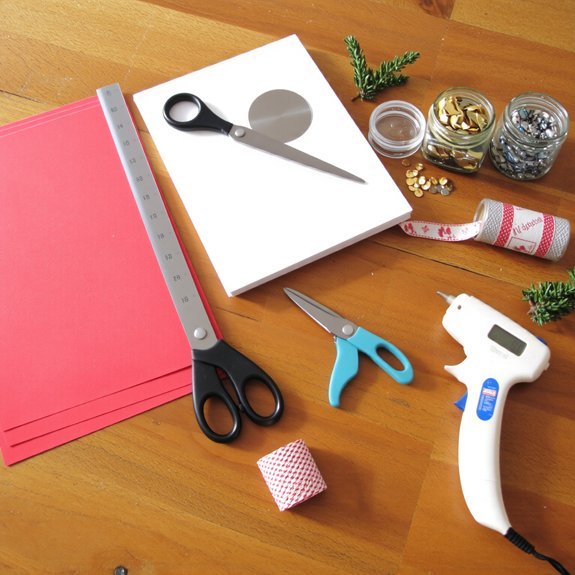
    Tools and tidbits: before you plunge into it, let’s make the workbench inviting — I want you to feel the tiny thrill of a brand-new craft knife, the satisfying snap of a fresh glue stick, and the soft give of heavyweight card stock under your fingers. Gather crafting essentials: card stock, envelopes, glue, scissors, a ruler, pencils, and a craft knife. Add markers, watercolor pans, and ribbon for texture. Think about seasonal themes when picking colors and embellishments, so red velvet ribbon or icy glitter make sense. Clear a flat surface, lay down scrap paper, and arrange tools within reach. I’ll remind you to keep a damp cloth for glue mishaps — trust me, you’ll thank me. Now breathe, and enjoy the mess.

    Simple Design Ideas for Beginners

    simple creative card designs

    Start with one simple rule: choose a single focal idea and run with it — a tiny tree, a snowy mitten, or a bold, handwritten greeting. You’ll keep things clean, then play with creative color combinations: teal with copper, cranberry with cream, or mint with charcoal. Pick one motif, sketch it large, stamp or sticker it, add a whisper of glitter. I’ll tell you what works: contrast, a little whitespace, and a confident greeting. For festive theme inspiration, flip through old postcards, window displays, or a mug of cocoa steam — sensory cues spark ideas. Mix textures, fold a corner, tie a thin ribbon, write a cheeky line inside. You’ll make cards that feel handmade, warm, and oddly professional, honestly.

    Techniques for Printing and Photo Cards

    You’ll want to pick paper that feels right in your hands—matte for a cozy, hand-made vibe, glossy if your photo needs to pop, and heavier stock so the card doesn’t flop like a sad pancake. I’ll show you where to place the photo so faces sit on the focal grid, leave breathing room for captions, and avoid chopping off Aunt May’s hat. Trust me, a tiny trim or a millimeter shift makes the whole card sing, and you’ll look like you knew what you were doing all along.

    Choosing Paper and Finish

    Paper is the handshake of your card — the first thing someone touches and judges before they even read your clever message, so don’t skimp. I want you to feel the weight, hear the nap; texture options matter. Choose matte for warm, tactile notes, glossy for punchy photos, or linen for old-fashioned charm. Pick color choices that support your design — cream for vintage, bright white for modern, or blush for quirky warmth.

    1. Match finish to image sharpness.
    2. Consider thickness for perceived value.
    3. Test ink on samples to avoid surprises.
    4. Think about envelopes, they frame the reveal.

    You’ll print, you’ll press, you’ll puzzle a bit, then grin when it all lines up.

    Photo Placement Tips

    Where should that photo live on the card so it sings, not sulks? You want viewers to feel the moment, so you place the image where eyes naturally land — slightly above center, or offset to a golden-ratio sweet spot, and you breathe around it with margins. I’ll show you quick layout techniques: rule-of-thirds crops, full-bleed drama, or framed miniatures with white space that hum. Test photo balance by squinting, stepping back, and tilting the card; if one side drags, nudge the picture, shrink the caption, or add a tiny graphic to steady the scene. Print a proof on your chosen stock, feel the texture, smell the ink, and adjust until the photo owns the card, bold and unembarrassed.

    Hand-Lettering and Calligraphy Tips

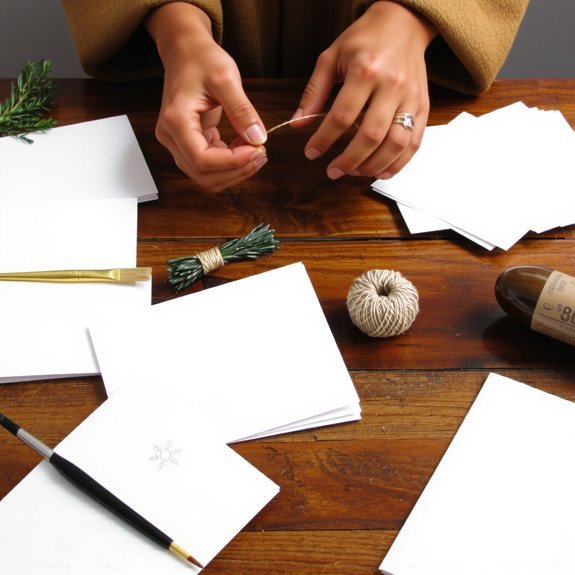
    If we’re honest, hand-lettering feels like magic until you try it and discover it’s mostly muscle memory, a forgiving mess of ink and practice. I’ll walk you through basics, so you don’t scare the paper. Pick lettering styles that fit your card’s mood — whimsical, elegant, blocky — and test ink choices on scrap stock. Warm your wrist, breathe, and sketch lightly in pencil first. Press for downstrokes, lift for upstrokes, hear the pen whisper.

    1. Practice basic strokes daily, slow and steady.
    2. Trace alphabets, then freehand short words.
    3. Use contrast: thick downstrokes, fine upstrokes.
    4. Keep a clean nib, blotter nearby, and patience.

    You’ll mess up, laugh, and surprise yourself — that’s half the fun.

    Quick Assembly and Batch-Making Shortcuts

    Once you’ve ditched the “one-card-at-a-time” martyrdom, batch-making feels like hosting a tiny, efficient party where you do everything at once and only cry once — maybe. I tell you what works: set up stations, lay out pre-cut cardstock, envelopes, adhesive, and stamps. Use quick assembly techniques — stamps for patterns, a corner rounder, adhesive dots — and you’ll zip through designs like a paper ninja. I talk you through batch making tips: timer for 15-minute sprints, music, a snack, and assembly-line folding. Mix tasks — fold all, stamp all, glue all — then finish with a flourish. You’ll hear the satisfying thunk of envelopes, see neat stacks, and feel oddly proud, like you’ve won holiday Tetris.

    Personalization and Family Traditions

    You’ve set up the stations, conquered the snack pile, and you’ve got tidy stacks of cards waiting like obedient recruits — now let’s make them feel like yours. You’ll tuck in tiny family memories, a smudge of glitter from last year’s tree, a smirk about Uncle Joe’s reindeer hat. Keep it real, keep it warm.
    Set up stations, snag snacks, and tuck smudged glitter, spilled cocoa stories, and doodled signatures into each card.

    1. Mention one vivid moment, a laugh or spilled cocoa, so readers smell the cinnamon.
    2. Add a line about a favorite holiday traditions, short and specific, like gingerbread night.
    3. Slip in a photo caption with a funny truth, unapologetic and kind.
    4. Sign each with a small, personal flourish — doodle, thumbprint, or secret code.

    Budget-Friendly and Eco-Conscious Supplies

    You can grab recycled paper with a slightly rough, cozy texture that smells faintly of cardboard and history, and I’ll show you how it stands up to ink without bleeding. Use plant-based inks that smell earthy and dry fast, and I’ll teach you which colors pop on kraft versus white. For flair, raid a junk drawer for upcycled buttons, dried orange slices, and ribbon scraps—yes, glue those awkward bits, I won’t judge.

    Recycled Paper Choices

    Paper choices can make your card feel like a warm hug or like a thrift-store mystery. You’ll want recycled materials that look — and smell — like thought, not last-year’s junk drawer. I pick stocks with texture, you’ll feel the tiny fibers under your thumb, and the color sings quiet rustic. Eco friendly options save money, and bragging rights, without sacrificing charm. Try these simple picks:

    1. 100% post-consumer recycled cardstock, sturdy and matte, perfect for hand-lettering.
    2. Off-white cotton blend, soft, absorbs ink beautifully, classy without trying too hard.
    3. Reclaimed kraft paper, toothy, rustic, great for stamped designs.
    4. Seed-infused paper, plant it later, tactile and surprisingly joyful.

    You’ll save cash, the planet thanks you, and your cards look intentional.

    Natural, Plant-Based Inks

    When I started flirting with plant-based inks, I expected mud-smeared fingers and disappointing prints — instead I found colors that smelled faintly of herbs and behaved like they’d gone to finishing school. You’ll love how simple natural dyeing techniques turn kitchen scraps into jewel tones; boil onion skins for amber, simmer beets for fuchsia, steep spinach for mossy green. I show you plant ink recipes that use vinegar or salt as fixatives, a splash of alcohol to brighten, and a sieve for silky clarity. Mix, strain, test on scrap paper, adjust concentration. Press with a block or brush, let dry slowly. It’s cheap, low-waste, and oddly elegant. Expect uneven edges — they’re charming, not broken.

    Upcycled Embellishment Ideas

    If you raid your junk drawer like I do, you’ll find a tiny treasure trove waiting to become card bling — rusty buttons, mismatched ribbons, a lone earring that lost its podiatry partner. I love turning cast-offs into charming details, using upcycled fabrics for tiny bows, scraps of sweater for texture, and vintage buttons for focal points. You’ll glue, stitch, and arrange, smelling fabric and old metal, feeling cozy triumph.

    1. Cut tiny felt stars from sweater scraps, glue edges for durability.
    2. Layer upcycled fabrics for depth, stitch or hot-glue in a jiffy.
    3. Cluster vintage buttons for centerpieces, mix sizes and patina.
    4. Use jewelry bits as hanging charms, secure with twine or wire.

    Conclusion

    You’ve got this—pick a size, grab supplies, and make one bold design your north star. I’ll cheer from the sidelines while you cut, glue, and sparkle like a kid with a glue stick, feeling paper under your nails and cinnamon in the air. Don’t overthink it: batch a few, add a photo, hand-letter a wish, and send warmth that’s louder than store-bought. Homemade cards are little hugs you can mail.

  • How Do I Set a Beautiful Holiday Table

    How Do I Set a Beautiful Holiday Table

    You can make guests gasp with one clever table tweak: pick two main colors and an accent, then let everything else fall into place. You’ll layer a textured cloth, stack contrasting placemats, and build a centerpiece with varied heights—evergreens, citrus, maybe a candle or two—so the table feels rich but not cluttered. I’ll walk you through lighting, place settings, and tiny keepsakes that make people linger, but first—what mood do you want?

    Key Takeaways

    • Choose two main colors and one accent, then distribute them in thirds across the table for a cohesive holiday palette.
    • Layer a base linen with woven placemats, contrasting chargers, and folded napkins for depth and texture.
    • Build a centerpiece with a single focal piece, varied heights (candles, low greenery), and seasonal accents for balance.
    • Mix dinnerware and glassware intentionally—plain chargers, vintage plates, and varied glass heights to create curated charm.
    • Place small keepsake favor cards with short personalized messages to reinforce the theme and delight each guest.

    Choosing a Cohesive Color Palette

    cohesive color palette selection

    If you want your table to look like it planned the party, start by picking a color palette and commit—hesitation is just visual clutter. I’ll tell you to pick two main hues and one accent, then stick to them like glue. Think about color psychology, how greens calm, reds excite, golds feel festive; use that to set mood. Let seasonal themes steer choices: icy blues for winter, warm oranges for fall, crisp whites for spring. Lay colors in thirds—table, center, accents—so eyes move, not panic. Touch fabrics, feel weight, see how light bounces. Don’t overthink trends, trust instinct, and yes, mix metal tones if you must. You’ll end up with a table that winks, not yawns.

    Layering Linens and Placemats

    layered linens enhance table aesthetics

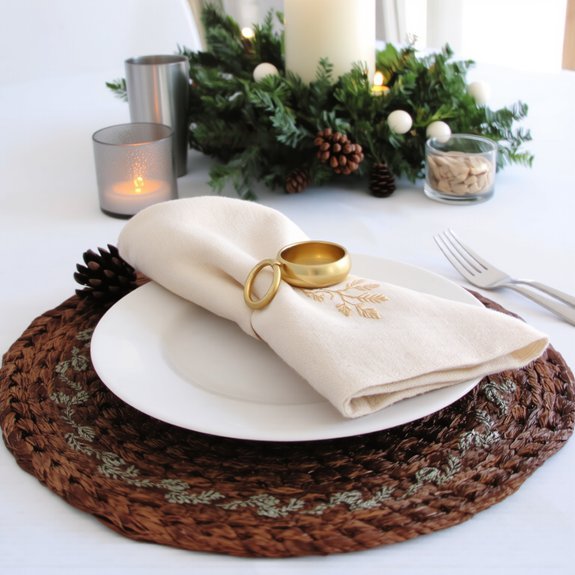
    When you think of linens as the foundation, you stop treating placemats like an afterthought and start building a table that actually feels intentional. You’ll layer a linen cloth, then add woven placemats, mixing layering textures so each place looks rich, tactile, and ready to eat off of. Pick contrasting colors to make chargers and napkins pop, don’t be shy—color is your friend, not a committee. Run your hand over a napkin fold, feel the soft cotton against the coarse jute placemat, imagine the clink of glasses. I’ll confess, I once ruined a scheme with too many patterns, lesson learned—simple beats chaotic. Repeat the rhythm down the table, keep spacing even, and let texture do the talking.

    Designing a Centerpiece That Fits Your Table

    bold centerpiece with balance

    Think of your centerpiece as the room’s opening line—bold enough to grab attention, quiet enough to let conversation breathe. I want you to pick a focal piece, then build around it, like a tiny stage. Use color contrast, mix greenery with one bright bloom so eyes have a place to land. Think in tiers: low candles for reaches, a taller vase for drama—height variation keeps sightlines clear and guests chatting. Scatter texture—pinecones, citrus, metallics—for smell and sparkle; I promise it smells like winter, not a Christmas tree exploded. Don’t cram the whole mantel onto the table; leave elbow room. Step back, squint, adjust. If it still feels off, remove one thing. You’ll know, because the table will finally breathe.

    Mixing and Matching Place Settings and Dinnerware

    Okay, you’ve given the table a invigorating change with that centerpiece—now let’s outfit the cast. You’ll mix patterns, textures, and eras like a tiny, polite rebellion. Layer a plain charger, then stack a plate from your vintage dinnerware, top with a modern salad plate, and watch magic happen. Don’t match everything; let contrasts sing. Use napkins in colors that echo cultural influences you love, fold them casually, tuck a sprig or card for personality. Glassware should vary in height, not clash. Flatware can be mismatched metal, if balanced. I’ll confess, I once paired china with plastic — it worked, shockingly. You’ll set each place with intention, so guests feel welcomed, curious, and ready to eat.

    Incorporating Seasonal Accents and Greenery

    You’ll want a fresh-cut centerpiece that smells like a forest, not a florist’s freezer, so I usually grab evergreens, pinecones, and a handful of citrus for zing. Lay sprigs and eucalyptus down the center as a natural table runner, scatter candles and tiny ornaments, and watch the table go from “nice” to “wow, did you make this?” I’ll show you how to keep it simple, sturdy, and spill-proof—because beauty shouldn’t require a PhD in floral engineering.

    Fresh-Cut Centerpiece Ideas

    A centerpiece’s your holiday handshake—bold, fragrant, and impossible to ignore—so let’s make it sing. You’ll start by thinking like a florist, using flower arrangement techniques to build height, texture, and rhythm; pinch stems, angle cuts, and layer foliage so each bloom gets its moment. For seasonal blooms selection, choose hardy dahlias, ranunculus, or sprigs of holly, mix in pine and eucalyptus for scent, and tuck in bittersweet or berries for color pops. Keep scale right, don’t block faces, and use low vessels for conversation. I’ll tell you: trim stems in cold water, change it often, and skewer stubborn stems into floral foam if needed. It smells amazing, looks effortless, and guests will ask, “Who did this?”

    Natural Table Runner Accents

    When you lay greenery down the center of the table, think of it like dressing a person for a party—you want layers, texture, and one thing that makes heads turn, so I start with a loose, slightly messy backbone of evergreens, eucalyptus, and fir boughs that crackle when you tuck them in; then I add pops—clusters of cranberries, sprigs of holly, little pinecones, maybe a strand of dried oranges—for color and smell. You’ll weave in natural fibers, like burlap ribbons or linen strips, they soften the greenery, and they hide sad gaps. Try eco friendly options: foraged twigs, beeswax candles, compostable twine. Tuck in bells, or a sprig for each guest. It smells like winter, looks like effort, costs less than you brag about.

    Lighting Tips for Ambiance

    If you want the table to feel like a cozy story, start with lighting—it’s the quickest trick in my hosting book, and yes, I confess I yank dimmer switches like a magician reveals rabbits. You’ll set mood fast, so layer soft glow, balance warmth, and don’t blind your guests. I love string lights draped low, they wink like fireflies, and candle arrangements scent the air, not scorch the napkins.

    1. Use a dimmer, drop overhead glare, let candles and string lights sing, you’ll get that flattering, photographable glow.
    2. Cluster candles in varied heights, mix votives and pillars, snip wicks, keep flame low and steady.
    3. Add a few battery candles for safety, tuck them among greens, test from seat level.

    Personalizing Place Cards and Small Touches

    You’re going to make everyone feel seen before the first course arrives, so grab a pen and flex that shaky calligraphy hand for handwritten tags that sparkle under candlelight. Maybe write names on gingerbread, or tuck edible mint leaves with tiny sugar letters—your guests will smile, nibble, and ask nervous questions about your baking skills. I’ll toss in keepsake favor cards with a short, cheeky note, so they leave with a snack, a laugh, and something to remember the night.

    Handwritten Calligraphy Tags

    Because handwriting still feels like a small, rebellious act, I insist on calligraphy tags at my holiday table — they make people pause, grin, and actually read their name before diving into cranberry chaos. You’ll love how handwritten calligraphy, paired with elegant designs, turns a napkin into a tiny stage. You touch smooth cardstock, breathe ink, and smile at a swooping capital that somehow flatters you. I write slowly, deliberately, humming off-key carols, and you’ll feel honored, not labeled.

    1. Use thick paper, a pointed nib, and practice flourishes; keep names short, confident, readable.
    2. Try metallic ink on dark tags for sparkle without fuss.
    3. Add a tiny sprig or wax seal to finish, press gently, snap a pic.

    Edible Name Markers

    A little edible name marker can turn a place setting into a tiny, delicious surprise, and I swear guests notice it before the turkey does. You’ll love the instant smile when someone bites a sugared mint with their name brushed in chocolate, or lifts a sprig of rosemary tied with a cinnamon stick and a tiny tag. Use edible markers on fondant discs, white chocolate squares, or ginger cookies, write tidy names, let ink dry, then nestle them on napkins. For creative ideas, try mini macarons, marzipan leaves, or candied citrus slices with hand-painted names; they smell amazing, taste even better, and double as a nibble. I test everything, so trust me, it’s foolproof and festive.

    Keepsake Favor Cards

    Sometimes a little thing makes the whole table feel owned, marked, and remembered; I swear a tiny keepsake favor card does that trick every time. I tell you, they’re small, tactile, and they make people smile—paper that smells faintly of pine, a ribbon that twinkles when you snatch it up. You’ll pick favor card designs that echo your theme, add a short, sentimental messages line, and tuck a tiny token inside.

    1. Match mood: rustic kraft, glossy jewel tones, or minimalist white—pick one, stick with it.
    2. Write two lines: name, then a single warm, witty note—no essays.
    3. Add a touch: cinnamon stick, seed packet, or a tiny ornament—simple, useful, memorable.

    Conclusion

    You’ll nail this. Pick two main colors and an accent, layer linens for texture, trim with evergreens or citrus, and mix plates and glasses like you mean it. I once heard the “perfect table” is myth — turns out it’s not; it’s practice, mood lighting, and a centerpiece that doesn’t topple. Light candles, tuck a keepsake card at each napkin, breathe, and watch guests smile. That’s the whole magic, really.

  • How Do I Roast the Perfect Christmas Turkey

    How Do I Roast the Perfect Christmas Turkey

    You want a turkey that smells like Sunday dinner and slices without a fight, so we’ll make one together, step by step—no soggy skin, no dried-out white meat, just golden crackle and juicy thighs. I’ll walk you through picking the bird, brining like a pro, seasoning with confidence, and nailing roast times and temps, plus carving tricks that save face at the table. Stick with me, and you’ll actually look like you meant to do this.

    Key Takeaways

    • Choose a turkey sized to your guest count and thaw fully in the fridge (about 1 day per 4–5 lbs).
    • Dry-brine or wet-brine ahead, and rub herb butter under the skin for flavor and moist meat.
    • Preheat oven high for initial browning, then roast at 325°F (160°C) about 13–15 minutes per pound unstuffed.
    • Use an instant-read thermometer; remove turkey when thigh reaches 165°F (74°C), tent with foil, and rest 20–30 minutes.
    • Pat turkey dry before roasting, baste sparingly, and finish with a quick broil if skin needs extra crisping.

    Choosing the Right Turkey for Your Table

    choose the right turkey

    One rule I’ve learned the hard way: size matters—so don’t pick a turkey like you’re gambling at Thanksgiving. You’ll want one that fits your oven and table; I pace my counter, feel the heft, imagine slicing a drumstick everyone can reach. Consider heritage breeds if you want richer, more distinctive flavor, they’re smaller but meatier, and they look like the turkey grandparents described. If you care about welfare or cleaner flavor, check organic options, labels matter—read them, don’t guess. Decide fresh or frozen based on timing, but don’t buy something you can’t handle. Picture the bird’s golden skin, hear the oven hum, taste the first crispy bite in your head. Trust me, choose wisely, you’ll thank yourself.

    Thawing, Brining, and Prepping the Bird

    thaw brine prep bird

    You’ll want to plan ahead so the bird thaws safely and evenly, I mean nobody wants a frozen center at dinner. Decide between wet brining for juicy, salty depth or dry brining for crispy skin and simpler prep, and I’ll walk you through both so you’re not guessing. Trim excess fat, tuck the wings, rub in herbs and salt, and imagine that golden skin sizzling as you sling it into the oven.

    Thawing Safely and Evenly

    If you want a roast that tastes like it actually cared about being invited to dinner, start with thawing the bird properly — no shortcuts, no heroic last-minute defrosting in the microwave. I’ll walk you through thawing methods that actually work, and remind you about safe temperatures so you don’t host a bacteria party. Move the turkey from freezer to fridge, on a tray, give it one day per 4–5 pounds, check the cavity for ice. If you’re impatient, submerge the wrapped bird in cold water, changing water every 30 minutes, plan a few hours per pound. Pat it dry, smell it (yes, you’ll know), let it rest in the fridge uncovered a few hours to tighten the skin. That’s your foundation.

    Brining: Wet vs. Dry

    Because brining turns a good turkey into one you brag about without shame, let’s talk about the two schools of flavor: wet and dry. You’ll pick one, commit, and enjoy juicy meat either way. Wet benefits include deep seasoning and reliably moister breast; you’ll dunk the bird in salty, herby bath, fridge it, then feel smug. Dry advantages give you concentrated flavor and crispier skin; you’ll pat the turkey, rub the mix under and over the skin, then wait.

    • Imagine a glossy, golden skin, steam rising as you carve.
    • Picture a herby, saline kiss through every bite.
    • Think crunch, then velvet meat.
    • Feel the aroma fill the kitchen.
    • Hear guests pause, then cheer.

    Trimming and Seasoning Tips

    While the turkey’s still dreaming in the thawing drawer, I start with the small stuff that makes the big stuff sing: trimming loose skin, tucking stray fat, and giving the cavity a quick scrub with paper towels so it’s not a surprise party for extra moisture. You’ll use simple trimming techniques—nip ragged bits, lift skin gently, loosen without tearing, and remove the pop-up truss if present. Rub, don’t scold. Then season boldly. I mix seasoning blends—salt, pepper, garlic powder, thyme, lemon zest—patting under and over the skin so flavor reaches the meat, not just the surface. Stuff aromatics in the cavity, don’t overdo salt, and taste your confidence. That turkey should smell like victory, not regret.

    Seasoning Techniques for Maximum Flavor

    flavorful turkey seasoning techniques

    You’ll start by dry-brining the bird, rubbing salt into the skin and flesh so the meat keeps juices and gains a deep, savory backbone—think roasted, slightly caramelized edges and juicy slices. Then slip herb butter under the skin, a fragrant, melty blanket of rosemary, thyme and lemon that bastes from the inside as the turkey roasts, and don’t forget to season the cavity and the skin well, because those hidden places punch up aroma and browning. I’ll walk you through each step, no chef’s hat required, and we’ll get that golden, flavorful bird on the table with proud, slightly smug smiles.

    Dry-Brine for Depth

    If you want skin that crackles and flesh that tastes like it remembers every spice in your pantry, start with a dry-brine—it’s the secret handshake of roast turkey, and I swear, it works. You rub kosher salt, maybe a pinch of sugar, under and over skin, then you walk away. That pause is magic; salt pulls moisture out, then back in, carrying flavor enhancement deep into meat. You’ll notice firmer skin, cleaner aroma, brighter taste.

    • Coat evenly, don’t go nuclear.
    • Tuck herbs loosely, don’t smear butter (we’ll save that).
    • Rest uncovered in fridge, 24–48 hours.
    • Pat dry before roasting, don’t rinse.
    • Use modest salt, trust time.

    You’ll look smug, and deservedly so.

    Herb Butter Under

    Think of herb butter as the cozy secret you tuck beneath the turkey’s skin, the quiet little flavor engine that turns bland white meat into something people actually fight over. You’ll pick herb selection like you’re casting a tiny supporting cast: rosemary, thyme, sage, parsley — don’t overdo it, let one star shine. For butter preparation, soften room-temperature butter, chop herbs fine, add lemon zest, garlic, salt, and pepper; mash until glossy. Gently separate skin from breast with fingers, shove in small spoonfuls, and smooth so it hugs meat. That butter melts, seasons from the inside, and crisps the skin edges where it peeks out. It’s cozy, clever, and oddly heroic — you did that, chef.

    Season Cavity and Skin

    Let’s get nosy — literally: season the cavity and the skin like you mean it, because flavor loves to hide where you least expect it. You’ll stuff aromatics, but don’t confuse cavity stuffing with overfilling; just enough to perfume, not steam. Pat the skin dry, sprinkle salt, and rub under and over with herb butter for skin crisping that snaps.

    • Tuck lemon halves and thyme into the cavity for bright steam.
    • Loosen skin, smear seasoned butter directly on meat.
    • Salt the surface early for deep seasoning.
    • Pat dry, oil lightly, blast heat for crackle.
    • Rest uncovered to keep skin crisp.

    You’ll smell citrus and thyme, see bronzed skin, slice and grin — job well done.

    Roasting Temperatures, Times, and Methods

    How hot do you want this turkey to sing? I say aim for steady heat, not a scream. For even browning, try roasting methods like high-then-low or steady low heat; both work, I’ve tested them with burnt eyebrows. Preheat to 425°F (220°C) for 20–30 minutes, then drop to 325°F (160°C) for the remainder, or hold at 350°F (175°C) throughout. Cooking times depend on weight and method: roughly 13–15 minutes per pound at 325°F unstuffed, less if you spatchcock. Use a probe, not guesswork, target 165°F (74°C) in the thickest thigh. Baste sparingly, tent if the skin races ahead, and let the oven do the honest work while you practice your victory speech.

    Resting, Carving, and Serving Tips

    After you pull that golden bird from the oven, don’t be tempted to hack straight in—give it a good rest, or you’ll lose half the juices to your cutting board like a rookie. I let it sit, tented loosely with foil, for the recommended resting period, breathe in that roast aroma, and feel smug. When you carve, use confident carving techniques: sharp knife, steady hand, slice against the grain.

    • Let juices redistribute, don’t skip the tent.
    • Remove legs first, then breast, keep bones for gravy.
    • Thin even slices, carve close to the bone.
    • Offer warm gravy and herby butter for serving suggestions.
    • Arrange slices on a warmed platter for classy plating ideas.

    Serve hot, carve with flair, accept applause.

    Troubleshooting Common Turkey Problems

    If your turkey looks more like a sad science experiment than the showpiece you pictured, don’t panic — I’ve sabotaged birds more times than I’ll admit, and I’ll walk you through the fixes. If the turkey skin is soggy, blast it under the broiler for a minute, watch closely, don’t walk away. If the legs cook faster than the breast, tent foil over the thighs, shove a thermometer in the thickest part, and keep checking cooking times, not guesses. If it’s dry, slice against the grain, serve with drippings or gravy, and learn to rest properly next time. If stuffing’s underdone, finish it separately. You’ll save dinner, gleam with triumph, and yes, tell the embarrassing origin story.

    Conclusion

    You’ve got this—your bird will come out golden, juicy, and not at all embarrassed to be the centerpiece. I’ll say it plainly: brine, brown, roast low, rest long. Feel the skin crackle, smell the herbs, let the juices settle. Carve with confidence, pass the gravy, take credit (I’ll wink). If something’s off, it’s character, not failure. Enjoy the applause, the leftovers, and the smug satisfaction of a job deliciously done.

  • How Do I Make Homemade Eggnog

    How Do I Make Homemade Eggnog

    You’re making eggnog, and yes, it’s easier than you think — you’ll whisk yolks with sugar until they’re pale, warm milk and cream with nutmeg and cinnamon, then decide if you’re adulting enough for bourbon or rum. I’ll walk you through tempering the eggs so nothing curdles, whipping the whites for cloudlike texture, and chilling it so flavors settle; stick around and I’ll show the safe, boozy, and dairy-free options that make this holiday drink irresistible.

    Key Takeaways

    • Whisk egg yolks with sugar until pale and slightly thickened to form the sweet custard base.
    • Heat milk and heavy cream with spices (nutmeg, cinnamon, vanilla) just below boiling, then temper into yolks.
    • Cook the tempered mixture over low heat to 160°F (71°C) to thicken and pasteurize, stirring constantly.
    • Chill the custard thoroughly, then fold in whipped egg whites or whipped cream for lightness before serving.
    • Optionally spike with rum, bourbon, or brandy, and garnish with freshly grated nutmeg.

    Why Homemade Eggnog Is Worth the Effort

    homemade eggnog rich tradition

    Why choose homemade eggnog? You’ll get a taste comparison that makes store-bought look like skim milk in a tux—richer, silkier, with nutmeg that actually sings. You’ll feel proud, too; you’re carrying on a holiday tradition, stirring a pot, stealing a taste with a wooden spoon, smiling at the steam. I’ve botched batches, I’ll admit it, but that’s part of the fun—trial, error, laughter, then triumph. You’ll notice the cream on your lips, cinnamon ticking your nose, the warmth spreading like a secret. Guests will hover, ask for seconds, joke about your bartending debut, and you’ll shrug, modestly victorious. Make it once, and you’re hooked; it’s worth every messy, glorious minute.

    Ingredients You’ll Need

    fresh ingredients for flavor

    You’ll want to start with the good stuff: fresh milk or cream and eggs that smell clean, not barnyard — they make the texture silky and the flavor sing. Add sugar or maple syrup for sweetness, then grab nutmeg, cinnamon, and a vanilla bean or extract to wake up the nose and warm the throat. I’ll walk you through exact amounts and little tricks so your kitchen smells like a cozy holiday commercial, and you get every spoonful just right.

    Fresh Dairy and Eggs

    Grab a carton of whole milk and a slab of heavy cream — they’re the backbone of any good eggnog, and trust me, you want them rich and unapologetic. You’ll use fresh dairy, cold from the fridge, to give the nog that silk-on-your-tongue mouthfeel, so don’t skimp. Next, pick eggs with excellent egg quality; look for clean shells, firm whites, and yolks that sit proud in the carton. I like to tap one, sniff it (yes, I said sniff), and pretend I’m a chef in a tiny French movie. Crack them into a bowl, beat until glossy. You’ll notice texture change, aroma bloom, and a little kitchen confidence returning. That’s your base — sturdy, simple, ready.

    Sweeteners and Spices

    You’ve got your milk and eggs singing together in the bowl, so let’s give this nog some personality. Pick your sweetener options with purpose: granulated sugar for a clean sweetness, brown sugar for molasses warmth, or maple syrup for rustic depth — I like a mix, because I can’t pick a favorite. For spices, grab whole nutmeg to grate fresh, cinnamon sticks to simmer, and a vanilla bean if you’re feeling fancy. Pre-mix spice blends in a small jar: equal parts ground cinnamon, nutmeg, and a pinch of cloves, then taste and tweak. Whisk the sweetener into the warm milk, steep the spices, smell that comfort, strain, and watch the kitchen applause begin.

    Essential Equipment and Safety Tips

    kitchen safety and equipment

    Before you start whisking like a holiday storm, let’s get the basics lined up so nothing explodes in your kitchen—figuratively or, hopefully, not literally. I’ll tell you which equipment types matter: a sturdy whisk, a heavy saucepan, a heatproof bowl, a fine mesh strainer, measuring cups, and a reliable thermometer. Lay them out, like a tiny orchestra. I cue the whisk, you play the milk. Follow safety practices: pasteurize eggs or use pasteurized ones, heat custard to 160°F, stir constantly, and cool quickly in an ice bath. Keep kids away from hot pans, wipe spills fast, and never leave the stove unattended. You’ll smell cinnamon, see steam, and breathe easier knowing you did things right.

    Step-by-Step Classic Eggnog Recipe

    Once you’ve lined up your tools and banished kitchen chaos, let’s make eggnog that actually tastes like the holidays and not a science experiment gone rogue. You’ll whisk yolks with sugar until pale, smell the sweet warmth, then stir in milk and cream, thick and inviting. Add nutmeg, cinnamon, and a splash of vanilla, taste, adjust, grin. If you want boozy cheer, fold in rum or bourbon slowly, I won’t judge your courage. Chill the mixture, let flavors marry, then whip reserved whites for cloud-like foam, crown each glass, grate more nutmeg, serve with a confident clink of spoons. This quick recipe nods to eggnog history and festive traditions, it’s cozy, slightly indulgent, and utterly shareable.

    How to Temper and Cook the Eggs Safely

    Alright, time to make the eggnog safe and silky, not a risky science fair project. You’re protecting egg safety while keeping texture dreamy. Crack eggs into a bowl, beat with sugar until pale, then slowly whisk in warm milk a little at a time — that’s tempering, not rocket science. You’ll raise egg temperature gradually, or you’ll scramble your mood. Transfer tempered mixture to a saucepan, cook over medium-low, stir constantly until it coats the back of a spoon and reaches about 160°F, yes, use a thermometer. Remove from heat, cool quickly with an ice bath, then chill. Taste for creaminess, not egginess. You’ve turned raw risk into velvety reward, and honestly, that’s kind of heroic.

    Boozy Variations and Pairings

    If you want eggnog that sings instead of snores, you’ve got to pick your booze like a cast for a movie—each spirit brings a different mood and a few guilty pleasures. I’ll tell you what I choose, and why it works with creamy texture, seasonal flavors, and festive garnishes.

    1. Bourbon blend — warm, vanilla notes, great for sipping, adds backbone.
    2. Spiced rum — tropical spice, molasses depth, pairs with nutmeg infusion for drama.
    3. Chocolate twist — rummy chocolate liqueur, silky, turns it into dessert, serve with grated cocoa.
    4. Cocktail pairings — try espresso or citrus cocktails alongside, they cut richness.

    Keep it chilled, garnish boldly, taste as you go, and don’t be shy.

    Non-Dairy and Vegan Eggnog Alternatives

    When you want all the cozy, nutmeg-scented joy of eggnog without dairy or eggs, I’ve got good news: non-dairy versions don’t have to taste like regret in a cup. You’ll swap whole milk for coconut milk or almond milk, or go silky with cashew cream; soy milk and oat milk stand ready, too. Taste as you go, stir warm spices, and hum—the aroma will sell it. Play with flavor variations: vanilla, rum extract, or espresso for a twist. Pick sweetener options like maple, agave, or coconut sugar, modestly, so it’s never cloying. Top each mug with festive toppings—cinnamon, grated nutmeg, or toasted coconut. Trust me, you’ll impress vegans and skeptics alike.

    Serving, Storage, and Make-Ahead Tips

    Because you’ll want your eggnog to taste like a holiday hug instead of fridge regret, plan your serving and storage like a pro—even if you’re actually a glorified beverage enthusiast in sweatpants. I’ll tell you quick, practical serving suggestions and storage tips so every sip hits right. Serve chilled, in warmed mugs for contrast, top with grated nutmeg, or float a cinnamon stick for drama. If adults want a splash of rum, add it per cup, don’t drown the batch.

    1. Chill fully, then stir before serving for texture.
    2. Keep covered in the coldest part of fridge, use within 3 days.
    3. Freeze portions in ice cube trays for later, thaw slowly.
    4. Make base a day ahead, fold in whipped cream just before serving.

    Conclusion

    You’ve done it — you’ve turned simple eggs, milk, and spice into a warm little tradition. Pour a glass, dust nutmeg like confetti, and feel the kitchen hum; this drink is a soft blanket and a wink, all in one. I promise it’s worth the tiny fuss, whether you spike it or keep it virgin. Keep the recipe, tweak it like a trusted song, and share it — warmth multiplies. Cheers.