Author: Jordan C

  • How Do I Choose Age-Appropriate Gifts for Kids

    How Do I Choose Age-Appropriate Gifts for Kids

    You want a gift that actually gets used, not buried under couch cushions, and I’ve learned the trick: match the kid’s skills, not their age on a box. Watch what they reach for, listen to the games they invent, feel the way their fingers grip a crayon or their legs push a scooter—those little clues tell you more than glossy labels. I’ll show you how to pair safety, skill-building, and pure delight, and yes, avoid the trendy junk—next, we’ll sort it by age.

    Key Takeaways

    • Match the gift to the child’s developmental stage and current milestones (motor, language, social skills).
    • Prioritize safety: check age labels, small-part warnings, and current recalls before buying.
    • Choose toys that allow gradual skill progression to build confidence and avoid frustration.
    • Pick items tied to the child’s interests and family values for sustained engagement and meaningful use.
    • Favor open-ended, durable gifts that promote creativity, problem-solving, or physical activity over trendy single-use toys.

    Understanding Developmental Stages and Milestones
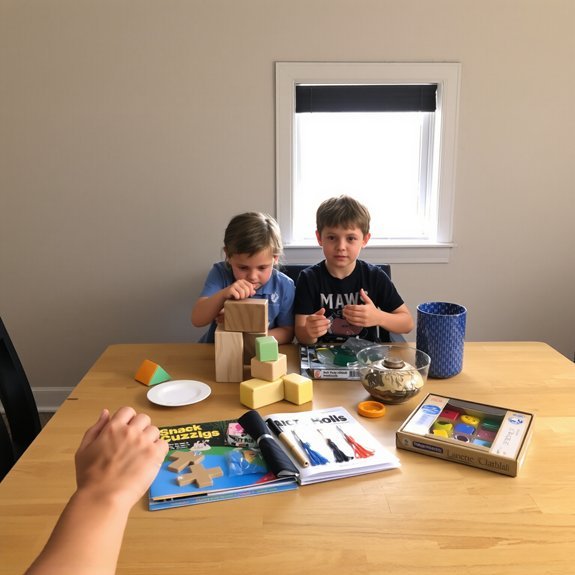
    developmental stages matter greatly

    Think of developmental stages like a backstage pass to a kid’s brain and body—trust me, it’s more interesting than it sounds. You’ll peek at developmental milestones, notice when a toddler suddenly stacks blocks like a tiny architect, or when a seven-year-old reads a whole page aloud and grins. I’ll tell you to scan age ranges as if they’re cheat codes: newborn, crawler, chatterbox, explorer, tween. Touch soft toys, listen to babble turn into sentences, watch fingers scribble fierce spirals—those cues matter. Don’t guess; match the gift to what the child can do and what they’ll try next. You’ll avoid flops and see that thoughtful choices spark real delight, not just temporary smiles.

    Safety Considerations by Age
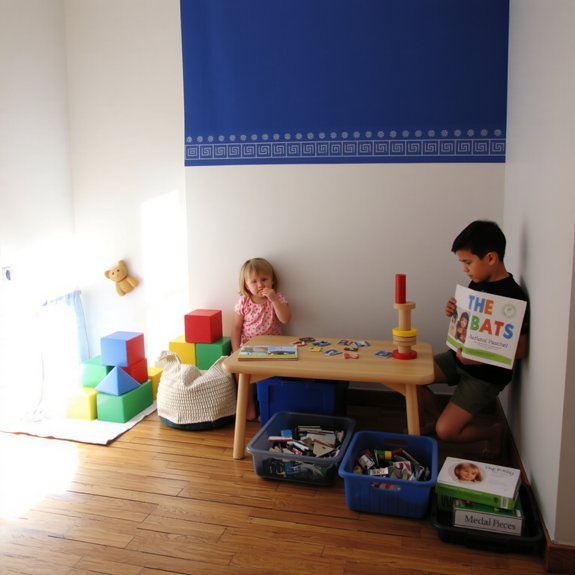
    safety focused gift selection

    Because kids explore with everything they can grab, chew, or fling, safety needs to be your loudest filter when you pick a gift—I learned that the hard way when my niece tried to ride a stuffed unicorn like a skateboard. You’ll check labels, yes, but go deeper: read safety regulations, look for recalls, and confirm age restrictions before you buy. For babies, you’ll favor sealed seams and non-toxic dyes; for toddlers, avoid small parts and choking hazards; for older kids, watch for projectiles and sharp edges. Ask caregivers about allergies, test finishes with a sniff, and imagine the toy in motion—will it bang, break, or bite? Trust your instincts, ditch trendy junk, and choose items that won’t end in ER drama.

    Gifts That Support Physical Development
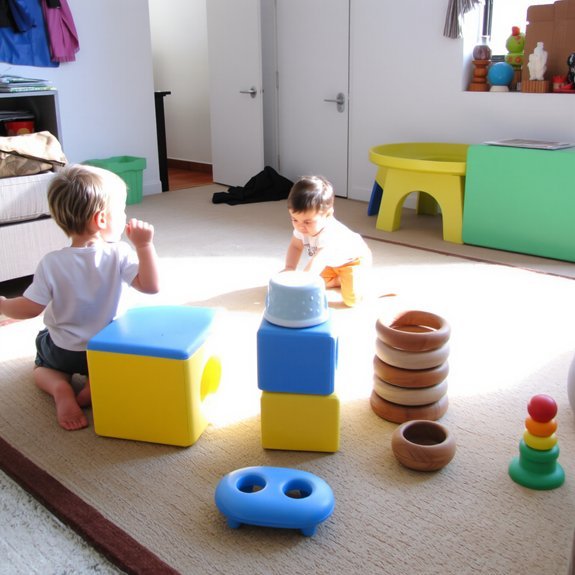
    encouraging active physical play

    Okay, you’ve crossed the safety checklist and survived the great unicorn-on-a-skateboard incident—now let’s get kids moving. I’ll keep it simple, honest, and a little smug: physical play builds strength, coordination, and confidence. You want toys that invite motion, not just stare-worthy packaging. Think wind-in-the-hair, scraped-knee stories, triumphant grins.

    • Balance bikes for toddlers, low and light, teach steering and confidence without training wheels.
    • Climbing toys, like ladders and soft rock walls, build grip, coordination, and brave faces.
    • Ride-ons and scooters add speed control, balance, and sunny yard races.
    • Balls, hoops, and jump ropes sharpen timing, footwork, and loud celebratory whoops.

    Pick sturdy, sized-right gear, supervise cheerfully, and expect dramatic victory dances.

    Toys and Activities for Cognitive Growth

    If you want kids to get smarter about the world while still having a blast, give them toys that make their brains do a happy workout — puzzles that click into place, blocks that demand careful stacking, and little labs where tiny chemists can mix safe fizz and watch faces light up. I tell you, cognitive puzzles are my secret weapon; they snap focus into place, and you’ll hear delighted cursing when a piece finally slides home. Pair those with open-ended kits, gears that grind with a satisfying clunk, and imaginative play sets that turn couches into spaceships. You’ll notice hands busy, eyes intent, tiny languages forming, ideas sparking like static. Buy fewer flashy gizmos, choose tools that invite thinking, and sit nearby to cheer the discoveries.

    Social and Emotional Learning Through Play

    You’ll spot emotional recognition games on the shelf—cards with exaggerated faces you can make with your own mouth, tactile tokens that light up when a kid names a feeling—perfect for teaching words like “frustrated” or “proud.” Try cooperative play activities next, where you and the child build a wobbly tower together, trade ideas, and practice saying “your turn” without a fit; it’s messy, loud, and exactly where empathy grows. I’ll admit, I’m biased—teamwork and goofy face-reading beat solo screen time any day, and you’ll see those tiny wins stack up fast.

    Emotional Recognition Games

    Think of emotional recognition games as a tiny detective kit for feelings—glasses, notepad, and a ridiculous hat I insist on wearing when we play. You’ll guide kids to name faces, tones, and body cues, you’ll model calm, and you’ll celebrate correct guesses with a theatrical bow. Focus on emotion recognition when you pick toys, and weigh game selection by age and attention span.

    • Use simple flashcards with vivid photos, let them touch the card edges, name the feeling aloud.
    • Try short charades rounds, whisper cues, watch their eyes light up.
    • Include stories with pictures, ask “what happened next?” and listen.
    • Make a feelings wheel, spin it, narrate sensations, taste the silliness.

    Cooperative Play Activities

    So after we’ve been sleuthing feelings with goofy hats and feeling flashcards, it’s time to crowd-source the emotional work—because kids learn loads when they’re solving stuff together, not just naming expressions. You’ll pick team games that force turns, cheering, and gentle negotiating; you’ll hear laughter, the scuff of sneakers, and the tiny groan when someone loses, which is learning, honestly. Try collaborative crafts where glue gets everywhere, and hands reach over each other, sharing scissors and ideas; that messy, noisy table teaches patience and pride. You guide, step back, and intervene with a joke, a nudge, or a timeout for a meltdown. These moments build empathy, listening, leadership, and the sweet thrill of making something together.

    Choosing Books and Media for Each Stage

    Even if bedtime is a blur of drool-covered board books and one too many dinosaur roars, I’m here to help you sort the chaos into something that actually sparks curiosity instead of tantrums. You want age appropriate storytelling that matches attention spans, and multimedia learning to boost engagement without turning everything into a screen fight. I’ll keep it practical: choose sturdy textures for babies, rhythmic read-alouds for toddlers, picture-rich chapter books for early readers, and nonfiction with hands-on kits for older kids. Rotate content, watch reactions, swap formats when interest wanes. Trust your instincts, but test new things.

    Even chaotic bedtimes can become curious, calm moments—sturdy books, rhythmic reads, picture chapters, and hands-on projects.

    • Sturdy board books, tactile pages
    • Rhythmic, repetitive stories, sing-alongs
    • Illustrated early chapter books, short chapters
    • Nonfiction, interactive apps, project guides

    Personalizing Gifts: Interests, Abilities, and Family Values

    You know the kid’s favorite things, so start there—match the gift to their interests, whether it’s dinosaurs, dance, or coding, and watch their eyes light up. Keep it real with their abilities, don’t hand a puzzle that needs a PhD, and pick something that builds skill without bruising ego. And please, honor family values—if they’re outdoorsy or faith-centered, choose a present that fits the home rhythm, not your impulse buy.

    Match Their Interests

    Anyone who’s watched a kid zero in on a single, shining interest knows the magic: they smell it, they touch it, they can’t stop talking about it—like it’s the sun and everything else is orbiting. You lean in, listen, and match gifts to that orbit. Pick things that invite hobby exploration, tie into favorite characters, or nudge a budding passion without lecturing. You’ll notice textures, sounds, and the way their eyes light up — use that.

    • Give a starter kit that smells like possibility, tools warm in tiny hands.
    • Choose books or toys featuring favorite characters, but with room to improvise.
    • Offer an experience: a ticket, a class, a messy afternoon together.
    • Mix practical gear with something silly, unexpected, delight guaranteed.

    Respect Developmental Abilities

    While kids can surprise you, it’s smart to match gifts to what their hands, ears, and brains are actually ready for—so you don’t give a roaring drum to a child who still detests loud noises, or a 200-piece model to tiny, impatient fingers. You watch them stack blocks, frown, then clap when a tower steadies; that’s your cue. Think developmental play, sensory comfort, fine-motor stamina. Ask yourself, can they sort pieces, follow two-step directions, sit through five minutes of a story? Look for age adaptability—toys that grow with skill, add challenge, or simplify rules. Buy one that lets them succeed, not sulk. I promise, you’ll get better at guessing than you think; failures make funny stories, not wasted money.

    Honor Family Values

    Because gifts land at the center of a family’s story, I always start by listening—really listening—to what matters at their kitchen table, not what’s trending online. You’ll notice smells, laughter, the way a grandmother folds her hands; those clues tell you whether a present should honor family traditions or carry cultural significance, not just sparkle. I ask quick, pointed questions, I watch kids play, I taste the soup—metaphorically, mostly.

    • Pick items that echo rituals, prayers, recipes, songs.
    • Respect dress codes, modesty, holiday timing.
    • Choose language, art, toys that reflect cultural significance.
    • Skip fads that clash with rules, opt for heirloom potential.

    You’ll look thoughtful, not tone-deaf, and actually useful.

    Conclusion

    You’ve got this—trust what you see and what they love. I’ll say it plain: measure toys to milestones, not trends; safety first, fun always. Picture them, laughing, sticky fingers on a puzzle, feet wobbling on a balance bike—keep those moments coming. Remember, one good gift can teach for life; after all, you can’t judge a book…without opening it. Be thoughtful, be bold, and let play do the teaching.
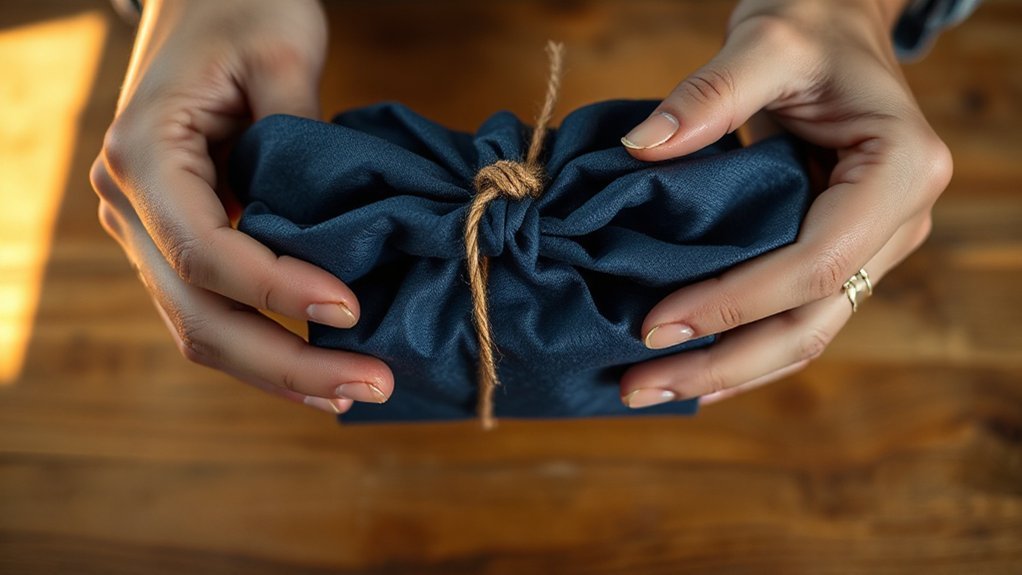
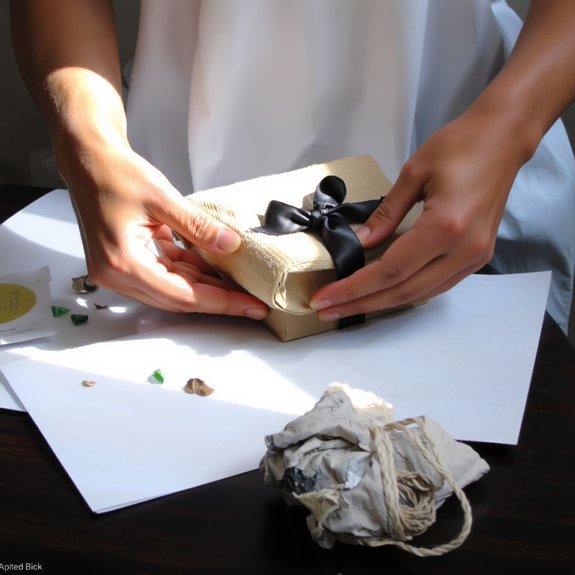
  • How Do I Gift Wrap With Fabric

    How Do I Gift Wrap With Fabric

    You’re about to ditch crinkly paper and learn a slick, reusable trick: fabric wrapping. I’ll show you how to pick the right cloth, wash and trim it, and fold gifts like a pro — think silk for bottles, soft cotton for boxes, knots that look fancy but take two seconds. It’s eco-smart, tactile, and oddly satisfying to tie a perfect bow with your own hands, so stick around and I’ll teach you the moves.

    Key Takeaways

    • Choose fabric suited to the gift: silk for bottles, cotton for books, muslin for jewelry, and fleece or jersey for bulky items.
    • Wash, dry, and cut fabric with clean edges so it’s soft, shrink-free, and easy to fold.
    • Use the right size: allow extra fabric for knots—about twice the longest gift dimension plus 2–4 inches.
    • Wrap with neat folds and secure with decorative knots, scarves, twine, or bias tape instead of ribbon.
    • Store wrapping cloths folded or hung in breathable containers so they stay clean and reusable.

    Why Choose Fabric Over Paper for Gift Wrapping

    sustainable creative gift wrapping

    If you want your gift to look like it arrived with a story already attached, pick fabric over paper—I promise you’ll feel like a clever magician, not a sap. You’ll unwrap textures, not crinkles; you’ll hear a soft rustle, feel the weight of cloth, see colors that don’t scream “last-minute.” I love the sustainability benefits—fewer landfills, reusable wraps that double as scarves or napkins. You get creative designs, too: patterns that hint at the giver, prints that spark a grin. Tie a knot, fold a corner, tuck in a sprig of lavender, and you’ve staged a small, delicious reveal. You’ll look thoughtful without trying too hard. Trust me, people notice the care, and you’ll enjoy the applause.

    Best Fabrics and Sizes for Different Gifts

    choose fabrics for gifts

    One dozen tiny scarves won’t do for a bottle of wine, and a king-size duvet cover isn’t exactly subtle for a paperback—so let’s pick the right cloth for the job. I’ll tell you what to grab. For bottles, use a square of silk scarves, slick and elegant, about 20–24 inches, tie a neat knot and it glints like you tried. For jewelry, a scrap of cotton muslin, soft and breathable, 8–12 inches, wrap gently so metal won’t scratch. For books, medium-weight cotton, 16–18 inches, fold crisp corners, you’ll like the tidy look. Bulky toys beg for jersey or fleece, larger wrap, casual tie. Electronics? Go padded fabric or double-layer cotton, precise folds, secure with ribbon. Trust your hands, not luck.

    Preparing Your Fabric: Washing, Folding, and Cutting

    wash cut measure fabric

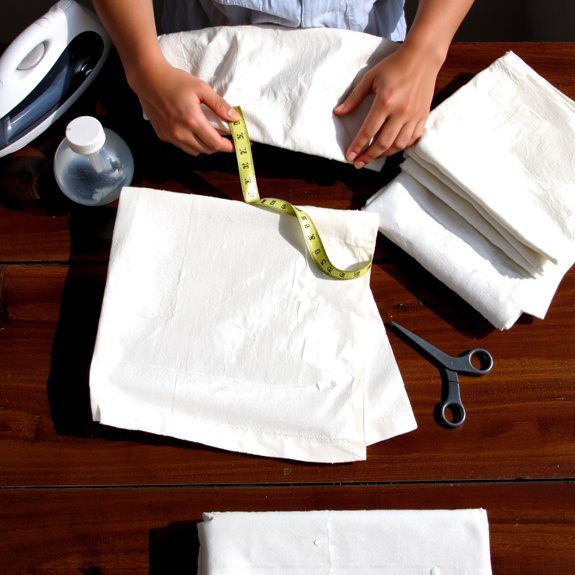
    You’ll want to wash and dry your fabric first, so it’s soft, shrink-free, and won’t surprise you later — I learned that the hard way when a “perfect” wrap shrank into a sad napkin. Lay the cloth flat, smooth out the wrinkles with your hands, then measure and cut clean edges with sharp scissors or a rotary cutter, keeping a steady eye on the grain so corners meet like they’re on purpose. Trust me, a little prep now saves a lot of fussy tucking later, and it makes the final reveal feel like magic instead of craft time chaos.

    Wash and Dry Fabric

    Because fabric remembers where it’s been, I always start by washing and drying it before I even think about folding—no exceptions, even for that pretty linen you swear isn’t going to shrink. You’ll sort by fabric types, check labels like a detective, and treat delicates gently. I toss in a mild detergent, skip the fabric softener if you want crisp edges, and pop sturdy cotton on warm. Listen for the spin cycle, smell the clean; it’s oddly satisfying. Dry low for silks, medium for cottons, remove while slightly damp to avoid stiff creases. Steam or tumble briefly to relax fibers, then lay flat or shake out to cool. This fabric care routine saves you time, grief, and one ruined gift—trust me.

    Measure and Cut Edges

    Alright—grab your ruler and your scissors; we’re finally getting down to the business of clean cuts. You’ll lay the fabric flat, feel the soft nap under your fingers, and smooth out a wrinkle with a palm. I’ll show you quick measuring techniques: measure twice, mark once with tailor’s chalk or a washable marker, note seam allowance if you’re fussy like me. Use a rotary cutter for straight edges, heavy-duty shears for thicker cloth, those cutting tools feel satisfying in your hand. Keep the ruler tight, breathe, then slice in one confident motion. Trim stray threads, flip the corner, admire the crisp line. It’s practical, it’s pretty, and honestly, it makes wrapping feel like a tiny victory.

    Simple Bandana Wrap for Small Boxes and Bottles

    If you’ve got a bandana and something small to hide under fabric—say a tiny gift box or a favorite bottle—this wrap will make it look like you meant to be charming all along. You’ll love how bandana patterns pop against plain paper, and how fabric choices change the whole vibe, trust me. Lay the square flat, center the item, fold opposite corners over, tie the remaining two in a tight knot. It’s quick, playful, foolproof.

    If you’ve got a bandana and a tiny treasure, fold, knot, and voilà—charming, playful, and effortlessly gift-ready.

    1. Choose a bandana that matches the recipient’s style.
    2. Center the gift, smooth wrinkles, tuck edges neatly.
    3. Cross corners, pull snug, don’t over-tighten.
    4. Tie a double knot, trim tails, add a sprig if you’re feeling dramatic.

    Classic Furoshiki Square Wrap Techniques

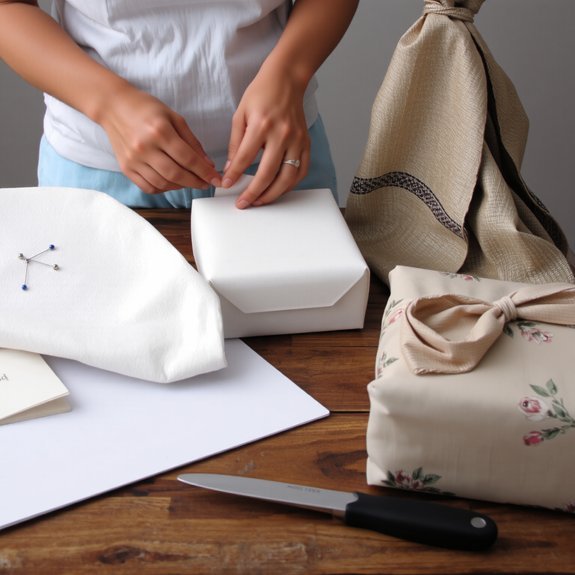
    You’ve mastered the cheeky bandana knot, so let me show you how a proper furoshiki square makes even a boring box look like a present from someone who reads aesthetics blogs for fun. Lay a crisp cotton square face-down, set the box diagonally, pull opposite corners over the top, tuck tight, feel the fabric hug the edges — that satisfying little creak of cloth. Fold the remaining corners into a neat knot, or twist into a flat bow. I mention furoshiki history because these moves are centuries-old, elegant and clever. You’ll love how the pattern aligns, the texture warms your hands, and the whole thing screams care. Plus, fabric sustainability means this gift gets unwrapped, reused, and adored again.

    Robust Wraps for Oddly Shaped or Bulky Items

    When something’s oddly shaped or embarrassingly bulky, I don’t pretend a neat square will do the trick—so I get tactical. You’ll lean into creative folding, pick fabric choices with weight and stretch in mind, and treat the item like a puzzle you’re allowed to win. Start by padding corners, draping generously, then cinch and smooth until it looks intentional, not messy.

    1. Use sturdy cotton or twill for structure, silk for sheen, linen for breathability, fleece for padding.
    2. Fold in panels to build flat planes, tape lightly to hold layers, test fit.
    3. Roll cylindrical parts, secure with ties or clips under folds.
    4. Trim excess, tuck edges with fingers, press seams with palm.

    You’ll end up with a confident, cozy package that feels custom-made.

    Decorative Knots, Ties, and Ribbon Alternatives

    While knots might seem like a tiny detail, they’re the punctuation mark that turns plain cloth into a present with personality — and I’m here to teach you how to make them sing. You’ll learn decorative knots like the simple square, the elegant bow knot, and the sailor’s carrick bend, each giving texture and voice. Use thin scarves, twine, or bias tape as ribbon alternatives, they feel different, smell like linen, and grip fabric better. I’ll show you how to pull tails, tighten without puckering, and tuck ends so they stay neat. Practice a few quick loops, whisper encouragement to your fabric (I do), and pick a knot that matches the gift’s mood — playful, formal, or delightfully wonky.

    Adding Embellishments: Tags, Greenery, and Accessories

    Knots set the mood, but the extras sell the story — little flourishes turn wrapped cloth into an occasion. You want your package to sing, so you add a tag, tuck in a sprig, and smile like a craft-show ninja. tags ideas pop up fast: handwritten kraft, tiny watercolor cards, stamped kraft, or a typed mini-note. greenery options bring scent and texture; think eucalyptus twigs, rosemary sprigs, holly, or dried lavender. Try this:

    1. Tie a ribbon, tuck a sprig, attach a stamped tag.
    2. Layer a paper tag over fabric, secure with a safety pin.
    3. Bundle herbs with twine for aroma and charm.
    4. Add a tiny ornament or shell for personality.

    You’ll finish with a gift that feels deliberate, alive, and oddly theatrical.

    Care and Storage: How to Reuse and Maintain Wrapping Cloths

    How do you keep a favorite wrapping cloth from turning into a sad, stiff relic in the back of your linen closet? I treat mine like a pet: gentle, regular attention, and no crowded cages. For fabric care, I hand-wash delicate silks in cool water, use mild detergent, and air-dry flat; cottons get a quick warm wash and a tumble on low. Iron or steam while slightly damp, it smooths creases like magic. Fold with tissue between layers, roll delicate pieces to avoid creases, and label bundles so you don’t play linen roulette later. For storage solutions, use breathable cotton bags, shallow boxes, or hanging organizers; cedar keeps moths out, but skip plastic if you want your cloths to breathe.

    Quick Tips for Wrapping Fast and Looking Polished

    If you want to look put-together in ten minutes flat, I’ve got your back — and your pockets full of tricks. You’ll feel slick, fast, and a little smug. Grab fabric, scissors, a ribbon, and something to weigh the corners. Fold, tug, smooth; press seams with your palm. Try these quick moves:

    1. Measure once, fold twice — makes neat corners fast.
    2. Use a weighted knot — ties stay put, no pins needed.
    3. Swap ribbon for a sprig or a button — instant polish, eco friendly options.
    4. Roll leftover scraps into a bow — saves fabric, looks intentional, and uses innovative techniques.

    I coach you through small sounds: snip, snap, tuck. You’ll finish smiling.

    Conclusion

    You’ve got this—wrap like a pro, not a panic. I’ll say it: fabric turns a ho‑hum gift into something tactile and lovely, like “don’t judge a book by its cover,” but better—judge by the cloth. Fold, knot, tuck, feel the smooth silk or cozy cotton, tie a rustic twine bow, add a sprig of rosemary, and step back. You’re giving care, not trash. Practice once, and you’ll keep these cloths forever.

  • How Do I Find the Best Cyber Monday Deals

    How Do I Find the Best Cyber Monday Deals

    Think of Cyber Monday as a crowded bazaar where neon price tags hide the real treasures—you’ll need a map. You’ll make a short, ruthless list, set price alerts that ping like tiny alarms, and stalk historical lows until the deal blinks; I’ll show you how to sniff out fake discounts, stack coupons, and time checkout so shipping doesn’t eat your savings. Stick around—there’s a trick most people miss that saves serious cash.

    Key Takeaways

    • Make a prioritized shopping list with budgets and mark wants vs needs to avoid impulse buys.
    • Track historical pricing and set price alerts/thresholds to spot genuine Cyber Monday lows.
    • Compare multiple retailers for price, shipping, returns, and seller reputation before buying.
    • Use coupon aggregators, browser extensions, and cashback/reward offers to stack savings.
    • Verify return policies, warranties, and delivery timelines before clicking purchase.

    Plan Your Shopping List and Prioritize Wants vs. Needs

    plan prioritize budget resist

    If you’re like me, your impulse buys have a way of looking great in the cart and terrible in the morning light, so let’s stop the chaos before it starts. You’ll grab a notebook, or open a note app, and list what you actually need first. Do a quick necessity assessment—groceries, work gear, winter coat—then add wants, clearly marked with a star. Do budget planning next, give each item a max price, and don’t pretend you won’t walk away. Picture the checkout screen, feel the cursor blinking, hear your own sigh—now you’re training restraint. Say aloud, “Do I need this?” It sounds dumb, but it works. Tidy list, firm limits, small victories. You’ll thank yourself later.

    Research Prices and Price History Before Sales Day

    price history research tips

    You should check historical price trends before Cyber Monday, so you know if a “huge” discount is actually reheated leftovers. I’ll show you how to scan price graphs and set alerts, and you’ll compare multiple sellers’ listings like a pro hunting for the best bite. Grab coffee, open two tabs, and let’s beat the hype with receipts, not guesses.

    Wondering if that “75% off” tag is actually a bargain or just marketing smoke? You should dig into historical data before you click buy, I always do — it’s like checking the tide before you surf. Scan past prices, screenshots help, and note sale cycles; the numbers tell the truth. Do a quick price analysis: chart low points, spot recurring discounts, and mark when that “deal” actually appeared. Use browser tools, simple spreadsheets, or apps that track price history, and smell the pattern like coffee in the morning. If a price rarely dips, it’s real; if it spikes then plummets, beware the fake bargain. Trust your eyes, trust the data, and don’t let clever tags hustle you.

    Compare Multiple Sellers’ Listings

    Because deals hide in plain sight, I always check multiple sellers before I hit buy — like peeking into every stall at a bazaar to find the one with the real gems. You should, too. Open tabs, scroll seller pages, sniff out seller reputation like you’d sniff a bargain sweater — solid, not moth-eaten. Compare prices, but also check product availability, shipping times, and return windows. I tap reviews, skim photos, and watch for tiny differences that matter — charger included, warranty length, color variance. If one seller’s price is suspiciously low, that’s a neon sign: investigate. Jot the best offer, then wait for a flash sale or coupon. You’ll feel smug, saved, and slightly like a deal detective.

    Set Alerts and Use Price-Tracking Tools

    set price alerts save

    If you want to snag the good stuff without chasing prices like a caffeine-fueled detective, set alerts and let the internet do the legwork for you. I tell you, it’s delightful to wake to a ping instead of panic. Sign up for price alerts on sites and use tracking apps that watch historical lows, notify drops, and predict brief flash sales. You’ll see color-coded charts, little green arrows, and sigh with relief. I set thresholds, get concise push notes, and click when the deal hits. Try browser extensions that show price history as you shop; they whisper whether it’s a steal or a soft “meh.” You save time, avoid buyer’s remorse, and keep your sanity intact.

    Compare Retailers and Check Coupon Aggregators

    When you line up a few stores side by side, the differences jump out like neon sale signs in a dark mall—prices, shipping times, return rules, and those sneaky restock fees. I tell you, don’t trust the first flashy total. Scan reviews, check retailer reputation, and skim customer photos — you’ll smell the fake bargain from a mile away. Hunt coupon aggregators, they’re treasure maps with traps; verify coupon validity, expiration dates, and stacking rules before you click. I poke around forums, toss a couple codes into carts, and watch the math. If a deal feels too tidy, it probably is. Shop smart, laugh at my coupon hoarding habit, then snag the real win without the drama.

    Verify Return Policies, Warranties, and Shipping Terms

    You’ll want to check the return window length first, because a two-week panic is different from a 60-day safety net — skim the fine print and mark the deadline. Next, read warranty coverage details so you know what’s actually fixed versus what’s “operator error,” and don’t assume anything’s covered just because it sounds fancy. Finally, weigh shipping costs and timing, imagine the box arriving late or the courier thumping it on your porch, and decide if the deal is worth the gamble.

    Return Window Length

    Because nothing ruins a triumphant Cyber Monday steal faster than a tiny return window and a shipping policy that reads like ancient prophecy, I check those fine print sections first—yes, even on stores I’ve shopped from before. You’ll want to scan the return policy like a detective, noting days allowed, restocking fees, and whether gift receipts matter. Holiday returns often extend timelines, but don’t assume it’s generous; look for cut-off dates stamped in bold or buried in FAQs. If the window’s short, plan to test the item ASAP — plug it in, try the fit, snap clear photos. Keep receipts and order emails handy, imagine a calm return conversation, and breathe; short windows aren’t fun, but they’re beatable.

    Warranty Coverage Details

    One quick check can save you a headache and a dead gadget. I tell you this because I’ve unboxed shiny phones that croaked two weeks later — embarrassing, and expensive. Before you click, scan the fine print for warranty types, whether manufacturer, seller, or extended plans, and what each actually covers. Check warranty duration too, days vs. years makes a laughable difference. I nudge you to look for coverage on defects, battery, and accidental damage, and note any registration steps, proof-of-purchase needs, or service centers nearby. Ask customer chat, because canned answers lie. Keep a screenshot of terms, and set a calendar reminder before the window closes. You’ll thank me when you avoid that repair shop panic.

    Shipping Costs & Timing

    If you want that midnight gadget thrill to land on your porch before your in-laws arrive, don’t skip the shipping fine print — I’ve learned the hard way, standing in rain with a soggy box and a face that said “regret.” Check shipping costs first: free shipping often comes with slow economy routes, and “fast” can mean a small fortune added at checkout. You’ll want to verify return policies, warranties, and shipping terms so surprises don’t spoil your holiday.

    • Heart-sinking delays when you hoped for a surprise.
    • Extra fees that make the deal sting.
    • Lost packages that smell like mystery.
    • Sellers hiding slow shipping methods until checkout.
    • Last-minute upgrades that save the day.

    Compare delivery times, track often, and ask questions — I nag vendors like it’s my cardio.

    Spot Genuine Discounts and Avoid Common Sale Traps

    When a deal looks too pretty to be true, trust your gut—and then your calculator—because retailers love dressing up regular prices in bargain clothes; I’ll show you how to sniff out the real savings without getting fooled. You’ll watch discount psychology in action: original prices inflated, countdown clocks ticking, and “limited stock” banners screaming urgency. I’ll tell you to check price history, compare across stores, and calculate final cost with tax and shipping. Don’t get dazzled by flashy percentage signs. Recognize classic sale tactics: fake scarcity, bundled fluff, and phantom markdowns. Touch the product pages, read recent reviews, and screenshot prices. You’ll walk away with honest deals, a smirk, and a slimmer receipt.

    Time Purchases Strategically and Use Cashback or Reward Offers

    Because timing can turn a decent bargain into a steal, I treat Cyber Monday like hunting season: you stalk the price, wait for the clean shot, then pull the trigger. You’ll set alerts, refresh like a caffeinated hawk, and pounce when the total drops just right. Stack deals—store promos, card offers, cashback apps, and reward programs—to make the final price sing.

    • That tiny thrill when checkout shows a lower number.
    • The smug grin when cashback posts to your account.
    • The relief of snagging a wanted item before it vanishes.
    • The giddy math of stacking rebates and points.
    • The quiet pride of beating the algorithm.

    Be patient, be ready, and don’t forget to breathe before you click buy.

    Conclusion

    So you’ll stalk prices, set alerts, and debate whether that blender’s “deal” is destiny. I’ll cheerlead, and you’ll do the heavy lifting — scanning coupons, comparing carts, nudging warranties into place. You’ll taste victory, maybe cold coffee, when the checkout shows the low you waited for. If it flops, we’ll blame the algorithm and try again. That’s Cyber Monday: strategic, slightly ridiculous, and oddly satisfying when it actually saves you money.

  • How Do I Make a Holiday Wish List

    How Do I Make a Holiday Wish List

    Let’s call it “strategic wishful thinking” instead of begging, because dignity matters; you’ll jot down things that actually make life better, not random impulse junk. Picture your cozy chair, mug steaming, phone on silent—ask what you want for comfort, hobby, or practicality, note sizes and colors, and rank items as essentials or nice-to-haves; I’ll show you how to make it painless and useful, so you stop guessing and start getting—but first, pick your top three.

    Key Takeaways

    • Start by noting sensory joys, hobbies, and practical needs to generate genuine gift ideas.
    • Organize items into categories: essentials, must-haves, nice-to-haves, and experiences.
    • Prioritize one standout item and roughly label price ranges for each gift.
    • Add specific details (size, color, model, retailer, delivery times) to make purchasing easy.
    • Share the list casually with links or QR codes, include favorites, budgets, and alternative experience options.

    Why a Thoughtful Wish List Helps Everyone

    thoughtful gift giving made easy

    If you want gift-giving to feel less like a chaotic scavenger hunt and more like a warm dinner with good friends, start with a thoughtful wish list. You’ll nail thoughtful gifting when you jot down things that smell like you—favorite coffee, a battered novel, a cozy throw—and note why they matter. I’ll tell you, people love concrete clues, not vague hints. You’ll save time, dodge awkward returns, and keep wallets calm. It’s subtle relationship building, too: you show you listen, they feel seen. Picture wrapping paper rustling, a laugh, a sincere “how’d you know?” That moment’s worth the effort. Make a short, honest list, share it, and let holiday joy do the rest.

    How to Brainstorm Gift Ideas That Fit Your Life

    sensory pleasure gift brainstorming

    Because you live your life one small sensory pleasure at a time, brainstorming gifts that actually fit you means paying attention like a generous detective. I tell you to keep a pocket notebook, or your phone notes app, and jot textures, scents, sounds that make you grin—warm wool, citrus soap, a crisp podcast intro. Notice seasonal trends in stores and feeds, but filter them through your personal interests: gardening, late-night baking, trail-running playlists. Say out loud what you’d use, don’t whisper it like a guilty secret. Walk your apartment, open drawers, sniff a sweater, taste a spoonful of jam, and ask, “Would this brighten a Tuesday?” You’ll collect real clues, not just fashionable noise, and laugh at how obvious some gifts become.

    Organizing Priorities: Must-Haves, Nice-to-Haves, and Experiences

    organize holiday priorities creatively

    You’ve collected clues like a cheerful private eye — the wool that smells like campfires, the jam that stains your thumb, the podcast that gives you goosebumps — now let’s make sense of the haul. Split the list into holiday essentials, must-haves you won’t stop thinking about, and nice-to-haves that’d be fun, but aren’t life-or-death. Toss in a third column for experiences: a rain-soaked concert, a cooking class that smells like garlic, a sunrise hike with hot chocolate. I keep my personal favorites front and center, with one dramatic “if I could only pick one” at the top. Label prices roughly, mark what excites you, and highlight things you’d actually use. Be honest, be picky, and have a little fun.

    Including Details That Make Gifts Easy to Buy

    When I want someone to actually buy a gift, I stop daydreaming and get concrete — measurements, colors, sizes, links, and the one brand that didn’t make me cry when I tried it on. You jot sleeve length, waist inches, and the exact shade of green that makes your skin sing. Group items by gift categories, so Uncle knows to pick tools, not kitchen gadgets. Note preferred retailers, shipping times, and a fallback color for safety. Mention seasonal trends, like chunky scarves for winter or breathable linens for summer, so buyers don’t grab last year’s vibe. Add a quick “why I want it” line — scent memories, commute upgrade, epic snack obsession. Be specific, kind, and a little bossy; it helps.

    Sharing Your List Politely and Effectively

    How do you share a wish list without sounding like a bossy elf or a smug online influencer? I’d say, start casual. Send a short note, attach the list, mention why a few items light you up, and add a gentle line about budgets. Use sharing tips like QR codes or a simple wishlist link, so people don’t hunt. Say “no pressure” out loud, mean it, and offer alternatives—experiences, homemade coupons, or charity donations. Drop polite reminders a week before shopping, brief and upbeat, like a friendly nudge at a coffee shop. When someone asks, tell a quick story about an item, the color, the smell, the sound it makes. That’s human, helpful, and way less awkward than silence.

    Conclusion

    You’ve sketched, sorted, and specified; now share. I’ll say it plainly: a precise, practical list spares guesswork and spares awkward returns. Tell people your top treasures, tag sizes and colors, add a backup experience, and whisper a charitable option for the generous. Lean into clear categories, concise details, and a little humor — it helps. Give them guidance, keep it gracious, and enjoy the gift of less stress and more satisfying surprises.

  • How Do I Wrap Oddly Shaped Presents

    How Do I Wrap Oddly Shaped Presents

    You’ve got a weird-shaped gift and you’re staring it down like it owes you money, aren’t you? I’ll walk you through stabilizing it with cardboard, choosing whether to box or fabric-wrap, and hiding lumps with clever folds and ribbons — you’ll feel the paper give under your fingertips, hear the tape tack, see the silhouette smooth out. Stick with me and you’ll turn that awkward lump into something cheeky and polished, but first—let’s pick the base.

    Key Takeaways

    • Stabilize the gift on a trimmed cardboard base and tape it down to create a flat, secure wrapping surface.
    • Choose a wrapping method: box lumpy items, use fabric or bags for soft shapes, or sculpt paper for organic forms.
    • Test with scrap paper to mark seams and plan folds, then cut one sheet to minimize overlaps and bunching.
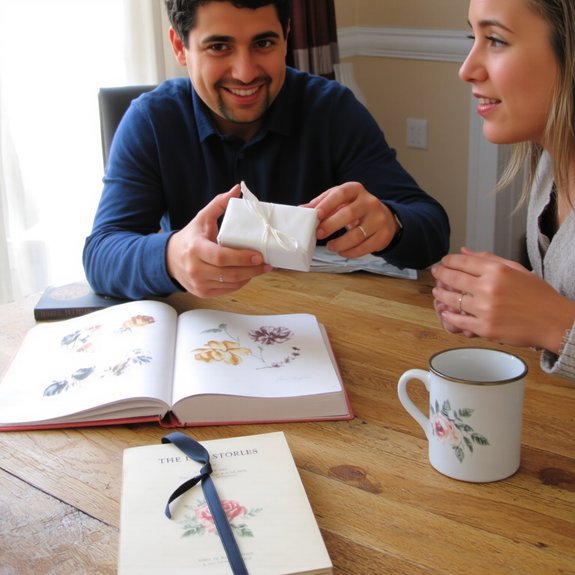
    • Conceal bumps using layered materials (felt, napkins, or lightweight boards) and secure discreetly with tape or twine.
    • Finish with ribbon, curled tails, tissue rosettes, or small ornaments to distract from irregularities and add polish.

    Assess the Shape and Plan Your Strategy

    assess gift shape carefully

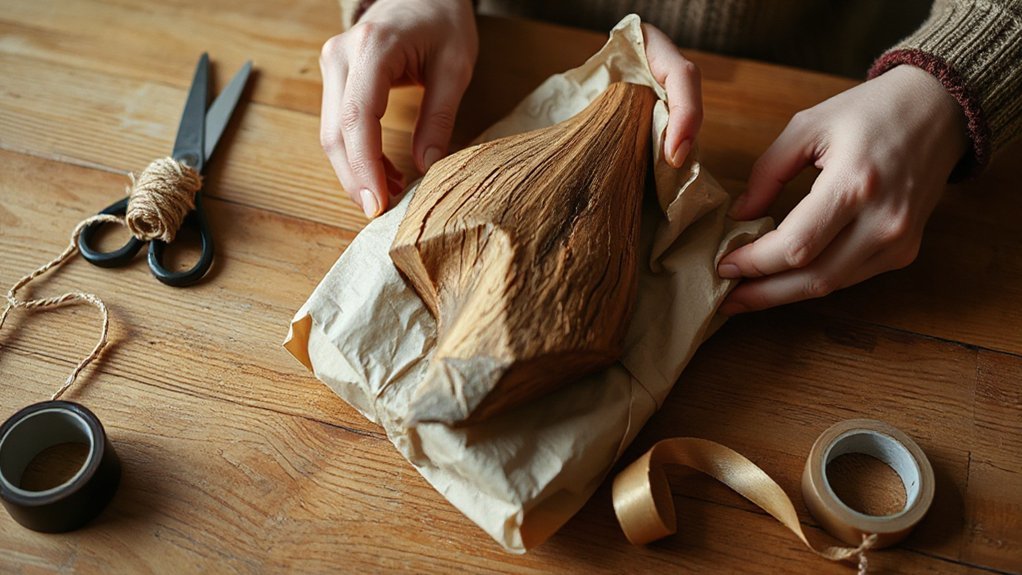
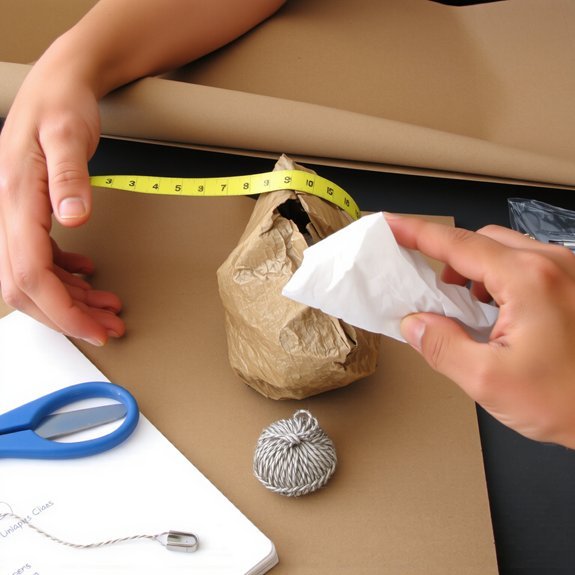
    If the gift looks like it was formed by a mischievous sculptor, don’t panic — you’re about to become a clever problem solver. You pick it up, feel odd angles, and sigh, but you also grin, because this is a tiny challenge. First, study the gift shape, turn it, tap corners, listen for hollow spots. Imagine lines where folds could live. Lay out your wrapping materials, scissors, tape, and breathe. I’ll tell you what I’d try: smooth sides get single sheets, weird bulges want panels, long bits call for rolls of kraft. You’ll test a scrap of paper, mark seams with a pencil, and reroute if needed. You move like a thoughtful engineer, playful and precise, ready to improvise.

    Stabilize and Create a Solid Base

    sturdy base for stability

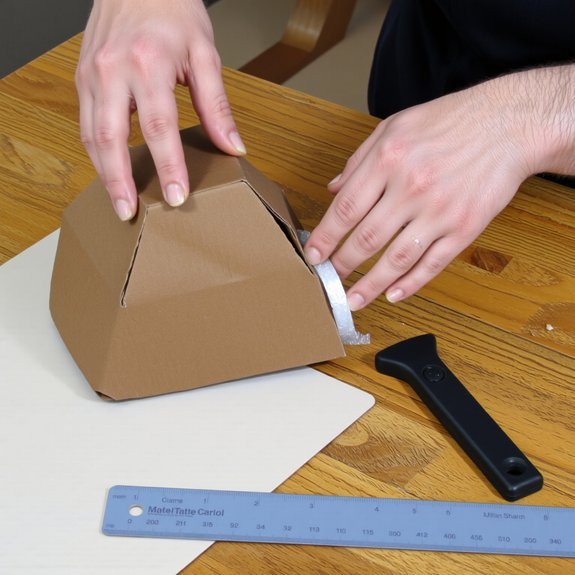
    Okay, now that you’ve examined the curves and tested a scrap of paper, let’s make this thing behave. You’ll pick sturdy base materials — cardboard, a small wooden board, or layered foam — and trim them to match the widest footprint. Feel the weight shift as you center the gift, press down, and listen for the satisfying thud of stability. Tape the base underneath, firm but neat, and tuck edges so nothing pokes out. Use a dab of hot glue or double-sided tape where needed, securing edges to the base and preventing sliding. I say “satisfying thud” because I dropped my first attempt, dramatically, in front of my cat. Now it sits steady, like a well-trained pet, ready for wrapping.

    Choose the Best Wrapping Method

    choose wrapping method wisely

    How do you want this present to look when someone lifts it—the neat-and-mysterious box, the graceful bag, or the “how did they even do that?” sculpted wrap? You pick a method that matches shape, occasion, and your patience. I’ll be blunt: some items beg for a box, others scream fabric. Consider your gift wrap materials and the item’s quirks, then choose.

    • Box it: makes fragile or lumpy items feel civilized, add tissue, hear the crinkle.
    • Bag it: soft, fast, hides odd angles, ties can be dramatic.
    • Sculpt it: tape, patience, clever folds, looks like magic.
    • Layer it: combine paper, fabric, ribbon, create depth and surprise.

    Trust your hands, adapt, and have fun—odd gifts love personality.

    Conceal Irregularities With Creative Covers

    Want to hide that weird bump without turning the gift into a lumpy mess? I say drape it. Grab a scarf, piece of fabric, or lightweight board, smooth it over the shape, and secure with discreet tape or twine. You’ll feel the texture, hear the soft rustle, and see the outline vanish. Mix in creative materials—felt, patterned napkins, even thin cork—for structure, and layer to disguise odd angles. Play with unique embellishments like pom-poms, a faux flower, or a tiny tag that doubles as camouflage. I’ll admit, I’ve covered things that looked like modern art gone wrong, and this trick rescued them. Keep it tactile, tidy the edges, and enjoy the surprise when they lift the cover.

    Add Finishing Touches for a Polished Look

    Once you’ve tamed the shape, it’s time to make it sing—so don’t slap on a bow and call it a day. You want the finish to whisper “careful” not shout “I ran out of time.” Feel the paper, smooth seams with your thumbs, add weight with a ribbon accents knot that crinkles nicely. Tie ribbon tails at angles, curl one with scissors, smell the paper, grin.

    Make the finish whisper “careful”: smooth seams, knot a crinkly ribbon, curl a tail, tuck in tiny details.

    • Tuck tiny tissue rosettes into corners for depth, press gently so they peek.
    • Add a crisp gift tags, write a quick witty line, let your handwriting do the cheeky work.
    • Layer thin twine under the ribbon for texture, pull snug, not brutal.
    • Attach a small ornament or dried sprig, secure with glue or a neat stitch.

    Conclusion

    You’ve got this—assess, stabilize, cover, and bedazzle. Did you know 62% of people say gift presentation makes them more excited to open a present? So your effort matters. I’ll admit, I once wrestled a bowling pin into a paper cape and won applause; you’ll do better. Use cardboard, fabric, or a box, hide bumps with ribbon, and finish with a crisp tag. Be bold, have fun, and watch faces light up.

  • How Do I Choose Gifts for Coworkers

    How Do I Choose Gifts for Coworkers

    When Jenna chipped in for a coworker’s funky desk plant last year, you noticed how her whole face lit up—small win, big impact. You’ll learn to spot the little clues: mug slogans, snack drawer stashes, that dog photo taped to the monitor, and you’ll build a short, practical plan so gifts feel thoughtful not awkward. Stick with simple, inclusive choices, but I’ll show you how to make them feel personal—keep going.

    Key Takeaways

    • Observe coworkers’ tastes through conversations, desk items, and behavior to select gifts that match their interests.
    • Set a modest budget or join a group gift to keep offerings thoughtful without financial pressure.
    • Prefer neutral, practical items (stationery, snacks, mugs) or non-food alternatives if dietary or cultural concerns exist.
    • Avoid overly personal, expensive, or work-related gifts and always check company gifting policies first.
    • Present gifts simply and privately when appropriate, include a short note, and apologize if any mistake occurs.

    Understanding Office Gift Etiquette

    thoughtful gifts mindful relationships

    If you’ve ever stood in front of the office break room with a $10 mug and a sinking feeling, you’re not alone — I’ve been there, clutching a too-bright bow like it’s a life raft. You learn fast: gift giving in the office is a dance, not a sprint. Watch body language, listen to small talk, notice what someone’s desk says about them. Don’t overshare, don’t under-think. Match your gesture to the relationship, keep humor safe, and avoid personal items unless you know them well. I’ll admit, I once gave a succulent to a serial plant killer—awkward. Apologize if you stumble, and use a note to explain thoughtfulness. Office relationships reward thought, not price tags, so be human, not flashy.

    Setting a Reasonable Budget

    thoughtful gifts within budget

    Because budgets are social contracts, not math tests, you should pick a number that feels fair and doable—say the amount that won’t make you calculate rent twice. I tell you this because gift budgeting isn’t glam, it’s common sense. Set a single cap for the team, tuck it in your head, breathe. Picture the card, the ribbon, the little smile—now pick price limits that let you buy something thoughtful without sweating at checkout. Look for cost effective options: nice candles, artisanal snacks, or a $15 mug that looks premium. Split costs for group gifts, or rotate splurges by season. Keep receipts, be consistent, and don’t overthink. You’ll sleep better, your wallet will thank you, and coworkers won’t notice panic.

    Reading Personality and Preferences

    observe listen recognize preferences

    How do you figure out what someone actually wants without turning gift-giving into an embarrassing interrogation? Watch them. Listen when they light up about weekend plans, or grimace at the office coffee. Note their gift preferences—do they gush over gadgets, crave cozy socks, or collect weird succulents? Peek at desk decor, overhear lunch choices, and remember nicknames they use. Personality traits tell you tone: the jokester loves silly, the shy coworker wants discreet, the planner appreciates practical. Ask casual questions, drop hints, trade stories. I once bought a lavender candle after noticing someone inhale deeply at a bakery; nailed it. Trust pattern recognition, not luck. You’ll pick something thoughtful, useful, and perfectly on target—without awkwardness.

    Group Gifts vs. Individual Presents

    When you’re deciding between chipping in for a big, splashy group gift or sneaking off with something small and perfectly personal, picture the scene: a pile of wrinkled dollar bills in a shoebox versus a carefully wrapped mug that says “World’s Okayest Planner” — both make noises, but very different ones. You’ll want to read the room, notice group dynamics, and weigh visible joy against private delight. Group gifts shout, “We noticed you!” and can pool resources for something fancy. Individual presents whisper, “I picked this for you,” and land softer, closer to the heart. Think about gift preferences, who likes attention, who cringes, who laughs loud. Trust your instincts, ask a teammate discreetly, and choose what’ll feel honest, not performative.

    Practical and Professional Suggestions

    1 practical rule: aim for useful, not utilitarian. You’ll pick things coworkers actually use, not gray blobs of “function.” Think quality mug, a sturdy notebook, a comfy mouse pad—items that smell faintly of coffee, feel smooth under your hand, and show up in meetings without drama. Keep presentation tidy: simple gift wrapping, neat tape, a tasteful tag. Match office themes—modern minimalist, cozy plants, or bright tech—and let that guide color and style. Don’t overthink personality, don’t give a tool that screams “DIY therapy.” If you’re unsure, ask HR norms, or whisper to a teammate. I’ll admit, I’ve wrapped the wrong size box before; learned fast. Practical, professional, slightly stylish—that’s your sweet spot.

    Personalized Yet Appropriate Options

    If you want a gift to feel personal without wobbling into TMI, aim for small, deliberate touches that say “I noticed you” without saying “I followed your Instagram.” I like to start with something they actually use—a pen that clicks crisply, a notebook whose pages whisper when you flip them, a coffee tumbler that keeps steam in and spills out only on bad days—then add one tiny, tasteful flourish: their initials embossed in a corner, a bookmark stamped with a favorite quote, a discreet color switch to match their desk plant.

    You’ll pick unique items and deliver thoughtful gestures that feel curated, not creepy. Try these ideas:

    1. Engraved pen, smooth ink, subtle initials.
    2. Pocket notebook, linen cover, a witty inside note.
    3. Thermal mug, muted hue, silicone lid.
    4. Desk plant marker, tiny brass, hand-stamped.

    Handling Dietary, Cultural, and Religious Considerations

    You’ll want to ask about dietary restrictions up front, because handing someone a box of truffles when they’re allergic to nuts is awkward and smells like poor planning. I’ll remind you to respect religious observances too—skip alcohol or certain foods around holidays, or offer a tasteful non-food alternative, and watch the timing so you’re not gifting during a solemn period. Celebrate cultural diversity by choosing items that feel inclusive and thoughtful, not stereotyped; think bright tea blends, a cozy desk plant, or a handwritten note that shows you noticed.

    Dietary Restrictions Awareness

    While I’m all for surprising coworkers with treats, I’ve learned the hard way that a chocolate-covered “oops” can sour a good vibe faster than stale coffee, so let’s talk about dietary boundaries before anyone bites in. You want to be thoughtful, not the person who hands out peanuts and regret. Ask quietly, label clearly, and choose vegan options or gluten free alternatives when unsure. Consider nut allergies and beloved cultural dishes, and avoid assumptions.

    1. Ask one-on-one, casually, “Any food rules I should know?”
    2. Label snacks with ingredients, big and bold.
    3. Offer wrapped, single-serve choices, so sharing’s safe.
    4. Keep a backup non-food gift, just in case.

    Respect Religious Observances

    When I’m picking gifts for coworkers, I treat religious observances like a polite but non-negotiable speed bump—slow down, look both ways, don’t try to race it. You ask, you listen, you notice small cues: a pendant with a religious symbol, holidays they mention, food they politely decline. Don’t guess. Don’t gift wine to someone who can’t drink it, or a talisman if you’re unsure of meaning. Swap edible treats for cozy stationery, or a gift card with a clear note. Use cultural sensitivity like a flashlight in dim parking—helpful, not blinding. Say, “Tell me if this isn’t right,” and mean it. Gifts should make people smile, not apologize later. Simple, thoughtful, respectful—that’s your win.

    Celebrate Cultural Diversity

    If you want your gift to land like a hug instead of a head-scratcher, start by treating food, faith, and family customs like the secret ingredients they are—I taste, I ask, I don’t assume. You’ll learn cultural significance by listening, not guessing. Smell spices, hear stories, note holidays. Ask, “Is this okay?” or offer a choice. Inclusive gifting is about options, not offense. Be curious, be humble, and keep it simple.

    1. Swap ambiguous treats for labeled, allergen-free snacks, so everyone can nibble.
    2. Choose experiences — a museum pass — that respect beliefs.
    3. Wrap in neutral colors, avoid religious symbols unless invited.
    4. Offer a gift card, with a note, saying, “Pick what fits you.”

    Presentation, Timing, and Messaging

    Because the wrapping, the moment you hand it over, and the words you say can make a $10 mug feel like a treasure, I’m going to walk you through how to stage the whole thing so it lands right: pick paper that crinkles like good intentions, tuck the tag neatly under the ribbon so it doesn’t flop, and practice one short line you’ll actually remember—no speeches, just a warm “I thought of you.” I’ll also tell you when to give it — not during the busiest Monday morning scramble or the three-person lunch huddle where everyone’s chewing — and how to read the room so your timing feels thoughtful, not performative. Use clean gift presentation, choose thoughtful timing, smile, hand it casually, and keep your line simple.

    When Not to Give a Gift

    Don’t hand out gifts if they’ll make someone squirm, or turn a friendly gesture into an awkward obligation — you can feel that tiny tightness in the room, like a door closing. Never give during performance reviews, that’s a minefield where intentions get misread and HR gets interested. And if your company policy nixes it, stop — don’t be the person who brings treats and an ethics complaint.

    When It Creates Pressure

    When a gift starts feeling like a duty instead of a delight, I stop and listen to that little knot in my stomach; it’s the giveaway that pressure’s piled on. You can smell the tension, hear colleagues whispering about reciprocity, and feel gift anxiety creep up your spine. Office dynamics matter more than you think — don’t let a present turn into a transaction.

    1. Someone expects something big, so your card feels tiny and awkward.
    2. Team leaders hint at gifts, creating a compulsory vibe you didn’t sign up for.
    3. Peers compare budgets loudly, making generosity a public contest.
    4. A private farewell turns into an obligatory, expensive ritual.

    If any box is checked, skip the gift or offer a low-pressure gesture instead.

    During Performance Reviews

    Okay, hear me out: you’ve just survived the awkward group gift drama, now picture walking into a performance review carrying a wrapped box like it’s a casserole for the boss. Don’t. Performance review gifts scream mixed signals, they muddy feedback, and they make coworkers squirm. You want coworker appreciation to feel genuine, not like a bribe with ribbon. Save tangible treats for small wins, team lunches, or thank-you notes that sit beside someone’s keyboard. If you’re tempted, breathe, tuck the present away, and write a crisp, honest email praising work instead. I do this myself, often—less awkward, more impact. Reviews should focus on growth, numbers, and clear next steps, not glittery distractions or the weirdness of secret Santa vibes.

    If It Breaches Policy

    If a gift could actually land you in trouble, tuck it back in your tote and breathe—seriously, I’ve learned the hard way that good intentions don’t trump policy. I tell you this because gift policies and workplace guidelines aren’t abstract—they’re rules with teeth, and you don’t want your name in HR’s inbox at 4:45 p.m. while the fluorescent lights hum.

    1. A client’s branded bottle? Check policy, don’t guess.
    2. Cash, gift cards, or steep discounts? Those usually ring alarm bells.
    3. Luxury items for bosses? That’s a red flag, slow your roll.
    4. Anything tied to contracts or vendor deals? Put it down, walk away.

    I’ll admit, I’ve fumbled, but now I choose safe, sincere gestures.

    Conclusion

    You’ve got this—choosing coworker gifts isn’t rocket science, it’s people science. Notice their mug, overhear their snack obsession, set a sane budget, and pick something useful or sweet. When in doubt, go group, go practical, or add a tiny personal touch. Wrap it neatly, write a warm note, and skip gifts that cross boundaries. Do it with humor, respect, and a hint of flair—you’ll make someone’s day, maybe even the whole office’s.

  • How Do I Find the Best Stocking Stuffers

    How Do I Find the Best Stocking Stuffers

    You want stocking stuffers that feel personal, not last-minute junk—so let’s do this smart. Picture the person: cold hands, coffee breath, or a desk that looks like a tiny cyclone; now pick small things that solve a tiny problem or spark a grin. Think useful, silly, or edible—an elegant lip balm, a weird tea, a tiny multi-tool—and wrap them to look irresistible. I’ll show you how to mix practical and playful so every pocket reveals a small delight, but first—

    Key Takeaways

    • Start with the recipient’s interests, hobbies, and daily routines to choose items they’ll use or love.
    • Mix practical items (hand cream, chargers) with fun treats (novelties, snacks) for balanced delight.
    • Set a budget and aim for small, high-impact items rather than expensive single pieces.
    • Personalize with names, favorite colors, or inside-joke gifts to increase sentimental value.
    • Use local shops, craft stores, and curated online lists for unique, last-minute stocking stuffer finds.

    Why Stocking Stuffers Matter: Small Gifts, Big Impact

    sentimental small gift surprises

    Even though they’re tiny, stocking stuffers pack a punch—you know that jolt when you find something perfectly silly and suddenly the whole room laughs; I live for that. You’ve seen me crouch by the fireplace, trading guilty grins while I tuck a small thing in that screams “you.” You want impact, not bulk. You pick items that hit the sentimental value button, or that deliver a ridiculous surprise factor—think a faded photo magnet, a ridiculous pair of socks, a tiny jar of hot honey that smells like summer. You watch faces change, hear breath catch, laugh and nudge. You don’t need grand gestures. You need timing, texture, scent, and a sense that someone really noticed. That’s the magic.

    Matching Stocking Stuffers to Age Groups

    tailored stocking stuffer selection

    You know how toddlers light up at anything that rattles or squishes, and teens roll their eyes unless it’s clever or cool—so I start by picturing sticky little fingers and late-night text threads, it helps me pick the right vibe. For preschoolers I toss in soft textures, bright colors, and tiny sound toys you can almost hear from the next room; for teens and adults I go practical, funny, or slightly luxurious, something they’ll actually keep on their desk or in their pocket. Trust me, you’ll find that matching the sensory spark to the age makes stockings feel like they were made just for them.

    Toddlers and Preschoolers

    Three tiny hands will probably try to unload the whole stocking in five seconds flat, and I promise that’s part of the fun. You’ll want soft sounds, bright colors, and stuff that survives drool. Toss in toddler toys that fit little fists: chunky blocks, bath squirters, rattles that don’t rattle your nerves. Slide in preschool books with sturdy pages, silly rhymes, and pictures they can name aloud while you sip hot chocolate. Add a cozy pair of mittens, a chunky crayon pack, maybe a surprise snack they can actually chew. I’ll tell you this: skip the tiny parts, aim for texture, weight, and noise that sparks joy—not chaos. You’ll laugh, they’ll squeal, you’ll win holiday parenting.

    Teens and Adults

    Toddlers flinging plush and slobbered bath toys aside makes for a cute war zone, but when you peek into stockings for teens and adults, the rules change fast. You’ll want to tune into gift trends, scan for popular gadgets, but don’t just follow the herd. I tell you what’s useful, what feels luxe, and what’ll earn an eye-roll turned grin. For teens, think earbuds that stay put, clever phone grips, and scented lip balms—small, tactile, instantly shareable. For adults, slip in quality chargers, sleek multitools, or artisanal chocolate that melts on the tongue—yes, you’ll be judged by cocoa. Wrap smart, add a cheeky note, and claim bragging rights while hiding the receipt.

    Choosing Gifts by Interest and Personality

    personalized gifts for hobbies

    If you like the idea of a stocking that actually says something about the person opening it, then we’re on the same page — and I’ll help you make it sing. Picture them unzipping cloth, smelling cedar, laughing at a tiny, perfect surprise. Match hobby based gifts to what they do: knitters want smooth wooden needles, gamers crave thumb grips, cooks drool over clever spice blends. Read personality traits like you read a menu — bold, shy, practical, goofy — then pick one small thing that amplifies it. Slip in tactile joy, a burst of color, something that fits a daily routine. You’ll look thoughtful, not try-hard. I guide, you score points, they glow—win-win, with an exclamation point.

    Budget-Friendly Stocking Stuffer Ideas Under $25

    You’re hunting for stocking stuffers under $25, so I’ll show you practical everyday picks that actually get used, and a few fun small splurges that make people grin. Picture a warm mug tumbling into your hands, a pocket-sized multitool that smells like oil and possibility, or a tiny game that turns a quiet couch into a laugh track—yes, you can have all that without breaking the bank. Stick with me, I’ll point to reliable classics and a couple guilty pleasures, and we’ll keep it cheap, cheerful, and slightly mischievous.

    Practical Everyday Picks

    Because practicality wins more often than glitter, I’ll start with the little things you’ll actually use every day—stuff that fits in a stocking and makes life marginally less chaotic. You’ll love small, useful gadgets like a compact multi-tool, magnetic key finder, or a pocket flashlight that actually lights things, not just blinks. Toss in everyday essentials: hand cream that smells faintly of winter, refillable lip balm, a sturdy cable organizer. Picture sliding one out on a rushed morning, feeling the smooth metal, breathing relief. I joke, I overpack, but you won’t. These picks cost less than coffee dates, solve tiny emergencies, and earn daily gratitude. Practical, cheap, and oddly satisfying — victory in a sock.

    Fun Small Splurges

    While I love practical gifts, I also believe a little splurge — the kind that makes someone grin when they fish it out of a stocking — is holiday currency, and I’m here to help you spend it wisely. You want fun small splurges under $25 that sparkle without bankrupting you. Think quirky candles that smell like fresh rain, mini Bluetooth speakers that pump surprisingly big sound, or compact cocktail kits that clink and fizz. Hunt for unique finds at indie shops, or snag gourmet chocolate squares that melt on the tongue — memorable treats that still feel special. You’ll tuck them in between pine needles, watch faces light up, and say, yes, that was worth it. I’m cheering, and learning as I go.

    Splurge-Worthy Stocking Additions That Still Delight

    If you’re going to crack open your stocking budget, do it with a grin and a plan — I promise you’ll get more gasp than guilt. You’ll sneak in luxury items without sounding like you raided a yacht, think tiny leather goods, artisanal chocolates that melt like velvet, or a clever gadget that sparks an actual “wow.” Look for unique finds at local shops, vintage markets, or boutique online spots; you’ll get stories with each piece. I talk to you like a co-conspirator, nudging toward curated treats that feel expensive but fit the pocket. Arrange for texture, scent, and that tiny unboxing moment. Buy one indulgence, balance it with playful extras, and watch faces light up.

    Presentation Tips: Wrapping, Filling, and Arranging

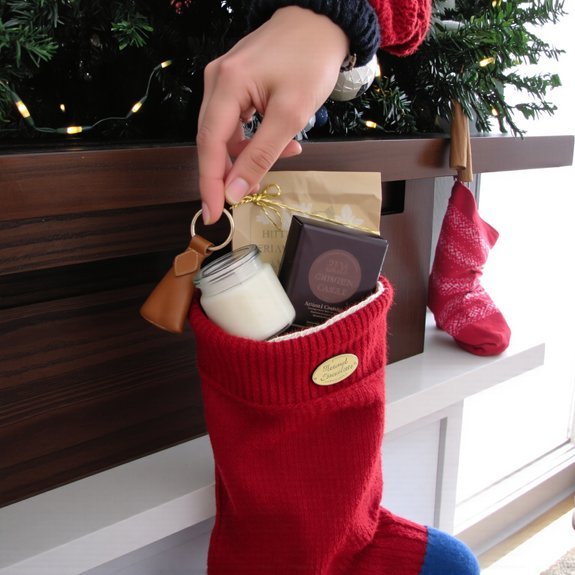
    When you want a stocking to sing before the recipient even peels back the cuff, think like a stage director: I layer textures, tuck in surprises, and cue the big reveal so every unwrapping feels cinematic. You’ll choose creative wrapping that sparks curiosity — think tiny boxes, waxed paper bundles, or fabric squares tied with twine — and you’ll mix noise, scent, and color so the cuff crackles when they reach in. For thematic filling, group items by vibe: cozy (socks, cocoa), luxe (mini candle, silk eye mask), or goofy (novelty keychain, joke card). Tuck soft items to cushion fragile ones, stagger heights for peeks, and add a ribbon cue. Your job is suspense; mine is admitting I enjoy overdoing it.

    Last-Minute and DIY Stocking Stuffer Solutions

    Because the clock always speeds up at the worst possible time, I keep a secret stash of last-minute fixes that look deliberate, not desperate. You’ll grab gum, tiny candles, and a chapstick, tuck them in tissue, and call it curated charm. Try quick DIY ideas: roll cookies into mason jars, tie a sprig of rosemary to a bar of soap, or stencil initials on plain notebooks. Last minute solutions include printable coupons for a coffee date, hot cocoa mix in a tiny bag, or a playlist card with glue-stick art — yes, you’ll feel crafty and slightly smug. Talk while you assemble, laugh at your wonky bow, and imagine their face when they open something cozy, sincere, and clearly made with last-minute love.

    Conclusion

    You’ll nail this, I promise — like finding hot cocoa in a blizzard. Picture tiny surprises, crunchy candy, warm socks, a bright gadget glinting under twinkling lights; you’ll mix practical with playful, cheap with cheeky, DIY with local gems. Shuffle textures, tuck notes inside, shake a stocking and grin. You’re creating moments, not clutter. Go on, be a holiday ninja — stealthy, generous, and wildly satisfying — and watch faces light up.

  • How Do I Ship Gifts Before Christmas

    How Do I Ship Gifts Before Christmas

    You’re juggling hot cocoa, a wishlist, and the clock—so let’s get this straight: make a list, pick a carrier, and book the fast option before the meltdown; wrap sturdy, cushion the fragile with popcorn of the safe kind, label it “fragile” like you mean it, and snap a tracking number for peace of mind—oh, and check customs if it’s going abroad, because surprises are great, but extra fees are not—want the quick checklist next?

    Key Takeaways

    • Check carrier holiday cutoff dates now and block calendar reminders for packaging and drop-off.
    • Choose a reliable carrier and service level (overnight/priority vs. economy) based on urgency and budget.
    • Pack fragile or bulky gifts with bubble wrap, double-boxing, and reinforced corners to prevent damage.
    • Complete accurate customs forms and declare values for international shipments to avoid delays and taxes.
    • Add tracking, consider insurance for high-value items, and include a personal note before sending.

    When to Ship for On-Time Holiday Delivery

    plan ahead for shipping

    Want to avoid the last-minute panic of Santa-level logistics? You’ll thank me later if you check holiday deadlines early, then block time on your calendar like it’s a dentist appointment you actually keep. I tell you this because weeks fly, carriers fill, and your ribboned masterpiece can become a panic parcel overnight. Use shipping calendars from carriers, mark cutoff dates, and set two reminders: one to pack, one to ship. Picture yourself sealing boxes, the tape sticking to your fingers, the warm smell of paper—nice, calm. If a deadline’s tight, upgrade speed, don’t grove into denial. I’ll admit I’ve learnt this the hard way; you’ll laugh about it later, with cocoa, gifts delivered on time.

    Choosing the Right Carrier and Service Level

    reliable carrier delivery options

    You’ve got fragile hopes and tangled ribbons, so pick a carrier that actually shows up where you need it — reliability and coverage matter more than a sexy logo. Think about speed options next: overnight will calm your panic, economy will save your wallet, and you’ll want to weigh cost against the delivery promise like a pro. I’ll help you compare routes, fees, and small-print guarantees so you’re not left explaining to Aunt Marge why her sweater arrived on New Year’s.

    Carrier Reliability and Coverage

    If you don’t pick the right carrier now, expect last-minute panic, awkward texts, and a tracking number that ghosts you. I tell you this while juggling a tape gun and peppermint coffee, because carrier performance matters—don’t trust a pretty website alone. Look for consistent delivery records in the route you need, real-time tracking that actually updates, and clear service availability maps, so you’re not surprised by a “no service” dead zone. Call the local depot, hear the human on the line, ask about holiday surges. Pack with urgency and pride, slap the label on, and breathe. If the carrier’s flaky, you’ll know before the snow hits; if they’re solid, you’ll smugly sip cocoa and wait for a confirmation ping.

    Delivery Speed Options

    Because holiday shipping is a little like speed-dating — frantic, hopeful, and liable to end with a last-minute awkward text — you’re going to want to pick a delivery speed that actually fits the gift and the timeline, not your optimistic mood. I say this while tapping a cardboard box, smelling tape and coffee, and squinting at carrier options. If it’s fragile or sentimental, go express shipping, track every heartbeat, and breathe easier. If it’s less urgent, expedited delivery by ground can still feel speedy, without the circus. Ask yourself: will the recipient open it on Christmas Eve or New Year’s? I joke, you choose. Call carriers, check cutoffs, schedule pickups, and label clearly — then relax, for real.

    Costs Versus Guarantees

    When I’m staring at a checkout screen, coffee cooling, dog nudging my knee, the tug-of-war between cost and guarantee is basically my holiday cardio — and I’m here to help you pick a winner. You’ll squint at shipping costs, weigh a cheaper carrier against a pricier express option, and mutter things you’ll regret. Think of delivery guarantees as an insurance policy you actually read: they promise dates, refunds, sometimes replacements. If you’re sending a fragile candle, pay for a guarantee. If it’s socks and you’re optimistic, save money. Call carriers, check blackout dates, and screenshot confirmations — you’ll thank yourself later. I talk fast, you decide faster. Let’s balance thrift with certainty, and keep Grandma’s gift from becoming a mystery.

    Packing Tips for Fragile and Bulky Gifts

    wrap pad protect secure

    Okay, here’s the short version: I want you to wrap each fragile item like it’s a tiny, breakable secret — bubble-wrap snug, tape it like you mean it, and tuck it in its own little nest so nothing clinks. For bulky gifts, pad and reinforce the corners, because those are the parts that get punched and you’ll blame the carrier (but it was the corners all along). Trust me, do this now, your holiday self will thank you when you open boxes that sound like soft clouds instead of sad maracas.

    Secure Fragile Items Individually

    If you’ve ever held a shattered ornament and sworn at the shipping gods, I’m right there with you—so let’s stop tempting fate and wrap each fragile item like it’s royalty. You’ll want bubble wrap snug around glass, then tuck in soft cushioning materials, think plush, pillowy protection. Wrap pieces separately, tape the seams, don’t let them rattle together like drunk cousins. I talk to my packages, seriously—“stay put,” I whisper while adding pads. Use smaller boxes inside a larger one, fill gaps with foam or crumpled paper, press gently to test movement. Label “fragile” but don’t rely on hope. If something’s oddly shaped, build a snug cradle, immobilize it, and imagine a tiny moat around it. Your gifts deserve a safe arrival.

    Protect Bulky Items’ Corners

    Since bulky gifts take the beating of box corners and conveyor-belt life, I treat their edges like the VIPs they are — padded, propped, and proudly protected. You’ll want corner protection that actually works: foam corner guards, folded cardboard triangles, or those inflatable sleeves that hiss like tiny life rafts. I press them snug, tape them down, then add padding materials — bubble wrap, crumpled paper, or soft foam sheets — around the whole edge. Don’t skimp. Drop the box from arm height onto carpet, listen for hollowness, feel for movement. If it thumps, add more. Seal seams, label “Fragile,” and imagine the post office as an obstacle course; you’re training your gift to survive. It’s practical, a little theatrical, and oddly satisfying.

    International Shipping and Customs Considerations

    When you’re sending a surprise across borders, you need to think like a tiny diplomat and a shipping detective at the same time — I learned that the hard way when a box of peppermint bark got held up in customs and I had to charm a sleepy agent over the phone. You’ll check customs regulations first, don’t skip it, because food, liquids, and gifts can be blocked or taxed. Fill out shipping documentation carefully, list contents honestly, and include values that won’t trigger extra scrutiny. Wrap items snug, pad with tissue that smells like cinnamon, and pack invoices where an officer can see them without unwrapping. Expect delays, budget for duties, and email the recipient—nothing ruins holiday suspense like silence and a tracking number stuck in limbo.

    Tracking, Insurance, and Proof of Delivery

    How do you know your gift actually made it, and not just entered the Bermuda Triangle of parcel scans? I check tracking methods first, like a hawk with Wi‑Fi, watching scan timestamps glow on my phone, imagining the box bumping along conveyor belts, smelling cardboard and winter air. I pick services with photo proof, signature on delivery, and SMS alerts, because yes, ghosts don’t leave selfies. Next, I weigh insurance options, choosing declared value when the item’s worth more than my dignity, filing receipts, and snapping pictures before sealing the box. If something goes wrong, you’ll want claim forms ready, polite persistence, and a paper trail. It’s not glamorous, but it’s effective—peace of mind, served with a side of sarcasm.

    Last-Minute Options and Same-Day Alternatives

    Okay, so the tracking said “Delivered” and your phone lit up like a tiny airport runway, but you’re still staring at an empty doorstep—welcome to panic o’clock. You breathe, grab your keys, and improvise. Hit same-day courier services, local shops offering in-store pickup, or grocery stores with pretty good gift aisles. I sprint to the nearest boutique, toss color-coordinated scarves into a bag, and haggle silently with the parking meter. Want to skip shipping? Use digital gifts, subscriptions, or printable certificates, then do clever gift wrapping at home — ribbon, kraft paper, a sprig of rosemary for that “I planned this” smell. Call ahead, confirm stock, and pick a courier cutoff time. You’ll pull this off, sweaty but triumphant.

    Conclusion

    You’ve planned, packed, and picked a perfect provider, so now sprint to ship. I’ll say it plain: start sooner, seal securely, slap on a “fragile” tag, and skip the last‑minute scramble. Pop a heartfelt note inside, track the parcel, and buy insurance if it’s pricey — peace of mind is priceless. Calmly choose express if deadlines loom, relax with a warm drink, then watch joyful reactions roll in. Shipping sorted, stress sliced.

  • How Do I Find Eco-Friendly Holiday Gifts

    How Do I Find Eco-Friendly Holiday Gifts

    You’re hunting for gifts that don’t wreck the planet, and yes, you can do classy without the guilt—so let’s get practical. Picture a cozy market stall, the smell of cedar and beeswax, a maker explaining fibers; you ask smart questions, spot certifications, and skip the obvious greenwash. I’ll show you where to look, what to trust, and gift ideas that actually last—but first, let’s clear one big misconception that’ll save you time.

    Key Takeaways

    • Prioritize durable, timeless items from ethical makers to reduce waste and extend product lifetimes.
    • Choose local artisans, refillable products, or refurbished goods to support small businesses and lower supply-chain emissions.
    • Verify eco-certifications and read labels to avoid greenwashing and confirm third-party auditing.
    • Prefer experiences, memberships, or classes as low-impact gifts that create lasting memories.
    • Use reusable or recycled wrapping and consolidated, low-emission shipping to minimize packaging waste.

    Why Choose Sustainable Gifts This Holiday Season?

    sustainable thoughtful holiday gifting

    If you’re buying presents this year, do it with a little conscience—and a lot less waste—so your holiday feels merry, not guilty. You’ll feel lighter wrapping a gift that won’t haunt a landfill; the paper smells faintly of pine, the ribbon’s fabric and not plastic, you can hear a tiny satisfying crinkle. As eco conscious shoppers, you save resources, support fair labor, and give things that last—no one wants a trendy gadget that dies after winter. For holiday gifting, that means choosing quality, local makers, and edible treats you can savor together, not throw away. I’ll admit, I’ve learned the hard way—buy less, buy better, and watch faces light up when a gift actually matters.

    How to Spot Trustworthy Eco-Certifications and Labels

    spot real eco certifications

    Because shopping green shouldn’t feel like decoding ancient runes, I’m going to teach you how to spot the real eco-badges from the greenwash glitter. You’ll learn why eco labels importance matters, and how to check certification credibility without a PhD. I’ll show you quick, tactile tests: look, read, research.

    Shopping green shouldn’t require a decoder ring — spot real eco-badges: look sharp, read closely, research confidently.

    1. Look for recognized seals, crisp designs, clear issuer names—fuzzy logos scream copycat.
    2. Read the fine print, check standards and scope—does it cover the whole product, or just one tiny part?
    3. Research the certifier online, find third-party audits and complaints—real certifiers post reports, not just slogans.

    You’ll feel savvy, confident, and smug at the checkout, while the greenwash gets roasted.

    Best Places to Shop for Low-Waste and Ethical Products

    shop ethically choose wisely

    Now that you can spot the real eco-badges from the sparkle, let’s go shopping with purpose. You’ll love poking around eco friendly boutiques, their wooden shelves smelling faintly of citrus, recycled paper tags rustling as you browse. Try neighborhood shops for handmade goods, chat with makers, ask about materials—people light up when you care. Online, ethical online stores make it easy, with clear origin stories and photos that don’t lie. Compare return policies, packaging choices, and small-batch claims. I’ll admit, I judge by how items arrive—minimal tape, compostable mailers, not a mountain of plastic. Mix local treasure hunts with curated web finds. Buy less, choose well, enjoy the hunt, then wrap gifts in reused cloth and grin.

    Gift Ideas That Prioritize Durability and Timeless Design

    When you pick a gift that’s built to last, you’re making a tiny revolution—one that smells faintly of linen and leather polish instead of cheap plastic. I want you to choose things that whisper reliability, not shout trends. Look for durable materials, classic cuts, and timeless aesthetics; they save resources, and they earn gratitude.

    1. A full-grain leather wallet, hand-stitched, that softens with use and refuses to fall apart.
    2. A stainless-steel water bottle with a vacuum lid, cool to the touch, no leaks after months of testing.
    3. A wool throw in muted tones, heavy, warm, and unafraid of spills—washable, long-lived, oddly comforting.

    You’ll give less, but better, and you’ll look smart doing it.

    Experience-Based Gifts and Why They’Re Planet-Friendly

    You can skip the wrapping paper avalanche and give a sunset paddle or a cooking class instead, which cuts down on stuff cluttering someone’s closet and your landfill guilt. I’ll tell you, I love a ticket stub more than a tchotchke—these gifts boost local guides and shops, create real memories, and smell faintly of sea salt or fresh-baked bread instead of plastic. Pick options reachable by bike, train, or a short carpool, and you’ll lower travel emissions while still delivering something that actually makes someone smile.

    Reduce Material Consumption

    Because buying less stuff actually makes the holidays feel richer, I’d argue experience gifts are the secret handshake of eco-friendly giving. You’ll notice, when you swap a box for a memory, you embrace a minimalist lifestyle and practice conscious consumption — that little moral flex feels good, like fresh air after too many candles. You’re saving landfill space, avoiding packaging crackle, and gifting something that smells like laughter, not plastic.

    1. A cooking class: you taste, laugh, and go home with a skill.
    2. A theater night: velvet seats, buttery popcorn, shared applause.
    3. A hiking guide pass: pine scent, wind in your hair, no receipt.

    Pick experiences, not stuff, and watch joy multiply.

    Support Local Experiences

    Swap the big-box script for your town’s best-kept secrets, and you’ll find gifts that feel handcrafted by neighborhood spirit. You’ll give memories, not more stuff. Buy tickets to local experiences, book a pottery night, or sign them up for community workshops where hands get messy and stories get shared. Picture the clack of a coffee shop piano, the smell of glaze, the high-five when a classmate’s piece doesn’t collapse. You’ll support artisans, venues, and friendships, all without shipping boxes across oceans. I’ll bet your relatives will brag more about a wild cooking class than another sweater. Wrap the invite in a handwritten note, add a silly photo, and watch simple joy outshine plastic every time.

    Low-Carbon Transportation Options

    If you’re aiming to give something that actually goes places—without dragging a carbon footprint behind it—think experiences tied to low-carbon transport, not stuff that sits in a closet. You’ll be gifting motion, fresh air, and stories, not another sweater. I recommend treats that nudge people onto bikes, buses, trains, or into quiet electric vehicles that hum instead of roar.

    1. Guided e-bike tour of your city, helmets on, wind in hair, coffee stop included.
    2. Rail trip voucher for a scenic day, window seat, snack, and a paperback.
    3. Public transport passes plus a picnic kit, you pick the route, they pick the playlist.

    These gifts feel alive, practical, and oddly romantic — like travel, without the guilt.

    How to Support Local Artisans and Small Sustainable Businesses

    Walk the Saturday market with me, you’ll smell roasting chestnuts and see hand-thrown mugs stacked like little towers, and you’ll know exactly who made them. Check labels and ask questions—verify their sustainable practices, watch for local materials and honest repair policies, don’t be shy about sniffing out greenwashing. Pick handcrafted gifts when you can; they last longer, tell stories, and make your holiday feel like it actually matters.

    Shop Local Markets

    Because holiday shopping shouldn’t feel like a scavenger hunt through giant, soulless stores, I urge you to hit your local markets and actually talk to the people who make things—with your gloves on, breath fogging in the cold, and the smell of roasted chestnuts in the air. You’ll meet local artisans, hear their stories, and feel the difference. You get a better gift, they get community support, everyone wins. Be curious, ask where materials come from, and laugh at my terrible puns while you sip hot cider.

    1. Browse slowly, handle items, ask about process, buy from someone who lights up when they talk.
    2. Choose handmade over mass-made, it lasts and tastes better in the soul.
    3. Bring cash, smile, and a reusable bag.

    Verify Sustainable Practices

    While you’re chatting with a potter or button-maker, pay attention to the little things that prove they actually mean “sustainable” and aren’t just riding the trend like a raccoon on a recycling bin. I’ll ask, I’ll listen, I’ll sniff the studio air — okay, not really — but I do look for certification transparency on labels, receipts, or a website link. Ask where materials come from, watch for ethical sourcing stories, names of farms or cooperatives, photos of workers. Touch the fabric, smell the clay, notice packaging choices. If answers feel vague, move on. If they show paperwork, samples, or a clear supply chain, you’ll feel it — honest, human, local. Trust your gut, your eyes, and your slightly skeptical sense of humor.

    Prioritize Handcrafted Goods

    If you want gifts that actually mean something, start by buying from the person who made them — not a faceless app or some glossy warehouse. I’ll tell you how to find treasures that smell like woodshop dust or citrus oil, pieces that hum with care. You’ll meet makers, ask where materials come from, and watch a ring or bowl take shape.

    1. Visit craft markets, talk to makers, try on handcrafted jewelry that fits like a secret.
    2. Hunt for artisan homeware, feel the glaze, lift a mug, hear its reassuring thunk.
    3. Order direct from small shops, ask about scraps and dyes, support fellas trying to do better.

    You’ll give stories, not stuff. That’s the whole point.

    Tips for Giving Upcycled, Refurbished, and Vintage Items

    When you choose an upcycled, refurbished, or vintage gift, you’re not just giving an object—you’re handing over a story with character, quirks, and a little history-smell (in a good way). I tell you, seek out upcycled treasures at local markets, touch the fabric, sniff the leather, ask the maker about its past. Inspect refurbished electronics: I press buttons, check ports, ask about warranties, and I don’t blink at minor scratches — they add soul. For vintage finds, verify authenticity, check seams, zippers, and stitching, and picture the recipient’s face when they open something with a past. Wrap it in recycled paper, include a handwritten note about the item’s journey, and watch delighted surprise turn into lasting appreciation.

    Budget-Friendly Eco-Gift Options That Don’T Compromise Quality

    Because you don’t need to spend a fortune to give something thoughtful, sustainable, and actually useful, I’ve rounded up budget-friendly eco-gifts that don’t scream “cheap” — they whisper, charm, and perform. You’ll find smart, low-cost picks that feel luxe, if you know where to look. I tested textures, checked labels, and braved crowded markets so you don’t have to. Remember budget friendly options don’t mean you skip quality considerations; they mean you choose wisely.

    1. Reusable beeswax wraps, patterned, pliable, and fragrant with beeswax — great for food lovers who hate waste.
    2. Stainless steel travel mug with double-wall insulation, sleek, weighty, keeps coffee hot for hours.
    3. Plantable seed cards, colorful, paper that sprouts wildflowers — sentimental, green, and surprisingly fun.

    Sustainable Wrapping, Packaging, and Shipping Choices

    You’ll make presents feel like part of the celebration before they’re even opened when you wrap them in colorful, reusable cloth or paper that smells faintly of cedar and cinnamon. Use minimal, sturdy padding and tie with twine or a ribbon you can wash and reuse, so you’re not sending a confession of excess with every gift. And when you ship, pick low-emission options or consolidate packages — I promise, your mailbox and the planet will both breathe easier.

    Reusable Gift Wrap

    I’ll admit it: I used to treat wrapping paper like confetti—rip, toss, repeat—until my kitchen counter looked like a crime scene and the garbage smelled faintly of peppermint. Now you can skip the mess, and actually make gifting part of the present. Try reusable fabric, like furoshiki cloths or pretty tea towels, they fold and tie, look charming, and cut waste. You’ll enjoy the texture, the patterns, the way a knot feels satisfying.

    1. Wrap with a colorful square cloth, knot it tight, tuck a sprig of rosemary for scent.
    2. Use a scarf or bandana, wrap like a book, secure with a wooden pin, it doubles as a gift.
    3. Repurpose a linen tea towel, roll, tie, label—simple, classy, eco friendly options.

    Minimal Packaging Materials

    If you want your gifts to look thoughtful and leave less of a mess behind, go minimal with packing—it’s smarter, cleaner, and surprisingly chic. You’ll strip away bulky boxes, noisy bows, and that fake-gloss paper that screams landfill, and focus on what really matters: the gift, and the moment. Pick a minimalist design, neutral tones, and textures that beg to be touched—crisp kraft paper, unbleached cotton twine, a sprig of rosemary for scent. Use eco friendly materials: recycled cardboard, compostable tissue, or tissue you can reuse. Wrap neatly, tuck a handwritten tag, snap a photo to brag (I do, shamelessly). Your present looks curated, the recipient smiles, and the planet owes you one.

    Low-Emission Shipping

    Alright, you’ve wrapped things neat and tidy, and now it’s time to think about how that package gets from your hands to theirs without burning a carbon hole in the sky. You want low-emission shipping, so pick carriers offering carbon neutral delivery, and ask about eco conscious logistics—yes, say the words, feel smug. Choose consolidated routes, slower ground options, or local pick-up to cut flights and fumes. Pack tight, no empty space, fluff with recycled paper, and seal with paper tape that won’t sulk in compost. Want quick tips?

    1. Pick carbon neutral delivery or offset options at checkout, it actually helps.
    2. Favor regional couriers using electric vans, they hum, not roar.
    3. Combine gifts into one box, less miles, less guilt.

    How to Choose Gifts That Match Recipients’ Values and Needs

    Who are you shopping for this year — the zero-waste warrior, the thrift-store queen, the cousin who won’t stop talking about bees? I ask because matching gifts to personal values makes you look thoughtful, not preachy. Start by listening, really listen: note what they rave about, what they refuse to buy, what they keep using until it’s a fossil. Jot recipient needs—practical, sentimental, or status-free joy. Pick textures they love, scents they avoid, sizes that fit their life; imagine them opening the box, breathing in cedar or citrus, grinning. Swap assumptions for questions, ask subtle polls, or sneak a convo about habits. When in doubt, give experience, plants, or durable tools. You’ll nail it, and feel smug in a good way.

    Conclusion

    You can do this, I promise—no saintly sacrifices required. Pick one thoughtful thing: a sturdy mug from a local potter, a cooking class for your coffee-obsessed friend, or a vintage coat with lived-in character. Yes, it might cost a bit more up front, but it’ll be used, loved, noticed—saving resources and holiday guilt. Wrap it in brown paper, tuck in a handwritten note, and enjoy the warm look on their face.

  • How Do I Choose the Best Gift for My Girlfriend

    How Do I Choose the Best Gift for My Girlfriend

    You’re not terrible at gifts — you just need a plan, not panic. Picture her laughing over coffee as you slide a small box across the table, the steam curling, the café hum soft; that’s the goal. I’ll walk you through how to match her taste, her love language, and your budget, with ideas that feel personal instead of generic. Stick with me and you’ll ditch the guesswork and actually nail it.

    Key Takeaways

    • Observe her interests and love language to choose gifts that match what makes her feel valued (words, touch, time, acts, or gifts).
    • Set a clear budget beforehand so you prioritize thoughtfulness without creating financial stress or regret.
    • Prefer experiences for shared memories and physical gifts for daily reminders or practical use.
    • Personalize with engraving, photos, or a handwritten note to add sentimental meaning.
    • Plan the moment and presentation—timing, atmosphere, and your presence matter as much as the gift.

    Understanding Her Interests and Love Language

    pay attention to details

    If you want to pick a gift that actually lands, start by paying way more attention than you think is necessary — I promise it’s not creepy, it’s strategy. Do a casual interests assessment; listen when she lights up about a book, a hike, or a tiny kitchen gadget, jot it down like a secret agent. Notice touch, words, time — that’s her love language clue. If she hugs first, think cozy; if she plans dates, think experience. Smell matters, too: coffee steam, lavender, new leather. Picture her face when she opens it, that tiny surprised laugh you love. I’ll admit, I once bought socks and learned my lesson. You’ll get it right by paying attention, acting on details, and keeping the reveal sincere.

    Setting a Budget That Feels Right

    set a realistic budget

    Because money talks even when romance hums in the background, you’ve got to decide what you can actually afford before you start fantasizing about grand gestures. I tell you this like a friend who’s bought too many novelty mugs; set a clear gift price limit first, feel the numbers, and breathe. Hold a little budget flexibility, just enough to snag a nicer card or a last-minute upgrade, but not so much you regret it at payday. Picture sliding a receipt across the table, smiling sheepishly—honesty’s sexy. Check your accounts, mark the date on a sticky note, and imagine the smooth relief of paying without drama. Stick to that plan, keep it real, and she’ll notice the thought, not the price.

    Choosing Between Experiences and Physical Gifts

    experiences versus physical gifts

    Ever wonder whether to buy her a thing she can hold or an experience you’ll both remember? You watch her light up at little things, but you also fantasize about a weekend that smells like coffee and salty air. Pick an experience gift when you want shared stories, spontaneous laughter, and memories you can taste — think sunset hikes, cooking classes, or surprise tickets that make her gasp. Go physical gift when she loves textures, daily reminders, or something practical she’ll use, like a soft scarf, polished watch, or sleek headphones that hug her ears. I’ll be honest: experiences age like fine wine, objects can spark joy every morning. Mix them sometimes, test the vibe, and listen to how she talks about future plans.

    Personalized and Sentimental Gift Ideas

    You want a gift that makes her pause, smile, and maybe sniffle a little — so think meaningful jewelry you can engrave with a date or a private joke, something she can feel against her skin. Slip in a custom photo keepsake, a glossy snapshot turned into a tiny framed scene on her nightstand, and watch her fingers trace the corner like it’s a secret map. Or go full-heart and write a handwritten memory book, page after page of moments, messy handwriting and all — I promise the clumsy doodles will be the best part.

    Meaningful Personalized Jewelry

    If you want a gift that actually feels like her, start with jewelry that tells a story — not the generic sparkle you’ll both forget next Valentine’s Day. Pick a piece you can touch, weighty in your palm, that hums when she wears it. I’ll nudge you toward custom engraving options—dates, nicknames, a single crooked joke—carved where only you both know to peek. Think about jewelry symbolism meanings: a compass for her wanderlust, a moon for late-night talks, entwined rings for promises you actually keep. Ask a jeweler about texture, how light catches a brushed finish, how chains swing against collarbones. Wrap it in a note, scribble one imperfect line. She’ll laugh, maybe cry; mission accomplished.

    Custom Photo Keepsakes

    Three photos, framed or stuck into a tiny album, can outshine a dozen pricey trinkets—trust me, I’ve tested this hypothesis on my own mantel and an ex’s reluctant smile. You pick the shots that smell like Sunday morning, that catch her laugh mid-spill, and you turn them into custom designs that feel anything but mass-produced. You’ll handle prints, choose finishes, and watch colors pop under soft lamplight. Keep it simple, keep it honest.

    1. Choose candid shots that capture memorable moments.
    2. Pick frames or mini-albums that match her vibe.
    3. Add dates or tiny captions, handwritten or printed.
    4. Present it with a story, in person, no text thread.

    This is intimacy you can hold, and it lands.

    Handwritten Memory Book

    A handful of blank pages can outdo any store-bought bauble, especially when you fill them with the kind of tiny, ridiculous truths only you know. You grab a notebook, your favorite pen, maybe that ridiculous sticker you swore you’d never use, and start. Mix memory book ideas: ticket stubs, a pressed flower, a doodle of the pizza you burned together. Write short, heartfelt messages like stage directions, “laugh here,” “for when you miss me.” I tell you, this is low-budget magic, and it’s honest. Tape, glue, coffee stains—leave them. Flip to a page, read a one-liner you wrote drunk and sober, both true. She’ll keep it, she’ll cry, she’ll show it off, and you win.

    Practical Presents She’ll Actually Use

    You want gifts she’ll actually reach for every morning, not something that sits pretty on a shelf. I’ll tell you to pick everyday essentials she’ll love — a plush towel that smells like clean linen, a coffee mug that fits her hand perfectly — and to choose quality over brand name, because good stuff lasts and feels expensive without the logo. Trust me, your future high-fives depend on it.

    Everyday Essentials She’ll Love

    Seven tiny life-savers can change her whole day, and I promise I’m not being dramatic—well, not much. I tell you, pick daily must haves that feel like a hug in pocket form, and toss in a few stylish accessories that make her grin. You know the ones: soft, useful, a tiny luxury.

    1. A silky scarf that smells like coffee and rain.
    2. A slim wallet that snaps with satisfying confidence.
    3. A travel mug that keeps steam and secrets.
    4. A compact kit—blotting papers, lip balm, pep notes.

    You’ll win points for thought, not price. Watch her face when she finds something practical, pretty, and perfectly hers. I’ll take the credit, quietly.

    Quality Over Brand Name

    Those little everyday lifesavers are great, but don’t get fooled into thinking a cute trinket equals a thoughtful gift—I’ve learned that the hard way, when a pretty thing fell apart mid-coffee and I looked like a hero for approximately five minutes. You want things that last, feel good in the hand, and make her smile every time she uses them. Skip the flashy logo, follow texture and fit, listen to how she sighs over sturdy stitching or a smooth pour. Hunt for handmade gifts or unique finds at markets, not just mall windows. Ask questions, test weight and closure, imagine it after months of use. Practical doesn’t mean boring. It means chosen with care, and it says you were paying attention.

    Creative Ways to Present Your Gift

    How should you wrap up a surprise so it lands like a scene in a rom-com rather than a last-minute grocery run? You want creative wrapping, tactile moments, and surprise reveals that make her laugh, gasp, and hug you—maybe in that order. I’ll show quick, vivid options you can steal.

    1. Hide the gift in a stack of books, whispering a fake recommendation, then watch her face change.
    2. Use a scented cloth, tie a note in looping ink, let the aroma lead her like a breadcrumb.
    3. Nest the gift inside a balloon bouquet, pop one together, confetti and all.
    4. Create a mini scavenger hunt with tiny clues, each clue a memory, each step a smile.

    You’ll look clever, clumsy, and lovable—exactly right.

    Timing, Delivery, and Follow-Up

    If you want the surprise to feel cinematic instead of awkward, timing is everything, so I plan the moment like a tiny military operation—coffee warm, playlist cued, and clue number two tucked into her shoe just before she leaves. You think about timing considerations: is she rushed, hungry, sleepy? Pick a window when she’s relaxed, not mid-email. Choose delivery methods that fit her vibe—handed across a table, slipped into a book, or texted as a playful riddle. I narrate the setup, cue the scent of cinnamon, dim the lights, and practice my goofy smile. After she opens it, don’t vanish. Follow-up matters: a laugh, a thank-you text, and a spontaneous plan to use the gift together. Simple, thoughtful, effective.

    Conclusion

    You’ve got this. Think of her like a secret garden—listen to what blooms, don’t trample the weeds. Spend what feels honest, pick moments over clutter if that fits, or a small, meaningful thing that smells like memory. Personalize it, wrap it like you care, and hand it over when she’s smiling, not rushing. I’ll cheer from the sidelines while you make her day brighter, slightly embarrassed, absolutely proud.