Author: Jordan C

  • How to Start a New Student Organization at an HBCU

    How to Start a New Student Organization at an HBCU

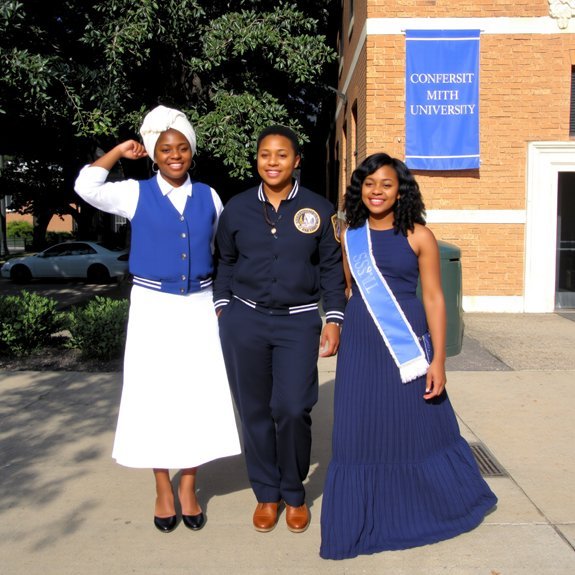
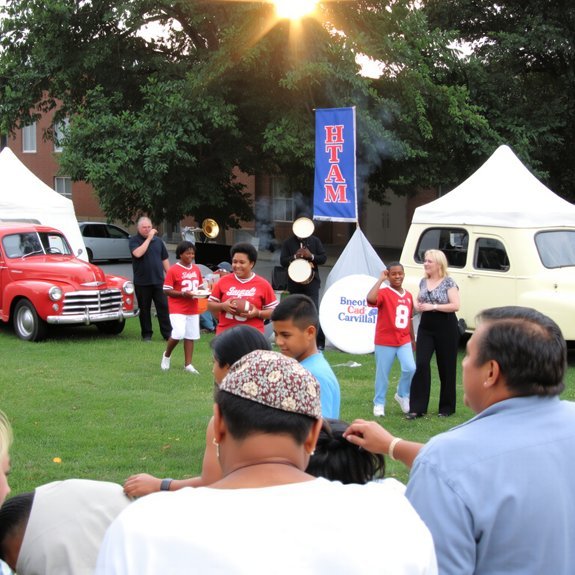
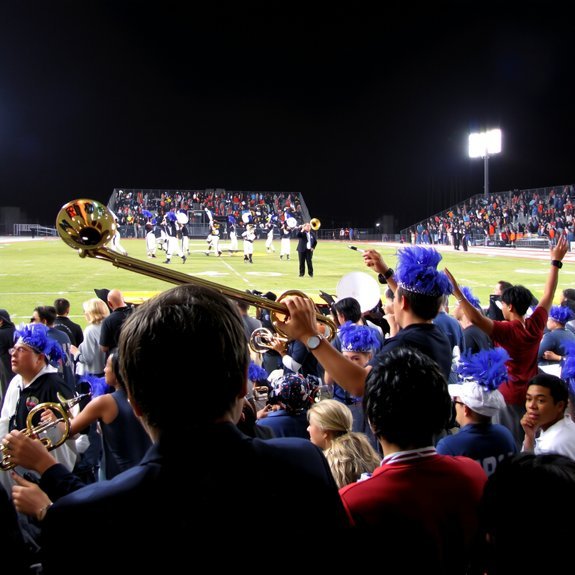
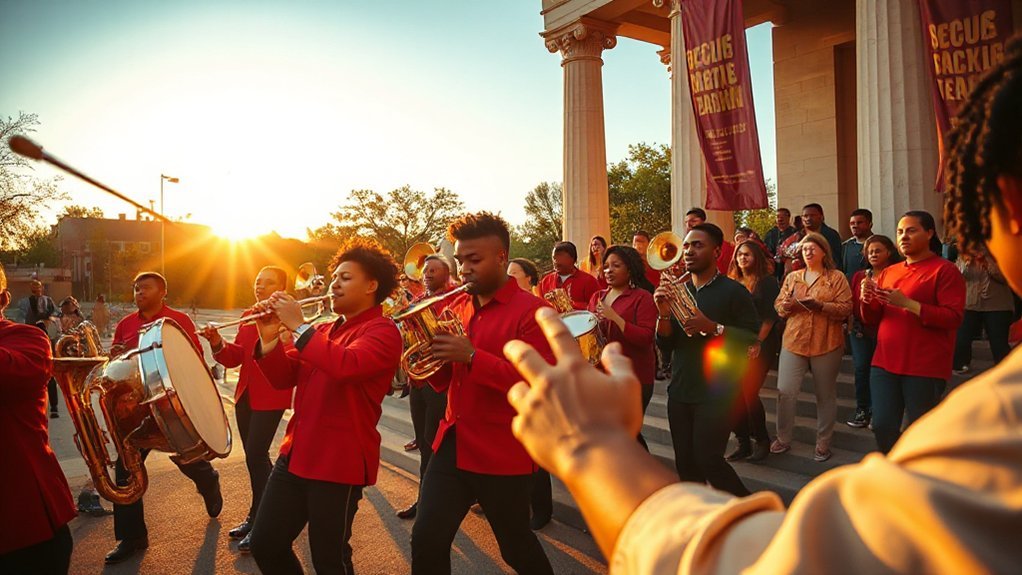
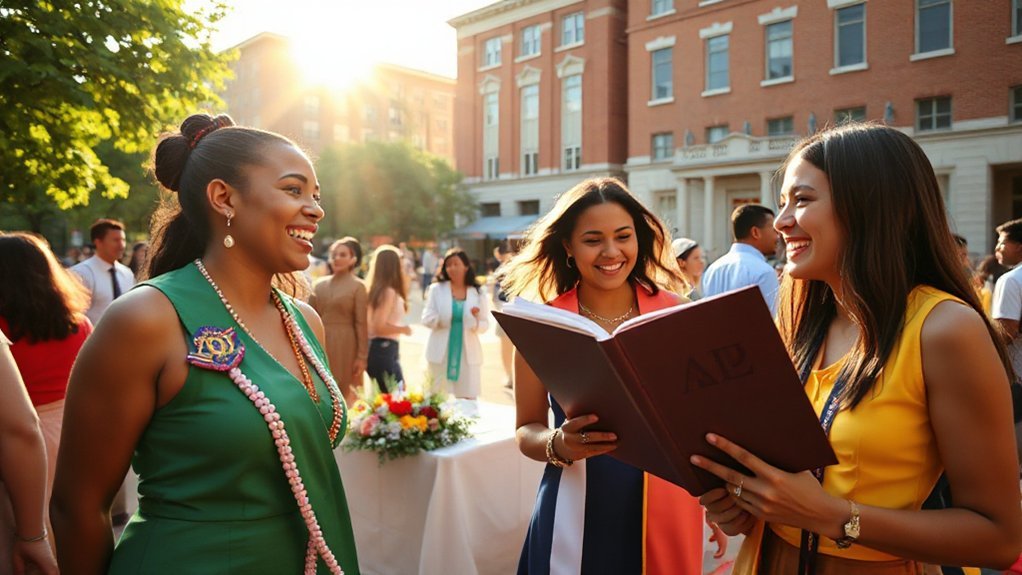
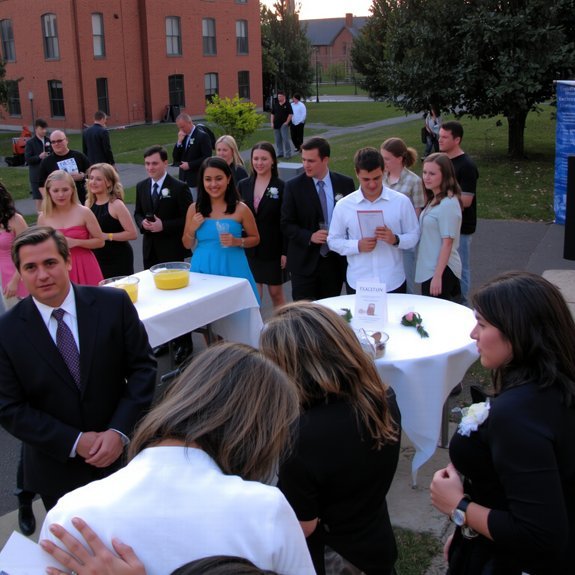
    You feel the campus breeze tug at your flyers as you stand under the oak, plotting something bigger than a club—something useful, loud, and real. You’ll pick a purpose, draft a tight constitution, and recruit a few die-hards who actually show up, not just RSVP; you’ll find a faculty ally, sketch a budget, and plan one unforgettable kickoff that has people talking. Stick with me, and I’ll show you how to make it last.

    Key Takeaways

    • Craft a two-sentence mission statement, three concrete goals, and values to guide decisions and recruitment.
    • Research campus needs and map existing groups to find cultural gaps and avoid mission overlap.
    • Draft a clear constitution with membership rules, officer roles, meeting cadence, voting, and financial guidelines.
    • Secure a faculty/staff advisor, recruit a small committed founding team, and assign specific roles to each member.
    • Track attendance and growth, build a leadership pipeline with mentorship, and use campus media for promotion.

    Define Your Purpose and Mission
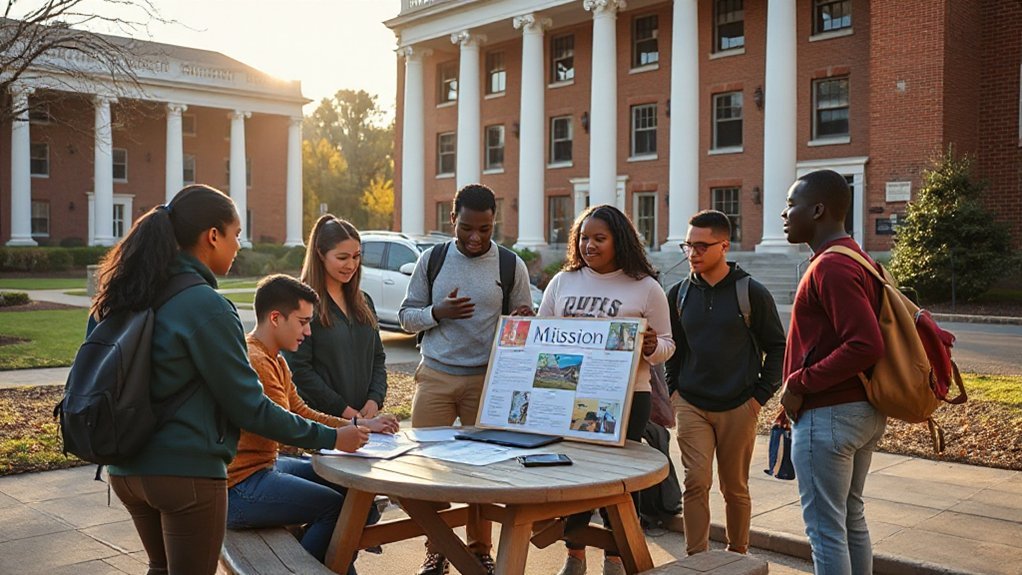
    define mission set goals

    Purpose matters. You’ll start by naming why this group exists, and you’ll do it out loud, crisp and clear. I tell you: say it like you mean it—mission statement, two sentences, no fluff. Picture a poster, bold letters, your voice echoing in a student center; that’s your north star. List three core goals, tangible actions—events, mentorship, service—then imagine the smell of coffee at planning meetings, the clack of laptops, hands sketching flyers. You’ll pick values that guide decisions, the kind you’d tattoo on a planner. Test the mission on friends, get honest feedback, adjust. When it’s tight, you recruit better, plan smarter, and you’ll sleep easier knowing this club’s purpose won’t wobble.

    Research Campus Needs and Existing Organizations
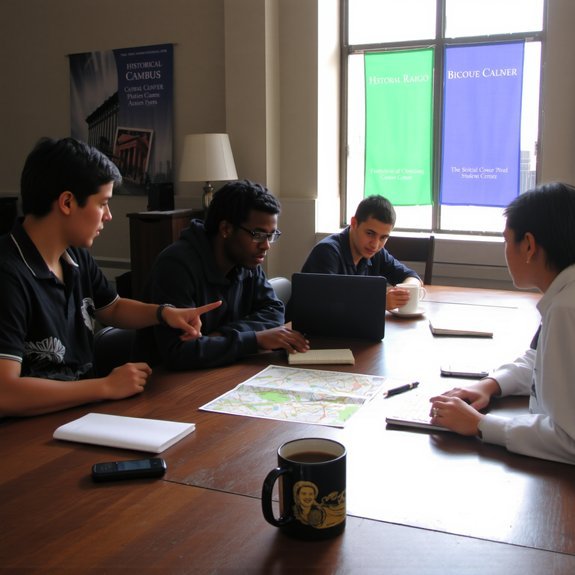
    identify gaps in organizations

    You’ll walk the quad, eavesdrop on club fairs, and scribble notes, because the first step is spotting the gaps in student life that nobody’s filling. Take a campus map and mark every group you find, compare their missions, and ask, “Who’s missing from this picture?” I’ll warn you—this part feels like detective work, but it’s mostly coffee, curiosity, and asking the right person one blunt question.

    Identify Campus Gaps

    Now that you’ve got the spark, let’s poke at the map of campus and see where the voids are—literally walk the quad, slide into the student center, and eavesdrop (politely) on club tables; you’ll hear what’s missing faster than any survey. I stroll, I listen, I smell coffee and sweaty flags, and I jot notes on my phone. Look for quiet corners, repeated complaints, or activities that never happen. Ask two students, then one more, and watch patterns form.

    1. Student need: spot recurring frustration, like no late-night study groups.
    2. Resource gap: missing equipment, space, or advisor expertise.
    3. Cultural niche: traditions or identities not celebrated, yet whispered about.

    Map Existing Groups

    Think of the campus like a giant Venn diagram, and you’re trying to find where the circles don’t touch. Walk the quad, eavesdrop at club fairs, scan flyers, and stalk org pages — I mean, responsibly browse them. List names, missions, meeting times, and who actually shows up. Talk to officers, grab coffee, ask blunt questions: “Who aren’t you reaching?” Take photos of posters, catalogue socials, map overlaps and empty spaces on a sheet. You’ll spot clusters — music, service, faith — and the thin air between them. That gap is your opening. Sketch a one-line mission that fills it, test it with two students, tweak, then invite a dozen people to a trial meeting. Data, not ego, should guide you.

    Draft a Clear Constitution and Bylaws

    clear concise group governance

    Because a solid constitution is like the spine of your group — bend it wrong and everything droops — you’re going to want one that’s lean, readable, and actually useful, not a dusty legal novel no one will open. I’ll walk you through what matters, fast. Think clear purpose, who does what, how you make decisions, and how you end things without drama. Use plain sentences, short headers, and examples — imagine someone reading it in a noisy café.

    1. Define purpose, membership rules, officer roles, terms, and removal — concrete, brief, no fluff.
    2. Set meeting cadence, voting procedures, quorum numbers, and amendment steps — specific triggers, simple math.
    3. Include finances, budget approval, recordkeeping, and dissolution clauses — protect people and money.

    Find Faculty or Staff Advisors and Allies

    Advisors are your secret superpower — I promise, they make club life less chaotic and more credible, and yes, they actually like being asked (when you ask right). Think office-door light, warm coffee steam, expert calm. Go to faculty who teach related subjects, staff who run student life, or that Prof. who laughs at your emails. Knock, introduce yourself, say your purpose, and bring a one-page plan. Offer clear roles, meeting cadence, and small perks — snacks, honorarium, or help with travel forms. Listen when they share campus rules, and take notes. If someone says no, thank them, ask for referrals, keep smiling. Build allies across departments; their signatures open doors, their advice keeps you legit, and yes, they’ll save you on deadline days.

    Recruit Founding Members and Build Leadership

    Grab five people who actually show up, not just hit “interested.” I’ve learned the hard way that enthusiasm looks great on paper and flakes in real life, so you’re aiming for a small crew who’ll text back, bring snacks, and survive a three-hour planning binge without mutiny. I’ll joke, I’ll bribe with pizza, and I’ll be honest: you want reliability over crowds. Call classmates, tap that club fair list, whisper to the student who always wears headphones — persistence pays. Assign clear roles fast, even silly ones like “snack procurer,” so folks feel useful. Practice a quick pitch, rehearse one meeting, and rotate leadership to keep burnout low.

    1. Define roles clearly.
    2. Recruit via targeted asks.
    3. Rotate duties monthly.

    When you’re ready to make your club official, don’t treat the recognition process like a scavenger hunt — treat it like paperwork with attitude. You’ll walk to the student affairs office, hand over your constitution, and feel the paper’s chill against your palm, like evidence of intent. Ask for the recognition packet, skim the checklist out loud, and laugh at the bureaucracy — then follow it. Get a faculty sponsor’s signature, file officer rosters, and upload proof to the portal. Note deadlines, stamp dates, keep emailed receipts, and set calendar reminders. Expect a meeting, answer questions confidently, and bring snacks — bribery works better as charm. Once approved, display the certificate, take a photo, and breathe: you’re official.

    Develop a Budget and Secure Funding Sources

    Alright, you’ve got the certificate, you’ve celebrated with pizza and a slightly awkward group selfie, and now we deal with money — the thing that actually keeps lights on and events happening. You’ll sketch a simple budget, line by line: venue fees, supplies, food, promotion, a tiny emergency fund — pretend it’s your club’s first-aid kit, but for cash. Hunt campus funding: student government grants, departmental microgrants, and activity fees. Learn the paperwork, deadlines, and who signs checks, because nothing kills momentum like missing a form. Be prepared to pitch: make a one-minute ask, bring numbers, and show impact. Keep receipts, track spending in a shared sheet, and don’t be afraid to ask for help.

    You got certified — now budget for venue, food, promotion, emergency cash; apply for campus grants and track every receipt.

    1. Create a detailed line-item budget.
    2. Apply for campus grants and student org funds.
    3. Track expenses and save receipts.

    Plan Events, Programs, and Community Engagement

    Because campus life is a stage and you’re the director, you’ve got to plan stuff people actually want to show up for — not just free pizza and a table with flyers (though I’ll never say no to pizza). You’ll map the vibe first: study lounge calm, loud dance-off, or service day with gloves and good coffee. Pick clear goals, then design one headline event and smaller, repeatable programs. Delegate roles—MC, logistics, photographer—so you’re not juggling mics and budget spreadsheets like a circus act. Partner with campus offices and local groups for resources and credibility. Track attendance, feedback, photos, and smells (yes, smells matter). Iterate fast, drop what flops, amplify what thrills, and make every event feel like an invite you’d RSVP “yes” to.

    Promote Your Organization and Use Campus Media

    If you want people to actually know you exist, you’ve got to shout smart, not just loud—so let me show you how to work campus media like a backstage pass. I’ll be blunt: campus paper, radio, and social feeds are your loudspeakers, so use them with rhythm. Snap bright photos, write a two-line hook, and pitch a story that feels urgent. Call the station, sound excited, not robotic. Don’t forget flyers with texture—gloss catches light, hand them where students linger.

    1. Pitch the campus paper: short hook, clear ask, quote from a real person.
    2. Host a radio spot: bring snacks, banter, and one memorable line.
    3. Own social: post daily stories, tag partners, repost student reactions.

    Evaluate Progress and Plan for Long-Term Sustainability

    You’ll track membership like a scoreboard, counting names, attendance, and the ones who show up soaked in campus energy, because growth isn’t guesses. I’ll help you build a leadership pipeline—train backups, hand off roles with a clear checklist, and make mentorship part of every meeting so people stick around. Keep measuring, keep promoting leaders, and you’ll turn a weekend club into a campus legacy.

    Measure Membership Growth

    Three simple numbers will tell you more about your club’s future than a hundred hopeful selfies: sign-ups, active attendees, and repeat volunteers. I want you to track those, jot them down after every meeting, and smell the coffee while you do it — morning spreadsheets, sticky notes on the door, friendly nudges in chat. You’ll spot trends, celebrate small wins, and stop guessing.

    1. Count sign-ups: record source, date, and what hooked them — flyer, friend, or free pizza.
    2. Log attendees: note time in, time out, engagement level, and one takeaway they mention.
    3. Track repeat volunteers: mark who comes back, who leads, and who needs encouragement.

    Use simple charts, monthly check-ins, and honest conversations.

    Build Leadership Pipeline

    Because leaders don’t drop from the sky like free pizza, I start by spotting the ones who actually show up and sweat for the club — the folks who stay after the meeting, volunteer to haul chairs, or send that midnight “I can help” text. You pull them aside, thank them, then offer a tiny job — social posts, snack runs, guest check-ins — something they can win at. Train in public, let mistakes be teachable and funny, give clear scripts for awkward moments. Rotate duties, pair newbies with veterans, and schedule short shadow shifts. Track progress with quick check-ins, hand off tasks before graduation looms, and make leadership aspirational, visible, and normal. Build rituals, badges, and a talent map.

    Conclusion

    You’ve got the blueprint, now make it yours. I’ll say it straight: start small, hustle hard, and recruit folks who’ll show up—like planting seeds in spring, you’ll watch things pop overnight and steady like roots. Talk to a professor, draft that constitution, throw one great kickoff, then build on it. Keep records, celebrate wins, learn from flops, and pass the torch. Do this, and you’ll change campus for the better.

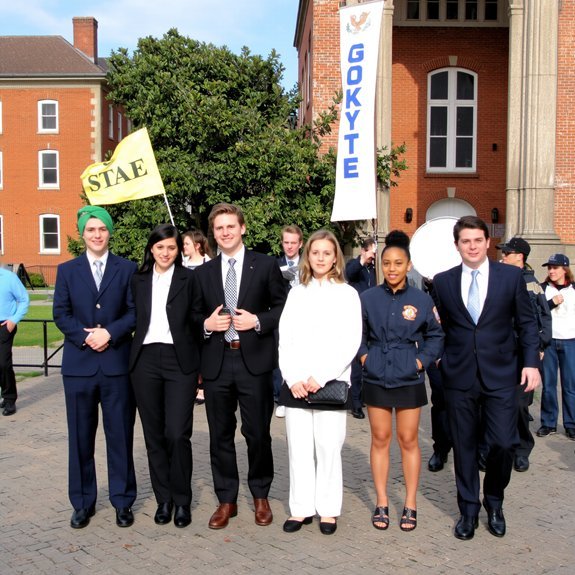
  • How to Dress for HBCU Events and Traditions

    How to Dress for HBCU Events and Traditions

    Think of it as strategic flamboyance — you want to stand out without looking like you tried too hard. You’ll pack sneakers that don’t squeak, a jacket that breathes, and at least one piece in your school colors that actually flatters you, not just shouts. I’ll show you how to mix comfort with pride, dress for weather and ceremony, and accessorize so your look says “I belong” before you even chant — but first, pick a pair of socks you won’t regret.

    Key Takeaways

    • Wear school colors confidently but balanced: one standout piece paired with neutrals to avoid a costume-like look.
    • Layer smartly for changing weather and event types, using lightweight jackets or scarves for quick adjustments.
    • Choose comfortable, secure shoes for long events or performances, prioritizing mobility and durability.
    • Accessorize meaningfully with pins, lapel pieces, or layered necklaces that reflect heritage without overwhelming the outfit.
    • Match outfit formality to the occasion—bold and casual for tailgates, coordinated and breathable for step shows, polished for Sunday best.

    Understanding HBCU Event Etiquette and Dress Codes

    polished casual event attire

    Curious how to show up right without looking like you tried too hard? You’ll want to read the room, literally: listen to chatter, note the vibe, watch what others wear, and adjust. I’ll tell you—start with clean lines, comfy shoes, and a piece that says “I belong” without screaming. Layer smartly, because outdoor tailgates swing from sun to chill, and indoor recitals get cool. Keep accessories meaningful: a modest pin, tasteful earring, a neat watch. Avoid loud logos unless they nod to the event. Grooming matters—pressed collar, tidy hair, fresh breath. When in doubt, lean polished-casual. You’ll look thoughtful, not flashy. Smile, offer a firm handshake, and let your respect do the talking.

    Representing School Colors With Confidence

    stylish school color balance

    Think of your school colors as a cheat code — wear them right and people nod, wear them wrong and you’re trying too hard at a costume party. You want balance, not billboard energy. Start with one standout piece, a jacket or scarf, touch it with neutral tones, and let the color breathe. Mix textures — matte cotton, glossy satin — so your outfit speaks, not shouts. Keep logos tasteful, don’t plaster your chest like it’s advertising time. When you move, color should catch light, not blind folks; when you sit, it should frame, not flatten. Compliment others, get a laugh with a tiny nod to tradition, and don’t be afraid to remix old gear into something fresh. Confidence is subtle, it’s in the fit and the smile.

    Dressing for Homecoming Parades and Tailgates

    school colors comfy footwear

    You’ll want your school colors loud and proud, a flag on your sweatshirt or a hat that snaps, so folks can spot you across the crowd. Pick shoes that look good but don’t murder your feet—think cushioned sneakers or stylish boots you can stand in for hours, and yes, break them in before game day. Layer up for sun, wind, or surprise rain—light jacket, cozy hoodie, or a packable poncho you can whip out like a fashion ninja.

    School Colors Proudly Worn

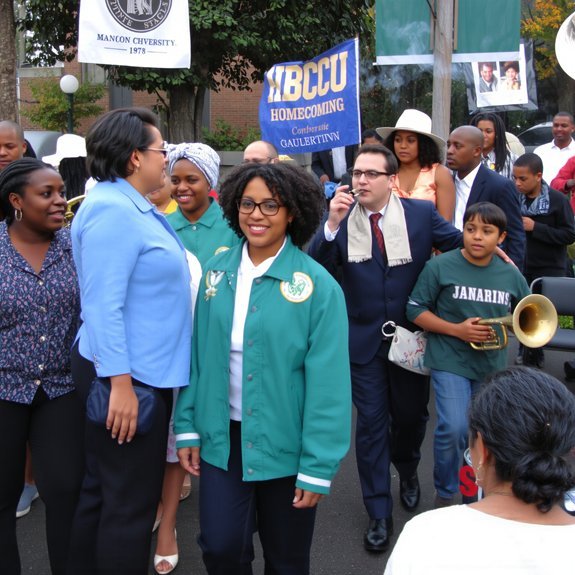
    Pick a bold piece of your school colors and wear it like you mean it — I’m talking tees, caps, face paint, even those gaudy pom-pom sunglasses nobody judged me for last year. You’ll want contrast, so pair a bright top with darker jeans, or layer a logo hoodie over a crisp button-down for instant polish. Add accessories that clap back: a striped scarf, enamel pins, a beaded bracelet that jingles when you cheer. Smell the grill smoke, feel cotton against sun-warmed skin, hear the band hit a note — you’re part of the scene. Call out to friends, trade playful trash talk, snap photos under the school banner. Own the colors, not the costume, and you’ll look like you belong, not like you tried too hard.

    Comfortable Yet Stylish Shoes

    If you’re going to spend the day marching in a parade, hopping between tailgate grills, and standing on asphalt cheering until your throat goes hoarse, you’d better have shoes that can do all that and still look like you made an effort. I’ll tell you straight: comfort is non-negotiable, but style wins the bragging rights. Feel the give in the sole, the cool breathability, the shrug of a slip-on that still reads sharp. Think practical flair. Try these:

    1. Cushioned sneakers with a clean silhouette, they’ll absorb stomp and step.
    2. Low-profile boots with traction, they’ll handle grass, concrete, spilled soda.
    3. Dressy loafers with padded insoles, they’ll pass for effort without an hour of pain.

    Pick what moves with you, not against you.

    Layering for Outdoor Weather

    Shoes handled the marching and the snack-line sprints, now let’s talk outerwear — because nothing kills a vibe faster than shivering through the halftime show. You’ll want layers that work like a good playlist: everything you need, nothing extra. Start with a breathable tee, add a light hoodie for warmth, then throw on a waterproof windbreaker if rain’s flirting with the forecast. Pack a compressible puffer, it tucks into its own pocket, and suddenly you’re carrying warmth, not drama. Don’t forget a scarf you can drape or stuff, gloves you can thumb-type in, a hat that flatters and blocks wind. I promise, swapping layers is faster than arguing over where to park, and you’ll look ready for every parade and tailgate moment.

    What to Wear to Step Shows and Strolls

    You’re there to perform, so pick outfits that move with you, breathe, and won’t scream “wardrobe malfunction” mid-routine. I’ll tell you straight: coordinate colors and accents with your crew so you read like one body onstage, not a group of mismatched extras — matching pops of color, sync’d accessories, and shared textures do the heavy lifting. Think tactile: glitter that catches lights, sneakers that grip, and fabrics you can sweat in without wrecking the look.

    Dress to Perform

    When I walk into a step show, my heart does a little drum-roll and my outfit answers back—bold, loud, and ready to move; you should expect no less. You’ll pick pieces that perform: breathable fabrics, secure shoes, and pockets that actually hold things. You want to look sharp, but you’re the one doing the work, so comfort calls the shots.

    1. Choose sturdy sneakers, broken-in, grippy soles, so you stomp with confidence and don’t eat pavement.
    2. Wear layers—tank, lightweight jacket, compressive shorts—so you can shed or add without drama.
    3. Accessorize smart—sweat-wicking headband, low-profile jewelry, a tight phone pouch; flash without fear, but skip the jingles.

    Coordinated Group Looks

    Picture a crew rolling up in sync—colors popping, lines sharp, the crowd already clapping before you hit the floor; that’s coordinated looks doing half your hype for you. You pick a palette, then stick to it — varsity jackets, matching tees, or denim with the same wash. You’ll coordinate textures, not just logos; mix leather trim with cotton for contrast, add a pop of metallic for stage lights. Plan silhouettes so everyone reads as one shape from the crowd. Bring props: belts, bandanas, or custom pins that jingle when you stomp. Test moves in the outfits, don’t wait for showtime to learn a split’s costume limits. I’ll say it bluntly: when you match right, you’re louder than a mic.

    Sunday Best: Church, Brunch, and Formal Affairs

    One Sunday, I learned that “Sunday best” isn’t just about ironing a shirt — it’s about choreographing an entrance. You’ll want polish, yes, but add personality: a silk scarf you can flick, shoes that click on steps, a neckline that flatters without shouting. I guide you through quick, reliable combos.

    1. Wear: tailored blazer, crisp dress, or fitted knit — textures matter, and sunlight loves satin.
    2. Accessorize: bold earrings, a watch that gleams, a clutch you actually use — sensory details sell the look.
    3. Footwear: low heels or polished loafers — walk like you mean it, heel to toe, smile on.

    You’ll arrive ready for church hymns, brunch laughs, or a formal nod, and yes, you’ll turn heads.

    Greek Life Dress: Fraternity and Sorority Style

    You’ve already nailed the polished Sunday look, so let’s toss on some letters and crank up the energy — Greek life has its own wardrobe rules, and they’re loud, proud, and oddly specific. You’ll spot tailored blazers, crisp polos, and bold jackets stitched with chapter letters, they practically sing your name. Pair silk scarves or pearls with jeans for a wink, or zip into varsity jackets that smell like bonfire and pep rally foam. Shoes matter — loafers, heels, clean kicks, all polished. Colors need matching, accessories coordinated, and your walk? Confident, not stiff. I’ll nudge you to honor tradition but make it yours: press that crest, pin that badge, flash a grin, and remember, you’re wearing history with attitude.

    Casual Campus Looks That Still Honor Tradition

    You’ll keep it comfy and campus-cool, rocking a vintage tee or letterman jacket that smells faintly of peppermints and stadium grass. Pair those spirit staples with a smart-casual twist — crisp chinos, clean kicks, maybe a silk scarf or heritage pin — and you’ll honor history without looking like you time-traveled from a parade float. I’ll nudge you to mix textures, wink at tradition, and promise you’ll feel proud, not costume-y.

    Campus Spirit Staples

    Three go-to pieces—your favorite tee, a crisp hoodie, and clean kicks—can carry you through every casual HBCU moment, and yes, they’ll still honor tradition without making you look like you tried too hard. I tell you this because you want easy, bold, and respectful. You’ll grab colors that pop, logos that matter, and fabrics that breathe. You’ll layer when the evening drumline cools the air, unzip to show a pin, cuff jeans to flash socks.

    1. Pick one statement tee, one neutral hoodie, one fresh pair of sneakers.
    2. Add small accessories: a lapel pin, a woven bracelet, a practical tote.
    3. Keep fit tidy, colors coordinated, attitude confident — no costume, just pride.

    Smart Casual With Heritage

    When you want to look put-together without pretending you walked off a runway, think smart casual that tips its hat to your school’s history—because style doesn’t have to erase story. You pick a crisp button-down, roll the sleeves, show a hint of a vintage lapel pin that smells faintly of old parades and cafeteria coffee. Slip into dark chinos, not jeans, add loafers that click with purpose. I’ll say it: layer a lightweight blazer, maybe tether a silk scarf in school colors, and suddenly you’re respectful, not stuffy. Walk campus paths where banners flap, exchange a grin, get asked where you got that pin. You answer, playful, “It found me,” and keep the tradition alive, casually.

    Accessorizing: Hats, Jewelry, and Proud Details

    Lots of people think accessories are just the finishing touch, but I say they’re the headline — the hat that tilts your mood, the necklace that tells a quick story, the pin that shouts your pride. You’ll pick pieces that speak, not shout; balance bold school colors with metal, texture, and a wink. Try these quick moves to own the room.

    1. Wear a structured cap or beret, tilt it, feel the sun on your cheek — it’s attitude, instant.
    2. Layer necklaces, mix chain thickness, let one pendant kiss your collarbone; it hums with memory.
    3. Pin a lapel or clutch with letters, smiles, or a slogan; it starts conversations, and sometimes, dances.

    Weather-Ready Outfits: Layering and Practicality

    Even if you love showing up in full color, you’ll want to plan for weather like it’s another guest at the event — unpredictable, opinionated, and prone to drama. I tell you this because you’ll sweat through a sweater or shiver in sequins fast, and that’s no look. Layer a lightweight bomber or denim jacket over a bold tee, stash a compact umbrella, tuck a scarf into your bag, and pick shoes that shrug off mud. Choose breathable fabrics, zip-on pieces, and pockets for your phone and keys. If rain hits, pop on a hood, roll cuffs, and keep smiling — rain slickers can still be cute. When sun returns, peel back layers, strike a pose, and enjoy the moment.

    Shopping Smart: Thrifting, Custom Gear, and Sustainable Choices

    Since you want to look iconic without emptying your wallet, I’m going to make thrifting, custom gear, and sustainability your secret style weapons. You’ll roam racks, feel wool and denim, hunt for that perfect patch with the thrill of a treasure map. I talk fast, I joke, but I mean it: smart shopping wins.

    1. Visit thrift stores early, comb corners, sniff leather, try things on — you’ll find vintage band tees and jackets that scream legacy.
    2. Invest in a small run of custom tees or sweaters, pick bold colors, get a crisp logo, wear it like you own history.
    3. Choose durable fabrics, repair tears, recycle old gear — look sharp, feel proud, waste less.

    Conclusion

    You’ve got this: wear your colors loud, wear your fit proud, and wear your comfort first. I’ll tell you when to shine, when to layer, and when to laugh off a shoe mishap. Walk into parades with rhythm, into step shows with focus, into Sunday service with respect—same heart, different vibe. Thrift a treasure, customize a statement, care for your threads. Celebrate loudly, represent wisely, and never forget to dance when the band hits.

  • How to Attend HBCU Games and Events Like a Pro

    How to Attend HBCU Games and Events Like a Pro

    The first time I mistook a drum major’s whistle for a fire alarm, I learned fast that HBCU game day is a full-sensory takeover—you’ll smell spice from the grill, feel the bass through the bleachers, and see synchronized flash like lightning; come prepared, move with purpose, and don’t be that person in the wrong section. I’ll show you how to plan parking, own tailgate etiquette, honor the band’s space, cheer with local rhythms, and support student vendors—so stick around, because the good part’s the part you’ll want to join.

    Key Takeaways

    • Plan logistics early: check game time, campus map, parking, entrance gate, and nearest shuttle stop.
    • Arrive hungry and ready to tailgate: bring chairs, ice, napkins, trash bags, and sample local dishes.
    • Learn and join chants, sideline stomps, and call-and-response timing to boost crowd energy.
    • Respect marching band space and etiquette: silence phones during formations and stand for show-stopping breaks.
    • Support student vendors, tip generously, ask about recipes, and help keep the campus clean.

    Preparing and Planning Your Visit

    plan prepare and enjoy

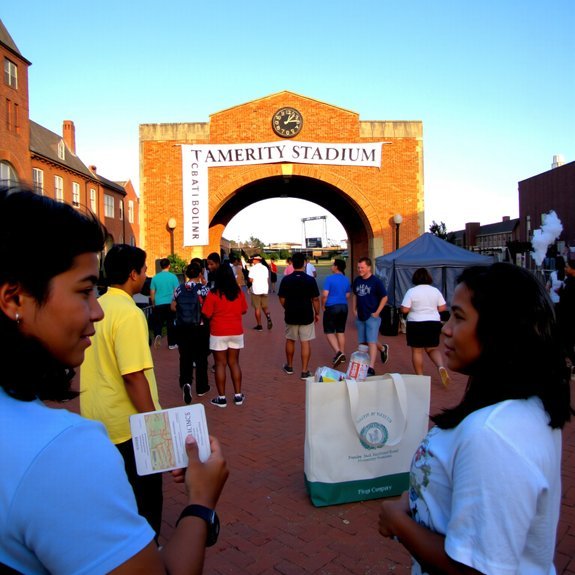
    If you’re like me, you’ll want to show up feeling clever, not lost — so start with a plan. You’ll check the game time, map the campus, and bookmark parking lots that don’t smell like regret. I tell you the entrance gate to use, the nearest shuttle stop, and which sidewalks wobble after rain. Pack layers, sunscreen, and earplugs — the band gets loud and glorious. Buy tickets early, screenshot confirmations, and screenshot them again because phones die like dramatic actors. Text a meeting spot, use landmark talk — “meet by the bronze lion,” not “that big thing.” Practice your walk-up, puff chest, smile, and say hi to a stranger; you’ll leave with a memory, and maybe a new friend.

    Tailgating, Food, and Pre-Game Traditions

    tailgate food and camaraderie

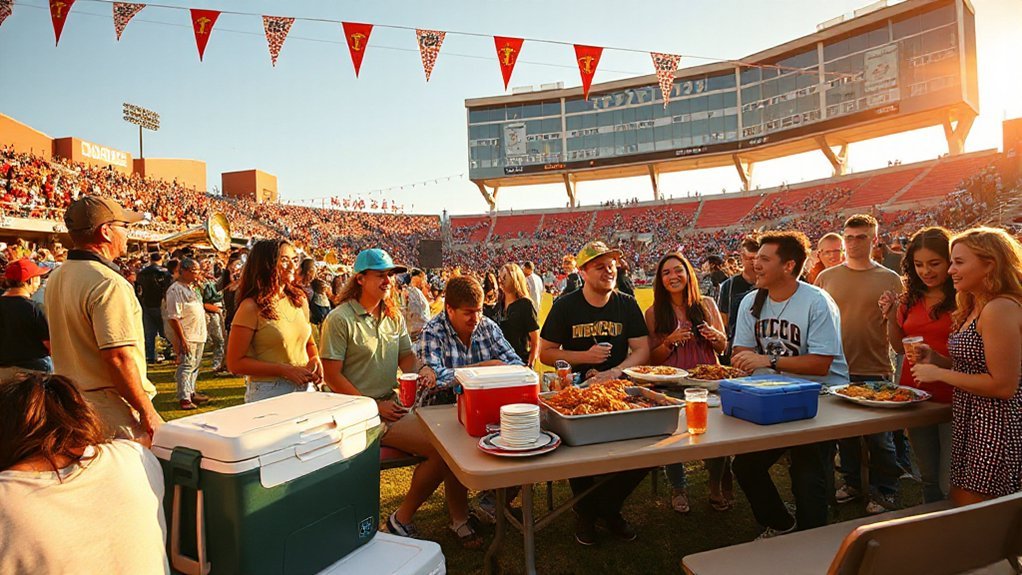
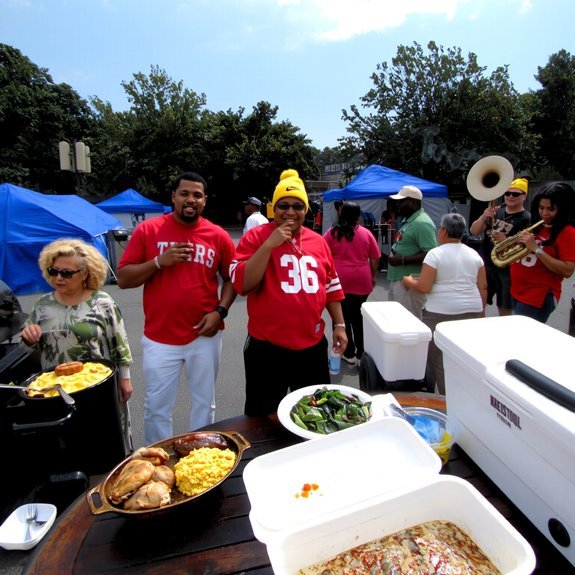
    Because tailgates are where the real game starts, show up hungry and curious — and ready to be dazzled. You’ll smell smoked ribs, fried plantains, spicy sausage, sweet corn; your stomach will stage a mutiny, and you should surrender. Walk through clusters of friends, drums, laughter, plates piled high; say hello, offer to share, trade a joke for a secret sauce. Grab a paper plate, pile flavors high, taste boldly. Learn the must-try dishes, ask questions, admire the cook’s pride, compliment loudly. Bring ice, napkins, a folding chair, sunscreen, and a small trash bag — trust me, you’ll thank yourself. Join chants, pass side dishes, snap photos, savor every bite, and leave with new friends and a full heart.

    Marching Band Culture and Game-Day Etiquette

    respect applaud experience enjoy

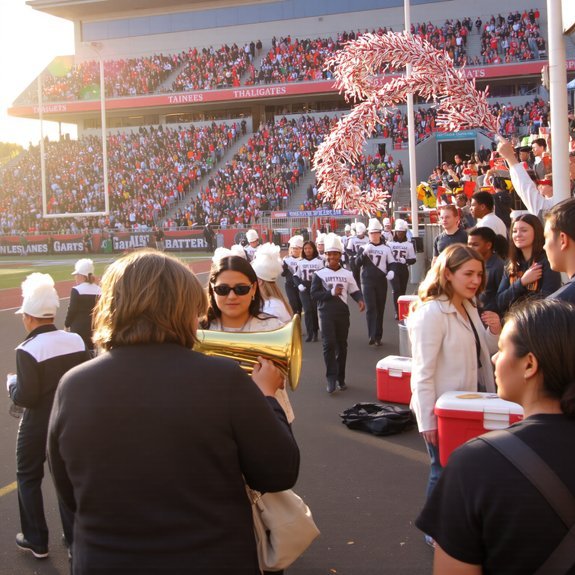
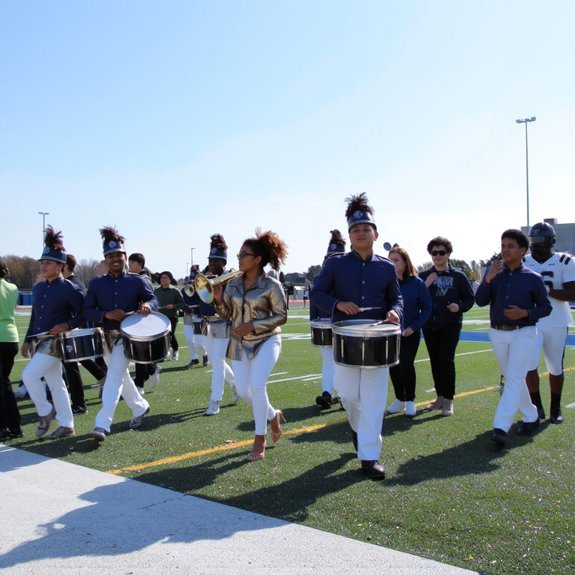
    You’ll leave the tailgate with your belly full and your playlist changed, then hear that low, rumbling roll — the band’s coming, and everything else gets rearranged around it. You’ll step back, let the drums take the air, and watch uniforms flash like a living flag. Don’t block the drill, don’t film through your phone forever, and actually applaud the soloist — they practiced in rain. You’ll feel the brass heat, taste the sweat and popcorn, and understand why halftime’s a pilgrimage.

    Feel the drum roll, step back, applaud the soloist — halftime is a sweaty, brassy pilgrimage.

    • Respect the band’s space, move when they march
    • Silence phones during key formations
    • Stand, don’t crowd, during show-stopping breaks
    • Cheer politely, not louder than the conductor
    • Tip or thank band members after especially great shows

    Cheering, Chants, and Sideline Customs

    Some things are non-negotiable at an HBCU game: you cheer like you mean it, and you do it together. You learn the calls fast, shout with the crowd, and clap on beats the band announces; it’s rhythmic, physical, communal. When the chant drops, you lean forward, voice tight, breath hot, feeling the stadium pulse beneath your feet. Don’t be shy—join the sideline stomp, mimic the arm breaks, toss a playful jab at rival fans, then grin like you meant it. I’ll cue you: call-and-response is sacred, keep timing, don’t talk over leaders. If you mess up, laugh, recover, and amplify—everyone’s forgiving when you bring energy. That’s the unspoken contract: respect the rhythm, own the moment.

    Supporting Student Vendors and Campus Community

    After you scream and stomp and chant until your voice is pleasantly hoarse, head past the tailgate smoke to the rows of tents where students hawk everything from sweet potato pies to hand-painted T-shirts. You’ll want to buy, taste, and talk. Ask about ingredients, hear the recipe story, tip with cash, snap a photo, and share it loud. You’re supporting someone’s hustle, their resume, their grandma’s legacy. Trade compliments for discounts, trade jokes for recipes. Stay curious, polite, and generous. If you can’t buy, help by sharing their post, recommending them to friends, or volunteering for clean-up. You’ll leave fuller, happier, and you’ll have bragging rights — plus that pie was worth every cent.

    • Buy local food, tip well
    • Ask the maker’s story
    • Share on social media
    • Volunteer for campus drives
    • Respect space and clean up

    Conclusion

    You’ve got this. I’ll bet you’ll smell grill smoke before you see the stadium, hear drumlines shake your ribs, and find a tiny vendor selling the best mac you’ll ever taste (hyperbole, yes — but deserved). Arrive early, be curious, cheer loud, respect the band’s space, buy from students, and stay friendly. You’ll leave full, buzzing, and a little proud, like you just nailed a scene in your own hometown movie.

  • How Classic Football Games Bring HBCUs Together

    How Classic Football Games Bring HBCUs Together

    You show up early, smell the grill smoke and hear a drumline rolling down the street, and I’ll bet you grin without meaning to. You trade stories with alumni who taught your parents, high-five students wearing bandanas you can’t pronounce, and watch bands carve the field into a bright, loud story—sass, choreography, and brass. It’s noisy, sticky, electric, and somehow like coming home; stick around, I’ll tell you why it matters.

    Key Takeaways

    • Classic games unite alumni, students, and community through shared rituals like tailgating, reunions, and multigenerational storytelling.
    • Halftime marching band performances showcase cultural pride and create emotional, communal highlights that connect past and present.
    • Tailgating transforms parking lots into social hubs, fostering food-sharing, friendly competitions, and intergenerational bonding.
    • Economic activity from classics supports local businesses, scholarships, and campus initiatives, strengthening institutional sustainability and visibility.
    • Media coverage and archived stories amplify legends and preserve collective memory, while careful storytelling maintains historical authenticity.

    The History and Roots of HBCU Classic Football Games

    cultural pride through football

    If you’ve ever stood in a stadium full of brass bands, smelled spiced tailgate smoke, and felt that drumline hit you in the chest, then you already know why HBCU classics aren’t just games — they’re cultural thunderclaps. You step into history when you enter, because these classics grew from community pride, post-war optimism, and the need for Black institutions to carve joyful space. You’ll hear alumni brag, exchange stories, and see rivalries dressed like pageants, all rooted in decades of resilience. I’ll admit, I sometimes get misty watching the pageantry, and yes, I cheer louder than seems polite. These games preserved Black traditions, launched musicians and leaders, and stitched campuses to cities. You walk away changed, humming a marching cadence.

    Tailgating Traditions That Build Community

    community food laughter tradition

    When the sun hits the parking lot and the grills start to whisper, you know tailgating at an HBCU classic isn’t a warm-up — it’s the main event, and I’m not exaggerating (much). You wander past coolers, the smell of spice and smoke, and someone hands you a plate like you belong. You chat, you hug, you trade stories about teachers and old games, and laughter folds into the heat. Kids chase foam footballs, elders sit shaded, nodding like chiefs of good judgment. You toss a cornhole bag, sip sweet tea, and feel the crowd tighten into kin. You learn recipes, join chants, swap shirts, and suddenly rivals feel familiar. It’s messy, loud, generous — community cooked over charcoal.

    Marching Bands and Halftime Shows as Cultural Pillars

    marching bands unite communities

    You watch the drum major slice the air with a silver baton, the brass answering like sunshine, and you can’t help grinning—this is showmanship and tradition turned loud and proud. You feel the crowd tighten around the rhythms, scarves rustling, breath visible on a cool night, because these halftime shows stitch together community and identity in real time. I’ll say it plainly: if football is the heartbeat, the band is the voice, and you’re invited to sing along.

    Showmanship and Tradition

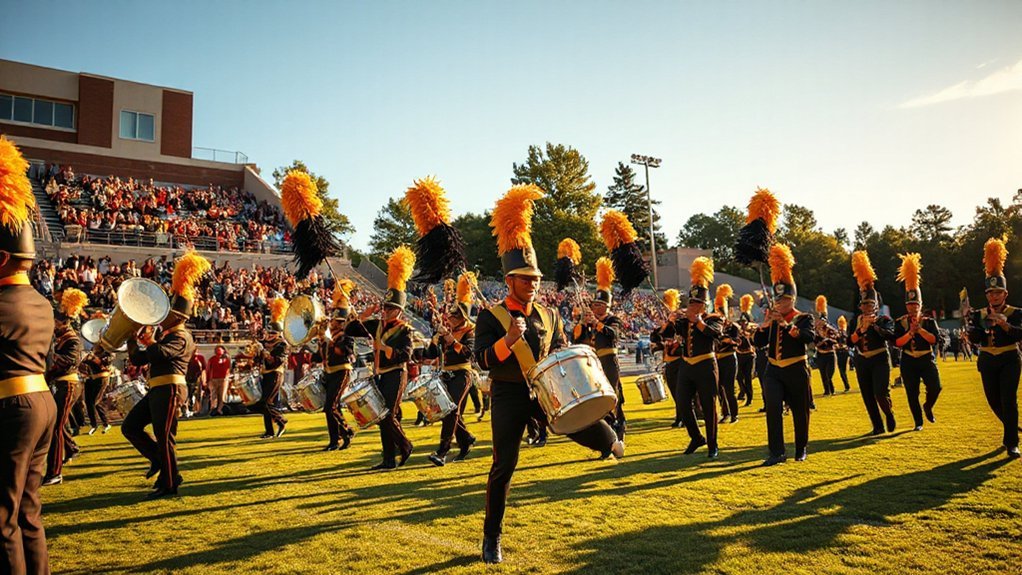
    Because the band doesn’t just play music, it stages a takeover—I’m serious, it’s a full-on theatrical coup that happens right on the grass. You watch trumpets flash, drums thunder, and uniforms slice the sky; you feel the bass in your ribs, popcorn crumbs vibrating on your tongue. I narrate the choreography, call out the sudden formations, and you laugh when the drumline spins like they’re auditioning for space travel. Halftime’s a tightrope: precision, flash, and a wink. The crowd gasps, claps, then roars, because showmanship sells the moment and tradition names it. You learn cues by watching, memorize rhythms by heart, and leave humming a cadence you didn’t know you needed. It’s theater, ritual, and pure, confident joy.

    Community and Identity

    I love the halftime spectacle, but it’s the people behind the drum cadences and choreographed kicks who make it matter, and I’m going to prove it without getting maudlin. You stand in the crowd, wind cold, breath visible, and the band hits a rimshot that makes your chest jump; you grin, because that beat belongs to your neighborhood, your aunt, maybe your old marching teacher. You smell pomade and fried food, see sequins flashing, hear brass arguing with tambo. Kids practice in parking lots, elders clap in the stands, alumni trade stories like trophies. The show isn’t just noise, it’s identity, it’s community rehearsal. You feel seen, proud, hilarious even when you can’t keep tempo. That’s how HBCUs hold you together.

    Alumni Reunions and Intergenerational Connections

    When alumni flood the tailgate, I duck under a banner that smells like popcorn and old school pride, and I watch generations collide like slow-motion tackles — awkward, loud, and oddly beautiful. You grab a paper plate, I nudge past an aunt who still calls the coach “son,” and we trade war stories that sound better with each telling. You hear band drums, see kids in tiny jerseys running between folding chairs, and feel a grandfather’s hand pat your shoulder like a flag plant. I crack a joke, you laugh, someone corrects the score from ’92. We swap yearbook gossip, recipes, and advice — wisdom handed down amid barbecue smoke and trumpet blasts — and you realize belonging is loud, messy, and delicious.

    Economic Impact on Campuses and Surrounding Communities

    If you’ve ever stood in the parking lot as the crowd spills out, you’ve felt the money move — not like a distant, boring spreadsheet, but like the bass drum vibrating through your chest. You watch tailgates turn into pop-up markets, old friends bargain over barbecue, and vendors make change with practiced hands. Your campus hums: hotels book out, taxis run, and campus cafes sell out of coffee. You see construction crews taking mental notes, local shops advertising themed specials, and students picking up extra shifts. The game pumps cash into payrolls, permits, and parking fees, then circulates it through neighborhoods. It’s not charity, it’s commerce with soul — and you, lucky spectator, get to enjoy the ripple.

    Recruitment, Visibility, and Institutional Branding

    Because big games put more than players on the field, they fling your school’s name into neighborhood bars, national feeds, and the quiet living rooms of future students, and that matters — a lot. You see jerseys on strangers, hear your fight song at a tailgate, and watch a campus tour video go viral. That buzz pulls prospects, and you get to show who you really are — classrooms, culture, cuisine. Recruiters smile, point, and say, “This is different,” while applicants picture themselves in those moments. Branding isn’t fluff, it’s smell, sound, sight: the steam from a food truck, the band drumming under lights, alumni chanting your colors. Use it. Capture it. Tell the story, loudly and honestly.

    Fundraising, Scholarships, and Philanthropic Momentum

    You’ll see the marching band, smell the barbecue, and then I’ll nudge you to pull out your wallet—game-day fundraising turns that electric crowd into scholarships overnight. I’ll tell you one story: a freshman who got a tuition lift from a halftime push, now leading campus tours with a grin that says, “yeah, that was me.” Stick around, I’ll show how small donations stack into big opportunities, and we’ll laugh at my awkward attempts to rhyme “scholarship” with “hip.”

    Game-Day Fundraising Efforts

    When the band hits the first brass note and the tailgate smoke curls into the autumn air, I’m reminded that game day isn’t just about touchdowns — it’s about money changing hands for something bigger than the scoreboard. You step into a living fundraiser, you toss a dollar in a bucket, and you watch tradition turn into tangible support. I joke, I cheer, I nag relatives into donating — it works.

    • Alumni manning a grill, selling plates, and swapping stories, cash stacked in a cooler.
    • A pop-up auction, phones buzzing, fans bidding on jerseys, minutes ticking, hearts racing.
    • Donation booths with friendly faces, paper pledge forms, digital taps, and candid gratitude.

    Scholarship Impact Stories

    If you’ve ever stood on the sideline and felt the rush of a scholarship check clear a kid’s future, you know this isn’t charity theater — it’s life changing, loud and honest. You see a kid fold their hands, swallow, grin like they just caught the winning pass. I watch, I cheer, I pass a tissue. You feel the weight of donors’ applause, hear the clink of plates at the tailgate turned fundraiser, smell barbecue and new textbooks. You talk to moms, they cry; you trade a joke, they laugh. Those scholarships aren’t numbers, they’re dorm keys and late-night ramen, internships and quieter sleep. You give, you get invited to graduation. You leave fuller, humbled, already planning next season’s play.

    Rivalries, Sportsmanship, and Campus Identity

    Because rivalries live loud and close on HBCU campuses, you feel them before you see them — in the drumbeat that hums underfoot, the clash of colors down the walkways, the scent of grill smoke and cologne mixing in the tailgate air. You walk in, you grin, you know who’s who by the chant. You cheer hard, you tease, but you also help an opponent up after a tumble, because pride needs balance.

    • A brass band riffs, you tap your foot, someone hands you a paper plate, it’s genius.
    • Students trade jabs, alumni swap stories, friendships sneak in between boos.
    • Players nod at each other, coaches clasp hands, the crowd breathes as one.

    You leave wearing someone else’s foam finger, and you’re fine with it.

    Media Coverage, Storytelling, and Preserving Legacy

    Though you might think the cameras and hot takes own the story, I’ll tell it like I see it: media doesn’t just report HBCU classic games, it shapes how they’re remembered, amplified, and occasionally misread. You watch broadcasters paint halftime scenes with slow-motion confetti, you hear commentators stitch player backstories into legends, and you feel the crowd through a radio host’s raspy laugh. You’ll notice some outlets flatten nuance for clicks, others dig for truth, and you learn to trust the ones that stay. You bring your phone, I bring skepticism. Together we archive chants, photograph jerseys, and share oral histories with grandma’s side-eye. Storytelling keeps legacies breathing, so you protect them, correct mistakes, and pass the real tales on.

    Conclusion

    You walk into a parking lot smelling like grilled onions and new pom-poms, and I promise you’ll feel both the quiet of classrooms and the roar of history. One minute you’re swapping old stories with an alum who remembers black-and-white photos, the next you’re dancing under brass and fireworks. It’s loud and tender, messy and proud — like family. So come, cheer, give, remember; these classics keep our roots alive, stubborn and bright.

  • How to Get Involved in HBCU Band, Choir, or Performing Arts

    How to Get Involved in HBCU Band, Choir, or Performing Arts

    You might think you’re not “musical enough” to join an HBCU band or choir, but you’ll learn fast once you show up and try — trust me, nobody’s born with the perfect swing. Picture warm brass heat, drum thumps under your ribs, and a chorus that folds you into harmony; you’ll meet directors who’ll push you, students who’ll prank you, and alumni who’ll fund your dreams — and yes, auditions matter, but so does showing up, so keep going because there’s more to this than a single note.

    Key Takeaways

    • Attend rehearsals and performances to feel the energy and identify which ensemble fits your passion and schedule.
    • Prepare a short audition piece, warm up, and bring sheet music, instruments, or clean shoes as required.
    • Meet directors, current members, and alumni—ask specific questions and follow up to build mentorship connections.
    • Evaluate time commitments, physical demands, and scholarship opportunities before committing to multiple disciplines.
    • Volunteer, donate instruments or supplies, and participate in outreach clinics to deepen involvement and support the program.

    Understanding HBCU Performing Arts Culture and Traditions

    hbcu music traditions thrive

    When you step onto an HBCU campus, you can almost hear the drums before you see the marching band—boom, boom, a hundred feet of brass and swagger folding the air like a flag; I’ve felt that bass in my chest and grinned like a fool. You learn quick that music here isn’t background, it’s family ritual, history humming in every note. You’ll smell hot shoes on pavement, taste sweet lemonade at halftime, catch call-and-response that hooks you like a dare. Traditions get taught with patience and fire, elders correcting your stance while laughing. You’ll join rehearsals that feel like church and Saturday cookouts at once. Respect matters, show up on time, listen more than you speak, and don’t be surprised when you fall in love.

    Choosing Between Band, Choir, Dance, and Theater

    follow your passion first

    How do you pick one when the campus is yelling at you to join all of them? You stand in the quad, hear drums, voices, and sneakers squeak, and you smile because you want it all. Ask what wakes you up: the rush of brass, the blend of harmonies, the snap of choreography, or the quiet of a backstage breath. Try a rehearsal, watch a set, feel the floor vibrate, taste sweat and adrenaline. Think about schedule, your body, and who you want to be in four years. Pick what feeds you first, then tag the others as side quests. I’ll say it plainly: follow the thing that makes your chest buzz, commit, but leave room to flirt with the rest.

    Preparing for Auditions and Tryouts

    prepare perform recover shine

    If you want to make an entrance, start like you’re already on stage — breathe, square your shoulders, and imagine every pair of eyes tracking your next move. You’ll warm up first: vocal sirens, lip trills, scales, or slow stretches that loosen hips and knees. Pick a short, strong piece that shows range and personality, and memorize the beats so you don’t look like you’re reading a recipe. Bring sheet music, clean shoes, and a tuned instrument. Practice with a timer, record yourself, listen back, wince, then fix one thing. Learn one quick story about the piece — directors love context. Show up early, hydrate, and smile like you mean it. If you mess up, keep going; recovery is part of the show.

    Connecting With Directors, Current Members, and Alumni

    Wonder what the secret handshake is? I don’t know it either, but you’ll find the vibe quick. Walk into rehearsal, listen first, then smile. Say, “Hi, I’m [Name], this is my instrument/voice,” and hand a confident nod. Directors love focus, not flattery, so ask one crisp question about repertoire or tone. Current members are gold—offer to help move chairs, tune, or carry gear, you’ll be remembered. Alumni show up with stories and shortcuts; ask for one memory, a contact, or a tip on audition day. Swap numbers, follow social pages, and DM politely after practice. Be reliable, show up early, and laugh at your mistakes. Connections grow from small, consistent gestures, not grand speeches.

    Scholarships, Financial Aid, and Funding Opportunities

    You’ll want to know what scholarships and grants are out there, because free money for rehearsal clothes and studio time is a beautiful thing. I’ll point you to campus scholarships, national arts grants, and little-known pockets of cash—plus creative alternatives like crowdfunding, departmental work-study, and alumni-sponsored stipends that actually exist. Stick with me, we’ll smell the coffee, open a few doors, and laugh when the paperwork tries to trip us up.

    Scholarships and Grants

    One big truth: money doesn’t have to be the show-stopper in your HBCU performing-arts dreams. I’ll say it plainly: scholarships and grants exist to pull you onto the stage. Look up merit-based music scholarships, ensemble awards, and sight-reading prizes, then email the department chair—don’t wait for them to find you. Audition sharp, submit recommendation letters that sing, and attach crisp recordings that make them stop scrolling. Grants often come from alumni funds, community foundations, and arts councils; apply early, follow directions, and proofread like your gig depends on it. Keep copies, calendar deadlines, and practice a confident pitch for interviews. If you hustle, the funds will cover lessons, travel, uniforms, even that trumpet mouthpiece you’ve been eyeing.

    Alternative Funding Options

    If money feels like a stubborn stage door that won’t open, don’t sulk—plan a cunning heist instead, and I’ll be your bad-cop accomplice. You scout small scholarships, microgrants from arts nonprofits, and department-specific awards, you knock on doors, you email directors with a cheerful pitch. Fundraisers work: bake sales, mini-concerts, ticketed house shows—serve warm pie, sell CDs, watch donations pile like confetti. Apply for federal aid, file FAFSA early, grab work-study shifts that let you rehearse between classes. Crowdsource with tight, honest campaigns—share video clips, set clear goals, thank donors loudly. Seek corporate sponsorships, alumni patrons, instrument loan programs. You’ll hustle, negotiate, and laugh at setbacks, but you’ll arrive onstage funded, fierce, and utterly prepared.

    Balancing Academics, Rehearsals, and Campus Life

    Because campus life doesn’t pause for dress rehearsal, you’ll learn fast how to juggle textbooks, tight harmonies, and that mysterious pile of laundry in the corner—sometimes gracefully, often with a coffee-stained syllabus in hand. I tell you, start with a calendar, color-code it, and actually look at it. Block classes, rehearsals, study time, naps—yes, naps count. Pack snacks, water, a spare reed or bobby pins; hunger sabotages focus. When a sectional runs long, text your professor before panic sets in. Practice smart: chunks of thirty minutes beat marathon sessions. Say no sometimes, politely, like a pro. Keep friends who cover your back and laundry. Celebrate small wins—nail one phrase, ace a quiz—then sleep, because talent needs rest as much as practice.

    Alternative Ways to Support and Participate

    You don’t have to be onstage to make noise for the troupe — you can volunteer at events and feel the thump of the speakers under your feet as you usher, set lights, or hand out programs. You can donate instruments or funds, watch a worn trumpet sparkle again, and brag (modestly) that you helped make that happen. Or partner with local schools, bring students to rehearsals, swap stories in a cramped classroom, and watch new talent light up like stage bulbs.

    Volunteer at Events

    Roll up your sleeves and join the bustle—volunteering at HBCU performing arts events is where the real backstage magic happens, and trust me, you’ll want a front-row pass to that chaos. I’ll say it straight: you’ll carry gear, hand out programs, herd performers, and learn timing by ear. You’ll smell sweat and stage polish, hear brass warming up, catch a laugh in the wings. Say “Where do you want this?” a lot. Meet directors, students, alumni, people who’ll remember your name. Expect fast fixes, sticky tape, and improvised mic stands — you’ll feel useful and slightly heroic. Sign up early, bring comfy shoes, a water bottle, and a can-do grin. Stay curious, ask questions, and soak it all in.

    Think about dropping off a gleaming trumpet, or sliding a worn drum into the hands of a student who’s been teaching themselves with YouTube and hope. You’ll see their face light up, brass catching sunlight, drum skin humming under your fingers. Donate money, and you buy sheet music, uniform buttons, late-night pizza after rehearsals — tiny miracles. Call the arts office first, ask what they need, don’t assume you know better than the people sweating through rehearsal. Pack instruments carefully, label them, include mouthpieces and maintenance kits. If you give cash, specify scholarships or instrument repair, so your gift hits the stage, not the bureaucracy. You’ll leave feeling useful, slightly smug, and very human — mission accomplished, and no cape required.

    Partner With Local Schools

    Donating an old trumpet feels great, but you can stretch that good feeling farther by linking HBCU programs with nearby schools, and yes, that takes a little legwork — and coffee. I’d call principals, swing by band rooms, hand over cookies like a minor bribe, and say, “Want to collaborate?” You’ll set up mentorship days, joint rehearsals, and small clinics where HBCU students teach breathing, rhythm, showmanship — stuff you can hear, see, and feel. Bring chairs, mics, a cart of instruments, and patience. Expect scheduling headaches, fewer RSVPs than you’d like, but also those wide-eyed kids who try a trombone for the first time and grin like they invented sound. It’s messy, joyful work, and you’ll love it.

    Conclusion

    You’ll fit right in if you show up, play or sing your heart out, and listen more than you brag. I’ve seen bands draw crowds of 10,000—yeah, ten thousand—so know your sound matters. Visit rehearsals, chat with directors like a human (not a résumé), learn a drill, laugh at mistakes, stay on top of homework, and take a scholarship meeting. Do it all, and you’ll leave louder, prouder, and oddly happier.

  • How Marching Bands Shape HBCU Culture

    How Marching Bands Shape HBCU Culture

    Can it really be true that a drumline can make a campus feel like home? You watch, you grin, you tap your foot as brass blares and flags whirl, and suddenly the quad’s not just grass anymore, it’s ritual — smell of polish, snap of uniforms, breath fogging in late-night practice. I’ll tell you how those beats teach teamwork, swagger, and history, but first, picture the band cutting through a halftime like lightning — and stay with me.

    Key Takeaways

    • Marching bands serve as living history, preserving traditions that connect past generations to present campus life.
    • Musical innovation blends jazz, gospel, funk, and hip-hop, defining the distinctive sound of HBCU culture.
    • Choreography and formations translate stories and pride into powerful visual rituals and campus spectacles.
    • Drumline rhythms and pregame marches build belonging, communal identity, and shared campus rituals.
    • Band training fosters leadership, discipline, networking, and career pathways beyond college.

    Origins and Evolution of HBCU Marching Traditions

    marching traditions rich history

    When you hear that first drumbeat roll across a sun-baked field, it’s easy to forget where it came from, but I won’t let you do that — not on my watch. You step into history, feel brass heat against your palm, smell fresh-cut grass and coffee in the stands. I tell you, those formations grew from military drills, church choirs, and backyard block parties, stitched together by students who wanted swagger and soul. You’ll see evolution in the uniforms, the snap of a march, the crowd’s collective gasp — each change answers a moment: pride, protest, celebration. You laugh, you cry, you learn moves that honor elders and push tomorrow. Trust me, it’s living history you can tap with your toe.

    Musical Innovation and Performance Style

    engaging vibrant musical experience

    Because music here isn’t polite background noise, it grabs you by the collar and demands attention — and I’m the one pointing out how. You feel brass blaze, snare snaps, and bass that somehow vibrates your chest and your shoes, all at once. I’ll walk you through the sonic tricks that make bands unforgettable:

    1. Layered call-and-response, where horns answer drums, like a conversation you can taste.
    2. Rhythmic syncopation, unexpected beats that make your feet betray you.
    3. Arrangements mixing jazz, gospel, funk, and hip-hop, bold as a neon sign.
    4. Solo moments that stop the crowd, then throw them back into the tidal wave.

    You hear texture, timing, and daring, and you know we didn’t come to blend in.

    Choreography, Dance, and Visual Storytelling

    visual storytelling through dance

    If you think the band’s job is just to play, you’re about to be politely corrected — I’ll show you how feet, flags, and shoulder pops tell the story as loud as the trumpet. You watch a sax player pivot, the crowd leans in, and suddenly you’ve got a plot twist. I point out formations that read like sentences, dancers who punctuate beats, and color guard flags that draw commas in the air. You feel the stomp in your chest, hear the snap of cymbals, see sequins wink under stadium lights. I joke about my two left feet, but I know how a choreographer crafts motion to translate melody into meaning. You leave the show having read an epic, without a single word.

    Community, Identity, and Campus Rituals

    You feel it the moment the drumline hits — chests thump, feet move, and suddenly you’re part of something bigger than your morning class or weekend plans. I’ll tell you straight, these rituals — pregame marches, call-and-response chants, that slow walk from the practice field — stitch individual stories into a single, loud identity you can taste on the air. Stick around, I’ll show how those shared moves and sounds keep the campus glued together, even when everything else is changing.

    Collective Identity Formation

    When I say the marching band walks across campus, picture a slow, proud march—brass flashing, drums thudding like a heartbeat you can feel in your chest—and you’ll understand how we start to think of “we.” I’ve seen students stop mid-step, heads turn, phones raised, mouths wide, because the band doesn’t just play tunes, it hands out a script for who belongs here; the choreography, the call-and-response shouts, the matching uniforms become signals you learn by sight and by skin. You feel it, you join it, even if you pretend you don’t. Little rituals teach you lines. Small gestures mark you as one of us.

    1. Snap, salute, nod.
    2. Shared chants, inside jokes.
    3. Signature moves, learned fast.
    4. Colors, badges, instant family.

    Rituals and Campus Unity

    Although the band’s cadence feels like a heartbeat for the whole campus, its rituals are the glue that actually keeps folks sticking together. You show up to rehearsals, smell hot brass and warm sweat, you trade nods with people who’ve been part of this since freshman orientation, and suddenly you belong. I’ll say it plainly: those rituals — pregame stair climbs, hand signs, call-and-response chants — make community tangible. They teach you moves, cues, when to laugh, when to stand still. They stitch identity into outfits and sound. You’ll feel goosebumps during a familiar drum break, get silly with alumni on the sidelines, and swear you’re part of something bigger. It’s communal training, and it works, beautifully.

    Training, Leadership, and Career Pathways

    Because marching band training feels like boot camp for your senses, I’ll be blunt: it’s where grit gets a haircut and swagger learns to read music. You’ll sweat through drills, count off rhythms, and learn to lead without yelling your throat raw. I watch you grow, from awkward cadet to confident section leader, baton snapping sharp, shoulders square. Careers start here, in rehearsal rooms and late-night sectionals, where mentors hand you résumés and tough love.

    Marching band: boot camp for the senses — sweat, drills, leadership, and the tough-love launch of real careers.

    1. Precision drills — your feet sync, breath tight, sound crisp.
    2. Leadership labs — you practice cues, conflict fixes, pep talk timing.
    3. Industry pipelines — internships, teaching gigs, studio sessions.
    4. Lifelong skills — discipline, teamwork, showmanship, networking.

    You think the band life stops at the last note? You watch jackets, boots, sequins, and berets walk like a runway through campus, you copy that swagger, and you suddenly care about tailoring. You borrow a plume, you learn the click of parade boots, you speak in call-and-response, tossing out nicknames that stick. You hum cadences in line at the café, you gesture with brass hands, you slap rhythms on tables, people laugh and join. Pop artists sample drum breaks, directors snag moves, TV shows borrow your choreography, and you wink when your riff turns up in a playlist. You shape trends, you craft slang, you make style and sound collide — loud, proud, unmistakably yours.

    Challenges, Preservation, and Future Directions

    When the horns go quiet and the sequins come off, we still hear the rhythm in our bones, and that’s where the hard work starts. You feel the chill of empty stands, the sweat-damp jacket folded in your lap, and you know traditions need tending. I tell you plainly, preservation isn’t passive, it’s elbow grease, stories, and rehearsal rooms that smell like brass and coffee. You’ll face funding cuts, fading interest, and alumni who argue about tempos. Still, you can act.

    1. Secure funding through grants, partnerships, and bold fundraisers.
    2. Teach youth with summer camps, school visits, hands-on practice.
    3. Archive shows, recordings, oral histories, and costume patterns.
    4. Innovate shows, tech, and social media, while honoring roots.

    Conclusion

    You feel the drumbeat in your chest, don’t you? I do, too — like a heartbeat turned brass. You’ve watched the dancers slice sunlight, seen uniforms become flags. Marching bands teach you teamwork and swagger, they hand you history with a grin. You’ll carry that rhythm into classrooms, courts, and boardrooms. So step closer, listen, and join the shout — this music is your mirror, your map, and your next bold move.

  • How to Navigate Greek Life Events at an HBCU

    How to Navigate Greek Life Events at an HBCU

    Like a spotlight snapping on, you step into the crowd and everyone notices—so breathe, adjust your collar, and move with purpose. I’ll say this plain: dress tidy, listen more than you talk, and don’t be that person who claims a pledge handshake you never learned; touch base politely, respect space, and snag a trusted ride home, because the night’s energy is fun until it isn’t—there’s more to how you steer through the music, the names, and the unwritten rules, and you’ll want to know the rest.

    Key Takeaways

    • Dress polished-casual with a clean outfit, one confident accessory, and an extra layer for changing weather or spills.
    • Arrive with a transportation plan, park in well-lit areas, and share arrival times with a trusted friend.
    • Keep phones tucked away, ask permission before photos, and respect personal space and event traditions.
    • Engage by referencing shared experiences, listen actively, and exchange contact info with a clear next step.
    • Follow up within 24 hours mentioning a specific moment, then wait two weeks before another outreach.

    What to Expect at Different Types of Greek Events

    diverse lively greek events

    If you’re wondering what actually goes down at Greek events, let me save you time: it’s never just one thing. You’ll hit step shows where the bass thumps in your chest, hands clap in sync, and polished shoes slap the floor; frat barbecues with smoke curling, burgers sizzling, laughter bouncing off tents; mixers that feel equal parts networking and theater, where you trade quips, dance moves, and a nervous smile. Philanthropy days have purposeful energy — you’ll pack meals, chalk sidewalks, hug grateful kids. Rush info sessions are brisk, a parade of tradition and hashtags. Expect loud, proud entrances, scarves flapping, secret chants you’ll eventually Google, and a lot of welcome warmth that’s hard to resist.

    How to Dress and Present Yourself Respectfully

    dress polished present confidently

    Wardrobe is your opening line, so dress like you mean it — not like you’re auditioning for a music video or sneaking into a lecture. I tell you this because first impressions land fast, so pick clothes that fit, breathe, and move when you do. Aim for polished-casual: clean shoes, ironed top, a jacket you can shrug off if it gets rowdy. Add one confident accessory — a watch, lapel pin, subtle fraternity or sorority colors — not a billboard. Keep grooming simple: fresh scent, neat hair, trimmed nails. Bring an extra layer for chilly auditoriums, and a small stain stick because life happens. Look intentional, stay comfortable, and let your smile do the real introduction.

    Etiquette, Boundaries, and Showing Respect

    respect traditions with humility

    Because you’re about to step into someone else’s tradition, treat the room like sacred real estate — smile, listen, and don’t rearrange the furniture. You’ll want to be present, keep your phone tucked, and let the ceremony breathe; people notice posture, eye contact, the way you clap. Respect means asking before you photograph, giving space to line members, and following cues without being that awkward outsider who tries too hard.

    Treat the room as sacred: be present, tuck your phone, follow cues, ask before photographing, and move with humility.

    • Ask before you take pictures.
    • Follow verbal and nonverbal cues.
    • Respect personal space and costumes.
    • Use names and titles properly.
    • Admit when you don’t understand.

    I’ll say it plainly: mimic the rhythm, mirror the tone, laugh at your own missteps, and leave with gratitude — not souvenirs.

    Safety, Transportation, and Practical Planning

    You’ve handled the quiet parts — the nods, the claps, the “sorry, I don’t get it” — now let’s talk getting there and getting home without dramatic stories to tell later. Plan your ride, check the event page, and text one friend: “You coming?” If you drive, park in well-lit spots, lock valuables, and snap a photo of where you parked — yes, I’ve circled the lot like a confused vulture. If you’re walking, pick busy routes, stay on lit sidewalks, and keep earbuds low. Share ETA with someone who’ll actually answer. Carry cash, your student ID, and a small charger; batteries die like bad decisions. Know the nearest campus security post, set a sober exit time, and leave before you invent excuses. Safety is a habit, not a panic.

    Making Connections and Following Up

    How do you turn a casual “Hey, nice to meet you” into something that actually matters? I watch, I listen, I lean in — you smile, mention a class, I tuck that detail away. After an event, text within 24 hours, reference a joke, offer a link or coffee. Be specific, be brief, show you remembered.

    • Mention where you met, a moment, or a song that played.
    • Offer a clear next step, time, place, or ask one simple question.
    • Share a useful contact or campus tip, be generous.
    • Follow up once, don’t nag, give two weeks before another ping.
    • Keep tone bright, honest, and a little playful.

    You’ll build real ties, not just name tags.

    Conclusion

    You’ll show up polished, not flashy, and somehow bump into the same smiling face you nervously rehearsed your intro for—funny how that happens. I’ll tell you: stay respectful, dress sharp, keep hands to yourself, plan your ride, and actually follow up the next day. You’ll taste punch, hear laughter, trade a genuine story, and leave with a new contact. Do it right, and those small choices turn into steady friendships.

  • How to Enjoy HBCU Homecoming on a Budget

    How to Enjoy HBCU Homecoming on a Budget

    Did you know nearly 70% of HBCU alumni say homecoming is their top annual reunion, so you’ll want to plan smart if you’re not made of money. I’ll show you how to snag cheap rides, split a snug Airbnb, and turn a cooler into gourmet tailgate fuel, all while looking sharp and networking like you mean it; picture brisk morning air, brunch smells, and a playlist that won’t quit — but there’s one trick you’ll wish you’d known sooner.

    Key Takeaways

    • Pick non-peak dates, book lodging early, and consider campus dorm rentals or shared rentals to cut accommodation costs.
    • Carpool, use shuttles or split rideshares, and park farther away to save on transportation and avoid parking fees.
    • Prep meals at home, share coolers and utensils with friends, and scout affordable campus-area food options.
    • Coordinate group budgets, split supplies, and assign chores to keep costs low and the weekend organized.
    • Prioritize free events, network during receptions, and capture moments with photos to maximize experience without overspending.

    Planning Your Trip Without Overspending

    budget friendly trip planning

    If you’re anything like me, you get giddy at the smell of grill smoke and the thump of a marching band, but you also cringe at hotel prices; so let’s plan this right. You’ll pick dates that avoid peak nights, scout campus calendars, and lock in a reasonable room early, even if it means a quirky B&B with character. You’ll split costs with friends, barter perks—free breakfast counts—and inbox alumni groups for spare couches or leads. Pack snacks, a small first-aid kit, and an extra phone charger, you’ll thank me later. Keep an eye on event passes and buy group discounts, skip pricey tailgate extras, and accept that sometimes an afternoon nap beats a late-night VIP line.

    Affordable Transportation Options

    affordable group travel options

    While you’re mapping out who’s driving and who’s bringing the speaker that’ll rattle the cheap motel walls, remember transportation can make or break your budget—and your vibe. I say carpool first, pile in like traveling choir kids, split gas, and cue the playlist—bass and laughter included. If parking’s a nightmare, park farther, walk in, enjoy the crisp air, treat it like a mini tailgate. Check buses and shuttles, they’re cheap, they drop you close, you nap on the ride home without guilt. Want frills without the bills? Try a rideshare for short hops, split it, tip smart. Bring a cooler, grab snacks, hydrate—your wallet and feet will thank you. Keep plans flexible, always.

    Save on Lodging and Shared Stays

    affordable group lodging options

    You can save big by booking lodging early, I learned the hard way when last-minute rates hit like a surprise dorm inspection. Split costs with friends, snag a dorm or campus rental for the weekend, and pool money with people you trust—think cheap laughs over expensive mini-bars. Picture us hauling mattresses to a fifth-floor room, cracking window air, and trading snack duty like it’s a frat ritual; it’s cozy, loud, and way cheaper than a hotel.

    Book Early, Split Costs

    Because snagging a great place early means you’ll spend your weekend on the tailgate, not hunting a bed, I make booking lodging my first move — seriously, it’s like wardrobe: get it right and the rest falls into place. You call your crew, you pick dates, you lock a place before prices climb. Split costs, split chores: one pays, one texts confirmations, one brings towels — easy. Look for kitchens, grab groceries, skip three pricey meals. Choose a spot near campus, so you can hear the band from the porch, feel the bass in your chest, stroll back at midnight. I bargain, you negotiate, we win. Don’t wait for FOMO; book early, save money, enjoy every minute.

    Use Dorm or Campus Rentals

    If you want the full homecoming vibe without selling a kidney, try booking a dorm or campus rental — I swear, it’s the best-kept hack on the roster. You’ll land a spot steps from the quad, hear distant band practice through the window, and save a pile on cabs. I book a shared suite, call dibs on the top bunk, and we split linens and laughs. Bring a travel kettle, plug in fairy lights, and suddenly your room smells like cinnamon coffee and victory. Be polite to resident staff, follow checkout rules, and don’t trash the place — karma’s real. If someone asks, you’re an alum visiting old friends. It’s cozy, cheap, and honestly kind of magical.

    Pool With Trusted Friends

    Three friends, one rental, zero drama — that’s the magic number I stick to when we pool for homecoming; you’ll split the rent, split the snacks, and split the guilt over who forgot the coffee. I book a tidy two-bedroom near campus, we each bring a bag, a toothbrush, and one brave playlist. You claim the window bed, I take the couch, third friend mans the kitchen — we laugh, we burn toast, we salvage breakfast with hot sauce and stubborn optimism. Divide chores, set a tiny damage deposit, and agree on quiet hours; nobody wants a midnight rager when the parade starts at nine. Pooling saves cash, builds stories, and gives you a comfy basecamp to crash, recharge, and dance all weekend.

    Budget-Friendly Tailgating Tips

    You’ll save big when you prep food at home—think smoky pulled chicken in a cooler, skewers that sizzle on a portable grill, and snacks portioned into zip bags so nobody’s raiding your cooler like it’s open season. Swap bulky coolers for insulated tote bags, trade paper plates for reusable bamboo, and snag off-brand condiments that taste the same but don’t wreck your budget. Carpool, share a canopy and split ice with friends—I’ll bring the playlist if you bring the folding chairs, and suddenly tailgate stress turns into laughs and leftovers.

    DIY Food Prep

    While the sun’s still low and the grill’s not even awake, I’m already mapping out a game plan that keeps the vibes high and the wallet intact; you’ll see that cheap doesn’t mean cheap-looking. You’ll prep protein the night before, marinate chicken in citrus, soy, garlic — smells that make neighbors jealous. Chop veggies on a cutting board, toss in oil and spice, bag for easy grilling. I bring picnic-friendly sides: cold pasta salad, slaw with tang, beans warmed in a thermos. Pack collapsible containers, foil-wrapped skewers, and a cooler with ice packs that actually last. I portion food so nobody wastes a bite, and you get seconds without drama. It’s organized, tasty, and totally doable — even if you forget the napkins.

    Smart Supply Swaps

    If you swap a few pricey tailgate staples for smart, thriftier picks, you’ll still look like the VIP of the lot without draining your bank account. I’ve learned to trade bulky coolers for insulated grocery bags that hug ice close, they’re lighter, cheaper, and fit in my trunk with room to spare. Swap disposable plates for colorful melamine, they click, they don’t break, and you won’t hate yourself later. Ditch single-use condiments; fill small squeeze bottles, label them, and pretend you’re chefing it.

    1. Insulated grocery bags over big coolers — less bulk, same chill.
    2. Melamine plates and reusable cutlery — lively, sturdy, wash-and-go.
    3. Refillable squeeze bottles for sauces — tidy, durable, totally boss.

    Carpool & Share

    Three friends, one car, and a trunk full of ambition — that’s how I save cash and still show up like I own the tailgate. You pile in, I claim shotgun, we trade spots to keep the peace, and we split gas like it’s a sacred ritual. Share coolers, fold-up chairs, and one giant speaker — less stuff, more room for dancing. I call dibs on playlist duty, you handle snacks, someone mans the grill (no pressure). Park once, stroll to the lot, and flag down neighbors for extra ice or plates — strangers become allies fast. You’ll cut costs, amp the vibe, and leave with full bellies and lighter wallets. Trust me, teamwork turns cheap into legendary.

    Score Cheap or Free Event Tickets

    Want the best seat at the parade without selling a kidney? I’ve got tricks. You’ll watch floats glide, smell kettle corn, hear brass up close, and pay little or nothing if you hustle. Scout official event pages, follow student orgs, and join email lists — freebies pop up fast. Hit alumni groups and campus bulletin boards, they trade or giveaway tickets like hotcakes. Tip: get friendly with volunteers, they usually know where extras hide.

    Want the best parade spot without breaking the bank? Hustle: follow student groups, alumni boards, and chat up volunteers.

    1. Check student/volunteer wristband swaps early, beat the crowd.
    2. Use campus radio/FB Live events for virtual front-row vibes, zero cost.
    3. Arrive early, claim bench space, chat with locals, score invites or last-minute passes.

    Look Stylish for Less: Outfit and Gear Hacks

    You can look runway-ready without draining your wallet, I promise — and yes, I’ve patched a hem with a safety pin backstage, so I speak from experience. Shop thrift stores like a treasure hunt, feel the fabrics, sniff for freshness, try everything on, and hunt for bold colors that pop on the quad. Swap accessories with friends — hats, belts, statement earrings — they transform a basic tee into a vibe. Tailor one cheap piece; a quick hem or new buttons makes it feel bespoke. Use fabric glue for emergency fixes, fold clothes into neat packing cubes to avoid wrinkles, and choose comfy shoes you’ve broken in. Carry a mini sewing kit and safety pins. Look sharp, save cash, and own your style — confidently.

    Eat Well on a Budget During Homecoming

    If you plan ahead, you can eat like royalty on a ramen budget — seriously. I’ll show you how to snack, savor, and stretch without missing the vibe. Pack a small cooler, bring reusable utensils, and scout cheap eats near campus; your stomach will thank you.

    Plan ahead, pack a cooler, and eat like royalty on a ramen budget — snack smart, savor more.

    1. Hit food trucks early — grab a hefty sandwich, skewers, and a sweet bite; eat while watching tailgate chaos.
    2. Share platters with friends — split a loaded fries, a big salad, and a dessert; cheaper, tastier, more stories.
    3. DIY picnic at halftime — grilled wraps, fruit cups, bottled water; you’ll eat hot, crunchy, and proud.

    You’ll eat well, save cash, and still feel like the main character.

    Make the Most of Free Networking and Cultural Events

    While the band’s drumline still echoes down the quad, I’ll show you how to work a room without spending a dime — and yes, you can do it while holding a paper plate and a Styrofoam cup. You’ll drift from panel to pop-up, ears full of brass, nose catching fried dough, and eyes scanning name tags. Smile, introduce yourself, drop a short line about your hometown, then ask a real question — people love to talk. Collect cards, snap a quick selfie with a new contact, and send a follow-up text that same evening. Catch free lectures, poetry slams, and gallery walks; sit front-row when possible, you’ll be remembered. Trade laughs, offer help, and leave before you overstay your welcome.

    Conclusion

    You’ve got this — I’ll say it like a drumbeat: plan, pack snacks, split rooms, carpool, and scout free events. You’ll taste smoky tailgate brisket, hear alumni laughter, and save enough for a postcard. Dress sharp on a budget, snag cheap tickets, and network like you mean it. Homecoming can be a feast, not a bill; treat memories like treasure, not receipts, and go make a scene you’ll smile about.

  • How to Prepare for Your First HBCU Homecoming

    How to Prepare for Your First HBCU Homecoming

    Did you know nearly 90% of HBCU alumni say homecoming was the highlight of their college years? You’re about to join that chorus, so start by snagging tickets, planning rides, and picking an outfit that screams school pride without sacrificing comfort — think layers, good shoes, and a hat you won’t lose in a crowd. Bring snacks, a charger, cash, and an open attitude; also brace for thunderous bands, slick step shows, and conversations that’ll change how you see campus.

    Key Takeaways

    • Learn campus traditions, step-show etiquette, and alumni customs by asking students or attending orientation panels ahead of time.
    • Pack weather-ready layers, comfy shoes, a small safety kit, and chargers to stay comfortable all day.
    • Plan transportation, secure tickets, and set meeting spots with friends to avoid last-minute stress.
    • Dress spirit-forward with school colors, respectful cultural awareness, and practical accessories like a tossable jacket.
    • Bring cash for food and merch, share tailgate essentials, and leave spaces cleaner than you found them.

    What to Wear: Outfit Ideas for Every Homecoming Event

    bold colors comfy shoes

    If you’re wondering what to wear, don’t panic—I’ve got you. Picture tailgate sunlight, grill smoke, and your playlist bumping; you want bold colors, comfy shoes, and a jacket you can toss. For the parade, wear school colors, a statement tee, high-top sneakers, and sunglasses that say “I belong.” At the game, layer: a lightweight hoodie, clear crossbody for your phone, and socks that make you smile. Homecoming night calls for fitted dresses or sharp blazers, low heels or slick loafers, and a clutch that holds lipstick and breath mints. Don’t forget a bandana or lapel pin—small, spirited details win. Listen to the crowd, move with the energy, and keep everything photo-ready.

    Essential Items to Pack for a Weekend of Celebrations

    weekend celebration packing essentials

    You’re not leaving home without a weather-ready wardrobe—think a light raincoat, comfy layers, and shoes that can survive a muddy tailgate, trust me, your feet will thank you. Pack tailgate essentials too: a folding chair, a cool cooler stuffed with ice and snacks, napkins that actually want to help you eat, and a small speaker for that marching band energy. I’ll call out gear that saves the day, you pack it, we both look like pros while everyone else panics.

    Weather-Ready Wardrobe Choices

    Because weather at homecoming likes to play dress-up, I pack like I’m preparing for three seasons and a parade—sunny, sweaty, cool, and dramatic rain. You’ll want layered basics: a breathable tee, a light sweater, and a windbreaker that folds into nothing. Bring a versatile dress or button-up you can dress up or down, and comfy jeans that survive long walks and loud marching bands. Don’t forget moisture-wicking socks, a wide-brim hat, and sunglasses that won’t fog when you dance. Pack a compact umbrella, a thin poncho, and shoes you can cheer in — sneakers plus a dressier option. Toss in a small laundry kit, stain stick, and a couple safety pins. You’ll thank me when weather flips the script.

    Tailgate Essentials and Gear

    When I roll up to a tailgate, I bring a tiny circus of stuff that somehow makes chaos look intentional: a folding table, a grill that’s seen better weekends, and a cooler heavy enough to test the suspension of your car. You’ll want plates, napkins, and utensils—disposable but sturdy, because soggy paper is a mood killer. Pack a trash bag, paper towels, and wet wipes for sticky fingers. Bring a Bluetooth speaker, a power bank, and extra phone chargers, because you’ll be taking selfies until sunset. Don’t forget folding chairs, a pop-up canopy for sun or surprise rain, sunscreen, and a first-aid kit. Toss in games: cornhole, cards, a football. Label your gear, claim your spot, and relax.

    plan rsvp and navigate

    Tickets are your golden ticket—no, really, you’ll want them like oxygen once Homecoming weekend hits. I tell you, check the portal, screenshot confirmations, and stash a printed copy—phones die, drama doesn’t. RSVP early, because events fill fast, and you don’t want to be the person left gawking at a closed door. Scan times, map venues, plot walking routes, and note shuttle pick-ups so you glide, not sprint.

    Tickets are oxygen for Homecoming—grab them early, screenshot confirmations, print backups, RSVP, and map your routes.

    1. Buy tickets ASAP — digital and paper backup, seat info, and refund policy.
    2. RSVP to special events — ceremonies, mixers, alumni brunches — to lock your spot.
    3. Build a personal schedule — include buffers, transit time, and a chill window for surprises.

    Tailgating Tips: Food, Setup, and Etiquette

    If you want to win at Homecoming tailgating, start like a general planning a picnic for an army—strategy matters, but snacks win hearts. You’ll claim a spot early, unfurl a canopy, and stake it like you mean it; feel the grill’s heat, smell smoky ribs, hear laughter ripple. Pack finger foods, coolers with ice, napkins by the fistful; bring folding chairs, a Bluetooth speaker, trash bags, and a small first-aid kit because blisters happen. Share food, ask before you pour, and keep flavors bold but considerate — some people hate garlic at dawn, I get it. Play games, greet neighbors, and respect lines, volume, and curfew. Leave the space cleaner than you found it, that’s how legends are born.

    How to Enjoy the Marching Band, Step Shows, and Performances

    You’ve eaten, mingled, and defended your canopy like a pro—now trade the grill smoke for brass and choreography; I promise it’s worth the swap. Get close, but not too close—feel the bass in your ribs, let the drumline talk to you, and clap on beat, not when you think you’re funny. I’ll nudge you: cameras up for highlights, phones down for the big moves.

    1. Position: Find a spot by the sideline or front row, stash your cooler, and claim good sight lines.
    2. Listen: Let the brass and snares guide your breathing, shout the calls, participate—respect the show.
    3. Respect: Applaud, stay seated during routines, and follow ushers’ guidance, you’ll look like you belong.

    Connecting With Alumni, Students, and Campus Organizations

    When I stroll the quad during homecoming, I’m on a mission: shake a few hands, trade a tailgate story, and collect at least one business card that isn’t from someone selling alumni hoodies. You’ll do the same, but with purpose. Walk up, smile, ask names, offer yours—don’t fumble the moment like I do when I try to be charming. Stop by alumni tents, listen for their “remember when” tales, and ask about mentorship or job leads. Chat with current students at the student org fair, grab flyers, and sign up for mailing lists. Join a quick photo circle, swap social handles, and follow up the next day. Be genuine, be curious, and leave with contacts, not just memories.

    Safety and Transportation: Getting There and Back

    Okay, hands full of business cards and a pocket full of good intentions, I also scope out how I’m getting home—because nothing kills a great tailgate story like stranded-in-the-parking-lot panic. You’ll pick a plan before the first horn, scout exits, note landmarks, and stash a charger. Crowd noise throbs, grills smell like victory, and you’ll want an exit strategy.

    Hands full, plan locked—pick your ride, scout exits, note landmarks, stash a charger, and leave before the panic.

    1. Plan a ride: reserve a ride-share, park with a buddy, or use campus shuttles—confirm times.
    2. Safety kit: water, flashlight, ID, cash, and a portable battery—keep them handy.
    3. Check-ins: set ETA texts, share your location, and pick a meeting spot if you split from the crew.

    Leave early, stay aware, and laugh about the night later.

    Budgeting for Food, Merch, and Activities

    You’re going to set a realistic budget before the tailgate smells like smoked brisket and your card’s crying. Decide what matters most—food first, merch if it’s limited-edition, activities after—and write those priorities down like you mean it. I’ll keep you honest, nudging you away from impulse buys and toward the moments that actually matter.

    Set a Realistic Budget

    Start by deciding how much you can actually spend without crying about it later — I promise, that’s more fun than it sounds. You’ll feel lighter, like taking off a heavy jacket after a long walk; jot a number down, whisper it to yourself, and stick to it. Think small wins, not heroic spending.

    1. Allocate a flat food amount, imagine the smell of fried chicken and sweet tea.
    2. Set a merch cap, picture the tee and cap you’ll actually wear.
    3. Reserve a buffer for last-minute temptations, that cheesy vendor calling your name.

    I’ll nag you gently: check prices, compare online, and use cash to make limits real. Celebrate staying on budget, with a small victorious snack.

    Prioritize Spending Categories

    If you want to avoid post-homecoming regret, prioritize where your dollars do the most work — I promise you, a smart split beats impulse buys every time. You’ll want to funnel cash into three buckets: food, merch, and activities. I put food first, because you can’t cheer on a float with an empty stomach; think tailgate staples, snacks, and a backup coffee, set aside $X or a percent of your total. Next, merch — one bold sweatshirt, not five tchotchkes; try one statement piece that makes you proud. Last, activities: concerts, step shows, rides — pick two must-dos and skip the rest. Track receipts, use cash envelopes, and adjust as you go. Simple, smart, joyful.

    Capturing Memories: Photos, Social Media, and Privacy

    When the band hits that bridge and everyone around you suddenly becomes an unplanned photo shoot, I grab my phone like it’s a lifeline—flash off, lens clean, ready to catch the chaos. You’ll want shots that smell like sweat, brass, and sweet tea, not blurry regrets. Aim for candid frames, close-ups of stomps, and the goofy grin you get when your crew nails a step. Post fast, but think twice — tag with care, respect faces, and don’t ghost people’s permission. Use captions that sing, not lecture. Keep battery and data tight, pack a charger, and switch to airplane mode during long sets.

    1. Capture candid energy.
    2. Ask before tagging.
    3. Save raw files, curate later.
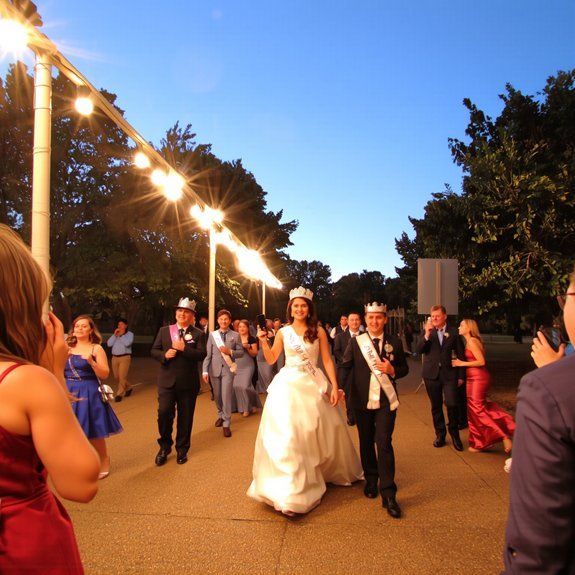
    Respectful Behavior and Cultural Traditions to Know

    You’re going to want to learn the lineage of the campus—names, founding stories, and who built the traditions—so you can nod with real respect, not fake enthusiasm. Watch step shows quietly until you get the rhythm, then clap loud and on beat; stepping is choreography and history, not background noise. Dress with cultural awareness—think thoughtful choices, bold colors, and no appropriation—and if you’re unsure, ask someone who looks like they know what’s up.

    Learn the Lineage

    Because knowing the lineage matters—like, a lot—you should come ready to listen more than you talk. I’ll say it straight: histories here hum in the air, in brass, in chants, and you don’t want to step on the tune. Walk slow, watch elders nod, smell fried food and popcorn, notice scarves and pins. Ask gentle questions, not trivia quizzes.

    1. Learn who founded your host school, why certain songs matter, and which symbols carry weight.
    2. Pay attention to alumni stories, handshakes, and older folks’ favorite phrases.
    3. Follow cues at ceremonies, stand when they stand, clap when they clap, don’t film every moment.

    You’ll blend in faster, respect will follow, and you’ll enjoy the party way more.

    Respect Step Show Culture

    If you want to show up right, treat the step show like a living, loud conversation—don’t interrupt. Listen first. Feel the stomp in your chest, the clap that snaps like a camera, the bass rolling under every chant. Stand where told, cheer when others do, don’t drift into the middle like you own the spotlight. Respect the call-and-response, the choreography, the history threaded through each move. Take photos sparingly, silenced flash, and never step into formations. If a performer locks eyes, nod—it’s acknowledgment, not permission to holler. Ask elders or students where to sit. Learn who leads which fraternity or sorority, but don’t mansplain tradition. You want to belong? Show up humble, loud in support, quiet in ego, and grateful.

    Dress With Cultural Awareness

    You’ve just felt the bass from the step show settle in your ribs, and now your outfit’s about to say the rest of the talking. You want to look sharp, not like you raided a costume shop. Honor symbols — Greek letters, regalia, or school-specific motifs — deserve respect. Don’t mash them with trends that erase meaning. Ask a friend or alum if you’re unsure, they’ll tell you straight, maybe roast you, then help.

    1. Wear symbols respectfully — placement matters, avoid parody.
    2. Blend style with context — game day energy, not club night.
    3. Ask, learn, adapt — humility beats accidental disrespect.

    I’ll keep it real: you’ll turn heads for the right reasons, and feel good doing it.

    Conclusion

    You’ve got your tickets, outfits, snacks, and a pocket-sized plan — ready to turn chaos into a story? I’ll be blunt: show up curious, stay respectful, and dance like you own the yard. Smell the grills, feel the drumline in your chest, snag the candid shots, but put the phone down for a minute. Say hi, learn a step, laugh loud. You’ll leave tired, sun-kissed, and already plotting next year.

  • What Makes HBCU Homecoming Different From Any Other College

    What Makes HBCU Homecoming Different From Any Other College

    You walk onto campus and the air snaps—brass and bass, perfume and barbecue, laughter braided with old songs you half-remember; you’re hugged by folks who call you “baby” and corrected by elders who still steal the show. I’ll say it plain: HBCU homecoming isn’t just a game or a party, it’s a family reunion, a fashion runway, a history lesson, and a church service all rolled into one—so stick around, because what happens next will make you understand why people plan their whole year around this weekend.

    Key Takeaways

    • Deep multigenerational reunions connect alumni, families, and students through shared rituals, stories, and legacy.
    • Pageantry and step shows fuse history, choreography, and storytelling in highly theatrical, communal performances.
    • Bold, heritage-driven fashion and accessories express lineage, identity, and community pride.
    • Local vendors, alumni donations, and event spending visibly sustain scholarships, murals, and community institutions.
    • Homecoming preserves and reanimates institutional memory through food, music, oral histories, and campus rituals.

    Roots of Resilience and Historical Significance

    celebration of inherited resilience

    Because these homecomings grew out of survival, not just celebration, you’ll feel history under your feet the moment you step on campus—like a low drumbeat in your chest. You walk past brick buildings, banners snapping, and you know those walls witnessed courage, late-night study sessions by lantern, and whispered plans for freedom. You smell coffee, fried pies, and old books, and you grin because this mix tastes like stubborn joy. I point out plaques, point to a statue, joke about my terrible directions, and you laugh, because you’re already part of the story. Bands rehearse, alumni hug, students rehearse speeches, and elders nod with quiet approval. It’s vibrant, rooted, and purpose-built to remind you resilience is inherited, loud and proud.

    Family-Centered Reunions and Multigenerational Attendance

    generational bonds unite families

    You walk onto the quad and you can feel it — grandmothers in bright print waving, cousins chasing each other past the parade route, alumni hugging like no time passed. I’ll point out how those generational bonds stitch the campus together, how family rituals — Sunday potlucks, marching band verses, secret handshake cues — keep stories alive and loud. Stick with me, you’ll hear the laughter, smell the barbecue, and get why multigenerational attendance turns homecoming into a family reunion that’s equal parts choir and comedy.

    Generational Bonds on Campus

    When I walk onto campus during homecoming, the air hits you—sweet barbecue smoke, distant brass, laughter stitched through the dorm halls—and I swear you could map family trees by the sneakers and sequins. You spot grandmothers nodding to the beat, kids in tiny band uniforms trying to steal the show, parents swapping graduation years like trading cards. I duck into a circle of cousins, everyone talking at once, and you learn names, nicknames, legacies in one breath. Conversations skip decades, from 1960s step shows to freshman orientation tips, and you feel time folding in on itself, friendly and loud. You watch handshakes that are half ritual, half hug, and you grin—yes, this is homecoming.

    Family Rituals and Traditions

    If the campus smelled like a family reunion just then, it’s because homecoming is the family reunion — loud, choreographed, and blessedly messy. You walk past folding chairs, casseroles steaming, elders swapping stories like trophies, and you feel included, whether you belong or you’re just curious. You hug aunties who remember your freshman dorm number, you salute alumni who taught your parents, you listen to kids chasing bands, shoes squeaking on pavement. You trade recipes and class notes, you laugh at old rivalries, you cry a little when the alma mater plays, because ancestry isn’t abstract here, it’s a playlist. I narrate, you live it, we both know those rituals bind more than nostalgia — they keep the tribe breathing.

    Pageantry: Courts, Coronations, and Royal Traditions

    coronation excitement and pride

    Because pageantry isn’t just about crowns and gowns, I want you to picture the moment before a coronation: lights dim, perfume and cologne hang in the air like a dare, and the band hits a brass note that makes your chest buzz—I’ve stood in that hush, heart thudding, and it’s electric. You watch candidates glide, practiced smiles, hands steady, nerves masked with glitter. A narrator calls names, the crowd snaps like clockwork, and you lean in, conspiratorial. The court isn’t a beauty show, it’s storytelling—history woven into sashes, hometown pride stitched into gowns, elders nodding like proud referees. When a winner rises, confetti becomes confetti and the room relents into joy, tears, and the kind of applause that echoes down campus streets.

    Step Shows, Greek Life, and Black Fraternal Culture

    You know that moment when the crowd hushes, then erupts as stomps and snaps ripple through the yard — you feel the bass in your chest, see the sharp lines of synchronized hands, and smell popcorn and hot dogs from the sidelines. You’ll watch chapters parade their pageantry, jeweled sashes catching the sun, sororities and fraternities trading polished steps for polished smiles, and you’ll notice how each gesture ties back to roots, rituals, and history. Stay close, I’ll point out the origins of those moves, the little community rites that stitch people together, and the playful rivalries that keep everyone coming home.

    Step Show Origins

    Three things you’ll notice right away: the stomps, the snaps, and the way a whole crowd seems to inhale together before the first beat drops. You’ll feel history rumble under your feet, decades of rhythm passed down from field hollers, military cadences, and church claps. I tell you, it’s choreographed memory—steps lock like stories, chants stitch generations, uniforms flash like punctuation. You watch older members coach rookies, tongues click with instruction, palms meet in rehearsal. The drums answer call-and-response, leather soles slap wood, breath fogs in cold air. You laugh when someone misses a count, because mistakes become part of the soul. It’s competitive, sacred, theatrical, and communal—ancestral language taught through motion, and you’re invited to learn its grammar.

    Fraternity/Sorority Pageantry

    When I walk into a Greek step show, the air snaps like a drum rim and I know I’m stepping into a live history lesson that also happens to be the best theater in town. You watch rows of brothers and sisters orbit the stage, uniforms crisp, stomps timed like a metronome, and you feel the floor answer. You’ll grin at the goofy skit, then catch your breath at a flawless formation. They flirt with tradition, wink at rivalry, and hand you choreography that reads like family lore. You’ll hear call-and-response, brass in voices, silk in moves. Don’t try to sit politely; you’ll clap, holler, and learn the secret handshake later. It’s loud, proud, and fiercely organized — pageantry with backbone.

    Community Rituals & Unity

    If the step show taught you the grammar of Black fraternal pageantry, think of community rituals as the punctuation — they tell you when to breathe, cheer, or stand on ceremony. You walk into a yard, smell grilling pork and sweetened tea, hear stomps like drumbeats, and you know the chorus is coming. I nudge you, we laugh, we clap in sync, a whisper of pride runs down your spine. Greek calls slice the air, hands snap, uniforms gleam, and elders nod like satisfied judges. You learn dances by watching, timing your feet to someone else’s heart. Parades, family tables, late-night freestyles — they stitch alumni to students, ritual to everyday life. It’s loud, warm, and utterly belonging.

    Marching Bands as Cultural Cornerstones

    Picture brass and drums chewing up the air, trumpet blasts like bold punctuation marks — that’s the HBCU marching band for you, and I promise you can’t ignore it. You feel the bass in your chest, you squint against the sun, you laugh because everyone around you is clapping on the one and the three. I narrate, smug but honest: these bands don’t just play, they narrate history, they call out community, they dare you to stand still. Drum cadence snaps like a whip, tubas hum like a warm hug, drill lines fold and snap with geometry you’d swear was choreographed by a mathematician with rhythm. You cheer, you record, you let the band lead the weekend — proud, loud, and utterly essential.

    Fashion, Style, and Identity Expression

    Because style at HBCU homecomings isn’t just about looking good, it’s a loud, living language you wear—trust me, I know the moves. You step onto campus, music and perfume collide, sequins wink, and you decide what version of yourself gets the spotlight. I point, you nod, we trade compliments like currency. You flaunt heritage prints, bespoke suits, bold lips, and sneakers that’ve seen better parades. Clothes talk, you listen.

    Style at HBCU homecomings is a loud, living language—sequins, heritage prints, bold lips, bespoke fit, and compliments traded like currency

    • Color tells lineage and mood, bright as brass, soft as sermon light.
    • Tailoring screams respect; fit is reverence, no excuses.
    • Accessories carry stories; pins, scarves, family crests speak.
    • Makeup and hair are declarations; you sculpt identity, you celebrate.

    You own it, you perform, you belong — style becomes statement and ritual.

    Community, Local Economies, and Cultural Preservation

    You ride that runway of looks straight into the tailgate, and suddenly the clothes aren’t just for show — they’re currency. You stroll past folding tables, smell grill smoke, hear brass blare, and notice vendors stacking beads, tees, and homemade pies like treasures. You buy from Auntie’s bakery, the barber who cut your dad’s hair, the student selling vintage shirts; your dollars ripple, they feed scholarships, pay rent, keep storefronts lit. You chat, haggle, compliment, laugh — community stitches itself with every exchange. You watch elders teach steps, hear stories, see murals saved by alumni donations; culture gets preserved, not cataloged. You leave full — belly, heart, purpose — knowing your presence matters, wildly and wonderfully.

    Conclusion

    You feel it the moment you step onto campus — a drumbeat in your chest, cologne and gumbo in the air, laughter folding you in like a familiar sweater. I watch families hug, crowns glint, and bands thunder; you smile, you cry, you buy a T-shirt. It’s louder, prouder, warmer — a living history that pulls everyone home. Come for the game, stay for the story; you won’t leave unchanged.