Author: Jordan C

  • How to Balance Work and Online Classes at an HBCU

    How to Balance Work and Online Classes at an HBCU

    You’re juggling work, late-night lectures, and that campus coffee that never tastes the same twice, so let’s be real—you need a plan that actually fits your life. I’ll show you how to map a weekly schedule, talk to your boss without sounding needy, and steal study time between shifts, plus where to find tutoring and a mentor who gets HBCU hustle. Stick around—there’s a trick that makes all this feel less like survival and more like strategy.

    Key Takeaways

    • Create a weekly block schedule that lists classes, work shifts, study blocks, and fixed breaks to visualize commitments.
    • Communicate exact availability to employers, request flexible shifts, and confirm agreed terms in writing.
    • Break study into focused 25–50 minute intervals with short breaks and prioritize urgent deadlines first.
    • Use campus resources—tutoring, advising, and career services—to get academic support and schedule guidance.
    • Protect well-being by scheduling sleep, meals, physical activity, and phone-free downtime each week.

    Create a Realistic Weekly Schedule and Prioritize Tasks

    prioritize tasks manage time

    Even before your alarm tosses you into Monday, you’ve already got to treat time like a picky boss—show up on schedule and don’t waste their patience. I tell you this because lists save lives, or at least GPA. Block your week by class, work shift, and a couple sacred breaks, feel the calendar fill up like a cozy playlist. Prioritize like a bouncer: urgent deadlines first, heavy readings next, then the little stuff you can batch. Color-code, set two reminders, and promise yourself a real snack when you finish a tough chunk. Say no to vague plans. Turn study sessions into tiny missions—25 minutes, full focus, then a five-minute stretch, hear your shoulders relax. You’ll get more done, trust me, and actually breathe.

    Set Boundaries With Employers and Communicate Your Needs

    set clear work boundaries

    Tell your boss when you’re actually free, not just when you wish you were — say the days and hours you can work, and keep it specific so you don’t get ambushed before an exam. Ask for flexible shifts or swap options when your calendar gets tight, and be ready with a quick, calm pitch like, “If I could move this shift I’ll nail the project and my grades.” Get whatever you agree on in writing — email, text, screenshot — so you can point to it later without sounding like a paranoid student.

    Clarify Work Availability

    Once you decide to juggle work with online classes, say it out loud to your boss—calmly, firmly, like you’re ordering coffee and not asking for permission. I tell mine when I can and can’t be on shift, I point to my syllabus like it’s a treasure map, and I hand over a neat list of times with commas, because chaos is rude. Tell your regular hours, blackout study blocks, and the few golden slots you’re actually available, smell of printer paper and campus coffee in the air. Be specific: “I can work Mondays 2–6, Wednesdays 6–9,” not vague wishes. Pause, let them react, then repeat. You stay predictable, they plan, and everyone stops guessing—miracle.

    Request Flexible Scheduling

    If you want your job to bend around finals week, you have to ask for it like you mean it — calmly, clearly, with a little theatrical flair so they remember you. I walk into the break room, coffee steaming, and say, “Can we talk scheduling?” You show your calendar, point to exam blocks, and offer solutions: swap shifts, take a short leave, or cover weekend slots. Be specific, not vague. Use “I” statements, name exact dates, and explain impact on grades. Listen, nod, make a joke to ease tension, then seal the ask with gratitude. If they push back, stay firm, suggest compromise, and remind them you’re dependable. You leave the chat feeling seen, and your schedule? Mostly usable.

    Document Agreed Terms

    Because vague promises vanish faster than free pizza in the break room, you need to get agreed terms down on paper—literally. I’ll say it plain: don’t trust memory, or charm, or that nodding manager. Write the schedule, exam dates, expected response times, and what counts as “urgent.” Signatures seal it. Snap a photo, keep a copy in your cloud, and email a short recap so there’s a timestamp; I do this like clockwork, feels almost ritualistic. If something shifts, update the doc, ask for initials, don’t apologize for protecting your grades. Say, “Can we confirm this?” and mean it. That tiny stack of documents, crisp and real, smells like calm — and it saves you from late-night panic and awkward backpedaling.

    Leverage HBCU Academic Support and Campus Resources
    utilize campus support resources

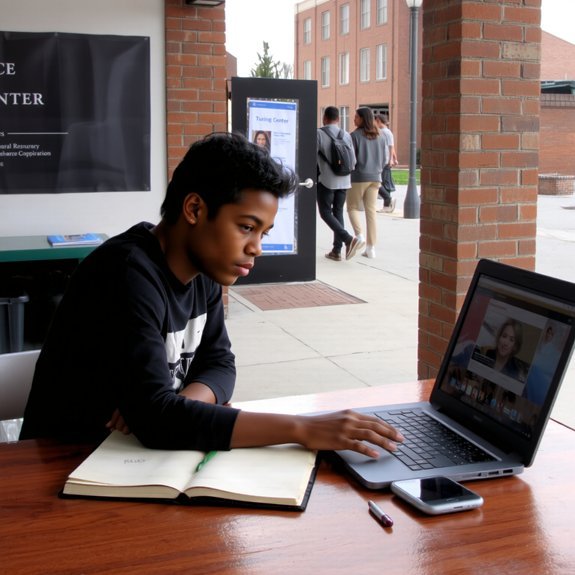
    When you’re juggling work shifts and online lectures, you don’t have to play academic Jenga by yourself — I’ve got receipts that the campus has your back. Walk into the tutoring center, feel the hum of students and the smell of burned coffee, and ask for help — they’ll map out steps with you, no judgment. Drop into advising, say “I need a plan,” and watch them untangle schedules like pros. Use career services to polish resumes between classes, and the tech help desk when your webcam betrays you; they’ll remote-fix your panic. Libraries loan hotspots, counselors listen without pity, student orgs feed you free pizza and community. You’re not carrying this solo — use what’s there, loudly, often, proudly.

    Develop Efficient Study Habits for Online Learning

    Since online classes let you study everywhere, you’ve got to carve out a spot that actually works — trust me, your bed is a liar. Pick a corner with light, a sturdy chair, and a surface that holds your laptop without wobbling. I tell myself to set a timer: 25 minutes focus, five minutes move. You’d be amazed how much you get done when your phone’s face down, notifications muted, and a water bottle hums nearby. Read actively, highlight sparingly, summarize aloud like you’re teaching a friend. Break big projects into bite-sized tasks, check them off, celebrate with a tiny victory dance. Use calendar blocks, color-code priorities, and review notes before sleep—memory loves repetition. Keep it simple, steady, smart.

    Build a Support Network and Seek Mentorship

    Don’t go it alone — reach out and build your crew, I promise it beats shouting at lecture slides from a pillow fort. You’ll want classmates who swap notes and send deadline reminders, a boss who respects your exam week, and at least one professor who answers emails like a human. Join study groups, Slack channels, or that tired student organization chat — you’ll get camaraderie and practical help. Ask for mentors: alumni, advisors, older students who remember the grind, people who’ll read your resume and tell you where you actually have skills. Say yes to quick coffee chats, send sincere thank-you texts, and keep a running list of names and favors. That network becomes your safety net, and yes, your occasional hype squad.

    Protect Your Well‑Being: Time for Rest and Campus Engagement

    If you want to survive grad papers, night shifts, and two-hour lectures without turning into a walking stress ball, you’ve got to treat rest like an assignment with a hard deadline. I mean it — schedule naps, block evenings, and guard them like finals week. Take walks across campus, feel the brick under your shoes, breathe in morning coffee steam, and say hi to that barista who remembers your name. Join one club two meetings a month, not every club — quality over overload. When your phone buzzes, let it wait; silence is underrated. Get real sleep, eat something green, and laugh in the quad until your cheeks hurt. You’ll come back sharper, calmer, and ready to actually enjoy being here.

    Conclusion

    You’ve got this—balance, breathe, and be bold. Schedule smartly, set strong boundaries, seek steady support, study selectively, and savor small successes. I’ve seen students slay stress with simple systems, and you can too: block your best study hours, tell your boss your limits, grab tutoring, and guard downtime like gold. Keep practicing, pivot when needed, and celebrate wins. Small steps, steady stride, serious success—now go show up.

  • How Online Programs at HBCUs Work

    How Online Programs at HBCUs Work

    Did you know about 30% of HBCU students now take at least one online course? You’ll get flexible schedules, real professors who actually know your name, and course pages full of videos, quizzes, and pulse-quick discussion boards — I’ll show you how they fit together, how admissions and aid work, and where the career help hides. Imagine logging on after kids’ bedtime, coffee cooling, syllabus open — stick with me, there’s a neat twist coming.

    Key Takeaways

    • HBCU online programs offer accredited bachelor’s, master’s, certificates, and microcredentials tailored for working adults and nontraditional students.
    • Courses are delivered synchronously, asynchronously, or hybrid, using LMS tools, recorded lectures, discussion boards, and collaboration platforms.
    • Admissions require transcripts, possible test scores, and personal statements, with advising calls guiding course selection and enrollment steps.
    • Student support includes one-on-one virtual advising, remote tech help, cohort communities, career services, and childcare/employer-friendly scheduling.
    • Financial aid options include FAFSA, institutional grants, HBCU-specific scholarships, employer tuition benefits, and clear net-price information.

    History and Mission Behind HBCU Online Offerings

    hbcus lifelines for community

    If you look back a little, you’ll see HBCUs weren’t built as trendy alternatives — they were lifelines, carved out of determination and late-night study sessions by people who weren’t invited to the table. You’ll feel that grit in online classrooms now, where mission meets modem. I point to libraries that smelled like coffee and chalk; you picture students pacing, notes in hand, steady as march drums. HBCUs moved online to widen that circle, to hold culture, mentorship, and access in digital rooms that still hum with warmth. You get faculty who know your name, networks that open doors, and curricula rooted in community responsibility. It’s practical idealism, served with a wink, and it’s unapologetically essential.

    Types of Online Degrees and Certificates Available

    diverse online degree options

    You’ll find a range of online paths at HBCUs, from undergraduate degrees that get you started, to graduate and doctoral programs that push you deeper, and tidy professional certificates and microcredentials for quick skill boosts. I’ll walk you through what each one looks like—picture clickable syllabi, late-night study snacks, and advisors who actually answer the phone. Stick with me, and you’ll know which route fits your life, budget, and stubborn sense of purpose.

    Undergraduate Online Degrees

    When you scan an HBCU’s online catalog, a clear menu pops up: bachelor’s degrees, associate degrees, and short-term certificates—each built to fit real life, not just campus life. You’ll find bachelor tracks in business, education, nursing, and tech, laid out like a playlist you can reorder. Pick courses, click into recorded lectures, join a lively discussion forum, and submit projects from your kitchen table. Associate programs get you job-ready faster; certificates fill gaps fast, think data skills or grant writing. You’ll save commute time, gain hands-on labs via simulations, and still get advising that actually calls you back. I’ll point out transfer paths, credit-for-work options, and clear next steps—no academic fog, just a map.

    Graduate and Doctoral Programs

    Because grad and doctoral programs move at a different pace, I’ll tell you up front what that looks like online: intense focus, fewer general ed wedges, and cohorts that act like study squads. You’ll sign up for targeted seminars, seminars that feel like lab sessions, and thesis work that’s part detective novel, part puzzle. Expect synchronous explorations, office-hour marathons, and reading lists that make your coffee drip faster. You’ll collaborate on research, present in virtual rooms, and defend ideas to people who actually care. The degrees tilt practical and scholarly—master’s in policy, MBA, MS, and PhD tracks that dig into methods. You’ll get faculty mentorship, archival access, and networking that clicks — dusty journals to live Zoom debates, from quiet nights to breakthrough mornings.

    Professional Certificates and Microcredentials

    If you want to pick up a real-world skill without committing to a full degree, professional certificates and microcredentials at HBCUs are the fast lane—short, focused, and built to make your résumé hum. You’ll jump into hands-on modules, click through crisp videos, and try real tools right away, no fluff. I’ll call out what matters: stackable credits, industry badges, and instructors who’ve actually done the work. You finish faster, feel smarter, and can show concrete projects — a portfolio piece, a capstone demo, or a badge you can brag about on LinkedIn. Think sprint, not marathon. You’ll balance work, family, and learning, laugh at my bad jokes, and walk away with something you can use tomorrow.

    Accreditation and Quality Assurance for Virtual Programs

    accreditation ensures quality education

    You’re about to plunge into accreditation — not the snooze-fest you’re imagining, I promise — because I’ve seen too many students sign up for virtual classes that look great on paper but feel like a bait-and-switch once you log in; accreditation is the stamp that tells you the course actually teaches what it claims, that credits will transfer, and that employers won’t laugh at your diploma. I’ll walk you through what matters: regional versus national seals, program-specific accrediting bodies, and quality assurance practices like learning outcomes, regular reviews, and student feedback loops. Look for clear syllabi, proctored exams, live instructor time, and data on completion rates. Ask for tech support demos, sample lectures, and alumni contact info — squeeze the program, don’t just sign.

    Admissions and Enrollment Processes for Online Learners

    You’ll want to know exactly what documents and tests schools ask for, so I’ll walk you through the usual application requirements—transcripts, test scores or waivers, personal statements, and any program-specific materials—no surprises. Then we’ll map the enrollment steps, from submitting your application and accepting an offer, to orientation, tech checks, and registering for classes, so you can picture each click and email like checkpoints on a race. I’ll keep it practical, a little cheeky, and totally usable, because paperwork shouldn’t make your brain melt.

    Application Requirements

    One clear thing: applying to an HBCU’s online program isn’t a treasure hunt, it’s more like packing for a trip — a little planning, a few checked boxes, and you’re good to go. You’ll need transcripts, test scores if required, a completed application form, and usually a short personal statement that says who you are, not a novel. You’ll upload ID, residency documents, and sometimes a resume — think neat folder, not junk drawer. Some programs want recommendations, others don’t; check the checklist, don’t assume. Pay the fee, or ask about waivers if money’s tight — I’ve forgotten fees before, learned the hard way. Submit before deadlines, breathe, then wait for that satisfying “accepted” ping.

    Enrollment Steps

    If you plan ahead, enrollment will feel less like bureaucracy and more like checking items off a satisfying to-do list — I promise. You’ll log into the portal, squint at your screen, then breathe when the checklist appears. I tell you what to upload, you snap photos of transcripts, test scores, and IDs, then you hit submit like it’s a tiny victory. Next, you pick a start term, choose courses, and confirm tuition plans — yes, online payment portals can be oddly fun. Advising calls follow, where a real person helps you map classes, and you’ll set up tech access, download apps, and test your webcam with dramatic flair. Finish orientation, and you’re officially enrolled. Simple, really.

    Course Delivery Methods: Synchronous, Asynchronous, and Hybrid

    When classes shift online, they don’t all look the same—some feel like live TV, others like a late-night study session you binge at 2 a.m., and a few are a clever mix of both. You watch synchronous sessions in real time, ask questions, nod, maybe pretend your camera works while you snack, and feel class energy—fast, loud, immediate. Asynchronous lessons let you pause, rewind, do homework at dawn, noon, or midnight, and build your own rhythm; you own the pace, but you also must own the calendar. Hybrid courses split the difference: some weeks you’re live, other weeks you log on solo. You’ll choose what fits your life, your job, your sleep schedule, and yes, your coffee habit.

    Technology Platforms and Digital Learning Tools Used

    Because you’re not just watching lectures anymore, you’ll see a whole toolbox of platforms and apps humming behind the scenes—LMSs like Blackboard or Canvas that keep your syllabus and grades in one place, video tools like Zoom or Panopto that capture the sweaty-palm thrill of a live discussion, and collaboration apps like Slack, Google Workspace, or Microsoft Teams where group projects either flourish or spectacularly combust. I’ll point out which tools actually matter. You’ll use discussion boards, quizzes, and embedded readings inside the LMS, click into recorded lectures, and annotate PDFs like a digital highlighter addict. You’ll upload assignments, get rubrics, and peek at analytics that tell you when you slacked off. Sometimes tech misbehaves, you curse, then learn a shortcut and feel smug.

    Student Services Adapted for Remote Learners

    You’ll get one-on-one academic advising over video, where your advisor maps out courses, checks your progress, and can even wave at you through the screen when you forget a deadline — I promise they care more than my houseplant does. When your laptop throws a tantrum, remote tech support hops on with screen-share, clear instructions, and the kind of patience I lack on Monday mornings. Stick with these services, and you won’t feel like an island; you’ll feel like a well-fed, slightly nerdy outpost with great Wi‑Fi.

    Virtual Academic Advising

    Even if you’re lounging in sweatpants with a snack-strewn desk, virtual advising can feel like a real human conversation — I promise. You set up a Zoom, I pull up your degree audit, we click through courses together, you point at a syllabus on your screen like it’s a treasure map. I ask, “What lights you up?” You shrug, then name two classes, suddenly animated. We plan a semester, slot in a capstone, flag deadlines, and yes, laugh about bad wifi. I send follow-up notes, calendar invites, and a short checklist you actually read. You can text questions, hop into drop-in hours, or book long chats. This isn’t robotics, it’s coaching, tailored, warm, practical, and slightly sarcastic.

    Remote Tech Support

    If your laptop decides to die five minutes before a live class, don’t panic — call, chat, or summon our remote tech squad like you’re ordering emergency pizza. I’m saying this because you’ll need fast hands, calm breath, and someone who actually knows what “clear your cache” means. You’ll tap a help button, send a screenshot, and hear a friendly voice say, “I’ve got you,” while they walk you through reboot rituals, hotspot voodoo, and mic checks. You’ll smell coffee, nod, and follow steps, watching icons flicker back to life. We’ll remote in, fix broken links, and recommend backup devices, with jokes about ancient chargers. You’ll finish class intact, relieved, and slightly impressed.

    Support for Working Adults and Nontraditional Students

    Since work, family, and life don’t pause for a semester, I’m going to be blunt: HBCU online programs bend over backwards to fit you in, not the other way around. I’ve seen evening discussion boards that feel like a neighborhood hangout, real-time advisement calls that sound like a friend with a plan, and deadline extensions that come with a “you got this” voicemail. You’ll get customized schedules, competency-based options, and clear milestones, plus tutors who explain concepts like they’re telling a story. Childcare referrals, employer-friendly timelines, and cohort groups keep you steady. You still juggle, but you’ll juggle with a safety net — warm, practical, and designed for adults who’ve got a life beyond class.

    Financial Aid, Scholarships, and Affordability Options

    When money’s the loudest voice in the room, I’m going to talk back — plainly, and with receipts. You’re juggling bills, classes, maybe a kiddo on your hip, and I’ll help you cut through sticker shock. Look for federal aid, compare net price calculators, and scan HBCU-specific scholarships that honor legacy, community service, or underserved backgrounds. Ask financial aid officers blunt questions, then take notes like you’re prepping cross-examination.

    1. Fill FAFSA early, set reminders, don’t dawdle.
    2. Hunt institutional grants, they don’t need repayment.
    3. Apply for external scholarships, niche ones add up.
    4. Consider payment plans and employer tuition benefits, read the fine print.

    I’ll keep nudging you toward options that actually lower your final bill.

    Industry Partnerships, Internships, and Career Placement

    You’ve wrestled the money monster into something manageable, now let’s talk about how school actually connects you to work — real offices, real projects, real paychecks. You’ll find HBCU online programs braiding classroom work with partner firms, tech labs, and nonprofits; you click submit, then show up for a virtual kickoff with a mentor who actually remembers your name. Expect curated internships, short gigs, and co-op rotations that put your code, designs, or reports into production, not a dusty folder. Career centers hustle — resume clinics, mock interviews, job fairs with recruiters who value your background. You’ll get placement tracking, salary data, and alumni referrals; I’ll bet one coffee interview turns into a paid pilot. You get experience, employers get talent.

    Conclusion

    You’ll nod, then blink—because these online HBCU options feel like finding an old friend in a coffee shop, same warmth, new Wi‑Fi. You’ll log on, hear a professor joke, smell your coffee, and realize career help, tech support, and tight classes are all within reach. I’ll say it plain: you get flexible schedules, real connections, and market-ready skills. Take one course, and suddenly opportunity sits next to you, smiling, ready to work.

  • How to Return to School at an HBCU as an Adult Student

    How to Return to School at an HBCU as an Adult Student

    Like Odysseus steering for home, you’re plotting a return—only your ship is a late-night commuter, and the sirens are FAFSA deadlines. You’ll gather old transcripts, call admissions (don’t wing it), and map credits to a degree plan while juggling work and kids—yes, you can chew gum and take notes, metaphorically. I’ll show the shortcuts, the paperwork traps, and the campus places where you’ll actually belong—so keep going.

    Key Takeaways

    • Apply early, submit transcripts, and request a transfer-credit evaluation to see how prior coursework fits your new degree plan.
    • Complete the FAFSA and research HBCU-specific scholarships, institutional aid, and employer tuition assistance options.
    • Meet with an adult-friendly academic advisor to create a flexible schedule aligning work, family, and degree requirements.
    • Use campus support services—childcare, veteran/career services, tutoring, and counseling—to balance responsibilities and boost success.
    • Join student organizations, alumni events, and study groups to build community, mentorship, and professional networks.

    Why Choose an HBCU as an Adult Learner

    community connection support belonging

    If you’re tired of feeling like a classroom was designed for someone else’s life, come sit with me—HBCUs make school feel whole again. You’ll walk onto brick paths smelling of jasmine and coffee, hear professors call you by name, and find classrooms tuned to your history and hustle. You’ll trade awkward explanations for nods of recognition, reconnect with mentors who get your life, and join study groups that start with laughter and end with real planning. You’ll count practical credits, access career networks that actually pick up the phone, and enjoy events that feed your soul and your schedule. I joke that campus feels like family reunions with better Wi‑Fi, but it’s true—you belong here, now.

    Steps to Re-enroll and Transfer Credits

    re enrollment and credit evaluation

    You’ll start by filling out the application, pulling together transcripts, and calling admissions like you mean it — I’ll pretend to be your hype person while you handle the boring forms. Then you’ll send in prior credits for evaluation, wait for that official transcript sigh, and see which classes stick and which ones you’ll need to retake. It’s practical, a little tedious, and totally doable — I’ll help you map credits to your new degree plan so nothing surprises you down the road.

    Application and Admission Steps

    After I dust off the old transcripts and wheel my anxious brain into the admissions office, I tell myself this is just paperwork—until someone slides a credit-evaluation form across the desk and my palms sweat a little. You’ll start by pulling your transcripts, ID, and any military or workplace training records. Apply online, truthfully — no creative résumés. Pay the fee or ask for a waiver. Call admissions, get a real human, and confirm deadlines. Set up your student portal, grab your login like it’s the key to a secret club. Meet with an advisor, bring questions, take notes. If you’ve got gaps, tell them why, briefly and honestly. File financial aid forms, apply for housing if needed, and mark orientation on your calendar.

    Credit Evaluation Process

    Because credits from a long-ago semester or a job-training certificate don’t magically line up with your new program, I’ll walk you through the credit-evaluation dance so you don’t get tripped up. You bring transcripts, certificates, and a bit of hope to the registrar’s window; I coach you through the checklist. We scan syllabi, match course outcomes, and sometimes beg for more paperwork — charming, right? You’ll request official transcripts, submit course descriptions, and pay attention to residency rules. The evaluator compares content, contact hours, and grades, then says “yes,” “no,” or “maybe” with conditions. If denied, appeal, provide syllabi, or consider CLEP exams. Stick with me, we’ll translate old credits into new momentum, one paper shuffle at a time.

    Financing Your Return: Aid, Scholarships, and Employer Support

    financial aid opportunities available

    If money makes you tense, welcome to the club — I sweat a little when I open tuition emails, too — but there’s a surprising toolkit out there to steady your hands. You’ll file FAFSA first, click through forms like a small, necessary pilgrimage, and yes, it feels bureaucratic, but it reveals grants and federal loans with lower interest. Hunt HBCU-specific scholarships, read with a magnifying glass, apply early, and tailor essays so they hum. Check institutional aid; schools often keep secret funds for returning adults. Ask your employer about tuition assistance, tuition remission, or flexible work-study swaps — say, “I’ll flex hours for a class,” and mean it. Stack options, negotiate, and balance aid with realistic budgets. You’ve got this.

    Finding Flexible Programs and Scheduling Options

    Wondering how you’ll squeeze class into the chaos of work, family, and life’s relentless to-do list? I’ve scoped HBCUs that offer nights, weekends, and online blends, and you can too. Look for hybrid courses that let you watch lectures in low light, on a couch, with coffee cooling beside you. Prior learning credits, accelerated eight-week terms, and competency-based paths speed things up, so you won’t linger in limbo. Ask admissions for sample schedules, probe course rotation calendars, and demand clarity on synchronous meeting times. Check tech requirements, test a platform, and imagine logging in from your kid’s soccer game. You’ll trade guesswork for a plan, and yes, you’ll still sleep sometimes — promise.

    Balancing School With Work, Family, and Life

    When the alarm goes off and you’ve already hit snooze twice, you’ll remind yourself this is worth it — and then wonder how you’ll make dinner, answer emails, and read chapter three before midnight. You juggle shifts, soccer practice, and a professor who loves pop quizzes, so you plan like a tactician. You batch-cook, set timers, and steal ten-minute reading sprints on the bus. You tell your partner, “I need Sunday afternoons,” and mean it. You carve a tiny, sacred desk space, toss distractions, and celebrate small wins with cold coffee and a ridiculous dance. Some days are messy, some are magic; you adjust, apologize when needed, reschedule with grace, and keep moving — because you promised yourself this would happen.

    Campus Support Services and Resources for Adult Students

    You’re not doing this alone — I’ll point you to the flexible academic advisors who’ll bend schedules, map credit transfers, and help you pick classes that actually fit your life. You’ll find childcare and family support on campus, a calm room to nurse or a staffed drop-in spot so you can breathe, run to class, and not feel guilty about it. And if you’re a veteran or plotting a career change, swing by veteran and career services — they’ve got the benefits paperwork, resume help, and employer contacts, and yes, they’ll high-five your hustle.

    Flexible Academic Advising

    Because adult life is noisy — kids, jobs, bills, nighttime study sessions with a mug of too-strong coffee — you need advising that actually fits your schedule and your brain, not a one-size-fits-all appointment stuck in the middle of a workday. I’ll say it plain: find advisors who meet you where you are. You want evening or weekend slots, phone or video check-ins, quick email follow-ups, and someone who remembers your kid’s name without Googling mid-call. Look for degree roadmaps that mark shortcuts, transfer-credit audits that won’t lie, and planners who help you juggle classes like hot potatoes. Ask for real talk about course load, pacing, and financial aid timing. If they can’t adapt, keep looking — your time’s too precious.

    Childcare and Family Support

    Advisors can map out your classes, but someone still has to pick up Little Marcus from soccer, or soothe a teething toddler during a midnight study cram — and that’s where campus family support steps in. You’ll find cozy on-campus childcare, drop-in hours, and emergency backups, all smelling faintly of crayons and warm milk. I’ve watched frazzled parents breathe out when a friendly caregiver hands over a coloring sheet, no judgment, just help. There are parenting lounges with soft chairs, microwave hums, and quiet corners for pumping or nap-time. You’ll join support groups, swap carpool shifts, and trade recipe hacks between lectures. Use the portal, book services early, and don’t be shy — ask for what keeps your family running.

    Veteran and Career Services

    If you’ve traded a uniform for a backpack, or you’re juggling late-night shifts with LinkedIn late-night scrolling, the veteran and career services office is the place that actually gets it. I’ve seen you—tired, proud, curious—walk in, hand a packet across the desk, and breathe. They translate military credits, untangle VA paperwork, and point you to tuition help, all while brewing decent coffee. Career counselors coach your resume into civilian-speak, schedule mock interviews that sting a little (in a good way), and connect you to employers who want disciplined, problem-solving humans. You’ll find workshops, networking nights with real snacks, and alumni who’ve been in your boots. Lean in, ask blunt questions, take the referrals, and claim the support that’s waiting.

    Building Community and Networking at an HBCU

    Want to know the fastest way to stop feeling like the oddball in a lecture hall? Join something, anything, and show up. Walk into the campus center, hear the buzz, grab coffee that actually tastes like coffee, and introduce yourself. Say, “Hi, I’m back in school,” with a grin. Sit in student org meetings, help set up events, volunteer at cultural nights, or tutor in the learning lab. Chat between classes, exchange numbers, follow people on campus apps. Use alumni mixers and career fairs to meet faculty and potential mentors. Host a study group with snacks, make a playlist for late-night library runs, and don’t be afraid to laugh at your own mistakes. Community grows when you invest time, humor, and presence.

    Conclusion

    You’ve got this — if the shoe fits, wear it. I’ll say it plain: going back to an HBCU as an adult isn’t a detour, it’s a power move. Picture crisp syllabi, warm campus coffee, advisors who actually listen, and classmates who become your crew. Juggle the job, kids, and deadlines with a plan, ask for help, grab every grant, and show up. Come back brave, stay curious, and watch doors open.
  • How to Transfer Credits Into an HBCU

    How to Transfer Credits Into an HBCU

    Most people don’t realize HBCUs often make exceptions for credits from nontraditional programs, so don’t assume your classes are doomed to the credit graveyard. You’ll want to gather transcripts, syllabi, and a game plan, then talk to admissions and an advisor—serious talk, not the polite small talk you use at family reunions—because that’s where credits get vetted, negotiated, and sometimes resurrected. Stick around; I’ll show you how to make them stick.

    Key Takeaways

    • Confirm the HBCU’s regional accreditation and its acceptance of transfer credits before applying.
    • Request official, sealed transcripts from all previous institutions sent directly to the HBCU registrar.
    • Gather and submit syllabi, course descriptions, credit hours, and lab details to support equivalency evaluations.
    • Meet with admissions and an academic advisor early to review transferability and get a preliminary degree audit.
    • If credits are denied, appeal with documented learning outcomes, graded work, and instructor contact information.

    Understanding HBCU Transfer Policies

    transfer credits can vary

    Curious how your credits will actually behave when you show up at an HBCU? You’ll want to walk in like you own a map, but expect detours. I tell you straight: policies vary by school, department, and sometimes by the advisor’s mood. Bring syllabi, transcripts, and patience, smell of coffee in advising offices included. You’ll sit across a table, point to courses, and negotiate equivalencies; some classes slide right in, others need syllabi gymnastics. Core requirements often transfer cleaner than electives, lab work can cause drama, and residency rules may force you to take the final chapters on campus. Keep copies, ask for written decisions, and follow up. You’ll leave smarter, slightly bruised, but ready.

    Confirming Accreditation and Transferability

    check accreditation and transferability

    You’ll want to check that your current school is regionally accredited, so you’re not sending credits into a black hole — I’ll say it like a friend who’s squinting at a transcript. Then, compare course syllabi and equivalency guides, note mismatched outcomes, and make a list of what actually lines up. Bring those documents to an advisor, ask the blunt questions, and don’t be surprised if you end up playing academic matchmaker for an afternoon.

    Verify Institutional Accreditation

    Before you get attached to any course descriptions or pretty campus photos, let’s check the one thing that decides whether those credits actually matter: accreditation. You’ll want to confirm the HBCU holds regional or national accreditation, because that stamp opens doors and keeps your transcript from becoming wallpaper. I’ll walk you through quick checks, so you don’t learn the hard way.

    • Visit the U.S. Department of Education or CHEA website to search the institution, trust the official listings.
    • Check the HBCU’s homepage for accreditor names, then verify on the accreditor’s site.
    • Call admissions, ask directly, take notes—record name and date.
    • Save screenshots and emails, store them with your transcripts.

    Do this first, breathe easier later.

    Check Course Equivalency

    How do you know that that Art History lecture you loved will actually count at your chosen HBCU? I’d call the registrar, pronto, and ask for a course equivalency guide — yes, that dusty PDF hides your future. Take your syllabus, highlight outcomes, readings, grading rubrics, then email it like you mean it. Say, “Does this match your ART 201?” Attach scans, be polite, be pushy. Ask for a formal evaluation, timelines, and appeal steps. If they send a denial, don’t sulk: request a faculty review; bring your syllabus to office hours, charm a professor, argue specific competencies. Keep copies, log every call, and celebrate small wins. Transfer battles are paperwork with personality — you’ve got this.

    Evaluating Course Equivalencies

    course equivalency evaluation process

    If you’re transferring into an HBCU, don’t expect a magic wand — expect a checklist, a few forms, and me nagging you like a helpful, mildly sarcastic friend. You’ll compare syllabi, not vibes. Lay courses side-by-side, scan topics, credits, and learning outcomes. Touch the paper, trace the headings, notice lab hours and assessment types. Ask faculty about depth, not just titles. Don’t guess.

    • Match learning outcomes, not just names.
    • Check credit hours and contact time.
    • Note prerequisites and sequencing traps.
    • Flag content gaps for advisors.

    I’ll tell you when something’s close enough, or when it’s a square peg. Push for written equivalency decisions, keep photos, and breathe — you’ve got this, methodically and with style.

    Preparing Official Transcripts and Records

    You’ll want to request official transcripts from every school you’ve attended, and yes, that means making a few phone calls and filling out online forms while you sip bad coffee. I’ll walk you through verifying course descriptions so credits line up, and we’ll stash syllabi, lab reports, and any other proof in a neat digital folder like a tiny, organized hoard. If the admissions office asks for secondary documents, don’t panic — you’ll know exactly which scans to send, how to certify them, and when to follow up with a friendly, mildly heroic email.

    Requesting Official Transcripts

    Alright — time to wrangle those transcripts. You’re calling registrars, tapping keyboards, and bracing for hold music while I coach you through the clean, official request. Ask for sealed, official copies sent directly to the HBCU’s admissions office, specify delivery method, and confirm fees. Keep receipts; you’ll thank me later.

    • Request electronic and paper options, if available, to speed things up.
    • Include your student ID, dates of attendance, and program name for clarity.
    • Verify recipient address, contact person, and any campus codes the school uses.
    • Note processing times, expedite choices, and tracking numbers so nothing vanishes.

    You’ll feel accomplished when that confirmation hits your inbox. I’ll celebrate with you, quietly, over bad coffee.

    Verifying Course Descriptions

    Because course titles can lie and syllabi love to stretch the truth, you should treat course descriptions like tiny legal documents that can make or break a transfer—so let’s get cozy with them. I want you to scan every line, squint at jargon, and sniff out outcomes. Compare learning objectives to your HBCU’s catalog, highlight matching verbs — analyze, synthesize, design — not just “introduce.” Photograph or copy paragraphs, circle credit hours, note prerequisites. Talk to professors if a description reads vague, ask for a syllabus summary, and keep a dated email trail. Pack these found bits with your transcript packet, crisp and labeled. You’ll feel nerdy, but you’ll also own the proof when transfer evaluators call.

    Securing Secondary Documents

    Okay, now we go file-hunting. You’ll gather transcripts, immunization records, and any grade reports that survived your dorm move, and you’ll do it fast. I pace the hallway in my head, you breathe, we call registrars — firm, polite, slightly desperate. Ask for sealed, official copies, electronic where possible, stamped if they still like stamps. Pack them neatly, label envelopes, scan everything, and keep originals safe.

    • Request official transcripts directly from former schools.
    • Get course syllabi and exam summaries when available.
    • Collect ID, enrollment dates, and proof of degree or certificates.
    • Prepare signed release forms for third-party requests.

    I’ll remind you, proof matters. You want clarity, not chaos, when the HBCU reviews your file.

    Meeting Application and Transcript Deadlines

    When do you want your future to start—next semester or the one after that? Pick a date, then work backward. I tell you this because deadlines aren’t polite; they bite. Mark application cutoffs, transcript request windows, and any priority review dates on your calendar, set alarms, and breathe. Call your previous registrar, ask for official transcripts, watch for hold-up emails, and track shipping so you’re not chasing ghosts. Some HBCUs want electronic files, others paper; double-check formats, signatures, and processing times. If you miss a deadline, beg politely and offer proof of intent, but don’t count on miracles. Be proactive, chip away daily, and you’ll turn deadline dread into a neat, handled box on your to-do list.

    If you want your credits to actually count at an HBCU, you’ve got to treat residency rules like a picky landlord—read the lease, know the quirks, and don’t assume charm will get you out of a fee. I’ll walk you through what matters, quick and loud: residency often affects graduation credit totals, tuition rates, and which transferred classes actually apply. Smell the campus air, peek at the registrar’s policy, then act. Check deadlines, collect proof, and photograph documents — don’t rely on memory. Know that residency isn’t just address, it’s intent and time.

    • Bring utility bills, lease, and dates that prove physical presence.
    • Track course residency limits, some rules cap transfer credits.
    • Flag residency re-evaluation windows early.
    • Save everything, scanned and dated.

    Working With Admissions and Academic Advisors

    Because you’re about to tango with paperwork and personalities, let me say this: learn the rhythm before you step onto the dance floor. You’ll call admissions first, breathe into the phone, and ask direct questions: which credits transfer, who signs off, what documents they need. I watch you jot notes, feeling oddly heroic. Then, you meet an academic advisor, in a small office that smells like coffee and possibility. Sit down, share your syllabus highlights, explain your goals, and listen — really listen — when they draw your roadmap. Take photos of degree audits, request written confirmations, and follow up with concise emails. Trust builds slowly, through clarity, courtesy, and persistence. You’ll leave with a plan, and maybe a new favorite pen.

    Appealing Transfer Decisions and Submitting Syllabi

    Got a credit denial that made your jaw drop? I tell you, I’ve been there, pacing the kitchen, syllabus in one hand, cold coffee in the other. You’ll appeal, and you’ll win more often if you’re crisp and calm. Gather course descriptions, stamped transcripts, and that blessed detailed syllabus. Submit it like evidence, highlight outcomes, line-by-line. Ask for a meeting, bring printouts, speak plainly.

    • Show how your course matches learning outcomes, not just titles.
    • Include graded work samples, dates, contact info for the instructor.
    • Use polite, firm language; be concise, add timestamps for submission.
    • If denied, request a review committee hearing and document everything.

    You’ll feel sweaty, then relieved, and you’ll sleep better after.

    Planning Degree Progress After Transfer

    When you walk onto campus after your credits finally land, you’ll want a map — not metaphorical, an actual plan with dates and alarms, because I’ve learned the hard way that optimism doesn’t register with the registrar. You’re juggling degree audits, advisor meetings, and that one professor who hates exceptions. First, print your audit, circle missing requirements, highlight repeatable courses, set calendar alerts. Then, meet your advisor, bring coffee, say, “Here’s my plan,” and listen — actually listen — to tweaks. Block study time, stash syllabi in a folder, track prerequisites like tiny checkpoints. If a course’s seats vanish, have backups ready. Reassess each semester, celebrate small wins, adjust deadlines, and don’t be shy to petition — I do, loudly, for us both.

    Conclusion

    You’ve got this. Think of the process like packing a suitcase—neat, intentional, no mystery socks. I’ll remind you: gather transcripts, syllabi, call advisors, file appeals if needed, watch deadlines, and map degree needs. Picture yourself on campus, sunlight on brick, handing over paperwork with a grin. I’ll be blunt: it’s work, not drama. Do the steps, stay organized, ask questions, and you’ll land where you belong—ready, confident, degree-bound.

  • How to Attend an HBCU as a Transfer Student

    How to Attend an HBCU as a Transfer Student

    Nearly 40% of Black college students attend an HBCU, so you’re joining a real movement — and yes, you’ll want a plan. I’ll walk you through applications, credit transfers, scholarships, and finding mentors who actually answer emails, so you’re not the lost transfer wandering campus at midnight. Picture campus cookout scents, syllabus stacks, and a faculty advisor who remembers your name — but first, let’s get your transcripts in order.

    Key Takeaways

    • Research HBCU programs, deadlines, and transfer policies early to choose campuses that fit your major and goals.
    • Submit official transcripts, syllabi, and forms promptly and request a preliminary credit evaluation within 2–6 weeks.
    • File FAFSA, apply for institutional/transfer scholarships, and compare aid offers to negotiate financial support.
    • Connect with admissions, faculty, and current students for mentorship, campus culture insights, and networking opportunities.
    • Engage in orientation, join student orgs, secure a peer mentor, and use campus support services to transition successfully.

    Why Choose an HBCU as a Transfer Student

    belonging mentorship community confidence

    Belonging matters — you’ll feel it the first time someone calls your name in a crowded quad and it sticks like a good joke. You’ll notice the rhythm: laughter, music, the smell of fried plantains at noon, and folks who actually know your major. You get mentorship that’s literal — professors who tap you on the shoulder, invite you to labs, push you into rooms you’d be scared to enter alone. You find traditions that are loud, warm, and insist on your presence, so you stop being a visitor and start showing up. Networking here isn’t a buzzword, it’s a Saturday cookout where alumni hand you internship leads like family recipes. You leave equipped, confident, and less likely to overthink your next move.

    Timeline and Application Steps for Transfer Admission

    transfer application preparation steps

    Okay, here’s the game plan: mark those transfer application deadlines on your calendar, and don’t pretend you’ll “get to it” later — you won’t. Gather your transcripts, fill out required forms, and mail or upload them so they don’t haunt you like a ghost of semesters past. I’ll walk you through how credits get evaluated next, so you know which classes will follow you and which ones won’t make the cut.

    Transfer Application Deadlines

    Alright — let’s map your transfer timeline like it’s a mixtape: you get the beats, you hit each cue, and nothing drops out of sync. I want you to mark deadlines like tour dates — early action, regular, rolling — each school keeps its own tempo. Circle priority dates in bold on your calendar, set reminders, and batch tasks: essays one night, recommendations another. For rolling admissions, send files early; admissions offices love momentum. For fixed deadlines, don’t dawdle — late tracks rarely get airplay. Spring and fall entry windows differ, so listen to each catalog. If you hit a snag, call admissions, get a human voice, and confirm receipt. I swear, being proactive makes the whole remix sound professional.

    Required Transcripts & Forms

    Now that you’ve locked down dates and set reminders like a roadie with OCD, let’s talk paperwork — the actual vinyl you’ve got to ship. I’ll keep this blunt: request official transcripts from every college you’ve attended, and from your high school if the school asks. Order electronic versions when possible, they’re faster, less melancholy than snail mail. Sign any transcript release forms, initial boxes, scribble where needed. Include your application, fee waiver if you qualify, and placement test scores if requested. Some schools want recommendation letters, a résumé, or an updated syllabus for in-progress courses—don’t guess, check that checklist. Double-check addresses, submission portals, and deadlines. Pack copies for yourself, then breathe. You handled the dates; this is the last mile.

    Credit Evaluation Process

    When I say “credit evaluation,” don’t imagine a dusty office full of stamps — picture me, coffee in hand, poring over course descriptions like they’re treasure maps, because that’s exactly what this process is: a hunt for which of your hard-won credits actually make it to your new transcript. You’ll start by submitting official transcripts, course catalogs, and syllabi, then wait for admissions to match course numbers. Expect a timeline: submit materials with your application, hear back in 2–6 weeks, maybe longer over breaks. Ask for a preliminary audit if you’re nervous; I do, every time. Take notes, label PDFs, and follow up politely. If credits don’t transfer, don’t sigh forever — appeal with clearer syllabi or plan to test out, simple as that.

    Understanding Credit Transfer and Academic Advising

    credit evaluation and advising

    You’ll start by sending your transcripts for a credit evaluation, which is basically a paper audition where each class gets grilled for transfer-worthiness. I’ll tell you to schedule an advisor meeting early, bring your course descriptions, a highlighter, and the weird elective you secretly hope counts — because we’ll fight for those credits together. We’ll map out a plan, set deadlines, and yes, celebrate when that math class actually transfers.

    Credit Evaluation Process

    If you’ve ever stared at a course catalog and felt your brain go fuzzy, breathe—you’re not alone, and I’ve got your back. You’ll submit transcripts, syllabi, and sometimes awkward emails. The registrar’s office scans credits, compares course descriptions, and listens for learning outcomes—think of it like academic matchmaking. Some classes slide over cleanly, others need professor testimony, and a few stubborn ones get partial credit. You’ll get an evaluation report, a neat list showing accepted, denied, or elective credits. Read it like treasure, mark discrepancies, and document what feels wrong—screenshots, syllabi, dates. Keep copies, stay polite but persistent, and celebrate small wins with coffee. It’s boring paperwork, yes, but it’s how your hard work follows you forward.

    Advisor Meeting Planning

    Okay — you’ve wrestled the transcripts beast into submission and got that credit report in hand, now it’s time to plan the face-to-face power move: your advisor meeting. I’d grab a quiet corner, lay out the report, degree checklist, and a pen that actually writes, breathe, and act like you belong. Ask for block transfers, prerequisites, and how electives map, say it out loud, watch them nod. Bring a calendar, propose semester plans, and don’t be shy about deadlines — they love specifics. Jot follow-up tasks, get names, and repeat key points back, I promise it cements things. If a policy sounds vague, push for examples. Walk out with a clear plan, a timeline, and the smug satisfaction of being prepared.

    Financial Aid, Scholarships, and Affording an HBCU

    When money talks, I listen — and I want you to listen too, because affording an HBCU is way more negotiable than the sticker price would have you believe. I’ll be blunt: you’ve got options. File the FAFSA early, whisper sweet deadlines to your calendar, and hunt institutional aid like it’s a hidden treasure — email admissions, ask about transfer scholarships, push politely. Apply for external scholarships every week, scan local foundations, and treat essays like tiny sales pitches. Negotiate your aid offer, point out competing offers, be precise, be polite. Work-study isn’t beneath you; it buys pizza and peace of mind. Finally, budget hard, track spending with an app, and celebrate small wins — you’ll graduate richer in more ways than one.

    Campus Culture, Support Services, and Mentorship Programs

    Money matters, but people matter more — and on an HBCU campus that truth hits you like warm cornbread on a cold day. You’ll notice nods in the quad, advisors waving you over, professors learning your name fast. Lean in. Use tutoring centers, counseling services, and career hubs — they’re staffed by folks who actually care, not corporate robots. Grab a mentor; ask for coffee, listen hard, steal their shortcuts. Office doors open, emails get real replies, and alumni slip you advice like secret recipes. I’ll admit I once got lost finding the advising office, but that led to a two-hour chat that changed my major. Trust the support net, show up, follow up, and don’t be shy about borrowing wisdom.

    Housing, Student Organizations, and Getting Involved Early

    If you want a dorm room that feels like home by week two, start asking questions before move‑in—because bedsheets, roommates, and late‑night pizza runs set the tone for your first semester. I’ll be blunt: scout the room pics, smell-test the dorm lounge (ok, hypothetically), and bring a bedside lamp that doubles as a mood setter. Join clubs fast, even if you fake confident nods at the first meeting.

    1. Visit housing portals, ask about roommate matching, and request a quiet floor if you need one.
    2. Drop into at least three student org meetings the first week, taste the vibes, pick one.
    3. Volunteer for a small event, hand out flyers, feel useful instantly.
    4. Find a peer mentor, text them silly questions, sleep better.

    Tips for a Smooth Transition and Thriving Academically

    Because you’re swapping routines, roommates, and maybe even time zones, you’ve got to treat the first few weeks like mission prep—I’m talking checklists, alarms, and a tiny bit of caffeine-fueled bravado. I tell you: map your class routes, sniff out the best coffee, and flag quiet study nooks before midterms creep up. Meet professors in office hours, say your name twice, and bring a question—don’t be shy. Join one strong study group, trade notes, and laugh when someone misreads the syllabus (it’ll happen). Keep a calendar app, color-code deadlines, and block focus time like it’s sacred. Sleep, hydrate, and move—your brain likes breaks. Forgive small stumbles, celebrate tiny wins, and remember: you belong here.

    Conclusion

    You’re ready. I’ve walked this hallway with you, heard the campus bell, felt the late-night coffee burn—transfer smart. One in four college grads started at an HBCU, so you’ll join a proud, proven crew. Gather transcripts, ask for credit evaluations, claim scholarships, and knock on professors’ doors. Immerse yourself in clubs, sleep on move-in day, say “hi” first. You’ll belong faster than you think; I’ll be here cheering, slightly teary, very proud.

  • How to Celebrate Your Student’s HBCU Journey

    How to Celebrate Your Student’s HBCU Journey

    Funny coincidence: you packed the same band tee your grandma wore to homecoming, and suddenly the house smells like pepper pot and victory. You’ll hug, you’ll laugh, you’ll hand over a checklist with a wink, then spill a few practical things—battery pack, laundry tips, a tiny sewing kit—because you care and you’re not helpless. Light a candle, tell that family story, make a playlist, then pause—there’s more to plan, and yes, you’ll want to stay involved.

    Key Takeaways

    • Host a send-off party with school colors, family stories, and keepsakes to honor the student’s achievement and heritage.
    • Pack a practical comfort kit (hoodie, shower caddy, water bottle, chargers, small first-aid and laundry supplies) for campus life.
    • Stay connected with regular check-ins, care packages, and academic encouragement without being controlling.
    • Engage in HBCU traditions, attend cultural events, and connect with alumni for mentorship and community support.
    • Celebrate milestones—exam wins, club involvement, homecoming—with small rewards, photos, and rituals to boost morale.

    Preparing for Departure: Meaningful Pre-Departure Traditions

    sentimental hbcu send off traditions

    If you’re anything like me, you’ll treat sending your student off to an HBCU like a mixtape: deliberate, sentimental, and just noisy enough to make everyone cry a little. You host a backyard send-off, hang streamers in school colors, fry plantains until the porch smells like Sunday. You pull out old photo albums, point at a tiny hat, and say, “Look how brave you already are,” like a broken record, but it works. You read a letter you wrote last summer, they laugh, they cry, you both choke on the same joke. You press a hand to their forehead, whisper, “Call, don’t text,” and mean it. You wave until the taillights blink out, heart full, pride louder than fear.

    Packing With Purpose: Essentials and Heritage Items to Include

    pack essentials and memories

    One suitcase, one duffel, and a tote you’ll pretend is “just for snacks” — that’s your starting lineup. You pack socks, underwear, and that one hoodie that smells like home, fold t-shirts so they’ll stay neat, tuck a lightweight shower caddy and flip-flops for dorm bathrooms, and stash a sturdy reusable water bottle. Add chargers, a power strip, and earbuds—label them because roommates are future thieves. Bring a small toolkit, a first-aid kit, and extra laundry supplies. Then, slip in heritage items: a family photo, a worn program from church, a playlist thumb drive, a grandmother’s scarf for warmth and courage. Each item tells a story, comforts you on hard nights, and sparks conversations that build community. Pack with purpose, not panic.

    Celebratory Send-Offs: Parties, Rituals, and Keepsakes

    bittersweet celebratory send off

    You’ve zipped the duffel, tucked Grandma’s scarf into a corner, and felt that bittersweet tug in your chest—so let’s celebrate the whole messy, magnificent beginning. Throw a send-off that smells like coffee and cinnamon rolls, plays your student’s favorite marching band tracks, and brims with laughter. Invite neighbors, cousins, that one teacher who cried at graduation, let folks share quick stories—two minutes each, max. Light a candle, pass a small keepsake—an engraved key, a family photo, a handwritten note—and watch shoulders relax. Say something real: “Go make noise,” or “Call me after your first big win.” Take a goofy group pic, label it with the date, tuck it inside their duffel. You’ll both need proof this was glorious.

    Supporting Academics and Campus Involvement From Afar

    You’ll want to stay academically connected, so check in about syllabi, study habits, and midterm moods without sounding like a walking notification. Encourage campus engagement by asking about clubs, events, and favorite quad spots, then cheer when they try something new—even if your “go get ’em” sounds like a comeback line from a tired sitcom. I’ll keep it simple: send care packages with snacks and sticky notes, schedule a weekly call that’s part pep rally, part problem-solving, and brag loudly to anyone who’ll listen.

    Stay Academically Connected

    Even if you’re not living on campus anymore, you can still be the loud, proud cheerleader for your student’s classes and campus life—without turning into that parent who texts at 2 a.m. You call, you listen, you actually hear when they say midterms, deadlines, or roommate drama. Ask about syllabi, not grades, offer to mail care packages with highlighters and snacks, or drop off a surprise coffee when they’re buried in the library stacks. Subscribe to the department newsletter, follow professors’ public talks, and celebrate small wins—A on a paper, a tough study group that stuck it out. Keep it curious, not controlling. You’ll stay involved, supportive, and welcome, without stealing their independence or your sleep.

    Encourage Campus Engagement

    A good nudge goes a long way, and you can be that gently annoying, wildly proud presence who helps your student actually engage in campus life without hovering. Tell them to try one club this week, then a different event next month. Send a quick text: “Game night?” or “Ida like to see jazz?” — surprise them with a small care package tied to a flyer. Ask for photos, but don’t interrogate. Celebrate the smell of cafeteria wings, the roar at football, the hush in the library; ask what felt new. Offer to fund a campus workshop, buy their first T-shirt, or drive them to a meeting. Keep your tone curious, not bossy, and trust that your nudge turns into their stride.

    Staying Connected: Communication, Visits, and Care Packages

    When I call, she sometimes answers on the third ring, voice thick with ramen and midterm panic—so I keep it short, warm, and oddly useful. I ask one question, offer a joke, and hang up before homework eats her whole night. You can text memes, send voice notes, and schedule a weekly check-in that feels like a hug, not homework. Visits should be timed around finals, bring energy, not expectations. Care packages? Think socks, spicy snacks, a candle that smells like home, and a handwritten note that won’t be scanned and deleted.

    • Surprise snack raids: favorite chips, shelf-stable gum, a tiny hot sauce bottle.
    • Practical treats: cozy socks, chargers, lint roller, sticky notes.
    • Emotional anchors: letter, playlist link, goofy photo.

    Honoring HBCU History and Family Legacy Throughout the Year

    You’ll celebrate founding traditions by showing up—tailgate smells of grilling, marching bands rattling your ribs, and that old campus bell you can’t help touching. I’ll remind you to record family stories, ask grandparents the questions nobody’s asked, and stash those voice memos like tiny heirlooms. Together, we’ll weave school rituals and household memories into a year-long tapestry that makes your student’s journey feel rooted and loud.

    Celebrate Founding Traditions

    How do we honor the people, colors, and stories that built this place? You lean in, listen to elders, and let the campus smell like fried chicken and old books for a minute. Visit monuments, trace brass plaques with a fingertip, clap loud at founder’s day, and teach your student to salute traditions with pride, not pose. You’ll learn names, then say them out loud.

    • Attend founder’s day ceremonies, wear school colors, bring a folding chair and a water bottle.
    • Learn signature songs, hum them in the car, add a goofy harmonica if you must.
    • Recreate a favorite campus meal at home, pass the recipe, mess up once, laugh together.

    You keep the past lively, not museum-still.

    Preserve Family Stories

    Memory is a living room that gets crowded fast—so pull up a chair, pour some tea, and start scooping out the stories. You’ll ask Grandma about that campus rally, your uncle about the marching band horn he hid, and your student about midnight study rituals. Record voices, not just dates; sound carries laughter, hesitation, the snap of a tablecloth. Pass down photos, annotate backs with who, where, why. Turn stories into short videos—ten minutes, honest, a little messy. Compile a family timeline, sprinkle in HBCU milestones. Share at reunions, text a clip on bad days, frame a favorite quote. You’ll keep history alive this way, practical and tender, and yes, slightly dramatic—just like family.

    Marking Milestones: From Homecoming to Graduation

    If you want to mark the big moments—homecoming tailgates, exam triumphs, that slow-motion graduation walk—let’s make them feel like scenes in a movie, not just calendar checks. You’ll lean in, clap loud, and take movie-style close-ups of sweaty brow and mortarboard. I’ll remind you to taste the barbecue smoke, feel the drumline’s chest-thump, and savor the diploma paper’s crisp edge. Celebrate small wins, celebrate big ones, don’t overthink the playlist.

    • Host a theme tailgate, pack bold colors, bring a polaroid camera for instant stories.
    • Throw a study-break ritual: loud snacks, victory dance, a goofy badge for passing.
    • Stage a mini-ceremony at home, cue proud speeches, and press the tassel into a frame.

    Conclusion

    You’ve done the big stuff — packed the memory boxes, lit the candle, and planned the party that’ll echo for a thousand years (okay, slight exaggeration). I’ll cheer with you, text at midnight, and sneak in care packages that smell like home. Keep asking about classes, show up for homecoming, and laugh at the tiny disasters. You’re building legacy, not just a semester. Breathe, celebrate, and enjoy every loud, proud moment.

  • How to Plan for Graduation at an HBCU as a Family

    How to Plan for Graduation at an HBCU as a Family

    A tassel’s swing is a tiny revolution, and you’re about to choreograph the whole show. You’ll map travel routes, assign roles—who holds the flowers, who fends off the sun—and wrangle cousins into matching colors, while I keep you from overpacking shoes, promises, or panic. Expect crisp photos, a ritual or two, and a few hilarious mishaps; stick around and I’ll give you the exact timeline, checklist, and emergency kit that’ll make the day feel effortless.

    Key Takeaways

    • Confirm diploma application, clear holds, order regalia, and RSVP to all family events well before deadlines.
    • Book nearby lodging early and map arrival times, parking, and campus routes for easier family coordination.
    • Assign family roles for logistics, photos, childcare, and a single meeting point to avoid confusion.
    • Check accessibility needs with disability services, scout seating/viewing spots, and plan entry/exit routes.
    • Pack an emergency kit (meds, chargers, snacks, sunscreen, spare shoes) and schedule a calm morning for photos and rehearsal.

    Timeline and Checklist for the Months Leading up to Graduation

    graduation preparation timeline checklist

    Okay, here’s the plan: you’ve got roughly three months to pull this off without turning into a caffeine-powered mess. I’ll walk you through a tight, sensible timeline. Start now: confirm diploma applications, clear holds, and order regalia — feel the fabric, hear the tassel flick. Eight weeks: RSVP to events, book a photographer, and remind family about outfits, parking, and calling Grandma early — she’ll forget otherwise. Six weeks: finalize rehearsal details, print programs, and confirm accessibility needs. Four weeks: collect cap and gown, schedule hair and shoe checks, pack emergency kit — safety pins, stain stick, ibuprofen. One week: rest, hydrate, rehearse walking in heels or loafers, and savor the accomplishment. You got this; I’ll nag politely.

    Travel and Lodging Strategies for Multi‑Generation Families

    multi generational family travel planning

    If you’re juggling grandparents, kids, and that one cousin who insists on bringing three suitcases, start by thinking like an air-traffic controller: map who’s arriving when, how long they’ll stay, and what each person needs to sleep and move around comfortably. I tell families to pick one basecamp — a roomy rental near campus — then scatter backups: nearby hotel blocks for late arrivals, a quieter B&B for naps, and a friend’s sofa for the brave. Pack lists matter: meds, chargers, favorite pillow. Book early, ask about cribs and rollaway beds, and get connected parking or shuttle info. Trade a calm morning for a chaotic drive later, negotiate quiet hours, and you’ll actually enjoy the weekend.

    Coordinating Academic and Ceremony Logistics

    ceremony logistics and planning

    You’ve got lodging locked down and suitcases staged like small forts, so now let’s turn to the nuts and bolts of the ceremony itself — who walks when, where you meet, and what papers someone absolutely has to carry. I’ll keep it simple. Check the program schedule, note procession order, memorize staging areas. Assign roles: one adult is the “usher” who knows exits, another holds diplomas and emergency snacks. Bring the student ID, parking pass, and any honor cords in a zipper pouch, label it loud. Scout the ceremony room — feel the echo, find the shade, pick a reunion bench. Plan meeting points, backups by landmarks, and a 15-minute wiggle room. Practice a brisk hug-and-snap routine; you’ll thank me later.

    Dressing for the Day: Regalia, Weather, and Family Photos

    You’re in charge of how this day looks, so let’s talk regalia color pops, coordinating cords, and that cap tassel that refuses to sit straight. Pick weather-ready layers you can shrug off between ceremonies — think breathable fabrics, a slicker or a sharp blazer, and shoes you can actually stand in for two hours. For photos, practice a couple poses, angle your chin toward the light, and tell your family exactly when to snap so you’re caught smiling, not mid-sneeze.

    Regalia and Color Coordination

    When the sun’s up and your tassel’s still pristine, think of regalia like armor—functional, ceremonial, and secretly photogenic—because you’ll want every stitch to play nice with the weather, the family, and the camera. You pick the gown, I fuss over color. Match cords to school hues, but don’t drown the shot—let one bold accessory sing. Coordinate but don’t twin; mix textures, layer interest. Tell Mom to bring a scarf that complements, not competes. Think metallics for camera pop, matte for subtle class. Try outfits together in the living room, stand under lamp light, snap a quick phone portrait, adjust. You’ll catch stray threads, clashing tones, and the exact pose that says, triumph—and maybe relief.

    Weather-Ready Outfit Choices

    Okay, so you’ve nailed the color story with cords and mom’s scarf—nice—now think about what the weather’s going to do to that picture-perfect plan. You’ll check the forecast, I promise, but also pack for surprises: a lightweight trench or clear poncho for sudden rain, a breathable blazer for sun and wind, and a small umbrella that won’t block everyone’s smiles. Choose fabrics that won’t cling when damp, silk and heavy wool are off; cotton blends and moisture-wicking layers win. Bring foldable flats if heels sink into grass, and a lint roller for pollen attacks. Stash sunscreen, blotting papers, and a tiny sewing kit—trust me, emergencies happen. Coordinate accessories so buffs and hats don’t ruin the cap and gown look.

    Posing Tips for Photos

    Even if the sun’s blazing or a surprise shower shows up, I’ll help you strike poses that look effortless, not frantic—think confident shoulders, chin slightly down, smile that says “I did the thing” without screaming it from the rooftops. You’ll angle shoulders toward the camera, shift weight to one foot, relax your hands — don’t clutch the diploma like it’s a life raft. For family shots, stagger heights, let kids sit on laps, grandparents stand tall, keep spacing cozy not cramped. Use movement: walk, spin the tassel, lean into each other, let laughter break formal faces. Watch for glare on sunglasses, fluff mortarboards, tame static on gowns. I’ll call out cues, crack a joke, and catch the real smiles.

    Planning Family-Centered Events and Post-Ceremony Celebrations

    You’ll want a tight pre-ceremony family timeline, so we’re not sprinting through the quad with caps on crooked and Auntie hunting for parking. I’ll walk you through who needs to be where and when — photos, robes, and that one last coffee — and you’ll set a clear meet-up spot so nobody misses the moment. After the procession, we’ll map out celebration logistics: food, transit, and a backup plan for unexpected guests, because trust me, someone’s always bringing more cousins.

    Pre-ceremony Family Timeline

    If you want the day to feel like a well-choreographed movie instead of a frantic reality show, start by mapping a family timeline the week before graduation; trust me, nobody enjoys five relatives showing up late with casseroles and mismatched photo ops. I tell families to assign roles — timekeeper, photographer, kid wrangler — and document pickup times, rehearsal windows, and driving routes. You’ll text arrival ETA’s, check weather, and pin a backup plan for umbrellas. Pack a small “first-aid and glamour” kit: bobby pins, Tide pen, water, painkillers, mints. Practice a two-minute photo routine so everyone knows when to laugh and when to pose. Keep the plan simple, share a printed copy, and breathe; you’ve handled worse, like family group texts.

    Post-ceremony Celebration Logistics

    Once the mortarboard mortar has officially settled and your phone’s been spammed with a hundred “You did it!” texts, it’s time to flip the plan from ceremony-mode to celebration-mode, and I don’t mean aimless hugs in a parking lot. You’ll herd family to a shaded picnic spot or a bustling restaurant booth, snag a corner for photos, and stake your claim with a cooler and a playlist — yes, I bring the Bluetooth like a peacekeeper. You’ll pass paper plates, slice cake, and read a few embarrassingly proud speeches, short and sweet, not an audition. Send a runner for keys, coats, or extra napkins. Keep exits flexible, naps optional, and laughter loud. You’ll end the day full, sun-kissed, and officially done.

    Honoring HBCU Traditions and Cultural Practices

    When I tell you to honor HBCU traditions, I mean show up fully — hat tipped, voice ready, and feet prepared to stomp in time — because these rituals aren’t just pretty backdrops, they’re the heartbeat of campus life. You’ll stand, clap, shout names, feel the trombone vibration in your chest, and maybe embarrass yourself dancing — good. Learn the chants, ask elders where to sit, follow the band’s lead, and don’t be afraid to clap offbeat; nobody’s policing joy. Bring a handkerchief, because alma mater tears are real. Photograph sparingly, live mostly, and let the energy wash over you. Say thank you to alumni, hug the grad, and keep the stories alive; traditions only last when you participate.

    Accessibility, Childcare, and Special Needs Considerations

    Because graduation should feel like a party you can actually enjoy, I want you to think through access, childcare, and special-needs plans before you put on that cap — no last-minute scrambling, no exhausted relatives trying to park, no one sidelined in the heat. Walk the route with a wheelchair user if you can, check ramps, shade, and restroom access; call disability services and get written seating maps. Arrange childcare shifts, pack snacks, sunscreen, and quiet toys, and give caregivers clear pick-up times. Flag extra medications, sensory aids, and cooling packs, label everything. Practice a quick entrance and exit with your crew — “We meet at the blue gate” — so no one gets lost. You’ll relax more if you plan like you mean it.

    Practical Tips for Capturing and Preserving Memories

    You’ve planned the ramps and snacks, handed out meeting spots, and checked the restroom doors like a tiny, worried mayor — now let’s make sure the whole thing actually looks as good in photos as it felt. First, pick a family photographer or assign a reliable cousin with a steady hand; test their spot the day before, feel the light, listen for wind in the trees. Bring a small kit: extra phone charger, lint roller, safety pins, and breath mints — yes, for dramatic close-ups. Capture candid moments between speeches, then stage one group shot before caps fly. Record a short voice clip from the grad; it’s pure gold later. Back everything up to cloud and a USB. Label files immediately. Celebrate, then sleep.

    Conclusion

    You’ve done the paperwork, booked the rooms, packed the emergency kit, and practiced the group photo smile—now breathe. You’ll walk, you’ll cheer, you’ll cry a little, you’ll laugh a lot. You’ll honor tradition, you’ll snap the heck out of pictures, you’ll pass the casserole and the gratitude. I’ll be honest: it won’t be perfect, but it will be yours—loud, warm, messy, proud—and you’ll remember every bright, sun-warmed second.

  • How Parents Can Engage With HBCU Alumni and Parent Networks

    How Parents Can Engage With HBCU Alumni and Parent Networks

    You’ve got a front-row seat to your student’s HBCU life, so don’t be a ghost—reach out, introduce yourself, and listen more than you lecture. Drop into alumni Facebook groups and parent chapters, show up to a virtual mixer with your mug of coffee, volunteer for a mentorship night, and share any job leads or scholarship ideas you’ve got; small gestures turn into big trust. I’ll tell you how to start—next stop, real connections.

    Key Takeaways

    • Join alumni and parent groups on email, Facebook, LinkedIn, WhatsApp, or school platforms and introduce yourself with a brief story.
    • Attend virtual and local meetups, bring questions, follow up with contacts, and consistently participate to build trust.
    • Volunteer as a mentor, host mock interviews or resume clinics, and connect students with professional networks.
    • Organize or support themed fundraisers and scholarship drives, sharing student stories and clear, specific asks.
    • Co-host events with faculty, staff, and trustees, provide snacks, listen actively, and send timely follow-ups and thank-yous.

    Why Parent and Alumni Collaboration Matters for HBCUs

    community collaboration strengthens hbcus

    When parents and alumni pull together, magic happens—no, really, I’ve seen it: you can almost hear scholarships clinking into place and campus gardens getting planted. You step in, you roll up sleeves, and suddenly the campus smells like coffee and fresh paint, not bureaucracy. I watch conversations at fundraisers turn into mentorship offers, and you’ll hear alumni saying, “I remember being you,” while handing over a resume tip that actually lands. You build bridges: fundraising that funds labs, weekend workdays that plant trees, networking that opens internships. You’ll laugh, you’ll argue about barbecue recipes, then sign a check. It’s practical affection—community that moves resources and hearts, making HBCUs stronger, livelier, and yes, steadier.

    Joining and Navigating Alumni Association Channels

    join connect engage contribute

    Because you’re about to plug into a living map of people who actually remember what it was like to cram for finals and how graduation smells—lawnmower-fresh cut grass and cheap coffee—you’ll want to start by picking the channel that matches your energy. I’d say, browse first: formal alumni association emails for official updates, lively Facebook groups for pictures and banter, LinkedIn for career help, and Slack or WhatsApp for quick, real-time asks. Join one, listen, then introduce yourself—name, student year, one funny memory, one clear ask. Attend a virtual meeting, raise your hand, ask where help is needed. Keep notes, follow up with names, drop a thank-you. You’ll learn faster than you expect, and you’ll fit right in.

    Connecting With Local and Regional Parent Groups

    local parent group meetups

    You can scout nearby parent chapters on your phone, tap the map, and feel a little thrill when one pops up a block away—like finding free coffee. I’ll tell you, show up at a regional meetup, shake hands, trade tips, and notice how the room smells like takeout and determination. Bring questions, bring snacks, don’t be shy; these local groups are where real connections and helpful favors actually happen.

    Find Nearby Parent Chapters

    Ready to find the parent chapter that actually gets your sense of humor and your questions about move‑in day? I’ll show you how to spot nearby chapters without calling every alumni office in town. Check your HBCU’s website, scroll to the alumni or parent section, and map the chapter locations—feel that little thrill when a dot lands three miles away. Join Facebook groups, skim posts, and listen for meet-up chatter; you’ll hear real voices, not PR speak. Call the chapter contact, say “Hi, I’m [Your Name], curious,” and note the tone. Go to a casual event—smell coffee, hear laughter, trade one-liners—and see who sticks around. If it feels right, stay. If not, try the next dot.

    Attend Regional Meetups

    When a regional meetup pops up on your calendar, show up like you mean it—coffee in hand, name tag crooked, and a story about the move‑in van that involved three traffic cones and one very patient cousin. You’ll walk into a room smelling like fresh pastries and handshake polish, spot parents trading alumni stories, and slide into a circle like you belong. Ask simple questions, listen hard, laugh louder than feels necessary. Swap tips about dorm hacks, scholarship deadlines, and that professor everyone lovingly fears. Offer to host a small follow‑up coffee, or gather contacts into a shared spreadsheet — yes, spreadsheets can be thrilling. You’ll leave with numbers, invites, and that tiny thrill that you aren’t steering this alone. Keep showing up; momentum builds fast.

    Volunteering for Mentorship and Career Networking Programs

    If you’ve ever lurked at a campus mixer wishing someone would hand you a name tag and an open door, volunteering as a mentor or network connector is that door — and you get to prop it open. You show up, you listen — the scent of coffee, the nervous laugh — and you guide. Pair students with alumni, host mock interviews, run resume clinics in a sunlit room where confidence grows like potted plants. Say a little, ask a lot. Share your messy career map, the detours and the lucky breaks, in plain talk. Host speed-networking, eat pizza, swap LinkedIns. Expect awkward silences, then sparks. You’ll leave buzzing, tired in the best way, knowing you nudged someone’s future forward.

    Supporting Fundraising and Scholarship Initiatives

    You can host a backyard cookout or a campus block party, get the grill smoking, music bumping, and watch neighbors turn into donors when the cause is clear and fun. I’ll help you craft flyers, social posts, and a quick script so you can promote scholarship awareness without sounding preachy — just honest, specific asks that make people picture a student they can help. Say the name, show the need, and make it easy to give; you’ll be surprised how often folks say yes.

    Organize Community Fundraisers

    Let’s rally the troops and throw a fundraiser that actually feels like community, not a stuffy bake sale with sad cupcakes; I’ll admit I’ve hosted one event where the DJ forgot his cords and we improvised with a Bluetooth speaker and three enthusiastic alumni — it was louder, we laughed more, and we raised money. You’ll plan with purpose, pick a vibe, and invite people who show up, not just RSVP. You’ll mix music, food, and stories, set clear goals, and make giving easy — mobile pay, suggestion jars, quick auctions. I’ll help you keep it simple, bold, and fun, so donors leave buzzing, not bored.

    1. Choose theme and realistic goal
    2. Secure venue and permits
    3. Line up talent and volunteers
    4. Set fast, clear donation options

    Promote Scholarship Awareness

    How do we make scholarships feel like the VIP backstage pass they actually are? I tell you straight: spotlight the students, not the paperwork. You host a mini-showcase—bright posters, snacks that smell like home, a mic for quick thank-yous—and you let recipients tell one-line stories about what the money bought: textbooks, a lab coat, a bus pass that kept them on campus. You send short video clips to alumni, captioned, “Watch hope happen,” and you post clear, clickable steps to give, with deadlines like RSVP alerts. You create donor tiers with playful names, offer thank-you notes that smell faintly of coffee and sincerity, and invite donors to a casual meet-and-greet. Small gestures, big impact, and everyone leaves feeling seen.

    Hosting and Attending Campus and Community Events

    When the campus quad hums with laughter and the smell of grilled burgers drifts past the alumni tent, I get that little thrill—the one that says something good is happening and you should be part of it. You’ll want to host and attend with purpose, bring a folding chair, a cooler, and an easy smile. Roll up sleeves, set a welcome table, hand out name tags, laugh at your own jokes. Meet people, trade stories, swap contact info, then follow up. Events build trust, and trust seeds support for students.

    When the quad hums and grills smoke, show up with a smile, a name tag, and a purpose.

    1. Set a simple goal: recruit volunteers, raise funds, highlight scholarships.
    2. Pick a visible spot, clear signage, shade, snacks.
    3. Make time for short, sharp introductions.
    4. Collect emails, offer next steps.

    Leveraging Social Media and Digital Platforms to Stay Engaged

    Because your feed scrolls fast and attention is fickle, you’ve got to show up loud and smart — not shouty, just memorable. I tell you, a single smart post beats ten vague ones. Use Instagram stories for quick campus wins, Facebook groups for longer conversations, and Twitter/X to cheer on game day — mix visuals, short clips, and captions that sound like a neighbor. Tag alumni, drop event links, and pin important posts so nothing drowns. Try a monthly newsletter with bright photos, short interviews, and a clear ask: volunteer, donate, RSVP. Don’t ghost comments; reply with personality, emoji when it fits, and a question to keep chat alive. Track what works, tweak, and repeat — you’ll see engagement grow.

    Partnering on Cultural Traditions and Heritage Preservation

    If you want those legacy banners to keep waving and the stories to keep singing, partner up with alumni and parents like they’re co-authors of the next chapter — not just check-writers. You’ll show up, smell the barbecue smoke, hear the brass, and learn the moves. You’ll swap family recipes, archive photos, and laugh when uncle tries the step routine. I’ll nudge you to be deliberate: plan rituals, record oral histories, and protect memorabilia.

    1. Host joint preservation days — gloves, labels, and stories aloud.
    2. Share cultural workshops — dance, food, dialect, with teens on stage.
    3. Create a rotating legacy exhibit — tactile items, captions, QR interviews.
    4. Build a digital archive — scan, transcribe, tag, and celebrate together.

    Advocating for Student Success and Institutional Priorities

    As you and I sit on the sideline of campus life — smelling the coffee, hearing the late-night typing, watching hooded grads toss crowns into the sky — I’ll tell you straight: advocating for student success means showing up for the messy, stubborn work, not just sending a pep talk. You call meetings, you bring snacks, you listen hard. You learn funding jargon, then translate it into action: scholarships, emergency grants, career fairs that don’t feel like speed dating. You nudge administrators with friendly persistence, you rally alumni to mentor, you remind deans that retention beats prestige on Monday mornings. You celebrate small wins loudly — pizza party for a finished thesis — and lobby for priorities that keep students fed, housed, and ready to learn.

    Building Long-Term Relationships With Faculty, Staff, and Trustees

    You should set up regular, personal check-ins with faculty, staff, and trustees — a quick coffee, a hallway hello, or a calendar invite that actually gets kept. Partner on events that matter, co-host panels or alumni mixers where you do the heavy lifting and they bring the stories, so everyone leaves smelling like success (and maybe popcorn). I’ll remind you, keep it friendly, consistent, and a little bit cheeky — relationships age like fine wine, not instant coffee.

    Regular, Personal Check-ins

    When I say “check in,” I don’t mean a stiff calendar invite with the word ‘touching base’ — I mean a real, human hello that smells faintly of coffee and sounds like you actually listened. I want you to pick up the phone, send a text with a small laugh, or drop by an office with a paper cup, and actually remember last week’s gripe about parking. Be present, not performative. Keep it brief, specific, and curious. Ask about projects, kids, and mood. Send a quick note after a meeting, mention a book, or share a campus photo. Small rituals build trust. Don’t overdo it, don’t sell anything, just show up.

    1. Ask one genuine question.
    2. Reference something recent.
    3. Share a tiny update.
    4. Follow up within a week.

    Collaborative Event Partnerships

    If you want events that feel like homecoming and not a rehearsed infomercial, start by inviting faculty, staff, and trustees to co-create with you—bring them coffee, flip open a notebook, and actually listen to their “wouldn’t-it-be-cool” ideas. Then, plan like a diplomat and a friend. You set the vibe, they bring history and muscle. Ask, don’t tell: “What would make alumni come back?” Hear stories, jot details, laugh, repeat. Share tasks—you handle outreach, they secure speakers or space, someone brings snacks that smell like campus. Test a mini-event first, tweak fast. Celebrate small wins loudly, and send handwritten thank-yous that feel human. Keep showing up, be useful, stay curious — partnerships grow when you’re steady, not dramatic.

    Conclusion

    You’ve got this—step in, say hello, show up. I’ll cheer from the sidelines while you knock on doors, join a Zoom, bring snacks to a meet-up, or mentor a nervous freshman; feel the hum of conversation, the warm handshake, the ripple of a scholarship check. Think of the network as a porch light—bright, steady, inviting. Keep giving time, voice, and care, and watch your child’s HBCU home glow a little brighter.

  • How to Handle Holidays When Your Student Attends an HBCU

    How to Handle Holidays When Your Student Attends an HBCU

    You’re juggling flights, family traditions, and a kid who now brings marquees to dinner—welcome to HBCU holidays. I’ll say this: plan around short breaks, scout homecoming and convocation dates, and pack layers—those midday chapel services can flip to cool night tailgates fast. Talk expectations early, bring an open mind, and get ready to trade a few rituals for campus rhythms; I’ve got tips to keep you sane and actually enjoy the visit, but first…

    Key Takeaways

    • Coordinate visit dates with the campus events calendar to avoid conflicts and maximize access to student activities.
    • Communicate clear expectations about timing, rest, and family traditions before the break to respect the student’s schedule.
    • Pack and travel light, including chargers, snacks, printed itineraries, and a small emergency cash stash for flexibility.
    • Observe and engage with HBCU culture respectfully; let the student guide campus experiences and share their traditions.
    • Balance family plans with the student’s academic needs, set boundaries, and plan a smooth re-entry to campus after the break.

    Planning Travel Around Shorter Academic Breaks

    plan smart travel light

    If you’ve ever dashed from a late-night study sesh straight into an airport line, you know shorter breaks will test your planning skills—hard. You’ll stare at calendars, squint at syllabi, and mutter, “Really?” Pack light, pack smart—leave the winter parka unless you love carrying regrets. I tell you to book flights early, aim for red-eye or midday trains when prices drop, and set multiple alarms like your future self’s life depends on it. Snack stashes, chargers, printed schedules, yes—bring them. Call ahead to confirm campus housing, and snag any early-departure forms before procrastination gobbles them. Don’t forget a small first-aid kit and an extra phone battery; emergencies hate timing. You’ll arrive calmer, with stories, not stress.

    Coordinating Visits With Campus Events and Family Traditions

    plan visits around events

    You’ll want to line up your visit dates with the campus calendar, so you’re not surprised by a big game or last-minute rehearsal. Mix campus events with family rituals—sneak a tailgate between dinner and Aunt Mae’s storytelling, and bring an extra sandwich for halftime. I’ll say it straight: plan like a pro, pack snacks, and expect the joyful chaos.

    Align Visit Dates With Calendar

    Because campus calendars fill up fast and family plans do too, start by lining your visit dates up like you’re choreographing a mini Broadway show—purposeful, a little dramatic, and with snacks. I check the school events page, ping my student, and mark rehearsal, game, and chapel dates in bright colors, then I cross-check family dinners and that one aunt’s famous pie day. You should aim for overlap, not chaos, so pick windows that let you catch campus energy, and still arrive for the mashed potatoes. Call the student affairs office, scan social media, and bookmark commuter parking tips — small wins matter. Be flexible, bring a comfy jacket, and expect plan tweaks; you’ll still get hugs, stories, and better coffee than mine.

    Balance Family Rituals and Campus

    When the campus calendar and my family’s holy-weekend-of-potatoes collide, I sketch a plan that treats both like VIPs—no one gets left in the lobby. You learn to juggle casseroles and convocation robes, the smell of buttered yams mixing with campus coffee. I call the student, we compare timetables, and I pick battles we can win together.

    1. Pick one headline event: family dinner or main campus ceremony, then build around it.
    2. Split the day: morning chapel, afternoon PTA of mashed potatoes, evening town-gown walk; everyone wins.
    3. Recruit allies: a cousin to ferry dishes, a roommate to snag seats, and the student to text updates.

    You’re decisive, practical, and a little theatrical — own it, and savor both worlds.

    Communicating Expectations and Emotional Needs

    communicate needs protect headspace

    You’ll tell folks when you’re coming, how long you’ll stay, and what you actually want to do—no mystery ambushes. I’ll say it aloud with a laugh: “I need a quiet evening after class,” or “Bring naps, not opinions,” and mean it. Set the plan, set the feeling, and don’t feel guilty for protecting your headspace.

    Set Clear Visit Plans

    If you want visits to feel like a welcome break instead of a surprise parade, set plans early and say them out loud—no vague hints or hopeful glances. I tell you, being specific saves grief, and it keeps your student from sounding guilty when they can’t host brunch for the whole dorm. Talk dates, arrival times, and length of stay. Mention budget, luggage space, and whether you’ll bring snacks or expect dinner theater. Be honest about energy levels, too — don’t show up ready to talk politics if they need quiet.

    1. Pick dates together, confirm two weeks ahead.
    2. Agree on daily rhythms: sleep, study, social windows.
    3. Designate one solo day for them, no guilt.

    Simple rules, better visits.

    Share Emotional Boundaries

    Boundaries are a kindness, not a verdict — say that out loud and mean it. I tell you this because holiday time gets messy, and feelings pile up like plates in a dorm sink. Tell your student what you need, calmly, with examples: “I need a two-hour call on Sunday,” or “I can’t drop everything for surprise plans.” Say the why, touch it with feeling—your voice, your tiredness, your calendar. Let them say no, truly listen, don’t bargain like it’s Black Friday. Use sensory cues: text a photo of your living room, or set a movie night playlist they can join. Practice small scripts, laugh at your awkwardness, rehearse a gentle refusal. Respect their college life, expect respect back.

    Managing Budget, Flights, and Packing for Holiday Travel

    When the semester ends and campus quiets down, you’ll feel that giddy itch to go home—so let’s get practical before you start dreaming about mashed potatoes and your mom’s overenthusiastic hugs. I’ll help you trim costs, snag flights, and pack like a pro, without turning travel into a drama.

    1. Book early, be flexible: fly midweek, set price alerts, and snag red-eyes; I once saved $120 by switching to Tuesday, felt smug and sleepy.
    2. Budget like a coach: list tickets, gas, snacks, emergency cash; allocate a small splurge, because yes, you deserve pie.
    3. Pack with intent: roll clothes, stash chargers in a clear pouch, carry a cozy sweater that smells like campus—comfort equals sanity.

    Staying Connected When Distance Keeps You Apart

    Even miles away, you can keep college friendships feeling like the room next door — I promise, it’s less romantic than that, and also totally doable. You’ll text silly memes at midnight, send voice notes full of bad impressions, and laugh like you’re shoulder-to-shoulder; it’s cheap therapy. Schedule a weekly video hangout, make it casual—snacks, messy hair, real life—so it’s something you actually want, not a chore. Swap care packages: a hoodie that smells like home, a snack that snaps, a handwritten list of inside jokes. Share photos with captions that roast and celebrate. When plans shift, be honest—“I’m wiped”—instead of ghosting. Small, steady rituals keep bonds alive; they beat grand gestures, every single semester.

    Respecting Campus Culture and Student Independence

    Because you’re visiting a living, breathing community, don’t parachute in with assumptions — listen first, push later. You’ll smell campus food, hear laughter rolling down the quad, notice styles that mean something. Respect that rhythm. Let your student guide the tour, not your checklist. Don’t hog stories, ask for them. Don’t rewrite traditions, ask about them.

    Because you’re visiting a living community, listen first, let your student lead, ask about traditions.

    1. Ask: “What matters here?” Sit, listen, nod — take notes mentally, don’t play interviewer.
    2. Observe: Attend an event, feel the beat, clap at the right time, don’t be the awkward lone echo.
    3. Support: Offer help quietly, provide space loudly, honor their choices, even when you disagree.

    I’ll fumble sometimes, you will too — that’s okay, just keep showing up.

    Creating New Family Rituals Around HBCU Experiences

    You’ve listened, you’ve clapped at the right time, you’ve learned not to narrate someone else’s story — now let’s stitch those moments into something your household actually uses. Start a “HBCU Highlights” jar, drop in ticket stubs, a napkin from a food truck, a program with that choir’s tiny typo, and shake it on Thanksgiving — voilà, conversation starter. Declare one night a month “Band Snack Night,” fry plantains, brew strong coffee, and argue about halftime choreography like you’re experts. Text each other victory GIFs, hang their campus flag over the mantle, read aloud a favorite poem they send. These rituals keep you close, they honor change, and yes, you’ll look ridiculous — in a good way.

    Conclusion

    Okay, here’s the short wrap: you’ll juggle visits, traditions, and campus vibes, and that’s okay — you’re learning too. Fun fact: over 70% of HBCU students say campus events help them feel connected, so time your trips for the homecoming energy. I’ll be blunt — ask before you show up, pack light, and bring patience (and socks). Listen more than lecture, trade stories, and make a new ritual that smells like food and feels like home.

  • How to Support Your Student During Finals at an HBCU

    How to Support Your Student During Finals at an HBCU

    Funny coincidence: your kid texts you during finals exactly when you were about to microwave popcorn, so now you’re on call. You can send care packages with crunchy granola, a cold water bottle, or a tiny candle (no flames near dorms), and offer short walk breaks, earplugs, or a two-sentence pep text that actually helps. I’ll tell you how to tune their study space, lean on campus resources, and celebrate small wins — but first, breathe.

    Key Takeaways

    • Send small care packages with protein, fiber snacks, instant oatmeal, and electrolyte packets to support nutrition and hydration.
    • Offer short, scheduled check-ins and brief supportive texts to reduce isolation without adding pressure.
    • Encourage campus resources: tutoring centers, faith groups, peer mentors, and quiet study spaces in the student center.
    • Help create effective study environments by decluttering, improving lighting, providing comfort items, and rotating study spots.
    • Support mental health with active listening, breathwork or short walks, and celebrating small wins to boost resilience.

    Understanding the HBCU Finals Experience

    cafeteria coffee and camaraderie

    When finals hit at an HBCU, everything smells a little like cafeteria coffee and ambition — and yes, someone’s always frying fish down the hall. You’ll notice quiet clusters in the library, earbuds in, notebooks spread like battle plans, and you’ll learn the rhythm: group study at midnight, prayer circle at dawn, ramen at three. You watch texts fly, memes that say “you got this,” and a classmate pacing with a stack of flashcards like a drumline captain. You’ll call, you’ll visit, you’ll drop off a sticky note with a bad joke. Don’t fix everything, just listen, bring snacks, and laugh when they promise they’ll “definitely” sleep more. That’s solidarity, plain and simple.

    Supporting Physical Health and Nutrition

    healthy snacks and hydration

    You’ve seen the midnight study huddle, smelled the cafeteria coffee, heard the ramen slurp — now let’s talk bodies, because brains don’t work on vibes alone. You can drop off a care package: granola bars, fruit, instant oatmeal, a thermos for tea. Pick snacks with protein, fiber, and color, not just neon sugar — your student will thank you later. Encourage short walks between chapters, or a quick stretch video, they reset focus like a browser refresh. Offer to cook a simple dinner, bring portioned meals, or share grocery runs; it’s practical love. Hydration matters — water bottle, electrolyte packets for late nights. Be playful about boundaries: “No caffeine after midnight?” Try humor, keep it kind, and follow up.

    Encouraging Mental Health and Emotional Resilience

    supportive practical emotional guidance

    Although finals feel like a sprint through a noisy hallway, I promise you can be the calm voice in the chaos — and yes, that means showing up with more than advice. You listen, really listen, when they unload stress like grocery bags. Bring peppermint tea, offer a five-minute walk, or text a goofy meme that breaks the tension — small things, big impact. Say, “Tell me one win,” and mean it. Notice sleep, mood swings, missed meals, then gently nudge for campus counseling if needed, don’t act like you’ve got a PhD in feelings. Model breath work, set boundaries, celebrate tiny victories, and admit when you don’t know what to say. Be steady, warm, and oddly practical — they’ll notice.

    Creating Effective Study Environments

    If you want your student to actually get work done, don’t pretend a cramped dorm desk and three open tabs equal a study plan — help them build a space that says “focus” without yelling. I’ll be blunt: declutter, light, and comfort matter. Pull trash, stash snacks in a bin, swap harsh fluorescent bulbs for a warm desk lamp. Add a textured throw, a plant, noise-canceling earbuds, and a hard surface for writing. Set visual boundaries — a corkboard, a timer, a “do not disturb” sign that they’ll actually respect. Rotate spots: library booth for deep work, sunlit courtyard for reading. Pack a small kit — water, chargers, sticky notes, gum. You’re not micromanaging, you’re engineering success, one cozy, tidy square foot at a time.

    Leveraging Campus Culture and Community Resources

    When campus buzz ramps up, you should ride it — don’t pretend it’s background noise. I’ll say it straight: lean into traditions, join late-night study jams, and let the drumline’s rhythm pull focus when you need a beat. Walk the quad, smell coffee, hear laughter — those cues tell you energy’s high. Tap tutors, faith groups, and peer mentors; they know professors’ quirks, shared notes, and secret exam tips. Pop into the student center, ask for quiet rooms, snag stress-relief events. Send a quick text: “Need a 20-minute review partner?” You’ll look helpful, not hovering. Be present, not pushy. Celebrate small wins — a pizza slice, a goofy meme — and remember, community turns panic into teamwork, and finals into something survivable, even memorable.

    Practical Logistics: Time, Money, and Communication

    Since finals are a sprint, not a stroll, you’ve got to treat time, money, and communication like a relay team you’re coaching — and I’m the loud, slightly embarrassed assistant coach waving a towel. I tell you what to pack, when to call, and how to keep the rhythm without clapping too loud. You’ll set clear check-ins, stash a small emergency fund, and prep snacks that don’t crumble into keyboards. You’ll hear me nag, in a nice way, about alarms, chargers, and pocket-sized planner tricks that actually work.

    • Schedule weekly checkpoints, brief and fixed, so stress doesn’t sneak up.
    • Prep $50 for last-minute textbooks, rides, or ramen runs.
    • Text short, supportive notes, not essays.
    • Pack a charger, earplugs, and instant coffee.
    • Plan a post-finals celebration, small but glorious.

    Conclusion

    You’ve got this, even when the brain feels like a soggy notebook. I’ll be the calm voice: pack the good snacks, insist on water, and drag you outside for five minutes—no arguing. I’ll tidy your desk while you breathe, text a tutor, and throw confetti for tiny wins. Finals are a grind, not a life sentence; we’ll treat stress like a guest—offer a comfy chair, then politely show it the door.