Author: Jordan C

  • How HBCUs Are Innovating in Online and Hybrid Learning

    How HBCUs Are Innovating in Online and Hybrid Learning

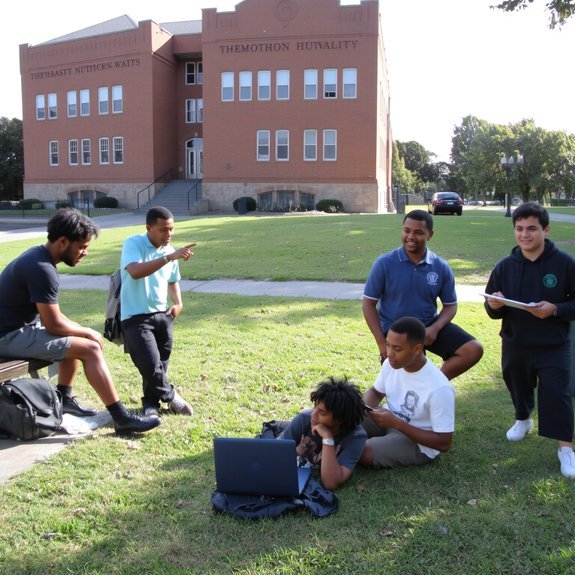
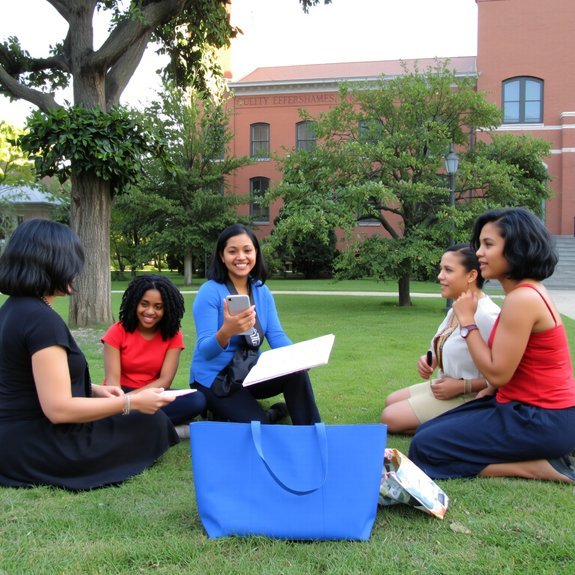
    You walk into a virtual classroom that smells faintly of coffee and tradition, and I promise, it’s not what you expect. HBCUs are remixing old-school mentoring with slick online tools, weaving drumbeat discussion circles into Zoom breakout rooms, and turning dorm-room struggle into resilient, skills-first learning—sometimes with duct-taped webcams and genius. Stick around, I’ll show you how they make culture, care, and tech work together—without the usual corporate gloss.

    Key Takeaways

    • HBCUs blend culturally responsive pedagogy with online formats, using Black-centered readings, community case studies, and identity-affirming content.
    • Hybrid models combine in-person labs and livestreamed instruction with breakout collaboration and flexible deadlines to boost engagement.
    • Low-cost tech strategies—refurbished laptops, open-source LMS, mesh Wi-Fi, and student tech aides—expand access and reliability.
    • Robust virtual support includes 24/7 chat, online tutoring, discreet mental-health counseling, and career coaching via mock interviews.
    • Continuous measurement and iterative changes—tracking retention, completion, and employment—drive evidence-based course improvements.

    Historical Roots and Contemporary Relevance of HBCU Pedagogy
    resilient adaptive culturally rooted education

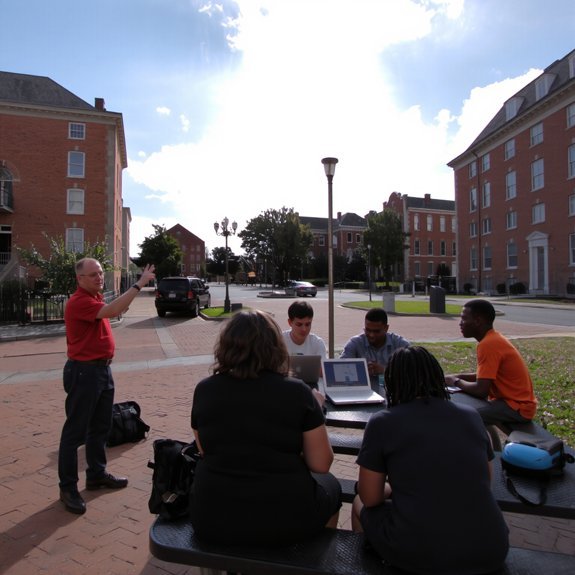
    If you trace the classroom back far enough, you’ll hear footsteps—old wooden floors creak, voices ripple, and a hymn hums in the background. You step in, dust motes floating, and I point out how those halls taught resilience, curiosity, and fierce care. You’ll feel tradition as a warm coat, stitched by teachers who knew your name before you sat down. You notice practical pedagogy—discussion circles, mentoring, hands-on labs—methods born from necessity, now sharpened by scholarship. You’ll see relevance: critical thinking, community leadership, culturally rooted examples that make ideas stick. I’ll admit I’m smitten; okay, mildly obsessed. You leave knowing HBCU pedagogy isn’t antique—it’s adaptive, urgent, and ready for the digital leap.

    Culturally Responsive Curriculum for the Virtual Classroom
    culturally responsive virtual curriculum

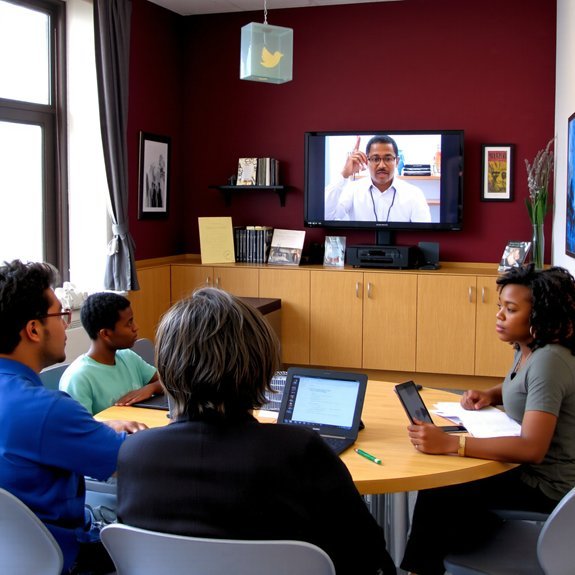
    When you slide into a virtual classroom that actually knows you, something clicks — not just in your head, but in your shoulders, like a weight lifted; I want that for every student. You’ll notice references that land, stories that mirror your neighborhood, images that show faces like yours. I pull readings from Black poets, add case studies rooted in community, and ask questions that feel honest, not performative. You get choices—how to respond, which media to use, when to speak up. I nudge, you experiment, we laugh at awkward analogies. Feedback is quick, specific, kind. Tech won’t be a barrier to belonging, it’ll be a stage for identity. That’s curriculum with heart, craft, and a clear welcome mat.

    Low-Cost Technology Strategies and Infrastructure Solutions

    budget friendly tech solutions

    Because budgets don’t grow on wishful thinking, I’m going to show you how to stretch every dollar without sacrificing dignity or signal strength. You’ll scout refurbished laptops, haggle like it’s a tailgate, and prioritize battery life over bling. I’ll point you to open-source LMS tools that hum quietly, no subscription scream. Set up mesh Wi‑Fi in the commons, tuck routers on high shelves, and watch dead zones die. Train student tech aides, pay them in stipends and pride, then let them fix a frozen screen faster than you can say “update.” Bundle analytics with privacy-first plugins, squeeze the most from cloud credits, and tap community fiber grants. It’s gritty, smart, and doable — you’ll laugh at how far a dollar can go.

    Hybrid Models That Center Community and Flexible Learning

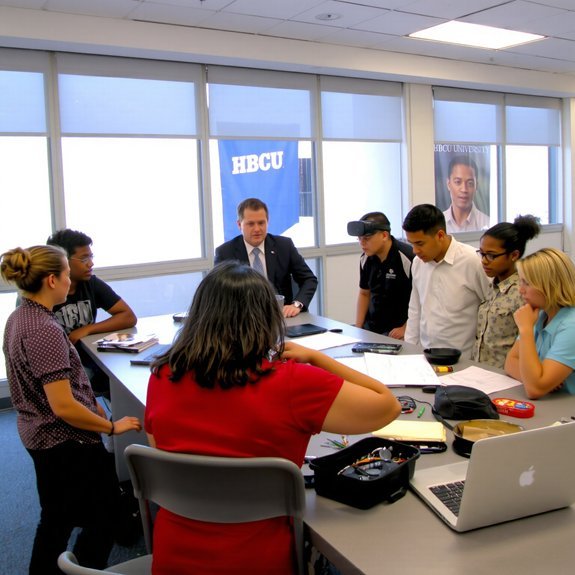
    Though you might picture hybrid learning as split screens and stiff Zoom faces, I promise it can smell like coffee, feel like a hallway chat, and actually help students finish what they started. You’ll walk into a room, pull up a chair, and log into a class where half the crew greets you in person, the rest pops up on a big, friendly screen. You hear laughter, shuffling papers, a professor tapping a tablet, someone saying, “Wait, let me share that.” You join breakout groups that blend couch-side banter with campus energy, deadlines bend around life, office hours happen in cafes and chat threads, and labs pair hands-on kits with guided livestreams. It’s flexible, rooted, and built to keep you engaged, not isolated.

    Student Support Services Adapted for Remote Learners

    If you picture student services as a sleepy office with a single stapler and a plant that’s seen better days, think again — we’re turning that vibe into a buzzing virtual hangout you actually want to visit. I’ll meet you at a tiled scheduler, we’ll click into a bright video room where advisors wear headphones, not ties, and you’ll feel the welcome like warm coffee. You get 24/7 chat, text nudges for deadlines, and quick virtual tutoring that shows your screen, points, and laughs when you mess up a comma. Mental health counselors offer discreet video sessions, career coaches host live mock interviews, and tech help walks you through login glitches, step by patient step. It’s support that’s fast, human, and built for your life.

    Faculty Development and Inclusive Online Teaching Practices

    You liked the virtual help desk — I did too — but now picture the other side of that screen: instructors, late-night grading faces lit by laptop glow, and the extra gear they need to teach like pros online. You watch them learn camera framing, captioning, and mic tricks, fumbling at first, then fluent. I joke that faculty go from analog sages to streaming stars overnight, but it’s real work: accessible slides, shorter video bites, clear captions, multiple engagement paths so every student can join. You’ll see workshops, peer coaching, quick feedback loops, and tiny grants for better webcams or software. You feel the pride when a reluctant professor finally cracks a breakout room, hears laughter, and knows inclusion won.

    Strategic Partnerships and Community-Based Learning Online

    You’ll want to stitch community voices into course design, so students smell the coffee of real problems and hear local leaders in the lectures. Partner with neighborhood orgs and offer internships that turn into credentials, I’ll cheer you on and try not to trip over the paperwork. Picture a student in a small nonprofit’s office, laptop open, logging credits while learning to fix things that actually matter—now that’s online learning with muscle.

    Community-Driven Course Design

    When I say community-driven course design, I mean courses born from real neighborhood needs, not committee memos—and yes, that sounds dramatic, but stick with me. You walk into a block meeting, smell frying plantains, hear someone say, “We need skills, not lectures,” and suddenly you’re sketching a syllabus on a napkin. You interview barbers, teachers, pastors, and teens, listen—really listen—then fold those stories into assignments, videos, and field labs. You’ll map learning to local problems, test prototypes in church basements, tweak after honest feedback, and laugh at your first awkward lesson. The result? Courses that feel lived-in, useful, and tidy enough to pass, messy enough to change lives. It’s hands-on, neighbor-first pedagogy.

    Local Organization Collaborations

    Three partners can change a neighborhood curriculum faster than a dozen well-meaning emails. I’ve seen it: you walk into a rec center that smells like fried plantains and paperwork, and suddenly a syllabus feels alive. You broker meetings, you listen, you laugh, you draft modules that actually match local needs. You don’t just lecture; you co-create projects with small businesses, churches, and libraries.

    • Host community-based online labs that use real storefront data.
    • Train volunteers to mentor students in hybrid workshops, hands-on.
    • Share platforms and funding for accessible broadband pop-ups.

    You’ll stumble, you’ll apologize, you’ll tweak. It’s messy, tactile, human work — and it’s how classrooms stop being distant, and start being neighborhood fixtures.

    Internship-To-Credential Pathways

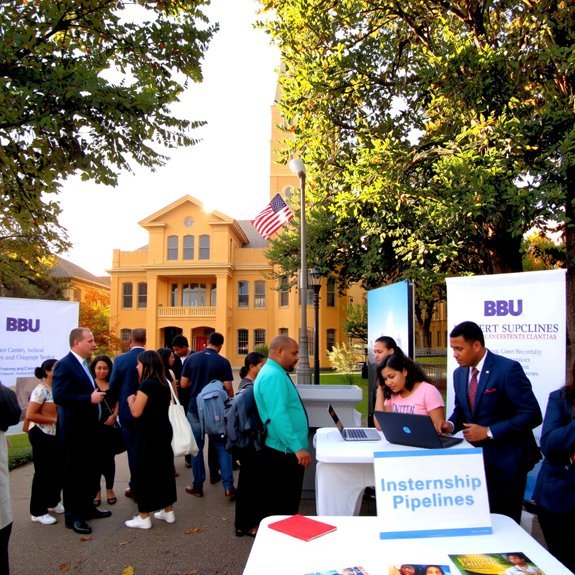
    If we stitch internships into credential programs — not as an afterthought, but as the loom — you’ll see how theory stops being a PowerPoint and starts smelling faintly of coffee and printer ink at a barber shop on a Tuesday morning. You’ll watch students clock real hours, log real tasks, and collect micro-credentials that matter to employers. You get partnerships with local firms, nonprofits, even city agencies, where supervisors become adjunct mentors, and Zoom office hours feel like on-site check-ins. You’ll design short online modules, then send learners into community settings to practice, reflect, and upload evidence. It’s nimble, accountable, and kind of genius. You build trust, shorten hiring cycles, and turn resumes into stories employers actually read.

    Measuring Impact: Outcomes, Retention, and Continuous Improvement

    Because you can’t improve what you don’t measure, I’m going to push you—gently, like a friend nudging you off the couch—into thinking about outcomes, retention, and continuous improvement as a single, living thing. I watch dashboards with you, sip bad coffee, and point out patterns that whisper, then shout. You’ll track grades, course completion, and post-grad jobs, then ask why a cohort dipped in month two. You’ll listen, adjust syllabi, and pilot a late-night tutoring chat, like tweaking a radio until a clear song plays.

    • Collect meaningful metrics, not vanity stats.
    • Close feedback loops, fast — student input to action.
    • Iterate small, often; celebrate fixes loudly, failures quietly.

    Conclusion

    You’re walking out of this piece with a plan, not a lecture. I’ve seen HBCUs turn tiny budgets into classroom fireworks—seriously, sparks fly. You’ll feel the warmth of community in a Zoom breakout, smell the chalk of a lab bench in a hybrid demo, and hear a mentor say, “You got this.” Take their playbook: mix culture, tech, care, and grit. Try, tweak, listen, repeat. I’ll cheer from the sidelines.

  • How HBCUs Support International Students

    How HBCUs Support International Students

    You’ll feel seen the minute you arrive — someone’s waiting with a welcome packet, a campus map, and a smile that actually means it; I’ll tell you about the advisors who sort visas before you’ve finished jet lagged coffee, the tutors who make grammar click, the mixers where you learn slang and soul food in one night, and professors who pull you into research like a proud parent, but there’s a twist you’ll want to stick around for.

    Key Takeaways

    • Dedicated international student offices assist with visas, housing, orientation, and practical needs to ensure smooth campus integration.
    • Warm, community-focused campus culture and mentorship programs foster belonging and personalized faculty support.
    • Language labs, writing clinics, and tailored academic advising help international students succeed academically.
    • Career services and internship offices provide resume support, interview prep, and CPT/OPT guidance for work opportunities.
    • Mental health resources, culturally aware counselors, and wellness programs address homesickness and promote student well-being.

    Why International Students Choose HBCUs

    warm welcoming community focused education

    When I first stepped onto a campus where the banners swayed like a chorus of welcome, I thought, “Okay, this is different — in the best way.” You can taste the pride in the air, hear it in the laugh of a student walking by, and feel it in the firmness of a handshake from a professor who actually remembers your name; that mixture of warmth and seriousness is why lots of international students pick HBCUs. You’ll notice classes that buzz with debate, music spilling from practice rooms, and food that tracks you down between lectures. You get mentorship that’s hands-on, alumni who show up, and communities that wrap around you. It’s challenging, joyful, and oddly like finding home abroad.

    Dedicated International Student Offices and Services

    international student support services

    Picture an office that smells faintly of coffee and determination — that’s where your international-story gets practical. I’ll meet you at the welcome desk, hand you a map, a lanyard, and survival tips for U.S. weather. You’ll get help with visas, housing, and sense-checking class schedules, plus someone to call when printers revolt at midnight. Staff offer workshops, social mixers, and visa check-ins, they translate forms, and they decode campus slang — yes, “syllabus week” is real. You’ll find quiet advising rooms, bulletin boards stuffed with part-time gigs, and a calendar that actually updates. It’s organized chaos, reliable and warm. You’ll leave feeling guided, less lonely, and oddly proud of surviving your first campus rainstorm.

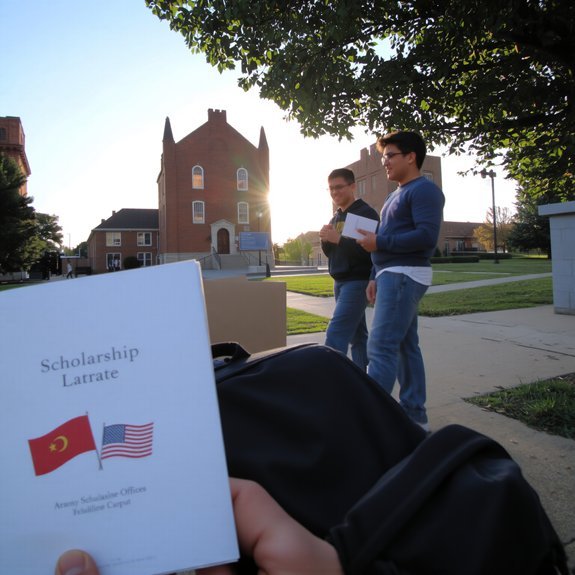
    Targeted Recruitment and Scholarship Opportunities

    tailored recruitment and scholarships

    Because I’ve knocked on more dorm doors and emailed more prospective students than I can count, I know targeted recruitment isn’t a spray-and-pray poster campaign — it’s a tailored conversation. You’ll see recruiters at cultural fairs, tasting local food, swapping jokes, and learning names—small moves that signal big respect. They craft messages for regions, highlight majors that match local industries, and offer virtual campus tours with crisp visuals so you can almost hear marching band drums. Scholarships get framed as invitations, not lifelines: merit awards, need-based grants, and program-specific funds with clear deadlines. You’ll get personalized outreach, step-by-step application aids, and sometimes a friendly alumni note in your inbox. It’s about fit, frank talks, and a few good laughs.

    Visa Guidance and Immigration Support

    If you’re juggling passports, deadlines, and the alphabet soup of forms, I’ve got your back — and a file folder that’s seen better days. You’ll find dedicated visa counselors who walk you step-by-step, coach your immigration interviews, and double-check I-20s like hawks with soft hearts. We’ll schedule checklist meetings, send timely email reminders, and practice that “why this school” answer until it sounds human. When travel restrictions pop up, we’ll text alerts, arrange emergency appointments, and help you document gaps so sponsors stay happy. Expect clear timelines, printable forms, and a campus rep who meets you at the consulate when things get weird. It’s hands-on, gritty support, with a wink and a plan.

    Academic Advising and Language Support Programs

    When the syllabus lands on your desk and you’re squinting at course codes like they’re ancient runes, I’m the person who’ll untangle them with a cup of bad campus coffee and a stubborn grin; I’ll sit across from you, laptop open, highlight pencil at the ready, and map out a plan that actually matches your goals, not somebody else’s checklist. I’ll explain prerequisites in plain talk, show which classes build on one another, and warn you about semester overloads before you commit. You’ll get tailored study strategies, weekly check-ins, and clear steps for academic probation if needed. For language support, we run focused labs, conversation partners, and writing clinics that read your papers like detectives, then hand you fixes you can use.

    Cultural Integration and Student Organizations

    You’ve got your course map and your language lab schedule, and now we’ll talk about the part of college that actually makes it feel like home: the people, the parties, the tiny rituals that sneak into your day and never leave. You’ll find clubs that taste like home — dance troupes, cultural councils, food nights that smell like grandma’s kitchen — and you’ll join because curiosity wins, not obligation. You’ll swap recipes in a cramped dorm kitchen, practice a speech with a friend who corrects your slang, and laugh when you mispronounce a mascot’s name. Student orgs run mixers, open mics, prayer groups, service projects, late-night study jams. They’ll hand you a name tag and a feeling: welcome, seen, invited.

    Career Services, Internships, and Work Authorization Assistance

    Because careers don’t just happen, I’ll show you how the campus actually helps you build one — step by step, and with fewer awkward networking handshakes than you’re imagining. You’ll meet a career coach who listens, points to job boards, and critiques your resume until it sings; you’ll practice interviews in a mock room with a one-way mirror and a cup of terrible coffee that becomes sacred. The internship office scouts roles that fit your visa, they email you openings, and they nag in a helpful way. When work authorization gets tricky, advisors walk you through CPT and OPT applications, paperwork in hand, coffee steam fogging your glasses. You leave with contacts, confidence, and a plan that actually works.

    Global Partnerships, Exchanges, and Research Opportunities

    You’ll want to scout strategic international partnerships that bring fresh perspectives, faculty swaps, and internships that actually change your resume — I’ll admit, I get a little jealous of the countries we’re not in yet. Sign up for study abroad exchanges that drop you into a Friday market, a lab at dawn, and a classroom where your ideas get shouted back; those vivid, awkward first days teach more than any syllabus. Then push for collaborative research initiatives that pair labs and libraries across oceans, because the best discoveries happen when you stop working alone and start trading messy, brilliant questions.

    Strategic International Partnerships

    When I first toured an HBCU campus with a gaggle of wide-eyed international students, I smelled frying plantains and heard laughter ricochet off red-brick halls, and I knew partnerships were more than paperwork. You’ll see that too, when faculty host visiting scholars, and you grab coffee while a research idea sparks over spilled cream. You’ll join faculty-led startup labs, co-design curricula with overseas universities, and snag funding through joint grant proposals. It’s hands-on, messy, and brilliant. I trip over bureaucracy sometimes, you’ll laugh, then we’ll fix it together. These partnerships expand networks, boost resources, and create real-world projects that welcome your voice.

    • Joint research centers
    • Faculty exchange visits
    • Collaborative grant writing
    • Dual-degree program planning
    • Industry-sponsored labs

    Study Abroad Exchanges

    If you’ve ever swapped a dorm room poster for a tiny apartment above a bakery, you know study abroad isn’t just a stamp in your passport, it’s a full-sensory remix of your life—warm croissants at dawn, a busker’s guitar bleeding into your evening study session, and professors who grade with a grin and a different kind of rigor. I’ll tell you how HBCUs make that remix smooth. You get tailored exchange programs, advising that holds your hand and nudges you toward adventure, and credit transfers that don’t make you cry. You’ll meet peers from around the world, trade recipes and slang, join cultural trips, and navigate cities with a mentor who’s been there. It’s structured freedom, with heart.

    Collaborative Research Initiatives

    While I’m not promising lab-coat glamour in every hallway, collaborative research at HBCUs feels like teamwork with purpose—think late-night data runs, steamed coffee, and colleagues on Zoom from Lagos to Lisbon, all swapping hypotheses like trading cards. You’ll join projects that blend local knowledge with global reach, roll up your sleeves, and actually touch samples, code, or community notes. I’ll nudge you, cheer, and admit when I’m out of breath. You’ll present findings, get grilled kindly, then celebrate with cheap pizza. These partnerships open travel, funding, and publication doors, and they teach you how to lead, listen, and laugh when experiments rebel.

    • Cross-campus lab exchanges
    • Joint faculty-student grants
    • Virtual co-mentoring sessions
    • Fieldwork in partner countries
    • Shared data repositories

    Mental Health, Wellness, and Wraparound Support

    Because you’re juggling classes, visas, and a new country’s rhythms, your mental health deserves more than a pamphlet shoved under a welcome packet; it needs real, loud support that actually listens. I’ll say it plainly: you shouldn’t have to suffer alone. At HBCUs, counselors greet you by name, call you after exams, and text check-ins that feel human, not robotic. You’ll find group sessions where folks trade survival tips, meditation in sunlit rooms, and free meals at wellness nights that smell like home. Staff help with paperwork, roommate talks, even late-night crisis calls—yes, they answer. You’ll get referrals to culturally aware therapists, workshops on homesickness, and quiet spaces to breathe. It’s practical care, with warmth and a wink.

    Conclusion

    You’ll find HBCUs feel like home fast — warm cafeterias, late-night study groups, caring advisors who actually answer emails. I once watched Amina, fresh off a red-eye, get a scholarship, join a dance circle, and nail her visa meeting within two weeks — I cheered, she cried happy tears, we all ate sloppy fries. So go on, take the leap: you’ll get guidance, grit, and a community that won’t let you flounder.

  • How HBCUs Preserve Black History and Culture

    How HBCUs Preserve Black History and Culture

    Funny coincidence: you walk into an HBCU chapel and the sermon echoes a class you took last fall, so you pause, smile, and lean in. I’ll tell you straight — these schools stitch history into daily life, from brass bands that rattle your chest to archives you can actually touch, oral histories that bubble with flavor, and alumni who show up like family. Stick around, I’ll point out the exact places where memory turns into movement.

    Key Takeaways

    • Centering Black perspectives in curricula and faculty-led research ensures courses, readings, and projects foreground Black thinkers and histories.
    • Campus museums, archives, and special collections preserve artifacts, documents, and memories that reflect each HBCU’s institutional soul.
    • Oral history projects and community partnerships record, digitize, and share personal narratives that map neighborhood memory and cultural legacy.
    • Homecoming, Greek life, and cultural traditions sustain collective identity through rituals, music, food, mentorship, and multigenerational celebration.
    • Student activism and community engagement turn protest, service, and public scholarship into living lessons that defend and transmit cultural memory.

    Historical Roots and Founding Missions of HBCUs

    heritage built brick by brick

    When you walk onto the graveled paths of an HBCU campus, you can almost hear history tapping its foot—patient, a little sassy, refusing to be ignored—and I love that about these places. You’ll feel brick under your palm, smell magnolia and old books, and I’ll point out signs carved by hands that wanted learning to last. These schools began as beacons after emancipation, founders stubbornly insisting Black minds deserved more than scraps. You’ll see mission statements that read like promises: train teachers, build leaders, protect culture. Don’t expect polish over purpose; expect grit, music at convocation, debate in porches, and meals that taste like home. You’ll leave knowing heritage wasn’t just remembered here, it was built, brick by careful brick.

    Curricula That Center Black Perspectives

    black centered course redesign strategies

    You’re about to rework courses so they put Black thinkers front and center, and yes, that means swapping dusty syllabi for Afrocentric reading lists that actually sing. I’ll show you how Black-centered course design and culturally responsive teaching change the classroom vibe — students smell the coffee, they argue, they grow. Let’s tweak assignments, bring in music, visuals, oral histories, and watch learning get loud, honest, and wise.

    Black-Centered Course Design

    Because I’ve spent more semesters teaching in cramped classrooms than I care to admit, I’m blunt: Black-centered course design isn’t a fancy add-on, it’s the backbone of honest education. You’ll see it in lesson plans that start with community stories, not dry theory, in assignments that ask you to walk neighborhoods, record kitchen conversations, or map music on a rainy afternoon. I’ll challenge you, you’ll push back, we’ll laugh—then do the hard work. You get assessment that values oral history, creative projects, and civic action, not just multiple-choice guesses. Classrooms smell like coffee and debate, walls hum with archives and student posters. That feel grounds learning, sharpens critical skills, and hands you tools to change systems, not just pass tests.

    Afrocentric Reading Lists

    If you walk into my office with a syllabus that lists no Black authors, I’ll raise an eyebrow and hand you a stack of books like I’m rescuing a plant from a windowsill — gentle, urgent, and a little dramatic. You’ll leaf through maps of Harlem streets, taste sweet paper and ink, feel chapters pulse with drumbeat cadence. I pick texts that center Black minds: poets who spit truth, historians who untangle power, novelists who fold memory into everyday life. You’ll teach works that speak back to students, not over them. Mix canonical giants with rising voices, primary sources with music and film, assign close reading and bold questions. Expect resistance, then sparks. Watch discussion bloom, loud and honest, like a porch conversation at dusk.

    Culturally Responsive Pedagogy

    You watched me fling books at you like a rescue mission; now let’s talk about how those books live in the classroom. You walk in, the room smells like chalk and coffee, posters hum with ancestors’ faces. I pull a text, we argue the margins alive, you trace lines with a finger, we map history onto your street. Lessons start with your questions, not chapter titles. We write, role-play, debate, stitch music into essays, bring elders via Zoom, taste recipes after a seminar — learning you can chew. I embarrass myself with a bad joke, you laugh, then teach back. That’s culturally responsive pedagogy: curriculum that sees you, centers your world, and demands your voice, every single day.

    Campus Museums, Archives, and Special Collections

    living history through archives

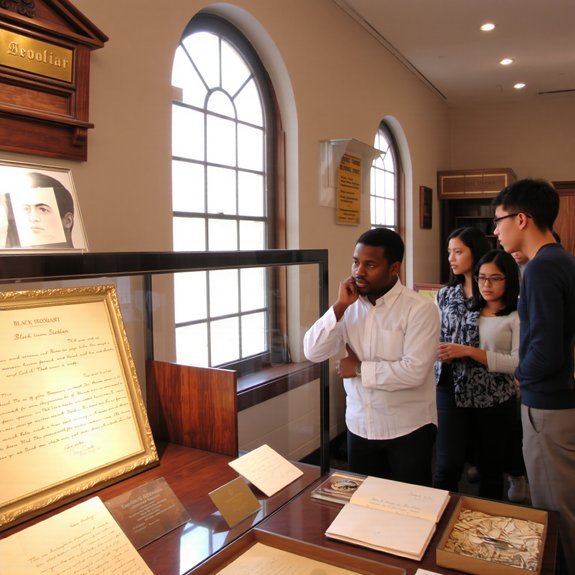
    You’ll walk into a campus museum and smell old paper and lemon polish, and you’ll know you’re standing in the history that made the place. I keep a grin ready when I say archives aren’t dusty tombs, they’re living rooms where community members drop off photos, tell stories, and claim space for memory. Let’s talk about how special collections protect institutional memory, and how we can fling the doors wide so everyone can touch, read, and use their own history.

    Preserving Institutional Memory

    When I walk into a campus museum at an HBCU, I can almost hear the wood floors sigh under decades of footsteps, smell old paper and lemon polish, and feel the quiet hum of stories waiting to pounce—because these places aren’t just rooms with glass cases, they’re living vaults that keep a school’s soul from wandering off. You’ll see worn banners, graduation gowns, letters with shaky ink, and a president’s desk that still creaks when you sit. You learn to touch history gently, catalog it carefully, digitize it dutifully, and tell its quirks loudly. Staff and students stitch memory into exhibits, rescue fading photos, and map alumni lives. It’s careful work, often thankless, but it keeps identity pulse-strong.

    Community-focused Archival Access

    If I’m honest, I think of campus archives as a neighborhood living room—warm rugs, a crooked lamp, and everyone allowed to pull up a chair—because these collections aren’t meant to be locked behind ivory towers. You wander in, fingers brushing vellum and glossy yearbook pages, you hear low conversation, you sip bad coffee from a chipped mug, and you realize history here smells of lemon oil and printer ink. You can ask to see a photo, touch a program, or trace a letter with cautious reverence; staff guide you like comfy tour guides, not gatekeepers. They host story nights, pop-up exhibits, and school-bus field trips. You leave with a photocopy, a grin, and the clear sense that this history belongs to you, loud and local.

    Oral History Projects and Community Memory Work

    Because stories live louder when people tell them aloud, I’ve learned to lean into the crackle of a tape recorder and the small, honest pauses that make memory feel real. You’ll join me in quiet rooms, between church basements and dusty campus halls, pressing record, offering water, laughing at a shared joke, then waiting while a tale finds its breath. You’ll ask the right questions, sometimes clumsy, sometimes brilliant, and watch elders’ faces light, fingers sketching gestures you can almost hear. You’ll catalog tapes, transcribe slang, note the scent of coffee and mothballs, tag names, dates, songs. These projects turn loose memories into community maps, they hand you a voice to carry forward, and yes, they’ll make you cry — in public, proudly.

    Homecoming, Greek Life, and Cultural Traditions

    You walk onto campus during homecoming and the air hits you—smoke from the grill, brass bands, laughter—it’s a reunion that tastes like sweet tea and old stories. I’ll point out how Greek chapters show up with legacies and service, marching in step, handing out help and history, because those ties do more than socialize, they steward. Between step shows, parades, and whispered rites, traditions shape the campus you love, they mark who belongs, and they keep memory loud and alive.

    Homecoming as Cultural Reunion

    When I think of HBCU homecoming, my chest still tightens like I’ve swallowed a brass band—loud trumpets, stomping feet, the sweet snap of dollar bills in alumni hands. You walk campus and smell barbecue, perfume, and old books, you hear laughter ricochet off brick, and you nod at faces that anchor your past. Folks parade in satin jackets, moms hug like they’re sealing time, kids chase confetti. You join tailgate chatter, trade jokes, and feel histories folding into one shared afternoon. The band hits a riff you know in your bones, you clap, you cry a little, because this is reunion and repair. It’s culture performed, reaffirmed, passed on—joy as resistance, plain and proud.

    Greek Life: Legacy & Service

    After the band winds down and the last confetti flutters off the quad, Greek letters start to stake their claim—satin stoles, hand signs, and step lines that could snap your neck if you’re not watching. You feel the bass in your chest, see colors braid through the crowd, hear a sister call your name like she’s both proud and plotting mischief. I’ll bet you grin, because you know these chapters teach history through ritual, mentorship, and community service, not just parties. They run blood drives, tutor kids, organize voter drives, keep elders’ stories alive. You watch choreography, you clap, you hand over your time, and suddenly maintenance of culture feels active, joyful, demanding. It’s legacy you can touch, smell, and dance into.

    Traditions Shaping Campus Identity

    If a campus had a heartbeat, you’d hear it in stomp lines and brass riffs, in the slap of palm on palm and the rustle of alumni satin, and yes, I’m the one grinning like I’ve got the secret handshake. You step into Homecoming, smell barbecue and fresh-cut grass, feel the stands shake when the band drops a cadence. You join a line, you learn a step, you laugh when you miss it—welcome to ritual as rehearsal for belonging. Greek life cycles in, in letters and service, in toga-like robes of pride, in late-night letters and lifelong pledges. Cultural nights light up auditoriums, drums roll under stars, storytellers pass history by voice. These traditions teach you who you are, and who you’ll be.

    Student Activism and Social Justice Leadership

    Because I’ve seen students turn a dorm hallway into a strategy room, I can tell you HBCU activism isn’t a tidy textbook chapter — it’s loud, messy, and gloriously relentless. You watch organizers chalk sidewalk demands at dawn, taste adrenaline in the coffee, hear chants ricochet off brick. You join town hall debates where voices crack, then firm up, because someone’s hurt, someone’s proud. You learn to march in single file, then spill onto lawns, handing out flyers with a grin and a bandaged thumb. Leadership here is practical, inventive, passed down in late-night pep talks and busted pizza slices. You step up, stumble, and get better. The work roots memory into campus life, turns protest into curriculum, and trains you to keep arguing for justice.

    Arts, Music, and Performance as Cultural Preservation

    When I step into an HBCU rehearsal room, it hits you like a brass bell — warm breath, sticky floor, the faint smell of hairspray and fried plantains — and you know this isn’t just practice. You watch choreography stitch history into muscle, hear spirituals arc into jazz, and feel storytelling live in harmonies. You learn footwork that remembers elders, lyrics that name ancestors, beats that call you to stand taller. It’s education, it’s worship, it’s a laugh and a lesson. You’ll clap, you’ll cry, you’ll join the call-and-response even if you think you can’t sing. Trust me, you can.

    • Gospel choirs turning resilience into sound
    • Step teams preserving rhythm and lineage
    • Theater reviving folktales, contemporary plays
    • Jazz combos keeping improvisation alive
    • Visual arts documenting campus memory

    Community Partnerships and Intergenerational Programs

    You’ll leave a rehearsal room buzzing with rhythm and walk straight into a neighborhood meeting, and it’ll feel like the same heartbeat — only louder, with coffee cups and folding chairs instead of spotlights. You see elders nodding, kids trading stickers, students passing out flyers, and you’re in the middle of a living archive. HBCUs stitch classrooms to block clubs, bring elders into oral-history circles, host cookouts where recipes double as lessons. You’ll help digitize photo albums, learn a hymn from someone who remembers the exact Sunday, and teach a workshop that makes teens laugh and listen. These partnerships keep memory moving, they train new stewards, and they turn campus knowledge into neighborhood power — practical, warm, and stubbornly joyful.

    Faculty Research and Scholarship on Black Experience

    If you sit in on a faculty seminar here, expect the air to smell faintly of strong coffee and old books, and don’t be surprised if a heated footnote fight breaks out before the cookies are gone. I watch scholars push archives, oral histories, and stubborn primary sources into new light, and you’ll grin when someone quotes a grandmother verbatim. You’ll hear laughter, sharp debate, and the shuffle of pages. Faculty mentor students, build curricula that center Black lives, and publish work that other campuses borrow. You get research that’s rigorous, rooted, and unapologetically honest. Engage with panels, read working papers, attend open archives nights. You’ll leave with facts, feelings, and a stubborn urge to correct the record.

    • Archive digs that reveal family letters
    • Oral-history workshops
    • Public lectures, popcorn optional
    • Student-faculty research teams
    • Journal issues celebrating Black life

    Alumni Networks Sustaining Legacy and Institutional Memory

    Though the campus may cool by evening, alumni heat the place up — I mean literally, you can feel it when a reunion crowd walks past, laughter like warm soup. You see and hear stories everywhere, hands on brick, old jackets slung over shoulders, voices trading the same jokes, and you’re part of it whether you planned to be or not. Alumni networks pass down rituals, photo albums, scholarship funds, oral histories, and that one secret recipe for Sunday dinner. You tap into mentors, job leads, and living memory. I’ll admit I get teary when someone names a professor I never met, but you get it — memory lives, it’s curated, argued over at tailgates, preserved in archives, then handed to you, straight and stubborn.

    Conclusion

    You walk these campuses and hear history humming—drumbeats in dorm halls, stories warming the air like Sunday dinner. I’ll say it plain: HBCUs keep our past alive, teaching, archiving, singing, arguing, celebrating. You touch a dusty yearbook, you feel ancestors nod. I watch students carry torches—literal and figurative—into new rooms. It’s fierce, tender work, done with laughter, stubborn pride, and hands that never stop building what they were told couldn’t stand.

  • How HBCUs Are Preparing Students for the Future of Work

    How HBCUs Are Preparing Students for the Future of Work

    You’ll notice HBCUs are reshaping classrooms into labs, boardrooms, and greenhouses—hands-on AI projects hum beside solar arrays, professors broker internships like matchmakers, and alumni drop in with real job leads, not just pep talks. I’ll admit I’m a little smug about how practical this feels; you’ll smell solder and coffee, hear confident pitches, and watch résumés get sharped into tools employers actually want—and there’s more coming.

    Key Takeaways

    • HBCUs build STEM and AI-focused curricula with hands-on labs to develop practical, job-ready technical skills.
    • Career centers create industry pipelines, paid internships, and mock interviews tailored to HBCU students.
    • Programs emphasize entrepreneurship and innovation through bootcamps, cross-disciplinary teams, and MVP-focused experiences.
    • Green energy and sustainability training offer certifications, lab apprenticeships, and industry-aligned projects.
    • Data-driven evaluation uses alumni and employer feedback to continuously adapt curricula and short credential programs.

    Strengthening STEM and AI-Focused Curricula

    hands on ai learning experience

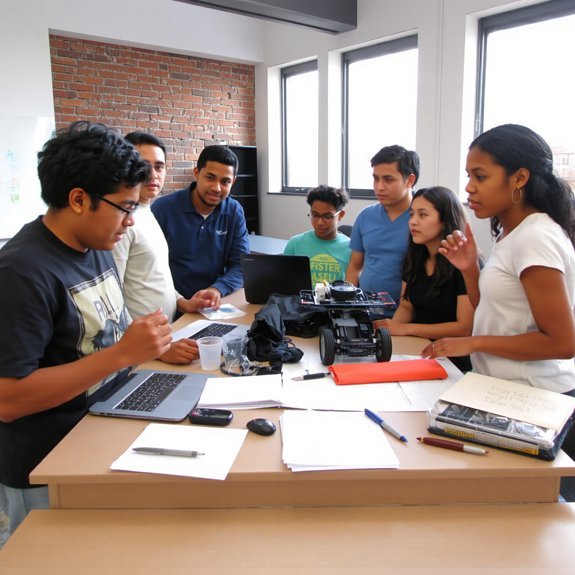
    Even if you’ve never coded past a calculator app, you’ll laugh at how fast you’ll catch on here—I’m serious. You walk into labs that smell like coffee and solder, you tap a keyboard, and concepts click. I’ll show you loops with sticky notes, we’ll debug with snacks, and you’ll build models that actually predict things, not just spit numbers. Professors speak like coaches, hands-on, steady; classmates swap jokes and datasets, you’ll feel the rhythm. We break problems into bite-size tasks, then celebrate small wins—high-fives, quick brag texts, that satisfying “it runs” gasp. You won’t just learn theory, you’ll train instincts, sharpen tooling, and graduate ready to tackle real AI work, confident, curious, and surprisingly proud.

    Expanding Industry Partnerships and Internship Pipelines

    career focused industry collaborations

    Envision this: I walk you into a room where recruiters hover by whiteboards, coffee steam curls like signal smoke, and somebody’s laptop plays a slick demo—fast, real, kinda loud. You see career centers hustling, faculty shaking hands with hiring managers, and students trading résumés like prized baseball cards. I point out curated pipelines, paid internships, co-ops that actually pay rent, and mentorships where pros give tough love, not corporate fluff. You hear feedback loops—skills mapped to job specs, syllabi tweaked overnight, and alumni opening doors because they remember a professor who cared. I nudge you toward apprenticeship models, industry-led projects, and mock interviews that sting—in the best way. You leave thinking: real pathways, fewer guesswork moments, more launchpads.

    Embedding Entrepreneurial and Innovation Programs

    hands on entrepreneurial innovation programs

    When I walk into these HBCU labs and garages, you smell solder and strong coffee, you hear students arguing over a prototype like it’s game seven, and you can practically feel new ideas jangling in their pockets. I watch you join a pop-up pitch night, then grin as a student flips a soldering iron like a magic wand. You’ll get hands-on bootcamps, mentor office hours, and failure-friendly demo days that teach grit, not just grades. You’ll learn to write lean plans, build MVPs, and hustle politely for seed funding. I’ll nudge you into cross-disciplinary teams—engineers with poets, coders with marketers—because weird mixes make gold. It’s practical, playful, and unapologetically ambitious.

    Integrating Green Energy and Sustainability Training

    You’ll want curriculum-aligned green certifications on your transcript, so I’ll show you how they map to real jobs — think solar installer badges that actually open doors. Picture students in a campus renewable energy lab, hands greasy with wire, smelling hot solder, running panels and learning by doing; it’s noisy, bright, and utterly necessary. Then we’ll pull in industry partners for apprenticeships, short-term pay, long-term careers, and the kind of connections that beat a lecture every time.

    Curriculum-Aligned Green Certifications

    Because the climate crisis isn’t waiting, I’m pushing HBCU classrooms to double as green-workshops where you can actually touch, test, and tinker with the future—solar panels hum under your fingertips, wind-turbine models creak in the workshop, and recyclables get a second life on your bench. You’ll earn certifications that map directly to job listings, not vague badges that collect dust. I make courses line up with industry exams, so you study, practice, and pass, often during a single semester. Expect hands-on labs, timed mock assessments, and guest pros who break jargon into plain English. You’ll leave with certificates, a portfolio, and stories that land interviews. No fluff, just market-ready skills, confidence, and a little well-earned swagger.

    Campus Renewable Energy Labs

    You’ve earned the certifications, stacked the portfolio, and probably bragged a little to whoever’d listen — now let’s put those skills to work where the roof, the lab bench, and the wind feel the same breeze. I walk you onto campus roofs, we smell warm panels, hear inverters hum, and we touch cold turbine bolts. You’ll wire arrays, log real-time output, and debug sensors with a coffee-stained manual and a grin. Labs mimic microgrids, with battery racks you can actually heft, soil plots for bioenergy, and weather stations that argue with forecasts. You get hands-on troubleshooting, sustainability plans, and grant-writing practice—yes, real paperwork, the glamorous kind. You leave knowing how systems behave, not just what a diagram claims.

    Industry Partnerships for Apprenticeships

    When I stroll into a manufacturing floor or a rooftop install with you, I’m not doing a tour — I’m matchmaking. I point out bolts, panels, humming inverters, you squint, you nod, and I already hear your future boss saying, “When can you start?” You get apprenticeships co-created with local firms, where you learn tools, trace circuits, log emissions, and earn paychecks, not just credits. I broker real-world projects, contracts that fund your tuition, and mentors who text back at midnight. You’ll swap lab bench stories for site-sweat credibility, graduate with a toolbox and a LinkedIn endorsement that matters. It’s practical, bold, and yes, sometimes chaotic — but it’s how you step into paid green work, ready.

    Building Career Services That Center Cultural Competence

    If we want career centers that actually work for HBCU students, we’ve got to stop acting like one-size-fits-all advice will cut it—because it won’t. You’ll build services that listen first, then act: spaces that smell faintly of coffee, walls dotted with student art, staff who actually know your story. You want practical coaching, not generic pep talks. Start small, then scale.

    • Train advisors in cultural humility and industry-specific language, so conversations land.
    • Create mock interviews that reflect real workplaces, including microaggressions practice.
    • Offer resume help that honors community work and nontraditional paths.
    • Run employer briefings to set expectations and reduce biased screening.

    I say this like a friend, I mean it like a planner, and yes, we’ll fix it together.

    Leveraging Alumni Networks for Mentorship and Placement

    Three things make alumni magic work: relationships, reciprocity, and relentless follow-through. You tap a grad on LinkedIn, feel that tiny thrill—then you message with purpose, not fluff. I’ll show you how to turn that ping into a packed résumé review, a mock interview that actually stings (in a helpful way), and a referral that lands you an intro call. Picture an alum pouring coffee, telling a war story, then sliding a job lead across the table; you taste the roast, you jot the name. Set micro-commitments: 20-minute chats, targeted feedback, referral windows. Track outcomes, celebrate matches, nudge gently. Alumni want impact, not handouts. You give clarity, they give access, and together you build a pipeline that hums.

    Scaling Digital Infrastructure and Hybrid Learning Models

    You saw how alumni hand out real-world shortcuts—now picture scaling that same human spark across servers and classrooms, not just coffee shops. You’ll want reliable Wi‑Fi that feels invisible, cameras that catch gestures, and platforms that make group work feel like hanging out, not homework. I lean into the tech, you test it live, we iterate fast.

    • Upgrade campus networks, prioritize low-latency access, and map black spots.
    • Blend in-person labs with synchronous livestreams, keep cameras at eye level.
    • Train faculty on hybrid pedagogy, run mock classes, cheer for small wins.
    • Provide loaner devices, quiet study pods, and on-call IT tutors who actually answer.

    You get a seamless mix of human warmth and scalable systems, ready for real work.

    Measuring Outcomes and Adapting to Labor Market Signals

    Because the future of work shifts under our feet like a DJ changing records, we’ve got to measure what matters and move fast when the beat drops. You’ll track employment rates, wage growth, and skill-use on the job, like checking the scoreboard after a big play. I’ll nudge you to pair alumni surveys with real-time labor data, scrape job postings, and listen to employer feedback — yes, actually listen. You’ll pilot short credential programs, watch hiring patterns, tweak curriculum, then run it again. Picture dashboards glowing at midnight, coffee in hand, numbers telling stories. You’ll celebrate wins, cut what flops, and tell students plainly what skills pay bills. Adaptation’s messy, but you’ll get slick at dancing with data.

    Conclusion

    You’re stepping into work-ready training that feels like a toolbox humming with possibility, and I’m here to cheer you on. You’ll build skills in labs, pitch ideas in rooms that smell like coffee and courage, and land internships that actually matter. I watch alumni open doors, faculty tweak classes, and recruiters lean in — so you don’t wander, you sprint. Trust the process, grab the chance, and let curiosity steer your next move.

  • How HBCUS Partner With Corporations and Organizations

    How HBCUS Partner With Corporations and Organizations

    Remember the time a single summer internship turned a shy junior into the engineer who reworked a campus solar array—like a seed becoming a rooftop forest; you’ll find partnerships that way, through hands-on gigs, paid co-ops, and mentors who actually show up. I’ll walk you through how HBCUs trade talent, lab space, and bold ideas with companies, reshaping job descriptions, funding research, and building startups, and yes, there’s a few awkward meetings and triumphs along the way—stick around, you’ll want the next part.

    Key Takeaways

    • Corporations fund sponsored research, shared facilities, and joint labs to drive innovation and give students hands-on project experience.
    • Companies create paid internships, apprenticeships, and bootcamps with mentorship and milestones to develop career-ready graduates.
    • Partners invest in campus infrastructure—upgraded labs, faster networks, and shared instruments—to expand research and teaching capacity.
    • Employers collaborate on inclusive hiring practices, recruiter training, and outcome tracking to diversify talent pipelines.
    • Organizations provide training, compute and data resources, and co-managed equipment to accelerate research and reduce operational costs.

    Strategic Internship and Co-op Programs

    meaningful internship experiences guaranteed

    Okay, let’s talk internships — the ones that actually teach you stuff and don’t bury you in coffee runs. You walk into a bright lab or buzzing office, badge warm in your hand, and somebody says, “Try this.” You get real tasks, clear goals, and a mentor who answers questions instead of dodging them. You learn software by doing, present to teams, and feel the thrill when your code or design runs without crashing. Corporations set milestones, pay fairly, and sometimes bring snacks — small but essential. You build a portfolio, snag references, and see a path from campus to career, while the school helps place you, negotiates roles, and keeps the experience structured and meaningful.

    collaborative research innovation partnerships

    When universities and companies team up on sponsored research, magic happens — and by magic I mean long meetings, lab smells (a mix of coffee and chemistry), and actual breakthroughs that don’t live only in grant PDFs. You’ll walk into a lab, hear a centrifuge hum, and watch students tweak a prototype while a corporate engineer nods, scribbles, then asks, “Have you tried X?” I’ll grin, say yes, then we try X. You get shared equipment, funded postdocs, and real-world problems to solve, plus IP talks that make you squint. Partnerships let you publish, patent, and spin out startups without selling your soul. Expect tight milestones, clear deliverables, and occasional celebratory pizza when experiments finally behave. It’s messy, brilliant, and worth it.

    Workforce Development and Skills Training Initiatives

    hands on skills training initiatives

    Sponsored research gets the lab humming and the funding flowing, but you don’t want brilliant papers sitting on a shelf — you want people who can take that work and run with it. You’ll see HBCUs team with companies to build bootcamps, apprenticeships, and hands-on labs, where you touch gear, type code, and troubleshoot in real time. I’ll say it straight: you learn by doing, and these partnerships put you on production lines, in clinics, or on design floors, side-by-side with mentors who actually care. They offer stacked credentials, micro‑certs, paid internships, and mock interviews that feel like a roast — honest, useful, memorable. You leave with a portfolio, callused fingertips, a network, and a job-ready swagger.

    Diversity, Equity, and Talent Acquisition Collaborations

    Three clear things happen when HBCUs and corporations get serious about diversity, equity, and talent acquisition: doors open, habits change, and recruiters stop pretending a résumé tells the whole story. You watch hiring panels swap checklist glare for curiosity, you smell coffee at late-night mock interviews, and you hear students ask bold questions that actually get answered. I lean in, I grin, I say it’s real work.

    When HBCUs and companies get serious, doors open, habits shift, and recruiters start seeing people, not just résumés.

    • You redesign job descriptions, ditching jargon that scares talent away.
    • You build paid internships that teach, not exploit, and celebrate small wins.
    • You train recruiters to listen, to scout potential, not polish.
    • You track outcomes, hold partners accountable, and adjust fast.

    It’s hands-on, human, and a little stubborn — in the best way.

    Entrepreneurship Ecosystems and Venture Support

    Picture five scrappy founders in a tiny conference room, red Solo cup on the table, whiteboard full of half-brilliant scribbles, and me leaning in like I own the place — that’s the energy an HBCU-corporate venture partnership brings. You get mentorship that’s hands-on, not corporate fluff. Sponsors wire seed grants, share lab space, send engineers to troubleshoot at midnight, and teach you how to pitch without sweating. Incubators on campus mix alumni networks with exec interns, and legal clinics help file that first patent — yes, the paperwork is a villain, we slay it. You’ll join demo days that actually matter, get feedback that’s brutal but useful, and walk away with real runway. It’s practical, gritty, and built to make your idea survive.

    Community Engagement and Economic Development Projects

    I’ve seen entire neighborhoods change over one summer, and you’ll feel it the first time you walk past a shop that used to be boarded up and now smells like coffee and fresh paint. You watch students, faculty, and corporate volunteers paint murals, open pop-up markets, and teach financial literacy at the rec center. You get your hands dirty, you hand out flyers, you see real jobs sprout where there were none. These projects bridge campus and city, and they write new stories for both.

    • Mobile clinics offering screenings, staffed by students and corporate nurses
    • Small business microgrants, paired with mentorship from company leaders
    • Community tech hubs, stocked with donated gear and training programs
    • Seasonal markets, food cooperatives, and shared workspaces for startups

    Campus Infrastructure and Resource Investment

    You’re about to see how upgrading classrooms and labs actually sounds and feels — new lighting that stops the squinting, workstations that hum, and glass-fronted spaces that invite collaboration. I’ll point out how faster Wi‑Fi and fiber connections change late-night study sessions into seamless research marathons, and how companies can co-fund shared instruments so your team doesn’t wait months for beam time. Picture me tapping a tablet, grinning: we’ll map out which buildings get love first, who brings the tech, and how to keep campus buzzing without selling the soul.

    Upgrading Academic Facilities

    The hum of new HVAC units and the click of smart boards are the sort of background noise that tells you a campus is awake again—trust me, I noticed it the minute I walked into the renovated science lab. You see, upgrades don’t just look good, they change how you learn, how professors teach, how experiments behave. I pointed, laughed at my own clumsy lab coat, and felt hopeful.

    • New lab benches that don’t wobble, they stay put while you pipette like a pro.
    • Lecture halls with sight lines that actually let you see the professor, even if you nap.
    • Flexible classrooms that shift from seminar to studio in minutes.
    • Restored libraries with sunlight, study nooks, and coffee that fuels finals.

    You walk through, you breathe, you grin.

    Technology and Connectivity Investments

    When the Wi‑Fi actually holds and your video call doesn’t sound like a dial‑up ghost from 1999, campus life feels less like a scavenger hunt for signal and more like, well, school. You notice it first in small things: lights that don’t flicker when you plug in, printers that don’t jam at the worst possible second, study halls where you can stream a lecture without praying. Corporations fund upgraded routers, fiber lines, smart classrooms, and charging stations; you get faster upload, clearer collaboration, and fewer excuses. Walk past labs humming with steady power, hear keyboards clacking in rhythm, smell coffee, not burnt wiring. You get training, discounts on devices, and tech support that answers before you threaten the printer. It’s practical magic, and you appreciate every reliable ping.

    Shared Research Infrastructure

    Once corporations chip in, research labs stop feeling like glorified cluttered garages and start humming like actual workplaces — cold metal, bright screens, and the steady thrum of machines that do what you ask. You walk in, smell solder and coffee, and feel possibilities. I point out how shared infrastructure changes campus life: you get access, students touch gear, faculty scale projects, and partnerships breathe. It’s practical, it’s generous, and yes, it makes your CV look sharper.

    • Shared core facilities cut costs, boost access, and shorten project timelines.
    • Joint maintenance keeps equipment healthy, warranties intact, and downtime minimal.
    • Training programs turn novices into confident users, faster.
    • Data storage and compute clusters let you run real experiments, not guesses.

    Conclusion

    You’ll walk these halls knowing partnerships aren’t just buzzwords, they’re ladders you can climb — I’ve seen students tape résumés to hope, then step into paid internships that hum with real work, mentorship, and coffee-breathed deadlines. You’ll taste research sparks, feel startup jitters, watch campuses bloom with equipment and funded labs. These collaborations broaden doors, sharpen skills, and seed community wealth, so take the hand offered — it’s firm, warm, and surprisingly practical.

  • How HBCUs Support Community Service and Outreach

    How HBCUs Support Community Service and Outreach

    About 60% of HBCUs run student-led clinics, so you’ll see students treating real patients by week three, gloves on, nerves steady. I walk you through campus blood drives and pop-up legal aid tents, the smell of coffee and antiseptic, volunteers swapping jokes while suturing pride into community care. You’ll meet kids in STEM boot camps, alumni funding tiny businesses, and a relief van idling at dawn — and then I’ll show how it all ties together.

    Key Takeaways

    • HBCUs run student-led clinics and health outreach providing free medical services, education, and vaccinations to underserved communities.
    • Law and community clinics offer pro bono legal aid, client representation, and rights education under faculty supervision.
    • Tutoring, STEM camps, and teacher-pipeline programs deliver sustained K–12 academic support and college-readiness resources.
    • Entrepreneurship centers and incubators provide mentorship, workshops, and funding guidance to local small businesses and startups.
    • Cultural projects, voter drives, and disaster-response teams engage communities through preservation, civic education, and emergency support.

    Student-Led Clinics and Health Outreach Programs

    community care through student clinics

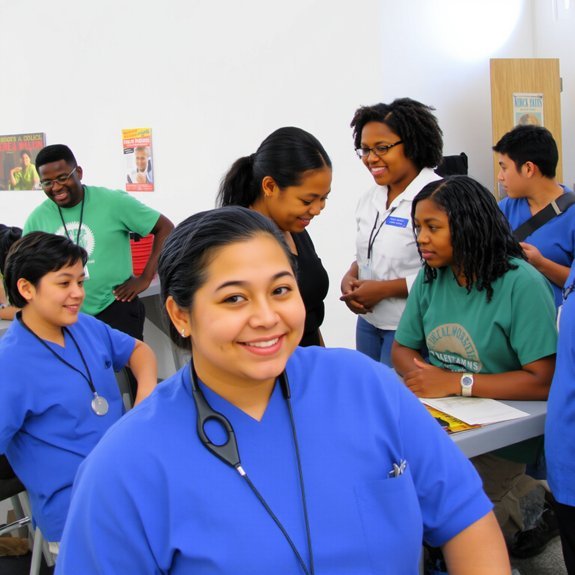
    When I was first dragged into a student clinic at my HBCU—okay, I went willingly because free flu shots are persuasive—you feel it the moment you walk in: the hum of conversation, the clink of a stethoscope, the smell of antiseptic and hot coffee mingling like unlikely friends. You watch students triage patients, greet elders with practiced warmth, and jab fingers for blood sugar without drama. You’ll hand out pamphlets, translate medical jargon into plain English, and learn to steady shaking hands while offering a joke that lands more often than not. You see teamwork, late-night prepping, and real learning that matters. You leave tired, oddly proud, and convinced community care beats textbook theory every time.

    community law clinic hustle

    Three things will hit you as soon as you step into a community law clinic: the soft rustle of paper, the low murmur of earnest arguing, and the tang of coffee that somehow powers legal miracles. You watch students, guided by professors, flip files, take notes, and explain rights in plain words. You’ll hear quick, kind translations, see forms filled, signatures guided, phones dialed for pro bono partners. You get the sense they’re juggling hope and deadlines, learning law by doing it. I joke that I’d fail law school but love the hustle; you’ll admire how clinics turn classroom theory into real help—eviction defense, benefits claims, family matters—where community trust meets trained advocacy, and justice feels a bit more within reach.

    K–12 Tutoring and STEM Pipeline Initiatives

    after school tutoring and stem

    You’re standing in a school gym after practice, the floor still smelling like chalk and sneakers, and I’m telling you HBCUs run after-school tutoring programs that actually stick—volunteers coaching reading, algebra, patience. Picture summer STEM camps where kids solder tiny robots, taste victory, and leave buzzing like cicadas; we partner with local schools to make that electricity real. And yes, we’re building teacher pipeline partnerships too, recruiting, mentoring, and nudging future teachers into classrooms where they’re needed most—no cape required, just commitment.

    After-school Tutoring Programs

    Envision this: a noisy gym quiets down, fluorescent lights hum, and a dozen kids bend over math worksheets while I stand at the whiteboard pretending I don’t secretly love algebra—yeah, I’m that nerd. You walk in, grab a marker, and the room perks up because HBCU tutors show up like clockwork. You’re guiding fractions, coaching confidence, and swapping test anxiety for high-fives. The sessions smell of chalk and pizza, hear laughter, and feel sticky chair seats. You pair students with mentors, track progress, and tweak lessons on the fly. You bridge school gaps, spot talent early, and steer kids toward college-ready choices. It’s practical work, mostly patient, sometimes messy, always worth it—lesson plans and heart included.

    Summer STEM Camps

    When summer heat waves roll in and the school parking lot empties, we turn a classroom into a mini lab and a cafeteria table into a rocket workshop—yes, glitter, glue, and the faint smell of burnt popcorn included. You show up curious, maybe a little skeptical, and we hand you goggles, a circuit board, and a sticky note that says “Try not to short-circuit the dragon.” You build, you fail, you laugh, you rebuild. We guide experiments, lead code drills, and narrate the “oops” moments like proud comedians. Kids who never met STEM suddenly make sensors sing. You see confidence grow, hands steadier, questions sharper. These camps start pipelines by lighting curiosity, offering mentorship, college visits, scholarships info, and follow-up tutoring.

    Teacher Pipeline Partnerships

    Those summer camps glow like science fairs on steroids — glue under fingernails, solder smoke, kids squealing when a sensor finally sings — and they also point out a bigger problem I can’t ignore: we need more teachers who look like the kids, who know how to make circuits sound like fun. You see it, you want to help, and so do HBCUs. They build teacher pipelines that send trained, passionate educators back into classrooms, tutoring after school, leading clubs, mentoring like they mean it. You get hands-on coaching, classroom practice, and paid internships that actually pay.

    • Paid K–12 tutoring apprenticeships, real classroom hours
    • STEM credential programs with mentoring cohorts
    • Community-school partnerships for internship placements
    • Ongoing professional development, classroom-ready skills

    Small Business Support and Entrepreneurship Centers

    You’ll spot entrepreneurial resource hubs on campus, bright rooms buzzing with laptops, whiteboards, and the smell of fresh coffee where students and locals sketch business plans. I’ll nudge you into the incubator next door, where mentors hand you a checklist, a prototype, and a reality check with a smile. Picture monthly pitch nights, honest feedback, and small grants that turn good ideas into paying customers — you’ll want to be in the room.

    Entrepreneurial Resource Hubs

    I’ve seen three start-ups sprout from the same cramped campus coffee shop, and that’s when I decided we needed a proper hub, not just good vibes and free Wi‑Fi. You walk in, smell fresh coffee and paper, and someone’s sketching a logo on a napkin. You’ll find resource hubs that do more than host meetings; they connect you to mentors, legal aid, and microgrants. They teach pitching, bookkeeping, and how to survive investor small talk without choking.

    • Mentorship matching with seasoned alumni
    • Free workshops on taxes, contracts, and branding
    • Shared workspace, printers, and demo nights
    • Seed funds, grant guidance, and networking mixers

    These hubs turn ambition into action, fast.

    Small Business Incubators

    If you’re serious about turning a backyard idea into a storefront that actually makes rent, a small business incubator is where you park your laptop and stop guessing. You walk in, smell coffee and whiteboard markers, meet mentors who ask tough questions, and get honest answers. We’ll help you write a lean plan, test a price, tweak your pitch, then sell a thing before lunch. You get workshops, legal help, shared equipment, and a cohort that celebrates wins and mock-critiques disasters. At HBCUs, incubators plug you into alumni networks, community buyers, and seed funds, they push you to hustle smarter, not harder. Bring grit, bring a prototype, and expect clear feedback—plus maybe free snacks.

    Agricultural Extension and Food Security Projects

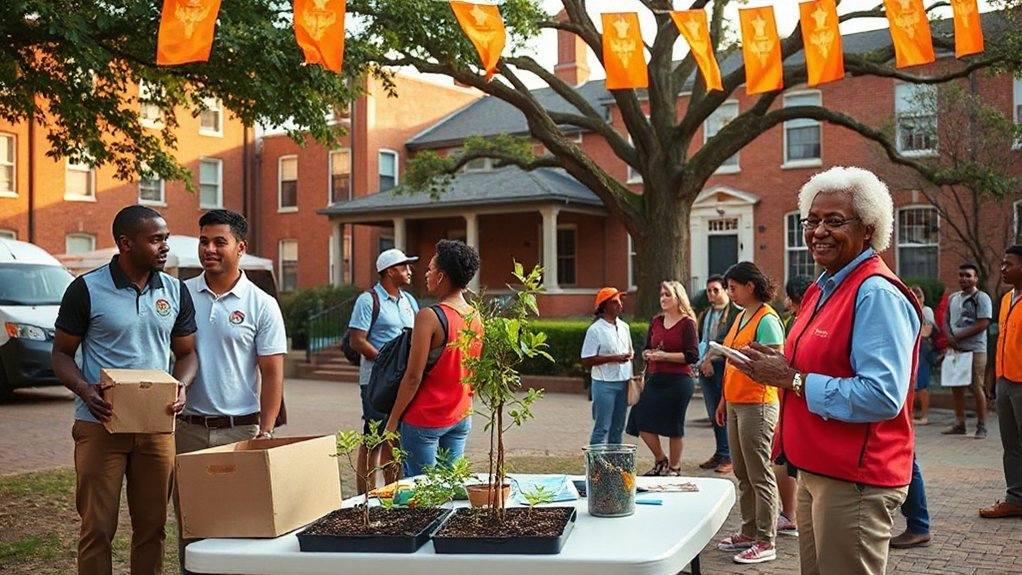
    When I walk onto a dusty schoolyard at dawn, and farmers are already squinting at seedlings like they’re reading the weather, you feel the whole project hum—boots, coffee, the tang of turned soil. I bring soil tests, seed packets, and annoyingly cheerful advice, and you watch neighbors trade jars of pickles like currency. HBCU extension teams teach climate-smart planting, pest control, and preserving harvests, all hands-on, no lectern. You get fresh produce maps, pantry seeds, and cook-along demos that smell like rosemary and victory.

    • Soil testing clinics that actually explain the dirt
    • Mobile gardens that follow students home
    • Community kitchens teaching preservation, canning, recipes
    • Farm-to-food-bank logistics, fast and humane

    It’s practical, hopeful, and a little stubborn.

    Workforce Development and Career Readiness Programs

    Because careers don’t just drop out of the sky, I show up with résumés, tool belts, and uncomfortable honesty—ready to get folks hired. You get hands-on workshops, mock interviews that sting a little but actually help, and career fairs where you smell coffee and hope. I coach LinkedIn profiles till they sparkle, teach you to tell your story in thirty seconds, and connect you to employers who need real talent, not just perfect transcripts. You practice elevator pitches in empty hallways, land internships, and build portfolios that hum. We run certification bootcamps, résumé clinics, and alumni panels that speak plain truth. You leave with skills, confidence, and a plan — and yes, a good joke to break the ice.

    Cultural Preservation and Arts Outreach

    You thought I only showed up with résumés and caffeine? I bring drumbeats, quilts, murals, and recipe cards too, and you feel it the second you step on campus — color, smell of paint, a chorus practicing. I lead student groups into neighborhoods, we record elders telling stories, we stage folk plays under string lights. You get hands-on arts workshops, heritage walks, pop-up galleries that make history taste like home. We teach technique, we honor lineage, we make space for voices that almost slipped away. Our outreach builds pride, sparks apprenticeships, and invites you to touch, listen, and learn.

    I bring drumbeats, quilts, murals, recipes — hands-on arts, elder stories, and neighborhood gatherings that make history feel like home.

    • Oral history sessions with elders
    • Community mural projects
    • Traditional music and dance workshops
    • Cultural craft apprenticeships

    Disaster Relief and Emergency Response Partnerships

    You’ll see how your campus can turn into a humming command center, with rapid-response student teams sprinting out the door, backpacks jangling, radios crackling. I’ll show you how a campus-first aid hub can feel like a warm, well-stocked kitchen — bandages lined like plates, hot drinks ready, volunteers calling names — you’ll want to stay. Let’s map who trains, who drives, and who keeps the coffee coming, because when emergencies hit, you’ll be the steady voice people trust.

    Rapid-Response Student Teams

    If a storm rips the power lines out at 3 a.m., I want a squad of students on the road before sunrise—no hand-wringing, just coffee, gear, and a plan. You’ll see them loading trucks, checking radios, and swapping grim jokes to stay awake. They move fast, with practiced calm, and you feel safer knowing they’ve drilled this.

    • Triage roles assigned, like a well-oiled relay team.
    • Local maps, spare batteries, and vetted partner contacts.
    • Quick shelter setups, water distribution, and debris clearance.
    • Communication protocols tested under pressure.

    You’ll ride along, probably spill coffee, and watch them turn chaos into order. They learn, lead, and give back, with grit and good humor.

    Campus-First Aid Hubs

    Three things make a campus-first aid hub work: a bright sign you can spot at dawn, a freezer full of ice packs, and people who know how to stay calm when sirens sound. You’ll find me there, coffee in hand, juggling clipboards and ego, ready to help. You walk in, inhale antiseptic and lemon, hear radios chatter, and someone cracks a joke to cut tension — I roll my eyes, then laugh. You’ll learn supply layouts fast, tape wounds faster, and shuttle volunteers like a conductor, no baton required. Partners from local EMS and faith groups drop by, exchange keys, share training, and swap food. When storms hit, you’ll open doors, hand out blankets, and keep the campus beating steady.

    Civic Engagement and Voter Education Efforts

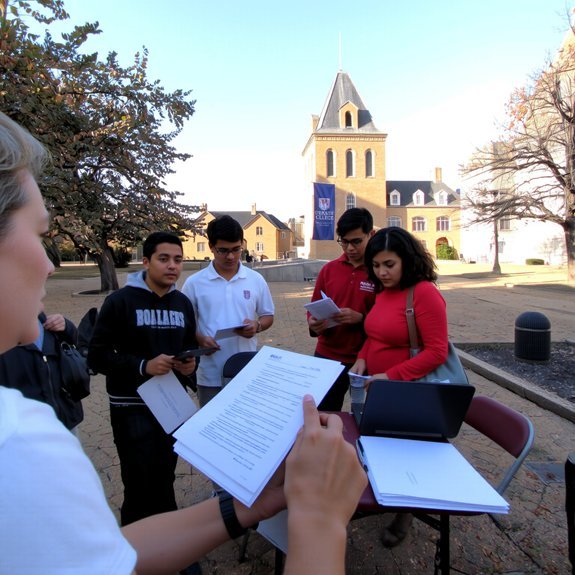
    When I walk onto an HBCU quad during election season, you can smell the coffee and hear the laughter before you see the signs — tablecloths flapping, flyers rustling like tiny flags. I wander over, you follow in imagination, and we step into a hub of civic hustle. Students register voters, debate volunteers practice friendly zingers, faculty lead issue workshops, and campus radio interrupts a playlist for a quick voter myth-busting bit. You get pulled into crisp, confident energy. Here’s what they do, up close:

    • Host registration drives with snacks and music, so you actually want to wait in line.
    • Run mock elections in class, so civic duty feels real.
    • Teach mail-in ballot basics, no jargon.
    • Coordinate rides to polling places, human-powered democracy.

    Alumni Networks Driving Community Investment

    Picture a reunion BBQ that never ends — alumni swapping recipes and business cards between drumsticks — and you’ve got the vibe when HBCU grads turn their networks into neighborhood power. You walk into that scene, you smell ribs, you hear laughter, and someone hands you a flyer for a small-business grant. You’re invited to mentor, to invest, to open doors. You don’t need a suit, just a willingness to share time, money, or skills. You see pop-up clinics, playground builds, scholarship funds spring from stories told at long tables. You trade jokes, then draft a plan. You’ll text, you’ll fundraise, you’ll show up. It’s messy, it’s real, and it transforms blocks, because community is where alumni actually live.

    Conclusion

    You see it, don’t you? You walk past a pop-up clinic, smell coffee and ink, hear laughter from a tutoring room, and feel the steady hum of people fixing things — hearts, laws, gardens. I’m telling you, HBCUs stitch communities like quiltmakers, patch by bright patch. You get hands-on learning and neighborhoods getting stronger. It’s messy, brave, hopeful work. Roll up your sleeves, join the chorus — you’ll leave with grit, pride, and a story to tell.

  • How HBCUs Respond to Social Justice Movements

    How HBCUs Respond to Social Justice Movements

    Did you know nearly half of recent campus protests happened at HBCUs? I’ll tell you why that’s not a surprise: you walk into a quad humming with history, feel posters rustle in the breeze, hear students trade sharp ideas over too-strong coffee, and you get organizers who don’t wait— they teach, march, and draft policy at once. Stick around, I’ll show how classes, counselors, alumni, and the community turn outrage into change.

    Key Takeaways

    • HBCUs organize campus rallies, teach-ins, and freedom-song traditions to mobilize students and honor activist legacies.
    • Faculty and community elders mentor organizers while curricula integrate social justice case studies and experiential learning.
    • Student coalitions use digital campaigns, livestreams, and tactical planning for coordinated protests and outreach.
    • Counseling centers and peer networks provide culturally responsive mental health support and post-action debriefs.
    • Partnerships with local organizations and strategic donor engagement amplify resources, storytelling, and sustained advocacy.

    Historical Roots of Activism on HBCU Campuses

    heritage of activism persists

    If you walk onto an HBCU quad at dawn, you’ll feel it before you hear a word—the cool brick underfoot, the smell of coffee and jasmine, the soft murmur of people who’ve been planning for months; that low, steady hum is history rubbing its eyes. You notice banners, old and new, stories stitched into fabric. I point out a plaque, you read aloud, we trade a knowing grin. Students have sat here plotting protests, publishing flyers, arguing till sunrise. Faculty coached, elders counseled, and sometimes someone played piano to keep nerves steady. You can almost hear freedom songs threading through study sessions. It’s gritty, proud work, handed down like a baton. You feel both weight and lift, ready to act, not just study the past.

    Curriculum Changes and Academic Programs Focused on Social Justice

    engaged learning for justice

    While the quad still smells like coffee and last night’s flyers, classrooms are where the real changes are getting elbow grease on them—I’ve watched syllabi go from dusty to defiant. You walk in, and professors swap passive lectures for case studies that sting. You touch a textbook, it feels new. You listen to guest speakers, you hear urgency and laughter. You enroll in courses that name systems, name pain, name repair.

    • A seminar where archival photos rustle under your fingers, voices from the past talk back.
    • A lab mapping redlines, you trace maps with a marker, it’s unnerving.
    • A poetry workshop that smells like ink and confession.
    • A practicum placing you in clinics, you act, you learn.
    • An interdisciplinary minor, stitched from history, law, art, and strategy.

    Student-Led Protests and Organizing Strategies

    campus mobilization and coalitions

    You see how students flood quad lawns, hand out flyers, and chant until your throat goes raw — that’s campus mobilization in full swing, and you’ll learn how to make it smart not just loud. You’ll also hear how coalitions form — student groups, faculty allies, and nearby community leaders trading trust like mixtapes, negotiating goals, and covering each other’s backs. Finally, we’ll map the digital playbook you use: sharp posts, secure DMs, and livestreams that turn strangers into supporters overnight.

    Campus Mobilization Tactics

    Let’s get loud: I’ve stood on HBCU quads when chants rolled like thunder and felt the pavement hum under our feet, that crisp fall air smelling of coffee and protest signs, so you know I’m not just talking theory. You learn quick how to marshal energy, pick routes, and time a march so it lands like a drumbeat. You train people to lead chants, to de-escalate, to document—simple, urgent skills. You make signs that snap, playlists that keep legs moving, and meeting scripts that don’t put anyone to sleep.

    • Voice checks, warm-ups, call-and-response beats
    • Hand signals, medics on standby, water stations
    • Route maps, campus landmarks, timed pauses
    • Phone trees, GIF-ready moments, quick press lines
    • Debrief circles, hot tea, honest laughter

    Coalition Building Efforts

    Because coalitions are the secret sauce that turns one loud voice into a neighborhood orchestra, I start by finding the folks who already care — not just the usual suspects, but dining hall workers, campus ministry, the improv troupe, and that professor who always brings doughnuts to office hours. You then invite them to a kitchen-table meeting, breathe in coffee and fryer oil, and listen more than you talk. You map shared goals, assign simple tasks, and trade jokes to keep spirits up. You rehearse chants quietly, plan routes that avoid lawns at night, and practice de-escalation scripts. You borrow folding chairs, tape posters that won’t ruin paint, and celebrate small wins with too-sweet punch. It’s messy, human, effective, and honestly kind of fun.

    Digital Organizing Practices

    After a kitchen-table meeting smells like strong coffee and victory, the fight for attention moves online where screens hum and algorithms choose who notices you. You post, you DM, you hilo between platforms, and I watch you turn hashtags into marching orders. You craft pixels like placards, write captions that bite, and schedule tweets at 2 a.m. when the city sleeps but justice doesn’t. Your phone buzzes, you smile, then sprint.

    • A neon flyer, finger-smudged, shared six times in ten minutes
    • A voice note, urgent, breathy, “Meet at the quad, now”
    • A thread that stitches history to the present, links clacking
    • Livestreams where faces glow, chants ripple, rain taps screens
    • Anonymous spreadsheets, names, roles, escape routes, hope mapped

    Campus Support Services and Mental Health Response

    When campus life gets loud — protests chanting, dorm halls buzzing, professors debating like referees — you need support that actually hears you, not a polite pamphlet shoved under your door; I’m talking counselors who’ll sit with you on a couch that smells faintly of coffee and lemon cleaner, peers who’ll text back at 2 a.m., and staff who’ll help you file a complaint without making you feel like you’re explaining your whole life story. I tell you, at HBCUs the counseling center can be a lifeline, warm lighting, weighted blankets, intake forms that don’t read like an exam. You’ll meet someone who knows your history, trades jokes, offers grounding breaths, and connects you to academic accommodations fast — real care, no bureaucracy theater.

    Partnerships With Community Organizations and Grassroots Movements

    If you want real change, don’t expect it to come from a press release or a podium alone — you’ve got to link arms with the folks already doing the work on Main Street and in church basements, the organizers who know the city’s rhythms by heart. I’ll say it plainly: you show up, you listen, you bring coffee. You learn neighborhood names, smell fry grease at the corner cookout, hear kids laugh in a muraled alley. Partnering means shared tables, not stamped memos. Picture quick scenes:

    • A folding table under a canopy, flyers flapping, someone handing out water.
    • A pastor’s laugh, a hymn drifting, organizers swapping numbers.
    • Chalked sidewalks, tiny shoes, pedal squeaks.
    • Late-night strategy over pizza and burnt coffee.
    • A shared mic, counting off demands.

    You act humble, you stay steady.

    Institutional Policy Reform and Governance Changes

    Because real change needs more than good intentions, you’ve got to overhaul the rules that run the place, not just cheer from the sidelines. You push for clearer grievance procedures, revise hiring policies to widen searches, and insist on transparent budget lines that you can actually read without a PhD. You walk into meetings, tap the table, say plainly what students and staff already know, and demand timelines. You sketch new bylaws, vote in oversight committees with teeth, and recruit trustees who answer texts at midnight — yes, accountability now includes late-night check-ins. You draft amnesty clauses for protest records, set regular policy reviews, and train leaders to listen, not lecture. It’s practical, gritty work, but it changes the campus pulse.
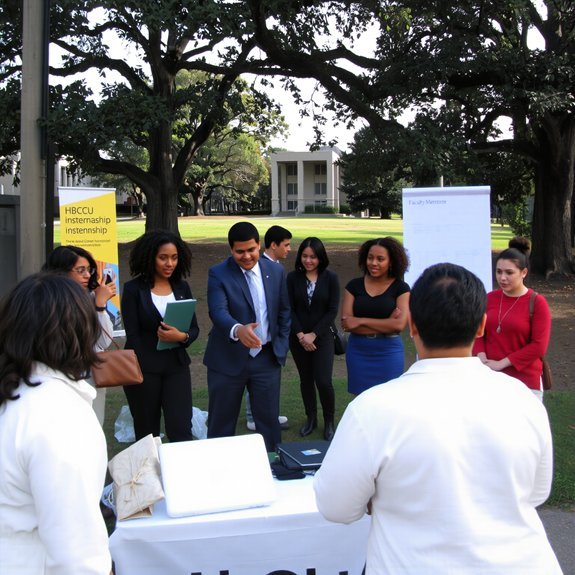
    Alumni Engagement and Philanthropic Support for Advocacy

    Since alumni hold deep institutional memory and pockets, you’ve got to court them like you’d court a very opinionated aunt — with respect, snacks, and a clear ask. You tap into reunion energy, send warm invites, and show impact, not just rhetoric. You speak plainly, you listen, you offer tangible roles.

    • A handwritten note, perfume of old chapel candles, asking for time.
    • A campus tour at twilight, breeze, laughter, new mural revealed.
    • A targeted fund for student activists, brief, transparent, with updates.
    • A small donor circle that meets over coffee, strong, hot, slightly bitter.
    • Naming opportunities that honor legacy, not ego, in visible places.

    You make donors feel useful, proud, and part of change, not just billed.

    Leveraging Media and Digital Platforms for Advocacy

    Three things matter when you go after attention: a clear story, a sharp image, and your voice—loud but tuned. You post with purpose, you film from eye level, you caption like you’re whispering a secret that matters. I tell you, don’t spray content, sculpt it. Use short videos, subtitles, bold thumbnails, and threads that pull people down the rabbit hole. Tag partners, call out actions, give next steps—donate, show up, share receipts. Smell the coffee on a livestream, hear the crowd swell in clips, feel the urgency in a DM. You’re quick, you’re human, you mess up sometimes, laugh it off, fix it fast. Track metrics, pivot, celebrate wins, and keep the story on brand, and on justice.

    Conclusion

    You’ve seen the history, the protests, the curriculum shifts — it’s not nostalgia, it’s living work. I know you’ll say “Can one campus really change much?” — yes, and you’ll feel it: chants vibrating under your feet, flyers crisp in your hands, late-night strategy talks smelling of coffee and courage. So join in, give time or cash, listen hard, and watch how small acts stack into thunder. We keep the pressure, and we keep hope.

  • How HBCUs Have Changed Over the Last 50 Years

    How HBCUs Have Changed Over the Last 50 Years

    Nearly 40% of HBCU graduates now earn graduate degrees—yeah, that number surprised me too—so you should know these schools aren’t the same places your grandparents attended. Picture renovated labs humming, students arguing passionately over late-night coffee, and alumni writing six-figure checks from home offices; I’ll show you how programs, research, diversity, and funding all shifted, but first, let me tell you about a campus that turned a chapel into an innovation hub

    Key Takeaways

    • Expanded academic programs and graduate offerings now include interdisciplinary majors, new master’s degrees, and professional certificates.
    • Research capacity and external funding have grown, adding advanced labs, shared facilities, and NIH/NSF grants.
    • Student body diversity has increased, with more racial, socioeconomic, and international representation.
    • Leadership professionalization and stronger shared governance improved strategic planning and administrative systems.
    • Financial pressures prompted corporate partnerships, alumni crowdfunding, asset rental, and start-up incubators for revenue.

    Expanded Academic Programs and Graduate Offerings

    innovative hbcu academic programs

    When I walk onto an HBCU campus now, you can smell change—fresh coffee from a new STEM lab‘s cafeteria, crisp paper from a stack of syllabi for courses that didn’t exist when my grandparents were students. You notice classrooms buzzing with data science, bioengineering, media production; you see grad students mentoring undergrads, a scene that would’ve made elders wink. I point out new master’s programs, professional certificates, and interdisciplinary majors that let you mix culture with coding, history with health policy. You enroll, teach, collaborate, and sometimes fail spectacularly—then laugh and try again. Faculty update curricula fast, internships show up like surprise guests, and alumni fund scholarships that actually pay rent. It’s ambitious, practical, and honestly, kind of brilliant.

    Growth in Research Capacity and External Funding

    hbcus enhancing research capabilities

    You’re going to see how HBCUs built real labs and shiny equipment, spaces that hum and smell faintly of solder and coffee. I’ll show you how those upgrades pulled in more external grant awards, so faculty could chase bold ideas instead of paperwork, and students could get hands-on with experiments that actually matter. Trust me, it’s a scrappy, satisfying story of sweaty nights, big wins, and money finally following merit.

    Expanded Research Infrastructure

    Picture a lab humming like a small, determined engine—incubators blinking, centrifuges thrumming, students in gloves sketching results on whiteboards like maps to treasure; that’s the new HBCU research scene, and I’m here to tell you it’s nothing like the stereotype. You walk in, you smell ethanol and fresh coffee, you see upgraded microscopes, climate-controlled greenhouses, and maker spaces with 3D printers that sound oddly polite. I point out shared core facilities, collaborative suites, and data hubs that let you crunch big datasets without breaking a sweat. Faculty mentor undergrads at benches, postdocs run late-night assays, and community partners drop by with real problems. It’s practical, hands-on, and built so you can do serious science, no excuses.

    Rising External Grant Awards

    Money talks, and lately it’s been saying good things to HBCUsgrants landed like carefully aimed boomerangs, rolling in from NIH, NSF, foundations, and industry partners. You feel it on campus, the hum of machines, the clink of lab glass, students high-fiving over data that actually means something. I watch you stretch small budgets into big discoveries, and I brag, a little, when you win the next award.

    1. You hire postdocs, buy microscopes, build labs that smell like coffee and possibility.
    2. You train undergrads, who touch real equipment, then light up with “I get it!”
    3. You partner with companies, swapping ideas for funding, and fast results.
    4. You publish, grow reputations, attract more grants, rinse and repeat.

    Increasing Racial and Socioeconomic Diversity of Students

    diverse student backgrounds and experiences

    You’ve probably noticed the student body looks different now, more faces from varied racial backgrounds filling lecture halls and quad conversations. I’ll show you how economic changes mean some students arrive from wealthier zip codes, while others bring grit from neighborhoods with fewer resources, and you’ll hear the contrast in their backpacks and lunch boxes. Stick with me, we’ll walk campus paths, eavesdrop on stories, and see what those shifts mean for classrooms and campus life.

    Broader Racial Representation

    If you walk across an HBCU quad today, you’ll hear a dozen accents, see skins that range from sun-kissed to deep mahogany, and smell everything from spicy stews to fresh-cut grass — which, honestly, is way better than a brochure ever sounded. You notice students from the Caribbean, Africa, Latin America, and towns you’ve never heard of, laughing in a mix of slang and poetry, trading recipes and study tips. You’ll sit on a bench, overhear a debate in three languages, and feel pleasantly outmatched. Change didn’t happen overnight, but it’s visible in classes, clubs, and on posters. Here’s what stands out:

    1. Increased international enrollments
    2. More multiracial students
    3. Cross-cultural student groups
    4. Diverse faculty hires

    Economic Background Shifts

    You’ll notice the change not just in accents and recipes, but in wallets and work-study badges, too — campus life smells a little different when ramen and collard greens are both on the menu. You see students who grew up in different zip codes, some from worn neighborhoods, others from suburbs with manicured lawns, and they trade stories at the dining hall like collectors swapping records. You hear cashiers joke about meal-plan math, watch first-gen students parade pride and anxiety, and count scholarship letters like confetti. I point out how financial aid offices hustle more, how internships bridge gaps, how roommates teach budget hacks at midnight. It’s bustling, messy, hopeful. You laugh, sigh, and know the campus is richer for it.

    Leadership Changes and Professional Administration

    When presidents started swapping places and professional administrators walked into HBCU offices with résumés that smelled faintly of LinkedIn premium, things got interesting—and I loved the energy. You watched boardrooms tighten, calendars fill, new systems click into place, and you felt both nervous and thrilled. I cheered, I rolled my eyes, I took notes.

    1. You meet presidents who sell a vision, not slogans, they walk campuses like gardeners, pruning, planting, praising.
    2. You feel professional admins bring spreadsheets, standards, and steady nerves; they cancel chaos with coffee.
    3. You notice shared governance sharpened, faculty voices kept, committees retooled, trust slowly rebuilt.
    4. You sense leadership learning to listen, adapt, and laugh at mistakes, while campuses wake up, brighter and brave.

    Strengthened Industry and University Partnerships

    Because industry folks started showing up with hard hats and checkbooks, campuses stopped being ivory towers and became busy workshops, and I loved watching it happen. You watch contracts land, handshake deals, and internship flyers plastered on dorm doors, and you grin because opportunity smells like fresh paint and coffee. You see engineers leaning over lab benches, recruiters in sneakers at career fairs, and students pitching ideas like pros. I cracked jokes with a dean, they rolled their eyes, then signed a sponsor agreement. You get mentorship that actually matches your major, paid summers that pay rent, and projects that teach real deadlines. It’s messy, loud, and practical. You adapt, network, and build a future that feels earned, not promised.

    Modernization of Campus Facilities and Technology

    If industry brought the money and the hard hats, then shiny new labs and Wi‑Fi that actually works brought the magic home. You walk into a renovated hall, smell fresh paint, hear fans hum, and think, finally. I point out smart classrooms with touch screens, makerspaces humming with 3D printers, and dorms that charge your phone without a circus of cords. You get secure networks, cloud access, and tech support who answer like humans, not robots. Accessibility ramps and LED-lit walkways make nights less spooky. The campus looks and feels modern, and you can tell pride when students snap selfies in front of new sculptures. I joke, we still trip on curb cuts, but we’re mostly upgraded.

    1. Smart classrooms and labs
    2. Campus Wi‑Fi and cloud services
    3. Makerspaces and fabrication shops
    4. Renovated housing and lighting

    Enhanced Role in Civic Engagement and Social Justice

    And as I walked past the quad, flyers still fluttering on the bulletin board like tired moths, I felt that familiar hum—students arguing the heat of the moment, a professor handing out clipboards, volunteers stuffing voter-registration forms into backpacks. You see them everywhere now, leading marches, running campus town halls, knocking on doors after class. You join a teach-in, taste chalk dust and late-night coffee, and leave knowing you helped frame the next debate. They coach you in protest etiquette, guide you through letter-writing campaigns, and push for curriculum that reflects your history. It’s hands-on learning with heart, practical and prophetic. You’ll argue, learn, get tired, keep going. They turn classrooms into civic labs, and you’re invited, loudly and kindly.

    Financial Challenges and Innovative Revenue Strategies

    Campus rallies and late-night teach-ins leave a pile of paper on the quad, and then someone has to figure out how to pay for the coffee. You watch budgets shrink, tuition squeeze, grant cycles wobble, and you know creativity has to kick in. I’ll tell you straight: HBCUs juggle fiscal reality with flair, hustling for contracts, alumni gifts, and inventive partnerships. You smell burger smoke at a fundraiser, hear a dean charm a donor, feel relief when a grant clears.

    1. Launch corporate partnerships that fund labs and internships, fast cash and real jobs.
    2. Monetize campus assets—rent spaces, license programs, host events.
    3. Crowdsource alumni micro-gifts, steady drip revenue.
    4. Spin start-up incubators into licensing income.

    Preservation of Cultural Heritage and Community Ties

    When I walk past the old brick chapel you can still smell hymnals and fried fish from Homecoming, and I promise you, those scents are history in motion—you don’t just preserve buildings, you stew memories. You see alumni tapping the cornerstone, telling me, “This is my first kiss spot,” and I laugh, because yes, that bench remembers more than I do. You catalog quilts, digitize yearbooks, record elders who sing the school fight song off-key but proud. You host neighborhood barbecues, invite local schools in, keep weekend markets alive. You teach students to care for archives, hand down recipes, and patch porches with love. You defend culture against erasure, while still making room for new traditions, stubbornly and joyfully.

    Conclusion

    You’ve watched 50 years of change, and you feel it in the brick, the lab hum, the marching drum that sounds like a small city waking up—no exaggeration, it’s electric. I’ve seen curricula bloom, research labs roar to life, leaders roll up sleeves, and campuses glow with new tech. You’ll keep finding partnerships, fundraising grit, and community roots holding fast. Stay curious, stay proud, and bring your voice to the next chapter.

  • How HBCUs Support Black Men in Higher Education

    How HBCUs Support Black Men in Higher Education

    You walk onto campus and the air smells like coffee and marching band drums, and you immediately feel seen—like someone’s already saved you a seat. I’ll point out how HBCUs pair you with mentors who’ve been where you are, run tight cohorts that keep you honest, and push career prep that actually leads somewhere, not just a pamphlet; stick around and I’ll show how that mix turns into steady lifts and loud, real wins.

    Key Takeaways

    • HBCUs provide culturally relevant teaching and mentorship that affirms Black men’s identities and lived experiences.
    • Structured male-success programs and peer cohorts create accountability, academic support, and brotherhood.
    • Faculty and mentors who resemble students offer personalized guidance, storytelling, and professional development.
    • Financial aid strategies, tutoring, and career-center services increase retention and post-graduation employment prospects.
    • Campus traditions, leadership labs, and civic engagement build belonging, confidence, and real-world leadership skills.

    Historical Foundations and Mission of HBCUs

    community culture resilience uplift

    When you walk onto an HBCU campus, you can almost hear history humming under your shoes, a steady drumbeat that’s been keeping time since the 19th century; I like to imagine it’s the ancestors tapping a metronome. You’ll smell cut grass, old books, cooking in dorm halls, and you’ll feel purpose in the warm brick and shade trees. These schools rose after emancipation, built by people who said, “We’ll teach ourselves,” and they’ve kept that promise. You get classrooms where culture matters, traditions that teach resilience, and ceremonies that stitch generations together. Don’t expect stodgy halls — expect community, accountability, and a mission that’s equal parts education and uplift. I joke, but it’s serious work, and it works.

    Mentorship and Culturally Relevant Faculty Support

    mentorship through relatable experiences

    Because mentors don’t just hand you a map, they walk the campus with you, point out the short cuts, and laugh when you take the long way — trust me, I’ve been that person. You feel the sun on the quad, hear their shoes on brick, and they say, “Here’s where I failed, so you won’t.” Faculty who look like you, who grew up like you, teach with stories, not just slides. They call you by your full name, correct your paper gently, and invite you to lunch where conversations turn practical and profound. You get feedback that’s honest, rooted in culture, and delivered with warmth. That mix of rigor and relatability keeps you showing up, curious, and confident.

    Targeted Male Success Programs and Peer Networks

    targeted male success networks

    I’ll tell you straight: mentoring is the spark, but targeted male success programs are the engine that keeps you moving — they take that one-on-one warmth and scale it, so you’re not just lucky enough to meet one good person, you’re stepping into a whole system built for you. You walk into a room that smells like coffee and paper, hear names called like homing beacons, and suddenly you’ve got structure, expectations, and people who’ll call you out and lift you up. These programs map pathways, run workshops, host brotherhood nights, and track progress so you don’t drift. They pair you with peers who push, joke, and study with you — real, daily accountability.

    • Regular cohort meetings and check-ins
    • Peer-led study groups and tutoring
    • Social rituals and brotherhood nights
    • Skill workshops and leadership labs

    Financial Aid, Career Preparation, and Resource Access

    If you want to actually afford college and land a job that pays more than ramen money, you’ve got to get strategic about money and connections — and I’m not talking vague advice or pep talks. You’ll dig into scholarships, federal aid, and campus emergency funds like a prospector, filling forms, scanning deadlines, and texting the financial aid office at weird hours. I’ll show you career centers that set up mock interviews, résumé cleanups, and employer meet-and-greets that smell like coffee and possibility. Use alumni databases, LinkedIn workshops, and internship pipelines, yes, even cold emails that aren’t terrifying once you script them. Claim tutoring, tech labs, and transportation stipends. Do the paperwork, go to events, follow up — employers notice grit, and resources make grit visible.

    Campus Culture, Leadership Development, and Community Engagement

    When you step onto an HBCU quad in the late afternoon, you can practically taste the history — sweetgrass, hot grout from the sidewalks, the low hum of a sax from rehearsal — and I want you to notice how that vibe turns into power, not nostalgia. I watch you walk past a club table, and you snag a flyer, because you know leadership here isn’t a title, it’s practice. You’ll find mentors who challenge you, peers who push you to speak up, and chances to serve that actually matter. I’ll admit, I cheer loudly, I joke, I nudge. You learn by doing, by stumbling, by leading a campus clean-up and feeling proud.

    • Intentional rituals that build belonging
    • Hands-on leadership programs
    • Civic projects with real impact
    • Peer networks that hold you accountable

    Conclusion

    You’ve seen how HBCUs hold heritage, heart, and hope in harmony, so don’t sleep on them. I’ll tell you straight: they mentor, mold, and mobilize men—hands-on help, honest guidance, hearty laughs. Picture late-night study sessions, firm handshakes after panels, warm campus food that smells like home. Walk in curious, leave confident. You’ll learn, lead, and laugh—because these colleges craft community, cultivate character, and create a clear cadence for success.

  • How HBCUs Support Black Women in Higher Education

    How HBCUs Support Black Women in Higher Education

    Most people don’t know HBCUs still graduate Black women at higher rates than many peers, and that shapes everything you feel on campus. You’ll notice it in the way professors call you by name, the auntie-energy in advising sessions, the late-night study groups that smell like coffee and candle wax, and the alumnae who’ll slide into your DMs with job leads—yes, really. I’ll show you how that translates into mentorship, leadership, and a real sense of home, so keep going.

    Key Takeaways

    • Provide culturally responsive curricula and faculty mentorship that center Black women’s histories, voices, and lived experiences.
    • Offer women-centered leadership programs, hands-on roles, and celebratory spaces that build confidence and practical skills.
    • Maintain strong mentorship networks and alumnae support for career guidance, networking, and personal development.
    • Deliver culturally competent mental health services, peer support groups, and wellness resources tailored to Black women.
    • Create research, internship, and community-engagement opportunities with funding and faculty mentorship for professional growth.

    Historical Role of HBCUs in Advancing Black Women’s Education

    empowerment through education legacy

    If you step onto a HBCU quad at dawn, you can almost hear history clearing its throat—so let me tell you why that matters. You’ll smell dew on grass, chalk dust from old steps, warm coffee in a mason jar, and the steady click of heels on brick. I’ve walked those paths with women who refused “no” like it was polite suggestion. You watch sisters teach, organize, and found clubs at midnight, then lead convocation at nine, tired but fierce. They built nursing programs, teacher colleges, and legal pipelines when doors were bolted shut. You feel the lineage in embroidered banners and graduation caps, a practical legacy: access, mentorship, leadership training. It’s stubborn hope, turned into institutions that work.

    Culturally Responsive Curricula and Teaching Practices

    cultural connection in education

    Those worn banners and midnight club meetings aren’t just pretty backdrops; they set the stage for what professors teach and how they teach it. You’ll notice syllabi that name Black women thinkers, writers, scientists—real people, not footnotes. Faculty bring stories, recipes, speeches into class, you’ll smell spices, hear gospel, see old photos projected beside theory. Discussions center your experience, instructors ask hard questions, then pause—really listen. Assignments let you connect research to community, practice to purpose. Professors adapt language, examples, pacing so you don’t get lost, they laugh when a joke lands, groan when I over-explain, we all learn. That cultural threading keeps content relevant, builds confidence, and makes learning feel like home, not homework.

    Women-Centered Student Organizations and Leadership Development

    empowering women through leadership

    When I walked into my first women’s circle on campus, I could smell coffee and citrus cleaner, hear a playlist that mixed Nina Simone with Cardi B, and feel the kind of buzz that makes you sit up straighter—so yeah, these groups grab you before anyone even says a name. You join, you listen, you speak, and you learn to lead without a script. These organizations build your confidence, teach meeting rituals, and let you fail in public, which is oddly freeing. You get hands-on roles: plan events, run campaigns, chair panels. It’s practice, with real stakes and real applause.

    • Run a budget, own a room, feel the win.
    • Lead a workshop, adjust on the fly.
    • Debate policy, sharpen your voice.
    • Stage an event, celebrate loudly.

    Mentorship Networks: Faculty, Staff, and Alumnae Relationships

    You learn a lot by messing up in front of your sisters, but you learn even more when an older woman who’s been there hands you a map. I point you toward faculty who actually listen, staff who open doors, alumnae who show up with casseroles and résumés. You meet in cramped offices, at homecoming tents, over lukewarm coffee — voices low, laughter loud, advice sharp. You get tough love, blind recommendations, internship leads, and a call after a bad grade. You practice asking for help, you rehearse elevator talks, you steal notes, you borrow confidence. Mentors nudge you into rooms you didn’t know you belonged in, they celebrate the small wins, they call you on your excuses, and they stay.

    Mental Health and Wellness Support Tailored to Black Women

    If you’re carrying grief, stress, and the constant “prove-it” hum in your bones, HBCUs try to meet you where you are — not with blank syllabi but with people who actually get the mess. I see you pacing between classes, tapping your pen, breathing through a lecture that feels loud and small. You’ll find counseling that centers Black women’s stories, peer groups that smell like mint tea and honest tears, and wellness fairs where laughter bubbles up next to serious talk. You get practical tools, culturally attuned therapists, and spaces to rest without explanation. Consider these lifelines:

    • Culturally competent counseling that names your stress.
    • Peer-led support circles with real talk.
    • Restorative practices: yoga, breathwork, art.
    • Outreach that knocks on dorm doors, not inboxes.

    Financial Aid, Scholarships, and Economic Mobility Programs

    Because money talks and silence costs, HBCUs don’t just hand you a brochure and hope for the best — they hustle to make school affordable, and yes, sometimes they’ll sweet-talk a scholarship committee on your behalf. I’m telling you, you’ll meet financial aid counselors who smell like coffee and confidence, who comb through FAFSA like detectives. They’ll stitch together grants, work-study, emergency funds, and targeted scholarships aimed at Black women, so you don’t have to choose between books and groceries. You’ll sit in offices, sign forms, celebrate award letters with a tiny happy dance. Campus programs teach budgeting, credit repair, and entrepreneurship, turning tiny stipends into real momentum. It’s practical help, prideful support, and money-forward policy, all wrapped in community.

    Career Preparation and Internship Pipelines for Black Women

    When I tell you HBCUs treat career prep like craft, I mean they build pipelines with the same care someone uses to bead a necklace—delicate, deliberate, and with plenty of shine. I watch you walk into career fairs that smell like fresh name tags and hope, and I nudge you toward counselors who know your strengths before you do. You get internships tailored to your goals, mentors who call you by your nickname, and mock interviews that sting a little, in a good way. You’ll leave with a portfolio that clicks, references who root for you, and a network that shows up.

    • Targeted employer partnerships
    • Paid internships with mentorship
    • Resume labs and mock interviews
    • Alumni pipelines and referrals

    Campus Culture: Community, Identity, and Belonging

    You’ll feel the rhythm of campus in meals shared under porch lights, homecoming chants vibrating your ribs, and the steady hand of a sister who knows your name. I’ll point out how mentorship circles, bustling student orgs, and leadership spots meant for you build confidence, open doors, and sometimes hand you a mic when you least expect it. It’s honest, warm, and a little cheeky—HBCU life crafts identity and belonging, and you’ll laugh, learn, and lead along the way.

    Shared Cultural Traditions

    If you’ve ever walked across an HBCU quad at sunset, you know the air tastes different — a mix of fried plantain, fresh-cut grass, and someone’s open notebook speckled with poetry. You feel the pulse of tradition under your shoes, hear elders calling names at chapel, and grin when a familiar chant starts—like joining a secret you actually can talk about. Shared rituals stitch you in. They teach you rhythms, give you language, and hand you recipes that double as history. You learn to move with pride, to respond to call-and-answer, to hold both joy and protest.

    • Homecoming parades that smell like collard greens and victory
    • Step shows banging, rhythms syncing your heartbeat
    • Sunday potlucks, recipes spoken in stories
    • Commencement caps tossed to ancestors smiled at

    Sisterhood and Mentorship

    Because sisterhood here smells like powder coffee at dawn and sounds like a late-night group chat that never quits, I learned fast that mentorship isn’t a handshake and a business card — it’s someone sliding you a plate of mac and cheese after a bad test, it’s a professor who remembers your grandma’s name, it’s a senior who shows you the shortcut across campus and the courage to speak up in class. You get pep talks between classes, study playlists in your DM, and hands that steady when anxiety hits. You watch older women balance work and joy, take notes, then steal their confidence like a needed pen. You also get blunt truth wrapped in care, and sometimes a roast that lands just right. You belong, you grow, you laugh hard.

    Inclusive Leadership Opportunities

    When I say leadership here, I don’t mean a stiff podium and a nameplate — I mean late-night planning sessions over soggy pizza, a student government suit jacket borrowed for an interview, and the nervous thrill of calling a meeting that actually shows up. I talk to you like a friend who’s been handed the megaphone, you know the jitters, the caffeine buzz, the tiny victories. On HBCU campuses, leadership looks scrappy and joyful, and it’s built to include you, not gatekeep you. You’ll find roles that fit your vibe, and folks who coach you, nudge you, and celebrate loud.

    • Peer-led committees that welcome new voices
    • Paid internships with real responsibility
    • Affinity councils that craft policy input
    • Micro-grants for student projects

    Research, Scholarship, and Opportunities for Academic Advancement

    Although you might not think of a library as a place that smells like possibility, step inside an HBCU research hub and you’ll catch that ink-and-coffee tang straight away, along with the low hum of people plotting the next big idea. You find faculty mentoring you over grant proposals, hands sketching methods on napkins, laughter breaking the tension. You’ll get funded labs that prioritize your questions, travel support to conferences, and publishers who finally read your voice. You can join research cohorts, present boldly at symposia, and snag teaching fellowships that boost your CV. I’ll tell you, it’s practical magic — resources meet respect, and your scholarship can grow, stretch, and lead to tenure without losing your sense of self.

    Community Engagement and Civic Leadership Initiatives

    You’re standing on a HBCU quad, coffee steam in the cold air, watching students march off to a neighborhood meeting where your campus runs a local civic leadership program that trains Black women to lead with confidence. I’ll tell you straight—you’ll see them pairing classroom theory with hands-on community service partnerships, painting murals, organizing town halls, and checking voter rolls like pros. It’s practical, loud, and a little messy, and that’s exactly how change smells and sounds.

    Local Civic Leadership Programs

    Community matters, plain and simple — and I’ll bet you’ve seen how a single neighborhood meeting can smell like burnt coffee, buzz like a beehive, and actually change lives. I watch you step up, lead workshops, and learn to speak so neighbors listen. You practice town hall tones, craft flyers that don’t scream, and build policy briefs that actually fit in a tote bag.

    You get mentorship from professors, real-world simulations, and networking over potluck plates. These programs teach you to run for boards, chair meetings, and steward resources.

    • Build public-speaking chops, fast and honest
    • Translate community needs into clear policy
    • Forge cross-sector relationships that stick
    • Lead with cultural insight, not just checklist

    Community Service Partnerships

    You’ve already learned how to run a meeting that smells faintly of burnt coffee and possibility; now imagine that energy multiplied by neighborhood clean-ups, voter-registration drives, and tutoring sessions that leave chalk dust in your hair. You jump in, you recruit classmates, you argue with city folks, you laugh when the banner rips. HBCUs pair you with schools, clinics, and grassroots groups, they hand you resources and say, “Go.” You teach algebra under oaks, register voters in church basements, deliver meals that steam in winter air. You build resume lines that matter, friendships that stick, confidence that won’t quit. It’s community work with curriculum muscle, civic training with heart, and yes, you’ll get dirty — and proud.

    Conclusion

    You’ve seen how HBCUs hold history, heart, and hustle for Black women — and you belong here. I’ve watched mentors meet you in dorm kitchens, felt classrooms crackle with bold Black brilliance, and heard alumnae cheer you on at midnight study sessions. Lean in, lead on, laugh loud. With community, care, and curated chances, you’ll claim career climbs and civic crowns. Stay steady, stay sassy, stay seen.