Author: Jordan C

  • How to Make the Most of Your HBCU Experience

    How to Make the Most of Your HBCU Experience

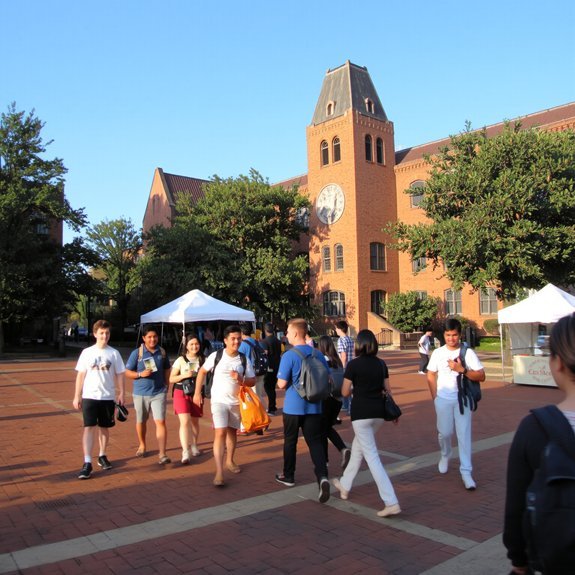
    Most students don’t know that homecoming cookouts and midnight study sessions are where lifelong mentors actually show up, so you should treat every tailgate and office-hour visit like a mini-audition for your future. You’ll learn names faster than you think, smell grill smoke and printer toner in the same breath, and collect favors like rare stamps — but stick around, because the real payoff comes when you mix class hustle with campus rituals and the right person offers you an internship.

    Key Takeaways

    • Immerse yourself in campus traditions, events, and social gatherings to build community and create lasting memories.
    • Build strong relationships with professors and mentors through office hours, thoughtful questions, and follow-up communication.
    • Join student organizations, volunteer, and consider Greek life to expand your network and sense of belonging.
    • Use campus resources like tutoring, counseling, and academic advising to support academic and personal growth.
    • Pursue internships and network with alumni, faculty, and employers to gain experience and career opportunities.

    Embrace Campus Culture and Traditions

    campus culture and traditions

    When you step onto HBCU grounds, breathe it in — that mix of fried food, marching band drumbeats, and campus gossip that sticks to your clothes like summer. You’ll learn the chants, wave at the same folks every Friday, and duck into tailgate lines that smell like victory and lighter fluid. Join a step team or choir, even if you’re awkward; participation beats perfection. Sit on the quad, trade stories, sample every campus cookout until your jeans protest. Watch the homecoming parade, clap when the drumline drops a beat, cheer like you mean it. You’ll collect rituals, nicknames, secret shortcuts, and a playlist that’ll comfort you later. Embrace it, laugh at yourself, and let these traditions claim you.

    Build Strong Relationships With Professors and Mentors

    build genuine mentor relationships

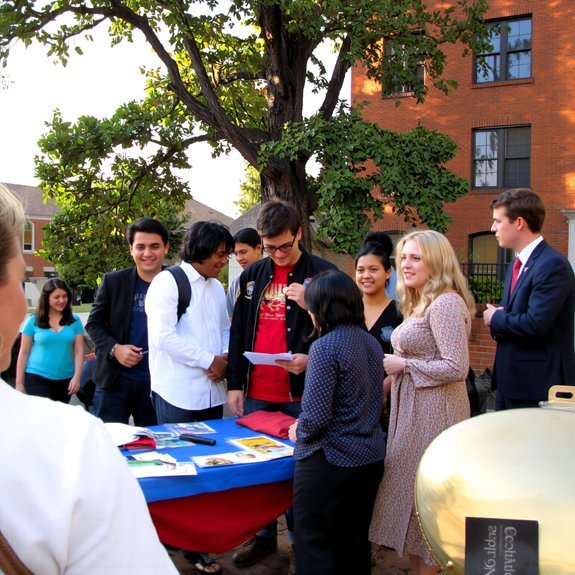
    Think of professors and mentors as secret VIPs on campus — they’ve got keys to opportunity, advice that actually lands, and snacks at office hours if you’re lucky. I tell you, walk into their office like you belong, shake a hand, make eye contact, and mention something specific from their class — it signals you’re paying attention. Ask crisp questions, bring a draft, and listen; note-taking still wins. Invite them for coffee, or email with a clear subject line, don’t send a novel. Say thanks, follow up on leads, and report progress; people remember follow-through. Use mentorship for feedback, internships, recommendation letters, and tough career truth bombs. Keep it genuine, stay curious, be reliable, and watch your network actually work.

    Get Involved in Student Organizations and Greek Life
    join clubs and organizations

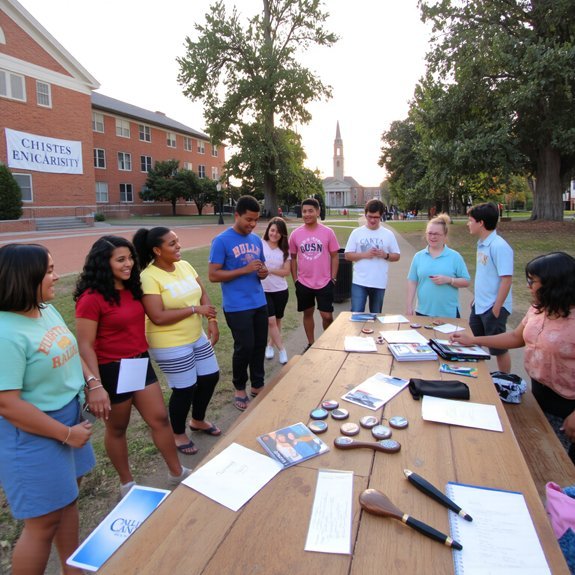
    You should wander the student fair with a coffee in hand, eyeballing clubs that match your vibe and taking flyers like they’re tiny promises. Try a meeting or two, chat up a member, and if Greek life intrigues you, sit in on a chapter event to feel the energy — think music, handshakes, and snacks. I’ll bet one new group will stick, give you friends who text back, and make campus feel like yours.

    Join Campus Organizations

    If you wander across a crowded quad and feel that electric buzz—music, flyers fluttering like confetti, students shouting about bake sales—you’ve just hit the jackpot for making campus feel like home, and I’m here to tell you to plunge in. You’ll try a club, taste its vibe, and either stay or bow out—no drama. I’ll nudge you toward curiosity, conversation, and commitment, in that order. Touch posters, ask one question, laugh at a terrible icebreaker.

    1. Visit three meetings in one week, feel the rhythm, pick the one that fits your schedule and soul.
    2. Volunteer at an event, meet leaders, claim a small responsibility—watch your confidence grow.
    3. Start something tiny if nothing fits; leadership loves initiative.

    Explore Greek Life

    Ever wandered past a row of bold letters and felt that little tingle—like a party you weren’t supposed to miss? You should peek in. Greek life at an HBCU buzzes with rituals, laughter, late-night study sessions, and handshakes that feel secret and strangely affirming. I’ll tell you straight: it’s networking wrapped in tradition, community dressed as celebration. Go to rush, listen more than you talk, taste the food at mixers, feel the chant in your chest. You’ll meet mentors who’ll check your grades, friends who drag you to service projects, a sister or brother who texts at 2 a.m. Don’t join just for fame, join for people who hold you accountable, who push you, who make campus feel like home.

    Use Campus Resources for Academic and Personal Support

    When I first set foot on campus, I didn’t know the tutoring center smelled like lemon cleanser and victory—now I do, and it’s my favorite hideout. You’ll duck in between classes, snag a desk by the window, and watch sunlight make the math book look heroic. Use the counseling center when nights get loud in your head, join study groups that actually finish chapters, and grab meal-plan coffee with professors who’ll give straight answers.

    1. Tutoring: ask for examples, bring snacks, don’t fake understanding.
    2. Counseling: book early, try a walk-and-talk, be honest — therapists aren’t mind readers.
    3. Academic advising: map courses, pick backups, remind them you have a life.

    Own these resources, they’ve got your back.

    Gain Professional Experience Through Internships and Networking

    You’ll want to hunt down internships that actually match your major and curiosity, those hands-on gigs where you’ll get coffee runs and real responsibilities, so your résumé doesn’t read like a mystery novel. I’ll tell you straight: talk to professors, career services, alumni, and that classmate who always posts industry events—shake hands, send messages, show up, and bring a notebook. Then mix those contacts with solid work experience, and suddenly your future employer feels less like a stranger and more like someone you’ve impressed over time.

    Find Relevant Internships

    If you want that first real-world win on your resume, don’t wait for perfect timing or permission—go find an internship that makes you excited to get up in the morning. I’ll tell you how I sniffed out gigs that fit me, felt like fits, and taught me stuff I still brag about. You’ll scroll, call, and show up—coffee in hand, voice steady. Be bold, try small companies, and don’t be afraid to ask for real tasks.

    1. Target roles: list skills you want, search HBCU career boards, filter for hands-on work that makes your eyes light up.
    2. Tailor materials: tweak one resume line per job, write a quick, human cover note.
    3. Apply fast: set a weekly quota, follow up politely, repeat.

    Build Professional Networks

    Networking is the quiet currency of careers, and I promise it’s not as gross as it sounds—think more like swapping playlists with people who can actually get you into the studio. You’ll stroll into career fairs, badge clipped, palm a little sweaty, and I’ll nudely remind you to breathe, smile, ask one smart question. Say, “What surprised you about this field?” Hand over a crisp résumé, but follow up with a LinkedIn note that’s short, human, oddly specific. Join campus clubs, attend alumni panels, grab coffee with someone whose job titles make your phone autocorrect to “goals.” Offer help before you ask for favors. Keep a spreadsheet, review contacts weekly, and send thank-you messages that mention a detail—shows you listened. Networking’s an active habit, not a checkbox.

    Balance Social Life, Wellness, and Academic Success

    When I first got to campus, my schedule looked like a game of Tetris, except the pieces were parties, study groups, and yoga classes, and I was terrible at the controls; I learned fast that balance isn’t some noble ideal, it’s a daily skill you practice, fumble, and occasionally master. You’ll pick priorities, say no without guilt, and actually sleep sometimes. You’ll smell coffee at midnight, feel yoga mat grit on your palms, and hear friends laughing down the hall. Try these tiny moves, they work.

    1. Block calendar time for class, naps, and fun—protect it like your playlist.
    2. Swap a party for a walk, call a friend, or do ten deep breaths.
    3. Use office hours, not just textbooks; professors are actual people.

    Conclusion

    You’ve got this — grab games, grub, and great mentors, don’t ghost office hours, and join clubs that spark you. I’ll say it straight: show up, speak up, sweat a little, savor late-night cookout smells, and shake hands at career fairs. Balance beats burnout, so nap when you need to, ask for help, and hustle for internships. Small steps, bold moves, steady smiles — that’s how you make your HBCU home.

  • How to Join Student Organizations at an HBCU

    How to Join Student Organizations at an HBCU

    You’re on campus, map in your hand, winter breeze nipping at your ears, and the quad’s buzzing—clubs, tables, free food (always free food). I’ll tell you how to cut through the noise: talk to people, watch a meeting, ask blunt questions, and don’t apologize for trying stuff. You’ll find the hype, the quiet ones, and the groups that feel like home—keep walking toward the table that makes your chest lift, and then…

    Key Takeaways

    • Attend the Campus Involvement Fair to meet clubs, collect contact info, and pick up promotional materials.
    • Check the Student Affairs Office and departmental bulletin boards for meeting times, club directories, and recognition rules.
    • Prepare a short introduction, bring a pen and charger, and verify event details before attending your first meeting.
    • Follow up within a week with contacts, sign up for roles, and volunteer for small tasks to build presence.
    • If starting a group, define a mission, secure a faculty advisor, complete recognition paperwork, and plan a launch meeting.

    Why Student Organizations Matter at HBCUs

    belonging through student involvement

    Because college is as much about finding your people as it is about getting a degree, you’ll want to plug into student organizations early — trust me, they’re the secret sauce. You’ll find mentors who actually care, friends who text you back, and events that smell like popcorn and possibility. Join a study group, roll up your sleeves at a service project, or belt karaoke at midnight — do the things that make campus feel like home. You’ll build leadership muscles, polish your résumé with real wins, and learn cultural traditions that textbooks skip. I’ll poke fun at your first awkward meeting, but you’ll leave it with a name tag and a sense of belonging. That, right there, changes everything.
    Where to Find Campus Clubs and Groups

    find clubs fairs bulletin boards

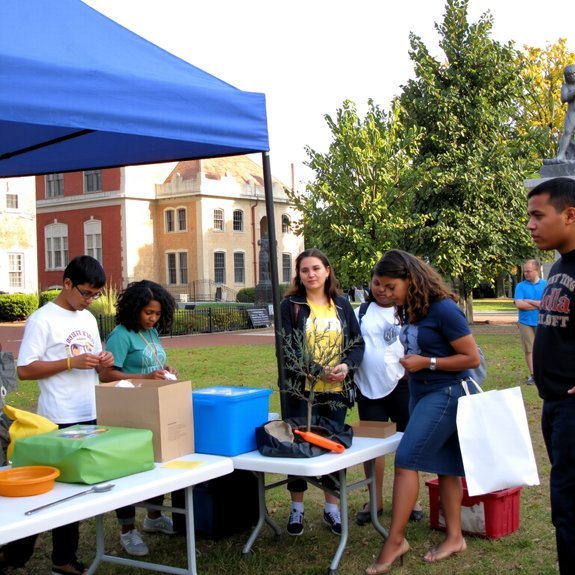
    You’ll spot most student groups at the Campus Involvement Fair, where tables, flyers, and free T‑shirts make the quad smell like sunscreen and possibility. Swing by the Student Affairs Office next—ask loud, take notes, and pretend you’re collecting evidence for a very fun case. Don’t miss departmental bulletin boards, they’re low‑key treasure maps pinned with meetings, office hours, and the occasional baking club flyer that’ll make you wish you’d come sooner.

    Campus Involvement Fair

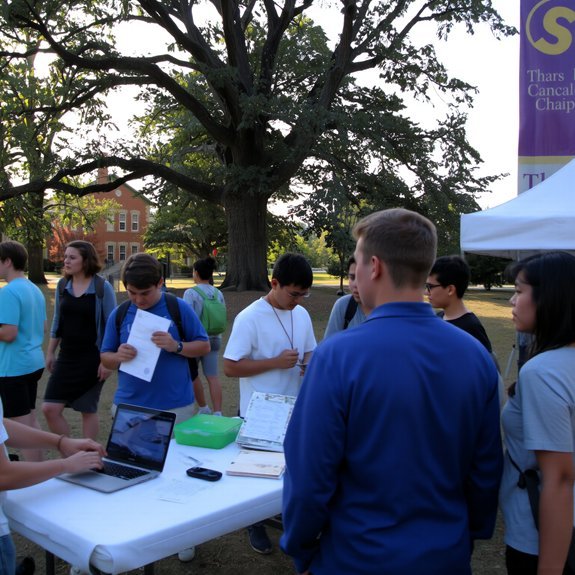
    Most HBCU campuses throw a huge, colorful involvement fair at the start of the semester, and I’m telling you, it’s like speed-dating for your future self — noisy tables, flyers fluttering, free pens that somehow multiply in your backpack. You’ll wander aisles, smell popcorn and printer ink, hear laughter and bass from the DJ. Stop at a table, ask one sharp question, watch faces light up. Get a sticker, try a handshake, promise to attend a meeting — then actually show up once, at least. Snap pics for your dorm group chat, collect cards, toss the weird brochure later. If you’re shy, bring a friend, or pretend you need directions. You’ll leave lighter, louder, and choosing easier than you feared.

    Student Affairs Office

    If the fair felt like speed-dating, the Student Affairs Office is your after-party — calmer, air-conditioned, and staffed by humans who actually know where the cake went. I tell you, wander in, breathe deep, and let the receptionist point you to maps, club directories, and that one organizer who’s always caffeinated. You’ll hold glossy flyers, hear names you want to try on, and feel the hum of campus life through glass doors. Ask for meetings, drop-in hours, or email lists; they’ll give you contact cards and a calendar invite if you ask nicely. I’ll admit, it’s less glamorous than social media, but here you find reliable info, actual people, and follow-up — the kind that turns curiosity into membership.

    Departmental Bulletin Boards

    Three rows of cork, thumbtacks like confetti, and a rumor of free pizza — that’s your departmental bulletin board to sum up. Walk down the hall, breathe in coffee and paper glue, scan flyers with bold fonts and crooked stapling. You’ll spot study-group times, printmaking meetups, and the chess club’s quirky mascot drawing. Peel back a sticky note, scribble your name, snap a photo for later. Ask the professor nearby, they’ll smirk and say, “Oh, that one? Great people.” Follow the trail of handbills to a classroom or lounge, introduce yourself, shake hands, laugh at your own awkwardness. You’ll leave with a signup link, maybe a sticker, and a plan — small, real, ready to grow.

    How to Prepare for Interest Meetings and Events

    confidence is key preparation

    One quick trick before you walk into that interest meeting: breathe, straighten your shirt, and pretend you’ve been showing up to campus events your whole life — even if your last campus outing was ordering pizza at orientation. I tell you this because confidence is a costume you can borrow. Check the event time, map the building, charge your phone, and grab a pen. Smell the coffee, listen for laughter, and scan the room for someone who looks friendly — yes, that person probably needs a friend too. Have a one-liner ready: “Hi, I’m [Name], I’m curious about what you do.” Ask about meeting frequency, costs, and time commitment. Leave with a plan, not a promise, and follow up the next day.

    Strategies for Joining Greek Life and Sororities/Fraternities

    You’ll want to learn each chapter’s recruitment steps, so you don’t show up looking confused — trust me, been there, wore the wrong shoes. Start by listening, asking smart questions, and showing up consistently, because genuine connections beat a rehearsed speech every time. I’ll walk you through where to stand, what to say, and how to leave an impression that’s real, not scripted.

    Understanding Recruitment Processes

    If you’ve ever watched a campus crowd part like the Red Sea when someone shouts “rush,” don’t worry — I was the awkward wallflower in the back too, clutching a paper cup like it was a life preserver. You’ll learn the beats: info sessions, meet-and-greets, formal recruitment, and voting rounds. Pay attention, show up, breathe. Ask clear questions about expectations, dues, and time commitment. Take notes, trade a laugh, follow up.

    • Go to info nights early, grab a name, and remember one quirky fact.
    • Dress smart, comfortably, and in layers — you’ll sweat from nerves, then cool down.
    • Track deadlines, RSVP, and thank people; manners count, always.

    Building Genuine Connections

    When I first stepped into a sorority mixer, my palms felt like I’d been holding a bag of marbles, but I promised myself I’d do more than smile awkwardly and cling to the snack table; so I learned to listen like it mattered, ask one sharp question, and leave with three names and one goofy fact to use later. You’ll try the same: show up, breathe, and trade surface small talk for one honest line — “What made you join?” Watch faces change, answers bloom. Offer specifics about yourself, a quick story, not rehearsed, just true. Remember names, notice details — a laugh, a pin, the playlist song. Follow up within 48 hours, reference that goofy fact, invite coffee. Be curious, consistent, kind.

    How do you walk into a buzzing rehearsal room without tripping over jazz hands or your own nerves? You take a breath, square your shoulders, and remind yourself you belong here. I’ll say it plain: auditions are a hair-raising, thrilling mess, and you’ll survive.

    • Warm up like you mean it — hum, stretch, shake out the jitters.
    • Listen first, then show off — match the room’s energy, then add your spark.
    • Ask quick questions — they’ll respect curiosity more than fake confidence.

    You’ll hear claps, squeaky floorboards, someone cracking a joke. You’ll mess up a line, laugh, keep going. Spotlight’s not a trap, it’s a promise. Leave proud, whether you nailed it or learned something priceless.

    Steps to Start Your Own Student Organization

    You just left a sweaty rehearsal room, heart still thumping from that near-miss line, and you’re thinking: I could run this chaos better. Good. Start by naming your group—make it snappy, make it clear. Draft a short mission, two to three sentences, so folks know why they’d show up. Find a faculty advisor who’ll vouch for you, someone patient and caffeinated. Check student affairs for recognition rules, paperwork, deadlines—don’t wing it. Plan a launch meeting: date, simple agenda, snacks, sign-up sheet. Recruit officers, set basic bylaws about roles and meetings, keep it flexible. Budget a rough calendar and funding ask. Advertise with flyers, socials, and quick pitches between classes. Celebrate the first imperfect meeting; you’ve begun.

    Balancing Club Commitments With Academics

    Because your syllabus doesn’t care about your passion, plan like a quarterback calling plays—quick, precise, and with snacks nearby; I’ve learned that balancing meetings and midterms is part choreography, part triage. You’ll map deadlines on a wall calendar, smell marker ink, feel the paper curl, and promise to stop overcommitting (then say yes anyway). I keep rules that actually work, not lofty vows.

    • Say no without guilt, prioritize classes first, clubs second.
    • Block study times, set alarms, bring earbuds and emergency granola.
    • Delegate tasks, recruit a reliable teammate, trade favors.

    I coach myself like a friend who nags but cares, I nap like it’s practice, and I celebrate small wins with loud, tiny dances.

    Leadership Opportunities and Professional Development

    Okay, so you’ve learned to treat your schedule like a playbook and stop signing up for everything (mostly). Now, lean in: step for step, you can claim leadership that actually helps your future. Start small — run a table, then chair a meeting, then pitch an event; you’ll feel the adrenaline and hear people actually listen. Say yes to mentor roles; you’ll learn to give feedback without sounding like a robot. Seek workshops on résumés and mock interviews, bring a recorder, take notes, repeat. Ask faculty for short shadow days. Volunteer for roles that force you to plan budgets, negotiate with vendors, and speak into mics — awkward, but invaluable. Keep a portfolio of wins, even the messy ones; they tell better stories than perfection.

    Making the Most of Membership and Building Lasting Networks

    When you stick around after the meeting — not just for the free pizza, though that helps — you start to collect the little moments that turn acquaintances into allies; I’m talking handshakes that become check-ins, hallway jokes that turn into study sessions, and awkwardly honest conversations that lead to real help. You show up, you listen, you joke — and people remember that. Push for small roles, ask for feedback, bring snacks once in a while; you’ll be surprised how food and reliability open doors. I can’t promise instant fame, but I can promise steady returns.

    • Volunteer consistently, even for small tasks.
    • Connect one-on-one after events, ask about goals.
    • Keep a contacts note, follow up within a week.

    Conclusion

    You’ll find your people if you try, I promise—campus fairs buzz with laughter, flyers stick to your fingers, and someone will hand you a contact card while you’re juggling coffee. Test the theory that belonging is earned, not given: show up, ask questions, mess up a little, laugh about it. I did; you will, too. Stay curious, keep your schedule tight, say yes more than you’re comfortable with, then choose wisely.

  • How to Find Your Community at an HBCU

    How to Find Your Community at an HBCU

    You can feel both lost and right at home within a single quad, and that contradiction will be your compass. I’ll walk you through how to crash a step show like you belong, peek into the club room that smells like coffee and poster glue, and slide into conversations that start with “where you from?”—you’ll learn the rituals, find the people who laugh at your jokes, and pick the spots that make campus feel like yours, but first—

    Key Takeaways

    • Attend campus traditions and events to meet people and feel the school’s welcoming culture.
    • Visit the student org fair and join clubs that match your interests to build friendships and skills.
    • Explore campus ministry and interfaith groups for spiritual support and diverse perspectives.
    • Use academic networks, faculty mixers, and career events to find mentors and professional peers.
    • Nurture connections with regular check-ins, shared activities, and clear expectations for support.
    campus traditions build community

    When you step onto campus, everything smells like warm pavement after rain and somebody’s cooking—jasmine and frying plantains, maybe, or coffee that actually tastes like coffee; you’ll know you’re home before the welcome banner even says your name. I tell you to watch the quad—people pass stories like old coins. You’ll learn those rituals: chapel bells, homecoming chants, the march of seniors in caps that glitter. Don’t be shy, raise your hand at the freshman picnic, taste the gumbo, ask who taught that step. Traditions are invitations, not tests. You’ll copy greetings, adopt a bench, learn which professor gives life advice and which gives deadlines. Laugh at yourself when you get the chants wrong; everyone’s been there. Soon, they’ll call you by your name with feeling.

    Exploring Student Organizations and Clubs

    join student organizations today

    You’re going to poke around the student org fair, smell the popcorn and hear a cappella in the quad, and you’ll know which table feels like home. Join an interest-based club to geek out with people who get your thing, or, if no one’s doing it, start a new org — I’ll cheer from the sidelines and bring the stickers. It’s louder, messier, and way more fun than you expect, so jump in, make a flier, and see who shows up.

    Joining Interest-Based Clubs

    Something about walking into a room full of strangers makes your skin tingle — in a good way, like the beat of a drumline backstage — and that’s exactly why I dove headfirst into interest-based clubs at my HBCU. You’ll find groups for everything, from spoken word to gaming, and you should hop into a meeting, listen, ask a question, then laugh at your nervous joke. I joined a lit circle, sniffed coffee, read a poem aloud, felt applause like a warm blanket. Say yes to the pizza, stay for the banter, volunteer for setup so you’re useful and awkwardly beloved. Clubs teach skills, make friends, and give you reasons to show up. Don’t overthink it, go try one tonight.

    Starting a New Org

    One bold idea is all it takes to start something that wasn’t there yesterday — I knew this because I stood in the student center with a stack of flyers and a trembling grin, feeling like a bandleader who’d forgotten the drums. You’ll pitch your idea loud, then softer, then over coffee, because you’ll need allies. Draft a clear purpose, snag a faculty sponsor, file the form, and book a room. Bring snacks — they’re currency. Say things like, “What if we…” and listen more than you talk. Expect paperwork, hiccups, one rejection, a volunteer who ghosted, and then the first full room, lights warm, laughter spilling. Celebrate small wins, iterate fast, and don’t be afraid to ask for help.

    Finding Faith-Based and Spiritual Communities

    campus ministry and interfaith

    You’ll find campus ministry groups tucked into cozy chapels and loud quad booths, where people hand you a hot flyer and a warmer smile. I’ll point you toward interfaith student orgs too, they’ll welcome your questions, swap snacks, and argue theology with cheerleading-level enthusiasm. Go check a meeting, stick your hand out, and if they’re not your vibe, at least you’ll have free coffee and a story.

    Campus Ministry Groups

    If faith matters to you, campus ministry groups are the place to plant yourself and see who shows up—literally and spiritually. You’ll find coffee-scented lounges, hymn-sung stairwells, and people who actually mean “How are you?” when they ask. Walk in, sit down, listen — then speak. Try a Bible study, a service day, or a late-night prayer circle; you’ll learn names fast.

    • Attend a worship night, clap, laugh, cry, meet someone who hands you a casserole later.
    • Join a volunteer crew, get your hands dirty, feel proud, notice who keeps showing up.
    • Lead a small group, mess up, apologize, watch trust grow.

    I promise, you’ll leave with a few friends and a place that feels like Friday night.

    Interfaith Student Organizations

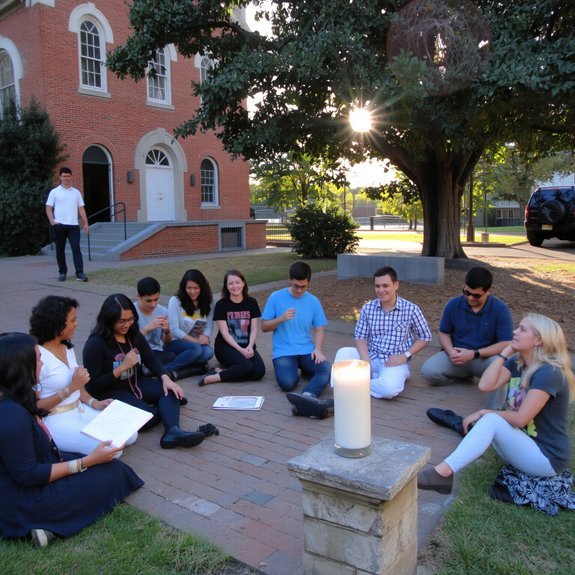
    Looking for a faith home that’s less cookie-cutter and more “come as you are”? You’ll find interfaith groups that mix prayers, playlists, and pizza nights, where folks bring candles, curiosity, and questions. I wander in, sniff the coffee, hear a drum beat, and someone hands me a name tag that says “hi, human.” You’ll sit in a circle, share a poem, argue gently about ethics, then light a candle for comfort. These orgs host service projects, meditation sessions, and holiday swaps — practical things that actually change your week. Want a quiet room to breathe, or a loud forum to debate faith and justice? Walk in, try one meeting, stay if it fits. You won’t regret the mix.

    Joining Academic and Professional Networks

    When I showed up on campus clutching a schedule and a coffee so weak it might’ve been just hot water, I had no idea academic and professional networks would become my secret sauce; they didn’t just point me to tutoring and internships, they handed me mentors, study buddies, and the occasional reality check. You’ll find groups that match your major, career goals, or weird academic obsessions. Walk into a meeting, say hi, sit where the energy feels right, and listen — you’ll leave with a contact and maybe a joke you’ll pretend you understood.

    Campus networks became my secret sauce — mentors, study buddies, and the odd reality check. Sit, listen, connect.

    • Attend faculty mixers and join student chapters.
    • Use LinkedIn, alumni panels, career fairs.
    • Volunteer for projects, present, ask for coffee chats.

    Treat networks like plants, water them.

    Getting Involved in Greek Letter Organizations

    Because you’re not just joining letters, you’re stepping into a loud, messy, loving family that will show up when you need books, bailouts, or a push to be better. You’ll stroll into chapter house smells—coffee, cologne, old flyers—and someone will clap you in with a grin. Go to info sessions, ask blunt questions, watch rituals from the safe seats, and let curiosity do the talking. Try philanthropy events, bake sales, step shows; roll up your sleeves and sweat alongside folks who’ll become your calendar. Be honest about time and money, don’t promise the moon. Learn traditions, call people by nicknames, laugh at awkward initiation stories—everyone has one. If it fits, commit; if it doesn’t, walk away, no shame.

    Using Mentorship and Peer Support Programs

    If you want someone who’s been through the late-night cram sessions, the professor who gives extra credit like it’s a sport, or just a peer who’ll answer your frantic 2 a.m. text about syllabus confusion, mentorship and peer support programs are where you find them. You’ll get paired with people who’ve smelled the cafeteria coffee at dawn, survived midsession panic, and still smile. Talk regularly, bring snacks, admit confusion. Mentors guide, peers commiserate, and both push you forward.

    Need cram-night allies, extra-credit profs, or 2 a.m. syllabus rescuers? Mentors and peers have your back—talk, snack, survive.

    • Join a formal mentor match, meet weekly, keep a shared notes doc.
    • Pop into peer study groups, bring beats or snacks, share focused goals.
    • Use counseling-run support circles, practice talking, learn steady breathing.

    Building Social Circles Through Events and Activities

    Since you can’t live on late-night ramen and group chat drama alone, go where people actually hang out — quad cookouts, step shows, campus open-mic nights — and let the noise do half the work for you. You’ll smell charcoal and gumbo, hear bass thump and laughter, see neon posters flapping. Show up early, snag a seat near the speakers, start a dumb comment about the playlist, and watch strangers become co-conspirators. Sign up for a club table, volunteer backstage, or bring snacks — small moves, big returns. Trade numbers between performances, slide into a study group, invite someone to grab coffee after. You’ll fumble, you’ll laugh, you’ll belong. Repeat often, be curious, and keep showing up.

    Creating Inclusive Spaces and Allyship

    You found your people at the cookout, traded numbers after the open-mic, and now you want that feeling to fit everyone — not just your corner of campus. You lean in, listen to folks who usually sit quiet, and you invite them to speak first, because power moves can be tiny and kind. You plant snacks on the table, dim harsh lights, and notice how voices loosen when stomachs stop growling.

    • Ask, don’t assume: open questions beat guessing games.
    • Set clear norms: respect, time to speak, no interruptions.
    • Back up folks: interrupt the interruptor, amplify small voices.

    You’ll fumble, you’ll learn, you’ll laugh—embrace mistakes, apologize fast, keep building that roomy, noisy welcome.

    Maintaining Connections After Graduation

    When the tassel turns and the dorm keys click into someone else’s pocket, don’t let your friendships become a few likes and the occasional “congrats” GIF — treat them like plants that need water and the occasional curse when they droop. You’ll call, text, and actually show up. Set a quarterly video hangout, claim a holiday meal, or crash someone’s weekend — yes, uninvited, like an enthusiastic raccoon. Swap job wins and bad dates, send care packages with coffee and gum, celebrate tiny promotions with absurd GIF battles. Keep a shared playlist, tag photos with inside jokes, plan an alumni weekend, and say, “I need you” when life tilts. You’ll keep roots deep, funny, messy, honest — the tribe stays, if you keep tending it.

    Conclusion

    Think of campus as a big, noisy kitchen and you’re the rookie cook. You’ll taste traditions, stir into clubs, and steal recipes from mentors. I wave my spatula—join that faith group, try Greek life, crash a study session—and you’ll find your flavor. You’ll laugh, burn a dish, swap stories over late-night pizza, then pass the pan on. Stay curious, be kind, and keep inviting folks to the table; that’s how community sticks.

  • How to Stay Safe on and Around an HBCU Campus

    How to Stay Safe on and Around an HBCU Campus

    You’re not being paranoid if you check a campus map before dusk — you’re being smart, and I’ll show you how to make that the habit that keeps you steady. Walk with purpose, learn the blue-light locations and campus police hours, text a buddy when you leave the library, and pick well-lit routes even if it adds five minutes; I’ll also cover late-night rides, tech hygiene, and what to say when something feels off, so you can enjoy campus life without pretending you don’t care.

    Key Takeaways

    • Learn campus layout, building hours, emergency locations, and save campus police and escort numbers in your phone.
    • Share plans and ETAs with a trusted friend and set regular check-ins when traveling alone or at night.
    • Use well-lit, populated routes, avoid shortcuts after dark, and keep headphones low to stay aware.
    • Secure devices with strong passwords, two-factor authentication, and avoid posting real-time location or schedules publicly.
    • Report suspicious behavior promptly, document details (time, place, description), and use anonymous reporting if needed.

    Know Your Campus: Maps, Hours, and Safety Services

    campus navigation and safety

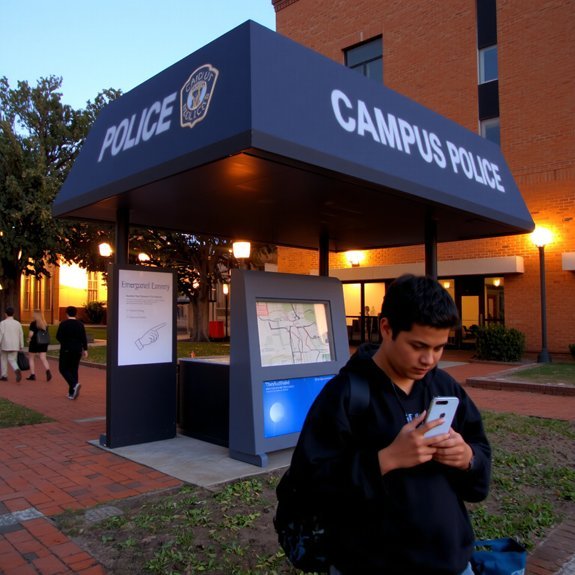
    Okay, listen: I learned the hard way that a campus map isn’t just a piece of pretty paper—it’s a survival tool. You’ll trace routes with your finger, memorize shortcut alleys, and note lighted paths that feel safer at night; you’ll even laugh at your past self who wandered into a locked lab. Check building hours, not just lecture times—some doors click shut at 9, others welcome you late. Find safety services: campus police, escort programs, emergency blue lights, and where shuttle stops smell like cold coffee at midnight. Save numbers in your phone, screenshot maps, and walk a route during daylight to sense shadows, steps, and broken lights. Trust your map, trust the signs, but trust your instincts more.

    Build a Personal Safety Routine

    personal safety daily routine

    Because safety isn’t a one-off thing, you want a routine that feels as normal as brushing your teeth—except it actually saves you. I keep a pocket checklist, small enough to slide into a phone case, so I don’t forget the basics, and you shouldn’t either. Follow this simple loop daily:

    Make a tiny pocket checklist a daily ritual—scan, share plans, ready your tools, and know your exits.

    1. Scan surroundings—eyes up, ears tuned, posture ready.
    2. Share plans—text a buddy your destination and ETA.
    3. Tools ready—phone charged, whistle or alarm accessible, keys between fingers.
    4. Exit strategy—know two ways out of any room or event.

    Practice these moves like a short ritual, make them automatic, and laugh at yourself when you fumble. Routines cut panic, they sharpen calm, and they help you actually enjoy campus life.

    Travel and Commuting Smartly on and Off Campus

    stay safe while commuting

    You know the campus shortcuts that look charming on a map but sketchy at night—stick to well-lit, populated routes, keep your head up, and zip your jacket. Use vetted transit options, ride-share with PINs and car details, or hop on campus shuttles that announce stops loud and clear, so you’re not guessing in the dark. I’ll tell you where to walk and which rides to trust, with a few laughable anecdotes so you don’t feel like you’re reading a safety lecture.

    Safe Walking Routes

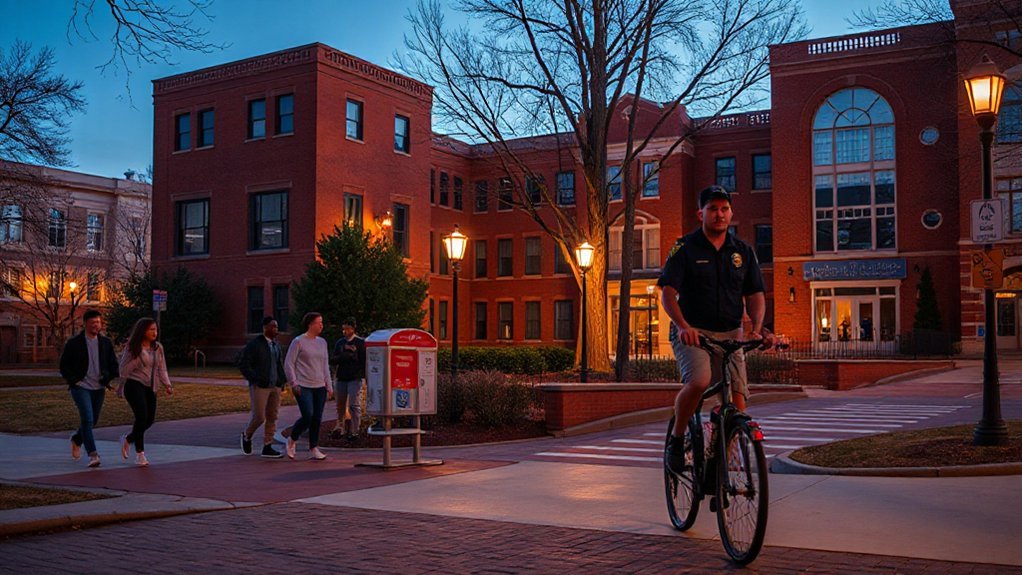
    If I’m walking home after a late study session, I pick the route that feels like it has the most people, the best lighting, and the fewest sketchy corners—no drama, just common sense. You’ll do the same, trust me. Map it, scan for bright lamps, and avoid alley echoes that make your phone sound tiny. Say something out loud if you feel uneasy — even a loud “Hey!” works wonders. Keep your earbuds low, pockets zipped, and your shoulders ready to shrug off nonsense.

    1. Stick to streets with foot traffic, not silent shortcuts.
    2. Use well-lit paths, note lamp posts and open stores.
    3. Walk with a buddy when possible, or tell someone your ETA.
    4. Change routes sometimes, stay unpredictable, stay sharp.

    Secure Transit Choices

    When I’m choosing how to get around campus—or off it—I pick the option that feels smart, not glamorous; good lighting, predictable schedules, and drivers who look awake are non-negotiable. You should too. Scan timetables, memorize a couple bus numbers, and pick stops under lamps. If rideshare feels right, match the plate, ask the driver their name, and send your ETA to a friend — yes, do that, even if you’re “fine.” Walk with purpose, headphones low, phone tucked, keys ready like a tiny, reassuring sword. Park in well-lit lots, lock valuables in trunks, snap the lot number into your phone. If someone makes you uneasy, trust your gut, cross the street, call campus safety. Safety isn’t sexy, it’s smart.

    Nightlife and Event Safety Strategies

    When you’re heading out for a party or campus event, keep your buddy system active — text check-ins, stick together in pairs, and don’t let someone wander off alone. Plan your ride home before the music hits: know the route, book the shuttle or rideshare, and keep cash and a charged phone within reach, so you don’t stand under a streetlamp like a confused emoji. Stay aware of your surroundings, trust that little gut-nudge, and if anything feels off, cut the night short and get somewhere safe — no heroics, just smart moves.

    Buddy System Always Active

    Trust is funny—you’ll hand it to your roommate at midnight and hope they don’t ghost you on the walk back from the party. You keep the buddy system on like a neon sign, because alone isn’t a vibe after dark. I tell you to pick one person, stick close, and check in loud enough to be heard over the music, don’t whisper secrets to strangers.

    1. Agree on a meet spot, a phrase, and a walk-home time.
    2. Watch each other’s drinks, and say something if someone looks off.
    3. Walk in pairs, trade phone numbers, and use headlights, not headphones.
    4. If someone bails, regroup immediately, don’t split up.

    You’ll thank me when everyone makes it back.

    Plan Transportation Ahead

    Three simple plans beat one panicked scramble at 2 a.m., and I’m not saying that from some moral high ground—I’ve once sprinted after a Lyft that vanished into the night like a ghost with bad Wi‑Fi. Map routes before you go, check transit times, and screenshot directions—phone batteries die, memory doesn’t. Arrange a reliable ride share or a campus shuttle, note pickup landmarks, tell the driver your friend’s name, and don’t guess curbside spots. Keep cash and a charged backup battery in separate pockets. If you’ll be drinking, confirm a sober driver ahead, or prebook a cab with an ETA you can trust. Text your plan to a buddy, then relax, enjoy the music, and leave on your schedule, not chaos’s.

    Stay Aware of Surroundings

    Ever notice how a crowded quad at midnight smells like fried food, perfume, and potential drama? You move through it like a radar, sensing pockets of energy, spotting exits, tuning your ears to laughter that’s too loud or silence that’s too tight. I tell you straight: watch light, watch people, watch paths. Trust your gut, and plan a quick exit.

    1. Scan the scene fast — lights, doors, groups, and anyone watching you too intently.
    2. Keep one hand free — phone charged, keys ready, pepper spray in a pocket.
    3. Use buddy systems — text-checks, streamed location, walk-outs together, don’t ghost.
    4. Know safe zones — campus police, 24/7 buildings, lit stores, well-trafficked routes.

    Use Campus Technology and Alert Systems Effectively

    If you want to stay a step ahead on campus, start by making your phone your best friend — seriously, treat it like your emergency wingman. I’m not kidding: sign up for campus alerts, enable location sharing with trusted friends, and pin the safety app to your home screen so it’s one tap away. Keep ringtones loud in class changes, use headphones wisely, and test emergency contacts before you need them — yes, call them now, don’t be awkward. Learn blue-light camera spots and well-lit routes shown on campus maps, and save campus police, shuttle, and night-escort numbers under “ICE.” When an alert pops, read it fast, act faster, and follow official instructions. You’ll feel smarter, safer, and slightly smug.

    Look Out for Community Members and Report Concerns

    When you walk across campus, don’t just look at your phone like it’s a tiny TV—scan faces, doors, and the gaps between buildings, and actually notice people. I’ll tell you straight: watching out for neighbors keeps the whole place safer, and yes, you’ll look like you belong. Hear a muffled shout? Pause, look, call campus safety, or ask, “You good?” Small actions matter. Carry your eyes, your voice, and your kindness.

    Don’t stare at your phone—scan faces, doors, and gaps; notice people, speak up, and keep your campus safe.

    1. Check someone who seems lost or scared, offer directions, stay until they’re steady.
    2. Note odd behavior—details, time, place—then report it.
    3. Escort a person to a safe spot, don’t go alone into danger.
    4. Use anonymous tips if you’re nervous, still report.

    Protect Your Digital and Personal Information

    You’ve been scanning faces and doors, asking “You good?” and escorting folks to safety — now let’s look at the other front: your digital life. I want you to treat your phone like your dorm door: lock it. Use strong passwords, a password manager, and turn on two-factor authentication — yes, that extra text message is annoying, but it’s your digital bouncer. Don’t overshare your schedule on social media; imagine strangers peeking through your window. Back up photos and documents, encrypt sensitive files, and log out of campus Wi‑Fi when you’re done — public networks are like party strangers offering drinks. If something feels off, screenshot it, report phishing, and change creds fast. I’ll nag you because staying safe is easier than explaining a mess later.

    Conclusion

    You’ve got this — learn the map, note building hours, buddy up, and use lights and alerts; simple rules, big payoff. I’ll be honest, I’m not your overprotective aunt, but “better safe than sorry” fits here. Walk where you can see and be seen, charge your phone, lock your stuff, and speak up if something’s off. Keep your wits, trust your crew, and enjoy campus life without unnecessary drama.

  • How to Deal With Homesickness at an HBCU

    How to Deal With Homesickness at an HBCU

    Like Huck Finn stepping off the raft, you’re leaving familiar water and feeling the tug; I get it, and you’re not alone. You’ll miss the scent of Sunday dinner, the laugh that always knows your name, and the weird comfort of your old couch, so start small: join a campus cookout, text home with a goofy voice memo, find one calm corner for nightly stretches. Stick around—there’s a way to belong here that doesn’t erase home.

    Key Takeaways

    • Acknowledge your homesickness, name specific triggers, and remind yourself it’s temporary and common among new students.
    • Build a comforting routine: morning rituals, a dedicated study spot, and a nightly wind-down to create stability.
    • Join campus clubs, cultural groups, or traditions to meet peers who share experiences and deepen your sense of belonging.
    • Stay connected with family and friends through scheduled calls, texts, and shared activities while setting healthy communication boundaries.
    • Use campus resources like counseling, peer support groups, and wellness programs for practical coping strategies and emotional support.

    Understanding Why Homesickness Happens at an HBCU

    coping with homesickness transitions

    Even though you picked a school that feels alive with history and soul, your chest can still tighten the first few weeks—like someone turned the campus music down and left your favorite song at home. I’ll tell you why: change grabs you by the collar. You smell new food, hear different accents, see portraits of elders you haven’t met, and your brain wants the old playlist. You’ll miss recipes, late-night porch talks, the rhythm of your block; it’s sensory, not just sad. Homesickness shows up as appetite swings, restless nights, or zoning out in class. Don’t blame yourself. Notice the triggers, name them out loud, and treat them like roommates—annoying, manageable, temporary.

    Building a Supportive Routine That Feels Like Home

    create comforting daily rituals

    When the quad starts feeling like a museum instead of a neighborhood, I make a tiny, stubborn plan and stick to it like it’s gospel—because routines are the secret cousins of home. You’ll build a rhythm that smells like cinnamon from a midnight snack, sounds like your playlist under a lamp, and looks like the same mug on your desk. Start small, expect wobble, laugh at yourself.

    • Make a morning ritual: stretch, brew, scribble one line of a to-do list.
    • Carve a study spot: lamp, blanket, noise that tells your brain it’s focus time.
    • End the day with a closing routine: five deep breaths, a text to someone who steady-zooms you.

    Repeat, tweak, defend it like it’s sacred.

    Finding Community Through Campus Organizations and Traditions

    join clubs embrace traditions

    If you walk across the quad and feel invisible, join the club—then join a club, literally. I mean it: show up at the sign-up table, grab a sticker, breathe in campus BBQ smoke and bumper-sticker enthusiasm. You’ll feel awkward for two minutes, then start laughing at a cheesy icebreaker. Try the step team for rhythm, the gospel choir for spine-tingling harmonies, or a cultural org for stories that smell like Sunday dinner. Traditions matter too: learn the handshake, wear the colors, line up for Homecoming, taste that alumni gumbo. Say hi, swap names, ask for a campus tour from someone who actually knows shortcuts. These rituals plug you into history and people, fast—no nostalgia required, just presence.

    Staying Connected With Family and Old Friends in Healthy Ways

    Set a regular check-in, even if it’s just a quick Sunday night video or a midweek text, so you get that warm, familiar voice without waiting for a crisis. Say what you need—“I can’t chat after 10,” or “I’ll call home every other Sunday”—and stick to it, because boundaries keep you sane and everyone else less confused. I promise you’ll miss the messy family dinners, but a steady plan and clear limits make both staying close and growing up feel possible.

    Regular, Scheduled Check-ins

    Because I promised myself I’d actually answer the phone this semester, I carved out two evenings a week for family and old friends, and it’s already doing wonders—less stomach-twist at 2 a.m., more laughs, and fewer “who even am I?” moments. You schedule check-ins like classes, you treat them as appointments with your soft spot. Pick clear nights, set reminders, brace for the comfort blast. The calls smell like home-cooked soup, feel like warm blankets, and sound like old jokes landing again. Try these quick tweaks:

    • One fixed weeknight for a long catch-up, phone on speaker, snacks ready.
    • A shorter midweek text-check, three-line updates, no pressure.
    • Monthly video call, show a corner of your dorm, laugh at the mismatched curtains.

    You’ll stay steady, without getting swallowed.

    Boundaries for Communication

    While I want you to stay close to the people who raised you and knew your childhood chore chart, you also gotta protect your new life here — so let’s talk boundaries like they’re VIP passes, not insults. Set specific call times, say “Sunday mornings, fifteen minutes,” and mean it. Text updates work fine: photos of campus, a goofy cafeteria plate, a quick “I’m ok” clip. Tell them when you need space — “Midterms week, low-energy, check-ins on Friday only” — and offer alternatives, like voice notes instead of long calls. Practice a gentle script, rehearse it in the mirror if you must. You’ll feel guilty at first, then relieved, then proud. Healthy closeness keeps you grounded, not tangled.

    Using Campus Resources for Mental Health and Wellness

    Counseling centers are lifelines, and I’m not exaggerating — think of them as low‑key superheroes with comfy chairs and decent coffee. You’ll walk in, smell warm mug steam, and realize you’re not the only one feeling untethered. I tell students, don’t wait for crisis, pop in.

    Counseling centers are low‑key superheroes—comfy chairs, warm coffee, and quick check‑ins to help you feel steadier.

    • Drop‑in hours: quick check‑ins, friendly faces, immediate relief.
    • Workshops: stress fixes, sleep tips, guided breathing that actually helps.
    • Peer support groups: real talk, laughs, a few shared tears, zero judgment.

    You can book longer therapy, get referrals, or ask about telehealth. Use the wellness center too — yoga mats, biofeedback, meditation rooms. Be curious, be bold, call them, text them, show up. You’ll feel steadier, I promise.

    Honoring Your Culture While Embracing New Experiences

    You’re not losing yourself here, you’re bringing home with you—light the sweet-smelling candle, stash your grandma’s spice blend in the mini-fridge, and wear that proud necklace when you walk into class. Cook a familiar meal in your dorm kitchen, pass around recipes with new friends, and let the laughter and spice-streaked plates do the talking; I’ll admit, my first attempt burned everything but the memory, and we still laughed. Join a cultural org, go to their mixers, pop in for meetings—those rooms hum with stories, food, and people who’ll remind you where you came from while cheering you forward.

    Keep Cultural Traditions Alive

    Even though I’m surrounded by new faces and campus rituals, I keep my grandmother’s Sunday sauce simmering in my dorm kitchen—aroma sneaks down the hall and suddenly I’m home, if only for an hour. You don’t need a shrine, just small rituals that anchor you, they travel in your pockets. Light a candle that smells like home, wear a necklace your aunt gave you, play that playlist when you’re folding laundry. Those acts are tiny rebellions against loneliness. They’ll stitch your days back together, slowly, like careful mending.

    • Keep a ritual that uses one sense, smell or touch, so memory hits fast.
    • Carry a physical token, it makes you brave in class.
    • Set a weekly ritual, even ten minutes, consistency beats grand plans.

    Share Food and Recipes

    When I first hit campus, my instant plan was to bribe new friends with food — and yeah, it worked every time. You’ll want to do the same. Cook a pot of something from home, let the aroma wander down the hall, and watch curiosity beat loneliness. Swap recipes in the common room, handwritten on index cards, grease spots and all. Teach a roommate to fold dumplings, or show someone how your spice mix smells like Sunday. Trade leftovers for study notes, or host a tiny tasting night — mismatched plates, loud laughter, honest compliments. You’ll feel roots and wings at once. Keep a small jar of your favorite seasoning in your bag; it’s comfort, condensed, ready for emergencies.

    Join Cultural Student Organizations

    Some people treat the campus like a giant cultural buffet — and you should pile your plate high. Join a cultural student organization, you’ll find familiar rhythms, smells of home-cooked spice at meetings, and friends who get your jokes. I promise, it beats lonely nights scrolling photos.

    • Attend a potluck, bring your favorite dish, trade recipes and stories.
    • Lead a workshop, teach a dance step, or learn a new language phrase.
    • Volunteer at events, feel the buzz, meet mentors who remember what it’s like.

    You’ll anchor your identity, while trying new things. Say yes to late-night rehearsals, awkward introductions, triumphant high-fives. Homesickness softens when you build rituals, community, and a small, laughing tribe that feels like home.

    Practical Self-Care Strategies for Daily Resilience

    If you’re living that HBCU freshman life, sleeping in a room that smells faintly of ramen and laundry detergent, you’ll need a few go-to self-care moves that actually fit into a busy week; I’ve got a short, practical playbook you can steal. Start mornings with two deep breaths and sunlight on your face, even five minutes helps. Carry a tiny snack—peanut butter pouch, apple—so hangry decisions don’t wreck your mood. Set one “do-not-disturb” hour for homework and one for messing around, both sacred. Move your body, walk to class, dance in the mirror, whatever makes your heart louder. Text home once a few days, call when you miss the voice. Laugh, sip warm tea, and remember you’re doing fine, even on weird days.

    Conclusion

    You will be okay here, even if you worry it’ll feel fake at first — I said the same thing on move‑in day, sweaty palms, old playlist blaring. Make small rituals, text home on Sundays, join one loud club, try the food truck once. When loneliness hits, breathe, walk the quad, grab a friend, use counseling. You won’t replace home overnight, but you’ll build a new one, messy, loud, and utterly yours.

  • How to Balance Social Life and Academics at an HBCU

    How to Balance Social Life and Academics at an HBCU

    You can be at a loud step show and still ace a 9 a.m. lecture, but only if you plan like a boss and forgive yourself when plans go sideways. I’ll walk you through a weekly rhythm—color-coded blocks, clutch study hacks, and tiny rituals that protect your focus—while you keep the nights that matter; picture iced coffee cooling on a stack of notes, a group chat ping mid-quiz, you smiling because you’ve got a plan. Stick around—there’s a trick that saves weekends.

    Key Takeaways

    • Define 3 non-negotiable priorities (sleep, GPA threshold, leadership hours) and revisit them weekly to guide choices.
    • Create a color-coded weekly schedule with study blocks, classes, meals, and at least two social or recovery slots.
    • Use time-blocking and Pomodoro sprints, signaling focus (headphones) and setting hard stop times for work.
    • Leverage campus resources: tutoring, counseling, and advisors to prevent academic stress and optimize study time.
    • Communicate plans and boundaries clearly with friends and group members, offering alternative meet-ups when needed.

    Understanding Your Priorities and Values

    balance academics and social life

    Even though everyone around you seems to treat college like one long tailgate, I promise you can care about both your GPA and your social life without turning into a stressed-out emoji. You’ve got values, even if they’re messy—family pride, legacy, that hunger to shine—and they’ll guide the trade-offs you make. Sit with them, name them out loud, grab a campus bench, feel the evening breeze, and jot the non-negotiables. Say it: “I need sleep,” or “I want to lead.” Those sentences cut through FOMO like a sharp pair of scissors. You’ll test choices, fail sometimes, laugh it off, pivot faster. Keep a small set of priorities, revisit them each month, and let campus culture color your days, not dominate them.

    Building a Weekly Schedule That Works

    organize your weekly schedule

    When I started treating my week like a mixtape instead of a blur, everything got louder and cleaner—classes on beat, parties as the bridge, study sessions the hook. You’ll map your week like tracks: label class blocks, rehearsal, work, and downtime. Put colors on them, yes, like sticky notes that actually help. Block real food time, walks that wake you up, and a nightly ten-minute tidy that keeps your dorm from staging a coup. Say no to one event, say yes to one friend, then sleep. Check Mondays for deadlines, Wednesdays for critique sessions, Saturdays for soul food. Test the flow, tweak the pacing, don’t be afraid to scrap a bad verse. Your mixtape will start sounding like you.

    Mastering Time Management Techniques

    weekly planning and prioritizing

    You’ll start by carving out a weekly planning session, coffee in hand, calendar open, so you can map classes, socials, and deadlines on one page. Each morning you’ll prioritize tasks — quick wins first, heavy lifts next — and feel that tiny, satisfying click when you cross something off. Then block study slots like appointments you won’t bail on, silence your phone, and watch your productivity actually show up.

    Weekly Planning Sessions

    Since your week will explode into a blur if you don’t grab the reins, I make time every Sunday to map the next seven days like I’m planning a mini heist—only with textbooks and lunch dates instead of lasers. You sit with coffee, calendar open, and listen to the tiny clack of your pen, you assign blocks for class, study, meals, and friends, and you keep it real. You’ll build rhythm, spot conflicts, and protect downtime. Simple rules keep you sane:

    • Block strong, don’t overbook: guard study and social hours like VIPs.
    • Color-code moods: red for deadlines, blue for chill.
    • Adjust midweek: life twists, you pivot.

    You leave Sunday smiling, ready, and slightly smug.

    Prioritize Tasks Daily

    Alright, you’ve got your week sketched out and your color-coding looking smug on Sunday—now let’s make today actually count. You scan your list, feel the paper under your fingertips, and pick three must-dos. Start with the hardest one, when your brain’s fresh and coffee still hums. Break it into bites, two strong steps, one quick check-in. Say no to one social invite if it means you’ll sleep. I’ll remind you: small wins stack. Cross tasks off with flair, hear that satisfying scratch, and let momentum pull you through the easier stuff. Midday, reassess—swap priorities if campus curveballs hit. By evening, tally wins, stash tomorrow’s top three, and sleep knowing you did the day justice.

    Time-Blocking Study Slots

    When the library hum feels like a low-grade bassline, let’s carve your day into edible chunks—time-blocks that you actually stick to. You’ll set three solid slots: focus, review, and recharge. I’ll coach you, you’ll commit, we’ll celebrate small wins with a ridiculous fist pump. Picture a sunlit desk, sticky notes like confetti, and a timer that snaps you back to work.

    • Block 1: Deep focus, 50 minutes, no phone, noise-cancelling headband on.
    • Block 2: Quick review, 25 minutes, flashcards, teach it out loud like a goofy professor.
    • Block 3: Recharge, 30 minutes, walk, snack, chat with a friend—real social credit.

    Stick to the rhythm, tweak it, defend your blocks like a campus legend.

    Setting Healthy Boundaries With Friends and Commitments

    You’ve got to say no sometimes, even if your friends pout like they were personally offended by your study playlist. I set clear time limits—two hours for laughs, three for studying—and I stick to them, so my goals don’t get lost under late-night pizza and group chats. Picture the relief: your phone on Do Not Disturb, a textbook open, and friends who actually respect your schedule — that’s the sweet spot.

    Clear Time Limits

    If I’m being honest, you can love your friends and still tell them “not tonight” without turning into a villain; I’ve done it—awkward head nods, guilty smile, dramatic exit—and survived. You set a clear finish line, you say the time, you mean it. When you lock a study block, treat it like a VIP party: no random drop-ins, no last-minute “come thru” texts. You’ll sleep better, concentrate sharper, and still show up for the good stuff.

    • Say a concrete end time, like “I can hang until 10,” so expectations match reality.
    • Use a visible cue, like headphones or a study lamp, as your polite barricade.
    • Offer a quick swap, “Tonight’s study, tomorrow’s brunch,” to keep friendships intact.

    Prioritize Personal Goals

    Because your goals deserve a louder voice than the group chat, be ready to say what matters and mean it. I tell you this like a friend who’s tasted too many late-night study snacks: put your syllabus where you can see it, set alarms that buzz like a tiny coach, and tell friends, “Not tonight, I’ve got a paper.” Pause, breathe, and picture the quiet library light, the smell of coffee, the satisfying click of a finished draft. You’ll lose invites sometimes, that’s okay. Practice a quick script, firm but friendly. Swap vague promises for specific times. Keep one weekend slot sacred. When someone pouts, acknowledge them, then stick to your plan. You’ll build respect, and still laugh together later.

    Leveraging Campus Resources and Support Services

    Even when your schedule looks like a color-coded train wreck, campus resources are the safety rails that keep you from careening off the tracks. I’ll tell you how to use them without feeling like you’re begging for help. Swing by the tutoring center, sit under the fluorescent hum, ask for step-by-step help, and watch concepts click. Visit counseling, breathe in the quiet room, practice a five-minute grounding trick, then laugh at your own drama. Drop into academic advising, map classes, swap a chaotic plan for one that actually fits.

    When your color-coded schedule is a train wreck, use tutors, counselors, and advisors as your safety rails.

    • Tutors turn confusion into “aha” moments, fast.
    • Counselors help you steady, not fix you.
    • Advisors make your semester feel possible again.

    Choosing Involvement: Clubs, Greek Life, and Campus Events

    You’ve tapped into the tutoring center and leaned on counseling—now let’s talk about where you actually spend the rest of your awake hours. You’ll scan club flyers, smell popcorn at an outdoor movie, hear a step team stomp the quad—pick what makes you hum. Try one org this semester, another next. Go to a meeting, talk to members, snag a free T‑shirt, decide if the vibe fits. Greek life brings ritual, networking, late-night cookouts; clubs bring projects, leadership, sweaty volunteer shifts. Campus events are quick thrills, perfect for de-stressing between classes. Commit where you get energy, not FOMO. Say yes to some things, say no clearly to others, and keep your calendar honest—your future self will thank you.

    Study Strategies for Busy Social Calendars

    If your calendar looks like a glittery collage of club meetings, step rehearsals, and impromptu cookouts, I’ll help you carve out study time without turning into a hermit. You’ll treat studying like a social appointment, block short, fierce sessions, and carry a snack that smells like victory. Find pockets between classes, use transit time, and set a two-song focus rule — work until the playlist ends. I talk from experience, I’ve failed the “I’ll cram later” pledge.

    • Pick three nonnegotiable study slots each week, treat them like dates.
    • Use group study as mingling with a purpose, bring questions, not small talk.
    • Swap a party night for a sunrise review, watch campus wake up, feel sharp.

    Managing Stress and Avoiding Burnout

    You’ll spot burnout before it flats your energy if you watch for the early signs—foggy focus, yawns at noon, and that dread of checking your email—and I’ll call you out when you shrug them off. Let’s sketch a routine that actually fits your life, with steady sleep windows, tiny study sprints, and a weekly “do-nothing” recovery block you’ll protect like a VIP pass. Try a 10-minute walk, a goofy playlist, or texting one friend for a laugh, and notice how those small recoveries stack up to keep you going.

    Recognize Early Burnout Signs

    Ever notice your brain turning into a sticky note that’s lost its stick? You’ll know burnout’s knocking when colors dull, meals taste like cardboard, and your favorite hoodie feels like a straightjacket. You’ll feel tired in the middle of a sentence, snap at a friend, then apologize with a laugh that’s too loud. Pay attention to small alarms so they don’t become emergencies.

    • Your calendar fills up, but joy evaporates; you’re doing tasks, not living.
    • Your sleep shifts like tide—too little, or you nap through sunsets.
    • You stop laughing at campus jokes, you just nod and scroll.

    When you spot these signs, pause, tell someone, and get curious about what’s draining you.

    Build Sustainable Routines

    So you spotted the warning lights—gray mornings, fake laughs, a hoodie that feels like armor—and now we do something about it. You build routines that don’t punish you. Wake-up light, two deep breaths, and coffee you actually like. Block study sprints, five to seven, then stretch, step outside, squint at sun or campus trees. Schedule club nights, not every night, and say “no” like it’s a single syllable friend. Prep meals on Sunday so ramen isn’t your soul-food fallback. Pack headphones, playlists that shift mood, a tiny notebook for ideas before they vanish. Track sleep like it’s a GPA metric. Treat rituals as experiments: tweak, keep, ditch. You’ll dodge crashes, stay social without frying your brain, and feel like you own your days.

    Prioritize Recovery Activities

    When your brain feels like a group project that never showed up, prioritize recovery activities like they’re required credits—because they are. You’ll treat rest like a syllabus item, schedule it, protect it, and say no without guilt. I mean it: rest is non-negotiable.

    • Take short, sensory breaks: walk barefoot on grass, sip something warm, notice sunlight on your notes.
    • Set hard stop times: shut your laptop, dim lights, let your shoulders drop.
    • Swap one party night for sleep sometimes: you’ll show up sharper, funnier, and less like a caffeinated ghost.

    You’ll notice the difference fast. Your mood steadies, essays read cleaner, friendships get better quality time. Recovery isn’t lazy, it’s strategy. Prioritize it.

    Communicating With Professors and Group Members

    If you want professors and group members to take you seriously, start by being the kind of communicator people actually like—clear, punctual, and a little bit human. I tell you, show up with a concise email, subject line sharp, greeting friendly, and you already win points. Say when you’ll deliver work, then do it — don’t ghost. In meetings, lean in, take notes you can actually read later, and speak up with one good sentence, not a monologue. When conflicts pop, name the problem, suggest a fix, and ask for input; people respect solutions. Use office hours like a secret weapon, bring a list, sip your coffee, and ask the question you were too shy to post. Be dependable, humble, and slightly witty.

    Maintaining Physical Health and Sleep While Staying Social

    Because you’re juggling late-night study sessions, a buzzing social calendar, and the eternal temptation of campus pizza, you’ve got to treat sleep and fitness like classes you actually want to pass. I tell you this like a friend who’s napped through a lecture: prioritize sleep blocks, protect them with the ferocity of a group chat admin, and move your body even when the quad is calling you to gossip. You’ll feel sharper, smell less like stress, and laugh louder at parties.

    Treat sleep and movement like required classes: protect rest fiercely, sneak in activity, and you’ll feel sharper.

    • Schedule naps and 7–9 hour sleep windows, treat them like exams.
    • Walk to class, take the stairs, dance at socials—tiny habits stack.
    • Prep simple meals, hydrate, carry a reusable bottle, avoid sugar binges.

    Conclusion

    You’ll nail this — if you treat your week like a playlist: class beats, study bridges, social choruses, and a solo for sleep. I’ve tried bailing on a tutoring session to chase a party, learned the hard way, then found the sweet spot by scheduling both. Tell friends your plan, block your focus time, grab counseling when stress spikes, and enjoy the game-day buzz without flunking a quiz. Balance isn’t perfect, it’s practiced.

  • How to Navigate HBCU Campus Events as a New Student

    How to Navigate HBCU Campus Events as a New Student

    You’re new, wide-eyed, and a little lost — perfect. Walk campus with your phone out, ears open; you’ll smell BBQ, hear drums, and see flyers stuck like confetti. Go to one big thing a week, talk to that student at the table, sign up for one group, and don’t fake excitement if you’re tired. I’ll show you which rituals actually matter, how to survive homecoming, and where to find your people — but first, tell me what scares you most.

    Key Takeaways

    • Identify signature traditions (homecoming, step shows, family weekend) early and prioritize ones that align with your interests and goals.
    • Use campus calendars, social media, and student org fairs to discover events and plan your semester schedule.
    • Limit major social commitments to one key event per week and block study and self-care time around them.
    • Join a few student organizations, attend meetings, and volunteer for small roles to build community without overcommitting.
    • Celebrate small wins, set boundaries, and seek mentors or peers for support when managing FOMO and stress.

    Why HBCU Events Matter and What to Expect

    community celebration connection tradition

    Even though you’ll hear about campus events from day one, trust me—you won’t really get it until you step into one. You’ll feel the bass in your chest, see colors that don’t exist in textbooks, smell fried food and sweet funnel cake, and realize these gatherings are how people here talk, laugh, and belong. I’ll nudge you to listen first, then jump in—say hi, clap, learn a chant—because rituals are how community sticks. Expect family photos, impromptu dances, spirited debates, and elders handing down history between jokes. You won’t just attend, you’ll become part of a living story. Bring comfortable shoes, an open mind, and your phone for proof, you’ll need it.

    Finding and Prioritizing Must-Attend Events

    balancing events and academics

    You’ll want to scout out signature campus traditions first — think step shows that make your chest buzz and homecoming parades that smell like fried food and victory. I’ll help you balance those can’t-miss social moments with academic musts, so you’re not choosing between a study group and a song-filled midnight rally. Trust me, you can hit both, you just need a plan, a calendar, and a little brave FOMO.

    Campus Traditions to Know

    When I first set foot on campus, I trailed the smell of frying plantains and heard a distant drumline before I even found my dorm, and that’s the kind of full-body welcome these traditions give you. You’ll learn the homecoming chant by week two, because everyone teaches it to you, whether you want to be loud or not. Watch the parade, feel the brass, grab a friend and dance like you’ve got rhythm (you’ll fake it if you must). Join the step show circle, taste the soul food at the alumni cookout, and never skip the midnight candlelight for first-year blessings — it’s cheesy, and it hits. Traditions anchor you, they make campus feel like family, and you won’t regret saying yes.

    Academic and Social Balance

    If you want to survive freshman year without living on a diet of ramen and regret, you’ve got to learn to pick your battles — and your parties. You’ll scan the calendar like a detective, smell popcorn from a film night, hear bass from a yard party, and decide. Prioritize classes, then networking events, then the can’t-miss homecoming moments. Say yes to one big social night, no to back-to-back FOMO traps. Block study hours, RSVP early, and leave buffer time to nap, rant to a friend, or cram. I’ll admit, I flake sometimes — life happens — but keeping three non-negotiables each week saves grades and sanity. Balance isn’t perfect, it’s intentional, messy, and worth it.

    Balancing Academics, Social Life, and Campus Activities

    time management for balance

    You’ll need a simple time map, like a color-coded week on your phone, so classes, study blocks, and that Saturday cookout don’t crash into each other—trust me, your future self will thank you. I’ll show you how to rank campus commitments, say no without drama, and carve out real study stretches that still leave room for laughs and late-night campus walks. Start small, test one schedule, tweak it after a week, and watch everything fall into place—sometimes with coffee, sometimes with humble pie.

    Time Management Strategies

    Three things will trip you up your first semester: overbooked calendars, FOMO, and pretending you can pull an all-nighter like it’s 2010 — I learned that the hard way. You’ll want to do everything, but you also need sleep, study time, and a life that smells like real food, not ramen. I’ll give you tight, usable moves.

    • Block class and study hours, treat them like sacred appointments.
    • Say “yes” to one big event, “maybe” to another, and don’t feel guilty.
    • Use a weekly review Sunday night, glance, tweak, breathe.
    • Pack snacks and chargers, small comforts keep momentum.
    • Learn to nap strategically, power naps beat heroic exhaustion.

    You’ll be busy, but you’ll survive, and even enjoy it.

    Prioritizing Campus Commitments

    When I first walked onto campus, the list of things I “had to” do felt like a playlist on shuffle—loud, relentless, and somehow always the song you hate; so I learned to pick which tracks actually move me. You’ll do the same. Start by naming non-negotiables: class, sleep, a study block that actually happens. Then circle the fun stuff you can’t miss—homecoming tailgate, that poetry slam that smells like burnt coffee and soul. Say yes strategically, not emotionally. Try a two-week rule: commit to something, test the vibe, bail if it drains you. Carry a tiny notebook, jot what energized you, what zapped you. Tell friends your limits; they’ll respect them, or they’ll learn your snack-based bribe system. Balance isn’t perfect, it’s chosen.

    Making the Most of Student Organizations and Leadership Opportunities

    If you plunge into student org fairs like a kid at a candy table, you’ll quickly learn which booths sparkle and which just hand out stickers, and yes, I’ve face-planted into both. I’ll tell you how to act, who to talk to, and how to snag leadership without losing sleep. Follow this quick rhythm:

    • Drop by meetings twice, then decide; your gut will tell you more than glossy flyers.
    • Volunteer for a small task first, feel the vibe, see the people up close.
    • Ask seniors about time demands, they’ll give truth-tinted advice and maybe snacks.
    • Pitch a micro-event, lead one meeting, prove you can finish things.
    • Keep a simple planner, mark overlaps, protect study and social time.

    Jump in, feel awkward, laugh—then lead.

    You’ve planted your flag in clubs, grabbed snacks, and learned everyone’s meeting cadence, now let me pull you into the loud, glittered center of campus life: Greek parties, step shows, and homecoming chaos — I’m talking stomps that make your ribcage buzz, sequins that flash like tiny sunbursts, and a week where the whole school smells like barbecue and excitement. You’ll show up curious, a little nervous, and leave hooked. Watch boots hit the floor, count intricate hand-calls, clap when the beat drops. Learn the dress cues — formal, casual, theme — and bring comfy shoes. Cheer loudly, but respect rituals and boundaries. Ask questions, take photos, savor the food, and yes, practice your wave. You’ll belong faster than you expect.

    Building Community: Networking, Mentorship, and Peer Support

    Plenty of folks tell you college is about classes, but I’ll tell you straight: it’s the people who make the place hum. You’ll learn names in the quad, hear advice over coffee, and snag a mentor’s wisdom between classes. I show up, you show up, we build that web.

    • Go to mixers, bump elbows, trade stories, collect contacts like trading cards.
    • Seek faculty who actually listen, ask for ten minutes, watch doors open.
    • Join a student org, sweat at rehearsals, laugh in late-night meetings.
    • Find peers who push you, and be the one who pushes back with kindness.
    • Keep notes, follow up, send memes — relationships grow with small, real gestures.

    You’ll leave with community, not just memories.

    Self-Care, Safety, and Setting Boundaries While Showing Up

    I love watching a room light up when people click, and I also know that showing up a lot can wear you thin—so I learned to guard my energy like it’s a limited-edition hoodie. You’ll want to go everywhere, meet everyone, and collect free snacks like trophies, but your body texts you for rest. Pack water, snacks, and a phone charger, say “I’m out” when you mean it, and carve one quiet hour between events to breathe and listen to a playlist. Trust your gut about spaces and people, walk with friends at night, and tell someone if a vibe turns sour. Practice a polite “no thanks,” rehearse an exit line, and celebrate tiny wins. You matter more than FOMO.

    Conclusion

    You’ll be fine — more than 70% of first-year students who hit even one campus event swear it helped them find friends, so picture a crowded quad, laughter like percussion, colors everywhere, and you right in the middle, curious. I’ll say this: pick one big thing a week, show up early, breathe the sweet concession-stand air, say hi to three people, and leave when you need to. You’ll build home, one hello at a time.

  • Homecoming at HBCUs: What to Expect and How to Prepare

    Homecoming at HBCUs: What to Expect and How to Prepare

    You’re walking into a weekend that smells like grilled burgers, fresh-cut grass, and hot coffee at dawn, and you’ll want to know how to move—what to wear, when to show up, who to hug first—so you don’t stand awkwardly by the alumni table. I’ll walk you through parades, tailgates, step shows, ticket traps, and the best place for late-night soul food, all with practical tips and a little sarcasm because, yes, you’ll forget your rain jacket. Stick around—there’s a trick for the best seats.

    Key Takeaways

    • Expect high-energy traditions: parades, marching bands, step shows, tailgates, and a ceremonial Homecoming Court celebrating community and history.
    • Buy event tickets and register early, download the event app, and review maps and schedules for timely check-ins and updates.
    • Plan travel and lodging in advance, arrive a day early, and choose accommodations close to campus for convenience.
    • Pack practical gear: comfortable shoes, weather layers, ID, phone charger, meds, earplugs, and tailgating essentials.
    • Network intentionally—introduce yourself, follow up with contacts, volunteer, and use Homecoming to strengthen alumni and professional ties.

    History and Significance of HBCU Homecoming

    hbcu homecoming resilience and celebration

    If you’ve ever stood on a campus quad the week before Homecoming, you know the air changes—like someone turned up the brass and turned down Monday. You feel history under your soles, hear laughter braided with trumpet practice, smell barbecue and old books. I’ll tell you: HBCU Homecoming grew from alumni reunions, resilience, joy—folks reclaiming space, celebrating achievement when doors were closed elsewhere. You walk past banners that whisper names and stories, you nod to elders who wink like they wrote this script. It’s about roots, pride, and the parade of memory that keeps communities tight. Don’t expect fluff, expect ceremony, music, and purposeful celebration—ancestry in motion, played loud, worn proud, passed on.

    Signature Events to Expect During the Weekend

    parade tailgating performances ceremony

    You’ll smell grill smoke and sweet cologne long before the float turns the corner, and I’ll bet your jaw drops at the parade and tailgating spectacle—colors, horns, folding chairs, and that one cousin who thinks he’s a DJ. Then you’ll get swept into thunderous step shows and performances, feet stomping, sequins flashing, and the band cutting loose so loud your ribs feel it; I’ll whisper that the energy’s contagious, because it is. Finally we’ll watch the Homecoming Court ceremony, roses and crowns handed out under stadium lights, and you’ll feel that tight, proud tug in your chest—yes, you’ll cheer, and no, you won’t apologize for it.

    Parade and Tailgating

    One giant Saturday morning ritual kicks off the weekend—parade time—and I swear the air itself smells different: frying oil, fresh-cut grass, and just enough perfume to make the marching band feel glamorous. You’ll stake out a spot, foldable chair in hand, sunscreen smeared like a rookie, and suddenly you’re front row for hometown theater. Floats roll by, brass blares, and alumni shout like their pride’s a megaphone. Tailgating follows, a strategic migration to grills and canopies, where cousins flirt with the chef and strangers swap recipes like secret handshakes. You’ll taste smoky ribs, hear laughter, and trade high-fives over lucky plays. Don’t forget cash for food trucks, a jacket for evening chills, and an open heart for reunion hugs.

    Step Shows & Performances

    When the lights snap on and the bass drops, I promise you’ll feel it in your chest—like the whole arena just exhaled and leaned forward. You’ll stand close, elbow-to-elbow, smelling sweat, perfume, and fried food, watching teams snap, clap, and stomp in sync. Don’t blink. Feet pound, fingers cut rhythms, voices call-and-answer; it’s choreography and history wrapped in one loud, proud package. Cheer hard, learn a chant, and someone will nudge you into a call-out — say yes, even if you flub the words. Capture clips, but also look up and soak the moment. After, wrists ache from clapping, and your grin won’t quit. You’ll leave buzzing, like you just attended church and a concert, simultaneously baptized by rhythm.

    Homecoming Court Ceremony

    Alright, breathe that post-step-show buzz in and follow me down the hallway — we’re headed for the ballroom where the Homecoming Court Ceremony unfolds like official pageantry with a wink. You’ll push through velvet ropes, hear the band’s brass hum, smell perfume and aftershave, spot gowns that swish like secret compliments. I’ll nudge you toward a seat, we’ll clap on cue, and pretend we’re not tearing up when names are called. Crowns gleam under warm lights, speeches slice through laughter, and you’ll catch a whispered, “Did you vote?” from someone you barely know. Stand, cheer, snap slow-motion videos, feel included even if you didn’t run. Leave glowing, a little giddy, proud the campus just crowned itself—again.

    How to Plan Your Travel and Book Accommodations

    plan book enjoy travel

    You’ll want to time your trip so you’re skipping rush-hour traffic and landing before the pep rally starts, I promise it’s worth the extra nap on the plane. Book your room early, scout hotels near campus for walkable routes, and don’t be shy about calling for a discount — I haggle like it’s a campus sport. Pack a small day bag, set calendar reminders for check-in and tailgate meetups, and picture yourself stepping out into that crisp, band-filled morning.

    Travel Timing Strategy

    A smart travel plan starts before the band hits the drumline — trust me, I’ve learned that the hard way. You’ll want to time arrivals and departures around events, not just kickoff, so you’re not hauling a tote through a parade. I watch weather forecasts, check tailgate schedules, and pad extra time for hugs that run long.

    1. Arrive a day early to soak in campus vibes, grab coffee, and avoid frantic parking hunts.
    2. Leave a day after to catch late-night reunions, sleep in, and skip the rush.
    3. Book flexible tickets, because plans shift and so do you.
    4. Stagger travel times with friends, so someone’s always on lookout, laughing at tiny disasters.

    Accommodation Booking Tips

    If you want a seat within earshot of the drumline without sleeping in your car, start booking early and think like a scheming reunion planner — I do, and you should too. You’ll scout hotels within walking distance, check roommate-friendly suites, and filter for free breakfast like it’s treasure. Call the front desk, ask about shuttle schedules, and confirm quiet floors if you need sleep between sets. Use maps, book refundable rates, and set calendar alerts for price drops. Consider campus guest housing, Airbnb near campus, or family homes that take bookings. Pack earplugs, a small fan, and a nightlight. Don’t overcommit; leave one flexible night. Book smart, expect noise, and enjoy every loud, glorious minute.

    Ticketing, Registration, and Event Schedules Explained

    Three things will save your weekend: a ticket in hand, your name on the list, and a schedule you actually understand — and I’m here to make sure you get all three. You’ll buy tickets early, screenshot confirmations, and tuck backups into an app, because paper blows in tailgate wind. Register online, check-in fast, skip the line, and flash a smile — yes, it helps. Read maps, note room numbers, and set alarms for must-see panels. I’ll nag you like a helpful aunt.

    Three weekend lifesavers: tickets in hand, your name on the list, and a clear schedule — I’ll keep you on track.

    1. Buy early — cheaper, calmer, less panic.
    2. Register fully — IDs, forms, plus emergency contact.
    3. Map it — write locations, travel times, bathroom breaks.
    4. Check the app — last-minute changes happen, often.

    Tailgating, Food, and Local Dining Tips

    Because tailgates are where memories (and brisket) get made, I’ll show you how to win at picnic politics without smelling like smoke for three days — come with napkins. You’ll arrive early, claim a shady spot, and smile like you belong; I’ll hand you a folding chair and a cooler of iced sweet tea, because hydration beats regret. Bring tongs, disposable plates, wet wipes, and a small trash bag, trust me. Try the alumni’s mac, share a bite, compliment the chef, and barter dessert—social currency, honestly. If a cloud rolls in, move the vibe under a tent, quick; if someone offers a secret sauce, taste with caution. After, walk downtown, find a greasy spoon, order the local special, savor it.

    What to Wear: Style, Comfort, and Dress Codes

    When you hit campus, dress like you mean it — but don’t sweat it. You want style that pops, comfort that lasts, and respect for campus guidelines. I’ll keep it real: you’ll walk, sit, dance, and maybe spill—plan for all of it.

    1. Wear layers: a bold tee, a light jacket, comfy jeans, breathable shoes—so you look sharp and stay mobile.
    2. Check dress codes: game-day sections or formal events sometimes ask for themes or semi-formal wear, follow them, don’t improvise.
    3. Choose fabrics: cotton, blends, moisture-wicking pieces, and shoes with grip—your feet will thank you by halftime.
    4. Accessorize smartly: hat, crossbody bag, sunglasses, a small umbrella—practical flair beats trying too hard.

    You’ll turn heads, feel good, and survive the long day.

    Networking, Alumni Reunions, and Community Engagement

    If you want to leave Homecoming with more than a sore voice and a pocket full of free pens, get intentional about who you talk to—I’m not saying stalk alumni like a secret admirer, but do show up, introduce yourself, and follow up. Walk into reunions like you own a tiny piece of campus, smile, and hand out your name like a hot card. Ask about their first game, their favorite professor, then drop what you want—advice, internships, introductions. Swap stories by the tailgate, laugh at the same old band jokes, jot names on your phone. Volunteer at an alumni table, help set up chairs, and you’ll be remembered. End the night with a quick message: “Great meeting you—can we grab coffee?” Simple.

    Safety, Accessibility, and Practical Packing Checklist

    You shook hands, swapped stories, and grabbed a handful of pens—now let’s make sure you get home in one piece and can actually wear the socks you packed. I’ll be blunt: safety’s priority one. Scan exits, note staff, keep your phone charged, and tuck cash where your hoodie pocket won’t betray you. Think about accessibility — if stairs are a dealbreaker, ask early, speak up, get directions with landmarks. Pack smart: comfy shoes, earplugs, a light rain jacket, meds, charger, ID, and a small flashlight. Don’t overpack; you’ll thank me when you sprint for the shuttle.

    1. Share your plans with a buddy.
    2. Map accessible routes.
    3. Layer clothes for surprises.
    4. Keep essentials reachable.

    Conclusion

    You’re ready. Pack comfy shoes, a rain jacket, and the best outfit you own — bring pockets for tailgate snacks, bring patience for crowds. Remember the parade drumbeat, the smell of grilled ribs, your grandma’s laugh in the stands; those moments stick. Go early, grab tickets, hug old friends, make new ones, and say yes to the step show even if you can’t step. I’ll be jealous, but you’ll have stories.

  • Greek Life at HBCUs: What You Should Know Before You Join

    Greek Life at HBCUs: What You Should Know Before You Join

    Last fall I watched a sophomore at TSU organize a campus food drive that turned into a neighborhood festival—she wore her letters like a badge and tired shoes, and it was beautiful. You’ll find ritual and service, loud socials and quiet study halls, alumni who’ll push you and brothers and sisters who’ll roast you in love, and yes, dues and late nights—so you’ll want to know what you’re signing up for before you pledge.

    Key Takeaways

    • HBCU Greek life offers deep cultural traditions, lifelong networks, and mentorship rooted in history and community service.
    • Expect regular commitments: meetings, step practices, service, and events that require time management alongside academics.
    • Review chapter fees, get a written cost breakdown, and create a budget for dues, socials, and travel expenses.
    • Prioritize safety: learn hazing policies, trust instincts, document concerns, and report incidents to campus authorities.
    • Evaluate chapters by attending events, observing member behavior, and assessing alignment with your leadership and career goals.

    History and Legacy of Black Greek Letter Organizations

    history legacy community tradition

    If you step onto a college quad at an HBCU, you’ll almost always hear it before you see it—the quick stomp of steps, the thread of a chant, the cotton-candy smell of kettle corn at a homecoming tailgate—because Black Greek Letter Organizations don’t tiptoe into a room, they announce themselves. You’ll feel history underfoot, worn into chants and step rhythms since the early 1900s, when students formed chapters for mutual aid, leadership, and social justice. I’ll tell you straight: these groups built networks you’ll use for life, mentors who’ll push you, traditions that’ll snag your heart. You’ll inherit rituals, parades, scholarship drives, and yes, rivalries—proud, theatrical, purposeful. Lean in, listen, and respect the legacy; it expects you to show up.

    How HBCU Greek Life Differs From PWIS

    While PWIs might hand you a brochure and a smile, HBCU Greek life greets you with a stomp, a chant, and a stack of family stories passed down like secret recipes—I’m not kidding. You feel the bass in your chest, you learn the steps by watching, not reading. Here, rituals are loud, meals are large, and nicknames stick. You’ll trade formal mixers for backyard cookouts where elders tell origin tales between bites, and you’ll learn etiquette that’s equal parts pride and practical survival. Expect more visible tradition, deeper alumni ties, and sororities and fraternities that double as cultural anchors. You’ll get guidance, gentle pressure, and a lot of love, sometimes wrapped in teasing that feels exactly like home.

    The Role of Service, Activism, and Community Engagement

    You’ll see brothers and sisters in their letters organizing food drives and repainting community centers, hands gritty with paint, laughter bouncing off cinderblock walls. I’ll point out how that same energy turns up at protests and voter registration tables, chants sharp, signs trembling in the wind — they aren’t just service clubs, they’re political actors too. Stick with me, and I’ll show you how campus projects and street-level activism braid together, sometimes messy, always loud, and usually making a real difference.

    Campus Service Initiatives

    Because service at HBCU Greek organizations isn’t a checkbox, it’s a heartbeat, I want you to picture a Saturday morning that smells like frying plantains and sunscreen, with brothers and sisters unloading paint, canned goods, and loud laughter onto a cracked community-center porch. You’ll hand a kid a glossy book, feel the weight of responsibility, grin when she reads the first line. You’ll scrub graffiti, plant zinnias, organize drives, and argue over playlist choices, because yes, music matters. I’ll nudge you toward regular commitments, not one-off flexes. Campus initiatives tie your group to tutors, food pantries, and mentorships. You’ll learn scheduling, grant-writing basics, and how to keep promises. Expect sweat, smiles, stubborn problems, and real, measurable impact you’ll brag about—rightfully.

    Political and Social Activism

    If you want to change something, start signing petitions and showing up—don’t just post a paragraph of outrage at 2 a.m. and call it civic duty. I’ll tell you straight: Greek life at HBCUs often mixes service with protest, so you’ll be knocking on doors, handing out flyers, and chanting in the heat, then serving soup the next morning. You’ll learn phone banking in a cramped room that smells like coffee and determination. Join a meeting, speak up, then help plan a march. Expect late-night strategy texts, awkward photo ops, real conversations with elders, and the satisfaction of concrete wins. It’s messy, loud, necessary, and you’ll leave both bruised and proud.

    Academic Support and Professional Development Within Chapters

    You’ll find chapter study rooms buzzing, tutors chewing over problem sets, and way too much coffee staining the table like a badge of honor. I’ll point out how career mentors slip you résumé tips between pep-talks, and how alumni open doors to internships with a quick email and a firm handshake. Stick around, I’ll show you the networks, the practice interviews, and the small rituals that turn late-night cramming into career-ready confidence.

    Tutoring and Study Sessions

    When finals loom and the coffee’s gone cold, I’m the one banging on chapter doors, hollering, “Study sesh!”—and honestly, that energy’s half the point. You’ll roll in, textbooks thudding, laptop lights blinking, and someone’s already got a whiteboard and an emergency snack stash. We pair up by strength—math whiz with lit analyst—so you don’t drown alone. Tutors are brothers and sisters who’ve failed, fixed, and remember what panic smells like; they’ll quiz you, diagram problems, and make flashcards until your brain sings. Sessions mix lecture moments with goofy role-play, silent focus bursts, and timed practice. You’ll leave tired, clearer, and oddly proud, because the chapter doesn’t let you flounder—ever.

    Career Mentorship Programs

    Okay, so you just survived a marathon study sesh — coffee cold, brain fried, snacks gone — and now we’re talking career stuff, because apparently real life keeps knocking. You’ll find chapter mentors who actually show up: alumni who smell like success and old cologne, professors who text back, peers who share resume hacks at midnight. They critique your elevator pitch, mock your one-liner, then fix it so recruiters listen. You’ll practice interviews in noisy basements, get blunt feedback, and walk out knowing what to say and when to shut up. They’ll push you toward leadership roles, teach you professional emails that don’t sound desperate, and celebrate tiny wins with pizza. It’s guidance that’s honest, hands-on, and weirdly reassuring.

    Internship and Networking Access

    Because I’ve watched a dozen sleepy freshmen turn into LinkedIn-stalking, business-card-swapping machines, I can tell you chapter networks aren’t just for midnight pizza runs — they’re your backstage pass to real internships and people who actually hire. You’ll show up to mixers smelling coffee and cuffed jeans, hear a sister say, “My uncle needs an intern,” and suddenly you’re rehearsing your elevator pitch in the bathroom mirror. Chapters host resume workshops, alumni panels, and company visits; you grab a name, follow up with a crisp email, and someone answers. You’ll practice interviews with older members, get referrals that beat online apps, and learn to network without sounding fake. It’s messy, human, effective — real doors, opened by folks who want you to walk through them.

    Social Life, Traditions, and Campus Culture

    If you’ve ever wandered through a campus quad at dusk, caught the beat of a step show echoing off brick, and smelled barbecues drifting from a lawn party, you know HBCU Greek life isn’t just clubs and letters — it’s a whole social ecosystem that grabs you by the sleeve and won’t let go. You’ll find rituals that stitch generations together, call-and-response chants, white gloves catching spotlight snaps. You’ll dance till your shoes protest, trade stories with seniors who act like sages and stand-ups, and learn secret handshakes that feel proudly ridiculous. I’ll tell you straight: you’ll be invited to cookouts, formals, philanthropy days, and late-night porch talks. If you’re into belonging, history, and loud, joyful community, this is it.

    Financial Commitments and Time Expectations

    When you join a fraternity or sorority at an HBCU, budget planning becomes as regular as checking your phone—except your wallet will notice more. You’ll sign up for dues, buy shirts and ceremony regalia, chip in for mixers, and cover travel if your chapter goes to a regional event. Expect monthly payments, sudden “can you Venmo me?” moments, and the thrill of a group dinner where everyone orders dessert. Time-wise, you’ll attend weekly meetings, rehearsals, community service, and step practices that sweat like summer. Balance classes with chapter life, or your GPA will glare at you. Talk to alumni, get a written fee schedule, and set a savings plan. Say yes thoughtfully; your calendar and bank account will thank you.

    Hazing Risks, Safety, and How to Protect Yourself

    Even though joining a chapter can feel like sliding into a warm, noisy family reunion, you’ve got to keep your guard up — hazing hides in the easiest places. I’ll say it plain: listen to your gut, watch for secrecy, and don’t confuse tradition with harm. If someone asks you to prove loyalty with pain, silence, or illegal acts, walk away and tell someone who can help.

    1. Report quickly — call campus safety, a trusted professor, or 911 if needed.
    2. Document everything — save messages, take photos, note names, dates, locations.
    3. Build allies — buddy up, set check-ins, and bring witnesses to risky events.

    You deserve safety, respect, and parties without penalties.

    Deciding Whether Greek Life Aligns With Your Goals

    Curious whether Greek life will actually help you, or just give you free T-shirts and weekend drama? I’ll be blunt: ask what you want from college, then hold it next to a sorority or fraternity brochure and squint. Want networking, leadership, community service? Good—those chapters hustle, they host panels, you’ll shake hands and get coffee with alumni who actually remember your name. Craving quiet study time, flexible schedules, low-stress weekends? That’s fine too; Greek calendars get busy, parties smell like cologne and punch, and rituals eat evenings. Go to meetings, sit in on a philanthropy event, talk to members honestly—”How will this help me?” Watch how people treat each other, note mentorship chances, weigh dues against value. Decide for you, not for the hype.

    Conclusion

    You’re standing at the chapter house steps, heart thudding, palms slightly damp—good, you’re alive. I’ll say it straight: joining can lift you, test you, and cost you, in equal measure. Feel the history in the air, listen to alumni stories, ask the hard questions, then sleep on it. If you still want in tomorrow, you’ll know why. If not, you’ll have saved your GPA—and maybe avoided a ceremonial sash you’d blush to explain.

  • How to Get Involved on Campus at an HBCU

    How to Get Involved on Campus at an HBCU

    You’ll spot the club fair first — tables draped in colors, folks handing out stickers and snacks, music vibrating through the quad — so stroll up, grab a flyer, ask one bold question, and watch doors open. Join a meeting, run for a small role, sign up to tutor or serve a weekend, try step practice even if you clap offbeat; you’ll meet mentors, taste late-night campus food, and find where you fit — and then you’ll want more.

    Key Takeaways

    • Attend club fairs, visit meetings, and follow up with leaders to join clubs that match your interests and identity.
    • Run for student government or chair committees to build leadership, manage projects, and influence campus life.
    • Volunteer with campus service groups and local nonprofits to serve the community and gain hands-on experience.
    • Join research teams, tutoring programs, or honor societies to deepen academics and connect with faculty mentors.
    • Participate in Greek life, cultural troupes, and campus traditions to build social bonds and create lasting memories.

    Finding Your Community: Clubs, Organizations, and Cultural Groups

    join clubs find community

    If you’re anything like me, the first week on campus felt like walking into a buzzing market — colors, music, people selling their vibes — and I had no map. You wander tables, grab flyers, taste new rhythms; you overhear a laugh and it hooks you. Go to club fairs, show up early, ask one question: “What actually happens here?” Try a meeting, even if you’re awkward — everyone else is, too. Join a cultural troupe, taste meetings like samples, stay where you feel lighter. Trade numbers, follow up with a meme, make one friend. Look for affinity groups that match your roots, majors, or quirks. You’ll find your crew by doing small, brave things, not waiting for destiny.

    Leadership Opportunities: Student Government and Campus Committees

    real experiences in leadership

    When you step into student government rooms or sit on a campus committee, expect sweat — not just the nervous kind, but the honest kind that comes from doing real stuff, with real deadlines and pizza that’s somehow always cold. You’ll learn to speak up, to file a motion, to chase signatures at midnight. I’ll tell you straight: this is where you grow, bruise, and glow. You’ll negotiate budgets, argue over event themes, and watch policy become practice. It’s loud, it’s messy, it’s yours. You’ll meet allies, rivals, and a faculty member who actually drinks coffee with you.

    1. Run for a role, speak at meetings, collect support.
    2. Chair a committee, set agendas, enforce deadlines.
    3. Lead a campaign, craft messages, mobilize peers.

    Serving and Giving Back: Volunteer Projects and Community Engagement

    community engagement through service

    You’ve argued budgets and chaired meetings long enough to know people and deadlines, so let’s put that energy into the neighborhood outside campus gates — I promise it’s just as satisfying and smells less like burnt coffee. You’ll knock on doors, serve hot meals at shelters, paint a mural that brightens an alley, or tutor kids under a willow that smells like wet grass. Expect real talk from residents, honest thanks, and the awkward joy of elbowing in at a community garden. You’ll learn logistics, humility, and how to lead without hogging the spotlight. Sign up with campus service clubs, partner with local nonprofits, track impact, celebrate small wins, and bring snacks. You’ll leave tired, richer, and oddly proud — mission accomplished.

    Academic Involvement: Research, Tutoring, and Honor Societies

    Academic stuff can actually be fun, I swear — not just late-night cram sessions and sad desk-food. You can join a lab, tutor center, or honor society, and actually feel useful. I’ll show you how to start, what to expect, and how to brag without sounding extra.

    1. Join a research group: knock on a professor’s office, sniff the coffee, learn a protocol, and watch data become a story you helped write.
    2. Tutor or study table: pull up a chair, explain concepts aloud, get that “oh” moment, and leave with warm gratitude and sharper thinking.
    3. Honor societies: polish your resume, attend one meeting, meet mentors, accept awards with a stunned smile, repeat.

    Social Life and Traditions: Greek Life, Events, and Campus Rituals

    If you want to feel campus pulse in your chest, immerse yourself in Greek life and traditions — I promise it’s more than matching polos and choreographed steps. You’ll hear drums before you see the crowd, smell grilled food, feel the stomp in your soles, and I’ll nudge you forward — go stand with them. Join a step show, clap loud, learn the calls, or just trade stories on the quad. Attend homecoming, candlelight ceremonies, and late-night cookouts; each ritual stitches you into place. Try rush, even if you’re nervous, ask older students for tips, and laugh when you mess up the chant — I did, twice. These moments become your map, your laughter, your history.

    Conclusion

    You’ve got this—jump into club fairs, taste the campus food truck, and say yes to that awkward icebreaker. I’ll nudge you to run for student government, join a research team, or serve at a Saturday drive; you’ll learn, laugh, and sometimes trip up, but that’s growth. Take part in traditions, wear the school colors, make friends who feel like family, and remember: when opportunity knocks, open the door—don’t stand there debating.