Author: Jordan C

  • How to Make Friends Quickly at an HBCU

    How to Make Friends Quickly at an HBCU

    You’ll turn heads fast if you lean into campus life—say hi in the dining hall, clap loud at step shows, and ask someone about their favorite campus food like it’s urgent. I’ll nudge you: join one org, show up twice in a row, volunteer for a task no one wants, and you’ll stop being “that new person.” Use quick jokes, honest compliments, and a study snack trade, and you’ll have people to text—now go snag that spot at the fountain and don’t be shy.

    Key Takeaways

    • Attend campus traditions, panels, and events to meet many students in shared, culturally relevant settings.
    • Join clubs, Greek life, or Living-Learning Communities that match your interests and show up consistently.
    • Sit near classmates, start brief study-group invites, and exchange contact info after class.
    • Introduce yourself to RAs and volunteer at dorm or campus events to build quick rapport.
    • Follow up with specific plans (coffee Friday, study session) and text to maintain momentum.

    First-Day Conversation Starters That Break the Ice

    engaging first day conversations

    Want an icebreaker that actually works? Picture the quad, morning sun, backpacks and nervous smiles. You stroll up, say, “Quick test: what’s your go-to study snack?” Watch faces light, laugh, debate, you score instant common ground. Ask, “Where are you from?” then follow with, “What’s the one thing I should know about your hometown?” It draws stories, accents, food images — vivid, immediate. Toss a playful dare: “Bet you can’t name three campus spots you love,” and offer a coffee if they win. Use short, specific compliments — “That T-shirt’s fire,” — then ask why. Keep your voice curious, relaxed, slightly goofy. You’re inviting conversation, not interviewing; you’re human, present, and ready to collect campus stories together.

    Join Student Organizations That Match Your Interests

    join organizations matching interests

    If you wander through the student fair and feel your pulse quicken, that’s a good sign — you’ve stumbled into opportunity. You scan booths, smell popcorn and campus sunscreen, and hear laughter like a welcome song. Join groups that actually fit you, not just look good on a résumé. Try these moves:

    1. Go to a meeting, sit in the back, then introduce yourself — “I’m here for the snacks, mostly.”
    2. Volunteer for one task, show up early, do it with a grin — people notice effort.
    3. Exchange numbers, follow up within 48 hours, suggest coffee or practice.

    You’ll meet people who share your hobbies, your jokes, your late-night study playlist. Be curious, be bold, be yourself.

    Use Campus Events and Traditions to Connect Quickly
    connect through campus traditions

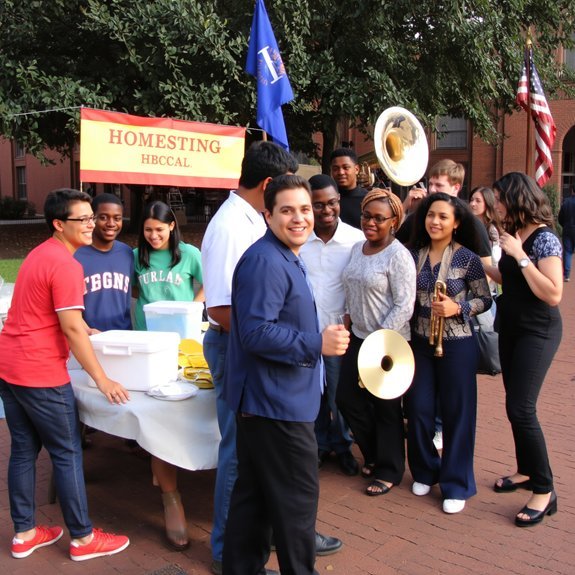
    Some nights on campus feel electric, like someone’s plugged the quad into a joy machine, and you should walk right into that buzz. You’ll hear brass, laughter, and the snap of steps before you see faces. Go to homecoming, step shows, and candlelight ceremonies, even if you feel shy—traditions hand you context, and context makes talking easy. Stand where people swarm, offer to hold a sign, clap loud, learn the chant, and someone will nod at you like you belong. Taste the funnel cake, catch confetti, trade high-fives, and ask, “Where’d you learn that move?” Use rituals as openings, not tests. You’ll come off enthusiastic, not needy, you’ll make friends who remember the night, and you’ll have stories.

    Build Study Groups and Classroom Friendships

    You’re not just here for lectures, you’re here to trade snacks and A’s, so join or start a study group and watch strangers turn into teammates. Sit near classmates, say hi, swap notes, and maybe whisper a joke when the professor drones on—small moves, big returns. Share resources, send a quick photo of your notes, and yes, offer to bring chips next time; friendship’s often built over coffee and copied pages.

    Join or Start Study Groups

    Anybody who’s ever sat in a lecture hall chewing on a pencil knows the magic of a good study group — I sure do. You can start one after class, text a few people, or toss an invite in the group chat, and suddenly you’ve got a mini brain trust with snacks. I’ll say it: study groups are excuse and lifeline.

    1. Pick a spot, time, and agenda — no wandering, bring coffee, bring questions.
    2. Rotate roles — timer, note-taker, explain-er — that keeps everyone honest, and saves your brain.
    3. Keep it short and focused — 50 minutes, five-minute break, quick recap, you’ve accomplished things and made friends.

    You’ll leave smarter, less stressed, and with someone who knows your essay quirks.

    Sit Near Classmates

    Sit in the third row, not because I’m a rules person, but because that’s where the action happens — you see faces, hear whispers, and can actually read the whiteboard without turning your neck into a question mark. Sit beside someone who looks awake, smile like you mean it, and drop a quick, “You get that last bit?” Seed a tiny conversation. Pass a pencil, joke about caffeine levels, comment on the professor’s tie. Those small moves build rapport faster than forced group projects. Trade quick study plans, offer to compare schedules, invite them to grab a coffee after class. Notice body language, mirror a laugh, remember a detail. Before you know it, classroom neighbors become reliable allies — and campus life gets a lot less lonely.

    Share Notes and Resources

    Once you’ve swapped smiles and a coffee plan with your row-mate, go one step bolder: share notes. I’ll say it plain — offering your notes feels generous, not weak. You’ll sit together, spread laptops, the paper smell of campus, and trade highlights like trading secrets. Try this:

    1. Offer a clean, organized set after class, ask for theirs, laugh about messy handwriting.
    2. Start a small study group, pick a cozy spot, bring snacks, set one quick goal.
    3. Share online folders and flashcards, ping before tests, celebrate small wins with a fist bump.

    You’ll bond over margin doodles and corrected answers, you’ll help each other, and friendships will form, fast and real.

    Volunteer and Serve to Meet Like-Minded Peers

    If you want to meet people who care about the same stuff you do, volunteering is your cheat code — and yes, I say that as someone who once showed up to a beach clean-up in flip-flops. You’ll find students planting trees, tutoring kids, running food drives, and yes, arguing over where to stack boxes. Walk in, grab gloves, introduce yourself: “Hey, I’m… can I help?” That line works every time. You’ll sweat, laugh, mess up, learn a new skill, and share a pizza later. Say yes to campus service fairs, org volunteer shifts, and community nights. I promise you’ll make friends faster than you can say “sign-up sheet,” because people bond over doing stuff that matters, not small talk.

    Leverage Residence Life and Living-Learning Communities

    You’ve got options right where you sleep, so snag a spot in a themed living community and wake up next to people who already like what you like. Go to hall events, eat the questionable free pizza with a grin, and actually talk to your RA — they’re your secret map to campus life. I’ll be blunt: put yourself in their orbit, say hi first, and friendships will start showing up like text bubbles.

    Join Themed Living Communities

    When I moved into my first dorm—boxy mattress, fluorescent light, and a suspicious carpet stain—I told myself I’d keep my door closed and my headphones on, like a responsible hermit; then I found the Black Culture Living-Learning Community and my plans evaporated. You’ll want to join themed housing because it puts you with people who already care about something, so you don’t have to invent common ground. You’ll smell cooking, hear late-night debate, and borrow notes from the person who becomes your study buddy.

    1. Shared focus — you wake up near peers who get your vibe, easy icebreakers included.
    2. Built routines — dinners, projects, and rituals that glue friendships.
    3. Fast trust — small group intensity shortens the awkward phase.

    Attend Hall Events

    Something about a packed hall with string lights and the smell of garlic butter makes people talk. You should show up early, claim a seat near the snacks, and pretend you meant to be social all along. I’ll nudge you: wander the room, introduce yourself between beats of the playlist, ask about majors, favorite professors, or the best late-night food. Laugh loud enough to be friendly, not obnoxious. Volunteer for setup or the playlist, that’s instant cred. Play games, join a conversation circle, bring a simple icebreaker. When someone mentions a club you like, say, “I’m in.” Swap numbers, follow up next day with a meme, not a novel. Hall events are low-stakes stages; perform a little, listen a lot, and people will notice.

    Build Resident Advisor Connections

    If you want a fast-track into dorm life without looking like a desperate social climber, start by cozying up to your RAs and the folks who run Living-Learning Communities—I’ve seen it turn strangers into weekend brunch crew in under a month. You’ll knock on an RA door, smell cinnamon coffee, trade a grin, and suddenly you’ve RSVP’d to a game night. Be helpful, not needy. Share snacks, offer to set up chairs, bring a playlist.

    1. Ask for event tips, volunteer once, show up early.
    2. Compliment their posters, suggest a theme, laugh at their jokes.
    3. Invite an RA to coffee, follow up, let connections grow naturally.

    I’ll nudge you through awkwardness, you bring the charm.

    Maintain and Grow New Friendships With Intentional Habits

    You’re not a friendship garden that sprouted overnight and can be left to its own devices, so let’s water this thing on purpose—no guilt, just simple habits that actually work. You text first, not every day, but enough so people know you exist, “coffee Friday?” works wonders. Show up: study table, club meeting, game night—smell of pizza, buzz of conversations, that’s where memories form. Ask specifics, don’t ask “we good?” ask “remember that jacket you lost?” Bring snacks sometimes, admit when you messed up, laugh at yourself, that humility is magnetic. Schedule a monthly hang, rotate hosts, keep it low-drama. Celebrate small wins, send voice notes, share playlists. Friendships grow when you tend them, intentionally and a little playfully.

    Conclusion

    You’ll immerse yourself in events, join clubs, and chat like it’s your job, because 68% of students say they made a close friend in their first month — imagine high-fives in the quad. I’ll nudge you to knock on doors, snag study snacks, and laugh at awkward silences. Be curious, show up, and trade numbers after a joke. Do that, and campus will feel like home fast, warm, loud, and honestly kind of perfect.
  • How to Choose Between On-Campus and Off-Campus Housing at an HBCU

    How to Choose Between On-Campus and Off-Campus Housing at an HBCU

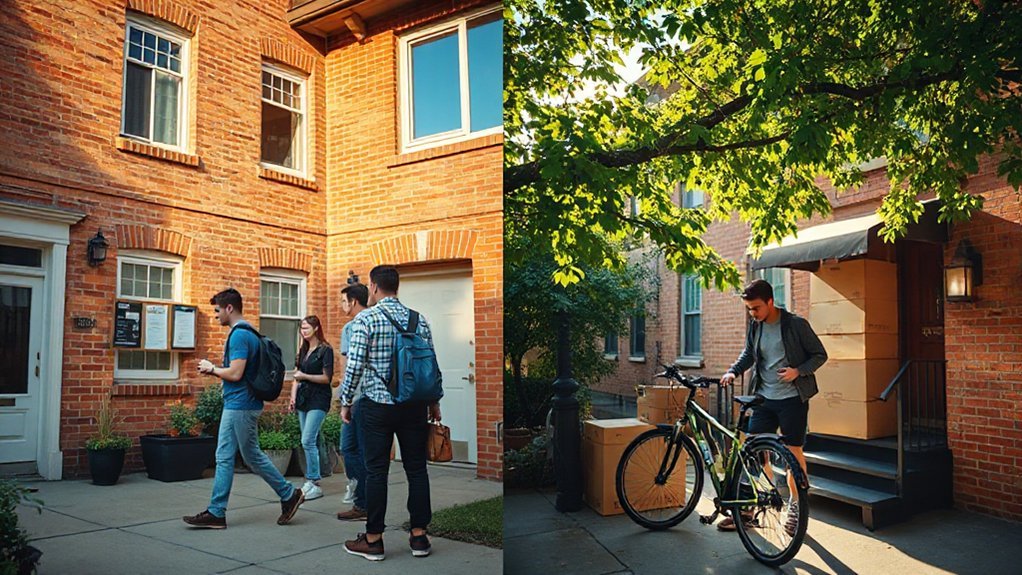
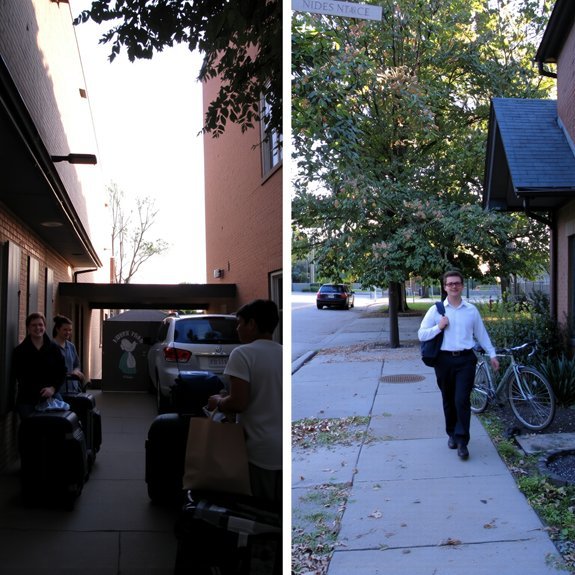
    You’ll smell fresh paint the first day you walk into a dorm room, and that little thrill tells you something important about choosing where you’ll live. I’ll be blunt: living on campus hands you convenience, roommates, late-night pizza runs, and Hall Council drama; off-campus gives you space, quieter study nights, and bills that bite. I’ll walk you through costs, safety, social life, and the trade-offs, so you can pick what actually fits—not what sounds cool.

    Key Takeaways

    • Compare total monthly costs: rent, utilities, meal plans, deposits, and furnishings to ensure it fits your budget.
    • Evaluate safety and accessibility: campus security presence, lighting, transit options, and commute time to classes.
    • Consider social needs: dorms offer built-in community and activities; off-campus requires more effort to build networks.
    • Assess academic support: on-campus housing facilitates study groups and campus resources; off-campus needs proactive planning.
    • Visit both options at different times, meet potential roommates, and list pros/cons to make an informed decision.

    Why Housing Choice Matters at an HBCU

    dorm choice impacts college experience

    Because where you sleep shapes how you show up, your dorm choice at an HBCU matters more than you think. You’ll wake to hallway laughter, old vinyl drifting through vents, or to streetlight hum if you choose off-campus life. I’ll say it straight: your room sets your rhythm. Pick a buzzing dorm and you’ll join impromptu study groups, step into midnight conversations, smell someone’s coffee at 7 a.m., and learn names fast. Go apartment-route and you’ll savor quiet, negotiate chore charts, and master the art of cooking for one—burnt toast included. You’re choosing community or calm, ritual or solitude. So listen to your daily self—are you craving drumline energy or slow Sunday mornings? Trust that gut. It knows your semester.

    Comparing Costs: Room, Board, and Hidden Expenses

    cost comparison for housing

    If you want to sleep comfortably and still eat, you’ve got to do the math, plain and simple. I’ll walk you through numbers so you don’t wake up hungry and broke. You’ll compare tuition-adjacent housing rates, meal plan tiers, and the little charges that pile up like laundry quarters.

    1. Rent vs. dorm fee — dorms bundle utilities and internet, off-campus means bills, pipes, and that one angry landlord text.
    2. Meal plan levels — eat-in convenience, but you’ll miss midnight ramen autonomy and savings when you cook.
    3. Transport and parking — campus walks save cash, off-campus costs gas, rideshares, and time.
    4. Hidden extras — deposits, furnishing, laundry, and surprise repairs, they nibble your budget, quietly.

    Campus Culture and Community: Social Life and Support

    community support vibrancy connection

    When you step onto an HBCU quad, you don’t just notice the banners and the brick; you feel the bass from a practice run, smell frying chicken at a tailgate, and hear a dozen voices calling your name before you even get your campus map out—so yeah, community hits fast. You’ll find study groups that turn into impromptu jam sessions, professors who know your nickname, and clubs that drag you into things you didn’t know you loved. Living on campus plugs you into midnight talks, quick meals with friends, and support networks that text when you skip class. Off campus, you get quieter mornings, BBQs you host, and neighbors who become family. Either way, you won’t be invisible—just choose the scene that fits your vibe.

    Safety, Security, and Accessibility Considerations

    You’re picking a room, not a haunted maze, so check how visible campus police are and whether they patrol where you walk at night. Look for bright lights, clear sidewalks, and covered crosswalks, picture your phone flashlight actually helping instead of freaking out, and ask whether buses or shuttles stop near your building. I’ll be blunt—you want routes that feel safe and accessible, for everyone, every trip, so scope them out and trust your gut.

    Campus Police Presence

    Because campus police are part of the soundtrack here, you’ll want to listen closely—sirens aren’t the only signal that matters. I’ll tell you straight: patrols, presence, and how officers show up affect your sleep, your late-night pizza runs, and whether you feel safe texting Mom at 2 a.m. I watch routes, note community meetings, and chat with officers—yes, I talk to strangers so you don’t have to.

    1. Visible patrols: regular, predictable beats calm nerves, and you’ll spot them on bikes or in cruiser headlights.
    2. Community ties: officers who know names, not ID numbers, reduce tension.
    3. Response times: quick, confident arrivals matter more than badges.
    4. Reporting ease: clear channels, anonymous tips, and follow-through build trust.

    Lighting and Pathways

    How bright should a walkway be before you start relaxing about late-night walks and pizza runs? I want you to picture LED pools, warm glows on brick, and sharp shadows that don’t hide surprise puddles or sketchy corners. You’ll notice well-lit paths guide your steps, reveal faces, and make you breathe easier; poor lighting makes you squint, slow down, and rehearse escape routes. Check lamp spacing, bulb color—warm yellows feel friendly, cool whites read safer—fixture height, and maintenance; flickering lights are mood killers and safety hazards. Paths should be even, clear of tripping hazards, and have tactile edges for vision-impaired folks. Walk them at night, listen for echoes, test sightlines; if it feels off, don’t shrug—it matters.

    Transit and Accessibility

    A few good transit options can make campus life feel like a small-city adventure instead of a daily obstacle course, and I’ll be blunt: that matters more than you think. You want to get to class, work, and late-night pizza without becoming a sweatball, right? I do too. Scan routes, timing, and well-lit stops. Listen for buses, feel pavement underfoot, note ramps and elevators. If you’re off-campus, test the walk once at 10 p.m., just to be real.

    1. Bus frequency — does one show up when you actually need it?
    2. Shuttle safety — are drivers alert, lights working, doors reliable?
    3. Bike lanes & racks — secure, visible, easy to lock up?
    4. ADA access — ramps, elevators, curb cuts, and smooth pathways?

    Academic Impact: Study Environment and Resources

    You’ll want a room that actually lets you hear your thoughts, not the hallway playlist—quiet study nooks and library corners matter. Make sure your building hooks you up with tutoring access and study groups, so you can grab help between classes without playing scheduling Tetris. I’ll say it plainly: living where classmates become study buddies turns late-night cram sessions into something almost productive, and yes, you’ll thank me later.

    Quiet Study Spaces

    If you’ve been cramming at 2 a.m. under a desk lamp that smells faintly of ramen, then I’ve got good news: quiet study spaces at an HBCU can change your GPA and your sleep schedule, in that order. You’ll love the hush, the soft HVAC hum, the way footsteps land like punctuation. I’ve claimed a corner of the library that feels like a secret club, and yes, I bring an emergency snack.

    1. Look for light, outlets, and firm chairs, those small comforts matter.
    2. Check noise policies, some rooms enforce silence, others allow whispering.
    3. Scout peak hours, arrive early, secure a window seat.
    4. Respect the space, clean up, and keep your phone face down.

    Access to Tutoring

    When I realized my calculus notes looked like ancient hieroglyphs, I started treating tutoring like a life hack—quick visits, big returns. You want help that’s near, reliable, and doesn’t require a pilgrimage. On-campus centers sit steps from class, smell like coffee, and have tutors who’ll rewrite your panic into a plan. Off-campus options might offer evening hours, private sessions, or quieter rooms where you can actually hear yourself think. You’ll want to check schedules, reservation systems, and whether tutors know your professor’s tests. Bring snacks, a pen that works, and the exact problem that made you cry last night. Say something blunt like, “I bombed this,” and they’ll fix the holes. Tutoring isn’t magic, it’s access—use it.

    Academic Community Ties

    Anyone can tell you a library is just books, but I’ll tell you it’s a living room for brains—warm lights, the hum of pages, and someone tapping a pen like a tiny heartbeat. You’ll pick housing that plugs you into study groups, late-night quizzes, and that one roommate who keeps flashcards on the fridge. I want you to feel the buzz, not just see it.

    1. On-campus gives instant study buddies, bulletin boards with tutors, and impromptu review sessions in lounges.
    2. Off-campus forces you to build networks, trek to campus, and curate your own quiet corners.
    3. Choose where you’ll join seminars, study rituals, and ritualized snack runs.
    4. Pick the scene that keeps you learning, laughing, and turning pages.

    Independence, Responsibilities, and Life Skills Off-Campus

    Because moving off-campus means you’re suddenly the boss of your own life, you’ll learn fast — maybe the hard way — what “adulting” actually costs. You’ll cook, or try to, the first night, burning garlic and pride while the smoke alarm judges you; you’ll schedule utilities, wrestle with internet installation, and discover how loud neighbors can be at 2 a.m. You’ll pay rent, clip coupons, and learn that pasta is cheap until you crave real food. You’ll fix a leaky faucet with YouTube and stubborn optimism, and argue calmly with roommates about dishes like a diplomat on caffeine. These chores teach time management, budgeting, compromise, and resilience. It’s messy, loud, expensive, and oddly liberating — welcome to your crash course.

    Practical Steps to Decide: Questions to Ask and Next Moves

    How do you actually pick between the dorm with the free laundry and the apartment with that glorified balcony? I’ll walk you through fast, honest steps, you’ll smell detergent or fresh paint, hear hallway laughs or city horns, and you’ll know which feels like home.

    Dorm laundry’s free, apartment’s got a balcony — visit both, breathe the air, listen, and choose the place that feels like home

    1. Ask: What’s my budget, really? Tally rent, utilities, snacks, late-night pizza, then sigh and adjust.
    2. Ask: How’s my commute? Time matters; I hate rushing, so I pick calm routes.
    3. Ask: Who’s my roommate? Meet them, test the vibe with one awkward laugh.
    4. Next move: Visit at night and morning, take photos, text yourself pros and cons, then choose without panic.

    Conclusion

    You’re the director of this tiny life experiment, and you’ll pick the set. Listen to your wallet, your sleep schedule, and the kind of noise you can tolerate—dorm laughter at midnight or peaceful off-campus mornings. Walk both spaces, taste the cafeteria mac and the corner café’s drip, talk to roommates and landlords, breathe the air. Trust your gut, pack a planner, and remember: whichever stage you choose, you’re the lead, not an extra.

  • Dorm Life at HBCUs: What It’s Really Like

    Dorm Life at HBCUs: What It’s Really Like

    Funny coincidence: your roommate loves the same show you pretended to hate in high school, so you start arguing about the best episode at midnight. You’ll learn to navigate tiny closets, shared shampoo, and bold hallway traditions, you’ll catch impromptu study groups that turn into dance-offs, and you’ll argue with an RA who’s secretly your best ally—there’s noise, curry, laughter, and enough late-night wisdom to mess with your plans, and that’s only the first week.

    Key Takeaways

    • Dorm life blends close-knit community rituals, late-night bonding, and shared traditions that build lasting friendships and campus identity.
    • Roommates negotiate space, boundaries, and routines while learning conflict resolution and personal growth through daily interactions.
    • Late-night study sessions, group projects, and snack-fueled collaboration create academic camaraderie and mutual support.
    • Resident Advisors organize events, offer emotional support, and connect students to resources, shaping dorm culture and safety.
    • Shared meals, kitchen etiquette, and hallway traditions foster belonging, activism, and memories that extend beyond graduation.

    First Nights and Roommate Realities

    college roommate first night

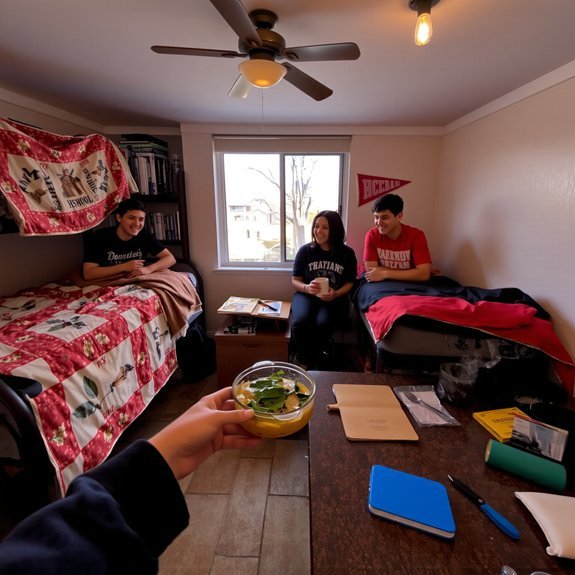
    Someone will always claim they slept like a baby on their first night — don’t believe them. You lug boxes, stake your corner, arrange photos, and then the hallway sounds start; laughter, a slammed door, someone’s playlist leaking bass. You and your roommate size each other up with mutual awkward smiles, handshakes that feel like auditions. You’ll negotiate lamp placement, closet turf, and quiet hours like diplomats, you’ll joke about shared snacks, then hide your favorite mug because you’re petty and hungry. Nights feel alive, a mix of whispering plans, the rustle of chips, the microwave’s little beep. You learn to apologize fast, forgive faster, and sleep with one ear open — because college is loud, but mostly kind.

    Building Community in the Halls

    hallway connections create community

    How do hallways become home? You learn names fast, you leave shoes by the door like tiny flags, you trade snacks across thin walls, laugh so loud you apologize later. I’ll nudge you: knock on a neighbor’s door, bring extra dessert, start a playlist that everyone slowly steals. You’ll notice smells — instant coffee, incense, someone’s laundry — and they’ll feel oddly familiar. You swap pins, stories, advice at midnight, nothing heavy, just real. Seasons change, roommates move, but the rhythm stays: hallway hello, quick lend, shared elevator silence that turns into jokes. You’ll build rituals, quirky and small, and before you know it, this corridor holds more history than your phone. Welcome home, seriously.

    Late-Night Study Sessions and Group Projects

    midnight collaboration chaos reigns

    You’ve been up past midnight, papers spread like a conspiracy on your dorm floor, and your roommate is whispering corrections while stealing your snacks. I’ll say it straight: those midnight collaboration hustles feel chaotic, they glow under your desk lamp, and somehow the best group projects are born from pizza-fueled panic. So tell me, when the coffee kicks in and the group chat explodes, do you lead the chaos or try to referee it?

    Midnight Collaboration Hustle

    When the clock slides past midnight and the dorm lobby dims to a suspiciously serious kind of quiet, that’s when the real work—er, the midnight collaboration hustle—kicks in; I’m talking laptops glowing like tiny alien suns, sticky-note confetti plastered on the walls, and the low hum of group chat notifications sneaking in like background percussion. You pile into a corner couch, I grab markers, someone brews instant coffee that actually tastes brave, and we sprint through slides as if a professor might pop in. You debate thesis lines, I mock-argue ridiculous examples, then we land on something smart. Ideas ping, edits fly, laughter breaks tension. At dawn, bleary but triumphant, you file the project, and it’s oddly yours.

    Roommate Study Dynamics

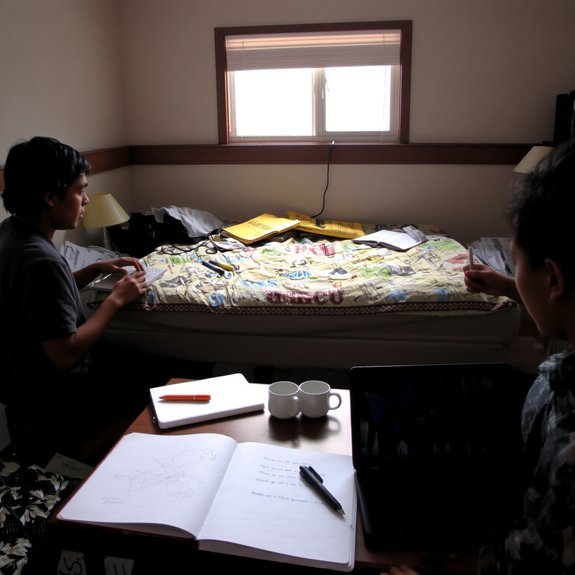
    If you’ve ever crammed for an exam with the person whose socks live under your bed, you know roommate study dynamics are a whole mood—part improv, part negotiation, part emotional mediation. You set up lamps, spread notes like a paper city, and argue about silence like it’s a limited resource. One of you hums, the other taps a pen, someone microwaves ramen at 2 a.m., perfume and coffee mix, and suddenly chemistry isn’t just a subject. You trade flashcards, quiz each other in the dark, and bicker about group project roles until one of you volunteers to be the “organizer” (translation: does everything). You learn empathy fast, and how to say “I need quiet” kindly but firmly. These nights make friends and grades.

    Food, Cooking, and Shared Meals

    You’re gonna learn the best spots on campus for soul food, late-night fries, and the salad bar that somehow tastes like home, and I’ll point out my embarrassing first-time tray choices. In the dorm kitchen, wipe your spills, label your Tupperware, and don’t be the ghost who borrows the good spatula without asking — seriously. Share a meal sometimes, trade a recipe, and you’ll turn microwave beep symphonies into actual memories.

    Campus Dining Options

    Because food is the unofficial campus currency, I learned fast that your dorm’s smells tell their own story — microwave popcorn at midnight, garlic from a roommate who swears they’ll only cook for ten minutes, and the brave scent of instant noodles trying to pass for dinner. You’ll learn dining halls on campus like a map, find your go-to station, and trade salad for mac-and-cheese without guilt. Lines move fast, conversations bubble, trays clack. You’ll also scout late-night spots, food trucks, and campus cafes that save study sessions.

    1. Regular dining hall: reliable, filling, social hub.
    2. Specialty station: curry, vegan bowls, or grill artistry.
    3. Off-hours bites: coffee, pastries, greasy comfort wins.

    Dorm Kitchen Etiquette

    When the dorm kitchen door swings open, you’ll smell last night’s garlic, someone’s burnt toast, and the tiny hope that today’s pasta won’t be a glue trap. You’ll learn the rules fast: label your food, wipe the counter, and never, ever microwave fish at midnight. I’ll call dibs on the best spatula, but I’ll share it if you clean it. Hear the clatter, say “excuse me,” don’t stage a stove takeover during finals week. Trade snacks, not germs. Rotate shifts for deep cleans, post a whiteboard schedule, and don’t judge the mystery casserole—unless you want to offer a helpful forkful. Kitchen time becomes social class, survival, and occasional culinary triumph. Be kind, be tidy, and bring extra napkins.

    Step Shows, Practice, and Cultural Expression

    If you think stepping is just loud feet and matching jackets, think again—it’s a full-body language, loud as a brass band and sharp as a drumbeat. You’ll watch teams rehearse in basements and parking lots, palms slapping, voices calling cadence, breath steaming on cool nights. I stand near, pretending I don’t hold my phone up, feeling the floor vibrate under my sneakers.

    1. You learn rhythm, timing, and pride, sweat dripping, shoes squeaking, eyes locked.
    2. You practice chants until your throat rasps, then laugh it off with water and elbow bumps.
    3. You craft moves that tell stories—history, jokes, love, crowning moments.

    You join in, you clap, you belong, even when you mess up, which you will.

    Dorm Traditions and Campus Lore

    You’ll learn the beat of the building by midnight, when shoes whisper in the hall, pizza boxes thud, and someone taps the radiator like a metronome. I’ll tell you about the mascot that supposedly prowls the stairwell—half joke, half dare, complete with a rumor about a feathered hat and a muffled laugh at 2 a.m. Stick around, you’ll laugh, you’ll squint into the dark, and you’ll start your own tiny legend.

    Midnight Hallway Routines

    Ever notice how silence in an HBCU dorm never really means “quiet”? I wander halls at midnight, heels clicking, laughter tucked under my breath, and you know the drill—someone’s playing a sax, someone’s baking cereal, someone’s retelling a prank. You smell incense, warm pizza, old textbooks. You step into ritual.

    1. You tap doors, trade secrets, swap snacks.
    2. You join a popped chorus, clap in rhythm, learn a new shout.
    3. You slide notes under doors, leave candles (legal ones), promise to wake a friend.

    I narrate these moments like I’m on a scavenger hunt. Light filters through stairwell windows, voices rise and fall, and you feel part of a pulse that never fully sleeps. You’re home, slightly tired, perfectly alive.

    Dorm Mascot Legends

    Remember how a hallway could hide a legend? You duck past posters, smell popcorn from a late movie, and someone whispers about the dorm mascot — a bedraggled raccoon, a ghostly teddy, or Mrs. Greene’s old marching hat that “moves” at midnight. I swear, I tested them all. You’ll hear a dare, join a stakeout, shiver when floorboards creak, and laugh when the culprits turn out to be freshmen with too much energy. You’ll polish a patched mascot, stitch on a missing button, and parade it down the hall, loud and proud. These rituals bind you, teach you to care for silly things, and give you stories — the ones you’ll tell later, louder, with a grin.

    Balancing Activism, Academics, and Social Life

    When activism knocks on your dorm door—loud shoes, flyers stuck to the bulletin board, someone chanting in the hallway—you learn fast how to juggle passion, papers, and parties without dropping the coffee or your GPA. You sign petitions between class notes, you rehearse chants while washing dishes, you RSVP to socials and still carve out study time, because balance isn’t neat, it’s tactical. I’ll tell you what helps:

    1. Block your calendar for study sprints, and honor them like a meeting with destiny.
    2. Buddy up for protests and group projects, trade notes and watch each other’s backs.
    3. Treat downtime like an assignment—rest isn’t optional, it’s credit.

    You’ll stumble, laugh, refocus, and keep showing up, louder and smarter.

    Resident Assistants and Peer Support Networks

    If you’ve ever stumbled into a 2 a.m. hallway debate about tuition or hair care, you know RAs are the glue—equal parts hall counselor, hype person, and rule enforcer—and I’ll admit, they save more midnight meltdowns than coffee does. You’ll spot them knocking softly, clipboard in hand, sneakers squeaking, offering ramen, advice, or a wink that says, “You got this.” They mediate roommate crises with surprising patience, plan movie nights that actually pull people out of rooms, and hang flyers with enthusiasm you’ll secretly admire. Peer networks form around study groups, gospel brunch plans, and last-minute ride shares. Lean in, text them when you’re lost, and trade stories in the lounge — that’s where lifelong friendships begin.

    Personal Growth and Identity Formation

    RAs hand you a bowl of ramen and a pep talk, but the real work happens when you start asking who you are between classes and late-night hustle. You wake up to the microwave hum, spray of coffee, posters peeling—then notice the ways you bend, resist, change. You try pronouns in the mirror, test beliefs in hallway debates, laugh when you flub a speech.

    1. Notice patterns: what calms you, what drains you, what makes you glow.
    2. Try roles: study group leader, open-mic poet, lab partner, messy chef.
    3. Set limits: say no to extra shifts, yes to self-care rituals.

    I watch you grow, stumbling and proud, trading old scripts for choices that fit.

    Lifelong Friendships and Alumni Connections

    Because you learn names over late-night pizza runs and graduation tassels still feel heavy, those dorm bonds don’t dissolve when you pack the last box. You call a roommate at midnight, because you forgot how to do taxes, and they actually answer. I still get invites to cookouts where the air smells like charcoal and Auntie’s coleslaw, and alumni reunions feel like time travel — same jokes, new gray. You trade study group memes for job leads, and someone always knows someone who can help. You’ll crash on couches, wake to coffee brewing, and hear, “Remember when?” like a warm punch. These connections turn into mentorship, networking, lifelines. They’ll show up, celebrate, and keep you honest — that’s the real dorm diploma.

    Conclusion

    Think dorms are just noisy rooms and bad pizza? I tested that theory—and you’ll be relieved, or annoyed, to hear it’s false. You’ll stumble into midnight study huddles, heated step-practice debates, and someone’s soulful cooking that smells like home. You’ll cry, laugh, and plot protests in the same week. I watched friendships form in bunk-bed whispers and messy kitchens. So yes, it’s chaotic, loud, messy—and exactly where you become yourself.

  • How to Survive Freshman Year at an HBCU

    How to Survive Freshman Year at an HBCU

    You’re both terrified and thrilled, standing under the marching band’s drumline as your suitcase rustles like a nervous heart—I’ve been there, trust me. Walk the quad, learn the chants, say hi to three strangers, and crash a student org meeting (don’t be shy, just dramatic). Keep your syllabus close, call home when you need to, and find a professor who actually remembers your name—because freshman year gets real fast, and you’ll want a map.

    Key Takeaways

    • Learn campus rhythms, attend events, and join traditions to build belonging and understand HBCU culture.
    • Create a weekly schedule, use a planner, and block focused study times with regular breaks.
    • Join clubs, study groups, and casual meetups to form friendships, networks, and small support systems.
    • Use professors’ office hours, mentors, and advising services early to map academics and get guidance.
    • Prioritize mental health: seek counseling, explore campus, and use familiar routines to manage homesickness.
    embrace campus culture s rhythm

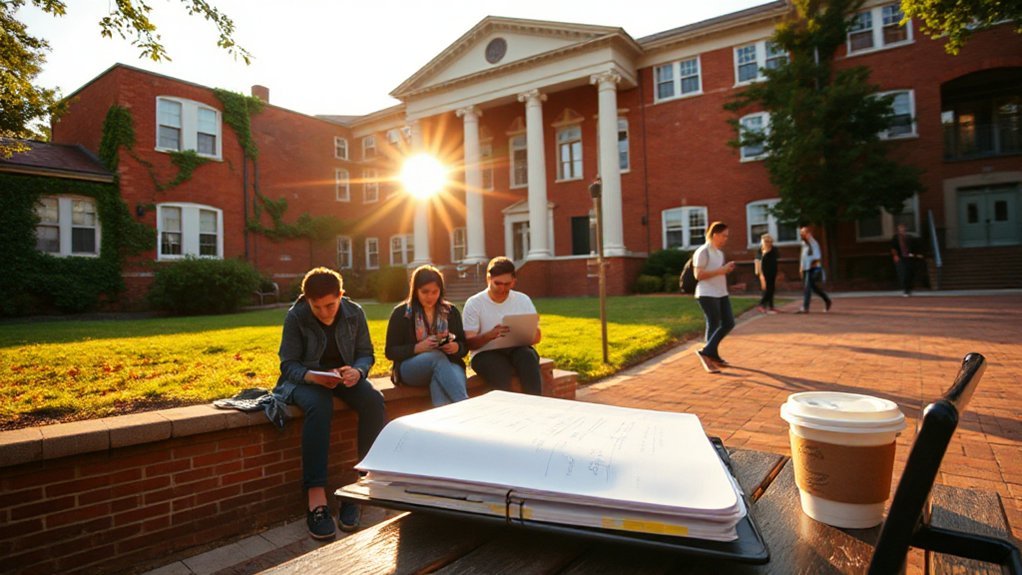
    When I first stepped onto the quad, sunlight hit the columns like a spotlight and I felt equal parts home and deer-in-headlights; you’ll probably feel that too. You’ll learn to read rhythms here — chapel bells, band practice, slow-footed campus walks — and you’ll lean into rituals with curiosity, not blind faith. Ask questions, watch elders, clap at the right moments. Taste the food at the student center, feel the drumline in your chest, learn the song words before you pretend you knew them. Don’t worry about missteps, everyone’s forgiven faster than you think. Keep your ears open, your schedule flexible, and your pride steady. Tradition’s a roadmap, not a rulebook, and you’ll find your pace.

    Finding Your Community and Building Friendships

    join clubs make friends

    You’ll start by wandering the student center, eyes open, ears perked, and you’ll spot clubs hawking free pizza like beacons. Go to their meetings, show up at socials, and pull two classmates into a study session — that’s where inside jokes and A’s both get made. I’ll bet you’ll leave one event sticky with soda, laughing, and already planning the next hangout.

    Join Campus Organizations

    If I had to give you one survival tip for freshman year, it’s this: join something—anything—that makes the campus feel smaller than it actually is. Do the club fair like you mean it, sniff the pamphlets, chat up the president, and sign a sheet. Try a few meetings—sit in, clap when people clap, eat the free snacks, notice who laughs at your jokes. Join an organization that matches a hobby, a cause, or the part of you that still dances in the shower. Volunteer, rehearse, plan events, wear a T‑shirt that becomes your second skin. You’ll learn names, routes, secret study spots, insider slang. Commit to at least one thing for a semester, and watch strangers turn into your crew.

    Attend Social Events

    Three nights a week, at least, walk out of your dorm and into something that smells like pizza and possibility. You’ll find low lights, loud laughter, and people who look like they know the campus map better than you do. Say hi, grab a slice, stand by the punch bowl, and listen more than you talk—seriously, you’ll learn names that way. Try a step show, an open mic, or a tailgate; move your feet, even if you think you can’t dance. Trade jokes, swap playlists, and collect ridiculous inside jokes you’ll text later. If a crowd’s tight, don’t sweat it—start one conversation, bring a friend, or lean into a goofy intro. Community shows up when you keep showing up.

    Build Small Study Groups

    You met people at the pizza-smelling party, you laughed at a joke you only half-caught, now make something that actually helps you get through midterms: a tiny study squad. I say pick three people — not the whole dorm, not the friend who ghosts — just enough to trade notes and roast bad quiz questions. Meet in the library corner that smells like old coffee, bring sticky notes, snacks, and a timer. Assign roles: one quizzes, one explains, one finds the textbook page everyone ignored. Say things like, “No phones, unless it’s calculator time,” and actually mean it. Switch spots weekly, celebrate small wins with cheap pastries, and keep it low-drama. You’ll get smarter, laugh more, and avoid doing panic-alone all-nighters.

    Managing Time and Academic Responsibilities

    time management and rewards

    Because the dorm clock ticks louder at 2 a.m. than the campus bell at 8, I learned fast how time can be both friend and prankster. You’ll map your week like a treasure hunt, snagging study slots between club meetings and quick food runs, or you’ll learn the hard way—pizza at midnight, essay due at dawn. Use a planner, not just phone guilt-traps; write deadlines in ink, feel them. Block study chunks, then reward yourself with two-song dances or coffee that tastes like optimism. When lectures blur, pause, breathe, rewrite notes aloud, pretend you’re teaching someone who talks back. Say no early and often, set alarms that won’t lie, and forgive the nights you fail. You’ll balance it, clumsily, brilliantly.

    Accessing Mentors, Advisors, and Support Services

    If you’re feeling like everyone else already has a secret handshake with success, lean in—I’ve been there, fumbling for the right door. You’ll find mentors, advisors, and support staff everywhere, if you knock. Walk into offices, introduce yourself, say your major, ask one sharp question. Bring a notebook, pace, listen. Campus centers smell like coffee and paper, voices low, advice ready.

    If everyone seems to have the secret handshake, knock on doors—introduce yourself, ask one sharp question, listen.

    1. Go to office hours, bring a draft, ask for two clear fixes.
    2. Join a student org, meet a peer mentor, trade tips over pizza.
    3. Visit advising, map classes, confirm requirements, save yourself reruns.

    I’ll nudge you: follow up with an email, keep receipts, thank people—small habits turn strangers into your campus crew.

    Handling Homesickness and Mental Health

    When the dorm lights go down and the hallway gets quiet, your chest might tighten like somebody just squeezed a stress ball—welcome to homesickness, the uninvited roommate everyone pretends they’ll never get. I tell you, you’re not broken, just human. Call home, text a picky parent meme, cook a tiny thing that smells like Sunday, or hang laundry that smells like your mom’s perfume — scent anchors work wonders. Walk campus at dusk, breathe the brick and magnolia, count porch lights like stars. Find the counselor, drop in, say “I’m tired,” and watch them hand you tools, not judgments. Join a small group, grab coffee with someone brave enough to listen, and be gentle with the voice that wants to rush healing.

    Making Smart Financial Decisions and Budgeting

    Alright, you felt the pinch of homesickness, called Mom, roasted something that smelled like Sunday — good. You’re broke, but proud, so let’s make your cash stretch without turning ramen into a lifestyle choice. I walk you through basics, crisp and real, like a roommate who folds laundry once.

    Homesick, broke, proud — call Mom, roast something warm, track every dollar, automate savings, survive and laugh.

    1. Track: write down every purchase, even that $2 soda, watch patterns, and gasp at your snack weakness.
    2. Prioritize: rent, books, food first; parties later — still go, budget the dance.
    3. Save: automated transfers, even $10, build a tiny emergency nest, it feels heroic.

    You’ll learn to say no, negotiate textbooks, and laugh when thrift-store fashion wins. You’ve got this.

    Getting Involved in Organizations and Leadership

    You should join student organizations early, wander into that packed meeting room, and feel the buzz of names and handshakes—I’ll promise it’s less scary than it sounds. Say yes to leadership when it fits, but keep your GPA in sight, set limits, and practice the awkward art of saying “not right now.” Balance is everything, so calendar your weeks, smell the campus coffee when you cram, and remember I’ve tripped over my own schedule enough times to warn you.

    Join Student Organizations Early

    Three clubs on my first week felt like three lifelines I clung to—one for music, one for service, one for free pizza—because honestly, orientation alone couldn’t teach me how to belong. You should join early, scope the vibe, and sign up before classes swallow your weekends. Walk meetings, smell coffee, hear laughter, collect names. Don’t overpromise, pick two that spark you, show up twice, then decide.

    1. Go to a performance night, clap loud, introduce yourself after the set.
    2. Help with a service drive, pack boxes, feel the purpose stick.
    3. Drop in a casual hangout, eat pizza, trade study tips.

    You’ll meet people fast, build routine, and find the corner of campus that feels like home.

    Seek Leadership Opportunities

    Step up, speak up, and don’t be surprised when people start calling you by your nickname—leadership lets you own a corner of campus faster than any class will. I’ll tell you straight: raise your hand at meetings, volunteer for a project, and learn names like you’re collecting secret passwords. Walk into the student center, feel the carpet underfoot, grab a flyer, and say, “I’ll help.” Start as a committee member, then run for an officer spot next semester. You’ll practice public speaking under fluorescent lights, juggle event checklists, and taste victory (and free pizza). Use leadership to build a rep, make friends who’ve got your back, and leave a footprint, not just attendance. Yep, it’s awkward at first—so what?

    Balance Commitments With Academics

    Leadership doors swing open fast, and with them comes a stack of flyers, calendar invites, and the sweet pressure to say yes. You’ll want to try everything, I get it — I’ve RSVP’d to three meetings and a cookout in one afternoon. Pause. Breathe. Map your week, then pick roles that fit the rhythm of your classes.

    1. Track hours: write them on a sticky note, tape it to your laptop, don’t lie to yourself.
    2. Prioritize meetings: mandatory classes, study blocks, then org events—stick to that order.
    3. Delegate early: train a backup, share tasks, celebrate small wins together.

    Keep snacks in your bag, set firm “no” boundaries, and remember: quality beats a crowded résumé.

    Preparing for Career Development and Internships

    If you want to stop guessing about your future and actually build it, start treating career stuff like a scavenger hunt, not a mysterious prophecy. I’ll walk you through maps and clues. First, visit career services, now—feel the carpet, grab a flyer, ask for mock interview slots. Go to workshops, RSVP like it’s a party. Network in the cafeteria, say hi to alumni who smell like success and coffee. Build a resume you can read without squinting; keep it one page, honest, and bold. Apply to two internships a week, track replies in a spreadsheet, celebrate tiny wins with pizza. Reflect weekly: what felt good, what bored you? Repeat, tweak, show up. You’ve got this—clues everywhere.

    Conclusion

    You’ll survive this year — you might wobble, trip, and laugh on the floor, but you’ll get up. I’ve watched freshmen learn traditions by night, cram in libraries by day, and find friends in front-row chapel seats and messy dorm kitchens. Breathe, ask for help, join that club you’re curious about, save a little cash, and go to office hours. This place will shape you, sometimes gently, sometimes like a thunderclap — and you’ll grow into it.

  • What to Expect During Your First Week at an HBCU

    What to Expect During Your First Week at an HBCU

    The quad smells like fresh-cut grass and fried food, and you’ll breathe it in like you own the place, even if you’re still carrying boxes; you’ll meet an RA who talks fast, get lost twice, clap at a pep rally, and sit through orientation that’s equal parts useful and theatrical — I’ll tell you where to sleep, where to eat, which lines to avoid, and how to find your people, but first you’ve got to survive day one.

    Key Takeaways

    • Expect energetic orientation events, pep rallies, and club fairs that introduce campus culture and help you meet peers and student leaders.
    • Learn routes, housing logistics, and campus landmarks while unpacking and connecting with your RA for support.
    • Attend classes confidently: pick a good seat, introduce yourself, ask one smart question, and note professor expectations.
    • Start building routines—sleep, study blocks, meal plans, and brief social breaks—to manage time and mental health.
    • Visit the registrar, financial aid, and academic advisor early to confirm enrollment, funding, and course plans.

    Welcome Activities and Orientation Events

    exciting energetic orientation activities

    If you’re anything like me, you’ll show up with a backpack full of hope, a slightly bruised sense of direction, and shoes that haven’t seen this much walking since middle school; orientation hits fast, loud, and warm. You’ll get pep rallies that thump in your chest, registration lines that test your patience, and student leaders who hug like they mean it. Grab a program, taste the welcome cookies, listen for your name during roll call — say it loud, say it proud. You’ll join icebreakers that feel awkward, then surprisingly fun, trade stories in shaded courtyards, and learn chants that stick. By sunset, you’ll be exhausted, connected, and already plotting which club fair table to head for next.

    Finding Your Way Around Campus and Housing Setup

    navigating campus and settling

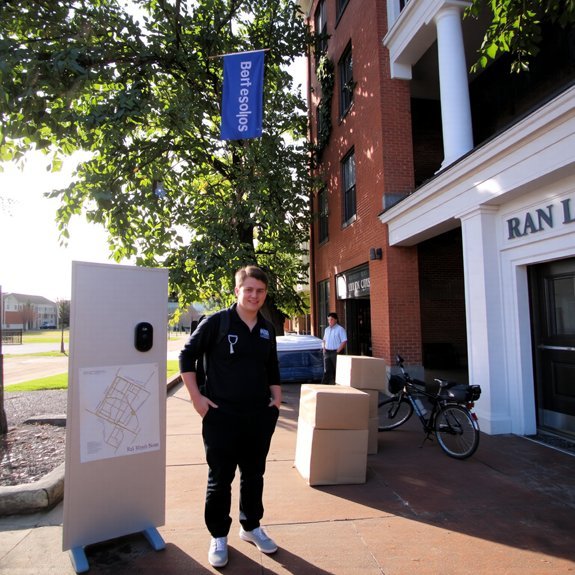
    When you step onto campus with that nervous grin, your map app will lie to you at least once and the quad will still smell like fresh-cut grass and late coffee, so don’t panic — get curious. I’ll say this: walk the routes before sunset, note landmarks—bell tower, mural of alumni faces, the snack truck that always parks by the library—talk to folks hauling boxes, they know shortcuts. Unpack in stages, plug in your lamp first, then your playlist. Label drawers, tape a spare key inside a book, and meet your RA; they’re your first lifeline. Learn where bathrooms, laundry, and the night shuttle sit. Memorize one friendly face. By bedtime, you’ll recognize sounds—laughter, distant band practice—and feel a little less lost.

    First-Day Classes and Meeting Professors

    first impressions matter greatly

    You’ll scan the room, note the podium, the chalk dust on the front desk, and pick a seat that gives you line of sight and confidence. When the professor asks for names, stand up, say yours loud and calm, drop a quick detail about why you’re excited, and watch how expectations get clearer. I’ll admit I fumble a greeting sometimes, but showing up ready and asking one smart question tells them you mean business.

    One bold thing: walk into that first classroom like you already belong there — even if your stomach’s doing cartwheels and your backpack has crumbs from last week’s cereal. You’ll scan the room, take in rows, clusters, that one tiered section that looks like a movie theater, and decide where you’ll sit. Sit near the front if you want to hear every nuance, or claim a side seat for easy exits, but avoid the lonely last row unless you like invisibility. Note outlets, light switches, and where the professor sets their laptop—those spots matter. Introduce yourself to neighbors with a quick joke, trade pens, and mark the board’s layout: syllabus, due dates, office hours. Own the map of your learning space.

    Introducing Yourself Confidently

    You’ve scoped the room, picked a seat, maybe swapped a pen with the person next to you — now it’s time to make a real first impression without sounding like a rehearsed robot. I nod, smile, and say my name, quick and clear, then ask theirs — it’s simple, human, immediate. Keep your voice steady, shoulders relaxed, meet eyes, not stare. Mention one thing about the class or campus, like “I heard Professor Lee tells good stories,” and laugh, you’ll break the ice. If the professor asks about your background, give a two-sentence snapshot: where you’re from, what you care about, drop a relevant detail. Shake hands if offered, thank them, jot a note. You’re present, polite, memorable — not perfect.

    Understanding Professor Expectations

    Maybe a little nervousness is normal — I get it, first-day energy smells like fresh notebooks and stale coffee — but slip into the room like you mean to listen. Look for name tents, syllabus piles, the professor’s tired grin. Sit up front if you can, make eye contact, nod when they joke — they notice that. When they explain attendance, deadlines, grading, write it down, don’t wing it. Ask one sharp question, introduce yourself after class if time allows, “Hi, I’m—” and mean it. Office hours are gold, go early, bring a paper draft or two questions. Professors are human, they respect preparation and curiosity. Be on time, be present, follow through, and you’ll leave a good first impression.

    Joining Student Organizations and Campus Traditions

    Curious where you’ll actually fit on campus? You’ll wander to the quad, hear drums, smell fried plantain, and spot booths lining the walkway. Talk to students, snag stickers, join a meeting—that’s how you find your people. I’m telling you, don’t wait for an invite, walk up, introduce yourself, say something goofy if you must. Try a club fair, catch a step show rehearsal, or sit in on a chapter meeting. Traditions will grab you — tailgate cheers, toga-style homecoming nights, or late-night study pizza rituals — and you’ll learn the hand signs, the chants, the secret handshake (maybe). Keep an open calendar, RSVP, show up early, bring snacks. You’ll belong before you know it, even on day three.

    Managing Registration, Financial Aid, and Advising

    You’ll find people everywhere—on the quad, in the student center, at a club table—but right after you fist-bump a new friend or snag a sticker, you’ve got to handle the behind-the-scenes stuff that actually keeps you enrolled, fed, and scheduled. I walk you to the registrar first: bring your ID, a list of courses, and a deep breath. Then we hustle to Financial Aid, where forms smell faintly of toner and hope; ask about grants, work-study, and meal plan swaps. Advising is next, where you and a real human map majors, prerequisites, and that mysterious gen-ed. Say the awkward questions out loud, I promise they’ve heard worse. Leave with screenshots, counselor names, and a plan—no drama, just paperwork conquered.

    Building Community, Making Friends, and Self-Care

    I’m telling you, jump into campus org fairs with your ears open and your snack hand steady, because that’s where you’ll find people who laugh at the same jokes and love the same causes. Talk to your roommate early — set quiet hours, swap coffee preferences, and don’t let passive-aggressive note wars start; I learned that the hard way. And yes, pack a sleep schedule and a few go-to recipes, you’ll thank me when you’re not surviving on ramen and adrenaline.

    Join Campus Organizations

    If you wander into the student union on a Tuesday afternoon, you’ll smell fries, hear a drumline practice through the windows, and find a dozen clubs hawking stickers like they’re trading cards — and that’s where the magic starts. You scan tables, snag a sticker, and overhear someone say, “You play?” You nod, join a quick demo, and suddenly you’re laughing, out of breath, part of it. Try a few groups: faith, improv, activism, study pods, step team. Go to one meeting, then another, keep what fits. Bring snacks, ask names, trade contacts. You’ll build a tiny roster of allies, people who text when you flake, who celebrate wins, who know your coffee order. That’s community.

    Roommate Relationship Tips

    People you met at club tables will become your squad, but the person whose alarm you hear every morning might shape your whole day. You’ll knock, introduce yourself, and laugh at the awkward silence; say your quirks loud and proud, like “I’m a night owl, I burn toast.” Set small, kind rules—guest nights, headphone hours, snack boundaries—spoken over ramen, with the fluorescent light buzzing. Learn their coffee face, their study playlist, the way they fold clothes into neat paper squares. Invite them to a campus walk, or shut the door when you need a minute; both are honest moves. Share a towel, respect the desk pile, and apologize fast when you mess up. Roommates can become family, if you try.

    Establish Healthy Routines

    When you’re juggling class sign-ups, club fairs, and the mysterious art of making ramen not taste like dorm, routines are the secret glue that keeps you from spiraling—trust me, I learned that by 2 a.m. when my alarm and my roommate’s playlist declared war. Set small rituals: wake, stretch, brew coffee that smells like victory, walk to class with earbuds and a wave for familiar faces. Block study windows, but leave room for a quick laugh in the quad. Join one weekly club ritual, say hi, bring snacks, repeat. Sleep matters, so knock off screens before bed; your brain will thank you. When you habit-stack community, chores, and self-care, college feels less chaos, more rhythm — and you actually eat your ramen.

    Conclusion

    I promise you’ll survive—and more than that, you’ll belong. I walk with you through loud pep rallies, awkward icebreakers, and the midnight hunt for clean socks, and I’m betting the rumor’s true: new places change you. You’ll meet an RA who actually cares, a professor who says your name right, and friends who steal your fries. Breathe, show up, ask dumb questions, laugh—this week is messy, bright, and yours.

  • How to Manage Money When You’re a First-Gen HBCU Student

    How to Manage Money When You’re a First-Gen HBCU Student

    You’ll track the bills, you’ll track the wins, you’ll learn to stretch a dollar till it sings. I’ll walk with you—practical steps, blunt truth, a few jokes when the budget gets ugly—so you can spot grants, dodge junk fees, and still eat ramen that doesn’t taste like cardboard; picture late-night FAFSA clicks, sticky campus flyers for scholarships, and a thrift-store backpack that proves you’re stylish on a budget. Keep going—there’s a plan.

    Key Takeaways

    • List fixed and variable costs, then build a monthly budget tracking income, expenses, and an emergency fund.
    • Complete the FAFSA, apply for grants and HBCU scholarships, and meet with financial aid for work-study options.
    • Save on textbooks by renting, buying used, or borrowing from classmates and campus resources.
    • Choose affordable housing and meal plans, use campus shuttles, biking, or shared rides to cut transportation costs.
    • Attend financial counseling, learn loan types, build credit responsibly, and automate small savings each month.

    Understanding Your College Costs and Creating a Realistic Budget

    budgeting for college expenses

    Alright, let’s start this money talk like grown folks but keep it spicy: you’re about to map every dollar that’s coming in and every one sneaking out—tuition, room and board, ramen nights, that one “I deserve it” hoodie. I’ll walk you through listing fixed costs first — tuition, housing, meal plan — feel the weight of those numbers, they’re real. Then add variable stuff: groceries, laundry coins, caffeine runs, late-night Uber dramas. Track income: paychecks, parent help, freelance gigs, the occasional tax refund. Build a simple spreadsheet or use an app, color-code it, make it hurt less with visuals. Set realistic limits, earmark an emergency jar, and trim one binge habit. You’ll sleep better, I promise.

    navigating financial aid options

    Because money talks louder than vibes on move‑in day, I’m going to walk you through FAFSA, grants, and the other lifelines before you panic and sell your textbooks for snacks. You’ll fill FAFSA online, breathe, hit submit, then check your Student Aid Report like it’s a text from your future. Grants, unlike loans, don’t chase you with interest — Pell, state grants — scoop them up. Talk to your financial aid office, bring ID, tax docs, and questions; they’ll point out work‑study, payment plans, and emergency funds. Keep copies, set reminders for renewals, and appeal if your award feels low — a respectful email can change things. You’ll handle this, one form, one conversation, one relieved exhale at a time.

    Finding and Applying for Scholarships for First-Gen and HBCU Students

    scholarship application strategies outlined

    Where do you start when scholarships seem like hidden treasure and you’re not sure what map to follow? I tell you, first breathe, then hunt. Scan your HBCU’s financial aid page, email the scholarship office, and scribble deadlines in neon. Search databases—Fastweb, College Board, local foundations—and set alerts. Tailor one strong essay, swap drafts with a friend, and save versions; repetition beats panic. Include community work, leadership moments, first-gen grit, and specific campus goals. Ask professors for recommendation letters early, give them bullet points, and thank them with a quick, genuine note. Apply every week, track submissions in a simple spreadsheet, and celebrate small wins—pizza counts. You’ll build momentum, cash, and confidence, in that order.

    Saving on Textbooks, Supplies, and Campus Essentials

    You worked the scholarship hustle, celebrated with pizza, and padded your bank a bit—good. Now tackle textbooks, supplies, and campus must-haves without crying into ramen. Buy used textbooks online, then list the exact edition in searches, haggle gently, and smell the slightly-steeped paper like victory. Rent books for a semester, scan chapters you need, and highlight digitally. Swap with classmates, post a quick “need/offer” in group chats, and trade like a bargain-savvy pirate. Buy generic supplies—spiral notebooks, pens that don’t judge, a sturdy backpack—and patch tiny tears with duct tape and dignity. Use campus print labs for one-off copies, borrow a calculator, and check freebie tables during move-in. Small savings add up, and you’ll feel clever, resourceful, and a little smug.

    Affordable Housing, Meal Plans, and Transportation Choices

    If you want to keep rent from eating your scholarship pizza, start by scouting options like a hawk with a backpack. I’ll say it straight: don’t overpay for location pride. Look at rooming with classmates, check campus housing deadlines, and smell-test kitchens before you sign — that burnt-toast smell matters.

    • Split utilities and groceries with roommates, set a shared app for bills.
    • Compare meal plans, pick one that fits your class schedule, not FOMO.
    • Bike or walk short routes, you’ll save cash and get fresh air.
    • Use campus shuttles and discounted transit passes, they cut fares fast.
    • Negotiate landlord perks, ask for repairs or waived fees, practice your poker face.

    You’ll live smarter, eat better, and move cheaper — trust me, it’s doable.

    Managing Student Loans and Building a Repayment Plan

    Since loans are part of your college soundtrack, learn their beats so they don’t turn into a surprise drum solo when you graduate. I want you to get friendly with interest rates, loan types, and your servicer — touch the paperwork, smell the cafeteria coffee while you read, mark due dates in bold. Sketch a repayment plan: choose income-driven or standard, estimate monthly payments, and build a tiny emergency fund so a missed rent check doesn’t wreck the rhythm. Call your servicer, ask questions, don’t whisper. Reassess annually, refinance only if it lowers rate without losing protections, and track progress with a simple spreadsheet, colorful stickers optional. Celebrate small wins — like shaving off $50 — with a cheap dessert. You’ve got this, drum major.

    Earning Income on Campus: Jobs, Work-Study, and Side Gigs

    When campus life hands you a schedule full of lectures and late-night study sessions, grab a part-time job and make it sing—I’ve got your back while you learn the ropes. You’ll pick shifts that actually fit, earn cash for ramen and textbooks, and practice punctuality—yes, it’s a flex. I’ll walk you through options, realistic tips, and hustle-friendly habits.

    • Campus jobs: library aide, lab assistant, dining hall — low commute, steady hours.
    • Work-study: federal aid-based, priority for need, check the financial aid office.
    • Tutoring: high demand, you teach, you earn, confidence grows.
    • Gigs: campus events, photography, merch sales — flexible, fun.
    • Tips: track hours, set earnings goals, balance rest and hustle.

    Building Credit and Protecting Your Financial Identity

    Because your credit score will follow you longer than that questionable haircut freshman year, you’ve got to treat it like a roommate: polite, responsible, and not stealing your pizza. I want you to open a secured card or become an authorized user on a parent’s card, use it for small purchases, then pay it off, smell the plastic, feel the tiny click of responsibility. Keep balances low, pay on time, set autopay, check your free annual report, and freeze your files if something smells off. Guard your SSN like a key to a secret closet. Shred papers, lock passwords, don’t plug info into sketchy Wi‑Fi. Little habits now build trust later, and yes, future-you will thank present-you with lower rates and fewer headaches.

    Campus Resources, Mentors, and Money Habits for Long-Term Success

    You’ve got a campus full of hidden allies — the financial aid office with its fluorescent-lit help desk, the student-run credit clinic handing out real-life tips, and emergency funds tucked behind polite smiles — and I’ll show you how to use them. Talk to mentors early, even the professor who knows your name, because those quick hallway chats turn into advice, references, and a reality check when bills creep up. Start a simple, stubborn budget now — weekly checks, one “fun” line, and tiny habits you actually keep — and you’ll thank yourself when the surprises come.

    On‑Campus Financial Services

    If you’re walking across campus and smell coffee, sunscreen, and somebody else’s textbook panic, stop — because the place that can steady your wallet is closer than you think. I’ll show you the spots to use, the people to ask, and the simple moves that save cash fast. Think bright posters, quiet cubicles, friendly faces, and a calculator that actually works.

    • Financial aid office: check deadlines, appeals, and emergency grants.
    • Student employment: grab on-campus jobs that fit your class schedule.
    • Campus bank or credit union: set up checking, low-fee accounts, direct deposit.
    • Financial counseling: free appointments for budgeting, loan coaching.
    • Workshops and panels: RSVP, bring questions, take notes, act.

    Building Mentoring Relationships

    When I first wandered into the student union looking for free pizza, I didn’t expect to find a mentor who’d change how I handled money — but that’s exactly how it starts, messy and delightful. I met Ms. Carter by the vending machines, she smelled like coffee and confidence, and she didn’t mind my nervous laugh. She taught me to ask questions, to bring receipts, to call financial aid without shame. You’ll learn to spot mentors in classes, clubs, and office hours; they’ll offer real talk, not lectures. Take notes, follow up, and return favors — bring cookies, ask about their research, listen. Mentors open doors, give pep talks, and model habits, but you still have to walk through.

    Sustainable Budgeting Habits

    Because I learned the hard way — by overspending on late-night fries and crying into ramen — budgeting has to be more than a spreadsheet on your phone; it needs to live in your day-to-day. I’ll keep it real: routines beat willpower. Use campus pantry runs as a grocery bootcamp, talk to a confident mentor when rent scares you, and set tiny weekly limits you can actually hit.

    • Track three musts first: food, rent, transport.
    • Use campus workshops, free counseling, financial aid office.
    • Automate savings, even $5 makes you feel clever.
    • Swap nights out for movie nights in, bring snacks that smell like victory.
    • Review and tweak your plan every month, like tuning a bike chain.

    You’ll build habits that stick, not stress.

    Conclusion

    Think of your budget as a trusty map, worn but true. You’ll check tuition, track snacks, fill out FAFSA, hunt scholarships, and haggle for used textbooks. I’ll nudge you to take campus jobs, read loan fine print, and build credit like it’s a secret handshake. You’ll talk to advisors, attend workshops, and sleep better knowing you’ve got a plan. Keep tweaking, stay curious, and celebrate small wins—this is your money, your journey.

  • How to Plan for Housing Costs at an HBCU

    How to Plan for Housing Costs at an HBCU

    You might think planning housing is just paperwork and luck, but you can actually tame it without losing sleep. I’ll talk you through picking dorms or off-campus spots, budgeting for rent, utilities, and that omnipresent pizza fund, and snagging campus resources so you don’t overpay—picture yourself hauling a twin XL mattress from a thrift run, keys jangling, victory-smelling coffee in hand—so stick around while I show the exact steps that make this painless.

    Key Takeaways

    • Compare on-campus options (dorms, suites, apartments) and associated meal plans to pick the best cost/amenity balance.
    • Create a monthly housing budget listing rent, meal plan, utilities, insurance, laundry, and a one-month rent emergency cushion.
    • Read lease and housing contracts carefully for deposits, refunds, early-termination penalties, and utility responsibility.
    • Use campus resources—financial aid, emergency housing assistance, student employment, and housing referrals—to reduce costs.
    • Save on furnishings and utilities by buying used, sharing items with roommates, and splitting bills via a joint app or account.

    Understand the Different Types of Student Housing Available

    explore diverse student housing

    Because housing can make or break your freshman year, I want you to know exactly what you’re walking into. You’ll see traditional dorms first: narrow halls, community bathrooms, and the comforting hum of late-night study sessions — think posters, instant ramen steam, roommate negotiations. Suite-style units give you a private bathroom and a tiny living room, so you can actually host people without tripping over backpacks. Apartments? You’ll have a kitchenette, real dishes, and the freedom to burn popcorn once. Honors housing often comes with quieter floors and a curfew that’s more suggestion than law. Off-campus rentals feel grown-up, with keys that jingle and laundry that costs actual quarters. Walk each space, sniff the carpet, listen for noise, picture your life there.

    Estimate Your Total Housing Budget for the Academic Year

    estimate total housing budget

    Think of your housing budget like a playlist you can’t skip—get it right and the year flows, mess it up and you’ll be stuck on repeat. Start by listing fixed beats: rent or dorm fees, meal plans if separate, mandatory insurance, and campus parking. Add variable tracks: utilities, laundry quarters, toiletries, and that emergency pizza at 2 a.m. Count moving costs, storage, and travel home for breaks. Multiply per-semester charges by two, or use your school’s calendar if weird. Build a cushion, I keep one equal to a month’s rent — call it your safety solo. Total it, divide by months, and set up automatic transfers. You’ll sleep better, promise — even if I still hog the aux.

    Compare On-Campus Room and Board Options

    dorms meal plans fees

    Now that you’ve mapped out the dollars and emergency pizza fund, let’s stare down the actual places you’ll live and eat. You’ll walk into dorms that smell like detergent and late-night coffee, tours in hand, comparing singles, doubles, suites. Listen for thin walls, test the mattress bounce, open closet doors — tiny victories matter. Check meal plans: unlimited swipe, block meals, declining balance; picture cafeteria lines, the stew that somehow tastes like home, the grill that saves your life. Ask about guests, quiet hours, AC, and laundry costs — those surprise fees sting. Talk to RAs, peek at bulletin boards, read the housing contract slowly, yes, out loud. Pick the combo that fits your budget, sleep needs, and snack habits.

    Finding Affordable Off-Campus Apartments and Roommates

    Where do you even start when the dorms feel like a cozy trap and you’re ready to fly the coop? You hop online, squint at listings, sniff for scams, and call landlords like you’re auditioning for a reality show. Look near campus first, then widen out — safer streets, cheaper buses, maybe a killer taco spot. Split rent with roommates who actually clean, not ghosts; meet them in person, ask about sleep schedules, guests, and dish duty. Tour at daylight, open cabinets, run faucets, listen for creaks. Budget for deposits, utilities, and that emergency pizza fund. Sign a lease only after you read it, annotate weird clauses, and take photos on move-in day. You’ll be proud, tired, and mostly ready.

    How to Use Campus Resources to Lower Housing Costs

    If your wallet’s whispering “help” every rent day, campus resources can be the duct tape that holds your budget together — and yeah, I’ve used them. Walk the student services office, feel the cool linoleum under your shoes, ask for housing referrals, and don’t flinch when they hand you a list. Hit the student employment board, apply for gigs, and imagine pocket money padding your rent. Pop into the counseling center for emergency assistance info, speak plainly, they’ll point you to short-term aid. Use the campus thrift closet, grab a lamp that smells faintly of library dust, and save on furnishing. Join student groups that barter skills, tutor for housing credit, trade meals for chores. Talk to your RA, negotiate, be human.

    Financial Aid, Scholarships, and Grants for Housing Expenses

    You did the walk-and-talk with student services, snagged a thrift-club lamp that smells faintly of library dust, and maybe even bartered your way into a meal plan — now let’s talk money that doesn’t require folding your dignity into a job application. I’ll tell you where to look: FAFSA first, always, then campus housing waivers, emergency grants, and need-based awards that cover room charges. Hunt departmental scholarships — some are earmarked for students from your neighborhood or major. Apply early, tailor each essay, and name-check the housing line item so reviewers know you’re serious. Ask the financial aid office to review offers, negotiate work-study swaps, and set reminders for renewal deadlines. Small grants stack, so collect them like souvenirs.

    Short-Term Housing Solutions and Moving Timeline Tips

    Think of me as your overprepared roommate: I’ll walk you through quick on-campus options like summer pods and overflow dorms, then help scout short-term off-campus rentals—furnished, month-to-month, and preferably with a coffee shop downstairs. Start packing two–four weeks before move-in, make a timeline checklist (tour, lease, keys, emergency cash), and don’t forget a “first-night” bag with PJs and chargers. You’ll thank me when you’re sipping instant coffee in a bed that’s actually yours, instead of staring at boxes at midnight.

    Temporary On-Campus Options

    Because moving week can feel like a sprint through a crowded cafeteria, I’m going to walk you through the short-term on-campus options that’ll keep you sane for those first messy days. You can grab a welcome-week dorm spot, crash in temporary housing, or book a guest room in the residence hall office, each option smelling faintly of detergent and instant coffee — comforting, if you’re jittery. Pack a small kit: sheets, towel, power strip, earplugs. Check move-in windows, they’re sacred, and RSVP online so you don’t end up on a waiting list, bleary-eyed. Talk to housing staff, they’re helpful and human. Swap numbers with a neighbor, share a cart, make a quick plan to move into your permanent digs within a week.

    Short-Term Off-Campus Rentals

    How long can you crash off-campus without turning your life into a suitcase graveyard? You’ll want stakes, not chaos. Short-term rentals keep you flexible, let you test neighborhoods, and save you from a yearlong mistake. I say pack light, bring a lamp that actually works, and learn where the nearest laundromat smells decent.

    1. Inspect fast: check locks, outlets, water pressure, and Wi‑Fi speed — if the shower whispers, don’t trust it.
    2. Negotiate stay length: ask for month-to-month, prorated rent, and a clear move-out policy; get everything texted.
    3. Furnish smart: bring a foldable bed, basic cookware, and blackout curtains; buy thrifted rugs to tame echoes.

    You’ll move smarter, not harder, and sleep better.

    Moving Timeline Checklist

    1 smart checklist will save you from moving-day chaos, trust me — I’ve learned the hard way with missing keys and a lamp that only sort-of works. Start three weeks out: book a truck, text roommates, label boxes with bold markers, tape a note on fragile stuff. Two weeks out, purge the junk, donate the weird stuff you’ll never use, snap photos of electronics for returns. One week, pack an essentials bag—charger, meds, a towel, snacks that don’t require a microwave. Day before, confirm arrival times, map parking, charge your phone, stash cash. Moving morning, breathe, play a song loud, check closets, lock up. Unpack the bed first, you’ll thank me at 2 a.m.

    Understanding Lease Terms, Security Deposits, and Utilities

    You’re signing a lease, not a mystery novel, so read the length and clauses like you mean it — fixed terms, break fees, and who fixes the AC all matter. I’ll say it plain: expect deposits and possible extra fees, so check how much they hold, what’s refundable, and what could be docked for scratches or late rent. And don’t forget utilities — ask which ones you’ll pay, picture the thermostat battles and the electric bill shock, then plan accordingly.

    Lease Length and Clauses

    If you’re signing a lease, read it like you’re decoding a secret map—because those dates, clauses, and dollar signs actually lead somewhere. I’ll say it plain: lease length locks your calendar, so picture move-in day, finals week, and Thanksgiving trips before you sign. Check automatic renewal, subletting rules, and break clauses; they smell like trouble if you don’t sniff them out. I’ve learned this the hard way — cue awkward couch moves at midnight.

    1. Read the term: note start/end dates, renewal windows, and early-termination penalties, mark them on your phone.
    2. Spot restrictions: guests, pets, noise curfews, and sublet permissions; they shape daily life.
    3. Examine clauses: repairs, landlord entry, and dispute steps; know who fixes what, and when.

    Deposits, Fees, Utilities

    Alright, so you’ve wrestled the lease dates into your calendar and survived the fine-print scavenger hunt — now let’s talk money that actually moves: deposits, fees, and who’s paying the lights. I’ll be blunt: deposits are your refundable IOUs, usually one month’s rent, sometimes more. Take photos when you move in, timestamp everything, and don’t let the landlord ghost you over a scratch. Fees lurk everywhere — application, admin, pet, late — read the list like it’s a menu you can’t afford. Utilities? Ask who covers water, trash, electricity, internet; get average monthly numbers, not hopeful estimates. Split utilities fairly with roommates, set a joint account or app, and budget a cushion. You’ll sleep better knowing you didn’t miss a charge.

    Money-Saving Strategies for Furnishings and Household Essentials

    One smart move: treat your dorm like a tiny stage and set it up for scenes, not storage. I’ll show you how to save cash, cut clutter, and make your space feel like yours without looking like a yard sale exploded. You’ll shop smart, swap smarter, and laugh when you score a vintage lamp for five dollars.

    Treat your dorm like a tiny stage—style scenes, not storage; save cash, cut clutter, and score vintage finds.

    1. Thrift and upcycle: hit local thrift stores, campus swaps, and online groups; sand, paint, and swap knobs, and you’ve got boutique vibes.
    2. Buy multi-use gear: a futon, collapsible table, and storage ottoman do triple duty—sit, sleep, store—your wallet nods approvingly.
    3. Share essentials: split cookware, vacuums, and tools with roommates; fewer buys, more party cred.

    Planning for Unexpected Housing Costs and Emergency Funds

    Because surprises happen—your A/C dies during a heatwave, a pipe bursts at midnight, or your roommate’s “borrowed” microwave starts a kitchen fire—you’ve got to plan like a pro and stash a little cash for chaos. I tell you, build an emergency fund, even if it’s small at first. Put $20 a week in a locked jar or separate bank account, label it “uh-oh,” and watch it grow. Know your school’s maintenance policies, get vendor quotes, photograph damage, and text your roommate like a grown-up. Ask about campus emergency loans and local nonprofits. Practice quick fixes—turn valves, unplug faulty cords, fan out damp towels—so you don’t panic. If you ever need it, that fund feels like a warm blanket, honestly lifesaving.

    Conclusion

    You’ve got this. Treat your housing plan like a playlist—pick what fits, ditch what’s noisy, and cue backups for the surprises. I’ll say it straight: budget the rent, food, utilities, deposits, and a small emergency stash, then scout dorms, compare meal plans, and knock on doors for roommates. Use campus aid and thrift scoring, pack a toolkit, and keep receipts. Breathe, adjust, and laugh when plans hit a speed bump.

  • How to Find Emergency Financial Help as an HBCU Student

    How to Find Emergency Financial Help as an HBCU Student

    You’re juggling rent notices, a growling stomach, and a syllabus that won’t cut you any slack, so let’s get blunt: start with what’s urgent, then call for backup. Walk into Student Affairs like you own a campus office plant, ask about emergency grants, slide an email to your dean, and scope out departmental funds—bring ID, bills, and a calm voice. I’ll show you the quickest moves and who to text when the lights flicker, but first—

    Key Takeaways

    • Contact your campus emergency aid office or Dean of Students immediately to apply for short-term grants or vouchers with ID and proof of need.
    • Visit campus resources: food pantry, emergency housing, student health center, and counseling for non-financial support.
    • Ask your landlord, utility company, or providers for payment extensions or temporary hardship plans.
    • Search HBCU-specific scholarships, national emergency grants, and local nonprofits or churches for urgent funds.
    • Prepare a one-page statement, receipts, and ID; consider short gigs and friend/family loans as quick income options.

    Quick Steps to Assess Your Emergency and Immediate Needs

    assess immediate emergency needs

    Where do we start? You take a breath, sit at a cluttered desk, and list the immediate hits: rent, food, meds, gas. Then you touch each bill—figuratively—feel which one burns hottest. Call your landlord, read the notice aloud like it’s a script, ask for a deadline extension. Check your bank app, jot down balances, and stash receipts in a folder that actually fits in your backpack. Ring a friend or campus buddy, keep it blunt: “I need help for three days.” Scan campus email for meal plan holds, swipe the fridge for food odds and ends, smell the coffee—prioritize caffeine. Finally, decide one next step, set a timer, act. Small moves add up, fast.

    Campus Emergency Grants and Dean of Students Resources

    campus emergency financial assistance

    You’ll want to check your campus for short-term emergency grants first, they’re usually fast, modest cash that can stop a crisis cold. I’m going to walk you through dean-managed assistance programs next—think quiet, human help behind an office door, forms on a clipboard, someone actually listening—and tell you how to apply. Keep receipts, meet basic eligibility, and don’t be shy about asking; I promise it’s less awkward than it feels.

    Short-Term Emergency Grants

    If your rent’s suddenly due and your stomach’s giving you that slow, gnawing protest, don’t panic—come sit with me for a minute and let’s sort it out. Short-term emergency grants are quick cash your school hands out for immediate needs, no long forms, just proof and urgency. I’ve seen students sprint to the office, breathless, clutching overdue notices like confetti. You go ask, they listen, they slide a voucher across the desk. Here’s what you’ll want to know and do now:

    1. Check eligibility fast — bring IDs, bills, and a clear explanation.
    2. Apply online or in person — transcripts aren’t required, honesty is.
    3. Pick up funds or a voucher same day — breathe, buy groceries, sleep.

    These grants save nights, trust me.

    Dean-Managed Assistance Programs

    Alright, so short-term grants got you through last night’s ramen run and that rent reminder — good. Now, head to the dean’s office, where campus emergency grants and Dean of Students resources live. Tell them what happened, hand over docs, breathe while someone actually listens. They’ll connect you to short-term cash, meal plans, housing switches, or referrals to counseling and local charities. You’ll fill a simple form, maybe answer a quick call from a case manager, and hear, “We’ll try to help.” It’s human, not corporate. These programs move faster than federal aid, and they know campus life — late labs, sketchy paychecks, family stuff. Keep receipts, be direct, and accept the help; you don’t have to do this solo.

    Application and Eligibility Tips

    When I walk into the dean’s office, I talk like I’m trading snacks at midnight—straight, a little sheepish, and ready to negotiate—but you should know the script, too: bring ID, a bill or two, and any text messages or screenshots that prove the emergency; they want facts, receipts, and your story in plain words. I lean on honesty, I keep my voice low but clear, and I hand over a tidy packet—photo ID, itemized bill, short written statement. You should do the same. Say what happened, state the amount, and explain your plan to avoid repeat requests. Be polite, be quick, and don’t perform. They’ll respect a student who’s organized, urgent, and human.

    1. Bring ID, bills, screenshots.
    2. Write a one-page statement.
    3. Ask about timelines and follow-up.

    Departmental Funds, Faculty Support, and Student Affairs Programs

    emergency cash assistance request

    Because departments sit closest to students’ day-to-day needs, they often hold the quickest paths to emergency cash, and I’ll show you how to ask without sounding like you wandered in off the quad asking for spare change. Walk into your department office, smell of printer toner and coffee, and say, “Hi, I need help this week.” Be specific: rent due Friday, car repair now. Professors keep small discretionary funds and know alumni who fund students — don’t be shy, they’ve seen worse and they care. Student affairs runs crisis grants and food pantry cards, and they’ll fast-track cases if you bring documentation. I’ll role-play with you: firm, polite, brief. Leave with a plan, a contact, and maybe free pizza.

    Short-Term Loan Options and Responsible Borrowing Strategies

    If you’re staring at an overdue bill and your stomach is doing that low, nervous rumble, short-term loans can feel like a flashlight in a blackout—bright, immediate, but not always safe to grab without checking the wiring. I’ll say what I mean: you can use campus emergency loans, credit-union payday alternatives, or trusted peer-to-peer options, but read the fine print like it’s a dare. Watch interest, fees, and repayment windows. Set a backup plan before you sign, tape a reminder to your mirror, tell one person who’ll nudge you. Borrow small, borrow short, and have a payback date that doesn’t ruin next semester.

    1. Compare rates and total cost before choosing.
    2. Prioritize no-fee, school-run loans.
    3. Create a written repayment plan.

    National Scholarships, Fellowships, and Crisis Funds for HBCU Students

    You should know about national emergency grants and HBCU-specific scholarships, because when your rent’s due or your laptop dies, they can be the lifeline that actually shows up. I’ll point you to the big federal pots and the smaller, soul-saving funds aimed just at HBCU students, and we’ll sniff out deadlines, eligibility rules, and that awkward form you keep forgetting. Picture me with a flashlight and a stack of applications, we’ll sort the bright, fast options from the slow ones and get you a plan.

    National Emergency Grants

    When money suddenly vanishes—tuition bill stares back like a dare, rent’s due and your pantry echoes—you’ll want to know the national emergency grants that exist just for HBCU students, and I’m here to walk you through them without the fluff. I’ve dug through federal and private relief pools so you don’t have to, smelled the instant coffee while reading fine print, and found the straightforward aid that actually helps.

    1. FEMA Higher Education Emergency Relief — quick disaster response, grants you can apply for through your school when crises hit.
    2. DOE Emergency Student Aid Programs — targeted funds for enrollment disruption, check your financial aid office.
    3. Nonprofit crisis grants (like United Way national funds) — fast, small grants for immediate needs.

    Hbcu-Specific Scholarships

    Someone’s always got a scholarship list tucked in a pocket or bookmarked on their phone, and I’ll be that annoying friend who pulls it out and points to the good stuff. You’ll find HBCU-specific scholarships, fellowships, and crisis funds run by alumni networks, national associations, and private donors, all tuned to your campus vibe. I’ve seen apps ding and emails ping, you click, you apply. Check NAACP, Thurgood Marshall, United Negro College Fund, and school alumni foundations; they pay quietly, fast, and without judging your midnight ramen habit. Keep documents ready—transcripts, short essays, budget breakdowns—snap photos, upload, breathe. Deadlines lurk like campus squirrels. Apply broadly, follow up politely, and thank whoever wired you that lifesaving grant, then do one less ramen night, okay?

    Community Partners, Churches, and Local Nonprofit Assistance

    If I had a dime for every time a campus food pantry saved the week, I’d still be broke—but at least I’d be fed. I’m telling you, walk into a nearby church hall and you’ll smell coffee, hear folding chairs, and find people who actually want to help. Don’t be shy — introduce yourself, say you’re short this month, ask about one-time grants or referral slips. I’ve knocked on doors with sneakers and hope; it works.

    Campus pantries, church halls, and friendly volunteers—ask for help, bring proof, and don’t be ashamed to knock.

    1. Call local churches — ask about benevolence funds, pop-up aid, or emergency cards.
    2. Visit neighborhood nonprofits — bring ID, a bill, and a calm smile.
    3. Team up with student groups — they often have partner vouchers you can use immediately.

    Emergency Housing, Food, and Healthcare Resources on and off Campus

    Since campus life can flip on you faster than a dorm-room pancake, I want to walk you through where to sleep, eat, and get patched up without sounding like a bored brochure. I’ll keep it real: check your campus emergency housing first — residence life often holds crisis beds, call them like you mean it. Campus food pantries smell like canned tomatoes and hope; grab prepped meals, snack bars, and a referral card. Student health centers triage aches and scripts, don’t wait until midnight panic. Off campus, faith groups and community shelters offer hot meals and a cot, text or call ahead. Tip: carry a small bag with toiletries, meds, and your ID. If you need help, speak up — people can and will show up.

    Building a Short-Term Financial Stabilization Plan and Prevention Tips

    When money’s gone sideways and your stomach’s growling like a bassline, you’re going to want a short-term plan that actually works, not some sugar-coated pep talk. I’ll walk with you, no lecturing, just steps you can do tonight. Calm breath, fridge check, wallet raid. Prioritize rent, food, meds, then cut anything that’s decorative.

    1. Make a 7-day budget: list must-pay items, what you can skip, and where to borrow small cash fast.
    2. Tap campus safety nets: emergency funds, food pantries, department grants — call, email, show up, be blunt.
    3. Prevent next crash: set a $200 cushion, automate tiny transfers, learn two quick side gigs you’ll actually do.

    You’re gritty, resourceful, and smarter than your bank balance suggests.

    Conclusion

    I’ve got your back — take the first step now: list urgent bills, call your dean’s office, and grab that campus emergency grant form. One in four HBCU students faces food insecurity, so you’re not imagining the panic. Breathe, knock on doors—financial aid, student affairs, local churches—and eat while you sort paperwork. I’ll stay blunt: prioritize rent and food, use short-term loans sparingly, and trade favors with classmates; you’ll patch this together, day by day.

  • How to Renew Your Financial Aid Each Year at an HBCU

    How to Renew Your Financial Aid Each Year at an HBCU

    You’ll want to tackle FAFSA early, gather tax forms and Social Security numbers, and answer any verification emails fast — trust me, nothing wakes you up like “missing documents” at midnight. Keep your GPA and credit load on track, tell the aid office if income or family situations change, and swing by campus resources when paperwork feels like quicksand. I’ll show you the exact steps and timing next, so grab a notepad.

    Key Takeaways

    • Complete and submit the FAFSA early each year, noting federal, state, and school-specific deadlines.
    • Gather and upload required documents promptly if your school requests verification.
    • Monitor and maintain Satisfactory Academic Progress (GPA and credit completion) per your HBCU’s policy.
    • Report income, household, or financial changes quickly and provide supporting documentation.
    • Communicate regularly with your HBCU financial aid office and use campus resources for guidance.

    Complete the FAFSA and Meet All Submission Deadlines

    submit fafsa by deadlines

    If you want your financial aid to stick around, start with the FAFSA and don’t dilly-dally — deadlines will bite. You’ll sit at your kitchen table, laptop humming, coffee cooling, and I’ll nudge you: gather tax forms, Social Security numbers, and bank statements first. Click through the FAFSA with steady fingers, answer honestly, don’t skip items like they’re optional toppings. Hit submit, then save that confirmation like it’s a winning lottery ticket. Note state and school deadlines too, they vary, and missing one can cost you money. Set alarms, calendar alerts, and maybe bribe yourself with pizza after you’re done. Keep copies, print receipts, and breathe—renewal’s a chore, but you’ve totally got this.

    Respond Promptly to Verification Requests and Document Checks

    respond to verification requests

    You nailed the FAFSA, celebrated with that pizza bribe, and now the school wants proof — fun, right? Okay, don’t panic. You open your email, there’s a request for tax transcripts, a copy of your ID, and a signed verification form. Grab your phone, snap crisp photos, or scan documents in bright light so nothing looks blurry, then upload them to the portal. Call the financial aid office if a line reads like alphabet soup — they actually answer, I promise. Track submission dates on your calendar, set reminders, and keep receipts or confirmation emails. If something’s missing, fix it the same day. Move fast, be precise, and treat verification like speed dating: clear, direct, and slightly caffeinated.

    Maintain Satisfactory Academic Progress and Enrollment Status

    track gpa maintain enrollment

    Because grades and enrollment are the backbone of your aid, treat Satisfactory Academic Progress like a roommate who pays rent on time — no excuses, no drama. I tell you straight: track your GPA, keep credits rolling, and don’t ghost classes. Check your school’s SAP policy, note the GPA and completion rate, and set calendar reminders before probation hits. Go to class, sit near the front, ask questions, and log study sessions like they’re appointments with destiny. If you drop a course, call financial aid right away, don’t hope for magic. Use tutoring, office hours, and counseling — they’re free lifelines. Keep full-time status unless you’ve planned a smart, documented reduction. Stay organized, stay honest, and keep that aid-cozy roommate happy.

    Report Changes in Income, Household, or Financial Circumstances

    When life throws you a plot twist — a parent loses a job, rent jumps, or someone moves in — don’t sit on it like a secret recipe. Tell the FAFSA and your school, pronto. I know, forms are boring, they smell like old printer ink, but this matters. Update income, household size, and unusual expenses — medical bills, sudden childcare, or disaster repairs. Gather pay stubs, termination notices, bills, a signed statement; scan or snap clear photos. Submit documentation with a short note explaining the change, dates, and who’s affected. Keep copies, track confirmation emails, and mark follow-up deadlines. You’ll sleep better knowing you did the paperwork, and your aid will reflect the real story, not a wishful math problem.

    Communicate With Your Hbcu’s Financial Aid Office and Use Campus Resources

    If you’re not talking to your HBCU’s financial aid office like it’s a trusted, slightly awkward roommate, you’re missing out — I mean, imagine the free advice you’d get if that roommate also handled money and deadlines. I poke my head in, ask simple questions, and jot down names like they’re phone numbers from a late-night study cram. Go in person, feel the paper under your fingertips, hear the chatty clerk’s tone, and don’t be shy about asking for timelines. Email if you must, but drop by when the office smells like coffee and printer ink — it humanizes everything. Use campus resources: workshops, peer advisors, counselors. Say, “Help me renew aid,” then follow directions, meet dates, and keep receipts. You’ll sleep better.

    Conclusion

    I’ve got your back, so breathe and be bold: keep filing early, fetch your forms, and face any verification fast. I’ll nudge you when paperwork piles up, and you’ll keep grades glowing, credits clicking, and income updates instant. Picture crisp folders, midnight coffee steam, and a friendly aid officer saying, “You’re good.” Stay steady, speak up, and success will stick—simple steps, steady stride, scholarship secured.

  • How to Talk to Financial Aid Offices at HBCUs

    How to Talk to Financial Aid Offices at HBCUs

    You’ll want to show up prepared, calm, and a little charming — think tidy folder, pen that works, and questions written out so you don’t ramble; I’ll admit I practice my opening line in the mirror. Call, email, or walk in, say your name, program, and what you need, then listen — really listen — because the clues to extra aid hide in forms and deadlines. Ask direct, specific questions, keep receipts, and don’t be shy about asking for examples; I’ll tell you when to push harder.

    Key Takeaways

    • Start with a friendly email or call including your full name, student ID, concise question, and requested outcome.
    • Gather and bring key documents: award letters, FAFSA confirmation, tax transcripts, ID, and any new financial updates.
    • Be specific about the aid gap, deadlines, and competing offers when requesting additional assistance or an appeal.
    • Ask for an appointment, write down staff names, and take notes during conversations to confirm next steps.
    • Follow up politely with attached documents, thank-you notes, and updates on any changes to your financial situation.

    Preparing Your Documents and Questions Before You Reach Out

    organize documents and questions

    Before you pick up the phone or send that polite-but-firm email, get your paperwork in order — you don’t want to sound flustered while someone asks for your FAFSA pin like it’s the secret password to Narnia. I want you to spread documents across the table, see them, touch them, feel the paper under your fingertips. Gather award letters, tax transcripts, ID, and your FAFSA confirmation, all in one neat stack. Jot clear questions on a sticky note: “Which deadlines matter most?” “What info changes my award?” Practice a quick opening line, so you sound calm, not frantic. Keep a pen ready, record names, dates, and promised follow-ups. Breathe, smile, and know you’ve got this.

    How to Contact Financial Aid Staff and What to Expect

    contact financial aid staff

    Phone calls, emails, or a quick walk across campus — pick your weapon. I suggest you start with a friendly email: name, student ID, one clear question, and a polite sign-off. Call when you need quick clarification, expect voicemail, leave a calm message, and mention best callback times. If you stroll in, knock first, smile, and bring your documents; you’ll get different energy in person — warm lights, paper rustle, real human voices. Ask for an appointment if it’s busy, they’ll schedule you. Take notes, repeat numbers back, and confirm next steps. If something’s unclear, say so, don’t nod and leave confused. They’re there to help, you just have to lead the conversation.

    Understanding Your Award Letter and Comparing Offers

    understanding financial aid offers

    If your award letter looks like a secret code written in a different language, don’t panic — I’ve decoded worse in dimly lit offices over lukewarm coffee. I’ll walk you through the parts that matter, you’ll squint once, then breathe. Read totals, note grants versus loans, mark deadlines, and listen when numbers jump—those are the tricky bits. I’ll point and say, “Here’s the catch,” like a friend nudging you at the table.

    • Total cost of attendance: tuition, fees, room, board, books.
    • Gift aid vs. loans: which you don’t have to repay.
    • Renewable terms: what you must do to keep aid.
    • Out-of-pocket estimate: what you’ll actually pay.
    • Deadlines and required actions: accept, decline, or ask questions.

    I’ll stay nearby, coffee cup in hand.

    Asking for More Aid: Appeals, Scholarships, and Work-Study Options

    Okay, so you’ve stared down the award letter and survived the numbers — good job, take a sip of whatever’s in your mug, I’ll wait. Now, when you ask for more aid, be specific: state the gap, show updated costs, and mention competing offers. I’ll tell you to be calm, but firm; smile if you’re on video, breathe if you’re on the phone. Hunt campus scholarships, slide into department inboxes, and apply fast — small awards stack. Ask about work-study roles that match your major, they pay and build resume stories you can actually tell. If appealing, attach new docs, a brief cover note, and a deadline. Keep copies, follow up politely, and celebrate small wins with that mug.

    Building a Supportive Relationship With Financial Aid Throughout College

    When you treat your financial aid office like a teammate instead of a mystery, you get better plays, plain and simple — I learned that the hard way, after one frantic semester of ramen and regret. I dropped by with paperwork, a crumpled budget, and zero shame. You’ll learn names, faces, and that one counselor who actually laughs at your jokes. Check in early, be honest about changes, and bring snacks sometimes — small kindness goes a long way.

    • Show up prepared, with documents and questions.
    • Give updates when income or family situations change.
    • Ask for timelines, then follow up politely.
    • Learn staff names, and use them.
    • Offer gratitude, a quick thank-you note works.

    Treat them like allies, not obstacles.

    Conclusion

    You’ve got this. Picture yourself stepping into the financial aid office like you own the place, papers crisp, questions ready, breath steady, and I’m cheering from the doorway. Ask, negotiate, laugh a little when forms get ridiculous, and don’t be afraid to say “help me.” Keep copies, follow up, thank them — they’re human, not gods. Do this right, and college costs start to feel conquerable, not catastrophic.