Category: Uncategorized

  • How Do I Reset My Habits in January

    How Do I Reset My Habits in January

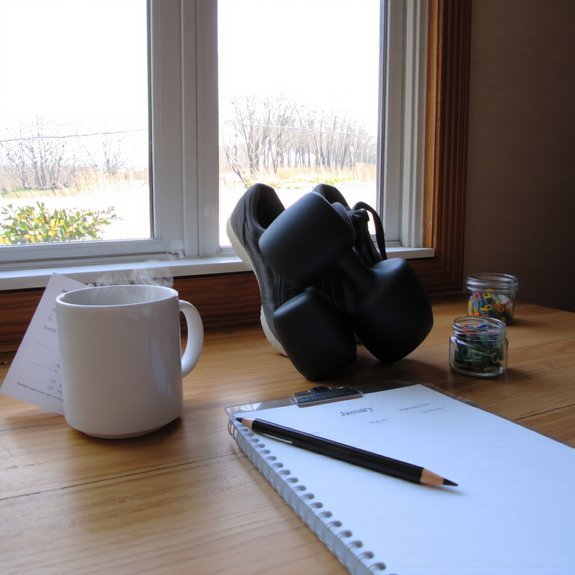
    You’re standing at January’s doorstep, mug steaming, guilty cookies in the bin, and you can choose a tiny reset that actually sticks; I’ll walk you through picking one clear goal, stripping your space of temptation, and stacking tiny daily wins so momentum does the heavy lifting, no willpower gladiator vibes required — but first, tell me which habit feels biggest and messiest right now, and we’ll carve it into something bite-sized.

    Key Takeaways

    • Define one clear, specific January goal and break it into weekly, measurable milestones.
    • Design your environment by removing temptations and placing cues for desired habits within easy reach.
    • Start with tiny daily wins (micro-habits) you can complete in under five minutes to build momentum.
    • Track progress simply (checkbox or app) and review weekly to adjust goals or strategies quickly.
    • Expect setbacks, practice self-compassion, and commit to the next small action rather than perfection.

    Define Clear, Realistic Goals

    specific achievable goal setting

    If you want your January reset to actually stick, start by being annoyingly specific about what you want — I mean, none of that vague “get healthier” stuff. I tell you this because goal setting isn’t a suggestion, it’s a tiny, loud contract you make with yourself. Picture the target: five push-ups before coffee, three veggie dinners a week, thirty minutes of reading on weekdays. Say them out loud, feel the verbs. Then chop the big promise into achievable milestones, weekly check-ins, little high-fives. You’ll taste success sooner, that sweet, slightly embarrassing thrill. I’ll nag you gently: track it, tweak it, celebrate small wins with something silly, like a victory snack. Keep it clear, keep it real, and don’t overcomplicate it.

    Design Your Environment for Success

    design your space wisely

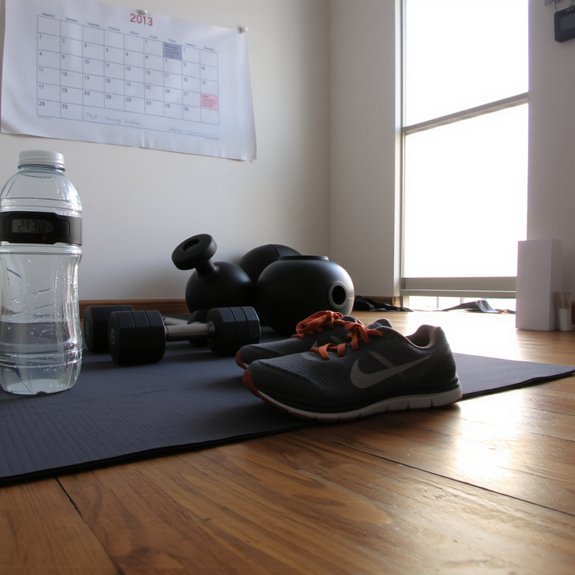
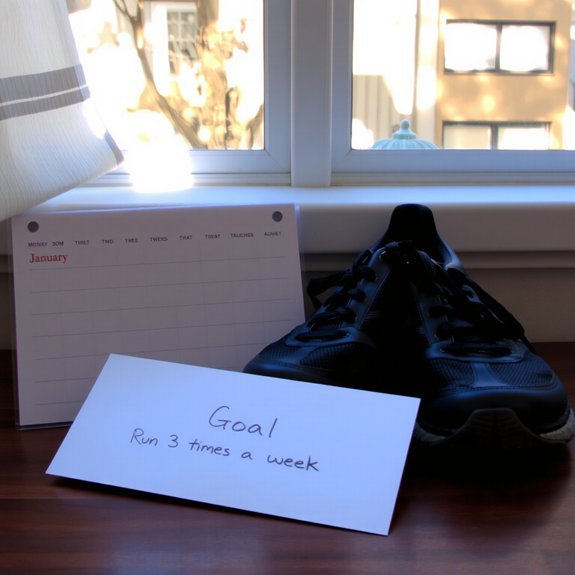
    When your space actually works for you, habits stop being heroic acts and start feeling like the obvious thing to do — so I cleared a corner of my kitchen, put the blender where I can see it, and suddenly smoothies stopped being an afternoon fantasy and became a five-minute ritual. You can do the same. Move temptation out, place tools where you’ll reach, make the healthy choice the easiest one. Use environmental cues, like a visible water bottle or sneakers by the door, to nudge you without drama. Turn habit triggers into tiny, friendly alarms: light a lamp to signal reading time, lay out gym clothes the night before. It’s boring, it’s brilliant, and it saves willpower for real emergencies — like cake.

    Use Tiny Daily Wins to Build Momentum

    tiny victories build momentum

    A tiny win is a ridiculous little victory you can grab before your coffee’s gone cold — I’m talking one dish washed, one five-minute stretch, one paragraph written. You’ll use tiny victories to stack success without drama, and you’ll feel momentum, like a snowball rolling downhill. I tell you to pick one laughably small task, do it now, notice the shift — the sink smells subtly fresher, your shoulders unclench, the sentence exists. That small proof fuels daily motivation, it’s a psychological sugar rush that’s actually useful. Do three tiny wins, not one big heroic thing. Say them out loud, celebrate with a goofy fist pump, move on. These micro-habits write your month, quietly but relentlessly, until bigger changes follow.

    Track Progress and Adjust Quickly

    Since you’re stacking tiny wins, don’t let them vanish into the ether — track them, fast and loose. You’ll want a simple habit tracking habit (yes, double up), a checkbox, app ping, or a sticky note that you can see by the coffee. Mark it, feel the click, savor the small win. Then scan your week like a detective. Look for patterns, celebrate green streaks, tweak the slow spots. Make quick progress adjustments: shorten the task, change the cue, or borrow someone else’s trick. Talk out loud sometimes, “Did I actually do that?” It’s oddly clarifying. Move fast, adjust faster. Keep notes that smell slightly of reality, not perfection. That’s how a reset becomes a rhythm, not a chore.

    Recover From Setbacks Without Guilt

    You’ll still mark the box, pat yourself on the shoulder, and then—inevitably—miss a day or three; I know, I do it too, and that little failure smells worse than burnt toast at 6 a.m. You stand there, coffee cooling, playlist paused, and the brain starts narrating doom. Stop it. Breathe, name the thought, and use simple self compassion practices—short phrases, a hand over your heart, a reset ritual. Say, “Okay, I slipped, now I choose the next small step.” That’s the trick to a guilt free mindset: treat setbacks like potholes, not sinkholes. Get up, stretch, plan one tiny repeatable action, and keep walking. I promise, you won’t wreck the whole road.

    Conclusion

    You’ll march into January like a decluttered kitchen—optimistic, armed with a grocery list, then remember you hate kale. I’ll remind you to set tiny goals, ban the candy bowl, celebrate the three-minute win, and shrug off the spill with a cup of coffee. Do the small, steady things, tweak as you go, and forgive the mess. You’ll reset, imperfect and real, smelling victory (and occasional burnt toast).

  • How Do I Choose a Word of the Year

    How Do I Choose a Word of the Year

    You’re standing at the threshold of a new year, coffee cooling, calendar blank, and you want one word to steer the ship—smart. Start by scanning last year’s highs and flops, feel the sting and the glow, then name what mattered most; maybe it’s “clarity,” “courage,” or “margin.” Say each aloud, see which one sits heavy and honest in your chest, then keep it close—on your mirror, your phone, your wallet—because if it doesn’t make you act, it’s just pretty wallpaper.

    Key Takeaways

    • Reflect on last year’s highs, lows, and lessons to identify themes that need attention or celebration.
    • Clarify your core values and priorities, then choose words that directly embody those anchors.
    • Brainstorm freely, test candidate words aloud in daily scenarios, and keep ones that feel resilient under stress.
    • Create simple rituals and visible reminders (wallpaper, tokens, morning/evening cues) to integrate the word into daily life.
    • Review weekly wins and setbacks, adjust small tactics, and reassess the word periodically to keep it alive and useful.

    Reflect on the Past Year

    reflect sort learn grow

    Picture your year as a messy suitcase on the floor—socks, tickets, one mystery receipt you can’t explain. You kneel, unzip memories, pull out past experiences like crumpled maps and sticky notes. I nudge you: name the big, awkward moments, the quiet wins, the nights you learned to breathe. Feel textures — the grit of disappointment, the soft velvet of a kindness you didn’t expect. Jot scenes, dialogue crumbs, the smells that dragged you back. Say aloud what worked, what didn’t, what shocked you into growth. Those lessons learned aren’t lectures, they’re breadcrumbs to your next step. You’ll sort, toss, fold differently now. We laugh, you sigh, and a clearer path peeks from the pile.

    Identify Core Values and Priorities

    identify and prioritize core values

    Okay, now that you’ve emptied the suitcase and patted down the lining for loose receipts, let’s name what really matters. Look around the room of your life — the smell of coffee, the stack of unread mail, sunlight on your desk — and ask, what do I defend no matter what? Say them out loud: kindness, courage, play, stability. Those are your core beliefs, the anchors when storms hit. Now rank them, not with guilt, but with honest appetite. Which personal values make your mornings lighter, your choices clearer? Touch each value, feel its weight, imagine saying no without regret. I’ll be blunt: pick the ones you’ll actually live by, not the ones that sound impressive at dinner parties.

    Brainstorm Candidate Words

    collecting words and associations

    Alright, let’s raid the word pantry and see what sticks: I want you to grab a pen, a napkin, anything—scratch down everything that buzzes when you think of your values, even the half-formed ones that sound a little weird out loud; don’t censor, just spill. I pace, you scribble. Say a word, then chase it with word associations — images, smells, small memories. Toss verbs, nouns, even goofy fragments. Use thematic brainstorming: pick themes like courage, calm, curiosity, then riff ten words under each. Say them aloud, feel the mouth-shape, notice which ones sit heavy or light. Circle favorites, cross out the show-offs. Snack break optional. Keep it messy, fast, playful. Later we’ll sharpen, but for now, collect the glitter.

    Test Words for Fit and Longevity

    You’re going to test each candidate word like it’s auditioning for a tiny, dramatic role in your daily life — say it out loud while making coffee, text it to a friend, scribble it on a sticky note and see if it still feels right by lunch. Notice how it lands in your chest, whether it sparks a smile or feels flat, and imagine using it a year from now when things change, seasons shift, and you’re tired but stubbornly hopeful. I’ll be blunt and a bit ridiculous: if the word survives morning chaos, emotional honesty, and future curveballs, it’s probably a keeper.

    Everyday Usability

    Let’s do a quick kitchen-test for your Word of the Year: say it out loud while you’re making coffee, stuck in traffic, or texting your stubborn aunt, and notice how it feels in your mouth—does it sit right, or does it trip over your tongue like an overstuffed sandwich. Say it again, use it in a sentence, imagine it on a sticky note by your keys. You’re evaluating everyday applications, imagining daily implementations. Try these quick scenes and notice the fit:

    • Whisper it while rinsing dishes, listen for honesty.
    • Text it to a friend, see if it survives autocorrect.
    • Say it in your head during a boring meeting, check stamina.
    • Write it on a grocery list, watch if it gets used.

    If it survives, you’ve got a keeper.

    Emotional Resonance

    Emotion matters more than you think, and I’m picky about it—so should you. You hold a word up to the light, feel its weight, listen to how it sits in your mouth. Say it aloud, whisper it at dawn, curse it at noon. Notice the emotional impact, the quick warm tug or the flat shrug. Does it spark a memory, a smell of rain on pavement, your grandmother’s laugh? That personal significance tells you if the word will live with you. Test it for weeks, slip it into a sentence, see if it comforts or nags. If it makes you grin and steady your steps, keep it. If it feels like wearing last year’s shoes, thank it and move on.

    Future-Proof Adaptability

    If a word can survive a surprise plot twist, it’s probably worth keeping—because life will surprise you. You want a word that bends, not breaks, when plans shift, so test it for fit and longevity. I toss words into scenes, feel their texture, hear their snap. If they sit well in chaos, they pass.

    • Say it aloud during a crisis, listen for steady breath, not panic.
    • Use it in a tiny victory, taste the sweetness, note the spark.
    • Imagine it in five years, watch how it wears, see if it still fits.
    • Pair it with adaptable strategies, ask if it nudges a future ready mindset.

    Pick the word that stays useful, even when the script flips.

    Narrow to a Shortlist

    Now that you’ve gathered a pile of contenders, it’s time to play matchmaker—only with words, not awkward small talk. You spread them on the table, fingers tapping, coffee steam fogging your glasses. Use practical word selection strategies: test sound, image, and ease of saying it aloud. Ask, does it spark motion in you, or just look pretty on a sticky note?

    Set shortlist criteria, three to five max. Pick words that feel vivid, usable in sentences, and that won’t wilt by March. Whisper each candidate, walk around the room, see which one echoes back. Cross out the flops, keep the ones that make your chest tighten a little—yes, that’s scientific, I promise. Trim until the pile hums.

    Decide on Your Word With Intention

    Decision time. You’re here to pick one word, not a manifesto, so breathe, feel the weight of ink, and choose with intention setting. I’ll be blunt: this is where mindful choices matter. Say the words aloud, taste them—do they sit light or heavy? Picture a Tuesday morning, coffee steam, a quick win: does the word help?

    Decision time: pick one word that feels like a steady yes—simple, breathable, and built to last.

    • Does it nudge you, gently, toward what’s missing?
    • Can you say it when tired, still feel steady?
    • Is it broad enough to grow, specific enough to guide?
    • Will it survive a bad day, a surprise detour?

    You’ll know, because it’ll make you smile, or steel you up. Trust your gut, and pick the one that feels like a yes.

    Create Practical Reminders and Rituals

    You’ll want to slap your word where you’ll actually see it—on your bathroom mirror, phone lock screen, or coffee mug—so the sight and the silly reminder hit you before you’ve had caffeine. Start and end your day with a tiny ritual, like saying the word aloud while stretching, or scribbling it once on a sticky note and folding it into your pocket; it’s awkward at first, trust me, that’s part of the fun. These little cues and rituals turn a tidy intention into habit, and habits, unlike good ideas, actually stick.

    Daily Visual Cues

    How will you actually remember your Word of the Year when life zips by like a caffeinated squirrel? I’ll bet you need visual inspiration that sticks, not a lecture. Put the word where you see it, touch it, and trip over it in the nicest way.

    • Stick the word on your mirror, in bold, so morning coffee meets intention.
    • Set a tiny card by your keys; graze it when you leave, get a mindful reminder.
    • Use a phone wallpaper with a simple image and the word, bright and cheeky.
    • Place a textured token in your pocket; rubbing it nudges attention, like a gentle elbow.

    These cues become tiny rituals, sensory anchors that whisper, “Remember,” throughout a busy day.

    Simple Start/End Ritual

    If you want your Word of the Year to actually stick, start and end your day with tiny, repeatable rituals that don’t need motivation, only muscle memory—I do morning and evening ones, and they’ve saved me from forgetting my own name on deadline days. Each morning, rinse your face, breathe, and whisper the word into your palm like a secret. It smells like coffee and possibility. At night, place a hand on your chest, read one sentence of personal reflection, and exhale the day away. These simple start/end ritual moves are low drama, high signal. They cue the brain, anchor intention, and make the word part of real life. Do it for a week, then call me, triumphant or delirious.

    Review and Adjust Throughout the Year

    Once every few weeks, I like to stop, make a cup of something strong, and actually look at my word — not like it’s a poster, but like it’s a small, opinionated friend who’s either cheering me on or quietly judging my choices. You do the same, you sip, you ask gentle questions: Is this helping? Where did I stumble? Keep a tiny progress tracking note, honest and messy. Then tweak.

    • Check one concrete win from the week, no bragging, just facts.
    • Name one stubborn habit that resisted change, be blunt.
    • Adjust one small tactic for the coming week, try it fast.
    • Jot a line toward your year end evaluation, don’t wait.

    Repeat, laugh, course-correct, keep it alive.

    Conclusion

    You’ll pick a word that feels like a worn key, small but heavy, that fits the lock of your year. I’ll nudge you, tease you, then shut up so you can try it on at breakfast, in meetings, on bad days. If it sparks, keep it; if it drags, swap it. Tape the word to your mirror, whisper it when you worry, wear it like a lucky coin. Come December, we’ll compare notes — win or learn.

  • How Do I Plan a Year of Travel

    How Do I Plan a Year of Travel

    You want to spend a year on the road, and yes, you can — with a plan that actually fits your life, not a travel ad. I’ll talk you through choosing why you’re going, sketching a sensible route, pinching pennies without becoming a hermit, and handling visas, health, and work so nothing blows up. Expect practical checklists, a few travel hacks, and my tired-but-honest warnings about hostel mattresses. Ready?

    Key Takeaways

    • Define your why, priorities, and preferred travel style to shape destinations, pace, and budget for the year.
    • Build a flexible route that aligns with seasons, visas, and major events while leaving weeks for spontaneous detours.
    • Create a detailed budget with daily limits, category envelopes, emergency cushion, and automated savings for trip expenses.
    • Arrange remote-work or study logistics, schedule focused hours, and book refundable accommodation for stability.
    • Sort legal and health essentials: passports, visas, insurance, vaccinations, copies of documents, and emergency contacts.

    Deciding Your Why and Travel Style

    travel motivations and preferences

    Why do you want to go for a year — and who are you when you travel? You’ll ask yourself that on a rainy Tuesday, over coffee gone cold, and you’ll answer honestly: freedom, curiosity, escape. I make you name travel motivations—learning languages, chasing landscapes, avoiding the same old commute. Then we’re ruthless about adventure preferences: are you a sunrise hiker or a midnight market wanderer? Budget considerations snap the dream into shape; count hostels, street food, occasional splurges, not fantasies. Picture bustling markets, the oily heat of street food, the soft hush of a mountain dawn. You’ll choose cultural experiences that feel like conversation, not checklist, leaning into awkward local jokes and the sweet relief of being deliciously, wonderfully out of your depth.

    Choosing Destinations and a Rough Route

    travel planning with flexibility

    Okay, now that you know who you are when you travel (midnight market marauder? sunrise loner?), we turn to the map — yes, the confusing, glorious spread of countries, cities, and questionable visa rules that will shape your year. Start by sketching scenes: you tasting local cuisine in a bustling alley, tracing hands over ancient stone at historical sites, or pitching a tarp for outdoor adventures under stars. Layer in travel seasons, flip calendars, and pick routes that favor weather and festivals. Jot transportation options — trains, budget flights, overnight buses — and cluster nearby places to save time. Hunt hidden gems off main roads, choose some budget accommodations, and leave breathing room for serendipity. You’ll thank me later.

    Setting a Realistic Budget and Money Plan

    realistic travel budget planning

    Alright, let’s get real about money: you’ll list every daily coffee, hostel bunk, visa fee and bus ride to calculate true trip costs, not guess and hope for the best. Pack an emergency cushion that’s easy to access, because misadventures happen — lost luggage, surprise flights, you name it — and you’ll thank me later. Open travel-specific accounts and automate savings, it’s boring but brilliant, and it makes your year on the road feel funded, not frantic.

    Calculate True Trip Costs

    One clear rule: money talks, and if you don’t make it say what you want, it’ll whisper “stay home” in your ear at 3 a.m. — trust me, I’ve learned that the hard way. Start by listing every likely cost, small and annoying: hostel bunk fees, street-food splurges, SIM cards that chew minutes, bus delays that mean taxis, visa stamps, laundry coins. Taste the salt air, imagine the clink of coins. Add buffers for unpredictable delights. Use simple trip expenses spreadsheets, and test budgeting strategies like weekly envelopes or category limits. I poke holes in wishful thinking, then patch them with reality. You’ll sleep better, carry less guilt, and actually enjoy the trip, instead of counting every breath like it costs $2.

    Build Emergency Savings

    If your trip budget is the map, emergency savings are the spare keys you hide under the welcome mat — and yeah, you’ll feel silly until the lock jams at 2 a.m. in a rainy town you can’t pronounce. I tell you to build an emergency fund that’s boring but brilliant. Start with a cushion equal to one month of travel costs, then aim for three. Stash it somewhere out of reach, not under your pillow, and automate transfers so you don’t negotiate with yourself. Use simple savings strategies: round-up apps, a dedicated sub-account, or cutting one subscription you barely use. Picture the relief, warm and tangible, when a sudden flight change or clinic visit doesn’t shred your plans. You’ll sleep better, promise.

    Use Travel-Specific Accounts

    Everyone who’s ever tried to squirrel away travel money knows how fast “someday” becomes “oh no,” so let’s be smarter: set up travel-specific accounts and treat them like a tiny, obedient staff. I’d park buckets for flights, gear, and splurges, each with a name you can smirk at — “Dream Flights,” “Camera Tooth Fairy.” Automate transfers, watch balances like a hawk, celebrate small wins with a silly gif. Link accounts to alerts, so you smell progress in your inbox. While you read travel blogs, travel forums, and follow travel influencers, don’t let social media impulse you; use travel podcasts and travel vlogs for research, not retail therapy. Join travel communities for deals, swap tips, and keep your cash focused, tidy, and ready.

    Work, Study, and Commitments While Away

    Because I still want rent paid and a résumé that doesn’t look like I vanished into a travel-themed witness protection program, I treat work, study, and commitments as travel companions—not nagging roommates. You’ll set up remote work, pick study options that fit a shifting schedule, and tame commitment management with a single calendar that actually gets opened. Embrace time zone adaptation: block deep-focus hours, schedule calls at sane times, and nap like a strategic cat. Use productivity tips—Pomodoro, noise-canceling headphones, micro-goals—and communication tools to keep teammates and professors in the loop, with clear boundaries and emojis when appropriate. Pack a portable hotspot, an honest out-of-office, and a suitcase that doubles as an office. Keep promises, but keep wandering.

    You’ll want to check your passport now, not later — many countries want at least six months of validity, and you don’t want to be held at the gate because of a date. Figure out which visas you’ll need, when to apply, and whether you can get them on arrival or need an embassy appointment, I’ll help you map that timeline so nothing sneaks up on you. Pack copies of key documents, set calendar reminders, and breathe — paperwork is boring, but it’s also the only thing standing between you and that sunset on the first night abroad.

    Passport Validity Requirements

    If your passport’s got less than six months left, pack it like expired milk—don’t bring it to the party. I mean it: many countries will bounce you at the gate, no sympathy, no refund. Check passport expiration dates now, not later, peel back that wallet and stare it down. Start the renewal process early, web forms, photos, fees, a short dance with bureaucracy. Hold the physical book, smell the slightly sweet paper, feel the stamp-edge bumps—then act. Get extra blank pages if you’ll stamp a lot, and carry a digital copy, crisp and backed up. If you rush, you’ll pay for expedited service and sweat. If you plan ahead, you’ll sip coffee at arrivals, smug and passport-ready.

    Visa Types and Timing

    When you’re planning a year on the road, visas are the backstage passes you can’t fake—so learn the chord progressions before you jump onstage. I tell you this because visa types and timing change the tempo of your trip, they’re not drama you can improvise. Check visa application windows early, feel the relief when approvals arrive, and pack printed copies like talismans. Short tourist visas, longer work or student permits, and visa-on-arrival each have different beats. Watch travel restrictions as if they were sudden tempo breaks — borders close, rules pivot, you adapt. I book buffer days, I set calendar alerts, I call embassies when confused. You’ll stay nimble, avoid fines, and keep the music playing.

    Health Insurance, Vaccinations, and Safety

    Because getting sick in a foreign country is dramatically less fun than it sounds, I treat health planning like packing a spare pair of underwear—boring, essential, and quietly heroic. You’ll sort health insurance options before you book flights, read fine print, and choose coverage that pays for evacuations and repatriation. Check vaccination recommendations early, get shots, carry your yellow card, and feel smug at customs. Practice safety precautions: lock doors, avoid sketchy shortcuts, and trust your gut when alleys whisper. Program emergency contacts into your phone, add local embassy numbers, and rehearse a quick “I need help” script.

    1. Compare plans, costs, limits.
    2. Schedule vaccines, keep records.
    3. Travel smart, stay visible.
    4. Save contacts, share itinerary.

    Packing, Gear, and Tech Essentials

    Alright, you’ve got your shots, your emergency contacts sorted, and that hospital-grade paranoia to keep you honest—now let’s talk what actually goes in your backpack. I’ll keep it real: start with travel essentials—a lightweight daypack, compression cubes, quick-dry clothes that smell like nothing, a compact first-aid kit. Packing tips? Roll, stash socks in shoes, weigh your bag before you sulk. For gear recommendations, pick versatile items: a 3-in-1 jacket, a rechargeable headlamp, sturdy sandals that don’t fall apart at border control. Tech gadgets include a power bank, universal adapter, noise-cancelling earphones, and a tiny travel router if you’re picky about Wi‑Fi. Test everything at home, label chargers, and promise me you’ll leave the hairdryer.

    Creating a Flexible Itinerary and Booking Strategy

    If you’re anything like me, you crave a plan that’s more compass than cage—so I sketch a loose route, book the big bones, and leave wiggle room for brilliance. You’ll love flexible planning; it’s honest, loud, and forgiving. Book flights for anchors, reserve a few must-stay nights, and keep options open for impromptu detours, because smells, sounds, and strangers often decide your best days.

    1. Pick major hubs, lock flights, don’t overbook connections.
    2. Reserve a week here or there, leave pockets for surprises.
    3. Use refundable hotels or long-stay deals, track prices daily.
    4. Plan for quick itinerary adjustments, pack patience and snacks.

    You’ll travel smarter, laugh at plans that fail, and still reach the highlights.

    Home Logistics and Preparing to Return

    When you finally start dreaming about your couch and the smell of home-cooked food, don’t wait — map out your return like it’s the last act of a play you actually want to enjoy. I tell you, plan home maintenance tasks now, schedule HVAC checks, and line up a handy neighbor for odd jobs. Arrange mail handling, pause subscriptions, or forward important letters. Choose storage solutions for leftovers, seasonal stuff, and souvenirs — label like a librarian. Nail down pet care plans, pet sitters, or slow reintros if you boarded them. Budgeting adjustments are key, recalibrate bills and emergency funds. Practice emotional preparation: picture hugs, rehearse reconnecting friends, and brace for cultural reintegration. You’ll land steadier, with fewer surprises, I promise.

    Conclusion

    You’re ready. Pack light, keep your passport and a mixtape (yes, a mixtape — sentimental anachronism) tucked together, and choose mornings for walking markets, evenings for strange street food that makes you grin and gasp. I’ll nudge you to book the big stuff, leave gaps for whim, and stash emergency cash like a tiny paranoid pirate. Go curious, go kind, call home when you miss them, laugh at your mistakes, and come back sharper.

  • How Do I Start a Gratitude Journal

    How Do I Start a Gratitude Journal

    Most people don’t know that writing three specific sentences of gratitude rewires your brain faster than a week of pep talks. You’ll pick a comfortable notebook that smells faintly of paper, grab a smooth pen, and spend two to five minutes—maybe by the kitchen window with coffee, maybe in bed with a lamp—listing small, concrete things that mattered today; do that daily, and the habit quietly changes how you notice life, which is why you’ll want to keep going.

    Key Takeaways

    • Pick a notebook and pen you enjoy using so journaling feels inviting and easy to keep up.
    • Decide on a short daily routine time (morning or evening) and set a reminder to make it non-negotiable.
    • Write three brief, specific things you’re grateful for, using sensory details or why they mattered.
    • Use simple prompts like “What made me smile today?” or “One small win I noticed” to jumpstart entries.
    • Review weekly entries to spot patterns, celebrate small wins, and write one closing gratitude sentence.

    Why Gratitude Journaling Works

    gratitude transforms daily perspective

    If you’re skeptical—and I don’t blame you—you’ll be surprised how a little notebook and ten minutes can reroute your whole day. I want you to sit, pen warm between fingers, notice the scratch on the page, and list three small wins. You’ll feel the immediate emotional benefits: tension loosens, breathe deeper, mood edges brighter. It’s not magic, it’s wiring. Repeating gratitude creates tiny mindset shifts, makes you hunt for good like a bloodhound sniffing treats. Say it out loud, “Thank you, coffee,” and the world sounds kinder. You’ll catch yourself pausing more, noticing sunlight, texture, timing. Do it daily, watch patterns tilt. I promise, you’ll laugh at how much brighter ordinary looks — and you’ll keep writing.

    Choosing the Right Journal and Tools

    choose quality writing tools

    Pick a notebook that feels good in your hands, not one that just looks cute on a shelf — I like a medium-sized hardcover that lies flat, so you can write without balancing a sandwich. Choose a pen that glides, makes a satisfying scratch, and doesn’t smear when you accidentally drum your fingers (guilty), because the right tool makes gratitude stick. I’ll walk you through layouts and pens next, so you can stop pretending a random receipt will do.

    Size and Layout

    One notebook, two notebooks, or a whole shelf — you’ll want something that feels right in your hands, not just pretty on a shelf. I tell you, size matters: small fits pockets for midnight thoughts, larger lets you breathe and sketch. Check page dimensions, try A5 for daily notes, A4 if you like sprawling lists. Think about layout preferences — lined for tidy lists, dotted for flexible grids, blank for doodlers. I like a ruled page with a generous margin, gives me space to add a date, a mood emoji, a stubborn little doodle. Hold it, flip a few pages, judge the paper’s tooth under your fingertips. If it invites you to write, you’ve found your match — congratulations, you’re officially picky.

    Writing Tools

    Because the right pen can make your gratitude feel official, you’ll want tools that actually invite you to write—not ones that skitter, blot, or pretend to be fancy. Pick a journal style that matches your mood: hardcover if you like ceremony, spiral if you scribble on trains, dotted if you’re secretly tidy. I say this like I’m an expert, but I once bought a leather book that ate my handwriting. Choose pens and writing materials that glide—gel, fountain, or a trusty rollerball—test them on a page, feel the drag, hear the tiny whisper as ink lands. Keep a backup pen, a tiny ruler for lists, maybe stickers. Make it tactile, make it yours, and don’t overthink the sparkle.

    How Often and When to Write

    gratitude practice as ritual

    If you want your gratitude practice to actually stick, treat it like a tiny, non-negotiable ritual—coffee-level important, not vague good-intentions stuff. I suggest frequency recommendations you can live with: start daily for a month, then drop to 3–4 times weekly if that feels better. Morning entries wake you up with warmth, like sunlight on your face; evening entries seal the day, soft and satisfied, like tucking a blanket around your brain. Pick ideal timing that fits your life—after your first sip, on your commute, or before you sleep. Keep it brief, sensory, specific. I write three lines most days, sometimes five. You’ll know you’ve won when it’s automatic, a little spark you actually look forward to.

    Simple Prompts to Get Started

    You’re going to love how easy this gets: start with quick daily prompts like “what made me smile today?” or “one small thing I noticed with my senses,” and write just one honest line. Once a week, I’ll ask you to step back, scan the entries, and pick patterns—funny, sweet, or surprising—that tell your week’s story. Keep a pen in your pocket, smell the coffee, scribble when you can, and don’t worry if it’s messy—I promise it helps.

    Daily Gratitude Prompts

    Ready to start small and actually stick with it? I’ll keep this simple: pick daily gratitude prompts that feel like tiny invitations, not chores. Focus on gratitude themes—nature, food, people, moments—and rotate prompt variations so each morning feels fresh. Try: “What made you smile today?” or “Name one smell that comforted you,” or “Who helped you, even a little?” Write one sentence, add a quick sensory detail, like the crunch of toast, the warm light on your face. Do it while you sip coffee, or just before bed, make it look casual, make it yours. I’ll cheer you on, quietly smug, because small habits win. No pressure, just five minutes, a pen, and honest noticing.

    Weekly Reflection Ideas

    After a busy week, when your brain feels like a cluttered backpack, take twenty minutes to sit with your gratitude journal and actually sort through the pockets — I’ll help, smugly but kindly. You flip pages, feel paper edges, breathe coffee steam, and pick a weekly theme—work wins, small comforts, awkward victories. I’ll prompt you with reflection questions: What surprised you? Who made you laugh? What did you do that helped someone else? Answer in bullet lines or a paragraph, whatever feels honest. Then close your eyes, remember a specific smell, a laugh, the weight of rain on your coat. End with a one-line gratitude sentence. Do this every Sunday, it recharges you, like finding a forgotten snack in that backpack.

    Making It a Daily Habit

    Usually, I start my day with a tiny ritual: coffee steams, phone buzzes, and I flip open my journal before the inbox devours me—do the same and you’ll be ahead by five minutes and one mood swing. Make it simple. Set daily reminders, pick a time, and treat it like brushing your teeth. Consistent scheduling trains your brain, like a tiny obedient dog, to expect that calm five minutes. Sit near a window, feel the light, breathe, scribble three things you noticed. Say them out loud if you want — don’t worry, neighbors. Use an alarm tone you like, sticky notes, or a comfy chair that calls you back. Keep it small, keep it kind, and it’ll stick.

    Troubleshooting Common Challenges

    If your journal keeps collecting dust, don’t panic — you’re not broken, you’re human. I’ll say it plain: resistance sneaks in, coffee stains happen, life interrupts. Start small, set a two-minute timer, scribble one real thing you noticed today — the toast’s crunch, the neighbor’s laugh. That’s overcoming resistance, one tiny victory at a time. When you expect perfection, you’ll quit. So try managing expectations: some days are three lines, some are one sentence, some are none. Put the book by your toothbrush, or read an old entry aloud, make a joke with yourself, reward the effort with a silly sticker. If you miss days, shrug, breathe, and write tomorrow. You’ll build momentum, not guilt.

    Expanding Your Practice Over Time

    When you’re ready to nudge your gratitude habit into something bigger, do it like you’d ease a plant into sunlight: slowly, with a little fan and a comedy of errors. I’ll tell you how to keep expanding practice without burning out. Start by adding one prompt a week, smell your coffee, note the steam, jot the sound of birds—small sensory anchors. Then invite deeper reflections: why that moment mattered, who it touched, what it shifted inside you. Mix formats; a list one day, a letter the next, a doodle when words hide. Schedule short check-ins, celebrate tiny wins, forgive missed days—no guilt, just curiosity. Soon the journal feels alive, yours, oddly faithful.

    Conclusion

    You’ve got the notebook, the pen, and a few minutes—so start. I’ll be blunt: people who keep gratitude journals sleep better; one study found a 10% boost in sleep quality. Feel that pen glide, list three tiny wins, close the book like a secret. Do it morning or night, whatever fits, and don’t overthink. I’ll cheer from the sidelines, you do the writing—one small, grateful sentence at a time.

  • How Do I Meal Prep for the New Year

    How Do I Meal Prep for the New Year

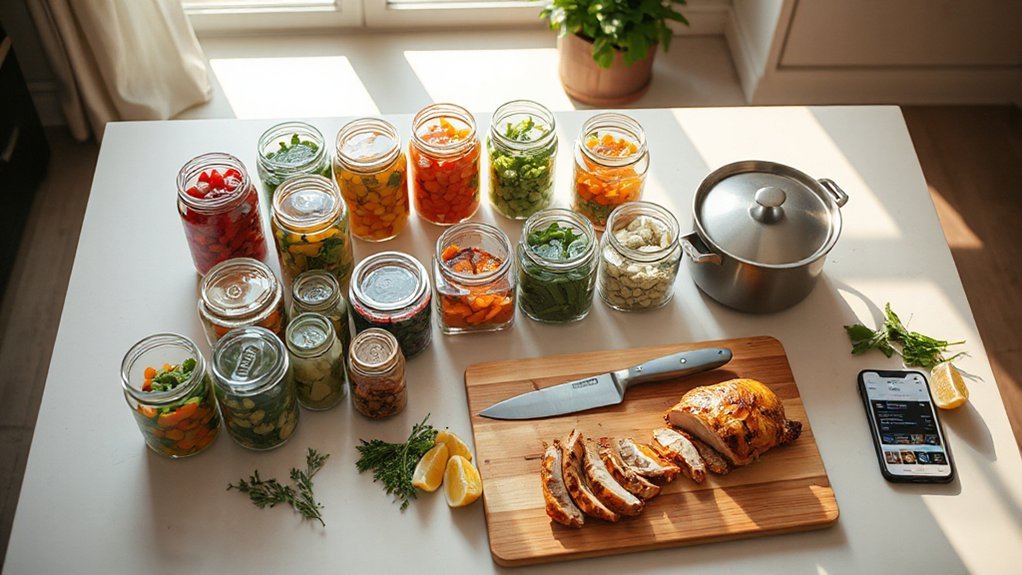
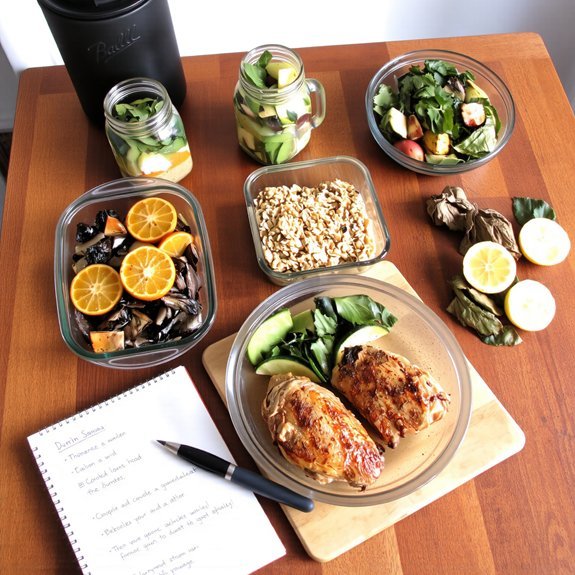
    You think meal prepping is too rigid or time-consuming—it’s not, I promise; you can start small and still eat like a boss. Picture a row of glass containers, steam rising as you tuck roasted veggies beside lemony chicken, the fridge humming like a tiny, obedient orchestra—easy lunches waiting. I’ll show you a simple, flexible plan that fits your week, saves money, and actually tastes good, so keep going and I’ll walk you through the smart steps.

    Key Takeaways

    • Start small: pick one protein, two vegetables, and one sauce to prep for 3–5 days to build consistency.
    • Choose a realistic schedule (weekly batch cook or daily assembly) that fits your lifestyle to avoid burnout.
    • Plan balanced meals with macronutrient targets and simple swaps to maintain variety and nutrition.
    • Shop smart: make a pantry-focused list, buy versatile ingredients, and resist impulse purchases.
    • Store safely: use shallow labeled containers, cool before sealing, and reheat thoroughly for freshness.

    Set Realistic Meal Prep Goals for the Year

    realistic meal prep goals

    If you want meal prep to stick this year, start small and stop pretending you’ll become a freezer-batch superhero overnight. You and I both know enthusiasm fades, so set realistic expectations: one protein, two veges, a sauce you actually like. I’ll cheer when you hit achievable milestones, like prepping lunches for three days, then five. Picture the crisp sound of lids snapping shut, the steam rising from a warm soup on Sunday, the fridge smelling faintly of garlic — satisfying. Say out loud, “I’ll try one shopping list, one cooking session.” You’ll feel less dread, more control. Celebrate tiny wins, high-five the empty sink, laugh at the browned edges, and plan the next small, doable step.

    Choose a Prep Schedule That Fits Your Week

    choose a cooking rhythm

    You’ll want to pick a rhythm that actually fits your life, not one you feel guilty about skipping. Some people batch-cook on Sunday, others chop and assemble every night, so try weekly vs. daily prep and see which saves time and sanity — I usually time-block an hour on Sundays, headphones in, oven humming, coffee gone cold. If that’s too dreamy, break it into 15–30 minute sessions through the week, you’ll still win dinner without turning your kitchen into a disaster movie.

    Weekly vs. Daily Prep

    While some folks swear by a Sunday marathon of chopping and roasting, I prefer a system that actually fits my week — not one that makes my fridge look like a meal-prep shrine to regret. You’ll choose between weekly efficiency and daily convenience, and both have smells, sounds, and little wins. Weekly saves time later, you get roasted vegetables that sing, sauces that deepen overnight. Daily prep feels fresh, like morning coffee and warm toast, you toss together salads, heat proteins, plate with flair.

    • A stack of glass containers, steam rising when you open one
    • A cutting board scattered with citrus, herbs, and stubborn onion layers
    • A skillet sizzling, garlic perfume filling the kitchen

    Pick what makes you actually eat the food.

    Time-blocking Your Sessions

    You’ve picked whether you’re a Sunday-roast champion or a five-night freestyle chef, so now let’s map that energy onto a prep schedule that actually fits your life. I want you to treat meal prep like a series of short, labeled appointments. Block one long session for roasting and sauce-making, or split into three 40-minute bursts for chopping, cooking, and packing. Use a timer, because nothing humbles you like a burnt pepper. This is practical time management, not a hobby. Write down session planning notes: what’s urgent, what’s freezer-worthy, what’s a weekday rescue. Picture the sizzling pan, the citrus zing, the stack of labeled containers cooling on the counter. You’ll stay sane, save cash, and eat better — without turning your kitchen into a disaster zone.

    Build a Flexible, Balanced Meal Plan

    flexible balanced meal planning

    You’ll want targets for carbs, protein, and fat that keep you full and energetic, not chasing spreadsheets while the fridge mocks you. I’ll show swaps—chicken for tofu, quinoa for rice—so your meals stay interesting, colorful, and actually tasty when reheated. Roll with the plan, tweak it like a chef with a sense of humor, and you’ll eat better without turning cooking into a circus.

    Macronutrient Targets

    If you want your meals to feel like teamwork instead of a nutritional mystery, start with macronutrient targets—those are the carbs, proteins, and fats that do the heavy lifting for energy, muscle, and satiety. You’ll pick protein sources that satisfy, carb choices that fuel, and fat ratios that keep you full; I’ll show you how to balance them for meal diversity and fit dietary preferences. Use portion control, and practice nutrient timing so snacks and meals play nice. Track progress weekly, don’t panic when numbers wobble.

    • Picture roasted salmon, quinoa, and steamed greens, steam rising, fork ready.
    • Imagine a bowl of oats, berries, nut butter, spoon clinking.
    • Visualize a tiled prep table, labeled containers, neat macronutrient stickers.

    Swap-Friendly Recipes

    When I say “swap-friendly,” I mean meals that bend like a good yoga class—sturdy, reliable, and forgiving when life throws you a leftover curry or a rogue sweet potato. I want you to build bowls and trays that laugh at last-minute changes. Roast a tray of seasoned veggies, cook a grain, toss a protein—then mix and match. Offer clear swap options: chickpeas for chicken, quinoa for rice, tahini for mayo. Teach yourself quick flavor substitutions so sauces and dressings rescue anything—acid, heat, salt, sweet. Smell the citrus, hear the sizzle, taste the comfort. I’ll coach you through swaps, and you’ll learn to improvise without panic. It’s practical, playful, and oddly empowering—yes, even on Tuesday.

    Master Smart Grocery Shopping and Pantry Staples

    Since I’m not a magician, I plan ahead: I stroll into the grocery store like a small, confident general, list in hand, nostrils filled with the sweet, fluorescent hum of produce and bakery, and I don’t leave until the pantry’s future is secure. You follow my lead, check your grocery list essentials, and buy smart: staples that stretch, season, and rescue dinners. You organize shelves by use, label jars, and stack cans so nothing hides in shame. You smell spices, squeeze avocados, and resist impulse snacks (mostly).

    • Row of glass jars, golden quinoa, and sunlit pasta ribbons.
    • Stacked cans, cheerful labels, a tinny chorus.
    • Mason jars of beans, earthy, waiting.

    Pantry organization saves you time and money, trust me.

    Batch-Cooking Techniques for Time Savings

    Because I don’t trust evenings to magic themselves into dinner, I batch-cook like I’m setting a tiny, edible army to work for me all week. You’ll grab a multi cooker, pull a sheet pan, and lean into one pot recipes that save time and dishes, while you sing off-key and feel very domestic. Use batch seasoning early, taste as you go, and layer flavor infusions—garlic, citrus, smoked paprika—so leftovers don’t sigh. Embrace cooking techniques that double duty: roast veggies for bowls, crisp proteins for tacos. Think ingredient versatility: beans become soups, salads, or mash. Mind portion control so servings are ready, not guesswork. When you freeze meals, freeze smart: label, stack, and reclaim your evenings with slightly smug joy.

    Safe Storing, Labeling, and Reheating Practices

    If you want your weeknight victories to taste as good on Thursday as they did on Monday, you’ve got to treat storage, labeling, and reheating like a kitchen ritual, not an afterthought. I’ll walk you through safe storage, effective labeling, and proper reheating, with food safety front and center. Use shallow containers, cool hot food before sealing, and stash meats lowest in the fridge—no mysteries, no spills. Label each box with contents and date, in bold, because you’ll forget. Reheat to steaming hot, stir midway, check center temperature, don’t cram the microwave. You’re not heroic for eating questionable leftovers; you’re clever when you plan.

    • A clear glass dish, steam fogging the lid.
    • A bold marker, bright tape around plastic.
    • A fork testing a bubbling stew center.

    Meal Prep Ideas for Different Diets and Budgets

    Want variety without chaos? I’ll walk you through meal prep ideas for different diets and budgets, so you won’t stare at takeout menus at midnight. Start with a plan: pick a protein, a grain, two veggies, spice it up. For keto, swap rice for cauliflower rice, drizzle butter, sear salmon till it sings. For vegetarian, roast chickpeas, toss with quinoa, add bright lemon, feta if you want joy. On a tight wallet, embrace budget friendly recipes: beans, frozen veg, bulk oats, slow-cooked stews that smell like victory. I give diet specific tips—portion sizes, easy swaps, simple seasonings. Prep in batches, label, chill, then reheat confidently; you’ll eat well, save money, and brag a little.

    Quick Breakfasts and Grab-and-Go Lunches

    When morning hits like a speeding train, you’ll thank me for the tiny revolutions we build before dawn—coffee already brewed, jars lined up like little soldiers, and a cramped Tupperware army ready to go. I show you fast breakfasts that actually taste like breakfast, not cardboard. Make overnight oats in mason jars, layer fruit, nuts, a drizzle of honey, shake, chill. Prep smoothie packs—frozen fruit, spinach, protein—so you blitz and bolt. Lunches? Think sturdy wraps, Mason jar salads, and egg muffins you can eat cold if life demands it.

    When mornings roar, tiny pre-dawn revolutions—brewed coffee, mason-jar oats, smoothie packs, Tupperware troops—save the day.

    • A row of glass jars, oats gleaming, berries popping like confetti
    • Smoothie packs, frosty and humming promise in the freezer
    • Tupperware stacked, a compact, delicious defense against hangry afternoons

    Tips to Prevent Burnout and Keep It Sustainable

    You’ve got the jars, the smoothie packs, the glorious Tupperware fortress—bravo, you superstar of mornings. Keep it fun, not frantic. Rotate seasonal ingredients for flavor and cost savings, add recipe inspiration notes on lids, and practice mindful eating so each bite actually lands. I recommend weekly mini-cooks, not marathon Sundays; short sessions protect cooking skills, and they save your soul. Use variety inclusion—different grains, proteins, colors—to avoid boredom. Tap community support: swap meals, trade tips, laugh about disasters. Build motivation strategies: calendar rewards, photos, tiny wins. Prioritize stress management and self care practices—walk, breathe, nap when needed. Make meal enjoyment the goal. Your fridge should cheer, not judge.

    Conclusion

    You’ve got this. Imagine opening your fridge and being greeted by cheerful mason jars, sizzling aromas already waiting, and lunch high-fiving your future self. Start small, cook smart, label like a pro, and celebrate tiny wins — I promise it’ll taste like victory. If you slip, shrug, reboot next batch, and keep going. You’ll save time, money, and calories, and feel ridiculously proud every single week. Welcome to your new, delicious routine.

  • How Do I Create a Workout Plan for January

    How Do I Create a Workout Plan for January

    You’re planning January like it’s a mission, and I’m here to keep you honest — set one clear goal, scout your week for real time, and pick three things: cardio that gets your heart humming, strength you can feel the next day, and mobility that actually loosens your shoulders. Picture brisk morning air, keys clinking, shoes crunching the first walk; imagine a 20-minute circuit in your living room that burns but doesn’t break you. Ready for the exact week-by-week map?

    Key Takeaways

    • Start with tiny, specific monthly goals you can realistically hit (e.g., three 20-minute workouts or one extra vegetable daily).
    • Assess current fitness honestly with simple tests and map weekly free time before scheduling workouts.
    • Build a balanced weekly plan mixing cardio, strength, and mobility, assigning each day a clear focus.
    • Progress gradually by small load or duration increases, alternating hard days with active recovery and one weekly rest day.
    • Track workouts on a visible calendar, celebrate micro-wins, and adjust targets to stay motivated through January.

    Setting Realistic Goals for the Month

    realistic monthly fitness goals

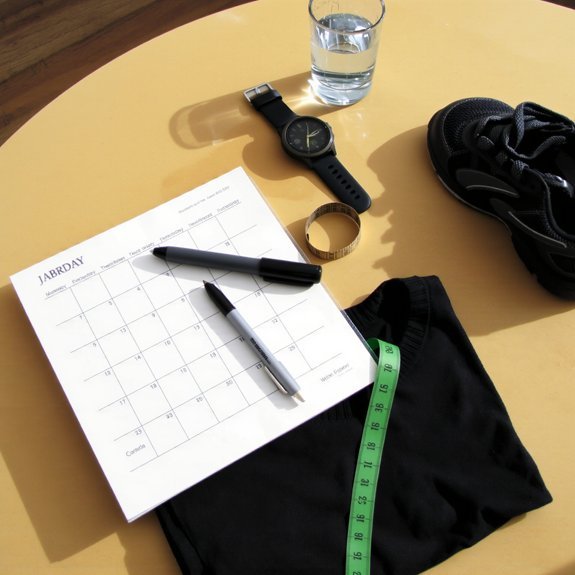
    If you’re anything like me, January starts with big, shiny promises—and three days later the yoga mat is a glorified dust-catcher—so let’s make this month different. You’ll set realistic expectations, not apocalypse-level targets, and you’ll sketch a simple plan that actually fits your life. Start with tiny monthly milestones: three 20-minute workouts a week, a brisk 30-minute walk on weekends, or adding one extra vegetable at dinner. Picture the mat under your feet, feel the breath steady, hear the door click shut on excuses. Write it down, schedule it like a dentist appointment, and celebrate small wins with something silly—high-five the mirror, play your favorite song. Keep it doable, keep it human, and you’ll surprise yourself.

    Assessing Your Current Fitness and Schedule

    assess fitness and schedule

    I want you to be honest: lace up your shoes, try a brisk two-minute jog or a few push-ups, and notice how your lungs and legs feel — that tells us your current fitness level. Next, grab your calendar, circle the pockets of free time you actually have each week, and don’t lie to yourself about evening Netflix marathons. Together we’ll match real workouts to real hours, so your January plan actually happens, not just looks good on paper.

    Current Fitness Level

    Start by being brutally honest—no gym selfies, no humble-bragging—just a clear snapshot of where you’re actually at: how many workouts you hit last week, whether your knees ache when you climb stairs, and what time your brain lets you move (6 a.m. zombie shuffle or 7 p.m. buzzed energy?). You’ll run a quick fitness assessment, jot down personal benchmarks, then use them to pick sensible goals. Imagine this:

    • A crumpled hoodie, breath loud, two slow stair steps before you pause.
    • A stopwatch, sweaty palm, three push-ups that wobble.
    • A calendar with one lonely green dot, last Tuesday.
    • A pair of shoes, new-ish, mocking you from the corner.

    You keep it real, you set tiny tests, you celebrate tiny wins. That’s how you build confidence, not fantasy.

    Weekly Time Availability

    Okay, you’ve named your starting point — congratulations, you’re honest and slightly out of breath. Now, look at your week like a detective. I want you to scan calendars, feel the paper or tap the screen, note commute times, work meetings, kids’ pickup, happy hour—everything. Time management isn’t sexy, but it’s honest work. Block real slots, not wishful thinking. Decide your weekly commitment: three 30-minute sessions, five 45s, whatever fits without guilt. Say it out loud, write it down, put alarms on your phone that nag like a friendly coach. Start small, build rhythm, respect rest days. If a plan feels impossible, tweak it. You’ll know it’s right when it feels challenging, not cruel, and you actually show up.

    Building a Balanced Weekly Plan: Cardio, Strength, Mobility

    balanced cardio and strength

    If you want a week that actually makes you stronger, faster, and more bendy without turning you into a soggy gym cliché, we’ll mix cardio, strength, and mobility like a decent playlist—upbeat, steady, and with a mellow cooldown. I’ll sketch a weekly map you can actually follow, and you’ll smell sweat, hear your breath, feel bands tug at tight hips. Use cardio variety—interval runs, brisk walks, bike spins—to keep things spicy. Pick strength types—compound days, accessory work, bodyweight circuits—for real progress. Rotate, don’t mash everything into chaos.

    • Monday: short intervals, tongue-out effort, quick shower
    • Tuesday: heavy lifts, barbell clanks, focused breaths
    • Thursday: mobility flow, hip openers, slow stretches
    • Saturday: long aerobic ride, sun on your face, steady rhythm

    Progression and Intensity: Avoiding Burnout and Injury

    Because you want gains without turning into a hobbling disaster, I’m going to make progression simple and sneaky, the kind that quietly stacks strength while keeping your joints and willpower intact. You’ll add load in small, predictable steps — 5% a week or an extra rep every session — so your body adapts, not revolts. Listen to soreness vs sharp pain, rest when things flare, ice or mobility roll if a joint nags. Rotate hard days with easier ones, toss in active recovery, and schedule one full rest day. That’s injury prevention and burnout management in plain English. Keep a humble ego, not a hero complex, calibrate effort, and enjoy steady wins — no dramatic collapses, I promise.

    Tracking Progress and Staying Motivated Through Winter

    When gray mornings and cold winds try to put your plans on mute, you’ve got to get clever about keeping score and staying stoked — I’ll be your slightly sarcastic scoreboard. You’ll track winter workouts like a detective, noting breath fog, warm hands, and the small victories that feel huge. Use simple logs, and celebrate micro-wins, because motivation techniques are tiny rituals that add up.

    • A frosty 20-minute run, cheeks burning, headphones loud.
    • A hot-cocoa reward, steam and smugness, after a tough set.
    • A calendar X-chain, satisfying, visible, stubbornly grown.
    • A selfie progress grid, honest lighting, proud face.

    I’ll nag gently, remind you to adjust targets, praise effort, and keep it fun.

    Adjusting Your Plan as You Improve

    You’re getting stronger, so nudge your workouts up slowly—add a few more reps, a little more weight, or an extra minute on the bike—don’t sprint straight into pain. I’ll check in with you regularly, we’ll reassess goals, swap stubborn habits for smarter ones, and celebrate tiny wins with that triumphant, slightly breathless grin. Keep it playful but honest: if something feels off, we’ll tweak the plan, not your pride.

    Gradual Intensity Progression

    If we want progress without hobbling ourselves, we nudge intensity up like we’d turn a radio dial—slow, deliberate, and with a hand that knows what it’s doing. I’ll coach you through a gradual increase that keeps intensity balance front and center, so you get stronger, not battered. Feel your breath deepen, notice taut muscles, smile when the weights behave.

    • Add 5–10% load, like sliding a weight plate into place.
    • Up reps by one or two, hear the rhythm of your set.
    • Shorten rest by 10–15 seconds, feel the burn build.
    • Swap an exercise for a tougher cousin, try a single-leg or tempo change.

    You’ll adjust, test, and celebrate small wins, no drama, just steady gains.

    Reassess Goals Regularly

    Because goals don’t stay still, I want you to stop treating yours like a tattoo and start treating them like a playlist—freshen, skip, repeat. You’ll check in weekly, a quick goal reflection with a coffee-scented breath, jotting wins and weird setbacks. I’ll ask, does this still light you up? If not, tweak it. Run a monthly performance evaluation: time a sprint, note reps, feel muscle soreness, record it. Then adjust sets, rest, or targets, like tuning a guitar before a gig. Be honest, not brutal. Celebrate tiny wins, trash what drags you down. Talk back to your plan, say “this is working,” or “nah, try again.” Keep it playful, practical, and under control—you’re steering, not hoping.

    Conclusion

    You’ve got this—think of January as your own mini Odyssey: not one giant leap, but steady steps. I’ll nudge you, you’ll show up, we’ll swap couch sighs for brisk morning air, feel the burn and the grin. Set small goals, schedule workouts like a meeting, stretch, lift, sprint, rest. Track wins, tweak the plan, celebrate the tiny victories with a smug high-five. Keep it simple, keep it fun, and don’t quit.

  • How Do I Set Financial Goals for 2026

    How Do I Set Financial Goals for 2026

    Think of your 2026 money plan as a map you sketch under dim cafe light—messy, honest, useful—and then actually follow. You’ll picture where you want to be, tally what you’ve got now, and turn flimsy hopes into SMART goals with monthly checkpoints, automated savings, and a debt-cutting battle plan; I’ll walk you through each step, show you what to track, and help you tweak targets if life throws a curveball—so tell me one big thing you want by 12/31/26.

    Key Takeaways

    • Visualize your end-of-2026 financial life, write a specific vision, and convert it into SMART goals with deadlines and metrics.
    • Assess current finances by calculating net worth, listing income, expenses, and all debts with interest rates.
    • Create a monthly budget that prioritizes essentials, automates savings, and allocates amounts for emergency and goal funds.
    • Choose debt and investment strategies (snowball/avalanche, employer match, diversification) with defined monthly contributions.
    • Automate transfers, track progress weekly, review goals monthly, and adjust plans after major life or financial changes.

    Define Your Financial Vision for 2026

    envision financial goals clearly

    If you’re ready to make 2026 the year your money behaves, start by picturing one clear scene — your life at the end of the year, wallet and all. I want you to smell coffee, feel a lighter pocket, see a savings number that doesn’t make you wince; that’s your financial vision. Say it out loud, write it on a sticky note, tape it to the mirror. Don’t fuss over spreadsheets yet, dream first. Then, tie that dream to long term planning: map milestones, set a three-step path, pick monthly habits you’ll actually keep. I’ll be blunt — vague goals are excuses in disguise. Keep the scene vivid, tweak it weekly, and let that picture steer each practical move you make.

    Assess Your Current Financial Situation

    assess financial situation honestly

    Let’s pull up your numbers and get honest — I’m talking net worth snapshot, the cash coming in and out, and the debts that whisper (or shout) at night. Spread your accounts on the table, feel the paper or tap the app, and say out loud what’s actually happening with your money. Once we see the gaps and the good stuff, we’ll pick targets that don’t involve magic.

    Net Worth Snapshot

    Picture your finances spread out like a messy kitchen counter—receipts, jars, and that one lonely jar labeled “emergency” with only crumbs inside; I’m here to help you tidy it up. You’ll do a net worth calculation, list what you own, value it honestly, then subtract debts. Say your car, savings, and that antique lamp you keep promising to sell. That’s asset evaluation—no rose-colored glasses. I’ll talk you through adding up accounts, estimating home value, and spotting hidden liabilities, step by step. You’ll take photos, name each item, log amounts. It feels a bit like detective work, messy but satisfying. By the end, you’ll have a clear snapshot, and yes, you’ll breathe easier.

    Cash Flow Analysis

    Now that you’ve got a clear net worth snapshot—assets lined up like soldiers and debts outed like uninvited guests—it’s time to look at the money that actually moves through your life every month. You open bank apps, eyeball paychecks, and list income sources—salary, side gigs, dividends—like suspects in a mystery. Track every inflow and outflow for a month, feel the tiny ping of each transaction. Then build a simple cash flow forecasting sheet, realistic not dreamy, projecting next three months. Spot patterns: leaky subscriptions, payday spikes, or steady streams. Adjust habits, shift timing, stash a buffer. You’ll sleep better knowing the script of your cash, not just the headline number.

    Debt and Obligations

    Three things happen when you stop pretending debt is a background noise: your heart thumps, your spreadsheet gets dramatic, and you actually start making choices. I want you to list every loan, card, and regular bill, hear their little demands, and name the totals out loud — yes, weird but effective. You’ll see which financial obligations scream for attention, which whisper, and which you can silence. Tackle debt management like decluttering: sort, prioritize, attack. Make a payment plan, set reminders, call for a lower rate if you must, pretend you’re negotiating with a stubborn barista. Keep an emergency cushion, but push extra cash to the highest-interest pain first. You’ll sleep better, trust me — and your future self will high-five you.

    Turn Vague Wishes Into SMART Financial Goals

    transform wishes into goals

    If you’ve been drifting from “wouldn’t it be nice” to “someday” about your money, I’m here to drag those daydreams into daylight and give them a map. You’ll start by sharpening a financial vision, picturing the apartment, the peace, the vacation smell, whatever fuels you. Then we do goal setting, but adult-style: specific, measurable, achievable, relevant, time-bound. Say “save $6,000 for emergency fund by Dec 31” instead of “save more.” Break it down—monthly chunks, calendar reminders, auto-transfers that feel like tiny robberies you’ll thank later. Track, tweak, celebrate small wins with a goofy victory dance. If something feels off, adjust quickly. You’ll trade vague wishing for a plan you can actually follow, and yes, it’ll feel surprisingly satisfying.

    Prioritize Goals by Timeframe and Impact

    Because money goals compete for your attention like hungry toddlers at snack time, you’ve got to sort them by when they happen and how much they actually matter. I’ll walk you through a quick triage: list every goal, then tag each as short term priorities or part of your long term vision. Hold up each goal to the light—ask when you need it, what it changes, who benefits. If it’s within a year, it’s urgent, tactile, there’s a deadline smell to it. If it stretches decades, it’s the gentle hum under everything, your north star. Rank by impact next—big life changes first, nice-to-haves later. Keep it visible, move small wins forward, celebrate noisy progress, adjust as you grow.

    Create a Realistic Monthly Budget

    Okay, grab your last three bank statements and a strong cup of coffee — we’re going to map out every fixed bill and the squishy, surprise spending that sneaks up on you. I’ll show you how to lock in essentials first, slice what’s optional, then carve out firm chunks for savings and debt so nothing gets ignored. It’s practical, a little ruthless, and oddly satisfying — you’ll smell the savings before you see them.

    Track Fixed and Variable

    When you actually look at your bank app and spread everything out on the table, the numbers stop being scary and start being useful, trust me — I’ve cried over grocery receipts too. You’ll sort fixed expenses like rent, insurance, subscriptions, they’re steady, reliable, boring. Then you’ll spot variable expenses — food, gas, fun — they wiggle, surprise you, and beg for limits. I make a ritual: open receipts, tap categories, label each line. You’ll smell coffee, hear a fridge hum, and feel control return. Track weekly, tweak monthly, celebrate small wins with a silly victory dance. Here’s what to emphasize:

    • List fixed expenses first, know the hard floors.
    • Monitor variable expenses daily, spot patterns.
    • Set caps, adjust as reality talks back.

    Prioritize Essential Expenses

    Start with three things: rent or mortgage, utilities, and groceries — the stuff that keeps a roof over your head, the lights on, and your stomach from staging a revolt. You list your essential needs first, not because it’s sexy, but because it’s sane. I tell you to scan bills, fridge receipts, and that sad coffee shop loyalty card, then total fixed and regular costs. Subtract from income. What’s left is your playground — discretionary spending lives there, and yes, you’ll guard it like a slightly paranoid squirrel. Assign strict caps: a number for dining out, streaming, and impulse buys. Track daily. Adjust weekly. If you overspend, don’t panic, recalibrate. You’ll sleep better knowing essentials are covered, and treats won’t feel like theft.

    Allocate Savings and Debt

    Because you’ve covered the essentials, it’s time to tell your future self what you’re doing with the rest — and yes, you’re allowed to be both kind and strict. You’ll build a realistic monthly budget that splits cash between joyful savings and boring-but-liberating debt management. Picture sliding envelopes across a kitchen table, the clink of coins, the warm glow of control.

    • Decide on savings strategies first: emergency fund, goal jars, automatic transfers.
    • Tackle debt management with the snowball or avalanche, pay the minimum everywhere, extra where it hurts the least.
    • Track every dollar, celebrate small wins, adjust monthly.

    I’ll coach you through choices, you’ll do the doing. Bite-size plans, clear targets, tiny celebrations — that’s how progress feels like a party, not punishment.

    Build and Maintain an Emergency Fund

    If you’ve ever had your car decide to hiccup in a downpour or your fridge stage a midnight rebellion, you’ll want cash you can actually reach, not promises you hope will show up; I’m talking a real emergency fund, the kind that makes you breathe easier and laugh at minor disasters. I tell you, start small, stash often. Pick savings account options that pay a bit more, keep it separate so temptation loses. I use jars in my head and a blunt spreadsheet, zero glamour, lots of comfort. Emergency fund strategies: aim for three to six months, but begin with one month, then build. Automate transfers the day payday lands, celebrate tiny wins with a smug coffee. Keep it liquid, boring, sacred.

    Plan a Strategy to Reduce and Manage Debt

    You’ll start by laying out every balance, rate, and minimum payment on a single sheet—think of it like auditing your money’s mess, you’ll even hear the crinkle of paper as you sort it. Then we’ll pick a repayment plan that fits your life, snowball for momentum or avalanche to save interest, and set tiny, weekly wins so it doesn’t feel like punishment. I’ll poke fun at your past choices, you’ll keep the receipts, and together we’ll turn debt from a loud gong into a manageable hum.

    Assess Your Debt Profile

    When I first sat down with my own stack of bills—credit card statements that squeaked like old floorboards, a student loan notice that smelled faintly of cafeteria pizza—I made a small, stubborn promise: I was going to know every cent I owed and why. You do the same: list each creditor, balance, interest rate, and minimum payment. Touch the paper, read the numbers aloud, feel the weird relief.

    Think about debt consolidation strategies if juggling rates makes your head spin, and watch how small wins feed credit score improvement.

    • Sort debts by interest rate and shock value.
    • Note due dates, autopay options, and late-fee rules.
    • Flag any questionable charges, disputed items, or odd fees.

    Build a Repayment Plan

    Since you already know what you owe, let’s turn that pile of paper into a plan: I want you to pick a target—fast payoff, steady progress, or keeping interest from eating your lunch—and map the exact steps to get there. First, choose a repayment strategies approach: snowball for wins, avalanche for math, or a hybrid if you’re indecisive like me. Sketch a monthly calendar, pencil in fixed payments, and add a “squeeze” day to cut little expenses, smell the savings, taste victory. Consider debt consolidation if it lowers rates or simplifies bills, but double-check fees and terms. Set alarms, automate transfers, and celebrate each paid-off account with a small, sensible treat. Keep notes, adjust quarterly, and refuse to panic. You’ve got this.

    Choose Investment and Retirement Targets

    If you’re staring at a blank spreadsheet and feeling a little thrill of panic, good—that means you care, and that’s half the battle; I’ll help you turn that nervous energy into clear investment and retirement targets. Picture your future self, sipping coffee, relaxed—what do they need? Start by setting a retirement age, a target nest egg, and carve out how much goes into retirement accounts monthly. Think small steps that add up, not dramatic leaps.

    • Balance growth and safety with investment diversification.
    • Prioritize employer-matched retirement accounts first.
    • Add taxable investments for flexibility and goals under 10 years.

    You’ll feel lighter, predictable, and oddly proud, like folding fitted sheets correctly—rare, but satisfying.

    Automate Saving and Track Progress Regularly

    Alright, you’ve picked your retirement age and set targets, now let’s make money-moving boring and reliable—because boring wins. You set up automated transfers that sneak money from checking to savings the day pay hits, like a stealthy squirrel stashing acorns. I check my balances weekly, tap savings apps to watch progress bars creep, and celebrate tiny victories with a fist pump (yes, embarrassing). Schedule a monthly review, glance at charts, tweak amounts if life throws a curveball. Use alerts for goals reached, and rename buckets so your emergency fund feels heroic, not abstract. Consistency beats drama. Automate the grunt work, track with simple visuals, and let your future self high-five you later.

    Adjust Goals for Life Changes and Tax Considerations

    When life throws a plot twist, you don’t rewrite the whole story—you edit the chapter and keep cooking. I tell you this because life changes — a move, a newborn, a job shift — tweak your budget, your timeline, and yes, your mood. Smell the coffee, open the spreadsheet, and adjust goals with purpose. Don’t ignore tax implications; they bite if you don’t plan.

    When life throws a plot twist, edit the chapter—revise your budget, reset goals, and keep cooking.

    • Recalculate goals after major life changes, update deadlines, and reset monthly amounts.
    • Check tax implications for new income, deductions, or retirement moves, and adjust with a pro if needed.
    • Keep an emergency buffer, document changes, and revisit goals quarterly, with fresh coffee and a clear head.

    Conclusion

    You’ll set a clear money picture for 2026, then do the boring homework—count bills, slice expenses, and make SMART goals that actually fit your life. I’ll nag you to automate savings, chip away at debt, pick sensible investments, and check progress monthly. Ironically, taking control feels less like sacrifice and more like breathing—still annoying, but cleaner. So grab a spreadsheet, a strong coffee, and let’s make next year embarrassingly organized.

  • How Do I Organize My Life for the New Year

    How Do I Organize My Life for the New Year

    You’re going to treat the new year like a small renovation: pick one corner at a time, make a plan, and actually finish it, no Pinterest shame. I’ll walk you through crisp goals you can hit in weeks, a ruthless declutter that smells like lemon, routines that don’t beg for willpower, and tiny checks to keep momentum—plus the accountability hacks I use when Netflix looks too tempting—so grab a mug and let’s map the first move.

    Key Takeaways

    • Set 3–5 SMART yearly goals, break them into weekly milestones, and schedule tasks in your calendar.
    • Declutter one zone at a time using quick decisions, grouping, and labeled storage.
    • Build simple daily and weekly routines with habit tracking and tactile rituals.
    • Prioritize with a brain dump, pick your top three tasks, and use time-boxed work sprints.
    • Conduct a ten-minute weekly review to note wins, adjust plans, and maintain momentum.

    Set Clear, Achievable Goals for the Year

    set achievable smart goals

    If you’re anything like me, the New Year feels like a fresh notebook—crisp, promising, and slightly intimidating—so start by naming what you actually want, not what sounds impressive. You’ll pick SMART goals, specific and measurable, then slice them into weekly personal milestones so progress smells like coffee and feels doable. Tape a tiny vision board near your mirror, photos and sticky notes fluttering, so you can’t pretend you forgot. Find accountability partners, people who’ll text you when you stall, and who you’ll shame with love when you miss a beat. Write tasks down, schedule them, celebrate small wins—five-minute dances count. Keep it vivid, keep it tiny, keep it honest; progress is louder than perfection.

    Declutter and Design Functional Spaces

    declutter for functional spaces

    Because clutter doesn’t magically pack itself into boxes, we’re going to wrestle your space into something that actually works for you—no sparkly Instagram makeovers, just practical wins you can live with. You start by touching things, feeling the fabric, smelling old paper, deciding fast. Keep, donate, toss. A minimalist approach doesn’t mean sterile, it means fewer choices and more calm. Next, group like with like, eye level for daily stuff, low shelves for bulky items. Invest in clever storage solutions: clear bins, labels, hooks, slim baskets that slide under beds. Swap a pile for a tray, hang the coat, corral the cords. You’ll see surfaces breathe, walk easier, find things, and laugh at how simple this all was.

    Build Daily and Weekly Routines That Stick

    simple routines build momentum

    1 simple routine beats ten great ideas you’ll never start. I tell you this because routines are muscles, not trophies, and you’ll want something you can actually flex. Start small: wake, hydrate, five minutes of breath, then a two-item priority list. Use habit tracking, check boxes that make your brain happy, and watch momentum build like a tiny, determined snowball. I like time blocking — calendar boxes that hold tasks like gentle clamps — and I’ll talk to myself in the morning, “Two blocks, then break.” Make rituals tactile: a kettle’s hiss, a pen that feels good, sunlight on your desk. When you mess up, shrug, reset, laugh a little. Keep it simple, repeat it, and your days will start behaving.

    Prioritize Tasks With Simple Planning Tools

    You’ve built a routine, felt that tiny snowball roll, now we make it go where you want. You’ll grab simple planning techniques, breathe in clarity, and watch disorder shrink. Use tools that don’t humiliate you—paper, app, or sticky note; whatever fits your hands.

    1. List: brain-dump quick tasks, scribble, don’t edit.
    2. Rank: pick top three, bold them, protect them.
    3. Block: time-box, use 25–50 minute sprints, feel the focus.
    4. Review: glance at wins, toss what’s stale, adjust.

    This is task management made human. You’ll smell coffee, tap a timer, and feel tiny victories stack. I’ll cheer, you’ll laugh at your old chaos, and we’ll keep the plan stupidly simple.

    Maintain Momentum With Regular Reviews

    When I set aside ten minutes every Sunday, my week stops careening and starts behaving—kind of like someone finally putting the dog on a leash. You’ll do the same, quick scan, cup of coffee cooling in your hand, list open. Note wins, suss out stumbles, mark what needs nudging. Progress tracking isn’t a spreadsheet sermon; it’s a simple tally, a sticky note, an app ping that tells you you’re moving. Build tiny feedback loops: try something for a week, judge it honestly, tweak or toss. Say aloud, “That worked,” or, “That was dumb,” and mean it. These rituals keep momentum humming, nerves calm, goals visible. Consistency beats inspiration, and you control the leash.

    Conclusion

    You’ve got a plan, channeling Athena and Marie Kondo in one tidy breath—set smart goals, clear the clutter, build routines, and check in like a pro. I’ll call shotgun on accountability, you grab the markers for your vision board, we’ll taste the quiet of a neat desk, and yes, we’ll celebrate tiny wins with a guilty snack. Repeat weekly, tweak as needed, and watch your year stop feeling chaotic and start feeling owned.

  • How Do I Make New Year’s Resolutions Stick

    How Do I Make New Year’s Resolutions Stick

    Ever notice how your resolutions start with fireworks and end up in a junk drawer? I’ll tell you how to pick one clear goal, chop it into tiny steps, cue it into your day—think a sneaker by the door, not a guilt trip—and track it with checkboxes you actually enjoy ticking; you’ll learn to plan for slip-ups without self-flagellation, rope in a buddy, and make the new habit feel like who you already are, so you stop promising yourself things and start proving them.

    Key Takeaways

    • Pick one clear, specific goal with measurable milestones and write it down where you’ll see it daily.
    • Break the goal into tiny, actionable steps and schedule the easiest next action in your calendar.
    • Create consistent routines and visible cues (time, place, objects) to trigger the new habit automatically.
    • Track progress with a simple visual system and celebrate tiny wins to build momentum.
    • Plan common obstacles and a shame-free reset strategy so setbacks become adjustments, not failures.

    Choose One Clear, Specific Goal

    one clear specific goal

    Think of it like a compass: you need one clear point to aim at, not a handful of fuzzy directions. You’ll pick a single goal, feel it in your chest, and set goal clarity like a lens—sharp, simple, unflinching. I’ll nudge you: name it, say it aloud, write it on a sticky note and slap it on the mirror. Then carve out specific milestones—tiny, visible wins that ping with satisfaction, like checking off boxes. Picture the smell of coffee on morning runs, the click of a calendar reminder, the text you’ll send when you hit week one. You’ll laugh at setbacks, adjust course, and keep the story tight. One goal, clear view, measurable steps—no drama, just steady progress.

    Break It Into Small, Actionable Steps

    small wins build momentum

    Nice—one clear goal is your compass. Now chop it up. I tell you this because big goals scare you, and me, too. Pick small milestones you can see, taste, touch: run two minutes, buy fresh shoes, log meals for three days. Write them down, stack them like Lego, each piece a win. Use actionable strategies: set a 10-minute start, remove a roadblock, celebrate with a silly fist pump. Picture the scene—your phone buzzes, you lace up, cold air hits your face, you go. If you stumble, shrug, adjust the step, keep moving. I keep it human, blunt, kind. Small wins build momentum, and momentum beats motivation every time.

    Build a Consistent Routine and Cue System

    morning ritual and cues

    You’re going to grab your mornings by the shoulders and give them a ritual: a hot coffee, three deep breaths, one tiny habit you actually enjoy, done before your brain wakes up to object. Then you’ll layer visible cues — a water bottle on the counter, your workout shoes by the door, a sticky note on the mirror — so your eyes nag you in a friendly way. I’ll keep you honest, promise to be a bit smug when you succeed, and remind you that small, repeated scenes win the year.

    Morning Anchor Rituals

    One simple thing you can do every morning will tilt your whole day in the right direction; I call it an anchor ritual, and yes, it sounds fancier than it is. You wake, breathe, and ground yourself with morning mindfulness — five slow breaths, feet on cool floor, light on your face. Then you grab a pen, do gratitude journaling for two minutes, three lines — specific, not vague. That tiny, repeatable sequence becomes your cue, your micro-habit, and it nudges choices all day. Keep it sensory: the pen’s scrape, coffee steam, sunlight on your wrist. Don’t overthink it, don’t wait for motivation, just show up. Over time that little ritual becomes your reliable launchpad.

    Visible Behavior Cues

    Think of visible cues as tiny signposts you leave for future-you — sticky notes, a water bottle on the counter, your running shoes by the door — they do the remembering so you don’t. I want you to place visual reminders where you’ll trip over them: the kettle whistle, the phone alarm, a brightly colored band on your mirror. These environmental triggers pull you into action without negotiation. Put your journal on the pillow, set a mug by the laptop, drape workout shorts over a chair. When you see the cue, pause, breathe, move. It feels silly at first, like training a pet, but it works. Celebrate tiny wins, tweak the setup, and soon the routine runs on its own—quietly, reliably, like a well-trained habit ninja.

    Track Progress and Celebrate Tiny Wins

    A tiny chart on the fridge, a marble in a jar, or a quick note in your phone—these small, visible markers turn vague intentions into something you can actually see and touch, and that changes everything. You’ll want clear progress metrics, and fun celebration strategies, so you don’t lose steam. I talk to you like a buddy who’s tried every trick, and yes, I’ve failed spectacularly. You’ll track, you’ll smile, you’ll keep going.

    1. Mark daily wins: tick boxes, timestamped photos, a marble dropped with a satisfying clack.
    2. Measure weekly progress: short charts, simple metrics, nothing nerdy—just useful.
    3. Celebrate tiny wins: a celebratory snack, a five-minute dance, a shout-out to a friend.

    Plan for Obstacles and Reset Without Shame

    When things go sideways—and they will, because life loves a plot twist—don’t freak; plan. I tell you this like a friend handing over an umbrella, because obstacle anticipation is half the battle. Picture spilled coffee, a missed alarm, a mood that eats motivation; name the snag, sketch a tiny workaround, rehearse it once. Say aloud, “Okay, pause.” Then do a shame free reset: three deep breaths, jot one realistic step, and restart. Keep your toolkit visible — sticky note, timer, comfy shoes for a quick walk — little sensory cues that yank you back. I’ll be honest, it feels weird at first, like practicing for life. Stick with it, you’ll get slicker, less dramatic, and oddly proud.

    Use Accountability and Social Support

    You don’t have to go it alone — grab an accountability partner who texts you smug reminders and celebrates the tiny wins with a GIF. Join a supportive group, whether it’s a sweaty weekend class, a chatty online forum, or a neighborhood walking crew, so you get real voices, real tips, and the occasional roast when you slack. I’m with you, cheering from the sidelines and handing out honest kudos when you actually show up.

    Find an Accountability Partner

    Somebody to report to makes habits stick—trust me, I’ve tried talking to myself and the mirror gives terrible feedback. I want you to feel the accountability benefits, so pick someone who’ll call you out kindly, show up, and celebrate the small wins with loud, silly enthusiasm.

    1. Choose wisely: partner selection matters — a friend who texts, a coach who listens, or a neighbor who knocks when you skip the jog.
    2. Set clear check-ins: five-minute calls, a photo proof, or a shared app update, whatever smells like commitment and not punishment.
    3. Make it fun: trade badges, wager a coffee, narrate progress like a tiny victory parade — and yes, roast each other gently when you flake.

    Join a Supportive Group

    If you want resolutions that actually stick, don’t go it alone—find a group that’s loud, messy, and oddly reliable, like a tiny village cheering for your weird little victories. I want you in a room that smells like coffee and sneakers, where clapping is normal and failures get pizza. Join a meetup, class, or online crew that builds supportive environments, where group motivation spikes when one person shares progress. Show up, say one honest sentence, then listen. Trade tips, swap tiny bets, set shared deadlines. When you wobble, someone will text you a gif and a reminder, which is oddly comforting. You’ll feel accountable, seen, and less dramatic about setbacks. Try it—bring snacks, then conquer one small goal together.

    Make the Goal Part of Your Identity

    When you start seeing the goal as part of who you are, not just something you check off a list, everything changes—your choices line up like obedient ducks. You notice habits snap into place, you feel a tiny thrill when a choice matches your story. That’s identity transformation—slow, stubborn, satisfying. Tie the goal to your personal values, tell yourself “I’m the kind of person who…,” and watch momentum build.

    1. Act like it: pick one habit, do it in the same spot, with the same cue, five minutes at a time—consistency sculpts identity.
    2. Narrate it: say it aloud, write it on a sticky, use first-person lines, make your brain believe you.
    3. Reward smartly: small sensory treats, a celebratory stretch, honest praise, rinse and repeat.

    Conclusion

    Think of your resolution as a small plant you swear you won’t kill this year. I’ll remind you: water it daily, trim the dead leaves, set the light where you’ll see it, and celebrate each new leaf like it’s tiny confetti. When you forget, shrug, reset, and keep going—no guilt. Invite a friend to peek at the pot, make a pact, and soon that sapling becomes a tree you recognize when you pass by.

  • How Do I Plan a New Year’s Eve Party

    How Do I Plan a New Year’s Eve Party

    The clock is a lighthouse—steady, loud, promising rescue or chaos—and you’re the captain who actually likes organizing storms. You’ll pick a place, prune the guest list, lock a theme, and taste-test a ridiculous amount of snacks (your oven will forgive you), all while juggling playlists, lighting, and that one friend who never RSVP’s; I’ll walk you through clever shortcuts, failproof food, and a midnight moment that won’t suck, so keep going.

    Key Takeaways

    • Choose a venue and date early, confirming capacity, noise rules, parking, and contract details.
    • Create a guest list, send clear invitations with RSVP deadline, directions, and dress-code/theme.
    • Plan a simple, labeled menu with crowd-pleasing appetizers, dietary options, and stocked drinks/ice.
    • Build an entertainment plan: a musical arc playlist, timed activities, and at least one interactive option.
    • Prioritize safety and comfort with accessible spaces, clear exits, seating zones, and a practiced countdown.

    Choosing the Right Venue and Date

    choose venue and date

    When should you lock down the spot—next Friday, the big ballroom, or your cousin’s oddly charming garage? You scan venue options, you picture glitter on the floor, the echo in a ballroom, the cozy hum of string lights, and you decide. I tell you to check size, noise rules, parking, and that weird smell in the garage (it’s probably oil). For date selection, think guest convenience, holiday travel, and whether midnight works for kids or night owls; pick a backup night if weather’s a threat. Call venues early, taste-test catering in daylight, feel the acoustics with your favorite song, and compare contracts. You’ll relax once the spot and date are nailed, trust me, breathe.

    Creating a Guest List and Sending Invitations

    guest list and invitations

    Okay, venue locked, contracts signed, you breathe like a champ—now we need people. Start by listing must-invite friends, plus +1s, neighbors, that coworker who brings snacks; balance numbers to fit the room, respect guest preferences—diet, mobility, plus who likes to dance. Texts work for casual crowds, mail a printed invite if you’re feeling fancy. Decide RSVP deadline, add clear arrival time, directions, and a contact number for last-minute drama. For invitation design, keep it readable, match your vibe, use one strong image, and pick colors that pop on a phone. Send a reminder a week before, then a cheeky “see you” the day of. Track replies, assign welcoming duties, and breathe—this part’s almost fun, I promise.

    Picking a Theme and Dress Code

    theme and dress code

    You’ll want to pick a clear theme first, something vivid enough to picture—Roaring ’20s, glow-in-the-dark, or cozy sweater chic—so guests know what vibe to bring. Then spell out dress code specifics: colors, formality, and any must-have props, so people don’t show up in pajamas or full tux when you wanted sequins. I’ll help you match the decor to the attire—think metallic streamers for glam, warm candles for rustic—so the room smells, looks, and feels like the party you promised.

    Choose a Clear Theme

    If you want people to remember your party, start by picking a theme that actually means something—don’t just slap “glitter” on the invite and call it a day. I’ll tell you what works: choose one strong idea and run with it. Imagine the music, the snacks, the lighting, the tiny details that nod to your concept. Use thematic elements like vintage glam or cozy cabin vibes, pick complementary color schemes, and commit. Say it out loud on the invite, so guests can picture it. Don’t overcomplicate things, don’t be afraid to be a little ridiculous. I once dressed a friend as a disco pineapple and it was iconic, trust me. Clear themes make planning easier, and the night, unforgettable.

    Define Dress Code Specifics

    How fancy do you want your guests to feel when they walk in the door? I say pick a vibe and own it — casual chic or formal elegance, no wishy-washy middle ground. Tell guests the dress code dos: themed costumes welcome, or stick to color coordination, maybe black, gold, and winter whites to nod to seasonal trends. Mention vintage styles if you love retro, or invite cultural influences for a global twist, just be respectful. Call out fabric choices — velvet, sequins, breathable cotton — and remind folks comfort first, please. Add an accessories focus line: hats, statement jewelry, pocket squares. Be specific about guest attire, give examples, keep it short, and expect compliments. I’ll happily take credit.

    Align Decor and Attire

    While you’re choosing the playlist and the champagne, think of your party like a movie set — every prop, fabric, and outfit should tell the same story. You pick a color palette first, bold or muted, gold and black or icy blue, and you build the room around it. Tell guests the vibe, nudge them with a sample outfit, and watch attire coordination turn chaos into chic. I’ll admit, I’ve mixed sequins with beige couches — awkward — but lessons learned: match textures, echo accents in napkins and ties, and keep one surprise pop color. Walk the space, hold garments up to lamps, tweak lighting, and say, “Yes, that’s the shot.” Simple, cohesive, unforgettable.

    Planning the Menu and Drinks

    Since snacks are the social glue of any good New Year’s Eve, I start with what people can nibble on without looking like they lost a knife fight with a canapé, and you should too — think warm, cheesy bites that steam when you tear them open, crunchy spiced nuts that smell like holiday mischief, and a big, show-stopping dip that everyone circles like it’s a bonfire. Plan appetizer options that satisfy grazers and diners, label vegan and gluten-free choices, and stagger trays so fresh ones replace empty ones. For drinks, craft simple drink pairings: a bright citrus cocktail, a low-ABV spritz, and plenty of sparkling water. Have ice, garnishes, and a little staff (you or a willing friend) to keep glasses full.

    Organizing Entertainment and Music

    You’ll want a playlist that reads the room, shifts the mood, and smells faintly of victory at midnight, so I’ll help you map out crowd-pleasers, slow songs, and a few guilty pleasures. Decide if you’re hiring a live act or leaning on recorded tracks — live brings energy, recorded gives you control, and I’ll admit I’m biased toward a killer playlist with a backup speaker. Finally, think interactive: a karaoke corner, a dance-off judged by your cousin, or a quick game that gets people off the sofa and laughing.

    Music Playlist Strategy

    If you want the room to buzz instead of awkwardly hum, start by picking a soundscape that knows who your guests are and what time they start to loosen up; I like to sketch a musical arc—warm-up, peak, cool-down—so the party feels curated, not chaotic. You set mood setting with tempo and key, like lighting, it nudges behavior. I pick genre selection to map energy: mellow indie for arrivals, funky pop for mingling, beat-heavy tracks for dancing. Make short playlists for each phase, swap songs if the vibe shifts. Cue countdown songs early, save anthems for the final hour, and sprinkle surprises — a guilty-pleasure singalong, an unexpected ballad. You’ll watch people move, laugh, and keep asking, “Who made this list?”

    Live Vs Recorded

    Ever wonder whether to hire a sax player who’ll riff in your living room or just crank a playlist and call it a night? You’re torn between the thrill of a live performance and the easy win of recorded entertainment. I say picture the scene: warm brass near the snack table, breath fogging in the air, guests leaning in — that’s magic, messy and memorable. Or imagine bass drops timed perfectly, no mic feedback, songs flowing like a river, everyone dancing, no babysitting required. Live feels intimate, unpredictable, worth the splurge if you want moments people talk about. Recorded entertainment keeps control, saves money, and hits every cue. Decide on vibe, budget, and your tolerance for improvisation — then commit, confidently.
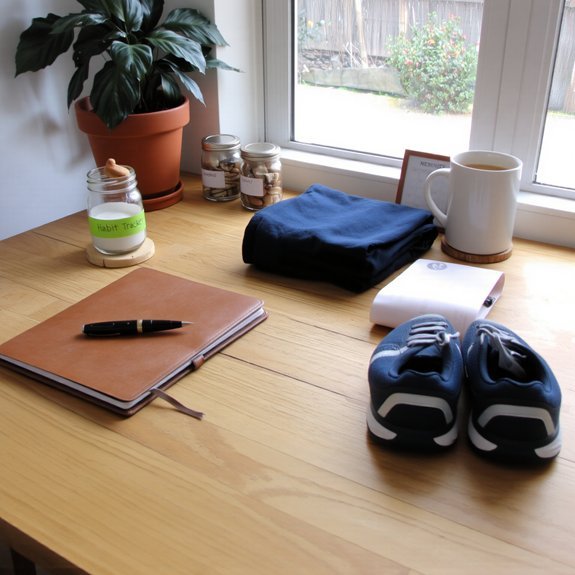
    Interactive Entertainment Options

    Live music and playlists both have their perks, but I’m betting you want guests doing more than nodding politely or applauding at midnight—so let’s talk interactive options that get people moving, laughing, and actually talking to each other. Set up a photo booth with goofy props next to an interactive photo wall, where guests stick prints and write dares — instant décor, instant memories. Run bite-sized trivia games between courses, winners grab silly prizes. Offer a DIY crafts table for keepsakes, and a fortune telling corner for dramatic flair. Host a karaoke contest that’s part sincere, part chaos, segue into a dance off when the beat drops. Don’t forget a charades challenge to loosen everyone up — simple, messy, unforgettable.

    Setting the Schedule and Timeline

    Because the clock’s the villain and your guests are the heroes, you’ll want a plan that makes everyone look good at midnight, including you, who’ll be juggling apps, a playlist, and the world’s saddest balloon arch. I tell you—start with timeline management: map the night in chunks, not chaos. Block appetizers, games, a slow-dance lull, then countdown prep. You’ll set alarms, cue songs, and hand out bubbly five minutes before showtime. For scheduling activities, be strict about shifts, but leave breathing room for hugs and spilled drinks. I watch the door, refill platters, nudge people toward the photo wall with a cheeky line. Fix one reliable clock, practice your toast, and keep the schedule simple, flexible, forgiving.

    Decorating on a Budget

    I’ll show you how to make centerpieces that look fancy but cost next to nothing, like mason-jar flower clusters or glittery candle trays you can build in ten minutes — trust me, you’ll feel proud. Raid your cupboards with me, we’ll turn old vases, wine bottles, and fairy-tossed scarves into chic decor, and I’ll warn you when something’s actually ugly (so you don’t learn the hard way). Then we’ll layer cheap string lights and candles for warm, twinkly glow that hides a multitude of thrift-store sins, because mood matters more than price.

    DIY Centerpiece Ideas

    If you’re on a budget but still want your table to look like it belongs in a glossy magazine, don’t panic—I’ve got tricks that won’t drain your wallet or your will to live. Start with simple flower arrangements, gather a few stems, trim at an angle, and tuck them into mismatched votives for instant charm. Add candle displays—tea lights, taper combos, whatever you’ve got—and cluster them on a mirrored tray to double the sparkle. Toss in metallic confetti, not enough to choke a guest, just flirt with the light. I’ll show you how to balance height, texture, and scent, so nothing fights for attention. You’ll finish in under an hour, look like a pro, and get the compliments you secretly crave.

    Repurpose Household Items

    Let’s raid the junk drawer and turn yesterday’s clutter into tonight’s chic—no guilt, just glue. I’ll show you how to make upcycled decor that actually looks planned, not patched. Grab mismatched jars, old scarves, broken beads, and a hot glue gun. Wrap jars with ribbon, fill with citrus slices for scent, or nest LED tealights (yes, I’m cheating with batteries). Turn vintage plates into creative tableware by painting rims, stacking for a tiered snack stand, or using teacups as party favor holders. You’ll hear the clink of glass, smell orange and wax, and feel surprisingly proud. Keep it messy-creative, laugh at the odd mismatches, and call it avant-garde—you’ve got this.

    Affordable Lighting Tricks

    Okay, time to make your place glow without selling a kidney. You’ll string lights over the mantel, drape fairy lights in jars, and toss LED balloons into corners for instant party height. I’ll show you quick swaps: glow sticks in vases for neon accents, luminary bags down the walkway, lantern displays clustered for cozy zones. Mix candle arrangements with battery tealights if you’re clumsy like me, and hang a disco ball near a lamp for cheap sparkle. Use light projections and color gels to paint walls, shift mood, change the beat. Talk to your space, test angles, move things until it sings. These tricks are cheap, dramatic, and actually fun — you’ll look like you know what you’re doing.

    Safety, Accessibility, and Comfort Considerations

    Three simple rules will keep your New Year’s Eve from turning into a cautionary tale: plan for safety, think accessibility, and make comfort non-negotiable. I’ll be blunt—set clear safety measures, label exits, stash a first-aid kit where it’s reachable, and run emergency plans aloud once, like a boring captain. Add accessibility features: ramps, wide paths, seating clusters, and high-contrast signs so everyone shows up and stays. Create distinct comfort zones—soft lighting, a quiet corner, warm throws, and a drink station away from the dance chaos. Smell matters: simmer citrus and cinnamon, not mystery smoke. I’ll remind you to test walkways, secure rugs, and keep cords taped. Do this, and you’ll throw a party that’s fun, inclusive, and annoyingly responsible.

    Countdown and Midnight Moment Ideas

    If you want the midnight moment to land like a fireworks finale instead of a soggy sparkler, plan the countdown like a tiny theatrical production and I’ll be your impatient director. You set the stage: dim lights, glitter, a playlist that swells, and a clear clock everyone can see. I cue the voice—yours or mine—counting down with gusto, snap fingers at ten, hand out confetti at five, and pop bubbly for the midnight toast. Mix countdown traditions: ball drop, hat toss, or a group shout that becomes a shared laugh. Add sensory beats—cold glass, fizz, paper crackling—so the moment feels real. Keep it tight, practice once, then let chaos charm the night.

    Wrapping Up: Clean-Up and Follow-Up

    Midnight confetti still clings to your hair and someone’s singing off-key, but the party’s ending act matters almost as much as the countdown—because you don’t want to wake up to a battlefield of plastic cups and sticky countertops. You breathe, grit your teeth, then marshal a small crew with gentle bribery: offer coffee, leftovers, a victory playlist. Assign zones, stash recyclables, wipe spills immediately, and use baking soda on any fizzed-over spots—small cleaning tips that save your morning. Sweep, take out trash, open windows for the cold air reset. Send quick thank yous while memories are fresh, a text or photo will do. You’ll finish faster, laugh about the chaos, and mean it when you say, “Next year, I’m totally resting.”

    Conclusion

    You’ve got this — sort of. You’ll pick a place, invite people, rig fairy lights like a semi-professional electrician, and serve snacks that won’t require a PhD to eat. I’ll cheer from the couch while you hustle, stumble through a playlist, and nail a midnight kiss or awkward group selfie. Clean up? Brutal but survivable. Celebrate loudly, sleep later, text your guests “same time next year?” and mean it — mostly.