Category: Uncategorized

  • How to Deal With Drama and Gossip at an HBCU

    How to Deal With Drama and Gossip at an HBCU

    If drama on campus were a sport, you’d already have a trophy—and a restraining order. I’ve seen whispers start in stairwells and blow into full-blown sagas by this afternoon, so you learn quick: name your boundaries out loud, smile like you mean it, and say “I don’t do rumor relay” with a calm, crisp tone. Keep a few trusted people close, correct false stuff once, then move to something real—coffee, class, counseling—and watch the noise fade.

    Key Takeaways

    • Set firm boundaries with phrases like “I don’t do rumor relay” and calmly exit gossip conversations.
    • Address harmful rumors early with a short factual correction instead of emotional reactions.
    • Build a small trusted support network of mentors and peers who value confidentiality.
    • Redirect gossip by asking “Where’d you hear that?” or changing the subject to neutral topics.
    • Protect your mental health: avoid toxic late-night chats, use campus counseling, and practice calming rituals.

    Understanding Why Drama and Gossip Flourish on Campus

    campus drama and gossip

    Even though you came to school to major in something useful, you’ll still notice the rumor mill churning by day two—tea in the dining hall, whispers in the quad, a group chat lighting up at midnight. You watch it all, smelling coffee and burnt toast, feeling the laughter ripple like a playlist on repeat. People bond fast here, tight as braids, so small sparks become bonfires; proximity, pride, and shared history amplify every pause and look. You hear secrets folded into jokes, see cliques trade glances, sense insecurity masquerading as swagger. You’ll catch yourself listening, then cringing, then laughing—because drama fills idle hands, gives stories teeth. I’ll admit it: you’re part detective, part popcorn vendor, and that’s human.

    Setting Boundaries and Responding With Poise

    set clear boundaries calmly

    So you’ve been eavesdropping at the dining hall, scrolling the group chat, maybe even laughing at a joke you know you shouldn’t—welcome to Act Two. You’re tired, you want peace, so set a line and keep it simple. Tell people, “I don’t do rumor relay,” and mean it. Use calm tones, steady eye contact, a small laugh to defuse. Walk away when noise rises, breathe the campus air, feel the sun on your shoulder.

    Been eavesdropping? Draw a quiet line: “I don’t do rumor relay,” breathe, smile, and walk away.

    1. Say no with grace — short, firm, polite.
    2. Mirror facts, not feelings — ask questions, then pause.
    3. Exit scenes gently — “I’ll catch you later,” and go.

    I’ll admit, boundaries sting at first, but they work.

    Strategies to Stop Rumors Before They Spread

    catch rumors early redirect

    If you want gossip to die fast, you’ve got to catch it like a cold—early, and with a paper towel. I’d stroll up, smell the cafeteria coffee, and shut it down. Say what you know, plainly, not loud. Ask one calm question that redirects, like, “Where’d you hear that?” Watch their face. Facts wobble when pressure’s on. Correct false bits fast, with a tiny joke, because people relax when you do. Offer the truth in one crisp sentence, then walk away—don’t feed the rumor with long speeches. If you overhear a whisper, step into the light, use names, fix timelines. Call out exaggeration gently, don’t shame. Rumors sputter when you treat them like silly gossip, not a scandal.

    Building a Trusted Support Network at Your HBCU

    When you’re juggling classes, work, and a social calendar that looks like a dotted line, you need people who’ll brag on you in public and tell you the hard truth in private; I learned that fast, sitting under the magnolia by the quad, coffee cooling in my hand, listening to friends trade life hacks like mixtapes. Build a crew that’s honest, loud, and kind. Start small, test trust, celebrate wins.

    1. Find one professor or mentor, someone who notices your attendance and your dreams, then show up for them.
    2. Befriend peers who keep receipts for your promises, not your gossip.
    3. Keep two friends for fun, one for tough talks, one for networking — rotate as life changes.

    Protecting Your Mental Health Amid Campus Tension

    Because campus drama feels loud enough to drown out your playlist, you’ve got to protect your headspace like it’s a limited-edition sneaker—valuable, fragile, and worth policing. I tell you to set small boundaries, say no to late-night gossip sessions, and leave group chats that buzz like mosquitoes. Breathe: count to four, feel the air cool your lungs, let tension loosen. Carry a comfort ritual — tea, playlist, five-minute walk — something sensory that snaps you back. Talk to one trusted friend, not ten acquaintances auditioning for chaos. Use campus counseling, it’s legit, not only for crisis scenes. If a rumor hits, respond once, calmly, with facts, then drop the mic. Protecting your mind is daily, practical, almost rebellious. Do it.

    Conclusion

    Alright, you don’t need to become campus rumor police. I’ll watch the tea, you sip it in peace. Say “I don’t do rumor relay,” correct facts calmly, and walk away like you own your day. Phone the friend who’s equal parts wise and snacks, breathe in the late-night campus air, laugh at the chaos, then call counseling if it’s heavy. Drama’s noisy, you’re steady — now go enjoy your HBCU.

  • How to Maintain Long-Distance Relationships While at an HBCU

    How to Maintain Long-Distance Relationships While at an HBCU

    You’re at an HBCU, juggling classes, cookout smells on the quad, and a voice that only shows up on your phone at midnight—so let’s get deliberate. I’ll say this plainly: set check-ins like exams, build rituals (shared playlists, snack swaps, 10-minute walk-and-talks), and plan around your syllabi so you don’t ghost each other during midterms. It’s doable, messy, and kind of romantic if you try — here’s how to make it actually work.

    Key Takeaways

    • Schedule short, predictable check-ins that respect class and study blocks to build reliability without draining time.
    • Use voice notes, photo updates, and synced streaming to create shared moments despite campus distance.
    • Exchange weekly schedules and route tips so visits and expectations fit academic and campus commitments.
    • Create simple rituals (playlist swaps, video brunches, inside jokes) to sustain intimacy and positive memories.
    • Hold regular emotional check-ins using prompts and honest availability updates to prioritize mental health and support.

    Communicate With Intent and Consistency

    communicate with intention consistently

    Even if your schedules look like two different time zones on a map, you can still talk in a way that actually means something. I’ll tell you how: set tiny touchpoints, not marathon calls that leave you both exhausted. Send a voice note with street noise and a laugh, snap a picture of your campus latte, text a specific question about their class—don’t just send “u up?” Be honest about when you can’t reply, so silence isn’t punishment. Leave one predictable check-in—five minutes, midweek—so trust builds like a slow playlist. Say what you need, in plain words, and listen like you mean it. You’ll create rhythm without ritual, keep warmth without clinginess, and actually feel seen across miles.

    Create Shared Rituals and Traditions

    create meaningful shared rituals

    You’ve learned how to make short, meaningful contact without draining your batteries, so now let’s give those touchpoints something to land on. Build rituals that feel like little holidays: Friday-night playlist swaps, Sunday video brunches with matching mugs, or a goofy countdown chalkboard you both update. Choose sensory anchors — a song, a scent, a snack — that immediately teleport you to each other. Text a single emoji at 3 p.m., and mean “thinking of you.” Celebrate tiny wins together, make a ritual out of applause. Keep them simple, repeatable, silly. When you visit, enact a signature handshake or a secret menu order, then exaggerate the drama like it’s Broadway. Rituals make distance predictable, cozy, and oddly romantic. You’ll stick to them — mostly.

    coordinated academic scheduling harmony

    If our calendars were a pair of roommates, they’d argue about who gets the couch — and I’m here to mediate. You and I map class times, club meetings, and study blocks like cartographers, shading in busy zones, circling free pockets. You say “morning lab,” I say “evening rehearsal,” so we trade sticky notes and color-coded alerts, laugh at our handwriting, then agree on buffer windows. Walk me through campus routes, smells of the quad after rain, the sound of late-night dining hall trays, and I’ll carve out predictable check-ins. Reserve a shared “soft no” for finals week, promise a real treat when it’s over. Small rituals, smart planning, and honest tweaks keep school and love from colliding.

    Use Technology to Bridge the Distance

    When the Wi‑Fi drops or my phone decides to take a nap, I swear technology is both our best wingman and our most dramatic ex — but it’s how we stay stitched together. You’ll text silly check-ins between classes, send voice notes that smell like campus coffee, and share quick video tours of dorm chaos — “Look at my plant, it’s dying, don’t tell mom.” Schedule face‑time dates that mimic real life: eat the same takeout, cue the same playlist, pretend you’re in the same room. Use apps to watch shows in sync, drop memes at 2 a.m., and pin calendar reminders for small celebrations. When signals lag, laugh, repeat, and send a photo — it’s the tactile thread that keeps you present.

    Prioritize Mental Health and Emotional Check-Ins

    Because long distance can sneak up on your mood like a surprise pop quiz, I make mental health check-ins a non-negotiable part of our routine. You text, we talk, we actually listen — not just surface stuff. I ask about sleep, appetite, and that weird tension behind the eyes. You describe campus rain, the coffee that saved your morning, the small wins. We name feelings, set micro-goals, and laugh at my dramatic overreactions. It keeps things honest, and human.

    1. Schedule weekly check-ins, thirty minutes, no distractions.
    2. Use prompts: “What drained you?” “What helped?” “One tiny win?”
    3. Practice grounding together: breathe, name five sounds, describe one texture.

    These steps keep you steady, connected, and kinder to yourselves.

    Lean on Campus Resources and Support Systems

    Since campus life throws curveballs—late-night study marathons, surprise protests, ramen that’s oddly comforting—we don’t have to play long-distance lone wolf. You’ve got allies here. Swing by counseling, join relationship workshops, or crash a student org meeting where people actually listen and hand out snacks. Use the multicultural center for honest talks, the career hub for scheduling sanity, and campus health when emotions hit hard. I’ll admit, asking for help feels awkward, like texting your ex by accident, but it works. Share calendars with a peer mentor, borrow quiet study rooms for date-night calls, and grab coffee with friends who’ll remind you you’re not just a face on a screen. Lean in, use resources, breathe easier.

    Set Boundaries and Manage Expectations

    You’re gonna need rules, not rules that feel like prison bars, but clear little signposts that keep both of you from wandering into miscommunication territory—so let’s lay them down like sticky notes on a dorm door. I talk straight: set times you’ll text, times you won’t, and what “busy” actually means. Say it out loud, don’t mime feelings.

    1. Decide when you’ll reply, how long silence is okay, and what counts as “urgent.”
    2. Name social boundaries — parties, dorm hangouts, study nights — so nobody gets weirded out.
    3. Agree on privacy: phone snooping, social posts, and what you share with friends.

    Keep it simple, check in like a human, and tweak the rules when life changes.

    Plan Visits and Meaningful In-Person Time

    You should carve out regular campus visits, even if it’s just a long weekend, so you both have something to look forward to and your calendar actually means something. When you’re together, make it count: skip scrolling, hold hands on the quad, taste the food truck fries, and plan one activity that’s just for you two. I’ll remind you — quality beats quantity, so trade a dozen rushed meetups for a few unforgettable afternoons.

    Schedule Regular Campus Visits

    If you want this thing to work, carve out regular campus visits and treat them like sacred appointments—no last-minute Netflix excuses. You’ll plan, you’ll pack, you’ll sprint across campus with heart thumping, because seeing them matters. Book dates in advance, block travel days, and text confirmations that read like tiny love notes. Bring snacks, a hoodie that smells like home, and a little patience for crowds.

    1. Pick predictable weekends, sync calendars, commit to arrival/departure times.
    2. Rotate who visits, share travel costs, and keep backup plans for rain or grumpy professors.
    3. Use campus events as anchors, arrive early, make a small ritual—coffee, a photo, a goofy secret handshake.

    Do it often, do it well.

    Make Time Meaningful

    A little planning turns visits from “we’ll see” into something you actually look forward to, like a mini-holiday you both deserve. You map out a weekend, pack snacks that smell like home, and promise one splurge—tickets to that concert or brunch you both drool over. Don’t overbook, keep margins for naps and stupid jokes. Start with a hug that lasts three beats, then go do something sensory: walk the campus at golden hour, taste the best fried chicken nearby, let the music from the quad remind you why you picked this place. Ask one real question, listen without fixing. End with a simple plan for the next meet—no pressure, just a calendar dot and a shared grin. You’ll leave fuller, not frantic.

    Conclusion

    Keep the spark alive like a playlist you both keep adding to: steady, familiar, surprising. You’ll text, call, send snacks, and schedule check-ins around exams, you’ll cry a little, laugh a lot, and admit when you need space. I’ll nudge you to use campus counseling, join study groups, and plan visits that feel like breath. Stay honest, set limits, celebrate small wins, and treat your love like homework you actually want to do.

  • How to Date While in College at an HBCU (Without Losing Focus)

    How to Date While in College at an HBCU (Without Losing Focus)

    Dating in college is like juggling hot coffee — doable, messy if you blink, and strangely satisfying when you get it right. I’ll tell you how to keep your GPA and your glow-up intact: carve study blocks, set boundary lines, and say no without guilt; text plans, not excuses; meet between classes for cappuccinos that taste like victory. Stick around — I’ve got practical moves that actually work, and I won’t sugarcoat the trade-offs.

    Key Takeaways

    • Prioritize classes and scheduled study blocks first, then slot dates into remaining gaps to protect grades.
    • Communicate your class schedule and study hours early so partners respect academic boundaries and routines.
    • Use visible signals (headphones, “study” signs, calendar shared status) to indicate focused time in dorms or libraries.
    • Co-manage a shared calendar for study sessions and date nights, and set reminders for deadlines and events.
    • Lean on mentors, roommates, and campus groups for accountability, study dates, and emotional support.

    Setting Academic and Relationship Priorities

    balance academics and relationships

    If I had a dollar for every time I chose a midterm over a Friday night, I’d be rich—so I learned to pick my battles. You balance textbooks and texts, coffee stains and late-night laughs, and you’ll be fine. You set core priorities: class attendance, study blocks, and meals that aren’t vending-machine tragic. Then you slot dating into the gaps, intentional and visible, not sneaky. You tell a crush, “I’ve got study hours, come after,” and they either respect it or don’t. You keep deadlines on your phone, not feelings, and you celebrate small wins—A-minus, paper submitted, a real conversation that didn’t die at 2 a.m. You stay honest, flexible, and kind, and you graduate with memories, not regrets.

    Establishing Healthy Boundaries on Campus

    respect personal space boundaries

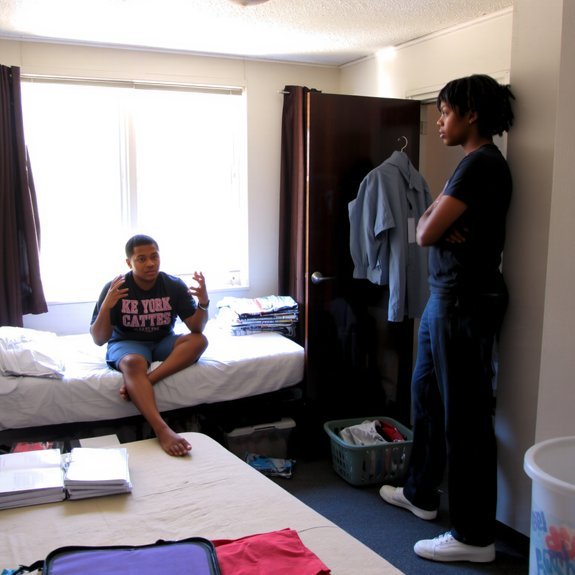
    When you’re living in a dorm where everybody’s laundry smells like ambition (and sometimes gym socks), you learn fast that boundaries aren’t rude — they’re survival tools. I tell you this because dating on campus means juggling study sessions, club meetings, and late-night cravings for fries, and you can’t be everyone’s 2 a.m. ride. State your quiet hours, your study zones, and when you need solo time, with a smile, not a lecture. Use small rituals — headphones on, a laundry basket code, or a designated study chair — to cue space. Respect others’ cues, too. Practice saying no firmly, then mean it. You’ll keep your GPA, your sanity, and still enjoy campus romance, on your terms.

    Communicating Expectations Early and Clearly

    communicate expectations clearly early

    How do you avoid the classic “I thought you meant…” disaster? Talk, plain and early. Say what you want, what you won’t tolerate, and what you’re willing to bend on. I’ll confess, I used to dodge the big talks, until late-night texts and awkward silences taught me better. Sit down over coffee, feel the steam, look each other in the eye, and say, “School comes first for me.” Use concrete examples: study nights, class schedules, exclusivity, boundaries around dorm visitors. Listen, mirror back their words, ask, “So that means…” Be specific, not vague. Write it down if needed—yes, like a tiny contract. Clear expectations save emotions, GPA, and those cringe “wait, what?” moments. You’ll thank yourself later.

    Building Time Management Habits Together

    Okay, so you just nailed that “let’s be clear” talk and didn’t die of awkwardness — nice work. Now, you build time habits together. You’ll sit with calendars, phone alarms buzzing like tiny metronomes, color-code study blocks and date nights. I’ll joke about my overflowing planner, you’ll laugh, then we’ll decide: no texts during 9–11 study hours, check-ins at lunch. Make rituals, small and tactile — shared playlist for focus, a 10-minute “how’s it going?” over coffee, a visible sticky-note board that smells faintly of marker. When exams hit, swap notes, bring simple meals, set boundaries with friends kindly. These moves keep chemistry alive, grades intact, and show you’re a team, not a distraction.

    Finding Support Within the HBCU Community

    Community is your secret study buddy, hype squad, and emergency snack-run all wrapped into one, and at an HBCU you’ll feel that in your bones — the chapel bell, the band drumline rattling the quad, the smell of collard greens at lunch. You tap into that when dating, because you need backup, advice, and someone to remind you class matters. Lean on mentors, join study tables, and let friends call you out when you flake. I’ll say it plain: you don’t have to do romance alone.

    1. Meet with advisors, quick, honest check-ins keep priorities straight.
    2. Join campus orgs, they double as social labs and safety nets.
    3. Borrow classmates for study dates, snacks mandatory.
    4. Use alumni panels, they’ll give real talk and shortcuts.

    Conclusion

    You’ll be fine — really. Keep your calendar sacred, say “no” like it’s a magic spell, and schedule cute study dates that smell like coffee and old textbooks. I’ve seen lovers turn into group project nightmares; you won’t let that be you. Set rules, check in, use tutoring, nap when you need to, and protect finals week like it’s prom night. Balance isn’t fairytale-perfect, but it’s totally doable, and honestly, it’s worth it.

  • How to Set Boundaries With Roommates and Friends at an HBCU

    How to Set Boundaries With Roommates and Friends at an HBCU

    Like a drumbeat you can’t ignore, your space is talking — and you should answer back. I’m going to walk you through quick, no-nonsense moves: clear roommate talks that smell faintly of coffee, “I” statements that don’t sound like a lecture, and tiny rituals you can use to claim quiet without drama. You’ll learn how to say no, set guest rules, and handle pushback, and I’ll even show when to get your RA involved — but first, let’s map what actually matters to you.

    Key Takeaways

    • Identify your nonnegotiables (study time, sleep, guests) and communicate them clearly and early to roommates and close friends.
    • Use “I” statements to express needs calmly, for example, “I need quiet after 10 p.m. to focus on studies.”
    • Create a written roommate agreement with chores, quiet hours, and guest rules to prevent repeated misunderstandings.
    • Offer simple alternatives when declining requests and restate boundaries consistently if friends push back.
    • Involve RAs or mediation if repeated boundary violations threaten safety, sleep, or academic success, or request a room change.

    Understanding Why Boundaries Matter in HBCU Spaces

    boundaries foster respect and harmony

    Respect, right? You’ll feel it in the hallway chatter, the late-night music, the clatter of plates — boundaries keep that soundtrack sane. I tell you straight: when you set limits, you protect study hours, sleep, and the vibe you came for. You’ll say no to borrowing without asking, yes to quiet after midnight, and watch tension ease. Picture knocking before entering, swapping chore calendars, texting “heads-up” about guests — small moves, big relief. You’ll smell coffee, hear laughter, and still keep your space sacred. Friends will test edges; that’s normal. Keep your tone calm, your rules clear, and your humor handy. You’re not selfish, you’re self-aware — and that’s dignified here.

    Identifying Your Personal Limits and Values

    identify personal boundaries clearly

    Boundaries start with a simple truth: you know what you can handle and what makes you want to hide under your pillow. I’m telling you, listen to that twinge in your chest when someone borrows your stuff without asking, or when noise at 2 a.m. scrapes your nerves. Name it. Say, “I need quiet after study hours,” out loud, or jot, “I can’t do last-minute plans every night.” Notice where you snap, where you glow, what smells, sounds, or touches feel safe. Picture a red line on your dorm wall — that’s your limit. Keep your values visible: respect, honesty, sleep. Practice small scripts, rehearse them like lines, and watch your calm grow. You’ll thank yourself later.

    Setting Clear Expectations With Roommates Early

    establish shared living rules

    You and I should sit down in the common room, grab some coffee that’s probably gone cold, and sketch out shared living rules so nobody’s sneaking midnight blender sessions. Let’s pin down chores and schedules—who takes trash, who claims quiet study hours—and say it out loud so assumptions don’t become passive-aggressive sticky notes. Also, we’ll agree on guest policies, a simple yes/no framework that keeps surprises for parties, not for 2 a.m. doorbells.

    Establish Shared Living Rules

    If we’re honest, the easiest fights in a dorm come from tiny things—dirty dishes, music at 2 a.m., that one roommate who thinks “closed door” means “challenge accepted.” I’ll say it straight: set the rules now, before someone storms in clutching a gallon of ice cream and a passive-aggressive sticky note. You call a quick meeting, brew bad coffee, and lay it out: quiet hours, guest limits, where shoes live, and who can borrow your chargers. Say it kindly, say it firm. Write the rules on the fridge, make them visible, so you don’t have to reenact a soap opera at midnight. If tensions flare, revisit the list, tweak it together, and keep it simple—rules should prevent drama, not start it.

    Discuss Chores and Schedules

    Okay, so we agreed on quiet hours and who gets the top shelf—great. Now, let’s talk chores and schedules before dishes stage a hostile takeover. You pick mornings, I’ll handle trash; we’ll swap on exam weeks. Say it out loud, write it on a sticky, tape it to the fridge where cereal flakes live like confetti. Set clean zones: sink is public enemy number one, bathroom gets a rotation, and wipe-downs are non-negotiable. Share a calendar on your phone, color-code like a tiny pride flag, and give two-hour heads-up for big plans. If someone slips, call it with humor, not passive-aggression—“You ghosted the mop, traitor” works. Keep it simple, fair, and human. Boundaries win when chores are tiny, honest agreements.

    Agree on Guest Policies

    Three simple rules usually stop most midnight parties from bleeding into your 8 a.m. lecture: tell, time, and tidy. You’ll want a guest policy that’s clear, fair, and annoyingly specific, so no one wakes you with a drum circle. Say when visitors are fine, who can stay overnight, and how loud is too loud. Leave-room cues work — closed door means do not enter, headphones on means don’t bug me. Put this in a quick text chain, pin it, and laugh about it later.

    1. State visiting hours.
    2. Decide overnight rules.
    3. Set noise and cleanup expectations.

    I keep snacks, you bring boundaries, we both survive. Agree early, enforce gently, and reward good behavior with pizza.

    Communicating Boundaries With Friends Without Guilt

    You’ve got every right to say what you need, so start with a clear “I” — “I need quiet after 10,” or “I can’t pick up extra shifts this weekend.” Say it calmly, look them in the eye, and mean it; you’ll feel lighter, they’ll know where you stand, and nobody’s a villain in this scene. If they push back, repeat your line like a headline, not a whisper, and watch the awkward shrink.

    State Needs Clearly

    Sometimes you’ll want to say no and wish you could do it without the weird throat-tight feeling—trust me, been there—so let’s make it simple. You’re standing in the hallway, hoodie soaked from a rain that smells like campus turf, and you need to tell a friend you can’t help move their stack of tubs tonight. Say your need quick, clean, and kind.

    1. State the need: “I can’t tonight, I’ve got a paper due,” short, no apology chorus.
    2. Offer what you will do: “I can help Saturday morning, with coffee,” concrete, smells like rescue.
    3. Set a firm boundary: “No calls after midnight on study nights,” clear, voice steady.

    You’ll feel lighter, trust me, and cooler air follows.

    Use “I” Statements

    One simple trick I swear by: start sentences with “I.” It sounds small, but it shifts the whole room—no pointing fingers, no passive-aggressive sighs—just you, honest and human. Say, “I need quiet after midnight to study,” not, “You’re always loud.” You’ll sound calmer, clearer, and less like a tattletale. Picture exhaling, rubbing your temples, then speaking steady. Use texture: “I feel drained when music blasts, my thoughts scramble like a spilled playlist.” Short, direct, kind. Expect awkward faces, then relief. If they push back, repeat your need, don’t apologize for having one. Toss in a joke, “I’m not becoming a library monk, promise,” and smile. That keeps the vibe light while your boundary stays firm.

    Handling Pushback While Preserving Community Ties

    If someone pushes back when you set a boundary, don’t flinch — stand your ground with a smile and a joke ready. You tell them, calmly, why this matters to you, you plant your feet, you keep your tone light but firm, and you watch for their cues. Preserve the friendship, but don’t apologize for needing space. Try these moves:

    1. Name the need, then offer a small compromise, so they see you’re reasonable.
    2. Use humor to defuse tension, then restate the line, clear and steady.
    3. Bring in a mutual friend or resident advisor, if calm talk stalls.

    You’ll protect your peace, show respect, and keep the community intact, without turning into a doormat.

    Practical Dorm Strategies for Privacy and Self-Care

    When I wanted a private corner in a tiny dorm that smelled like leftover pizza and ambition, I stopped waiting for miracles and started inventing them: hang a lightweight curtain from command hooks, drape a tapestry with a funky print, or clip a sheer scarf across the foot of your bed — instant do-not-disturb vibes. You’ll need rituals. Morning tea in a favorite mug, headphones on before alarms; these cue people that you’re in your zone. Add soft lighting, a small plant, a folded towel barrier on your desk for visual buffer. Say, “I’m heads-down until noon,” and mean it. Keep a stash of self-care: face masks, a travel journal, snacks that won’t anger roommates. Small rules, big peace.

    When to Escalate: Mediation, RA Support, and Room Changes

    Because living in a tiny room with someone else shouldn’t feel like a slow-moving hostage movie, you’ve got to know when to stop DIYing peace and call in backup. I’ve been there, tracing coffee rings on a desk while simmering, and here’s a quick playbook: don’t wait until you snap.

    1. Ask for mediation when talks stall, you’ve tried calm words twice, and the same boundary gets trampled.
    2. Bring your RA in when safety, chronic noise, or harassment shows up, and you need a neutral adult who actually follows up.
    3. Request a room change if repairs, respect, or routines never improve, and you’d rather sleep than rehearse conflict.

    Trust me, calling backup is smart, not dramatic.

    Conclusion

    You’ve planted a small garden in a crowded dorm, and you’re watering it. Tell your roommate you need quiet hours, tell your friend no sometimes, and watch boundaries bloom. I’ll admit, I fumble lines and say “sorry” too much, but I straighten up, speak plainly, and breathe when walls feel too close. Keep seeds of respect, pull weeds of drama, and remember: a little privacy smells like freedom.

  • How to Handle Roommate Conflicts at an HBCU

    How to Handle Roommate Conflicts at an HBCU

    You’re sharing a tiny dorm with another human—congratulations, and condolences. I’ll admit, I’ve learned more about boundaries over microwave popcorn and late-night playlists than any lecture, so let’s get real: set rules early, speak in “I”s, and schedule check-ins before passive-aggression becomes decor. Hear me out—learn to laugh, but don’t ignore the smell of dishes piling up or the roommate who uses your toothbrush like it’s a communal relic—and if it blows up, know who to tap for backup.

    Key Takeaways

    • Start with a calm, private conversation using “I” statements to describe specific behaviors and desired changes.
    • Create a written roommate agreement covering chores, quiet hours, guests, and bill responsibilities.
    • Schedule weekly check-ins to address issues early and adjust expectations collaboratively.
    • Use campus resources—RAs, housing staff, and counseling—for mediation or safety concerns.
    • Respect cultural differences, share traditions, and approach conflicts with curiosity and openness.

    Understanding Common Sources of Roommate Conflict

    roommate conflicts and irritations

    If you’re like me, you thought roommate drama was something only TV shows had—until you wake to someone blasting a playlist at seven a.m., and suddenly you’re wide-eyed, coffee half-spilled, and plotting polite revenge. You notice patterns fast: noise, dishes, and different sleep schedules collide. Smells hit you—curry at midnight, gym socks by the door—and you flare up, because small irritations pile into big grudges. Money talks get awkward, when rent or food splitting turns into texts you dodge. Privacy vanishes when guests arrive unannounced, or when your notes get read aloud like gossip. Cultural clashes and habits matter too; college life mixes backgrounds and expectations, and misread signals spark fights. You learn to spot roots before they bloom into drama.

    Setting Clear Expectations Early On

    set clear roommate expectations

    Because nobody wants passive-aggressive Post-its stacked like tiny landmines on the fridge, I start roommate season like a slow-motion fire drill: we sit down, I brew coffee or grab a soda, and we lay out what actually matters. You’ll name the tiny stuff — overnight guests, noise after 11, who owns the Roomba — and the big stuff, like bills and cleaning. Say what you need, and listen when they answer; nod, sip, laugh at your own dramatic examples. Use concrete phrases: “I need quiet study time from 9–11pm” beats “be respectful.” Repeat agreements aloud, so they land. If someone hesitates, pause, ask why, and tweak till it feels fair. Early clarity saves late drama.

    Creating a Shared Roommate Agreement

    roommate agreement creation process

    When things are calm, I make us do the roommate agreement like it’s a group project with snacks — you show up, I bring the pens and a playlist, and we actually write stuff down. You’ll list sleep hours, cleaning turns, guest rules, and who claims the prime shelf, with sticky notes and a laugh when someone writes “no judgment” as a rule. I’ll insist we sign and date it, then take a photo for backup — because phones never lie, right? Add a simple plan for chores, noise, shared groceries, and emergency contacts. Keep clauses short, concrete, and flexible. Revisit the paper each month, tweak what’s not working, and reward yourselves with pizza when you follow it for a week.

    Communicating Effectively and Respectfully

    You’ll want to set clear expectations from the jump—who cleans, who cooks, quiet hours—so nothing sneaks up on you at 2 a.m. Use “I” statements when something’s off, like “I feel overwhelmed when dishes pile up,” it keeps things honest without turning the room into a courtroom. Schedule quick weekly check-ins, five minutes with coffee or tea, and you’ll catch small stuff before it storms into a full-blown argument.

    Set Clear Expectations

    If we’re going to share a tiny kingdom of ramen bowls and late-night playlists, let’s cut the guessing game now — say what you expect, and mean it. I want you to walk into the room, point at the cluttered desk, and say, “This is my study zone,” not whisper hopefully. Name routine stuff: quiet hours, guest policies, who waters the plants, when dishes get done. Put it on paper, or a sticky note on the fridge, so you can both see it at 2 a.m. when tempers flare. Check in weekly, sip cold coffee, laugh at your past stubbornness, tweak the plan. Clear expectations aren’t romance, they’re a map — follow it, and you’ll avoid most detours.

    Use “I” Statements

    I’m not here to lecture — I’m here to hand you a phrase that actually works: start sentences with “I” instead of pointing fingers. Say, “I feel overwhelmed when the music’s loud at midnight,” not “You’re always too loud.” Your words land softer, like a knock instead of a shove. You lower defenses, you invite problem-solving. Look them in the eye, breathe, name the feeling, state the need: “I’m distracted, I need quiet.” Add a concrete action: “Can we agree on volume after 11?” Use calm tone, not guilt or sarcasm — sarcasm smells like passive-aggression, trust me. If you mess up, own it: “I said that poorly, I’m sorry.” That kind of honesty builds trust faster than ultimatums ever will.

    Schedule Regular Check-ins

    Try setting one regular check-in a week — five minutes over cereal, ten after dinner, whatever fits. I tell you, it’s like oil for the roommate engine. You sit, breathe the coffee, joke about the sock situation, then get real: what’s working, what’s loud, what’s smelling weird (yes, I mean that mystery Tupperware). Keep it short, specific, and kind. You ask, they answer. You set one or two small goals: quieter music after 11, dishes within a day, sharing the thermostat. Scribble decisions on a sticky note, hang it on the door like a tiny treaty. If things flare, you pause, take five, reschedule. These check-ins stop grudges, build trust, and make dorm life less dramatic, more doable.

    When you walk into our dorm room and smell someone’s cinnamon candles clashing with my grandmother’s spicy stew memory, don’t look surprised — you’re in a cultural soup, and we’re both tasting it. You notice my photos, I notice your playlist, we both notice the different ways we say hello. Say what you need, without sounding like a textbook. Ask curious questions, not interrogation ones. Point out habits that bug you, I’ll try to explain where they come from. Trade recipes, swap songs, claim a shelf for incense and one for hot sauce, compromise like grown-ups who still giggle. Laugh when you mess up, apologize fast, mean it. Celebrate differences as tools, not threats. You’ll learn, I’ll learn, we’ll live better.

    De-escalation Strategies for Heated Moments

    When things heat up, you’ve got to slow your breathing, count to four, and feel the room settle—no heroic speeches, just oxygen. Use “I” statements to name what you feel, not what they did, and say, “I’m getting loud, can we pause?” If that’s still too tense, step out, grab air, and agree to revisit the conversation in thirty minutes, because calmer you is the smarter you.

    Stay Calm, Breathe

    Even if your palms are sweating and your voice wants to sprint, you can slow the room down—right now—by taking a breath that actually counts; I mean a solid, belly-filling inhale, hold for two seconds like you’re stalling for time, then let it out slow enough to hear the whoosh, and repeat. Do it again, and notice your shoulders drop, your jaw unclench, the fluorescent hum softens. Say to yourself, “One breath,” like a tiny command center. Anchor to the chair under you, the carpet fibers underfoot, the mug’s warm rim. Count quietly, tuck your elbows in, soften your eyes. You’ll sound calmer, even if you still want to win. It buys space, clarity, and a chance to pick your next words.

    Use “I” Statements

    You’ve slowed your breathing, felt your shoulders unclench, and now you need words that won’t light the room on fire—so try talking like you’re reporting a small truth about yourself, not indicting someone else. Say, “I feel frustrated when dishes pile up,” not, “You never wash anything.” Speak plainly, picture the clink of a mug, the stale popcorn smell, the small pile on the sink. Use short lines: “I need help keeping the kitchen tidy,” then pause, look away, soften your tone. That tiny tweak flips blame into problem-solving, invites cooperation, and saves dignity. Keep it honest, specific, nonjudgmental. You’ll sound grown-up, human, relatable—yes, even charming—while steering the convo toward solutions.

    Pause and Revisit

    If a conversation’s heating up and your chest feels like it’s staging a protest, call a time-out—literally. Step back, breathe through a paper cup if you must, and say, “I need five.” You’ll sound human, not volatile. Walk to the window, feel the cool sill under your palm, count to thirty, and let your voice settle. Text a roommate, “Pause? Coffee in ten?” or wash your face, splash cold water, anything tactile to break the loop. When you return, set a rule: no yelling, one person speaks at a time. If you botched the pause before, laugh about it, own it, and try again. You’ll preserve respect, reduce drama, and actually fix things.

    When to Involve Resident Advisors or Housing Staff

    When roommate drama starts smelling like burnt popcorn and passive-aggressive sticky notes, don’t stew in silence—call in the folks who can actually do something about it. If you’ve tried calm talks, timed chores, and polite texts, and tensions still sizzle, knock on your RA’s door. Say, “We need help,” describe specifics — late-night noise, broken lock, safety concerns — bring receipts: screenshots, photos, dates. Housing staff step in when rules get broken, when anyone feels unsafe, or when problems drag on past your patience. They mediate, enforce policies, arrange room changes, and sometimes just act like adults you desperately need. Be clear, stay factual, ask about next steps, and breathe — you don’t have to carry this alone.

    Using Campus Support Services and Counseling

    Even if you’re proud of your DIY conflict-resolution skills, don’t treat campus counseling like a last-resort, dusty file in the back of your brain — go see them. I say that because you’ll get neutral ears, not more drama. Walk into the counseling center, feel the cool air, sit on the soft chair, and say, “My roommate and I keep clashing.” They’ll help you map the problem, teach breathing tricks that actually work, and role-play tough talks so you don’t sound defensive. Use mediation services, drop-in hours, or group workshops. You’ll leave with a plan, a follow-up date, and maybe a worksheet that makes you roll your eyes — but it helps. Trust me, it beats passive-aggressive sticky notes.

    Conclusion

    You’ll handle this like you’d untangle a knotted charger—patient, a little annoyed, and oddly satisfied when it works. I want you to say what you need, listen like you mean it, and write a roommate pact you both can actually follow. Check in, use “I” lines, and laugh at the small stuff. If things boil, pull in an RA or counseling. You’re not fixing the world, just making your room livable.


  • How to Stay Involved With Your HBCU After Graduation

    How to Stay Involved With Your HBCU After Graduation

    Let’s call it “staying in the loop” instead of clinging — you’ve got roots here, and they want you. Picture yourself back on campus: the brick heat, laughter spilling from the quad, you trading LinkedIn tips over stale coffee, mentoring a kid who thinks resume means Instagram. You can give time, money, or wisdom, join a board, start a scholarship — and yes, that first step is oddly fun, so keep going…

    Key Takeaways

    • Join alumni chapters and attend local events to reconnect, network, and support campus initiatives.
    • Mentor students through mock interviews, resume reviews, portfolio clinics, and guest speaking.
    • Volunteer at reunions, commencements, job fairs, or campus tours to provide practical help and presence.
    • Donate or start scholarships and consider recurring gifts to reduce student financial barriers long-term.
    • Serve on advisory boards or committees to influence curriculum, programs, and strategic campus decisions.

    Ways to Mentor and Support Current Students

    engaging hands on mentorship strategies

    If you think mentorship is just coffee chats and one-size-fits-all advice, think again — there’s a whole toolbox you can bring back to campus. You’ll show up, sit in a sunlit commons, and actually listen — not nod and scroll. Share real resumes, mock interviews, and that LinkedIn headline that finally got you calls; hand over templates, grade rubrics, and a battle-tested email you’ll admit sounded scary to send. Host a lunchtime workshop, give sharp feedback, run a portfolio clinic, or pop into class as a guest with a cane-tapping anecdote. Say the hard thing kindly. Celebrate small wins, bring snacks, and laugh when you mess up. You’ll build trust fast, and students will remember the time you cared enough to stay.

    Contribute Financially and Build Scholarship Impact

    build scholarships create opportunities

    You can start by giving to scholarship funds, feel the small thrill when you picture a student opening an acceptance letter because of your gift. Or, if you want to leave a louder footprint, start an endowed scholarship that keeps helping year after year, like planting an oak and watching saplings crowd the lawn. I’ll hold the pom-poms while you write the check, and we’ll brag about the impact over coffee.

    Give to Scholarship Funds

    Scholarship money is literal rocket fuel for students—cold, practical, and wildly freeing—so when I tell you giving to scholarship funds matters, I mean it. You can drop $25 or $2,500, and both land like warm rain on nervous palms. Give online, watch the confirmation ping, and imagine a freshman breathing easier, buying books, tasting cafeteria stew without guilt. Volunteer at selection panels, read essays aloud, feel the quiet room lean in. Share stories with donors, send photos, get that handwritten thank-you that smells like campus and late nights. Set up recurring gifts, skip one latte, invest in futures. You’ll see real change, immediate and human. Trust me, it’s the best small rebellion you’ll do for your alma mater.

    Start an Endowed Scholarship

    You’ve seen how a $25 gift can change a night—now imagine setting up something that keeps changing nights, every year, forever. You can start an endowed scholarship that outlives you, that shows up each semester like a reliable friend, slipping tuition help into a student’s hands. Picture your name on a plaque, the clink of a check, a student reading their award under fluorescent library lights, smiling like it’s sunlight. I’ll be blunt: it’s not just about money, it’s about story—your story, stitched into campus life. You work with the alumni office, pick criteria, fund the endowment, and then watch interest do the giving. It’s smart, generous, and yes, kind of heroic — with less cape, more paperwork.

    Volunteer Your Time at Events and on Campus

    volunteer for campus events

    Raise a hand, sign up on that clip board, or show up early with a thermos of bad coffee—whatever it takes to get in the room. You learn faces fast when you’re handing out programs or stacking folding chairs, you’ll smell stage glue and popcorn, hear the mic squeal five minutes before showtime. Volunteer at reunions, commencement, or a student job fair; be the steady pair of hands. Offer office days for resume reviews, sit on a panel, or chaperone campus tours—small tasks, big impact. You’ll trade time for stories, reconnect with mentors, and spot enthusiastic students who remind you of yourself, only younger and louder. It’s honest work, no tux required, just persistence, patience, and your memorable laugh.

    Join Alumni Chapters and Networking Groups

    If you want to keep that HBCU energy buzzing after graduation, join an alumni chapter — it’s where old jokes get louder and opportunities quietly multiply. I’ll tell you, show up to a meeting, feel the room hum, handshakes warm like campus sun. You’ll trade stories at mixers, swap résumés over coffee, and learn who’s hiring, mentoring, or planning homecoming floats. Go to networking nights, lean in, ask blunt questions, collect business cards like trophies. Host a workshop, speak at a panel, or just bring snacks and nostalgia. You’ll build practical ties and friendships that smell like cafeteria gumbo and library late nights. Stay curious, follow up, and keep coming back — the chapter turns acquaintances into a professional family.

    Serve on Advisory Boards and Committees

    You loved the mixers and the handshakes, but now picture yourself in a smaller room, the kind with a long table, stale coffee, and a whiteboard full of good ideas nobody’s had time to write down. You’ll be asked to weigh in, not just nod. Serve on advisory boards and committees to shape curriculum, campus events, and fundraising priorities. You bring perspective, memories, and practical sense — plus a knack for cutting through buzzword fog. Speak up, sketch plans on that tired whiteboard, volunteer to take notes, then follow up with an email that actually gets read. Expect friendly debates, awkward silence, and sudden breakthroughs. It’s work, but satisfying. You’ll watch your alma mater steer smarter, and you’ll feel useful — in the best possible way.

    Use Your Skills to Help With Career Development and Entrepreneurship

    Bring your toolbox. You’ve got know-how — resume tweaks, mock interviews, startup chops — and your campus needs it. Walk into career fairs, not as a spectator, but as a coach; hand a nervous senior a crisp LinkedIn headline, demo a cold-email, watch shoulders relax. Host a workshop smelling of coffee and dry-erase markers, sketching business models on napkins, trading brutal, loving feedback. Mentor student founders, debug pitch decks, introduce them to a contact who answers texts at 2 a.m. Say yes to panel nights, say no when you’re burned out, but don’t ghost. Your skills translate like currency; spend them where impact compounds. I’ll bring the sarcasm, you bring the snacks, and together we’ll build futures.

    Conclusion

    You’ve got this—stay close, give back, and watch the magic happen. I’ll say it plain: mentor a nervous freshman, fund a scholarship that lights up a face, show up at homecoming smelling like nostalgia and BBQ, and join the alumni crew that feels like family. Use your skills, sit on a board, or just cheer loudly. It’s a circle; when you push in, the whole HBCU world rolls forward with you.

  • How to Build a Personal Brand While at an HBCU

    How to Build a Personal Brand While at an HBCU

    Ever notice how your campus vibe doubles as a living brand studio? You’ll pick a niche that actually fits you, snag a professor’s feedback over coffee, post a raw project clip that sounds like you, and watch doors open—sometimes with a chuckle, sometimes with a polite eyebrow raise. I’ll show you how to turn club wins, internships, and late-night brainstorms into proof you can market, lead, and deliver—so stick around, you’ll want the roadmap.

    Key Takeaways

    • Identify a specific niche tied to your passions and HBCU experiences to make your brand authentic and memorable.

    • Leverage campus networks—faculty, alumni, and clubs—to find mentors, collaboration opportunities, and real-world projects.
    • Create consistent, platform-focused content (Instagram, LinkedIn, TikTok) with a clear voice and visual aesthetic.
    • Turn class projects and internships into portfolio pieces by documenting outcomes, metrics, and testimonials.
    • Engage regularly with your audience, track metrics, and iterate based on feedback to build momentum and trust.

    Discover Your Voice and Define Your Niche

    define your unique voice

    If you’re feeling a little loud in a quiet room, good — that’s your voice trying to push through. You lean into what lights you up: a topic that makes your chest buzz, a style that makes people stop scrolling. Say it out loud, jot it down, test it on a classmate between classes. Notice vocabulary you reach for, the jokes that land, the facts that make you glow. Pick a niche that fits your truth, not a trend you’ll ghost next month. Be specific: don’t say “fashion,” say “sustainable thrift flips for students on a meal plan.” Record a short clip, post a photo, watch reactions like a scientist, tweak, repeat. You’ll sharpen your signal until it hums.

    Leverage HBCU Networks, Mentors, and Campus Resources

    build and leverage networks

    When you walk onto campus, ears pick up a hundred stories — a professor’s baritone at chapel, laughter from the quad, the clap of heels down the hallway — and that’s your advantage. You lean in. You nod. You ask questions that make people pause, then smile. Find mentors early, those faculty who remember names, alumni who send job leads, and staff who know every hidden opportunity — use them. Join clubs, go to lectures, volunteer at career fairs, and grab coffee with seniors who survived what you’re facing. Take notes, follow up, keep promises. Give back: mentor freshmen, share tips, host study sessions. Networks aren’t magic, they’re muscle. Build them daily, make them useful, and don’t be afraid to ask for an endorsement.

    Build a Consistent Online Presence and Content Strategy

    consistent online presence strategy

    Because your reputation doesn’t live in a folder, it lives online, you’ve got to shape what people find before they decide you’re “interesting” or “forgettable.” I’ll tell you straight: pick one or two platforms you enjoy — Instagram for visuals, LinkedIn for professional clout, TikTok for short, funny teaching moments — and treat them like classes you actually care about. Decide your voice: curious, bold, helpful. Pick colors, a bio that snaps, a headshot that doesn’t look like it was taken at 7 a.m. Schedule posts like appointments, batch content on Sunday, and reuse clips with new captions. Track what gets likes and what fizzles. Reply to comments, DM politely, and show up. Consistency builds trust; sloppy bursts build confusion. Keep it steady, keep it you.

    Turn Campus Projects, Internships, and Leadership Into Portfolio Pieces

    Treat your campus projects like art shows and your internships like job interviews that never end — curate them. I want you to photograph posters, save slide decks, and record short clips of presentations, so future you sounds like someone who actually planned things. Label files with dates, roles, and results; a tidy folder beats frantic searching. Turn a group paper into a case study: problem, your approach, impact. Ask supervisors for quick testimonials, snag screenshots of analytics, and keep drafts showing iteration. Lead roles? Capture meeting notes, agendas, decisions — proof you moved things forward. Build a simple online portfolio, dime-a-dozen templates work fine, but personalize one line that tells your story. Show, don’t just say. Simple, honest, memorable — that’s how you win.

    Maintain Momentum: Growth, Measurement, and Reputation Management

    Okay, you’ve got a portfolio that looks like you actually know what you’re doing — now don’t let it gather digital dust. You’ll post weekly, track clicks and comments, and treat metrics like a friendly scoreboard. I check analytics, celebrate small spikes, and shrug off slow weeks — you will too. Set monthly goals, run quick experiments, pivot when something’s stale. Ask classmates for blunt feedback, respond to messages within a day, and fix typos like they’re tiny crimes. Protect your name: Google yourself, lock down privacy, and own mistakes with a short, honest post. Keep learning — workshops, podcasts, caffeine-fueled nights — and reward progress, not perfection. Momentum’s a habit, not luck.

    Conclusion

    You’ve got a voice, so use it — loud enough to turn heads, gentle enough to stay true. I’ll say it straight: pick a lane, tap your HBCU crew, and post the work you’d want to hire. Show up to meetings, shake hands, take photos that smell like late-night coffee and success. Track hits, ask mentors the sharp questions, fix what hurts. Keep going, you’ll build a brand that feels like home and won’t quit.

  • How to Capture Your HBCU Experience Through Photos and Video

    How to Capture Your HBCU Experience Through Photos and Video

    Your HBCU memories are a living scrapbook, sunlight spilling over banners and brass—so grab a camera and don’t overthink it. You’ll want shots of move-in chaos, drumline thunder, late-night study runs, and that one professor who says your name like a blessing; listen for laughter, crop tight on hands and medals, and chase golden-hour backdrops like they owe you money. I’ll show you how to make honest, cinematic stuff that actually feels like you, but first—

    Key Takeaways

    • Plan a visual story around meaningful moments (move-in, study nights, homecoming) and list scenes by feeling, not just shots.
    • Scout walk routes and golden-hour spots, then practice framing to capture authentic light and atmosphere.
    • Use a smartphone or compact camera with a small tripod, extra battery, and a fast SD card for reliability.
    • Frame for storytelling: use leading lines, varied angles, tight crops for intimacy, and candid gestures over posed portraits.
    • Edit subtly—balance highlights/shadows, warm midtones, maintain honest skin tones, and keep color/exposure consistent across clips.

    Planning Your Visual Story: What Moments Matter Most

    moments that matter most

    When you walk onto campus on move‑in day, breathe it in—the hot asphalt, the smell of fresh paint on the dorm, laughter ricocheting off brick—and decide what you want to remember, because not everything needs a photo. You’ll pick moments that matter: late‑night study triumphs, the first homecoming parade, a professor’s offhand wisdom that sticks, a roommate’s ridiculous attempt at cooking. I tell you to list scenes, not shots; frame feelings, not gear. Walk routes, note golden‑hour spots, jot voices and textures—pep rally chants, worn steps, syrupy diner coffee. Talk to friends about what’s meaningful, then plan days around those memories. You’ll end up with a story that feels true, messy, joyful, and entirely yours.

    Camera Gear and Smartphone Tips for Campus Shoots

    essential gear for campus shoots

    Because you don’t need a backpack full of gizmos to make magic, I’ll tell you straight: bring what you’ll actually use. Grab your phone, a compact camera if you have one, and a small tripod — the kind that folds into a water-bottle slot. Keep an extra battery or power bank, and a fast SD card that won’t choke on video. Clean lenses with a microfiber cloth; fingerprints ruin a sunset. Use your phone’s grid and lock exposure, tap to focus, and try the portrait or cinematic mode for easy depth. Shoot in RAW if you can, but don’t overcomplicate it. I’ll remind you to test mic levels, carry earbuds for playback, and always, always save a downtown stroll for golden-hour practice.

    Framing, Composition, and Lighting That Reflect Campus Life

    storytelling through campus photography

    If you want your photos to actually feel like campus — not just pretty postcards — start by thinking like someone telling a story, not a robot taking inventory. Walk the quad, breathe the late-summer grass, frame a friend under a red-brick arch, and let shadow carve their jawline. Use leading lines — sidewalks, columns, banners — to pull the eye, crop tight for intimacy, pull back for context. Golden hour flatters skin and brass, harsh noon reveals texture and sweat, backlight makes hair glow. Tilt your phone, kneel, climb a bench — don’t be shy. Capture gestures, not poses: a laugh mid-sip, a book slammed shut. Mix wide campus scenes with close-up details, and trust your gut about what feels true.

    Editing Techniques to Preserve Mood and Authenticity

    You’ve already learned to see the scene—now let’s whisper to it. You’ll trim highlights, nudge shadows, and keep skin tones honest, because your campus feels like sun-warmed brick and late-night coffee, not plastic filters. I’ll tell you to trust subtlety: lower contrast a hair, lift the blacks slightly, warm the midtones, and don’t overcook saturation. Use selective edits—eyes, fabric texture, a marching band uniform—to draw focus, not fake it. For video, match color and exposure between cuts, and let ambient sound breathe; silence can kill a moment. Keep grain when it gives grit, remove it when clarity serves. Export multiple versions, pick the one that feels right, and if you hesitate, choose the truer-looking frame.

    Sharing, Archiving, and Building a Visual Legacy

    When you start sending these pictures and clips out into the world, treat them like heirlooms, not throwaway likes—because they’ll outlast your phone and your mood. Put them in folders, label them with dates and names, and back them up twice, once local, once cloud. Share highlights on social, sure, but also make private albums for family, professors, and future-you. Add captions that smell like coffee at sunrise and sound like laughter in the quad. Archive raw files, export neat folders, and build a simple website or digital zine—yes, you can DIY, no, you don’t need fancy code. Encourage friends to add theirs, credit creators, and keep a running caption journal. Do this, and you’ll leave a vivid, honest visual legacy.

    Conclusion

    You’ve got the shots, the clips, and the late-night laughs—now stitch them into a story only you can tell. Keep the golden-hour frames, the messy study desks, the parade confetti; don’t over-polish the sweat and joy. Save private albums like secret mixtapes, share highlights like proud brags. I’ll bet one photo will hit you like a song you forgot, and you’ll smile, knowing you captured more than moments—you captured home.

  • How to Plan Campus Events at an HBCU

    How to Plan Campus Events at an HBCU

    You’ll pick the people, you’ll pick the vibe, you’ll pick the wins and the mess-ups — and you’ll learn fast. I’m with you, sleeves rolled, clipboard slightly crumpled, smelling coffee and campus sunscreen, and we’ll build a team that actually reflects the student body, snag sponsors without selling your soul, and make events that feel like home; I’ll tell you how to do that, step by step, but first — what’s the one thing you absolutely won’t compromise on?

    Key Takeaways

    • Build a diverse planning committee representing campus demographics, roles, and student organizations for authentic input and shared responsibility.
    • Secure funding by pitching clear benefits to sponsors, leveraging campus offices, and offering visible sponsor perks and recognition.
    • Design culturally relevant programming and menus that reflect student lived experiences, accessibility needs, and key community dates.
    • Market using authentic student voices, mixed channels (social, texts, posters), and tested messaging to avoid stereotypes and boost attendance.
    • Measure impact with attendance, diversity metrics, qualitative stories, and KPIs, then iterate for sustainability and future growth.

    Building a Diverse and Empowered Planning Committee

    diverse committee for vibrant events

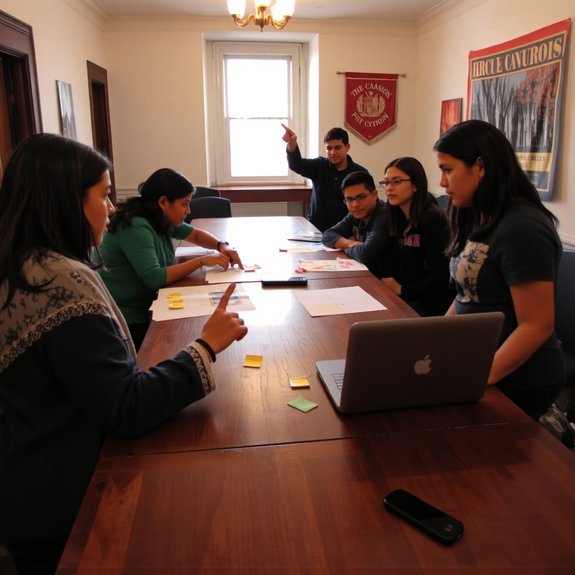
    If you want an event that actually hums with energy, start by building a planning committee that looks, thinks, and talks like the campus itself — don’t just copy the same faces from every meeting. You’ll scout students in the cafe, nod at that professor with the wild ideas, pull in the groundskeeper who knows every nook — sensory, alive, real. I’ll tell you, diversity’s not a checklist, it’s a recipe: mix majors, ages, pronouns, skills, spice it with lived experience. Give roles, not titles, hand out clear tasks, set quick rituals so meetings smell like coffee and momentum. Expect friction, lean into it, laugh when plans wobble. That’s how you make events that sound, look, and feel like home.

    Securing Funding, Partnerships, and Sponsorships

    funding as a collaborative conversation

    Because money talks and good ideas need a microphone, you’ve got to treat funding like a conversation, not a scavenger hunt. Start by mapping who benefits—students, departments, local businesses—then pitch with that map in hand. Call donors, slide into alumni DMs, schedule five-minute coffees, bring printed one-pagers that smell faintly like success. Offer clear perks: logo on flyers, speaking slots, VIP meet-and-greets. Partner with campus offices to share costs, don’t reinvent the wheel. For sponsors, present outcomes, not promises; show past crowd photos, sound-check anecdotes, attendance stats. Negotiate deliverables, timelines, and recognition, get it in writing. Keep relationships warm, send thank-you videos, and steward support so next year’s pitch isn’t a cry into the void.

    Designing Culturally Relevant Programming and Logistics

    cultural programming requires precision

    Start with three truths I won’t sugarcoat: your audience knows culture when they feel it, logistics can kill a vibe faster than bad sound, and nobody remembers bland. You plan with care, you cue the beat, you taste the food, you honor tradition and push fresh ideas. I’ll call the shots, then listen. Choose performers who speak to lived experience, pick menus that smell like home, map routes that keep feet moving and lines short. Don’t skip tech checks — echo ruins ceremonies. Consider accessibility, timing around worship and classes, and quiet zones for reflection.

    Three truths: culture is felt, logistics make or break vibes, and blandness is forgettable — plan, honor, test.

    • Book artists with community ties, not just clout.
    • Test lighting and sound in daylight and night.
    • Coordinate volunteers, ushers, runners, and backup supplies.

    Marketing With Cultural Sensitivity and Student Engagement

    While you’re thinking like a promoter, think like a neighbor too — I’ll call out what lands and what bombs. You’ll lean on authentic voices: student leaders, campus DJs, professors with stories. Use handshakes, not just hashtags. Snap photos of rehearsals, smell of frying chicken from the vendor, laughter echoing off the quad — those images sell. Speak plainly, avoid stereotypes, and test copy with a small student panel before blasting it. Mix text blasts, posters on dorm doors, and quick TikToks that show real faces, not staged models. Invite feedback, then actually act on it. Keep language warm, permission-based, and celebratory. If something flops, own it, learn fast, and make the next invite irresistible.

    Assessing Impact, Sustainability, and Future Growth

    If you want your events to matter beyond a good playlist and free food, you’ve got to measure the buzz, the numbers, and the fallout—no spreadsheets left behind. You’ll watch the crowd, smell the food trucks, tally sign-ups, and ask blunt questions. I’ll tell you straight: track attendance, diversity of participants, and whether that spark turned into action. Note what lasted, what faded, and who keeps calling you for collabs. Think long-term funding, waste reduction, and whether traditions grew or shrank. You’ll learn from wins and facepalm the flops.

    • Collect qualitative stories, photos, and attendee quotes for memory and metrics.
    • Audit budgets, carbon footprint, and partnership longevity every semester.
    • Set clear KPIs, milestones, and a two-year growth map.

    Conclusion

    You’ve got this—call the crew, book the spot, taste-test the food, and listen when students talk; I’ll cheer from the sidelines and roll up my sleeves with you. Like a brass band warming up, the plan should snap, shine, and draw a crowd. Keep culture front and center, money smart, and logistics tight. Measure what matters, learn fast, and treat every event as practice for the next big win.