Category: Uncategorized

  • How Do I Take Care of My Mental Health During the Holidays

    How Do I Take Care of My Mental Health During the Holidays

    Last year, my cousin ditched a frantic dinner to sit in his car and breathe for ten minutes—best decision he made all season. You can do the same: set tiny limits, say no without guilt, and carry a pocket plan for exits, snacks, and quiet breaths; the house lights, casseroles, and opinions will survive, you might even enjoy parts of it, and there’s a smart, simple way to keep your sanity if you stick with a few small rules…

    Key Takeaways

    • Set realistic expectations and simplify plans to reduce pressure and accept imperfections.
    • Communicate and enforce clear boundaries about behaviors, time, and topics with family and friends.
    • Maintain daily routines, sleep hygiene, and small self-care rituals to stabilize mood.
    • Reach out for support, ask for specific help, and allow grief or mixed emotions to be present.
    • Limit alcohol and social media, use grounding practices, and schedule breaks to reset.

    Manage Expectations and Let Go of Perfection
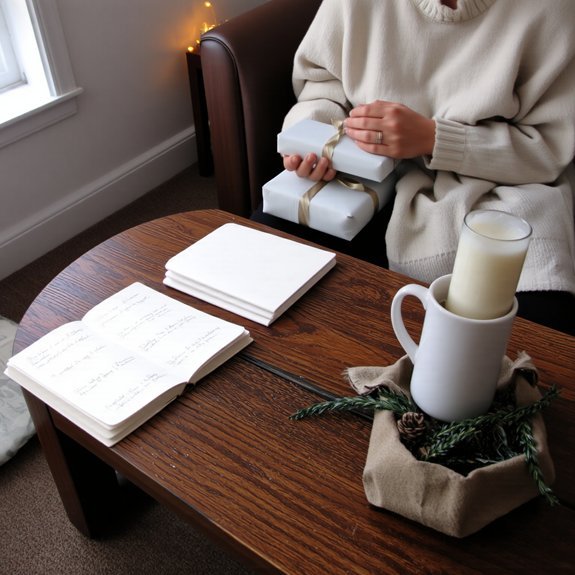
    embrace holiday imperfections joyfully

    If you expect the holiday to look like a glossy magazine spread, you’re already setting yourself up — I know, I’ve fallen for that trap more times than I’d like to admit. You’ll feel less crushed if you set realistic goals, like one perfect cookie batch, not an edible art exhibit. I tell you this while juggling a mug and a playlist gone rogue. Embrace imperfections: welcome lopsided cookies, mismatched napkins, and a tree that tilts like it’s whispering secrets. Say aloud, “This is enough,” then breathe in cinnamon and late-night laughter. Take small actions: simplify the menu, delegate one task, mute comparison on social feeds. You’ll notice relief, a cozy lightness, and yes, real joy hiding in the mess.

    Set Clear Boundaries With Family and Friends

    set boundaries prioritize peace

    I’ll tell you straight: decide what you will and won’t tolerate this season, whether it’s late-night calls, political rants at dinner, or surprise drop-ins. Say it out loud early—text, call, or announce it over coffee—so people know the score before grievances pile up like unwashed dishes. If someone crosses the line, enforce a calm consequence, step away, and breathe, because your peace matters more than keeping everyone comfortable.

    Define Your Limits

    When the doorbell rings and Aunt Marge breezes in smelling like peppermint and unsolicited advice, you don’t have to swallow every comment like it’s dessert you didn’t order. I’ll tell you this: know your limits before you step inside. Use simple self reflection techniques, five-minute pauses, or emotional check ins to gauge energy and patience. Notice physical signs — jaw tight, shoulders up — and act. Excuse yourself for fresh air, take a brisk walk, sip something grounding, or move to a quieter room where silence is legal. Practice a short, firm line you can say without apology. You’ll feel less like a pinball and more like a human with choices. Set limits, keep your cool, and enjoy the good parts.

    Communicate Expectations Early

    Because I’ve learned the hard way that silence is a conversation starter for relatives, I tell people what I expect before the eggnog even hits the table. I text the host, I call my sibling, I say, “I need quiet time after dessert,” so there are no surprises, and no passive-aggressive pie plates. You can do the same: practice setting priorities, name what matters to you, and offer simple swaps—earlier arrival, shorter stay, or a kid-free trivia round. Say how you’ll handle triggers, discussing feelings in plain terms, not sermons. Use humor, add a sensory detail—”I’ll be the one by the window with cinnamon coffee”—and keep it brief. Early clarity reduces drama, protects your calm, and keeps the cookies.

    Enforce Consequences Calmly

    You told people what you need, you set the table with expectations, now it’s time to mean it—calmly. I watch the room, I breathe, you watch too, and you stay steady. Consequences awareness matters; decide in advance what you’ll do if a boundary’s crossed. Say it once, with a smile that isn’t weak. “If you keep teasing, I’ll step outside for air,” you say, and mean it.

    Keep calm responses ready, short and firm. Walk out, mute the group chat, leave after dessert — concrete actions, sensory anchors: the cold air, the click of the door, the hum easing. You’re not mean, you’re consistent. People notice clarity, even if they gripe. You protect your peace, with style and a soft, stubborn heart.

    Maintain Routines and Prioritize Self-Care
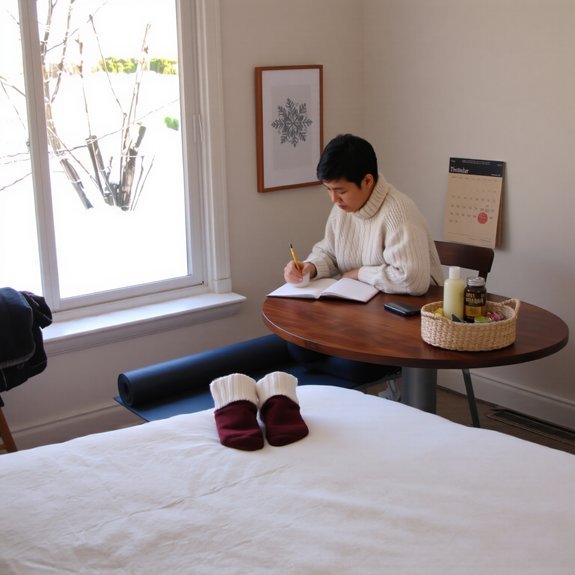
    maintain daily self care routines

    Even with snow on the windowsill and my calendar packed like a sardine tin, I stick to the little rhythms that keep me human: morning coffee that smells like victory, a ten-minute stretch that loosens the shoulders, and a short walk that forces me outside to greet the cold air and rude pigeons. You’ll do the same, because routines anchor you, they stop the holidays from steamrolling your mood. Build in mindful moments, set alarms for daily check ins with yourself, and treat them like nonnegotiable meetings. Wash your face, drink water, chew something crunchy, and breathe. Say no early, say yes to naps, and laugh at your own tired jokes. Small, repeated acts keep you steady — and that’s the point.

    Plan for Social Situations and Exits

    If a room full of distant relatives and holiday casseroles makes your chest tighten, plan an exit like it’s an essential errand—you’ll thank me later. I watch faces, read social cues, pretend to admire a fruitcake, and time my departure. You can text a friend “timed rescue,” schedule a dog walk, or claim you forgot lasagna in the oven — be dramatic, not cruel. Memorize two polite lines: a compliment, a nod to feeling wiped, then go. Have exit strategies: bathroom break, phone call, or prearranged signal with an ally. Breathe the cold air outside, count to ten, sip something warm, reset. You’ll return when you want, or not at all, and that’s perfectly okay.

    Find Support and Reach Out When You Need It

    Where do you go when the holiday noise finally presses so close it feels like someone turned up the TV in your skull? You don’t have to tough it out. Reach for your support networks, even if it’s just a text, a knock, or a ridiculous GIF that says “help.” Saying you need a break is brave, not dramatic.

    When the holiday noise gets loud, ask for help — even a text, knock, or silly GIF will do.

    • Call one person who gets you, say “Can we talk?”
    • Send a group message, ask for company or a quick walk
    • Look up local resources, hotlines, or online groups for seeking help

    I’ll be blunt: people often want to help, they just need to be asked. Offer a specific ask, set a short plan, breathe, and let someone in. You’re allowed to need others.

    Create New Traditions and Honor Your Feelings

    You can start small — light a new candle scent, make a single favorite recipe, or schedule a quick video call so everyone can pass around bad jokes and holiday cookies on camera. I’ll tell you straight: include loved ones virtually when you need to, and give yourself permission to feel sad, silly, or anything in between, no guilt allowed. Try one tiny new ritual, notice how it tastes and sounds and feels, and adjust it as you go — grief and change don’t obey a schedule.

    Start Small, Meaningful

    When the usual holiday hype feels like a loud, glittery parade you didn’t sign up for, start small and do something that actually fits your life—no grand declarations, just tiny rituals that smell like cinnamon and feel like permission. You don’t need an epic overhaul, just a few mindful moments, a quick gratitude practice, and something that makes you grin without guilt. Try these low-effort, high-warmth ideas:

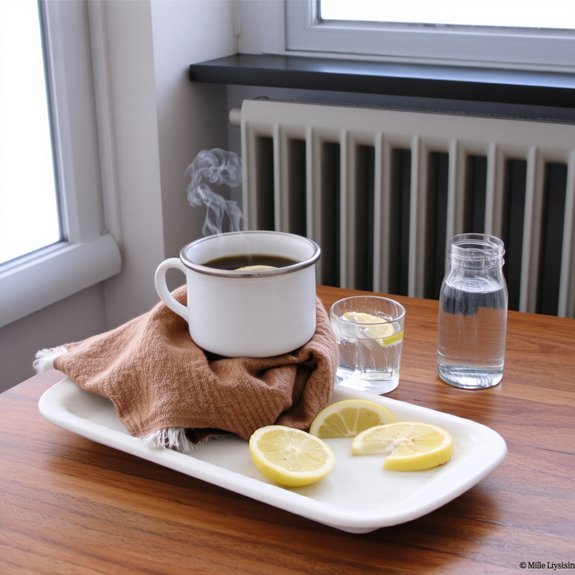
    • Brew a single special cup of tea, sit by the window, notice the steam, name one good thing, breathe.
    • Write a two-line note to yourself on a sticky, tuck it in your wallet, read it when stress knocks.
    • Light a candle, play one song, dance like you own the room—awkwardness included.

    Include Loved Ones Virtually

    If the idea of a full house feels like a sitcom you didn’t audition for, I lean into video calls and intentional little rituals that actually mean something, not just screen time for the sake of it. You set up a cozy spot, string a tiny light, pour something warm, and everyone brings one song, one memory, one ridiculous holiday sweater. Virtual gatherings become real moments — you hear laughter echo, see crumbs on a grandparent’s shirt, taste your own cocoa while they describe theirs. Try short online games, a sleepy gift unboxing, or shared recipe-cookalongs. You lead with patience, wink at camera freezes, and invent new traditions that honor distance, feeling, and the messy, tender joy of being together apart.

    Allow Grief and Adjustment

    Because grief doesn’t RSVP, let it sit at the table with its weird fork and awkward stories, and don’t pretend it’s a bad casserole you can hide under a towel. You’ll feel odd, that’s normal. You’ll ache, then laugh, then stare at a string of lights like it knows secrets. Try grief acceptance, it’s not surrender, it’s making room.

    • Rename a ritual: light a candle, toast the quiet, play one song that makes you smile.
    • Build a tiny tradition: bake one familiar cookie, leave a chair, call someone who remembers.
    • Give yourself limits: two hours of nostalgia, then switch to a task that grounds you, like washing dishes.

    You’re allowed messy feelings, and gentle choices aid emotional healing.

    Limit Alcohol, Sleep Disruption, and Media Overload

    Alas, the holidays bring more than sugar cookies and cozy lights — they also bring late-night drinks, frayed sleep, and a relentless feed of other people’s highlight reels, and that trio will wreck your mood faster than Aunt Karen’s fruitcake. You can choose mindful drinking, set a limit, swap sparkling water with lime, and keep your wit intact. Protect sleep hygiene: dim lights, black-out curtains, and a 30-minute wind-down, no screens in bed — yes, you’ll survive without midnight scrolling. Try a media detox for 24–48 hours, exile the comparison spiral, and notice calmer breathing. I’ll admit, I cave sometimes, but these moves build emotional resilience. Small rituals, clear boundaries, and better mornings beat holiday chaos, every time.

    Conclusion

    I’ll tell you a quick story: last year I burned the roast, cried, then laughed—like a tiny fireworks show of chaos—and realized holidays don’t need perfect gold ribbons. You can feel tired and still show up, set limits, and breathe through awkward dinners. Use routines, pick one calming ritual, and text a friend when you need backup. Treat your heart like a fragile ornament: handle gently, skip comparisons, and keep the lights—soft, steady—on.
  • How Do I Create a Winter Skincare Routine

    How Do I Create a Winter Skincare Routine

    Your skin will melt off in winter — okay, slight exaggeration, but it’ll definitely freak out if you don’t plan ahead. I’ll walk you through fixing that dry, tight, flaky mess with simple swaps: creamy cleansers, hyaluronic boosts, barrier-friendly creams, and smart layering that actually keeps moisture in, not just stacked on top. Stick with me and you’ll stop reapplying chapstick every five minutes — promise.

    Key Takeaways

    • Assess your skin for dryness, sensitivity, and how quickly moisturizer absorbs to tailor the routine.
    • Swap to gentle, creamy cleansers and wash with lukewarm water to avoid stripping natural oils.
    • Reduce exfoliation to 1–2 times weekly and use mild chemical or enzyme exfoliants.
    • Layer hydration: hydrating serum (hyaluronic acid), thicker humectant/gel, then a ceramide-rich cream or balm.
    • Increase indoor humidity to 40–50%, reapply barrier creams during the day, and protect exposed skin outdoors.

    Assessing Your Skin’s Winter Needs

    assess skin s winter needs

    Because winter changes everything, you’ve got to take a good, nosy look at your skin before you pile on creams. I tell you to stand by a window, squint into daylight, press fingertips to cheeks, forehead, jaw. Look for tightness, flakes, red patches. Note if your skin type runs oily, dry, combo, or sensitive — don’t guess. Check how quickly moisturizer soaks in, and whether foundation clings like clingy ex. Sniff the air, feel the breeze, notice any stinging when you breathe cold. Track moisture loss by patting a blotting sheet or simply watching for that matte, dusty look by midday. Jot notes, take a phone photo, be a little dramatic. You’ll thank me when products actually work.

    Gentle Cleansing Without Stripping Moisture

    gentle winter facial cleansing

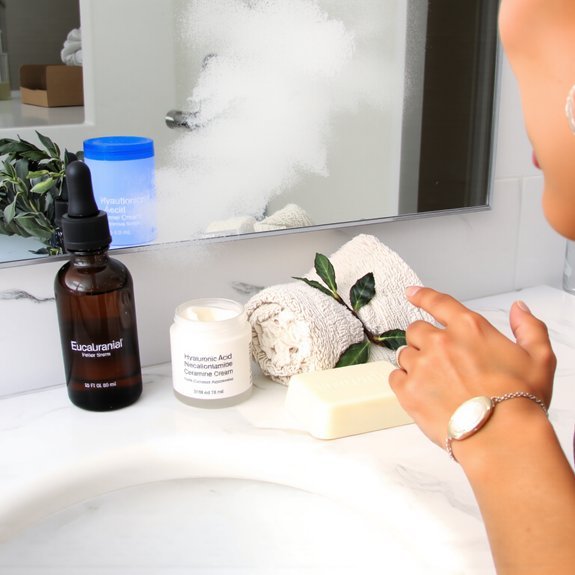
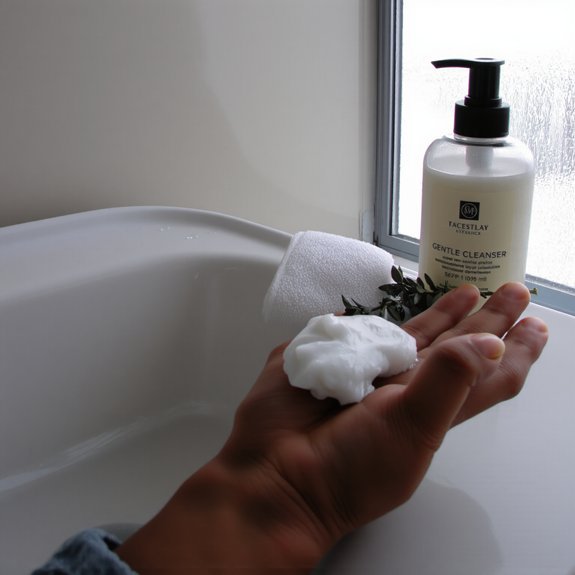
    When cold air’s sucking the life out of everything, you’ve got to switch how you wash your face—fast. I tell you, ditch the foaming drama. You want gentle cleansers, ones that feel like a soft towel, not sandpaper. Splash lukewarm water, pump a creamy cleanser, massage in circles, breathe in the faint scent of something herbal — therapeutic, not perfume-store loud. Rinse, pat dry with a plush towel, don’t rub like you’re erasing a mistake. This simple ritual keeps pores clean but respects moisture retention, which is your winter MVP. If you’ve been scrubbing, I forgive you — been there. Start small, notice softer skin within days, and enjoy fewer tight, flaky surprises. Clean, kind, efficient. You’ve got this.

    Prioritizing Hydrating and Barrier-Repair Ingredients

    hydration and barrier repair

    If your skin’s feeling like a desert after a brisk walk, it’s time to get serious about what you put on it — not dramatic, just smart. You’ll want hydrating serums that drink into thirsty skin, plumping fine lines and leaving a cool, dewy feel. Then lock that moisture in with rich barrier creams, the cozy blanket your skin secretly asks for. I swear by simple, targeted ingredients, no circus of bottles. Reach for hyaluronic acid, glycerin, ceramides, niacinamide, and fatty acids; they actually work.

    • Hyaluronic acid: instant plump, like sipping water.
    • Glycerin: steady moisture pull.
    • Ceramides: rebuild the wall.
    • Niacinamide: calms redness.
    • Fatty acids: seal and smooth.

    Layering Products for Maximum Hydration

    Start with three simple layers and you’ll look like a skincare pro without the drama. I tell you this like I’m handing over a secret: first, a lightweight hydrating serum, runny like cold honey, sinks in fast. Next, a thicker humectant or gel—think glycerin or hyaluronic acid—creates visible hydration layers, you can feel the bounce. Then, lock it with an emollient-rich cream or balm, press it in, no slathering like a caveman. Watch product synergy happen: ingredients amplify each other, not fight for attention. You’ll notice texture change, cooler skin, less tightness. If your face was a desert, it’s now a small, well-watered garden. Keep it simple, follow the order, and laugh at winter’s dramatic weather while your skin stays smugly comfortable.

    Adjusting Treatments and Exfoliation for Cold Weather

    Because cold air strips moisture like an overzealous sponge, you’ve got to rethink how often and how hard you treat your face—no heroic peels or daily AHA marathons this season. I cut back, listen to my skin, and choose gentler acts. Think slow, careful, kind.

    • Reduce exfoliation frequency to once or twice weekly, depending on how your skin reacts.
    • Swap harsh scrubs for enzyme or mild chemical exfoliants, lower concentrations.
    • Delay aggressive treatments, and space professional peels farther apart.
    • Add soothing serums after exfoliation, hydrate immediately to lock moisture in.
    • Track treatment adjustments in a simple log, note redness, tightness, comfort.

    You’ll avoid flaking, inflammation, and that “rugged winter face” vibe. Treat smart, not loudly.

    Protecting Skin From Wind, Cold and Indoor Heat

    You’ll want a thicker, barrier-boosting moisturizer when the wind feels like sandpaper and your cheeks stage a rebellion. Plug in a humidifier at night, so your skin doesn’t dry out from indoor heat, and listen for the little hiss like a spa you didn’t pay for. I’ll show you which textures to pick, where to pat them on, and how to stop your face from cracking like an old vase.

    Barrier-Boosting Moisturizers

    How do you keep your face from turning into a flaky snowfield the moment you step outside? You pick a barrier-boosting moisturizer that actually works, not the sad jar that melts at first gust. I patchords: sunscreen, scarf, and a cream that does barrier repair — seals moisture, fights windburn, smells faintly like effort. Look for moisturizer ingredients that mimic skin lipids, ceramides and fatty acids, humectants like glycerin, and occlusives like petrolatum or shea to lock it all in.

    • Choose ceramide-rich creams
    • Layer humectant then occlusive
    • Apply to damp skin, press don’t rub
    • Reapply after washing hands or long exposures
    • Use thicker balm at night

    You’ll stay comfy, dewy, and smugly prepared.

    Humidify Indoor Air

    You’ve slathered on the ceramides and sealed the deal with a balm, but indoor heat can undo all that good work in a blink. I’ve learned this the hard way—cracked knuckles, static hair, and a face that feels like parchment. Run a humidifier, you say? Do it. Match humidifier types to rooms: cool-mist for bedrooms, ultrasonic for quiet offices, evaporative for big spaces. Keep it clean, change filters, or you’ll invite sad mold parties. Add indoor plants—snake plants and pothos—not just for looks, they raise humidity gently, and they don’t judge your late-night snack habits. Place devices away from direct vents, aim mist toward the center, and enjoy skin that’s plump, calm, and actually forgiving.

    Tailoring Routines for Different Skin Types

    Even if winter feels like a personal vendetta against your face, we can outsmart it—together. You’ll want to tune routines to skin type specifics, so you’re not slathering oil on a breakout-prone forehead or stripping dry cheeks. I’ll walk you through small swaps, clear product recommendations, and the why behind each move. Picture warm cream, a gentle pat, the cool bite of fresh air—sounds dramatic, but it helps.

    • Oily: lightweight gel cleanser, non-comedogenic moisturizer.
    • Dry: creamy cleanser, rich emollient night cream.
    • Combination: targeted serums, balance oily T-zone with richer cheeks.
    • Sensitive: fragrance-free, minimal actives, calming ingredients.
    • Acne-prone: salicylic acid spot treatments, oil-free hydrators.

    Adjust concentrations, layer thoughtfully, test patch, repeat.

    Practical Lifestyle Tips to Support Winter Skin Health

    You’ll keep your skin happy all day by sipping water, snacking on hydrating foods, and reminding yourself to drink between meetings — yes, even when coffee is louder. I’ll tell you to run a humidifier at night and maybe during the day too, so the air feels like a soft blanket instead of a sandstorm against your cheeks. Layer your products gently — thin hydrating serum, richer cream, sunscreen indoors if you’re near windows — and don’t overdo it; less is often smarter than “more is better,” trust me.

    Hydration Throughout Day

    If your skin feels like a flaky postcard from Siberia, don’t panic—I’ve got a hydration plan that’s equal parts practical and delightfully unglamorous. You’re going to sip, layer, and refresh, all day long. I say sip because drinking water matters, but don’t act like it’s magic. I mean steady gulps, a bottle within reach, and a reminder alarm. Layer your hydration tips into morning serums and midday mists, then lock with creams; choose daytime products with humectants and light oils so you don’t look greasy under your scarf. Carry a small face mist, a nourishing lip balm, and a travel cream for hands. Keep routines simple, repeatable, slightly cheerful, and annoyingly effective.

    • Sip water often
    • Use lightweight serums
    • Mist midday for a pick-me-up
    • Reapply balm and cream
    • Protect exposed skin

    Humidify Your Home

    You’ve been sipping, misting, and slathering like a good little hydration soldier, but the air inside your home can undo all that hard work — fast. I tell you, you need to raise the humidity bar. Pick a humidifier type that fits your room: cool-mist for bedrooms, warm for bathrooms, ultrasonic for quiet nights. Clean it weekly, nobody wants mystery slime. Place it near your bed or desk, but not touching fabrics. Add a couple of indoor plants, they boost moisture and look alive, unlike my winter succulents. Watch the gauge, aim for 40–50% humidity, too high invites mold, too low cracks your skin. Listen for the hum, feel the soft air against your face, and smile—your skin will thank you.

    Gentle Layering Techniques

    When the heater kicks in and my cheeks stage a protest, I start thinking in layers—not the pile-it-on, regret-by-noon way, but gentle stratum-by-stratum, like geological skincare for winter. You’ll treat skin like a map: lightweight hydrator first, barrier cream last, and always respect layering order, so actives don’t clash. Test product compatibility on your jaw, wait thirty seconds, then proceed. Pat, don’t rub. Warm the cream between fingers, breathe the scent, apply with slow, confident pressure. Close windows after applying. If your nose runs, dab, don’t scrub—winter skin’s fragile.

    • Apply thinnest to thickest.
    • Spot-test for product compatibility.
    • Let layers absorb fully.
    • Use minimal active ingredients.
    • Finish with occlusive barrier.

    Conclusion

    You’ve got this. I’ll say it plain: assess your skin, swap stripping soaps for creamy cleansers, layer hyaluronic serum under a ceramide-rich cream, and exfoliate sparingly like it’s 1799 and you’re avoiding frostbite—dramatic, I know. Keep a humidifier humming, reapply balms when the wind bites, and tweak based on how your face protests (or thanks you). Follow the steps, stay consistent, and your skin will repay you with comfort and glow.

  • How Do I Use Red Light Therapy at Home

    How Do I Use Red Light Therapy at Home

    You’re about to shine a tiny red sun on your skin, and yes, I’ll walk you through it without the woo. Start clean, grab a panel or handheld, park it 6–18 inches away, and aim for short, regular sessions that don’t burn—your skin will tell you when to back off. Put on goggles, relax like you mean it, and keep a timer handy; I’ll explain exact doses, distances, and what to expect next.

    Key Takeaways

    • Choose the right wavelength: 630–660 nm for skin and 800–850 nm for deeper muscle penetration.
    • Clean skin, remove makeup, and position the device 6–18 inches from the treatment area.
    • Use devices 3–5 times/week for face, ~3 times/week for body, and daily for acute pain.
    • Calculate session length from device irradiance to reach recommended energy dose; start low and increase if tolerated.
    • Wear eye protection, test a small patch first, stop if burning or unusual sensations occur, and track progress with photos.

    What Red and Near‑Infrared Light Actually Do for Skin and Muscles

    gentle cellular rejuvenation therapy

    If you’ve ever squinted at a sunset and felt your skin warm as if it were taking a tiny, pleasant nap, you’re already halfway to understanding red and near‑infrared light; I like to call them the body’s gentle mechanics crew. You lean in, feel a soft glow, and cells wake up. They sip energy, they patch tiny damage, and your skin gets firmer—those skin rejuvenation benefits aren’t magic, they’re cellular hustle. Muscles behave too, they calm inflammation and rebuild faster, that muscle recovery enhancement is like giving fibers a thoughtful coach. I’ll admit, I enjoy watching redness settle into repair. You can picture it: warmth, tiny repairs, confidence returning. No fireworks, just steady, useful work under a friendly light.

    Choosing the Right Wavelengths and Power for Home Use

    wavelengths and power selection

    When you stand in front of a red light panel, it’s not just mood lighting — it’s a tiny, targeted workshop for your cells, and you get to pick the right tools. I tell you straight: wavelength selection matters. Red light around 630–660 nm works great for skin, it feels warm, almost like a gentle sunbeam; near‑infrared, 800–850 nm, dives deeper, like a flashlight through muscle. You’ll choose based on target, not trend. Power considerations are next — more isn’t always better, and you don’t need industrial heat. Aim for steady, even output you can tolerate, hold a comfortable distance, and listen to your body. I’m no guru, just a helpful coworker nudging you toward sensible, effective choices.

    How to Read Device Specs: Irradiance, Energy Dose, and Treatment Time

    understanding light therapy specs

    Alright, let’s crack open the specs sheet together, you’ll see “irradiance” listed as mW/cm² — that’s how much red light hits each square centimeter, think of it as brightness on your skin. I’ll show you how to turn that number into an energy dose (joules/cm²), and then we’ll use simple math to get the treatment time, no geek-speak required. Stick with me, you’ll be timing sessions like a pro, and yes, we’ll avoid cooking your face.

    Irradiance (Mw/Cm²) Meaning

    Think of irradiance as the brightness dial on a high-tech flashlight, the number that tells you how much red light is hitting your skin every second; I like to call it the “oomph” factor. You read irradiance measurement in mW/cm², and that tiny label changes everything. Higher numbers mean more light energy per second, lower numbers mean gentler sessions. I’ll admit, I once confused watts with whimsy — rookie move. Stand closer, you feel the warmth increase, step back, it softens; that’s basic physics and common sense. When you’re doing effects comparison between devices, look for similar mW/cm² readings at the same distance. Then pick the one that matches your comfort and goals, don’t chase numbers like they’re treasure.

    Calculating Energy Dose

    You’ve got the irradiance number (mW/cm²), now let’s turn that into something you can actually use — the energy dose — so you stop guessing like it’s witchcraft. I’ll walk you through simple energy calculations, no lab coat required. Multiply irradiance by time to get millijoules per cm², tidy and useful. Pay attention to units, convert seconds to minutes if your timer lies to you, and keep math neat. Think of dosage guidelines as a recipe: too little, and nothing happens; too much, and you wasted a perfectly good session. I’ll remind you to record numbers, feel the warmth, note skin response, and adjust later. That habit saves time, money, and dignity. Now you’re doing science, casually.

    Determining Treatment Time

    If you want predictable results, you’ve got to read the fine print on your device like it’s a treasure map — irradiance tells you how bright the beam is, the energy dose is the loot you’re aiming for, and treatment time is the route you take to get there. I’ll walk you through it. Check irradiance (mW/cm²), decide your target energy dose (J/cm²), then divide dose by irradiance to get treatment duration in seconds. Simple math, fewer surprises. Start with shorter, ideal sessions, watch how your skin or muscles feel, and tweak. Stand at the recommended distance, feel the warmth, set a timer, don’t guess. I promise, doing this once makes every future session faster and far less awkward.

    Types of At‑Home Devices: Panels, Handhelds, Masks, and Beds

    Lights on. You’ll meet four device types, I’ll keep it short and smug. Panels give panel benefits: broad light, you stand or lounge, an even glow warms skin like a tiny sun lamp. Handheld convenience wins when you target spots, it’s light, nimble, and feels like sci‑fi in your hand. Masks slice timemask effectiveness for face treatments, they hug contours, hum softly, and you’ll look ridiculous in the best way. Beds deliver bed coverage, full‑body sessions that make you lie down, relax, maybe nap; they’re theatrical and efficient. I’ll be honest: I prefer panels for routine, handhelds for fixes, masks for selfies, beds for committed sessions. You choose mood, scale, and how dramatic you want to be.

    Where to Aim the Light and How Far to Place the Device

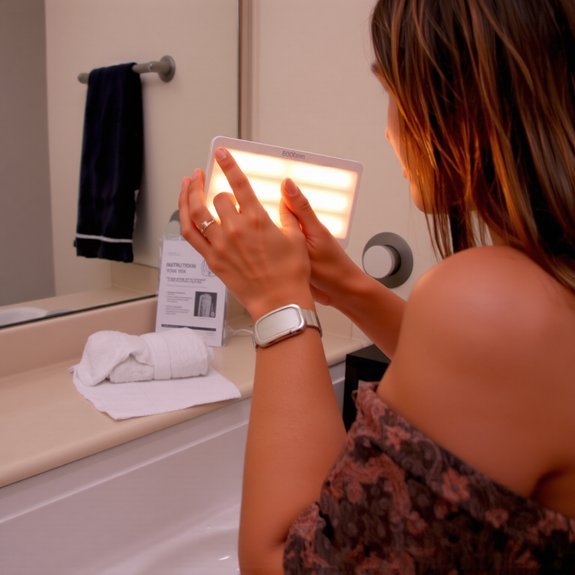
    Point the light at the skin you want to treat—knees, cheeks, or the stubborn spot behind your ear—and keep the beam centered, not grazing the edge. I usually tell people to hold panels or handhelds in the sweet spot, about 6–18 inches away depending on the device, so you feel a gentle warmth, not a roast. Trust your eyes and the device guide, tweak the distance until the glow covers the area evenly, and don’t be shy to move closer for small spots or back up for broader coverage.

    Target Treatment Areas

    When I aim the panel at my sore shoulder, I always imagine it’s a tiny sun with a very specific address, because treating the right spot matters more than blasting everything nearby; you want the red or near‑infrared light to kiss the exact skin over the muscle or joint, not somewhere vague like “around there.” I tell you this like a tour guide: find the painful knot, the fine lines, the thinning patch—whatever you’re targeting—and position the emitter so the diodes face the area directly, skin exposed, no heavy clothing in the way; you’ll feel a gentle warmth after a few minutes, not a blast furnace, and that confirms you’re close enough. Think in target areas, map out treatment zones, treat each spot methodically, one at a time.

    Optimal Distance Range

    Okay, so you’ve found the exact sore spot and are ready to get scientific about it — good job, you’re already ahead of most people. Aim the lamp so the skin feels warm, not hot, and the beam covers the area evenly; you’ll know it’s right when you can comfortably hold the device a few inches away. Manufacturers often list an ideal distance, but generally a therapeutic range sits between 6 and 24 inches, depending on power. Closer, you get concentrated dose, faster results; farther, you treat larger patches, but more sessions may be needed. I usually hover at about a foot, steady hand, timer set, breathing like it’s a weird spa ritual. Move slowly, adjust angle, and don’t forget to protect your eyes.

    Step‑by‑Step Home Treatment Protocols for Face, Body, and Pain

    Since you’re about to play scientist on your own skin, I’ll walk you through practical, no-nonsense steps so you don’t end up looking like a lobster or wasting time under a dud lamp. Start by deciding device selection, then set treatment frequency: for face, 3–5 times weekly; body, 3 times; acute pain, daily short sessions. Clean skin, position device at recommended distance, power on, breathe, relax.

    Play scientist: pick the right device, clean skin, follow the schedule, relax — results compound, track progress.

    • Feel the warm glow, like tiny suns on your face.
    • Tingle and calm follow, not fireworks.
    • Stick to the schedule, results compound.
    • Track progress with photos, you’ll thank me.
    • Skip makeup, let light meet skin.

    Finish with gentle moisturizer, log session length, and adjust intensity as needed.

    Safety Precautions, Eye Protection, and Who Should Avoid It

    Because a little caution goes a long way, let’s talk safety before you bask like a golden retriever in a sunbeam: I’m here to make sure you don’t fry your eyes or aggravate a health condition while chasing glowier skin. Read the safety guidelines, don’t skip them. Wear FDA‑rated goggles or at least opaque eye shields, close your eyes, and keep the lamp at the recommended distance. Start low, test a small patch, notice warmth, not pain. Stop if skin reddens or pins-and-needles tingle. Check a contraindications list: pregnancy, epilepsy, photosensitizing meds, active cancer sites, or implanted light‑sensitive devices—ask your doc. Kids need supervision. If you’re unsure, call your clinician. Safety first, results second; you’ll thank me later.

    Realistic Timelines: What Results to Expect and When

    How soon will you see a difference? You’ll want realistic expectations, so I’ll say it plain: some changes are fast, others take patience. Timeline benchmarks help — think hours, weeks, months.

    • First session: warm glow, slight relaxation; you’ll smile, maybe sigh.
    • 1–2 weeks: subtle skin tone shift, less stiffness; clothes still fit the same.
    • 4–8 weeks: visible texture improvement, fewer fine lines; friends notice.
    • 3 months: clearer, stronger results; chronic soreness often eases.
    • Ongoing: steady gains if you’re consistent; this isn’t magic, it’s steady work.

    I talk plainly, you act consistently, we both enjoy small victories. Keep a short photo log, you’ll thank yourself.

    Maintenance, Cleaning, and When to Replace Your Device

    When you’re done basking in that smug, post-session glow, don’t stash the device in a drawer and pretend it’s a paperweight — treat it like the little engine that gets you smoother skin and looser muscles, and it’ll keep chugging. I wipe lenses with a microfiber cloth, dampen edges with a bit of isopropyl if needed, and air it dry — simple cleaning routines, no spa drama. Store it cool, avoid direct sun, don’t drop it (I learned the hard way). For device longevity, follow the manual, track hours, and log odd noises or fading light. Maintenance tips: tighten mounts, check cables, replace bulbs if your model has them. Replacement indicators are dim LEDs, inconsistent output, and burned smells — retire it then.

    Conclusion

    You’ve got the basics, and you’re ready—like a DIY scientist with a lampshade of hope. Use the right wavelength, keep the distance, and treat consistently; you’ll feel warmth on your skin, see improved tone, and notice pain easing. I’ll cheer you on, but don’t glare into the light—wear goggles. Start slow, track reactions, and swap out gear when performance fades. Keep it simple, stay curious, and enjoy the glow-up.

  • How Do I Combat Dry Winter Skin

    How Do I Combat Dry Winter Skin

    Your skin will practically clap its hands in dramatic applause when winter sucks the life out of it — not really, but you get the idea. I’ll walk you through simple swaps: gentler cleansers, hyaluronic acid on damp skin, richer creams, shorter lukewarm showers, and a humidifier that hums like a polite roommate. You won’t need a 12‑step ritual, just a few smart moves, and yes, a little oil can be your secret weapon — here’s how.

    Key Takeaways

    • Use a gentle, fragrance-free cleanser and avoid hot water to prevent stripping natural oils.
    • Apply a humectant-rich serum (hyaluronic acid or glycerin) on damp skin, then seal with a thick cream or ointment.
    • Shorten showers to 10–15 minutes and always pat skin dry, leaving it slightly damp before moisturizing.
    • Run humidifiers indoors to keep humidity around 40–50% and wear soft, breathable layers like cotton.
    • See a dermatologist if you have persistent cracking, bleeding, severe itching, or worsening redness.

    Why Winter Dries Out Your Skin

    winter skin moisture loss

    Why does winter feel like it’s stealing from your skin? You step outside, cold weather bites your cheeks, humidity levels plummet, and you squint at wind that smells like icicles. Back indoors, indoor heating hums like a thirsty dragon, sucking skin moisture right out of you. I’ve seen this: seasonal changes flip the script, your protective barriers thin, and suddenly your face feels like old paper. You touch your arm, it crunches a little—cute, not. You’ll want to layer clothing, drink water, and add a thicker moisturizer; do it like a tiny ritual, in the mirror, with goofy faces. Protect those barriers, treat skin gently, and don’t let winter win the heist.

    Signs Your Skin Barrier Is Compromised

    compromised skin barrier signs

    If your skin had a voicemail, it’d be leaving frantic little messages right now: “Hey, it’s me—dry, tight, and a bit itchy. You awake?” You’ll notice red patches, tiny cracks, and flakiness that won’t quit. Your skin sensitivity spikes, you wince at wind, hot showers, or even your favorite sweater. The barrier function falters, moisture flees, and irritants gatecrash like uninvited party guests. You’ll feel rough spots under your fingertips, see dullness, and sometimes tiny bumps or stinging when you apply products. It’s not dramatic, it’s urgent. Treat these clues like smoke alarms. Slow down, avoid extra stripping, and bring in soothing, sealing steps. Your skin will calm, I promise—after a little TLC and common sense.

    Gentle Cleansing: What to Use and What to Avoid

    gentle fragrance free cleansing recommended

    You’ll want to swap that strip-everything-off soap for a mild, fragrance-free cleanser, because winter already saps your skin and you don’t need a chemical mugging. Skip the gritty scrubs and bar soaps that leave your face squeaky and tight, and instead massage a gentle gel or cream into damp skin—think soft, almost buttery touch, not sandpaper. I’ll say it plainly: kinder cleansers, fewer flakes, happier face.

    Choose Mild, Fragrance-Free Cleansers

    Because winter air strips moisture faster than you can say “touch-up,” pick a cleanser that actually helps instead of hijacking your skin’s natural oils. I want you to reach for mild cleansers, ones that bubble gently and rinse clean without leaving squeaky tightness. Choose fragrance free formulas — no perfumes masking dryness or triggering redness — and look for words like “cream,” “gel,” or “soap-free” on the label. Lather with lukewarm water, not hot, and use fingertips, not a scrubbing mitt; feel the soft foam glide, imagine you’re calming a cranky cat. Pat dry, don’t rub. If your skin protests, swap to an even gentler option, trust me, your cheeks will forgive you, and so will your mirror.

    Skip Harsh Soaps and Scrubs

    While a rough pumice-brush might feel satisfyingly medieval, your skin doesn’t get the joke—so skip harsh soaps and scrubs that strip instead of soothe. I’m telling you straight: those gritty bars and abrasive scrubs yank oils, leaving dry, tight skin that flakes like bad wallpaper. Instead, reach for creamy, sulfate-free cleansers, or a balm that melts under warm water, and yes, a soft washcloth. Use gentle exfoliation once weekly, not daily torture. Pat skin dry, don’t rub, then seal with a rich moisturizer while damp — that’s the moisturizing habits magic trick. You’ll still laugh at winter’s chilly insults, but your skin will stay calm, plump, and slightly smug. Try it, you’ll thank me.

    Hydrating Ingredients That Actually Work

    When my cheeks start feeling like sandpaper, I don’t reach for another scented lotion—I go hunting for ingredients that actually hydrate, not just pretend to. You want humectant properties up front — think glycerin, hyaluronic acid — they pull moisture in, like a tiny thirsty sponge. Next, look for occlusive agents, like petrolatum or dimethicone, they lock that water in so you don’t evaporate by bedtime. Don’t ignore emollients, shea or squalane, they smooth rough patches and make skin feel soft again, not just slick. Slap them on after a shower, while skin’s damp, press gently, don’t rub like you’re polishing silver. Trust me, it’s boringly simple, and your face will forgive you.

    Layering Your Moisturizer: Oils, Serums, and Creams

    Start with a hydrating serum, soak your skin in lightweight moisture that feels almost like a sip of water. Then press a facial oil in, sealing that drink so it doesn’t evaporate — think of it as putting a lid on your mug, clever and satisfying. Finish with a rich cream, tuck everything in for the night, and wake up with skin that actually smiles back at you.

    Start With Hydrating Serums

    Because serums sink in like little submarines delivering moisture where creams can’t, I always reach for one before anything heavier — it’s the secret handshake of winter skincare. You’ll want hydrating ingredients like hyaluronic acid, glycerin, and panthenol, they pull water in and make skin plump, not sticky. For serum application, dispense a pea- to dime-sized drop, warm it between fingers, then press gently onto cheeks, forehead, and chin — think tapping, not rubbing. You’ll feel it absorb fast, a cool glide that perks up dry patches. Use it after cleansing, while skin’s still damp, and before your moisturizer. I promise, a good serum is the little hero you ignore until everyone compliments your glow.

    Seal With Facial Oils

    If you want that dewy, celebrated-at-parties kind of skin, don’t skip the oil — I slap mine on like the last, essential coat of armor. You press a few drops into damp skin, feel the cool slip, then watch your moisturizer marry into something glassy and calm. Facial oil benefits? They lock in serums, soften wind-ruffled cheeks, and add that lit-from-within sheen without grease if you pick the right blend. In your winter skincare routine, treat oils as the sealant, not the main event. Start light on the T-zone, press outward, breathe — don’t rub. I joke that my face drinks it like a thrift-store margarita, but seriously, a little goes a long way.

    Finish Using Rich Creams

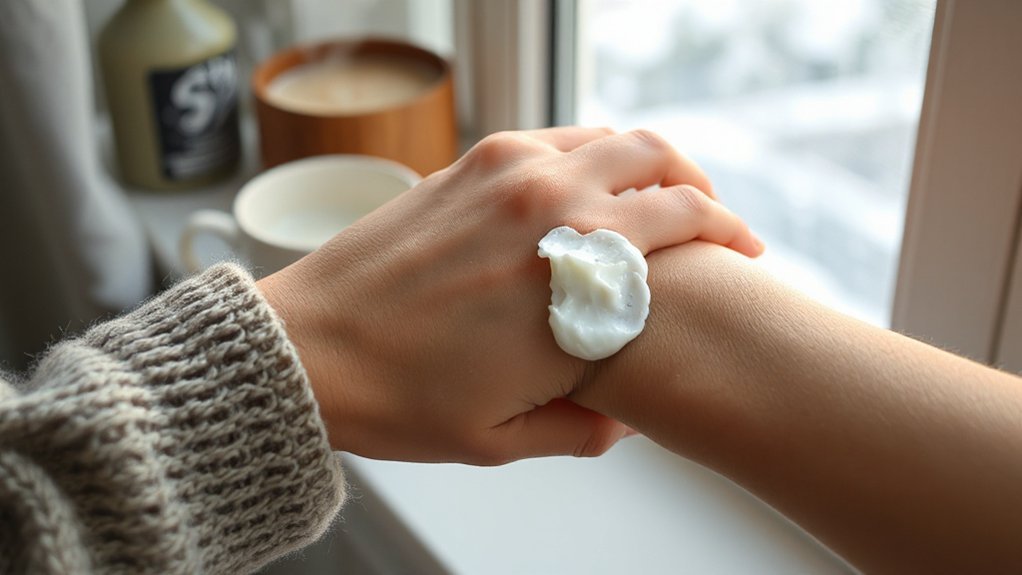
    Once you’ve layered serums and sealed with oil, slap on a rich cream to lock the whole thing in—yes, slap, but gently, like you mean it. I tell you, that final layer feels like a warm blanket for your face, thick, cool against skin, instantly smoothing. You’ll notice rich cream benefits fast: hydration that lasts, a barrier against wind, and skin that doesn’t scream for lotion every hour. Dab dots on forehead, cheeks, chin, then press with palms, breathe, and resist rubbing like you’re polishing a car. Choose among the best winter products, aim for creams with ceramides or hyaluronic acid, and don’t fear richness. It’s your ritual, brief, satisfying, slightly indulgent—no cape required.

    Adjusting Your Shower and Bath Routine

    Since hot steamy showers feel like a hug from a radiator, you’re going to have to break up with them—gently. I know, I know — warmth is tempting, but dialing down the shower temperature protects your skin’s natural oils, and shortening bath duration saves moisture. Try this simple routine and you’ll thank me when your skin stops flaking.

    Break up with steamy showers—switch to lukewarm, shorten soaks, and moisturize right after to stop flaking.

    • Use lukewarm water, not scalding; monitor shower temperature with your hand.
    • Limit baths to 10–15 minutes, avoid long soaks that strip oils.
    • Pat dry with a soft towel, leave skin slightly damp before moisturizing.
    • Apply a rich cream within three minutes, press it into skin, don’t rub harshly.

    You’ll feel cozier, less itchy, and oddly proud—like you won a tiny hygiene battle.

    Protecting Skin From Indoor Heating and Dry Air

    Okay, you’ve tamed the hot-shower habit — nice work — now let’s glare at the real indoor enemy: dry heat. Your heater hums, the air bites, and your skin files a tiny complaint. I say tackle the source: crank a humidifier, because humidifiers benefits aren’t just hype — they add moisture back, soothe flaky patches, and make makeup behave. Place one in the bedroom, another in the living area, aim for 40–50% humidity, don’t overdo it. Bring indoor plants into the scene; they mellow air, and they’re cute witnesses to your skin-care routine. Wear soft layers, swap scratchy fabrics for cotton, and keep water nearby to sip, not splash. You’ll feel the difference fast, trust me — small fixes, big relief.

    Quick DIY Remedies and At‑Home Treatments

    If your skin’s doing that flaky, tight thing and you don’t want to spend a fortune, I’ve got good news: your kitchen and linen closet are full of allies. You’ll mix, smear, steam, and sigh in relief. Start small, test a spot, and enjoy the ritual — it’s oddly soothing.

    • Oat + honey paste: gentle natural exfoliants, scoop, press, rinse with warm water, pat dry.
    • Sugar + olive oil scrub: gritty, warm, quick massage, follow with a rich cream.
    • Avocado + yogurt soothing masks: cool, creamy, leave 10–15 minutes, rinse for instant soft.
    • Steam facial with chamomile: lean over bowl, towel tent, breathe, then seal with moisturizer.

    I promise, these feel luxurious, and they actually work.

    When to See a Dermatologist

    You’ve tried the oat paste, the avocado mask, maybe even the theatrical towel-over-your-head steam thing. If those tricks stopped working, or your skin cracks, bleeds, itches so badly you lose sleep, that’s when to consult a pro. I’ll say it bluntly: don’t tough it out. A dermatologist can spot eczema, fungal infections, or contact dermatitis fast, prescribe meds, and suggest moisturizers that actually help instead of clogging pores. Bring photos, list products you’ve used, and note timing—season changes, new detergent, that weird candle. Expect clear, practical dermatologist recommendations, maybe a patch test, a steroid cream, or a gentle barrier repair plan. You’ll leave with a game plan, and yes, fewer towel-hatted experiments.

    Conclusion

    Winter’s dry slap is fixable, and you’ve got the tools. Use a gentle, fragrance‑free cleanser, pat skin damp, layer hyaluronic serum, then a rich cream and a face oil like a cozy blanket. Shorter, lukewarm showers, a humidifier, and soft fabrics help too. Think of your skin as a cracked pond you’re carefully refilling—steady, tender taps, not a firehose. If redness or pain sticks, see a dermatologist pronto.

  • How Do I Stay Hydrated in Winter

    How Do I Stay Hydrated in Winter

    Let’s call it “seasonal air-conditioning” instead of admitting your apartment sucks the moisture out of you; you’ll feel dry, sluggish, maybe a bit grumpy, and it’s fixable. I’ll walk you through hot, cozy drinks that actually hydrate, sneaky bedside tricks, and quick outdoor hacks — plus the simple reminders that keep you sipping between meetings, errands, and Netflix marathons — so you stop mistaking thirst for fatigue and start feeling…less like a raisin.

    Key Takeaways

    • Drink regularly throughout the day, not just when thirsty, aiming for small sips every 20–30 minutes.
    • Swap one hot beverage for plain or lightly flavored water between teas to boost total fluid intake.
    • Keep a visible water bottle or glass by your desk and bedside to make sipping habitual.
    • Use an insulated bottle or thermos with warm drinks and electrolyte tabs during outdoor activities.
    • Raise indoor humidity with a humidifier or bowls of water to reduce moisture loss from skin and breath.

    Why Winter Dehydration Happens

    winter moisture loss explained

    Even though you can’t see it, winter sneaks up on your hydration like a polite thief—cool air sucks moisture from your skin and the heater robs your room of humidity, so you end up thirsty without noticing. You step outside, cheeks sting, breath fogs, and you assume cold equals less sweating — cute, but wrong. Cold air holds less water, indoor heating amplifies winter dryness, and you lose fluids through faster breathing and dry skin. I’ll admit I’ve blamed the weather more than my water bottle; been there. So you sip less because hot tea feels like hydration theater, not actual water work. Notice the micro-drains: warm rooms, wool sweaters, brisk walks — they all nibble at your fluid levels.

    Common Signs You’re Not Getting Enough Fluids

    stay hydrated recognize symptoms

    If you’re shrugging off that nagging thirst, don’t—your body’s dropping hints like a passive-aggressive roommate. You’ll notice thirst signals first: dry mouth, sticky lips, that gravelly throat when you wake up. Your urine darkens, like tea you didn’t mean to brew. Headache creeps in, focus blurs, you feel foggy, slow. Muscles twitch, joints ache, and your skin loses that plump, springy feel; pinch it, it takes too long to bounce back. You’ll get chilly faster, even with a sweater, because circulation dips. Mood sours, energy dips, you snap at small things — sorry about that. These are classic dehydration symptoms. Listen, act: sip, snack on water-rich foods, and don’t wait until you’re desperate.

    Warm and Hydrating Beverage Choices

    warm hydrating drink options

    Okay, so you’ve noticed the telltale signs of running low on fluids — foggy brain, cranky mood, urine the color of weak tea — and you don’t want to feel like a hibernating raisin. I suggest you reach for warm, hydrating drinks that actually taste like a hug. Sip herbal teas, bright mint, citrus, or rooibos, steam rising, warmth spreading to your fingers. Try spiced cocoa made with milk or a milk alternative, cinnamon and a pinch of chili, not an apology for sugar — it hydrates and satisfies. Alternate hot cups with room-temperature water between sips, and keep a thermos nearby when you’re out. These swaps keep you cozy, alert, and way less prune-like.

    Home and Routine Habits to Boost Hydration

    While you’re chasing cozy drinks, don’t forget your home habits — they do half the work, honestly, and they’re way less dramatic than me waving a thermos, though equally effective. I speak from trial and error: leave a glass by your bedside, set hydration reminders on your phone, and your future self will thank you. Keep a pretty pitcher within arm’s reach, the cool clink of ice feels celebratory. Layer blankets, sit by sunny windows, sip between tasks, that’s the rhythm of cozy routines. I’ll admit, I forget, then I trick myself with flavored ice cubes. Make water visible, add citrus or herbs, and pair sips with small rituals like journaling or a podcast. It’s simple, subtle, and stubbornly effective.

    Practical Tips for Staying Hydrated Outdoors

    You’ve got your cozy indoor systems down — now let’s take that same lazy, effective hydration energy outside, where wind stings your face and pockets betray you. Pack an insulated bottle, fill it with warm water or herbal tea, and tuck it into an inner pocket so it won’t freeze. Before you head out, set hydration reminders on your phone, or tie a bright band to your glove as a visual nudge. During outdoor activities, sip regularly, don’t guzzle; cold air steals moisture, so you’ll need steady doses. If you’re hiking, stash electrolyte tabs in a zip bag. If you ski, carry a small thermos and I’ll admit, I judge your hot-chocolate-only plan. Plan, prep, sip, repeat — you’ve got this.

    Conclusion

    You’ve got this, honestly — be the water ninja of winter. Sip warm tea like it’s a tiny blanket, stash a bottle within arm’s reach, and set those annoying reminders so you don’t forget. Feel the steam, taste the spice, notice your lips stop peeling. Outdoors? Wrap your hands around an insulated cup, pop an electrolyte tab, and keep moving. Do these things, and you’ll outrun dry air like it’s a mildly rude ghost.

  • How Do I Avoid Holiday Weight Gain

    How Do I Avoid Holiday Weight Gain

    Eat smart, move more, stress less — that’s the simple trio you’ll actually stick with. I’ll show you how to savor the mashed potatoes without eating the whole bowl, pick the protein first on the buffet, and trick your brain with a smaller plate and a brisk walk after dessert; you’ll feel full, festive, and not wrecked by January, and yes, we’ll still fit in a guilty cookie because life’s for living — so keep going.

    Key Takeaways

    • Set small, realistic goals (one habit to maintain) and celebrate tiny wins instead of chasing perfection.
    • Use smaller plates, serve modest portions, and pause mid-plate to check fullness.
    • Choose one treat to savor mindfully, avoiding distracted or continuous grazing.
    • Swap high-calorie ingredients for flavorful lower-calorie options and limit sugary drinks.
    • Prioritize sleep, manage stress with quick breathing or walks, and recruit an accountability partner.

    Set Realistic Goals for the Season

    balance through small wins

    Even if the lights start twinkling and the cookie tins multiply like rabbits, I’m not about to let December steamroll my good intentions — and you shouldn’t either. You set realistic expectations: not perfection, not deprivation, just small wins. I tell you to pick one habit — walk after dinner, sip water between plates, or savor one treat slowly — and stick to it. Keep a holiday mindset that’s patient, playful, and firm; imagine tasting cinnamon, hearing laughter, then choosing balance. You’ll plan parties around movement, pause before seconds, and forgive slip-ups with a shrug. I’ll brag when you succeed, tease you through setbacks, and celebrate the tiny victories that add up by January.

    Keep Portion Sizes in Check

    mindful eating for moderation

    When the buffet calls your name — and it will, loudly, like a brass band at midnight — you can still eat like a grown-up. I’ll tell you how: grab a smaller plate, look at dishes closely, and decide what truly sings to your taste buds. Practice portion control by serving modest amounts, then pause, breathe, taste. Use mindful servings—slow chewing, savoring spice, noticing texture—so you notice fullness before you overdo it. I sneak veggies first, then take two tablespoons of creamy things, one spoon of mash, small slice of pie. Talk to friends, “Help me not go back for thirds,” and they’ll laugh, help you out. You’ll feel lighter, satisfied, and surprise yourself by actually enjoying every bite.

    Prioritize Protein and Fiber at Meals

    protein and fiber focus

    Because protein and fiber team up like a bouncer and an ambiance designer, you’ll stay full longer and actually enjoy the party without doing the snack-table crawl, I promise. Load your plate with protein sources like turkey, beans, or Greek yogurt, and chunk in veggies, whole grains, or fruit for fiber benefits. I’ll show quick meal planning tricks, mixing colors and textures so nutrient balance isn’t boring. Portion control still matters, but you’ll be satisfied sooner. Try healthy recipes that use roasting, stewing, or grilling — cooking methods that boost flavor without grease. Keep diet variety, toss in hearty snack ideas like hummus with crisp carrots, and mind meal timing so hunger doesn’t ambush you. You’ll feel smug, full, and human.

    Plan Ahead for Parties and Events

    You can set a small, realistic goal before the party—think “one plate I enjoy, one plate I pass on,”—and I’ll admit, yes, that sounds like bribing your future self, but it works. Scan the menu ahead, pick one treat to savor, plan a veggie- or protein-first move, and imagine how each bite will actually taste so you don’t auto-stuff. Block 20–30 minutes for a brisk walk to or from the event, I’ll meet you there, and we’ll call it cardio diplomacy.

    Set Realistic Eating Goals

    A few smart rules make parties less like minefields and more like fun experiments in self-control; I promise they don’t ruin the vibe. You set realistic expectations, not rigid rules, so you enjoy food and keep calories steady. Tell yourself: taste, don’t demolish. Aim for achievable goals — one plate, one dessert, or two small bites of each treat. I’ll ask you to scan the room first, breathe in cinnamon and roast turkey, then pick your favorites. Sip water between bites, chew slowly, notice textures, smile at friends. If someone insists on seconds, say, “I’m good,” with charm. You’ll leave full of memories, not regret, and you’ll have practiced willpower without becoming a party pooper.

    Strategize Your Event Menu

    Alright, so you’ve practiced the polite “I’m good” smile and sampled, not demolished—nice work. Now, I want you to own the party like a tiny, strategic general. Before you go, peek at the invite, ask about menu options, and offer to bring a dish you actually want to eat. Say it out loud: “I’ll bring the salad,” and mean it. Scan the table on arrival, grab a small plate, and build a satisfying plate—protein first, veggies second, one treat allowed. Chat with the host, compliment a dish, then steer toward conversation, not the buffet. If you’re hosting, set out bowls of fruit, lean proteins, and crunchy snacks, label things clearly, and resist the giant mound of heavy sauces. You’ll feel clever and full, not regretful.

    Schedule Active Travel Time

    Think of active travel time as your party RSVP to your own energy—block it like you mean it. I tell you, put it on the calendar, right next to dessert, and treat it like nonnegotiable. Walk there, bike, or hoof it between stops, use active transportation to turn errands into mini workouts. Say yes to walking meetings when you can, pace and chat, feel brisk air on your face, hear leaves crunch, laugh about nonsense. Shift plans: arrive early, park farther, or loop the neighborhood before guests ring the bell. I’ll be blunt, you’ll thank me later—movement clears your head, steadies appetite, and keeps pants comfy. Plan ahead, show up energized, dodge the post-party slump with a stride.

    Make Smart Beverage Choices

    Unless you’re secretly powering your holiday cheer with liquid calories, you’re going to want to listen up — I’ve learned the hard way that drinks sneak in more sugar than the dessert table. You can still toast, I promise. I swap sweet cocktails for mocktail alternatives, sparkling water with citrus, and herbal iced tea with a sprig of mint. Taste matters, so rim glasses with lime, add a cinnamon stick, or muddle cranberries for color and bite. Pour small, sip slowly, and alternate with water — festive hydration, not a sugar sprint. Say it out loud: “One real drink, one zero-caliber sip.” You’ll feel clever, social, and lighter by midnight.

    Stay Active With Short, Consistent Workouts

    Because you don’t need an hour at the gym to stay fit over the holidays, I’m pushing short, consistent workouts that actually stick; I’ve done the all-or-nothing thing, ruined a perfectly good sweater with sweat, and learned you get farther with ten focused minutes than a demoralizing ninety. You’ll move more, feel sharper, and stress less, using dynamic workouts that fit between wrapping and a movie, no drama. I talk, you listen, we squat, we laugh, we breathe.

    • 10-minute HIIT bursts: jump, plank, breathe, repeat — quick routines that heat you up fast.
    • Morning mobility: stretch, reach, sip water, set tone.
    • Stair sprints: ten flights, two-minute rest.
    • Mini strength circuits: bodyweight, suitcase, chair.

    Practice Mindful Eating and Savor Treats

    You can slow down, take smaller bites, and actually taste that spiced cookie instead of inhaling it like it owes you money. I’ll tell you, choosing one deliberate treat and savoring each mouthful—not piling plates—lets the flavor land, the sweetness register, and your stomach send timely signals. Try putting your fork down between bites, close your eyes for a second, and enjoy it; you’ll feel smarter and oddly triumphant.

    Eat Slowly, Notice Flavors

    If I slow down, I actually taste things—like the warm cinnamon on Grandma’s pie, the buttery hum of mashed potatoes, the cheeky pop of sparkling cider—and it makes the whole binge-not-binge trick much easier. You’ll notice, when you savor moments, tiny taste sensations bloom, and you don’t need a second helping to feel satisfied. Try this: pause between bites, close your eyes for two chews, name the flavors out loud like a goofball. It works.

    • Put your fork down between bites, breathe.
    • Chew deliberately, count to six, notice texture.
    • Sip water mid-course, reset your palate.
    • Describe the flavor to someone, make a joke, enjoy.

    You’ll eat less, laugh more, and really taste the holidays.

    Choose Treats Deliberately

    How do you pick the one cookie that actually makes your eyes roll back in delight, instead of three that just make your jeans grumble? You scan the tray, breathe in warm vanilla and butter, and practice treat mindfulness: you pause, pick the best-looking one, and tell yourself this is the one. I’ll admit, it feels like high-stakes dessert drama, but that’s fun. You hold it, notice the crunch, the gooey center, the sugar sparkle, and you eat it like you mean it. That’s intentional indulgence — choosing quality over quantity, savoring texture and warmth, not numbing out on extras. Then you set the plate down, smug and satisfied, not defeated, ready for the next social scene.

    Mindful Portions, Enjoy Bites

    Want to eat that holiday cookie like it’s a scene-stealing cameo, not a calorie-packed sequel? You slow down, look at it, and decide it’s worth the standing ovation. Practice mindful eating: breathe, take a small bite, feel the butter, the crumble, the sugar melt. You savor flavors, you don’t inhale them. Tell yourself one honest line: “This is my one, and I’ll enjoy it.” It works.

    • Pick one treat, sit, and eat it without screens.
    • Take three deliberate chews, notice textures and spice.
    • Drink water between bites, it clears the palate and slows you.
    • Share larger desserts, split, and celebrate taste over size.

    I’ll keep it simple, and you’ll still get joy.

    Build Supportive Routines and Accountability

    Because routines are the scaffolding that keep holiday chaos from turning into a sugar-fueled freefall, I’m going to make you a deal: we’ll build tiny, stubborn habits that actually stick. You’ll set a morning checkpoint—water, five stretches, a 10-minute walk—so your day starts with intention, not leftovers. Create a supportive environment: stash fruit near the coffee, hide treats in opaque containers, keep a jug of sparkling water within arm’s reach. Recruit accountability partners, someone who texts check-ins, or a friend who meets you for brisk laps around the block. I’ll nudge, you’ll show up. When temptation sings, practice a short script: “I’ll have one,” then pause, breathe, decide. Small wins add up, and holiday plates stay joyful, not out of control.

    Manage Stress and Sleep to Limit Cravings

    You’re not a robot, so start by treating sleep like a non-negotiable appointment—lights down, phone off, cool room, eight hours if you can swing it. When stress bangs on your door, try box breathing, a quick walk, or a ridiculous dance move in the kitchen to reset, because cravings love chaos and hate calm. I promise, tighten your sleep and stitch in tiny stress hacks, and those midnight snack sirens get a lot less persuasive.

    Prioritize Consistent Sleep

    If you’re running on three hours of sleep between cookie-bingeing and party prep, your brain’s basically handing your willpower a pink slip, and I’ve been there—flaky, jittery, and emotionally unhinged at 2 a.m. You need consistent sleep, not hero naps. Set a steady bedtime routine, dim lights, stash your phone, and savor the quiet like it’s dessert you actually deserve. Good sleep hygiene resets cravings, sharpens choices, and makes morning coffee taste like victory.

    • Pick one bedtime, stick to it, even on weekends.
    • Wind down with a soothing, screen-free ritual for 30 minutes.
    • Keep your room cool, dark, and noticeably cozy.
    • Limit late booze and heavy meals that wreck sleep.

    Use Stress-Reduction Techniques

    When holiday stress tightens your shoulders and turns your brain into a snack magnet, take a breath and do something about it — I promise you’ll feel less like a human chip-dipper. I tell you this as someone who’s eaten cookies out of boredom, so I’ll be blunt: set tiny rituals. Five minutes of mindful meditation in the morning clears fog, sharpens choices, and makes pie smell less commanding. Before parties, sneak into a bathroom stall, do deep breathing — four counts in, six out — and watch cravings slide down a gear. Walk outside, feel cold air on your face, regulate pace. Laugh at yourself, reset, choose real hunger. Do this, and you’ll dodge impulse bites with surprising grace.

    Use Simple Swaps to Reduce Calories Without Missing Flavor

    Because flavor doesn’t come from calories, you can still eat like a queen without blowing your holiday pants, and I’m here to show you how. I’ll be frank: tiny swaps keep taste, ditch excess, and save you from regret by midnight. You sniff cinnamon, bright citrus, and roasted garlic, you’ll forget the cream. Pick flavorful alternatives and calorie conscious choices, and you’ll still get applause at the table.

    • Use Greek yogurt instead of sour cream, add lemon zest and herbs.
    • Roast veggies with spray oil and smoked paprika, they caramelize like candy.
    • Swap soda for sparkling water with muddled berries and mint.
    • Choose turkey breast and cranberry relish, don’t drown it in gravy.

    You’ll eat richly, not recklessly.

    Conclusion

    You’ll survive the season without becoming a mashed-potato statue, I promise. Take smaller bites, savor the cinnamon, pick one dessert like a sensible outlaw, and walk off the stuffing with a brisk post-meal stroll. I’ll cheer when you choose protein first, nudge you to sleep more, and mock your fruitcake fears. Enjoy the party, not the guilt. You can have joy and control—sometimes simultaneously, often imperfectly, always deliciously.

  • How Do I Deal With Holiday Family Drama

    How Do I Deal With Holiday Family Drama

    About 70% of people report stress around holiday family gatherings, so you’re not alone — and that’s both comforting and terrifying. I’ll tell you how to walk in calm, set a boundary without sounding like a sitcom villain, deflect Aunt Linda’s political zingers with a joke and an exit plan, and use a pocket-sized grounding trick when your chest tightens; picture the lemony dish soap smell from the kitchen, breathe out, and keep one conversation safe — but first, let me show you a quick script that actually works.

    Key Takeaways

    • Prepare mentally with deep breaths, positive affirmations, and a calm, steady mindset before arriving.
    • Set clear boundaries using brief, assertive statements and repeat them calmly if challenged.
    • Redirect tense topics with light pivots like family stories, traditions, or neutral questions.
    • Use discreet escape plans and code words with a trusted ally for a quick, graceful exit.
    • Manage emotions by pausing, grounding with breath or sensory cues, and excusing yourself to reset.

    Prepare Yourself Mentally Before You Walk In

    prepare mentally for gatherings

    If you want the evening to survive your relatives intact, get your head in the right place before you cross the threshold. I tell you this like a friend who’s been kicked out of enough dinners to have a loyalty card. You sit in the car, breathe, and do a quick mindful meditation — five deep breaths, feel the cold air, count to four — and you’ll notice your shoulders drop. Say a few positive affirmations out loud, awkwardly if you must: “I’m calm, I’m kind, I’ll leave if I need to.” Picture the couch, the smell of gravy, the chatter, and give yourself permission to enjoy small things. You’ll walk in steadier, less reactive, ready to steer the night with a smirk.

    Set Clear Boundaries Without Sounding Hostile

    set boundaries with calmness

    When you walk in, plant yourself like a nice, unmovable fern by the snack table and decide what you will and won’t tolerate — quietly, firmly, without announcing it like a court summons. I keep it simple, I breathe, I scan the room for trouble and for the chocolate. Use assertive communication: short statements, calm tone, eye contact. Say, “I don’t discuss politics today,” or, “Please don’t comment on my choices,” as tidy boundary examples. You’ll sound human, not hostile. Offer alternatives—“Let’s talk movies instead”—and mean it. Move, refill a plate, smile through the waffle-iron small talk. If someone pushes, repeat your line, slower. It’s boring to argue with a fern, and suddenly everyone leaves you alone.

    Redirect Conversations Gracefully

    redirect with playful anecdotes

    You’ve got your fern stance down, breath steady, plate full of compromise—now let’s steer the conversation away from the political pothole without sounding like a broom. I tell you, smile like you mean it, nod, then drop a harmless pivot: “Oh, speaking of traditions, remember Aunt June’s weird pie ritual?” That little nudge swaps political topics for cozy family traditions, and people snag the thread. Use a vivid hook, mention smells, laughter, a clumsy kid with gravy on their chin. Offer a short story, a question, or a silly rule: “Whoever burns the rolls buys coffee.” Speak plainly, keep tone light, be quicker than the argument, and don’t sound superior. You’re guiding, not policing, and that’s persuasive.

    Use Exit Plans and Safe Signals

    You’ll want a quick, agreed escape plan — a code word, a fake call, or a pretext that gets you out the door without a scene. I’ll say it plain: pick a discreet safety signal with your partner or friend, a subtle touch or phrase that tells them you need backup, no shouting required. Imagine this — you squeeze a shoulder, they flash the car keys, and you both make the graceful exit like seasoned holiday spies.

    Quick, Agreed Escape

    If things start to smell like a passive-aggressive casserole, you need an exit plan—and I swear, it’s not cowardice, it’s survival. I tell you, map a quick getaway before dessert, so when voices climb and knives metaphorically flash, you can slip out like a ninja with casserole on your sleeve. Agree on an escape plan with a sympathetic ally, rehearse a believable excuse, and keep your phone charged.

    1. Say “I promised to drop off pies,” then actually leave.
    2. Text code words to a partner for timing.
    3. Keep keys in your hand, coat ready, shoes near the door.
    4. Have a parked-car moment: breathe, laugh at yourself, drive away.

    Discreet Safety Signals

    Wondering how to bail gracefully without staging a soap-opera exit? I’ve got a playbook. Pick a code phrase with your ally — “time for pie” or “runner needs air” — then practice. Use body language cues: a palm up, a tilt of the chin, a slow glance at the door. They’re visual, clean, impossible to mishear. Pair those subtle gestures with a planned excuse, something believable and quick, like a call or a sudden errand. When drama spikes, deliver the line, touch the arm lightly, and move. You’ll feel clever, slightly sneaky, and relieved. It’s humane. You avoid fireworks, preserve faces, and get home with your sanity intact — bonus: you’ll get pie.

    Manage Your Emotional Reactions in the Moment

    Okay, breathe — you’ve got this, even if Uncle Joe’s comment lands like a cold splash. Pause before you fire back, press your feet into the floor, name three things you can see, and tell yourself a one-line truth; it’s okay to say, “I need two minutes,” then stand up and reset the scene. Short boundaries work: “I won’t discuss politics,” said calmly, then shift to dessert or the coat rack, no drama, just you steering the ship.

    Pause Before Responding

    Because holiday conversations can flip from cozy to combustible in a single casserole dish passing, you’ve got to learn to pause before you reply. I tell you—take a beat. Feel your chest, try mindful breathing, and lean into active listening like your social life depends on it. Don’t mouth off mid-chew.

    1. Count to three, slow breaths, notice temperature in your throat.
    2. Repeat the last neutral phrase they said, mirror tone, steady hands on cup.
    3. Ask one calm question, buy time, watch eyes soften, cookie crumbs forgotten.
    4. Excuse yourself briefly if needed—air, hallway, sink—reset your posture, straighten a napkin.

    You’ll look less volatile, sound less defensive, and keep holiday peace, mostly.

    Use Grounding Techniques

    Pausing helps, but sometimes that three-count isn’t enough—your stomach’s doing backflips and your jaw’s clenched like you swallowed a small, angry violin. I tell you this because grounding beats spiraling. Use mindful breathing: inhale four, hold two, exhale six, feel the air cool your throat, count quietly, repeat. Name five things you see, four you touch, three you hear, two you smell, one you taste. Sensory awareness drags you back to now, away from imagined feuds. Press your feet into the floor, feel the carpet grit, wiggle your toes like a stubborn toddler. Sip water, note its warmth. Say a short, neutral sentence under your breath. You’ll come back calm enough to choose your next move, not react.

    Set Short Boundaries

    If your cousin starts lecturing you about your life choices, you don’t have to swallow it like a whole lemon—set a short boundary instead. I tell you, blunt and kind, that you’ll listen later, or you’ll step outside for air, or you’ll change the subject, and you mean it. Short boundaries are immediate, tiny shields. They’re practical self care strategies you can use without drama.

    1. Say, “I’m not discussing this now,” then sip your drink and breathe.
    2. Walk to the kitchen, grab a cookie, reset your mood.
    3. Use a timer: five minutes away, then return calm.
    4. Offer a redirect: “Tell me about your trip,” or hand over the conversation.

    These boundary examples keep you steady, human, and in charge.

    Repair Relationships After Tense Encounters

    You’ll want to tackle the fallout fast, like wiping cranberry sauce off your sleeve before it sets—awkward, sticky, and oddly permanent if you let it dry; I speak from experience. You breathe, count to five, then text a simple invitation: coffee, a walk, apology if needed. Say you’re sorry for what you did, or for what happened, without a lecture, without making them guess. Offer specifics, aim for mending fences, and mean it. Ask one question, listen like it’s oxygen, then mirror back their feeling. Suggest small steps to rebuilding trust—short meetups, clear promises, follow-through. Expect stumbles, laugh at your own clumsy attempts, and keep showing up, slowly patching the tear until it holds.

    Conclusion

    You’ll survive this—promise. Prep with a five-minute breath, set one firm boundary, and have your escape phrase ready (“Soup’s cold!”). Remember, 70% of people report holiday stress, so you’re not dramatic, you’re human. I’ll nudge you to redirect with a joke, breathe into your feet when voices rise, and text your ally for a “rescue” ride. Go in hungry for pie, not arguments, and come out proud you kept your cool.

  • How Do I Practice Self-Care During the Holidays

    How Do I Practice Self-Care During the Holidays

    Breathe, rest, say no—repeat. You’re juggling lights, family drama, and a to-do list that mocks you, so let’s pick three small defenses: nap like it’s tactical, set one firm boundary (“I leave by 9”), and trade baking for a store-bought pie once in a while — people survive. I’ll show quick breathing tricks, simple scripts to use with relatives, and a tiny nightly ritual that actually helps; stick around and you’ll get through this with your humor intact.

    Key Takeaways

    • Name your holiday stressors aloud and choose small exits (step outside, sip tea) when overwhelmed.
    • Set realistic expectations: time-box events, limit commitments, and keep two meaningful traditions.
    • Prioritize sleep and short naps, dim screens before bed, and schedule simple meal planning for stability.
    • Establish clear boundaries and use brief, direct phrases to communicate needs or signal departures.
    • Delegate specific tasks early, assign people and tools, and confirm roles a week before gatherings.

    Recognize Common Holiday Stressors

    holiday stress management tips

    Even if you love twinkle lights and awkward family photos, the holidays still sneak up with a stack of stress you didn’t ask for. You’ll notice holiday triggers everywhere: crowded malls that hum like angry bees, texts piling up, kitchen smells that shove old tensions into the room. I say, name them out loud, list the moments that tighten your chest, then choose small exits—air the room, step outside, sip something warm. That’s stress management in practice, quick and honest. You’ll spot patterns, maybe at dinners or gift runs, and you’ll learn to sidestep the worst of it. I’ll joke, you’ll roll your eyes, but both of us will breathe easier when you make those tiny, stubborn changes.

    Set Realistic Expectations

    set realistic holiday goals

    You’ve spotted the choke points—loud stores, pressure-filled dinners, that one relative who always asks about your life choices—so now let’s stop pretending everything’s going to be Pinterest-perfect. You set realistic goals instead, and you feel oddly liberated. Say it out loud: smaller wins count. During holiday planning, pick fewer events, choose one festive treat to bake, and buy thoughtful, not frantic, gifts. You’ll enjoy smells, laughter, and quiet moments more.

    1. List nonnegotiables, then cross off the rest.
    2. Time-box events, arrivals, and departures.
    3. Delegate tasks, say yes to help, accept imperfect setups.
    4. Plan exit cues: a text, a tap-out phrase, or a walk.

    You’ll keep joy, ditch burnout, and sleep easier.

    Prioritize Sleep and Rest

    prioritize sleep and rest

    If you let the holidays hijack your bedtime, don’t be surprised when you wake up grumpy and undercharged—been there, bought the ugly sweater. I’ll tell you straight: prioritize sleep and rest like they’re non-negotiable gifts. Dim lights an hour before bed, ditch screens, and brush teeth like you mean it; that’s basic sleep hygiene. Make the room cool, quiet, and inviting, add a weighted blanket if you like cozy pressure, inhale lavender, exhale deadlines. Schedule naps—twenty to thirty minutes—when energy dips, no guilt. Treat restorative practices as part of your routine, not a luxury. Say yes to early nights, no to “just one more” marathons. You’ll feel sharper, kinder, and shockingly human again.

    Establish Boundaries With Family and Friends

    You tell your cousin you’ll stay two hours, not “until everyone leaves,” and mean it—set a clear time limit so you don’t end up snoozing on the sofa with a plate of cold pie. Tell your sister, plainly and kindly, what kinds of comments sting, and practice one short line you’ll use when things go sideways: “I won’t talk about that tonight.” I promise it’s not rude, it’s survival—your peace of mind smells better than burnt cookies.

    Set Clear Time Limits

    When the invitations start piling up like stray holiday socks, I set a hard limit on my calendar and stick to it—no martyrdom, no apologies. You’ll keep your energy, enjoy company, and still have time for hot chocolate and a solo couch nap. Use time management and holiday planning like a tiny shield. Decide how long you’ll stay, tell the host, and follow through.

    1. Pick a clear arrival and departure time, write it on your calendar, honor it.
    2. Offer a shorter alternative, like dessert-only, to keep goodwill.
    3. Use a cue phrase, “I’ll leave after cake,” so it’s light and final.
    4. Schedule buffer time for travel, coat hunting, and decompressing.

    Communicate Emotional Needs

    Because holiday tables come with emotional terrain—tacky sweaters, burnt pie, and that aunt who asks about your life choices—I’m going to tell you how to say what you need without starting a soap opera. I meet people where they are, breathe, and do quick emotional check ins with myself: what’s my limit, what’s negotiable, what’s nonstarter. Then I script short lines, like, “I can’t talk politics tonight,” or, “I need a ten-minute walk after dessert.” Say them calm, with a smile, maybe a joke. Pair boundary-setting with expressing gratitude: “I love our time together, and I need X.” If they push, repeat, fold, or exit. You control your space, your voice, your holiday energy.

    Simplify Traditions and Commitments

    You don’t have to do every holiday thing, so pick the two traditions that make your chest warm and the rest can go on a break. Say no without guilt, set clear limits, and then hand off the cookie-baking, tree hauling, or playlist duty early—yes, I mean now, before panic hour. I’ll admit I used to try to be Santa and a one-person band, but trusting others tastes better and smells less like burnt sugar.

    Prioritize Meaningful Traditions

    If you’re juggling five parties, three recipes, and a potluck dish that’s basically a casserole of obligations, stop and breathe — I’ll say the unpopular thing: less is better. I pick the rituals that actually glow — the cinnamon-scented cookie night, the goofy movie on the couch — and drop the rest. You’ll feel lighter, and those chosen moments will shine.

    1. Choose two holiday rituals that spark joy, not duty.
    2. Invite one person who amplifies family bonding, not drama.
    3. Keep one sensory detail: hot cocoa steam, twinkling lights, worn sofa.
    4. Let one tradition be flexible, not fossilized.

    You won’t please everyone, but you’ll save the magic, and your sanity.

    Set Firm Boundaries

    When my aunt called to add another casserole-themed obligation to the calendar, I put the phone down and set a boundary that felt like a warm, honest mitten around my schedule: no takeaways, no guilt. I told myself, out loud, “Not this year,” felt the relief like hot cocoa spreading through my ribs. You can do the same: say the word, pause, breathe, stick to it. Practice boundary setting with a soft, firm tone, hold your personal space like a sacred mug. Offer shorter visits, fewer dishes, a text check-in instead of an overnight stay. Expect surprised faces, recover with a smile and a one-liner about calendar allergies. You’ll lose some people-pleasing, gain real rest, and taste your holidays again.

    Delegate Tasks Early

    Because holiday traditions shouldn’t feel like a full-time job, I started handing out tasks like party favors—early, cheerfully, and with clear instructions. You’ll thank me later when you stop juggling platters and playlists. Task sharing lightens your load, and early planning gives everyone a heads-up, no frantic texts at 11 p.m.

    1. Ask for help, name the task, and offer a quick demo.
    2. Set a deadline, tape a label on the box, and breathe.
    3. Rotate roles yearly, so Aunt June doesn’t get stuck with the sprouts forever.
    4. Keep one substitute, for the inevitable missing casserole.

    Say it out loud, hand over the apron, savor the silence, and notice how your shoulders drop.

    Create a Daily Self-Care Routine

    Start small and own it — I’m not talking a spa day every morning, I’m talking five minutes that you actually keep. You’ll set a tiny ritual, like lighting a mug-warm mug of tea, scribbling two lines of mindful journaling, then closing your eyes for a beat. I promise, five minutes builds trust with yourself. Add daily gratitude — name one concrete thing, say “warm socks,” not “life.” Put the ritual on your phone, on the fridge, in your pocket. Do it before you glide into chaos, not after. Some days you’ll crush it, other days you’ll phone it in while stirring cereal; that’s fine. Keep the signs simple, the practice repeatable, and reward consistency with one small, silly treat.

    Use Mindful Breathing and Grounding Techniques

    If your holiday brain feels like a squirrel hopped up on espresso, breathe — literally. You can calm the chaos with mindful breathing and quick grounding exercises; I promise it’s as simple as air and feet.

    1. Sit, inhale slowly for four counts, hold two, exhale six — notice cool air, your chest falling.
    2. Name five things you see, four you can touch, three you hear, two you smell, one you taste — anchor to now.
    3. Press your feet to the floor, feel the texture, wiggle toes, imagine roots holding you steady.
    4. Try box breathing before opening that email, square breaths steadying your shoulders.

    Do these for a minute, you’ll feel less frenzied, more present, and oddly triumphant.

    Maintain Healthy Eating and Movement Habits

    While the season hands out cookies and couch invitations like confetti, I still carve out tiny rituals so my body doesn’t stage a protest—think simple swaps, little bursts of motion, and snacks that actually taste like joy, not regret. You plan a week of meals, a little meal planning, so you avoid midnight scavenging. You practice mindful eating, chew, savor, put down the fork between bites. You set realistic fitness goals, five-minute walks after dinner count, promise kept. Swap heavy holiday recipes for brighter versions, roast veggies, citrus, spice. Use portion control—smaller plates, seconds only if worthy. Schedule active outings, a brisk park stroll or impromptu snowball duel. You won’t be perfect, but you’ll feel better, and that’s the point.

    Ask for Help and Delegate Tasks

    Tell people what you need, and don’t wait until you’re at the edge of meltdown — I’ll admit I used to think I had to do it all, until the gravy burned and the cat judged me. Start sharing responsibilities early, assign one person to appetizers, another to wrangling kids or playlists, and make the asks specific so nobody guesses. You’ll breathe easier, the house will smell better, and yes, you can still take a victory lap when someone else nails the pie.

    Share Responsibilities Early

    You don’t have to be Santa and the entire North Pole committee at once — I give that gig up every year, and so should you. You say the magic words, “help me,” and people actually show up. Start sharing tasks with a quick family message, mention early planning when you toss dates around, and feel the weight lift, honestly.

    1. Ask who likes cooking, and schedule a dish.
    2. Offer time windows, not vague favors.
    3. Trade little jobs — lights for pies, music for clean-up.
    4. Confirm roles a week out, then relax.

    I call dibs on dessert duty, I’m dramatic about candles, but I’ll hand off the chaos. You’ll breathe more, laugh more, and maybe nap.

    Delegate Specific Tasks

    If you want the holiday to feel like a party instead of a one-person endurance test, ask for help and hand off exact chores — not vague, feel-bad hints. I tell people to pick names, hand them tasks, and add deadlines, like a tiny production meeting in your kitchen. Say, “You braid the wreath at 4,” or, “You handle the gravy, I’ll taste-test.” Task sharing turns chaos into choreography, it smells like cinnamon and teamwork. You’ll hear clinking dishes, not sighs. During holiday planning, write a short list, assign a person, and include tools needed — tray, timer, playlist. Be playful, firm, and grateful. You’re not abandoning control, you’re outsourcing stress, and yes, you’ll actually get to sit down.

    Practice Saying No and Protecting Your Time

    When the calendar fills up and your phone buzzes like a needy squirrel, I make a tiny, fearless decision: I say no. You can too. You breathe, picture your quiet couch, and remember that self reflection exercises taught you what matters. Saying no isn’t rude, it’s deliberate.

    When the calendar overflows and your phone nags, make a tiny, fierce choice: breathe, sit, and say no.

    1. Pick one soft boundary, state it simply, then hold it.
    2. Offer an alternative, short and useful, so you don’t become everyone’s fallback.
    3. Use a script from assertiveness training, practice it aloud, feel the words in your mouth.
    4. Protect a sacred hour daily — dim lights, turn off dings, make tea — and guard it like a tiny crown.

    You’ll feel lighter, oddly triumphant, and yes, humane.

    Conclusion

    Picture yourself sinking into a warm chair, mug steaming, lights twinkling like tiny promises. You’ll notice stress loosen, breathe in calmer air, and say no without guilt. I nudge you to cut the noise, keep the rituals that matter, and sleep when your body asks. Delegate the rest, chew slowly, move a little, and tell loved ones your limits. You’ll survive—and maybe even enjoy—this holiday on your own terms.

  • How Do I Stay Motivated to Exercise in Winter

    How Do I Stay Motivated to Exercise in Winter

    Ever notice how winter makes your bed feel like a warm hug you’re somehow supposed to betray? I’ll admit I’ve sabotaged plenty of intentions for the sake of a duvet, but you can flip that script: set tiny, non-negotiable wins, mix brisk outdoor walks with cozy indoor circuits, queue a playlist that makes you move, and recruit a buddy who texts actual shame — and yet there’s one simple trick I haven’t mentioned that changes everything, so stick around.

    Key Takeaways

    • Set small, flexible winter-specific goals (e.g., three 20-minute workouts weekly) to make progress feel achievable.
    • Schedule workouts like appointments and use phone alarms to keep consistency despite short daylight and cold.
    • Choose short, wearable routines (three bodyweight moves plus a brisk 10-minute walk) to lower friction.
    • Make indoor sessions enjoyable with music, dance breaks, changing locations, or household-equipment creativity.
    • Use accountability—friends, group classes, or daily check-ins—and celebrate small wins to sustain motivation.

    Set Realistic Winter Fitness Goals

    set achievable winter goals

    If you’re thinking you need to sprint through a three-month boot camp to “beat” winter, stop right there—I don’t buy it, and you shouldn’t either. You pick small wins, not punishment. Set winter goal setting like a GPS: clear, realistic, and reroute-friendly. Say, “Three 20-minute walks weekly,” not “run a marathon.” You tune your goals to daylight, to how your hands feel after a cold snap, to the mug of tea waiting afterward. Track progress with fitness tracking, whether an app, a paper log, or a smug photo of snowy shoes. Celebrate tiny victories, call yourself out when you skip, and adjust without drama. I’ll cheer, you’ll persist, winter will shrink to manageable, even cozy, steps.

    Build a Simple Cold-Weather Workout Routine

    cold weather workout routine

    Great—so you’ve set doable goals and scored small wins. Now build a simple cold-weather workout routine you’ll actually stick to. I’ll be blunt: keep it short, specific, and wearable. Pick three moves for morning—bodyweight squats, push-ups, and a 30-second plank—do three rounds. Add a brisk 10-minute walk in cold weather gear, hat on, cheeks stinging; that counts. On alternate days, do a focused home workout: 20 minutes, timed intervals, music you can’t ignore. Schedule it like a meeting, not a wish. Layer up, warm up indoors for five minutes, then step out or start strong inside. Track what feels doable, tweak as needed, and don’t overcomplicate it—consistency beats intensity when it’s freezing.

    Make Indoor Workouts Enjoyable and Varied

    creative and enjoyable workouts

    When the weather pins you indoors, don’t let boredom turn your living room into a sad, treadmill-less waiting room—make indoor workouts something you actually look forward to. I talk to you like a co-conspirator: swap monotony for creative workouts, mix bodyweight circuits with dance breaks, stacking a minute of squats into a song’s chorus — yes, count the beats. Light a citrus candle, feel warmth on your face, crank a playlist that makes you grin, not groan. Set tiny, fun challenges: a plank contest with yourself, timed hopscotch across rugs, or a tutting routine that’s oddly satisfying. Change locations, use a chair, stair, towel. Keep it sensory, silly, doable, and suddenly winter’s indoor slog feels like playtime, not punishment.

    Use Accountability Tools and Social Support

    Because sticking to a plan is easier when you’ve got people (or little beeps) backed up behind you, I make accountability my secret weapon: I join a weekend Zoom class that feels like a messy, supportive living room, I text a friend “two quick rounds?” and watch them bite, and I set my phone to nag me with a cheerful alarm that smells faintly of victory. You’ll pick a couple workout buddies, the ones who’ll show up sweating and silly, and you’ll trade honest check-ins, not humble-brags. Sign up for short fitness challenges, weekly step duels, or a squat streak, post a goofy progress photo, and feel the momentum. When the weather sours, your group’s warmth keeps you moving, laughing, and accountable.

    Protect Progress With Recovery and Seasonal Planning

    If you want your hard-won fitness to survive the freeze, you’ve got to treat recovery and seasonal planning like non-negotiable appointments—no excuses, no guilt. I tell you this because winter sneaks up, muscles tighten, motivation dips, and you’ll thank yourself later. Schedule sleep, foam rolling, hot baths, and easy walks; those recovery strategies are your secret sauce. Make seasonal adjustments: swap sweaty runs for brisk snow treks, move strength work indoors, layer smartly. I say it like a drill sergeant who drinks chamomile tea. Picture steam on your scarf, toes warm, breath visible, calendar marked, guilt gone. Say aloud, “I rest so I race.” Small rituals protect gains, keep you sane, and make spring’s comeback feel inevitable — and mildly triumphant.

    Conclusion

    You’ll keep going if you pick small wins, like three brisk 20-minute walks, and make indoor sessions fun — music, a silly challenge, a buddy who nags. I promise, I’ve slipped on ice and still laughed my way to a better sprint. Coincidentally, the cold sharpens focus; you warm up faster when you move. Plan recovery, celebrate tiny victories, and stick to simple routines, and you’ll surprise yourself all winter long.

  • How Do I Boost My Immune System Naturally

    How Do I Boost My Immune System Naturally

    You want to feel tougher against bugs, not wrapped in bubble wrap—good. Start with food that looks like a rainbow on your plate, sleep that actually happens, and stress tools you’ll use instead of scrolling; I’ll show the simple swaps, one habit at a time, and yes, you’ll be tasting more garlic and less doom. Stick around — next, we’ll make your gut and sleep team up like a tiny, well-trained defense squad.

    Key Takeaways

    • Eat a colorful, nutrient-dense diet rich in fruits, vegetables, lean proteins, nuts, and fermented foods.
    • Prioritize consistent, quality sleep with a calming bedtime routine and regular sleep schedule.
    • Manage stress through mindful breathing, short journaling, or daily relaxation rituals.
    • Move regularly with moderate exercise, combining brisk walks and brief strength sessions.
    • Support gut health with fiber and probiotics, and limit ultra‑processed foods and excessive alcohol.

    Eat a Balanced, Nutrient-Rich Diet

    colorful nutrient rich superfoods

    Even though I can’t magick your immune system into superhero mode, I can show you how your fork becomes the remote control — so start by filling your plate with color. I want you to notice crunch, bright reds, deep greens, citrus tang, the smell of garlic sizzling, and how that makes you feel ready. You’ll pick up superfoods benefits like berries, leafy greens, nuts, and yogurt, they’re not miracles but they nudge your defenses. Add spices, you’ll love the warmth. Think of antioxidant sources: berries, dark chocolate, and tea, they mop up troublemakers. Rotate proteins, toss beans into salads, and steam veggies till tender-crisp. You’ll eat with intention, laugh at my terrible chef jokes, and actually feel steadier.

    Prioritize Quality Sleep Every Night

    prioritize consistent quality sleep

    When you tuck yourself in like it’s a tiny, important ceremony, your body starts fixing things you didn’t even know were broken; trust me, sleep is the unsung janitor of your immune system. I tell you, prioritize a steady sleep routine, because consistency trains your internal clock, and your white cells thank you. Dim lights, cool sheets, a quiet, tidy sleep environment—these are non-negotiables. Turn off screens, breathe slowly, notice the weight of the blanket, the hum of the night, the soft exhale that signals surrender. Don’t aim for perfection, aim for habit. I’ve ruined nights with late scrolling, so I speak from experience. Build a bedtime ritual you actually like, and your body will reward you with resilience, clarity, and fewer sick days.

    Manage Stress With Mindful Practices

    mindful breathing and journaling

    Since stress sneaks in like a loud neighbor, you’ve got to become a better bouncer: I’m here to teach you how to check the guest list. You’ll start with mindful breathing, slow inhales through the nose, hold two counts, soft exhale, feel shoulders drop, the room gets calmer, like someone closing a window. Do this for five minutes, morning or mid-chaos, and note the tiny relief. Then try gratitude journaling at night, three crisp lines—one small win, one weird joy, one plain thing you liked—no novels, no guilt. I’ll nudge you: set a timer, light a candle, make it silly if you must. Consistent little rituals quiet the mind, and your immune system thanks you, quietly, like a polite roommate.

    Move Regularly With Moderate Exercise

    You and I both know movement beats couch guilt, so let’s make a habit of regular, moderate exercise you can actually stick to. Mix brisk walks or cycling for your heart with a few dumbbell squats or push-ups for strength, till you can feel your breath and your arms humming. I’ll cheer you on, and you can promise me one thing: start small, keep it steady, and notice how your body perks up.

    Aim for Consistency

    Even if you’re not a gym rat, moving a little every day makes your immune system laugh with relief — and yes, I’m the one cheering from the sidewalk while you march past. Keep it simple, make it routine. You’ll fold movement into daily routines, brush teeth with a calf stretch, pace during calls, take stairs like they owe you money. Consistency beats bursts, trust me, I learned that after a three-week yoga craze left me humbled and sore. Set small triggers, a buzzing phone, a favorite song, a sunlit window — those cues nudge immune habits into habit. Aim for modest, repeatable sessions, five to thirty minutes, feel your pulse, breath, smile. You’ll build momentum, and your immune system will thank you, silently, heroically.

    Mix Cardio and Strength

    When you mix cardio and strength, your body doesn’t ask for permission — it just gets stronger, faster, and oddly grateful. You lace up, feel the pavement thrum, breathe in sharp morning air, then switch to dumbbells, hear the clink, muscles wake. That cardio benefits your circulation, lungs, mood, and you get a hormonal high that actually helps immune response. Strength training builds muscle, bone, and resilience; you become less breakable, literally. Do twenty minutes of steady jogging, then ten to fifteen of weighted moves, or cycle and hit bodyweight circuits. Keep it moderate, consistent, and fun. I’ll cheer, you’ll grumble, we’ll both laugh. Small, steady mixes beat all-or-nothing heroics, trust me, your immune system thanks you.

    Support Gut Health for Immune Resilience

    Think of your gut as a bustling city, streets humming with tiny workers—trillions of microbes—that keep your immune team sharp and your mood a little less cranky. I’ll tell you straight: support that city. Eat fermented foods for probiotics benefits, plain and simple—yogurt, kefir, sauerkraut—toss them into meals like confetti. Load up on fiber sources: beans, oats, berries, vegetables, they feed the good microbes, they make you feel full and oddly proud. Walk after dinner, chew slowly, notice textures, savor tangs and crunch. Cut ultra-processed sludge, your gut hates it, you won’t miss it long. If you try a supplement, check strains and dose, don’t guess. Small, steady habits rewrite your microbiome, and then your immune system thanks you—quietly, like a neighbor who borrows sugar.

    Maintain Healthy Hydration and Hygiene Habits

    Keep a water bottle within arm’s reach, and sip often so your mouth feels fresh and your head stays clear — yes, even when you’re glued to a screen. Wash your hands like you mean it: warm water, 20 seconds, sing a quick chorus in your head if that helps, get between the fingers and under the nails. I’ll show simple, no-fuss routines that keep you hydrated and germ-aware, so you can feel sharper and less sneezy without turning your life upside down.

    Drink Water Regularly

    Water is your invisible sidekick—cool, slippery, and annoyingly essential—and I’m here to nag you about it with affection. You sip, you sigh, you carry a bottle like a security blanket. Hydration tips? Set timers, jazz up water with citrus or cucumber, and aim for steady sips, not marathon chugs. The water benefits hit everywhere: clearer skin, easier digestion, mucus that behaves, and immune cells that don’t grumble. Feel the cold trickle, hear the bottle click, notice your mouth unfurling from cotton to calm. When you sweat, replace, when you strain your brain, top up. Keep a refillable bottle visible, take a swig before each snack, and treat hydration like an easy, nonjudgmental habit. You’re doing fine, honestly.

    Practice Proper Handwashing

    You’ve been nursing that water bottle like a tiny lifeline, so let’s bring that same care to your hands — they’re the front-line delivery system for everything you touch, including the uninvited germs. I’ll be blunt: handwashing isn’t glamorous, but it’s effective. Wake up the soap, scrub like you mean it, and don’t rush the rinse. Proper handwashing techniques break germ transmission, and you cut down infections fast.

    • Wet hands, lather with soap, sing the chorus of your favorite two-line song.
    • Scrub 20 seconds, thumbs, between fingers, under nails, like you’re excavating.
    • Rinse thoroughly, warm water feels nice, cold wakes you up.
    • Dry with a clean towel or air dryer, don’t re-contaminate.
    • Sanitize when soap’s unavailable, but soap’s still king.

    Limit Harmful Behaviors and Environmental Risks

    Even if it’s tempting to shrug off small risks, I want you to picture your body like a slightly stubborn houseplant—neglect it and it sulks, pamper it and it perks up; same idea with avoiding harmful habits and dodgy environments. I’m not preaching, I’m coaching. Quit smoking, or at least aim for smoking cessation, your lungs will thank you with cleaner breaths, fewer coughs, and less wear on immune defenses. Cut exposure to fumes, seek pollution reduction where you can, close windows on heavy-traffic days, run an air purifier, or plant leafy barriers outside—yes, plants again. Limit late-night booze binges, ditch excessive sugar, wash off city grime, and choose safe work gear. Small choices stack into serious immune wins, and you get to feel less like a wreck.

    Conclusion

    You’ve got this — eat the rainbow, sleep like it matters, breathe slow when stress bangs on the door, and move so your muscles remember joy. I’ll nag you: drink water, hug a probiotic-rich yogurt, and wash your hands like you mean it. Want stronger immunity without drama? Good — take these simple, tasty steps, make them daily, and watch your body thank you with energy and fewer sick days.