Category: Uncategorized

  • How Do I Get Better Sleep During Winter

    How Do I Get Better Sleep During Winter

    Cold nights, bright mornings — they shouldn’t fight, but they do, and you’re the referee. I’m going to walk you through simple fixes: get sunlight early, tweak your thermostat, pick the right blankets, and calm your mind before bed — small changes that actually work. Picture sipping warm, caffeine-free tea, sunlight on your face, and a bedroom that feels like a hug; stick with me and you’ll sleep better this season.

    Key Takeaways

    • Get bright morning light or use a 20–30 minute light therapy lamp to reset your circadian rhythm.
    • Keep bedroom temperature between 60–67°F and seal drafts while balancing humidity for comfortable sleep.
    • Establish a calming evening routine: dim lights, limit screens, sip noncaffeinated tea, and do gentle stretching.
    • Time meals and stimulants: finish light dinner 2–3 hours before bed and avoid caffeine after mid-afternoon.
    • Manage seasonal mood and stress with daily outdoor daylight, social connection, gratitude journaling, and deep-breathing exercises.

    Understand How Winter Affects Your Sleep

    winter sleep patterns shift

    Because cold nights nudge your body’s clock and shorter days steal sunlight, winter can hijack your sleep without you even noticing. You’ll feel it in the slow mornings, the extra yawns, the urge to burrow under blankets like a hibernating raccoon. I’ll tell you straight: your sleep patterns shift, hormones wobble, and the winter blues sneak in with a gray sky and softer light. You might blame coffee, but it’s the season, not your willpower. Smell the crisp air, notice the early dusk, and admit you move slower—good. That awareness is power. Start journaling a few nights, track bedtimes and wake times, note mood dips, tweak one habit, then watch sleep rally. Small experiments win.

    Optimize Light Exposure to Support Your Circadian Rhythm

    optimize natural light exposure

    When daylight shrinks and your living room turns into a soft gray cave, you’ve got to trick your brain into thinking it’s still daytime — yes, actively trick it, like a good little schemer. I tell you, start mornings by chasing natural sunlight, even if it’s pale; sit by the brightest window with coffee, feel the cool glass under your palm, soak up that weak warmth. Use a light therapy lamp for 20–30 minutes if clouds win the day, aim it slightly off-center so it feels natural, not interrogation. Dim lights after sunset, put away screens, create a gentle wind-down. You’ll retrain your circadian rhythm, boost mood, sleep deeper. It’s simple, stubborn, and oddly satisfying.

    Keep Your Bedroom at the Right Temperature and Humidity
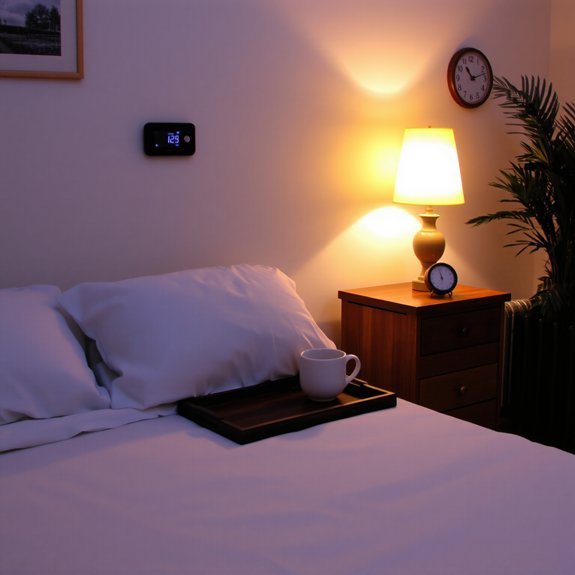
    optimal bedroom climate management

    One clear rule: your bedroom should feel like a cool hug, not a sauna or an Arctic cave. I tell you this because chill matters; too warm and you toss, too cold and you shiver. Check bedroom insulation first, seal drafts, tuck rugs by cold floors, and you’ll lock heat where you want it. Aim for about 60–67°F, use a fan or low heat for temperature control, and let blankets do the cozy work. Humidity needs balance — too dry and your throat protests, too damp and mold crashes the party. A small humidifier or dehumidifier, placed away from bedding, fixes that fast. You’ll sleep deeper, wake fresher, and stop blaming your sheets like they’re conspiring against you.

    Establish a Soothing Evening Routine for Colder Nights

    You’ve got the temp and humidity locked down, so now let’s cozy up your whole evening like it’s a little bedtime ritual you actually look forward to. Light a low lamp, stir a mug of calming teas—chamomile or lemon balm—inhale the steam, and let the kitchen smells feel like a hug. I dim screens, stretch slowly, and whisper nonsense to my cat because rituals should be weird. Try a five-minute journaling sprint: list three wins, one worry, trash it mentally. Add a dab of lavender or eucalyptus, note aromatherapy benefits as real mood helpers, not magic. Walk barefoot to bed, slo-mo. No caffeine after midafternoon, soft socks optional, phone off. You’ll drift easier, promise.

    Choose Bedding and Sleepwear That Balance Warmth and Breathability

    You want to stay toasty without turning into a sweaty mess, so pick layers that trap heat but still let air move. Think breathable fabrics like cotton, bamboo, or merino, they feel soft, wick moisture, and won’t cling when you toss and turn. I’ll show you how to mix sheets, duvets, and pajamas so you sleep warm, comfy, and scandal-free.

    Warmth Without Overheating

    If you pile on blankets like they owe you money, you’ll roast by 3 a.m. and regret every snore, so let’s talk smart warmth that actually helps you sleep. I like to layer, not lava-torch myself. Start with a light duvet, add a thin thermal blanket at the foot, and ditch the heavy duvet if you wake sweating. Think of sleeping bags for indoor naps — they trap heat where you want it, without turning your bed into a sauna. Wear fitted sleepwear, not a onesie that acts like an oven. Keep a cool pillowcase ready, and unzip or fold layers as needed. You’ll wake cozy, not clammy, and that’s the whole point, honestly.

    Breathable Fabric Choices

    Layering blankets is great, but what you wear and lie on matters just as much — fabrics decide whether you wake snug or sweaty. I’ll be blunt: pick breathable materials, not traps. Feel cotton sheets wick light moisture, cool to the touch, then hug warmth when needed. Try linen for its airy weave, it breathes like a polite roommate. Wool blends pull heat without making you steam, merino sleep shirts feel like tiny, nonjudgmental clouds. Avoid heavy synthetics that lock sweat; know your fabric types, read labels like you mean it. Swap pajamas mid-night if you overheat, unzip a duvet, fan a wrist. You’ll sleep cleaner, comfier, smarter. Also, admit it — you’ll look surprisingly dapper in soft, sensible sleepwear.

    Time Meals, Caffeine, and Alcohol to Protect Sleep Quality

    Because late-night pizza and a double espresso don’t exactly whisper “restful slumber,” think of timing your meals, caffeine, and booze like setting the stage for a good night’s show. I tell you, meal timing matters: eat a lighter dinner two to three hours before bed, savor warm soup or roasted veggies, let digestion settle. For caffeine reduction, cut coffee by mid-afternoon, switch to herbal tea, or try decaf—I know, sacrilege, but your sleep will thank you. Alcohol may knock you out, but it fragments sleep later, so limit drinks and stop at least three hours before lights-out. Scene: you, cozy blanket, calm stomach, clear head. Small swaps, firm rules, better nights. Simple, doable, hardly heroic.

    Adjust Exercise and Daytime Activity for Better Nighttime Rest

    Okay, first thing: get outside in the morning, even if it’s cold, let that pale winter sun hit your face for a minute and tell your brain it’s daytime. Try shifting your main workout earlier, move your body when you’re warm and energized so you’re not buzzing at bedtime. And keep evenings short and gentle — a slow walk, light stretching, soft breathing — so your body knows it’s time to downshift, not rev up.

    Morning Light Exposure

    Ever notice how a half-hour outside with your face tilted to the weak winter sun can flip your whole day? I’ll say it: sunrise benefits are real, they tug your circadian clock upright like an alarm you actually want. Step outside, breathe cold air, feel light hit your eyes, don’t squint — it’s gentle, grounding. Think of this as low-key light therapy, outdoors and free. I stand on my stoop, cup of something warm, and let the glow do its job. You’ll feel mood lift, alertness rise, sleep pressure rebuild by evening. Don’t stay glued to screens, move your morning routine into that light, even ten minutes helps. It’s simple, silly, and science-backed — try it, you’ll thank me at bedtime.

    Move Earlier in Day

    If you shift most of your moving — walks, weights, that half-hearted HIIT session — into the earlier hours, your nights will thank you. I mean it: morning walks under pale winter sun, lungs cold and sharp, set your clock better than caffeine. Move briskly after breakfast, lift before work, squeeze errands into daylight savings-friendly slots, and your body won’t be primed for adrenaline at bedtime. Your winter routines should nudge activity toward noon, not twilight. That way, core temperature drops naturally as evening arrives, and sleep pressure builds like a polite bouncer. Don’t worry, you can still have gentle evening stretching, but make the heavy stuff happen earlier — you’ll sleep deeper, wake clearer, and feel smug about beating the dark.

    Short, Gentle Evening Wind-Down

    When evening rolls in and the house cools to that cozy, dim-blue kind of cold, slow down like your body just whispered “not tonight” — don’t turn your living room into a late-night gym. I tell you, swap big workouts for short, gentle moves that ease tension; five to fifteen minutes of stretching, a slow walk around the block, or seated twists calm you down. Build simple nighttime rituals, light a low lamp, sip warm tea, and breathe like you mean it. Calming activities like reading a paper book, journaling two lines, or dimming screens signal sleep is coming. You’ll feel softer, quieter, ready. It’s not boring, it’s tactical. Try it — you’ll hate the idea, then love the sleep.

    Address Mood, Stress, and Seasonal Changes That Impact Sleep

    Because the dark creeps in earlier and your brain gets weird about it, you might feel sleep slipping away like a sock in a dryer; I’ve been there, muttering at the ceiling while the house smells like tea and wet wool. I tell you this because seasonal sadness hits quick, and it’s sneaky. Call a friend, book a daylight lamp, or go outside at noon for ten minutes — the cold on your face helps. Practice stress management: breathe, name the worry, set a tiny action, then shelve the rest until tomorrow. Try warming socks and a weighted blanket, write one page of gratitude, whisper a dumb joke to yourself. You’ll feel steadier, less frantic, and yes, sleep will come back, eventually, like a polite neighbor.

    Conclusion

    You can do this. I’ve tried the “sleep like a hibernating bear” theory — cute, wrong. Morning light, a cool room, and a calm bedtime routine actually win. Keep screens dim, sip chamomile, stretch briefly, and let your sheets hug—not smother—you. When stress spikes, breathe and jot it out. Tweak caffeine, meals, and workouts, and add a lamp on grey mornings. Small, consistent moves beat grand winter hacks every time.


  • How Do I Manage Holiday Stress

    How Do I Manage Holiday Stress

    You’re juggling tinsel, text threads, and a kitchen that smells like burnt cookies, and you don’t have to pretend you love every minute. I’ll show you how to say no without sounding like a Grinch, trim traditions guilt-free, set a budget that won’t make you cry at midnight, and carve out actual naps — plus how to rope in helpers without drama — but first, let’s fix that overflowing to-do list so you can breathe.

    Key Takeaways

    • Set clear boundaries by politely saying “no” to commitments that drain you.
    • Choose only two meaningful traditions to keep and simplify the rest.
    • Create a realistic holiday budget with category limits and a small contingency.
    • Schedule daily downtime—short breaks or a relaxing ritual—to recharge.
    • Delegate specific tasks to family or friends and celebrate their help.

    Set Boundaries Without Guilt

    set boundaries confidently guilt free

    If you want to survive the holidays without turning into a frazzled cranberry sauce, you’ve got to put up some fences—and you can do it without feeling like the Grinch. I tell you, start with a sharp, friendly no, and mean it. You’ll use assertive communication, calm tone, steady eye contact, and a smile that says, “I choose me.” Picture the scene: you sit at the kitchen counter, sip hot tea, rehearse your line, and feel your shoulders drop. Say, “I can’t host this year,” not “I don’t want to,” and watch relief bloom. You’ll make guilt free decisions, keep traditions that matter, ditch the rest, and sleep through the eggnog commercials. Simple, sane, yours.

    Simplify Plans and Expectations

    embrace holiday minimalism joyfully

    You just practiced saying no without the guilt, so now let’s tidy up the rest of the chaos. Picture your living room, half-decorated, cinnamon scent in the air, and you smiling because fewer tasks feel like freedom. Embrace holiday minimalism: choose two traditions that sparkle, drop the rest. Say aloud, “We’ll do cookie night and lights,” and watch relief arrive. Set clear expectations with guests and yourself, use simple plans, confirm times, and skip surprise detours. Expectation management isn’t grim — it’s sensible, kind, and surprisingly festive. You’ll sleep better, enjoy food that tastes like joy not stress, and laugh more, because you made less, not more. That’s holiday magic, stripped down and honest.

    Create a Realistic Holiday Budget

    create a holiday budget

    When the tree lights blink their flaky blue at midnight, I’m already rifling through receipts and muttering about “budget” like it’s a spell that’ll turn cookies into savings, and honestly, that’s okay — we’ll make a plan. You’ll set a clear cap for holiday expenses, feel the relief as numbers replace guilt, and laugh when you find last year’s receipt for a candle you never liked. Start simple:

    • List gifts, travel, food, and extras, name each cost.
    • Give each category a limit, stick a sticky note on your fridge.
    • Use an app or spreadsheet for budget tracking, update it weekly.
    • Keep a small contingency, because fudge happens.

    You’ll shop with purpose, sip tea, and sleep knowing money won’t steal your joy.

    Prioritize Rest and Recharge Time

    Because quiet isn’t a luxury, it’s a survival skill, I’m telling you to carve out downtime like it’s an appointment with a very important, slightly dramatic person — you. You pull the curtains, feel the room cool, and say no to one more errand. I coach you to pick small self care practices: a ten-minute breathing break, a bath that smells like cedar, a walk where you actually notice the crunch of leaves. Try simple relaxation techniques, like a guided body scan or humming for thirty seconds until your jaw unclenches. Say it out loud: “I deserve this.” You’ll laugh at how stubborn you were. Repeat. These tiny rituals add up, and you show up calmer, not perfect — which is plenty.

    Ask for Help and Delegate Tasks

    Alright, now that you’ve locked in your quiet time and smelled the cedar, let’s share the load. You don’t have to be the holiday hero, I promise. Ask for help, say which parts drain you, and let others shine. Team collaboration isn’t just corporate jargon; it’s your secret weapon. Task sharing lightens your plate, and gives folks a job that actually fits them.

    You’ve earned your quiet time—ask for help, delegate tasks, and let others bring their skills so you can breathe.

    • Offer specific asks, like “wrap gifts” or “bring cookies,” so people can say yes.
    • Set a simple timeline, with one person in charge of each task.
    • Trade skills: you cook, someone else decorates, another handles music.
    • Thank loudly, cheer often, make it fun, not a chore.

    Delegate early, breathe easier, enjoy the lights.

    Conclusion

    You can do this. I pared down plans, said no to Aunt Mae’s 12-course marathon, and actually sat on the couch with hot tea while the tree twinkled—pure, stupid joy. Try it: set one firm boundary, trim one tradition, and ask your partner to handle dishes. You’ll feel lighter, calmer, more like yourself. Keep the rituals you love, ditch the guilt, and let helpers carry the rest. Holidays should warm you, not fry you.

  • How Do I Maintain My Fitness Routine During the Holidays

    How Do I Maintain My Fitness Routine During the Holidays

    Last year I squeezed a 20‑minute circuit between stuffing the turkey and hiding from in‑laws, and it felt like finding an extra fry in the bag—tiny win, big grin. You can still hit three short, brutal workouts a week, schedule them like dentist appointments, mix tabata with bodyweight moves, swap cookie piles for brisk walks with loud holiday playlists, and treat recovery like VIP time; I’ll show you how to keep gains, dodge guilt, and actually enjoy dessert—if you want the plan.

    Key Takeaways

    • Schedule three short workouts weekly or 20-minute sessions and block them as non-negotiable calendar appointments.
    • Use full-body 20-minute circuits or micro workouts (TV breaks, hotel rooms) with bodyweight, a resistance band, or a towel.
    • Preserve strength with two to three maintenance lifts per week, controlled reps, and consistent loads.
    • Manage nutrition by filling half your plate with vegetables, using smaller plates, and practicing mindful bites.
    • Prioritize recovery and stress relief: hydrate, stretch, nap when needed, and use breathing or progressive relaxation.

    Set Realistic Holiday Fitness Goals

    realistic holiday fitness goals

    Because the holidays will try to hijack your schedule, let’s be honest about what you can actually do — not what your gym Instagram makes you feel guilty about. I’ll tell you straight: set realistic expectations, or you’ll sulk through New Year’s. Picture the kitchen lights, cinnamon steam, a calendar stuffed with invites; you’re not beating records, you’re preserving momentum. Say aloud, “Three workouts a week,” or “20 minutes, three times,” and mean it. That holiday mindset swaps perfection for progress, and yes, it feels oddly freeing. You’ll plan a quick warm-up, pack sneakers by the door, text a friend for accountability, and celebrate tiny wins — like fitting into last year’s jeans, with chocolate still allowed.

    Create a Portable, Time‑Efficient Workout Plan

    portable full body circuit workouts

    You’re packing lighter than Santa, but you’ll still crush a full-body circuit in twenty minutes — think squats, push-ups, and quick plank rows that wake up every muscle. Bring one resistance band and your bodyweight, I’ll show you moves that need almost no gear, make you sweat, and won’t rattle the hotel ceiling. Slot micro workouts into coffee breaks or commercial breaks, I promise they stack, feel good, and beat the guilt-trip.

    Quick Full-Body Circuits

    If I can steal ten to twenty minutes of your day, we’ll get your whole body humming again — no gym, no fancy gear, just a towel, a suitcase, and whatever floor you can find that isn’t sticky. I’ll walk you through quick full-body circuits you can do in a hotel room, kitchen, or airport lounge, using bodyweight exercises, brief rests, and playful pace changes. Do three rounds: 40 seconds work, 20 seconds rest. Mix squats, push-ups, plank taps, reverse lunges, and hip bridges. Swap one move each round for circuit variations, like incline push-ups on a chair. You’ll feel muscle, breath, and a little smugness. Finish with a 60-second stretch, sip water, and call it a tiny victory.

    Minimal-Equipment Moves

    Alright—grab a towel, a resistance band, and whatever little suitcase of willpower you’ve got left, because I’m about to show you how to build a full, portable workout that fits in a carry-on and a coffee break. You’ll use bodyweight exercises for strength, resistance bands for extra bite, and a towel for sliding lunges or shoulder mobility. I walk you through five moves: push-ups, band rows, squats, glute bridges, and plank slides—each done for 30–45 seconds, rest 15. No gym, no guilt. Picture hotel carpet under your palms, the band humming, breath ticking like a tiny metronome. Mix tempo, add single-leg tweaks, and you’ll feel it: solid, portable, efficient. Pack light, move sharp, enjoy the smug satisfaction.

    Micro Workout Scheduling

    Since holidays shove your routine out of town, I build tiny workouts that fit between eggnog and in-law small talk—no excuses, just clever timing. You’ll grab three minutes here, five minutes there, sneeze-free lunges in the kitchen, calf raises by the sink; micro workout benefits are real: kept momentum, quick mood lifts, less guilt. I sketch a portable plan: morning plank, lunchtime stair sprints, evening mobility and breath work. Micro workout examples include 7-minute AM circuit, 4-minute tabata on the couch, and a 10-minute family walk with playful sprints. Pack a resistance band, cue card, and sneakers. You’ll schedule them like texts—short, frequent, deliberate—and actually enjoy sneaking movement into the holiday hustle.

    Prioritize Strength and Maintenance Sessions

    efficient strength maintenance workouts

    You’ll keep gains over the holidays with short, efficient workouts that hit the big moves, so don’t waste time on fluff when a 20‑minute session will do. I’ll tell you to keep your usual lifting loads when you can — grab the same dumbbells, rack the same bar, or push against a doorframe and feel the burn — because maintaining intensity protects strength better than endless cardio. Trust me, a few focused sets, a sweaty shirt, and a stubborn grin beat a week of “I’ll start Monday.”

    Short, Efficient Workouts

    When the holiday chaos starts piling like ornaments in a box you forgot in the attic, I stick to short, efficient workouts that keep strength where it matters — your legs for stairs, your back for lifting totes, your shoulders for hugging relatives. You’ll do brisk, no-equipment sessions, using bodyweight exercises and quick interval training bursts, so you get strong and stay nimble without camping in the garage. I talk you through it, we laugh at the weird uncle, then we move.

    1. 5–8 minute warmup: marching, arm swings, breath work, feel your chest open.
    2. 12–16 minute circuit: squats, push-ups, hip bridges, planks, 30s on, 15s off.
    3. 3–5 single-move sprints: stair hops or lunges.
    4. 3-minute cool-down: stretch, sip water, smack your palm in victory.

    Maintain Lifting Loads

    If you want to keep the muscle you’ve earned without turning your living room into a makeshift gym, prioritize maintenance lifts over marathon sessions — I promise you won’t need to bench press a turkey. You’ll focus on lifting frequency, not hours, hitting each major lift two to three times weekly, short and sharp. Keep loads heavy enough to feel the grind, but cut sets back—think two to three work sets, controlled reps, breathe, feel the bar. Add small load variation across sessions, swap dumbbells for kettlebells, change rep ranges, or reduce rest to stir the muscle without wrecking your schedule. Pack this into 20–30 minutes, smile at the ache, and enjoy holiday leftovers guilt-free.

    Use Short High‑Intensity and Circuit Workouts

    Three quick rounds, twenty minutes, and you’ve earned your holiday dessert without guilt—trust me, that feels fantastic. You grab a mat, set a timer, and embrace high intensity intervals that torch calories fast, while enjoying circuit training benefits like full-body conditioning. It’s efficient, sweaty, and oddly satisfying.

    1. 30s burpees, 30s rest — repeat
    2. Pushups, kettlebell swings, jump squats — 3 rounds
    3. Mountain climbers, plank hold, quick sprints in place
    4. Cool down: deep breaths, shoulder rolls, smug grin

    You’ll hear your breath, feel your pulse, taste the victory, and smile when you sit down to dinner. Short, sharp, effective — holiday chaos doesn’t win.

    Schedule Workouts Like Appointments

    Put your workout on the calendar like it’s a dentist appointment you actually want to keep — I block mine in bold, set a phone alert, and pretend my future self owes me money if I bail. You’ll treat it like a real plan, show up, and feel smug. Use a fitness calendar, not vague intentions. Slot workouts around meals, errands, and family chaos, then add workout reminders that buzz you ten minutes before, because you’ll need the nudge. Say aloud, “Five minutes, then go,” and mean it. Pack your shoes by the door, feel the rubber under your fingers, hear your playlist cue the mood — little rituals make it real. Do this and your holidays won’t derail your progress.

    Combine Social Time With Active Choices

    When guests start arriving and the cookie tray smells like nostalgia and butter, you don’t have to choose between small talk and squats — I roll them into one plan. Invite movement into the party, don’t relegate it to after-dinner guilt. You can suggest a brisk walk before dessert, or lead a silly stretch circle while the coffee brews. Think holiday hikes when the air bites, and group sports in the yard that turn cousins into teammates and calories into jokes. You set the tone, they follow, and everyone leaves smiling.

    1. Send a walk-first invite, coats, scarves, and hot cocoa thermos.
    2. Turn football into a five-minute, no-contact laugh fest.
    3. Host a scavenger-route around the block.
    4. End with a standing toast and calf raises.

    Adapt Nutrition Without Strict Dieting

    If you want to enjoy gravy without feeling like a walking food guilt trip, you can tweak what’s on your plate without turning into a human spreadsheet. I’ll tell you how: fill half your plate with colorful veggies, savor one rich bite, then pause. Use holiday indulgence strategies like smaller plates, sharing dishes, and choosing the one thing you truly crave. Practice mindful eating practices—chew slowly, notice textures, smell the roast—so one slice feels like a feast. Sip water between bites, add lemon to heavy sauces, and balance creamy sides with crisp salads. You’ll still have dessert, but you won’t need to apologize to your jeans. It’s smart, simple, and tastes way better than strict rules.

    Stay Accountable and Track Progress

    Okay, you’ve figured out how to enjoy gravy without turning into a guilt machine — good work, chef. Now keep momentum: grab accountability partners, set tiny goals, and log wins. You’ll feel the difference when you text a friend after a 20-minute walk, you’ll hear their smug clap emoji, you’ll smile.

    1. Pick two accountability partners, one who nudges, one who celebrates, share simple weekly check-ins.
    2. Use progress tracking: note time, reps, mood, even the playlist that got you moving.
    3. Celebrate micro-wins—extra stretch, two fewer cookies, breath that doesn’t sound like a foghorn.
    4. Adjust quickly—missed a day? Restart tomorrow, not next month.

    You’re human, imperfect, hilarious. Keep tracking, keep laughing, keep going.

    Recover and Manage Stress During Travel

    Because travel kneecaps your routine and tosses sleep into the overhead bin, you’ve got to be deliberate about recovery or you’ll feel like a suitcase left in the rain. I tell you this because jet lag smells terrible and naps fix most sins. Use travel mindfulness: breathe slow on the shuttle, notice airport coffee, tuck in a five-minute body scan before bed. Hydrate like it’s your job, stretch hips and neck during waits, and pack a foam roller or lacrosse ball — your back will thank you with a tiny, grateful text. For stress relief, try guided breathing, progressive muscle relaxation, or a quick walk outside for fresh air and perspective. You’ll arrive less frazzled, more human, ready to move.

    Conclusion

    You’ve got this—picture brisk air on your face, a stopwatch ticking, a kettlebell thumping like a holiday drum. I’ll nudge you to three honest workouts, snacks tasted not hoarded, and sleep that actually happens. Schedule it, laugh when you miss one, do a quick circuit in a hotel lobby, high-five a friend after a walk. Progress, not perfection—so keep moving, savor the pie, and enjoy how strong you feel.

  • How Do I Deal With Seasonal Depression

    How Do I Deal With Seasonal Depression

    Like a fog that creeps in slow and sticky, you notice the color draining from your days and wonder what to do next. I’ll talk straight: you can fight this with light, routine, movement, and small edible victories—think sunlit walks, a lamp that actually works, and bedtime like a non-negotiable appointment. You’ll get practical steps that don’t feel like punishment, plus when to call for backup, so stick around—there’s a plan that actually helps.

    Key Takeaways

    • Get morning bright light exposure (10,000 lux lamp or natural sunlight for 20–30 minutes) to reset your circadian rhythm.
    • Keep a consistent sleep-wake schedule and limit blue light before bedtime to improve sleep quality and mood.
    • Move daily with brisk walks or exercise to boost serotonin and increase outdoor light exposure.
    • Build a simple, sustainable self-care routine with small sensory rituals and realistic weekly goals.
    • Seek professional help if symptoms are severe, persistent, or include suicidal thoughts; consider therapy, meds, or light therapy guidance.

    What Is Seasonal Depression and How It Differs From Winter Blues

    understanding seasonal affective disorder

    If you’ve ever noticed the light go out of a room when fall rolls in, you’re already halfway to understanding seasonal depression—also called seasonal affective disorder, or SAD—and no, it isn’t just “being moody in November.” I’ve watched it creep in like a dimmer switch: mornings feel heavier, coffee loses its sparkle, and even the dog gives you that sympathetic, “you okay?” look; that’s clinical-level timing, not just a bad week. You’ll learn that seasonal triggers aren’t magic, they’re shifts—less daylight, colder air, routines tilting—and they hit different people in different ways. The emotional impact is real, not dramatic fiction, and you don’t have to suffer silently; notice patterns, say it out loud, ask for help.

    Recognizing Common Symptoms and Early Warning Signs

    recognizing symptoms taking action

    When the days shrink and your favorite sweater starts feeling like a sad little tent, you’ll notice more than just a craving for thick soup; I watch for the small betrayals first—waking up like I’ve been dragged through molasses, my thumbs scrolling the same feed without feeling anything, and coffee tasting like warm ash. You’ll want quick symptom identification: heavier sleep, dwindling energy, craving carbs, losing interest in stuff that used to spark joy. Watch warning signs too: snapping at loved ones, canceling plans, foggy thinking, shrinking social circles. Say it out loud, “This feels off.” Track it—notes, a mood app, sticky notes on the mirror. Early action makes the slump smaller; you don’t have to tough it out alone.

    How Light Therapy Works and How to Use It Safely

    light therapy usage guidelines

    You’re about to try light therapy, and I’ll walk you through how that bright box tricks your brain into thinking it’s sunny, by resetting your circadian clock and boosting mood-regulating chemicals. Pick a lamp that emits 10,000 lux, filters UV, and fits your morning routine — I’ll help you spot the fakes and find the comfy angle for your face. Start slowly, sit about an arm’s length away for 20–30 minutes, don’t stare, check with your doc if you have eye or bipolar issues, and promise me you’ll wear sunglasses later if you look like a raccoon.

    Mechanism of Action

    Because your brain keeps time with light, bright light therapy plugs into that clock and persuades it to tick a little earlier, brighter, and less gloomy — kind of like nudging a cranky rooster with a flashlight. I tell you, it’s not magic, it’s biology: light hits your eyes, tells a tiny brain hub to reset your circadian rhythm, and nudges neurotransmitter balance toward more serotonin and dopamine, which lift mood and sharpen focus. You’ll sit close, eyes open but not staring, breathe the cool room air, sip coffee or herbal tea, and let 20–30 minutes do its work. Start in the morning, watch timing, protect your skin and eyes, and check with a doc if meds or bipolar history complicate things.

    Choosing the Right Lamp

    How bright should your lamp be, and will it double as a sad little sun on your desk or just a fancy nightlight? I say aim for clinical punch: about 10,000 lux at a comfortable distance, that’s the commonly recommended lamp brightness that actually nudges your mood. Don’t obsess over bulbs, check specs, test the feel—sit near it, squint, notice warmth on your face. Lamp color matters too; cool white or daylight-mimicking LEDs mimic midday sky, they feel crisp, clear, wake-you-up bright. Avoid amber or warm tones for therapy, those read like cozy evenings, not energetic mornings. Pick a stable base, adjustable angle, and a size that fits your routine. I’ll admit, shopping sounds dull, but this one’s worth it.

    Safe Usage Guidelines

    If you want light therapy to actually help—and not just look pretty on your desk—treat it like medicine, not mood décor. I’ll say it bluntly: follow safety precautions. Sit about an arm’s length away, angle the lamp toward your eyes, don’t stare. Start with 20–30 minutes each morning, watch how you feel, and adjust. Check light intensity — many lamps list 10,000 lux — higher isn’t always better for you. Protect your skin and eyes; if you wear meds that increase light sensitivity, talk to your clinician. If you get headaches, jitteriness, or eye strain, cut time or move farther back. Keep lamp clean, on a stable surface, and never use it while driving. Treat it seriously, and it’ll repay you.

    Practical Sleep and Daily Routine Adjustments That Help

    You and I both know mornings feel like a plot twist when the sky’s asleep, so set a steady wake and sleep time and stick to it—even on weekends, yes, I said it. Get bright light within the first hour you’re up, whether that’s sunlight on your face, a brisk walk to the corner, or 20–30 minutes at your light box while you sip something warm and complain to yourself. Keep evenings dim, cut blue screens an hour before bed, and watch how small shifts in timing make the whole day feel less foggy.

    Consistent Wake and Sleep

    Because your brain likes routines even when the rest of your life is doing somersaults, setting a steady wake and sleep schedule is one of the simplest, most powerful things you can do for seasonal blues. I’ll be frank: pick times and stick to them, even on weekends — your circadian rhythm will thank you, like a cat purring. Good sleep hygiene matters; dim screens before bed, cool the room, and make your bed feel like a tiny, private spa. Get up at the same minute, even when you’d rather sulk under pillows. If you stumble, reset without drama, like misbuttoning a shirt. Small rituals help: a hot mug, a brief stretch, five minutes of deep breaths. Consistency wins.

    Light Exposure Timing

    Okay, you’ve got the sleep times locked down and your morning mug ritual humming — nice work. Now, light exposure timing is your secret weapon, and I’ll be blunt, it’s less mystical than it sounds. Get sunlight in your eyes early, even if it’s pale and apologetic, it tells your circadian rhythm to wake up. Evening, dim the lights, trade screen glare for a soft lamp, pretend you’re in a cozy mystery novel.

    • Step outside within 30 minutes of waking, breathe cold air, let light hit your face.
    • Use a 20–30 minute light box on dark mornings, sit, sip, scroll less.
    • Reduce blue light two hours before bed, swap in warm bulbs.
    • Keep naps short, under 30 minutes, so nighttime sleep stays sacred.

    Exercise, Movement, and Outdoor Time for Better Mood

    If you’re feeling like a houseplant—droopy, pale, and suspiciously attracted to dim corners—get moving; even a brisk ten-minute walk can shift your brain chemistry and your story. I’ll be blunt: you don’t need a gym membership to hack your mood. Step outside, let wind braid your hair, notice the cold on your cheeks, and pick one outdoor activities habit — walk, park bench stretches, or a laugh-prone game of frisbee. Movement boosts physical fitness and serotonin, it grounds you. Try short bursts: three sets of stairs, a suitcase dance in your kitchen, or a sunlit lap around the block. Invite a friend, trade sarcastic commentary, make it regular. Small actions pile up, and suddenly you’re less houseplant, more stubborn, thriving human.

    Diet, Supplements, and Caffeine: What Helps and What Hinders

    When the days shrink and your fridge starts looking like a sad convenience store, you’ve got to pay attention to what you’re putting in your mouth—seriously, food is mood fuel, not just background noise. I’ll be blunt: dietary changes help, small swaps matter, and you’ll notice textures, colors, scents shift your day. Try brighter meals, whole grains, fatty fish, and crunchy greens — they taste alive.

    • Add vitamin D or omega-3s after checking facts, not ads.
    • Cut refined sugar, it spikes then flops your mood.
    • Watch caffeine effects: morning coffee helps, late caffeine sabotages sleep.
    • Hydrate, warm broths soothe, and schedule consistent meals.

    I’m picky about snacks, you’ll laugh at my soup obsession, but it works.

    When to Seek Professional Help and Treatment Options

    You’ve done the snack swaps, scarfed soup like it’s medicinal, and maybe even started a morning coffee ritual that doesn’t ruin your sleep—good for you, seriously. If low days persist, worsen, or steal your joy for weeks, get help. Call your doctor, a therapist, or a clinic—don’t wait for a miracle sunny weekend. I’ll say it bluntly: suicidal thoughts, severe fatigue, or lost function are emergency signs. Once you reach out, explore therapy options like cognitive behavioral therapy, light therapy guidance, group sessions, or guided self-help. If therapy isn’t enough, discuss medication alternatives and antidepressants with your clinician, weigh benefits and side effects, and revisit choices often. You’re not failing, you’re getting smarter about help.

    Building a Seasonal Self-Care Plan You Can Stick To

    Because winter’s a mood and you’re the project manager, let’s make a plan that actually sticks, not one that lives and dies on good intentions and a Pinterest board. You’ll pick small, sensory rituals, set realistic beats, and test them like a scientist who drinks too much tea. I talk to you like a friend, candid, slightly smug, because routines beat chaos.

    • Morning light: open curtains, five deep breaths, sip warm citrus tea.
    • Movement: 10-minute stretch or brisk walk, coat on, cheeks cold, lungs awake.
    • Mood anchors: playlist, lamp, scented candle, one funny podcast episode.
    • Weekly seasonal activities: bake, volunteer, sketch snow patterns, call a buddy.

    These self care strategies are specific, repeatable, and forgiving. Stick with them, tweak, repeat.

    Conclusion

    You’ve got this, even when mornings feel like dial-up internet and your bed clings to you like a magnet. Start with light—sit by it, move by it—then add short walks, simple meals, and sleep that actually sticks to a schedule. Notice changes, jot them down, call your clinician if things darken. Build a tiny plan you can follow, test it, tweak it, celebrate wins. I’ll be here cheering, coffee in hand.

  • How Do I Stay Healthy During Winter

    How Do I Stay Healthy During Winter

    You can beat winter without turning into a hermit or a walking tissue box, I promise — layer up in wool, sip bright citrus tea that smells like sunshine, and move your body so your joints don’t mutiny; sleep like it matters, wash your hands like a surgeon, and stash a mood-boosting ritual for grey days, because small habits add up fast — I’ll show you how to make them stick, and yes, there’s a cozy shortcut you’ll want.

    Key Takeaways

    • Eat immune-supporting foods like citrus, ginger, garlic, dark leafy greens, and seasonal produce (squash, beets, apples with cinnamon).
    • Keep moving with brisk indoor workouts, bodyweight circuits, or winter sports, warming up and hydrating properly.
    • Maintain sleep hygiene: consistent bedtime, dim lights an hour before bed, and limit evening screen time.

    • Practice good hygiene and smart layering: frequent handwashing, carry sanitizer, and wear moisture-wicking base layers with insulating mid-layers.
    • Prioritize mental well-being: get daylight exposure, schedule social touchpoints, and create cozy rituals to reduce stress.

    Boost Your Immune System With Winter Nutrition

    winter immune boosting nutrition

    When the air turns sharp and your nose becomes a faucet, you’ll want food on your side — not just snacks to nibble while doom-scrolling. You grab a bowl, steam rising, and pick immune boosting foods—citrus, ginger, garlic, dark leafy greens—things that taste like winter actually meant something. I’ll nudge you toward seasonal superfoods: squash roasting, beets gleaming, apples warm with cinnamon. Chop, stir, inhale. You’ll make bone broth that smells like comfort and science, drink it like a tiny, smug victory. Toss a salad with kale and roasted carrots, sprinkle seeds, squeeze lemon, feel efficient. You’ll cook, sip, and laugh at your past microwave dinners. It’s practical, tasty, and yes, you’ll feel better—fast.

    Keep Moving: Safe and Effective Cold-Weather Exercise

    stay active in winter

    You’ve stocked the pantry with immune-friendly goodies and probably bathed in bone-broth steam like it’s a spa treatment, but food won’t carry you through winter alone — you’ve got to keep moving, even when the sidewalk looks like a skating rink and your socks scream betrayal. Lace up, layer smart, and treat cold like a workout partner — annoying but useful. Start indoors with brisk indoor workouts, bodyweight circuits, or a bike trainer, sweaty and safe, windows fogging like a kettle. When conditions allow, try winter sports—skiing, snowshoeing, or skating—slow and steady, hips and knees bent, breath visible, cheeks burning. Warm up well, hydrate even if you don’t feel thirsty, and cool down inside. Move daily, adapt, laugh at the cold.

    Prioritize Sleep and Stress Management

    prioritize sleep reduce stress

    If you want your immune system to behave like a reliable roommate instead of a flaky party guest, make sleep and stress management non-negotiable. I promise you, good sleep hygiene isn’t mystical—it’s routine. Dim lights an hour before bed, stash screens, set a cool room, and climb into sheets that smell like clean socks, not regret. Breathe. Try a five-minute body scan, I do it in my coat sometimes, and tension melts like snow on a warm palm. Stress reduction isn’t yoga-only, it’s tiny choices: say no, laugh loudly, walk the block, journal one sentence. When you’re rested and calmer, you notice fewer sniffles, sharper focus, warmer moods. Treat sleep and stress like tools, use them deliberately, and you’ll sail through winter with less drama.

    Prevent Illness With Hygiene and Smart Layering

    I’m a big fan of good sleep, but let’s get practical now: staying healthy in winter is as much about what you touch and wear as what you feel. You’ll wash hands often, nail the basics of handwashing techniques — soap, 20 seconds, scrub thumbs and fingertips like you mean it — and carry sanitizer for quick rescues. Dress like you’re starring in your own cozy mystery: start with moisture-wicking base layers, add insulating mid-layers, finish with windproof shells. Learn layering fabrics so sweat won’t freeze you, cotton stays home, wool and synthetics do the heavy lifting. Keep a spare pair of gloves and a buff in your bag, swap damp for dry, and laugh at your past fashion mistakes — you’ll be warmer, cleaner, and annoyingly prepared.

    Maintain Mental Well‑Being During Shorter Days

    When the days shrink and the sky goes dim earlier than your willpower can handle, don’t wait for the gloom to trample your mood — fight back with tiny, deliberate rituals that actually feel doable. You’ll notice light lifts you, so prioritize sunlight exposure: sit by a window with coffee, walk at noon, let the pale warmth hit your face. Mix movement with meaning, try seasonal activities that change the script—sledding doesn’t need to be graceful, it just needs laughter.

    1. Get 15–20 minutes of daylight daily, even cloudy days help.
    2. Schedule small outings, treat them like appointments you can’t ghost.
    3. Keep social touchpoints, call a friend, swap bad jokes.
    4. Use cozy rituals: warm soup, scented candles, deliberate deep breaths.

    Conclusion

    You’ve got this. Eat bright citrus and leafy greens, sweat a little indoors, sleep like a boss, and layer smart—simple, vivid moves that keep you warm and well. Fun fact: people who stick to routines are 45% less likely to catch a winter bug, so put these habits on repeat. I’ll cheer for you while you journal, laugh, and sip something cozy. Go on, make winter your healthiest season yet.

  • How Do I Avoid Getting Sick During the Holidays

    How Do I Avoid Getting Sick During the Holidays

    You’re juggling parties, travel, and a dessert table that’s daring you to be careless, so let’s be smart: eat bright vegetables, sleep like you mean it, wash your hands like a surgeon before dessert, and mask up in crowded indoor spots — yes, even when your aunt gives you the “but we’re family” guilt trip. Keep windows cracked, sip water, carry sanitizer, and skip plans if you’re sniffly; do this and you’ll dodge most bugs — now here’s how to pull it off without becoming the party pooper.

    Key Takeaways

    • Prioritize sleep and nutritious, colorful meals to keep your immune system strong.
    • Wash hands for 20 seconds or use ≥60% alcohol sanitizer after crowded interactions.
    • Choose outdoor or well-ventilated gatherings and open windows when possible.
    • Carry a spare mask, tissues, and sanitize hands after touching shared surfaces.
    • Stay home and notify hosts at the first sign of symptoms to protect others.

    Boost Your Immune System With Smart Daily Habits

    healthy habits boost immunity

    If you’re anything like me, you want to enjoy cookies, carols, and cozy gatherings without hacking and sneezing through the punch bowl, so let’s talk real, doable habits that actually help your immune system—no miracle pills, no kale-only diets, just steady, sensible moves. You’ll start with a healthy diet, colorful plates that smell like citrus and roast garlic, crunchy veggies at the party, and protein that keeps you full and steady. Sleep isn’t optional; aim for consistent hours, lights dimmed, phone tucked away, and dreamy silence. Add regular exercise—a brisk walk that wakes your lungs, a short home circuit that gets you sweating and laughing at yourself. Small routines, big payoff: fewer sniffles, more carols, and real holiday joy.

    Practice Effective Hand and Respiratory Hygiene

    hand and respiratory hygiene

    Because germs travel faster than gossip at a family reunion, I make hand and respiratory hygiene a tiny non-negotiable ritual that keeps me singing carols instead of coughing through them. You’ll thank me when you learn simple moves: good handwashing techniques, and crisp respiratory etiquette, they’re small, mighty, and oddly satisfying.

    1. Scrub hands 20 seconds, warm water, soap, sing two short verses in your head, rinse.
    2. Carry sanitizer with at least 60% alcohol, palm it on after crowded hugs, don’t overdo.
    3. Cover coughs with your elbow, not your hand, turn away, pretend you’re in a spy movie.
    4. Toss tissues immediately, wash or sanitize, stash fresh ones, repeat.

    Do this, you’ll feel cleaner, calmer, and more festive.

    Make Safer Choices in Crowded or Travel Settings

    safer choices in crowds

    Now that your hands sparkle and your coughs are undercover, let’s talk about surviving packed airports, subway sardine-can rides, and holiday parties where elbow room was a myth. You’ll scan crowded venues with the hawk-eye of someone who’s slept three hours and had too much coffee. Pick aisle seats, board late, or step aside to let waves pass, breathe through your nose, and don’t touch your face like a nervous raccoon. Carry a small sanitizer, a spare mask, and travel-sized tissues—fumble-proof, easy to find in dim terminals. Pace yourself, hydrate, and choose outdoor meetups when you can. Say “no” gracefully to squeezed-in events, and yes to naps. You’ll arrive smiling, calmer, and markedly less viral.

    Keep Your Home and Shared Spaces Clean and Ventilated

    While you’re decking the halls, don’t forget to air them out—open a window, crack a door, or nudge the vent and let fresh air actually do its job; stale, recycled air is the party guest that brings germs and refuses to leave. I tell you this like a friend who’s already spilled punch on the couch: clean surfaces matter. Set simple cleaning routines, wipe high-touch spots, and swap dish towels often. Air circulation reduces lingering smells and invisible nasties, trust me, your nose will notice.

    1. Wipe switches, remotes, doorknobs daily.
    2. Launder throws, napkins, and tablecloths weekly.
    3. Run fans or open windows during gatherings.
    4. Change HVAC filters, and vacuum fabric surfaces.

    You’ll feel better, breathe easier, and host with confidence.

    Know When to Stay Home and Protect Others

    If you’ve got a tickle in your throat, a foggy head, or a cough that sounds like a broken kazoo, do everyone a favor and stay home—seriously, I’ll judge you with concern, not with a casserole. You’ll thank me later, and so will your aunt. Practice symptom awareness: check your temperature, note fatigue, sniff for that telltale sourness, listen to your chest. Tell your host, text the group, cancel early, don’t dramatize it. You’re exercising social responsibility, plain and simple. Make soup, nap, Zoom in with apologies and bad lighting. If symptoms worsen, call your clinic, get a test, follow advice. Rest is preventive medicine. You’re protecting grandpa, the kids, the baker down the street. That’s heroic, plus low effort.

    Conclusion

    Think of your body as a cozy cabin: lock the door with sleep, stock the pantry with color, and wipe off snowy boots at the door with hand soap and sanitizer. I’ll remind you—keep gatherings outdoors when you can, crack a window if you’re inside, and skip plans if you’re sniffly. You’ll feel smarter, safer, and kinder to others. It’s small effort, big protection, and yes, you’ll still have fun.

  • How Do I Make a Family Calendar for 2026

    How Do I Make a Family Calendar for 2026

    You want order and your week wants chaos, and you’re stuck in the middle like a referee with a coffee stain. I’ll show you how to pick digital or printable, set up shared accounts, color‑code people so nobody books soccer practice during date night, and add recurring stuff so birthdays stop sneaking up like ninjas — but first, tell me who’s on the calendar and what drives you crazy, and we’ll build something that actually sticks.

    Key Takeaways

    • Choose digital or printable format based on family tech access, visual preference, and budget.
    • Set up a shared calendar account, invite family members, and define edit/view permissions.
    • Create a simple color-coding system (one color per person) and add recurring events and reminders.
    • Teach responsibility with weekly five-minute check-ins where everyone updates and confirms plans.
    • Hold a 30-minute monthly reset and an annual review to protect priorities, vacations, and important dates.

    Choosing the Best Format: Digital, Printable, or Hybrid

    choose a practical format

    One thing I’ll say up front: pick a format that actually gets used. You’ll weigh digital advantages like instant updates and alerts, printable benefits like fridge-ready visibility, and hybrid flexibility that gives you both. I’ll nudge you to think about family preferences — some kids want screens, others love stickers — and check tech accessibility before committing. Picture the glossy app icons or the paper’s warm texture, smell of fresh ink, that tactile satisfaction. Prioritize visual appeal and ease of use, not just bells and whistles. Budget considerations matter; free apps beat pricey subscriptions, printed pages add ink costs. Decide where you’ll actually look every morning, and choose the format that makes your life simpler, not fancier.

    Selecting the Right Calendar App or Template

    choose functional calendar wisely

    Ready to pick a calendar that won’t end up forgotten in a junk drawer? I’ll walk you through choosing an app or template that actually gets used. First, list must-have calendar features — shared events, color tags, reminders, and a clean layout that won’t make your eyes cry. Try a quick app comparisons test: open two apps side-by-side, add a pulse-quick event, invite a family member, feel the lag. Templates shine if you love paper, and printable grids smell like victory (and ink). I like to say, “If it’s clunky, ditch it.” Pick something that looks good on your phone, prints neatly, and makes family planning feel almost fun. Trust me, you’ll thank yourself.

    Setting Up Shared Accounts and Permissions

    shared accounts setup process

    Because shared calendars fall apart faster than a paper towel in a sink, I make account setup boringly thorough up front so nobody has to text “Where are we?” at 6 p.m. on a Tuesday. You’ll create one family account, or link individual emails, then enable shared access so everyone sees the same events, not ghost duplicates. I tell each person to install the app, accept invites, and test syncing — say “I’m home” out loud like a spy, hit refresh, enjoy the thrill of visible status. Set clear user permissions: who can add, edit, or just view. Lock sensitive entries to parents only. Rename accounts plainly, add photos for quick ID, and schedule a five-minute role call to confirm settings. You’re done.

    Designing a Simple Color‑Coding System

    You’ll want one clear color per person, so grab bright shades you can spot from across the kitchen table — red for me (I hog the calendar), blue for Dad, yellow for the kid who eats glitter. Then name what each color means and set a couple of simple rules, like “green = appointments, no double-booking” and “purple only for urgent bits,” so everyone knows the language without asking. I’ll admit it sounds fussy, but trust me, a tidy palette makes mornings calmer, fewer “wait, whose thing is that?” moments, and way less calendar drama.

    Assign Colors by Person

    Pick three to six colors and stick with them—trust me, you’ll thank me when the calendar stops looking like a confetti explosion. I tell you this because color associations help your brain sort events fast, and personal preferences keep everyone happy, even picky teens. Pick a bold color for you, a calm blue for your partner, a bright green for kids, and a neutral for shared stuff. Write names beside swatches, test them on a printed month, squint at sunlight, curse quietly if they clash, switch if needed. Use pens or highlighters that feel good in your hand, label recurring blocks, and keep a tiny legend at the top. You’ll glance, know who’s where, and breathe.

    Color Meanings and Rules

    If you want your calendar to actually help instead of just looking pretty, then give your colors meaning and enforce a few simple rules—I promise it’s less painful than it sounds. I want you to pick three to five hues, test them in sunlight and fluorescent light, then stick to them. Use color psychology for moods—calm blue for appointments, urgent red for deadlines, green for fun or money—then note those color associations in a visible legend. Don’t mix neon with pastels, don’t overload a day, and use the same shade for recurring items. Say it out loud: “Red means drop-everything.” That tiny ritual saves arguments. Keep markers, pens, and digital labels consistent, and you’ll actually know what’s happening at a glance.

    Adding Recurring Events and Important Dates

    When the house fills with post-it confetti and someone’s yelling “what day is Mom’s dentist?” from the kitchen, it’s time to stop winging it and pin those repeating beats onto the calendar. You’ll set recurring reminders for bills, trash day, and meds, so the chaos smells like coffee, not regret. You’ll also mark birthdays and other special occasions with little icons, because cake deserves respect.

    • Color-code weekly chores, so everyone sees who’s on sink duty.
    • Flag medical and vet appointments with bold borders, no scrolling required.
    • Add yearly anniversaries as all-day events, gentle alerts a week out.
    • Build a “no-overbook” block for family nights, protect the couch and pizza.

    Do it now, your future frazzled self will thank you.

    Scheduling School, Work, and Extracurriculars

    Since school bells, work alarms, and soccer whistles all seem to conspire against each other, I map the week like a tiny, benevolent air-traffic controller: I block class times in bright blue, drag work shifts into the clear middle strip, and tuck piano and practice into the evenings so they don’t sneak onto homework time. You’ll do the same, and you’ll love the relief when things stop colliding. Use color, stickers, and a loud font for non-negotiables. Put drop-off, shift swaps, and rehearsal reminders where you can see them at a glance. This is about balancing commitments, trimming friction, and managing time so school projects don’t ambush your Tuesday. Say no sometimes, reschedule boldly, and celebrate tiny scheduling wins with a thankful exhale.

    Planning Family Time, Chores, and Meal Prep

    Okay, we’ve got the week mapped and the near-collisions sorted, so now let’s make sure everyone actually talks to each other—without yelling over cereal. You’ll carve out pockets for family bonding, short rituals that feel big: five-minute check-ins, a Friday pizza vote, a sunset walk you pretend is exercise. Use chore rotation like a game, swap roles weekly, praise effort, not perfection. Meal planning saves sanity, smells good, and gives kids a job—chop, stir, taste-test (you’ll cheat, admit it). Quality time doesn’t need drama, just connection.

    Carve out tiny rituals—five-minute check-ins, pizza votes, chore games—so family time feels effortless and actually happens.

    • Sunday dinner lineup: assign chefs and cleanup.
    • Weeknight 20-minute play or talk slot.
    • Chore rotation chart with stickers.
    • Quick meal-planning session, shopping list ready.

    Syncing Calendars Across Devices and Platforms

    If you want everyone actually showing up where they’re supposed to be, syncing your calendars is the secret handshake—messy, oddly satisfying, and absolutely necessary. I tell you this while juggling a phone, tablet, and a paper planner, because cross platform syncing means you can’t just hope everyone remembers. Pick one master calendar, share it, grant permissions, watch events propagate with that tiny satisfying ding. Use calendar integration tips: color-code people, set default alerts, and add locations so map apps do the work. Test by creating a fake “celebrate too loudly” event. If it shows up on everyone’s device, you win. If not, troubleshoot accounts, refresh subscriptions, and make coffee. Repeat until household chaos calms.

    Teaching Kids to Use and Respect the Calendar

    You’ve got the master calendar humming across phones and tablets, and now you’re asking the important question: how do you teach the tiny humans to actually use it without making every morning a five-alarm panic? Start by making calendar responsibility a thing kids can earn. Give them simple tasks, a bright icon, and praise when they check it. Use sensory cues — sticky notes, a satisfying click, a cheerful alarm sound — so time management feels real, not abstract.

    Make calendar responsibility earned: bright icons, fun alarms, kitchen-table planning, and plenty of praise to make time real.

    • Let them add one event a week, label it, and brag about it.
    • Turn weekly planning into a quick kitchen-table ritual, coffee steam and crayons.
    • Use a shared color for each kid, like assigning uniforms.
    • Praise attempts, correct gently, keep it playful.

    Maintaining and Reviewing the Calendar Regularly

    You’ll want a quick weekly check-in, five minutes at the dinner table where you glance at the week, swap a joke, and nudge any drifting plans back on track. Once a month, claim an hour—clear old clutter, move appointments, and reset goals like you’re straightening a crooked picture frame. And at year’s end, we’ll hoist a coffee, review the big wins and loose ends, then sketch next year’s map so 2026 actually goes where you want it to.

    Weekly Check-Ins

    Some Sundays feel like calm, golden-hour breathing; others explode with forgotten lunches and last-minute permission slips — same house, different chaos. You grab coffee, we argue over soccer cleats, and you check the calendar like it’s a map to sanity. Weekly check-ins are your five-minute ritual for family communication and setting weekly goals — clear, quick, kind.

    • Everyone says one win and one snag, no drama, just facts.
    • You update who’s driving, who’s cooking, who’s cheering, with stickers or colors.
    • Move appointments, swap shifts, text confirmations; keep receipts and receipts of feelings.
    • Note one small joy to aim for, like pancakes Sunday or a ten-minute walk.

    Do it standing, by the fridge, with real faces, not ghosts of plans.

    Monthly Reset Session

    Once a month, carve out thirty-ish minutes and treat your calendar like a little yard sale: spread everything out, toss what’s broken, and snap a photo of what’s worth keeping. I talk you through it, like a nosy friend with a sticky note. Start by scanning for cluttered weeks, color clashes, and missed commitments—touch the paper or tap the screen, feel the thud of a crammed day. Ask aloud, “Does this serve our family goals?” If not, move it, merge it, or delete it. Rotate calendar themes to match seasons or moods, swap stickers, change fonts, make it fun again. Close with a clear next-step: one tweak, one promise, one reminder set. High-five yourself. You’re organized, honestly.

    Annual Planning Review

    Okay, you’ve just finished the monthly yard-sale sweep, sticky notes in hand, and everything smells faintly of lemon cleaner — now let’s look at the whole year. I ask you to sit with the calendar spread, fingers tapping the paper, and say out loud your annual goals, the big wins you want. You’ll check family priorities, shift vacations, and purge commitments that feel like sandbags.

    • Block quarterly check-ins, coffee in hand, thirty minutes, candid review.
    • Mark birthdays and tradition days, protect them like small treasures.
    • Rebalance chores and extracurriculars, swap slots until they fit.
    • Note buffers for life’s curveballs, leave some white space, breathe.

    Do this yearly, and the calendar stops running you.

    Conclusion

    You’ve got this. Picture a bright wall calendar or a puckish app pinging like a tiny drummer—either way, you’re the conductor. Color-code, pair down the clutter, add birthdays, dentist drills, and pizza nights, and let kids scribble one victory each week. I’ll clap loudly when you nail a monthly review. Keep it simple, check it often, and enjoy the quiet hum of a family life that finally fits on one clean page.

  • How Do I Plan a Dry January

    How Do I Plan a Dry January

    You’re committing to Dry January — good call. Start by saying why, toss out the wine you pretend you’ll “save,” and line up fizzy, herbal, or citrusy swaps that taste like celebration, not punishment; practice a few snappy responses for nosy hosts, tell one or two friends to check in, and pick tiny rewards for week one, two, and four. I’ll show you how to handle parties, cravings, and sneaky alcohol in sauces — but first, pick your why.

    Key Takeaways

    • Set a clear goal with start/end dates, measurable limits, and reward checkpoints to track progress and stay motivated.
    • Remove alcohol and mixers from home, stock nonalcoholic drinks, and create a cozy evening routine replacement.
    • Tell supportive friends your plan, choose accountability partners, and schedule regular check-ins for encouragement.
    • Plan for social situations by scouting events, bringing a signature mocktail, and rehearsing polite decline responses.
    • Prepare practical craving strategies: fizzy drinks, short walks, distraction activities, and a fallback contact for tough moments.

    Set Clear, Realistic Goals and Motivations

    set realistic goals consistently

    If you want Dry January to stick, start by picking a goal that actually fits your life — not a headline-grabbing vow you can’t keep. I tell you straight: decide what quitting looks like for you, list it out, and tape it to the fridge. Use goal setting like a GPS—specific dates, clear limits, reward checkpoints. Picture the clink of an empty glass, smell citrus in a mocktail, feel mornings with less fog. Then choose motivation strategies that actually light you up: a friend text check-in, a streak calendar, or a small weekly treat you won’t regret. Say out loud, “I’ve got this,” and mean it. Be honest, adjust as needed, laugh at slip-ups, and keep moving forward.

    Prepare Your Home and Routine for Success

    transform environment for success

    Okay, you’re set on goals and feeling smug about those stickers on your fridge—good. Clear the bar cart, ditch the fancy mixers, stash bottles where they won’t glare at you, and make your home environment work for you, not against you. Swap wine glasses for sparkling-water tumblers, leave lemon wedges in the fridge, label a shelf for cozy teas. Change small things in plain sight. For routine adjustments, move your evening wind‑down earlier, cue a playlist, light a candle that actually smells like success, not regret. If cravings hit, have a fizzy drink, a short walk, or a two‑minute breathing trick ready. You’ll stumble, laugh, get up, tweak the plan, and keep going—because you’ve redesigned the place and the pace to win.

    Build a Support Plan and Tell the Right People

    build your support network

    Because quitting booze isn’t a solo sport, you’ll want a plan that ropes in the right people before cravings get bossy. I tell friends what I’m doing, plainly, so they can call me out gently when I start romanticizing last January’s bad decisions. Choose accountability partners who get your vibe — a practical pal, a goofy friend, maybe a coworker who’ll text you a meme instead of offering a drink. Schedule check-ins, short and regular, like mini pit stops. Practice sharing experiences honestly, the wins and the weird cravings, so you build momentum and don’t feel weird alone. Have a fallback person for nights you’re shaky, and say exactly what helps: a walk, a call, a laugh.

    Find Satisfying Nonalcoholic Drinks and Rituals

    You’re not stuck with boring seltzer—mix in citrus, herbs, and spice to make nonalcoholic cocktails that pop, fizz, and actually taste like something. If you want warmth, brew a smoky chai or lemon-ginger toddy, wrap your hands around the mug, and let the steam do the comforting work. Swap the nightly bar ritual for rituals that land: a playlist, a candle, a signature mocktail, and a little pat on the back when you don’t cave.

    Flavorful Nonalcoholic Cocktails

    When I gave up booze for January, I didn’t expect the thrill of discovering drinks that actually made me feel fancy without a hangover, but here we are — and you can get in on it. You’ll try mocktail recipes with the same seriousness you reserve for pizza toppings, because surprising flavor combinations make all the difference. Muddle mint, press lime, drop in bitter tonic, watch the fizz wake up your tongue. Swap syrup for roasted carrot or grapefruit, add a herb sprig that smells like mischief. Stir slowly, taste loudly, adjust boldly. Serve in a chilled glass, garnish like you care, sip like it’s the good stuff. You’ll impress yourself, and maybe your friends, who’ll confess they always liked nonalcoholic better.

    Comforting Hot Alternatives

    I loved the fizz and herb parade of mocktails, but now I want something that hugs me from the inside — so I’m turning off the blender and lighting the kettle. You’ll trade crushed ice for steam, bright citrus for warm spice, and frantic sipping for slow, deliberate cupping. Steep a robust black tea, or wander into chamomile, rooibos, and mint — herbal teas that soothe a jangly evening. Add a spoon of honey, a slice of ginger, a cinnamon stick, stir, inhale that sun-warm scent. These cozy beverages scaffold comfort without numbing you. They’re simple, honest, and oddly ceremonial — no mixologist needed. You’ll feel grounded, awake to small pleasures, and smugly pleased that comfort can be clean and clever.

    Rituals That Replace Drinking

    If you want the satisfying click-and-hum of a habit without a drink in your hand, make a little ritual that asks for all your attention and gives it back doubled. I tell you, small ceremonies work. Brew a citrusy mocktail, muddle mint until it sings, ice that glass, rim it with salt, inhale the bright bouquet, savor the fizz. That’s mindful moments in practice. Or light a candle, journal three wins, stretch slowly, feel the stretch; ritual replaces the pour. For nights out, plan social alternatives: suggest a board game, a late walk, or a coffee shop with comfy chairs — say it like you mean it. You’ll miss less than you think, laugh more than you expect, and feel oddly proud.

    Plan for Social Events and Tricky Situations

    Because social life doesn’t pause for your sober month, you’ve got to scout the terrain early — parties, dinners, awkward toasts, and that one friend who flirts with peer pressure like it’s a sport. You’ll map exits, eye the bar, and pick a signature mocktail, confident and slightly smug. Use social strategies: text a plus-one who’s on board, arrive late, or volunteer to drive. Call out toasts with a raised glass of fizzy ginger beer, grin, and say “cheers, I’m on a dry run.” Pack a few event alternatives in your pocket — a brisk walk between venues, a nonalcoholic nightcap, or a dessert-first detour. Practice one-liners, rehearse boundaries, and reward yourself with calm breaths, badges of honor you can wear all month.

    Track Progress and Celebrate Milestones

    Everyone likes a scoreboard, even if it’s just you and a sticky note on the fridge. You’ll track progress, mark days sober, and watch numbers climb like tiny trophies. Write dates, stickers, whatever feels fun, crinkle the paper, put it where you see it, and grin when you hit a run of green. Celebrate milestones, don’t wait for perfection. Treat yourself to a favorite coffee after a week, an extra hour of Netflix after two, or a sunrise walk after a month. Tell a friend, text a goofy emoji, make a little scene. I’m not preaching, I’m cheering—because small wins fuel big ones. Keep it visual, tactile, loud, and awkwardly proud.

    Make a Sustainable Plan After January

    Now that you’ve survived a month of willpower, weird cravings, and heroic sticker placement, let’s talk about what happens next — because quitting for January is a cool party trick, but staying sober-ish is the long game. You’ll want a simple, honest plan that turns novelty into long term habits, not a guilt trip. Smell that crisp morning air, sip tea, and decide what really matters.

    • Set clear, tiny goals: alcohol-free days per week.
    • Schedule social swaps: mocktail hour, coffee catch-ups.
    • Track triggers: note places, moods, smells that pull you.
    • Reward consistency: small treats, not bottles.
    • Practice mindful consumption: intentional choices, fewer autopilot pours.

    I’ll say it bluntly: keep it small, keep it real.

    Conclusion

    You’ve got this. I’ll bet you’ll miss the clink of ice and the warm buzz, but swapping a gin-and-tonic for a zesty mocktail, a brisk walk, or a phone call tastes surprisingly brave. Toss the bottles, stash a mason jar of sparkling fruit, tell your friend to check in, and rehearse a polite “not tonight” line. Think of January as your retro time-travel sabbatical — you’ll return sharper, laugh louder, and keep the wins.

  • How Do I Organize My Digital Files for the New Year

    How Do I Organize My Digital Files for the New Year

    You’re standing in front of a blinking desktop and a mountain of unnamed files, and I’m telling you we can tame this. Start by breathing, then open your file manager—click, drag, delete—like folding a messy blanket; feel the satisfying snap of empty space. I’ll show you a lean folder map, a naming trick that saves minutes, and one backup move that prevents panic, but first, let’s clear the worst of the chaos.

    Key Takeaways

    • Inventory all storage locations (devices, cloud accounts, email) and flag duplicates and outdated versions.
    • Create broad top-level folders (Work, Personal, Projects) and group files by purpose, not tiny details.
    • Adopt a consistent file-naming convention (e.g., YYYY-MM-DD_Project_Type_V01) and apply it retroactively.
    • Move important email attachments into designated folders, delete duplicates, and automate sorting with rules.
    • Establish backups (cloud + external), schedule incremental backups, and test restores regularly.

    Why Digital Organization Matters This Year

    digital decluttering improves productivity

    Even if you’ve been winging it for years, now’s the perfect moment to get your digital life in order — trust me, I’ve been there, knee-deep in downloads named “FinalFINAL_v3.” You’ll feel lighter the second you begin: open folders that used to be electronic junk drawers, sniff out the duplicate photos that make your cloud groan, and file one good document in a sensible place instead of tossing it into “Stuff.” I’m talking real, tactile wins here — the tiny thrill when a search returns exactly what you wanted, the relief of an inbox that doesn’t stare back like a messy roommate. Cut the digital clutter, you’ll get a productivity boost, and your future self will high-five you. Start small, celebrate wins, repeat.

    Audit Your Current Files and Storage

    inventory your digital files

    You’ve got to take inventory of what’s actually living on your drives, don’t guess — open folders, skim timestamps, and smell the digital dust (metaphorically). As you catalog, flag duplicates and versions that scream “I meant to delete this,” then decide what stays, what goes, and what gets an upgrade. I’ll cheer you on, mildly judge your archival habits, and help you toss the clutter so your storage breathes again.

    Inventory What Exists

    Start with one simple list: every place you stash files. I want you to open folders, poke USB drives, check cloud accounts, peek at old phones, and stare down that chaotic desktop, yes—right now. Note file types for each spot: docs, photos, videos, spreadsheets, PDFs, messy downloads. Jot storage solutions beside them—Google Drive, Dropbox, external HDD, your laptop, email attachments, that thumb drive labeled “important” (lie). Count, categorize, and timestamp what you find, like a detective with a coffee breath. Say aloud what each pile is for, it helps. Take screenshots of folder trees, export lists, and mark what’s backed up. You’re mapping the terrain before pruning; this inventory’s your battle plan.

    Identify Redundant Files

    One simple trick: treat duplicates like dust bunnies—annoying, multiplying, and oddly satisfying to conquer. I’ll walk you through sniffing out file duplication, the digital lint under your couch. Open folders, scan thumbnails, listen for that déjà vu. Use a duplicate finder app, or search by file size and date, and don’t panic when your hard drive groans, I do too. Mark obvious copies, preview to confirm, then delete or archive the extras. Watch for data redundancy across cloud, local, and backup drives, it hides in emails and downloads. Keep one clear master, label it, and sync it. You’ll feel lighter, like clearing crumbs off a tabletop—small victory, big relief.

    Design a Simple Folder Structure

    organized folder structure design

    You’ll want a few broad top-level folders — think Work, Personal, and Projects — so your files don’t feel like a messy junk drawer. I’ll show you how to pair those with simple, consistent naming rules, like YYYY-MM-DD_description_version, so you can find things with your eyes closed. Trust me, it’s faster than wrestling a search bar at 2 a.m., and you’ll thank yourself when a file opens exactly when you need it.

    Broad Top-Level Categories

    If your desktop looks like a digital yard sale, don’t panic—I’ve got a map. You’ll start by choosing broad top-level categories, big bins that catch everything: Work, Personal, Photos, Finance, Projects. Think of file types, and your user preferences, then group by purpose, not tiny details. I like one-shelf logic—one place for invoices, one for pics—so I stop hunting, and you will too. Make folders you actually want to open, with a splash of personality, not a snooze fest of labels. Drag a mess into the right bin, feel the satisfying crinkle of order. Repeat weekly, like sweeping crumbs off the counter. I promise, it’s faster than you think, and oddly calming.

    Consistent Naming Rules

    Because messy names are secret chaos agents, I’m going to make you a filing code that actually behaves—simple, predictable, and mildly sarcastic when needed. You’ll pick a short, rigid pattern: YYYY-MM-DD_Project_Type_V01, so dates snap to the front, projects live together, types sort by task, and version control is obvious—V01, V02, FINAL. Say the pattern aloud like a chant, paste it into your clipboard, and use it until your fingers remember. No spaces, use hyphens or underscores, capitalize only for readability, and keep abbreviations consistent. When you open a folder, files should look tidy, not like a cereal spill. I’ll cringe less, you’ll find stuff faster, and backups will stop asking existential questions. Simple, right?

    Use Clear File Naming Conventions

    When I open my cluttered digital attic and a file name reads “FinalVersion2_reallyFINAL,” I feel a little twitch in my jaw — and that’s on a calm day. You’ll stop the twitch by picking a clear naming convention, one that tells you what a file is, when it was made, and which file types it plays nice with. Start with YYYY-MM-DD for dates, use underscores or dashes, keep project codes short, and never bury version numbers at the end where they sulk. Be rigid about naming consistency, because your future self will thank you, probably with a coffee. Test a few names, rename a stubborn folder, laugh at past chaos, then lock the rule in — and enjoy the quiet.

    Sort and Clean Up Downloads and Desktop

    Though your desktop might look like a digital yard sale, I promise we can tame it in an hour or less; roll up your sleeves, breathe in the faint scent of burned coffee and old screenshots, and let’s sort this mess so your computer stops yelling at you. First, open Downloads, stare it down, delete installers you installed months ago, and trash duplicate PDFs — ruthless, but kind. Create three folders: Action, Archive, Trash, drag files fast. On the desktop, group icons by project, then prune until only daily tools remain. Use file decluttering techniques like batching, timers, and a “one-touch” rule. You’ll feel lighter, your cursor will breathe, and your digital space management will actually make mornings pleasant.

    Organize Photos and Videos Efficiently

    If you’ve ever opened your phone’s photo app and felt your will to live slowly evaporate, I get it—I’ve scroll-punched my thumb through albums full of blurry cupcakes and three versions of the same sunset—so let’s stop pretending chaos is charming and actually tame your photos and videos. Start by scanning, delete the obvious duds, then batch-tag events—vacation, birthdays, receipts—use folders and smart albums for fast retrieval. Backups are nonnegotiable, so set up cloud sync and an external drive for real redundancy. For video archiving, trim long clips, export favorites in a playable format, and store originals separately. Schedule quarterly maintenance, stay ruthless with duplicates, and treat photo management like gardening: prune, label, enjoy the blooms.

    Manage Email Attachments and Documents

    Because your inbox is a file swamp, I’m going to help you stop drowning in attachments and start filing like a grown-up. You’ll skim, rescue, and banish. First, hunt for PDFs, invoices, and contracts with search filters, then drag the important ones into a “Documents” folder—no heroics. Set up consistent naming: date, sender, short-desc. You’ll delete duplicates, preview images inline, and save only what you’ll actually need. Use labels and folders for projects, and automated rules to route receipts into a single directory. Treat attachments like kitchen counters: wipe them down daily. This email management routine saves time, sanity, and panic sweats. Attachment organization isn’t glamorous, but it’s your secret superpower.

    Choose and Set Up Reliable Backups

    You’ll pick a backup strategy that actually fits your chaos — cloud for automatic peace of mind, local drives for speed, or both if you’re feeling paranoid and sensible. Set a rhythm you can keep: daily for work files, weekly for photos, and don’t forget to run a restore test, because a backup that won’t open is just expensive clutter. I’ll remind you (gently) to label drives, schedule checks, and celebrate when a restore works — it’s the digital equivalent of finding your keys.

    Backup Strategy Selection

    Where do you want your digital life to sleep at night — tucked safely in a cloud, locked in a closet, or buried in three different places like paranoid treasure? You pick: cloud storage for ease, external hard drives for air-gapped comfort, or online backups that mirror everything. I’ll nudge you toward a mix, because balance is boringly brilliant. Use backup software that supports incremental backups, version control, and simple backup scheduling, so you don’t babysit the process. Add backup automation, encrypt files with strong data encryption, and label drives like a librarian on espresso. Think disaster recovery — can you restore fast, from multiple spots? Test your mental image: a calm morning, coffee, files restored in minutes. If that’s not peace, I’ll eat my hat (metaphorically).

    Backup Frequency & Testing

    Alright, you’ve picked the mix of cloud, external drives, and shiny paranoia — smart move. Now decide backup frequency: daily for active folders, weekly for archives, monthly for sentimental junk you’ll never admit you still keep. I set automatic sync, you set reminders, we both pretend we won’t forget. Testing reliability matters more than confidence. Every month, I restore a random file, open it, sniff the pixels — yes, I’m dramatic — and confirm integrity. Schedule full restores quarterly, spot-checks weekly. Keep logs, name versions clearly, and talk to your backups like a needy plant: check soil, water, repeat. If a restore fails, don’t panic, troubleshoot, then update routines. You’ll sleep better, I promise.

    Automate Organization With Tools and Scripts

    If you’re tired of hunting for that one PDF while your desktop looks like a confetti explosion, let me show you how tools and scripts do the heavy lifting so you don’t have to — and yes, it feels a little like cheating in the best way. I’ll walk you through picking automation tools, and writing simple file scripts that sort by type, date, or project. Picture dragging a messy folder into a neat chute, hear the soft click as files move into labeled folders. Start with rule-based apps or a tiny script that renames and timestamps, test on a copy, then run. It’s efficient, oddly satisfying, and frees you to do actual work instead of playing digital janitor.

    Maintain Your System With Weekly and Monthly Routines

    Because habit beats heroics, I carve out two little rituals each week and one monthly deep-clean that keep my digital life from sliding back into chaos. You’ll do quick weekly check ins: empty the Downloads, tag new files, and zap duplicates before they breed. Once a month, you’ll run monthly reviews, archive old projects, and update your folder map. It’s simple, feels tidy, and oddly satisfying.

    Because habit beats heroics: two weekly rituals and one monthly deep-clean keep your digital life tidy and sane.

    • Spend 10 minutes Friday, triage new files, label, and sort.
    • Midweek, clear inbox attachments into folders, delete garbage.
    • Monthly, archive finished projects to cold storage, run backups.
    • Quarterly, prune folder names, fix misfiled stuff, and celebrate.

    I narrate this like a friend, a mildly bossy one, coffee in hand.

    Conclusion

    Think of your files like my junk drawer last January — a mysterious cave of chargers, receipts, and one rogue takeout fork. You’ll audit, name, and folder like a tiny archaeologist, toss the fossils, then back up the good stuff. Do this weekly, and it’ll hum; skip it, and chaos returns. You’ve got this. I’ve rescued that drawer twice this year, and trust me, saved files feel a lot better than stale fries.

  • How Do I Start a Side Hustle in 2026

    How Do I Start a Side Hustle in 2026

    You want extra income, creative control, and something you actually enjoy, so let’s sketch a plan that fits your weeknights and coffee breaks—no burnout, just smart moves. I’ll show you how to spot realistic ideas, run quick tests with real people, set up simple payments and automations, and market without screaming into the void; you’ll get hands-on steps, checklists, and real-world pricing tactics, and then we’ll pick the first tiny offer you can ship this month—but first, pick one skill you’d happily trade for money.

    Key Takeaways

    • Pick a small, repeatable idea that matches your top skills, available hours, and initial budget.
    • Quickly validate demand with a one-page landing, surveys, or small ad tests before building full product.
    • Create a minimum viable offer: clear outcome, price, and simple delivery process you can fulfill part-time.
    • Automate and batch marketing (scheduled posts, email sequences, repurposed content) to save time.
    • Track income/expenses, choose an appropriate business structure, and review liability/insurance as revenue grows.

    Why 2026 Is a Great Year to Launch a Side Hustle

    launch your side hustle

    If you’ve ever joked about finally “doing that thing” after one too many Netflix binges, 2026 is the year you stop laughing and start shipping—literally. You’ll notice side hustle trends everywhere: AI tools that do the heavy lifting, micro-communities paying attention, and marketplaces that make selling easy. I’ll nudge you to adopt an entrepreneurial mindset, practical not preachy; think tiny experiments, quick wins, coffee-fueled evenings, and spreadsheets that don’t scare you. You’ll taste success in a weekend prototype, hear feedback in real time, and feel your confidence grow like a stubborn houseplant. Say one-liners to keep morale light, admit mistakes, pivot fast. You’re not quitting your day job, you’re building options, and yes, you’ll actually ship that thing.

    Discovering Profitable Ideas That Fit Your Life

    identify profitable side hustles

    I’ll make this quick: grab a notebook, jot your top skills and weird little strengths, and don’t lie to yourself — honesty smells better than ego. Then sniff the market like you’re shopping for fresh bread, check who’s buying, what they pay, and if there’s room for you without slaughtering your evenings. Finally, match those ideas to your actual hours and bank balance, because a brilliant moonlight plan isn’t worth it if you’re exhausted and broke by Sunday.

    Personal Strengths Inventory

    Someone’s got to tell you the truth: your best side-hustle isn’t the flashiest idea on TikTok, it’s the one you can actually do without hating your life. I want you to sit down, breathe, and do a real strengths assessment — not a quiz you forget. List your personal skills, the things friends ask you for, the tasks that make time fly. Say them out loud, scribble them, act them out in the kitchen or on a walk. I’ll poke you: what’s easy for you but hard for others? That’s gold. Pair those talents with small, repeatable actions — 30-minute offers, a simple demo, a one-page service sheet. Test quietly, iterate fast, and keep what fits your rhythm.

    Market Demand Check

    Great — you’ve mapped what you do without hating your life. Now scan the market like you’re window-shopping for a future that pays. I poke at consumer trends, skim forums, and eavesdrop on social feeds — you can do the same. Look for tiny pains people complain about, then ask: is anyone solving this neatly? Test ideas in niche markets, pitch a simple offer, track replies. Hear silence? Tweak or ditch. Get a pulse with one-on-one chats, quick surveys, or a barebones landing page that smells faintly of ambition and coffee. I prefer fast experiments, messy prototypes, cheap ads. If you feel momentum, you’ve found demand. If not, refine until curiosity becomes payments, or move on, no guilt.

    Time-And-Money Fit

    If you want a side hustle that doesn’t eat your evenings or bleed your savings, start by marrying time to money like they’re awkward blind dates you actually want to keep. I’ll say it straight: map your week, smell the coffee, and count the dollars. Block hours you actually have, not the ones you wish you had, use basic time management, and watch which slots light up. Next, open your wallet—gently—and do budget planning for startup costs, subscriptions, and that inevitable caffeine surge. Pick gigs that pay well per hour, or scale slowly with passive bits. Test for two weeks, tweak, then lock a rhythm. If it feels like juggling too many oranges, drop one, not the whole circus.

    Validating Your Idea Quickly and Cheaply

    quick cheap idea validation

    One quick, cheap test can save you months of wasted sweat and a bruised ego, so let’s get ruthless about validation. I’ll show you fast ways to see if people actually care, without launching a full product. Ask for idea feedback, run tiny customer surveys, and listen like your side hustle’s life depends on it — because it might.

    • Put up a one-page landing, add a “notify me” button, watch clicks and cold sweat.
    • Chat with five strangers, take notes, ask three sharp questions, offer a small gift card.
    • Run a $20 ad test, track signups, kill or double down based on real numbers.

    You’ll learn faster this way, and sleep better at night.

    Building a Minimum Viable Offer

    Because people don’t buy ideas, they buy something that solves a tiny, loud problem right now, so you’ve got to strip your offer down to the essentials and make it feel real. I want you to build a minimum viable package that’s tactile: a one-page promise, a clear price, a pictured outcome. Say it out loud, test it on a friend, then sell it once to a stranger. You’ll listen hard for customer feedback — emails, a single gripe, a thank-you GIF — and iterate fast. Skip features until someone’s paid. Deliver the main thing, delight with little extras, note what actually mattered. Keep it scrappy, visible, and honest. You’ll learn faster from three real users than a hundred mental plans.

    Setting Up Tech, Payments, and Workflow

    When your side hustle meets the real world, the tech stack can’t be some mysterious shrine—it’s the front counter, the cash register, and the tiny neon sign that says “open” all at once. You pick tools that hum, not groan. Choose a simple site, reliable payment processing, and basic workflow automation so orders don’t bounce around like confused pigeons. Test sound, tap buttons, and watch a fake sale go through. You’ll feel smarter instantly.

    • Pick one website builder, one payment processor, one inbox for notifications.
    • Automate receipts, inventory updates, and follow-up messages; then tweak until smooth.
    • Backup settings, secure passwords, and schedule 15-minute tech check-ins every week.

    You’ll want to pick a business structure that fits your hustle—sole proprietor for quick start, LLC if you want a safety net, or something fancier when you grow—and I’ll help you weigh the trade-offs without the legalese. Know your tax obligations, keep crisp records, and set aside a predictable chunk each month so April doesn’t sting; trust me, the shoebox method smells exactly like regret. Finally, think about liability and insurance now, not after the spill, because a little policy and smart contracts will keep one blown tire from turning into a bus-sized headache.

    Choose a Business Structure

    If you’re starting a side hustle, pick a business structure like you’d pick a jacket for a flight: something that fits, protects you from turbulence, and doesn’t make you sweat. Think of a business entity as that zipper, lining, and pocket system — it changes how much personal risk you wear, how formal your paperwork is, and how simple your life stays. I’ll be blunt: don’t overcomplicate it, test the fit, then tweak.

    • Sole proprietorship: fast, cheap, you’re the business, hands-on but you carry liability.
    • LLC: comfy middle ground, separates personal stuff, some paperwork, good for growth.
    • Corporation: sturdy coat, formal, best if you want investors or heavy scaling.

    Understand Tax Obligations

    Curious how Uncle Sam will notice your little side gig? I’ll say it straight: you’ll owe attention, not fear. Track every dollar, smell the fresh coffee as you log receipts, and stash invoices in a named folder. Know your filing requirements — quarterly estimates, Schedule C, or corporate forms if you incorporated. Use simple accounting software, snap photos of receipts, and set a calendar reminder before tax deadlines; don’t wing it. Hunt tax deductions like a bargain hunter: home office, supplies, mileage, and that laptop you swore you’d use more. Keep records for at least three years, maybe six if you like caution. Ask an accountant when things feel foggy, I do, and it saves midnight panic.

    Manage Liability and Insurance

    While you’re busy turning late-night hustle into cold, hard cash, you also need to armor up—think sensible boots, not a medieval helmet. I say this because surprises happen, and you don’t want a lawsuit or spilled latte to ruin your groove. Check your liability coverage first, read the fine print, ask questions, don’t fake confidence. Peek at insurance options—general liability, professional liability, and maybe a rider for equipment. I’ve tripped over this before, learned the hard way, trust me, it’s worth five minutes now.

    • Shop quotes, compare limits, ask about deductibles and exclusions.
    • Document work, get signed waivers, keep photos and receipts.
    • Revisit policies yearly, update as revenue and risk grow.

    Marketing Strategies That Don’t Consume Your Time

    Because you’re juggling a day job, laundry, and a social life that’s mostly naps, your marketing has to work while you don’t—simple as that. You’ll automate core tasks: schedule social media posts in batches, set up email sequences that drip value, and pin a few evergreen content marketing pieces that keep pulling traffic like a fridge light attracts midnight snackers. Use templates for captions, repurpose one video into clips, tweets, and a blog excerpt. Outsource tiny chores—graphic design tweaks, caption edits—to friendly freelancers. Track one clear metric, tweak weekly, celebrate small wins with coffee. You’ll sound human, not robotic, by writing like you talk, adding one joke, and replying to real messages fast.

    Scaling Your Side Hustle Sustainably

    You’ve automated the boring bits, set up the drip emails, and hired someone to fix your Instagram filters—nice, you’ve got a machine that hums while you nap. Now scale with care: sustainable growth means adding customers without burning you out or your team. I’ll show you how to stretch output, not chaos. Feel the steady click of systems, taste the bland but reliable coffee that fuels midnight edits, hear your inbox breathe easier.

    • Audit what actually moves the needle, cut the fluff.
    • Tighten resource management: time blocks, vendor limits, buffer cash.
    • Delegate with scripts, checklists, and one polite, sarcastic canned reply.

    Grow like a bonsai, not a weed—intentional, contained, gorgeous.

    Conclusion

    You’re ready. Envision this: you, laptop humming, coffee steam fogging your glasses, turning a tiny idea into a money-making machine that politely refuses to die. Start small, test fast, charge what you’re worth, automate the boring stuff, and tell skeptics to watch the receipts. I’ll be blunt — it won’t be effortless, but it will be fun, loud, and yours. Launch, learn, scale, repeat. Do it before your future self thanks you.