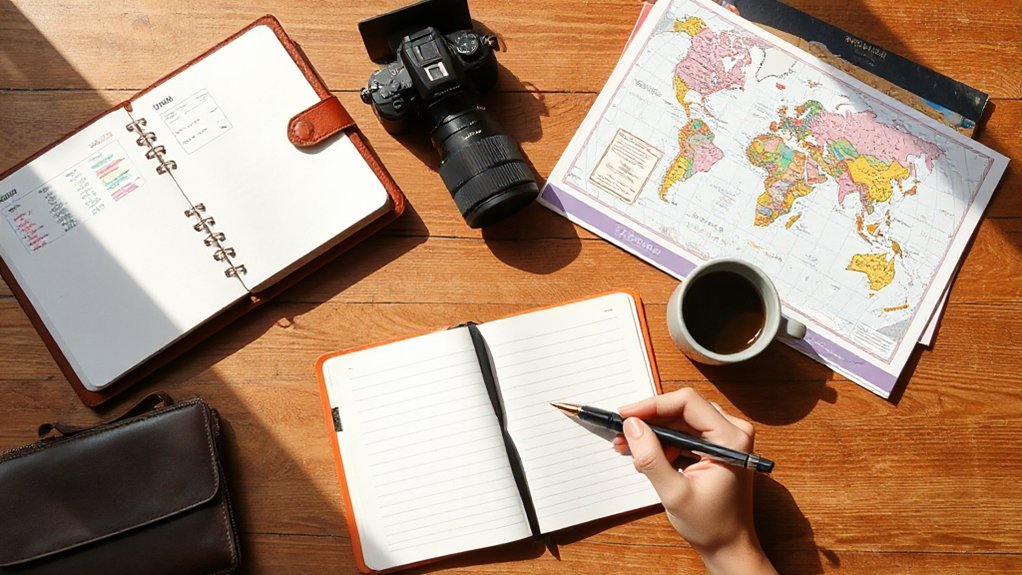
You want to spend a year on the road, and yes, you can — with a plan that actually fits your life, not a travel ad. I’ll talk you through choosing why you’re going, sketching a sensible route, pinching pennies without becoming a hermit, and handling visas, health, and work so nothing blows up. Expect practical checklists, a few travel hacks, and my tired-but-honest warnings about hostel mattresses. Ready?
Key Takeaways
- Define your why, priorities, and preferred travel style to shape destinations, pace, and budget for the year.
- Build a flexible route that aligns with seasons, visas, and major events while leaving weeks for spontaneous detours.
- Create a detailed budget with daily limits, category envelopes, emergency cushion, and automated savings for trip expenses.
- Arrange remote-work or study logistics, schedule focused hours, and book refundable accommodation for stability.
- Sort legal and health essentials: passports, visas, insurance, vaccinations, copies of documents, and emergency contacts.
Deciding Your Why and Travel Style
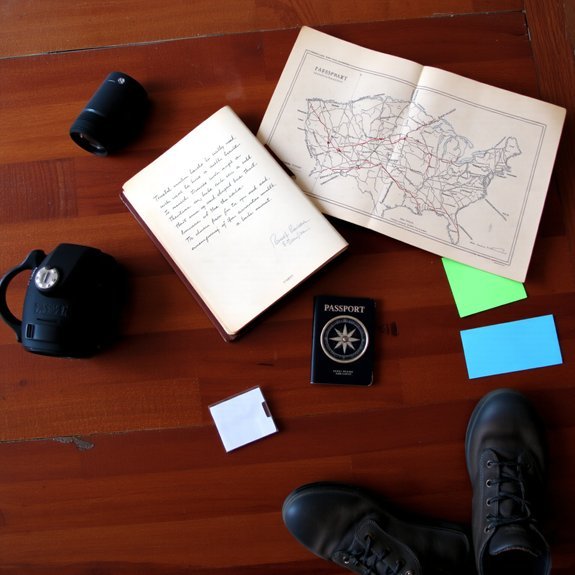
Why do you want to go for a year — and who are you when you travel? You’ll ask yourself that on a rainy Tuesday, over coffee gone cold, and you’ll answer honestly: freedom, curiosity, escape. I make you name travel motivations—learning languages, chasing landscapes, avoiding the same old commute. Then we’re ruthless about adventure preferences: are you a sunrise hiker or a midnight market wanderer? Budget considerations snap the dream into shape; count hostels, street food, occasional splurges, not fantasies. Picture bustling markets, the oily heat of street food, the soft hush of a mountain dawn. You’ll choose cultural experiences that feel like conversation, not checklist, leaning into awkward local jokes and the sweet relief of being deliciously, wonderfully out of your depth.
Choosing Destinations and a Rough Route
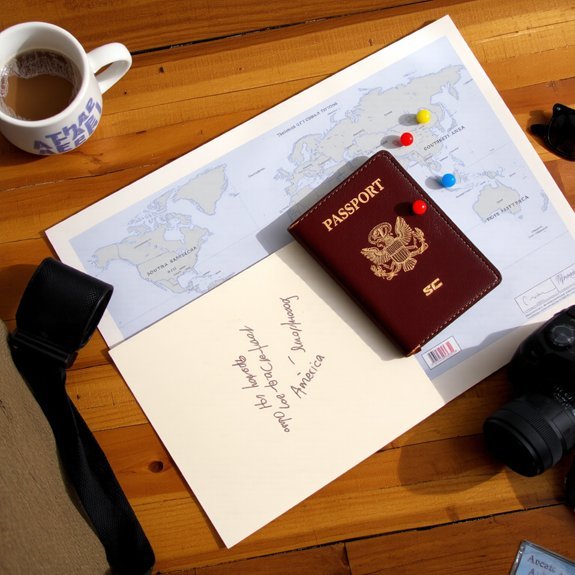
Okay, now that you know who you are when you travel (midnight market marauder? sunrise loner?), we turn to the map — yes, the confusing, glorious spread of countries, cities, and questionable visa rules that will shape your year. Start by sketching scenes: you tasting local cuisine in a bustling alley, tracing hands over ancient stone at historical sites, or pitching a tarp for outdoor adventures under stars. Layer in travel seasons, flip calendars, and pick routes that favor weather and festivals. Jot transportation options — trains, budget flights, overnight buses — and cluster nearby places to save time. Hunt hidden gems off main roads, choose some budget accommodations, and leave breathing room for serendipity. You’ll thank me later.
Setting a Realistic Budget and Money Plan
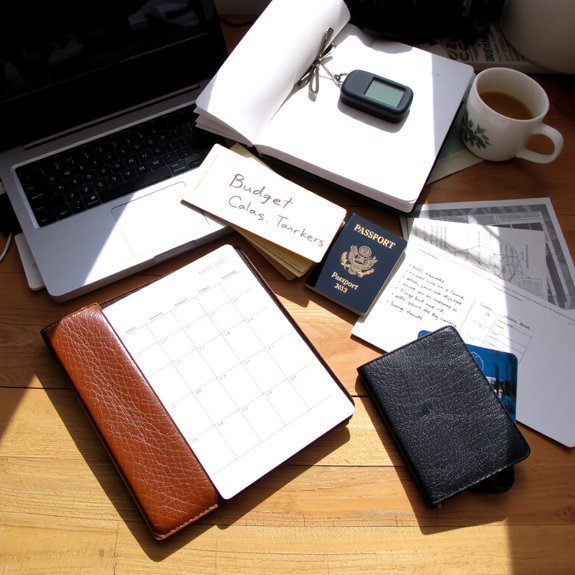
Alright, let’s get real about money: you’ll list every daily coffee, hostel bunk, visa fee and bus ride to calculate true trip costs, not guess and hope for the best. Pack an emergency cushion that’s easy to access, because misadventures happen — lost luggage, surprise flights, you name it — and you’ll thank me later. Open travel-specific accounts and automate savings, it’s boring but brilliant, and it makes your year on the road feel funded, not frantic.
Calculate True Trip Costs
One clear rule: money talks, and if you don’t make it say what you want, it’ll whisper “stay home” in your ear at 3 a.m. — trust me, I’ve learned that the hard way. Start by listing every likely cost, small and annoying: hostel bunk fees, street-food splurges, SIM cards that chew minutes, bus delays that mean taxis, visa stamps, laundry coins. Taste the salt air, imagine the clink of coins. Add buffers for unpredictable delights. Use simple trip expenses spreadsheets, and test budgeting strategies like weekly envelopes or category limits. I poke holes in wishful thinking, then patch them with reality. You’ll sleep better, carry less guilt, and actually enjoy the trip, instead of counting every breath like it costs $2.
Build Emergency Savings
If your trip budget is the map, emergency savings are the spare keys you hide under the welcome mat — and yeah, you’ll feel silly until the lock jams at 2 a.m. in a rainy town you can’t pronounce. I tell you to build an emergency fund that’s boring but brilliant. Start with a cushion equal to one month of travel costs, then aim for three. Stash it somewhere out of reach, not under your pillow, and automate transfers so you don’t negotiate with yourself. Use simple savings strategies: round-up apps, a dedicated sub-account, or cutting one subscription you barely use. Picture the relief, warm and tangible, when a sudden flight change or clinic visit doesn’t shred your plans. You’ll sleep better, promise.
Use Travel-Specific Accounts
Everyone who’s ever tried to squirrel away travel money knows how fast “someday” becomes “oh no,” so let’s be smarter: set up travel-specific accounts and treat them like a tiny, obedient staff. I’d park buckets for flights, gear, and splurges, each with a name you can smirk at — “Dream Flights,” “Camera Tooth Fairy.” Automate transfers, watch balances like a hawk, celebrate small wins with a silly gif. Link accounts to alerts, so you smell progress in your inbox. While you read travel blogs, travel forums, and follow travel influencers, don’t let social media impulse you; use travel podcasts and travel vlogs for research, not retail therapy. Join travel communities for deals, swap tips, and keep your cash focused, tidy, and ready.
Work, Study, and Commitments While Away
Because I still want rent paid and a résumé that doesn’t look like I vanished into a travel-themed witness protection program, I treat work, study, and commitments as travel companions—not nagging roommates. You’ll set up remote work, pick study options that fit a shifting schedule, and tame commitment management with a single calendar that actually gets opened. Embrace time zone adaptation: block deep-focus hours, schedule calls at sane times, and nap like a strategic cat. Use productivity tips—Pomodoro, noise-canceling headphones, micro-goals—and communication tools to keep teammates and professors in the loop, with clear boundaries and emojis when appropriate. Pack a portable hotspot, an honest out-of-office, and a suitcase that doubles as an office. Keep promises, but keep wandering.
Visas, Passports, and Legal Requirements
You’ll want to check your passport now, not later — many countries want at least six months of validity, and you don’t want to be held at the gate because of a date. Figure out which visas you’ll need, when to apply, and whether you can get them on arrival or need an embassy appointment, I’ll help you map that timeline so nothing sneaks up on you. Pack copies of key documents, set calendar reminders, and breathe — paperwork is boring, but it’s also the only thing standing between you and that sunset on the first night abroad.
Passport Validity Requirements
If your passport’s got less than six months left, pack it like expired milk—don’t bring it to the party. I mean it: many countries will bounce you at the gate, no sympathy, no refund. Check passport expiration dates now, not later, peel back that wallet and stare it down. Start the renewal process early, web forms, photos, fees, a short dance with bureaucracy. Hold the physical book, smell the slightly sweet paper, feel the stamp-edge bumps—then act. Get extra blank pages if you’ll stamp a lot, and carry a digital copy, crisp and backed up. If you rush, you’ll pay for expedited service and sweat. If you plan ahead, you’ll sip coffee at arrivals, smug and passport-ready.
Visa Types and Timing
When you’re planning a year on the road, visas are the backstage passes you can’t fake—so learn the chord progressions before you jump onstage. I tell you this because visa types and timing change the tempo of your trip, they’re not drama you can improvise. Check visa application windows early, feel the relief when approvals arrive, and pack printed copies like talismans. Short tourist visas, longer work or student permits, and visa-on-arrival each have different beats. Watch travel restrictions as if they were sudden tempo breaks — borders close, rules pivot, you adapt. I book buffer days, I set calendar alerts, I call embassies when confused. You’ll stay nimble, avoid fines, and keep the music playing.
Health Insurance, Vaccinations, and Safety
Because getting sick in a foreign country is dramatically less fun than it sounds, I treat health planning like packing a spare pair of underwear—boring, essential, and quietly heroic. You’ll sort health insurance options before you book flights, read fine print, and choose coverage that pays for evacuations and repatriation. Check vaccination recommendations early, get shots, carry your yellow card, and feel smug at customs. Practice safety precautions: lock doors, avoid sketchy shortcuts, and trust your gut when alleys whisper. Program emergency contacts into your phone, add local embassy numbers, and rehearse a quick “I need help” script.
- Compare plans, costs, limits.
- Schedule vaccines, keep records.
- Travel smart, stay visible.
- Save contacts, share itinerary.
Packing, Gear, and Tech Essentials
Alright, you’ve got your shots, your emergency contacts sorted, and that hospital-grade paranoia to keep you honest—now let’s talk what actually goes in your backpack. I’ll keep it real: start with travel essentials—a lightweight daypack, compression cubes, quick-dry clothes that smell like nothing, a compact first-aid kit. Packing tips? Roll, stash socks in shoes, weigh your bag before you sulk. For gear recommendations, pick versatile items: a 3-in-1 jacket, a rechargeable headlamp, sturdy sandals that don’t fall apart at border control. Tech gadgets include a power bank, universal adapter, noise-cancelling earphones, and a tiny travel router if you’re picky about Wi‑Fi. Test everything at home, label chargers, and promise me you’ll leave the hairdryer.
Creating a Flexible Itinerary and Booking Strategy
If you’re anything like me, you crave a plan that’s more compass than cage—so I sketch a loose route, book the big bones, and leave wiggle room for brilliance. You’ll love flexible planning; it’s honest, loud, and forgiving. Book flights for anchors, reserve a few must-stay nights, and keep options open for impromptu detours, because smells, sounds, and strangers often decide your best days.
- Pick major hubs, lock flights, don’t overbook connections.
- Reserve a week here or there, leave pockets for surprises.
- Use refundable hotels or long-stay deals, track prices daily.
- Plan for quick itinerary adjustments, pack patience and snacks.
You’ll travel smarter, laugh at plans that fail, and still reach the highlights.
Home Logistics and Preparing to Return
When you finally start dreaming about your couch and the smell of home-cooked food, don’t wait — map out your return like it’s the last act of a play you actually want to enjoy. I tell you, plan home maintenance tasks now, schedule HVAC checks, and line up a handy neighbor for odd jobs. Arrange mail handling, pause subscriptions, or forward important letters. Choose storage solutions for leftovers, seasonal stuff, and souvenirs — label like a librarian. Nail down pet care plans, pet sitters, or slow reintros if you boarded them. Budgeting adjustments are key, recalibrate bills and emergency funds. Practice emotional preparation: picture hugs, rehearse reconnecting friends, and brace for cultural reintegration. You’ll land steadier, with fewer surprises, I promise.
Conclusion
You’re ready. Pack light, keep your passport and a mixtape (yes, a mixtape — sentimental anachronism) tucked together, and choose mornings for walking markets, evenings for strange street food that makes you grin and gasp. I’ll nudge you to book the big stuff, leave gaps for whim, and stash emergency cash like a tiny paranoid pirate. Go curious, go kind, call home when you miss them, laugh at your mistakes, and come back sharper.
Leave a Reply