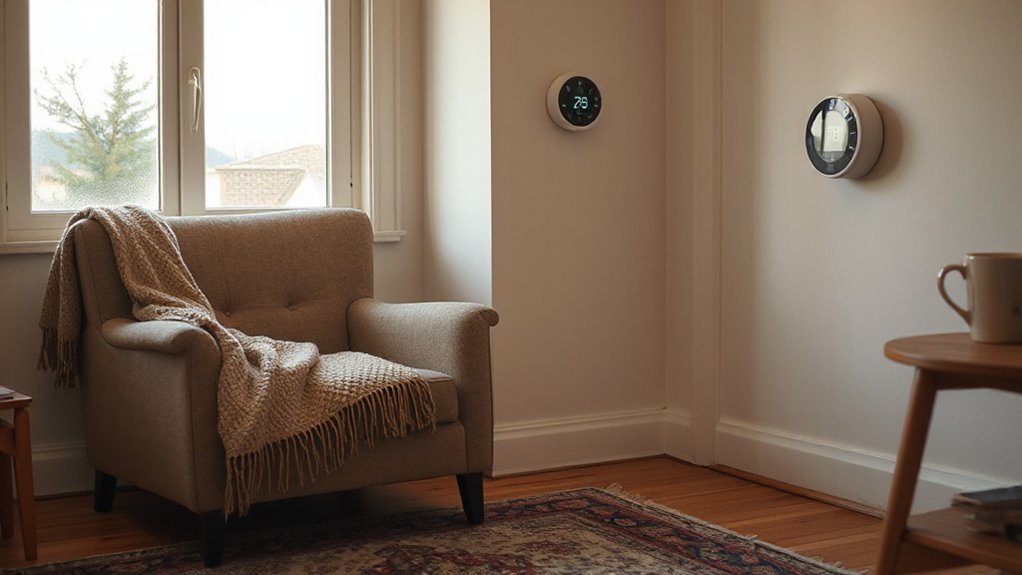
You can cut your heating bill without turning into a woolly mammoth—start by dropping the thermostat a couple degrees, swapping thick sweaters for a cozy throw, and sealing those pesky window gaps so warm air doesn’t escape like bad secrets; I’ll show you how to patch drafts, schedule cheap tune-ups, and pick smart thermostats that learn your routine, plus some rebate tricks, but first—let’s find the low‑effort changes that actually feel worth it.
Key Takeaways
- Lower your thermostat by 1–2°C (2–4°F) and use blankets to reduce heating energy immediately.
- Seal leaks around windows, doors, and outlets with caulk, weatherstripping, and foam gaskets to stop drafts.
- Add attic, wall, and floor insulation to cut heat loss and improve long-term savings.
- Use a programmable or smart thermostat and set setback schedules for unoccupied hours.
- Maintain your heating system: change filters monthly and schedule annual professional tune-ups.
Quick Wins: Small Changes That Lower Your Bills Immediately

Okay, let’s start with something you can do today: turn your thermostat down two degrees and feel like a tiny, frugal superhero. You’ll notice cooler air, a soft click of the furnace, and a smug grin. I’m with you, I’ll cheer. Small energy efficient habits add up fast, so swap heavy sweaters for blankets, close vents in unused rooms, and let sunlight warm a chair in the morning. If you don’t have programmable thermostats, get one; set lower temps while you sleep and higher when you wake, automatic savings, no fuss. Make coffee, sip slowly, watch the display tick down. These moves are simple, tactile, satisfying — like finding money in an old coat, only better for the planet.
Sealing and Insulating: Stop Heat From Escaping
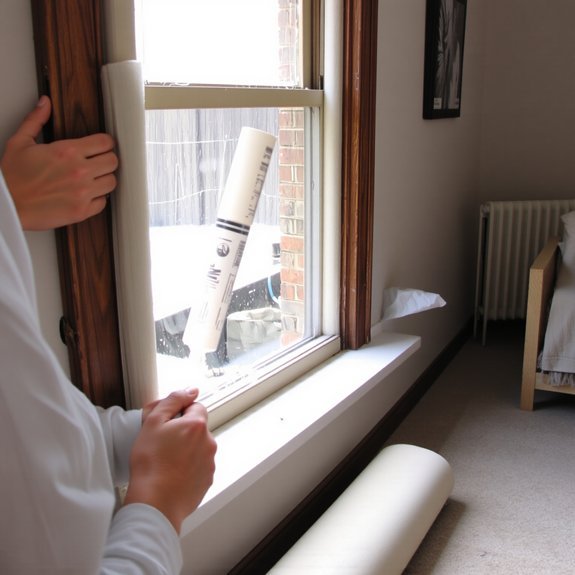
You can stop that sneaky cold from slipping in by sealing air leaks around windows, doors, and outlets—grab some caulk and weatherstripping and get cozy. Then add insulation layers where your walls feel thin, think of it as tucking your house into a warm blanket. Don’t forget the attic access—insulate and weatherstrip that hatch, because heat loves to escape straight up and I’ve learned the hard way, shivering under my own roof.
Seal Air Leaks
If cold air’s sneaking in around your windows and doors, it’s like someone left a freezer door cracked all winter—annoying and expensive, and yes, fixable. You’ll walk the perimeter, feel for drafts with a hand, or light a candle and watch the flame dance. Find gaps, and grab caulking windows kits and rolls of weather stripping; they’re cheap, and you’ll feel heroic. Peel, press, smooth—caulk those seams, press foam or V-strip in frames, and test again. Don’t forget attic hatch and baseboards, where little breezes love to hide. Seal outlets with foam gaskets, too. It’s simple work, a bit like patching a leaky boat, only you stay warm. You’ll cut drafts, cut bills, and maybe brag a little.
Add Insulation Layers
Alright, now that you’ve patched the obvious leaks and stopped the drafty saboteurs around doors and windows, let’s layer up—like putting on a sweater for your house. You’ll add insulation layers in walls and floors, tuck batts into cavities, and roll out rigid foam where drafts sneak through. Pick insulation materials that match your climate and budget — fiberglass, cellulose, spray foam — each has different insulation benefits, R-values, and installation quirks. I’ll say it bluntly: more R-value, less heat loss. You’ll feel the difference as rooms stay warmer, radiators work less, and your meter breathes easier. Wear gloves, cut carefully, seal gaps, and pause to admire your handiwork — you just made the house cozier, cheaper to run, and smugly efficient.
Insulate Attic Access
One quick fix you probably forgot: the attic hatch is a heat thief, and sealing it will stop warm air from sneaking out like it’s midnight snack time. Walk up, put your hand near the attic hatch, feel that draft? That’s your money slipping away. Pop the access door open, check the frame, and press weatherstripping into gaps. Lay a simple attic tent or foam board over the hatch, tape edges tight, don’t be shy with caulk where wood meets drywall. Add a folded blanket if you must — I do, and it’s embarrassing how well it works. Close it, feel the quiet warmth return, listen for no wind. Small fixes, big comfort. You’ll save cash, and you’ll feel smug.
Thermostat Strategies and Zoning for Efficient Comfort
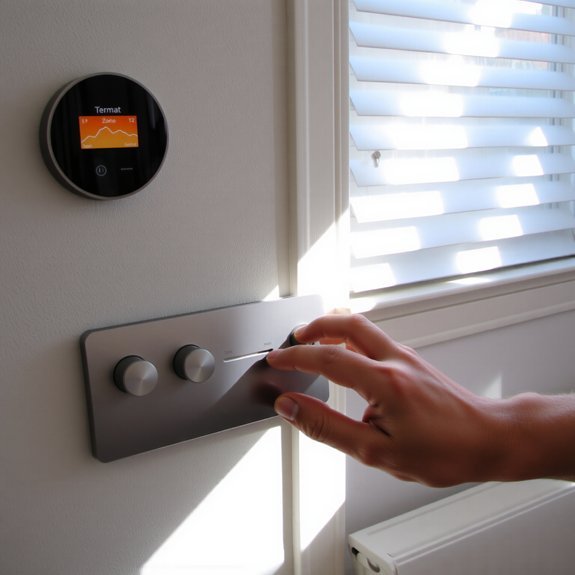
Wondering why your living room feels like a sauna while your bedroom is an icebox? You’re not cursed, you’ve got mismatched zones. I’ll walk you through thermostat programming tricks, and show zoning benefits without the nerdy lecture. Set lower temps for rooms you use less, raise them when you enter, and let setback schedules do the boring work. Use smart thermostats to learn patterns, or simple timers if you’re old-school like me. Install dampers or a second thermostat to control heat room-by-room, and feel the relief when bills drop. Listen for airflow, feel vent warmth, tweak registers. It’s practical, immediate, and oddly satisfying—like folding fitted sheets, only warmer and worth it.
Heating System Maintenance and When to Replace It
Because you’ll want your house to feel like a cozy blanket, not a ticking money bomb, I’m going to talk about the upkeep your heater actually needs and how to tell when it’s time to retire the whole thing. Clean or replace filters monthly, clear vents so warm air doesn’t whisper away, and listen for odd bangs or rattles that mean parts are losing the will to live. Annual tune-ups keep heating efficiency up, extend system longevity, and catch tiny problems before they bill you big. If repairs pile up, energy use jumps, or comfort drops — or your unit’s older than about 15 years — plan replacement. I’ll admit, deciding to ditch a familiar clunker stings, but your wallet will thank you.
Smart Upgrades: High-Efficiency Equipment and Controls
If you swap out that wheezy old furnace for a high-efficiency model, you’ll feel the difference right away — warmer air that smells cleaner, bills that don’t make you wince, and a heater that actually seems happy to be working. You’ll notice quieter cycles, steadier warmth, and less guessing about comfort. Pair that with energy efficient appliances, and your whole home stops fighting you for heat. Install programmable thermostats, set sensible schedules, and watch waste vanish — mornings cozy, nights cooler, no fiddling. I’ll admit, I once argued with a thermostat like it owed me rent. Now it obeys. Smart controls learn your rhythm, trim peaks, and give you control from your phone, so you stay comfortable, smug, and saving.
Financial Assistance, Rebates, and Long-Term Cost Planning
You’ve upgraded the furnace and tamed the thermostat beast, and now it’s time to talk money — the part where your wallet either sighs in relief or stages a protest march. I’ll walk you through where cash comes back, and how to plan so heating doesn’t eat your future pizza fund. Hunt local financial programs, call your utility, and taste the sweet victory of paperwork that pays. Learn energy rebates, federal credits, and low-interest loans; stack them, like pancakes that actually save you money.
- Check utility and state financial programs, apply early, photograph receipts.
- Clip energy rebates for equipment, mail forms, double-check model numbers.
- Build a 5-year budget, track savings, reinvest in insulation.
Conclusion
You’ll laugh, but the day I turned the thermostat down two degrees I noticed my cat burrowed into a blanket like a tiny, judgmental burrito — coincidence or a sign? Either way, you’ll save money by doing the same. Seal the drafts, clean the filters, zone your rooms, and grab rebates when they wink at you. Take the small wins now, plan upgrades later, and enjoy warmer pockets and cozier evenings.
Leave a Reply