
You stroll onto a campus where trumpet calls and laughter mix with the smell of grilling and old books, and you’ll feel how HBCUs taught a nation to listen. I’ll tell you straight: they turned classrooms into stages, labs into lifelines, and protests into policy, while polishing style, leadership, and soul. You’ll see alumni in lab coats, on Supreme Court benches, and in halftime pyrotechnics — but the real story sneaks up on you, and it’s still unfolding.
Key Takeaways
- HBCUs cultivated leaders and civil rights activists who shaped national movements and public policy.
- They preserved and advanced Black music, arts, and fashion, influencing mainstream American culture.
- HBCU marching bands and homecoming traditions transformed collegiate entertainment and community celebration nationwide.
- They produced disproportionately many Black professionals in STEM, medicine, law, and education, changing institutional demographics.
- HBCUs fostered entrepreneurship and local economic development through incubators, alumni networks, and community-focused business initiatives.
The Founding and Mission of HBCUs: Education as Resistance

If you step onto an old HBCU quad, you can feel the history under your shoes, like warm bricks remembering footsteps. You notice carved names on stone, smell fresh-cut grass, hear laughter bouncing from a distant porch. I’ll tell you straight: these schools were born as stubborn answers, classrooms as safehouses. You learn, in rooms lit by determination, that reading and arithmetic were acts of courage, diplomas were shields. You see teachers who spoke truth, coaches who doubled as mentors, cooks whose recipes held family maps. You get hands-on training, spiritual lift, and community that won’t let you fall, even when you wobble. It’s education as resistance, practical and proud, fierce but tender—exactly what you’ve been looking for.
HBCUs and the Civil Rights Movement
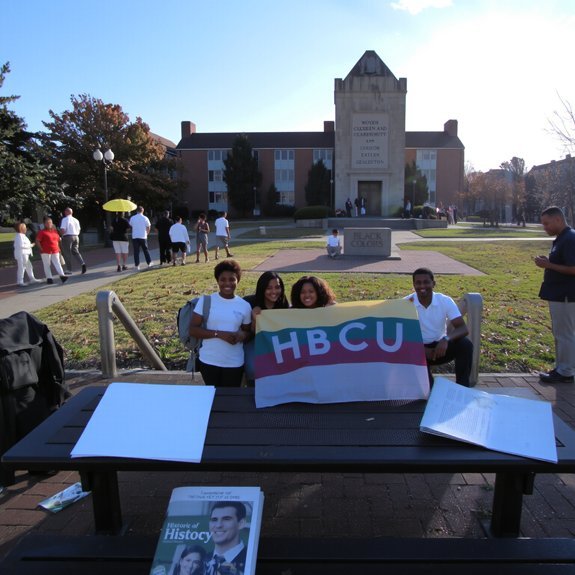
We leave the classroom and step onto the protest line. You feel the sun, sweat, and a rhythm—chanting, footsteps, drums from a campus quad. HBCUs trained you to read, but also to rally, to file legal briefs, to nurse bruises, and to sing freedom into being. You hand out flyers, lock arms with classmates, and listen to elders who whisper strategy and call names like gospel. You hear the creak of a bus, smell coffee brewed in a church basement, taste stale popcorn from a midnight meeting. Professors become organizers, libraries hide mimeographed plans, and camaraderie hardens into courage. You don’t just study history here, you make it—smart, stubborn, loud—and you do it with a grin, because someone has to.
Producing Political and Community Leaders

Because leadership here smells like fried chicken after chapel and feels like a handshake that means more than your résumé, I’ll tell you straight: HBCUs don’t just teach politics, they forge leaders. You learn in classrooms and on front lawns, debating policy between bites of cornbread, then marching at dusk with shoes full of dust and resolve. You’ll chair student government, run voter drives, knock on doors, get a coffee and a sermon in the same breath. I’ve watched timid freshmen become confident organizers, speaking clearly, moving crowds, filing paperwork that changes lives. Alumni show up at graduations and city halls, offering advice and a ride. You’ll leave with networks, instincts, and grit — not just degrees — ready to lead your block, your city, your country.
HBCUs’ Contributions to Science, Medicine, and Research
When I wander through an HBCU lab, the air smells like drying alcohol wipes and ambition — crisp, sharp, a little like the coffee someone forgot on a hotplate — and I can almost hear pipette tips clicking in Morse code: work, work, work. You watch students calibrate microscopes, annotate data, and argue kindly about protocol, and you feel the patience and grit that fuel breakthroughs. You meet faculty who mentor like coaches, fund small projects, and push for big NIH grants, often against stacked odds. You see community clinics run by trainees, vaccine drives, and research that fixes real problems. That mix of rigor and care changes medicine, careers, neighborhoods.
Air smells like alcohol wipes and ambition, pipette tips clicking: gritty care turning labs into community-changing medicine.
- Hands-on training that elevates clinicians
- Community-driven clinical trials
- STEM pipelines for underserved youth
- Faculty-led basic research with real goals
- Partnerships that translate to care
Cultivating Black Arts, Literature, and Intellectual Thought
If you step onto an HBCU quad at dusk, you’ll smell magnolia and diesel and hear a saxophone bleeding into a heated debate about Toni Morrison — and I’ll be the one nudging you toward the gallery. You wander with me, past murals that slap you awake, into studios where paint still sticks to fingertips and laughter bounces off plaster. Professors prod ideas like stubborn seeds, you plant questions, they push back, you grow. Poets read lines that make you sit straighter, historians pull dusty letters into sunlight, playwrights stage small revolutions in repurposed classrooms. You argue, you revise, you publish a zine in a week. These schools don’t just teach art, they forge thinkers who reshape language, identity, and the stories America tells about itself.
Music, Performance, and the Rise of Black Musical Traditions
You’re standing in a packed chapel, the air sticky with incense and the bend of a choir’s high harmony, and I’ll bet you feel that gospel pulse in your chest before you even know the words. Then we’ll step outside to a sunlit field, watch the marching band cut sharp lines, brass flashing, drum cadences snapping like a laugh — that choreography turned ritual made whole communities move. Stick with me, and we’ll trace how those spiritual roots and parade-ground artistry braided together to make modern Black musical traditions, loud and proud.
Gospel and Spiritual Roots
Although gospel grew out of church pews and Sunday hymns, I’ll tell you straight: it gasped, laughed, and sang its way into the world like a stubborn joy you can’t ignore. You feel it in HBCU chapels, in late-night rehearsals, in call-and-response that pins you to the moment. I watch students bend notes until they shine, clap until the floor answers back, and tell stories with throats that won’t quit. You learn phrasing from elders, timing from Sunday set lists, and courage from solos that start as whispers. It seeps into campus life, into activism, into the way you carry hope.
- Raw vocal power shaped technique and grit
- Spirituals taught communal storytelling
- Choirs trained leaders
- Liturgies sparked improvisation
- Gospel bridged sacred and secular
Marching Band Traditions
Three things hit you first: the brass blast, the drumline’s heel-stomp, and a wall of color folding toward the field. You feel it in your chest, a rhythm that makes your teeth chatter with joy, and you grin like you forgot how to be serious. I tell you, those bands don’t march—they narrate. You watch majorettes spin sunlight, trombones slide like jokes landing perfectly, cymbals flash like punctuation. The crowd answers back, stomps and calls, a call-and-response turned stadium gospel. Tradition here is a living thing, passed down in uniforms and whispered cues, taught in parking lots at midnight. You leave buzzing, humming a riff you didn’t know you knew, already planning your next return.
Fashion, Style, and Campus Culture Influences
When I stomp onto an HBCU quad, the whole scene hits me like a perfectly timed drumline—vibrant, loud, and impossible to ignore; you can smell fresh-cut grass, hear laughter ricochet off brick, and see outfits that read like living history plus a wink. You’ll notice style isn’t just clothes, it’s attitude. You’ll nod at a fedora tipped just so, marvel at coordinated Greek parade colors, and catch campus slang folding into fashion like gravy on sweet potatoes. You learn to dress for pride, for photography, for legacy. It’s playful, it’s polished, it’s protest sometimes, and it’s always storytelling.
- Statement jackets that announce lineage
- Tailored fits with vintage flair
- Accessories as family heirlooms
- Color-coded group identity
- Sneakers worn like trophies
Athletic Traditions and Their National Impact
You can feel the same pride that fuels those statement jackets spill onto the field—I’m talking stomps that rattle your teeth, drumlines that make your chest thrum, and bands that choreograph sound like they’re conducting weather. You watch a halftime show and your spine straightens, because rhythm commands you. You see athletes move with poetry, grit carved into every play, and you cheer like you own the scoreboard. Rivalry weekends smell like barbecue and fresh-cut grass, tension humming under laughter. Scouts and choreographers steal plays and steps, then sell them back to the nation as new cool. You take that energy home, wear it like armor, teach it to your kids. It’s showmanship, it’s training, it’s cultural export—loud, proud, undeniably influential.
HBCUs as Centers for Social Justice and Activism Today
Even as the band drums fade and the scoreboard blinks, HBCU campuses stay loud—because activism here isn’t a sideline hobby, it’s the main event. You feel it in march chants, in posters tacked to dorm doors, in late-night strategy sessions over soggy fries. You join sit-ins, you learn protest songs, you hear elders’ stories that sharpen your aim. Campus leaders pressure administrations, students build coalitions, alumni fund legal fights. It’s civic training, it’s moral schooling, it’s noisy, messy, and necessary. I wink and say you’ll get better at signs than spreadsheets, but you’ll also learn to listen. Change here blends passion with study, ritual with policy, history with hustle.
- Organizing teach-ins and panels
- Voter registration drives
- Community defense networks
- Cultural protest art
- Legal aid clinics
Economic Development, Entrepreneurship, and Community Partnerships
Protests wind down, pamphlets get folded, and the same hands that held signs start sketching business plans on napkins—because HBCU activism spills into economic life, and I’m here for it. You walk campus corridors smelling coffee and printer ink, hear students pitching apps in the commons, and feel that electric, gotta-build energy. I point out incubators turned classrooms, alumni funding pop-up shops, and professors brokering supplier contracts with local grocers. You’ll see mentorship over barbecue, grants tied to neighborhood plans, and kids learning payroll by selling shirts at football games. It’s messy, loud, brilliant. You get trained, you fail fast, you try again. These schools seed entrepreneurs, anchor Main Streets, and stitch social mission into market moves—practical hope, delivered.
Conclusion
You’ve seen how HBCUs shape music, mindsets, medicine, and marches, and you feel it in your chest like a drumbeat — steady, proud. I’ll say it plain: these schools don’t just teach, they forge leaders, artists, entrepreneurs, and activists, they stitch culture into community. Walk a campus and you’ll smell history, hear brass and laughter, watch futures get made. Keep this rhythm, remember the roots, and carry it forward.
Leave a Reply