
Did you know HBCUs enroll about 20% of Black college students while making up just 3% of campuses? You’ll want a plan, so I’ll walk you through picking schools, nailing applications, and hunting scholarships—step by step, no fluff. Picture campus visits at golden-hour, recommendation emails that actually get opened, and FAFSA forms that don’t make you cry; stick with me and you’ll have a clear checklist by the end.
Key Takeaways
- Research HBCUs to find programs, campus culture, and support services that match your academic and personal needs.
- Check application types, deadlines, and required materials (transcripts, test scores, essays, recommendations).
- Request strong letters from teachers or mentors, supplying a resume, transcript highlights, and submission instructions.
- Complete FAFSA early, search institutional and external scholarships, and compare net costs before accepting offers.
- Visit campuses or attend virtual events, prepare for interviews, and confirm housing and enrollment deadlines.
Why Choose an HBCU: Benefits and Considerations

If you want to belong and thrive, an HBCU might be the place that grabs you by the shoulders and says, “You’re home.” I’ve walked buzzing quads where laughter smells like fried food and fresh-cut grass, sat in classrooms where professors call you by name, and felt the electric click of culture in every chapel, lab, and dorm hallway — it’s personal, not anonymous. You’ll get mentorship that’s hands-on, networks that actually answer your texts, and traditions that stick to your bones. You’ll learn leadership in student government, find study groups that become family, and hear music that makes you move. Costs can be lower, support services stronger, and identity affirmed—yes, even on bad hair days. Choose community, choose legacy.
Researching HBCU Programs and Campus Culture
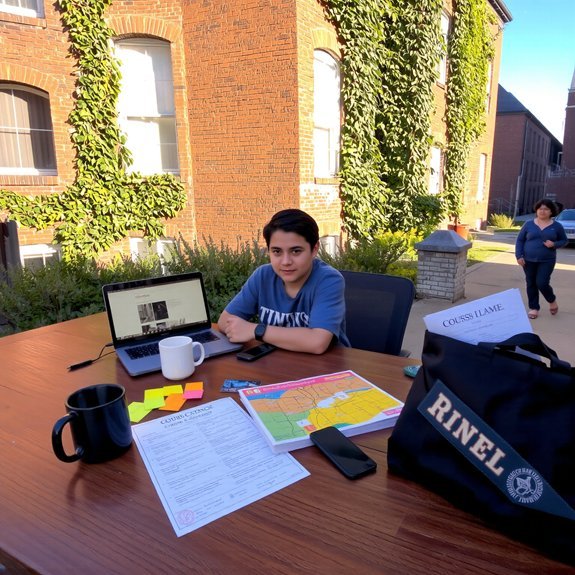
Wondering what it feels like to study somewhere that actually gets you? You’ll want to tour classrooms, listen to campus radio, and smell the dining hall on a late Friday—small clues tell big stories. Talk to students, not just admissions reps; ask about late-night study spots, clubs that actually meet, and whether the vibes match your energy. Read department pages, scan faculty bios, and peek at recent student work—concrete projects reveal priorities. Check campus events, chapel services, and Greek life calendars to sense rhythms. Visit if you can, sit in on a lecture, grab coffee, and observe interactions. If a place makes you laugh, breathe easier, or speak up, that’s a sign. Trust what you feel, then verify with facts.
Creating a Target List: Reach, Match, and Safety Schools

You’ll want to sort schools into reach, match, and safety piles—reach schools are the stretch goals, match schools fit your stats, and safety schools are the ones you can feel confident about getting into. Check admission rates, average GPAs and test scores like you’re reading a menu, and don’t forget to compare class sizes and campus vibe so you know if you’ll actually belong. I’ll call you out if you overreach, but aim for a mix that balances ambition, realism, and a place where you can see yourself walking to class.
Define Reach vs. Match
Because picking colleges can feel like speed-dating with your future, I want you to think of reach and match schools like outfits in a closet: some make you look amazing, some are comfy and reliable, and a couple are there for emergencies. A reach school is that bold dress, the one that might not fit perfectly but turns heads; you try it on, imagine applause, and take a chance. A match is your favorite jeans, fits well, feels like you, and leaves you confident stepping out. Don’t ignore style or fit. Picture campus colors, the hum of student life, the scent of late-night coffee, and how you feel walking through a quad. Mix a few bold picks with dependable ones, you’ve got options.
Assess Admission Stats
How do you turn gut feeling into a real list that actually improves your odds? I poked around admission stats like a detective, you will too. Pull acceptance rates, average GPAs, and SAT/ACT ranges from school sites, then whisper them into a spreadsheet. Color-code: red for reach, amber for match, green for safety. Don’t just eyeball numbers, compare your GPA and scores to medians, note trendlines over five years, and flag holistic markers—legacy, majors, or required essays. Visit virtual tours, sniff campus vibes on social posts, and jot impressions beside the stats. Talk to admissions reps, ask tough questions, and revise your list. You’ll end up with a practical, honest set of targets that actually feels achievable.
Balance Size and Fit
Three tiers, like a mixtape with bops, deep cuts, and that one guilty-pleasure track you pretend you don’t love—this is how we build your target list. You’ll balance size and fit by picturing campuses, walking quads in your mind, feeling brick under your palm, hearing chapel bells or cafeteria chatter. Don’t just chase prestige, think day-to-day life, class sizes, and where you’ll thrive.
- Reach: Big-name HBCUs, competitive admits, aim high, mentally rehearse your application story.
- Match: Schools that fit your stats and style, warm dorm vibes, professors who call you by name.
- Safety: Solid backups, financial sense, places you’d happily spend four years, not bargains you resent.
I’ll help you mix them right, honestly and bravely.
Understanding Application Types and Deadlines
Deadlines, like red lights on a road trip, tell you when to hit the brakes — and you don’t want to miss them. You’ll choose between rolling admissions, early action, and early decision. I’ll be blunt: rolling is relaxed, decisions drip in as apps arrive; early action gives you a head start without binding you; early decision locks you in, so don’t sign if you’re not sure. Note each college’s deadline, then tattoo it to your calendar — I exaggerate, but set alerts, sticky notes, and a backup checklist. Watch for priority deadlines for scholarships and housing, they arrive faster than free pizza. Call admissions if you’re fuzzy, they’re human, not angry robots. Meet deadlines, breathe, celebrate with a weird victory snack.
Standardized Tests, Transcripts, and Academic Records
Okay, here’s the part where we sort the paperwork pile: you’ll pick a standardized test option that fits your rhythm—ACT, SAT, or sometimes test-optional—and you’ll want to know each HBCU’s preference before you register. Then, grab your transcripts and academic records, request official copies from your school, and double-check grades and course names so nothing looks like a mystery novel to admissions officers. I’ll hold your hand through the checklist, but you do the clicking and calling, because nobody ever got a transcript by wishing for it.
Standardized Test Options
Wondering whether you need to sweat over the SAT or ACT, or if you can skip them altogether? I’ll cut to it: many HBCUs are test-optional now, but policies vary, so you should check each school. If you submit scores, they can boost merit aid or placement, so don’t toss them unless you’re confident.
- SAT or ACT: Send whichever showcases your strengths, cram less, prep smarter, take practice tests that feel like a real exam — the clock ticks, the pencil scratches, you breathe, you conquer.
- Test-optional: You can leave scores out; lean on essays, extracurriculars, and recommendations instead — paint your story.
- Test-blind or required: Rare but real — follow the school’s rule, no shortcuts, no surprises.
Transcripts and Records
Three things you’ll need to wrestle into one neat file: your high school transcript, any college coursework (if you’ve got it), and the testing or placement records schools ask for — and yes, I’ve stapled the wrong paper before, so speak from experience. Keep originals safe, scan crisp PDFs, label them like a librarian on espresso. Request official transcripts early, expect a fee, and track delivery confirmations — nothing ruins a night like “missing documents” in an email. If you took dual enrollment, include syllabi, grades, and contact info for the professor; admissions will thank you, silently. For test or placement records, upload score reports or screenshots, make notes about accommodations, and double-check deadlines. Breathe. Mail or click submit. You did the work; now show it.
Writing Compelling Personal Statements and Essays
Think of your personal statement as a late-night conversation with someone who already wants to like you — but needs proof you’re real. You lean in, describe the smell of rain on hot pavement, the clack of keys at 2 a.m., the small win that changed your morning. I tell you to pick one moment, show it, don’t lecture. Be specific, use motion: you knocking on doors, you fixing a flat, you listening while someone cried. Don’t fake it. Don’t cram your resume.
- Show one vivid scene, sensory details, one clear takeaway.
- Use plain language, punchy sentences, a surprising metaphor.
- Edit like you’re cutting a monologue; kill the fluff, keep the voice.
Securing Strong Letters of Recommendation
You’ll want to pick recommenders who actually know you, not just the teacher with the nicest tie—think counselors, teachers, or coaches who’ve seen you in action. Give them a one-page packet with your resume, transcript highlights, and a reminder of what you hope they’ll say, so they can write fast and sharp. Then, confirm deadlines and submission rules, and send a polite nudge if they haven’t uploaded the letter—yes, you’re that organized, and yes, they’ll thank you later.
Choose Recommenders Wisely
If you want a letter that sings your praises instead of humming politely, start by picking recommenders who actually know you—teachers who saw you stay after class to rework a lab, a coach who remembers your grit in the rain, or a mentor who watched you build something from scratch. You want people who can describe scenes, not just traits: the late-night project, the nervy question in debate, the time you stayed to fix the broken set. Ask them in person when you can, bring specifics, and remind them gently, like a grateful stagehand. Be courteous, clear, and brief. Choose folks who’ll paint you in color, not outline.
- Teacher who watched you improve
- Coach or activity leader
- Mentor or employer who saw your work ethic
Provide Supporting Materials
You picked recommenders who know your late-night lab disasters and your stubborn comeback—smart move. Now get those letters locked. Email each recommender a clear, polite note, remind them of specifics—project titles, grades, that time you soldered the robot’s arm back on—and attach your resume and transcript. Offer a brief bullet list of strengths and stories they can borrow, and give a suggested deadline, at least three weeks out. Check in once, friendly and brief, like: “Any questions? Need doc copies?” Say thanks, always. If a recommender asks to draft a version, say yes, but keep it honest. Final step: confirm submission, then celebrate with something small—coffee, a victory dance, a tiny, private confetti toss.
Follow Submission Guidelines
Three things make a recommender’s letter land: clarity, timing, and following the rules—no drama, just results. I tell you this like a friend who’s held an envelope in a sweaty hand. You’ll give precise directions, deadlines, and the preferred upload method. Attach a one-page resume, link the portal, state the name format, and remind them twice.
- Give clear steps: upload link, file type, naming convention, and deadline.
- Send a calm reminder: one week, three days, and the morning of—gentle, grateful, efficient.
- Offer help: draft bullet points, supply examples, and say thanks with a handwritten note.
Do it, don’t panic, and make the process smooth for everyone.
Demonstrating Extracurriculars, Leadership, and Community Service
Envision this: you’re in a crowded gym, sneakers squeaking, clipboard in hand, trying to corral a dozen buzzing kids while the principal judges like it’s Shark Tank. I tell that story on applications. You show leadership by naming roles, actions, results — captain, organized drills, cut practice injuries by half. List clubs, hours, concrete projects: started a tutoring night, logged 120 hours, raised reading scores. Use vivid verbs, short evidence-packed bullets, and one quick anecdote that proves character. Highlight community service that solved real problems, not just attendance. Tie it to values you’ll bring to an HBCU: teamwork, resilience, creativity. Don’t guess what they want; show it, with numbers, moments, and a little wit that makes you human.
Navigating Financial Aid, Scholarships, and FAFSA
If money talks, let it say something nice — so let’s make it beg to come to your campus. I’m here, caffeinated and practical, to walk you through grants, scholarships, and FAFSA without the lecture vibe. Start early, gather tax forms, and don’t freak when the form asks for messy bits; breathe, scan, upload. Call financial aid offices like they’re old friends. Ask about institutional awards, priority deadlines, and hidden scholarships. Search local foundations, church groups, and major-specific funds — those dollars hide in plain sight.
If money talks, make it flirt with your campus—start FAFSA early, call aid offices, and hunt hidden scholarships.
- Complete FAFSA ASAP, lock your FAFSA ID, check SAR, update annually.
- Apply to institutional + external scholarships, tailor essays, proofread.
- Negotiate aid offers, compare net cost, accept strategically.
Preparing for Interviews, Campus Visits, and Decision Next Steps
Okay, you’ve wrestled the FAFSA beast and hunted down scholarships like a bargain ninja — now let’s keep that momentum rolling into the parts that actually feel human: interviews, campus visits, and making the call. I’ll say this plainly: show up curious. Practice answers for common questions, but don’t sound rehearsed — imagine chatting with a favorite teacher. Visit when campus smells like coffee and cut grass; sit in a quad, listen to footsteps, note dorm noise levels. Ask about support services, student life, and post-grad outcomes. During interviews, smile, name a specific professor or program, and tell a short story about why you fit. After offers land, compare costs, vibe, and opportunities, then choose the place that makes your chest want to jump up and down.
Conclusion
I’ve walked you through the steps, now you go do the work — breathe, pack a bag, visit a campus, ask questions. Fun fact: HBCUs graduate nearly 25% of Black STEM majors, despite enrolling far fewer students — that’s serious impact. Trust your instincts, polish your essays, snag those rec letters, and file the FAFSA early. I’ll cheer you on, nervously sip coffee with you, and remind you: you belong here, so claim your spot.
Leave a Reply