
Nearly 40% of Black college students attend an HBCU, so you’re joining a real movement — and yes, you’ll want a plan. I’ll walk you through applications, credit transfers, scholarships, and finding mentors who actually answer emails, so you’re not the lost transfer wandering campus at midnight. Picture campus cookout scents, syllabus stacks, and a faculty advisor who remembers your name — but first, let’s get your transcripts in order.
Key Takeaways
- Research HBCU programs, deadlines, and transfer policies early to choose campuses that fit your major and goals.
- Submit official transcripts, syllabi, and forms promptly and request a preliminary credit evaluation within 2–6 weeks.
- File FAFSA, apply for institutional/transfer scholarships, and compare aid offers to negotiate financial support.
- Connect with admissions, faculty, and current students for mentorship, campus culture insights, and networking opportunities.
- Engage in orientation, join student orgs, secure a peer mentor, and use campus support services to transition successfully.
Why Choose an HBCU as a Transfer Student

Belonging matters — you’ll feel it the first time someone calls your name in a crowded quad and it sticks like a good joke. You’ll notice the rhythm: laughter, music, the smell of fried plantains at noon, and folks who actually know your major. You get mentorship that’s literal — professors who tap you on the shoulder, invite you to labs, push you into rooms you’d be scared to enter alone. You find traditions that are loud, warm, and insist on your presence, so you stop being a visitor and start showing up. Networking here isn’t a buzzword, it’s a Saturday cookout where alumni hand you internship leads like family recipes. You leave equipped, confident, and less likely to overthink your next move.
Timeline and Application Steps for Transfer Admission
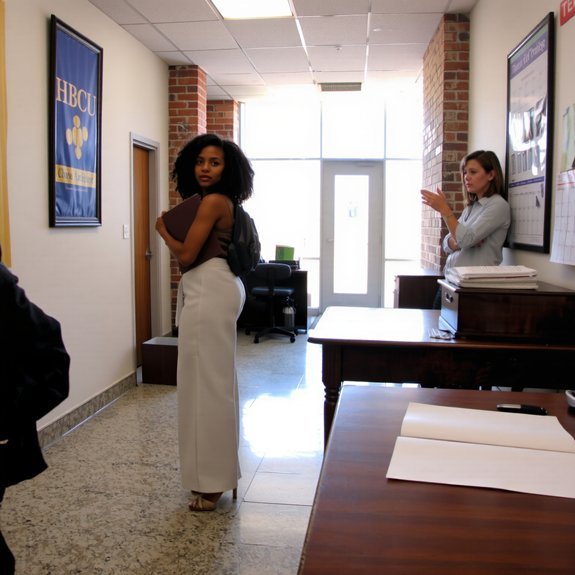
Okay, here’s the game plan: mark those transfer application deadlines on your calendar, and don’t pretend you’ll “get to it” later — you won’t. Gather your transcripts, fill out required forms, and mail or upload them so they don’t haunt you like a ghost of semesters past. I’ll walk you through how credits get evaluated next, so you know which classes will follow you and which ones won’t make the cut.
Transfer Application Deadlines
Alright — let’s map your transfer timeline like it’s a mixtape: you get the beats, you hit each cue, and nothing drops out of sync. I want you to mark deadlines like tour dates — early action, regular, rolling — each school keeps its own tempo. Circle priority dates in bold on your calendar, set reminders, and batch tasks: essays one night, recommendations another. For rolling admissions, send files early; admissions offices love momentum. For fixed deadlines, don’t dawdle — late tracks rarely get airplay. Spring and fall entry windows differ, so listen to each catalog. If you hit a snag, call admissions, get a human voice, and confirm receipt. I swear, being proactive makes the whole remix sound professional.
Required Transcripts & Forms
Now that you’ve locked down dates and set reminders like a roadie with OCD, let’s talk paperwork — the actual vinyl you’ve got to ship. I’ll keep this blunt: request official transcripts from every college you’ve attended, and from your high school if the school asks. Order electronic versions when possible, they’re faster, less melancholy than snail mail. Sign any transcript release forms, initial boxes, scribble where needed. Include your application, fee waiver if you qualify, and placement test scores if requested. Some schools want recommendation letters, a résumé, or an updated syllabus for in-progress courses—don’t guess, check that checklist. Double-check addresses, submission portals, and deadlines. Pack copies for yourself, then breathe. You handled the dates; this is the last mile.
Credit Evaluation Process
When I say “credit evaluation,” don’t imagine a dusty office full of stamps — picture me, coffee in hand, poring over course descriptions like they’re treasure maps, because that’s exactly what this process is: a hunt for which of your hard-won credits actually make it to your new transcript. You’ll start by submitting official transcripts, course catalogs, and syllabi, then wait for admissions to match course numbers. Expect a timeline: submit materials with your application, hear back in 2–6 weeks, maybe longer over breaks. Ask for a preliminary audit if you’re nervous; I do, every time. Take notes, label PDFs, and follow up politely. If credits don’t transfer, don’t sigh forever — appeal with clearer syllabi or plan to test out, simple as that.
Understanding Credit Transfer and Academic Advising

You’ll start by sending your transcripts for a credit evaluation, which is basically a paper audition where each class gets grilled for transfer-worthiness. I’ll tell you to schedule an advisor meeting early, bring your course descriptions, a highlighter, and the weird elective you secretly hope counts — because we’ll fight for those credits together. We’ll map out a plan, set deadlines, and yes, celebrate when that math class actually transfers.
Credit Evaluation Process
If you’ve ever stared at a course catalog and felt your brain go fuzzy, breathe—you’re not alone, and I’ve got your back. You’ll submit transcripts, syllabi, and sometimes awkward emails. The registrar’s office scans credits, compares course descriptions, and listens for learning outcomes—think of it like academic matchmaking. Some classes slide over cleanly, others need professor testimony, and a few stubborn ones get partial credit. You’ll get an evaluation report, a neat list showing accepted, denied, or elective credits. Read it like treasure, mark discrepancies, and document what feels wrong—screenshots, syllabi, dates. Keep copies, stay polite but persistent, and celebrate small wins with coffee. It’s boring paperwork, yes, but it’s how your hard work follows you forward.
Advisor Meeting Planning
Okay — you’ve wrestled the transcripts beast into submission and got that credit report in hand, now it’s time to plan the face-to-face power move: your advisor meeting. I’d grab a quiet corner, lay out the report, degree checklist, and a pen that actually writes, breathe, and act like you belong. Ask for block transfers, prerequisites, and how electives map, say it out loud, watch them nod. Bring a calendar, propose semester plans, and don’t be shy about deadlines — they love specifics. Jot follow-up tasks, get names, and repeat key points back, I promise it cements things. If a policy sounds vague, push for examples. Walk out with a clear plan, a timeline, and the smug satisfaction of being prepared.
Financial Aid, Scholarships, and Affording an HBCU
When money talks, I listen — and I want you to listen too, because affording an HBCU is way more negotiable than the sticker price would have you believe. I’ll be blunt: you’ve got options. File the FAFSA early, whisper sweet deadlines to your calendar, and hunt institutional aid like it’s a hidden treasure — email admissions, ask about transfer scholarships, push politely. Apply for external scholarships every week, scan local foundations, and treat essays like tiny sales pitches. Negotiate your aid offer, point out competing offers, be precise, be polite. Work-study isn’t beneath you; it buys pizza and peace of mind. Finally, budget hard, track spending with an app, and celebrate small wins — you’ll graduate richer in more ways than one.
Campus Culture, Support Services, and Mentorship Programs
Money matters, but people matter more — and on an HBCU campus that truth hits you like warm cornbread on a cold day. You’ll notice nods in the quad, advisors waving you over, professors learning your name fast. Lean in. Use tutoring centers, counseling services, and career hubs — they’re staffed by folks who actually care, not corporate robots. Grab a mentor; ask for coffee, listen hard, steal their shortcuts. Office doors open, emails get real replies, and alumni slip you advice like secret recipes. I’ll admit I once got lost finding the advising office, but that led to a two-hour chat that changed my major. Trust the support net, show up, follow up, and don’t be shy about borrowing wisdom.
Housing, Student Organizations, and Getting Involved Early
If you want a dorm room that feels like home by week two, start asking questions before move‑in—because bedsheets, roommates, and late‑night pizza runs set the tone for your first semester. I’ll be blunt: scout the room pics, smell-test the dorm lounge (ok, hypothetically), and bring a bedside lamp that doubles as a mood setter. Join clubs fast, even if you fake confident nods at the first meeting.
- Visit housing portals, ask about roommate matching, and request a quiet floor if you need one.
- Drop into at least three student org meetings the first week, taste the vibes, pick one.
- Volunteer for a small event, hand out flyers, feel useful instantly.
- Find a peer mentor, text them silly questions, sleep better.
Tips for a Smooth Transition and Thriving Academically
Because you’re swapping routines, roommates, and maybe even time zones, you’ve got to treat the first few weeks like mission prep—I’m talking checklists, alarms, and a tiny bit of caffeine-fueled bravado. I tell you: map your class routes, sniff out the best coffee, and flag quiet study nooks before midterms creep up. Meet professors in office hours, say your name twice, and bring a question—don’t be shy. Join one strong study group, trade notes, and laugh when someone misreads the syllabus (it’ll happen). Keep a calendar app, color-code deadlines, and block focus time like it’s sacred. Sleep, hydrate, and move—your brain likes breaks. Forgive small stumbles, celebrate tiny wins, and remember: you belong here.
Conclusion
You’re ready. I’ve walked this hallway with you, heard the campus bell, felt the late-night coffee burn—transfer smart. One in four college grads started at an HBCU, so you’ll join a proud, proven crew. Gather transcripts, ask for credit evaluations, claim scholarships, and knock on professors’ doors. Immerse yourself in clubs, sleep on move-in day, say “hi” first. You’ll belong faster than you think; I’ll be here cheering, slightly teary, very proud.
Leave a Reply