
You’re juggling work, late-night lectures, and that campus coffee that never tastes the same twice, so let’s be real—you need a plan that actually fits your life. I’ll show you how to map a weekly schedule, talk to your boss without sounding needy, and steal study time between shifts, plus where to find tutoring and a mentor who gets HBCU hustle. Stick around—there’s a trick that makes all this feel less like survival and more like strategy.
Key Takeaways
- Create a weekly block schedule that lists classes, work shifts, study blocks, and fixed breaks to visualize commitments.
- Communicate exact availability to employers, request flexible shifts, and confirm agreed terms in writing.
- Break study into focused 25–50 minute intervals with short breaks and prioritize urgent deadlines first.
- Use campus resources—tutoring, advising, and career services—to get academic support and schedule guidance.
- Protect well-being by scheduling sleep, meals, physical activity, and phone-free downtime each week.
Create a Realistic Weekly Schedule and Prioritize Tasks
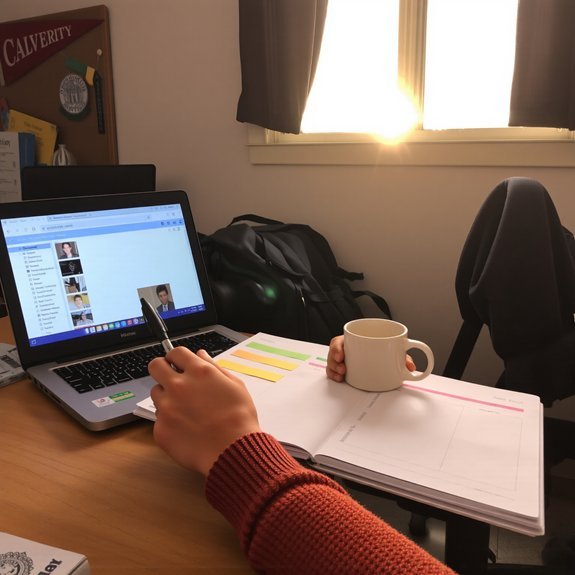
Even before your alarm tosses you into Monday, you’ve already got to treat time like a picky boss—show up on schedule and don’t waste their patience. I tell you this because lists save lives, or at least GPA. Block your week by class, work shift, and a couple sacred breaks, feel the calendar fill up like a cozy playlist. Prioritize like a bouncer: urgent deadlines first, heavy readings next, then the little stuff you can batch. Color-code, set two reminders, and promise yourself a real snack when you finish a tough chunk. Say no to vague plans. Turn study sessions into tiny missions—25 minutes, full focus, then a five-minute stretch, hear your shoulders relax. You’ll get more done, trust me, and actually breathe.
Set Boundaries With Employers and Communicate Your Needs

Tell your boss when you’re actually free, not just when you wish you were — say the days and hours you can work, and keep it specific so you don’t get ambushed before an exam. Ask for flexible shifts or swap options when your calendar gets tight, and be ready with a quick, calm pitch like, “If I could move this shift I’ll nail the project and my grades.” Get whatever you agree on in writing — email, text, screenshot — so you can point to it later without sounding like a paranoid student.
Clarify Work Availability
Once you decide to juggle work with online classes, say it out loud to your boss—calmly, firmly, like you’re ordering coffee and not asking for permission. I tell mine when I can and can’t be on shift, I point to my syllabus like it’s a treasure map, and I hand over a neat list of times with commas, because chaos is rude. Tell your regular hours, blackout study blocks, and the few golden slots you’re actually available, smell of printer paper and campus coffee in the air. Be specific: “I can work Mondays 2–6, Wednesdays 6–9,” not vague wishes. Pause, let them react, then repeat. You stay predictable, they plan, and everyone stops guessing—miracle.
Request Flexible Scheduling
If you want your job to bend around finals week, you have to ask for it like you mean it — calmly, clearly, with a little theatrical flair so they remember you. I walk into the break room, coffee steaming, and say, “Can we talk scheduling?” You show your calendar, point to exam blocks, and offer solutions: swap shifts, take a short leave, or cover weekend slots. Be specific, not vague. Use “I” statements, name exact dates, and explain impact on grades. Listen, nod, make a joke to ease tension, then seal the ask with gratitude. If they push back, stay firm, suggest compromise, and remind them you’re dependable. You leave the chat feeling seen, and your schedule? Mostly usable.
Document Agreed Terms
Because vague promises vanish faster than free pizza in the break room, you need to get agreed terms down on paper—literally. I’ll say it plain: don’t trust memory, or charm, or that nodding manager. Write the schedule, exam dates, expected response times, and what counts as “urgent.” Signatures seal it. Snap a photo, keep a copy in your cloud, and email a short recap so there’s a timestamp; I do this like clockwork, feels almost ritualistic. If something shifts, update the doc, ask for initials, don’t apologize for protecting your grades. Say, “Can we confirm this?” and mean it. That tiny stack of documents, crisp and real, smells like calm — and it saves you from late-night panic and awkward backpedaling.
Leverage HBCU Academic Support and Campus Resources
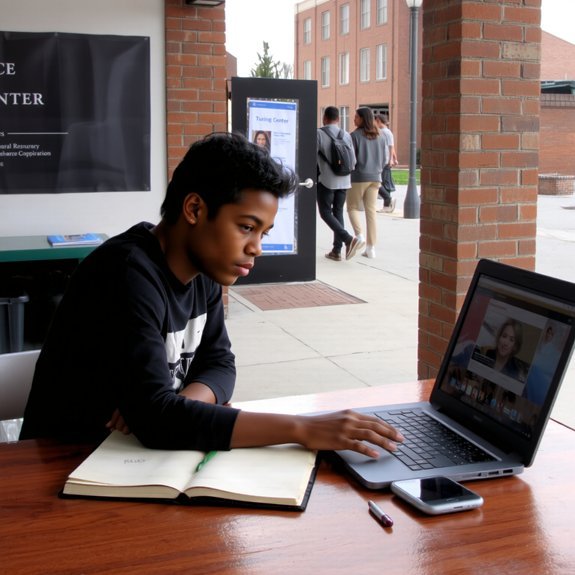
When you’re juggling work shifts and online lectures, you don’t have to play academic Jenga by yourself — I’ve got receipts that the campus has your back. Walk into the tutoring center, feel the hum of students and the smell of burned coffee, and ask for help — they’ll map out steps with you, no judgment. Drop into advising, say “I need a plan,” and watch them untangle schedules like pros. Use career services to polish resumes between classes, and the tech help desk when your webcam betrays you; they’ll remote-fix your panic. Libraries loan hotspots, counselors listen without pity, student orgs feed you free pizza and community. You’re not carrying this solo — use what’s there, loudly, often, proudly.
Develop Efficient Study Habits for Online Learning
Since online classes let you study everywhere, you’ve got to carve out a spot that actually works — trust me, your bed is a liar. Pick a corner with light, a sturdy chair, and a surface that holds your laptop without wobbling. I tell myself to set a timer: 25 minutes focus, five minutes move. You’d be amazed how much you get done when your phone’s face down, notifications muted, and a water bottle hums nearby. Read actively, highlight sparingly, summarize aloud like you’re teaching a friend. Break big projects into bite-sized tasks, check them off, celebrate with a tiny victory dance. Use calendar blocks, color-code priorities, and review notes before sleep—memory loves repetition. Keep it simple, steady, smart.
Build a Support Network and Seek Mentorship
Don’t go it alone — reach out and build your crew, I promise it beats shouting at lecture slides from a pillow fort. You’ll want classmates who swap notes and send deadline reminders, a boss who respects your exam week, and at least one professor who answers emails like a human. Join study groups, Slack channels, or that tired student organization chat — you’ll get camaraderie and practical help. Ask for mentors: alumni, advisors, older students who remember the grind, people who’ll read your resume and tell you where you actually have skills. Say yes to quick coffee chats, send sincere thank-you texts, and keep a running list of names and favors. That network becomes your safety net, and yes, your occasional hype squad.
Protect Your Well‑Being: Time for Rest and Campus Engagement
If you want to survive grad papers, night shifts, and two-hour lectures without turning into a walking stress ball, you’ve got to treat rest like an assignment with a hard deadline. I mean it — schedule naps, block evenings, and guard them like finals week. Take walks across campus, feel the brick under your shoes, breathe in morning coffee steam, and say hi to that barista who remembers your name. Join one club two meetings a month, not every club — quality over overload. When your phone buzzes, let it wait; silence is underrated. Get real sleep, eat something green, and laugh in the quad until your cheeks hurt. You’ll come back sharper, calmer, and ready to actually enjoy being here.
Conclusion
You’ve got this—balance, breathe, and be bold. Schedule smartly, set strong boundaries, seek steady support, study selectively, and savor small successes. I’ve seen students slay stress with simple systems, and you can too: block your best study hours, tell your boss your limits, grab tutoring, and guard downtime like gold. Keep practicing, pivot when needed, and celebrate wins. Small steps, steady stride, serious success—now go show up.
Leave a Reply