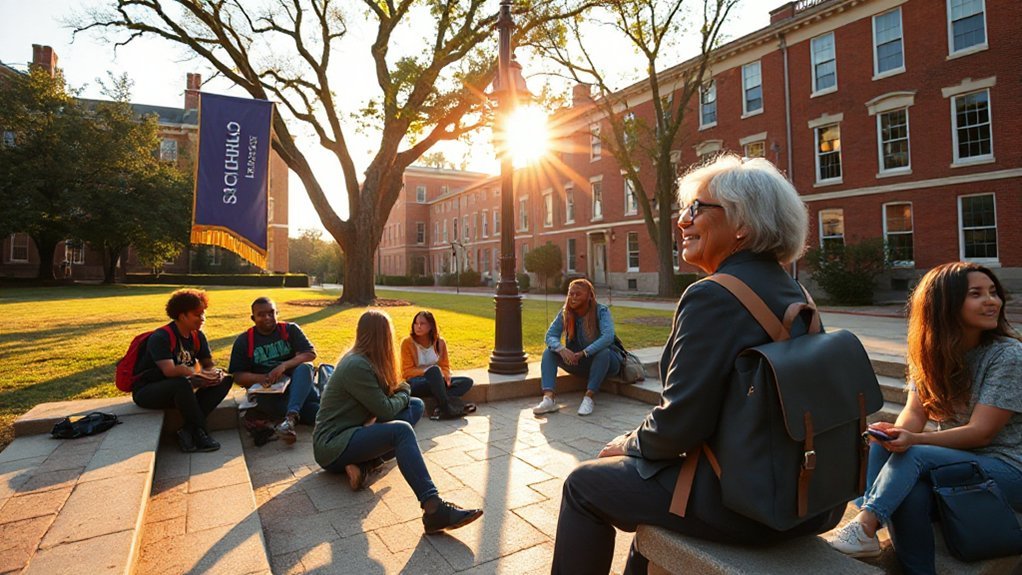
Let’s call it “seasoned perspective” instead of old, because who likes labels? You’ll stroll into chapel on a Tuesday, eavesdrop on a student org’s pizza night, and find yourself swapping work stories with a junior, the fluorescent lights buzzing like a bad mixtape — you’ll laugh, you’ll volunteer, you’ll sign up to mentor, and yes, you’ll crash a study group just to feel young again; stick around, because once you start showing up, people notice, and that’s where the real good stuff begins.
Key Takeaways
- Introduce yourself to classmates and faculty with warmth, humor, and specific questions to start meaningful connections.
- Join one welcoming student organization or campus ministry that fits your schedule and values for regular engagement.
- Volunteer with local service or intergenerational programs to build trust and share practical skills.
- Seek faculty mentors during office hours and ask for internship or networking introductions.
- Block time for study, work, and family, and leverage life experience in classes and peer projects.
Navigating Campus Culture as a Nontraditional Student
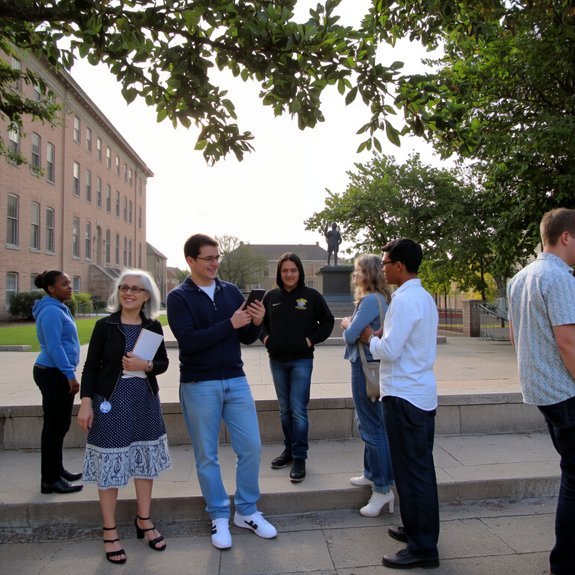
If you walk onto campus expecting to blend in like a freshman, you’ll get looks—good ones, curious ones, the “wait, are you lost?” kind—and that’s okay, I promise. You’ll hear laughter, sneakers squeak, and that campus coffee smell that hits like nostalgia. I tell you to lean into it, adjust your shoulders, smile like you belong. Say hi to the student reading on the quad, nod at the professor who remembers names, plant yourself on a bench and eavesdrop on a study session — politely — you’ll learn rhythms fast. You’ll trade stories about deadlines and kids, compare commuter hacks, and snag study spots with ease. It’s about presence, not age. Walk with purpose, but keep your sense of humor handy.
Finding and Joining Student Organizations That Fit Your Life
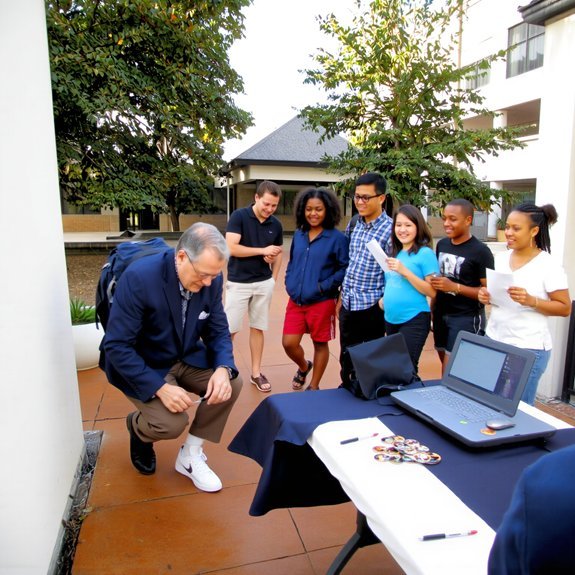
Now that you’ve planted yourself on a bench, eavesdropped on half a study group and scored the best coffee on campus, it’s time to hunt for the corners of campus that’ll actually fit your life. You don’t have time for busywork clubs, you want purpose, laughter, maybe snacks. Walk the student activities fair, ask officers blunt questions—when do you meet, how strict is attendance, can I bring a kid or a commuting schedule? Try one meeting, then bail if it’s a poor fit; you’re allowed. Look for interest-based groups, professional societies, and volunteer crews that respect adult schedules. Sit in, help organize one event, taste the vibe. Join two, test both, then keep the one that feels like home, not another deadline.
Leveraging Faith and Spiritual Communities for Support
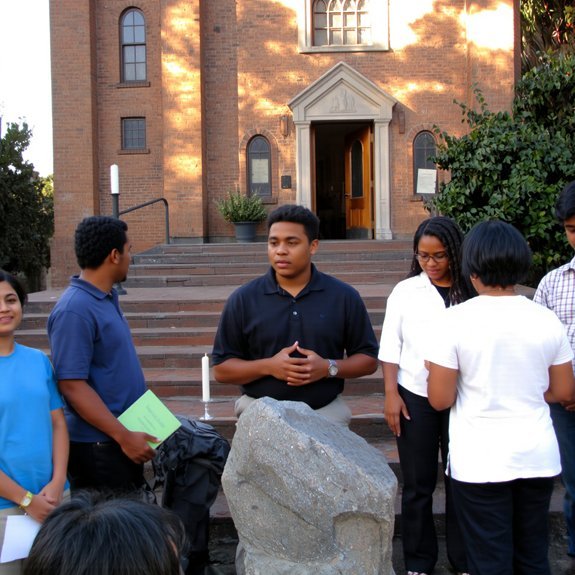
You’ll find campus ministry is more than Sunday sermons — it’s coffee-fueled prayer circles in the student center, late-night hymn singalongs under dim string lights, and staff who actually know your name. Join an intergenerational Bible study and you’ll hear grandparents’ stories, ask awkward questions without judgment, and walk out with practical advice and a new study buddy. Sign up for a faith-based mentoring program, and you’ll get a steady hand, someone who checks in, and yes, occasional tough love that feels like family.
Campus Ministry Involvement
Since I’d been out of college for a few years, walking into chapel felt like stepping into a cozy, loud kitchen—familiar smells, warm chatter, a little chaos, and everyone cooking up something soulful. You’ll find the campus ministry is that stove, simmering with events, service projects, and late-night talks that actually mean something. Go to a meeting, grab coffee, ask a question, sing off-key in choir—no judgment, just fellowship. Volunteer at a food drive, lead a small praise set, or help set up Sunday breakfast; hands-on work gets you known fast. Chat with the chaplain, join prayer walks, or hang after a talk and trade life stories. You’ll leave fuller, with friends who show up when it counts.
Intergenerational Bible Studies
If you walk into an intergenerational Bible study, you’ll notice the room hums like a living room that forgot it wasn’t supposed to be loud—laughter, a kettle clinking, someone’s Bible pages flipping like a small drumroll. You slide into a chair, nod, and realize age doesn’t separate you here, it seasons you. Folks trade stories, scripture, and one-liners about college parking (I wince, you grin). You’ll get practical faith talk, emotional honesty, and hands-on care, all in the same hour. Think of it as spiritual coworking, with hugs.
- shared scripture that meets your life
- prayer that’s honest, not performative
- practical help, from rides to listening ears
You leave steadier, with new folks to call.
Faith-Based Mentoring Programs
When faith communities step up as mentors, something practical and a little holy happens—you get guidance that smells like church coffee and smells less like a lecture. You walk into a foyer full of warm hellos, a table of biscuits, and somebody already holding your coat. You’ll be paired with people who pray, listen, and then give straight advice—career steps, study habits, how to balance class and family. Meetings mix scripture and strategy, a Bible verse, then a mock résumé review. You’ll hear honest, loud laughter, and soft reminders. Don’t expect sermonizing, expect scaffolding. I’ve watched older students get promoted, find study partners, and finally learn campus shortcuts. Join in, bring questions, and bring snacks — community grows when you do.
Connecting Through Volunteer Work and Community Service
You can swap study group stories for a paint-stained T-shirt by partnering with local service groups, and trust me, seeing your hands messy with community garden soil beats another late-night lecture recap. Bring a mix of ages into volunteer teams — you’ll teach someone how to file forms, they’ll teach you the best playlist for road trips — and you’ll actually laugh together while hauling boxes. Then run a campus outreach event, hand out flyers, shout one heartfelt, slightly embarrassed joke into the mic, and watch strangers become your crew.
Local Service Partnerships
Because I wanted a campus that smelled like fresh paint and Saturday barbecues instead of lonely late-night study sessions, I started knocking on neighborhood doors and asking how I could help — no fancy title, just two hands and a loud willingness. You’ll do the same, find the corner store owner, the rec center coach, the librarian burning through paperbacks, and offer time, not lectures. You’ll learn neighborhood names, pick up paint chips, hear stories over cooling coffee, and actually fix things. Local service partnerships let you blend skills with real needs, build trust, and earn invites to block parties. Start small, stay steady, celebrate wins. Think practical:
- Partner with a food pantry, show up weekly.
- Tutor kids, bring snacks.
- Help renovate a playground, wear old shoes.
Intergenerational Volunteer Teams
If you think volunteering is just college kids and clipboards, think again — I’ve seen retirees teaching chess one minute and freshmen hauling mulch the next, and somehow it works like clockwork. You’ll join teams where wisdom meets hustle, you’ll learn names and recipes, you’ll trade tool tips and life hacks. I joke that my knees bargain during garden duty, but I stay because the laughs and salsa crumbs make it worth it. Show up, grab a rake, listen when someone remembers the neighborhood story you missed, then share one of your own. These projects give you purpose, a schedule, and a crew that notices when you’re absent. It’s messy, loud, generous work — and it builds family.
Campus Outreach Events
When the campus sets up a table and a megaphone, I’m there—part curious, part caffeine-fueled and entirely ready to get my hands messy for a good cause. You’ll see me corralling flyers, answering questions, and pretending I know where the extra trash bags are. Outreach events pull you into quick friendships, loud laughs, and sweaty high-fives that actually mean something.
You connect by doing. You don’t need a tux or a résumé, just two hands and a willingness to stay. Try these easy roles at events:
- Setup and signage, because good direction saves patience and shoes.
- Food service or cleanup, where real talk happens between plates.
- Outreach tables, handing out info, smiles, and occasional bad jokes.
Using Alumni Networks and Faculty Mentors to Build Bridges
Put simply, you don’t have to navigate campus solo — and honestly, you shouldn’t try. You talk to alumni at networking nights, you ask about their first day jitters, you laugh at mine, then you learn. Reach out to alumni chapters, slide into email threads, or grab coffee with a grad who knows your major’s quirks. Find faculty mentors in hallways, after class, or during office hours; bring specific questions, not vague drama. Let professors recommend internships, introduce you to industry contacts, or invite you to panels. Use LinkedIn, the alumni directory, campus events, and a confident hello. Bridges are built one small favor at a time, so be polite, persistent, and a little charming.
Creating or Leading Intergenerational Programs and Events
A good intergenerational program smells like fresh coffee and possibility — I’m talking folding chairs, name tags that never quite lie flat, and that nervous buzz before someone starts a story — and you can run one. I’ll tell you how, plain and fast. Pick a theme, snag a cozy room, invite elders and students, and listen. You lead with curiosity, not ego. You set ground rules, but leave room for laughter.
- Choose shared stories: skill swaps, history nights, life lessons.
- Keep logistics simple: time, snacks, clear prompts.
- Foster small groups: easier talking, deeper connections.
You’ll hear voices you didn’t expect, learn a trick or two, and leave feeling less alone — and more energized.
Balancing School, Work, and Family While Staying Engaged
Even though your calendar looks like a color-by-number from an overzealous preschooler, I promise you can keep school, work, and family from turning into a three-ring circus you’re supposed to tame alone. I carve out blocks—study, shift, family time—like a chef plating a messy but delicious meal; timers ding, I move. I tell my partner and boss what nights are sacrosanct, and I say no without guilt, because burnt-out you is no good to anyone. I bring snacks to late study sessions, text quick check-ins to kids, and use campus lounges between classes to read instead of doom-scrolling. When fatigue hits, I nap like it’s an Olympic sport. You’ll stay engaged by showing up deliberately, not perfectly.
Making Your Life Experience a Leadership and Mentorship Asset
When you walk into a student meeting with mortgage bills, grandkids’ photos, and a résumé that looks like a novel, people notice—so don’t hide it. I tell you, own that history; it’s currency. Speak up with specific stories—how you led a neighborhood drive, negotiated a lease, taught someone to read—small scenes, tactile details, the smell of coffee at midnight. Let your age be a bridge.
- Offer real tasks, not lectures.
- Share quick failures, and what you fixed.
- Host a short workshop, bring cookies.
You’ll mentor without preaching, lead without commandeering, and create space where younger students lean in. Be proud, be human, be the person who remembers names and shows up.
Conclusion
You’ll fit in more than you fear, I promise — and here’s a fun theory I checked: older students actually boost campus energy, not drain it. So keep showing up, smile, ask questions, and grab a coffee with someone new; the smell alone sparks small talk. Lead a meeting, volunteer on a Saturday, or mentor a freshman. You’ll build real ties, use your life as leverage, and end up being the person others seek out.
Leave a Reply