
Like standing at a crossroads in a coming‑of‑age movie, you’ve got choices that’ll change your life. I’ll help you smell the campus coffee, hear the band, and size up the classrooms so you don’t pick the place that feels like a bad sequel. You’ll learn what matters—majors, vibe, money, mentors—and how to test them in one visit, no guesswork, just straight talk. Want to start?
Key Takeaways
- Match campus size and vibe (intimate quad vs large research) to your preferred class sizes and social life.
- Confirm program accreditation, faculty expertise, hands-on labs, and internship pathways for career readiness.
- Evaluate student life, traditions, clubs, and residential options to see if you feel welcomed and represented.
- Compare net cost, scholarships, FAFSA aid, work-study options, and payment plans for true affordability.
- Investigate alumni networks, graduate outcomes, career placement, and mentorship opportunities for long-term success.
Understanding Different Types of HBCUs and Campus Sizes
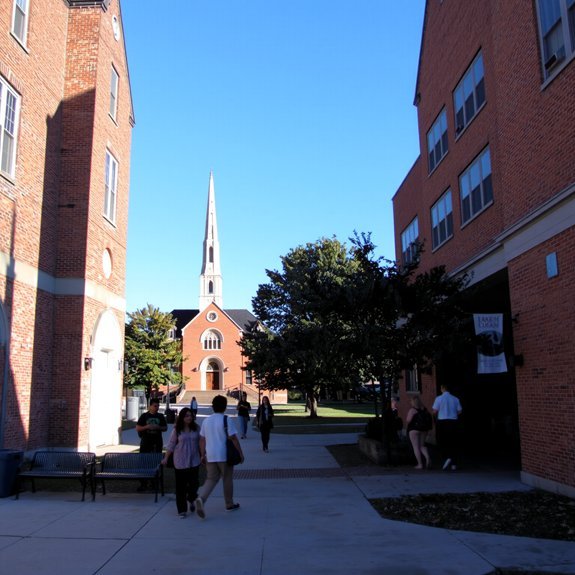
Curious how an HBCU actually feels when you walk in—warm brick, banners flicking in a breeze, the hum of people who know each other’s names? You’ll notice differences fast: some campuses are cozy, quad-centered, where you can learn most faces by week two; others sprawl with research labs and bus routes, where you’ll need a map and good shoes. Some are all-undergrad, intimate, clubs meeting in the student center; others mix grad programs, big events, and late-night lectures that spill into diners. Size shifts your social life, class sizes, and how loud your footsteps echo at midnight. Walk both small and large campuses, sit in a café, eavesdrop a little—your vibe will tell you which fits.
Evaluating Academic Programs and Major Strengths

You’ll want to check a program’s accreditation status first, it’s the sniff test that tells you if a degree actually opens doors. Peek at faculty research expertise next — watch for professors publishing, leading labs, or mentoring students, those are the people who’ll push your thinking and your résumé. And don’t forget internships and career pathways, ask where grads work, hear the success stories, and picture yourself in those scenes before you commit.
Program Accreditation Status
A few credentials can make a campus visit hum with confidence, and program accreditation is one of them — it’s the official stamp saying a department actually teaches what it promises, not just on paper but in labs, studios, and clinical sites where real work happens. I’ll tell you straight: check the accreditor’s name, not just the diploma. Walk the lab, smell the solvents, peek at equipment—accreditation usually means up-to-date gear and clear assessment. Ask to see graduate outcomes, licensure pass rates, internship partners. If they mumble, that’s a red flag. If they beam, that’s golden. Accreditation affects transfer credit, financial aid, and your résumé. Don’t guess. Call the agency, read the report, and sleep better knowing your degree actually counts.
Faculty Research Expertise
Accreditation tells you the program’s heartbeat, but the people doing the work are the ones who’ll actually feed it. Look up faculty profiles, skim CVs, and click those research links like you mean it. You’ll smell curiosity in lab photos, hear it in sentence fragments of grant summaries, see it in course lists tied to faculty projects. Ask yourself, are professors publishing where the field notices, or just in campus newsletters? Do they mentor undergrads, involve students in data collection, field trips, gritty experiments? Reach out, say, “Hi, I’m curious,” and watch who answers. I’ll warn you, some bios are dazzling, some are dusty — both tell stories. Pick faculty whose work sparks you, challenges you, and feels like a place you’d want to roll up your sleeves.
Internship and Career Pathways
When you peek at a program’s course catalog, don’t just skim—play detective. I tell you, follow internship listings like breadcrumbs. Look for hands-on labs, credit-bearing internships, and alumni names on employer pages. Smell the campus energy—career fairs buzzing, recruiters shaking hands, students handing out resumes. Ask faculty about partnerships, then call the company, yes really. Sit in a career center meeting, hear staff map job pipelines, and check if majors lead to certifications or grad school prep. If a program brags about placement rates, ask for details, don’t bow to glitter. Picture yourself in a summer role, tired but learning. If the pathway’s clear, you’ll land roles faster. If it’s fuzzy, keep searching, you deserve better.
Assessing Campus Culture and Student Life
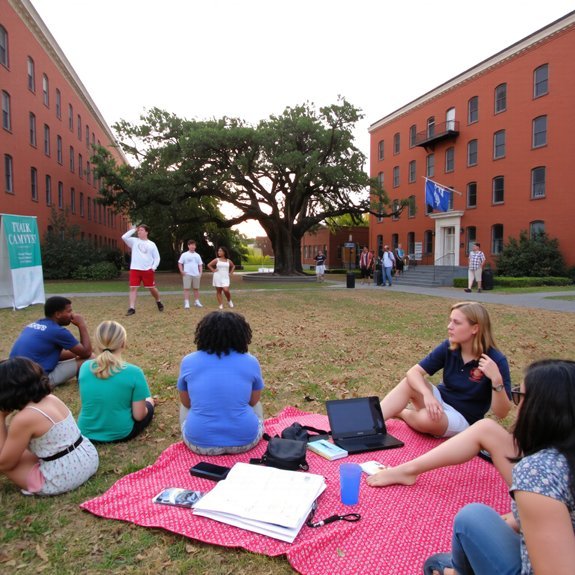
You’ll want to feel the campus pulse—pep-rally drums, tailgate smoke, and the way seniors high-five freshmen at convocation—because traditions tell you how people celebrate together. Check out student clubs and orgs, peek into a meeting or two, and ask where students actually hang when they’re not in class; I promise, the vibe shows up in the little things. Then sleep in a dorm, or at least tour it—room size, roommates’ habits, and late-night snack runs say a lot about whether you’ll belong.
Campus Traditions and Events
Curious how a campus actually feels at 2 a.m. after Homecoming? I’ll tell you: the band’s echo still buzzes, confetti sticks to your shoes, and laughter peels down moonlit sidewalks. Traditions make nights like that stick.
- Watch parties that shake the quad, you feel bass in your ribs.
- Step shows where feet thunder, and someone shouts your name.
- Candlelight vigils, hush and glow, scent of wax and jasmine.
You’ll want to visit during a signature event, soak the vibe, note who’s smiling and who’s organizing. Ask yourself if the rituals welcome you or leave you outside the circle. Those rituals show values, pride, and how students care — and they tell you if you’ll belong.
Student Organizations and Clubs
If you wander into the student union and the scent of microwave popcorn and printer toner hits you, don’t be surprised — that’s where campus life hums, and clubs are the wiring. You’ll find debate teams sparring near a soda machine, step teams practicing heel-clicks that rattle your ribs, and a film club screening shorts with cheap pizza. Ask questions, don’t hover; join a meeting, don’t judge the poster art. Look for groups that match your hobbies, your cause, or the weird half-idea you want to try. Talk to members, feel the energy, notice how leaders treat newcomers. If a club feels warm and organized, you’ll get growth and fun. If it feels chaotic, maybe you’ll learn to lead — or walk away.
Residential Life and Housing
When I toss my duffel onto a narrow dorm bed and the radiator clanks like an old man clearing his throat, that’s where campus culture starts to feel real — up close, loud, and a little messy. You’ll learn a lot from hallways, not brochures. Smells of microwave popcorn, late-night laughter, and someone’s incense tell you who lives here. Peek into lounges, listen for debates, note how staff greet you. Housing shapes your days, and roommates teach diplomacy fast.
- Room options: singles, doubles, suites — tradeoffs in quiet, cost, and privacy.
- Community vibe: program nights, resident advisors, neighbor noise levels.
- Logistics: meal plans, laundry, safety features, and maintenance speed.
Exploring Financial Aid, Scholarships, and Affordability
How much money will it actually take to get you through an HBCU? Let’s be honest, you’re not just buying classes, you’re buying a life chapter—meals that smell like home, textbooks you’ll dog‑ear, late‑night coffee runs. Start with FAFSA, fill it out early, and don’t groan—I’ve been there, it’s worth the paperwork. Hunt scholarships: departmental, community, legacy, quirky essay contests that pay your rent. Ask the financial aid office about payment plans, emergency grants, work‑study shifts that won’t wreck your GPA. Compare net cost, not sticker price; visit, feel campus energy, and calculate commuting vs. room and board. Plan a budget, track expenses, and have a tiny cushion. You’ll still worry, but with strategy, affordability becomes achievable—and dare I say, fun.
Investigating Student Support Services and Mentorship
You’ve figured out the money part, maybe even beaten FAFSA into submission—great, now let’s talk about the people who’ll actually keep you sane. You want tutors who’ll stay past closing, counselors who listen without judging, mentors who push you and bring snacks—yes, literal snacks. Walk the student center, smell coffee, hear laughter, ask: who helps during crises? Who connects students to internships?
- Tutoring & academic help — drop-in labs, evening hours, success coaches.
- Mental health & counseling — same-day crisis slots, group therapy, culturally aware clinicians.
- Mentorship programs — alumni match-ups, faculty mentors, peer leaders who text back.
Trust instincts. Sit in a support group, say hi, feel the vibe. If it comforts you, it’ll carry you.
Considering Location, Housing, and Safety
Where’s the campus actually planted on the map, and will you like waking up there? Picture morning light sliding through oak branches, or concrete and bus fumes — do you crave calm or city buzz? Walk the neighborhood, grab a coffee, listen for sirens or birds; trust your gut. Ask about on-campus housing options, roommate matching, and guest policies; tour a dorm, snap photos, check closet space, outlets, and AC. Learn crime stats, campus escort services, and emergency alerts, then call local police for context — yes, do that. Think about commute times, parking, and late-night study spots that feel safe. I’ll be blunt: comfort matters. If the place doesn’t feel right now, it won’t later.
Researching Alumni Networks and Career Outcomes
Curious who’ll be in your corner after graduation? I’ll tell you straight: alumni make careers happen, and you should size that network up like you’d scope a party—who’s there, how they mingle, what they bring. Look for active mentorship, internships, job-placement stats, and industry reach. Check LinkedIn, alumni pages, and ask career services.
- Examine placement rates, top employers, and salary ranges.
- Seek alumni mentorship programs, regional chapters, and networking events.
- Find stories — grads who snagged roles, started businesses, or leaned on cohort support.
Walk into conversations with specific questions, listen for concrete examples, and picture yourself at those tables. If alumni vibe feels warm and useful, you’ll have supporters, referrals, and a real runway after graduation.
Planning an Effective Campus Visit and Interviewing Students
If alumni are the crew who’ll open doors later, campus visits are the reconnaissance mission where you figure out who’s actually answering the calls. Walk the quad, breathe campus air, listen for laughter and marching bands, then talk to students like you mean it. Ask how mornings feel, where they study, what’s sacred and what’s stressed. Sit in dining halls, compare menus, note smells — curry, grill, fresh coffee. Drop a line: “What surprised you?” Watch faces, hear honesty. Tour a dorm, test the shower, check outlets — practical stuff matters. Catch a class, raise your hand, feel the vibe. Jot notes, snap photos, trade numbers. Leave asking for one student’s real-deal advice, not the glossy brochure pitch.
Weighing Personal Values, Identity, and Long-Term Goals
When you pick a college, you’re really choosing a crew, a rhythm, a set of unspoken rules you’ll live with for years — so don’t pretend it’s just about mascot colors or cafeteria hours. You’ll wake up to certain voices, see certain faces at chapel, and feel whether your values echo or clash. Ask yourself, what matters most? I’ll help.
Choosing a college is choosing a crew, a rhythm, a set of unspoken rules you’ll live by.
- Align: Does campus culture match your faith, politics, or creativity?
- Protect: Will you be safe, seen, and free to speak?
- Propel: Will alumni networks and programs push your career forward?
Walk dorm halls, sit in a lecture, smell the coffee, eavesdrop kindly. Trust the gut that tightens or relaxes — that’s your future saying hello.
Conclusion
You’ve got this. I’ll say it straight: pick an HBCU that feels like home, not a checkbox. Walk the quad, taste the caf food, eavesdrop on a club meeting, talk to a prof, and see if your pulse slows or perks up. Follow your values, budget, and career goals, but trust your gut—sometimes lightning strikes. I’ll cheer you on from the sidelines, pompoms and all. Make a choice that lights you up.
Leave a Reply