
You’re on campus, tired and curious, and you’re wondering where to go next — I’ve been there, awkwardly circling the student union like it’s a maze. Start at the university website or call the campus switchboard, note the counseling center’s building and hours, then swing by with your ID; staff will walk you through intake, fees, and options. You’ll get a warm, confidential welcome — and a next step that actually makes sense, but there’s more.
Key Takeaways
- Check your HBCU’s website counseling center page for phone, email, office hours, and location details.
- Call or email the counseling center to ask about intake, drop-in hours, and crisis lines.
- Bring your student ID, medications list, and any relevant records to your first appointment.
- Ask about group therapy, workshops, sliding-scale fees, and insurance billing options.
- Request referrals and follow-up help if you need specialty care or off-campus providers.
Understanding On-Campus Counseling Centers and Services
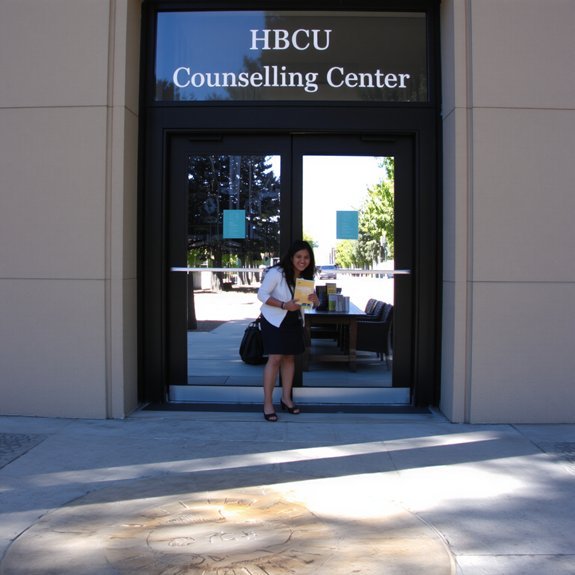
When you step into your campus counseling center, don’t expect a sterile waiting room with sad magazines — think warm lighting, a basket of minty gum, and someone who actually looks up and says, “Hey, you made it.” I’m talking about a place where trained counselors offer short-term talk therapy, crisis support, group workshops, and referrals to off-campus specialists, all under one roof; you’ll find confidential intake forms, comfy chairs, and a schedule that actually fits between classes. You’ll meet therapists who listen, nod, scribble, and hand you practical tools. Drop-in hours save you from bureaucratic purgatory, crisis lines glow on posters, peer groups laugh and cry in the next room, and intake is private, quick, efficient. Come in.
How to Find Contact Information and Office Locations

Because you’ll want answers before panic sets in, start by pulling up your HBCU’s website and hunting for the counseling center page — yes, right now, I mean it. Once you’re there, scan for a phone number, email, and office hours; I promise you’ll spot them like a neon sign. If the page looks sad and sparse, click “Contact,” check the campus directory, or use the site search box — don’t be proud. Note the building name, room number, and a landmark nearby, like the cafeteria or the clock tower, so you won’t wander like a sheep. Jot down extension numbers, staff names, and any walk-in policies. Still stuck? Call campus security or pop into student services; they’ll point you straight.
What to Expect During Your First Counseling Appointment
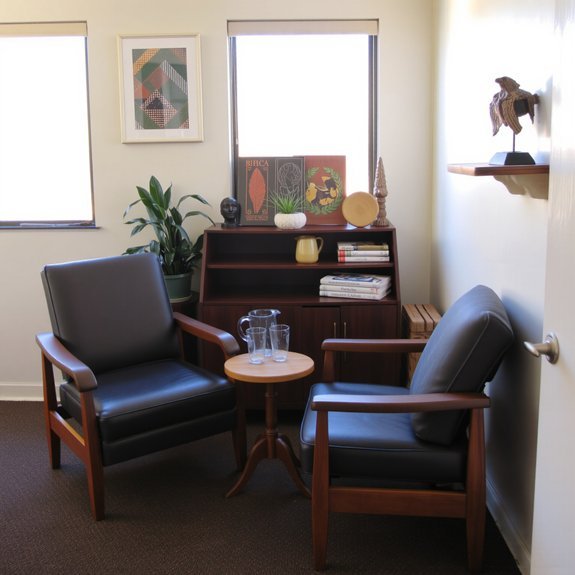
You’ll want to bring your student ID, a list of medications or concerns, and anything that helps you feel grounded — a water bottle, notes, or a playlist on your phone. I’ll greet you, ask a few questions about what’s been going on, then we’ll map out a plan together, usually with a bit of practical homework before you leave. Don’t worry if you’re nervous, I’ve seen it all, and we’ll move at your pace so it feels useful, not weird.
What to Bring
Picture walking into a cozy office that smells faintly of coffee and lemon cleaner, you clutching a folder like it’s a secret weapon—calm, you got this. Bring photo ID, insurance or student health card, and any intake forms they emailed, folded neat so you don’t look like you live in chaos. Pack a short list of concerns, two to three priorities, and jot down medications and dosages—yes, even the vitamins. Toss in a pen, your phone (silenced), and headphones if you want a soft exit strategy. If you have notes from classmates, professors, or previous therapists, bring copies. Water helps. Wear something comfy. I’ll say this: preparation isn’t armor, it’s a kindness to yourself.
Typical Session Flow
Okay, you’ve got your folder, your list, and your water—good job, I’m proud. Walk in, check in, sit on that chair that’s probably too soft or too firm, you’ll know. I’ll ask your name, intake questions, and what brought you here—short answers are fine, tears too, jokes welcome. We’ll talk history, meds, sleep, class stress, home life. I’ll explain confidentiality, limits, and how we’ll take notes. We’ll set goals together, pick one small step, schedule the next session. You’ll leave with a plan, maybe a handout, and a breathing trick I stole from a podcast. If it feels weird, tell me. If it feels right, great. Either way, you showed up, and that matters.
Group Therapy, Workshops, and Peer Support Programs
Three kinds of spaces tend to do the heavy lifting when campus stress gets loud: group therapy, workshops, and peer support programs — and I’m going to walk you through what each actually feels like. You’ll sit in a circle, notice breaths sync, hear someone say, “Same,” and feel less alone—group therapy’s honest, raw, guided by a clinician who steers, asks, reflects. Workshops hit fast, hands-on—journals, role-plays, breathing drills—you’ll leave with a tactic you can actually use between classes. Peer support programs are casual, sweaty-palms-free zones: students trade tips, laugh, vent, and check in over coffee. Try one, don’t judge it like a first date, give it three chances, and pick what fits your rhythm.
Navigating Insurance, Fees, and Sliding-Scale Options
If you’re juggling meal plans and textbooks, adding insurance lingo feels cruel — but I’ve got you. Walk to the counseling center, take a breath, ask the front desk, “Do you bill insurance?” Watch faces relax or furrow; both are useful. Bring your card, note co-pays, ask who’s in-network, write it down like a grocery list. If you don’t have coverage, ask about sliding-scale fees, income-based rates, or campus funds that cover a few sessions — they exist, promise. Some centers offer free initial visits, group therapy at low cost, or referrals to community clinics with lower rates. Keep receipts, check for out-of-network reimbursement, and don’t be shy. Bargain for care like you’d haggle over pizza—firm, friendly, and persistent.
Confidentiality, Consent, and Your Rights as a Student
Because you’ll hand over a jacket, a backpack, maybe your phone, you deserve to know what happens next — and I’m telling you now so you don’t learn it the hard way. I’ll be blunt: counseling is private, mostly. Your therapist won’t blab your late-night texts, but there are limits, like harm to yourself or others, abuse, or court orders. You’ll sign consent forms, so read them — I know, thrilling — they list who sees notes, how records stay, and when confidentiality breaks. You can ask for limits, refuse releases, and request your file. If something feels off, speak up, file a complaint, or switch counselors. You own your story here, keep it close, and claim your rights.
Seeking Culturally Responsive and Black-Centered Care
You checked the confidentiality rules, signed the forms, and know when things might be flagged — good, you’ve got boundaries. Now, look for therapists who get Black joy, grief, and culture; ask about race-conscious training, lived experience, and community ties. Say, “Do you work with Black students?” Listen for specifics, not vibes. Notice office art, books, music—those tell a story. Trust your body: if you relax in the chair, that’s useful data. Bring a campus friend, or role-play a tough line before the session; practice makes honesty easier. If jargon or excuses pop up, call it out, gently. Expect warmth, clear goals, and cultural humility. If it feels off, you can say so, and keep searching with intent.
When and How to Get Referrals to Off-Campus Providers
If your campus counselor says your needs go beyond what they can offer—more specialized therapy, longer-term care, or services outside clinic hours—ask for a referral right then, don’t wait for a crisis. I’ll show you how referrals usually work: clinicians compare what you need, call or send secure notes to trusted off‑campus providers, and hand you contact details or even set up a warm transfer so you don’t start at square one. Once you’ve got names, coordinate by giving consent for records to be shared, scheduling a first appointment, and keeping both teams looped in so care feels seamless, not like juggling flaming batons.
When to Seek Referrals
When campus counseling starts feeling like a good fit but not quite the perfect sock for your foot, it’s time to think about off-campus referrals—I’ll show you how to spot that moment and what to do next. I’ll be blunt: if you keep leaving sessions with your problem half-unpacked, or you need a specialist your center doesn’t have, don’t tough it out. Trust your gut, and note concrete signs.
- You’re stuck after several sessions, progress flat, frustration rising.
- Your concerns need specialty care—trauma, eating disorders, complex meds.
- Scheduling or privacy limits at the center block consistent care.
- You want continuity off-campus for internships or after graduation.
Ask your counselor, document needs, and get a plan.
How Referrals Are Made
Alright — you’ve noticed the fit’s off at the campus center, and now it’s time to get pointed toward something that actually works. I’ll walk you through how referrals get made, step by step, no mystery. You meet with a counselor, describe what’s not clicking, they nod, take notes, sometimes ask for specifics — symptom timeline, insurance, preferences. They search their referral list, call colleagues, scan directories, or ping community providers by text or email. You’ll get options, a quick summary, and contact info, maybe an intake form to sign. They’ll flag urgency if needed, arrange a warm handoff sometimes, and follow up to see if the new match landed. You’re not alone in this.
Coordinating With Off‑Campus Providers
Because campus counseling can’t always meet every need, I’ll walk you through how to get set up with an off‑campus provider without feeling like you’ve been shoved into the wild alone. I’ll be blunt: referrals are a bridge, not abandonment. You’ll learn when to ask, what to ask, and how to protect your privacy.
- Ask early — tell your counselor about limits, insurance, schedules, and any cultural needs; get names, numbers, and expected wait times.
- Check credentials — call clinics, confirm licensure, specialties, and whether they take your student plan.
- Coordinate logistics — set appointment dates, transfer records with signed release, and note commute times, parking, transit.
- Stay in touch — debrief with your campus counselor after a few sessions, adjust the plan, advocate for yourself.
Conclusion
You’ve got this. Walk to the counseling center, ring the old brass bell (okay, don’t—unless it’s actually there), and say hello, feel the cool tile under your sneakers, breathe. I’ll chime in like a campus tour guide who’s also your slightly awkward cousin: ask about hours, fees, and Black-centered care, book a first session, try a group, and call for referrals if needed. You deserve steady support, and I mean it.
Leave a Reply