
You’ve got classes, campus events, and a GPA to guard, but you can also signal-check your resume in the Career Center, rehearse answers into your phone, and snag alumni tips over coffee — yes, that same coffee that fuels late-night study sessions. I’ll show you how to turn club roles into marketable wins, time mock interviews around your lab hours, and walk into fairs like you belong, so stick around — there’s a trick for that awkward “tell me about yourself” opener.
Key Takeaways
- Create a block schedule balancing class, campus life, and daily 20–30 minute interview practice sessions.
- Use the career center for resume reviews, mock interviews, and recorded feedback.
- Turn HBCU experiences into concise stories with quantifiable outcomes and active language.
- Practice aloud with classmates or alumni, focus on body language, and review recordings to improve.
- Network at campus events, follow up promptly, and maintain a contact spreadsheet for ongoing outreach.
Balancing Academics, Campus Life, and Interview Prep
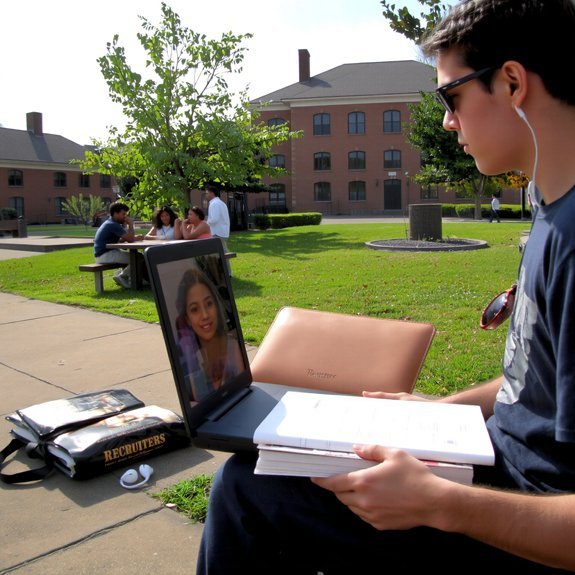
When classes pile up and your campus calendar looks like a jigsaw puzzle gone rogue, don’t panic — you can juggle this. I tell you, you’ll map priorities like a captain plotting a storm route, coffee in hand, sneakers tapping the dorm stairs. Split days into blocks, label them: study, club, prep. Use campus nooks — the library’s sunlit window, the quad’s bench — for focused sprints. Say “no” without guilt, practice answers aloud between classes, record yourself, grimace, improve. Drop into career center for a quick mock, they’ll cheer you on. Keep snacks handy, breathe, and visualize walking into interviews steady. You’ll balance the chaos, same way you balance ramen and textbooks — imperfect, effective, and proudly yours.
Building a Resume That Reflects HBCU Experiences
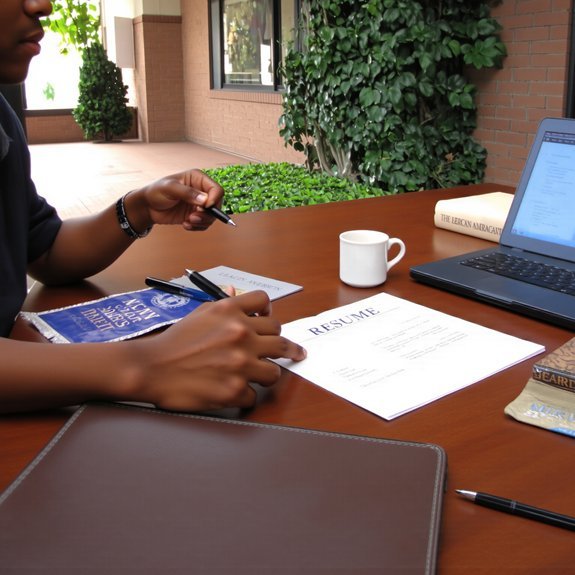
You’ve led clubs, run events, and turned late-night campus chaos into wins, so don’t hide that in bland bullet points — show it. I’ll help you turn leadership moments into sharp, sensory lines: the buzz of a packed meeting, the smell of cafeteria coffee at 2 a.m. while you negotiated budgets, the applause when students lined up for that program you built. Make the cultural impact visible, name the traditions you protected, and let employers feel the campus you shaped.
Highlight Campus Leadership
Since campus leadership tells a story you can’t get from a GPA slip, lean into it like it’s your best scene — the kind where you walk on stage, lights warm on your face, and everyone actually listens. Own roles, dates, and numbers, say “led,” not “helped,” and note turnout, budget, or projects finished. Paint small moments: the 2 a.m. text chain solving a crisis, the smell of coffee during planning, the applause after a successful panel. Quote a line you used to rally people, briefly. Tie skills to outcomes — negotiation, scheduling, conflict resolution — with crisp examples. Don’t be modest, but keep it honest; employers want results, and campus leadership proves you make them happen.
Showcase Cultural Impact
You showed campus leadership like a highlight reel, now show the culture that made those scenes possible — the songs, the late-night potlucks, the way someone clapped twice to start a meeting and everyone quieted, like a tiny magic trick. I tell you, employers hire people, not bullet points; so paint the room. Describe the drumline’s rhythm under your feet, the scent of sweet potato pie at fundraising, the handshake that meant mentorship, the ritual pep-talk before exams. Tie each sensory moment to skills: collaboration, resilience, event planning, emotional intelligence.
- A drumline echo, shoes stomping, you coordinating timing.
- Warm pies cooling, you organizing donors and menus.
- Two-clap hush, you mediating conflict calmly.
- Late-night study circle, you leading with empathy.
Using Career Centers and Campus Employers Effectively
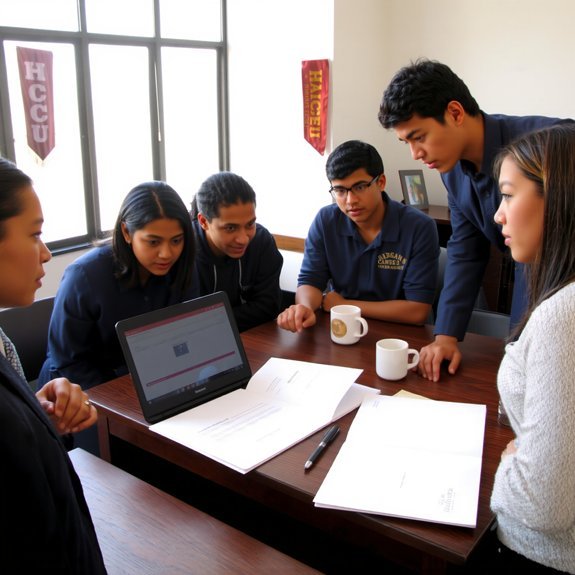
You should swing by the career center early, grab a too-hot coffee from the lobby, and claim every free resume review and workshop they offer — I promise they’re worth it. Chat up campus employers at fairs and office hours, ask sharp questions, and leave them remembering your name (or your quirky handshake). Then book mock interviews, listen to the playback like it’s a guilty-pleasure podcast, tweak your answers, and rehearse until your pitch feels natural, not robotic.
Maximize Career Center Resources
If you’re feeling nervous, take a breath—career centers are not scary office towers full of unreadable brochures and fluorescent doom; they’re lively hubs where actual humans, who want to help, hang out. I tell you, walk in, smell the coffee, sit at a table, and ask for a roadmap. Get mock interviews, resume scans, and wardrobe tips. Book appointments, show up prepared, take notes, and follow up with gratitude — yes, send a thank-you email.
- A counselor leaning over your resume, pen tapping rhythm.
- A mirror and borrowed blazer under warm lights.
- A laptop chiming, a recruiter smiling on Zoom.
- A bulletin board dense with real opportunities, thumbtacks gleaming.
Use them like a cheat code.
Network With Campus Employers
1 quick trick: treat campus employers like friendly characters in a play you’re starring in — show up, say hello, and don’t flub your lines. I tell you, walk into their office like you belong, breathe the coffee-scented air, offer a firm handshake, and use your name like it’s a brand. Ask short, sharp questions: What do you need? Who should I follow up with? Jot answers, nod, and mirror their energy. Mention a campus event you attended, that instantly makes you memorable. Swap emails, confirm next steps, and actually send a brief thank-you note that sounds human. Keep a tidy spreadsheet of contacts, dates, impressions. You’ll build a small, reliable cast who’ll remember you when auditions — sorry, jobs — come up.
Practice Interview Simulations
Roll up your sleeves and let’s rehearse like the opening night depends on it — because in a way, it does. You walk into the career center, palms a little sweaty, and I pretend not to notice; we set a timer, you answer, I fire curveballs. Use campus employers for mock panels, ask for real feedback, and record sessions so you hear what you actually sound like. Practice in suits and in sneakers, on Zoom and under fluorescent lights. You’ll leave sharper, calmer, and with a survival kit of phrases.
- A clipboard, a fake resume, and a smirk.
- A recorder blinking red, catching your “ums.”
- A friend in a blazer, nodding like a judge.
- Fluorescent hum, coffee breath, confident grin.
Leveraging HBCU Alumni Networks and Mentors
Because alumni are more than LinkedIn headshots and pompous bios, I tell you to treat them like secret weapons you actually want to hang out with—people who’ll pick up the phone, make introductions, and roast your resume with love. I’ll show you how to find them, cold-message without sounding robotic, and turn a coffee chat into a mini-interview prep session. Walk into their office with questions, a printed resume, and ears open. Take notes, repeat their phrasing, and use their company names in answers. Ask for referral steps, then follow up with a thank-you email that reminds them of one joke you shared. Keep a contact spreadsheet, send updates, and be useful back—share articles, congratulate promotions, and don’t ghost.
Gaining Relevant Experience Through Student Organizations
Engage—join something. You’ll get hands-on experience, fast. Pick a club that makes noise, then show up, speak up, do the work. You’ll learn project planning, leadership, and how to explain it in plain words during interviews.
- Standing at a noisy meeting table, laptop open, you’re assigning roles, sticky notes everywhere.
- Leading a campus event, you’re hauling boxes, tasting concessions, calming a last-minute panic with a grin.
- Designing a flyer at midnight, fluorescent screen glow, coffee breath, you nail the layout and deadline.
- Running socials, you schedule posts, shoot quick videos, watch engagement numbers climb like a scoreboard.
These scenes become stories you tell. They’re proof, not just participation, and they’ll make interviewers sit up and listen.
Practicing Mock Interviews Around Your Class Schedule
A short, brutal truth: you won’t get better at interviews by just thinking about them between classes—unless you count nervous daydreaming as practice, which I don’t. So let’s schedule practice like a lab session. Block 20 minutes after calculus, or during that lull between lectures, and treat it like an appointment you can’t skip. Pull out your phone, record a mock answer, listen back, cringe, then fix one thing. Recruit a classmate for a quick role-play by the vending machines, swap two questions, give brutal feedback, grab a soda and laugh about it. Use career center slots, virtual interviews at midnight, or walk-and-talk rehearsals across campus. Small, repeated drills beat one big panic. You’ll get sharper, calmer, and actually ready.
Presenting Your Identity and Leadership Confidently
When you walk into that interview room, shoulders back, pretend you’re not slightly terrified — I do this little inhale-exhale trick where I picture the campus quad at sunset, the warm brick under my hand, and suddenly I’ve got posture and purpose; you’ll want that same calm when you talk about who you are and what you’ve led. I tell stories, short and sharp, that show values, not just titles. Say your name with pride, then drop a line that makes them picture you in action. Use sensory details, a quick joke, a tiny vulnerable moment.
- I’m the student who stayed late, coffee cooling, stapler jammed, still smiling.
- I led rehearsals, smelled spray paint, heard laughter.
- I calmed a meeting, palms warm, voice steady.
- I left things better, shoes scuffed, hands full.
Turning Campus Events and Career Fairs Into Networking Wins
How do you turn a noisy campus quad or fluorescent-lit career fair into something that actually works for you? Picture me leaning over a table, handshake firm, smile practiced but real. You scout the map, pick three booths, and sprint — metaphorically. Approach with a one-liner: “Quick question?” That opens doors. Ask about team culture, say what you bring, hand a tailored one-page sheet, not a resume forest. Listen, jot one vivid detail, repeat it back. Swap LinkedIns, set a follow-up time, actually follow up that afternoon. Use campus events for practice rounds, not just freebies and cookies. Treat each convo like a mini-interview, be curious, be human, and leave them remembering your laugh and your clear asks.
Conclusion
Look, you’re juggling exams, meetings, and a resume that screams “I did things,” and yes, you can do this without turning into a coffee zombie. I’ve watched you hustle through career fairs, nudge alumni, and lead meetings in rooms that smell like pizza and ambition. Keep practicing your answers out loud, dress like you mean it, and shake hands like you own the room. You’ll walk in nervous and walk out employed — probably smiling.
Leave a Reply