
You’ll think the library is the size of a cathedral — and it kind of is, until you learn the secret back stair. I’ll walk you through the study nooks that actually get quiet, the librarians who’ll save your paper at midnight, and the hidden databases that make professors nod in approval, but first — grab a campus map, your ID, and a stubborn streak, because you’re about to claim every helpful corner.
Key Takeaways
- Take a guided tour to learn library layout, study rooms, peak hours, and where services like printing and tech loans are located.
- Meet your subject librarian for personalized research help, database navigation, citation support, and saved-search setups.
- Use tutoring centers and writing labs for assignment feedback, test-prep strategies, and time-management workshops.
- Access special collections by searching the archive catalog, contacting archivists, and requesting materials in advance with proper handling tools.
- Use the library’s digital resources and off-campus access for remote databases, embedded course support, and hands-on research workshops.
Getting to Know Your Library: Services, Hours, and Staff

If you’re like me, you’ll think the library is a quiet maze until you actually walk in and start poking drawers and asking questions — and that’s the fun part. You’ll learn the hours fast, because late-night cram sessions and coffee runs shape your week, and you’ll notice the hum of printers, page rustle, and soft footsteps. Ask the desk about borrowing limits, room bookings, and tech loans, they’ll smile and tell you the hacks. Staff know the shortcuts, but you’ve got to show up, say hello, and admit when you’re lost. Tour the space, test the scanners, peek in study rooms, and note peak times. You’ll leave feeling less intimidated, more equipped, and oddly proud.
Research Help and Subject Librarians
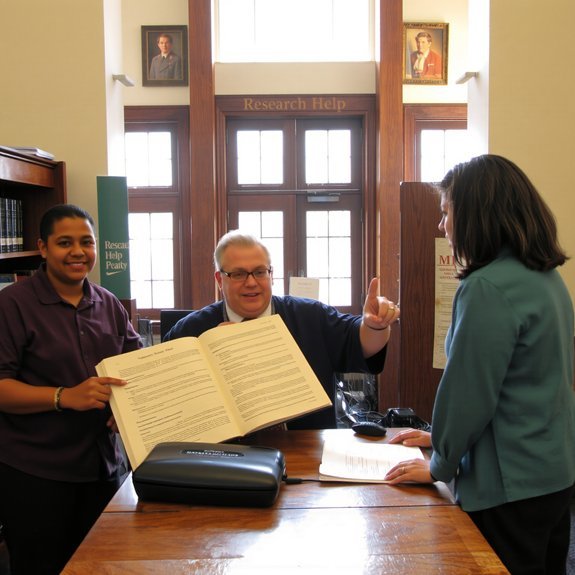
When you’re stuck on a topic and staring at a blinking cursor like it’s judging you, go find a subject librarian — they’re the friendly research ninjas who actually enjoy untangling citation knots. I’ll say it straight: you don’t have to suffer alone. Walk into the quiet hum of the stacks, smell the paper, tap the desk, and ask. They’ll show databases, suggest keywords, pull obscure journals, and demo citation tools, fast and without the lecturing vibe. Here’s what you should expect:
Stuck with a blinking cursor? Tap a subject librarian — research ninjas who find sources, demo tools, and save your sanity.
- Personalized research consultations, scheduled or drop-in, tailored to your assignment.
- Database navigation help, with hands-on demos and saved searches.
- Source evaluation tips, so you spot strong evidence quickly.
- Citation guidance, from APA to Chicago, with export-ready files.
Tutoring Centers, Writing Labs, and Academic Support Programs
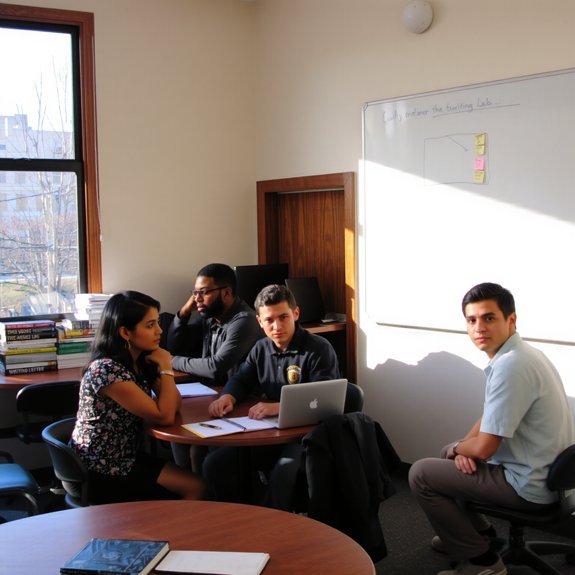
Alright — you’ve got your subject librarian in your corner, and that’s amazing, but let me show you where the real tag team happens: tutoring centers, writing labs, and academic support programs. You walk in, smell coffee, hear quiet confidence — tutors tapping keys, counselors flipping syllabi. Ask for a math walk-through, and someone’ll sketch a graph on the whiteboard, patient and proud. Bring a draft to the writing lab, they’ll read aloud, point out the clunky sentence, you’ll laugh and fix it. Sign up for workshops on study skills, time management, test anxiety — they hand you templates, timers, tiny victories. Drop-in or appointment, peer or pro, it’s hands-on help that meets you where you are, and nudges you forward.
Accessing Special Collections and Archives at an HBCU
You’ll start by scanning the archive catalog, eyes on the screen, fingers ready to bookmark anything that screams “you.” Then you’ll fill out a request form or email the special collections staff, because yes, some boxes need permission and a friendly human to gain entry to them. I’ll stand with you at the reading table, we’ll smell that old-paper tang, and I’ll whisper tips on access rules so you don’t accidentally pet a fragile scrapbook.
Finding Archival Materials
Because archives don’t usually leap off a shelf and shout “look at me,” you’ve got to be a little sleuthy — and I’ll admit, I enjoy the hunt. You’ll start by scanning catalogs, special collections guides, and finding aids, eyes skimming for names, dates, and places that make your pulse quicken. I’ll poke around online databases, then wander the stacks, fingers tracing box spines, breathing that paper-and-glue smell like it’s perfume. Talk to archivists, they’re the secret maps. Bring notebooks, gloves, and patience; archival work rewards slow curiosity.
- Search online catalogs and finding aids first.
- Note collection numbers and scope notes.
- Consult archivists for hidden gems.
- Prepare proper tools: pencil, gloves, camera (if allowed).
Requesting Special Access
Okay, now that you’ve sniffed out boxes and chatted up the archivists, it’s time to actually get in the room where the magic happens. You’ll request special access by filling a form, showing ID, and saying why you need the materials — be specific, not vague. I’ll tell you to book a visit ahead, because archives don’t do walk-ins like coffee shops. Expect gloves, pencil-only tables, dim lamps, a hush that feels holy. I’ll remind you to state handling needs, reproduction permissions, and any deadlines. If a restricted file needs supervisor approval, don’t panic, just follow their steps, politely nag if needed. You’ll leave with photos, notes, and the smug joy of having earned the privilege.
Digital Tools, Databases, and Remote Research Resources
If you want to dig up solid sources without trekking across campus in the heat, start here — the library’s digital toolbox is your new best friend, and yes, it talks back (kind of). You’ll log in, click databases, and the screen will hum with options. Don’t panic. I’ll show the quick moves: what to search, how to filter, and where PDFs hide — like finding snacks in a dorm drawer.
- Use subject databases first, they’re focused and save hours, trust me.
- Enable off-campus access, so you can work from bed, coffee in hand.
- Save searches and set alerts, your future self will thank you.
- Try citation managers, they stop your bibliography from becoming a train wreck.
Workshops, Instruction Sessions, and Course-Integrated Support
I’ll show you how the library’s workshops sharpen your research skills, whether you’re hunting down primary sources or taming citation chaos—come for the handouts, stay for the “aha” moment. You can book me or a librarian to visit your class, or we’ll embed sessions into your course so support shows up right where you work, on your syllabus and in your inbox. Bring questions, bring snacks if you want, and we’ll turn messy assignments into clear steps, one focused session at a time.
Research Skills Workshops
When you show up to a library workshop—coffee in hand, laptop half-asleep—you’ll get more than a slideshow; you’ll get hands-on skill training that actually sticks. You’ll learn to trace sources, tame databases, and build search strings that don’t puke results. I talk you through live demos, you riff on class examples, we all laugh when citations misbehave. Expect quick practice, messy drafts, and honest feedback that actually helps.
- Learn database tricks, filters, and boolean searches.
- Practice evaluating sources, bias, and credibility.
- Build annotated bibliographies, step by steady step.
- Get citation tools, templates, and time-saving hacks.
Show up curious, leave armed, and yes, bring more coffee.
Embedded Course Support
Because we want you to actually use the library, not just visit it on exam week, I slide myself into your class schedule—literally or virtually—and we build research muscles together. You’ll see me at the front, laptop glowing, or popping into your Zoom like that one friend who brings snacks. We map assignments, break down prompts, and pick sources you can actually explain aloud. I demonstrate quick database tricks, then hand the controls to you, watching fingers fly, pride and mild terror mixed. We run mini-workshops, scaffolded activities, and tailored handouts that smell faintly of copier toner and possibility. You get feedback on drafts in real time, citation help that doesn’t make your eyes glaze, and a partner who won’t ghost you before finals.
Building Relationships and Using Library Spaces for Collaboration
If you want people to actually help you, start by showing up like you mean it — I stroll into the library, breathe that paper-and-coffee-smell, and make eye contact with the staff instead of pretending I’m invisible. You’ll learn names, snag tips, and get invited to study nights. Sit in shared rooms, bring snacks (ask first), and claim a whiteboard like it’s your tiny kingdom. Talk to librarians, not just Google. They know the archives, and they’ll laugh at your panicked citation voice.
- Introduce yourself, ask one specific question, follow up.
- Reserve rooms early, bring chargers, clean up.
- Join or start a study group, schedule meets.
- Share resources, give credit, say thanks.
Conclusion
You’ve got this—use the stacks, the tutors, the tech loans, and the librarians like they’re on speed dial. I’ll be blunt: 90% of students who meet a subject librarian report better grades, so don’t wing it alone. Walk the quiet study rooms, smell the coffee, snag a comfy chair, and ask for that citation help. I’ll cheer you on, I’ll laugh at your late-night notes, and I’ll remind you: ask early, ask often.
Leave a Reply