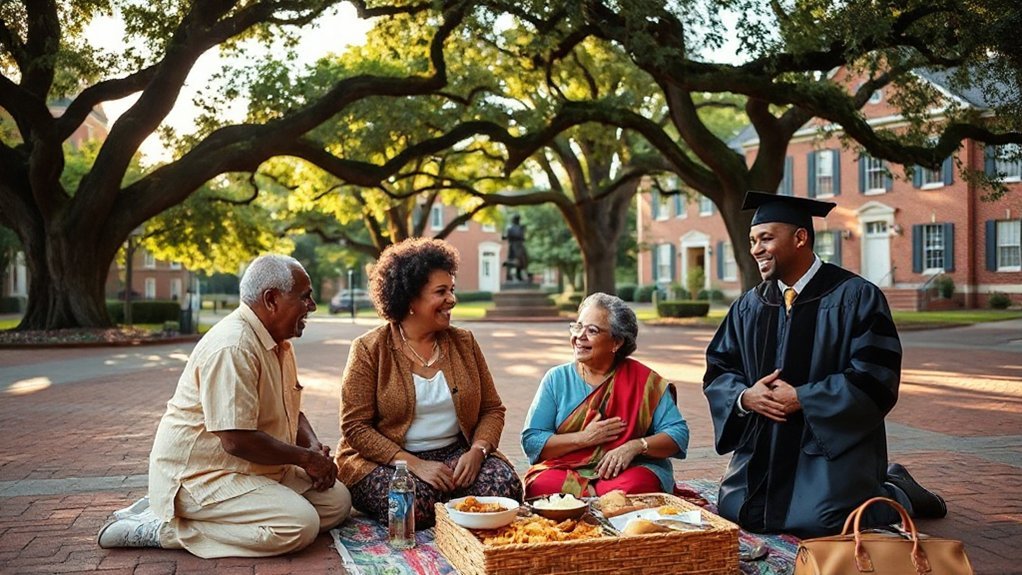
Picture crimson banners snapping in a warm breeze as you step onto campus, and know you’re not just a tourist — you’re a guest with a role to play. I’ll tell you how to learn the school’s stories, check plans with your student, respect spaces and traditions, and show up without stealing the spotlight, so you leave things better than you found them — and maybe score brownie points for the next visit.
Key Takeaways
- Learn the school’s history, traditions, colors, and chants beforehand to show respect and cultural awareness.
- Coordinate visit plans with your student, agreeing on times, locations, and any boundaries or alone time.
- Follow campus rules, facility hours, and designated spaces; avoid disrupting classes, libraries, or ceremonies.
- Attend student-led events with curiosity, silence phones, applaud appropriately, and ask thoughtful questions afterward.
- Offer support as an option, listen more than advise, validate feelings, and prioritize building rapport over fixing problems.
Learn the School’s History and Traditions
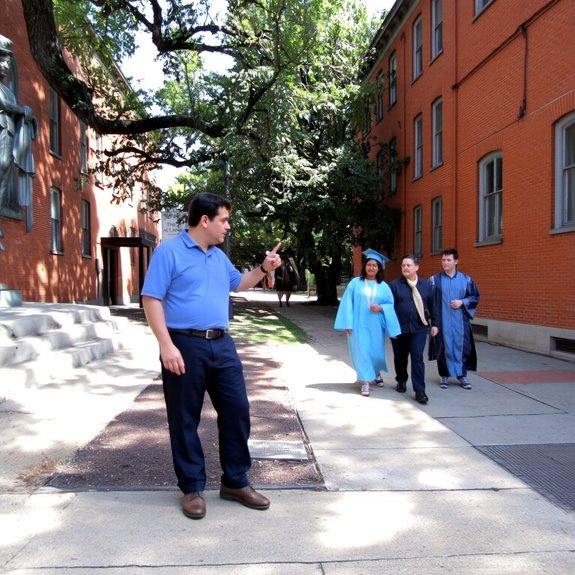
If you want to show up like you belong, start by learning the school’s history and traditions — not because you’ll be quizzed at a tailgate, but because those stories are the heartbeat of campus. I’d tell you to read a quick timeline, listen to old chants, and watch a short ceremony clip—do it while you sip coffee, don’t make it a chore. You’ll notice parade colors, hear brass bands, smell fried food at alumni brunches, and see hand signs that mean more than cool poses. Ask obvious questions, laugh at your own cluelessness, and let students correct you. That humility opens doors. You’ll leave louder, wiser, and somehow more welcomed—mission accomplished, without trying too hard.
Coordinate Plans With Your Student Ahead of Time
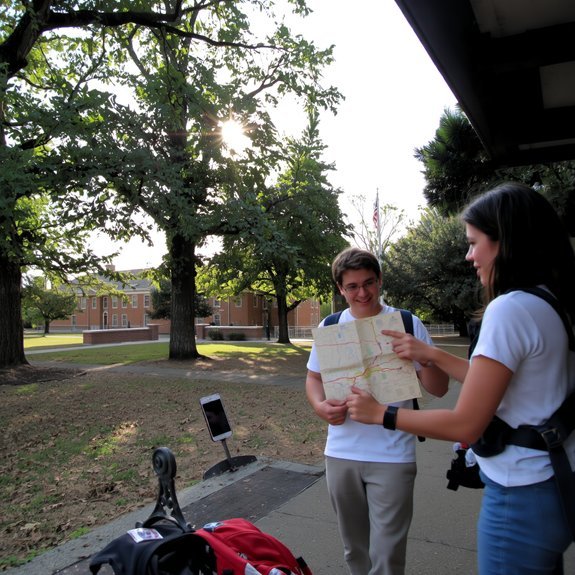
Because you want your visit to feel like a welcome, not a surprise raid, talk through plans with your student before you hit campus. Ask when they’re free, what events matter, and whether they want you in the dorm or at a café; listen more than you talk, promise. Say what you’ll bring — snacks, extra socks, a raincoat — so nothing gets awkward. Share arrival times, parking hints, and a phone number for quick check-ins. If they need alone time, respect that boundary; you’ll survive a few quiet hours. Toss in a “call me if plans change” and mean it. Coordinating ahead keeps stress low, laughter high, and memories that actually match expectations.
Respect Campus Policies and Spaces
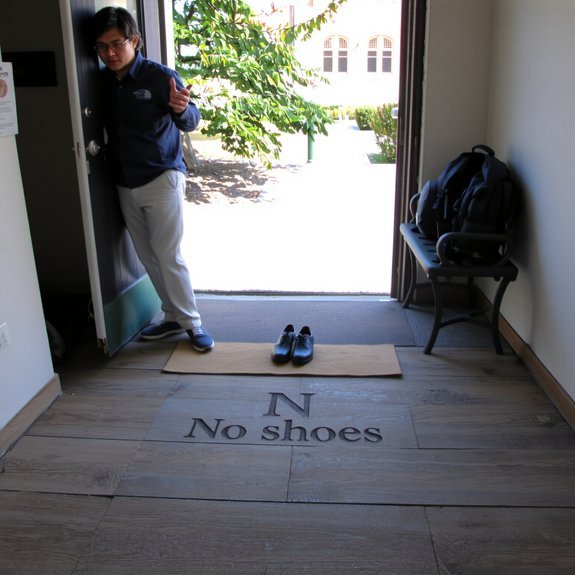
When you step onto campus, notice the signs, respect the hours, and follow the rules—don’t be the person who asks why the library’s closed at 10 p.m. I’ll say it plainly: honor designated spaces, from quiet study rooms to sacred memorials, and keep your voice and footprints appropriate. Think of the campus like someone’s home; knock, take your shoes off figuratively, and ask before you rearrange anything.
Follow Campus Rules
Even if you’re visiting to drop off a trunk full of snacks and the world’s loudest speaker, follow the campus rules — they aren’t arbitrary signs, they’re how your student and their community stay safe and respected. Walk where you’re told, park where you’re allowed, and yes, read the emails your student forwards like they’re treasure maps. If a building says “no visitors,” go grab coffee instead, politely. Don’t hover in study halls or lecture rooms, don’t wander into dorm wings after lights-out, and silence your phone at chapel and performances — your ringtone doesn’t need a cameo. Ask staff questions, follow posted health guidelines, and model the behavior you want your kid to keep. You’ll be more welcome, and frankly, less embarrassing.
Honor Designated Spaces
Some places on campus are quiet on purpose — libraries hum like careful machines, chapels hold breaths, and student centers buzz with conversations that have rules you didn’t make. You lean in, listen, and follow signs. If a room is marked “study,” don’t treat it like karaoke hour. If a lounge is reserved, knock first, then back off with a grin if they shoo you—no hard feelings. Slip your shoes off where asked, wipe feet, tuck trash in a bin. Smell matters: skip heavy cologne in closed spaces. When a ceremony’s happening, stand respectfully, phone silent, camera tucked away unless invited. I’ll admit, I once clapped at the wrong moment—learned fast. Honor those lines; they keep community intact.
Be Mindful of Cultural Norms and Language
If you want to fit in without tripping over words, listen more than you announce yourself—I promise you’ll learn faster that way. I’d say keep your ears open, watch how folks greet each other, note nicknames, and mirror the cadence — it’s like learning a new song. Don’t grab for cultural references or slang you haven’t practiced; you’ll sound like a bad cover band. Ask questions, quietly, with curiosity, not interrogation. If someone corrects you, laugh, say thanks, move on. Mind your tone, avoid tokenizing comments, and skip the “I know what your experience is” lines. Notice clothing cues, chapel traditions, campus humor, the smell of cooking from a dorm kitchen — small clues, big respect.
Support Student-Led Events and Performances
You’re coming to campus to see your student, so go to their shows with an open mind, clap loud, and let the music wash over you—don’t sit there like a confused tourist. Give performers space, keep your phone tucked away unless they ask, and don’t photobomb the choreography (yes, I’ve done that, cringe). Watch, cheer, and afterward ask questions—your sincere curiosity matters more than trying to be the center of attention.
Attend With an Open Mind
Ever been the only white face in a crowd and wondered where to look first? You don’t have to solve it, just listen and lean in. Show up curious, not performative. Clap when it feels right. Let the beat move you, even if you fumble your rhythm.
- Watch, don’t narrate; your phone pockets out, eyes open.
- Ask questions after, not during; breathy applause beats running commentary.
- Praise the effort, mention specifics; “that harmonies moment shook my ribs” lands better than vague kudos.
I’ll admit, I once cheered too loudly, embarrassed myself, learned fast. You’ll learn, too. Stay present, follow the cues of students, and enjoy being a respectful guest who actually notices the details.
Respect Performers’ Space
Because performers are giving you a slice of their world, treat that space like sacred real estate — no stomping, no commentary, and definitely no impulse phone concerts. I mean it. Slip in quietly, sit where you’re told, let the sound hit you first — the bass, the breath, the rustle of costume fabric. Clap on cue, not like you’re starting a lawnmower. If someone asks for silence, zip it; if they ask for noise, bring your best yes. Don’t film the whole thing; a few clips, then silence. Offer compliments after, not during; a performer’s glow is fragile, don’t knock it over. Bring water, bring respect, bring snacks discreetly. You’ll leave feeling lucky, not like a wrecking ball.
Engage With Faculty, Staff, and Student Organizations
When I wander into a campus office or pop into a student org meeting, I try to do it with a little humility and a lot of curiosity, because folks here earned their stripes and they’ll know the best routes — fast. You’ll listen first, ask one solid question, and resist the urge to mansplain history or heroics. Treat faculty and staff like partners, not tourists. Say thanks, leave room for their time, and notice the details — framed diplomas, event flyers, the hum of a copier.
- Introduce yourself briefly, share your student’s name, then step back.
- Offer genuine help, like bringing snacks or volunteering, but confirm needs.
- Attend an open meeting, clap politely, and learn names; it matters.
Plan Logistics With Safety and Accessibility in Mind
If you’re coming to campus, plan like you mean it — not with a cavalier “I’ll wing it” energy, but with a calm, parent-meets-detective vibe. First, map routes, parking, and ADA entrances; don’t assume every building’s step-free, ask ahead. Text your student arrival time, then share your phone’s location — yes, we’re that practical. Pack a small bag: water, a charged phone, cash, sunscreen, any meds, and comfy shoes for those long brick walks. Check campus shuttle schedules, lighting for evening exits, and nearby rideshare options. If someone in your party needs accommodations, call campus accessibility services before you go; they’ll clear paths, elevators, and seating. Stay aware, be flexible, and keep the vibe respectful, safe, and hassle-free.
Leave Room for Conversation and Reflection
You’ve checked the lots, packed the sunscreen, and texted your ETA — now slow down and listen. You’re on campus, the quad smells like cut grass and coffee, and your student’s juggling classes, friends, and life — don’t smother that. Sit on a bench, breathe, and let them set the pace.
- Ask open questions, pause, and actually wait for answers, even when silence feels loud.
- Share one short story, then shut up; let them react, riff, or roll their eyes.
- Offer help, not orders; say “want company?” not “you should.”
I’ll admit, I want to fix everything. Resist. Conversation heals when it’s roomier than your plans.
Conclusion
You’ll leave with more than photos. Talk to your student first, honor traditions, and listen—really listen—while the drumline rumbles under your shoes. I once surprised my niece at homecoming, cheered in school colors, and learned the alma mater by heart; she hugged me, then showed me where to sit quietly when she needed space. Be curious, be present, and don’t hog the spotlight; you’ll make memories that matter, not just noise.
Leave a Reply