Blog

  • How Do I Buy Gifts for Hard-To-Shop-For People

    How Do I Buy Gifts for Hard-To-Shop-For People

    You can picture them like a locked jewelry box on a rainy night—mysterious, stubborn, a little dramatic—so you lean in, squint, and start noticing the small tells: the chipped mug, the sigh over tangled earbuds, the way they light up at talk of one weird hobby. I’ll walk you through practical, slightly mischievous moves—experience gifts, clever fixes, tiny personalized touches—that actually get unwrapped and used, not re-gifted to Aunt Joan. Curious how to spot the perfect clue?

    Key Takeaways

    • Notice daily habits and small complaints to identify practical gifts that solve real annoyances.
    • Prioritize experiences—tickets, classes, or trips—that create memories instead of adding clutter.
    • Ask casual, specific questions or consult friends/family to uncover preferences without giving away the surprise.
    • Choose personalized keepsakes or engraved items that connect to meaningful memories or inside stories.
    • Opt for practical upgrades (quality tools, organizers, spill-proof items) that simplify routines and last.

    Understand Their Habits and Needs

    observe analyze understand gift

    If you really want to get it right, start by watching them in action—sneak a peek at their morning routine, listen to the way they complain about office coffee, notice the pockets in their favorite jacket. You’ll do a quick habit analysis, jotting small clues: the mug stain on the desk, the earbuds always tangled, the way they refill the succulent with too much water. I tell you this like a detective, but gentler. Then run a needs assessment in your head, practical stuff: what saves time, what sparks joy, what stops minor annoyances. Ask, don’t assume, with casual questions over dinner, and you’ll find gifts that fit, not clutter. You’ll look clever, not creepy.

    Focus on Experiences Rather Than Things
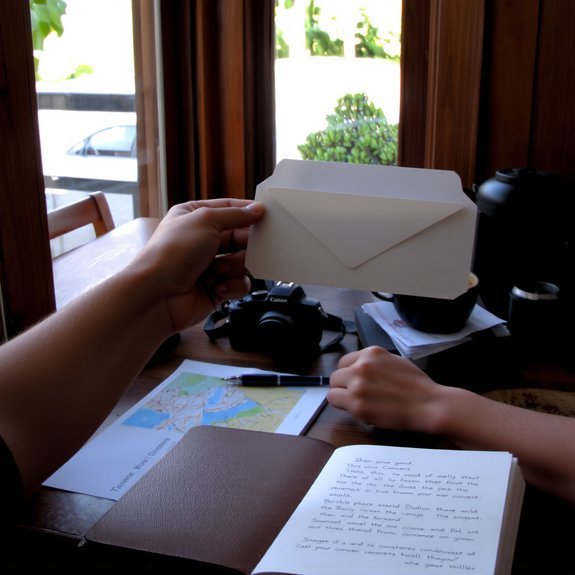
    experience gifts create memories

    Because stuff piles up and feelings don’t, give experiences a seat at the gift table—seriously, they age better and don’t need dusting. I tell you, experience gifts beat another sweater. You’re giving time, stories, a laugh that smells like popcorn or salt air. Pick memory making activities that match their pace — calm museum nights or wet, thrilling surf lessons. You’ll show up, they’ll show up, you both get a story.

    • Tickets to a concert or play
    • A cooking class with hands-on tasting
    • Guided hike with picnic and skyline views
    • Pottery or art workshop to get messy
    • Weekend escape to a small, fragrant B&B

    You’ve just converted clutter into something you both keep forever.

    Choose Personalized or Meaningful Items
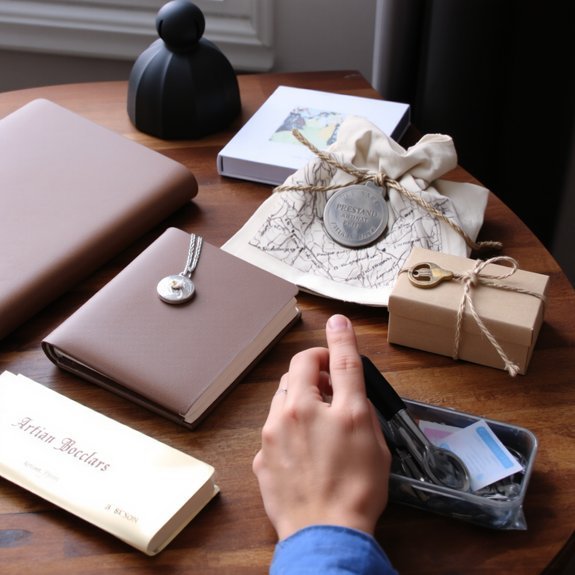
    personalized gifts create memories

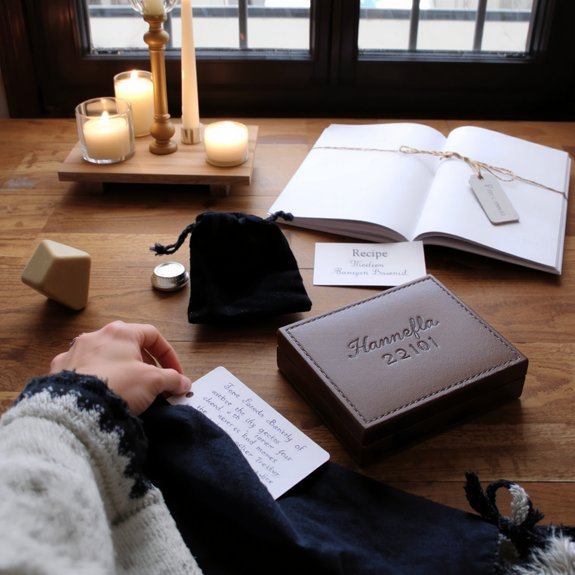
    When you want a gift to actually land — not just sit in a drawer — go personal, not generic; I’ll say it louder: people remember stories, not batteries. You know the face that lights up when a name, date, or private joke shows up on something real. Pick items with custom engravings, add a whispered line, a location, or a silly nickname. Hold the item, feel the weight, imagine them reading it. Sentimental keepsakes do the heavy lifting: photos mounted, letters bound, tiny boxes that smell faintly of cedar. Don’t overthink trends. Be a detective instead: overhear, peek at social feeds, ask one careful question. Then wrap it like you mean it — tissue, ribbon, a note that says, “You matter.”

    Give Practical Solutions to Everyday Problems

    Since you’re not trying to impress a wishlist algorithm, give stuff that actually makes life easier and people will love you for it—no drama, just fewer tiny daily annoyances. I always aim for smart gift planning, the kind that says, “I noticed,” with a wink. You want practical, tactile solutions that hum: smoother mornings, quieter commutes, less clutter. Thoughtful gestures matter — small fixes that feel like upgraded life.

    • A sturdy, spill-proof travel mug that actually fits cup holders
    • A drawer organizer that snaps into chaotic bedrooms like therapy
    • A compact phone charger that lives in their bag, always
    • A soft, bright reading light for late-night pages
    • A set of silicone lids that keep leftovers sane

    Give comfort, give ease, be the problem-solver.

    Opt for Consumables and Subscriptions

    Okay, you nailed the practical stuff — now let’s get sneaky: give things people actually use up. You can’t go wrong with consumables, they vanish and leave smiles. Send a rich, nutty gourmet baskets, the kind that smells like heaven when opened, or pick monthly boxes that keep the surprise coming, like a tiny holiday every month. Think coffee beans that steam and sting the nose, spicy sauces that make them squint, or luxe soaps that foamy up like a spa. Wrap it smart, add a cheeky note, and you’re golden. Subscriptions show you thought ahead, without pretending to know their hobbies. It’s generous, low-risk, and oddly intimate — you’re gifting moments, not more dust.

    Enlist Others to Crowdsource Ideas

    Ask close family what the person actually uses, smell-wise and style-wise — your aunt might spill the secret about the hand cream they always borrow. Tap their friends and coworkers next, poke a couple DMs, and you’ll get laugh-out-loud suggestions and surprisingly practical ideas. Or check shared wishlists, copy-paste a winner, and pretend it was all your brilliant plan.

    Ask Close Family

    Who else knows the person better than you, really? I ask close family first, because family insights hit fast and true, and sibling suggestions often spark the exact weird thing they’ll love. Call your aunt, text a cousin, ring a sibling — be specific: ask about smells they like, hobbies they mention in passing, quirks they hide.

    • Ask for favorite meals or comfort scents.
    • Request one memory that made them laugh.
    • Probe for things they collect or avoid.
    • Ask what they complain about—then solve it.
    • Check for practical needs they won’t admit.

    You’ll get raw, useful clues. Then stitch those scraps into one gift idea, add a ribbon, and pretend you planned it all along.

    Tap Their Social Circle

    If you want the good stuff, widen the net — I start tapping their friends, coworkers, and the random neighbor who waters their plants, because people reveal things around others they’d never tell you. You ask one friend, get a story about a weird obsession, text a coworker, learn the brand they rave about, ping the neighbor, find out their guilty-pleasure snack. Listen for friend group dynamics, the little hierarchies and inside jokes that point to perfect, personal gifts. Scan for social media insights too, but don’t lurk creepily — ask, “Hey, notice anything they keep posting?” Collect details, compare notes, laugh at contradictions, then pick the thread that sparkles. You’ll land something they actually use, and you’ll look brilliant.

    Use Shared Wishlists

    Okay, now let’s get smarter with the group instead of guessing solo. You’ve got a mystery person, and I’m telling you, shared preferences beat wild guesses. Push a shared wishlist, on easy wishlist platforms, and watch idea crumbs become a feast. Invite friends, family, coworkers, anyone who knows the vibe.

    • Start a wishlist, add a photo, a note about why it fits.
    • Ask others to drop one line: “He likes this because…”
    • Use multiple wishlist platforms, so no one’s locked out.
    • Vote on top picks, shortlist two, blind-test by price.
    • Track who bought what, avoid duplicate chaos.

    It’s social, quick, and oddly satisfying. You’ll shop smarter, and everyone feels a little clever.

    Present Creatively to Elevate Any Gift

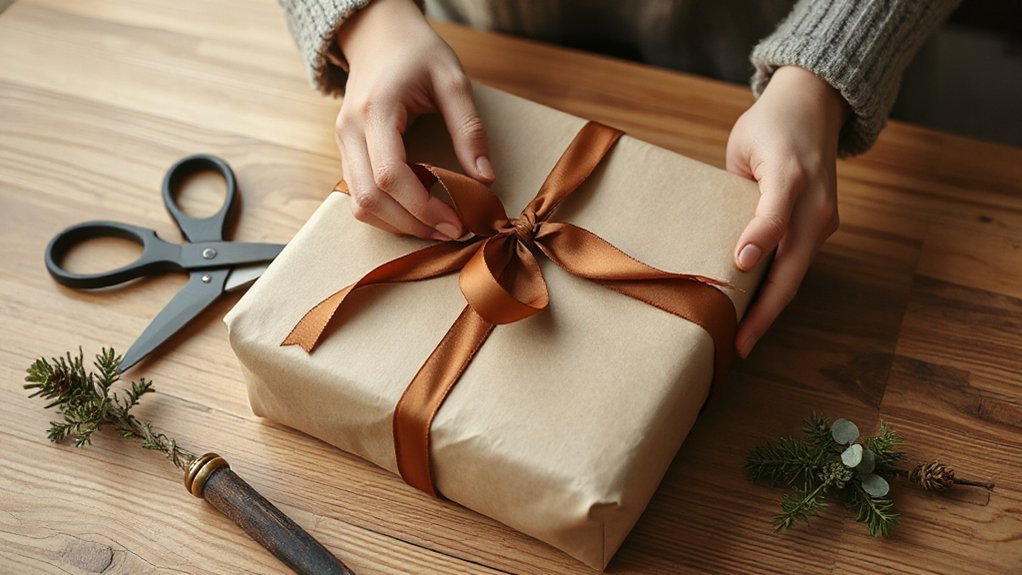
    While the gift itself matters, how you wrap and present it often steals the show, so I treat presentation like the opening act that gets everyone clapping before the main course arrives. You’ll want creative packaging that hints at the surprise inside, not a boring box that screams “last-minute.” I tie ribbon with a flourish, tuck in a sprig of rosemary for smell, and whisper a tiny clue on a tag—dramatic, but not obnoxious. Try unique presentation: a picnic basket, a puzzle they solve, or a vintage tin that becomes part of the gift. You’ll watch faces light up, laugh at my dramatic bow, and feel clever. Presentation is craft, it’s theater, and yes, it’s half the fun.

    Conclusion

    You’ll spot the perfect gift when you watch, listen, and think like a tiny detective — note their coffee stain, the offhand complaint, the thing they never buy for themselves. Pick experiences, useful fixes, or a small, personal token that smells like memory; even a subscription can feel like a warm hand. I’ll help you crowdsource and wrap it with flair, and trust me, one thoughtful choice can feel like winning the entire gift lottery.


  • How Do I Save Money on Christmas Shopping

    How Do I Save Money on Christmas Shopping

    The holiday tree of your budget can be as bare or as sparkly as you choose, and you get to decide — so let’s not blow it on impulse buys. I’ll show you how to map who really matters, set sensible spending limits, hunt down deals like a prospector, and wrap up thoughtful gifts that don’t scream “last-minute panic”; you’ll save cash and feel clever, and yes, I’ll make you laugh while we do it — but first, pick one stubborn person to start with.

    Key Takeaways

    • Set a firm holiday budget, assign per-person spending limits, and track every purchase to avoid overspending.
    • Start shopping early, monitor price history, and set alerts for sales and cashback opportunities.
    • Prioritize meaningful gifts, favor experiences or DIY projects, and reuse or upcycle items for a personal touch.
    • Use coupons, promo codes, retailer emails, and multiple cashback apps to stack savings.
    • Save on wrapping and shipping by using reused boxes, kraft paper, bundled shipments, and off-peak mailing days.

    Set a Realistic Holiday Budget and Stick to It

    budget wisely for holidays

    One clear rule I swear by: don’t let holiday magic bankrupt your bank account. You’ll sketch a number, not a fantasy. I tell you what I do: open a spreadsheet, feel the click of keys, list musts and wants. Holiday savings starts with math, not wishful thinking. You’ll block funds each paycheck, label jars or accounts, and watch small wins pile up like snow. Budget planning keeps you honest, stops impulse glow, tames the mall’s glitter. You’ll set alerts, shop sales, and savor the quiet thrill of checking off items without guilt. I joke about my past sleigh-ride into debt, you laugh, we learn. Stick to the plan, and unwrap calm on Christmas morning.

    Make a Prioritized Gift List With Spending Limits

    prioritized gift planning strategy

    You and I sketch out who gets what, like plotting little gift heists on a napkin while coffee steams beside us. We set per-person caps — $25 here, $100 there — so you don’t wake up on January 2nd nursing buyer’s remorse. Then we rank by importance, fast and honest, so the best gifts land where they matter and the rest get sensible, cheerful consolation.

    Who Gets What

    A few lists will save your sanity this season, so let’s make the one that actually matters: who gets what. You’ll jot names, note gift preferences, and flag family traditions, like Grandma’s cocoa mug or Dad’s socks ritual. I say it out loud to myself, coffee steam fogging the page, then cross off anyone you’re skipping this year. Keep it blunt: name, two wish ideas, one backup, why they matter. Hear me — you’ll avoid impulse buys when Aunt Sue texts a recipe mid-December. Mark emotional weight too; some gifts are hugs in paper. Shuffle priorities, glance at your bank app, and breathe. This list turns chaos into a map, and maps beat panic, every time.

    Set Per-Person Caps

    If you want to keep your bank account from staging a revolt by December 26, set a clear cap for each person before you start shopping; I swear it’s the grown-up version of telling yourself “no” at the cookie jar. I tell you this while sipping bad instant coffee, plotting bargains. Decide gift cap strategies up front, write them down, stick to them. Give yourself personalized budgets—$30 for quirky cousins, $75 for parents, $15 for the mailman who brings joy and junk mail. Picture grabbing items, feel the paper, hear the checkout beep, and know you won’t grimace at your card. When temptation whispers, read the list aloud, cue dramatic eye roll, walk away. It’s simple, practical, almost zen. You’ll save money and feel oddly proud.

    Rank by Importance

    Three simple tiers will save your sanity and your bank account: immediate family, close friends/essential in-laws, and everybody else. I tell you to write names on a list, feel the paper under your fingertips, and assign firm dollar caps. Start with those who matter most, then set sensible limits for a gift exchange, so you don’t overspend to impress. For close friends, pick a modest splurge, for everybody else, use homemade treats or discount finds. You’ll hear me say, “No mystery shopping,” as I tap the calculator, and you’ll laugh, because it’s true. In budget planning, you track totals weekly, reassign funds if needed, and breathe easier watching the final tally fall into place. It’s tidy, honest, and oddly liberating.

    Start Shopping Early and Use Price-Tracking Tools

    start early track prices

    Since I learned to start my Christmas shopping in October, my wallet stopped panicking and my living room stopped looking like a gift-wrapping explosion, and you can do the same. You’ll feel smug, like a spy with a spreadsheet. Start early, be the early bird who spots deals before the stampede. Use price comparison sites and browser extensions, they quietly hunt bargains while you sip cocoa. Set alerts so you don’t live on retailer sites all day — notifications do the stalking for you.

    Start Christmas shopping in October—be a smug, spreadsheet-wielding deal hunter: set alerts, compare prices, and pounce.

    • Track item price history, watch patterns, pounce when a dip appears.
    • Favorite trusted stores, then compare with wider marketplaces.
    • Use alerts, screenshots, and a short checklist to lock choices.

    You’ll save money, time, and holiday nerves — that’s power.

    Take Advantage of Sales, Coupons, and Cashback Offers

    You’ll save a ton if you stop hunting blind and start tracking promo codes before checkout, like sniffing out cookies in a bakery. Use cashback apps, pop a notification on, and watch small percentages pile into something satisfying — like pocket change that bought you a fancy coffee. I’ll cheer you on while you click, compare, and collect every last penny.

    Track Promo Codes

    Alright, let’s get nerdy about discounts — I promise it’s fun. You’ll feel clever scanning promo code websites, and your inbox will reward you if you’re on email subscriptions, yes even the ones that spam like a jingling sleigh. I stalk deals like a cat stalking socks.

    • Check promo code websites first, paste codes at checkout, and don’t be shy to try expired-looking ones.
    • Scope retailer email subscriptions for exclusive codes, then trash what you don’t need; your future wallet will thank you.
    • Keep a running note of codes, percentages, and expiry dates, like a tiny, satisfying spreadsheet.

    I narrate like a friend who saves receipts, bragging gently, while you click “apply” and watch prices drop.

    Use Cashback Apps

    If you’re going to shop like a holiday pro, you should let cashback apps do the heavy lifting while you sip something festive and pretend you planned this, all along. I’ll admit, I used to click blindly, until I learned to lean on apps that stack deals, coupons, and refunds into one neat little victory. You scan receipts, activate offers, or shop through links, and ka‑ching — cashback percentages show up like tiny rewards for adulting. Do quick app comparisons, I say: one pays 5%, another 8% on the same gadget, and that difference buys you wrapping paper and dignity. Use alerts, read terms, cash out smartly, and laugh when the app refunds your impulse buy — sweet, vindictive joy.

    Choose Thoughtful Low-Cost or DIY Gifts

    When I started trimming my holiday budget, I learned fast that cheap doesn’t have to mean cheesy, and that’s a relief—because nobody wants a re-gifted candle from 2016. I tell you, you can make thoughtful, low-cost gifts that feel luxe, using personalized creations and handmade treasures that speak louder than price tags. Roll up your sleeves, breathe in cinnamon and glue, and make something that smells like home.

    • Bake a small batch, jar it, add a handwritten tag — scent, warmth, smile.
    • Assemble a movie-night kit: popcorn, cocoa, a printed coupon for your company.
    • Knit or paint a simple item, wrap it in brown paper, tuck in a note.

    You’ll save money, and earn lifelong brownie points.

    Give Experiences Instead of Physical Items

    Because memories don’t need batteries, I started swapping stuff for experiences a few years back, and honestly it’s the best budget move I’ve made—no tangled cords, no clutter, just good times and stories. You can give experience gifts that fit any budget: movie nights with homemade popcorn, a local pottery class, or a sunrise hike with thermos coffee that steams in your palms. You’re buying time together, not dust collectors. Picture laughing over a cracked mug you made, or the smell of wood smoke at a winter bonfire—those are memorable moments. Say, “No big box, just us.” That line lands. You’ll spend less, feel richer, and collect stories that outlast the season. Try it; your closet will thank you.

    Use Group Gifts and Secret Santa to Reduce Costs

    Although it sounds like holiday math, I swear group gifts and Secret Santa actually make you look generous while spending way less, and you don’t have to fake enthusiasm about another knitted llama sweater. I tell you, pick one big-ticket thing, pool cash, and everyone gets bragging rights while your wallet breathes. You’ll feel the thrill when someone unwraps that gadget, the room smells like cinnamon and victory.

    • Split a wishlist, use group gifting for one wow present, cut individual costs.
    • Set a clear budget and rules for secret santa, avoid awkward mismatches.
    • Rotate who hosts reveals, add a silly clue game, keep it cozy.

    You’ll save money, keep traditions, and still get applause.

    Save on Wrapping and Shipping Without Sacrificing Presentation

    You pooled cash, picked that show-stopping gadget, and basked in the collective “oohs” — now don’t torch your savings on glitter paper and overnight shipping. I’ll show you how to keep it pretty without the price tag. Grab kraft paper, twine, fresh rosemary or a cinnamon stick; the scent says luxe, the look says thoughtful. Try creative wrapping like newspaper comics, fabric scraps, or brown-paper patterns stamped with potato stamps — cheap, cheerful, and you’ll look crafty, not cheap. For shipping alternatives, bundle pickups, use flat-rate boxes, or ship during slower post days to avoid rush premiums. I’ll haggle a bit: reuse sturdy boxes, seal neatly, and label boldly. Presentation stays sharp, budget stays intact.

    Reuse, Recycle, and Declutter to Find Meaningful Gifts

    When I started hauling boxes out of my closet, I realized treasure’s always hiding in plain sight — and yes, I’m talking about that vintage scarf you forgot you loved and the nearly-new board game that once sparked a seven-hour Monopoly war. You can turn clutter into gifts, and it’s downright satisfying. Sort fast, breathe, touch fabrics, sniff old books — memories pop. Offer a gift swapping afternoon, bring snacks, laugh over awkward sweater choices. Wrap items with recycled maps or newspaper, add a handwritten note about why it mattered. Think sentimental treasures, not price tags. Ideas to try:

    • Host a small gift swapping event, set simple rules, and trade with joy.
    • Repair or refresh items, polish, mend, or reframe.
    • Declutter with intention, keep stories, pass on meaning.

    Conclusion

    I’ve got your back: set a budget and stick to it, make a short list and split it into “must” and “nice,” hunt deals early and track prices, swap coupons and cashback like trading cards, craft a cozy DIY, offer a memory instead of another mug, and team up for group gifts. Wrap with thrift-store paper, reuse boxes, and declutter for hidden treasures. Do less, give more, save cash—and enjoy it.

  • How Do I Find the Best Black Friday Deals

    How Do I Find the Best Black Friday Deals

    You want the best Black Friday deals, and you’re not here to get hustled—smart move. I’ll walk you through budgeting, spotting real discounts, using price trackers, and stacking coupons so you don’t buy regret disguised as a “steal.” Picture crisp product pages, flashing percentages, and your finger hesitating over “buy now” — we’ll tame that panic. Stick with me, and you’ll snag actual bargains instead of theatrical markdowns; next, we’ll plan the attack.

    Key Takeaways

    • Set a firm budget, list three must-have items, and assign a spending cap per item to avoid impulse buys.
    • Research typical prices and price history to distinguish genuine discounts from inflated “sale” prices.
    • Use browser extensions and deal alerts to track price drops, auto-apply coupons, and compare sellers.
    • Combine strategies: shop early for doorbusters, monitor ongoing online sales, and stack coupons, cashback, and rewards.
    • Save receipts, screenshots, and chat logs; immediately request price adjustments or returns if a better deal appears.

    Set a Realistic Budget and Priority List

    budget wisely prioritize must haves

    If you don’t want to wake up on Cyber Monday with buyer’s remorse and a closet full of impulse purchases, start by setting a realistic budget and a short priority list—I promise it’ll save your wallet and your dignity. I tell you to pick three must-haves, write them down, and feel the relief like coffee hitting your sleepy brain. Use simple budgeting techniques, carve out spending limits per item, and tape the list to your fridge if you’re dramatic like me. Picture the cart, light and intentional, not bulging with regrets. Say aloud, “Do I need this?” pause, and imagine the receipt burning in a tiny, satisfying bonfire. You’ll shop smarter, breathe easier, and actually enjoy the victory lap.

    Research Regular Prices and True Discounts

    detective work for discounts

    Price tags lie sometimes—so you do the detective work. I’ll walk you through quick, clear checks: glance at price history, squint at fine print, and calculate discount percentages like a prospector hunting nuggets. You’ll sniff out fakery by comparing recent sales, noting return policies, and picturing the item in your hands — texture, weight, that glossy finish.

    1. Check advertised price vs. typical price, write both down.
    2. Scan past weeks for dips or spikes, trust patterns not hype.
    3. Calculate true savings: original vs. sale, factor tax and shipping.

    You’ll feel smug when a real deal appears. I promise, it’s satisfying, like finding extra fries at the bottom of the bag.

    Use Price-Tracking Tools and Browser Extensions

    price tracking tools simplify shopping

    A few clever tools will do the heavy lifting for you, and I’m here to show you how to boss them around. You install a browser extension, it quietly watches prices while you sip coffee, and you get an instant ping when something drops. Check price history graphs like a detective, they tell you if that “huge” discount is real or theater. Set deal alerts on items you actually want, not on impulse clutter. I’ll nag you: refine alerts, mute noisy stores, and snapshot screenshots so you remember the model. Extensions also autofill coupons, compare sellers, and flag warranty info—little wins that add up. You’ll feel smug, and rightly so, as carts turn into real bargains without sweat.

    Subscribe to Newsletters and Follow Trusted Sellers

    Want insider scoop without stalking every store? I subscribe, you benefit — it’s that simple. Sign up for email alerts from brands you trust, follow vetted sellers on social, and you’ll catch early drops, flash sales, and exclusive discounts before the rush. I recommend these quick moves:

    1. Join brand newsletters for member-only codes and preview windows.
    2. Follow trusted sellers for real-time posts, product shots, and back-in-stock notes.
    3. Turn on email alerts and seller notifications, filter promos, then mute the noise.

    You’ll get vivid product photos, crisp deal copy, and timestamps that feel like backstage passes. Be picky — prioritize sellers with reliable shipping and clear return policies. I do the digging, you reap the wins; we both avoid regret and holiday chaos.

    Compare Deals Across Retailers and Marketplaces

    Okay, here’s where you get picky: line up the same gadget or jacket across three tabs, squint at prices, and tap features like battery life or return policy to see which one actually earns your money. I’ll watch competitor price drops with you, invigorating like a caffeine-fueled hawk, and we’ll pounce when the true bargain blinks. It’s messy, a little thrilling, and totally worth the five minutes it takes to save a lot.

    Price and Feature Comparison

    If you want the thrill of scoring a steal without the post-purchase regret, start by lining up prices and features like a detective at a buffet — I sniff out the best bites, you point and I grab them. You’ll check price history to see if a deal’s real, and do feature prioritization so you don’t buy shiny junk. Open tabs, squint at specs, taste-test mentally — battery life, material, warranty. Compare shipping and return terms too.

    1. List must-haves, wants, and deal-breakers fast.
    2. Use price trackers and quick spec charts to compare.
    3. Cross-check reviews, seller ratings, and bundled extras.

    I narrate, you decide, we high-five over a saved receipt.

    Watch Competitor Price Drops

    When rival stores start chopping prices, you want to be the hawk in the rafters — eyes everywhere, talons ready. I tell you to set up price monitoring alerts on sites and apps, quick as a text ping, so you catch drops the moment they land. Scan marketplaces, open tabs like spy windows, and whisper to yourself, “Compare that with Store B.” Use simple competitor analysis—track item SKUs, screenshots, timestamps—so you’ve receipts for bragging rights. I’ll admit, I refresh too much sometimes, caffeine and all, but it works. When two sellers duke it out, jump in, claim the better cart. You’ll save money, feel smug, and maybe mutter, “Told you so,” as checkout rings.

    Spot Scams, Fake Scarcity, and Misleading Claims

    You’re scrolling franticly through a flash sale, I’m squinting at seller names and product photos beside you, and we both know something smells fishy. Check the seller’s ratings, return policy, and contact info—if there’s no trace of a real address or reliable reviews, walk away; real deals don’t hide. And when countdown timers are screaming “only 2 left,” pause, breathe, and look for stock history or the same item listed elsewhere — false scarcity is a classic sales trick you can outsmart.

    Verify Seller Authenticity

    Because Black Friday feels like a carnival of flashing signs and manic bargains, I lean on a few sharp tricks to tell real sellers from sleight-of-hand artists. You want safe buys, so scan seller reviews, check product authenticity claims, and smell the faux urgency.

    1. Visit seller pages, read recent reviews, note delivery photos and timestamps.
    2. Verify contact info, return policy, and business registration — call if you must, don’t be shy.
    3. Cross-check manufacturer sites for authorized seller lists, look for serial numbers and warranty language.

    I narrate this like a detective, coffee in hand, cursor hovering. If something’s vague, walk away. Real sellers answer, provide receipts, and don’t pressure you with breathless caps lock. Trust your gut, and your receipts.

    Detect False Scarcity

    Ever notice how every deal suddenly has “only 3 left!” slapped on it, like somebody rolled a red carpet for your impulse? I’ll call it out: that’s engineered pressure. You’ll see psychological tactics everywhere — countdown timers blinking, stock numbers shrinking, flashy banners yelling “act now.” Don’t wobble. Pause, breathe, and check timestamps, seller history, and price charts. I dig into product pages, hover for hidden fees, and refresh to see if “low stock” resets. If urgency cues keep popping across sites, it’s probably marketing theater, not luck. Ask questions in chat, screenshot claims, and walk away for an hour. Scammers hate patience. You’ll feel smug later, like you outfoxed the carnival barker, and that’s a small, delicious victory.

    Decide When to Buy: Doorbusters vs. Ongoing Sales

    If you sprint to the mall at midnight, there’s a good chance you’ll elbow someone for a toaster and feel like a victorious raccoon, but hold back and you might miss the one blender that was actually worth the fuss. You’ll weigh doorbuster timing against sale duration, and that’s where strategy pays. Decide if you want adrenaline or convenience. I’ll tell you what I do:

    Sprint for doorbusters and bragging rights—or wait for calmer, deeper deals. Pick adrenaline or convenience.

    1. Rush for guaranteed doorbusters — low stock, big early discounts, check store times.
    2. Wait for ongoing sales — deeper markdowns, restocks, calmer lines.
    3. Hybrid approach — grab one early hit, then scan longer sales online.

    Listen to your gut, pack comfy shoes, set alarms, and don’t be embarrassed if you buy both. You’ll learn faster than you think.

    Maximize Savings With Coupons, Cash Back, and Rewards

    When you stack coupons, cash back, and rewards, your cart suddenly feels like a tiny, victorious parade—receipts crinkling, savings jingling in your pocket. I tell you this because coupon stacking isn’t mythical; it’s a tactic. Clip store promos, apply manufacturer codes, then drop a site coupon on top. Use browser extensions, they nag for you but they earn. Pick cards that boost categories, enroll in loyalty tiers, and chase cash back offers that double-dip. I swipe, click, and watch numbers shrink—thrilling, like finding a twenty in an old coat. Keep tags handy, set alerts, and don’t be shy about contacting customer chat for missing credits. You’ll save more than cash; you’ll collect smug, justified grins.

    Post-Purchase Strategies: Price Drops, Returns, and Warranties

    You just stacked every coupon, card perk, and cashback ding like a tiny victory tower, and now you’re staring at a confirmation email that smells faintly like triumph and printer ink. Celebrate, but don’t ghost the receipt. Post purchase satisfaction often hinges on quick follow-up moves. Scan return windows, note restock fees, and screenshot prices — you’ll thank yourself when a lower price appears.

    1. Check price-match and price-drop policies, file claims fast.
    2. Test the item within the return period, record defects with photos.
    3. Register products, save serials, read warranty coverage for repairs.

    Keep polite, persistent emails ready, and use chat logs as receipts. Small rituals, big peace of mind — you win twice.

    Conclusion

    You’ve prepped a budget, hunted prices, and stacked coupons like a frugal ninja—now shop smart. I’ll say it: don’t panic-buy just because a timer screams “limited!” Breathe, compare, snag real deals, then celebrate with coffee that tastes like victory. If a price drops later, get the refund. If a return’s needed, handle it fast. Do this and you’ll walk away with bargains so good they’ll feel like stealing—legally, of course.

  • How Do I Create a Holiday Gift Guide

    How Do I Create a Holiday Gift Guide

    Say you’re curating gifts for your aunt who drinks too much chai and collects ugly mugs; you’ll start by listing who she is, what she does every day, and what little thrill would make her grin like a kid—then you map tone, price ranges, and neat categories. I’ll walk you through picking vivid product shots, punchy descriptions, and shipping cutoffs that actually save you from holiday panic—stick around and I’ll show the easiest way to make people buy.

    Key Takeaways

    • Define your audience (demographics, hobbies, pain points) and pick a consistent tone and theme that will guide choices and visuals.
    • Set three clear budget tiers (low, mid, splurge) and tag each gift with price and value notes for easy filtering.
    • Curate categories by recipient type or interest (tech, cozy, new parent) and include one wow item plus DIY/thrift options.
    • Write short, sensory descriptions (1–2 lines), note key features, and add a one-line buying tip or sizing/pro care pro tip.
    • Organize layout for skimmability: headings, price labels, quick-buy links, and a final call-to-action to convert readers.

    Define Your Audience and Purpose

    define audience clarify purpose

    If you want your gift guide to land like a cozy, well-timed surprise, start by picturing the person you’re writing to — their kitchen table, their phone buzzing, the way they sigh when they open a wallet — and decide why you’re bothering in the first place. You’ll name target demographics, yes, but don’t stop at age brackets; note jobs, daily rituals, little frictions. Listen to audience interests, the podcasts they replay, the scarves they favor, the jokes they tell. You’ll jot concrete scenes, test a few gifts against those moments, and toss the ones that feel off. Be honest, poke fun at your own taste, and promise usefulness, not glitter. Tight focus saves readers time, earns trust, and makes picking a breeze.

    Choose a Tone and Theme

    tone and theme selection

    Now that you know who you’re writing for and why, let’s pick the voice that’ll carry those gift ideas off the page and into someone’s shopping cart. You’ll start with tone selection: decide if you’re witty, cozy, luxe, or downright snarky. Speak like a friend, a stylist, or a bargain-hunting ninja — whatever feels honest, and keeps readers scrolling. Then lock in theme cohesion, tie visuals, product descriptions, and headings to that voice. Use sensory hooks, mention the weight of a wool scarf, the fizz of a candle, the click of a gadget. Toss in a quip, I trip over my own cart sometimes, but keep it tight. When theme and tone line up, your guide doesn’t just inform, it tempts.

    Set a Budget Range and Price Tags

    budget planning made easy

    Three price brackets make this easy: low, mid, and splurge — and yes, you get to be the fair judge. I’ll walk you through budget planning like we’re choosing toppings at a deli — quick, deliberate, and slightly indulgent. Decide your low range for stocking stuffers, set a mid tier for reliable winners, and reserve a splurge slot for that jaw-dropper. Tag each pick with a clear price, add a little note on value, and do a swift price comparison across stores and sites — I promise it’s satisfying, like finding fries at the bottom of the bag. Use neat labels, bold numbers, and short blurbs. You’ll save readers time, dodge sticker shock, and look like a gift-giving wizard.

    Curate Categories and Gift Types

    You know your crowd, so start by sorting gifts into audience-based categories—tech for the tinkerer, cozy for the homebody, sparkly for the wannabe glam—so shoppers can zero in fast. Then layer in price-tier options, from stocking-stuffer under $25 to wow-factor splurges, and label each pick so wallets and wants line up instantly. I’ll keep it brisk, I’ll make it fun, and if I miss your weird cousin, blame their eccentricity, not me.

    Audience-Based Categories

    Because people are weird and wildly specific about what makes them happy, I group gifts by who they are, not just what the gifts do. You’ll spot patterns fast when you map gift preferences to audience demographics; it’s like eavesdropping, but ethical. I picture Uncle Dan, hands smelling of motor oil, grinning at a heavy wrench set; I imagine Claire, nose buried in novels, savoring a buttery paperback and a mug that steams. Label sections — the New Parent, the Weekend Chef, the Nature Nut — and write one crisp line that smells like cinnamon or pine, so readers can hear the scene. Don’t overthink it, but do get specific. Your guide should read like a good friend nudging a great idea.

    Price-Tier Options

    If you’re anything like me, your wallet does a little shimmy when holiday shopping starts — sometimes it’s brave, sometimes it hides under the couch. You’ll split your guide into price tiers: under $25, $25–$75, splurge-worthy $100+. That way readers scan fast, find fits, and breathe. Name each tier with personality, show photos, list materials so people can feel texture through the screen — smooth wool, citrus soap fizz. Be blunt about budget considerations, note when something feels pricey but has lasting gift value. Toss in a few DIY or thrift swaps for the cautious shopper, and a wow item for the daring. End each tier with a one-line buy-or-skip verdict, quick and honest.

    Write Short Descriptions and Buying Tips

    A good short description hooks fast and tells the story in a single breath, so let’s make yours snap: I’ll show you how to paint the product—feel of the fabric, pop of the color, the little click of a lid—without turning it into a novel. You’ll write crisp lines that spark gift inspiration, then follow with quick buying tips that close the sale. Use sensory verbs, name a real use, and drop one surprising fact. Don’t over-sell; be honest, funny, tiny.

    • Lead with one vivid sentence, then add product highlights in two.
    • Add a one-line tip: who it’s for, and why it works.
    • Include a short “pro tip” about sizing or care.
    • End with a light call-to-action, playful and urgent.

    Select High-Quality Images and Visuals

    Think of your product images as the handshake at a party — warm, confident, and stain-free; you want it to feel like, “Yes, I picked this,” the moment someone scrolls past. You’ll prioritize image quality firstsharp focus, natural light, and clean backgrounds. Zoom in on texture, show scale with a hand or cup, and crop tightly so details sing. Variety keeps interest: hero shots, lifestyle scenes, and a simple close-up. Keep color true, avoid noisy filters, and don’t squeeze tiny images into giant slots — they’ll cry pixel-tears. Visual appeal wins clicks, but authenticity earns trust. I’ll admit, I’ve over-styled a few things; learn from me, keep it honest, and let your photos do the convincing.

    Because nothing ruins holiday cheer faster than a “sorry, sold out” banner, you’ll want to slap clear links, shipping cutoffs, and stock notes right under each item — no scavenger hunt. I tell you where to click, when to order, and what’s actually on the shelf, so readers don’t face last-minute panic. Add visible shipping options, and note lead times, express fees, or local pickup, smell-the-cardboard urgency included. Be honest about product availability, update counts, and flag low-stock items with a zingy badge. Make buying breezy.

    Don’t let “sold out” ruin the holidays — add clear one-click links, shipping cutoffs, and zingy low-stock badges.

    • Add one-click purchase links, and open them in a new tab.
    • List standard, expedited, and pickup shipping options.
    • Show estimated delivery dates and holiday cutoffs.
    • Mark items as low, limited, or backordered.

    Promote and Measure Engagement

    Now that you’ve made buying stupidly easy with clear links and shipping notes, we’ve got to shout about it — and then measure how loud our megaphone is. You’ll blast the guide across social media, pin a carousel, drop a reel, and say it like you mean it. I’ll coach you: post at peak times, tag brands, and sprinkle playful CTAs so people can’t help clicking. Track engagement metrics — likes, saves, shares, comments, time on page — like you’re reading a thermal camera, seeing where heat gathers. Run one boosted post, watch conversions, then tweak copy and image. Celebrate small wins with a gif, learn from flops without crying into eggnog, and repeat until the bell rings and carts fill.

    Conclusion

    You’ll finish this gift guide feeling like a holiday scout, map in hand, knowing who you’re shopping for and why. I’ll admit, you’ll still forget one giftee—because that’s human—but you’ll catch them fast with your airtight categories, clear price tags, and tasty descriptions that practically smell like cinnamon. Use bold images, double‑check shipping, and drop playful CTAs. Go on, wrap brilliance in ribbon, and watch happy faces light up.

  • How Do I Plan a Christmas Gift Exchange

    How Do I Plan a Christmas Gift Exchange

    You could plan this gift exchange so perfectly Santa would hire you—no pressure, right? You’ll pick a vibe (cozy, chaotic, or gloriously weird), lock a date and budget, and send a crisp sign-up with three wish items—simple, honest, zero drama; I’ll help you phrase the invite so nobody flakes. Then you’ll map location, snacks, and reveal rules, and tweak a few fun twists to keep people laughing—want to know the best swap I’ve ever run?

    Key Takeaways

    • Choose the exchange style (Secret Santa, White Elephant, themed, or handmade) to match your group’s vibe.
    • Set a clear price limit, date, RSVP deadline, and location so everyone knows expectations.
    • Collect sign-ups and short wish lists (3–5 items) and assign recipients or draw names fairly.
    • Establish simple rules (stealing limits, gift types, allergy/ethics notes) and communicate them widely.
    • Plan the event flow: seating, gift-opening order, refreshments, cleanup, and post-event feedback.

    Choosing the Right Type of Gift Exchange

    choose your gift exchange

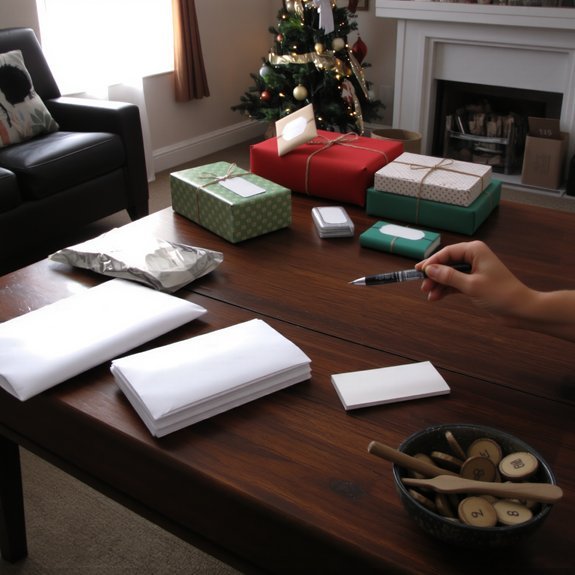
    How do you want this party to feel—cozy and chaotic, polished and predictable, or gloriously weird? You pick the vibe, I’ll help pick the gift types that match it, and we’ll nod to recipient preferences so nobody ends up with novelty socks they’ll never wear. If you want cozy, choose handmade or warm-feel gifts, scented candles, knitted scarves, hot cocoa kits; imagine soft light, cinnamon, hands unwrapping. Chaotic calls for white-elephant steals, gag gifts, loud laughter; picture squeals, swapping, playful betrayal. Polished? Go secret-santa with curated wish lists, elegant wrapping, quiet applause. Weird? Try theme boxes, mystery envelopes, dares written on glitter cards. You’ll set rules, I’ll keep it fair, and everyone leaves smiling — or at least amused.

    Setting a Budget and Date

    budget and date agreement

    Since nobody wants an awkward gift pile where half the room spent $50 and the other half brought a boxed candle from the gas station, let’s agree on money and timing up front. You call the shots: pick a comfortable price cap, say $20–$30, or tiered levels if your group’s wild; I vote for snacks and laughter over guilt. Use clear budgeting tips: suggest what counts, what’s off-limits, and how to handle handmade or regifted items. For date, name two options, poll quickly, lock it in, then send a reminder that smells faintly of cinnamon and certainty. These gift exchange strategies keep expectations aligned, avoid last-minute scrambles, and let everyone show up ready to trade stories and good vibes.

    Establishing Rules and Guidelines

    gift budget and participation rules

    You’ll want to spell out the gift budget limits up front, so nobody shows up with a diamond ring while Grandma brings socks. I’ll tell you how to set clear participation rules—who’s in, who can bow out, whether partners or kids join—so the evening runs like clockwork, not chaos. Picture me tapping a clipboard, grinning, as we make a few fair, funny rules that keep everyone smiling and the surprises coming.

    Gift Budget Limits

    If we set a clear budget at the start, everyone relaxes—no awkward price guessing, no one showing up with an espresso machine when someone else brought a novelty mug. I tell the group a simple number range, you nod, and we lock it in. Think gift allocation like lanes on a road: stocking stuffers, main gifts, and a wild card. Say $10–$20, $20–$35, $35–$50, pick one. Mention budget considerations: taxes, shipping, last-minute markups, and someone’s impulse Amazon cart. I’ll remind folks to wrap within the limit, snap a photo if needed, and swap if someone trips over the cap. Be firm, but playful—set the rule, grin, and watch everyone breathe easier.

    Participation Rules

    When we set the ground rules up front, everyone knows whether they’re signing up for Secret Santa stealth or a gift-swap free-for-all, and the party runs smoother than my aunt’s fruitcake. You’ll lay out participation requirements: RSVP deadline, age limits, budget cap, and whether plus-ones count. Say it loud, say it clear, pin it to the invite. Use communication strategies that fit your crowd — a group chat for quick swaps, email for formality, or a sign-up sheet for analog charm. I’ll remind flakers with a friendly nudge, text the nervous ones, and note allergies or “no smelly candles” requests. Keep rules simple, repeat them often, and watch chaos turn into predictable, cozy holiday chaos you can actually enjoy.

    Managing Sign‑Ups and Wish Lists

    You’ll want sign-ups that take two clicks, not a scavenger hunt through everyone’s inbox, so set up a simple form or shared sheet and tell people exactly where to go. Keep wish lists short and useful — three to five items with prices and a quick note about likes — so givers actually buy things, not guess wildly and cry into their wrapping paper. I’ll cheer you on from the sidelines, offering a nudge when needed, and we’ll make this the smoothest, least chaotic swap yet.

    Easy Sign‑Up Options

    How do we stop sign‑ups from turning into a chaotic post office scene, with slips of paper fluttering like sad confetti? I’ll keep it simple, I promise — you want tidy, clear, and pleasant. Use online platforms, set firm sign up deadlines, and watch chaos fold itself into neat envelopes.

    1. Use a single online form, collect names, email, and gift limits.
    2. Share a clear deadline, reminders two weeks and three days before.
    3. Offer RSVP options: attending, remote exchange, or gift drop‑off.
    4. Assign confirmations, send automated messages, include pick‑up details.

    You’ll smell coffee, hear keyboard taps, and feel that small thrill of control. I’ll nag kindly, you’ll thank me later.

    Manageable Wish Lists

    Because everyone has at least one person who lists “surprise me” and then sends a 37‑item Amazon wishlist, I keep wish lists simple and sane — and you should too. I tell you to pick three items max, add short notes, and drop a quick photo or link. You’ll love the clarity, your giftee will too. Use wish list organization like sections — cozy, practical, splurge — and label gift preference categories so shoppers know vibe and budget. Say something honest, fun: “likes spicy snacks,” “no scented candles.” I walk through the form, click by click, showing you screenshots, tiny examples, and a one‑line template you can copy. It’s tidy, human, and stops everyone from panicking on delivery day.

    Adding Themes and Special Twists

    Fancy a little chaos with your eggnog? I say go bold: add themes and playful rules, they spice things up, make swaps memorable. You can keep it cozy, or wildly silly. Try these ideas, pick one, change the rules, laugh a lot.

    1. 80s throwback themed gifts — neon, cassette-smelling nostalgia, bold outfits.
    2. Secret Santa with a twist — whisper clues, trade once, dramatic reveals.
    3. White elephant but useful — practical surprises, groans turned smiles.
    4. Color-coded gifts — everyone brings something in one color, bright table.

    You’ll set vibes, I’ll bring the bad sweater, you’ll bring the snacks, we’ll both pretend it’s not competitive. Small rules, big payoff, unforgettable holiday silliness.

    Planning the Exchange Event and Reveal

    Alright, you’ve picked a theme and I’ll wear the ugly sweater like it’s my performance art—now we plan the event and the big reveal. You choose venue selection first: cozy living room, rented hall, or brisk backyard under fairy lights, pick one that fits your group size and vibe. Then lock event timing, not too early, not too late—aim for post-dinner, when folks are mellow and snacks are conquered. Set a clear start, a short mingle, then the reveal moment, so suspense builds, laughter pops, and cameras flash. Assign a narrator (that’s you, sorry), cue music, and decide whether gifts come out one by one or in chaotic free-for-all. Keep directions simple, playful, and impossible to ruin.

    Handling Gifts After the Exchange

    Once the last bow’s been ripped and the confetti’s settling, you’ll want a clean plan for what happens next — trust me, chaos looks cute for about two minutes, then it becomes a paper avalanche. I tell you this because you’ll need a quick tidy-up, and a plan for gift storage, labeling, and that awkward moment when someone asks where their socks went. Take five minutes to sort, photograph, and note who gave what for post exchange sharing, then breathe.

    When the confetti fades, spend five minutes sorting, snapping, labeling gifts — then breathe and enjoy the quiet.

    1. Box and label fragile or odd items, tape the lid, write names.
    2. Snap photos, timestamp them, send a group message for laughs.
    3. Store seasonal gifts together, out of sight, out of tripping range.
    4. Offer swaps gently, set a short deadline, keep it tidy.

    Conclusion

    Picture the exchange as a kitchen table: you chop, you stir, you taste, you laugh when the gravy splashes—messy, warm, intentional. You pick the vibe, set the rules, herd the wish lists, then ring the bell and watch paper fly. Serve it with snacks, keep the receipts, and ask what worked. I’ll admit I burn the cookies sometimes, but you’ll leave full, smiling, and already scheming next year. Job deliciously done.

  • How Do I Find Unique Hanukkah Gifts

    How Do I Find Unique Hanukkah Gifts

    Like finding a menorah in a thrift-store stack — you want surprise and meaning, not another candle-holder that screams “last-minute.” You can scout local markets, commission a custom dreidel, or book a latke-making class with an irreverent chef, and I’ll show you how to balance personal touches with practicality; keep your ears open for artisans, ask one smart question, and you’ll skip the boring and land something people actually remember — but first, let’s narrow what “unique” means to you.

    Key Takeaways

    • Focus on personalization: add names, dates, or inside jokes to jewelry, dreidels, or challah covers for memorable, meaningful gifts.
    • Explore modern Judaica: seek playful, artistic menorahs and ritual items that blend tradition with contemporary design.
    • Choose experiences or DIY kits: book workshops, cooking nights, or craft sets to create lasting memories instead of just objects.
    • Support Jewish artisans and small makers: buy handcrafted menorahs, embroidered linens, or pottery to give gifts with stories and impact.
    • Give charitable or educational gifts: sponsor a meal program, scholarship, or Jewish learning subscription for purpose-driven presents.

    Why Personalization Makes Hanukkah Gifts More Meaningful

    meaningful personalized gift experiences

    If you want a gift that actually sticks in someone’s memory, personalize it—I’m telling you from experience. You pick something wearable, like personalized jewelry, and watch their face change; it lights up, they touch the metal, they whisper the name, you grin like you solved a mystery. Or you choose customized homeware, a mug with a family joke, a dish with a hand-painted name, and the kitchen hums differently. You notice small details: the weight of a pendant, the warm rim of a mug, the way a stamped date catches light. You don’t have to be extravagant. You just pay attention. That effort reads as love, not showmanship, and suddenly the gift feels like a shared secret.
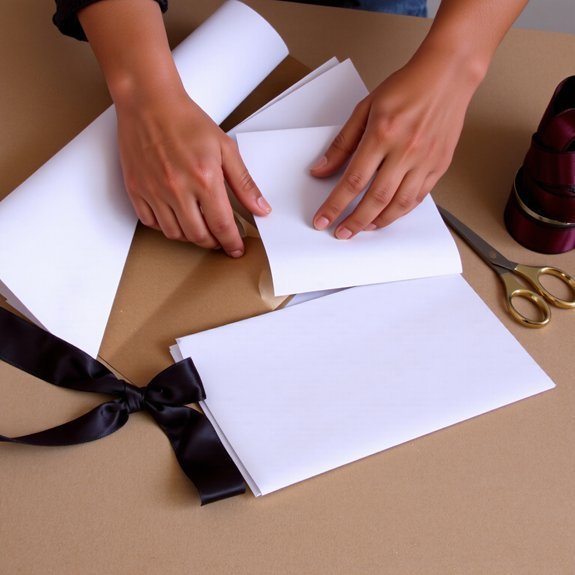
    Creative Twists on Traditional Judaica

    modern judaica with surprises

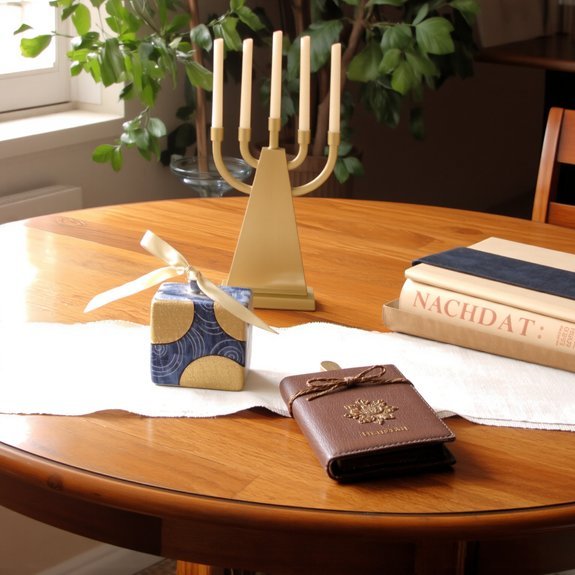
    When I say “tradition,” I mean the stuff that’s been around so long it feels like it’ll never change—yet I love twisting it just enough to make people laugh, sigh, and actually use the thing. You’ll spot modern judaica that winks at the past: a menorah bent like a skyline, a dreidel with a secret compartment, kiddush cups finished in unexpected colors. You touch cool metal, feel weight, hear a tiny clink, and think, “I didn’t know I needed this.” I guide you toward artistic interpretations that keep ritual intact but add surprise. Buy something that starts conversation, not argument. Pick a piece that looks good on the shelf, works at the table, and sparks a genuine smile — yes, even from your picky aunt.

    Experience-Based and DIY Gift Ideas

    memory making experiences together

    Art and objects are great, but sometimes the best gift is an evening that smells like cinnamon and laughter, not wrapped paper. You can give memory making experiences: book a dreidel workshop, host a latke-and-music night, or take someone to a candlelight menorah tour. I promise, nobody forgets a silly spin contest. Or, roll up your sleeves and lead a session in handmade crafts — make felt menorahs, stamped gelt bags, or simple calligraphy cards. You’ll talk, mess up glue, tease each other, and end with glowing faces. Keep it small, sensory, and easy to pack. Offer clear invites, snacks that crunch, and a playlist. If you want real joy, give time, tools, and your awkward but sincere enthusiasm.

    Gifts That Support Jewish Artisans and Small Businesses

    Because supporting small Jewish makers feels like passing a secret recipe down the table, I love giving gifts that come with a story you can taste, touch, and brag about — loudly, at dinner. You’ll find hand-thrown menorahs that smell faintly of kiln and spice, embroidered challah covers stitched by grandmothers who wink in photos, and small-batch olive oil canned with labels that read like love letters. Look for artisan collaborations, where potters team with writers, or chefs pair with ceramists; those mash-ups spark conversation, and they sing. Buy direct, ask about process, and watch how your small purchase has real community impact — bakeries stay open, studios get heat, and someone smiles when you mention their name at the table.

    Thoughtful Charitable and Educational Present Options

    If you want your gift to do more than sit pretty on a shelf, give something that teaches, feeds, or opens a door for someone else — and tell the recipient why you chose it, so it comes with a story and not just a receipt. I like gifts that matter, so I pick charitable donations and tangible options, then explain the why with a note you can smell—paper, coffee, sincerity. Consider these:

    1. Sponsor a meal program, print a card describing the pantry, and write one line about the warmth you’ll share.
    2. Fund a scholarship, tuck in a photo of campus, and let them imagine late-night study snacks.
    3. Gift subscriptions to educational resources, include a bookmark with a joke.
    4. Adopt-a-library, post a dedication plaque, then clink candles and brag a little.

    Conclusion

    Okay, you want Hanukkah gifts that don’t scream “last-minute candle filler.” I say, skip the mass-produced dreidel-shaped stress, hunt down a hand-thrown menorah that smells faintly of kiln and hope, or book a latke-making class you’ll both laugh through. Sponsor a kid’s Jewish library, buy from a local artisan, wrap it with honest paper, and watch faces light up—literally and metaphorically—while you bask in smug, well-deserved glow.

  • How Do I Shop for Last-Minute Holiday Gifts

    How Do I Shop for Last-Minute Holiday Gifts

    So you’re down to the wire—coffee in hand, browser tabs screaming—don’t panic, I’ve done this dance. You’ll pick who gets a real present and who gets a stylish IOU, sprint through fast-shipping marketplaces or call local shops for curbside pickup, and grab a digital gift that actually feels thoughtful; picture glossy wrap, a sticky bow, and the smug relief of a job mostly done. Keep scrolling—you’ll want the tricks I use when time’s against me.

    Key Takeaways

    • Prioritize recipients by recent help, closeness, and upcoming visits to focus limited time on meaningful gifts.
    • Choose fast, versatile gifts (gourmet snacks, candle, pocket notebook, single-origin coffee) that suit common personalities.
    • Use online marketplaces for same-day shipping or call local boutiques for curbside pickup and holds.
    • Set a strict budget, add one small luxe item, and track purchases to avoid overspending and duplicate gifts.
    • Wrap quickly with kraft paper, double-sided tape, and a sprig or simple tag to look thoughtful under time pressure.

    Quick Ways to Decide Who Gets a Gift

    quick gift recipient criteria

    Who gets a gift this year — your weird neighbor who waters your plants, or that cousin who only shows up for dessert? You scan the list, coffee steaming, fingers tapping the table, and set quick rules: gift recipient criteria that matter right now — recent favors, closeness, frequency of contact. You lean on quick decision making: give to those who helped this year, those you’ll see soon, or the ones who’ll notice. You whisper, “No guilt,” and cross off acquaintances who made you smile once. You scribble shorthand notes — plants, baking, vinyl — smell of paper, a small thrill. You decide fast, as if timing’s part of the gift; you’ll shop later, calm, armed with clear targets.

    Fast, Thoughtful Gift Ideas for Different Types of People

    thoughtful gifts for personalities

    You know the type who lives for lists, the friend who eats first and asks questions later, and the quiet one who treasures small rituals — I’ll show you quick, personality-fit picks that actually feel chosen, not tossed in a bag. Grab a fragrant jarred cookie mix or single-origin coffee for the gourmand, a pocket notebook and slick pen for the planner, and a luxe tea sachet or scented candle for the contemplative soul; each is a fast win, tastes like care, and smells like holiday. Stick with simple, consumable treats or tiny tools, wrap them with a note, and you’ll look like you planned the whole thing — even if you didn’t.

    Gifts by Personality Type

    If you’ve ever stood in a checkout line holding a scented candle and a gift card and felt mildly guilty, welcome to my holiday panic party—pull up a plastic chair. I watch people, I listen, I map gift preferences to personality traits like a secret agent with a clipboard. The extrovert wants tickets, loud laughter, shared chaos — grab event passes, a quirky board game, or a flashy cocktail kit. The minimalist craves calm, clean lines — choose a sleek notebook, quality socks, or a neutral scarf. The tinkerer loves tools and puzzles — a compact multi-tool or a brain-teaser fits. The sentimentalist wants meaning — pick a framed photo, a handwritten note, or a playlist you made. Quick, clear, done.

    Quick Consumable Favorites

    Think of consumables as the magic trick of last-minute gifting: they vanish, they delight, and nobody’s stuck storing them. You’ll grab a box of gourmet snacks for the movie buff, the crunchy, salty aroma promising instant applause. For the cozy friend, pick spiced holiday treats—think cinnamon biscotti, hot chocolate sachets—so they can slow down and savor. Got a fitness nut? Go for protein bars or jerky that actually tastes good, not cardboard. For the picky sibling, assemble a tiny tasting flight, label it with cheeky notes, voilà, instant charm. Wrap in simple kraft paper, tie with twine, scribble one-liners. You’ll look thoughtful, not frantic. I’ve done this, twice—best. They’ll open, grin, then eat the evidence.

    Where to Shop When Time Is Tight

    shop smart save time

    Since holiday panic looks awful on everyone, I head straight for the spots that save time and still feel thoughtful. You’ll hit online marketplaces first, scanning curated lists, reading two quick reviews, and checking fast-shipping badges — click, cart, relief. Then swing into local boutiques when you want something with soul; you can sniff candles, lift a wool scarf, chat with a shop owner who remembers names, and wrap it in minutes. Don’t dilly-dally between stores. Pick one lane: big marketplace for speed, boutique for personality. Call ahead for hold or curbside, ask about gift wrap, and grab a coffee while they pack. You’ll leave smiling, list intact, Santa briefly impressed — you did good.

    Digital Gifts That Feel Personal

    Curious how something with no ribbon can still feel handwritten? I’ll tell you. You grab a cozy photo, tweak colors until the light looks like golden hour, then send it as custom digital art that makes them laugh, cry, or both. You’ll pair that with a short, weirdly honest voice note — “remember the lasagna?” — and it lands like a hug. Don’t sleep on personalized e gift cards either; pick a favorite shop, add a goofy message, and format it like a tiny surprise. Send it at dawn, watch the read receipt, and bask. It’s fast, it’s thoughtful, and nobody needs your last-minute gift to look like you panicked. You’re good.

    Local Experiences and Same-Day Options

    If you’re scrambling on the 24th, don’t panic — I’ve got a bag of local tricks that make same-day gifts feel deliberate, not desperate. You can hand over a plan, not a present. Call or online-book a nearby class, tasting, or guided tour, snap a photo of the confirmation, tuck it into a card, and watch eyes light up. Local adventures and unique experiences beat dusty boxes.

    1. Reserve a same-day pottery or cooking class, text the booking screenshot, add a silly coupon.
    2. Book a sunset kayak or guided walking tour, print the map, fold it like a treasure.
    3. Buy museum or theater e-tickets, frame them with a sticky note joke.

    Budget-Friendly Shortcuts and Smart Splurges

    Set a firm spend cap before you start, so you don’t end up buying three ugly sweaters and a regret. Focus on versatile items — a cozy throw, a slick portable charger, or a fancy soap that feels like a spa — things that look thoughtful for anyone, and you can grab them fast. Then pick one luxe treat, a single wow item that makes the whole pile feel intentional, and call it your holiday mic drop.

    Set a Firm Spend Cap

    One clear rule I swear by: pick a hard spend cap and don’t wiggle. I tell you this like a drill sergeant with a coffee habit, because last-minute chaos eats wallets. Use simple spending limits in your budget planning, write the number down, and tuck it in your phone. When temptation sings, you’ll have a quiet, sane voice to answer.

    1. Decide total per person, sticky-note it, and don’t negotiate with feelings.
    2. Allocate a small “emergency” slice, strictly for a quick, quality find—no impulse avalanches.
    3. Track purchases as you go, color-code, and celebrate staying under.

    You’ll shop faster, feel lighter, and actually enjoy wrapping. Trust me, your future self sends a grateful GIF.

    Prioritize Versatile Items

    Now that you’ve locked your spending like Fort Knox, think of your gifts like Swiss Army knives—compact, useful, and somehow impressive at parties. You’ll look sharp when you grab multi purpose gifts that solve more than one problem: a thermal mug that keeps coffee hot and fits a bike cup holder, a scarf that’s also a blanket, or a toolkit that doubles as a chic desktop display. Pick items with adaptable styles, neutral colors, and sturdy materials, so they survive tastes and time. Picture the recipient unwrapping something that smells slightly of leather, feels solid, and makes them grin. You’ll save cash, avoid buyer’s remorse, and win holiday applause without breaking a sweat.

    Pick One Luxe Treat

    If you can swing a small splurge, do it—because a single luxe treat can turn a grab-bag of practical gifts into something that feels curated and a little glamorous. Treat one person to a tactile delight, then build everything else around it. You’ll look intentional, not rushed.

    1. Pick a scented luxury candles set, unwrap the top, let the room fill, wink at your own good taste.
    2. Add a box of gourmet chocolates, the kind that crack with a perfect sound, drizzle of caramel, tiny rebellion.
    3. Bundle a cozy throw or tea, tuck the luxe item on top, tie with ribbon, pretend you planned it all week.

    You’ll be remembered, not forgiven. And yes, you deserve that small splurge too.

    Speedy Wrapping, Presentation, and Labeling Tips

    Three quick tricks will get your gifts looking like you actually planned ahead — promise. I’ll show you speedy wrapping techniques that save time and still sparkle: cut paper to size, use double-sided tape, and fold sharp corners like a pro. Next, toss in creative presentation ideas — tuck a sprig of pine, a cinnamon stick, or a printed riddle under the ribbon for instant charm. Labeling’s boring until it isn’t: grab kraft tags, write names in bold marker, add a doodle that says who you are without a lecture. If you’re late, embrace neat imperfection, chat through the process with a timer ticking, and finish with a satisfying ribbon snap. You’ll look calm, I promise.

    Last-Minute Delivery and Pickup Strategies

    Wondering how you’ll get gifts into hands when time’s evaporated and the post office is judging you? I’ve been there, palms sweating, car keys jangling like tiny guilt bells. You can use same day delivery services for emergency miracles, or grab curbside pickup and feel like a stealthy Santa.

    1. Check retailer cutoff times, call the store, confirm in-store stock, then order same day delivery if they promise a driver by dinner.
    2. Choose curbside pickup, park in the designated spot, text the number, watch the employee hand you a warm bag like a secret handshake.
    3. Print or screenshot receipts, label packages in the car, hand-wrap in the parking lot if you must — ribbon is optional, fairy-tale mandatory.

    Conclusion

    You’ve got this: pick one plan, call ahead, and order fast; pick one store, grab a gift card, and personalize later. Wrap with tape, tie with ribbon, and scribble a quick note. Use same-day delivery, curbside pickup, or a neighbor’s spare box. Breathe in cinnamon coffee, laugh at your chaos, and hand over something real. I’ll cheer, you’ll grin, and everyone wins — even if the bow’s slightly crooked.

  • How Do I Make Homemade Christmas Decorations

    How Do I Make Homemade Christmas Decorations

    If the rumor that homemade decorations feel better than store-bought ones is true, you’ll want to know why — and I’ll help you prove it without turning your living room into a glitter morgue. You’ll gather felt, ribbon, pinecones, dried orange slices, and a glue gun, smell cinnamon and citrus, cut and sew, and laugh at uneven stitches; I’ll show simple paper stars, rustic pinecone charms, stitched mini stockings, and a photo ornament trick, so grab a mug and keep your scissors handy.

    Key Takeaways

    • Start with simple materials (paper, felt, pinecones, ribbon, twine) and basic tools (scissors, glue gun, ruler).
    • Choose quick projects like folded paper stars, rolled magazine beads, or salt-dough ornaments for easy results.
    • Use natural elements—dried citrus, cinnamon sticks, and pinecones—for fragrant, rustic garlands and centerpieces.
    • Hand-sew small fabric ornaments or mini stockings from thrifted cotton and stuff with scraps or lavender for charm.
    • Set up kid-friendly stations with bowls of pom-poms, felt, and glue, and embrace imperfection for memorable creations.

    Choosing Materials and Tools for DIY Christmas Decor

    crafting diy christmas decor

    Okay, let’s get your craft corner ready—fast. You’ll pick materials with purpose: sturdy felt, shiny ribbon, matte paint, hot-glue-friendly trim; material selection matters, so smell the glue, feel the texture, toss anything limp. I’ll nudge you toward tool essentials—scissors, craft knife, cutting mat, ruler, clip-on lamp, glue gun with spare sticks; keep a tin for pins, a mug for brushes. Set a tray for bits, then breathe; the table’s chaos will look like genius in an hour. I talk like I’ve messed up hot glue, because I have, and you’ll laugh when you don’t. Cut, press, tweak, step back, admire. You’ll learn fast, and your tree will thank you.

    Easy Paper Ornaments You Can Make in an Afternoon

    easy festive paper crafts

    You’re going to love how fast paper can turn into tree-worthy magic, so grab scissors, glue, and a mug of something warm and let’s get loud about simple folded stars. I’ll show you how to roll quick paper beads into a festive garland that clinks like tiny bells, then layer snowflakes for depth, texture, and a dusting of pretend frost. It’s easy, cheap, and oddly satisfying—try one, mess one up, laugh, then hang your favorites.

    Simple Folded Stars

    Since paper and patience are both lying around the house, let’s make stars—simple folded ones that look like they took skill but actually took an afternoon and a snack break. You’ll fold folded paper strips, pinch neat creases, and watch flat rectangles become puffed stars, like tiny moons pressed into paper. I’ll guide you through star patterns, show where to tuck tails, and tell you when to stop fussing. Feel the crisp edges, hear the quiet snaps, sniff the faint scent of printer ink — all oddly meditative. Loop a thread, knot it, and hang one on a branch or a gift. You’ll laugh at how proud you get over something so small; I do, every time. Try different papers, surprise yourself.

    Paper Bead Garlands

    Grab a handful of old magazines, a ruler, and a roll of clear glue — we’re making paper beads, and they’ll string up faster than you can finish a Christmas cookie. You’ll cut long triangles, roll tight from wide end, dab glue, press, breathe. Pick paper color combinations that pop — jewel tones for warmth, pastels for whimsy, or mixed prints for vintage charm; trust your eyes, not rules. When beads dry, I’ll show you bead stringing techniques: use a thin needle, waxed twine, or fishing line for different drape and strength. Slide beads snug, space some with tiny knots, add metallic spacer beads for sparkle. Hang the garland, admire your handiwork, and pretend it was always this effortless.

    Layered Snowflakes

    A few sheets of paper and a pair of scissors are all it takes to make layered snowflakes that look like they took a winter workshop at the North Pole. You’ll fold, snip, and reveal delicate snowflake patterns, stacking cutouts for depth. I’ll cheer you on, mock your crooked cuts, then admire the result — you’ll grin. Choose papers in festive colors, mix metallics with matte, feel the cool sheen, hear the soft paper whisper as you layer. Use glue dots or tiny stitches, clamp briefly with a clothespin, let dry. Hang them in doorways or from a low branch, they’ll spin gently, catch light, drop tiny shadows on the table. Quick, charming, surprisingly addictive. Now grab scissors.

    Rustic Pinecone and Natural Element Decorations

    pinecone decorations with nature

    You’ll start by cleaning and baking your pinecones until they’re dry and sap-free, you’ll smell that toasty, woodsy perfume and feel like a tiny forager—yes, you can wear socks with holes while you work. Then you’ll mix pinecones with cinnamon sticks, dried orange slices, evergreen sprigs, and a handful of ribbon or twine, testing combos until one sings and another makes you chuckle at your own eccentric taste. Hang them from beams, doorknobs, or a simple branch chandelier, and I’ll bet one will wobble just enough to look perfect.

    Pinecone Preparation Tips

    Pinecones are basically nature’s little gift-wrapped ornaments, and I’m here to make sure they don’t arrive at your tree all sad and sticky. Start outside, shake off loose debris, then soak in warm soapy water for 20 minutes to tackle sap and bugs—this is your pinecone cleaning. Scrub gently with an old toothbrush, rinse, then bake at 200°F for 30 minutes to fully dry and sterilize, watch them, don’t walk away like I did once. Once cool, sand any sharp bits, glue a loop if you’re hanging them, and brush on a matte or glossy spray for pinecone sealing, whichever fits your vibe. Smell the resin, feel the ridges, admire your slightly heroic, very rustic little trophies.

    Natural Material Combinations

    When I pair a crisp, sap-scented pinecone with rough burlap and a sprig of rosemary, something honest and festive happens—like your mantel suddenly got a cozy handshake from the forest. You learn to balance texture and scent, tuck twine through cone scales, tie tiny rosemary bundles, and glue a burlap ribbon so nothing looks like a sad craft fair reject. Nature inspired designs ask you to look for contrast: shiny berries, matte cones, soft moss. You’ll mix cinnamon sticks for warmth, dried oranges for brightness, and a pinch of glitter only if you promise not to overdo it. Sustainable crafting keeps this joyful: forage responsibly, reuse ribbon, compost scraps. I annoyingly insist on simplicity, but it works.

    Rustic Hanging Ideas

    If you want your doorway to smell like a woodsy hug and look like it survived a charming countryside breeze, hang a cluster of pinecones, twine, and herbs from a hook and call it art. You’ll grab pinecones, cinnamon sticks, sprigs of rosemary, dried orange slices, and coarse twine. I’ll show you how to tie bundles, loop twine at different lengths, and knot for balance, no craft-school diploma required. Rustic charm comes from imperfection, so don’t fuss. Make small hanging displays for windows, big ones for doors, mix in star anise for looks and scent. Hang them at varying heights, step back, adjust. They sway, scent rises, guests grin—job done, you nailed homemade elegance with zero pretense.

    Hand-Sewn Fabric Ornaments and Mini Stockings

    Because nothing says “I care” like a crooked stitch and a little glitter on the corner, I’m diving into hand-sewn fabric ornaments and tiny stockings with you—no sewing machine required, promise. You’ll pick simple hand sewn patterns, trace them on thrifted cotton or felt, and cut with sharp scissors that sing. Choose fabric choices that smell faintly of attic quilts or fresh detergent, colors that pop on your tree. Pin, stitch, stuff lightly with scraps or lavender, and tie off with a jaunty knot; I’ll joke about my stitches, you’ll pretend not to notice. Add buttons, bead eyes, a brushed-on glitter highlight. Hang them on branches, tuck mini stockings into place, then step back and admire your perfectly imperfect charm.

    Cinnamon, Citrus, and Spiced Holiday Garlands

    While you’re stringing popcorn, let me show you a garland that actually smells like the holidays and not like your leftover takeout, I’ll guide you through cinnamon sticks, orange slices, and little cloves that double as confetti for your tree; this one’s rustic, cozy, and impossible to ignore. You’ll punch holes in citrus slices, dry them low and slow, and thread them with twine between cinnamon sticks — that’s your cinnamon garland. Add whole cloves as pops of texture, tie knots like a pirate, and nod proudly when guests ask where you bought it. It hangs warm, orange oil and spice filling the room. It’s cheap, handmade, charming, and yes, your cat will judge you.

    Homemade Wreaths With Everyday Supplies

    One wreath, three simple materials, and a stubborn sense of DIY pride — that’s all you need to make a show-stopping holiday doorpiece that didn’t come from a catalog. You’ll gather wire hangers, scrap fabric, and greenery — real or faux — and twist them into shape, feeling the metal bite your fingers, smelling citrus or pine as you work. I’ll show quick wreath styles, from rustic ribbon-wrapped hoops to minimalist twig circles, and you’ll pick one that fits your door and mood. Use basic decoration techniques: tie, tuck, and hot-glue with reckless confidence, add a bow that looks intentional, not tragic. Hang it, step back, grin at your handiwork, accept compliments like a pro.

    Personalized Photo and Memory Ornaments

    If you want your tree to tell stories instead of just jingling, start making ornaments that hang whole memories on a branch — I’m not kidding, they’ll steal the show. You’ll trace a favorite family photo, trim it to a circle, slip it into a clear bauble, and seal with glitter that catches the light like laughter. I’ll show you how to add tiny labels, ticket stubs, pressed leaves, even a lock of yarn from an old sweater — real memory keepsakes, not the usual store-bought fluff. Hang them low where kids can see, or mix with vintage bulbs for contrast. They’re tactile, warm, and slightly imperfect, which is the point. You’ll end up smiling, surprised, and oddly proud.

    Table Centerpieces and Candle Displays for Holiday Dinners

    Three simple things will make your holiday table sing: a low centerpiece, a cluster of candles, and something that smells like winter. You’ll pick a festive theme, choose color palettes that pop, then gather greenery, pinecones, and a handful of ornaments. I tell you, less is better—keep the centerpiece low so eyes meet, not noses. Group candles on a tray, vary heights, drip wax like it’s character. Tuck cinnamon sticks or orange slices for scent, scatter faux snow for shimmer. Light the candles just before guests arrive, watch faces soften. If a gust worries you, use hurricane shades or battery tea lights—no one needs a melted centerpiece story. You’ll relax, laugh, and eat more pie.

    Kid-Friendly Crafts and Simple Group Projects

    When the kids see glitter, you can forget peace for a minute—but that’s the point, right? You’ll set out bowls of pom-poms, felt, and glue, and suddenly the living room smells like cinnamon and mischief. I tell you to embrace the chaos: assign stations, hand out aprons, play goofy music, and let little hands make ornaments. Keep projects simple—salt-dough shapes, paper chains, painted pinecones—so everyone finishes, feels proud, and the holiday party sparkles. For group activities, use timers, team challenges, and a “best effort” parade, not judges. You’ll laugh, clean glitter for days, and end with a heap of imperfect, charming decorations. That’s the memory, messy and perfect.

    Conclusion

    You’ll survive, and your tree will look better than last year’s tangled light corpse. Gather scraps, wield the glue gun like a dubious surgeon, breathe in cinnamon and hot glue fumes, and laugh when the glitter becomes permanent. I’ll join you—virtually—with a sarcastic cheer and a steady supply of coffee. Make the ornaments imperfect, personal, and noisy with laughter; those quirks are what people actually remember, not catalog-perfect sparkle.

  • How Do I Choose the Perfect Secret Santa Gift

    How Do I Choose the Perfect Secret Santa Gift

    A neatly wrapped box is a tiny promise — you’re about to make someone’s week better, or at least less awkward at the party. You’ll watch for clues, riff on their desk habit, and test-drive ideas in your head like a bargain-hunting spy; you’ll pick something useful, mildly delightful, and not trying too hard, then add a small, human flourish so it feels personal. Keep going, I’ll show you how to nail it without sabotaging the surprise.

    Key Takeaways

    • Set a firm budget and deadline, then plan purchases with shipping buffer to avoid last-minute impulse buys.
    • Observe the recipient’s desk, hobbies, and style to match their personality: Practical, Trendy, or Quiet Creative.
    • Choose practical, compact gifts—quality pens, cozy socks, or gourmet treats—that suit daily use and small spaces.
    • Personalize subtly with initials, a local snack, or a short warm handwritten note without overstepping boundaries.
    • Avoid intimate, political, or gag items; offer easy exchange options and stay upbeat if a swap is needed.

    Set a Realistic Budget and Timeline

    budgeting and timeline management

    Want to avoid the awkward gift that sits soggy and forgotten on a desk? You’ll thank yourself if you nail budget considerations first, because cheap impulse buys scream “last-minute.” I tell you, set a firm spending cap, tuck cash aside, and shop like you mean it — no guilt, no splurging. Then own timeline management: mark a gift deadline on your calendar, queue up online orders with buffer days, and wrap the present the night before so you actually remember tape exists. Picture the crinkle of paper, the weight in your hands, the relief when it feels right. You’ll joke about being meticulous, I’ll roll my eyes with you, but that tiny plan saves embarrassment and makes your gift land like you meant it.

    Identify the Recipient’s Personality Type

    observe profile gift thoughtfully

    Most people fit into a few easy-to-spot personality buckets, so start there — you don’t need to be a behavioral scientist, just an observant coworker with good instincts and a keen ear for jokes. Look, you’ll catch clues if you pay attention: desk tchotchkes, a favorite mug, or the way they laugh at the intern’s puns. Use quirky interests, overheard weekend plans, and hobbies exploration to build a mental profile.

    1. The Practical: likes tidy gear, predictable favorites, safe bets.
    2. The Trendy: follows Instagram, loves novelty, enjoys small showy gifts.
    3. The Quiet Creative: doodles, collects odd ephemera, values thoughtful touches.

    You’ll feel the vibe, adjust your aim, and land something that makes them grin.

    Narrow Choices by Practical Usefulness

    practical gifts for lifestyle

    You want a gift they’ll actually use, not something that’ll gather dust on a shelf, so think everyday practical items like a cozy travel mug or a clever cable organizer that smells faintly of new plastic and usefulness. Picture their space and lifestyle: a cramped studio needs compact, multiuse stuff, while a commuter wants sturdy, leakproof gear — I’ll admit I once gifted a novelty potato peeler to a colleague who lived off takeout, who politely re-gifted it the next week, lesson learned. Let’s trim the wishlist to things that fit their life, not your impulse, and I’ll help you pick the one that earns a genuine, surprised “oh wow.”

    Everyday Practical Items

    Think of practicality as the quiet friend who always brings spare socks to a party — reliable, a little boring, and absolutely necessary when life throws a surprise puddle at your feet. You want everyday practical items that hum with usefulness, not sit like dusty decor. I pick things that click, feel good in hand, and earn their keep. Consider:

    1. A sleek water bottle that keeps cold, has no leaks, and shows you care about eco friendly options.
    2. Compact multi-tools or functional gadgets, small enough for a pocket, heavy on problem-solving.
    3. Cozy, machine-washable throw or slippers, soft, tactile, instant comfort delivery.
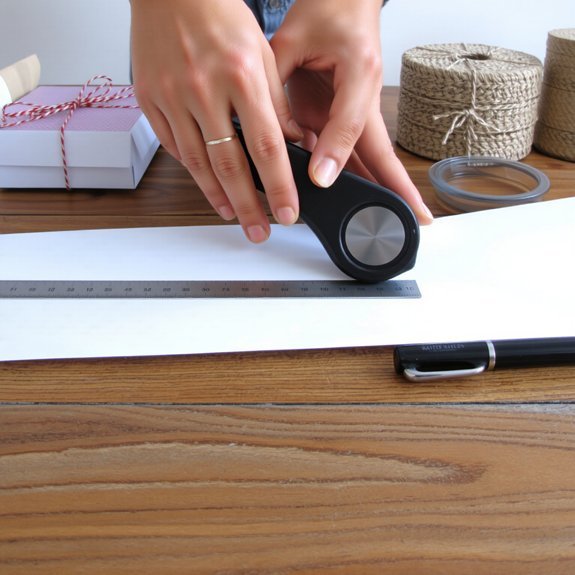
    You’ll win when the gift gets used, smiled at, and mentioned in casual compliments — practical love, zero pressure.

    Space and Lifestyle Fit

    If someone has a tiny apartment and a cat that regards everything as a personal throne, I’ll skip the giant Himalayan salt lamp and grab something that actually fits their life: flat, useful, and proud to be unshowy. You want gifts that respect space efficiency, not battle it. Pick collapsible kitchen tools, slim LED book lights, or a cozy throw that folds small, and you’ll win big. Ask a quick question about routines, picture their counter, smell, feel. I joke about my own clutter habit, but I also measure. Gifts should add to lifestyle balance, not demand a corner shrine. Wrap it neat, hand it over with a grin, and watch gratitude do the rest.

    Choose Universally Liked Gift Categories

    While I won’t pretend every person loves the same thing, I’ve learned that some gift categories practically whisper “safe bet” across age, taste, and that one colleague who smells faintly of office glue. You want popular gift categories, timeless gift ideas, and options that let you look clever, not creepy. Pick things people use, admire, or nibble happily.

    1. Cozy comforts: soft socks, a candle with a clean scent, a plush mug — textures you can almost feel.
    2. Practical treats: stylish notebooks, quality pens, portable chargers — useful, admired at your desk.
    3. Edible delights: high-end chocolate, flavored tea bundles, savory snacks — immediate joy, zero commitment.

    Trust your instincts, wrap it nice, and smile while you slide it across the table.

    Add a Personal Touch Without Overstepping

    You’ll show you care without creeping anyone out by spotting tiny hints—favorite mug chipped at the office, that peppermint lip balm they reapply like clockwork—and turning those into thoughtful, small gestures. I’ll bet a handwritten note, a tasteful color choice, or a tiny inside joke tucked into the wrapping says more than an expensive gadget ever could. Keep it simple, respectful, and unmistakably you; personal doesn’t mean personal details.

    Respect Boundaries, Add Thought

    Because good gifts feel like a wink, not a surprise inspection, you want to add a personal touch without poking into someone’s private life. You know their gift preferences, you respect personal boundaries, and you aim for warmth, not awkward interrogation. Think sensory: crisp wrapping, a small handwritten note, the scent of fresh coffee.

    1. Ask casual questions — favorite snack, color, hobbies — keep it breezy, don’t probe.
    2. Pick safe personalization — initials on a mug, a local treat, a compact notebook.
    3. Use neutral humor — a tiny, cheeky tag, nothing risqué, nothing intrusive.

    I’ll confess, I once bought socks with tiny tacos. They laughed. Win. You’ll do fine, trust instincts, stay kind.

    Choose Meaningful, Small Gestures

    If you want your Secret Santa gift to land like a hug instead of a spotlight, aim for tiny, thoughtful moves that say “I noticed” without interrogating, and I’ll show you how. You peeked at their mug collection, smelled the lavender on their scarf, and remembered they love early-morning tea. Now pick a small, useful item—a single-origin tea tin, a soft sachet, a quirky bookmark—that fits a story, not a biography. Write a one-line note, no pressure: “For your mornings.” That’s thoughtful gestures, not snooping. Avoid overly personal keepsakes unless they’ve shared willingly. Sentimental gifts work when they’re simple, specific, easy to display, and low-commitment. You’ll look attentive, not invasive, and everyone wins.

    Consider Group or Paired Gifting Options

    When the crowd’s big or the budget’s tiny, I’ll nudge you toward group or paired gifting — it’s the smartest shortcut to bigger, better presents without breaking a sweat; picture three coworkers pooling cash, whispering over coffee, and handing over a luxe candle that smells like “I definitely have my life together,” instead of five sad novelty socks. You’ll use group dynamics, balance tastes, and split costs like a pro, and paired surprises let you match two people with one thoughtful thing that actually lands. Quick checklist to make it work:

    1. Agree on budget, recipient vibe, and logistics, talk it out over lunch.
    2. Pick one standout item, avoid generic filler.
    3. Plan reveal timing, add a single witty line, make the moment.

    Prepare Tasteful Wrapping and a Note

    Okay, you’ve pooled cash and bought the fancy candle — now don’t let it arrive in a crumpled store bag. Wrap it up like it’s a tiny treasure, smooth tissue, crisp kraft paper, ribbon that whispers when you tie it. Add a sprig of rosemary or a cinnamon stick, so when they sniff, they grin. Be playful, but tidy. Try creative wrapping — columns of newspaper, fabric squares, or a box lined with confetti — whatever fits the vibe. Then write a note, not an essay: short, warm, slightly cheeky. Handwrite it, smudge a tiny fingerprint for charm, seal with a sticker. Thoughtful notes beat generic tags every time; they make a small gift feel like a small miracle.

    Avoid Risky or Inappropriate Items

    Gifts can surprise for the right reasons or make you cringe for the rest of the party — and trust me, you don’t want to be the cringe. I keep gift etiquette front and center, so I dodge anything that could offend or embarrass. Think twice, sniff it over, picture the recipient opening it.

    1. Avoid intimate items — underwear, scented oils, or anything that assumes tastes.
    2. Skip political or religious stuff — hot takes don’t belong in holiday cheer.
    3. Don’t give gag gifts that humiliate — jokes should land, not wound.

    You’ll respect personal preferences, read the room, and choose something that smells like thought, not trouble. Be bold, not reckless, and you’ll be the one they actually thank.

    Handle Exchanges and Follow-Up Gracefully

    Even if you’re juggling wrapping paper, a glittery bow stuck to your sleeve, and the terror of accidentally gifting socks to the person who already lives in socks, you can still handle exchanges like a pro — I promise. You unwrap, they feign surprise, you watch for clues. If someone squints or politely smiles, don’t panic. Good gift exchange etiquette means offering an easy out: a discreet note, or a swap after the event. Say, “Want to trade later?” Keep follow up communication simple, upbeat, and private. Send a quick message, thank them, and suggest options. Be gracious if you end up swapping, and don’t cling to perfection. Humor helps, I swear — it’s a bandaid and a bow.

    Conclusion

    You’ve set a budget, sized up their vibe, and picked something useful — now wrap it with care and a cheeky note. Picture them unwrapping, the crinkle of paper, a laugh, that tiny grateful grin; isn’t that the whole point? I’ll bet your gift lands, you’ll get a thank-you, maybe trade stories later. Stay thoughtful, don’t overthink, and enjoy the reveal — you just made someone’s day, mission accomplished.

  • How Do I Wrap Presents Like a Professional

    How Do I Wrap Presents Like a Professional

    The first time I wrapped a gift it looked like a crumpled map, and that flop taught me more than any tutorial — so listen up, you’ll get clean lines, not chaos. You’ll gather good paper, sharp scissors, sturdy tape, and a bone folder, feel the weight of the paper in your hands, cut straight with a ruler, fold crisp corners, and learn the tiny tricks that make people say, “Wow.” I’ll show you the steps that save time and paper, and why one neat bow changes everything.

    Key Takeaways

    • Gather essential tools: sharp scissors, craft knife, metal ruler, cutting mat, sturdy tape, bone folder, tags, and tissue paper.
    • Choose appropriate paper and ribbon: heavier paper for durability, ribbon scale matching gift size, and contrasting textures for visual interest.
    • Measure precisely and cut cleanly: measure twice, use a straight-edge and sharp blade for crisp, straight edges.
    • Fold and secure neatly: pull paper taut, crease outward, use a bone folder for sharp seams, and tidy corners with careful folds.
    • Finish professionally: add layered ribbons or natural embellishments, create a crisp bow, and attach a handwritten tag for a personal touch.

    Essential Supplies Every Wrapper Should Own

    essential gift wrapping tools

    If you want your gifts to look like you actually tried (and not like you wrapped them in a frantic five-minute panic), you’ll need the right tools—no excuses. I tell you straight: start with a solid list of gift wrapping essentials —scissors that bite clean, a sharp craft knife for stubborn corners, a metal ruler you can hear tap the table, and a cutting mat that saves your sanity. Add sturdy tape, yes, but don’t forget decorative tape for flair; it’s like lipstick for packages. Keep a bone folder for crisp folds, stylish tags, and a stash of tissue paper that smells faintly like holidays. I coach you through quick setups, little rituals, and the smug pleasure of a perfectly folded corner.

    Choosing the Right Paper and Ribbon for Each Gift

    choosing paper and ribbon

    You’ll feel the difference the moment you lift the paper — heavy stock drapes like velvet, thin sheets crinkle and show every edge, so pick weight and texture that flatters the shape. Match ribbon style and scale to that choice: a wide grosgrain tames a big box, a skinny satin whispers on a slim gift, and I’ll admit I’ve tied more wonky bows than I care to confess. Let’s compare textures and spool sizes next, I’ll show you what works and what gets tossed.

    Paper Weight and Texture

    Paper matters—like a handshake before a conversation, it sets the whole mood. You’ll feel the difference the moment you touch it: silky, toothy, crinkly. I tell you to scout texture variety—matte for restraint, gloss for pop, handmade for drama. Heavier stock resists tears, holds sharp corners, hides sloppy folds; that’s paper durability, your secret weapon. Light sheets work for awkward shapes, they flutter and conform, but they wrinkle, so handle them slowly. Rub the edge, crease with bone folder, listen for that crisp snap. Smell matters too — a faint paper scent says real effort. You’ll choose weight like choosing shoes: comfy or statement. Trust your hands, test a corner, and wrap like you mean it.

    Ribbon Style and Scale

    Now that you’ve felt the paper—its weight, its whisper, its little attitude—let’s talk ribbon, because a bow can make a sweater sing or a box look like it tried too hard. You’ll choose ribbon types to match scale: skinny velvet for delicate jewelry, wide grosgrain for bulky boxes, satiny curl for playful parcels. Think texture against paper, contrast or blend, color that hums. Measure ribbon lengths with a confident thumb—long enough for loops and tails, short enough to avoid a necktie calamity. I like a tidy three-loop bow on small gifts, a dramatic layered bow on large ones. Tie, trim, fluff. Step back, squint, adjust. If it looks a bit smug, you’re done; if not, add a sprig or fewer tails.

    Measuring and Cutting Paper for Clean Edges

    measure cut clean edges

    You’ll want to measure twice and cut once, because crooked edges scream “last-minute” from across the room. Grab a sharp blade and a straight-edge, press firm against the paper, and feel that satisfying, whisper-snap as the scissors-free cut glides through. Trust me, your corners will thank you—neat lines, clean creases, and no sad paper tears.

    Measure Twice, Cut Once

    If you want crisp, museum-worthy edges, measure twice and cut once — no drama, no sad jagged flaps. I tell you this like a parent who’s seen one too many ripped corners. Lay your box down, smooth the paper, and use basic measuring techniques: wrap the paper around, mark overlap with a pencil, measure height for neat end flaps. I like taps and small visual checks, you’ll too. Pick reliable cutting tools, feel the blade glide, don’t hack. Hear the soft slice, see the clean line — satisfying. Pause, breathe, re-check marks, then cut. If you mess up, shrug, adjust, laugh — we’ll fix it. Practice makes perfection; confidence follows, and the gift looks sharp.

    Use Sharp Straight-Edge

    Alright, so you’ve measured like a saint and cut like a novice — time to bring in the tool that actually saves your dignity: a sharp straight-edge. You grab it, feel cold metal under your palm, and I tell you, this is where fancy wrapping looks happen. Lay the paper flat, line up the straight-edge with your pencil mark, watch the edge alignment lock in like a promise. Use scissors only for curves; rely on cutting tools that ride the ruler for long, clean slices. Press down, glide the blade, listen for that smooth whisper. No jagged teeth, no ragged corners. Fold, crease, admire. You’ll look pro, even if your ribbon’s a little crooked.

    Folding Techniques for Crisp Corners and Seams

    When I fold a corner just so, the paper snaps into a sharp ridge and I feel a tiny, victorious zing—like getting the last puzzle piece in place. You’ll learn corner folding that makes boxes look tailored, neat, somehow gourmet. Pull the paper taut, crease outward, then tuck the flap under with a thumb, listen for that crisp whisper. For seams, press flat, then run a fingernail or bone folder along the joint, sealing with tiny, invisible tape. If the edge puckers, unfold slightly, re-tension, try again—no shame in redo. Work slowly where corners meet, trim a sliver for bulky overlaps, keep angles clean. You’ll finish faster, look practiced, and still blame the cat if it goes wrong.

    Professional Finishing Touches and Embellishments

    Because the last five minutes are where gifts go from “nice” to “someone cared,” you’re going to learn the little moves that make people look twice. You’ll add gift embellishments and decorative accents that feel thoughtful, not try-hard. I show you how to layer texture, tie a bow that sits right, and tuck a sprig that smells like winter.

    • Use ribbon textures: satin, jute, velvet, mix them.
    • Add small items: dried orange, cinnamon stick, tiny ornament.
    • Fold a crisp bow: loop, pinch, cinch, secure with wire.
    • Attach a tag: handwritten, angled, sealed with wax.

    You’ll finish like a pro, fingers neat, smile smug, present ready to impress.

    Time-Saving Shortcuts and Waste-Reducing Tips

    Those final ribbons and sprigs look dreamy, but they can eat time and paper if you’re not careful — so I’m going to show you how to get the same “wow” with half the fuss. I’ll teach you quick folds, and how to prep a whole stack of boxes like a wrapping assembly line, so you won’t feel like you’re wrestling tinsel at midnight. Use time management: set a 20-minute sprint, cut all paper at once, stash tape where you can’t miss it. Choose eco friendly materials — kraft paper, fabric scraps, twine — they look chic, smell faintly homey, and toss less. I’ll show you a faux-bow trick that fools grandparents, saves ribbon, and makes you look practically professional.

    Conclusion

    You’ll wrap like a pro, I promise — picture crisp paper whispering under your fingers, corners sharp as a new razor, tape hiding like a shy friend. You measure, snip, fold, press with a bone folder, and the box transforms. Step back, admire the clean edges, add a ribbon that sings, scribble a tag with a flourish. It’s simple ritual, a small thrill, and yes, you’ll feel quietly smug — in the best way.