Blog

  • How Do I Find the Best Christmas Gifts for Men

    How Do I Find the Best Christmas Gifts for Men

    You don’t have to be a mind reader to pick a great gift — you just need to pay attention. I’ll walk you through quick ways to decode his interests, match presents to personality types, and choose stuff he’ll actually use, not toss; picture him at the coffee table, socks off, grinning at something clever you found — then keep going, because the best gifts are the ones that look effortless and feel unforgettable.

    Key Takeaways

    • Observe his daily habits and hobbies to match gifts to what he actually uses and enjoys.
    • Prioritize practical, high-quality items that improve routines over novelty or clutter.
    • Choose experience gifts or workshops if he values memories and skill-building more than possessions.
    • Tailor choices to his personality type (practical, tech lover, outdoorsy, or style-focused) for better fit.
    • Present thoughtfully with neat wrapping and a handwritten note to make the gift feel personal.

    Quick Ways to Decode His Interests

    decode his hobbies quickly

    Where do you even start when his hobbies read like a cryptic crossword? You lean in, listen to him talk about “that thing” while you sip coffee, you jot down stray clues on a napkin; this is hobby exploration with a wink. I’ll tell you how to map it fast: watch what he’s excited to explain, notice the tools on his workbench, track the podcasts he replays — that’s interest mapping in action. Ask one sharp question, then shut up and observe; you’ll see the lights in his eyes. Swap stories with friends, skim his playlists, peek at worn edges on books, smell the soap in his drawer — tiny details add up. You’ll decode him, we promise.

    Gift Ideas Based on Personality Types

    personality based gift ideas

    You know the type, and you’ll spot him by habit: the Practical Guy sharpens his tools, the Tech Lover lights up at new gadgets, and the Experience Seeker lives for ticket stubs and taste tests. I’ll walk you through gifts that fit each vibe, with no nonsense and a wink—practical fixes, shiny toys, or unforgettable outings. Trust me, you’ll leave this with a plan, a grin, and maybe a shopping list.

    The Practical Guy

    If practicality had a smell, it’d be warm leather and coffee, and I know the kind of guy who’d rather fix a leaky sink than admire a flashy gadget — that’s our Practical Guy. You want utility focused items, everyday essentials, things he’ll use until they patina. Picture him tightening a bolt, sipping black coffee from a chipped mug, smiling because the wrench fits right. I’ll keep it honest: buy useful, skip the gimmicks. He likes tools that don’t complain, gear that earns its keep, and pockets that actually hold stuff.

    • A rugged leather tool roll, worn-in and ready
    • Heavy-duty multi-tool, pocket-friendly and solid
    • Insulated travel mug, no spills, just warmth
    • Quality work gloves, grip, and comfort combined

    The Tech Lover

    Because he thinks a new gadget can solve any problem, the Tech Lover is the guy who greets packages like old friends and tests every app as if his job depends on it — and I love him for it, honestly. You’ll spot him scrolling gadget trends at midnight, eyes bright, fingers tapping. Buy something useful, not gimmicky: sleek tech accessories that feel solid in your hand, charge fast, or snap into place with a satisfying click. Think wireless earbuds that hug the ear, a compact power bank that hums with readiness, or a smart lamp that shifts color like mood lighting for one. Wrap it well, toss in a cheeky note, and watch him grin, then immediately update his wishlist.

    The Experience Seeker

    How about tickets instead of another thing? You know the guy who’d rather collect memories than gadgets, right? You’re buying feelings, not clutter. Pick travel adventures that smell like salt air or pine, bring maps and a loose plan, and let surprise lead. Book a cooking class where he chops and laughs, or snag concert passes so you both sing off-key. Hobby workshops teach real skills, hands-on and messy, and they last longer than batteries.

    • Weekend road trip with scenic hikes and diners
    • Concert or theater tickets for an unforgettable night
    • Pottery, woodworking, or beer-brewing hobby workshops
    • Hot-air balloon ride at sunrise, blankets and camera

    You’ll be the gift he actually remembers.

    Practical Gifts That Get Daily Use

    everyday practical gift ideas

    You want gifts he’ll actually touch every day, not something that lives in a drawer and collects dust—think slick EDC knives, slim wallets that slide into pockets, or a heftier key organizer that gives satisfying clicks. In the kitchen, go for tools that sing when you use them: a razor-sharp chef’s knife that smells like citrus and steel, a cast-iron skillet that bronzes steak edges, or a pour-over set that fills the room with warm, nutty steam. Trust me, I’m rooting for you—practical wins the long game, and these bits of gear make mornings, meals, and pockets noticeably better.

    Everyday Carry Essentials

    If you like gifts that actually get used — not shoved under the couch with receipts still on them — then Everyday Carry stuff is where it’s at, and I’ve spent more time than I’ll admit pocket-testing knives, wallets, and key gadgets so you don’t have to. You want Everyday Essentials that feel solid, slide into your hand, and earn a nod every morning. EDC Gear should be useful, quiet, and a little brag-worthy without trying.

    • Slim bifold wallet with RFID blocking
    • Compact folding knife, legal and sharp
    • Key organizer with mini multi-tool
    • Rechargeable pocket flashlight, bright and compact

    Pick items that match his routine, pocket size, and sense of humor. You’ll be the one he thanks on day one.

    Kitchen & Home Tools

    We’ve moved from pocket stuff to countertop stuff, because what’s the point of a perfect wallet if his coffee tastes like regret? You want gifts he uses every morning, and I’ve got a shortlist that actually earns its keep. Pick a sturdy milk frother, feel the steam, hear the whisk, watch crema bloom—he’ll act like a barista, minus the attitude. A precision chef’s knife slices tomatoes like butter, and you’ll steal tastes straight from the board. Smart kitchen gadgets, like a compact sous-vide or digital scale, make him look competent, fast. For clutter, go modular shelves and drawer dividers; home organization isn’t sexy, but it’s life-changing. Buy practical, handsome tools, wrap them with a note, and enjoy domestic miracles.

    Experience Gifts for Memories, Not Clutter

    Because memories don’t need dusting, I give experiences instead of another novelty mug that ends up in the back of a cupboard. You want gifts that stick, not stuff that collects guilt. I pick memory making experiences, things you can taste, hear, laugh about later. Think warm sun on your face at a weekend surf lesson, the clink of glasses during a craft-beer tour, the rush of a zipline, the quiet awe of a starlit overnight hike. Adventure based gifts beat socks, every time.

    • Weekend getaway: scenic cabin, fire crackling, bad marshmallows required.
    • Workshop: leather or woodworking, hands get dirty, pride is instant.
    • Outdoor day: guided hike or kayak, lungs full, camera clicking.
    • Food tour: small bites, big smiles, shared spoons.

    Tech and Gadget Gifts He’ll Actually Use

    When I say “tech,” I mean things he’ll actually touch, charge, and brag about — not another novelty gadget that lives under a pile of junk mail. I’m talking solid picks: a compact smart home speaker with crisp sound you can feel in your chest, a sleek dock that banishes cord chaos, or noise-cancelling earbuds that turn rush-hour into a private concert. You know he’ll love wearable tech that tracks sleep and nudges him to move, without looking like a spaceship strapped to his wrist. Pick gear that fits his routine, not your impulse. Picture him grinning as lights obey his voice, or tapping a watch to pay—small victories, big bragging rights. Buy less, buy better, watch him actually use it.

    Fitness and Outdoor Gifts for Active Men

    If he’s the kind of guy who smells like campfire ambition and keeps a trail mix stash in his gym bag, then you want gifts that actually survive sweating, hiking, and the occasional “I thought this was waterproof” moment — not something pretty that dies after one run. You want fitness gadgets and rugged outdoor gear that earn their keep. Think practical, think tough, think gear he’ll brag about while still letting you pick it. I’ve picked things that last, that sound solid when you drop them, that feel good in hand after a muddy trek. You’ll look smart, he’ll use it, and you’ll get the occasional “nice” muttered like a compliment.

    • High-capacity portable charger with solar panel
    • Waterproof Bluetooth speaker
    • Durable multi-tool with carabiner
    • GPS smartwatch with offline maps

    Stylish Yet Functional Clothing and Accessories

    Okay, so you’ve bought him gear that survives a surprise rainstorm and a week-long hike without whining. Now aim for clothes that look sharp, feel great, and actually get used. Pick trendy outerwear—a sleek bomber or a weatherproof parka with soft lining—so he’ll grab it on cool mornings, not stash it. Think versatile footwear: boots that handle mud, then polish up for dinner, or casual sneakers with arch support that don’t scream “I tried too hard.” Add tactile details: buttery leather, warm knit, smooth zippers, soft seams. Toss in useful accessories—a streamlined beanie, a leather cardholder, gloves that still let him tap a screen. You’ll give style that works, not wasted closet trophies, and he’ll notice, I promise.

    Budget-Friendly Picks That Still Feel Special

    Wallet-friendly magic: you don’t need to blow the budget to give something that feels curated and a little luxe. I’ll show you how to pair unique gift ideas with sentimental touches so the present reads like it cost more than it did. Picture warm paper, a small card, a ribbon that snaps when you tie it—satisfying. You’ll pick one thing, add a tiny custom twist, and voilà, he thinks you’re a gifting genius.

    • A compact leather valet tray, embossed initials, pairs with cologne-tested notes.
    • A curated snack tin, spicy jerky, dark chocolate, and your handwritten tasting list.
    • A hardcover pocket journal, a favorite quote on page one, a scribbled memory.
    • A cozy beanie, stitched patch of an inside joke, soft, wearable warmth.

    Best Places to Shop and Ship on Time

    Because nothing kills holiday swagger like a tracking number stuck in limbo, I’ve mapped out the best places to shop that actually ship on time—no panic, no overnight-scavenging at 11:58 p.m. before Christmas. I’ll steer you to reliable online retailers with clear cutoff dates, easy returns, and fast fulfillment centers, so your gift arrives smelling like cedar and not desperation. I check reviews, carrier options, and holiday shipping guarantees, then pick stores that update tracking in real time. Buy from sellers who offer local pickup or expedited parcels, and stash the confirmation email like a golden ticket. I’ve learned the hard way—once bought socks from a site that vanished—so trust me, plan early, click confident, breathe easy.

    Conclusion

    You’ve got this. Scan his habits, scrap the nonsense, and pick something he’ll actually use — a warm wool beanie you can feel, a gadget that hums to life, or a memory so sharp you’ll both laugh about it forever. I promise, it’s not rocket science (though I’ll admit I’ve overthought a blanket before). Add a handwritten note, wrap it with care, and watch him light up like the tree — mission accomplished.

  • How to Grow as a Leader Through HBCU Student Organizations

    How to Grow as a Leader Through HBCU Student Organizations

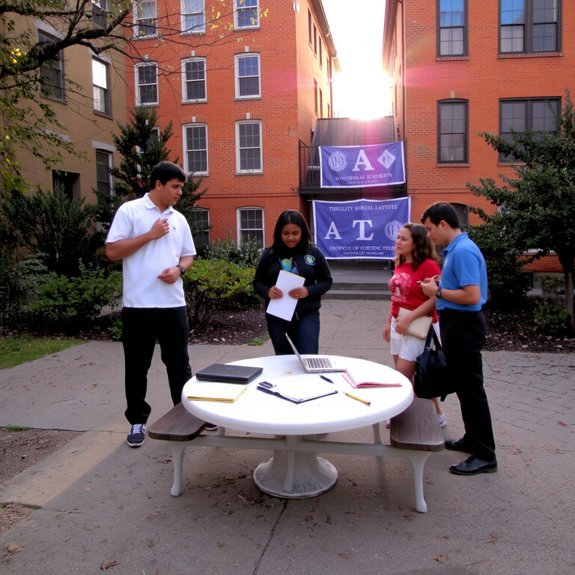
    You’re already in the room, so stop hovering by the snacks and start leading; I’ll show you how to turn messy meetings into tight plans, awkward intro speeches into confident mic moments, and late-night group texts into projects that actually finish. You’ll pick roles that fit your quirks, practice tough conversations until they don’t sting, pull in mentors who owe you favors, and build events that smell like success (and fried plantains). Stick around—there’s one move most people miss.

    Key Takeaways

    • Choose organizations aligned with your goals and take roles that stretch your skills instead of staying comfortable.
    • Lead projects end-to-end to practice decision-making, delegation, and accountability under real deadlines.
    • Rotate roles and responsibilities to build public speaking, conflict resolution, and project-management experience.
    • Create mentorship circles and connect with alumni for feedback, networking, and career guidance.
    • Plan community service initiatives to practice civic leadership, visibility, and measurable social impact.

    Why HBCU Student Organizations Are Unique Leadership Labs

    hbcu organizations foster leadership

    When you step into an HBCU student organization meeting, you don’t just sit down — you walk into a room humming with history, laughter, and the kind of high-energy debate that smells like coffee and ambition. You feel it on the walls, in the playlist, in the way leaders call on you by name. These groups are hands-on labs, where you’ll draft flyers at midnight, mediate real conflicts, and learn to lead with grace under ridiculous pressure. I’ll admit, you’ll mess up — spectacularly sometimes — and that’s the point. Folks will correct you, cheer for you, and expect growth. You’ll rehearse speeches in hallways, negotiate budgets over pizza, and leave smarter, bolder, a little more you.

    Finding the Right Organization and Role for Your Goals

    pursue challenging goal aligned roles

    You want an organization that lines up with your goals, so picture the meetings, projects, and people you’ll actually enjoy working with. I’ll tell you straight: pick roles that push you—stretch your skills, make you sweat a little, and give you something to brag about at interviews. If a position feels comfy and forgettable, pass; chase the ones that spark nerves and pride.

    Aligning With Personal Goals

    Because your goals should steer your involvement, don’t pick a club like it’s a mystery grab bag—you’ll end up with glitter on your shirt and nothing that actually helps your resume. I tell you this because aligning your goals with a group saves time, energy, and dignity. Picture your future job, the skills it asks for, the people you want in your network. Smell the coffee at meeting night, note who talks strategy, who handles logistics. Ask specific questions: “How will this help me lead projects?” “Who mentors members?” Take notes, compare clubs on a simple checklist—skills, connections, time, vibe. Try a month, then reassess. If it’s not moving you forward, pivot. You’ll thank yourself later, seriously.

    Choosing Roles That Challenge

    If you want to grow, don’t settle for the comfy title that looks good on paper but feels like a desk job at a lemonade stand — aim for roles that make your hands dirty and your brain sprint. I tell you straight: pick positions where you’ll solve real problems, not just check boxes. Say yes to messy events, tight budgets, and awkward conversations — those are growth labs. Walk meetings, taste-test food setups, count chairs, wrestle schedules. Ask hard questions in interviews: “What’s the hardest moment I’ll face?” Watch reactions. Try a stretch role for a semester, if it tanks, you’ll learn fast, and if it sings, you’ll glow. Swap stories with seniors, take notes, and claim the next bold slot.

    Building Core Skills: Communication, Strategy, and Teamwork

    learn through practical experiences

    When I’m standing in a buzzing student center, pizza box in one hand and a clipboard in the other, I can feel the room teaching me something every time—how to talk so people listen, how to map a plan that actually happens, and how to turn a group of strangers into a team that moves. You learn fast, by doing, by tripping over deadlines, by laughing at your own bad announcements. Practice these basics.

    • Speak clear, trim your message, watch faces, then tweak.
    • Draft a simple plan, assign one task per person, set a real deadline.
    • Run quick check-ins, celebrate tiny wins, fix what’s broken.
    • Rotate roles, coach kindly, let others shine while you learn.

    Leading Inclusive Events and Community Engagement

    Even as the punch bowl bubbles and the DJ queues up the next track, you’ve got to be the person who notices who’s cheering and who’s standing alone by the drinks table — I’ve learned that the real work of leading is less about the flashy program and more about the small, deliberate moves that let everyone join in. You scan faces, offer a smile, pull someone into a conversation. You set music that nods to campus roots, light scent-free candles, add captions to slides, and place chairs in circles, not rows. You ask dietary needs, translate flyers, and let quiet people speak first. You’ll stumble, apologize, learn fast. It’s messy, joyful, and it builds trust — that’s your goal.

    Mentorship, Networking, and Alumni Partnerships

    You’ve probably heard the phrase “networking is key,” but I’ll say it bluntly: you need people who’ve been where you want to go. Picture a mentorship circle, chairs in a half-moon, coffee steam fogging your glasses as alumni and students trade war stories and resume fixes — you ask, they answer, sometimes they roast you gently, always they push. Then there’s the alumni network bridge, a quick email or LinkedIn ping that opens doors you didn’t know existed, and yes, I’ve sent the awkward first message so you don’t have to.

    Mentorship Circles

    Because leadership gets lonely fast, I built a Mentorship Circle that felt more like a backyard barbecue than a boardroom. You show up with questions, snacks, and a messy notebook, and we trade awkward stories, honest feedback, and action steps. I guide, you practice, we laugh when plans go sideways.

    • Rotate hosts, bring a skill, present a tiny failure story
    • Pair new leaders with peer mentors for two-week sprints
    • Use role-play, real props, and blunt feedback in 15-minute rounds
    • Close each session with one concrete promise and a check-in date

    You’ll smell coffee, hear elbows on tables, feel the nudge to try again. It’s candid, warm, urgent — exactly what growth needs.

    Alumni Network Bridges

    When I first set up an alumni bridge, I wanted it to feel like sliding into an old friend’s kitchen — coffee stain on the table, a stack of résumés, and a hundred ways to help each other without sounding like a networking robot. You’ll invite grads for pizza nights, office-hour drop-ins, and mock interviews. You’ll pair enthusiastic sophomores with polished professionals, trade war stories, and swap contact info like secret recipes. You’ll host panels that smell of takeout and optimism, then follow up with handwritten thank-you notes — yes, actual pen strokes. You’ll learn to ask for favors without apologizing, to listen, and to pass introductions like a relay baton. It’s messy, human, useful, and it’ll make you a better connector, fast.

    Managing Conflict, Setbacks, and Sustainable Growth

    If conflicts flare up—over funding, event plans, or who gets the last slice of pizza—you’re going to notice, fast, who hides under a metaphorical table and who grabs a mop and starts cleaning up the mess. I’ll tell you straight: you learn by doing, by stepping into noise, by listening while the room smells like burnt coffee and ambition. Breathe, name the problem, and move people toward a fix, not a finger-pointing contest.

    • Pause, let everyone speak, then paraphrase back.
    • Offer small wins, restore trust with real actions.
    • Keep records, track decisions, avoid déjà vu arguments.
    • Scale slowly, budget for margin, prioritize people.

    You’ll stumble, recover, and build something steady.

    Translating Campus Leadership Into Career and Civic Impact

    So you’ve spent semesters corralling meetings, convincing reluctant members to show up, and turning half-baked ideas into events that actually happened—good. Now take that noise and polish it into something employers and neighborhoods actually notice. You’ll tell crisp stories, name roles, list measurable wins—attendance numbers, budgets balanced, conflicts resolved—small trophies that mean real skill. Practice a two-minute pitch, rehearse with friends, and swap feedback like it’s free food. Volunteer on a local board, run a campus-to-city project, or mentor a freshman — tangible proof matters. Translate jargon into results: “led team of 12” becomes “cut planning time 30%.” You won’t brag awkwardly, you’ll show work. That’s how campus fame becomes career and civic muscle.

    Conclusion

    You’ve seen the lab, you’ve tried the experiments, now get your hands dirty — I’ll be right there cheering (and tripping over a mic cord). Pick groups that spark you, speak up, mess up, learn fast, and pull others forward. Host events that hum, mentor and be mentored, and treat setbacks like detours, not dead ends. Do this, and you’ll turn campus hustle into career muscle and a life that actually matters.

  • How to Keep Your Values While Adjusting to HBCU Life

    How to Keep Your Values While Adjusting to HBCU Life

    You’ll notice the energy on campus hits different—loud, proud, and impossible to ignore—so you’ll need a clear compass before you get swept up. I’ll tell you how to name the values that matter, set boundaries that actually stick, and find people who challenge you without making you compromise; picture late-night dorm talks, a mentor’s firm nod, and a sticky note on your mirror, and then stick around because the next move is the one that keeps you you.

    Key Takeaways

    • Identify 3–5 non-negotiable values and post them where you’ll see them daily to stay grounded.
    • Communicate boundaries clearly and calmly using “I” statements and consistent refusal phrases.
    • Seek out student organizations and mentors whose actions align with your values before committing.
    • Protect time for academics, spirituality, and self-care by saying no to overcommitment politely.
    • Use campus resources and trusted peers for support, reflection, and celebrating your progress.

    Defining Your Core Values Before You Arrive

    define and embrace core values

    Confidence matters — but so does knowing what you won’t trade. Picture yourself unpacking a dorm box, the scent of detergent, a poster half-taped, you pause. Ask: what beliefs feel like home? Faith, honesty, family time, study rhythms — name three to five, write them on a sticky note, stick it to the mirror. Say them aloud, even if you half-smile and sound dramatic, I’m allowed to change some plans, not my core. Test them with small choices: skip a noisy party, keep Sunday calls, say no without guilt. You’ll stumble, you’ll laugh at yourself, you’ll adjust. These anchors won’t box you in, they’ll guide you through crowded halls, bright events, late-night decisions.

    Setting Boundaries That Honor Your Beliefs

    establish and communicate boundaries

    You’ll want to write down your nonnegotiables first, the things you’ll never trade for a party or a compliment — I promise, it feels weirdly freeing. Say them out loud to friends, roommates, or a calm RA, use clear phrases like “I don’t drink” or “I need lights-off by 11,” and watch how people actually respond. Then find your crew — the ones who get your vibe, show up, and make it easy to keep your lines without drama.

    Know Your Nonnegotiables

    If you don’t decide what you won’t do, other people will decide for you — usually with louder voices and worse snacks. You’ve landed on campus, the air smells like fresh coffee and textbook glue, and you’ve got to name the things you won’t trade. Pick three to five nonnegotiables that fit your faith, mental health, and integrity, then treat them like a bruise you won’t poke.

    • Morning rituals: prayers, runs, meditation — defend them gently.
    • Party limits: say when you’ll leave, and mean it.
    • Academic honesty: your work, your sweat, no shortcuts.
    • Respect: you won’t tolerate harassment, micro or macro.

    Deciding first keeps you calm, crisp, and oddly more popular than you expect.

    Communicate Limits Clearly

    When you say your limits out loud, people actually hear them — sometimes with eyebrows, sometimes with applause, and occasionally with that slow, dramatic head-tilt that means “Explain.” I tell folks right away what I need: no texts after midnight unless it’s an emergency, hands-off faith talk unless invited, and study nights that end at ten — plain, not preachy. You’ll do the same. Say it calm, say it firm. Point to your calendar, show the late-night lamp still on, laugh about your caffeine tolerance. Practice a one-liner: “I’m off-grid after ten, sleep’s my religion.” Repeat when needed. Expect pushback, stay steady. Use “I” statements, set consequences, walk away if someone keeps testing you. You’ll feel lighter, clearer, respected.

    Find Like-Minded Support

    Ever wish you had a small crew who gets your vibe without the 2 a.m. explanations? I do, and you can find yours without sacrificing what matters. Walk into the student center, scan for club flyers that taste like your values, and strike up a quick, honest line: “Do you hang with boundaries?” You’ll feel the relief like cool water after a long day. Look for people who listen, mirror your limits, and cheer when you say no.

    • Join faith-based groups, study circles, or interest clubs that match your beliefs.
    • Attend campus events, listen first, share your line gently.
    • Trade numbers, set hangout norms, text check-ins.
    • Create a mini code of conduct together, keep it real.

    Communicating Confidently and Respectfully

    communicate with confidence and respect

    Because you’re proud of where you come from, you’ll want to say things that land hard and land right, not just shout into the quad and hope someone notices. I tell you, pick your tone like you pick your outfit — with purpose. Speak clearly, slow down when a point matters, and don’t let nerves turn your sentence into a sprint. Use “I” statements, keep your voice steady, look people in the eye, and breathe; that stuff actually works. Laugh when it’s light, tighten when it’s serious. If someone pushes back, ask a sharp question, don’t snap; curiosity wins more rooms than drama. Practice with a friend, mirror, or the shower — yes, the shower — until your words feel like yours.

    Finding Campus Communities That Support You

    You just practiced saying your truth out loud, now let’s put that voice where people will actually hear it. Walk the quad, listen for laughter, the rhythm of drumlines, smell of coffee from late-night study sessions — you’ll know a vibe when it fits. Try groups that match your values, not just your major. Don’t settle for polite nods.

    • Drop into a student org meeting, sit in the back, sip something warm, note reactions.
    • Visit faith groups, cultural houses, or activism tables, watch how they treat newcomers.
    • Chat with a campus mentor, ask blunt questions, test their honesty.
    • Attend one event a week, compare how you feel afterward; trust the gut that tugs you back.

    You’ll find your people, with patience and a little boldness.

    Balancing Social Life With Personal Priorities

    You’re gonna enjoy late-night cookouts and campus concerts, but you’ve gotta mark your calendar for study blocks and chapel first, or those fun nights will eat your priorities. Say no without apologizing, set a firm curfew, and tuck prayer or study time into the same spot every day so it smells like routine — you’ll feel it in your bones when you miss it. I’ll remind you when FOMO creeps in, with a wink and a grocery-list of tiny rules that keep your values louder than the party.

    Set Clear Personal Boundaries

    One simple rule I live by: my calendar gets veto power. You’ll laugh, then copy it, because saying no feels weird until it saves your week. Set clear boundaries so you don’t get swallowed by back-to-back invites, loud dorm nights, or “quick” study group takeovers. Tell friends, text your roommate, pin a do-not-disturb habit to your phone. I do short scripts, so I don’t fumble: “I’d love to, I’m booked then—next time?” Small rituals help, like shutting the door, lighting a candle, or putting headphones on even when you’re not listening.

    • Decide limits before you’re tired
    • Use polite refusals, practice them
    • Protect weekend blocks for yourself
    • Reassess monthly, tweak as needed

    Prioritize Academic and Spiritual Commitments

    If you want to keep your grades and your soul intact, treat both like VIP guests—don’t let the party crowd crash the suite. I tell you this because you’ll be tempted, nightly, by music, food, and friends with plans. You block study hours like dates on your calendar, you light a candle or open a devotional app, you show up to chapel or prayer with the same punctuality you give free pizza. Say no without guilt, say yes when it feeds mind and spirit. Carry a notebook, headphones, and a small Bible or reflection journal, smell of coffee, page-turning comfort. When someone asks why you left the party early, smile, say, “I’ve got an appointment with my future,” and mean it.

    Adapting Without Compromising Your Identity

    Think of adapting like learning a new dance—sometimes you’ll step on toes, sometimes you’ll nail the move and feel the beat in your bones. You’ll smell campus coffee, hear laughter at midnight, and wonder how to stay you, while fitting in. I’ll tell you straight: you don’t have to lose your rhythm.

    Adapting’s a new dance—missteps happen, beats drop, keep your rhythm and let your identity lead.

    • Keep one ritual that’s yours, even if it’s small, like sunrise prayers or a playlist.
    • Say yes to new things, but no to what feels hollow; practice that word like a mic drop.
    • Find folks who mirror your values, not just your vibe.
    • Rework traditions to fit you, tweak the recipe, keep the soul.

    Own the remix, walk proud, and let your identity lead the steps.

    Conclusion

    Keep your values like a favorite hoodie—comforting, worn-in, and worth protecting. I’ll nudge you: name what matters, speak up without drama, and tuck time for yourself into your schedule like a secret snack. Find your people, say no without guilt, try new things but don’t lose your map. You’ll stumble, laugh, adjust, and still be you—louder, wiser, and smelling faintly of campus coffee. Stick to it, seriously.

  • How to Build a Professional Network While Still a Student

    How to Build a Professional Network While Still a Student

    Most students don’t know that your future job often starts with a coffee cup and a name tag, not a perfect résumé. I’m telling you this because you can start collecting those tiny wins now: snag a professor’s office hour, slide into an alumni DM with a quick question, show up to a campus mixer and actually talk to someone—yes, even the awkward colleague with the loud laugh. Do one small brave thing this week and you’ll surprise yourself; then we’ll talk next steps.

    Key Takeaways

    • Start early: attend events, office hours, and club meetings to meet peers, professors, and professionals before graduation.
    • Reach out with purpose: email alumni or professors stating who you are, why you’re contacting them, and one clear ask.
    • Build an online presence: optimize LinkedIn, post updates on projects, and engage thoughtfully with industry content.
    • Practice reciprocity: offer help, share useful articles, or connect contacts to give value before asking for favors.
    • Follow up and track contacts: send thank-you notes, schedule brief check-ins, and maintain a simple contact log.

    Why Start Building Your Network Now

    build connections create opportunities

    Because tomorrow’s jobs don’t hand out business cards at graduation, you’ve got to start now if you want a seat at the table — and yes, I know that sounds dramatic, but hear me out. You stumble into fairs, clubs, coffee lines, and suddenly there’s opportunity; smell the coffee, feel the handshake. I’ll tell you straight: early connections turn cold leads into invites. You’ll practice small talk, learn jargon, spot real mentors versus LinkedIn voyeurs. Go to events, ask one memorable question, follow up with a brief note — that’s it. You’ll collect stories for interviews, internships, and the occasional job offer. It’s less about magic, more about showing up, being curious, and keeping your calendar open.

    Leveraging Professors and Academic Mentors

    email with clear purpose

    You’ll stand out if you email with a clear purpose—say who you are, what you need, and a simple next step, no rambling. Swing by office hours with a notebook and one bold question, listen, and let the conversation turn into a mini-mentorship; I promise professors notice persistence. If you want hands-on experience, ask about research roles or lab tasks, even if you feel awkward—awkward beats regret.

    Email With Clear Purpose

    When you email a professor, treat it like walking into their office—confident, tidy, and with a single ask in your hand; cluttered requests get glanced at, then ignored. I imagine you pause, breathe, type. Start with a clear subject: “Research help — two quick questions.” Lead with purpose in the first line, say who you are, the class, and why this matters, fast. Ask one thing, state a deadline, offer times or options. Use short paragraphs, bullets, bold maybe—well, not bold in email, but you get me. Close with gratitude and a simple signature: name, major, phone. I promise, a neat, polite, purposeful note gets replies. Be human, be brief, be brave.

    Attend Office Hours

    You’ve sent that tidy, purposeful email, and now it’s time to show up—literally. Walk into office hours like you mean it, with a notebook, a question, and maybe a guilty coffee stain; professors notice intent. Sit near the door if you’re nervous, lean forward, make eye contact, breathe. Start with a quick reminder of who you are, remind them of the email, then ask something specific—clarify a concept, get feedback on a draft, discuss career paths without begging. Listen more than you talk, jot the useful lines they say, and toss in a sincere thank-you. Leave with an action item, a next meeting, or a referral. That small, regular presence builds rapport, trust, and real mentorship.

    Ask for Research Roles

    Ask for a research role like you mean it—open the door, introduce yourself, and don’t apologize for wanting in. I tell professors I’m curious, I’m ready, and I’ll fetch coffee if that’s the job’s start. Say what you want, quickly, with concrete examples: class project, specific paper, or lab technique you’ve tried. Show up with a one-page note, like a tiny résumé, not a manifesto.

    1. Explain one clear skill you bring, and a short example of it.
    2. Propose a focused task you can do in weeks, not years.
    3. Offer regular check-ins, and say how you’ll report progress.

    Be human, direct, slightly hungry. Professors notice confidence, not humility theater.

    Connecting With Alumni Effectively

    connect offer help be specific

    You’ve already got something in common—same school, same coffee shops, maybe the same terrible freshman orientation playlist—so start there, mention a shared class or professor and watch the ice melt. Be clear about why you’re reaching out, offer a specific, easy-to-say way you can help them (share a useful article, volunteer at their event, or bring them a coffee), and don’t send vague “can we chat?” messages. I’ll bet a polite, confident note with a concrete ask wins more doors than a long, gushy life story, so keep it short, personal, and helpful.

    Start With Shared Backgrounds

    Since we already share a hallway, a mascot, or that awful cafeteria lasagna, starting with alumni who walked your exact same path makes cold outreach way less awkward. You lean on the familiar, mention a professor, a dorm, a club. You smell old textbooks, hear late-night printer whirs, and you open with that shared moment — instant rapport. Don’t overthink it, be specific, be human.

    1. Mention a class, professor, or campus tradition that ties you together, briefly and honestly.
    2. Note a timeline overlap, a shared job on campus, or a mutual club memory, then ask one clear question.
    3. Use a short, friendly subject line, reference the shared detail in the first sentence, and close with gratitude.

    Offer Clear Value

    Okay, you’ve got rapport — that nostalgic hook about the quad or the terrible pizza. Now don’t ghost them; offer clear value. Tell them what you can do, not just what you want. Say, “I can help with social posts,” or “I’ll summarize industry reports weekly,” sound useful, not needy. Mention concrete times, deliverables, skills — proof beats praise. Bring a quick sample: a mock post, a one-page digest, a mini-research note, something they can scan in thirty seconds. Ask for five minutes, then deliver more. Be polite, confident, and a little cheeky: “If this saves you time, coffee’s on me.” That tiny gesture turns a warm chat into a practical connection, and that’s networking with teeth.

    Making the Most of Career Fairs and Campus Events

    Three quick rules before we plunge into it: show up early, smile like you mean it, and bring more than one copy of your résumé. You’ll hear noise, coffee steam, nervous laughter — breathe, tighten your shoulders, and walk the room like you own the moment, even if you don’t. I promise awkward small talk won’t bite.

    1. Scan booths fast, pick three must-talk-to recruiters, and return for deeper chats.
    2. Ask one sharp question, listen, then relate it to a specific class project or club win.
    3. Close every convo with a clear next step: Linked contact, follow-up email time, or a prompt for coffee.

    Keep energy high, notes ready, and your thank-you line practiced — “Loved our chat, here’s one thing I can do next.”

    Using LinkedIn and Other Professional Platforms

    Think of your LinkedIn profile like a bright, tidy dorm room—clean photo, clear headline, and a summary that smells faintly of ambition. I’ll show you how to polish every shelf, add concrete projects, and tweak keywords so recruiters actually knock; then you’ll scroll, comment, and share smartly, not awkwardly. Say something useful, crack a small joke, and watch connections turn into conversations.

    Optimize Your Profile

    If you want people to take you seriously, start by looking like someone worth talking to — I learned that the hard way after sending messages from a profile photo of me squinting in sunlight, half-eaten sandwich in hand. Clean headshot, tweak your headline, and tell a quick story in your summary. You want folks to nod, not click away.

    1. Update your photo: clear face, friendly expression, plain background, avoid sunglasses or snacks.
    2. Craft a headline: role + skills + ambition, like “Student Developer | Python, UX | Building accessible apps.”
    3. Write a concise about: one opening line that hooks, two sentences of achievements, one line about what you want next.

    Polish, then proof. You’re signaling competence before you even speak.

    Engage With Content

    You’ve cleaned up your photo and tightened your headline — nice work, you’re not the person with the sandwich anymore — now start showing up where people actually hang out online. I’ll say it straight: scroll less, engage more. Like, comment, share with a note, ask one smart question, and tag someone who’d laugh — don’t lurk. On LinkedIn, join groups, follow company pages, and react within the first hour of a post for visibility. On niche platforms, post short takes, screenshots of projects, or a two-sentence lesson learned. Use voice notes sometimes, they feel human. Reply to every thoughtful comment, even with a GIF, and thank people. This is how small interactions become real connections, and yes, it’s fun when you stop being shy.

    Joining Student Organizations and Clubs

    When I wandered into my first club meeting, the room smelled like stale coffee and fresh name-tags, and I felt both ridiculous and oddly excited; join one and that mix is your new normal. You’ll show up awkward, stay for the snacks, and leave with a LinkedIn connection and a funny anecdote. Say yes to low-risk roles, volunteer for small tasks, and watch trust grow. Bring a notebook, ask one sharp question, introduce yourself—don’t overthink it.

    1. Attend three meetings, then pick one role that forces you to speak.
    2. Swap contact info immediately, follow up with a short, friendly message.
    3. Help organize an event; you’ll meet people fast, and learn by doing.

    Clubs are practice, not perfection.

    Finding and Working With Mentors

    Mentor hunting feels a little like thrift-store shopping: you poke through racks, hold up a few odd pieces to the light, and hope one fits—except here the prize can change your career. Walk into events, scan name tags, listen—really listen—then approach like you’d borrow sugar: polite, specific, brief. Say, “I admired your talk on X, could I ask one question?” Offer your calendar, not excuses. When someone says yes, show up, bring notes, follow up with a short thank-you, and act on one suggestion fast. Rotate mentors: advisors, alumni, a tough professor. Give value too—share an article, connect them to someone useful, bring coffee. Keep boundaries, set goals, check in quarterly. Good mentors push you, laugh with you, and make your path clearer.

    Networking Through Internships and Part-Time Work

    Immerse yourself in your internship like it’s a house party with name tags—move around, eavesdrop a bit, then latch onto people who look interesting. I mean it: introduce yourself, offer to grab coffee, help carry a box, ask about that weird poster on their wall. You’ll learn jargon, rhythms, and who actually fixes the printer. Smile, listen hard, take notes, follow up the next day with a quick thank-you and one useful thought.

    Treat your internship like a nametag party: circulate, listen, help out, ask questions, then follow up with gratitude.

    1. Ask to shadow someone for an hour, watch tools, ask two smart questions.
    2. Volunteer for small tasks that stretch you, finish them early, share credit.
    3. Keep a contact doc, note quirks, send updates twice a month.

    Crafting a Low-Pressure Outreach Message

    Curious how to slide into someone’s inbox without sounding like a needy telemarketer? Envision this: you, coffee-scented notebook open, typing a one-paragraph note that feels human. Start with a brief hello, mention a specific detail — their talk, article, or alma mater — then state why you’re reaching out, one clear ask, thirty seconds tops. Be honest, be short, and add a tiny compliment that’s genuine, not syrupy. Offer something low-effort: a quick question, a coffee chat, a link you think they’d like. Close with gratitude and an easy opt-out line, like “No worries if busy.” Keep your tone light, avoid jargon, and read it aloud — if it sounds like you, hit send.

    Maintaining and Growing Professional Relationships

    Once you’ve made that friendly intro, don’t let the connection go stale — treat it like a small, thriving houseplant you actually remember to water. You check in, not to pester, but to show you’re present: a quick note after a talk, a congratulatory emoji on a job update, a photo of the messy lab you promised to clean. I say something short, charming, and useful. You’ll find momentum if you add value, listen more than you talk, and follow through.

    1. Send timely, specific follow-ups — mention a detail, suggest a resource, invite coffee.
    2. Offer help first — share introductions, volunteer for projects, bring snacks.
    3. Schedule light touchpoints — birthday notes, quarterly updates, article shares.

    Conclusion

    Think of your network like a living garden: plant seeds now, water them with quick check-ins, and pull a few weeds (awkward silences) with a joke. I’ll nudge you—chat up a professor, DM an alum, shake hands at career day—do one thing today. You’ll smell the progress, see new shoots in internships and LinkedIn messages, and laugh at your awkward first email. Keep tending it, and it’ll feed your future.

  • How to Find Accountability Partners at an HBCU

    How to Find Accountability Partners at an HBCU

    Did you know students with regular study partners boost their GPA by about a letter grade? You’ll find those people where the quad smells like coffee and late-night lights flicker — student center couches, library carrels, faith groups, club meetings — so I’ll show you how to spot the ones who actually follow through. Imagine this: you shuffle in, say a joke, swap goals, set a 10-minute check-in, and watch momentum build — but there’s one catch, and it matters.

    Key Takeaways

    • Start conversations on the quad or in student centers to meet peers with similar academic or personal goals.
    • Join study groups, faith organizations, or clubs that match your schedule and values for consistent interaction.
    • Observe reliability through attendance patterns, punctuality, and engagement before committing to partnership.
    • Propose a simple agreement with clear goals, deadlines, and weekly check-ins written visibly for accountability.
    • Use short tests like coffee check-ins and small tasks to confirm mutual commitment before deeper accountability.

    Why Accountability Matters on HBCU Campuses

    community driven accountability fosters growth

    Community matters. You feel it in crowded dining halls, that low hum of shared goals, and it’s why accountability on HBCU campuses hits different. You’ll find people who call you out—gently, loudly, with a laugh—and push you toward class, practice, or that stubborn study plan. You’ll text reminders, trade notes, sprint across quad paths, and celebrate tiny wins like a passed quiz with a high-five that smells like campus coffee. I’ll admit, you’ll sometimes dodge the call; I do, too. Still, those nudges reshape habits faster than solo promises. Accountability here mixes culture, history, and friendly pressure into momentum. You don’t just grow alone; you grow among witnesses who expect your best, and that expectation changes outcomes.

    Where to Look: Campus Spaces and Communities

    campus spaces foster connections

    Picture the quad at golden hour—students sprawled on blankets, backpacks splayed open like claim tickets—because that’s where your next accountability partner is probably sipping sweet tea and pretending to study. You’ll hear laughter, a phone alarm buzzing, someone reciting flashcards, and you’ll step in, casual but intentional. Check the library hubs, where focused chaos smells like coffee and paper, and the late-night study rooms where promises get made at 2 a.m. Don’t skip student centers, with bulletin boards full of invites, or faith groups that blend discipline with heart.

    Picture the quad at golden hour—students sprawled on blankets, alarms buzzing, study promises made over sweet tea.

    • Campus clubs: people with shared goals, obvious places to swap commitments.
    • Professors’ office hours: low-key, one-on-one chances to connect.
    • Residential events: neighbors who’ll hold you to your word.

    How to Identify Compatible Partners and Mentors

    observe actions build connections

    How do you spot someone who’ll actually show up when the group chat dies? I watch how they enter a room, whether they make eye contact, and if they ask, “You good?” instead of scrolling. Look for consistent rhythms: class attendance, study session wins, quick replies that aren’t robotic. Notice what they value—deadlines, feedback, laughs—then imagine a semester with them. Ask about past goals, hear specifics, not generic “I’m motivated.” Small tests work: suggest a short coffee check-in, see if they arrive or ghost. For mentors, pick people who teach with stories, who correct kindly, who remember your name after one awkward demo. Trust actions more than promises, and trust the little things; they reveal character.

    Starting and Structuring Effective Accountability Agreements

    Once you’ve picked solid people, you’ve got to put a little structure on the chaos—otherwise good intentions turn into sad, unread group chats and missed coffee. You and I sit across from each other, clutching campus lattes, and agree on clear goals: deadlines, check-ins, and what success smells like. Say it out loud, write it down, snap a photo of the whiteboard. Keep promises small, measurable, and kind.

    Pick dependable people, add simple rituals—weekly 20-minute check-ins, clear goals, small measurable promises, and rotating roles.

    • Set a single weekly check-in, 20 minutes max, honest and specific.
    • Define consequences and rewards, practical and low-drama, like buying lunch or doing a favor.
    • Rotate roles: timekeeper, challenger, cheerleader, so nobody burns out.

    This blueprint keeps you accountable, human, and slightly less flaky.

    Maintaining Momentum and Navigating Conflict

    If you want this thing to last past week three, you’ve got to treat momentum like a houseplant—water it often, don’t overdo the fertilizer, and definitely don’t ignore the dying leaves. I’ll be blunt: you’ll need rituals. Set short wins, text check-ins, and a tiny celebration—high-five, snack, whatever—so progress smells like cinnamon rolls, not stress. When friction hits, pause the vibe, name the problem out loud, and ask what you both want next. Don’t ghost, don’t shout, don’t noodle around with passive-aggressive memes. I keep a “fix-it” script: breathe, mirror, propose. If someone’s slipping, swap tasks, shorten deadlines, or bring in a neutral campus tutor. Keep the tone curious, kind, and stubbornly honest, and you’ll keep growing.

    Conclusion

    You’ll find your people if you quit waiting for a campus miracle and start sneaking into the quad with snacks and a plan. I’ll confess, I once mistook a study circle for a flash mob—embarrassing, but useful. Look, pick spots, test vibes with coffee check-ins, write down shared goals, and call out flaky behavior kindly. Keep it fun, firm, and honest, and you’ll build a crew that actually shows up when it counts.

  • How to Say No to Things That Don’t Serve You at an HBCU

    How to Say No to Things That Don’t Serve You at an HBCU

    Your schedule is a leaky faucet, dripping away your time, and you’re getting soaked—so let’s fix the pipes. I’m going to walk you through spotting what drains you, saying no without drama, and keeping friends who actually care, with quick lines you can use on the quad, at org meetings, or over pizza; you’ll learn to pause, breathe, decline, and offer something smaller that still works, and yes, you’ll feel weird at first—but that’s the point, because boundaries take practice and payoff.

    Key Takeaways

    • Know your priorities and limits by listing commitments and designating nonnegotiable study, sleep, and self-care times.
    • Use short, honest phrases like “I can’t swing that right now” or “I need to pass on this” to decline gracefully.
    • Offer a low-effort alternative (e.g., help another time, suggest someone else) without overcommitting yourself.
    • Stay calm and repeat your boundary if pressured, briefly explaining your reason without oversharing.
    • Decompress after saying no with a quick self-care ritual and celebrate that you protected your energy.

    Understanding Why Saying No Matters on Campus

    learn to say no

    Because campus life moves fast and people assume you’re always “in,” you’ve got to learn to press pause for yourself. I’ve stood in crowded dorm halls, smelled fried chicken from the quad, heard laughter like a dare, and still said no. You’ll protect study time, sleep, and your mood by saying no, not because you’re rude, but because you’re smart. Saying no keeps your schedule honest, your friendships real, and your energy intact. You’ll practice a clear, kind refusal, feel awkward, then relieved — like popping a pimple, oddly satisfying. You’ll learn to spot when guilt’s the salesman, and you’ll counter with calm truth. Trust me, people respect limits more than perpetual availability.

    Assessing Your Priorities and Limits

    assess priorities set limits

    Saying no felt good, didn’t it? You stand by the quad, sun warm on your shoulders, and you notice what drains you versus what fuels you. Make a list — quick, honest — classes, jobs, clubs, relationships. Hold each up like a dish to your nose: does this smell like growth or reheated stress? Count your hours, not just commitments, and mark the ones you actually enjoy. Set firm limits: study blocks, sleep times, rehearsal-free Sundays. Imagine two baskets — one for yes, one for no — and toss things in without guilt. Check in weekly, sip water, reassess. You’ll stumble, you’ll laugh at your past overcommitments, but each choice sharpens your focus, protects your energy, and nudges you toward what truly matters.

    Polite, Culture-Smart Ways to Decline Requests

    polite ways to decline

    A few tactful lines can keep you from feeling rude and from losing your spot in the campus circle — I’ll show you how. Picture standing under the magnolia, sunlight warm, friend asking another favor. You say, “I can’t swing that right now,” then offer a smaller help, “I can share notes or connect you with Sam.” Short, clear, kind. Use “I” statements, don’t apologize too much. Smile, nod, mean it. Drop a light joke—”My calendar’s haunted”—to ease the cut. If it’s cultural—family, church, legacy—acknowledge that: “I get why that matters, but I need to pass.” End with a firm follow-up, “I hope you find someone,” or “Maybe next month.” That keeps respect, keeps you sane, and keeps the crew intact.

    Managing Pushback and Preserving Relationships

    If someone pushes back when you say no, don’t freeze—lean in and stay steady, like you’re holding a soda on a crowded quad. I keep my shoulders low, my tone plain, and I name the reason, quick as snapping a cap. They test you, that’s normal. You pivot, offer a smaller yes, or stand firm with a smile. You don’t need to explain your whole life.

    • Use “I” statements, clear and calm.
    • Repeat your boundary, like a friendly echo.
    • Offer an alternative if you genuinely want to help.
    • Call out pressure kindly, “I feel rushed,” works wonders.
    • Walk away if it turns disrespectful, dignity intact.

    You’ll lose some approval, gain your focus, and sleep better.

    Practicing Self-Care After Setting Boundaries

    You just held your ground, felt the little tremor in your throat, and walked away with your dignity — good. Now breathe, sit down, and give your shoulders a minute; they’ve been hauling other people’s expectations all week. Make a tiny ritual: pour tea that smells like citrus, text your best friend a one-line victory — “I said no, survived” — and laugh at how melodramatic you are. Move your body, even if it’s just a two-minute march to the quad; sunlight scrapes stress off your skin. Say no again, to guilt, by writing a short list: food, sleep, one thing fun. If someone calls, let it go to voicemail. You’re not mean, you’re making space. Celebrate that.

    Conclusion

    You’re holding a quarter in a noisy quad — decide which vending machine deserves it. I’ve said no, felt guilty, then tasted relief like cold water after chapel. You’ll learn your limits, use sharp, kind phrases, and offer a smaller favor when you mean it. People respect clarity, even at 2 a.m. You won’t please everyone, but you’ll keep your spark. Say no, breathe deep, and watch your life rearrange itself for the better.

  • How to Be a Good Roommate at an HBCU

    How to Be a Good Roommate at an HBCU

    You’ve got this—start by asking about their family, favorite songs, and whether they need quiet for prayer or late-night study breaks; listen more than you talk, and actually mean it. Share a chore chart, stash extra snacks, and knock before you enter—simple moves that earn trust fast. Pitch in for campus events, cheer at halftime, and apologize sooner than feels awkward. Want the playbook for handling drama and keeping peace?

    Key Takeaways

    • Respect cultural traditions and ask about roommates’ backgrounds, holidays, and food preferences.
    • Set clear expectations for chores, quiet hours, guests, and shared spaces early on.
    • Communicate openly using “I” statements, validate feelings, and propose practical solutions calmly.
    • Support academic goals by offering study sessions, sharing resources, and honoring study-time boundaries.
    • Build trust with reliable small habits: clean up promptly, be punctual, and offer helpful gestures.

    Respecting Cultural Traditions and Personal Backgrounds

    respect listen learn connect

    Even if you grew up thinking “soul food” was just a funny phrase on a menu, you’re sharing space with history now—and yes, that matters. You’ll notice the aroma of collards on laundry day, a gospel playlist leaking through thin walls, and pictures that tell grandparents’ stories, not just pretty filters. Don’t roll your eyes, lean in. Ask about recipes, ask about holidays, ask what name pronouns and nicknames mean, then listen—really listen. Offer to help prep a dish, sweep after a potluck, or hang a framed photo so it won’t sit on the floor. Make small gestures that show respect, apologize fast when you mess up, and laugh at yourself sometimes. Doing that, you’ll build trust, not just a clean dorm.

    Communicating Expectations and Boundaries Early

    set clear roommate boundaries

    Okay, here’s the plan: tell your roommate when lights go out and sound goes down, say who’s doing dishes and when, and agree on how many friends can crash for the night. I’ll say it awkwardly at first, maybe over pizza while laundry smells like detergent and the radio hums, but clear rules make late-night library runs and Netflix binges less awkward. Keep it simple, write it down if you have to, and don’t be afraid to say no when your bed needs to exist.

    Set Quiet Hours

    If you want sleep, study time, and a little sanity, set quiet hours—early. I’ll say it bluntly: decide when the room becomes a library and when it’s allowed to be a living room. Name specific times, like 11 p.m. to 8 a.m., or after that late-night practice, and stick to them. Say it out loud, text it, pin it on the door. Notice tones, adjust for exams, and promise a courtesy knock instead of an open-door parade. If someone breaks the rule, don’t simmer — remind them kindly, then escalate to a chat before resentment grows. You’ll sleep better, your roommate will respect you more, and group study will actually happen. Quiet isn’t mean, it’s considerate.

    Share Chore Plans

    Because nobody wants to live in a biohazard, start the roommate talk about chores like you’re calling a truce—straightforward, a little dramatic, but very necessary. I’ll say it: nobody enjoys scrubbing mystery goo at midnight, so you lay out a simple plan. Decide who does dishes, trash, and that tragic microwave. Write it where everyone sees it — a sticky note, a shared app, even a whiteboard by the door. Swap favorites: I’ll vacuum, you take out trash, someone else handles weekly bathroom blitz. Check in weekly, make tiny adjustments, and praise when someone actually cleans. Keep it fair, keep it humane, and don’t weaponize passive-aggressive notes; save those for bad roommates in sitcoms, not your dorm.

    Discuss Guest Rules

    You just agreed on who’s wiping the microwave, now let’s talk about who can bring people over without turning your room into a frat poster’s fantasy. You set ground rules early, say them like you mean it: quiet hours, max guests, and no overnight unless everyone’s cool. Visual cues help—closed door = no entry, headphones in = do not disturb. Say it plain: “Text before you bring someone,” or, “Give a heads-up for more than two.” You mention allergies, study nights, and that one roommate who snores like a freight train—humor softens the ask. Role-play a scenario, laugh, then lock it in with a quick group chat agreement. You’ll sleep better, study better, and keep the vibe respectful, no passive-aggressive notes required.

    Sharing Chores and Keeping Common Spaces Tidy

    shared chores for harmony

    You’ll want to split chores so no one’s stuck scrubbing after a late-night study session, and yes, that means you can’t always claim “I forgot.” Set a simple cleaning schedule on the fridge, swap who buys toilet paper and dish soap, and keep a small supply box so nobody’s stuck hunting for a sponge at 2 a.m. I’ll remind you, gently and with snacks if needed, that tidy spaces mean fewer arguments and more time for campus life.

    Divide Chores Fairly

    Three simple rules: talk, divide, and rinse (literally). I’ll say it plain: don’t let dishes pile like a science experiment. You step into the kitchen, smell lemon soap, hear a fork clinking—claim a job, say it out loud, and mean it. Point to the sink, point to the vacuum, make a deal. Trade tasks so nobody’s stuck with the gross stuff forever, rotate the stinkier bits, keep favorites if you want. Use clear labels, napkin reminders, quick check-ins between classes. If someone slips, call them out kindly, not like a hall monitor. Praise the small wins—clean counter, fresh trash bag—celebrate them with a goofy high-five. You’ll live better, and so will your roommate.

    Establish Cleaning Schedule

    If we want the dorm to stay livable without resorting to passive-aggressive Post-its, set a cleaning schedule and actually stick to it. I say this like I invented chores, but I haven’t — I just survived freshman year. You pick days, you assign tasks, you rotate the gross ones (trash, dishes), and you reward completion with high-fives or pizza. Use a shared calendar, snap a photo when you finish, and call someone out gently if they flake. Keep sessions short, forty minutes, music loud, windows open — you’ll breathe better and laugh more. If crumbs hide in corners, tackle them now, not later. Be consistent, be fair, and don’t forget to compliment progress; it works, trust me.

    Maintain Shared Supplies

    A small stockpile of basics saves a thousand awkward conversations and at least one passive-aggressive sticky note. You keep a communal drawer—paper towels, detergent pods, pain meds—labeled in your own slightly dramatic handwriting, because you’re theatrical like that. When the roll’s low, you text, “Refill?” not accusatory, just efficient. You volunteer to buy bulk, split the cost, and stash receipts in a snack jar; it’s oddly satisfying, like adulting with snacks. If someone grabs the last of something, you drop a friendly reminder, not a sermon. Rotate grocery runs, set a small budget, and respect agreed spots. Shared supplies are small contracts; honor them, and the living room stays comfy, the bathroom stays stocked, and drama stays out.

    Supporting Each Other’s Academic Goals

    Because we’re sharing the same tiny kingdom of crockpots and laundry quarters, you’ve got to treat each other’s grades like mutual property—handle with care. I’ll say it plain: cheer for wins, notice the wobble. Offer to quiz each other, swap notes, or boil caffeine when finals loom; the smell of burnt coffee says “we’re in this.” Knock before study time, set a two-hour focus sprint, then celebrate with terrible vending-machine snacks. Call out when you see burnout, but don’t nag; empathy, not guilt, changes behavior. Share tutoring leads, professor office-hour tips, and laptop chargers like life preservers. Keep expectations clear; ask “how can I help?” and mean it. You’ll build grit, grades, and a roommate bond that actually survives graduation.

    We just agreed to be cheerleaders for finals, so let’s also agree not to stage a midnight rager in the same room where someone’s trying to read a 400-page history book. I’ll knock before I bring a guest, you knock before you bring two. Say the word “quiet” and we dim lights, lower voices, and switch playlists to study mode — no judgment, only soft piano and the smell of cold coffee. If you need alone time, say it plainly: “I’m off-grid for an hour.” I’ll respect the door sign, you respect my headphones. For visitors, set windows-open rules, clean-up expectations, and time limits. We’ll make compromises, keep humor handy, and remember — the best roommates are polite sleepers and merciful party-poopers.

    Participating in Campus Life and HBCU Traditions Together

    If you immerse yourself in campus traditions together, you’ll get more than a college experience—you’ll collect stories that show up at reunions and nervous job interviews. You’ll cheer at halftime, your voice raw, your roommate’s face painted like a tiny mascot. You’ll line up for homecoming, smell barbecue and popcorn, feel drumlines in your chest. Say yes to step shows, join parade prep, learn the secret handshake — even if you fumble it, laugh and keep going. Swap playlists, trade tees, and take sunrise walks after late study sessions, taking in chapel bells and campus light. I’ll push you to try new things, you’ll push me back, and together you’ll build memories that actually stick.

    Managing Conflicts With Empathy and Clear Communication

    Ever felt your roommate’s sigh hit the room like a sudden thunderclap? I do. You’ll take a breath, say “What’s up?” and mean it. Keep your voice even, your feet planted, look them in the eye. Don’t jab with blame, use “I” statements, show you’re listening, mirror their words. Small gestures matter — hand them tea, close the window, lower the music. Conflict needs cooling, not combustion.

    1. Speak calmly, name the issue, avoid accusations.
    2. Ask questions, paraphrase back, validate feelings.
    3. Offer practical fixes, agree on one clear step.
    4. Pause if things heat up, resume with a timeout and a plan.

    You’ll patch friction, keep peace, and learn to live together.

    Building Trust Through Reliability and Consideration

    When you show up on laundry day with quarters and a spare dryer sheet, you’re saying more than “thanks” — you’re saying “I’ve got your back,” and trust starts right there; I’ll admit I used to think reliability was boring, until my roommate returned my favorite hoodie after an impromptu rainstorm and I worshiped the ground they walked on for a week. You build trust with tiny, steady gestures: text like “I locked the door,” knock before you enter, take the trash out when it overflows. Be punctual, keep promises, and admit screw-ups fast, not later. Offer snacks after rough exams, share umbrella space, and clean when the sink glares at you. Those small habits add up, they speak louder than speeches.

    Conclusion

    You’ve got this. Talk, listen, and learn the food, music, and stories—smell the fried chicken, laugh at late-night study jokes—then clean the dishes. Set clear boundaries, share chores, cheer on exams, and say sorry first when you mess up; I’ll admit I’m usually the one who forgets. Invite each other to games and step shows, keep visitors fair, and handle fights like grown-ups. Do that, and you’ll make a home, not just a dorm.

  • How to Handle Breakups While in College at an HBCU

    How to Handle Breakups While in College at an HBCU

    You’re on campus, the quad buzzing, and your chest feels like a bass drum — awkward and loud; I get it, I’ve sat under that same oak pretending my playlist is a thesis. You’ll want rules: who to avoid, what texts to mute, when to show up for class even if you’re a little hollow; set them, say them out loud, and keep your favorite hoodie close, smells help. Stick around — there’s a smart, messy way out of this, and we’ll map it.

    Key Takeaways

    • Prioritize your mental health: use campus counseling, breathing techniques, and journaling to process emotions before reacting.
    • Set clear boundaries with mutual friends and group chats to avoid awkward interactions and preserve your comfort.
    • Rebuild routine by scheduling small daily rituals, exercise, and consistent sleep to restore stability and focus.
    • Lean into Black cultural spaces and campus communities for relatable support and shared healing.
    • Protect academics: break tasks into chunks, use office hours, and request extensions when needed.

    Understanding the Unique Impact of Breakups at an HBCU

    breakups resonate deeply here

    If you’re at an HBCU, you feel breakups differently — trust me, I know the terrain. You walk campus, every statue and porch remembers your laughter, and that makes absence loud. You’ll hear cousins whisper at cookout, see them sidestep like you’ve got a bruise. I tell you, the band’s drum hits in your chest, not just the field. You’ll dodge exes between class and the library, pretend air is neutral, while your stomach flips. You smell fried chicken and sweet tea, and memory tastes like both. You’ll lean on friends who know family histories, who’ll joke to make you breathe. It’s messy, sacred, public and small all at once — and you’ll survive it.

    Caring for Your Mental Health and Academic Responsibilities

    breathe plan seek support

    While your heart’s doing a drum solo in your chest, you’ve still got a paper due and a professor who doesn’t care about your feelings, so let’s get practical — I’m talking breathing, boundaries, and a plan you can actually stick to. Breathe like you mean it, slow inhales, long exhales; feel shoulders drop, coffee steam, campus wind on your face. Split tasks into tiny, grab-able bites: read one page, write one paragraph, save the messy feelings for a ten-minute journaling sprint. Use office hours, email your TA, ask for an extension if you need it — adults respond to actions, not sob stories. Sleep, move, eat something green. Reach out to counseling, call one friend, then do your work, one deliberate step at a time.

    Setting Boundaries With Mutual Friends and Campus Community

    setting clear social limits

    You’re going to set clear social limits, and yes, that means saying no to awkward double-date invites with a smile and a firm “not this time.” I’ll walk you through handling shared friends, who might wobble between loyalty and logistics, and we’ll practice quick lines you can use when someone asks where you stand. Picture yourself at a noisy dorm party, palm on the sticky cup, voice low and steady—“I need space from relationship talk”—and watch people adjust, sometimes grudgingly, mostly respectfully.

    Define Clear Social Limits

    When breakups happen on a small campus, your social life suddenly feels like a crowded hallway where everyone’s whispering, so I say we grab the map and set some rules. You’ll tell a few friends, “Not every convo needs receipts,” and mean it. Decide which events you’ll attend solo, which you’ll skip, and which you’ll go to with a wingperson who gets your vibe. Say out loud where you need space — study spots, weekend plans, the group chat — and watch people adjust. Use short scripts: “I’m taking a break from couple hangouts,” works. Feel the relief when campus noise fades, notice your breathing, your coffee tastes better. Boundaries aren’t walls, they’re polite signs: clear, kind, firm.

    Manage Shared Friend Dynamics

    If you want your friendships to survive the breakup minefield, start by telling the truth before gossip fills the air like stale cafeteria pizza. I tell people what I need, you tell yours, we all avoid rumor. Say when you need space, when you’ll still hang with group study, and when you won’t attend couple-only events. Use small, kind scripts so you don’t cry in the quad.

    1. Name the boundary, politely — “I’m avoiding dating talk for a bit.”
    2. Offer alternatives — “Let’s grab coffee instead of game night.”
    3. Rotate hangouts — keep mutual friends, drop couple scenes.
    4. Enforce consequences — polite exits, mute group texts.

    You’ll bungle it sometimes, laugh it off, learn fast, keep the community intact.

    Finding Support Within Black Culture and Campus Resources

    Because healing feels better around people who get your jokes and your history, lean into Black cultural spaces on campus for support — not like a charity, but like a home-cooked meal after a bad day. I’m telling you, hit the student center, choir rehearsal, or cultural club meeting, sniff the coffee, hear the laughter, and let that warmth sink in. Say hi, sit down, share a guilty smile, and somebody will hand you cornbread and a story. Use the counseling center too — that counselor who reads Maya Angelou is a gift. Go to events, study nights, and open mics, where jokes land and hugs are real. Don’t isolate, pull people close, trade tea for truth, and collect small comforts.

    Rebuilding Routine, Identity, and Self-Worth After a Split

    Even though your days might feel like a shuffled playlist, you can rebuild a routine that actually fits you — less autopilot, more intentional. I’ll say it straight: small rituals reset you. Wake with a glass of cold water, lace up sneakers, steal ten minutes of sunlight. Your room can smell like coffee, not regret. Try this:

    1. Morning anchor: water, stretch, one goal.
    2. Midday check-in: call a friend, eat something real.
    3. Study sprint: 25 minutes, then a walk, repeat.
    4. Night wind-down: journal two wins, turn screens off.

    You’re more than a relationship label. Reclaim hobbies, wear the jacket you love, laugh at your own bad jokes. Identity rebuilds through tiny, stubborn acts.

    Moving Forward: Dating, Healing, and Staying True to Your Goals

    You don’t have to rush into dating, take it at your pace, swipe when you’re ready, not because someone’s watching. Let friends, campus groups, or that goofy dormmate who brings too much pizza be your healing crew, talk, laugh, and cry in bright, messy rooms until the knot loosens. Keep your goals front-and-center—class, internship, self-care—and if romance barges in, make sure it fits your schedule, not the other way around.

    Dating at Your Pace

    When you’re ready to date again—no rush, no neon sign declaring “Immediate Availability”—own that timeline like it’s yours; I’ll admit I flinched at my first coffee date, tasted burnt espresso and shaky small talk, but I also felt the tiny thrill of choosing me. You set the pace, you choose the spots, you say yes or no. Keep it simple, keep it yours.

    1. Start slow — text, walk, coffee; test the vibe, notice how air smells, how their laugh lands.
    2. Set boundaries — bedtime, study nights, talk limits; be firm, be kind.
    3. Prioritize goals — grades, auditions, family; dates fit around you.
    4. Trust instincts — if something’s off, pause, reassess, breathe, laugh at the weirdness, move on.

    Healing With Community

    Okay, so you’ve paced yourself back into the dating world and survived that awkward coffee sip — congrats, small victory dance duly noted — now let’s talk about who’s on the sidelines with you. You lean into friends who see you, not just your breakup highlights reel; they bring snacks, ugly sweaters, and brutal honesty. Go to study sessions that end in laughter, join choir rehearsals that make your chest buzz, sit in the quad where stories fly like confetti. Say yes to cookouts, say no to pity parties. Call your aunt, text your roommate a GIF, hold a friend’s hand through the tears. Community heals with noise, food, and presence, it stitches you up, slowly, with real people.

    Goals Before Romance

    If you want sparks to be back on your schedule, put your goals on the calendar first — I mean literal calendar, color-coded and stickered if that helps. I tell you this because you’ll flake on dates if you don’t guard your class time, internships, and mental health like they’re limited edition sneakers. Make romance a sweet extra, not the main course.

    1. List your semester goals, deadline, reward — and tape it to your mirror.
    2. Block study, work, gym slots, protect them like family group chat drama.
    3. Plan small joys—coffee with friends, a solo walk, creative hours—so you don’t depend on someone else for happy.
    4. Reassess monthly, celebrate wins, cancel what drains you.

    Conclusion

    You’ll be okay — I promise. Remember, 1 in 5 college students reports anxiety after a breakup, so you’re not alone, and that’s oddly comforting. Breathe, text a friend, hit the campus counseling center, then make soup like you mean it. Set boundaries, show up for class, and wear your favorite hoodie. Healing’s a weird, slow song; dance offbeat, learn the steps, laugh at yourself, and keep moving forward.

  • How to Navigate Social Media and Reputation at an HBCU

    How to Navigate Social Media and Reputation at an HBCU

    You might think “social media’s just fun,” and sure it is, until one post follows you across graduation. I’ll say it plain: you can be real without being reckless — show your vibe, tag your crew, celebrate wins, but lock down privacy, dodge drama, and own slip-ups fast; picture a late-night campus walk, hoodie up, phone buzzing with invites and DMs, and you deciding which moments get a spotlight and which stay for friends only — I’ll show you how to keep your rep sharp and your future doors open.

    Key Takeaways

    • Post intentionally: share achievements, campus pride, and real moments that reflect your values and strengthen your personal brand.
    • Protect privacy and security with strong passwords, two-factor authentication, and careful account settings.
    • Use captions and tone to provide context; avoid drama, negative posts, or oversharing that can harm reputation.
    • Build networks by engaging respectfully, following up, and showcasing consistent interests through projects and events.
    • Handle conflicts privately when possible, document harassment, apologize quickly when wrong, and set clear boundaries.

    Understanding Campus Culture and Online Behavior

    campus culture and online behavior

    If you’re new to campus, or you’ve been here three years and still haven’t figured out the unspoken rules, don’t worry—I’ve been there, tripping over club flyers and hashtags. You’ll learn that tone matters, captions land harder than photos, and context shifts faster than a marching band drumline. Listen to campus slang, watch who’s liked what, and pay attention to alumni posts — they set a lot of norms. Don’t post anything that smells like drama, even if it’s just spicy tea; screenshots travel tonight. Use DMs for quick apologies, public posts for celebrations. Scan event pages before you RSVP, keep your location tags smart, and remember: community values history, respect, and a little bit of flair. You’ll fit in, on your terms.

    Crafting an Authentic Personal Brand

    own your authentic self

    Because you’re more than a scrolling bio, I want you to build a personal brand that actually smells like you—coffee-stained notebooks, late-night study playlists, and the way you clap on the two when the band hits the bridge. I’ll say it plain: pick three things you care about, and own them. Show your campus routines, the meals you actually eat, the jokes only your friends laugh at. Post clips, not essays; a grainy hallway laugh, a victorious group hug, the tempo of your walk. Caption with personality, not a press release. Respond like a neighbor, not a brand manager. Be consistent, but let room for surprise. If you mess up, own it fast, apologize, and move on — authenticity forgives more than perfection.

    Privacy Settings and Account Security Basics

    strong passwords enable two factor

    You’re scrolling through campus photos, tagging friends, and suddenly remember you left your passwords as easy as “password123″—don’t do that, make them strong and weird, like a secret recipe only you can taste. Turn on two-factor authentication, yes it’s a tiny extra step, but it’s the bouncer that checks IDs before anyone crashes your profile party. I’ll walk you through quick settings and smart habits so your feed stays fun, and not a headline.

    Strong, Unique Passwords

    One simple rule saved my sanity in freshman year: treat every account like it’s a tiny safe you don’t want a random roommate picking open. I tell you this because passwords are the front door, not an afterthought. Don’t reuse “pizza123” across apps. Make long, weird phrases you can remember, like “bluebike&midnightstudy,” or string unrelated words, add a symbol, and toss in a capital—your brain will hold that, hackers won’t. Use a password manager if you hate memorizing, I did, it felt like magic. Change stuff after a campus data scare, log out on shared computers, and whisper a fake name when someone leans over your shoulder. You’ll sleep better, and your online reputation will thank you.

    Two-Factor Authentication

    Anyone who thinks a password alone is enough hasn’t had their socials ghosted at 2 a.m.; I know, I learned the hard way. You’ll set up two-factor authentication, and yes, it’s a tiny hassle, but it’s like deadbolting your profile. Use an authenticator app, not SMS — texts get intercepted, phones get lost, drama follows. When you scan the QR code, feel a little victorious, that popup tone like applause. Save backup codes somewhere offline, tucked in a notebook or a secure vault, don’t screenshot into the cloud. Test recovery, so you’re not locked out during finals or family weekend. Tell your circle what you changed, keep calm if prompts pop up, approve only things you expect. It’s small armor, but it works.

    Posting With Purpose: What to Share and What to Skip

    Why post that photo of you scarfing down campus pizza at midnight—because it’s funny, it’s real, and the cheesy drip tells a story—or skip it because the lighting makes you look like a ghost? I tell you to think like an editor. Ask: does this highlight your values, your crew, your class pride? Share moments that smell like success: graduation caps, project wins, choir rehearsals you nailed. Skip the sloppy, the private, the risky—late-night rants, someone else’s drama, details that could hurt your job hunt. Caption with context, a wink, a date; crop out anything embarrassing. Use captions to steer tone, tags to credit friends, alt text for access. Post with intention, and your feed will read like you planned it.

    Responding When Things Go Wrong

    If a post blows up for the wrong reasons, don’t freeze like a deer in headlights — breathe, then act. You’ll feel heat in your chest, thumbs poised, panic grazing the screen. Step back, read replies aloud, and mark facts versus feelings. Then, choose a clear move.

    Don’t freeze—breathe, step back, separate facts from feelings, then respond clearly and humanely.

    • Acknowledge quickly, without admitting guilt you don’t know.
    • Pause comments or hide replies to buy calm.
    • Draft a short, sincere statement, then sleep on tone.
    • Offer a concrete next step, like a review or meeting.
    • Follow up, show results, don’t ghost the issue.

    I’d say something like, “We hear you, we’re looking into this.” That line calms; it buys time, it sounds human. Handle it, learn, then return smarter.

    Amplifying Positive Campus Stories and Peer Achievements

    You’ll find gold when you spotlight student successes, so point your camera, tag their names, and let the campus applause roll in. I’ll show you how to share crisp behind-the-scenes moments—coffee-fueled rehearsals, late-night lab victories, sweaty high-fives—that make achievements feel lived-in and real. Keep it bright, keep it human, and don’t be shy about being the loudest cheerleader on the feed.

    Spotlight Student Successes

    Let’s shine a spotlight on the students who make campus buzz — I’ll be the loudspeaker. You’ll learn to amplify wins, not brag, and to make each story feel alive. You’ll post vivid captions, clip quick celebratory videos, and tag proud parents so notifications ping like confetti. Don’t overthink, just be honest.

    • Capture victory gestures, smiles, and fist pumps in short clips.
    • Quote the student’s voice, include real line breaks, real breath.
    • Tag mentors, departments, and relevant hashtags, keep it tidy.
    • Use campus colors and ambient sounds — band drums, hallway chatter.
    • Schedule posts when followers scroll, like between classes.

    I’ll nudge you to celebrate smartly, keep it authentic, and make campus feel loud, warm, and visible.

    Share Behind-the-Scenes

    A few backstage moments tell bigger stories than a glossy headline ever could, and I’m here to help you catch them — candid laughs, drum-sticky hands, a professor muttering “one more take” under their breath. You lean in, film with your phone, and narrate: “See this?” Tell who, what, and why in one line. Show messy rehearsals, sweaty high-fives, the soup-stained flyer taped to a bulletin board. Add captions that name people, credit roles, drop a quote. Tag the student org, the lab, the professor, but don’t spam. Mix short clips and a steady shot, then post when engagement peaks. Be honest, kind, funny about mistakes, and let real pride do the rest.

    Building Professional Networks Before Graduation

    How do you start building a network when classes, work shifts, and a busy feed all clam up for attention? You lean in, say hi, and show up where people already gather — club meetings, career fairs, even the campus coffee line. Be curious, bring a notebook, hear names, follow up with a DM that’s short and human.

    • Introduce yourself, mention a shared class or event
    • Ask for a 15-minute chat, don’t demand their life story
    • Share one clear goal, like an internship or mentorship
    • Offer value: help with flyers, research, or social posts
    • Keep contact info tidy, send a polite thank-you

    I’ll remind you: consistency beats perfection, and kindness opens doors.

    When things get tense — a snide comment in class, a group chat that goes sideways, or someone crowding your space at the quad — you don’t have to swallow it or explode; you can pause, name it, and move with purpose. I tell you, breathe in, count to three, and say what you need, not what you feel in a tweetstorm. Use calm words, set a boundary, offer a quick exit: “That’s not cool, let’s drop it,” or, “I need space.” If it’s harassment, document messages, save screenshots, and tell a campus ally or staffer. Walk away if safety calls for it, but follow up later, with witnesses if possible. You stay dignified, assertive, and clear — not a drama magnet, just human.

    Long-Term Strategies for a Reputation That Opens Doors

    Because your reputation is the quiet résumé that follows you into classrooms, internships, and late-night networking cookouts, you’ve got to tend it like it’s a prized pair of sneakers — clean, intentional, and ready to impress. I tell you this because small choices stack, like scuffs on leather. Keep showing up, do the work, and let people see your consistency. Cultivate curiosity, kindness, and a little edge. Protect your name online, but also earn it in person, with firm handshakes and correct follow-ups.

    • Post thoughtfully, not constantly.
    • Say yes to growth, no to drama.
    • Network like you mean it, bring drinks.
    • Learn to apologize, fast and specific.
    • Build a signature project, finish it.

    Tiny rituals, big returns.

    Conclusion

    You’ve got this—kind of like carrying a favorite hoodie: cozy, visible, and worth protecting. Keep posting what feels real, lock down your accounts, and walk into campus rooms smiling, not shouting. When slip-ups happen, own them fast, fix what you can, then move on. Celebrate peers, build your network, and let your online voice open doors, not close them. I’ll be here to nudge you when the hoodie needs a patch.

  • How to Find Your People at an HBCU When You’re Shy

    How to Find Your People at an HBCU When You’re Shy

    You think you’re too shy to find your people, but HBCUs practically nudge folks together—cafes smell like coffee and collab vibes, dorm lounges hum with late-night debate, professors know your name. I’ll walk you through tiny moves that don’t feel like networking: show up to a study circle, ask one question after class, grab a seat at a club meeting and listen—small repeats build trust, and soon you’ll have a crew who gets you, but first, try this one low-stakes thing…

    Key Takeaways

    • Start small: join one club or attend a single event that matches an interest to meet people in a low-pressure setting.
    • Use recurring spaces: visit the same café, study spot, or lounge regularly to build casual familiarity.
    • Turn classmates into allies: suggest a short study session or coffee after class to grow connections naturally.
    • Leverage staff and professors: attend office hours or campus resource centers for guidance and potential mentorship.
    • Host micro-gatherings: invite a few classmates to a movie night or group project hangout to deepen relationships gradually.

    Why HBCU Culture Makes It Easier to Connect

    hbcu culture fosters connection

    Because HBCU life centers people before paperwork, you’ll feel the difference the moment you step on campus—the warm blast of a drumline, someone calling your name like they’ve known you since middle school, and that smell of coffee and books mixing in the student center. You’ll notice people actually look up, they’ll nod, they’ll ask about your weekend, and they mean it. Clubs recruit like door-to-door neighbors, professors pull you into conversations, and tradition gives you instant talking points. You don’t have to be loud to belong, just show up, grin, and say one thing: “So, what’s this about?” It’s okay to be awkward, I was, you’ll survive, and chances are, someone will adopt you by Friday.

    Low-Pressure Ways to Meet Classmates and Roommates

    low pressure social interactions

    If campus greets you like a family reunion, meeting classmates and roommates can feel less like speed-dating and more like sliding into the back of a friend’s car — awkward at first, then suddenly we’re all singing. Walk into study groups early, bring snacks, say, “I’ll trade you a highlighter for a quiz tip,” and watch doors open. Sit near the same people in lecture, smile, make one joke, repeat. Volunteer for low-stakes dorm duties, like plant-watering or movie-night setup, you’ll chat without pressure. Use hallway small talk—compliment shoes, ask about a poster, borrow a charger—those tiny exchanges stack into trust. Invite someone for coffee, not a marathon hangout; short, human-sized interactions win. You got this.

    How to Use Campus Resources Without Feeling Overwhelmed

    start small explore resources

    Wondering where to start without getting swallowed by pamphlets and campus-speak? I’d nod, squint at the welcome table, then show you a map. Walk to one office, pause, breathe. Pick one resource—tutoring, counseling, career services—and try it for one week. Say, “Hi, I’m new,” keep it casual. Bring headphones, a notebook, candy if you’re human. Staff are people, not pamphlet vending machines. Ask for a tour, an intro email, or a 10-minute meet-up. Schedule one thing on your phone, block 30 minutes, treat it like a coffee date with your future self. Leave if it’s not for you, but try again somewhere else. Small choices = less overwhelm, more wins.

    Building Friendships Gradually: Small Steps That Add Up

    Okay, so you tried one campus office and didn’t melt into a brochure puddle — good call. Now, start small. Sit at the same café table twice a week, nod, smile, offer a pastry crumb like a peace treaty. Join a low-key study group, don’t announce your life story, just share notes, ask one funny question. Say hi to the person by the water fountain, comment on their playlist, you’ll be surprised how “Hey, that song slaps” opens doors. Host a tiny movie night, text three people, keep snacks: popcorn is diplomacy. Volunteer for one event shift, arrive thirty minutes early, chat about the setup. Repeat tiny moves, they stack. Before you know it, strangers turn into weekend plans, and you’ve built your crew.

    Finding Mentors and Support Networks on Campus

    When you’re ready to stop wandering office hallways like a lost syllabus, go find people who actually want to see you win — professors who remember your name, older students who survived finals week, staff who hand out real advice, not pamphlets. I tell you: start small. Drop into office hours with a question, bring coffee if you’re nervous, laugh at your own jokes. Sit by the same tutor each week, watch their notes, copy their habits. Join that timid study group, show up twice, they’ll invite you back. Say hi to advisors, mean it. Trade contact info, follow up with a quick text. These tiny moves build a net — mentors, peers, staff — people who pull you through, not pass you by.

    Conclusion

    Think of campus like a porch swing, creaking gently until you sit long enough for someone to join you. I’ve watched you tiptoe up, clutching books, then stay — linger at a study table, wave into a club, knock on a professor’s door — and that’s enough. Small, repeated moves warm the wood. Keep showing up, say hi, ask one question. Before you know it, that swing’s full, laughter spilling into the evening.