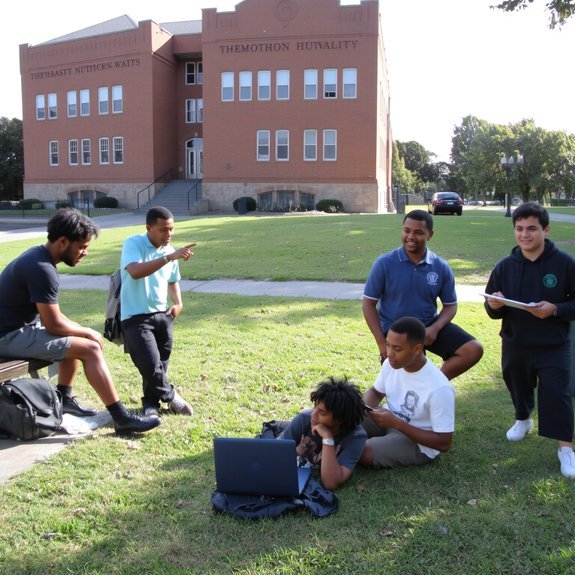
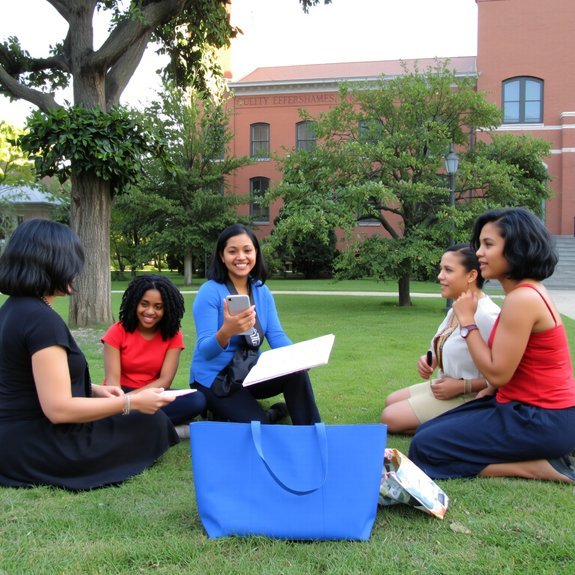
You walk into a virtual classroom that smells faintly of coffee and tradition, and I promise, it’s not what you expect. HBCUs are remixing old-school mentoring with slick online tools, weaving drumbeat discussion circles into Zoom breakout rooms, and turning dorm-room struggle into resilient, skills-first learning—sometimes with duct-taped webcams and genius. Stick around, I’ll show you how they make culture, care, and tech work together—without the usual corporate gloss.
Key Takeaways
- HBCUs blend culturally responsive pedagogy with online formats, using Black-centered readings, community case studies, and identity-affirming content.
- Hybrid models combine in-person labs and livestreamed instruction with breakout collaboration and flexible deadlines to boost engagement.
- Low-cost tech strategies—refurbished laptops, open-source LMS, mesh Wi-Fi, and student tech aides—expand access and reliability.
- Robust virtual support includes 24/7 chat, online tutoring, discreet mental-health counseling, and career coaching via mock interviews.
- Continuous measurement and iterative changes—tracking retention, completion, and employment—drive evidence-based course improvements.
Historical Roots and Contemporary Relevance of HBCU Pedagogy
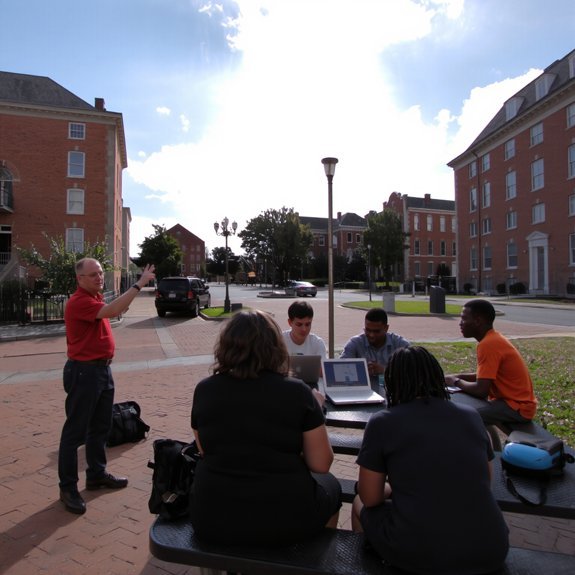
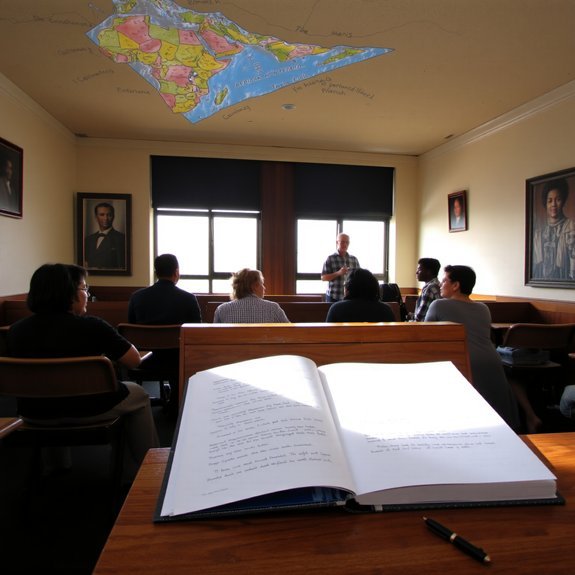
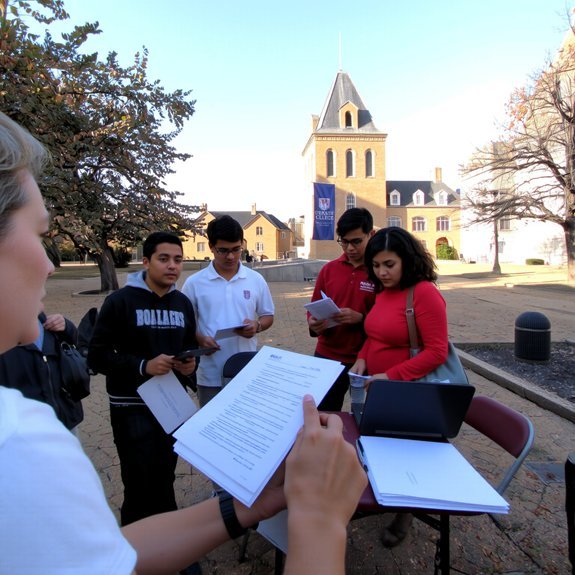
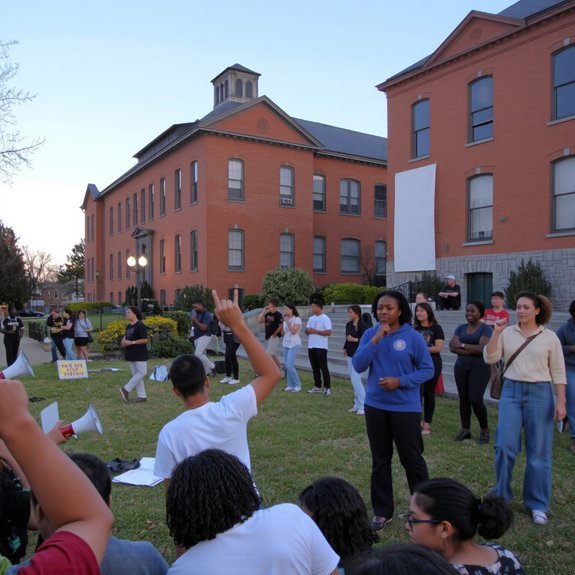
If you trace the classroom back far enough, you’ll hear footsteps—old wooden floors creak, voices ripple, and a hymn hums in the background. You step in, dust motes floating, and I point out how those halls taught resilience, curiosity, and fierce care. You’ll feel tradition as a warm coat, stitched by teachers who knew your name before you sat down. You notice practical pedagogy—discussion circles, mentoring, hands-on labs—methods born from necessity, now sharpened by scholarship. You’ll see relevance: critical thinking, community leadership, culturally rooted examples that make ideas stick. I’ll admit I’m smitten; okay, mildly obsessed. You leave knowing HBCU pedagogy isn’t antique—it’s adaptive, urgent, and ready for the digital leap.
Culturally Responsive Curriculum for the Virtual Classroom
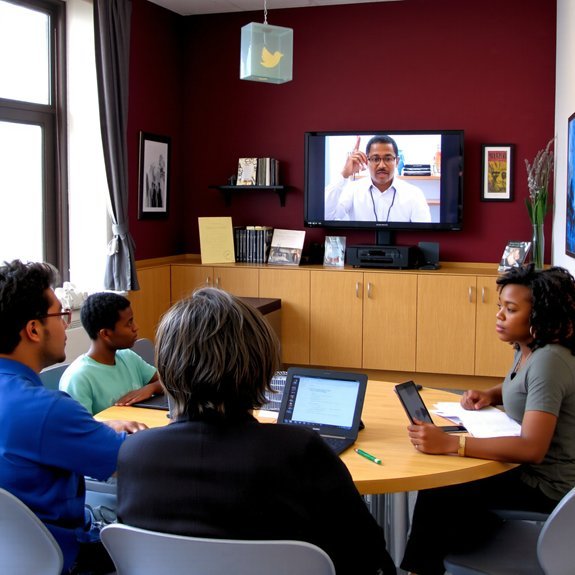
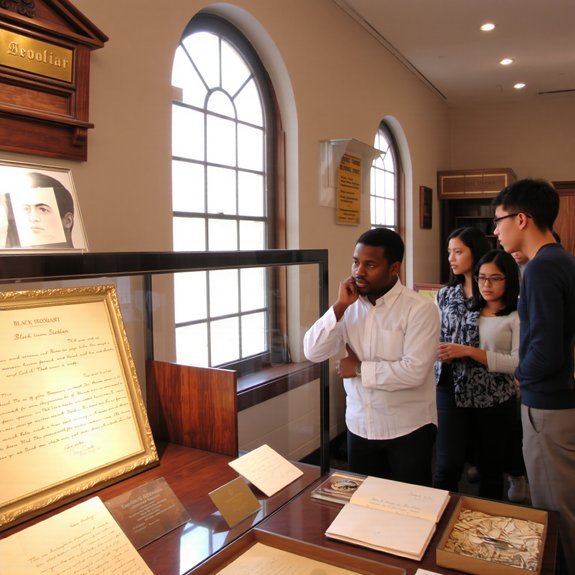
When you slide into a virtual classroom that actually knows you, something clicks — not just in your head, but in your shoulders, like a weight lifted; I want that for every student. You’ll notice references that land, stories that mirror your neighborhood, images that show faces like yours. I pull readings from Black poets, add case studies rooted in community, and ask questions that feel honest, not performative. You get choices—how to respond, which media to use, when to speak up. I nudge, you experiment, we laugh at awkward analogies. Feedback is quick, specific, kind. Tech won’t be a barrier to belonging, it’ll be a stage for identity. That’s curriculum with heart, craft, and a clear welcome mat.
Low-Cost Technology Strategies and Infrastructure Solutions

Because budgets don’t grow on wishful thinking, I’m going to show you how to stretch every dollar without sacrificing dignity or signal strength. You’ll scout refurbished laptops, haggle like it’s a tailgate, and prioritize battery life over bling. I’ll point you to open-source LMS tools that hum quietly, no subscription scream. Set up mesh Wi‑Fi in the commons, tuck routers on high shelves, and watch dead zones die. Train student tech aides, pay them in stipends and pride, then let them fix a frozen screen faster than you can say “update.” Bundle analytics with privacy-first plugins, squeeze the most from cloud credits, and tap community fiber grants. It’s gritty, smart, and doable — you’ll laugh at how far a dollar can go.
Hybrid Models That Center Community and Flexible Learning
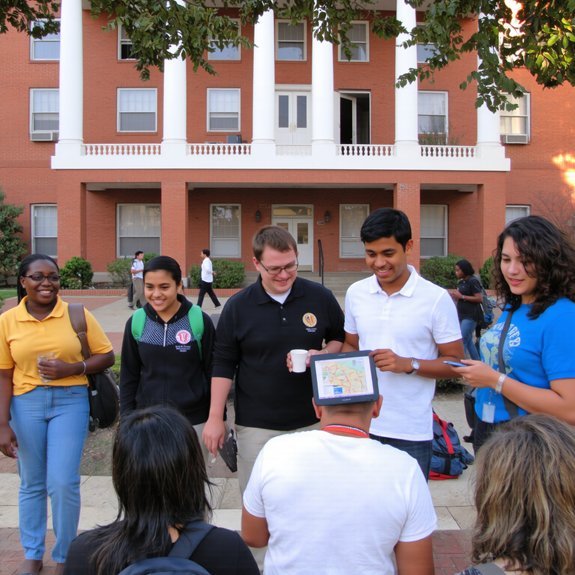
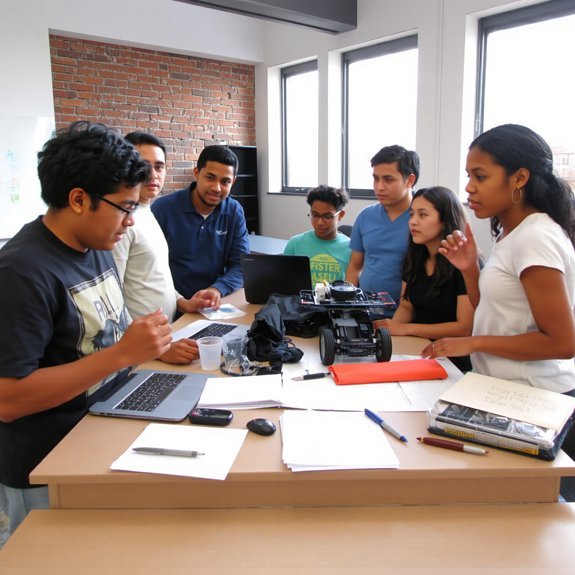
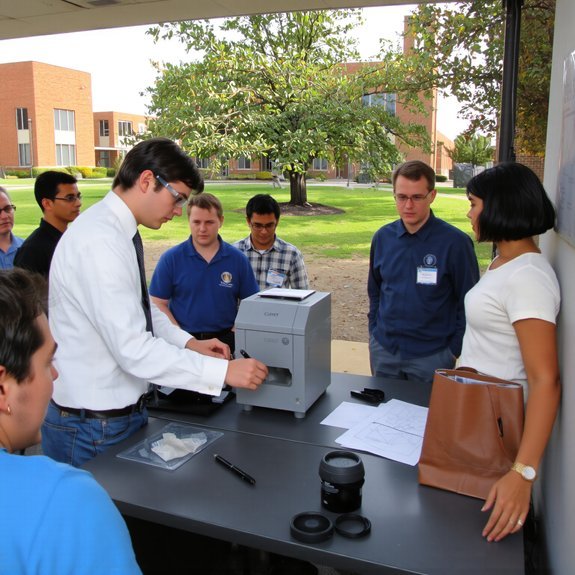
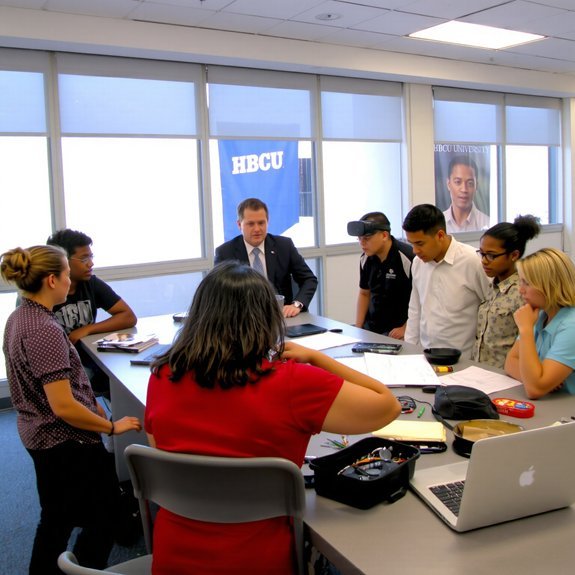
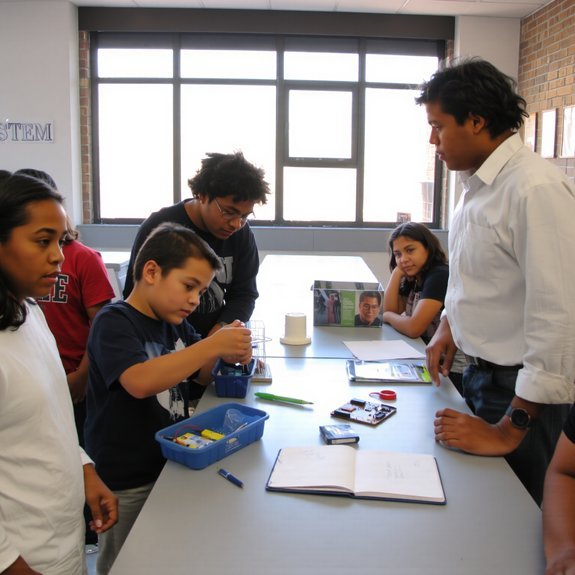
Though you might picture hybrid learning as split screens and stiff Zoom faces, I promise it can smell like coffee, feel like a hallway chat, and actually help students finish what they started. You’ll walk into a room, pull up a chair, and log into a class where half the crew greets you in person, the rest pops up on a big, friendly screen. You hear laughter, shuffling papers, a professor tapping a tablet, someone saying, “Wait, let me share that.” You join breakout groups that blend couch-side banter with campus energy, deadlines bend around life, office hours happen in cafes and chat threads, and labs pair hands-on kits with guided livestreams. It’s flexible, rooted, and built to keep you engaged, not isolated.
Student Support Services Adapted for Remote Learners
If you picture student services as a sleepy office with a single stapler and a plant that’s seen better days, think again — we’re turning that vibe into a buzzing virtual hangout you actually want to visit. I’ll meet you at a tiled scheduler, we’ll click into a bright video room where advisors wear headphones, not ties, and you’ll feel the welcome like warm coffee. You get 24/7 chat, text nudges for deadlines, and quick virtual tutoring that shows your screen, points, and laughs when you mess up a comma. Mental health counselors offer discreet video sessions, career coaches host live mock interviews, and tech help walks you through login glitches, step by patient step. It’s support that’s fast, human, and built for your life.
Faculty Development and Inclusive Online Teaching Practices
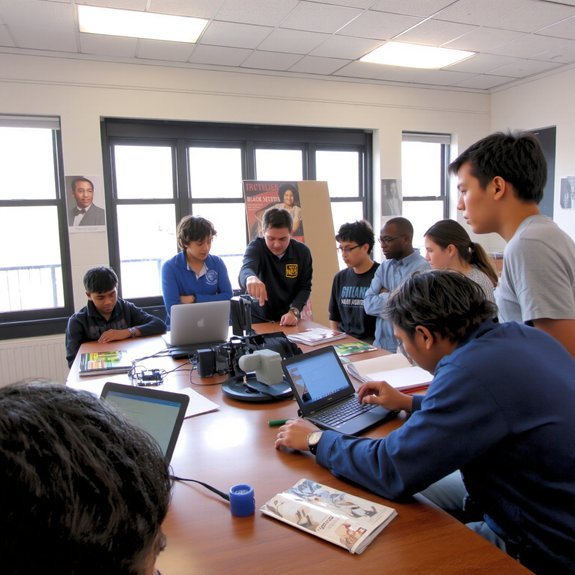
You liked the virtual help desk — I did too — but now picture the other side of that screen: instructors, late-night grading faces lit by laptop glow, and the extra gear they need to teach like pros online. You watch them learn camera framing, captioning, and mic tricks, fumbling at first, then fluent. I joke that faculty go from analog sages to streaming stars overnight, but it’s real work: accessible slides, shorter video bites, clear captions, multiple engagement paths so every student can join. You’ll see workshops, peer coaching, quick feedback loops, and tiny grants for better webcams or software. You feel the pride when a reluctant professor finally cracks a breakout room, hears laughter, and knows inclusion won.
Strategic Partnerships and Community-Based Learning Online
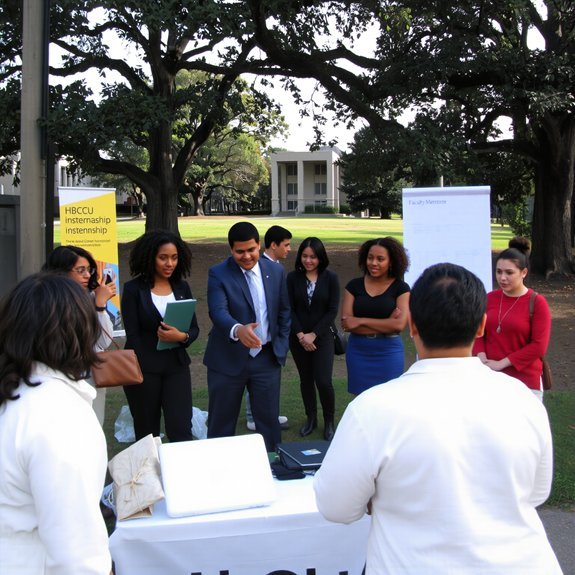
You’ll want to stitch community voices into course design, so students smell the coffee of real problems and hear local leaders in the lectures. Partner with neighborhood orgs and offer internships that turn into credentials, I’ll cheer you on and try not to trip over the paperwork. Picture a student in a small nonprofit’s office, laptop open, logging credits while learning to fix things that actually matter—now that’s online learning with muscle.
Community-Driven Course Design
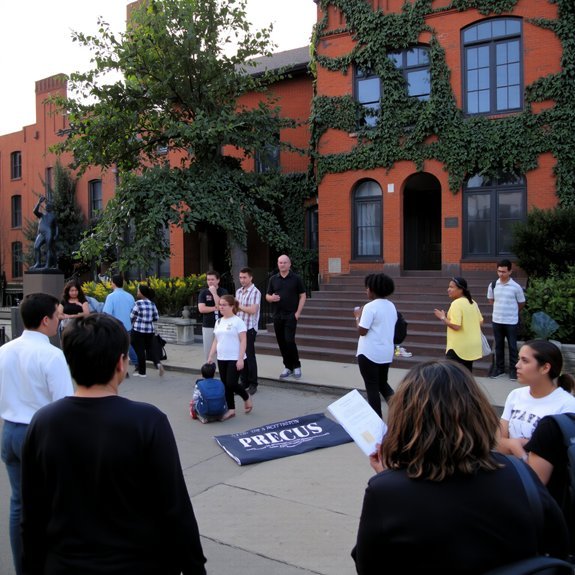
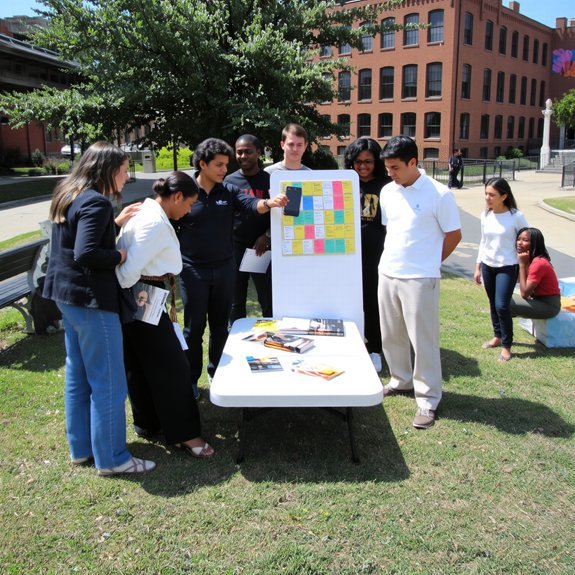
When I say community-driven course design, I mean courses born from real neighborhood needs, not committee memos—and yes, that sounds dramatic, but stick with me. You walk into a block meeting, smell frying plantains, hear someone say, “We need skills, not lectures,” and suddenly you’re sketching a syllabus on a napkin. You interview barbers, teachers, pastors, and teens, listen—really listen—then fold those stories into assignments, videos, and field labs. You’ll map learning to local problems, test prototypes in church basements, tweak after honest feedback, and laugh at your first awkward lesson. The result? Courses that feel lived-in, useful, and tidy enough to pass, messy enough to change lives. It’s hands-on, neighbor-first pedagogy.
Local Organization Collaborations
Three partners can change a neighborhood curriculum faster than a dozen well-meaning emails. I’ve seen it: you walk into a rec center that smells like fried plantains and paperwork, and suddenly a syllabus feels alive. You broker meetings, you listen, you laugh, you draft modules that actually match local needs. You don’t just lecture; you co-create projects with small businesses, churches, and libraries.
- Host community-based online labs that use real storefront data.
- Train volunteers to mentor students in hybrid workshops, hands-on.
- Share platforms and funding for accessible broadband pop-ups.
You’ll stumble, you’ll apologize, you’ll tweak. It’s messy, tactile, human work — and it’s how classrooms stop being distant, and start being neighborhood fixtures.
Internship-To-Credential Pathways
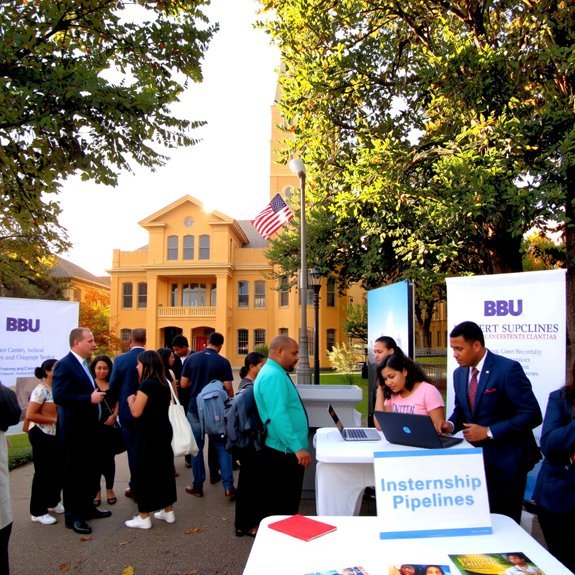
If we stitch internships into credential programs — not as an afterthought, but as the loom — you’ll see how theory stops being a PowerPoint and starts smelling faintly of coffee and printer ink at a barber shop on a Tuesday morning. You’ll watch students clock real hours, log real tasks, and collect micro-credentials that matter to employers. You get partnerships with local firms, nonprofits, even city agencies, where supervisors become adjunct mentors, and Zoom office hours feel like on-site check-ins. You’ll design short online modules, then send learners into community settings to practice, reflect, and upload evidence. It’s nimble, accountable, and kind of genius. You build trust, shorten hiring cycles, and turn resumes into stories employers actually read.
Measuring Impact: Outcomes, Retention, and Continuous Improvement
Because you can’t improve what you don’t measure, I’m going to push you—gently, like a friend nudging you off the couch—into thinking about outcomes, retention, and continuous improvement as a single, living thing. I watch dashboards with you, sip bad coffee, and point out patterns that whisper, then shout. You’ll track grades, course completion, and post-grad jobs, then ask why a cohort dipped in month two. You’ll listen, adjust syllabi, and pilot a late-night tutoring chat, like tweaking a radio until a clear song plays.
- Collect meaningful metrics, not vanity stats.
- Close feedback loops, fast — student input to action.
- Iterate small, often; celebrate fixes loudly, failures quietly.
Conclusion
You’re walking out of this piece with a plan, not a lecture. I’ve seen HBCUs turn tiny budgets into classroom fireworks—seriously, sparks fly. You’ll feel the warmth of community in a Zoom breakout, smell the chalk of a lab bench in a hybrid demo, and hear a mentor say, “You got this.” Take their playbook: mix culture, tech, care, and grit. Try, tweak, listen, repeat. I’ll cheer from the sidelines.