Blog

  • How HBCUs Support STEM Education for Black Students

    How HBCUs Support STEM Education for Black Students

    You probably don’t know that many HBCU labs start with community problems, not abstracts — and that changes everything. Picture you, in a warehouse-turned-workshop, soldering a sensor for a neighbor’s water pump while a professor jokes about “real-world exams,” you learn by doing, get a mentor on speed-dial, and snag internships through alumni networks that actually call back. Stick around, I’ll show how those pieces fit like a roadmap.

    Key Takeaways

    • HBCUs create culturally responsive STEM classrooms connecting coursework to Black history and community issues.
    • Hands-on labs and undergraduate research opportunities give practical skills and confidence through coaching and allocated slots.
    • Near-peer mentors, study pods, and faculty advisors provide tailored academic and emotional support networks.
    • Partnerships with industry and government deliver internships, co-ops, sponsored labs, and direct hiring pipelines.
    • Financial aid, targeted scholarships, and retention programs reduce barriers and improve STEM persistence and graduation.

    Culturally Responsive Teaching Practices in STEM

    culturally responsive stem education

    When you walk into an HBCU STEM lab, you should smell solder and coffee, hear laughter and the tap of keys, and feel a curiosity that gets louder the closer you lean in — because culturally responsive teaching isn’t some dry policy memo, it’s the way we make that room belong to everyone. You’ll see professors who link equations to community fixes, who nod at your example and say, “Tell me more,” not “That’s wrong.” They use examples from Black history, music, and neighborhood tech, so concepts land where you already live. You get hands-on projects, real talk about barriers, and assessments that respect your voice. It’s practical, warm, rigorous, and yes, delightfully human — no boring lectures allowed.

    Mentoring and Peer Support Networks

    collaborative learning and support

    Because you can’t learn rocket science on an island, mentoring and peer networks turn HBCU STEM into a buzzing workshop where everyone’s got your back. You walk into labs smelling coffee and solder, you meet near-peer mentors who’ve been where you are, and they hand you shortcuts, scars, and cheer. You get honest feedback, late-night problem swaps, and someone who remembers your name.

    • Study pods that trade formulas and snacks, honestly the best therapy.
    • Faculty mentors who push, critique, and celebrate your wins loudly.
    • Peer tutors who demo techniques, then let you try, hands-on.
    • Student orgs that host mixers, hackathons, and sympathetic rant sessions.

    You leave smarter, braver, and less alone.

    Targeted Research and Laboratory Opportunities

    hands on research opportunities await

    If you plunge into an HBCU lab, you’ll feel it instantly — the hum of centrifuges, the zing of overhead lights, the low murmur of people who actually know what they’re doing and aren’t too pompous to help. You grab a pipette, and someone nudges you toward a microscope, they show you a trick, you grin like you just cracked a code. You get hands-on projects, faculty who double as coaches, and research slots set aside for students, not just grad scholars. You write proposals, collect data, troubleshoot late-night experiments, you learn the rituals of real science. That practical access builds confidence, sharpens skills, and makes the lab feel like yours, not a locked vault.

    Industry and Government Partnerships for Pathways to Careers

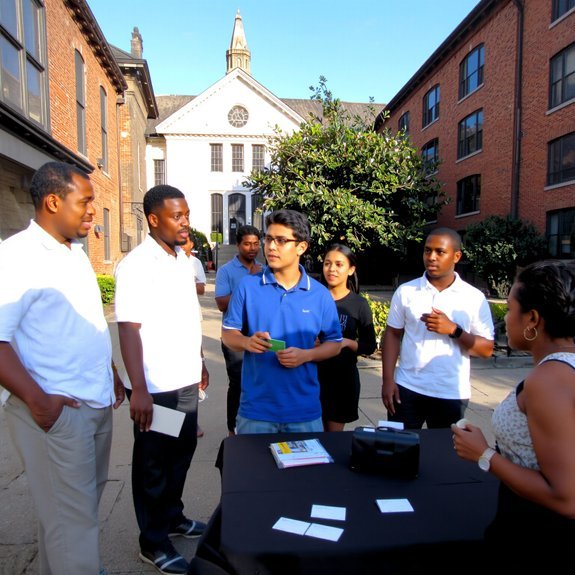
    Although you might picture an HBCU tucked away from the big leagues, I’ve seen them shake hands with industry and government so fast it sounds like applause — you smell coffee, hear phone calls, watch suitcases open with prototypes inside. You get internships, co-ops, and cleared summer gigs that actually pay, not just lunch. You meet mentors who draft résumés over espresso, recruiters who text you job offers, program managers who invite you to labs. It’s practical, not theoretical.

    • Corporate-sponsored labs that train you on real tools
    • Government internships that lead to security-cleared roles
    • Career fairs where hiring managers expect your portfolio
    • Apprenticeships turning projects into paid positions

    Trust me, these lanes get you to work, not just diplomas.

    Financial Aid, Scholarships, and Retention Programs

    When money talks, I listen—so you should too, because paying for college shouldn’t feel like a hostage negotiation. You’ll learn to hunt scholarships like a pro, scanning listings, polishing essays, and using campus advisors who know the secret codes; they’ll hand you FAFSA tips, grant leads, and emergency funds when rent threats loom. HBCUs bundle tuition waivers, STEM-specific awards, and paid research gigs so you can touch lab glass instead of living on ramen. Retention programs pair you with mentors, peer study groups, and counseling that catch slips before they become falls. You’ll get internships with stipends, workshop snacks, and real networking—small wins that add up. Trust me, the financial safety net here actually holds.

    Conclusion

    You’ve seen how HBCUs light up STEM for Black students—hands-on labs that smell like solder and coffee, mentors who push you and laugh with you, scholarships that stop you from wondering how rent gets paid. I’ll tell you straight: I’ve watched futures flip like a switch. You’ll leave with skills, networks, and confidence, not just papers, and that’s the real magic—like finding a lighthouse in fog, steady and bright.

  • How HBCUs Have Influenced Music, Arts, and Culture

    How HBCUs Have Influenced Music, Arts, and Culture

    About 70% of major Black music movements trace roots back to HBCU campuses, and you’ll feel that in the stomp of a band and the hush before a gospel solo — it’s visceral, loud, and oddly intimate. I’ll walk you through brass so bright it stings, choirs that fold time, and theater that punches history in the ribs, but first imagine stepping onto a quad where tambourines clack and paint still smells like home — you’ll want to stick around.

    Key Takeaways

    • HBCUs cultivated gospel, jazz, hip-hop, and call-and-response traditions that shaped national Black musical styles and performance practices.
    • Marching bands transformed halftime into theatrical, genre-blending spectacles that influenced popular music choreography and showmanship.
    • Campus theater, dance, and spoken-word programs nurtured storytelling that connected historical memory with contemporary social critique.
    • Visual arts and design curricula promoted creative entrepreneurship, preparing artists to lead cultural industries and community projects.
    • HBCUs preserved Black heritage through archives, community workshops, and street theater, sustaining cultural activism across generations.

    The Rise of Black Musical Traditions on Campus

    vibrant hbcu musical traditions

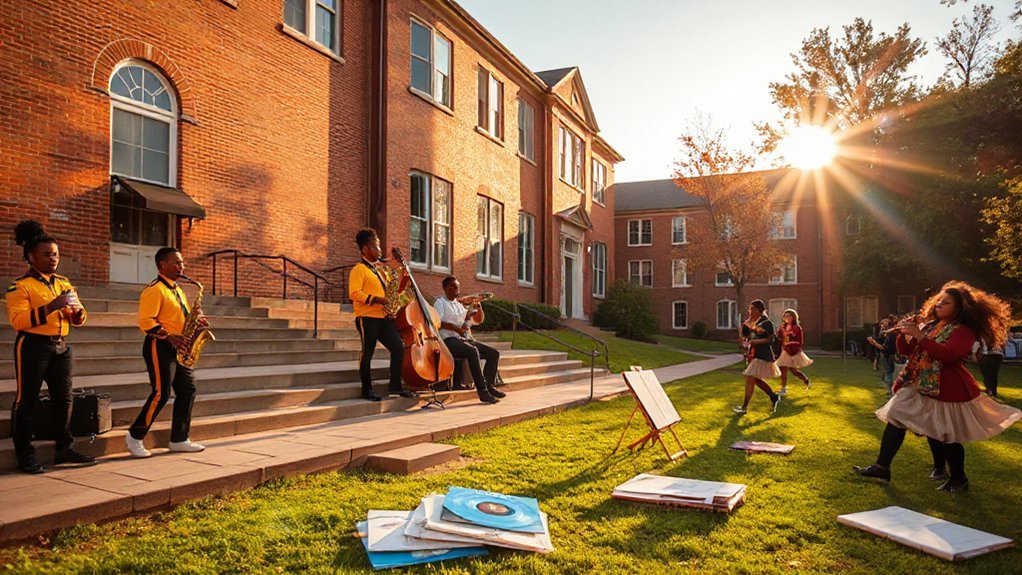
    When you walk onto an HBCU quad in spring, the air practically vibrates — brass and snare tapping out a heartbeat, voices threading gospel runs like bright ribbons, and someone somewhere always starts a call-and-response that spirals into laughter. You feel it in your chest, in the way feet find rhythm on cracked pavement, in the scent of stage makeup and cooked greens mingling. I’ll tell you, you can’t help but join; you sway, you clap, you hum the chorus under your breath like it’s yours. Choirs, jam sessions, spoken-word circles teach history by ear and muscle, they pass down spirit and protest, they make tradition lively, immediate, insistently present. You leave humming, changed.

    Marching Bands and Performance Innovation

    precision performance innovation excitement

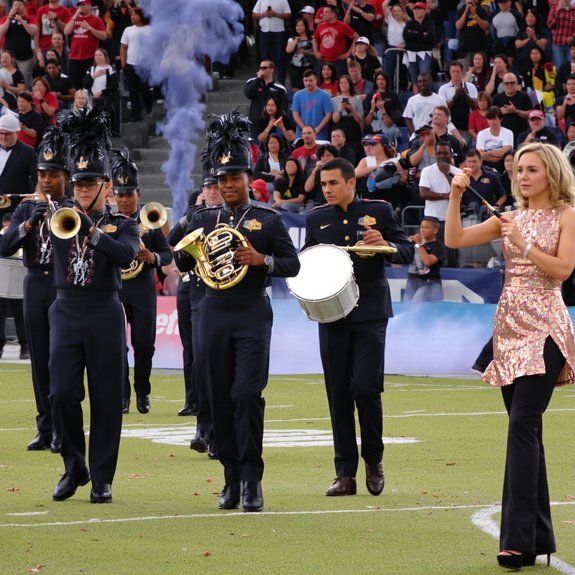
    If you think music on an HBCU campus is just background, think again — I promise the marching band will make you reconsider your life choices. You’ll feel the bass in your chest, see sequined uniforms flash, hear a drumline talk back like it’s daring you to clap, and I’ll grin because you’ll try and fail to stay seated. Bands invent choreography on the fly, stitch jazz and hip-hop into fanfares, and turn halftime into theater without a script. You’ll watch snap turns, crisp cymbal crashes, and a trumpet solo that steals your breath, then you’ll applaud like you’ve found religion. Trust me, once you’ve witnessed that precision chaos, campus life will never sound the same.

    Theater, Dance, and Literary Movements Emerging From HBCUS

    hbcu theater inspires creativity

    You think the band stole the show? I’ll argue otherwise, because when you step into an HBCU theater, you smell dust, paint, and applause, and you feel stories land like warm thunder. You watch dancers snap the air, feet carving history, while a chorus of student-writers reads lines that sting and soothe. I’ve seen workshops where scripts became movements, scenes turned into protests, and choreography translated speech into muscle. You hear rhythms in spoken-word slams, taste irony in comic timing, and notice legacy plays resurrecting elders’ laughter. You’ll meet mentors who demand truth, classmates who riff on classics, and productions that train you to think, feel, and act. Trust me, the stage here teaches everything.

    Visual Arts, Design, and Creative Entrepreneurship

    Studio light hums like a promise, and you’ll feel it hit canvases, screens, and sketchbooks the moment you step into an HBCU art room—paint fumes sweet, paper crisp, sneakers scuffing concrete. You learn technique here, but you also learn hustle. Professors push you, critique you, nudge you toward bold choices, and you answer with color and curiosity. You draft logos, build portfolios, pitch to real clients in classes that double as incubators. You launch zines, pop-up shops, and small studios from dorm-room ideas. Your peers become collaborators, collectors, cheerful saboteurs of bad taste. You graduate with a toolbox: craft, strategy, and grit. You walk out ready to sell a vision, because HBCUs teach you to make and market brilliance, fast.

    HBCUs as Hubs of Cultural Activism and Preservation

    While the chapel bells fade and the mural’s paint is still tacky, HBCUs are where culture gets both saved and sharpened; I’ll show you how. You walk campus paths, smell fresh paint and gumbo, hear chants turned into protest songs. I watch students archive quilts, rehearse protest dances, and record elders’ stories, all urgent, all tender.

    1. Archival nights: you handle brittle photos, you hear grandmama’s laugh on tape, you catalog memory with gloves on.
    2. Street theater: you join a march, shout a rehearsed line, perform history that won’t be ignored.
    3. Community workshops: you teach kids drum beats, they teach you stubborn joy.
    4. Preservation labs: you stabilize murals, mix pigments, touch history without breaking it.

    Conclusion

    You’ve seen how HBCUs turned campus halls into drumlines of history, how choirs filled air like warm syrup, and how artists sketched rebellion into bright murals. I’ve watched students rehearse until dawn, smelled brass and paint, felt the crowd roar—honest to heaven, it’s louder than a thunderclap. You carry that legacy now, a torch and a playlist. So go, make noise, create, preserve—don’t just admire it, add your own verse.

  • Famous HBCU Alumni and What They Studied

    Famous HBCU Alumni and What They Studied

    When you see a worn trumpet case and a law book side by side on a dorm bed, you glimpse how HBCU majors mix like a surprise recipe—one student becomes a senator, another a jazz legend. You’ll notice details: the cotton-candy light in the music hall, the quiet scrape of notes, the whisper of statutes, and I’ll point out who studied what and why it mattered. Keep going—there’s more to unpack.

    Key Takeaways

    • Many prominent political leaders studied political science, economics, education, or history at HBCUs.
    • Civil rights activists combined coursework in history, theology, and political science with grassroots organizing.
    • Renowned lawyers and judges honed rhetoric and legal reasoning through rigorous law programs and clinics.
    • Influential scientists, engineers, and medical alumni emerged from STEM majors and hands-on laboratory training.
    • Artists, musicians, and entrepreneurs developed craft, improvisation, and business skills in performing arts and business programs.

    Notable Political Leaders and Their Fields of Study

    campus studies influence leadership

    If you’ve ever wondered how a campus quad can turn into a launchpad for national leadership, you’re in the right place — and yes, I say that with a little proud chest-thump. You’ll meet senators who studied political science under live oaks, governors who dug into economics while juggling student rallies, and ambassadors who polished debate skills in tiny dorm rooms. Picture a campaign poster tacked to a bulletin board, coffee-stained notes, midnight strategy sessions — that’s where theory met hustle. I’ll point out who majored in history, who favored public policy, who surprised everyone by studying English before pivoting to politics. You’ll see patterns, odd pivots, and grit. Read on, and you’ll spot how study choices shaped bold careers.

    Trailblazers in Law and Justice Education

    hbcu law students perseverance

    You’ve seen how politics majors staged rallies under oak trees; now picture a different kind of hothouse: a cramped law library at midnight, the smell of coffee and toner, notebooks stacked like small city skylines. You poke through casebooks, you whisper to a study partner, you dream of courtrooms. These HBCU grads turned precedent-makers, defense champions, civil-rights warriors. I’ll point out traits, not biographies — you’ll want the headlines, not my gossip.

    Cramped law libraries at midnight — coffee, casebooks, whispered study sessions — HBCU grads forging precedent, justice, and relentless grit.

    1. Tenacity — they argue through exhaustion, they file briefs at dawn.
    2. Community — they mentor younger students, they build clinics that serve neighbors.
    3. Rigor — they master logic, they practice rhetoric until it sounds effortless.

    You smile, you feel inspired, you might even open a law book tonight.

    Pioneering Scientists, Engineers, and Medical Graduates

    curiosity fuels scientific achievement

    Laboratory smells like victory and burnt popcorn—seriously, soldering irons and Bunsen burners have a weird marriage—and I can still picture the dim hall where we stayed late, the fluorescent hum, the frantic scribble of calculus on napkins. You meet alumni who turned stubborn curiosity into careers: a biomedical researcher who pipetted at 3 a.m., an electrical engineer who fixed campus lights and later satellites, a surgeon who steadied trembling hands with nerve, a chemical engineer who smelled trouble before detectors did. You’ll hear lab jokes, a burned circuit story, the proud silence after a successful trial. They learned grit, protocols, and patience, and they built tools that save lives, map stars, and sharpen industry. You nod, inspired, thinking maybe you could do this too.

    Influential Artists, Musicians, and Performing Arts Majors

    When I walk into a rehearsal hall from an HBCU, the air smells like fresh chalk, stage flour, and someone’s too-strong coffee — comforting chaos. You watch dancers rehearse counts, painters seal canvases, singers warm vowels until the rafters agree. I nudge you toward alumni who turned practice rooms into professions, who learned craft with grit, humor, and late-night critiques.

    Walking into an HBCU rehearsal hall: chalk, stage flour, strong coffee — practice rooms where grit becomes artistry.

    1. You meet the actor who studied theater, who learned breath control and biting honesty, then stole scenes on Broadway.
    2. You hear the jazz alum, trumpet polished, who studied music theory and improvisation, and made neighborhoods hum.
    3. You see the visual artist, studio stained, who studied fine arts and turned memory into murals.

    Business, Entrepreneurship, and Economics Backgrounds

    You’re about to meet HBCU founders who picked majors like accounting, management, and finance, and yes, some of them scribbled business plans in the margins during class. I’ll show how common business degree paths — BBA, MBA, and entrepreneurship programs — gave them tools, connections, and that stubborn confidence you can practically taste. Then we’ll trace how economics courses turned curious students into scrappy entrepreneurs, the kind who launch startups from dorm rooms and neighborhood barbershops.

    HBCU Founders’ Majors

    Because founders from HBCUs often learned to hustle in classrooms and on sidewalks, their majors in business, entrepreneurship, and economics feel less like theory and more like tools you can pocket, shake, and use when opportunity knocks. I’ll tell you straight: you study ledgers, you study markets, you study grit, and then you’re expected to sell ice to someone in summer. You smell coffee, you tap a calculator, you pitch between classes. Those majors teach you to spot a gap, draft a plan, and pivot fast.

    1. They teach practical frameworks you can use right away.
    2. They train negotiation, risk-reading, and persuasive storytelling.
    3. They build a mindset that converts ideas into money-making moves.

    Business Degree Paths

    Picture a dorm-room desk scattered with sticky notes, a half-drunk coffee, and a laptop glowing with three tabs open to spreadsheets, pitch decks, and internship listings—I lived there, and so will you, if you chase business, entrepreneurship, or economics at an HBCU. You’ll take accounting nights, marketing mornings, and ethics in between, hands stained with highlighter ink and confidence bruises. I’ll tell you straight: stats and Excel become your rhythm section, networking your secret sauce. You’ll pitch in classrooms, revise at midnight, and win small bets that turn into internships. Professors call you out, alumni slide into DMs, and group projects teach diplomacy the hard way. It’s practical, sweaty, thrilling work—mindset over flash, persistence over luck.

    Economics to Entrepreneurship

    If you learn to read a balance sheet like a gossip column, you’ll start spotting opportunities everywhere—old dorm furniture becomes a pop-up’s first inventory, a group chat gripe turns into a side hustle, and that weird econ prof’s obsession with marginal cost actually saves your launch. You’ll trade lecture notes for pitch decks, smell coffee at 3 a.m., and turn campus walks into customer discovery missions. I poke, I prod, I fail fast, then laugh about it.

    1. Study demand, price it right, sell something people actually want.
    2. Network loud, ask awkward questions, collect favors like business cards.
    3. Pivot quick, track margins, protect cash like it’s bedtime.

    You’ll build with grit, charm, and spreadsheets.

    Educators, Activists, and Social Science Scholars

    You’re about to meet trailblazing Black educators who shook up classrooms and communities, and yes, I’ll brag a little about their bold moves. Imagine porch meetings, chalk dust in the air, and activists who turned study into strategy—we’ll look at how civil rights leaders’ studies shaped policy and protest. Then I’ll map real social science career paths, from classroom to think tank, so you can see how ideas turn into action.

    Trailblazing Black Educators

    When I teach this chapter, I tell students up front: these trailblazers didn’t just stand at podiums and give speeches — they built schools, changed curricula, marched in the streets, and sat at kitchen tables to argue about democracy until dawn. You’ll meet teachers who mapped futures, who chalked lessons with trembling hands and fierce resolve. You smell hot coffee, old books, fresh paint. You hear marching feet, whispered strategy, a bell for class. I nudge you, yes you, to notice how study choices shaped tactics. Quick list, so you don’t doze:

    1. Curriculum designers — made knowledge matter.
    2. Community organizers — turned classrooms into hubs.
    3. Social scientists — used data to demand change.

    I wink, because history’s stubbornly human, and you’re invited.

    Civil Rights Leaders’ Studies

    We’ve been talking about chalk dust and late-night strategy sessions, now let’s walk into the rooms where lesson plans met protest signs. You’ll see alumni who studied education, theology, history, and political science, then turned classrooms into organizing hubs. You smell coffee, chalk, and urgency. You hear quick whispers—“Sit here, keep watch”—then boom, a register walkout. I point out how studying rhetoric sharpened speeches, how sociology revealed systems, how philosophy taught moral clarity. You notice notebooks stuffed with sermon notes and leaflets. These folks taught, counseled, preached, then marched. They used curricula as cover and knowledge as ammunition. It’s messy, brave work, and yes, they made mistakes, learned, and kept going—like you would, if the cause kept calling.

    Social Science Career Paths

    If you walked into those old lecture halls expecting dusty theories, you’d be happily wrong—because for many HBCU grads, social science was a toolkit, not a textbook. You’ll meet teachers who smelled of chalk and coffee, organizers shouting into megaphones, researchers hunched over notebooks. I watch you lean in, curious, and I’ll tell you straight: these paths taught you to listen, map power, and act.

    1. Educators — you shape classrooms, you spark curiosity, you hand out hope like homework.
    2. Activists — you mobilize neighbors, you chant in the rain, you turn outrage into strategy.
    3. Scholars — you dig archives, you question assumptions, you make theory useful.

    You’ll leave energized, sleeves rolled, ready to do the work.

    Conclusion

    You hold a map, though it’s paper-thin and stained with coffee—still, it guides you. I’ve pointed out the roads: law, labs, stages, boardrooms, classrooms, streets. Each HBCU alumni is a compass needle, steady and true, humming with study and grit. You’ll see their degrees like badges, but feel the impact like footsteps on your porch. Take a breath, pick a path, and know you’re following a trail already lit.

  • How HBCUs Contribute to Black Wealth and Entrepreneurship

    How HBCUs Contribute to Black Wealth and Entrepreneurship

    You walk onto an HBCU quad, feel the warm brick under your hand, and hear somebody calling out a startup pitch between classes — that’s not accidental. I’ll tell you straight: these schools teach skills that matter, connect you to mentors who actually care, and funnel real money and job doors your way, so you can build weatherproof wealth. Stick around — I’ve got the receipts and the playbook.

    Key Takeaways

    • HBCUs provide culturally relevant education and practical skills (finance, law, coding) that prepare students for entrepreneurship and wealth-building.
    • Campus incubators and accelerators offer mentorship, product development, and early-stage funding to launch student and alumni ventures.
    • Strong alumni networks and sustained mentorship connect graduates to job leads, investors, and long-term business support.
    • HBCU-driven community programs (maker markets, pop-up shops, student gardens) create local revenue opportunities and hands-on business experience.
    • Policy advocacy and bank partnerships expand access to capital, favorable procurement, and local economic development that grow Black-owned wealth.

    The Historical Role of HBCUs in Economic Mobility

    ladders of economic opportunity

    When I walk onto an HBCU quad, I can almost hear the past tapping its foot—stubborn, patient, proud—and you feel it too, whether you’re a freshman hauling a coffee or an alum tracing the molding on a brick column. You learn how these schools turned scarce resources into ladders, taught trades in lamp-lit rooms, and pushed graduates into offices, farms, and storefronts that otherwise would’ve stayed closed. You see mortar and ambition mixed together, smell chalk and lunchroom stew, hear commencement speeches that double as strategy sessions. You get mentors who hand you ledgers and courage, networks that feel like extended family, and a quiet promise: show up, work, build. Yes, they made wealth possible, step by stubborn step.

    Culturally Relevant Curricula and Skill Development

    culturally relevant skill development

    Because classrooms should feel like home, I make sure the lessons smell of familiar things—collard greens and motor oil, gospel and garage-band riffs—so you don’t just learn a concept, you recognize it in your life. You walk into labs where textbooks share shelf space with family recipes and neighborhood maps. I teach finance with examples from corner stores, law through church bylaws, coding by automating everyday chores. You practice pitching to real community partners, build prototypes for local problems, and get graded on hustle and heart. I nudge you, sometimes stern, often amused, to own your voice and your skillset. These courses give you tools, language, confidence — so when opportunity knocks, you answer, hands steady, plan ready, grin intact.

    Mentorship Networks and Alumni Support Systems

    mentorship fosters meaningful connections

    Envision this: I tap your shoulder in the quad, hand you a coffee that’s too strong, and say, “You need a guide.” I’ve been that nudge, that voicemail at midnight, that alum who shows up with a resume and a job lead, because mentoring here isn’t a checkbox — it’s a practice. You get mentors who read your draft, critique your pitch, and complain about commas like it’s therapy. They invite you to dinners, slide into your inbox with industry rumors, and pull strings without fanfare. Alumni breakfasts smell like strong coffee and second chances. You’re handed business cards and hard truths, encouraged to fail fast, try again. Those ties turn into introductions, seed money, and a stubborn belief that you belong at the table.

    HBCU-Based Incubators, Accelerators, and Pitch Programs

    You’re standing in a bright campus lab, coffee cooling by your laptop, and I’m here to tell you HBCU-run incubators turn nervous ideas into tangible products, with mentors showing you how to solder a prototype and pitch it without sweating. You’ll see accelerator partnerships bring in outside funding and corporate expertise, they sling term sheets and critique your slides like friendly, brutal coaches. So grab a notepad, practice your one-liner with me, and let’s map how campus programs and pitch nights can actually put capital and connections in your hands.

    Campus Startup Incubators

    When I walk onto an HBCU quad and hear the hum — laptops clicking, mentors laughing, pizza boxes rustling — I know something electric is happening: campus incubators. You’ll find scrappy teams prototyping in converted classrooms, sticky notes plastered like confetti, and that delicious smell of ambition — burnt coffee, fresh ideas. I nudge a student testing a prototype, they grin, “It works,” I high-five, we both laugh. You get coaching in real time, legal clinics, workshops that cut through jargon, and peers who’ll call you out, kindly. These spaces teach you to pitch, iterate, fail fast, and pivot smarter. They turn coursework into company-building, leverage campus culture, and make entrepreneurship feel like a team sport you actually want to join.

    Accelerator Partnerships & Funding

    I saunter out of the incubator with coffee on my breath and a sticky note stuck to my shoe, and I’m thinking: great ideas only get you so far — money and connections finish the job. You walk in hungry, you walk out with a stack of pitch decks and a blazer that doesn’t smell like ramen. HBCU accelerators link you to alumni investors, corporate partners, and mentors who actually get your story. They run brutal, loving demo days, cut checks, and open doors to revenue, not just applause. You’ll practice a thirty-second hook until it snaps, then deliver it to people who can write checks. That bridge from campus hustle to funded business is where Black wealth starts getting built.

    Access to Capital: HBCU Partnerships and Financial Institutions

    You’re standing in the student center, coffee warm in your hand, hearing about a campus loan program that actually helps graduates start businesses instead of burying them in paperwork — I’ll admit it makes me a little jealous. Picture local banks and HBCUs high-fiving over tailored credit lines, shared underwriting, and financial literacy workshops, where real people explain credit like it’s not rocket science. Let’s talk about how these campus-based loans and bank–HBCU partnerships can turn ideas into payroll, not just promises.

    Campus-Based Loan Programs

    Three core partners usually make campus-based loan programs hum: the HBCU, a local or national lender, and a campus office that actually knows students’ names. You walk into that office, smell coffee, hear laughter, and someone already has your file open. I’ll tell you straight: these programs wrap flexible credit around real student needs, with lower rates, tailored repayment, and emergency bridges when rent or supplies hit. You get counseling, budgeting drills, and a contact who texts back. They fund internships, seed microbusinesses, and stop small crises from derailing big dreams. It’s practical generosity, with paperwork that actually helps. You leave feeling seen, with a loan that’s a ladder, not a trap—smart, humane, and frankly, overdue.

    Bank-Hbcu Partnerships

    When banks and HBCUs link arms, sparks fly — sometimes the good kind, like the smell of fresh coffee in a student services office when a counselor slides a grant form across the desk. You get access to capital, mentorship, and real-world internships, without the usual corporate distance. I’ve watched bankers hand over seed money at pitch nights, nods serious, smiles relieved. You pitch, they quiz, you leave with a term sheet, or at least a sharper plan. Partnerships fund startups, underwrite community projects, and build credit pathways that stick. They sponsor financial literacy workshops, co-create incubators, and open doors that used to be locked. Sure, there’s paperwork, protocols, ego checks — but you walk away richer in knowledge and opportunity.

    Workforce Pipelines and Employer Relationships

    If we want HBCUs to turn diplomas into paychecks, we’ve got to treat employer relationships like a rooftop garden—tended, planted with intention, and showing off at graduation. You’ll build internships that smell like coffee and real work, not menial tasks, where employers mentor, judge, and then hire. I’ll set up pipeline events that feel like speed dating for careers: crisp resumes, quick interviews, awkward laughs, handshake deals. You’ll track placements, tuition-to-salary metrics, and use that data like fertilizer. Bring employers onto campus, into classrooms, let students touch tools, pitch projects, and solve problems under pressure. Negotiate paid apprenticeships, clear pathways from entry roles to leadership, and brag about alumni wins. Do this, and those diplomas start paying rent.

    Community Engagement and Local Business Ecosystems

    You’ve built those employer pipelines and watched students walk out with paychecks — now let’s push that energy into the neighborhood outside the quad. You’ll knock on doors, smell coffee from new cafés, and see students swap résumés for storefront keys. You’ll coach a neighbor through a first loan application, celebrate a popup that sells out, and cheer when a barber hires an intern. This feels hands-on, not preachy.

    • Host weekend maker markets that smell like cinnamon and ambition.
    • Run quick business clinics, honest and blunt, with free snacks.
    • Turn empty lots into student-run gardens and pop-up shops.
    • Match alumni mentors with local founders for monthly check-ins.

    You’ll get your hands dirty, and the block will hum back.

    Policy Opportunities to Amplify HBCU Economic Impact

    Because policy shapes pathways, I want us to think like both campus organizers and city planners — loud, practical, a little stubborn. Hear me: you push zoning reforms that let HBCUs host makerspaces and coffee-roasteries next to classrooms, smell of espresso mixed with solder. You lobby for procurement rules that favor campus-based Black suppliers, clapping when contracts land. You tie workforce grants to apprenticeships, so students get paychecks and real tools. Picture tax credits that reward building rehab, scaffolding glinting in morning sun. Don’t forget seed funds, small and nimble, handed out fast, like friendly pocket change. Speak at council meetings, draft clear ordinances, build coalitions. Be persistent, witty, reasonable — and annoyingly effective.

    Conclusion

    You’ve seen how HBCUs hustle — history, hands-on help, hometown hubs. I’ll say it straight: you can’t ignore their power to propel people. Picture a campus buzzing, business plans clutched, mentors smiling, money moving. I cheer, I nudge, I dare you to act. Support schools, seed startups, shift policy. Simple steps, seismic shifts. Bold, bright, brave — build Black businesses, boost Black balance sheets, believe in better.

  • How HBCUs Have Shaped Black Leadership in America

    How HBCUs Have Shaped Black Leadership in America

    Like a quiet thunder in the footsteps of Frederick Douglass, you’ll feel HBCUs before you fully name them — you walk their quads, smell cut grass and old books, and hear mentors who say, “Try it, then tell me why.” I’ll point out how those classrooms turn curiosity into courage, how tight-knit networks open doors you didn’t know existed, and how alumni show up in courtrooms and capitols with grit and grace — but I’m getting ahead of myself, so stick around.

    Key Takeaways

    • Founded after the Civil War, HBCUs provided accessible education and practical skills that created the first generations of Black professionals and leaders.
    • HBCU campuses served as incubators for civil rights activism, training students in organizing, nonviolent protest, and political strategy.
    • Experiential academic culture—debates, public speaking, and hands-on projects—built confidence and leadership competence in students.
    • Strong mentorship, alumni networks, and community ties created support systems that propelled graduates into politics, business, and law.
    • HBCU alumni pipelines have consistently diversified leadership across local, national, and corporate institutions.

    Origins and Early Mission of HBCUs

    community knowledge transforms power

    If you step back in time, you’ll almost smell the coal oil lamps and hear scratchy footsteps across wooden floors—because when HBCUs were born after the Civil War, they sprung from urgent, very human needs. You see freed people hungry for reading, for trades, for leadership, and they built schools with grit, song, and stubborn hope. I’ll tell you straight: these places taught math and manners, carpentry and civic courage, and they insisted you matter. You’ll picture small classrooms, chalk dust in hair, a teacher tapping a desk, saying, “You can.” That voice became gospel. Those early missions trained pastors, teachers, artisans, activists, leaders—folk who took community knowledge and turned it into power, steadily, deliberately.

    HBCUs and the Civil Rights Movement

    hbcus forged civil rights

    When the world got loud with buses burning and courtrooms creaking, HBCUs answered like a drumbeat you could feel in your chest; I listened to those drums, and they taught me how to march. You stood on cramped porches, felt the humidity stick to your collar, and heard student speakers spit truth that made your spine straighten. Faculty drafted strategies in dim offices, hands stained with coffee, maps spread like battle plans. You learned nonviolent lines, then practiced them until your voice didn’t shake. You chained your body to a lunch counter, tasted metal and grit, and felt solidarity tighten like a belt. Those campuses trained you to organize, to speak, to risk, to laugh nervously before stepping into history — sometimes clumsy, always committed.

    Academic Culture That Fosters Leadership

    learn by doing together

    Because you can’t learn to lead from a lecture alone, I watched leadership grow in classrooms that smelled like chalk dust and strong coffee, with posters thumbtacked crooked and windows that let in April heat and argument both. You learn by doing, by stumbling through debates, by presenting a shaky thesis and having your classmates call you out—lovingly, loudly. Professors push you, not politely, but with that sharp kindness that means they care enough to break you and rebuild you smarter. You build confidence in messy labs, late-night study groups, student-run newspapers with glue on their fingers. You practice public speaking at noon, fail spectacularly, laugh it off, try again. That hands-on, honest culture trains you to think fast, speak clear, and lead with purpose.

    Mentorship, Networks, and Community Commitment

    While mentors hand you the map, it’s the late-night detours and hallway pep talks that teach you how to read it. You learn leadership in crowded cafeterias, hands warm around Styrofoam cups, advisors leaning in, saying, “Try this.” You trade résumés and recipes, laugh at foolish risks, then practice tough conversations in dorm lounges until they sound human. Alumni drop by, shake your hand, slip you a contact, and suddenly a network is a living thing, humming. You volunteer, teach younger students, and your commitment deepens; you don’t just climb, you build ladders. I watch you grow, stumble, get up, and keep going — wiser, bolder, connected. That’s community: practical, noisy, stubbornly loving, and utterly transformative.

    HBCU Alumni Impact in Politics, Business, and Law

    You’ll see HBCU grads showing up in city halls and courtrooms, a steady political leadership pipeline that’s as intentional as a march. I’ll point out the legal and corporate trailblazers who broke glass ceilings—think courtroom drama, boardroom banter, and the smell of coffee at dawn as plans get made. Stick with me, I’ll name names, tell quick stories, and show how those networks turn ambition into real power.

    Political Leadership Pipeline

    If you’ve ever watched a fiery commencement speech from an HBCU and felt your heart do a little drum roll, you’re not alone — I felt that too, right there in my cheap folding chair, cheering like it was the Super Bowl. You see how those campuses forge organizers, thinkers, and talkers who don’t just argue, they act. You’ll meet student government presidents cut from debate nights and canvassers turned city councilors, learning policy in cramped dorm rooms, chanting on hot afternoons, shaking hands until your wrist aches. Those rallies smell like sunblock and fried chicken, but they teach discipline, networks, grit. You’ll watch alumni run campaigns with a phone tree and a prayer, then win, then mentor the next kid who can’t stop dreaming.

    Think of a courtroom and a boardroom as twin stages, each lit a little too brightly, and you’ll see HBCU grads stepping into them like they were born to improvise. You watch someone I know—sharp suit, quicker smile—cross the marble, papers in hand, argue like they’re rewiring the rules. Then, cut to a glass tower, where another alum leans over a laptop, rewriting policy with the same calm ferocity. You feel the hum of fluorescent lights, smell coffee, hear confident laughter. They carry mentorship, ritual, and stubborn pride from campus to counsel table to C-suite. You learn, they hire, they sue, they scale. It’s practical magic, practiced and passed down, and yes, it’s delightfully effective.

    Contemporary Challenges and the Future of HBCU Leadership

    You and I both know the lights can flicker at HBCUs when funding and resources run thin, so we’re going to look at the cracks and the wiring. I’ll point out how a shaky leadership pipeline—fewer training programs, fewer mentorship hands reaching back—makes it harder to swap out bulbs without blowing a fuse. Stick with me, we’ll sketch practical fixes that smell like fresh paint and sound like a confident, new bell ringing on campus.

    Funding and Resource Gaps

    When I walk onto an HBCU campus, the air smells like fresh-cut grass, old books, and a hundred stories that didn’t get enough funding — and that’s not drama, it’s fact. You see worn labs, patched dorms, and a café line that’s half alumni memories, half unpaid invoices. You feel pride and frustration, at once. State budgets and donor attention often skip your halls, leaving programs to improvise, stretch, beg. Professors teach twice the load, advisors juggle crises, students hustle for scholarships like it’s a sport. You cheer when grants arrive, you wince when they vanish. This gap shapes choices, narrows options, slows growth. Still, you keep building brilliance with less, stubborn, creative, and unbowed.

    Leadership Pipeline Development

    Money shortages shape the halls, and they shape who gets to lead them next. You see worn creaky staircases, posters taped crooked, ambitious students who need mentoring, and you wonder how leaders emerge. I’ll be blunt, I’ve watched pipelines stall, then reroute, and I still believe you can fix this.

    1. Create paid internships, so talent stays, not drifts.
    2. Build alumni mentorship circles, honest talks, real favors.
    3. Partner with businesses for leadership labs, hands-on, noisy learning.
    4. Invest in faculty leadership training, they’re the incubators, not just graders.

    You’ll need persistence, a wink, and stubborn optimism. I’ll cheer, you’ll act, and together we’ll move those halls toward brighter, livelier leadership.

    Conclusion

    You’ve seen how HBCUs forged leaders, brick by brick, speech by speech. I’ll bet a million suns they’ve changed America’s course — no exaggeration. You’ll feel the pride when you picture classrooms buzzing, mentors tapping shoulders, and alumni arguing policy over coffee. I’m telling you this because I lived it on the page with you; you get the grit, the laughter, the late-night debates. Keep watching — their next chapter’s already in motion, and it’s yours to cheer.

  • How HBCU Alumni Networks Can Help Your Career

    How HBCU Alumni Networks Can Help Your Career

    When my old roommate nudged me toward an HBCU alumni mixer and I showed up in sneakers, I found a mentor who knew the hiring manager at my dream firm — and a barista who gave career tips between espresso shots. You’ll feel that instant, warm nudge: handshakes, side conversations, a résumé scribbled on a napkin, laughs that break the ice. Stick around, because those quick connections turn into referrals, advice, and opportunities you won’t get from a generic job board.

    Key Takeaways

    • HBCU alumni provide trusted referrals and warm introductions that speed hiring and open unposted job opportunities.
    • Alumni mentors offer culturally informed career guidance, résumé feedback, and interview preparation tailored to your goals.
    • Local chapters and events create visibility, internships, and networking pipelines with employers who actively recruit HBCU talent.
    • Sponsors within the network advocate for promotions and strategic opportunities, using their credibility to vouch for you.
    • Engaging on alumni platforms and social media builds relationships, shares resources, and sustains long-term professional support.

    Why HBCU Alumni Networks Matter for Career Growth

    authentic connections drive success

    A handful of people will tell you networking is about handing out business cards; they’re wrong, and I’ll tell you why. You get a living network, not a paper trail — warm voices on the phone, invites to small dinners, mentors who remember your name and your favorite coffee. You walk into rooms and see familiar faces, and that comfort makes you speak up, pitch better, ask for the job you want. Connections open doors to internships, hidden roles, and honest feedback that sharpens your resume, your interview, your confidence. You trade polished smiles for real help. You’ll find advocates who recommend you, share leads, coach you through setbacks, and celebrate wins with a backyard barbecue kind of pride. That’s career fuel.

    Finding and Joining Alumni Groups and Chapters

    join alumni groups actively

    Where do you start when the alumni world feels like a bustling market you’ve wandered into without a map? I’d nudge you toward the obvious: your school’s alumni site and social pages. Click, skim, bookmark. Smell the coffee at the chapter mixer, hear names ricochet, and introduce yourself—short, sharp, friendly. Join local chapters, specialty groups, and LinkedIn alumni lists; RSVP to one event before you decide you’re “too busy.” Email volunteer coordinators, slide into DMs with a quick hello, or call the office and ask what’s happening this month. Bring business cards or a clean digital contact, follow up within 48 hours, and add folks to a notes file. You’ll quickly know which groups feel like home, and which you’ll ghost—no shame.

    Leveraging Mentorship and Sponsorship Opportunities

    pursue mentorship and sponsorship

    If you want career lift, don’t wait for mentorship to fall into your lap like winning raffle tickets—go after it like you’d hop a last-minute flight. You scout alumni profiles, slide into DMs with a breezy hello, and show up at mixers smelling faintly of coffee and courage. Ask for thirty minutes, bring crisp questions, take notes that look like art. Treat sponsors differently: demonstrate results, offer quick wins, and nudge them with measurable updates—don’t beg, remind. I’ll say this plainly: mentors teach, sponsors open doors. Say yes to coffee, no to vague promises, and follow up within 48 hours. Keep a small wins log, celebrate loudly, and pay it forward when your turn comes.

    Accessing Job Referrals and Internship Pipelines

    You want that job, and your alumni network is the backstage pass — tap friends, city chapter events, and those casual coffee chats, because referrals still move faster than cold apps. I’ll tell you, I’ve watched resumes go from “thanks, we’ll keep it” to “when can you start?” after one well-timed alumni intro, so learn the names, show up, and follow up with a crisp LinkedIn note. Use chapter mixers and internship pipelines like a map and a flashlight, ask for warm referrals, and don’t be shy about saying, “Can you put in a good word?”

    Leveraging Alumni Referrals

    Curious how a single message can open a hidden door? You tap a name from your alma mater, take a breath, and type like you mean it — short, warm, specific. Say who you are, where you sat in the quad, a shared professor or homecoming memory, then ask for five minutes. You’ll feel awkward, I did too, but that’s normal. When they reply, match their tone, suggest a time, bring questions: “What surprised you about that role?” “Any tips for the interview?” They might pass your resume, or whisper a referral to hiring. Keep a tidy follow-up, thank them with detail, and return the favor later. Referrals aren’t magic, they’re small, steady nudges from folks who already root for you.

    Internship Pipeline Access

    While some folks chase listings like they’re Pokémon, I learned to slip into the back door of internship pipelines — quiet, practiced, and with a coffee in hand — because HBCU alumni networks often run on trust, not ads. You wander into a reunion mixer, swap a joke, and suddenly someone whispers, “We need an intern.” You show up sharp, ask smart questions, and they remember the kid who listened. Alumni share unposted gigs, forward invites, and pull you onto projects before HR posts anything. You’ll get a referral note in your inbox, a mentor vouching over the phone, and the chance to prove yourself in real time. It’s informal, human, and surprisingly efficient — like getting a backstage pass from family.

    Networking Through Chapters

    Three quick rules I learned the hard way: show up, listen more than you talk, and remember names — people notice the ones who actually care. I’ll say it plain: chapter meetings are your backstage pass. You wander in, smell coffee and old yearbooks, you sit by someone who hired an intern last summer, and you ask the right question. Say, “How’d you find that intern?” Don’t sound needy, sound curious. Follow up, slide into their inbox with a short note, and offer your skills—data cleanup, event help, whatever. Chapters trade referrals like secret recipes. Volunteer for committees, help set up events, and you’ll meet mentors who open doors. Be useful, be visible, and don’t ghost anyone.

    Networking at Alumni Events and Reunions

    If you show up with a smile and a business card (or these days, a quick LinkedIn QR), you’ll already be doing better than half the crowd, trust me. You breeze through name tags, murmur a hello, and scan the room — warm lights, the hum of old classmates, the smell of coffee and catered wings. Say something specific about the event, not just “what do you do?” Ask about the professor, the band, that one fiery debate. Swap stories, laugh, trade cards, follow up in two days with a quick note. Offer help before you ask for it. Stand by the snack table if you’re shy, volunteer to introduce people if you’re bold. Leave with two real contacts, not fifty ghosts.

    Using Alumni Platforms and Social Media Effectively

    How do you make a LinkedIn post that actually gets read and not scrolled past like last week’s brunch pics? You grab attention fast: a punchy opener, one bold sentence, then a clear value point. I’d say tag relevant HBCU groups, drop a vivid detail—your mentor’s laugh, the campus oak’s scent—and link to a short resource. Use alumni platforms the same way: set up a crisp profile photo, list real accomplishments, and join niche threads where people answer, not just react. Don’t spam, don’t humblebrag; be helpful, ask smart questions, share wins with gratitude. DM politely when you’ve built rapport. Post consistently, track responses, tweak tone. That’s how you turn social noise into career fuel.

    Showcasing Shared Cultural Capital in Interviews and Applications

    You’ll want to weave our shared HBCU language into answers, drop a phrase or two that signals you belong, and watch interviewers’ faces light up like they just heard an old reunion joke. Mention concrete examples of community values—how you mentored freshmen, organized cookout fundraisers, or led a service project—and say what you learned, not just what you did. I’ll bet that small, specific moments, described with sensory detail and a wink, will stick far more than a generic résumé line.

    Shared Cultural Language

    Think of your HBCU slang, campus rituals, and those one-off professor jokes as tools in your interview toolbox—stuff you can pull out to make a real connection, not things to hide under a résumé. I tell you this because when you drop a familiar phrase, you spark recognition, a tiny smile, maybe even a nod. Say it plain, with warmth, like you’re handing someone your best coffee — brisk, honest, aromatic. Mention the homecoming chant, the late-night study tradition, the professor who said “do the work,” and watch eyes light up or ears perk. Don’t perform, though. Keep it specific, brief, and relevant. Use stories that show your grit, your wit, your belonging, and let the shared language do the rest.

    Demonstrated Community Values

    When you name the things your campus prized—service projects that smelled like fry oil and hand sanitizer, study groups that ran on Red Bull and gospel playlists, the neighbor who always had an extra pen—you’re not being sentimental, you’re giving evidence. You show up in interviews with stories, not boasts. You translate rituals into values hiring managers get: grit, care, collaboration.

    1. Describe a late-night fundraiser, the heat, the laugh that kept everyone going.
    2. Tell how you tutored a classmate, the pen caps, the whiteboard crumbs, the moment they got it.
    3. Share a mentor’s advice, the hallway voice, the paper cup of coffee, how you acted on it.

    Those scenes make your application vivid, believable, and memorably human.

    Giving Back: Volunteering, Mentoring, and Building Legacy

    Even if your schedule looks like a juggling act gone rogue, giving back to your HBCU can feel less like a chore and more like a secret superpower. You show up, you volunteer at a campus fair, you taste the burnt coffee of overnight prep, and you leave feeling bigger. You mentor a student over Zoom, you share résumé hacks, you send a blunt text that somehow gets them hired. You fund a scholarship, you imagine a freshman’s grin, you hear their grandmother’s thanks like church bells. These small rituals build legacy, stitch by stitch. You’ll get calls, invites, warm handshakes, and the quiet pride of knowing you kept a ladder steady. Don’t wait for permission — start with one hour.

    Conclusion

    You’ve got this—your HBCU network is a secret weapon, like a mixtape from grandma that somehow knows every beat of your life. Use it: show up to reunions, DM a mentor, apply through alumni job boards, volunteer, and brag about shared roots in interviews. I’ll be blunt, doors open faster when someone with your alma mater vouches for you. Keep giving back, keep asking, keep smiling, and watch your career bloom, loud and proud.

  • How to Decide Between Grad School and Working After an HBCU

    How to Decide Between Grad School and Working After an HBCU

    You’re standing on the quad, tassel warm in your hand, trying to choose between a paycheck now or textbooks later — and you’re not wrong to feel both proud and panicked. I’ll walk you through practical moves: map your career’s must-haves, crunch the money math, tap mentors who look like you, and test-drive jobs before signing up for debt, but first, let’s nail what “success” actually smells like for you…

    Key Takeaways

    • Define specific career goals and confirm whether a graduate degree is required or optional for those roles.
    • Compare total costs, potential salary increase, and opportunity cost of delaying full-time work.
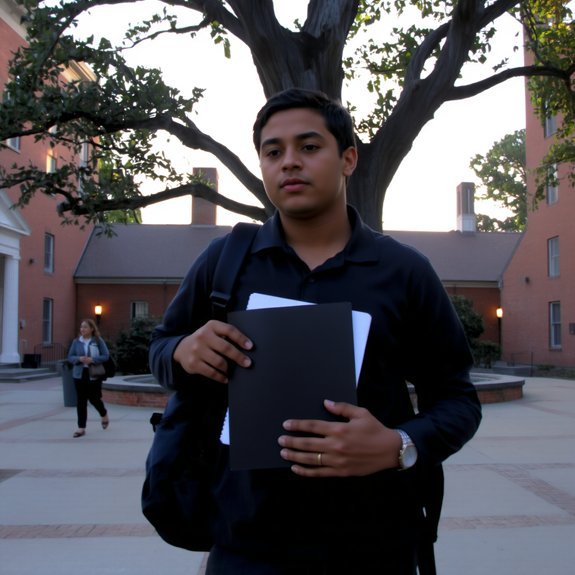
    • Talk with HBCU alumni, faculty, and industry mentors to learn real-world career and program outcomes.

    • Assess readiness by evaluating skills, research interest, financial stability, and emotional motivation for grad school.
    • Create a decision timeline with milestones (applications, interviews, job offers) and metrics to reassess choices.

    Assessing Your Career Goals and Industry Expectations

    assess career goals strategically

    If you want a career that pays for your coffee habit and your grandma’s phone plan, start by naming what you actually want to do—right now, not the vague “help people” answer you tell at family reunions. I want you to picture a day, smell the office pizza, feel the lab’s cool table, hear the client’s relief. Write that down. Then map industries: which roles list grad degrees, which hire straight from undergrad. Talk to alumni, slide into a professor’s DM, shadow someone for a morning. Note required skills, daily tasks, and the boss vibe. If the job needs specialized credentials, admit it. If experience matters more, plan internships. You’ll end up with a clear route, not the usual wishy-washy career horoscope.

    Financial Considerations: Loans, Earnings, and Opportunity Cost

    debt tuition earnings opportunity

    Because money shows up whether you like it or not, let’s talk about the part nobody at graduation parties wants to name: dollars, debt, and the time you could’ve been earning. I’ll be blunt: grad school costs, loans follow you, and that paycheck you skip matters. Listen, picture bank statements, coffee stains, late-night spreadsheet edits. Ask yourself fast, which bite hurts more?

    Money shows up whether you like it or not—tuition, loans, lost pay: which bite will hurt you most?

    1. Tuition vs. salary: calculate net gain, include fees, and imagine rent paid with grad stipends—sometimes it’s crumbs.
    2. Loan load: federal, private—read the fine print, taste the interest, and don’t pretend deferred means gone.
    3. Opportunity cost: two years of work now, promotions later, or a degree that opens doors to higher pay?

    I keep it practical, you do the math, we both sleep better.

    Mentorship, Representation, and Community Impact

    mentorship shapes community futures

    When you walk back into your neighborhood after that hooded-cap graduation photo, you’ll notice the looks — proud, curious, expectant — and you’ll feel the weight of them like a warm, heavy coat. You carry stories now, and people want to see the map. Mentors matter; they point out the bridges you can’t yet see, pull you into rooms, and tell you where the potholes are, truthfully, not sugar-coated. Representation comforts and fuels you — seeing someone who looks like you calms a million “can I?” doubts. Your choices ripple: taking a job or hitting grad school changes who you mentor and how you give back. Don’t underestimate small moves — showing up, answering texts, hosting a student — they reshape futures.

    Timing, Readiness, and Alternative Pathways

    While you’re still tasting graduation cake and the dust hasn’t settled on your cap, I want you to slow down and listen to your gut — not the loud voice that screams “do something now,” but the quieter one that keeps asking, “what will feel right in five years?” I’ve seen folks sprint into jobs for the paycheque, and others climb straight into grad school because it sounded impressive at family gatherings; both choices made sense for them, but neither was automatic truth for everyone. Trust your pace. Notice what you love doing in daylight, what drains you at midnight. Consider these options:

    Slow down, listen to the quiet gut voice, and choose what will feel right in five years.

    1. Get a job, build skills, and test industry fit.
    2. Take a gap year, freelance, or apprentice.
    3. Apply part-time to grad programs while working.

    Making a Decision Plan and Setting Milestones

    If you want a plan that actually helps instead of stressing you out, start by treating this decision like a small science project—hypothesis, test, and tweak—only with fewer lab coats and more coffee stains; I’m talking clear checkpoints you can smell, see, and check off, not vague intentions you forget between Instagram scrolls and family Zooms. I tell you to list outcomes: grad school in two years, job now, or a gap for internships. Then set milestones: research programs by month one, request recommendations month two, apply by month four, or land interviews by month three. I want tangible signals—acceptance letters, job offers, savings targets. Celebrate small wins, pivot when data says so, and keep a running pros-and-cons notebook, preferably with coffee rings.

    Conclusion

    You’re standing at a fork—cap and gown in one hand, a laptop and badge in the other—sun warming your face, coffee cooling. I’ve been there; I shrug, I laugh, I map it out. Pick the route that feeds your goals, wallet, and heart, then test it with a mentor’s nudge and a six-month checkpoint. Change is okay. You’ll learn either way, make impact, and sleep better knowing you chose with purpose.

  • How to Plan for Grad School as an HBCU Student

    How to Plan for Grad School as an HBCU Student

    You’d think grad school was the secret to immortality—spoiler: it’s not, but it’ll change your life. I’ll walk you through picking goals that actually fit, hunting advisors who get your story, and turning college gigs into research gold, with practical checkpoints and elbow grease. Picture late-night lab fluorescence, sweaty conference handshakes, and that first funding email—if you want in, stick around and I’ll show you how to get there.

    Key Takeaways

    • Define clear academic and career goals with milestones, timelines, and the specific degree or role you aim to achieve.
    • Research programs and faculty that value HBCU experiences, inclusive mentorship, and guaranteed funding opportunities.
    • Build a strong academic record with challenging courses, research experience, and presentations to showcase preparedness.
    • Develop application materials early—personal statement, CV, transcripts, and recommendation relationships—and seek iterative feedback.
    • Network with current grad students and faculty, visit campuses, and compare offers to negotiate the best funding and fit.

    Why Grad School Could Be a Powerful Next Step for HBCU Students

    grad school enhances hbcu experience

    If you’re at an HBCU, you already know the campus hum—the laughter bouncing off the quad, the late-night study groups steeped in coffee and consensus—and that energy makes grad school feel less like a leap and more like the next beat in the song. You’ll find grad school amplifies mentorship, networking, and cultural affirmation you already live here. You’ll sharpen research skills, teach undergrads, and build projects that actually matter. You’ll gain credentials that open doors while keeping your roots intact. Picture faculty who remember your name, conferences where your ideas pop, and a résumé that finally reflects your ambition. It’s not just more school. It’s a strategy, a stage, and yes, a flex you can own.

    Clarifying Your Academic and Career Goals

    mapping career goals effectively

    You’ve got to pick a destination before you pack your bags, so sketch out the long-term career you want—title, impact, paycheck, and all the little annoyances you’ll tolerate. Then match the research topics and professors you’d work with to that picture; if the fit’s off, your grad years will feel like wearing shoes two sizes too small. I’ll help you map goals to programs, point out the obvious mismatches, and joke about my own bad shoe choices while we do it.

    Define Long-Term Objectives

    Because you’re about to spend the next few years buried in readings, labs, or late-night writing marathons, let’s figure out where all that sweat’s headed — fast. You’ll name the finish line: tenure, industry leadership, public service, or building your own startup — pick one, or two, but be honest. Picture the office, smell the coffee at 3 a.m., feel the pride when your name’s on the door. Break that dream into milestones: certificate, publication, internship, network contact. Set dates, not vague hopes. I’ll steal your calendar for a minute, and we’ll pencil in one-year, three-year, and five-year goals. Revisit them each semester, tweak, celebrate small wins, kill what’s not working. Long-term aims keep your late nights meaningful.

    Align Research Interests

    When I say “align your research interests,” I mean pick the bees you’re willing to get stung for — the topics that make you lean forward at 2 a.m. and scribble notes on the back of a receipt. You’ll list subjects that light you up, then cross-check them with faculty profiles, lab equipment, and funding streams. Walk into a professor’s office, smell coffee, say, “I’m curious about X,” and watch their eyes. Try a small project, collect data, spill coffee on a notebook, learn from the mess. Keep a one-page pitch, tweak it, rehearse it in the mirror. Match your curiosity to programs that actually do the work. If a fit feels forced, bail early. Commit where joy and resources meet — that’s where good research lives.

    Researching Programs That Value Your Background

    finding supportive grad programs

    If you want a grad program that actually gets where you’re coming from, start by looking for places that celebrate — not just tolerate — your HBCU experience, and I’ll tell you how to sniff them out. I poke around websites, scan faculty bios, and listen for phrases like “community-engaged,” “inclusive mentorship,” or alumni spotlights with names I recognize. I call admissions, ask blunt questions about support networks, funding, and mentorship for Black students. I read student org pages, watch classroom videos, and peek at event calendars — you can almost hear the campus vibe. I DM current grad students, ask about microaggressions and real support. If their answers feel honest, hopeful, and specific, that program’s worth a campus visit.

    Building a Strong Academic Record and Research Experience

    You want grad schools to take you seriously, so you’ve got to build a record that makes them sit up and actually read your application — I did the same thing, and yeah, it’s a hustle, but a satisfying one. Aim for steady grades, not perfection; B+ beats burnout. Take challenging courses, show upward trends, and spin rough semesters into comeback stories. Join labs early, learn protocols with gloved hands, note-taking like a detective. Present at campus symposiums, rehearse a one-minute spiel that hooks listeners. Publish or post a preprint if possible, even a small methods note counts. Keep a research notebook that’s tidy, dated, and proud. Track skills—coding, stats, survey design—and build a portfolio you can actually show.

    Leveraging Mentors, Professors, and HBCU Networks for Recommendations

    Because recommendations open doors, you’ve got to treat them like relationships, not paperwork. I tell you: talk to professors after class, linger by the lab, bring coffee, show up with questions and curiosity. Say their names, remember their research, quote a line from their paper — it signals you’re paying attention. Ask for feedback on projects, invite them to your presentations, and keep a running email update, short and grateful. Use HBCU alumni networks, attend mixers, slide into LinkedIn with a warm note, and swap stories — people help people they like. When you request a letter, give a packet: CV, transcript, deadlines, and a reminder of your work together. Follow up, thank them, and send results — you’ll make allies for life.

    Preparing for Standardized Tests and Application Materials

    While I’m sipping bad campus coffee and flipping through practice tests, I’ll tell you straight: prepping for grad-school exams and polishing your application stuff isn’t a one-night cram session — it’s a slow-cook plan that needs time, grit, and a few late-night snacks. I walk you through concrete steps, you breathe, you practice, you edit. Timed practice, review, and honest score tracking keep you real. Draft your personal statement early, read it aloud, let it sting then shine. Ask profs for feedback, collect resumes, transcripts, and samples. Keep everything tidy, labeled, and backed up.

    Prepping for grad school isn’t a cram night — it’s slow-cook prep: practice, track, revise, get feedback, and stay organized.

    1. Schedule test blocks, track weak spots, repeat.
    2. Draft, sleep on it, revise brutally.
    3. Gather recommendations early, remind kindly.
    4. Proof, proof, proof, then submit.

    Finding Funding: Scholarships, Fellowships, and Assistantships

    Okay, so you’ve wrestled with practice tests, rewritten your personal statement until it sings, and begged for recommendation letters that actually landed in professors’ inboxes — good hustle. Now let’s hunt money. Scan departmental pages, university fellowships, and HBCU-targeted scholarships, jotting deadlines like grocery items. Email coordinators, ask about stipends, tuition waivers, and health insurance — don’t be shy. Apply for external fellowships early; national foundations like Ford or NSF reward research-ready candidates. For assistantships, show up to faculty office hours, pitch a clear research help plan, and mention your technical skills. Keep a spreadsheet of apps, contacts, and outcomes. Celebrate small wins — a funded interview feels like finding twenty bucks in last winter’s coat — you earned it.

    Crafting a Compelling Personal Statement and CV

    Someone’s about to read your story, so let’s make it sing — not in a vague, inspirational way, but in crisp, specific sentences that smell like effort (and coffee). I’ll say it straight: lead with a vivid moment — a lab mishap, a late-night paper, a mentor’s push — then tie it to your research aim, clear and hungry. Keep sentences short, punchy, honest, with one strong thread.

    Make your story sing: start with a vivid moment, stay specific, ruthless with edits, and show real impact.

    1. Show one scene that proves your passion.
    2. Quantify impact, numbers, outcomes, real tasks.
    3. Mirror department language, but stay uniquely you.
    4. Edit ruthlessly: cut clichés, inflate facts, repeat voice.

    For your CV, order clarity first, achievements loud, formatting steady, and proofread until your eyes sting.

    Timeline and Practical Steps From Junior Year to Enrollment

    If you start junior year with a plan, you’ll feel like you finally have a map instead of a treasure hunt with a broken compass, and trust me, that relief is glorious. Start by lining up professors for recommendations, drop into office hours, say hi, remind them who you are. Junior fall, lock classes, raise your GPA, join a lab or project. Junior spring, draft your statement, collect feedback, take the GRE or prep if needed. Summer, research programs, visit campuses, email potential advisors—yes, cold emails work when they’re short and sharp. Senior fall, submit apps, keep notes on deadlines, breathe. Senior spring, compare offers, negotiate funding, celebrate with friends. Enrollment: sign, submit housing, register for orientation, show up ready.

    Conclusion

    You’ve got this—plan, ask, apply, celebrate. Picture Keisha, an HBCU junior, holed up in the library, coffee steam fogging her glasses, emailing a potential advisor at midnight; she landed a paid research assistantship and a fellowship offer. You’ll map goals, gather recs, hunt funding, polish your statement, and breathe between deadlines. I’ll cheer you on, cringe at the stress with you, and remind you: one clear plan beats a dozen scattered hopes.

  • How to Build a Portfolio While Studying at an HBCU

    How to Build a Portfolio While Studying at an HBCU

    Let’s call it “collecting evidence” instead of bragging—because you’ll need proof, not praise. Picture you in a crowded student center, laptop humming, jotting down a campus project that actually mattered, while a professor tosses you a recommendation like it’s a hot potato; you smile, you take it. I’ll show you how to spot the right gigs, turn messy group work into polished pieces, and build a portfolio that opens doors—so keep going.

    Key Takeaways

    • Join campus labs, student orgs, and research projects to gain real-world work you can document and showcase.
    • Curate 4–8 high-quality pieces with metrics, one-line takeaways, and clear file naming for easy review.
    • Build a simple online portfolio (GitHub, personal site, or portfolio platform) with user-friendly navigation and contact info.
    • Seek faculty and alumni mentors for critique, referrals, and opportunities to strengthen showcased projects.
    • Update monthly, remove outdated work, and practice a concise two-minute pitch tailored to employers and career fairs.

    Why a Portfolio Matters During Your HBCU Years

    portfolio showcases your growth

    When you walk into a campus career fair, breath still warm from your coffee and nerves doing a jittery tap dance, a portfolio does the talking you haven’t practiced yet. You’ll catch eyes, hand over a tidy packet or tablet, and suddenly your work speaks clearer than your Monday morning voice. It proves you showed up, finished things, and learned how to explain them without drama. Recruiters love evidence, professors respect craft, peers nod like you’ve got receipts. Your portfolio holds wins, drafts, lab photos, code snippets, logos, and critiques—tactile proof you grew. It saves you from rambling, gives you a confident opener, and makes follow-ups effortless. Treat it like your best argument, polished, honest, and a little bit charming.

    Identifying Your Strengths and Career Goals

    identify strengths set goals

    You’ve handed over your portfolio at the fair, felt that small electric click when a recruiter actually looks up—now let’s figure out what lives inside that shiny packet. You’ll sit, breathe, and list what you do best: coding that finally runs, pitches that land, sketches that make people laugh. Say the skills out loud, feel them in your fingers. Then name the job you want, picture the office, the commute, the coffee mug you’d steal from your future self. Match skills to that picture. Trim the soft stuff. Keep proof — links, screenshots, short stories of wins. I’ll nag you: be honest, not humble. Swap vague goals for clear targets, set one deadline, and start filling the portfolio with things that actually prove you matter.

    Finding High-Impact Projects on Campus

    get involved make impact

    You should scout campus labs and research groups, slip into a lab meeting, smell the coffee and scribble your name on a post-it like you mean business. Then, pair up with student organizations, offer to run their next project or digital campaign, and watch your resume fill out while you learn to herd volunteers. I’ll say it bluntly: get messy, get curious, and pick projects that make people notice you — in a good way.

    Join Research or Labs

    Because labs and research gigs are where you’ll get your hands dirty and your résumé noticed, I’m going to say it plainly: hunt them down like they’re limited-edition sneakers. Walk department halls, drop into office hours, knock on doors — yes, really. Listen for project buzz, spot whiteboards crowded with scribbles, smell coffee and solder, feel the hum of gear. Ask professors what’s urgent, mention skills you’ve built, offer to do grunt work first. Show up prepared, bring a notebook, pitch a tiny idea, volunteer for data cleaning. Join a lab meeting, listen more than talk, then follow up with a quick, polite email. Treat every odd task like evidence. You’ll build experience, get referrals, and earn stories that actually make employers look up.

    Partner With Campus Organizations

    Lab work will get your hands dirty, sure, but campus orgs let you show you can move a crowd, run a budget, and ship something real. Think student government, cultural clubs, or the tech society — they always need projects, you just need to grab one. Walk into a meeting, offer to build the event page, design the flyer, or run sign-ups. Say yes to messy tasks, because they become portfolio pieces: photos, budgets, timelines, emails. I’ll admit, leading a tabling blitz felt like herding cats, but the social media boost paid off. Capture before-and-after shots, get testimonials, save drafts and receipts. Turn every planning session into a case study. You’ll collect tangible work, stories to tell, and proof you can ship under pressure.

    Leveraging HBCU Networks and Mentors

    You’ve got a secret weapon on campus: alumni who remember your school’s hallways, still answer late-night calls, and love helping when you bring them something real to work on. I’ll show you how to tap those alumni connections, and how to pick faculty mentors who’ll critique your portfolio like a coach—tough, honest, and oddly proud. Picture quick coffees in sunlit offices, an emailed draft at midnight, and a mentor’s blunt “fix this” that actually makes your work sing.

    Campus Alumni Connections

    One quick truth: alumni are your secret zip code to opportunity — and I mean that in the good, slightly magical way. I tell you, walk into reunions like you own the room, smile, and name-drop your major; someone will lean in. Tap the alumni office, scan LinkedIn, slide into polite DMs, and show work — a project screenshot, a landing page, a portfolio PDF. Ask for coffee, not a job; trade stories, take notes, and follow up with gratitude. Volunteer at alumni events, offer to help with social media, or invite an alum to judge a student showcase. Keep records, send progress updates, and say thanks with a handwritten note. Relationships compound; they’re small, noisy investments that pay off.

    Faculty Mentorship Pathways

    When I first wandered into Professor Daniels’ office, smelling of pizza and nervous confidence, I didn’t know I was stepping into a mini-career GPS — but that’s exactly what faculty mentorship can be at an HBCU: a sharp, human-powered shortcut through job listings and imposter syndrome. You’ll learn to knock on doors, literal and metaphorical. Ask for feedback, bring a draft, and watch them dissect your portfolio like a patient surgeon. They’ll share contacts, conference invites, and the kind of blunt truth you need. Say yes to small gigs they suggest. Take notes, send thank-you emails, iterate. Expect jokes, gentle roasts, and practical templates. Treat mentorship like an apprenticeship: show up, do the work, and return the favor when you’re ready to mentor someone else.

    Documenting Work: What to Keep and How to Organize It

    If you start saving everything and nothing, your portfolio will look like a junk drawer — chaotic, noisy, and full of mismatched receipts you’ll never use. I tell you, be picky. Keep polished drafts, final projects, feedback notes with names and dates, high-res images, and any metrics that prove impact. Photograph physical work, scan handwritten sketches, save email praise, and export code with README files. Label files clearly: COURSE_PROJECT_Title_DATE_VERSION. Organize by skill or employer-ready theme, not by semester. Back up to cloud and an external drive, test restores, and keep a simple changelog so you know what changed and why. Every item should earn its spot. If it doesn’t, toss it — ruthless, tidy, satisfying.

    Building an Online Portfolio Platform That Works

    Since you’re not building a dusty folder, you’re building a stage — and I’ll be your slightly sarcastic stage manager. You pick a clean template, I’ll pretend I did it for you. Choose a fast host, clear navigation, and readable fonts so your work loads quick and looks sharp on phones and laptops, feel that smoothness under your fingertips. Add project pages with short intros, process shots, and final images — people love before-and-after, humans are visual. Include an about page that sounds like you, contact info that actually works, and downloadable résumé for recruiters who still like paper. Keep SEO basics, a simple domain, and one consistent color palette. Update monthly, test links, and don’t forget backups.

    Showcasing Nontraditional and Collaborative Projects

    Because weird projects and team chaos make better stories than a solo résumé ever will, I’m going to make you proud of the messy, brilliant things you’ve helped build. You’ll show how you solved a problem, not just your title. Say what you did, who smelled like burnt toast in late-night prototyping, and which mistake taught you the most. Use photos, short clips, commit diffs, and one-line outcomes.

    • Describe your role and the messy win, with a screenshot or sketch.
    • Tag teammates, link prototypes, and note your exact contribution.
    • Add metrics or quotes, even awkward praise from your professor.
    • Show the failure briefly, then the pivot, then the bright result.

    Tell the story like you were there.

    Preparing a Strong In-Person Portfolio Presentation

    Alright, you’ve told the messy, brilliant story — now get ready to tell it out loud without tripping over your own shoes. Walk in like you own half the room, but keep your shoulders loose. Set up early, test a slideshow, and feel the clicker in your hand — tactile reassurance. Keep physical pieces reachable, fingers clean, prints flat. Practice a two-minute opener that hooks, then a calm, one-sentence close. Speak clearly, pace breaths, let silence do heavy lifting. Use props sparingly, touch material slowly so listeners see texture. Invite questions with a grin, not a sales pitch. If you flub, laugh, fix it, move on — confidence beats perfection. End by handing a neat leave-behind, say thanks, shake hands.

    Maintaining and Updating Your Portfolio Over Time

    If you want your portfolio to stay alive, you’ve got to treat it like a plant — not a rock. You’ll water it, prune dead leaves, and move it to light when opportunities change. I check mine monthly, like a nosy neighbor, and tweak things that look tired. You’ll hear me say: don’t hoard projects, curate them.

    • Remove outdated pieces, replace them with recent wins.
    • Add short captions, metrics, and a one-line takeaway for each item.
    • Backup files in two places, and export PDFs for quick sharing.
    • Ask a mentor quarterly, then act on the blunt feedback.

    You’ll keep it fresh, honest, and ready. It’ll smell like effort, not mold.

    Conclusion

    You’ve got grit, goals, and a growing gallery of good work—go show it. I’ll say it plain: gather glowing projects, grab guidance from grads, and get them glossy online. Picture campus crowds, late-night lab lights, sticky-note sketches—capture those. Practice a crisp pitch, polish each page, and parade your progress proudly. Keep curating, keep connecting, keep evolving—your portfolio’s a living, loud little proof that you belong and you’re ready.

  • How to Attend Career Fairs at an HBCU With Confidence

    How to Attend Career Fairs at an HBCU With Confidence

    Forty percent of internships go to students who make one strong connection at a fair, and you can be that student. Picture the gym buzz, paper resumes rustling, you in a crisp outfit that nods to your culture, voice steady—now walk up, smile, and say, “Hi, I’m [Name], I’m curious about how you support early talent.” Ask one smart question, listen, swap a card, and leave them wanting more—you’ll want to know what to ask next.

    Key Takeaways

    • Research participating employers and prepare tailored questions highlighting company initiatives and how your skills fit their needs.
    • Craft and rehearse a 30-second elevator pitch that states who you are, the role you want, and one relevant achievement.
    • Bring several polished resumes, a portfolio link or USB, and dress confidently with one culturally meaningful accessory.
    • Approach booths with a friendly greeting, mirror recruiter energy, ask role-specific success metrics, and listen actively.
    • Follow up within 24–48 hours with a personalized email, resume PDF, portfolio links, and two proposed meeting times.

    Preparing Your Mindset and Goals

    show up curious confident

    If you’re nervous, that’s fine — it means you care, and that’s useful. You breathe in, feel the hallway hum, and tell yourself one clear goal: show up curious. I’ll say it plain, you don’t need to be perfect. Pick two strengths you’ll name out loud, rehearse them like a one-line joke, and keep your posture open — shoulders down, smile ready. Imagine the table, the folder’s crisp edge, the handshake that isn’t a claw. Decide your win: a contact, an interview, or learning one new thing. Plan tiny breaks, sip water, reset. Practice a 30-second pitch until it feels like a song you actually like. You’ll walk in steady, not stiff, and that confidence draws people in.

    Researching Employers Beforehand

    research prepare connect confidently

    Before you hit the fair, peek at each company’s priorities so you know what they care about — mission, diversity goals, or product focus — and you won’t look like a deer in the recruiter headlights. Jot a quick role-requirements checklist, scan for recent news or initiatives, and imagine the conversation so you can name-drop a project without sounding like a stalker. I’ll say it plainly: come ready, confident, and a little clever, and you’ll turn a table walk into a real connection.

    Target Company Priorities

    Think of company research like a backstage pass — I want you to see the lights, smell the coffee, and know who’s tuning the guitars before you stroll onstage. I tell you to scan a company’s mission, recent wins, and diversity notes, then mark what actually excites you. Listen for priorities: growth, community impact, tech innovation, or talent development. Jot quick, usable lines: “expanded to X,” “launched Y,” “partners with HBCUs.” Picture yourself mentioning one of those wins at the booth, like dropping a compliment that isn’t creepy. That shows you did homework, not a Wikipedia skim. You’ll stand out when you match their language, ask sharp questions, and look like someone who’s already imagined working there. Confidence follows prep.

    Role Requirements Checklist

    Grab a pad, because the Role Requirements Checklist is your backstage call sheet — concise, practical, and a little bit theatrical. I tell you, list-making never smelled so much like opportunity. Scan job titles, required skills, years of experience, certifications, and software names; jot them down, loud and proud. Match those words to your resume bullets, tweak language, feel the fit. Note nonnegotiables — travel, remote days, security clearance — so you don’t smile through a dealbreaker. Imagine the recruiter’s voice, ask two tailored questions, practice them out loud, gritty and brief. Keep a “close-but-not-qualify” line for gaps, and a quick example that shows rapid learning. Fold this checklist into your prep rhythm, like a secret handshake.

    Recent News and Initiatives

    If you want to stand out, skim the news on a company like you’d scan a menu—fast, hungry, and with purpose. You’ll catch their new product, diversity push, or campus program, and that gives you instant talking points. Say, “I read your green internship launch,” instead of “Tell me about your company.” It sounds smarter, and it is.

    • Note recent hires, partnerships, or DEI initiatives to ask about impact and next steps.
    • Flag awards, product launches, or controversies so you can praise or pivot with confidence.
    • Track local campus events or scholarships to connect your HBCU experience, with specifics.

    I coach myself to glance headlines, set a 10-minute timer, and go—no overthinking, just sharp, human curiosity.

    Crafting a Concise and Authentic Elevator Pitch

    concise authentic elevator pitch

    You’ve got about 30 seconds, so tell them who you are, what you want, and why it matters — clear personal brand first, no filler. Say the specific role you’re aiming for, name a skill or project that proves it, and let them picture you doing the job. Finish with a memorable closing line, something witty or bold that makes them smile and reach for your resume.

    Clear Personal Brand

    Confidence is a small, loud thing you wear into a room — it’s the smile that says “hey,” the steady handshake, the one line that makes a recruiter pause and lean in. You own a clear personal brand when your pitch smells like you: honest, sharp, and impossible to forget. Say who you are, what you do, and why it matters, in one breath. Don’t ramble. Don’t sell a version of yourself that needs editing later. Practice until it feels like breathing, then loosen up so it sounds human, not robotic. Picture the booth lights, the paper cup of coffee, the recruiter’s raised eyebrow — and give them a line that earns a nod.

    • Lead with a vivid trait that separates you
    • Show impact with one crisp example
    • End with a curious question

    Specific Role Goal

    One clean sentence — not a soliloquy — can make a recruiter sit up, so aim for that. You’ll want a tight, specific role goal: say the job title, your top skill, and one result you’ll bring. Picture yourself at a noisy table, palm warm, voice steady, and you say, “I’m targeting software QA roles, I automate tests in Python, I cut release bugs by half.” That’s crisp, it smells like confidence, not arrogance. Don’t rattle off every accomplishment, pick what fits the role. Practice until it sounds natural, not robotic—try it while brushing your teeth, in the mirror, on the bus. Keep it under twenty seconds, vivid enough that they see you in the job, not just on paper.

    Memorable Closing Line

    • State one clear strength, with a quick example.
    • Add a quirky line that shows personality.
    • Finish with a simple next step.

    Polishing Your Resume and Portfolio

    Think of your resume and portfolio like your wardrobe for the job fair—neat, a little flashy, and smelling faintly of ambition; I’ll show you how to clean up the stains and add a pocket square. Start by trimming clutter, bulleting achievements, and ditching gym class references. I’ll read it aloud with you, like a terrible karaoke partner, catching awkward beats. Print crisp copies on heavier paper, slide a USB with your portfolio into a sleek sleeve, label files clearly, and test links until they sing. Include one tailored summary sentence per employer, one proud project with measurable results, and one quick visual—chart, mockup, or photo. Bring confidence, and a few extra resumes; recruiters love backups, and so do I.

    Dressing the Part With Cultural Confidence

    The outfit you pick says something before you even shake hands, so I want you to own that message—loud but tasteful. You’ll walk in knowing your look honors heritage and fits the room: tailored blazer, bold African-print pocket square, clean shoes that click with purpose. Smell of fresh thread, light shimmer on a cuff, confident posture — they notice.

    • Choose one cultural piece as your headline, keep the rest classic, so you don’t compete with yourself.
    • Press garments, polish shoes, test pockets for resumes and business cards, practice the quick smile in a mirror.
    • Match colors to mood: warm tones for approachability, jewel tones for authority, neutrals to let your story speak.

    I’ll cheer when you own it, and laugh at any wardrobe snafus.

    Approaching Employers and Starting Conversations

    You’ve got your outfit on point, that one cultural piece popping like a headline while everything else plays backup, so now walk up like you already belong. Plant your feet, breathe in the room — coffee, paper name tags, polite perfume — and smile like you mean it. Say hello, extend a steady hand, drop your name with a quick line: “I’m [Name], I study [Major], I’m excited about your work in [area].” Pause, listen, lean in a touch. Mirror energy, keep tone bright, don’t overshare. Offer your resume when they nod, ask a short follow-up, make a small joke if the vibe allows — I trip on my shoelaces a lot, so I use that. Exit with gratitude, a firm handshake, and a plan to follow up.

    Asking Smart Questions That Showcase Fit

    How do you turn a few minutes at a table into a convo that actually proves you belong? Picture the hum of the gym, the coffee steam, the recruiter’s badge glinting. You lean in, smile, and ask things that show you get the role and the culture. Don’t quiz them, invite them to tell a story.

    Lean in, ask story-driven questions that show you get the role and culture—be curious, not rehearsed.

    • What recent project taught this team the most, and how did they adapt?
    • How does success here look day-to-day for someone from my background?
    • What gaps are you hoping a new hire will fill in the first six months?

    You’ll sound curious, not needy. You’ll show fit, not memorized lines. Say it naturally, nod, jot one detail, and let the conversation breathe—then watch them lean forward.

    Collecting Contacts and Leaving a Memorable Impression

    Nice question, nod, jot one detail, and you’ve got an open door — now let’s close it with style. You step forward, hand out a crisp résumé, smile like you mean it, and name-drop the fact you remembered their project. Grab a business card, scan their badge, or use your phone to snap a quick, polite photo of their booth — sensory proof. Say, “I loved that point about X,” then offer a memorable line about how you’d help, short and specific. Write notes on the card right away, one-sentence reminders. Trade contact info clearly, don’t fumble, and leave with a confident wave. Walk away satisfied, not awkward — you just made a real connection.

    Following Up Strategically After the Fair

    Once the fair lights dim and your pockets still smell faintly of coffee and hand sanitizer, don’t let those conversations die on your phone screen — follow up fast and with purpose. You’ll sit at your kitchen table, badge in one hand, notes in the other, and type like you mean it. Send crisp emails within 24–48 hours, remind them where you met, mention a detail that proves you listened, and attach your resume as a clean PDF. Be breezy, not needy. Ask one clear next step.

    • Reinforce connection: reference a booth moment, project, or joke you shared.
    • Provide value: link to a portfolio, article, or brief idea.
    • Request a meet: propose two specific dates/times.

    Follow up, and watch doors open.

    Conclusion

    You’ll walk in nervous and walk out practiced, because confidence happens to love coincidence—like spotting your dream recruiter while you’re practicing your pitch in the bathroom mirror. I’ll say this: stand tall, smile, and ask the smart question you’ve rehearsed; sound human, not robotic. Feel the fabric of your outfit, shake hands, breathe deep, hand over the resume, then follow up with a crisp note. Do that, and you’ll leave a mark.