Blog

  • How to Take a Break Without Falling Behind at an HBCU

    How to Take a Break Without Falling Behind at an HBCU

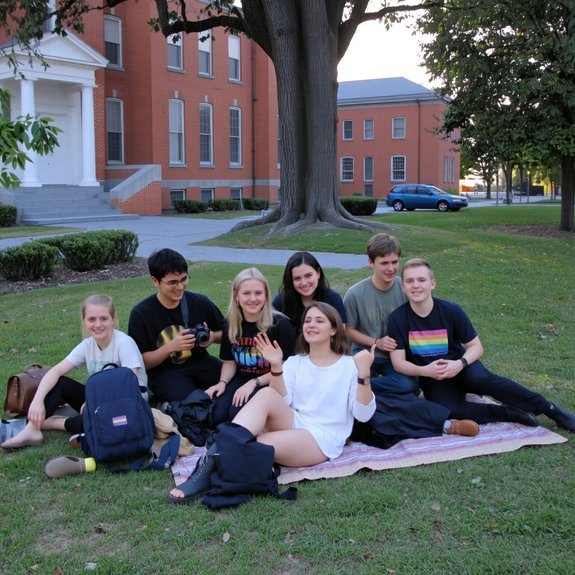
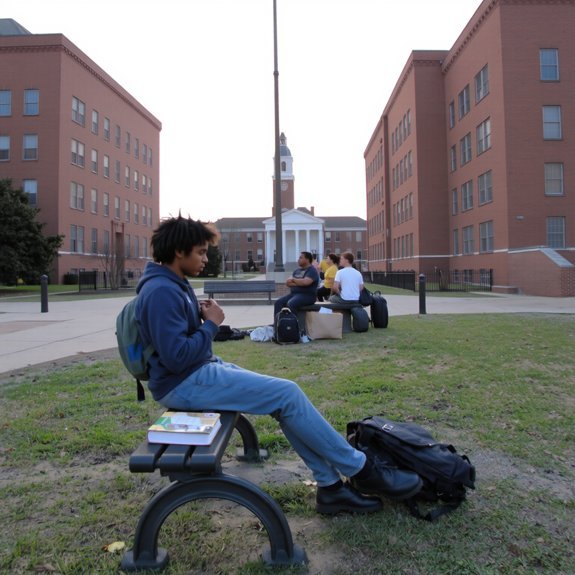
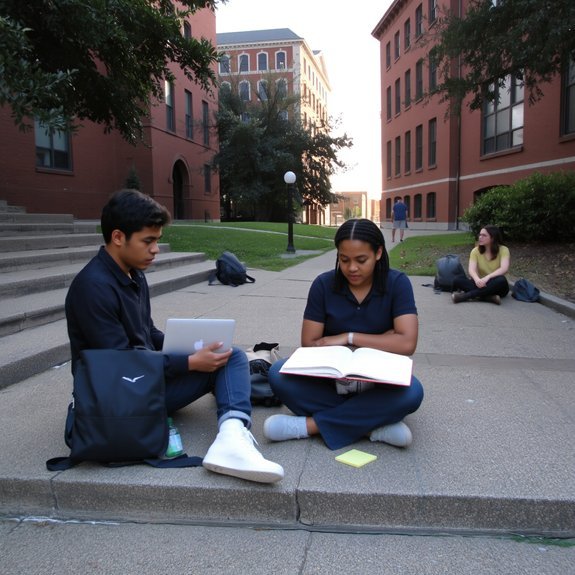
    Like Marcus Garvey telling you to rest before you run, you need a break that doesn’t wreck your GPA. I’ll say it straight: plan it, tell folks, and pack a tiny action list you can actually finish—no mythical “catching up later.” Picture yourself on the quad, warm sun, phone on Do Not Disturb, syllabus open—now let’s map the two-week move that keeps your peace and your grades intact.

    Key Takeaways

    • Schedule breaks around midterms and finals using your academic calendar to avoid conflicting with major deadlines.
    • Tell professors and advisors your exact absence dates early and arrange extensions or make-up work plans.
    • Prioritize high-impact assignments, block focused study slots, and use timers to stay efficient before your break.
    • Book campus support services (tutoring, counseling) in advance and set brief check-ins to maintain academic momentum.
    • Plan a gentle re-entry with small course goals, blocked study times, and a checklist of due dates to catch up smoothly.

    Recognize When You Really Need a Break
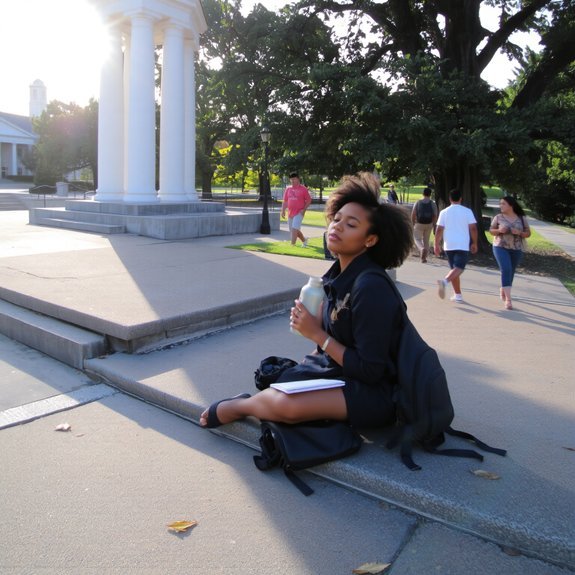
    recognize signs of burnout

    If you’ve been sprinting through classes, meetings, and late-night study sessions until your brain feels like day-old coffee, stop—really stop—and listen. You’re jittery, your shoulders live by your ears, and even your favorite hoodie feels like a straightjacket. I’ll tell you what to watch for: foggy recall, yawns that come from your bones, emails piling like unread laundry. You snap at friends, then apologize with a guilty laugh. Your notes look like hieroglyphs, and food tastes muted. Take a breath, touch a windowpane, feel the campus air—if it calms you, that’s a cue. Don’t wait for a breakdown; notice the small alarms, honor them, and step back before burnout becomes drama.

    Time Your Breaks Around the Academic Calendar
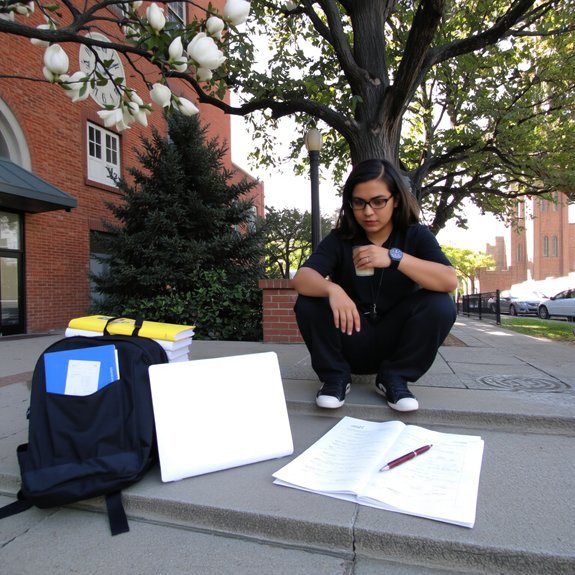
    plan breaks around deadlines

    You’ll want to plan your breaks around big deadlines, like midterms and finals, so you don’t crash into a paper or exam unprepared. I say block off chunks on the academic calendar — visuals help, and nothing beats the relief of a bright, empty weekend square. Pack a snack, shut your laptop, and actually leave campus when the calendar gives you a clear window.

    Plan Around Key Deadlines

    Because the semester’s heartbeat is a calendar, I start by stalking it like it owes me money—pull up that academic calendar, circle exam weeks, highlight add/drop deadlines, and sniff out registration windows like a bargain hunter in a yard sale. You’ll map your breaks to safe pockets, so you don’t implode during finals. Block travel when papers aren’t due, schedule mini-stays before intensive weeks, and stash study sprints after long weekends. Tell friends your windows, so invites don’t ambush you. Pack chargers, notes, and a snack that won’t betray you. Pretend you’re a project manager with feelings.

    • Reserve buffer days around big deadlines.
    • Prioritize hard classes’ milestones first.
    • Set alarms two weeks before major submissions.

    Use Academic Calendar Blocks

    When the registrar drops the academic calendar, I treat it like a treasure map—so pull yours up, zoom in until the tiny type looks like a ransom note, and start shading in the safe islands where you can actually breathe. You’ll spot midterm windows, reading days, and that blessed stretch between grades and finals. Circle those blocks. Block travel, naps, family dinners, whatever fills your tank. Tell professors early, reserve study rooms, and set alarms so your break doesn’t evaporate into email scrolling. Pack a tiny checklist: one assignment to finish, one social thing, one nap plan. When you return, you won’t be sprinting, you’ll be stepping in rhythm. Trust me, timing beats panic, every single time.

    Communicate Proactively With Professors and Advisors

    proactive communication with professors

    Tell your professors before things go sideways, and do it early — shoot a short email or stop by after class so they can hear it from you, not the rumor mill. Lay out a clear plan: what dates you’ll be gone, how you’ll keep up, and which assignments you’ll hand in late, and say it like you mean it. Then ask straight-up about supports — extensions, tutoring, or advisor check-ins — so you’re not guessing when you get back.

    Notify Professors Early

    If you’re planning to disappear for a few days — or a whole semester — tell your professors early, and do it like you mean it. I mean, don’t text at midnight; send a clear email, calmly state dates, reasons in a sentence, and ask about missed work. Say it in person when you can, too — office hours beat mystery. You’ll feel lighter, and professors will respect you for being upfront.

    • Give specific dates, contact info, and preferred communication method.
    • Offer to check in occasionally, or name someone who can update you.
    • Ask about deadlines, substitutions, or short-term accommodations.

    You’ll sleep better, trust me. Being honest is practical, respectful, and surprisingly empowering.

    Outline Your Plan

    Because you’re not ghosting forever, treat your break like a project and outline the plan like you actually mean it — I do this with a notebook, a loose-leaf calendar that smells faintly of cafeteria coffee, and a stubborn highlighter. You tell professors what dates you’ll be out, what assignments you’ll finish before you leave, and what you’ll submit after. You propose realistic deadlines, offer brief check-ins, and ask for syllabus clues — page numbers, rubric hints, test windows. You copy advisors on emails, so no one plays telephone. You schedule a quick meeting, bring the crinkled calendar, and say, “Here’s the plan.” They nod. You breathe. You leave with a roadmap, not a mystery novel.

    Confirm Support Options

    Support is a check-in — loud, clear, and slightly inconvenient, which is exactly what you want. You email your professor, you tap your advisor’s calendar, you say, “Hey, I’m stepping back for two weeks, here’s my plan,” and you mean it. Say dates, say goals, say where you’ll be reachable. Don’t apologize for being human.

    I picture the inbox: subject line sharp, voice steady, no novella. They reply faster than you expect. You jot their suggestions, you schedule a brief follow-up call, you breathe.

    • Ask about missed lectures and prioritized readings.
    • Request extensions or alternate assignments, with deadlines.
    • Confirm check-in frequency, contact method, and emergency protocol.

    You leave the conversation lighter, options clear, confidence restored.

    Use Campus Support Services Strategically

    There’s a little map I keep in my head of campus services, and I’m telling you, it’s how I survive midterms and existential crises alike. You learn it fast: counseling center for a mind reboot, tutoring lab for the math monster, career services for the resume glow-up. Walk there, smell the coffee, grab a flyer. Ask quick questions, bring a draft, book a slot. Use email templates the advisers actually respond to. Share snacks with a peer mentor, they’ll remember you. Rotate between quiet study rooms and the wellness lounge, don’t camp in the library like a raccoon. Treat services like tools, not last resorts. Plan appointments before panic hits, and call them allies—because they are, even on your messiest days.

    Build Micro-Breaks Into Your Daily Routine

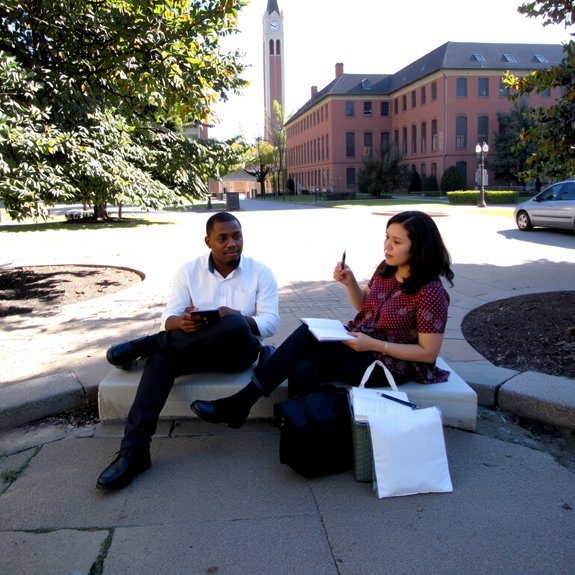
    If you peek at my schedule, you’ll see tiny islands of sanity tucked between lectures and lab reports — two-minute stretches where I shut my laptop, breathe like I mean it, and stare out at the quad until my eyes stop twitching. You can steal those minutes too. Slide a timer into your day, stand up, roll your shoulders, smell the coffee shop, feel the sun on your face for a beat. Micro-breaks reset focus without guilt. They’re cheap, legal, and oddly luxurious.

    • Look away from screens every 25–30 minutes, blink slowly, flex your hands.
    • Walk to the water fountain, sip, and hum a silly tune.
    • Do three lunges, laugh at your own dramatic form, then return calmer.

    Treat tiny pauses like study hacks, not laziness.

    Prioritize High-Impact Tasks Before Time Off

    Before you wander off to that picnic blanket or lock your phone in a drawer, finish the thing that actually moves the needle — trust me, your future self will thank you. Look at your to-do list, sniff the coffee, and pick the one task that changes grades or frees time later. Do the draft paragraph that scares you, submit the group doc, or email the professor one crisp question. Set a 45-minute sprint, close tabs, mute notifications, stare down the work like it owes you money. When the timer dings, you’ll feel lighter, the campus breeze will taste sweeter, and you can genuinely relax without that nagging dread. You’ve earned the rest, but only after you seal the important deal.

    Stay Connected to Your Community While Resting

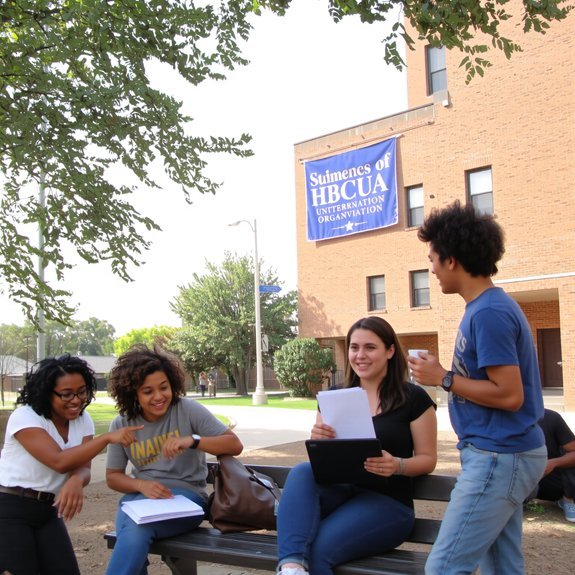
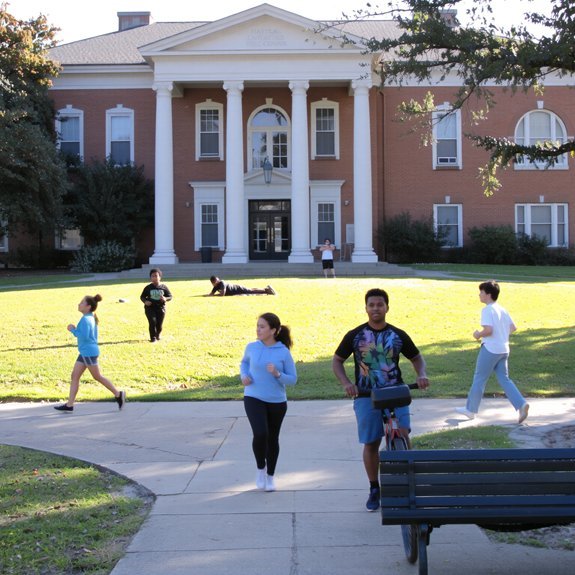
    While you’re chilling on the quad, don’t ghost the folks who make campus feel like home — wave, shout a goofy hello, and plug into the small rhythms that remind you you’re not doing life solo. I’ll tell you straight: rest doesn’t mean vanishing. Sit by the fountain, let the sun warm your face, and catch up with your group chat while savoring that cold drink. Say yes to low-key invites, scout club tables for quick vibes, and cheer at a passerby’s practice run like you’re their unpaid hype squad. Those tiny interactions refill you. They’re balm, not busywork. Keep it easy, keep it real, and let community breathe life back into your batteries.

    Resting doesn’t mean disappearing — soak up the sun, wave at people, and let small, easy connections refill you.

    • Share quick check-ins.
    • Drop by casual events.
    • Offer small favors.

    Create a Re-entry Plan for a Smooth Return

    Once you’re ready to come back, you need a plan that’s smarter than just “wing it” — trust me, wings get soggy fast. I tell you, map your first week like it’s a small mission: list classes, due dates, and one tiny goal per course. Text your advisor now, set two realistic check-ins, and block study slots on your calendar, bright as warning tape. Walk campus before class, breathe the coffee and cut grass, scout the shortest route — you’ll thank me when you’re not late and breathless. Reconnect with one friend, send a funny “I’m back” meme, schedule a catch-up coffee. Start with doable tasks, celebrate tiny wins, and fold this plan into your phone — you’ll glide back, not crash.

    Conclusion

    You need the break, but you also need the grades — so let’s be smart. I say: close your laptop, breathe in cafeteria coffee and fresh lawn air, then text your professor a quick plan. I’ll cheer you on, you’ll get the missed notes, and the deadlines won’t bite. Take micro-breaks, use tutoring, and promise yourself one tiny celebration when you’re back. Rest hard, return sharp — you’ve got this, honestly.

  • How to Build a Support System at an HBCU

    How to Build a Support System at an HBCU

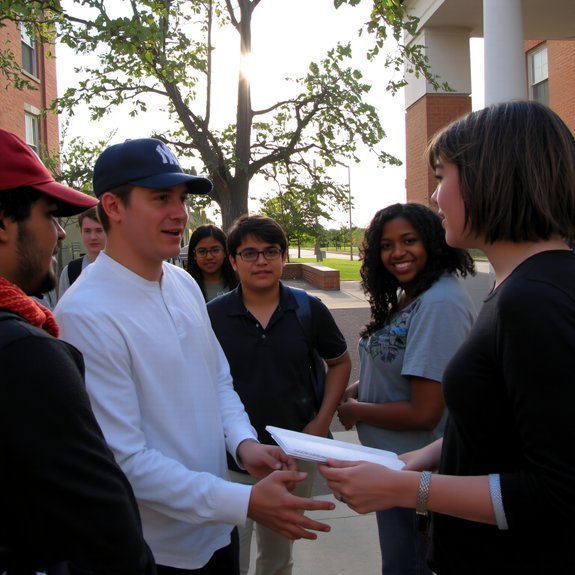
    You’re here, on a campus that hums with history and late-night study grooves, so start by saying hi — really, just walk up and introduce yourself, coffee in hand if you’re brave. I’ll show you how to snag classmates for study sessions, charm a professor into office hours, tap counseling when you’re frayed, and use alumni like secret career Google; it’s practical, a little messy, and totally worth it — but first, let’s talk about your biggest worry.

    Key Takeaways

    • Join student organizations, campus traditions, and study groups to build belonging through shared rituals and activities.
    • Introduce yourself to professors, attend office hours, and seek research or mentoring opportunities early.
    • Identify reliable classmates, create group chats, swap notes, and celebrate small wins together.
    • Use counseling, wellness workshops, financial aid, and local resources to support mental health and financial stability.
    • Set clear boundaries, communicate needs, and pay it forward by mentoring peers with practical help and encouragement.

    Understanding the Unique Strengths of HBCU Communities

    community pride mentorship belonging

    If you’ve ever stepped onto an HBCU quad and felt like you’d walked into a family reunion where everyone somehow knows your name, that’s not nostalgia — that’s community power, and it’s real. You’ll notice the rhythms immediately: laughter bouncing off brick, drumlines in your chest, seniors offering directions like GPS with soul. I say this because you’ll benefit from history that’s taught, not just tested — mentors who hand down wisdom in hallways, traditions that teach you how to show up. You’ll smell cafeteria spices, hear chapel calls, feel elbow bumps that mean “you belong.” Use those senses. Listen to elders, attend rites, learn school lore. It’s intentional care, wrapped in pride, and yes, it’s contagious — in a good way.

    Finding Peer Allies in Classes and Student Organizations

    building a supportive network

    Start with three people: the class clown who actually takes notes, the lab partner who shows up early, and that student who nods like they understand the professor’s jokes — you’ll want all of them on speed dial. I stalk study spots, slide into group chats, and offer snacks; you do the same, quietly testing vibes. Say something like, “Hey, want to split the reading?” and watch alliances form. Join one org, attend two meetings, bail on the awkward mixer — that’s research. Trade pens, swap summaries, and borrow courage when presentations loom. Sit near someone new, laugh at a terrible joke, exchange emails. You’ll build a patchwork crew: practical, funny, dependable. They’ll show up, share notes, and make campus feel like home.

    Connecting With Faculty and Academic Mentors

    build relationships with professors

    Don’t wait until finals week to meet your professors — introduce yourself in the first lecture, slip a confident “hi” after class, and show up to office hours with a specific question. I’ll bet they’ll remember the student who brings notes and curiosity, and they often have research spots or project ideas tucked away, like secret snacks in a desk drawer. Ask for guidance early, sign up for those office hours, and don’t be shy about saying, “I want in” when research opportunities come up.

    Approach Professors Early

    When you walk into office hours, don’t act like you’re sneaking into a speakeasy — knock, smile, and own the room; I promise professors are more human than the lecture slides make them seem. Start early in the semester, introduce yourself, and say why you’re in the class, loud enough to be heard, soft enough to be real. Bring a syllabus, a pen, a quick question. Mention your major, your goals, or that weird paper topic rattling your brain. They’ll light up when you show curiosity, and you’ll learn names faster than emails do. Say, “I’d love your advice,” and mean it. Leave with a concrete next step, a small win, and the satisfying click of a new connection forming.

    Use Office Hours

    You already knocked on their door and handed over your syllabus like a pro; now go into office hours and actually connect. Walk in, breathe the coffee-and-highlighter air, and say, “Hi, I’m in your 9:30—got a minute?” Sit. Pull out notes, point to a problem, laugh at your own confusion. Ask specifics: “Can you run that step again?” or “How would you approach this prompt?” Watch their face light up, they want to teach you. Take cues, mirror language, jot down their metaphors. Offer quick updates later, “I tried that method—game changer.” Be human, bring snacks sometimes, but don’t overstay. Office hours are practice ground, safe lab, and relationship currency. Use them, consistently, and those doors will open.

    Seek Research Opportunities

    If you want research, go ask for it—plain and simple, like knocking on a lab door that smells faintly of bleach and ambition. I tell you, don’t wait for a flyer. Walk into professors’ offices, slide into lab meetings, smile, and say, “Can I help?” Bring a notebook, a resume, a curiosity that won’t quit. Offer to fetch data, run assays, transcribe interviews. Ask about grants, reading groups, conference travel. Say you’ll learn techniques, not that you already know them. Follow up with a thank-you email that’s short and human. If they pass, ask for referrals. If they say yes, do the work, show up early, and brag humbly — results speak louder than nervous small talk.

    Accessing Mental Health and Wellness Resources on Campus

    Curious where to go when campus life starts feeling like a pressure cooker? You head to the counseling center, plain and simple. Walk in, sign in, breathe the lobby’s coffee-scented air, and ask for an intake—don’t pretend you’ll “figure it out.” Drop by wellness workshops, try a guided breathing session, or join a peer support group; you’ll meet people who get it, not just nod politely. Use teletherapy options when your schedule is jam-packed, or grab a counselor for crisis hours if things are urgent. Look for multicultural counselors who understand your background, and check bulletin boards for stress-reduction events. Keep their number in your phone, save appointment links, and treat mental health like class—nonnegotiable.

    Building Professional Networks Through Career Centers and Alumni

    After you’ve learned where to get help when campus life blows up, it’s time to build something that pays you back later—real connections. You’ll swing by Career Services, hand shaking, resume ready, feeling like you’ve got two left feet in networking shoes. Ask for mock interviews, internship leads, and alumni panels; listen, scribble, follow up. Hit alumni events with curiosity, not desperation, and say, “Tell me about your first job,”—people love that line. Collect business cards like souvenirs, then email the next day, short and specific. Offer help too, even if it’s just sharing a useful article. Over time, those contacts become mentors, references, job leads. You’ll leave with a folder of opportunities and a story or two you’ll actually enjoy telling.

    Leveraging Cultural and Spiritual Support Systems

    You’re not alone on campus; stroll into a Friday night service or a poetry circle and feel the bass, the laughter, the sermon humming through the room — I’ve stood there, phone in hand, suddenly less lost. Reach out to campus faith communities for steady rituals that calm you, and look for culturally grounded mentors who’ll tell you blunt truths wrapped in care. I’ll bet a hot coffee you’ll leave those rooms with a plan, a friend, and a little more backbone.

    Campus Faith Communities

    If you thought campus faith groups were just hymnals and potlucks, think again — I’ve watched chapels, mosques, and meditation rooms at HBCUs turn into living rooms where students actually tell the truth, cry a little, and laugh too loud. You’ll find people who fold into prayer circles, clap along, or sit silently, palms warm on wooden pews. Go to a midnight study-break in the chapel, smell coffee and lemon cake, hear a senior joke about finals, watch strangers become shoulders. Faith leaders text check-ins, offer rides, and pass out paperback devotionals like lifelines. You can join a choir, a prayer chain, or a mindful breathing session — whatever steadies you. Don’t be shy; bring your messy questions, and stay for the cookies.

    Culturally Grounded Mentorship

    Think of mentorship as a mixtapefamiliar beats, surprise features, and songs that smell like your mama’s kitchen and your grandma’s laugh. You find mentors who know your history, your slang, your Sunday best. You sit in worn chairs, sip sweet tea, and they tell stories that map paths. Ask for time, bring questions, and take notes — real ones, not just mental bookmarks. Let elders pray with you, let peers rehearse interviews with you, let faculty push you gently. Say what you need, don’t apologize for culture being part of it. Swap recipes and résumés. Celebrate small wins, call when you wobble, show up when they need you. That mix? It’s mentoring that keeps you walking, not wobbling.

    Managing Financial Stress With Campus and Community Resources

    When money’s tight, I don’t pretend I’m zen—I’m the loud one at the dining hall counting change, smelling fries and freshman hope—but I’ve learned campus and community resources can turn that panic into a plan. You tap the financial aid office, clear voice, ask about emergency grants, payment plans, meal swipes, and don’t blush. Go to counseling for stress, they hand you coping tools and a calm voice. Use stipend workshops, resume labs, and student employment listings; I scored a gig shelving books, learned to budget, and met a friend who loves ramen. Hit local nonprofits for food pantries and bus passes. Ask faculty about short-term loans. Keep receipts, make a weekly money map, and call it resilience with receipts.

    Creating Boundaries and Healthy Communication Within Your Network

    Because boundaries aren’t just polite signs on a dorm door, I learned to say no with the same bluntness I use for bad cafeteria pizza. You’ll practice short scripts, like “I can’t tonight,” then breathe, feel the relief, taste freedom—sort of salty, oddly sweet. Tell friends when you need focused study, use a gentle timer, close your door with a knuckle-rap, not guilt. When someone oversteps, name it: “That comment hurt,” and watch the slide into real talk. Listen, mirror, ask clarifying questions, then set limits—firm, kind, repeatable. Pushback won’t end friendships; it prunes them. Celebrate small wins, check in weekly, and keep humor handy—self-deprecating, honest, human. You’ll be clearer, calmer, connected.

    Paying It Forward: Mentoring and Sustaining the Support System

    You’ve practiced the small mercies of saying no and holding your door—now flip that energy outward. You mentor by doing, not pontificating. Bring snacks to study sessions, show up to office hours like a reliable lighthouse, text a pep talk at 2 a.m. when panic smells like burnt coffee. Say, “Trust me, you’ll laugh about this,” and mean it. Pair new students with seniors, run a Friday check-in, teach resume hacks in 20 minutes flat. Celebrate wins with loud, ridiculous excitement; mourn setbacks with honest, steady presence. Keep rituals simple, repeat them, let them become comfort. Admit mistakes—I’m human, I messed up—and fix them. That’s how support lives on: small acts, clear roles, lots of snacks, and stubborn kindness.

    Conclusion

    You’re not alone—think of your HBCU as a giant, humming porch where everyone’s passing snacks and notes. I promise, if you knock on doors, raise your hand, and show up sweaty but smiling, people’ll meet you halfway. Join a club, email a prof, sit in on a workshop, take a breath, laugh loud. Build that web, thread by thread, and soon you’ll have a safety net that feels like home.

  • How to Find a Mentor at an HBCU

    How to Find a Mentor at an HBCU

    Like a compass in a crowded quad, I’ll help you find direction: you’ll spot mentors everywhere if you know what to look for. Walk into lectures, club meetings, and alumni panels, listen more than you talk, and introduce yourself with a short, honest line—“I’m curious about your work”—then ask one clear question. Be reliable, show up with notes, and follow up; that first small ask turns into real guidance, if you handle it right.

    Key Takeaways

    • Attend faculty office hours and introduce yourself with a clear goal to identify accessible mentors.
    • Join campus organizations and alumni events to meet engaged staff, alumni, and peer mentors.
    • Observe professors’ teaching and involvement to select approachable, supportive faculty mentors.
    • Send concise, respectful messages requesting a brief meeting and specify what guidance you seek.
    • Maintain relationships with regular updates, gratitude, and concrete progress reports to sustain mentorship.

    Why Mentorship Matters at HBCUs

    mentorship enhances college experience

    Because you won’t learn everything in a lecture hall, you need someone who’s walked the same campus paths and can tell you where the shortcuts are. You’ll want a mentor who hears your nervous laugh, notices the way you clutch your backpack, and nudges you toward the student center before you overthink registration. I’ll be blunt: professors teach content, mentors teach context. They’ll point out hidden scholarships, introduce you to lunchtime traditions, and warn you about the vending machine that eats quarters. You’ll gain confidence, clarity, and a map for career moves, faster than you’d manage solo. Picture late-night coffee, candid texts, and a hand on your shoulder when campus feels huge. It’s practical, human, and wildly undervalued — go find one.

    Where to Look: Faculty, Staff, Alumni, and Peers

    find mentors in plain sight

    If you wander the quad long enough, you’ll start to notice who moves like they belong — professors with coffee-stained syllabi, staff who answer the phone like it’s their personal mission, alumni in alumni polos who can’t stop smiling, and students who already know the best late-night study spot; I’m telling you, those are your people. I’m saying look up, listen, and lean in. You’ll find mentors in plain sight.

    • A professor waving office hours like a welcome flag, chalk dust on their sleeve.
    • A staff member filing forms with encyclopedic patience, speaks your name twice.
    • An alum laughing about their first dorm prank, offers job leads over fries.
    • A peer pulling an all-nighter, sharing notes and honest critique.

    Preparing Yourself: Goals, Questions, and First Impressions

    prepare for mentor meeting

    Think of this like packing for a trip—you wouldn’t show up to a mountain hike in flip-flops, and you don’t want to wander into a mentor meeting with nothing but vague hopes and a blank phone screen. Get clear on one to three goals—skill, internship, or life advice—write them down, fold them into your pocket like a secret map. Jot specific questions: “How did you handle X?” “Who should I meet next?” Practice a quick intro, say it out loud, watch it feel less ridiculous. Dress tidy, breathe, smile—your handshake and eye contact tell more than your résumé. Bring a notebook, a pen that works, and curiosity. Leave with a follow-up plan, not a vague promise; that’s how trust starts.

    How to Make the First Contact

    You’re about to send that first note, so keep it short, sharp, and friendly—say who you are, why you’re reaching out, and one specific question or ask. Pick the right channel: email for formal asks, campus text or DM for casual reach-outs, and always double-check tone and timing before you hit send. I’ll show you how to craft a message that smells like effort, not desperation, and lands in their inbox looking like a pro.

    Craft a Concise Message

    Want to grab their attention without sounding like a robot? I’ll keep it short, sharp, and human. You’re writing one message, so make every word pull its weight. Start with a warm hello, name them, say why you admire their work, then state one clear ask — a 15-minute chat, feedback on a resume, or a classroom visit. Paint a tiny scene, smell the campus coffee, mention a recent talk, and sound real. Try this imagery:

    • A quick hello, like a nod across the quad.
    • A sentence that smells like campus coffee and late-night study.
    • One clear ask, precise as a clock at 3 p.m.
    • A polite close, “Thanks — I appreciate your time.”

    Keep it human, confident, and short.

    Choose the Right Channel

    How do you want to knock on their door — email, DM, or the old-fashioned hallway hello? I say pick one that fits the mood, and your courage level. Email feels official, tidy, polite; DM’s are quick, casual, a little cheeky. Hallway hellos let them see your shoes, your smile, your timing. Match channel to faculty vibe — formal professor, go email; energetic campus leader, slide into DMs; friendly advisor, say hi between classes. Whatever you choose, open with context, mention a class or event, and ask one simple question. Don’t overexplain, don’t ghost if they reply, and bring a USB smile — metaphorically or literally. Follow up once, then know when to step back.

    Building Trust and Setting Expectations

    If we want mentorship to feel less like a mystery ritual and more like a reliable lifeline, we’ve got to build trust from day one, and that starts with plain talking and clear rules. You show up honest, they mirror honesty. Say what you need, and ask when you don’t get it. Set meeting cadence, preferred contact, and a quick fail-safe for missed sessions — human stuff, not paperwork.

    • Sit face-to-face, smell coffee, notice nervous laugh.
    • Exchange simple goals, three bullets, no fluff.
    • Agree on feedback style: blunt, gentle, or in memes.
    • Promise confidentiality, and keep it.

    I joke, I fumble, but I keep promises. You’ll want somebody steady; be that person too.

    Leveraging Campus Programs and Student Organizations

    When you wander into a campus fair and the aroma of popcorn mixes with sweaty entrepreneurship flyers, don’t just grab a sticker — scan the room like it’s a buffet. I tell you, clubs and programs are tasting menus. Walk booths, smell ambition, ask for names. Join a student org that fits your spark; attend a workshop; volunteer at panel prep. You’ll meet faculty advisors, alumni leaders, grad students—people who actually know campus shortcuts. Sit near the front, ask one smart question, then follow up by email with a line that makes them grin. Use career services, tutoring centers, cultural groups, frat/soror councils; they host mentors in disguise. Track events on calendars, show up early, bring snacks—everyone remembers the human who brings snacks.

    Maintaining Long-Term Mentoring Relationships

    Because keeping a mentor relationship alive takes more than good intentions, you’ve got to treat it like a project you actually enjoy—think of it as tending a stubborn, brilliant plant that sometimes sulks. I tell you, water it with gratitude, prune with honest updates, and don’t forget the occasional silly note — mentors like surprises that smell of effort. Keep routines, and spice them.

    • Send quick wins, like a bright postcard of progress.
    • Schedule short check-ins, five minutes that feel like espresso.
    • Bring questions, not monologues, like a curious kid with a flashlight.
    • Celebrate tiny victories, confetti optional, sincerity required.

    You’ll learn the rhythms, I’ll cheer when you do, and the plant will bloom.

    Conclusion

    You can do this. Walk into events, breathe the cafeteria buzz, and spot someone who lights up talking shop — then say hi. I’ll admit, reaching out feels awkward, but most mentors love being asked; they’re flattered, not threatened. Send a short message, suggest coffee, bring clear goals, and follow up with progress snaps. Keep it warm, show up, and let the relationship grow. You’ll end up guided, grounded, and a little bolder.

  • How to Eat Healthier on a Meal Plan at an HBCU

    How to Eat Healthier on a Meal Plan at an HBCU

    Choose grilled over fried, choose colorful over beige, choose flavor over guilt—you’re already halfway there. I’ll walk you through tray-line tactics, snack swaps, and sneaky ways to bulk up veggies so your plate actually looks like a meal, not cafeteria camouflage; picture steam rising from a perfectly charred sweet potato, a lemon wedge squeezed just so, and you shrugging at the dessert table because you planned ahead. Stick around — I’ve got the shortcuts that actually work.

    Key Takeaways

    • Choose grilled, roasted, or steamed options and add extra veggies from the salad bar to reduce fried-food calories.
    • Batch-cook proteins and grains on weekends and store dorm-friendly portions for quick reheats during busy weekdays.
    • Pack nutrient-dense snacks like Greek yogurt, nuts, or apple slices to avoid vending machines and energy crashes.
    • Read labels and pick whole-grain, high-fiber items with minimal added sugars and moderate sodium when available.
    • Plan weekly meals, label leftovers with dates, and involve friends to share prep, reduce waste, and stay consistent.

    Making the Most of Tray Lines and Buffet Stations

    smart buffet dining strategies

    One trick I learned fast? You scan the tray line like it’s a treasure map, eyes darting, plate ready, fork poised; you grab colorful veggies first, because they fill you up without knocking you out. I nudge past steam, inhale garlic and citrus, smile at the cook—small charm, big payoff. Swap creamy for vinaigrette, pick grilled over fried, and don’t feel bad about sampling one guilty pleasure; balance beats deprivation. Hear clatter, see friends debate mac and cheese, you laugh, you choose a modest scoop. Use smaller plates, stack greens, ask for dressings on the side. When dessert calls, you taste, you savor, you move on—satisfied, not stuffed, owning the meal plan like a pro.

    Smart Snacking Strategies Between Classes

    smart snack choices matter

    You’ve got two minutes between classes, a hungry brain, and a meal plan that won’t judge you — so grab something that actually helps, like yogurt with berries or a handful of nuts and sliced apple. Pack those in small containers the night before, so you’re not scavenging the vending machine with dramatic regret. Trust me, your future self (and your attention span) will thank you — and you’ll avoid the hangry confessions in the hallway.

    Choose Nutrient-Dense Options

    If you’re racing between a 9 a.m. lecture and a club meeting, don’t let vending-machine chips be your sidekick — grab something that actually powers you. You want snacks that taste good, keep you sharp, and don’t flop on you by midclass. Think Greek yogurt with berries, crunchy apple slices with peanut butter, or a handful of roasted chickpeas — salty, sweet, and surprisingly satisfying. I tell you this like a friend: pick protein, fiber, and a little healthy fat. They stick around longer, curb hanger, and help you focus when your professor drones on. Smell the cinnamon, hear the crunch, feel the energy boost. Small moves, big payoff — you’ve got this.

    Prep Portable Portions

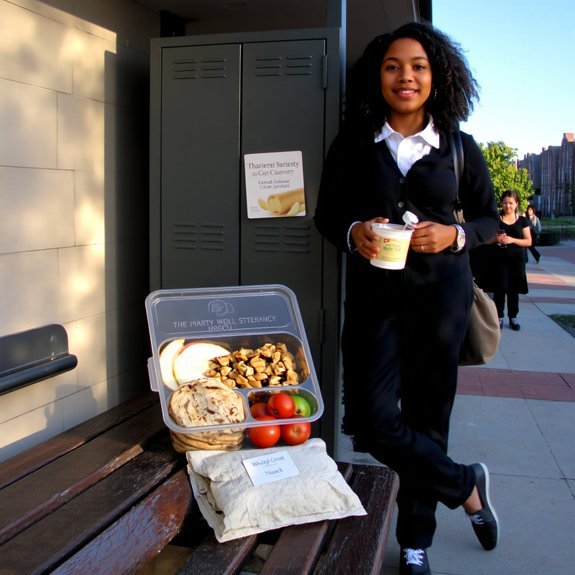
    Pack a snack, stash it in your bag, and don’t let your stomach stage a protest during that two-hour gap between classes. I keep mason jars with layered yogurt, berries, and granola — spoon-ready, no drama. You’ll love prepped hummus cups with carrot sticks; dip, crunch, repeat. Toss roasted chickpeas into a small bag, they rattle like tiny maracas and taste like victory. Portion out trail mix into snack-sized zip bags, label them if you’re fancy, or just hide them from roommates. Cold-pressed juice fits a thermos, apples travel whole, cheese sticks survive dorm heat surprisingly well. Prep on Sunday, rehearse the sprint to campus, snack like a pro, and watch your focus stop wobbling mid-lecture.

    Reading Labels and Choosing Better Options

    read labels choose wisely

    Where do you start when every shelf screams “deal” and your stomach grumbles for something real? I tell you to breathe, grab a package, read the front, then flip it like a detective. Look for fiber, protein numbers, and short ingredient lists — if you can’t pronounce half of it, don’t pretend it’s food. Check serving sizes; that “one bag” often means three servings, and math will humble you. Scan sodium and added sugars, they hide like guilty secrets. Prefer whole grains, real fruit, recognizable oils. Smell your choices when possible, squeeze a mango, feel a roll’s heft. Trust your eyes and instincts, but let labels be the tiebreaker. You’ll shop smarter, not sadder — promise.

    Quick, Affordable Grocery Staples to Supplement Your Plan

    Staple staples — rice, beans, eggs — are my grocery cart’s version of a mic drop; they’re cheap, forgiving, and oddly comforting when the dining hall’s curry is a mystery. You’ll grab a bag of rice, hear the rustle, imagine steam rising, taste the plain comfort. Canned beans pop open like tiny treasure chests, protein-packed and ready to salsa with whatever’s left in your mini-fridge. Eggs are magic: scramble, boil, dunk in hot sauce, feel instantly adult. Toss in frozen veggies for color, yogurt for tang, oats for mornings that don’t implode. Peanut butter and bananas team up for a no-fail snack. Salt, pepper, hot sauce — small jars, huge mood shifts. You’ll shop smart, nibble better, and still have cash for campus life.

    Meal-Prep and Time-Saving Hacks for Busy Students

    You can save hours and sanity by batch-cooking a few proteins and grains on Sunday, so your week smells like garlic and victory instead of burnt ramen. Toss portions into dorm-safe containers — think stackable BPA-free tubs and a mini cooler — and you’ll grab balanced meals between classes like a pro. Trust me, you’ll feel fancy reheating food from a container while everyone else wrestles the dining hall line.

    Quick Batch Cooking

    If I can turn a single Sunday into five dinners, you can too — and yes, you’ll still have time to binge one episode before bed. I’m talking big-batch proteins roasted with spice, rice simmered until fluffy, and veggies charred for crunch. You chop, you season, you set timers, and the kitchen smells like victory. Portion with the confidence of someone who’s survived sophomore chemistry. Reheat in a pan for crisp edges, or toss cold into salads when you’re late. Swap sauces to keep things interesting — soy, hot honey, lemon tahini — boom, five different meals. Clean one pan as you go, reward yourself with iced coffee, and strut to class knowing dinner’s already handled. Quick, simple, genius.

    Dorm-Friendly Storage

    While you’re juggling classes, study groups, and that mysterious laundry pile, I’ll show you how to tame your dorm fridge and tiny cabinet into a meal-prep fortress that actually saves time—and sanity. You’ll line shelves with clear containers, stackable like Lego, so you see last week’s quinoa without crying. Label lids with masking tape, sharpie, and a smug sense of control. Keep a mini basket for condiments, another for snacks—no more reaching for two-week-old ketchup. Use a soft cooler for overflow after grocery runs, ice packs included, because your hall’s temp is a mood. Hang a spice rack on the door, install tension rods under the sink for pans. These tiny moves make cooking possible, even when you’re sleep-deprived and brilliant.

    Balancing Macronutrients for Energy and Focus

    Because my brain runs on snacks as much as caffeine, I’ve learned that balancing carbs, protein, and fat isn’t a math problem — it’s a survival skill. You’ll grab a tray, scan the options, and I’ll whisper, “Protein first,” like it’s a secret handshake. Pick lean protein — chicken, beans, eggs — then add whole grains for steady fuel, feel the warm chew of brown rice or the nutty snap of quinoa. Don’t skip healthy fats, a few nuts or avocado, they keep focus from wobbling at 3 p.m. Mix colors on your plate, hear the crunch, smell the seasoning, it anchors you. Snack smart between classes: Greek yogurt, hummus with carrots, or a banana and peanut butter.

    Even if your diet reads like an instruction manual for a picky robot, you can eat well on campus — and not just survive the dining hall roulette. I’ll walk you through finding options, talking to staff, and making swaps that actually taste good. You’ll sniff warm spices, see colorful salad bars, and score dependable staples without drama. Ask for ingredient lists, flag allergies, or request vegan proteins — staff usually help, once you speak up. Map the markets near campus, learn meal plan flex rules, and pack smart snacks for late-night study sessions.

    Even picky eaters can thrive on campus — find labeled stations, ask staff, and pack smart snacks.

    1. Talk to dining managers, show your needs, and ask for custom meals.
    2. Use campus nutritionists, they’ll plan real food, no judgment.
    3. Scout labeled stations, pick grilled, roasted, and steamed.
    4. Keep protein bars, nuts, and a reusable container for leftovers.

    Conclusion

    You’ve got this. I’ll say it plain: treat the tray line like a lab, test flavors, mix veggies with grains, watch portions, laugh at your dorm microwave mistakes. Snack smart — Greek yogurt, nuts — stash them where you’ll see them. Prep once, eat twice, maybe thrice. Ask dining staff about swaps, skim labels like a pro. You’ll balance energy and fun, and by semester’s end, you’ll eat like you planned it all along — even when you didn’t.

  • How to Stay Physically Active on Campus at an HBCU

    How to Stay Physically Active on Campus at an HBCU

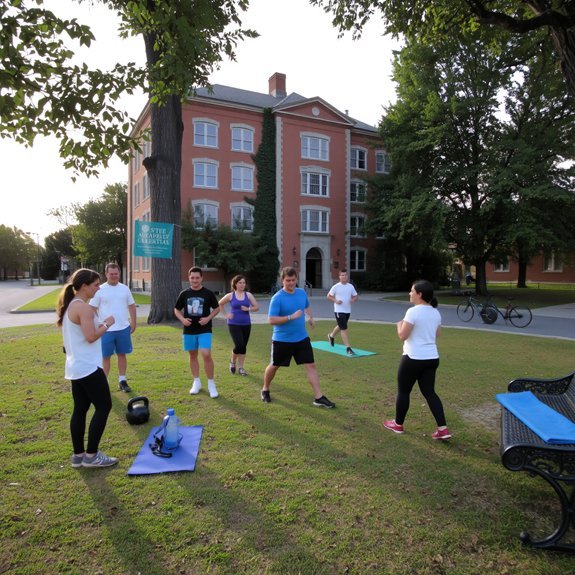
    Your sneakers are a quiet flag—worn at the toes, ready to claim campus steps as territory. You’ll weave quick walks between classes, sneak in pocket squats during study breaks, and drag a friend to the rec for a sweaty playlist and trash talk; I’ll call shotgun on motivation, you handle the laps. You’ll smell warm pavement, hear chapel bells, laugh through stair sprints, and then wonder how this fit into finals week—so keep going.

    Key Takeaways

    • Use campus spaces (rec center, track, quad, studio) for short workouts and sign up early for classes like yoga or Zumba.
    • Build daily movement habits: walk confidently, do pocket squats at stops, calf raises while waiting, and take stairs often.
    • Schedule 15–20 minute intense sessions or ten extra minutes daily, treating them as non-negotiable calendar commitments.
    • Join peers or clubs for accountability, plan regular meetups at the rec center, and celebrate small fitness wins together.
    • Stay flexible between events with quick quad loops, five-minute bench circuits, stair sprints, or resistance-band exercises.

    Quick Daily Movement Habits That Fit Your Class Schedule

    confident movement between classes

    One little trick I swear by: walk like you mean it between classes. I promise you’ll feel it — shoulders back, breath steady, campus sounds sharper — and people notice confidence, even if you’re just late. Pocket squats at stoplights, calf raises while you wait for coffee, and two-minute plank breaks in empty lounges fit anywhere. Take stairs, not just for cardio, but for the tiny victory dance at the top. Text a friend: “Race to the quad?” and sprint like a toddler chasing a ball. Stretching feels weirdly luxurious, so roll your neck, touch your toes, claim five mindful minutes. Keep a mini-goal: ten extra minutes moving today. That’s how habits stack into real change, one deliberate step at a time.

    Making the Most of Campus Facilities and Programs

    maximize campus wellness opportunities

    Three stops on campus that’ll change your whole routine: the rec center, the student union, and that weird little studio you walked past a dozen times and assumed was storage. I’m telling you, go inside. The rec center smells like rubber and effort, machines hum, sunlight slants through high windows — pick a class, or sprint the track between lectures. The student union hides short, punchy workshops — quick yoga, Zumba, or strength sessions that fit between meetings; grab a smoothie after, it’s the grown-up reward. That studio? Mirrors, a speaker that actually plays good music, and floor space for weird, glorious movement. Check schedules, sign up early, ask staff for beginner options, and treat each visit like practice, not performance.

    Building a Supportive Fitness Community With Peers

    join laugh sweat celebrate

    If you want workouts to stick, don’t go solo — join the crew. I’ll say it straight: find classmates who laugh at your bad burpees and cheer for your last rep. Text a study buddy, post a campus flyer, or slide into a group chat with a GIF — you’ll feel the pull to show up. Set simple rituals: Monday sprint drills, Wednesday yoga cool-downs, Friday walk-and-talks. Bring water, loud shoes, and snacks you’ll actually share. Say out loud, “Meet me at the rec at 5,” then mean it. Celebrate small wins, trade playlists, and borrow a towel without drama. When someone skips, check in, don’t nag. You’ll build trust, sweat together, and make fitness fun, not another chore.

    Creative Ways to Stay Active Between Events and Study Sessions

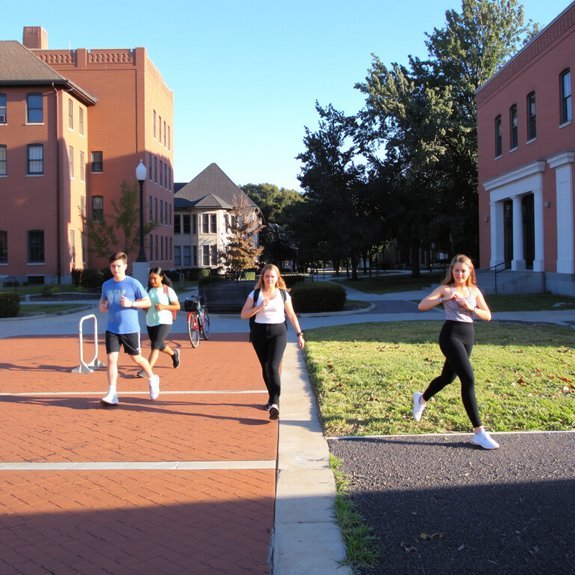
    When you’ve got 20 minutes between a club meeting and that inevitable study grind, don’t doom-swipe through your phone — move. I’m telling you, a quick loop around the quad wakes your legs and clears your head; feel the warm sun and hear campus chatter, pace up the hill like you own it. Try stair sprints, or brisk walk while rehearsing a presentation out loud — pretend the quad’s your stage. Do a five-minute bodyweight circuit by a bench: squats, tricep dips, plank. Invite a friend for a no-pressure dance-off; laughter burns calories, trust me. Carry resistance bands for sneaky strength sets in the library courtyard. These tiny, vivid moves keep you sharp, energized, and oddly proud — yes, even between classes.

    Sustainable Strategies for Balancing Fitness and Academics

    Because you’re juggling classes, clubs, and a social life that thinks sleep is optional, you’ve got to build a fitness plan that actually fits your messy schedule — and yes, I’ve tested this with less coordination than a flamingo on roller skates. I’ll keep it real: small habits beat grand plans, every time. You’ll pick tiny wins, stack them into rhythms, and protect study blocks like sacred rituals. Smell of coffee, headphones on, five-minute warm-up before the library siege. I talk back to excuses, sometimes out loud, sometimes with a stubborn playlist.

    Small, messy routines beat perfect plans — five-minute warm-ups, headphone armor, and treating study blocks like sacred rituals.

    1. Short, intense sessions: 15–20 minutes, sweat, then study.
    2. Schedule workouts like classes: non-negotiable.
    3. Pair study with active breaks: walk and recite notes.
    4. Rest is training too: sleep, hydrate, repeat.

    Conclusion

    You’ve got this — you’ll squeeze in pocket squats between classes, race a friend up the dorm stairs, and actually use the rec instead of staring at it like it’s a museum. I’ll cheer you on, I’ll laugh when you wobble, and I’ll remind you the payoff is that burst of energy you’ll feel in your chest. Keep it playful, keep it real, and don’t blink — your next small move could change everything.

  • How to Navigate Being a Non-Black Student at an HBCU

    How to Navigate Being a Non-Black Student at an HBCU

    You step onto campus and the air smells like fried chicken, old books, and marching-band brass—bracing, alive, a little bit sacred; you inhale, try not to look like you just wandered into someone else’s family reunion. I’ll tell you how to move here without tripping over tradition: listen more than you talk, show up with humility, join in when invited, and apologize fast when you mess up—because trust gets built in small, steady acts, not grand gestures, and that’s where the work really begins.

    Key Takeaways

    • Enter with humility: listen first, observe traditions, and prioritize learning about the campus’s history and community.
    • Center others’ experiences by asking short, respectful questions and avoiding performative curiosity.
    • Build relationships through consistent presence: learn names, attend events, and mirror cultural rhythms.
    • Respect boundaries: seek permission before discussions, correct privately, and accept feedback gratefully.
    • Continue allyship beyond campus with mentorship, advocacy, and sustained support rather than one-time gestures.

    Understanding HBCU History and Mission

    experiencing hbcu living history

    If you’re stepping onto an HBCU campus for the first time, don’t expect a museum tour—expect a living story. You’ll hear rhythms in footsteps, smell gumbo at noon, see banners that whisper lessons. Walk with eyes open, don’t gawp. Learn who founded the school, why it mattered then, and how that mission still shapes classes, protests, and homecoming heat. Ask about alumni who fought for rights, the professors who teach from experience, the traditions that stitch community tight. Take notes, but don’t turn history into a quiz, you’ll look clueless and rude. Listen when elders speak, laugh at your mistakes, and let the campus correct you gently. You’ll leave with context, not just campus selfies.

    Entering With Humility and a Learning Mindset

    listen learn observe respect

    You’re walking into spaces that hold generations of stories, so shut up and listen first — really listen to voices, pauses, the way someone shifts in a chair when a memory hits. Let others’ lived experiences lead the conversation, ask honest questions, and take notes with your eyes and ears before you try to add your two cents. I’ll cheer you on from the sidelines, but don’t expect applause if you talk over the main act.

    Center Others’ Lived Experiences

    Start with one simple rule: show up smaller than your ego and louder with your ears. You’ll notice smells of coffee and old books, hear laughter that’s been here longer than you, and you owe those rhythms your attention. Center others’ lived experiences by making space—physically, verbally, emotionally—so stories aren’t interrupted by your need to relate. Ask specific questions, pause, then shut up. Repeat names correctly, learn histories, and credit origins when you reference them. If someone corrects you, thank them; don’t deflect. Share resources, not spotlight. Offer labor—volunteer, tutor, show up for events—without expecting applause. You’ll look less like a visitor and more like someone trying, imperfectly but earnestly, to belong respectfully.

    Listen Before Speaking

    When I walk into a crowded student lounge, I press my hands into my pockets and do the thing I’m tempted to skip: I listen. You should too. Let the room set the tone, smell the coffee, hear the laughter, notice who’s steering the convo. Don’t jump in to “add perspective,” unless someone asks. Nod, take notes in your head, ask one clear question later. You’ll sound curious, not performative. If someone corrects you, don’t defend—thank them, absorb it, ask for an example. That humility opens doors faster than clever lines. Practice quieter patience; your voice will matter more when it’s earned. And yes, you’ll mess up, you’ll laugh it off, you’ll learn—repeat.

    Building Genuine Relationships on Campus

    observe listen engage learn

    You’re going to earn trust by watching how people move, listen to what they celebrate, and mirror those rhythms with respect — don’t fake it, just notice. I’ll admit I stumbled into a step team clap and sounded like a broken drum, but I listened, asked a question, and joined the laugh; that’s how you learn the cues. Show up for traditions, keep your ears open before you talk, and let curiosity guide you more than assumptions.

    Respect Cultural Norms

    One rule I learned fast: don’t offer a forced high-five in a chapel line and expect to get away with it. You’re at a place with rhythms, jokes, songs, and a wardrobe of meaning. Watch how folks enter rooms, who gets hugged, when feet tap to an old hymn. Match the tempo, not the volume. Ask before you touch, mirror dress-code cues, and let humor be your bridge, not your battering ram. If someone corrects you, stay small, say thanks, and do better—no theatrical apologies. Learn names, nicknames, signature phrases; they’re keys. Taste the food, sit in on events, clap on beat. Respect isn’t performance. It’s paying attention and adjusting, quietly, like tuning an instrument.

    Listen Before Speaking

    Even if you’re buzzing to share your hot take, shut up first and listen — I mean really listen: lean in, unclench your jaw, let the room finish its sentence before you jump in. You’ll catch tone, rhythm, the small laughs, the pauses that mean more than words. Sit with discomfort, don’t paper over it with a joke. Ask quiet questions, mirror body language, nod like you mean it. Say, “Help me understand,” instead of lecturing. I mess up, I fumble, I apologize—do that quickly and sincerely. Keep your phone away, smell the coffee, notice the posters on the wall, the way voices warm up when someone tells a memory. That’s how you build trust, slowly, honestly, without trying to be the headline.

    Participate in Traditions

    If you want people to see you as more than a guest, show up—literally and with your whole self. You’ll go to step shows, tailgates, convocations; you’ll feel the bass in your chest, taste spicy barbecue on your lips, and notice looks that size you up. Don’t be a ghost. Ask where to stand, clap the rhythm, learn the calls. You’ll fumble lines, I promise, and laugh it off.

    1. Arrive early, grab a front-row spot, watch faces, copy gestures, nod when everyone nods.
    2. Wear school colors, but don’t costume-ify heritage.
    3. Offer help—carry chairs, hand out water, sweep confetti.
    4. Ask after, thank organizers, and mean it, repeat honestly.

    Participating Respectfully in Cultural Events and Traditions

    When you step onto a quad humming with drumbeats and laughter, don’t act like you wandered into a movie set; take a breath, smile, and let your eyes actually see people, not props. I’ll tell you straight: stand back for a beat, let the rhythm land, then join if invited. Watch how folks move, copy energy, not gestures. If someone hands you a program or a seat, accept with gratitude, not a selfie-first attitude. Clap on time, cheer when others do, and don’t try to outshine a tradition you barely know. If you mess up, laugh at yourself, apologize quietly, and learn. Remember, participation is respect, not consumption — you’re a guest, not a highlight reel.

    Listening, Asking Questions, and Avoiding Performative Curiosity

    Because you’re curious, don’t let your curiosity behave like a movie camera—quiet, observe, and tune in first. You’ll hear rhythms, see gestures, notice inside jokes; breathe those in before you blurt questions. Ask with humility, not headlines. Lead with, “Can you help me understand?” instead of, “Why do you…?” Watch tone, body language, and timing; silence can teach.

    1. Pause and notice: listen to volume, pauses, laughter, feet shifting.
    2. Ask specific, short questions: focus, don’t audition for a podcast.
    3. Credit lived experience: say “I’m learning” not “I know.”
    4. Offer space: follow cues, step back when conversation is clearly not for you.

    I’m human, I fumble, and that’s fine—learn, laugh, repeat.

    Addressing and Responding to Microaggressions

    Someone’s going to say something clumsy, and you’ll feel it like a skived stitch—tight, obvious, a little itchy in the room. You can breathe, steady your voice, and name it plain: “That comment landed weird.” Say it once, calm, not policing. Watch reactions—some will squirm, some will learn. If it’s minor, a short joke plus correction saves face and teaches: “Nope, that’s a stereotype, try again.” If it’s harmful, set a boundary, walk away, or tell a trusted person—don’t play fixer for every moment. Take notes, log incidents, notice patterns. Afterwards, decompress with friends who get it, journal a sentence, then decide if you’ll address again. You’re human, imperfect, but accountable.

    Advocating for Yourself While Respecting Community Boundaries

    You called out that awkward remark, let the room breathe, maybe scribbled the moment in your phone — good. You’ve got a pulse on the room, but you also know boundaries hum like a bassline. Speak up, yes, but pause, listen; smell the coffee, hear the exhale. Ask, “Is this my lane?” then state your need: clear, calm, short. If someone holds space for you, thank them. If they shut you down, pivot to safety. You’ll stumble, apologize, learn. Keep receipts — notes, timestamps, texts — they’re your map.

    1. Name the behavior, not the person.
    2. Ask permission before educational detours.
    3. Choose private over public corrections.
    4. Use allies when the room feels heavy.

    Becoming a Sustained Ally Beyond Graduation

    When I left campus, I thought allyship could live in a graduation cap and a few well-meaning posts — cute, but wrong. You’ll learn quickly it’s not a souvenir, it’s a practice. Keep reading emails from campus groups, show up to alumni events, and actually listen when Black friends say “this helps.” Call out jokes at family dinners, awkwardly, then laugh and correct yourself — everyone remembers that. Donate, not as proof, but as habit: small monthly gifts beat a single flashy check. Mentor students, offer résumé help, but don’t take their labor as gratitude. Vote informed, push for policy change where you live, and stay curious. It’s lifelong work, messy, rewarding, and utterly worth it.

    Conclusion

    I’ll be blunt: treat the campus like a garden you’re invited into, not a stage you own. Listen more than you speak, ask with curiosity not cameras, join traditions with respect, and show up when it matters—volunteer, sit in on panels, clap loud. Expect missteps, apologize fast, learn faster. Make friendships first, advocacy second, legacy last. If you tend the garden with humility, it’ll surprise you with blooms you never imagined.

  • How to Find Support as an LGBTQ+ Student at an HBCU

    How to Find Support as an LGBTQ+ Student at an HBCU

    About 40% of LGBTQ+ students at HBCUs report feeling only somewhat supported on campus, which means you’re probably not alone — and yes, that stings. I’ll talk straight: start by sneaking into the student center, ask about queer groups, grab coffee with a professor who seems kind, and find the counselor who actually listens; small moves add up, trust me — you’ll want the next steps, because safety, privacy, and real friends don’t just fall into your lap.

    Key Takeaways

    • Locate campus LGBTQ+ centers, student organizations, or affinity groups through the student activities office or campus calendar.
    • Connect with supportive faculty, RAs, and staff by requesting meetings and sharing pronouns and support needs.
    • Use counseling services and peer support groups, clarifying confidentiality and available LGBTQ+-affirming counselors.
    • Build safety plans: identify allies, safe routes, documentation methods, and when to prioritize privacy over disclosure.
    • Expand support online and nationally via moderated forums, virtual meetups, and LGBTQ+ national organizations for mentorship and resources.

    Understanding Campus Climate and Policies

    campus climate and policies

    If you want to know what campus life really feels like, don’t just read the student handbook — walk the quad at noon, listen to laughter spill from the student center, and notice who’s standing alone by the fountain. You’ll sense vibes fast. Policies live on paper, but people make the climate. Ask professors about housing rules, read nondiscrimination statements, and check whether pronouns are respected in class rosters. Notice tone: are advisories supportive, or do they use vague legalese? Talk to campus safety, they’ll tell you how complaints are handled, awkward as that sounds. Peek into residence life guides, they matter. Trust your gut. If you encounter microaggressions, document dates, names, words. That record will save you more than apologies ever will.

    Finding and Connecting With Lgbtq+ Student Organizations

    connect with lgbtq groups

    You can start by scouting campus—check the student activities board, the LGBTQ+ center, or that group table by the student union that always smells like free pizza. Go to a first meeting, say hi, listen, ask one bold question (I promise you won’t die), and take a name or two for coffee later. Then stitch together allies—faith groups, cultural clubs, and faculty sponsors—so you’ve got backup, snacks, and someone to text when you need it.

    Locate Campus Groups

    Three quick steps usually do the trick: scan the student org fair, stalk the campus calendar, and slide into a few DMs — I say “slide” like it’s effortless, but we both know it comes with sweaty-palmed courage. Start by smelling the coffee at the fair, read flyers pinned to the student center, and note meeting rooms. Use the online directory, search “LGBT,” “queer,” “ally,” and your campus-specific slang. Ask your RA or that classmate who seems chill, they’ll usually point you right. Peek at club pages for photos and event vibes, watch short videos, and save contacts. When you find options, map them on your phone, rank by comfort level, and plan a low-stakes intro message. You got this.

    Attend Initial Meetings

    Because stepping into a new room feels like walking onto a stage, I always tell folks to treat that first meeting like a curious, low-stakes audition — not a lifetime commitment. You’ll peek in, feel the air, hear chairs scrape, and maybe catch a laugh that loosens your shoulders. Say hello, give your name, and clap when someone shares; tiny actions show you belong. Ask simple questions: “What do you do here?” “Is there food?” Listen more than talk, but bring one honest line about yourself, even if it’s awkward. Take notes on names, meeting rhythm, and where people hang out after. Leave when you need to, text a friend, and come back if it felt like home.

    Build Intergroup Alliances

    Anyone curious about finding queer community at an HBCU should think of it like scouting a neighborhood block party — walk the route, knock on doors, listen for music, and don’t be surprised if you end up dancing on someone’s porch. I tell you, start small: drop into meetings, bring snacks, and notice who lights up talking about activism or art. You’ll find clubs, faith groups, cultural orgs, even study tables that welcome you.

    • Share goals, don’t hog the mic, build trust over coffee and chaos.
    • Cross-post events, swap contacts, make alliances that feel like mutual aid.
    • Partner on panels, fundraisers, talent shows — let creativity glue you.
    • Celebrate wins loudly, grieve together quietly, keep the porch light on.

    Building Relationships With Allies and Supportive Faculty

    building supportive academic relationships

    Trust is the secret handshake here — you’ll know it when a professor holds the door and actually waits, or when an advisor remembers your pronouns and asks how your weekend went; those small, human moments add up fast. You lean into those gestures, say thanks, and keep a mental list. Invite a prof for coffee, bring a question, watch their eyes light up — that’s your cue. Be candid about needs, but don’t demand an FAQ; offer quick context, a pronoun line in email, a simple “I’d like your support.” Notice who defends you in class, who follows up, who checks your syllabus language. Keep it mutual: share wins, ask for feedback, and return favors — allies grow when you water them.

    Accessing Mental Health and Wellness Resources

    You’ve probably walked past the counseling center a dozen times, nerves humming, and wondered if it’s actually for you — it is, and you deserve that quiet, air-conditioned room and someone who listens without judgment. Try a drop-in session or ask about LGBTQ+-affirming counselors, and if you’d rather test the waters first, join a peer support group where people get it, crack jokes, and pass tissues like it’s a sport. I’ll say it plainly: get help early, lean on the crew around you, and don’t worry, awkward small talk is part of the healing.

    Campus Counseling Services

    If campus counseling feels intimidating at first, don’t worry—I’ve tripped over the intake form too. You walk in, clutch a tote, feel the AC hum, and wonder if they’ll get you. Be direct, ask about confidentiality, and tell them your pronouns—small moves, big relief. I’ll admit, I once joked about needing a therapist for my roommate’s drum practice; they laughed, then helped me map coping strategies.

    • Ask about LGBTQ+-affirming counselors, and if none, request referral.
    • Check appointment types: drop-in, sliding scale, telehealth options.
    • Clarify limits of confidentiality, mandatory reporting, emergency procedures.
    • Bring notes, examples, or a friend for support, if that helps.

    You’ll leave steadier, one small step at a time.

    Peer Support Groups

    When I first wandered into a peer support group, my palms were sweaty and my voice sounded like I’d swallowed a kazoo, but I stayed—because these rooms hum with something honest and low-key hopeful. You’ll find chairs in circles, sticky coffee cups, a bulletin board of tiny, hopeful flyers. Sit, listen, breathe out. People share short, sharp truths, then laugh, then pass tissues. You’ll talk about coming out at family dinner, bad pronoun slips, campus microaggressions—real stuff, no textbook. Leaders keep things grounded, they’ll remind you of confidentiality, of breaks, of grounding exercises. If a group feels off, try another; if you need one-on-one, ask the facilitator. These groups are practice, refuge, and weirdly fierce community—all in one.

    Because college is loud — dorm hallways smell like ramen and laundry detergent, campus quad chatter bounces off brick, and every calendar seems to be shouting events at you — deciding how much of your queer life to show is its own kind of choreography. You learn quick, you test the water, you stash pride pins for nights out. Trust your gut, carry backups, and make low-stakes disclosures first. I’ll say it plain: safety beats being “authentic” in risky spots.

    • Scope it: name, pronouns, and outfits, each released on your terms.
    • Check signals: tone, jokes, and who laughs, they’re data.
    • Map exits: safe rooms, allies, and routes off the quad.
    • Archive proof: texts, dates, and witnesses, just in case.

    Engaging With Local Community and Off-Campus Resources

    You don’t have to keep your queer life boxed inside the dorm. Walk down the block. Find the little cafe with rainbow stickers on the window, smell espresso, hear laughter—you’ll spot folks who get it. Go to local LGBTQ+ centers, drop in for meetings, pick up pamphlets, ask about queer-friendly health clinics and therapists. Volunteer at Pride events, meet DJs, practice your small talk, cringe and then laugh about it. Check community boards at libraries and churches that welcome you, call ahead if you need safety. Bring a friend or go solo; both work. Keep a list: names, numbers, safe routes. I promise, leaning into the neighborhood gives you practical help, surprising allies, and a few good stories.

    Using Online Networks and National Organizations for Support

    If you’re short on local options or just craving a wider queer choir, hop online — I promise the internet’s not all doomscrolling and karaoke fails. You can find national groups, moderated forums, and mentorship programs that actually listen. I’ll show you quick ways to plug in, without the noise. Join an org, sign up for a newsletter, DM a mentor, or drop into a Zoom—feel the relief of voices that match yours, even miles away. I’ve scrolled late nights for allies, cried into my laptop, then found community at dawn. Here are practical routes that helped me breathe easier, and might do the same for you.

    If local options fall short, go online—find moderated groups, mentors, and virtual meetups that actually listen.

    • Join national orgs for policy support and scholarships
    • Use moderated forums for safety and shared tips
    • Attend virtual meetups to practice coming out language
    • Find online mentors for career and wellness guidance

    Conclusion

    I know you’re thinking, “HBCUs aren’t welcoming,” but hear me: you’ll find pockets of fierce love if you look. Walk into a meeting, say hi, grab a cookie—feel the carpet under your shoes, the hum of voices—then ask one person for coffee. I’ll bet they listen. Use counseling, faculty allies, online groups, and local centers. It’s not instant, it’s real work, and yes, you belong here.

  • How to Deal With Imposter Syndrome as an HBCU Student

    How to Deal With Imposter Syndrome as an HBCU Student

    You walk across campus, palms sweaty, and half expect someone to tap you and say “wrong room” — sounds familiar, right? I’ll tell you straight: imposter feelings show up loud at HBCUs because you care, you endeavor, and you notice every glance; don’t erase that, use it. Start small — name one win each morning, join a study table that smells like coffee and laughter, ask a senior for honest tips — do that, and the doubt loosens. Keep going — there’s more.

    Key Takeaways

    • Name your inner critic, reframe its messages, and respond with culturally affirming affirmations and humor.
    • Build a supportive circle: form study groups, seek mentors, and join clubs that reflect your identity and goals.
    • Track wins daily: journal small achievements in native idioms and celebrate measurable progress.
    • Use campus resources—tutoring, writing centers, and office hours—to replace doubt with competence through action.
    • Counter microaggressions with communal support, mirror work, and routines that reinforce belonging and confidence.

    Recognizing What Imposter Syndrome Looks Like on HBCU Campuses

    imposter syndrome on campus

    Ever walked into a packed lecture hall at your HBCU and felt like you somehow took the wrong bus? You blink, scan faces, clutch your notebook like a lifeline, and whisper, “Do I belong here?” That knot in your stomach, the voice saying you’re a fraud, the extra hours studying while everyone else seems relaxed — that’s imposter syndrome showing up in cap-and-gown terrain. You compare grades, outfits, legacy stories, and minimize wins. You dodge office hours because you’re “bothering” professors, you downplay praise, you rehearse answers till your tongue hurts. But you notice patterns: avoidance, perfectionism, discounting compliments, constant comparison. Recognizing these moves is half the battle, you see them, name them, and start to call them out.

    Understanding Why It Persists Despite Your Achievements

    persistent self doubt despite achievements

    Even when your resume looks like a highlight reel and your professors call you by name, that little voice keeps muttering that you snuck in the back door — and it’s not because you’re weak, it’s because the world keeps handing you reasons to doubt. I watch you shrug off applause, tuck your achievements into your bag, and step into rooms where curricula, headlines, and stereotypes hum like fluorescent lights. Microaggressions buzz; old narratives snap at your ankles. You taste bitter coffee at 2 a.m., proof of hustle, and still your mind whispers fraud. Comparison scrolls through your phone, loud as a stadium chant. Family hopes and historic pressure sit heavy on your shoulders, and even success feels borrowed. That’s why the doubt keeps knocking.

    Culturally Affirming Strategies to Quiet the Inner Critic

    quiet your inner critic

    You’ve been carrying that doubt the way you carry a tote bag — full, heavy, and somehow stylish, but it’s time to put it down. I’ll say this plainly: your voice matters. Name the critic — give it a ridiculous nickname, laugh at it, then call it out when it whispers. Surround yourself with cultural touchstones: play familiar songs, cook a recipe that smells like home, wear a color that makes you stand tall. Journal in your native idioms, recap wins in quick bullets, celebrate with small rituals — snap fingers, clap twice, take a victory bite. Mirror work. Say affirmations that sound like you, not like a speech. Practice switching the script: “I belong” replaces “I don’t” until it sticks.

    Building Community, Mentorship, and Academic Support That Fits You

    When the doubt starts whispering that you don’t belong, don’t go it alone — build a crew that proves it wrong. You find peers who get your hustle, snag mentors who speak truth with a laugh, and join study spots that smell like coffee and possibility. I’ll say it plain: matching support to you beats copying someone else’s playbook. Try roles, test vibes, drop what drains you. Notice who celebrates small wins, who asks hard questions, who texts you the tricky answer at midnight. Concrete moves matter: email one professor, sit in on a lab, show up to a cultural org meeting.

    • Buddy up with classmates for weekly problem-solving sessions
    • Seek mentors who share culture and career vision
    • Use campus tutoring, drop-in hours, and writing centers
    • Join clubs that spark joy, not just résumé shine

    Practicing Daily Habits to Strengthen Confidence and Belonging

    Alright — you’ve got your people, your mentors, your late-night study squad; now let’s make small, repeatable moves that turn belonging from a mood into a habit. I want you to start each morning naming one win out loud, even if it’s “I didn’t burn my toast,” say it like you mean it. Walk campus with purpose, notice the brick smell, the coffee steam, nod at a familiar face. Schedule a ten-minute review of what you learned today, jot one awkward question to ask tomorrow. Celebrate tiny steps with real treats, not just mental pats. When doubt creeps in, text a mentor the single sentence you’re afraid to say. Repeat, rinse, repeat — daily rituals anchor confidence, they add up, trust me.

    Conclusion

    You’re not an imposter, you’re a student carving your name in warm clay. I’ve seen you doubt, pace the quad, rehearse answers in the mirror — now stop. Celebrate tiny wins, call a study buddy, ask a mentor one blunt question. Say affirmations like you mean them, journal one honest line, join that campus event. You belong here. Breathe, smile, take the next step — loud, proud, real.

  • How to Handle Academic Pressure at an HBCU

    How to Handle Academic Pressure at an HBCU

    Most people don’t know your professors expect you to ask for help — really — even if it feels awkward; I’ll show you how to make that awkwardness disappear. You’re juggling classes, work, and a social life that’s louder than laundry day, so let’s build routines that fit your rhythm, not some campus brochure fantasy. Start with tiny wins, lean on peers and tutors, and keep your sleep sacred — and then we’ll tackle the rest.

    Key Takeaways

    • Name your stress, set personal goals tied to values, and break them into small, measurable steps.
    • Build a portable study routine: one clear goal per session, Pomodoro blocks, and celebrate small wins.
    • Use campus supports: tutoring centers, professors’ office hours, and study-skill workshops proactively.
    • Ask for help early, cultivate peer mentors, and attend group wellness or drop-in mindfulness sessions.
    • Create three anchor habits (wake, move, focus), plan each night, and maintain flexible self-care rituals.

    Understanding Academic Pressure at HBCUs

    navigating academic pressures together

    When you first step onto campus, you’ll smell coffee, faint cologne, and that weird mix of printer toner and fresh-cut grass — and you’ll feel the weight of expectations, too, like an extra backpack you didn’t ask for. You notice families hugging, professors nodding, and your phone buzzing with “How’s it going?” You feel proud, anxious, excited. Pressure here wears many hats: legacy hopes, community lift, scholarship strings. You’ll compare grades, swap survival tips in line for ramen, and pretend you’re fine when you’re not. I tell you, that’s normal. Learn the rhythms, name the stress, say it out loud. Breathe, schedule real breaks, and find one honest friend to tell the truth to — you’ll be better for it.

    Setting Realistic and Culturally Aligned Goals

    culturally aligned personal goals

    You’ve already named the weight on your shoulders, and now we’re going to stop letting it boss you around. You pick goals that fit you, not someone else’s highlight reel. Say out loud what matters — family, community, that major you actually enjoy — then trim the rest. Break big ambitions into neighborhood-sized steps, measurable and kind. Honor cultural rhythms: church nights, family dinners, home-cooked smells that ground you, not guilt. Use language that respects your roots, call accomplishments by names your elders would recognize. If a goal sounds like a decree, rewrite it as an invitation. I’ll remind you when you wobble, with tough love and a joke. Keep goals honest, flexible, and proud; they should lift you, like slow, steady jazz.

    Building Study Routines That Fit Your Life

    flexible study routines needed

    Because life at an HBCU fills up fast — classes, chapter meetings, Sunday dinners that smell like your mama’s kitchen — you need a study routine that actually fits into your world, not some sterile planner from a productivity influencer. I tell you this: pick pockets of time that already exist, like between class and practice, or during that ten-minute walk. Keep a small kit — headphones, highlighter, index cards — so you study anywhere, even a noisy quad. Use one clear goal per session, read aloud when you need rhythm, sketch diagrams when words get dull. Swap study spots for fresh feels, text a friend for accountability, forgive days that tank, celebrate short wins with something tasty. You’re building a groove, not chasing perfection.

    Time Management Strategies for Busy Students

    If life at your HBCU feels like a jam-packed playlist that won’t stop, it’s on you to be the DJ — cue, skip, and remix tracks so the important stuff actually plays. Picture your day like a mixtape, feel the beat of class bells, the rustle of notes, the coffee aroma hitting mid-afternoon. You’ll block time like a boss, 25-minute sprints, five-minute breaks, then repeat — Pomodoro keeps you sharp, not fried. Say no more often, politely, like a smooth track fade. Use a big visual calendar, color-code urgent, due, and chill. Tuck tiny tasks into gaps — email replies between labs, readings on the bus. End each night with a two-minute plan, breathe, smile, try again tomorrow.

    Using Campus Academic Support Services Effectively

    You can start by finding the tutoring center, it’s usually a bright hub with flyers and free pens—ask at the student success office and snag a spot. Then, pop into your professor’s office hours, say something like, “I’m stuck on this problem,” and watch them turn confusion into a plan. Don’t forget the study-skill workshops; they’re short, practical, and will teach you tricks that actually stick, no magic required.

    Locate Tutoring Centers

    One good rule: treat the tutoring center like a study gym — show up sweaty from effort, not from panic. I say that because you’ll walk in, smell strong coffee, hear calculators clicking, and instantly relax. Find the building on the campus map, peek through the window, and spot students clustered around whiteboards. Ask the receptionist where drop-in hours are, grab a desk, and claim a tutor. Bring specific problems, your syllabus, and a pencil with bite marks — tutors love concrete questions. Sit with someone who explains concepts, not just fills worksheets. Trade wins: celebrate a solved equation, then jot next steps. Leave with a clear plan, a lighter chest, and, yes, maybe a free snack. Repeat.

    Schedule Professor Office-Hours

    Tutoring centers are great — they’re the campus equivalent of a sweat session for your brain — but there’s a different kind of gym where the gains come from conversation: professor office hours. Go, sit, and bring a question. You’ll get focused help, clarifying examples, and the chance to sound smarter than you feel. I promise, they like when you try. Knock, enter, offer a quick “thanks for seeing me,” then lay out what stumps you. Take notes, ask for a model problem, and set a follow-up. Office hours build rapport, and that matters come exam time.

    • Late-afternoon sunlight sliding across a desk
    • A stack of annotated syllabi
    • A marker sketching a problem on whiteboard
    • Your pen racing, coffee cooling
    • A genuine, patient nod

    Use Study-Skill Workshops

    If you haven’t been to a study-skill workshop yet, do it like you’d try a new coffee shop — curious, a little skeptical, and ready to be pleasantly surprised. I’ll tell you straight: these sessions are bite-sized game changers. You’ll sit in a bright room, smell warm coffee, tap a pen, and learn a trick that saves hours. Try the note-mapping demo, doodle your ideas, and watch confusion turn into a tidy plan. Ask questions, interrupt politely, make a joke, and you’ll remember more. Take the free handout, stick it in your notebook, practice that timing trick before the next quiz. Don’t be shy, show up often, and treat the workshops like a secret study weapon.

    Forming Study Groups and Peer Accountability Networks

    Because study doesn’t have to be a lonely late-night grind, I want you to envision this: you, a mismatched circle of classmates, textbooks spread like a paper city, coffee steam curling where ideas meet. You grab a marker, someone else claims the whiteboard, and suddenly complex theories lose their glare. You’ll pick roles: clarifier, questioner, timer, cheerleader. You’ll set short goals, swap notes, quiz each other, and leave with fewer mysteries and more laughs.

    • A sticky note skyline, scribbled formulas glowing under a desk lamp
    • Laughter bouncing off dorm walls, answers arriving like surprise guests
    • Warm mugs, cold pizza, the tactile comfort of shared highlight markers
    • A timer’s tick, hushed debates, nods of “got it”
    • Victory fist bumps on exam week

    Managing Financial Stress and Workload Balance

    Alright — study groups helped you crush problem sets and keep sanity in check, but money and hours on your schedule have their own kind of pressure, and they don’t politely raise a hand. You juggle shifts, textbooks, and deadlines, so start by mapping cash flow, not feelings: list income, bills, payday, then circle gaps. Cut subscriptions like bad dates, pack lunch, scout campus food pantries, ask financial aid about emergency grants. Trim work hours where grades dip, swap shifts with a friend, or pick micro-gigs that fit between classes. Negotiate with professors when a job clashes, show your schedule, ask for extensions sparingly. You’ll sleep better when your budget and calendar match, and you’ll stop sprinting on fumes.

    Prioritizing Mental Health and Self-Care Practices

    You’ve got to build a simple routine—wake, eat, study, move—so your days feel like a heartbeat, steady and predictable. When stress spikes, use campus mental health resources, knock on the counseling center door, or join that little support group you keep scrolling past. I’ll admit I’m biased, but asking for help is braver than pretending you’ve got it all together.

    Build a Consistent Routine

    Let’s carve out a routine that doesn’t feel like punishment—think of it as a stubborn little scaffolding that keeps you standing when everything else wants to wobble. You’ll pick three anchor habits: wake, move, focus. I’ll cheer, you’ll grumble, we both win. Set alarms that smell like commitment, not guilt. Block study sprints, five-minute stretches, coffee that’s actually decent. Keep a tiny ritual before bed — dim lights, a single page of something fun, teeth brushed like you mean it.

    • Sunlight on your face for two minutes, pretend you’re in a movie
    • A playlist that says “get to work,” not “panic”
    • A warm drink that signals focus
    • A thirty-minute walk with no phone
    • A sticky note that reminds you, “One thing today”

    Use Campus Mental Resources

    If campus life starts feeling like a pressure cooker, step into the wellness center before you start simmering—think cool air, soft chairs, and someone who actually listens without checking their phone. I tell you, use those services. Walk in, sign up, breathe. Counselors know the rhythms here, they get HBCU culture, they won’t gaslight your stress. Join a group session, try a drop-in mindfulness class, or grab a peer mentor who’s been there and survived. Call for crisis support if things spike, don’t suffer in silence. Tap counseling apps the school offers, schedule regular check-ins, and practice small self-care rituals—cold shower, three deep breaths, real sleep. You’ll feel steadier, smarter, and less dramatic—promise.

    Leveraging Mentors, Professors, and Alumni for Guidance

    Mentors are like campus GPS—sometimes they reroute, sometimes they yell, but they usually get you there; I learned that fast freshman year, standing under the oak by the quad with a professor who smelled like peppermint tea and patience. You’ll meet people who open doors, hand you a map, or roast your résumé—lovingly. Ask for office-hour coffee, text alumni for real-world receipts, let professors edit one paragraph, not your soul. Take their notes, argue kindly, laugh when you flub.

    • Hands warm from a paper cup, late-night lab light buzzing.
    • A voicemail, slow and steady, with career advice.
    • Sticky notes plastering a desk, deadlines circled red.
    • A firm handshake after a nervous presentation.
    • An email reply that smells like possibility.

    Conclusion

    You’ve got this. Picture Tasha, an HBCU sophomore—coffee steam rising, playlist low, textbooks circled in neon—who split big projects into snack-sized goals, asked a tutor for one hard problem, and swapped shifts with a roommate to rest; her GPA climbed, and she laughed more. Keep goals real, use supports, and celebrate tiny wins. I’ll cheer you on, but you’ll do the heavy lifting—smart, steady, and unapologetically you.

  • How to Set Boundaries With Friends and Roommates at an HBCU

    How to Set Boundaries With Friends and Roommates at an HBCU

    You’re living shoulder-to-shoulder with your besties and a stack of textbooks, so it’s time to speak up without sounding like a dorm hall PTA. I’ll walk you through naming your nonnegotiables—quiet study zones, guest rules, chore splits—then saying them out loud with an “I” statement that actually works; imagine calm eyes, a timer on your phone, and no drama. Stick around, because the pushback is where the real skill shows.

    Key Takeaways

    • Identify your non-negotiables (study time, sleep, hygiene) and write them down so you can explain them clearly.
    • Use calm “I” statements like “I need quiet after 10 p.m. to study” to avoid blame and set expectations.
    • Create a visible roommate agreement with labeled shelves, quiet hours, cleaning schedules, and guest rules.
    • Communicate boundaries early and consistently, responding politely but firmly when they’re crossed.
    • Reinforce limits with simple cues (closed door, headphones) and follow up with a short conversation if needed.

    Understanding Why Boundaries Matter on a Tight-Knit Campus

    set boundaries for balance

    Because your campus feels like one long family reunion, boundaries aren’t optional — they’re survival tools. You’ll bump into cousins-from-another-mother between classes, hear gossip in the dining hall, and get invited to every weekend scramble. You smell sweet cornbread, hear laughter, feel hugs that linger — and you also need quiet. I’ll say it plain: setting limits protects your energy, your grades, your sanity. Practice saying, “Not tonight, I’ve got work,” with a smile. Close your door, wear headphones, schedule study dates on purpose. Watch people respect you more when you expect it. You won’t win everyone’s applause, but you’ll get peace, focus, and a healthier social scene — which is the whole point, honestly.

    Identifying Your Personal Limits and Nonnegotiables

    identify values and boundaries

    You know what matters to you, the things that make you feel steady when campus life gets loud and crowded. Start by naming two or three core values out loud—honesty, quiet study time, or having friends who respect your sleep—and notice how your body reacts, that tight jaw or the small relieved sigh when you say them. Then pick daily boundaries you won’t trade, like no overnight guests without a heads-up or headphones on during 9–11 p.m. study hours, and practice saying them with a smile, because firm can still be friendly.

    Know Your Core Values

    Boundaries start with a stubborn little list in your head, the one you barely admit to—quiet things like “I need sleep before an 8 a.m. lecture” and louder ones like “I will not loan cash that disappears.” I’m telling you to sit down, actually write that list, and smell the coffee while you do it—literal coffee, cup warm in your hands, dorm hum in the background—because naming what matters makes it impossible to pretend everything’s negotiable. Now, turn that list into values: respect, honesty, quiet time, study focus, financial clarity. Say them out loud, like vows to a less dramatic partner. Keep them short, memorable, non-negotiable. Pin them, memorize them, let them guide how you answer favors, split bills, or say no without guilt.

    Define Daily Boundaries

    Okay, you’ve named your values—great work, pat on the back, grip your warm mug again—and now it’s time to pin down what they look like every single day. You decide when quiet starts, when study mode kicks in, which snacks are shared, and which are sacred—label the shelf, tape a note, act like a respectful landlord of your own life. Say, “I need headphones after 10 p.m.,” not “I hope.” Practice: rehearse the line in the mirror or with your roommate, deliver it with a shrug and a smile. Track energy: morning alone, midday social, evening recharge. Own nonnegotiables—sleep, classes, mental health—and state them calmly. Boundaries aren’t mean; they’re practical, kind, repetitive.

    Communicating Boundaries Clearly and Respectfully

    communicate boundaries with clarity

    Even if it feels awkward at first, I’ll tell people when something crosses my line—because vague hints get ignored and passive-aggressive sighs just make dorm hallways awkward. You walk up, breathe in that cafeteria coffee smell, and say, “Hey, quick thing—I need quiet after 10 for studying.” Short, clear. Use “I” statements, not finger-pointing. Name the behavior, set the time or space, offer an option: “Can we switch to headphones or move chats to the lounge?” Keep tone calm, smile, even if your stomach’s doing flips. If they push back, repeat the boundary, don’t apologize for needing it. Write rules down if needed, text the plan, and celebrate small wins with a relieved, dramatic exhale.

    When friends start treating your room like an open-door vending machine—pop in, grab snacks, nap on your bed, leave their charger like a breadcrumb trail—you’ve got to step in before resentment sets up a permanent camp. I tell you straight: call it out, kindly but firmly. Say, “Hey, can we agree on knocking?” or, “Please ask before raiding my snacks.” Use specifics — times, spaces, items — smell of laundry, dent in your mattress, that empty cereal box staring at you. If someone flops down uninvited, stand, offer a polite plate, and remind them of your plan. Be consistent, not mean. Expect pushback, sighs, fake hurt. Stick to your line, laugh it off, and watch boundaries slowly reclaim peace.

    Setting and Enforcing Roommate Agreements

    Alright, you called the friend out on the snack raids, now let’s make the room rules stick — for real this time. I grab a marker, you grab the reality check. We’ll write it down, sign it, and tape it by the door so even late-night brain fog obeys.

    Time to write down room rules, sign them, tape them by the door — no more midnight snack mysteries.

    1. Assign shelves, label jars, jot dates — nothing tastes better than claiming your snacks.
    2. Set quiet hours, test them with a whispered movie scene, agree on headphone volume.
    3. Schedule cleaning shifts, make a playlist for vacuum day, reward yourself with pizza.
    4. Decide guest rules, sketch a map of shared zones, say when sleepover season ends.

    You’ll enforce gently, but firmly. I’ll remind you to breathe, laugh, and refuse drama like it’s a bad mixtape.

    Handling Pushback While Preserving Relationships

    If they push back, breathe, steady your voice, and remember you’re not declaring war — you’re protecting your sleep, your snacks, and your sanity. I say it calmly, with palms flat on the table, eyes level, like we’re teammates, not enemies. They roll their eyes, you smile, you repeat the need, concrete: “Lights off by 11, no guests past midnight, label my food.” Use “I” lines: “I can’t focus with loud music,” not “You’re always loud.” Offer tiny trade-offs, a study playlist, a weekend hangout. If they get defensive, pause, joke, then restate the boundary. Follow up in text, polite and firm, so there’s a record. If patterns persist, loop in mediation or housing. You protect peace, and friendships often survive practical honesty.

    Conclusion

    You’ve got this. You’ll sleep better, study louder, and laugh without guilt when you name what you need—“I need quiet after 10,” not “You’re loud.” Remember, don’t cry over spilt milk; fix the mess. I’ll be blunt: set rules, write them down, sign them like adults, and follow through. When friends push back, stay calm, repeat your line, offer a swap, then walk away if you must. Respect grows from limits.