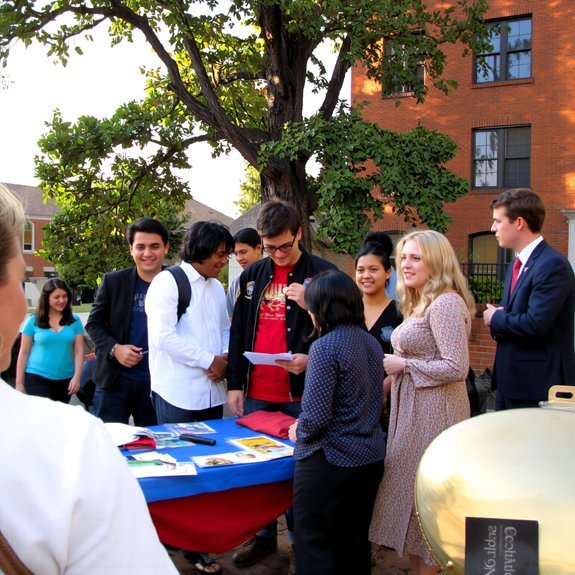
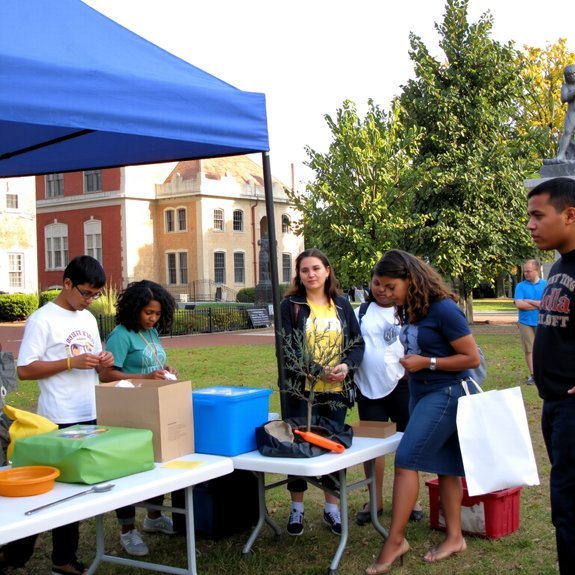
Most students don’t know that homecoming cookouts and midnight study sessions are where lifelong mentors actually show up, so you should treat every tailgate and office-hour visit like a mini-audition for your future. You’ll learn names faster than you think, smell grill smoke and printer toner in the same breath, and collect favors like rare stamps — but stick around, because the real payoff comes when you mix class hustle with campus rituals and the right person offers you an internship.
Key Takeaways
- Immerse yourself in campus traditions, events, and social gatherings to build community and create lasting memories.
- Build strong relationships with professors and mentors through office hours, thoughtful questions, and follow-up communication.
- Join student organizations, volunteer, and consider Greek life to expand your network and sense of belonging.
- Use campus resources like tutoring, counseling, and academic advising to support academic and personal growth.
- Pursue internships and network with alumni, faculty, and employers to gain experience and career opportunities.
Embrace Campus Culture and Traditions

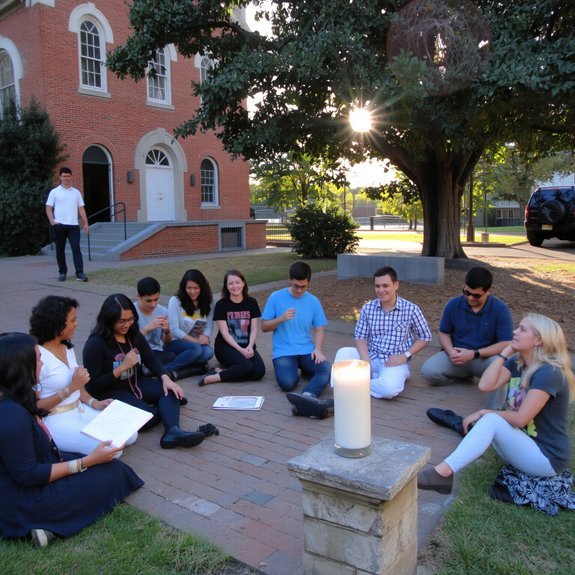
When you step onto HBCU grounds, breathe it in — that mix of fried food, marching band drumbeats, and campus gossip that sticks to your clothes like summer. You’ll learn the chants, wave at the same folks every Friday, and duck into tailgate lines that smell like victory and lighter fluid. Join a step team or choir, even if you’re awkward; participation beats perfection. Sit on the quad, trade stories, sample every campus cookout until your jeans protest. Watch the homecoming parade, clap when the drumline drops a beat, cheer like you mean it. You’ll collect rituals, nicknames, secret shortcuts, and a playlist that’ll comfort you later. Embrace it, laugh at yourself, and let these traditions claim you.
Build Strong Relationships With Professors and Mentors

Think of professors and mentors as secret VIPs on campus — they’ve got keys to opportunity, advice that actually lands, and snacks at office hours if you’re lucky. I tell you, walk into their office like you belong, shake a hand, make eye contact, and mention something specific from their class — it signals you’re paying attention. Ask crisp questions, bring a draft, and listen; note-taking still wins. Invite them for coffee, or email with a clear subject line, don’t send a novel. Say thanks, follow up on leads, and report progress; people remember follow-through. Use mentorship for feedback, internships, recommendation letters, and tough career truth bombs. Keep it genuine, stay curious, be reliable, and watch your network actually work.
Get Involved in Student Organizations and Greek Life
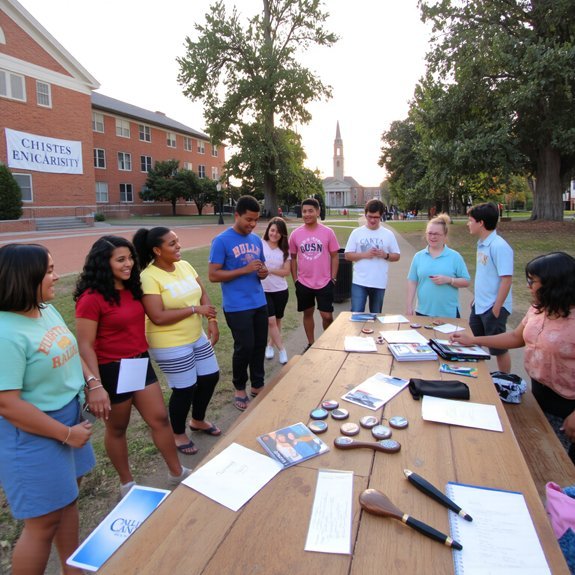
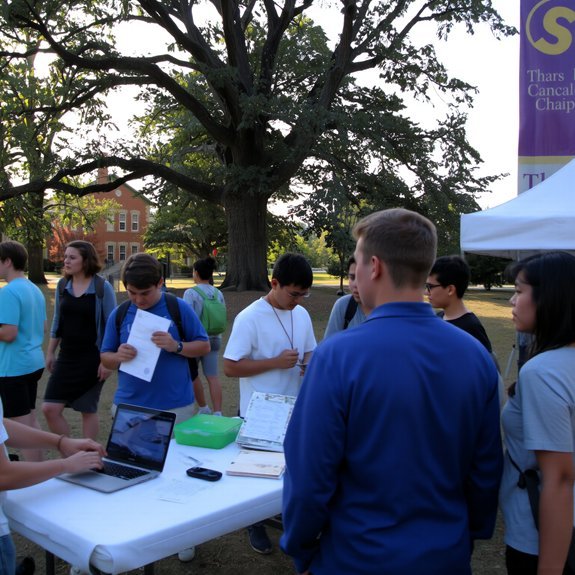
You should wander the student fair with a coffee in hand, eyeballing clubs that match your vibe and taking flyers like they’re tiny promises. Try a meeting or two, chat up a member, and if Greek life intrigues you, sit in on a chapter event to feel the energy — think music, handshakes, and snacks. I’ll bet one new group will stick, give you friends who text back, and make campus feel like yours.
Join Campus Organizations
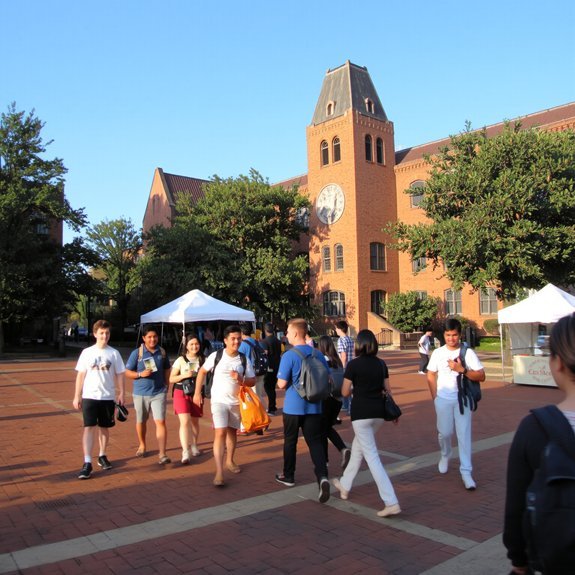
If you wander across a crowded quad and feel that electric buzz—music, flyers fluttering like confetti, students shouting about bake sales—you’ve just hit the jackpot for making campus feel like home, and I’m here to tell you to plunge in. You’ll try a club, taste its vibe, and either stay or bow out—no drama. I’ll nudge you toward curiosity, conversation, and commitment, in that order. Touch posters, ask one question, laugh at a terrible icebreaker.
- Visit three meetings in one week, feel the rhythm, pick the one that fits your schedule and soul.
- Volunteer at an event, meet leaders, claim a small responsibility—watch your confidence grow.
- Start something tiny if nothing fits; leadership loves initiative.
Explore Greek Life
Ever wandered past a row of bold letters and felt that little tingle—like a party you weren’t supposed to miss? You should peek in. Greek life at an HBCU buzzes with rituals, laughter, late-night study sessions, and handshakes that feel secret and strangely affirming. I’ll tell you straight: it’s networking wrapped in tradition, community dressed as celebration. Go to rush, listen more than you talk, taste the food at mixers, feel the chant in your chest. You’ll meet mentors who’ll check your grades, friends who drag you to service projects, a sister or brother who texts at 2 a.m. Don’t join just for fame, join for people who hold you accountable, who push you, who make campus feel like home.
Use Campus Resources for Academic and Personal Support
When I first set foot on campus, I didn’t know the tutoring center smelled like lemon cleanser and victory—now I do, and it’s my favorite hideout. You’ll duck in between classes, snag a desk by the window, and watch sunlight make the math book look heroic. Use the counseling center when nights get loud in your head, join study groups that actually finish chapters, and grab meal-plan coffee with professors who’ll give straight answers.
- Tutoring: ask for examples, bring snacks, don’t fake understanding.
- Counseling: book early, try a walk-and-talk, be honest — therapists aren’t mind readers.
- Academic advising: map courses, pick backups, remind them you have a life.
Own these resources, they’ve got your back.
Gain Professional Experience Through Internships and Networking
You’ll want to hunt down internships that actually match your major and curiosity, those hands-on gigs where you’ll get coffee runs and real responsibilities, so your résumé doesn’t read like a mystery novel. I’ll tell you straight: talk to professors, career services, alumni, and that classmate who always posts industry events—shake hands, send messages, show up, and bring a notebook. Then mix those contacts with solid work experience, and suddenly your future employer feels less like a stranger and more like someone you’ve impressed over time.
Find Relevant Internships
If you want that first real-world win on your resume, don’t wait for perfect timing or permission—go find an internship that makes you excited to get up in the morning. I’ll tell you how I sniffed out gigs that fit me, felt like fits, and taught me stuff I still brag about. You’ll scroll, call, and show up—coffee in hand, voice steady. Be bold, try small companies, and don’t be afraid to ask for real tasks.
- Target roles: list skills you want, search HBCU career boards, filter for hands-on work that makes your eyes light up.
- Tailor materials: tweak one resume line per job, write a quick, human cover note.
- Apply fast: set a weekly quota, follow up politely, repeat.
Build Professional Networks
Networking is the quiet currency of careers, and I promise it’s not as gross as it sounds—think more like swapping playlists with people who can actually get you into the studio. You’ll stroll into career fairs, badge clipped, palm a little sweaty, and I’ll nudely remind you to breathe, smile, ask one smart question. Say, “What surprised you about this field?” Hand over a crisp résumé, but follow up with a LinkedIn note that’s short, human, oddly specific. Join campus clubs, attend alumni panels, grab coffee with someone whose job titles make your phone autocorrect to “goals.” Offer help before you ask for favors. Keep a spreadsheet, review contacts weekly, and send thank-you messages that mention a detail—shows you listened. Networking’s an active habit, not a checkbox.
Balance Social Life, Wellness, and Academic Success
When I first got to campus, my schedule looked like a game of Tetris, except the pieces were parties, study groups, and yoga classes, and I was terrible at the controls; I learned fast that balance isn’t some noble ideal, it’s a daily skill you practice, fumble, and occasionally master. You’ll pick priorities, say no without guilt, and actually sleep sometimes. You’ll smell coffee at midnight, feel yoga mat grit on your palms, and hear friends laughing down the hall. Try these tiny moves, they work.
- Block calendar time for class, naps, and fun—protect it like your playlist.
- Swap a party for a walk, call a friend, or do ten deep breaths.
- Use office hours, not just textbooks; professors are actual people.
Conclusion
You’ve got this — grab games, grub, and great mentors, don’t ghost office hours, and join clubs that spark you. I’ll say it straight: show up, speak up, sweat a little, savor late-night cookout smells, and shake hands at career fairs. Balance beats burnout, so nap when you need to, ask for help, and hustle for internships. Small steps, bold moves, steady smiles — that’s how you make your HBCU home.