
Blog

  • How to Prepare for HBCU Admissions Interviews

    How to Prepare for HBCU Admissions Interviews

    Like a drumbeat, your pulse tells the real story—so let’s get it in sync. You’ll learn the school’s vibe, pick two crisp stories that show leadership and heart, and practice saying them out loud until they feel natural, not scripted; picture a quiet room, warm light, a laptop camera at eye level, and your voice steady. I’ll show you how to answer the usual curveballs, calm the nerves, and look like you belong—but first, we’ll fix that opening line.

    Key Takeaways

    • Research the HBCU’s history, mission, signature programs, and notable alumni to connect your goals to the school’s legacy.
    • Prepare 2–3 vivid personal anecdotes showing grit, curiosity, leadership, or community impact using a problem-solution-result structure.
    • Practice polished greetings, STAR responses, and answers aloud or in mock interviews to build confidence without memorizing scripts.
    • Check technology and choose professional attire, tidy background, and steady eye contact to present a composed, respectful impression.
    • Prepare thoughtful questions about mentorship, campus culture, or traditions to show genuine interest and fit.

    Understanding the Purpose of HBCU Admissions Interviews

    showcase your authentic self

    Even though interviews can feel like a spotlighted Q&A, they’re really your chance to show who you are beyond numbers on a transcript. I want you to imagine walking into a warm room, hand-shake slightly damp, voice steadying as you greet a friendly panel. You’ll talk about your goals, the projects that kept you up, the rhythm of community work, and why you laugh at your own bad jokes. This isn’t a test of trivia, it’s a live conversation that reveals grit, curiosity, and how you’ll add to campus life. Practice telling two crisp stories, listen more than you speak, and watch how a genuine smile softens formality. You’re selling authenticity, not perfection.

    Researching the School’s Values and Culture

    school history and traditions

    You’ll want to know the school’s historic mission and legacy, because those stories shape everything from chapel services to the plaques on brick walls — I always sniff out the founding dates and famous alumni like a nosy tour guide. Check campus traditions and student life next, picture the parade routes, late-night study spots, and the food that everyone swears by, then imagine yourself right in those scenes. Mention a couple of specific examples in your interview, and you’ll sound informed, genuine, and a lot more memorable than “I like the campus.”

    Historic Mission and Legacy

    When I dug into Howard’s founding story, I felt it in my bones — the brick halls smelled like chalk and promise, and every plaque seemed to whisper a challenge. You’ll want that same feeling when you prep, because knowing the mission makes your answers land. Read founding charters, early speeches, and alumni letters. Trace who they served, why they started, and how they fought for access.

    • Note core phrases the school repeats, memorize one to use naturally.
    • Spot historic figures tied to activism, education, community care.
    • Link your goals to the mission, briefly, with concrete examples.
    • Watch for shifts: how mission evolved during crises, wars, movements.
    • Practice a two-sentence story tying you to that legacy, with feeling.

    Campus Traditions and Student Life

    If you want to know a school, don’t just read the brochure — walk the quad in your mind, listen for the chant, smell the tailgate smoke, and learn the little rituals that make students grin like they’ve got a secret. You’ll want to note homecoming steps, Friday night lights, and those nicknames nobody explains to outsiders. Ask students what tradition makes them proud, then actually listen. Watch videos of step shows, follow campus Instagram, read the student paper, and attend a virtual event if you can’t visit. In an interview, mention a ritual by name, describe how it felt in your imagination, and say why it fits you. That shows you did your homework, and you care about more than classes.

    Common Interview Questions and How to Answer Them

    common interview question strategies

    Curious what they’ll ask you? You’ll face classic prompts, and you’ll want answers that sound like you, not like a rehearsed robot. Breathe, smile, picture the campus, and speak clearly. I’ll walk you through common questions and quick ways to answer, so you stay calm and sharp.

    • Tell me about yourself — open with a vivid moment, keep it 30–45 seconds, end with why HBCU culture matters to you.
    • Why this school? — cite one specific program, one campus detail, one future goal.
    • Strengths and weaknesses — be honest, show growth, name actions you’ve taken.
    • Academic challenges — summarize problem, solution, result.
    • Questions for us — ask about mentorship, traditions, classroom size.

    Practice aloud, tweak, own your voice.

    Telling Your Community and Leadership Stories

    Because your community work is the proof, not just the promise, start with a small, vivid scene that shows you in action — I’m talking the hum of a lunchroom, the scrape of chairs, your voice calling for volunteers while you juggle a clipboard and a half-eaten granola bar. I tell that scene fast, then pull back and explain: what you did, why you did it, who changed because of it. Name specific tasks, numbers, outcomes — ten backpacks packed, three meetings led, one mayor impressed enough to visit. Don’t brag; show. Use dialogue: “Who’s with me?” works like a flashlight. Admit mistakes, laugh at yourself, then show growth. Tie each story to values, leadership style, and how you’ll bring that energy to the campus.

    Preparing for Virtual and In-Person Formats

    Alright, let’s get practical: test your tech first — check your camera, mic, and internet, and make sure your background isn’t a pile of laundry pretending to be a personality. Greet people like you mean it, firm handshake or confident wave, eye contact that says “I’m ready,” and practice a couple of situational answers so you don’t freeze when they ask, “Tell me about a time you failed.” I’ll walk you through quick checklists and sample responses next, so you can show up calm, clear, and a little bit charming.

    Test Your Tech

    Think of your tech check like a dress rehearsal for a one-act play where you’re the star and your laptop is the stage light that could either shine or die mid-applause. I walk you through quick, practical steps, because you want calm, not panic. Test audio, video, and internet speed; move to a quieter room; dim harsh lights; aim for a neutral background. Don’t forget chargers.

    • Plug in, battery at 100, fan quiet
    • Check mic, headphones, and speaker levels
    • Run the video app, frame yourself—eye line, headroom
    • Close tabs, silence notifications, clear desktop clutter
    • Do a mock call, record it, watch for awkward ticks

    You’ll look poised, sound steady, and feel in control, trust me.

    Practice Formal Greetings

    You’ve checked your tech, smoothed the background, and hit record like a pro—now let’s practice the hello. I want you to stand or sit tall, take a breath you can feel in your chest, and say your greeting out loud. For in-person, extend a steady hand, make eye contact, smile with your whole face, and offer, “Good morning, I’m [Name], thank you for meeting me.” For virtual, lean slightly toward the camera, nod, and speak clearly: “Hello, I’m [Name], it’s great to meet you.” Practice tone—warm, confident, not rehearsed. Record short clips, listen for pace, trim filler words. Try a brisk handshake, then a softer one, find what feels natural. Repeat until it sounds like you — polished, human, ready.

    Prepare Situational Answers

    If you want to ace situational questions in both virtual and in‑person interviews, practice like you’re rehearsing a short play—only the audience is your future college and the stakes are a scholarship, not Broadway. I tell you to map scenes, imagine the room, feel the webcam glow, hear the handshake thud, and act with calm confidence. Rehearse STAR stories, trim them to tight beats, and practice tone, not just words. In person, use gestures; online, use nods and eye contact with the camera. Keep answers under two minutes, vivid and honest, with a clear result.

    • Start with Situation, set the scene quickly.
    • Task: name your role, own it.
    • Action: show steps, sensory detail.
    • Result: quantify when you can.
    • Reflection: what you learned.

    What to Wear and How to Present Yourself

    One crisp outfit can change the whole room — trust me, I’ve seen it. You’ll pick something neat, ironed, and comfortable, so you move like you own the chair. Choose classic colors: navy, charcoal, white. A fitted blazer, simple blouse, or clean button-down reads confident. Polish shoes, trim nails, and keep jewelry minimal; don’t clink like a wind chime. Hair should be tidy, face clean, and perfume light — enough to hint, not announce. Sit up, offer a steady handshake, and smile with your eyes. Bring a slim folder with copies of your resume, no crumpled papers. I’ll warn you, don’t overdress like you’re hosting the Oscars. Aim for sharp, real, and approachable — they’ll remember you.

    Practicing Responses and Managing Interview Nerves

    While my heart still flips at the sound of a knock, practice turned that flip into a neat little flutter you can control, and it’ll do the same for you. I rehearsed answers aloud, felt the rasp of my voice, timed pauses, and learned to smile on cue — yes, it’s a skill. You’ll do mock interviews, cringe, then improve. You’ll breathe into your belly, feel air cool your chest, and watch tension leave.

    • Say answers out loud, record them, listen like a detective.
    • Practice with a friend who’ll call you out, kindly.
    • Memorize key stories, not scripts, so you stay human.
    • Use grounding breaths, five counts in, five out.
    • Visualize walking in, confident, shoulders light.

    Conclusion

    You’ve done the homework, you’ve told your stories, and you’ve practiced in front of a mirror that finally stopped judging you—coincidence, right? I’ll say it straight: connect your goals to the school’s heartbeat, keep answers crisp, and show up curious. Picture the panel, breathe, smile, and let a real moment lead. You’ll stumble, laugh, and learn. That’s fine. That’s human. That’s exactly the kind of student they want.


  • How to Build a College Application List With HBCUS Included

    How to Build a College Application List With HBCUS Included

    You’ll find it surprising how many great HBCUs fit your weird mix of ambitions and nap preferences, and that’s exactly where we start. Picture yourself touring a sunlit quad, hearing drumline thumps, then checking scholarship deadlines on your phone—practical, vivid, slightly chaotic. I’ll walk you through matching programs, costs, campus vibe, and career outcomes, so you build a smart list that’s bold but realistic; stick around and we’ll make it manageable.

    Key Takeaways

    • Assess your academic profile (GPA, test scores, course rigor) and categorize HBCUs as reach, match, or safety accordingly.
    • Research HBCU majors, signature programs, and campus culture to match academic and extracurricular interests.
    • Use net price calculators, scholarship searches, and FAFSA to compare true costs and financial aid across HBCUs.
    • Visit or attend virtual events, talk with current students, and sit in on classes to confirm campus fit and vibe.
    • Build a balanced list of 8–12 schools with clear deadlines, application checklists, and prioritized submission timeline.

    Understanding Your Academic Profile and Goals

    grades goals aspirations strategy

    Alright — let’s get honest about your grades and goals. You stand at a cluttered desk, transcript in one hand, dreams in the other; you squint at numbers and feel the thrill and the sting. Count your GPA, list your toughest classes, note upward trends — admissions notice those late surges. Pin down scores, but don’t let them own you. Ask: what major lights you up? Picture a classroom, smell of coffee, hands raised — that’s your compass. Set reach, match, safety tiers, three of each, map schools to fit both score and spark. Write a one-line academic pitch you can actually say out loud. Practice it in the mirror, laugh at the wobble, then refine.

    Researching HBCU Offerings and Strengths

    explore hbcu offerings thoroughly

    You’ve got your academic pitch polished, so let’s wander the campus map next — I’ll be your slightly over-caffeinated guide. You’ll want to sniff out majors that match your curiosity, visit department pages, and watch faculty videos like a nosy neighbor—only friendlier. Touch base with current students, sit in on a virtual class, and imagine the lab smells, lecture rhythms, and campus chatter.

    Polish your pitch, then roam campus—peek at majors, faculty videos, virtual classes, and campus rhythms like a curious neighbor.

    • Check signature programs and internships, note hands-on opportunities.
    • Explore campus culture: clubs, Black Greek life, performance traditions.
    • Investigate research centers, mentorship programs, and career outcomes.

    I’ll keep you honest: jot concrete notes, compare vibe vs. clickbait claims, and rank schools by fit, not by hype. You’re doing the fun part—curiosity.

    Evaluating Financial Aid, Scholarships, and Costs

    financial aid evaluation tips

    If money’s making you squint, then let’s get comfortable with the numbers—fast. You’ll start by pulling net price calculators, those little truth-tellers on school sites; plug in your stats, breathe, and read the result like a receipt. Hunt scholarships: institutional, departmental, community, and quirky ones for weird hobbies. Apply early; deadlines bite. Fill FAFSA and state forms right away, check verification boxes, and track deadlines on a calendar you’ll actually look at. Ask admissions for typical aid packages, call financial aid offices, and say, “What’s negotiable?” Compare out-of-pocket, loans, work-study, and meal plan options, then run scenarios: commute, books, summer rent. Keep a simple spreadsheet—numbers don’t lie, people do.

    Visiting Campuses and Assessing Campus Culture

    Money talk is great, but nothing tells you what campus life actually smells, sounds, and feels like better than showing up in person, so let’s go see one. You’ll walk through quad grass, hear a brass band rehearse, sniff coffee and campus kitchens, and decide if you can picture yourself here. I’ll nudge you to watch interactions, not just buildings. Notice how students greet each other, the flyers, the energy.

    Skip the spreadsheets—visit campus: walk the quads, listen to rehearsals, smell coffee, and watch how people greet each other.

    • Sit in a dining hall for ten minutes, eavesdrop politely, count laughter
    • Join a quick tour, ask about traditions, notice if staff seem tired or proud
    • Pop into a student org meeting, observe warmth, whether newcomers are welcomed

    Trust your senses, they’ll tell you truths spreadsheets can’t.

    Considering Location, Size, and Student Life

    You’ll want to picture the campus setting and vibe — whether you’re craving a leafy quad you can nap on, or a city block buzzing with food trucks and late-night study spots. Think about enrollment size and diversity next, because a tiny campus feels like family and a big one feels like a festival, each with different faces, clubs, and classroom energy. Then check housing and student activities: tour a dorm, peek at the rec center, ask where students actually hang out, and trust your gut about where you’ll belong.

    Campus Setting and Vibe

    Because where a campus sits shapes how you’ll wake up, study, and spend Saturday nights, I want you to picture the scene: a tree-lined quad where laughter bounces off brick, or a downtown block where late-night food trucks perfume the air with grilled onions. You’ll notice small, honest things—coffee steam fogging your glasses, a professor’s greeting, the way footsteps change on cobblestone. Choose places that match your rhythm, your need for quiet, your craving for buzz. I’ll be blunt: vibe matters more than brochures. Walk it, listen, stay past sunset.

    • Do you want green calm, or city pulse?
    • Can you see yourself study-snacking between classes?
    • Will weekends feel like adventure, or like home?

    Enrollment Size and Diversity

    Think of enrollment size like the room where your college story starts: cozy living-room chat or full-on concert hall. You’ll want to picture yourself in each, feel the echo or the hush. Small campuses mean professors know your name, office doors open, study sessions at kitchen tables, footsteps on wooden stairs. Big schools hum — buses, late-night dining lines, clubs for every oddball hobby you secretly love. Diversity isn’t just numbers, it’s voices in classrooms, foods in the cafeteria, languages spilling across quad benches. Ask yourself: do you crave tight-knit mentorship or the electric anonymity that lets you invent yourself? Walk the campus, eavesdrop on a lecture, sit through a student org meet — your gut’ll tell you which crowd fits.

    Housing and Student Activities

    Dorm rooms smell like laundry and late-night pizza; they also tell you if you’ll be happy at a place. You walk halls, hear laughter, feel the floor’s slant, and decide fast. Pick colleges where housing matches your vibe — suite-style if you crave quiet, dorm communities if you want chaos with purpose. Student activities show heartbeat; clubs and Greek life give rhythm, festivals give color.

    • Ask about guaranteed housing, roommate matching, and visitation rules.
    • Check club calendars, campus events, and weekend life for energy levels.
    • Visit a student center, watch people study, trade jokes, eat, and judge the mood.

    I’ll say it plainly: choose where your nights feel safe, lively, and yours.

    Balancing Reach, Match, and Safety Schools

    When you’re building your college list, don’t freak out — I’ve been down this road, tripping over glossy brochures and emotional spreadsheets — so let’s get practical: you’ll want a trio of reach, match, and safety schools that actually reflect who you are, not just where your neighbor’s cousin got in. Start by tasting each campus: walk the quad in your head, hear the lecture hall buzz, feel the dorm mattress (okay, imagine it). Pick one reach that makes your stomach flip — big dreams, bigger essays. Choose two matches where your grades and scores sit comfortably. Lock a safety that you’d happily attend, not a plan B you’d dread. Keep HBCUs in each category when they fit; they offer culture, mentorship, and often, unexpected academic fits.

    Checking Career Outcomes and Internship Opportunities

    Curious how a college actually sets you up for a job, not just hands you a diploma? You want proof, not promises. Walk campus sites, smell coffee in the career center, ask a counselor for alumni stats. I’ll point you where to look, and poke fun while we probe.

    • Look for published career outcomes: employment rates, salary medians, top employers—if they hide numbers, ask outright.
    • Check internship pipelines: corporate partners, funded summer placements, and faculty who mentor real projects, not just classroom simulations.
    • Talk to recent grads: DM alumni on LinkedIn, join student forums, listen for the honest details—open doors, dead ends, or surprise internships.

    You’ll leave with tangible evidence, not vibes.

    Building a Timeline and Application Strategy

    Nice — you’ve sniffed out the career stats and cornered alumni for the real tea; now let’s map the plan that gets you an application in front of those employers. I want you to set dates, not hopes. Mark deadlines for tests, transcripts, and recommendations, then backtrack: drafts due, edits due, final upload. Smell the paper, taste the coffee, crank a playlist, write the essay early so you can cringe at it later and actually improve it. Stagger HBCUs, safety, reach — three piles on your desk, labeled and honest. Call recommenders now, don’t wait. Create a checklist for each school, include fees and interview windows. Then breathe, review weekly, pivot fast when something breaks. You’ve got this.

    Conclusion

    Think of your college list as a well-packed backpack, you’re the hiker choosing trails. I’ve felt the weight, fiddled with straps, made trade-offs. Pick HBCUs that fit your pace, tuck in reach, match, safety schools like granola bars, and map aid, visits, internships like water stops. Trust your feet, adjust straps, ask for directions. You’ll arrive somewhere that smells like possibility — tired, excited, and exactly where you need to be.

  • Grants Vs Loans: What HBCU Students Need to Know

    Grants Vs Loans: What HBCU Students Need to Know

    You’re juggling forms, deadlines, and a budget that squeaks—welcome to financial aid boot camp. I’ll walk you through the real difference between grants (free money, no guilt) and loans (debt that follows you like a persistent ex), show federal and HBCU-specific options, and give clear moves to shrink what you owe—no sugarcoating, just smart strategy. Stick with me, and you’ll leave knowing which choices actually buy peace of mind.

    Key Takeaways

    • Grants are free money (federal, state, institutional) that don’t require repayment and reduce post-grad financial burden.
    • Loans (federal or private) must be repaid with interest, so borrow only what you truly need.
    • Complete FAFSA early to maximize Pell, FSEOG, work-study, and campus grant eligibility at HBCUs.
    • Prioritize grants and scholarships first, then consider federal loans with borrower protections before private lenders.
    • Use campus aid offices, alumni networks, and weekly scholarship searches to find and renew institutional grants.

    Understanding Grants: Types and How They Work

    free money for education

    Alright, let’s get this straight: grants are free money for school, not the kind that shows up like a surprise pizza, but close enough to cheer about. You’ll find federal grants, like Pell, that slide in based on need, and state or institutional awards that smell faintly of paperwork and pride. You fill forms, you wait, you get a notification that feels like sunshine through dorm blinds. Some grants target majors, community service, or first-generation students — smell of coffee, late-night essays, and suddenly funding appears. You don’t pay them back, but you do meet rules, keep grades up, show progress. I’ll nudge you toward forms and deadlines, so you catch every dollar before it vanishes.

    Understanding Loans: Types and Loan Terms

    understanding loans and repayment

    You’re about to meet the loan world — federal ones that play by set rules, and private ones that march to their own beat, so listen up. I’ll walk you through how interest rates actually work, you’ll feel the pinch when they compound, and we’ll map out repayment options so you’re not surprised down the road. Stick with me, ask the blunt questions, and we’ll turn this scary paperwork into a plan you can handle.

    Federal vs. Private Loans

    Think of federal and private loans like two very different roommates at college—one brings a giant, slightly nerdy rulebook and the other shows up with a slick app and a wink. You’ll pick federal loans for predictable rules, forgiveness options, income-driven plans, and sturdier borrower protections. Private loans feel faster, flashier, but they hinge on your credit, cosigner status, and lender quirks. I’ll nudge you to compare terms, check repayment flexibility, and imagine late-night calls with customer service — federal reps sound like librarians, private reps sound like slick baristas. Look for fees, origination practices, and required credit checks. Trust me, you want a plan that fits your future budget, not just today’s convenience.

    • Federal: predictable rules, protections
    • Private: credit-based, variable terms
    • Cosigner possibility
    • Repayment flexibility options

    Interest Rates Explained

    You picked federal for the steady rulebook and maybe flirted with a private lender’s shiny app — now let’s talk interest rates, the tiny numbers that sneak up like a parking ticket on your future budget. I’ll keep it blunt: rates are the price of borrowing, simple on paper, sneaky in practice. Federal loans usually have fixed rates, so your monthly bill won’t do terrifying acrobatics. Private loans might offer lower starting rates, or variable ones that climb when markets sneeze. Look for APR, not just the headline rate, and scan fees, origination points, and capitalization rules — they’re the hidden spices that change the flavor. Read the loan terms like you’d inspect a used car, ask questions, and don’t sign sleepy.

    Repayment Options Overview

    If you want to sleep at night, start with the repayment plan before you celebrate graduation—I’m not joking, I had a panic dream about default once and it smelled like burnt toast. I’ll walk you through the basics, quick and blunt. You pick a plan now, you avoid surprises later. You’ll choose based on income, job certainty, and how fast you want the debt gone.

    • Standard: fixed payments, shorter term, higher monthly hit, you get it over with.
    • Graduated: payments start low, climb later, good if you expect raises.
    • Income-driven: ties payments to earnings, safety net if money’s tight.
    • Extended or consolidation: lowers monthly, may cost more in interest.

    Ask questions, read terms, don’t buy the fine print nap.

    Comparing Grants and Loans: Financial Impact Over Time

    grants empower loans burden

    Because money talks and sometimes it nags, let’s get real about how grants and loans shape your life after graduation. You’ll feel lighter with grants — like cool air on a hot walk home — because they don’t come back for more. Loans, though, are steady drumbeats: monthly bills, interest ticking like a timer, decisions about renting or saving that you’ll make with that noise in the background. Picture choosing between a free concert ticket and a paid VIP pass you owe for years. Grants let you sprint toward goals; loans slow you to a steady jog, sometimes a slog. Plan for payments, watch interest, and budget like you mean it. I’ll bet you can still dance while paying.

    Federal Aid Options Specifically for HBCU Students

    Lots of federal programs exist that were built to help HBCU students — and I’m here to point out the juicy, useful ones without the paperwork drama. You’ll find money that doesn’t have to be paid back, and smart loans with borrower protections, so breathe, grab a pen, let’s map this out.

    Federal aid for HBCU students—grants, smart loans, and work-study—made simple: less paperwork, more cash and protections.

    • Pell Grants: need-based, direct, puts cash toward tuition and living costs.
    • Federal Supplemental Educational Opportunity Grants (FSEOG): campus-limited, big help if you qualify early.
    • TEACH Grants: for future teachers, but know the service rules or it converts to a loan.
    • Perkins-like campus funds & work-study: hands-on jobs, steady pay, resume wins.

    I’ll walk you through eligibility next, and show how to stack these options without losing your mind.

    Institutional and Private Grants Targeting HBCUs

    When I say “institutional and private grants,” I mean the scholarships and awards that HBCUs and outside groups quietly stash in their pockets just for students like you — little windfalls that whisper “pay your tuition” or “buy that textbook” instead of shouting “you owe us.” I’ve walked campus financial-aid offices and trawled foundation websites, smelled stale coffee in late-night application rooms, and yes, I’ve filled out forms so you don’t have to reinvent the wheel; these grants come from university endowments, alumni networks, corporate partners, and civic foundations, and they show up as tuition credits, one-time checks, or semester stipends. You’ll learn to hunt them. Ask your aid officer, join alumni lists, stalk department bulletin boards. Apply early. Keep essays tight. Track deadlines like exams. Some require service, some expect majors, others reward grit. They won’t cover everything, but they cut bills and buy breathing room.

    Scholarship Opportunities and How They Complement Grants

    Okay, so you’ve scoped the grants hiding in campus drawers and snagged a couple of them like a bargain-hunter at a yard sale. Now, let me walk you through scholarships, they’re like shiny coupons that stack with grants, and they don’t ask for repayment. You’ll search, apply, and flex a little—essays, letters, a tidy résumé—and suddenly cash appears. Think of scholarships as toppings on your grant sundae: more flavor, less debt.

    • Merit scholarships: show skill, get funds.
    • Need-based awards: prove it, receive relief.
    • Departmental scholarships: convince your major, win support.
    • External foundations: apply broadly, reap rewards.

    You’ll collect bits of funding, mix them strategically, and walk away lighter.

    Managing Loan Repayment: Plans, Forgiveness, and Strategies

    Because you’ve enjoyed the freebies long enough, it’s time to get real about the part most people pretend won’t happen: paying back loans. You’ll pick a plan—standard, graduated, or income-driven—so scan the options, squint at the numbers, and choose what actually fits your paycheck. Track servicers like you’d track a missing phone, call when something’s off, and save screenshots. Forgiveness exists, yes, but it’s picky; public service and teacher paths reward persistence, not wishful thinking. Consider consolidation to simplify, not to erase debt. If you can, pay extra when you get a bonus, otherwise automate small boosts. Stay in touch with campus financial aid, join peer groups, and celebrate small wins, even if it’s just a paid-off interest charge.

    Combining Aid Sources to Minimize Debt

    Alright, you’ve wrestled the loan monster into a corner, paid a few pokes, and learned how not to ghost your servicer—now let’s make debt smaller before it even shows up. You mix grants, scholarships, work-study, and smart borrowing like a taco: layered, messy, satisfying. Taste each bite — federal grants first, then campus awards, then private scholarships, then a tiny loan if you must. I’ll say this bluntly: don’t overbite.

    • Hunt every grant, then stack campus awards.
    • Apply for small scholarships weekly, like a job.
    • Use work-study for cash flow, not luxury.
    • Borrow only what covers necessities.

    I talk straight, I joke, I do the math with you, and we keep your future uncluttered.

    How Financial Aid Decisions Affect Career and Life Choices

    When you choose which aid to accept, you’re not just signing a form—you’re sketching the next five to ten years of your life, like doodling a future on the margin of a syllabus. I want you to picture late-night study sessions, unpaid internships, and rent notices piled like shoeboxes. Grants let you chase a low-pay passion without that knot in your stomach. Loans mean steady caution—bills after graduation, a job search shaped by paycheck not purpose. You’ll weigh internships versus income, travel study versus moving back home, grad school now or later. Say “yes” to options that keep your energy humming, not draining. I’ll be blunt: your choice steers opportunity, stress levels, and the soundtrack of your adulthood.

    Practical Steps for Applying and Maximizing Free Aid

    If you want grants to feel less like a mythical unicorn and more like cold, useful cash in your bank, start with a plan and a to-do list you can actually stick to—I’m talking calendar alerts, color-coded folders, and snacks for long form nights. I’ll walk with you, blunt and caffeinated. Start early, copy documents, and talk to a counselor like they owe you answers. Track deadlines, submit FAFSA, and follow up.

    Grants aren’t mythical — plan, scan docs, set calendar alerts, talk to counselors, submit FAFSA, and follow up.

    • Check-state and institutional grant deadlines now, not later.
    • Scan IDs, tax docs, and transcripts into one labeled folder.
    • Email financial aid offices with specific questions, keep records.
    • Reapply and appeal yearly, because persistence pays.

    You’ll feel smarter, calmer, and richer than you expected.

    Conclusion

    I’ve walked this road with you, felt the sting of loan letters and the sweet relief of grant notices. Picture grants as cool shade on a hot day, loans as backpacks that get heavier with interest. Choose grants first, borrow cautiously, and check every deadline like it’s a golden ticket. You’ll sleep better, spend less, and keep options open. Trust me, you’ll thank yourself—preferably with a calm, proud smile.

  • How to Compare Financial Aid Packages From Different HBCUS

    How to Compare Financial Aid Packages From Different HBCUS

    You’ll want to treat each aid letter like a detective case—scan tuition, fees, room and board, then subtract grants and scholarships to see what’s actually left; don’t gloss over loans, interest rates, or renewal rules, and ask about hidden extras like activity fees or meal-plan limits. I’ll walk you through the exact numbers to compare, show what to ask the aid office, and help you pick the smartest, not just the prettiest, deal—so grab a calculator and keep your receipt.

    Key Takeaways

    • Compare net cost (sticker price minus grants and scholarships) for each school, not just total aid offered.
    • Separate gift aid (grants/scholarships) from loans and list annual loan amounts and types.
    • Check scholarship renewal rules, GPA/credit requirements, and whether awards cover fees or room and board.
    • Include realistic living, books, fees, and expected tuition increases to calculate true yearly out-of-pocket.
    • Ask financial aid offices for written breakdowns, appeal options, and repayment/forgiveness info for packaged loans.

    Understanding Each Line Item in Your Aid Offer

    decoding financial aid offers

    Want to know what that jumble of numbers on your financial aid offer actually means? I’ll walk you through it like we’re decoding a secret menu, you squinting, me pointing with a pencil. Look for grants firstfree money that smells like a win. Scholarships follow, often tied to merit or quirky essays you somehow nailed. Loans sit there, neat and ominous; note federal vs. private, interest rates whispering future headaches. Work-study promises a paycheck and campus gossip. Tuition, fees, room, board — those are the loud boys demanding attention. Don’t ignore adjustments: residency changes, special circumstances, tiny lines that flip totals. I’ll ask the obvious questions, you answer honestly, and we’ll turn confusion into a plan.

    Calculating True Net Cost and Yearly Out‑of‑Pocket

    calculate true net cost

    Okay, we’ve untangled the offer letter; now let’s figure out what you’re actually gonna pay. Start by subtracting grants and scholarships from the sticker price; that’s your baseline, plain and simple. Add expected fees, books, and a realistic room-and-board number — not the dreamy brochure photo, the real ramen-and-laundry kind. Then factor in yearly changes: tuition hikes, housing shifts, that mysterious lab fee the catalog hides. Divide by semesters, jot it on a napkin, taste the victory. Compare that net cost across schools, side-by-side, like two plates at a buffet. Keep a buffer for surprises, call the financial aid office with specific questions, and don’t be shy — they answer, honestly, more than you’d think.

    Evaluating Loans, Repayment Terms, and Long‑Term Debt

    evaluating loan types and terms

    If you want to sleep at night, start by treating loans like tiny, persistent roommates — they’ll grab rent every month whether you like it or not — and I’m here to help you size them up. You’ll list loan types: federal subsidized, unsubsidized, PLUS, private. I point at interest rates like price tags, you squint, we compare fixed versus variable, shorter terms versus long ones. Picture monthly bills stacking like plates; shorter terms mean heavier plates, less total interest. Don’t ignore grace periods, deferment rules, or forgiveness options — they smell like free dessert but have strings. Run repayment calculators, talk to loan officers, and choose the plan that keeps your future comfy, not crushed.

    Comparing Institutional Scholarships and Renewal Rules

    When you’re comparing institutional scholarships, don’t treat them like mysterious trophies you only dust once a year — dig into the fine print like a nosy roommate. I’ll tell you: look past the dollar sign. Check renewal criteria — is it GPA, credit load, major, or some secret handshake? Note whether the award covers tuition only, or also fees, room, and sticky dining plans. Watch out for summer terms that kill eligibility. Picture a checklist, you reading under a lamp, squinting at bolded clauses. If the school cuts awards midyear, ask what triggers that. Map timelines for appeals and grade checks, set calendar alerts, and keep copies of transcripts and emails. Do this, and you’ll stop getting surprised by scholarship gotchas.

    Questions to Ask Financial Aid Offices Before Deciding

    You’ve read the scholarship fine print like a detective, so now let’s march into the aid office with a game plan. Bring a notebook, pen, and that nervous smile, and ask: what’s guaranteed, what’s conditional, and what evaporates if my GPA dips? Say, “How often do awards renew?” and watch faces light up or wince. Ask about loan packaging, work-study availability, hidden fees, and payment deadlines — be blunt, I do. Request a written breakdown, not just vibes. Ask if outside scholarships reduce institutional aid, and whether summer courses count toward renewal. Probe appeal processes, timeline for adjustments, and who you contact during emergencies. Leave with names, numbers, and one confident follow-up email.

    Conclusion

    You’ve got the receipts; don’t let them gather dust. Add up tuition, fees, room and board, then subtract grants and scholarships — that’s your real bill. Ask about loans, renewal rules, and work‑study, don’t guess. Call the financial aid office, take notes, and breathe; you’re not signing a mystery novel. Trust your math, trust your instincts, but double‑check the fine print — it’s the map that keeps your future from getting lost.

  • How to Talk About Your HBCU Choice With Family and Counselors

    How to Talk About Your HBCU Choice With Family and Counselors

    You’re about to tell your family and counselor you picked an HBCU, so take a breath, straighten your voice, and lead with what matters: belonging, mentors who actually notice you, and career wins that don’t hide under ivy. Say it like you mean it—share a quick alumni success, a money-saving scholarship, and a scene: campus choir echoing at sunset, professors who know your name—and then watch the questions start, because they will.

    Key Takeaways

    • Explain your reasons clearly: sense of belonging, mentorship, campus culture, and how they match your goals.
    • Share concrete outcomes: job placement rates, internships, alumni success stories, and recruiter interest.
    • Present finances confidently: compare award letters, emphasize grants over loans, and discuss work-study or part-time plans.
    • Anticipate concerns: use campus safety data, statistics, and a calm, composed response to misconceptions.
    • Build support: involve family, counselors, and alumni for stories, advice, and documented communications.

    Why an HBCU Might Be the Best Fit for You

    belonging mentorship community purpose

    Because you want to belong and to be seen, an HBCU can feel like walking into a room that’s already cheering for you. I tell you that because you’ll notice things fast: the handshake that lingers, the advisor who remembers your major, the mascot yelling your name at a game — you smile, you relax. You’ll learn in classes where professors call roll like family, labs smell like coffee and late-night triumphs, and clubs fill up the calendar with code, culture, and cookouts. Say it plainly: you want mentorship that looks like you, peers who push you, and traditions that root you. You won’t get lost in the crowd here; you’ll find faces, places, and purpose, pronto.

    Addressing Concerns About Prestige and Career Outcomes

    career outcomes and connections

    If you’re worrying that an HBCU won’t open the same doors, hear me out: I’ve seen recruiters lean in when a student explains a capstone project, felt the buzz of alumni networks that call you by nickname, and watched résumés from smaller campuses beat out bigger-name schools. You’ll want specifics, not platitudes. Point to employer visits, internship pipelines, and measurable outcomes—job placement rates, not vague glory. Tell stories: your professor pulled strings, you led a research team, an alum connected you to an interview. Say it with confidence, not defensiveness. Practice a 30-second pitch that ties skills to roles, mention career fairs, name one mentor. If they still worry, invite them to a campus visit—let them smell the cafeteria coffee, hear the laugh lines, and see ambition live.

    How to Talk About Finances and Aid Options

    financial aid negotiation tips

    Three things matter more than the pretty sticker price: grants, work-study, and the magic of negotiation. I tell you this over coffee, leaning in, because money talks mean family listens. Show award letters side-by-side, highlight grants first, then loans, then the part-time job that’ll buy ramen and textbooks. Say, “I’ll take work-study,” with a grin; it sounds practical, not desperate. Practice asking for more aid — it’s a skill, like asking for extra fries. Call the financial aid office, email politely, keep receipts and dates. Offer clear numbers: tuition, expected family contribution, gaps. Bring a spreadsheet, or a napkin scribble, either works. Be calm, firm, and funny; you’re choosing investment, not a charity case.

    Preparing for Tough Questions and Misconceptions

    Alright, we’ve talked money and showed the receipts — now let’s brace for the questions that land like surprise guests. You’ll get the classics: “Is it safe?” “What about prestige?” “Will you get a job?” I tell you to breathe, smile, and answer with facts, short and sharp. Pull up campus stats, internship names, job-placement numbers, then translate them into plain talk people get. Toss in a quick story — a campus tour smell of coffee, a professor who stayed late — so they feel it, not just hear it. When misconceptions hit, correct gently, with humor: “No, we don’t all wear letterman jackets,” then pivot to opportunity. Keep calm, claim your choice.

    Building a Support Network Among Family, Counselors, and Alumni

    Because you’re not going it alone, start by naming the team — your folks, a school counselor who actually listens, and alumni who’ve walked the halls you’ll walk — and then recruit them like you mean it. I tell you to call Grandma first, say thank you, then ask for stories; she’ll feed you confidence and maybe collard recipes. Pull your counselor into a quick coffee, leave a warm paper cup, and say, “Help me map this.” Message alumni on LinkedIn, mention a professor, get a campus tour selfie. Practice short lines: “This is my choice, here’s why.” You’ll get objections, awkward silences, hugs, and firm nods. Keep receipts — emails, campus photos, syllabi — they make your case visible, solid, real.

    Conclusion

    You’ve got this. Tell them HBCUs wrap students in community, hand them mentors who actually answer texts, and serve up alumni wins like appetizers—tasty, real proof. Expect eyebrow raises about prestige; meet them with data and a calm smile, not a lecture. Talk money plainly, show aid options, and invite counselors to walk the campus with you. Keep family in the loop, lean on alumni, and let your confidence do the gentle convincing.

  • How to Write a Winning Scholarship Essay as an HBCU Applicant

    How to Write a Winning Scholarship Essay as an HBCU Applicant

    Funny coincidence: you and that scholarship both want the same thing — a story that sticks. I’ll tell you how to pick one vivid moment from your HBCU life, turn it into a scene with smell, sound, and a single honest line of dialogue, then tie it to your goals so the committee feels the arc. Stick with me, I’ll keep it sharp, and you’ll walk away with a draft that actually earns a second look.

    Key Takeaways

    • Open with a vivid HBCU scene that establishes your thesis and draws readers into your campus-centered story.
    • Choose one or two specific anecdotes showing growth, resilience, and community impact rather than listing achievements.
    • Use sensory details, dialogue, and clear outcomes to make your HBCU experiences memorable and authentic.
    • Align your future goals with the funder’s mission, quoting or echoing their priorities and describing measurable impact.
    • Keep paragraphs concise, proofread aloud, and polish for clarity, voice, and error-free submission.

    Why Your HBCU Story Matters to Scholarship Committees

    vividly share your journey

    Look, your HBCU story isn’t just a background note—it’s the headline. I mean it: committees want the scent of campus food trucks, the clack of dorm hallway laughter, the way you learned to lead in a noisy choir rehearsal. You show them context, grit, and cultural intelligence. Don’t bore them with facts; paint a scene. Say, “I carried textbooks and weekend joy,” and they’ll feel your footsteps. You’ll prove resilience when you describe late-night study sessions, the mentor who nudged you, the community fundraiser you organized in sneakers. That specificity tells selectors you’ll contribute, not just consume. Be vivid, be human, and yes, be a little funny about your sleep-deprivation—humor makes you memorable.

    Choosing the Right Anecdotes That Showcase Your Journey

    show growth through anecdotes

    You’ve already sold them on the smell of campus cookout smoke and the squeak of dorm-room slippers; now pick the small, sharp scenes that prove you grew there. Choose moments that show change, not just charm. Tell about the time you stayed past curfew to finish a group project, the coffee-stained page where you sketched a solution, the nervous laugh before your first student-government speech. Drop a line of dialogue, like “I can fix this,” and let action follow. Use senses — heat from the grill, the chalk dust on your hands — and show how you learned, stumbled, and got back up. Skip grand statements, focus on tiny proofs. Be honest, crisp, funny when you can, and always end with a clear, small win.

    Aligning Your Goals With the Funder’s Mission

    align goals with funder

    You’ll want to line up your goals with the funder’s mission like you’re matching shoes to an outfit — it looks effortless when it’s right. Point to specific ways your work will lift your campus or neighborhood, paint a quick scene of the change, and name measurable results they can picture. I’ll show you how to make that connection crisp, believable, and impossible to ignore.

    Match Mission to Goals

    A few quick questions before we explore: what lights you up, what problem do you want to fix, and how does that line up with this funder’s vibe? I’ll say it straight: funders want fit, not fantasy. You map your goals to their mission like matching color swatches, except with campus projects and grant language. Name a specific aim, show one clear action you’ll take, and cite how that action echoes a line from their mission statement—quote it, don’t paraphrase into mush. Paint a tiny scene: you leading a workshop, fingerprints on chalk dust, students nodding. Then tie it back: “this funder backs workforce readiness,” you write, “so my curriculum builds job skills.” Tight, concrete, and undeniably aligned. They’ll see you’re not dreaming blind.

    Demonstrate Community Impact

    Okay, now that you’ve shown how your goals echo the funder’s mission, let’s prove it actually matters to people. You talk about results, not just dreams. Say you tutored math in a hot church basement, watched test scores climb, felt pride fizz like soda on your tongue. Name numbers, timeframes, faces—“I helped 12 students raise scores by 15% in three months.” Show photos of events, share a quoted thank-you, describe a lunchroom conversation that shifted a mind. Explain how your campus plans scale that success, who benefits next, and why the funder gets credit. Be specific, humble, bold. I’ll wink, you’ll nod—together we turn passion into measurable impact they can fund.

    Crafting a Compelling Narrative Arc

    If you want your scholarship essay to feel less like a resume and more like a movie, start thinking in scenes not bullet points; I’m talking about smells, small fights, and that one sentence your grandmother said that changed everything. I’ll tell you how to shape that into an arc, so your story breathes, moves, and lands. Open with a moment, raise the stakes with a messy middle, then give the reader a clear turn. Don’t summarize growth, show it.

    1. Hook them with a vivid opening scene.
    2. Add obstacles, choices, and small defeats.
    3. Show the pivot, the lesson in action.
    4. End with a future-facing image, not a preachy conclusion.

    You’ll craft momentum, keep them leaning forward, and leave them smiling.

    Balancing Confidence and Humility in Your Tone

    You just finished staging that little movie of your life — the kitchen spat, the smell of frying plantains, Grandma’s line that hit like a thunderclap — and now you’ve got to talk like someone who’s proud but not braggy. You lean into specifics, name the stew, admit you burned the rice once, laugh at your own mistakes, and then show how you learned. Say “I led,” not “I single-handedly saved the world.” Drop the trophy pose, keep the handshake. Use active verbs, short beats, a crisp example, then a humble takeaway: gratitude, community, curiosity. Let your voice be warm, clear, a wink and a nod. Confidence is your spotlight, humility is the rim light — both needed, neither overpowering.

    Practical Structure, Word-Count, and Formatting Tips

    Start with a clear thesis sentence that tells the reader what you’re arguing, like a bright neon sign over your essay, and I promise it makes everything that follows feel ordered instead of messy. Keep paragraphs to about 3–6 sentences so each idea breathes — think bite-sized chunks you can read between sips of coffee — and aim for a total word count that fits the prompt, not your ego. Use readable formatting, short lines, bold headings only if allowed, and white space so tired eyes can glide through your story without tripping.

    Clear Thesis First

    Someone once told me essays are like flashlights: point the beam first, everything else follows. I tell you the same — start with one clear sentence that names your claim, your angle, your why. Say it out loud, tweak it until it rings true. Then structure around it, trim the fat, keep the voice steady.

    1. State your thesis in one crisp line.
    2. Tie every paragraph back to that line.
    3. Watch word count; no wandering.
    4. Use formatting to guide the eye.

    You’ll feel lighter, like clearing a cluttered desk. Read aloud, you’ll hear weak spots. Cut clichés, keep verbs strong. If you wobble, I’ll nudge you: be bold, specific, honest. That single beam will make the rest glow.

    Paragraph-Length Targets

    Although you might feel tempted to cram every brilliant thought into one paragraph, I’ve learned to treat them like beats in a song: crisp, timed, and impossible to miss. You’ll aim for 3–5 sentences for body paragraphs, tight enough to move the story, roomy enough to breathe. Lead with a clear idea, add one vivid example—smell of cafeteria fries, the slap of a basketball—then tie it back. Intro and conclusion can be a touch longer, 5–6 sentences, to set the stage and land the point. Keep sentences varied, short for punches, medium for context. If an idea needs more space, split it; never let one paragraph sag. Count words loosely, not slavishly—clarity beats exact numbers every time.

    Format for Readability

    If you want readers to actually finish your essay, think of format as the backstage crew: invisible when it’s flawless, glaring when it’s not. I’ll show you simple moves that keep eyes on your story, not on messy margins. Use short paragraphs, breathe between ideas, and let line breaks be your drumbeat. Aim for 500–800 words unless they say otherwise; that fits most prompts, and you won’t ramble.

    1. Stick to 12-pt, readable serif or sans-serif.
    2. Keep 1-inch margins and 1.15–1.5 line spacing.
    3. Paragraphs: 3–6 sentences, one main idea each.
    4. Headers bolded, no funky fonts or colors.

    I proofread aloud, I trim like a barber, and you’ll look polished, confident, ready.

    Polishing: Proofreading, Feedback, and Final Touches

    Now that your story’s down on the page and the big ideas sparkle, it’s time to get gritty with polishing—because typos and clunky lines will sneak in like crumbs after you eat cookies in bed. I tell you, read it aloud, watch the rhythm, listen for hiccups. Print a copy, trace lines with your finger, circle weak verbs, sniff for repeats. Ask a friend, a mentor, someone who’ll tell you the truth without sugar—“this sentence snores,” they might say, and you’ll laugh, then fix it. Use spellcheck, then ignore spellcheck and trust your ear. Trim adjectives, tighten connections, check word counts. Save versions, breathe, wait an hour, return fresh-eyed. Submit confident, knowing you caught what matters.

    Conclusion

    You’ve got this—your HBCU story matters, and you’re the only one who can tell it right. Pick vivid scenes, show how you grew, tie goals to the funder, and trim like a pro. Read it aloud, get honest feedback, fix the awkward bits, then submit with swagger. I’ll admit I’m biased—your essay could practically light up a campus—but seriously, tell the truth, stay specific, and let your voice do the heavy lifting.

  • How to Find HBCU Scholarships Most Students Miss

    How to Find HBCU Scholarships Most Students Miss

    Did you know many local HBCU scholarships go unclaimed each year—sometimes hundreds of dollars, sometimes full tuition? You’ll want to stop scrolling and start knocking on doors: I mean literal doors, counselors’ emails, church halls, and company HR offices, where quiet pots of money sit like lost keys under welcome mats. Follow me—I’ll show you where donors hide them and how to grab the keys before someone else does.

    Key Takeaways

    • Search local community groups (churches, rotary, NAACP chapters) for small, low‑competition scholarships often overlooked by students.
    • Contact your high school counselor and college financial aid office regularly for tailored lists and hidden, deadline‑sensitive awards.
    • Network with local businesses, unions, and alumni associations to uncover employer and discretionary scholarships not widely advertised.
    • Join fraternal, civic, and student organizations to access exclusive scholarships and mentorship from previous winners.
    • Batch applications, reuse a strong core essay, and set calendar reminders to avoid losing easy‑to‑win opportunities to procrastination.

    Why Many HBCU Scholarships Go Unclaimed

    unclaimed scholarships due to procrastination

    Even though you’d think money would be the first thing students chase, a lot of HBCU scholarships sit untouched like attic boxes labeled “treasures” that nobody opens; I’ve watched bright kids skip cash because the forms looked like legal contracts. You sigh, you procrastinate, you tell yourself tomorrow. Application portals glare like tax sites, essays demand soul-baring, and deadlines sneak up like gym teachers. I poke fun, I admit I did the same, clicked away from a promising grant because the deadline hid under three menus. You don’t always know where to look, or who to ask. Counselors juggle a dozen students, parents worry about costs, and pride whispers don’t beg. Still, with a little persistence, you can pry open those dusty boxes.

    Hidden Local and Community-Based Scholarships

    local scholarships boost funding

    When you peel back the campus map and stop staring at national foundations like they’re the only fruit on the table, you’ll find scores of small, local scholarships hiding in plain sight—church basements, rotary clubs, neighborhood associations—like cash wrapped in duct tape. I’m telling you, knock on doors. Put on shoes, carry a folder, ask the pastor, the barber, the city clerk. Smell coffee, hear bingo cards, get handed a paper application with a pen that barely writes. Jot down deadlines, requirements, tiny essay prompts about community service you already did. Talk to former winners, copy their format, don’t be shy about saying, “I’ll help with the bake sale.” These pots are small, but they stack, and they add up fast.

    Leveraging High School Counselors and College Aid Offices

    utilize counselors for scholarships

    Okay, you’ve knocked on church doors and collected sticky-note deadlines from the barber’s chair — nice work. Now, go talk to your high school counselor like you mean it. Ask for scholarship lists, transcript reviews, and quick edits to that essay you’ve been avoiding. Visit college aid offices on campus tours, peek into their pamphlet drawers, and taste the coffee while you chat — they remember faces.

    • You’ll feel seen when someone pulls a file and says, “This could work.”
    • You’ll breathe easier with a deadline calendar pinned to your wall.
    • You’ll chuckle at your typo that suddenly mattered, fixed in five minutes.
    • You’ll leave with a plan, not a pamphlet.

    I push you to ask, persist, and collect every small advantage.

    Tapping Church, Fraternal, and Civic Organizations

    You’d be surprised how many HBCU scholarships start in your own neighborhood church, with a pastor who knows your name and a bulletin that hides grant forms. Go to a meeting, shake hands at a fraternal lodge, smell the coffee, and ask—those civic clubs actually keep small scholarships for local kids. I’ll bet you’ll pick up an application, and maybe a funny story to tell at graduation.

    Local Church Scholarships

    Even if you haven’t knocked on a pastor’s office door or shaken a worship leader’s hand, local church scholarships are the kind of quiet gold you’ll kick yourself for missing later; I say that because I’ve buried my face in too many bulletin boards and coffee-hour sign-up sheets to pretend otherwise. You can stroll into Sunday service, ask about youth funds, or slip a note into the office — simple moves, big payoff. Churches often know you, they’ve seen you stack chairs, sing off-key, babysit VBS. That history matters. Ask for deadlines, character references, and application quirks. Bring a polished thank-you, not just charm. Think hospitality, nostalgia, small-town pride — and yes, bake-sale bravery.

    • Warm smiles that remember your name
    • Handwritten notes that tip the scales
    • Quiet fundraising rituals, old and earnest
    • A pastor’s nod that feels like sunlight

    Fraternal and Civic Grants

    If your church bulletin felt like a treasure map, the lodge hall and the rotary meetings are the X that nobody points out. You stroll into a pancake breakfast, smell coffee and syrup, overhear a grant chat, and suddenly you’ve found opportunity. I tell you to talk to the person at the sign-in table, because they know who funds scholarships, who prefers local kids, who wants a singer or a math nerd. Fraternal orders, veterans groups, rotary and sororities give small, steady awards, often with low competition. They ask for essays, service hours, or a short interview — doable stuff. Get on newsletters, attend one meeting, shake hands, offer to help a charity drive, and watch doors open.

    Searching Corporate, Union, and Employer Awards

    You’ll want to check corporate scholarship programs first, because big companies hide neat awards in plain sight, like candy bars on a grocery shelf. I’ll point you to union and employer funds next, where modest pockets of cash sit waiting for employees, kids, and community members — it’s less glam, more reliable. Trust me, your inbox and a quick phone call can turn those small prizes into real tuition help, so grab a pen and start calling.

    Corporate Scholarship Programs

    When you wander past the company bulletin board or scroll a recruiter’s LinkedIn post, don’t shrug off those corporate scholarships like they’re just HR fluff — they’re often small pots of cash with big strings of easy-to-follow instructions, and I’ve scored a few myself by being nosy. You’ll hunt down CSR pages, press releases, and community outreach tabs, click like a detective, and feel that little thrill when an application fits. Companies want stories, not perfect GPAs. Tell yours plain, show impact, and follow directions to the letter. I’ll nudge you to network, politely stalk alumni, and laugh if you mess up an essay — you’ll learn fast, and that check will feel delicious.

    • Pride when you win, like spotting your name in lights
    • Relief when bills shrink, deep breath, exhale
    • Joy telling family, their eyes glisten, loud hugs
    • Quiet confidence, you did that, you earned it

    Union and Employer Funds

    Because unions and employers fund scholarships that most students never even hear about, you should treat their bulletin boards and HR pages like treasure maps, trust me — I’ve dug up cash from places you’d never think to look. Walk the shop floor, peek at the break room corkboard, screenshot that faded flyer. Call HR, ask about tuition assistance, get a name, and say, “I’m interested.” Bring a resume, a short pitch, and gratitude—people remember vibes. Check union newsletters, attend a meeting, introduce yourself, chew the coffee, listen for keywords: “dependent,” “renewable,” “trade-specific.” Employers often hide funds in weird forms: apprenticeships, diversity stipends, emergency grants. Apply fast, follow up politely, and send a thank-you email. You’ll surprise yourself. I did.

    Using Niche Databases and Scholarship Platforms Effectively

    If you treat niche scholarship databases like secret menus, you’ll get the good stuff others miss; I’m talking hidden grants that smell like victory and sometimes old coffee—perfect for late-night application sessions. I want you to lean in, scan tags, set filters, and treat alerts like tiny beepers that yell “apply now.” I poke through categories, read backstory blurbs, and picture envelopes arriving. You’ll save searches, track deadlines, and customize essays so they sing.

    • Feel the small thrill when an obscure award matches your weird hobby.
    • Taste victory when an email says “congrats.”
    • Savor relief as deadlines shrink away.
    • Laugh at your past scattershot attempts, wiser now.

    Targeting Departmental and Program-Specific Funding at HBCUs

    Lean into the department office like you own the place, because that’s where the quiet money hides—I do it with a confident smile, a notepad, and sneakers that squeak in hallways; you’ll want to slide past the scholarship board and ask the program coordinator what secret awards exist for your major, what projects need help, and which faculty have discretionary funds they can tap. I poke around labs, sniff out grant posters, and pretend I’m on a scavenger hunt. Ask aloud, then listen—professors love fixer students. Volunteer on small projects, haul equipment, take meeting notes, you’ll earn trust and cash. Keep a folder, record names, follow up with a thank-you email that’s short, specific, slightly charming, and impossible to ignore.

    Timing Strategies and Application Shortcuts That Win Awards

    When you learn the calendar like it’s a secret menu, you start showing up with the right order, on time, every time—I do this by keeping three color-coded reminders, a cheap alarm that hates snoozers, and a sticky note on my laptop that says “SEND NOW,” so I never let a deadline slip. You’ll fight last-minute panic by batching applications, polishing one essay, then cloning it smartly for similar forms. Hit early windows, they reward starters. Use autofill, saved PDFs, and a clear checklist, so your hands don’t tremble at midnight. Be kind to proofreaders; they catch your soul and commas.

    • Feel the relief when a form submits, that tiny victory buzz.
    • Taste the coffee of focus, hot and honest.
    • Hear the ding of acceptance.
    • Smell fresh paper, organized and ready.

    Crafting Applications That Stand Out to Donors

    Ever wonder what makes a donor stop, smile, and actually read your whole application? Picture me, you, a coffee stain on my resume—oops—but the story lands. You open with a vivid scene: late-night study lamp, a tired smile, the moment you decided to help your family. Donors want feeling, not fluff. Show concrete wins: led a club, tutored five kids, raised $300 for uniforms. Use short lines, a dash of humor, and honest voice. Address the donor, thank them by name if known, tie your goals to their mission, and say exactly how their gift changes things. End with a clear, confident ask. Be human, be specific, and let your personality breathe.

    Conclusion

    You’ve got the map now, so go grab the treasure—quiet local awards, church funds, department pockets—stuff other students miss by the dozen. I’ll bet my faded college hoodie you’ll find money if you knock on doors, ask counselors, and email program directors. Be bold, be kind, and proofread like your aunt’s reading your essay aloud. Start small, stack wins, and watch tuition shrink; do this, and you’ll actually enjoy being brilliant on paper.

  • Scholarships Specifically for HBCU Students

    Scholarships Specifically for HBCU Students

    You’ve got options—more than you think—if you’re aiming for an HBCU scholarship. I’ll walk you through merit awards, need grants, corporate funds, and those niche stipends for grad students and parents, with concrete tips you can use tonight, no crusade required. Picture application packets, deadlines glowing like traffic lights, and a quick strategy that actually works. Stick around—there’s one move most applicants miss.

    Key Takeaways

    • National and corporate scholarships (e.g., UNCF, Thurgood Marshall College Fund) offer targeted tuition support and internships for HBCU students.
    • Institutional merit and need-based awards at HBCUs include tuition breaks, departmental grants, and talent or leadership stipends.
    • Private foundation scholarships fund specific majors, research, or community leadership, often with mentorship and networking components.
    • Graduate- and professional-focused fellowships provide research grants, TA stipends, and support for law, medical, and business students.
    • Maximize chances by matching eligibility, polishing essays with specific anecdotes, securing strong recommenders, and tracking deadlines.

    Types of Scholarships Available to HBCU Students

    diverse scholarships for hbcu students

    If you’re picturing scholarships as a single golden ticket, think again — there’s a whole buffet waiting for you, and yes, I sampled it so you don’t have to. You’ll spot merit awards that wink at your grades, need-based grants that listen when your bank account sighs, and community scholarships that reward the time you spend elbow-deep in service. There are private foundations handing out niche cash for music, STEM, or activism, plus national programs targeting first-gen students and Black scholars. Some have essays that make you sweat; others ask for a photo and a smile. You can stack certain awards, or spend afternoons toggling forms. I’ll be honest — it feels like coupon-clipping for college, but with better coffee.

    Institutional Scholarships From HBCUS

    hbcu institutional scholarship opportunities

    When you walk onto an HBCU campus, you’ll notice the banners, hear the brass in the band, and probably smell someone’s famous barbecue — and somewhere in that hum is money your school has already set aside for you. I’m talking institutional scholarshipstuition breaks, merit awards, need-based grants, even program-specific stipends. You apply, they review your file, and sometimes they just hand you a package because they want you on that quad. Ask admissions, check department pages, and don’t skip the financial aid office — they’re human, helpful, and a little dramatic. Treat it like matchmaking: you and the scholarship, swiping right. Be thorough, be polite, follow up.

    Walk an HBCU quad and you’ll find banners, brass, barbecue — and institutional scholarships waiting if you ask, apply, and follow up.

    • Merit and academic awards
    • Departmental and major-specific grants
    • Talent, leadership, and diversity stipends

    Corporate and Foundation Scholarships Targeting HBCU Students

    corporate scholarships for hbcus

    You’ll spot big-name companies and steady foundations showing up on HBCU campuses, handing out scholarships, internships, and messy-but-valuable networking events that smell faintly of coffee and ambition. I’ll point to major corporate partners who fund programs and to foundation grant programs that underwrite everything from research stipends to cap-and-gown costs, so you know where the money’s coming from. Stay sharp, ask for details, and don’t be shy about calling them out—funders love a confident student who knows what they want.
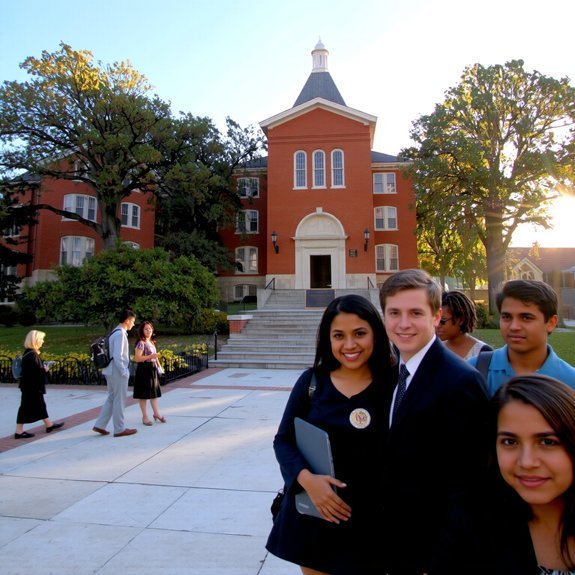
    Major Corporate Partners

    Three big-name partners—think tech giants, banks, and media companies—are showing up with checks, programs, and internships that actually change lives, and I’ll walk you through how they do it. You’ll see targeted scholarships, paid internships, and mentoring that land you in real roles, not just résumé fluff. I point out who pays attention to HBCU talent, where you apply, and what to say in interviews, with a wink because I’ve stumbled through this too.

    • Direct scholarship pools that fund tuition and summer research, so you breathe easier.
    • Corporate internship funnels that hire from HBCUs, offering pay and project ownership.
    • Mentorship networks pairing you with executives, feedback that sharpens your career.

    Foundation Grant Programs

    If you’ve ever scanned a scholarship list and sighed, thinking “yeah right,” stick with me—foundations and corporate grant programs actually pull through more than charity platitudes; they write checks, fund research, and bankroll study-abroad laps around your budget worries. I’ll show you how to sniff out grants aimed at HBCU students, spot application gold, and avoid forms that eat your weekend. Picture crisp emails arriving, deadlines highlighted in neon, recommendation letters that actually say something. You’ll apply, submit, and hear back with a real “congrats.” Foundations like Ford, Kellogg, and local community trusts target HBCUs, offer summer research stipends, and fund campus projects. I’ll be blunt, cheer you on, and keep the paperwork mercifully short.

    Scholarships for Graduate and Professional HBCU Students

    You’re moving up the ladder now, so let’s talk grad-level cash that’s built just for you — fellowships that fund research, tuition, and those late-night study snacks. I’ll point out specific graduate-only grants, plus professional degree fellowships for law, medicine, and business, with concrete steps to apply and quick tips you can use tonight. Stick with me, I’ll keep it sharp, slightly cheeky, and useful — no fluff, just the money moves.

    Graduate-Specific Funding Options

    Because grad school costs sneak up on you like a pop quiz, I’m going to walk you through the scholarships that actually make a dent in tuition, books, and late-night coffee runs. You’ll get targeted awards for research, teaching, and campus leadership, plus department funds that don’t require you to sell your soul. I’ll point you to alumni grants, association monies, and HBCU-specific endowments that reward grit, not just grades.

    • Research and thesis grants: small, quick, and perfect for lab fees or fieldwork.
    • Teaching assistant stipends: steady pay, tuition remission, and face-time with mentors.
    • Diversity and leadership scholarships: flexible cash for conferences, books, or rent.

    Use office hours, email politely, apply early, and brag—modestly—about your wins.

    Professional Degree Fellowships

    When you’re eyeing a J.D., M.D., Pharm.D., or MBA at an HBCU, professional degree fellowships step in like a hired therapist for your bank account — calm, practical, and slightly miraculous. You’ll find stipends that cover tuition, stipends that pay living costs, and mentorship that actually answers emails. Picture late-night study sessions fueled by coffee and a fellowship check clearing the rent. Apply early, polish your statement, and interview like you mean it. I’ll say it straight: these awards expect grit, service, and a plan, not a miracle. They pair you with faculty, give networking doors, and sometimes fund summer internships. You get less financial dread, more focus on your craft, and real runway to launch the career you’ve wanted.

    STEM and Research Funding Opportunities at HBCUs

    If you’ve ever wandered into a campus lab and felt that electric buzz — the whir of centrifuges, the sharp scent of solder, students trading theories like trading cards — then you’ll get why STEM funding at HBCUs matters so much. You’ll find grants that pay tuition, fund summer research, and buy gear you’d normally only dream about. You’ll work with mentors who push, correct, and cheer. You’ll present at conferences, sometimes nervously, often triumphantly. You’ll learn to write proposals, not just lab reports. Funding opens doors, and you walk through them.

    Walk into an HBCU lab and feel the buzz — funding turns curiosity into hands-on research, mentorship, and opportunity.

    • Undergraduate research stipends that let you stay on campus over breaks
    • Faculty-led grants that include paid positions and equipment access
    • NSF and private fellowships guiding grad-school changes

    Leadership, Service, and Community-Based Scholarships

    While you’re leading a neighborhood clean-up, organizing a voter-registration drive, or coaching a shaky middle-school robotics team, scholarships are watching — and sometimes cheering — from the sidelines. You get mud on your shoes, calloused hands, and that warm buzz when someone says “thank you,” and yes, foundations notice. They want leaders who act, not just talk. Apply with crisp stories: the night you calmed panicked volunteers, the spreadsheet you made to track turnout, the prototype that finally rolled. Highlight measurable impact, community ties, and sustained commitment. Expect interviews that feel like friendly grilling, essays that beg for one vivid scene, recommendation letters that name specifics. These awards reward grit, curiosity, and the messy, beautiful work of leading others.

    Scholarships for Transfer and Nontraditional HBCU Students

    You’ve been applauded for leading the neighborhood clean-up, now let’s talk about scholarships that meet you where you actually are — mid-degree, mid-career, juggling a job and a kid, or switching schools because life had other plans. I see you, coffee cooling, syllabi peeking from a tote, wondering if money will follow your detour. There are funds for transfers, for evening students, for parents returning to class, for military vets sliding into campus life. They respect resumes with gaps, not just straight lines.

    • Community college to HBCU bridge awards that cheer when you walk in.
    • Employer tuition support plus HBCU matching grants, yes please.
    • Childcare stipends and flexible disbursements that fit your schedule.

    Application Strategies and Eligibility Tips for HBCU Scholarships

    Because scholarship apps are a job you can learn to do well, I’m going to walk you through the parts that actually matter—no fog, just tools. You’ll learn to scan eligibility like a detective: deadlines, residency, major, GPA, and enrollment status. Read criteria aloud, underline words, and match them to your resume—yes, loudly, like a weirdo who wins money. Polish essays with specific scenes: the smell of campus coffee, a professor’s joke, the click of your laptop at 2 a.m. Get recommenders who know anecdotes, not generic praise. Save screenshots of requirements, and calendar reminders like a hawk. When in doubt, email the funder with a clear question; they’ll respect clarity. Small rituals—proofread twice, send thank-you notes—improve odds.

    Resources and Organizations That Support HBCU Scholarship Access

    If you want scholarships without the scavenger-hunt stress, start by leaning on the people and places that actually make them happen—I’m talking community groups, HBCU foundations, corporate diversity programs, and alum networks that keep a stack of applications like treasured vinyl. I’ve poked through stacks, called contacts, and smelled coffee at late-night info sessions so you don’t have to. You’ll tap foundation portals, text alumni mentors, and RSVP to recruiter mixers. These groups hand you deadlines, essay prompts, and sometimes rides to campus interviews. Use them. Be bold, ask for sample essays, and swap notes. I’ll cheer you on, quietly judge typos, and celebrate when you win.

    • HBCU foundations: grants, workshops, archived essays
    • Corporate diversity programs: paid internships, scholarships
    • Local community groups: application help, mentoring

    Conclusion

    You’ll find scholarships everywhere, sometimes where you least expect them — a dean’s email, a company booth, your grandma’s church bulletin — and I know, because I once missed a deadline while sniffing cafeteria fries. Keep your eyes sharp, click submit, and ask for help when forms smell like ancient glue. Coincidence? Maybe. Or proof that persistence, luck, and a well-crafted essay walk into the same room—usually hungry, always ready.

  • How to Get Application Fee Waivers for HBCUs

    How to Get Application Fee Waivers for HBCUs

    Like spotting a secret handshake at a comic-con, snagging HBCU application fee waivers is all about knowing the move. You’ll want to talk to your counselor, hunt down reps at college fairs, and keep a small stack of polite scripts ready—“Hi, I’m interested in X, do you offer waivers?”—so you can pivot fast, collect codes, and email follow-ups; I’ll show you where to go, what to say, and how to snag those codes without sounding needy, so stay with me.

    Key Takeaways

    • Check eligibility for federal fee waivers (low family income, SNAP/TANF, foster care) and gather supporting documentation.
    • Ask your high school counselor for school or district fee-waiver forms and a counselor signature for HBCU applications.
    • Attend college fairs or HBCU info sessions and request on-the-spot waiver codes from admissions representatives.
    • Use Common App or Coalition prompts to request waivers and upload proof when prompted by the application platform.
    • Contact local nonprofits, military support offices, or scholarship programs that provide application fee assistance or codes.

    Understanding Who Qualifies for Fee Waivers

    fee waivers eligibility criteria

    Who gets the golden ticket—your ticket to skipping an application fee? You do, sometimes, if you meet clear rules. If your family income falls under federal thresholds, you’ll likely qualify, so grab that tax form and breathe. If you get SNAP, TANF, or you’re in foster care, that counts, too; you’ll wave documentation like a VIP pass. Some colleges waive fees for active-duty military or their dependents, so don’t assume you’re out. You’ll usually apply through the college portal or request a counselor’s signature; keep receipts, screenshots, and phone notes—paper trails save headaches. I’ll admit, I once forgot an upload and learned the hard way, so double-check everything, be polite on calls, and follow up fast.

    School and District Programs That Provide Waivers

    fee waiver programs assistance available

    If your counselor looks like they’ve seen one too many college forms, don’t panic—you’re not on your own. I tell you straight: many schools and districts run fee-waiver programs, and you should tap them. Ask your counselor, raise a hand in class, or stroll into the office smelling like cafeteria pizza — it’s okay, I’ve been there. They keep lists, income guidelines, and district memos that wave a magic wand over application costs. Some programs bundle waivers for seniors, others for AP or first-gen students; some require a quick form, others a brief meeting. Get the form signed, scan or snap a photo, submit with your application. Keep copies, follow up, and celebrate with imaginary confetti.

    Events and College Fairs That Waive Application Fees

    fee waivers at events

    Ever been to a college fair and felt like you wandered into a carnival for grown-ups—brochures fluttering, reps calling your name, free pens rolling under tables? I’ve been there, clutching a tote, scanning banners like a radar. At HBCU tables, reps often offer on‑the‑spot fee waivers if you show interest, fill a quick form, or attend a mini info session. Listen for announcements: sometimes booths announce “fee waiver today!” louder than the DJ. Bring a short script—name, intended major, why you’re curious—and ask directly. Take photos of waiver codes, get a rep’s card, jot deadlines. If a campus hosts an admissions workshop or open house at the fair, stick around; they love handing out waivers to people who stay engaged.

    Standardized Test or Application Platforms With Built‑In Waivers

    You’re probably wondering if the apps and tests themselves can cut you a break — they can. I’ll walk you through the Common App and Coalition’s built‑in waiver buttons, and point out how ACT and SAT fee waivers work, so you won’t be left guessing while you click and sigh. It’s simple, I’ll show the exact places to look, you’ll save time, and yes, maybe even a few dollars for pizza.

    Common Application Waiver Options

    Wondering how those built‑in waivers actually work? I’ll walk you through the Common App’s waiver choices — quick, practical, and mostly painless. You’ll click through the fee waiver section, answer a few income or program questions, and upload proof if asked, like a free lunch letter or FAFSA screenshot. I’ll admit, the form feels bureaucratic, but it’s fast, and schools trust it. If you qualify, the app flags your account, you don’t pay, and breath out — victory. Counselors can also certify waivers, so tug one into your day, ask them, and watch paperwork shrink. Tip: save screenshots, follow prompts exactly, and don’t let perfectionism block a free pass.

    Coalition Application Waivers

    If you’re filling out the Coalition Application, don’t panic — it actually makes fee waivers pretty straightforward once you click into the right spot. I’ll walk you through it, step by step, like we’re sneaking past a velvet rope. Click “Profile,” scroll to “Fee Waiver,” and breathe — there’s a series of simple yes/no prompts. Say yes where it applies: low income, school counselor sign-off, or SNAP participation. Upload any supporting doc if asked, snap a photo with your phone, and hit submit. You’ll see a digital waiver flag on schools that accept Coalition waivers. Tell your counselor to confirm it, if needed. It’s fast, honest, and saves you cash — my kind of small victory.

    ACT/SAT Fee Waivers

    Let’s cut to the chase: test fee waivers are baked right into the ACT and SAT systems, so you don’t need to wrestle with extra paperwork or hunt down some mysterious form. I’ll say it plain: sign up, check the waiver box, and breathe. You qualify if you meet income guidelines, get free or reduced lunch, or your counselor flags hardship. The site walks you through, chrome clicking, form-filling, and that tiny victory ding when it accepts the waiver. You’ll get free score reports, waived test fees, even help registering for subject tests when offered. Talk to your school counselor, print confirmation, screenshot it, stash it in your phone. I’m biased, but I love a process that actually works.

    How to Request a Waiver From an HBCU Admissions Office

    When you walk into the admissions office—metaphorically or with your shoes on—you’re not begging, you’re negotiating for common sense; I’ll show you how to ask for a waiver without sounding needy or like you’re reading from a script. Speak plainly, smile, and state the need: “I’d like an application fee waiver, here’s why.” Hand over clear documents, don’t ramble, let them nod. If you call, sound calm, not auditioning for a drama; on email, be brief, polite, include name, program, and a quick reason. If someone hesitates, ask what they’d need to approve it — they’ll usually tell you.

    • Bring ID and any proof of income or eligibility.
    • Use a short, confident script.
    • Ask for a decision timeline.

    Community Organizations and Scholarships That Cover Fees

    You’ve done the polite ask with admissions, handed over your ID, and heard the polite maybe — now let me show you other doors. I’ll walk you through community groups, local foundations, and scholarships that actually cover application fees. Knock on your neighborhood nonprofit’s door, or DM a youth program coordinator; I promise they’ve seen this before. Bring a printed form, your ID, and a quick script—“Can you help with college app fees?”—and watch people nod. Search scholarship databases for “application fee” grants, skim church bulletins, call your high school counselor with energy, not anxiety. I’ll admit, it feels like begging, but it’s not — it’s resourcefulness. Collect confirmations, save receipts, and breathe: you’re assembling a paper trail that wins.

    Tips to Maximize Your Chances of Receiving a Waiver

    Because people respond to preparation more than pleas, you’ll boost your odds of getting a waiver by showing up organized, confident, and a little charming — like a friendly storm of paperwork. I tell you, it works: tidy folders, neat copies, a calm voice. Call admissions, ask specific questions, and name-drop a counselor if you have one. Send polite follow-ups, add a brief personal note about your fit, and smile into the phone — they can hear it.

    • Gather proof: free lunch letters, tax docs, scholarship award notices.
    • Practice a one-minute script: who you are, why the waiver matters, what you’ll submit.
    • Show gratitude: thank-you emails, a quick update after acceptance.

    Do this, and you’ll feel ready, sharp, slightly smug, and more likely to get that waiver.

    Conclusion

    You’ve got this — hunt down fairs, ask counselors, snag codes, and email reps with a quick script; do the small, steady stuff that moves mountains. I’ll be honest, I once begged a rep for a waiver like it was the last cookie, and it worked — humor helps. Keep records, follow up, and don’t be shy. If one door stays shut, knock on ten more, because HBCU doors open for the persistent.

  • How to Apply to Multiple HBCUs at Once

    How to Apply to Multiple HBCUs at Once

    Imagine a stack of glossy campus brochures like a small city skyline on your desk, coffee steam curling beside them — you’re about to juggle a bunch of dreams. You’ll want a master checklist, synced calendars, and one strong personal essay you can tweak; I’ll show you how to make recommenders your allies, tame transcript chaos, and spot scholarships like hidden treasure. Stick with me and you’ll move from overwhelmed to in-control — next step, deadlines.

    Key Takeaways

    • Create a prioritized list of target HBCUs and track each school’s application portal, deadline, and required materials.
    • Use centralized platforms (Common App, school portals) and maintain secure login details for each application.
    • Prepare core materials (personal statement, transcript, resume, test scores) and customize one paragraph per school.
    • Request recommenders early, assign them to specific schools, and provide deadlines plus a one-page info sheet.
    • Monitor submissions with a master checklist, set reminders, and save confirmation receipts for every application.

    Planning Your Application Timeline and Priorities

    application planning and prioritization

    Alright — let’s get you a plan that actually works, not one of those dusty to-do lists that cry for mercy. You’ll map deadlines like constellations, pick early-action targets first, then stagger others so you don’t combust at midnight. I’ll make you accountable: calendar blocks, one application per weekend, two-hour essay sprints with snacks. Feel the pen, taste the coffee, hear the keyboard click — tiny rituals keep momentum. Prioritize schools by fit, cost, and vibe, not prestige alone; you want dorm life that sings to you. Drop easy admits into the mix to calm nerves, tackle reach schools when you’re sharp. Check essays, transcripts, recommenders early, then breathe, because you’ve got this.

    Building a Master Checklist for Deadlines and Requirements

    master checklist for deadlines

    Because missing one little deadline feels like stepping on a Lego at 2 a.m., I made you a master checklist that actually behaves. You’ll list each school, key dates, required docs — transcripts, test scores, essays, recs — and color-code by urgency, red for “yikes,” yellow for “soon,” green for “done.” I tell you to set reminders: one month, two weeks, three days. You’ll note submission methods, fees, and waivers, and jot who’s sending what, with contact info like a lifeline. Keep a physical copy you can feel, and a digital one that pings. Update it after every action, cross things off with satisfaction. Trust me, that satisfying scratch is worth its weight in acceptance letters.

    Using Common Application Platforms and School Portals

    organized application submission process

    Okay, you’ve got your color-coded master checklist that smells faintly of victory (and old highlighters). You’ll use common apps like the Common App, Coalition, and each school portal, toggling between tabs like a DJ, remixing details to fit each HBCU’s vibe. Upload transcripts, pay fees, track recommendations, and breathe — you’re doing this.

    Okay, color-coded checklist in hand, toggling tabs like a DJ—upload, pay, track, breathe, celebrate tiny submission wins.

    • Use shared sections to save time, edit per school.
    • Keep portal logins in a secure, labeled file.
    • Note differing fee waivers and deadlines immediately.
    • Assign recommenders to specific schools, confirm submissions.
    • Snapshot submission confirmations, timestamp them.

    I’ve clicked submit enough to earn a badge, you will too. Stay organized, check portals daily, and celebrate tiny wins with snacks.

    Crafting Distinctive Essays and Personal Statements

    You’ll want your essays to smell like you—your laugh, your late-night study snacks, the moment you stood up for someone—and not a generic pamphlet about excellence. Tailor each piece for the school, mention a professor or program with a quick, specific line, and don’t just swap names like they’re interchangeable stickers. I’ll call you out when you try to be too clever or too vague, and we’ll get each statement sharp, honest, and impossible to ignore.

    Show Your Identity

    If you want your essay to stand out, don’t tell admissions what you think they want to hear — show them who you are, messy edges and all. I’ll say it plainly: you’re not a resume, you’re a room full of memories. Smell the cinnamon from Sunday pancakes, hear your aunt’s laugh, feel the bruise of a proud failure. Write scenes, not summaries.

    • Describe a small ritual that shapes you, the way you’d describe a secret handshake.
    • Reveal a contradiction you live with, make it human.
    • Use dialogue, even a single line, to wake the page.
    • Show sensory tricks: color, sound, texture.
    • End with an action that points forward, not a cliché.

    Tailor for Each School

    Because every school has its own voice, you can’t slap the same essay on ten applications and hope it sings for all of them. I’ll say it straight: tweak, don’t rewrite the whole thing. Read each school’s mission, hear its cadence, then drop in a line or two that proves you listened—a professor’s research, a campus tradition, the rhythm of a student paper. Show, don’t claim: describe the smell of the old library, the clack of sneakers in a quad, how you’d fit in that sound. Keep one strong story, chop or swap details for each school, and tweak tone—brighter for an artsy campus, steadier for a engineering program. You’ll save time, and each essay will sound like it belongs.

    Gathering Strong Letters of Recommendation

    You’re the director here, so pick recommenders who actually know your work, not the person with the fanciest title — a teacher who watched you stay after class, a coach who saw you grind through practice, someone who can smell your effort in their notes. I’ll tell them what to highlight, and you’ll hand over a one-page brag sheet, transcript, deadlines, and a short reminder text (because we all forget, including me). Keep it tidy, polite, and timed — a clear packet and a friendly follow-up turn requests into glowing, specific letters that make admissions smile.

    Choose Recommenders Thoughtfully

    Alright, let’s talk recommenders — the people who can actually make admissions officers sit up and take notice, not the ones who’ll mail a lukewarm form while humming a hymn. Pick folks who know your work, your grit, and your voice. I want you to imagine a teacher who remembers your late-night lab, a coach who watched you hustle through rain, a mentor who heard your pep talk and felt it.

    • Choose people who’ve seen you in action, not just on paper.
    • Prefer specificity: anecdotes beat bland praise every time.
    • Aim for variety: academic, extracurricular, community.
    • Pick recommenders who write with warmth and detail.
    • Respect their time, ask early, and make it easy to say yes.

    Trust me, choice matters.

    Provide Clear Materials

    Someone who’s willing to write for you deserves more than a blank Google Doc and a frantic email two days before the deadline — I’m serious, that’s how you get “To whom it may concern” energy. Give your recommenders a one-page cheat sheet: remind them who you are, list classes or roles, note projects, and highlight two qualities or stories you want mentioned. Attach your resume, transcript snapshot, and application deadlines — bold the dates, don’t whisper them. Drop a short sample sentence they can adapt, and tell them how the letter will be submitted. Check in gently, offer a thank-you card plan, and send a calendar reminder a week out. Treat recommenders like VIPs; they write your character into the file.

    Organizing Transcripts, Test Scores, and Supplemental Materials

    Think of your application materials like a travel bag you’re stuffing for a trip—you want the passport (transcript), the boarding pass (test scores), and the little extras (recommendations, essays, arts supplements) all easy to grab when the TSA agent—aka the admissions office—asks. I tell you, don’t cram. Lay everything out on a table, scan neatly, label files clearly, and date them. You’ll feel lighter, like breathable cotton instead of soggy laundry.

    • Create a folder per school, name files with school initials and type
    • Scan at 300 dpi, save as PDF, keep originals handy
    • Track deadlines on a single checklist, check off as you upload
    • Ask recommenders early, remind them gently by email
    • Backup locally and in the cloud, double safety, zero panic

    Okay, you’ve got your files neat and labeled, the digital suitcase zipped, and you can actually find things without panicking—now let’s talk money. I’ll walk you through FAFSA deadlines, school-specific aid apps, and the little forms that feel like bureaucratic origami. Check net price calculators, scribble numbers on a sticky note, compare tuition, fees, room, and meal plans like you’re price-shopping a concert ticket. Hunt HBCU scholarships—departmental, alumni, and community ones—apply early, and don’t be shy about emailing financial aid officers. Keep spreadsheets, colons, and bite-sized budgets handy. Expect award letters that read like riddles; read fine print, ask about renewals, and negotiate politely. You’ll smell coffee, click “submit,” and feel oddly triumphant.

    Following Up and Preparing for Interviews and Campus Visits

    How do you follow up without sounding like a clingy sequel nobody asked for? You send a crisp message, you remind them who you are, and you smell the coffee on campus tours—warm brick, nervous laughter. I tell you to be brief, confident, human.

    • Confirm the interview time, thank the interviewer, note directions.
    • Bring copies of your resume, a question list, and a pen that works.
    • Dress comfortably sharp, breathe, smile, make eye contact.
    • During visits, tour deliberately, sit in a student lounge, eavesdrop kindly.
    • Afterward, send a tailored thank-you note, mention a detail only you noticed.

    You’ll stand out by being prepared, curious, politely persistent, and unmistakably you.

    Conclusion

    You’ve got this—think of your applications like a playlist, one track at a time. I’ll say it plain: plan, checklist, polish essays, snag great recommendations, and line up transcripts and aid paperwork. Pack your calendar, visit a campus or two, and follow up like a pro. You’ll feel the nerves, I know, but breathe, click submit, and celebrate each sent application; I’ll be cheering when you hit send.