Blog

  • How HBCUs Support First-Generation College Students

    How HBCUs Support First-Generation College Students

    You’re stepping onto a campus that knows your name before you learn the quad’s shortcuts, and I’ll bet you’ll smell coffee and hear laughter before midnight study sessions start; mentors lean over your shoulder, advisors text like they care, and professors make room after class, honest-to-goodness. You’ll get help filling out forms, finding scholarships, and calming your parents on the phone — and that’s just the start, so stick around to see how it all clicks.

    Key Takeaways

    • Peer mentoring cohorts and senior-student guides provide emotional support, orientation, and campus navigation for first-generation students.
    • Culturally responsive curricula and classroom practices connect learning to students’ backgrounds and community experiences.
    • Financial aid counselors offer personalized help with forms, scholarships, deadlines, and simplified funding guidance.
    • Academic advisors, tutors, and study circles deliver course planning, hands-on tutoring, and strategies for academic success.
    • Institutional retention policies use early alerts, predictive advising, and emergency funding to keep students enrolled and progressing.

    The Role of Mentoring and Peer Support Networks

    supportive campus mentoring networks

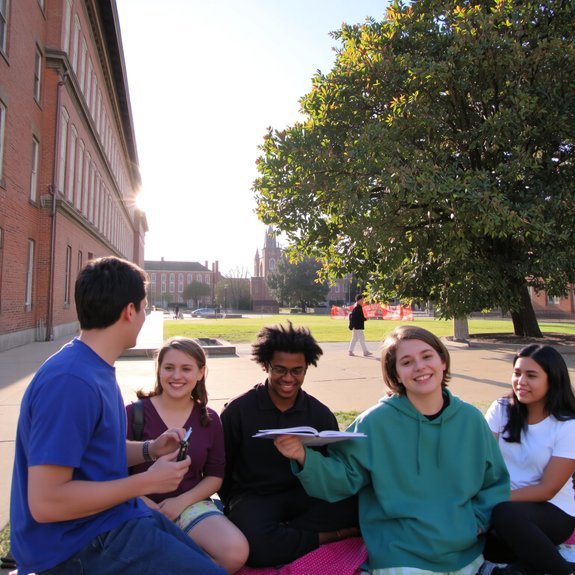
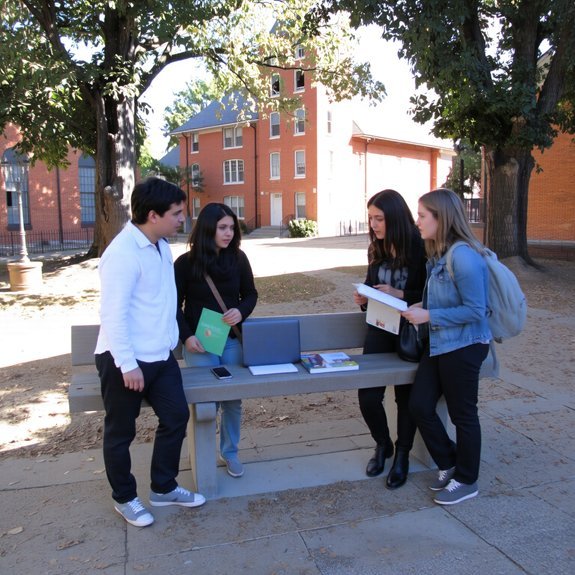
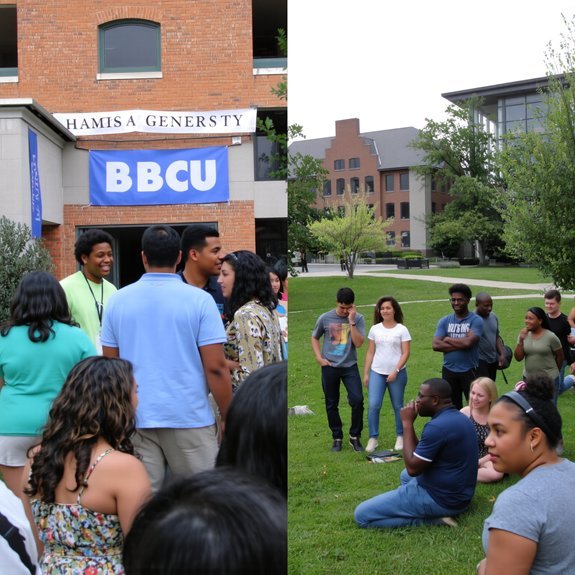
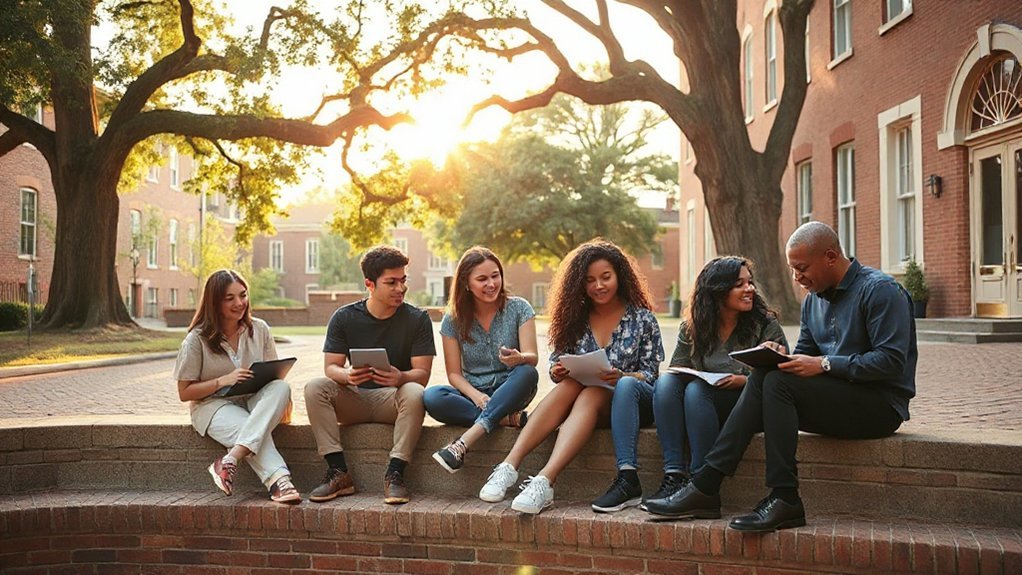
    When you walk onto an HBCU campus for the first time, your chest tightens a little and your palms sweat—don’t worry, that’s normal; I felt it too. You’ll meet a senior who tucks a pizza slice into your hand and says, “You good?” That’s mentoring, up close. Peer groups form in dorm rooms, in buzzing student centers, on steps warmed by sun. You’re handed maps, tips, a parking spot of insider knowledge, and maybe a sarcastic pep talk. Faculty mentors pull you into office light, offer career leads, and push you past fear. You’ll join study circles, text threads, late-night cram sessions that end in laughter. These nets catch you, teach you to climb, and make campus feel like home.

    Culturally Responsive Curriculum and Teaching Practices
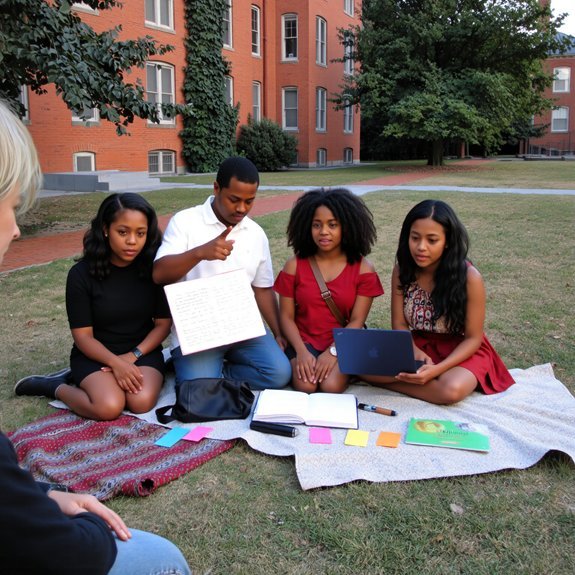
    culturally relevant teaching practices

    You’ll notice your classes change when the syllabus starts mirroring your neighborhood stories, your family rhythms, and the music you heard on the ride to campus. I’m talking professors who swap lectures for conversations, use examples that smell like Sunday dinner, and let you bring your voice into the work — it’s smart teaching, not a gimmick. Stick around, you’ll see how culturally relevant pedagogy makes learning click, and yes, it’s as satisfying as finding a seat at the cool table.

    Curriculum Reflecting Student Experiences

    Because students bring whole lives into the classroom, I insist curriculum should feel like home—not a dusty museum exhibit pretending to be relevant. You should see yourself in the readings, hear your neighborhood in the lectures, taste recipes in lab demos. I pull examples from family stories, street markets, church choirs, and old mixtapes, so concepts land fast, and stick.

    1. Use local case studies, oral histories, and familiar metaphors, so abstract ideas smell like Saturday cooking.
    2. Offer flexible assignments, let students pick topics tied to their lives, and watch confidence bloom.
    3. Build projects that invite family, invite community, invite laughter—learning that echoes beyond campus.

    I joke, I stumble, I adjust—always aiming for curriculum that comforts and propels you forward.

    Faculty Employing Culturally Relevant Pedagogy

    So we’ve made the curriculum smell like Saturday cooking and sing like a neighborhood choir — now let’s make sure the people teaching it know the songs. You’ll meet faculty who swap lecture slides for stories, who bring cooking aromas into class with metaphors you can taste. I’ll watch you notice the way they nod, adjust examples, call on students by nicknames, and laugh when a point lands. You’ll get hands-on projects, neighborhood field trips, and texts that mirror your life, not some distant footnote. They’ll bend deadlines when family crises hit, they’ll push gently when you can take more. It’s deliberate, lived, and practiced. You’ll leave class full, not just informed — someone cared enough to teach you right.

    Financial Aid Counseling and Scholarship Access
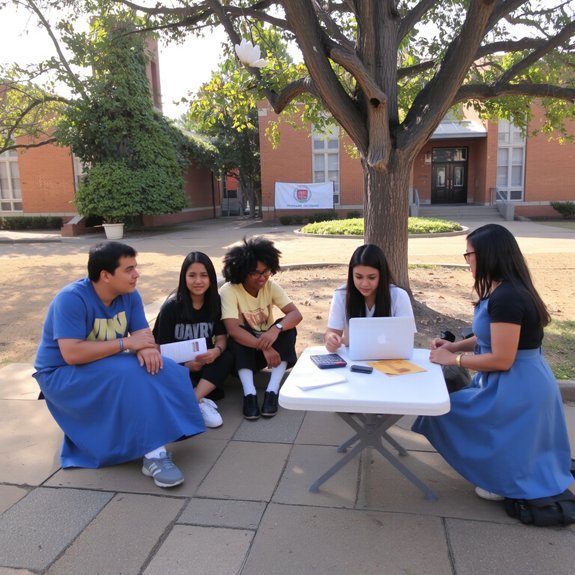
    financial aid support teamwork

    When I first walked into the financial aid office—papers in one hand, nerves in the other—I felt like I’d wandered onto a quiz show without studying; the staff smiled, handed me a clipboard, and talked like translators for a weird language called “college money.” I’ll be blunt: filling out forms and hunting scholarships can feel like digging for buried treasure with a fork, but at HBCUs you’re not digging alone—counselors sit down with you, pull up FAFSA screens, read fine print out loud, and point to scholarships that match your story, not some robotic checklist.

    Walking into financial aid felt like stepping onto a game show—except counselors handed clipboards, translated “college money,” and dug with you.

    1. They map deadlines, check eligibility, and call relatives when you freeze.
    2. They edit essays, celebrate small wins, and nudge you toward campus funds.
    3. They track renewals, warn about pitfalls, and turn jargon into plain talk.

    Orientation and First-Year Experience Programs

    You’ll get a map, but not the boring kind — we’ll walk the quad with you, point out the best coffee spot, and show where to sprint when it’s raining cats and finals. You’ll join a small peer mentoring cohort, meet your guide who once survived their first semester by eating instant noodles and asking too many questions, and trade tips in real time. I promise you won’t be left guessing, we’ll pair you up, walk you through the ropes, and laugh when things go sideways.

    Guided Campus Navigation

    Even if campus maps look like hieroglyphics at first glance, I promise we’ll turn them into treasure maps you actually want to follow. You’ll stroll with me past brick arches, feel the warm sun on your neck, hear footsteps echo in the science hall, and know exactly where to go when nerves spike. We’ll practice the walk to class, the cafeteria, the advising office, so routes become muscle memory.

    1. We’ll do timed walks, quick check-ins, and photo cues you can pin to your phone.
    2. We’ll rehearse bus stops, study spots, and quiet corners that smell like coffee and focus.
    3. We’ll map emergency exits, office hours, and the best late-night pizza run.

    Peer Mentoring Cohorts

    If you’re nervous about your first week, good—that means I care enough to fuss over you, and these mentoring cohorts were built for exactly that: to make campus feel less like a maze and more like a small, slightly quirky home. You meet your cohort on the quad, sunlight on backpacks, voices trading nervous jokes. I pair you with an upperclass guide who texts like a friend and shows you where the best late-night study snacks hide. We do icebreakers that don’t suck, mock registration drills, and walk-and-talks to the cafeteria so you learn to order without panicking. You’ll get weekly check-ins, messy whiteboard plans, and someone who’ll say, “Yep, I bombed that test too,” which somehow helps everything.

    Academic Advising and Tutoring Services

    Who do you call when your schedule looks like a puzzle gone rogue? You call advising, plain and simple. I’ll meet you in a tiny office, smell of coffee and paper, we’ll laugh, map out classes, and I’ll pull up degree audits like a magician revealing cards. Tutors wait nearby, ready to turn confusion into “aha” moments. You get clear steps, calm voices, and hands-on help.

    1. quick course planning, we line up prereqs and deadlines
    2. tutoring labs, you work problems aloud, feel the numbers click
    3. study strategies, we build routines that actually stick

    You leave with a plan, a printed checklist, and a little swagger. You’re not lost, you’re steering.

    Career Development and Internship Pathways

    When you’re staring at job boards like they’re a foreign language, I’ll be the one who translates — coffee in hand, laptop humming, LinkedIn open like a neon sign. You’ll get resume clinics that strip the jargon, mock interviews with real blunt feedback, and networking nights where you actually meet people who hire. I’ll nudge you toward internships that match your skillset, not just any checkbox on a form. We’ll role-play elevator pitches until they sound like you, not a robot. Career fairs here feel human — tables, handshake pressure tested, recruiters who remember your name. You’ll land paid internships, get credit where it counts, and build a portfolio that tells employers you belong. You won’t go it alone.

    Mental Health and Wellness Resources

    Because college can feel like a loud room where everyone’s talking at you and nobody handed you a chair, I’m here to help you find the quiet corner and a counselor who actually listens. You’ll discover campus wellness centers that smell like coffee and calm, peer support groups that meet in sunlit rooms, and counselors who text back faster than your group chat. I’ll walk you through accessing services, scheduling low-cost therapy, and using stress-busting workshops that teach breathing, sleep hacks, and panic-plan moves.

    1. Book an intake, show up, tell one honest sentence.
    2. Try a peer group, sip tea, share one thing.
    3. Use emergency resources, keep numbers, breathe.

    You’re not alone, and asking is brave, even awkward.

    Family Engagement and Community Outreach

    You’ll notice we start by inviting families to orientation, where smells of coffee and hallway chatter make campus feel like home and you meet parents who ask the exact same nervous questions you did. I’ll show you how HBCUs build community pipelines with local schools and churches, stitch together intergenerational support networks, and keep grandparents, cousins, and mentors in the loop so students don’t carry it all alone. Trust me, it’s less ceremonial ribbon-cutting and more neighborhood potluck—messy, warm, and exactly what first-gen students need.

    Family-Focused Orientation Programs

    If families feel welcome, students relax—simple as that, and HBCUs know it. You walk into orientation, scents of coffee and citrus, banners bright, and someone hands your family a schedule and a smile. I nudge you: this is for everyone. Staff lead panels, parents clap, siblings snack, you breathe easier.

    1. Guided tours: you touch campus brick, hear marching band drums, map your routes aloud.
    2. Family workshops: you learn FAFSA basics, campus safety tips, meal plan hacks, and ask dumb questions—no shame.
    3. Social mixers: you mingle, trade phone numbers, laugh at shared worries, feel like you belong.

    You leave the day lighter, confident, ready—because your people were seen, and that changes everything.

    Community Partnership Pipelines

    When I tell you community partnerships start long before campus tours roll in, I mean it — they begin at church potlucks, barber shops, and neighborhood barbecues where someone’s aunt hands out flyers like they’re golden tickets. I walk those streets with you in mind, knocking on doors, setting up resource tables, and listening—really listening—to parents who worry about tuition, schedules, and fitting in. You see workshops at the rec center, FAFSA help in the library, Saturday campus visits with free lunch and bus rides. You watch students’ cousins beam when they get admitted, because someone from the neighborhood believed first. We build trust, recruit mentors from local businesses, and keep communication flowing, so families feel invited, informed, and ready to cheer every step.

    Intergenerational Support Networks

    Because family is the first classroom, I start by knocking on doors and sitting at kitchen tables, listening to grandparents riff about scholarships like they’re gospel and kids scroll through apps with one eyebrow raised. You get pulled into stories, you taste sweet tea, you hear laughter that doubles as advice. I show up, you watch, and together we build trust that carries students across thresholds. Here’s how we do it:

    1. Host family dinners, where elders share tips, you ask blunt questions, and students practice answers out loud.
    2. Run neighborhood workshops, with hands-on FAFSA help, paper forms, and phone chargers passed like confetti.
    3. Set up mentorship chains, linking grads to cousins, neighbors to advisors, creating a living, breathing support map.

    Small Class Sizes and Faculty Accessibility

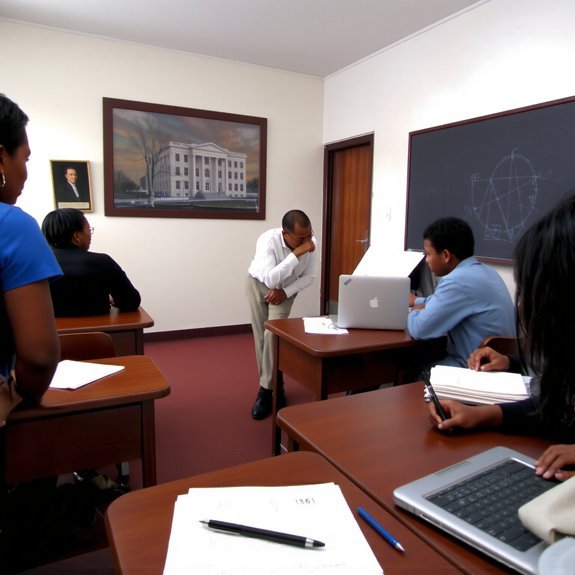
    Step into a classroom at an HBCU and you’ll feel it right away — chairs close enough to touch, sunlight sliding across the chalkboard, a professor who knows your name and your grandmother’s favorite recipe. You sit, they call on you, and you don’t flinch because the room’s small, the stakes human-sized. You get feedback that’s immediate, blunt, kind. Office hours aren’t a formality, they’re coffee chats where faculty push you, laugh with you, and hand you a roadmap when you’re lost. You ask a dumb question, they make it smart. Labs feel like workshops, seminars like heart-to-hearts. You leave class with practical tips, an ally in your advisor, and the weird confidence that someone genuinely expects you to succeed — and will help you do it.

    Institutional Policies That Promote Student Retention and Success

    If an institution wants you to stay, it won’t leave that up to chance — it builds systems that catch you before you fall. I watch advisors text, professors flag concerns, and financial aid officers open doors you didn’t know existed; you feel that net. Policies matter. They shape the small, steady acts that keep you enrolled.

    1. Mandatory early-alerts — someone notices the missing assignment, calls, and actually listens.
    2. Predictive advising — data spots patterns, advisors intervene, you get a plan that fits your life.
    3. Flexible funding — emergency grants, meal support, small loans that stop a crisis fast.

    You laugh with me when bureaucracy works. You breathe easier, you stay, and you graduate.

    Conclusion

    You’ve got this — I’ve seen HBCUs roll out the welcome mat like it’s 1965, with mentors waiting, tutors ready, and advisors who actually call you back. You’ll feel dinners, late-night study sessions, and handshakes that turn into internships. Families get looped in, counselors cut through financial fog, and professors keep office doors open. Trust the roadmap, lean on the people, and don’t be shy — they’ll help you finish strong.

  • Pros and Cons of Attending an HBCU

    Pros and Cons of Attending an HBCU

    You’ll walk onto an HBCU quad and feel the history under your shoes, the brass band in your bones, and someone calling your name like it matters — and I’ll tell you straight, that feeling’s priceless, but it’s not everything. You’ll get tight mentorship, fierce community, and culture that teaches you how to stand tall, yet you might trade some program variety or glossy labs for that soul. Keep going — there’s more to weigh.

    Key Takeaways

    • Strong cultural community and mentorship foster belonging, leadership, and lifelong alumni networks that support personal and career growth.
    • Smaller classes and engaged faculty provide personalized attention, quicker feedback, and hands-on learning opportunities.
    • Limited program variety and specialized resources can constrain research, niche majors, and advanced technical training.
    • Campus traditions and culturally competent support services enhance mental health, identity development, and shared historical awareness.
    • Financial considerations — lower costs at some schools but potential funding limitations — require careful planning to avoid excessive debt.

    Historical and Cultural Significance of HBCUs

    legacy of resilience and pride

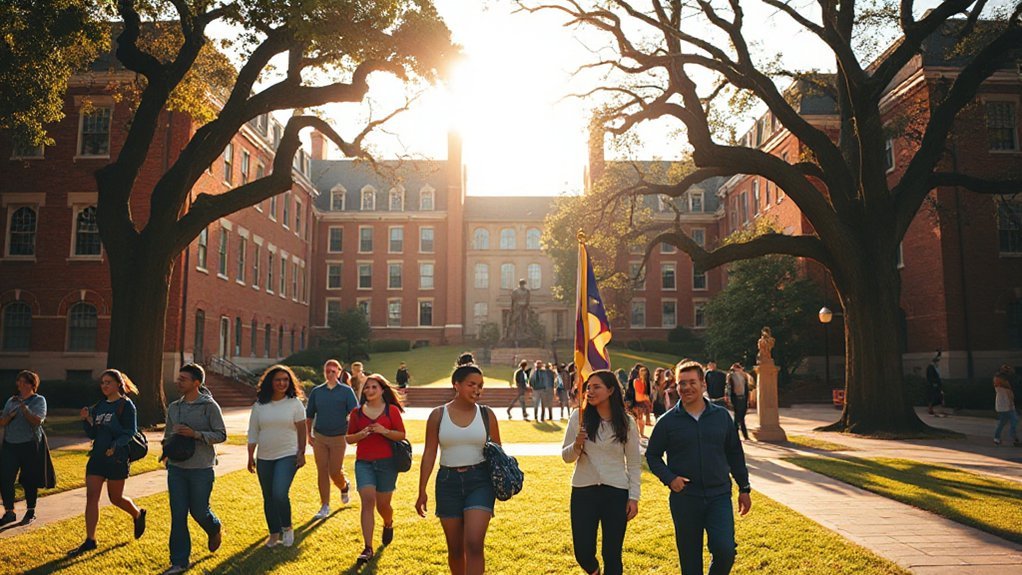
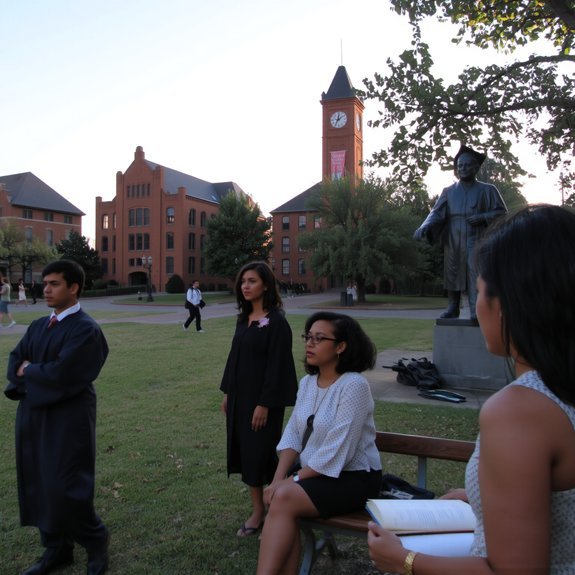
    When you walk onto an HBCU campus, you don’t just feel the grass under your shoes—you feel generations leaning in, like someone’s telling you a secret that starts with old textbooks and ends with a homecoming parade that smells like barbecue and pride; I’ve stood under those oaks, listened to brass bands blast, and felt goosebumps when alumni told stories about marching through segregation and still getting their diplomas. You’ll notice murals, plaques, and statues, each one a bookmark in a stubborn, brilliant story. You’ll touch worn steps where scholars once debated, hear choir echoes in a chapel, and taste history in a cafeteria recipe. It’s living memory, it’s activism turned campus routine, and it’ll nudge you to ask better questions, fast.

    Sense of Community and Belonging

    community connection growth belonging

    That history doesn’t just hang on the walls—it pulls you into a room full of people who already know your name. You walk in, smell coffee and perfume, hear laughter, and someone slaps your back like you’ve been gone for years. I tell you, it’s weirdly comforting. You get greeted at campus events, advisors call you by your nickname, classmates form study groups that feel like family dinners. You’ll join clubs where older students mentor you without the awkwardness, and you’ll find late-night conversations that teach more than a lecture ever will. It’s not all perfect, you’ll clash sometimes, but those moments build trust. In short, you belong fast, loudly, and honestly—no pretense, just people.

    Academic Programs and Faculty Mentorship

    personalized mentorship and support

    You’ll notice class sizes are smaller, so you’ll hear your own voice more and no one gets lost in a sea of heads. I’ll tell you, professors here lean in — they’ll pull you aside after class, scribble advice on a napkin, and actually remember your name. That close mentorship shapes projects, opens doors, and makes tough courses feel do-able, not just survivable.

    Smaller Class Sizes

    A few classes, a handful of students, and a professor who actually knows your name — that’s the magic trick at many HBCUs, and I’m not exaggerating. You walk into a room, feel the hum of real conversation, and you can’t hide in the back row. You get called on, you answer, you learn faster.

    • You get quick feedback, so your mistakes don’t become habits.
    • Discussions feel like debates at a dinner table, real voices, real heat.
    • Labs and projects put tools in your hands, you touch, fiddle, and remember.
    • Office hours are used, not ignored, because you actually want to go.

    I poke fun at myself for loving small classes, but honestly, they make you sharper, braver, and seen.

    Dedicated Faculty Mentorship

    When professors actually remember your birthday and your weird idea for a senior project, you stop thinking of mentorship as a checkbox and start calling it a lifeline. I’ve seen advisors pull late-night feedback, hand you a coffee-stained draft, and say, “Try this,” like they invented hope. You get office-door invites, lab keys, and blunt career truths nobody else will deliver. They push your draft, call your parents when you ghost, and celebrate the small wins with too-big smiles. Sometimes they scold you, sometimes they belly-laugh at your panicked theories, always they show up. That steady presence shapes internships, letters, and confidence, it rewires how you aim. At an HBCU, mentorship isn’t abstract, it’s tactile, loud, and real.

    Networking, Alumni Relations, and Career Outcomes

    Because roots matter more than résumés sometimes, I’ll start with the part that turns classes into careers: the people you meet at an HBCU. You’ll bump into professors who actually remember your name, alumni who text back, and peers who become coworkers. I’ll tell you bluntly, networking here feels like family dinner—no stiff suits, just real connections.

    • You’ll get mentorship that leads to internships, hands-on, coffee-shop chats, and referral emails.
    • Alumni networks open doors, with grads dropping your name in boardrooms and studios.
    • Career fairs feel personal; recruiters ask about your projects, not just GPA.
    • Lifelong contacts become collaborators, sounding boards, and the occasional job-saver.

    Trust me, those handshakes matter. They move you faster than any generic career site.

    Campus Resources, Student Support, and Mental Health Services

    Campus resources aren’t just buildings with brochures; they’re people, places, and late-night lifelines that’ll save you more than once. You’ll find tutoring rooms that smell like instant coffee and determination, counselors who actually know your name, and student centers where conversations turn into plans. I’ll tell you straight: support here is personal. Drop into wellness workshops, sit on a comfy couch, and breathe through guided sessions. Peer mentors text you at 2 a.m., professors stay after class, and chaplains offer quiet corners. Mental health services can feel scarce anywhere, but many HBCUs prioritize culturally competent care, group therapy with folks who get you, and crisis help that acts fast. You’ll leave knowing who to call, where to go, and that you’re not alone.

    Financial Considerations and Affordability

    You’re asking, what’s this really going to cost you—tuition, fees, the little surprises that show up like uninvited guests? I’ll walk you through aid options, scholarships, and grants, and we’ll eyeball how loans might follow you after graduation; spoiler, nobody likes debt collectors. So lean in, grab a coffee, and let’s sort out what’s affordable now versus what’ll haunt your budget later.

    Tuition and Fees

    When money talks, listen—because tuition and fees are the loudest voice in any college conversation, and I’m not whispering sweet nothings here. You’ll weigh sticker prices, mandatory fees, and the surprising extras that sneak into your budget like socks in a dryer.

    • Campus-specific fees can add up fast, so check the itemized bill before you sigh.
    • In-state versus out-of-state rates hit differently, and you’ll feel that pinch if you cross borders.
    • Program fees for labs, instruments, or studios are real, they smell faintly of solder and paint.
    • Room and board choices change the vibe—dorms buzz, apartments hum, both cost money.

    I’m blunt: compare totals, visit billing offices, and keep your wallet on a short leash.

    Financial Aid Options

    If money makes the rules, then financial aid hands you the cheat codes—so let’s crack them open together, no shame, just strategy. You’ll file the FAFSA, sign, breathe, then repeat—it’s paperwork, but it opens grants, loans, and work-study. HBCUs often bundle institutional scholarships, need-based grants, and cultural awards—think campus pride meets cash. Ask the aid office for packaged offers, bring your questions, keep receipts, take notes. Consider merit scholarships, departmental awards, and external foundations that favor HBCU students. Work-study gets you steady hours and resume wins, not just pennies. I’ll nag you to appeal for more if offers sting; sometimes a polite email flips decisions. Know deadlines, hunt every dollar, and keep one eye on affordability.

    Long-term Debt Impact

    Because money follows you long after graduation, think of student debt like that roommate who won’t move out—annoying, persistent, and occasionally loud at 2 a.m. You’ll feel it when you pass a downtown coffee shop, when a rent notice lands, when a recruiter calls. I say plan, negotiate, and refuse to be surprised.

    • Calculate realistic monthly payments, picture the budget, smell the instant coffee you’ll brew at 6 a.m.
    • Hunt scholarships and work-study, ask tough questions, play nice with financial aid officers.
    • Consider income-driven plans, public service forgiveness, and potential tax impacts on your future peace.
    • Weigh school prestige against sticker price, don’t romanticize debt, admit you want options later.

    You’ll thank yourself for being practical, sooner than you think.

    Limitations in Program Variety and Research Opportunities

    While I love the vibe and the close-knit energy of many HBCUs, you’ll notice pretty quickly that their program menus can feel a bit small, like a cozy café that excels at espresso but doesn’t serve sushi; you get great core majors, hands-on classes, and passionate professors, but some niche or cutting‑edge fields just aren’t on the shelf. I’ll tell you straight: if you crave specialized tech tracks, exotic language labs, or big‑budget research, you might hit a wall. You’ll roam tidy hallways, peeking into chemistry labs with mismatched beakers, and wish for fancier gear. Faculty hustle, they publish, they mentor, but grant dollars and program breadth can lag. So plan extra, network hard, and be ready to bring your own ambitions.

    Conclusion

    You’ll weigh community, mentorship, costs, and program choices, and trust me, that’s okay — you’re allowed to be picky. I once met Jasmine, who found fierce mentorship at an HBCU, landed an internship, smelled cafeteria mac and cheese success, and still switched grad programs for a niche lab she loved. You’ll get belonging or specialized fit, rarely both; pick which matters most, then own it, hustle, and make your college choice yours.

  • Things to Know Before Attending an HBCU

    Things to Know Before Attending an HBCU

    An HBCU is like an old drum — every beat carries history, pride, and a little stubborn rhythm you’ll feel in your chest. You’ll walk past banners, smell tailgate smoke, meet professors who actually know your name, and join traditions that make you grin and roll your eyes. I’ll tell you what to expect, what to pack, and how to survive those first loud, glorious weeks — but first, a quick heads-up about money and mentorship

    Key Takeaways

    • Expect a close-knit, culturally rich community with strong traditions, mentorship, and a lively quad atmosphere.
    • Engage early with professors and advisors—faculty are accessible and eager to mentor you.
    • Prioritize FAFSA and HBCU-specific scholarships, and meet with financial aid officers for guidance.
    • Dive into campus life—clubs, step shows, and tailgates build networks and emotional support.
    • Use the career center early for resumes, mock interviews, internships, and alumni networking.

    Understanding HBCU History and Culture

    vibrant community transformative experience

    If you walk onto an HBCU quad expecting quiet, you’ll be pleasantly wrong: you’ll hear brass from a band that sounds like sunlight, laughter that bumps off red brick, and professors who call you by name before you can finish your sentence. You’ll learn history here that isn’t just facts, it’s heartbeat—stories of resistance, brilliance, and community stitched into buildings and syllabi. You’ll feel legacy in ceremonies, hear it in chapel hymns, smell it in late-night cookout smoke. Expect mentors who push you hard because they know your worth, classmates who become chosen family, and a cultural richness that shapes your voice. I’ll warn you: you’ll leave different. And you’ll like that change, even when it surprises you.

    Campus Traditions and Student Life

    barbecue camaraderie tradition celebration

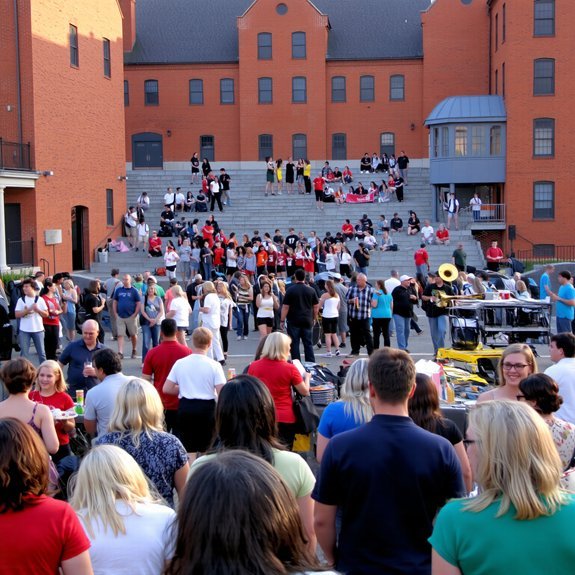
    When you walk past the quad on a Saturday, don’t be surprised if the air’s sticky with barbecue smoke, the band’s brass is blasting like somebody turned sunlight up to eleven, and half the campus is in coordinated T-shirts that tell a story you haven’t learned yet. You’ll join tailgates that smell like sweet rub and old friendship, clap to drum cadences that make your chest tick, and learn chants by heart so you can fake-confidence at halftime. There are step shows that slap, open mics that sting with truth, and family dinners where elders insist you take seconds. Homesick? Go to late-night study lounges that turn into therapy circles. Expect laughter, ritual, brotherhood and sisterhood—messy, loud, fiercely loving—and bring elastic waistbands.

    Academic Expectations and Faculty Relationships

    engage with faculty early

    You’re going to notice the classes move fast, professors expect sharp work, and late-night study sessions will smell like coffee and determination. Don’t be shy—faculty here are usually accessible and want to mentor you, so knock on doors, send emails, and ask the tough questions. I’ll tell you straight: meet your professors early, show up prepared, and they’ll push you harder and help you further than you’d expect.

    Rigorous Classroom Standards

    Because the classroom here doesn’t do hand-holding, expect to wake up your brain and keep it awake. I’ll tell you straight: professors push hard, they call on you, they expect evidence, not excuses. You’ll feel the scrape of chalk, hear heated debate, turn pages late into the night. Come ready.

    1. Read everything — even the stuff that makes you sigh.
    2. Speak up — questions show you’re trying, not clueless.
    3. Prep presentations — rehearse aloud, feel the words in your mouth.
    4. Meet deadlines — late work isn’t romantic, it’s costly.

    I poke fun at myself when I flub an answer, and you will too, but you’ll grow. The rigor sharpens you, like a good, honest grind.

    Mentorship and Accessibility

    Ever wonder who’s got your back in a place that expects you to show up sharp? I’ll tell you: mentors do. You’ll find professors who open office doors, call you by name, and actually remember your weird major. Walk into a sunlit hallway, hear laughter, grab coffee with an advisor who plots your schedule like a chess game. They push you, yes, gently and then not so gently, because they want you to level up. Accessibility matters—real talk—office hours, texts, quick emails, weekend meetups. Don’t be shy, introduce yourself, admit confusion, ask for examples. You’ll get critiques that sting, and praise that glows. I promise, those relationships—tough, warm, immediate—turn into networks, references, and lifelong friends.

    Financial Aid, Scholarships, and Budgeting Tips

    If I’m honest, money talks louder than pep rallies when you’re packing for campus — but don’t panic, I’ve got your back. You’ll hunt for aid like it’s buried treasure, smell old campus brochures, and type FAFSA late at night, caffeine and hope in hand. I’ll walk you through grants, loans, and scholarships, so you don’t drown in paperwork.

    1. Fill FAFSA early — it’s the golden ticket, really.
    2. Search HBCU-specific scholarships — professors and alumni fund gems.
    3. Track deadlines in one calendar — color-code for stress relief.
    4. Build a simple monthly budget — groceries, textbooks, late-night pizza.

    Ask financial aid officers questions, keep copies of everything, and haggle for better offers. You got this.

    Housing, Safety, and Campus Resources

    You’ve wrestled FAFSA into submission and budgeted for ramen and ramen-adjacent meals, now let’s talk where you’ll actually sleep, study, and sneak late-night snacks. You’ll tour dorms that smell like laundry detergent and ambition, touch lumpy mattresses, test closet space, and ask about AC—because you will regret heat. Learn lock policies, guest rules, and roommate agreements; say what you mean, mean what you say. Campus safety isn’t a lecture, it’s practical: download the alert app, memorize blue-light locations, and walk with friends at night. Use the counseling center before stress blooms, hit the career hub early, and scout quiet study nooks in the library—yes, even that sunny alcove by the ficus. Keep receipts, know office hours, ask lots of questions.

    Getting Involved: Clubs, Greek Life, and Leadership

    You’re going to meet your people on campus, whether it’s in a cramped student lounge over burnt coffee, at a loud club fair under string lights, or in a late-night study group that somehow turns into karaoke. I’ll give you the straight talk on how Greek life works here, what questions to ask, and how to avoid the drama nobody warns you about. Then we’ll map out easy ways to snag leadership roles—think student gov, club officer, or event chair—so you leave with stories, contacts, and real skills, not just T-shirts.

    Finding Your Community

    Where do you go when the campus feels like a movie set and you’re the extra trying to find the call time? You wander quad paths, smell coffee and drum practice, and tap doors until one opens. I tell you straight: get active, try things, don’t wait for magic.

    1. Visit club fairs, sign up, go to the third meeting — that’s where people are real.
    2. Volunteer at events, you’ll meet doers, not just posers.
    3. Run for small leadership first, learn ropes, collect insider jokes.
    4. Hang in common spots — late-night study rooms, choir rehearsals, the corner diner.

    You’ll find weird, loud, kind people. That’s your crew. Be curious, be awkward, be brave.

    If you want to know what Greek life actually feels like, don’t picture a movie—picture sweaty step practice at midnight, the scent of collard greens from a campus cookout, and a line of people trading stories like baseball cards. You’ll peek into chapter houses, hear drums, catch a chant, and decide if the rhythm fits. Ask questions, watch a step show, taste the food, and don’t join because everyone says you should. Some chapters focus on service, others on social bonds, some on history and activism—find the beat you can march to. Expect rituals, tight friendships, and obligations, but also mentorship, networking, and late-night study squads. If it’s not for you, that’s fine—plenty of other ways to belong.

    Building Leadership Experience

    A campus is a tiny kingdom for practicing boss moves, and I swear, leadership isn’t some fancy badge you get after one meeting — it’s the messy homework, the midnight emails, and the weirdly satisfying buzz when a crowd actually shows up. You’ll immerse yourself in clubs, panels, and rush events, you’ll learn to speak up, and you’ll flub a speech in public once — laugh, fix it, move on. Think hands-on roles: plan a mixer, run social posts, manage budgets, recruit friends who owe you favors.

    1. Lead a project, get cold pizza and applause.
    2. Join a committee, inherit tedious tasks, learn systems.
    3. Rush a chapter, build ritual and brother/sister energy.
    4. Start a pop-up event, test ideas, collect sweaty feedback.

    Because I walked onto my first HBCU quad with my heart doing drumrolls, I’m not going to sugarcoat this: you’ll feel like you’re both home and a tourist, sometimes in the same breath. I noticed the smell of barbecue and textbooks, heard laughter, felt warm nods from strangers who might become family. You’ll find affinity groups, faith circles, counseling centers, and a campus nurse who actually remembers your name. Go to meetings, ask questions, sit in the student center — don’t hover. If your identity feels complicated here, that’s okay, bring snacks and say so. Use support services early, not as last resorts. I learned to pick mentors, keep my weirdness, and lean into conversations that hurt and heal.

    Career Preparation, Internships, and Alumni Networks

    When I first peeked into the career center, the fluorescent lights and stacks of résumés felt oddly like a backstage pass, and I knew I had to hustle my way in. You’ll learn to treat that room like rehearsal. Shake hands, ask blunt questions, and laugh at your own awkward elevator pitch — everybody does.

    1. Visit early, bring a résumé, ask for mock interviews.
    2. Hunt internships through campus portals, professors, and class announcements.
    3. Use alumni panels, don’t be shy — they remember names, favors, and funny freshmen.
    4. Keep a spreadsheet of contacts, deadlines, and follow-ups.

    I’ll nudge you: follow up quickly, send thank-you notes, and show up prepared — opportunity likes punctual people.

    Health, Wellness, and Mental Health Resources

    If you think college is all late-night study sessions and cafeteria mystery meat, think again — your body and brain are marching orders. You’ll find health centers that actually care, staffed by nurses and counselors who know your name, not just your student ID. Walk in, take a breath, get a check-up or a flu shot, easy. Mental health services are there too, with therapists, support groups, crisis lines, even mindfulness sessions under the oaks — yes, literally, sit on a bench and breathe. Fitness classes, nutrition workshops, and peer wellness ambassadors keep things real. Don’t wait until you’re burnt out; text, call, or drop by. I promise, asking for help is strength, not drama.

    Conclusion

    You’re about to plunge into a world that hums with music, history, and late-night study sessions that smell like coffee and ambition. I promise, you’ll scream at halftime, cry at commencement, and find a mentor who texts advice at 2 a.m. Be bold, join things, ask questions, and budget like a boss — FAFSA first, ramen second. You’ll mess up, laugh, grow, and leave so proud it hurts. Go make that campus yours.

  • HBCU Vs PWI: What’s the Real Difference in Student Experience?

    HBCU Vs PWI: What’s the Real Difference in Student Experience?

    You’ll notice the vibe the minute you step on campus — warm laughter and brass band drums at an HBCU, brisk caffeine-fueled hustle at a PWI — and you’ll feel it in how professors call you by name, or don’t. I’ll walk you through history, mentoring, classroom energy, traditions, and the kind of networks that open doors, but first: pick a campus tour photo and hold on, because the real differences sneak up on you.

    Key Takeaways

    • HBCUs emphasize culturally affirming communities where Black identity, traditions, and mentorship are central to daily student life.
    • PWIs offer broader racial diversity but can leave minority students feeling isolated or needing to code-switch in classrooms.
    • HBCU advising and mentorship are often personalized and alumni-driven, fostering close career networks and hands-on support.
    • PWIs typically provide wider academic program breadth and larger-scale career services, yet mentorship may be more formal and less personal.
    • Campus vibe and safety differ: HBCUs rely on community caretaking and cultural rituals; PWIs use institutional security and technology-focused systems.

    Historical Roots and Institutional Missions

    education as collective resistance

    If you walk onto a historically Black college campus, you’ll feel history in the air — like warm coffee and old books, but louder, with brass band notes and chapel songs threading through the quad; I know, I’ve stood under those oaks and listened. You’re stepping into a mission born of necessity, slavery’s aftermath and Jim Crow’s stubborn shadow, where education was resistance. I’ll tell you plainly: HBCUs were built to teach, uplift, and protect Black minds, to make leaders out of overlooked folks. PWIs, by contrast, often started with different founders, different promises, different power. You’ll notice traditions that grew from survival, ceremonies that stitch community close, faculty who expect you to rise. It’s history that shapes daily life, in small ways and big.

    Campus Demographics and Community Makeup

    campus diversity shapes experiences

    Because where you step on campus matters, you’ll notice the crowd before you register for classes — who’s laughing on the bench, who’s selling flyers, who’s singing in the practice room — and it tells a story. You see who’s come from the neighborhood, who flew in from across the country, who’s balancing work and study, and that mix shapes daily rhythms. Walk the quad, smell coffee, hear accents, spot student org tables — you’ll get a feel fast. I’ll say it bluntly: demographics change routines, majors, food options, even late-night study spots. You pick a campus vibe, it picks you back. Imagine this diversity:

    Where you walk on campus tells a story — the mix of people shapes rhythms, majors, food, and late-night spots.

    1. Racial and ethnic makeup that sets the tone.
    2. Geographic origins, urban vs. rural energy.
    3. Age, veterans, commuting students — life stages visible.

    Sense of Belonging and Cultural Affirmation

    sense of belonging matters

    You notice the faces on the quad, then you start feeling the vibe — and that feeling either greets you like an old friend or makes you scan for the nearest exit. You stroll past flyers, hear a drumline, catch laughter that sounds like history and homework mixed. At an HBCU, nods feel like invitations, cultural touchstones pop up everywhere, and even your lunch choices whisper familiarity. At a PWI, you sometimes become the only voice in a room, so you gauge reactions, clip your slang, or teach a joke twice. Belonging shows up in small rituals, in who calls your name, in who knows your playlist. You crave that mirror, that safety, that quiet permission to be unabashedly you.

    Academic Programs, Advising, and Mentorship

    You’ll notice programs here can be deep and narrowly focused, or broad and experimental, so you’ll want to scan syllabi like a detective. I’ll point out how advising models differ — some advisors hand you a map, others walk the route with you — and you’ll hear about mentorship networks that feel like family or like a professional Rolodex. Read on, and we’ll compare course rigs, advising styles, and who’ll actually pick up the phone when you need help.

    Program Depth and Focus

    When I walked into my first advising meeting, I expected brochures and polite smiles; what I got was a roadmap and someone who actually remembered my name, which felt like finding an extra fry at the bottom of the bag—small, glorious, life-affirming. You learn fast that program depth isn’t about a flashy title, it’s about how deep you can go, hands-on, late nights in a lab, that one professor who gives you real feedback, the internship lead that smells like coffee and possibility. At HBCUs you might get tight, specialized tracks with mentorship baked in; at PWIs you’ll often find broad offerings, niche labs, and stacked resources. Envision this:

    1. Focused curriculum, apprenticeship vibe, professor who texts you deadlines.
    2. Wide catalog, research clusters, graduate labs humming at midnight.
    3. Hybrid paths, industry ties, capstones that make your portfolio sing.

    Advising Models Compared

    After talking about late-night labs and the professor who texts deadlines, let me tell you what really tells you where you’ll land: the advising model. You’ll notice the vibe the moment you walk into advising—desk cluttered with sticky notes, a smiling advisor who knows your major and your grandma’s name, or a cavernous office staffed like an airport check-in, blinking screens and appointment slots. At an HBCU, you’ll get holistic check-ins, caffeine-fueled chats, and a plan that fits you, not a template. At a PWI, advising can be efficient, buttoned-up, and transactional, which works if you like structure, less if you need nudges. Either way, learn to ask blunt questions, bring a calendar, and claim your seat at the table.

    Mentorship Networks Available

    If you like people who show up and actually remember your name, you’ll notice mentorship like a scent in the air the minute you cross campus—warm coffee, sticky notes, a professor leaning on a doorframe saying “tell me what you really want to do.” I say that because mentorship isn’t just a program on a brochure; it’s a wired network of folks who’ll read your draft at midnight, pull strings for internships, or yell “apply!” when you’re dithering — and how loud and personal that chorus is changes by campus. At HBCUs you get familial intensity, alumni who show up with casseroles and résumés. At PWIs you often get formal programs, glossy events, and useful but polite distance. Pick the vibe you want.

    1. Close-knit alumni mentors who text, visit, and bring food.
    2. Structured PWI programs with scheduled networking mixers.
    3. Peer mentorship circles that trade notes, tips, and late-night pep talks.

    Social Life, Traditions, and Student Activities

    Because college isn’t just classes and chai in your dorm, I’ll tell you straight: social life, traditions, and student activities are where a campus shows its personality. You’ll watch HBCU step shows thunder the quad, feel bass vibrate your chest, see alumni hug strangers like family — rituals that taste like history and fried chicken at homecoming. At a PWI, you’ll find diverse clubs, late-night improv, and campus festivals that mix new cultures, craft beers, and indie bands; you’ll try things, sometimes awkwardly, and laugh later. Both campuses throw late-night energy, club fairs, service days, and protest marches. You’ll join traditions that stick, learn rituals by doing, and leave with stories you tell at weddings, or just to make your friends jealous.

    Faculty Representation and Classroom Dynamics

    You’ll notice who’s at the front of the room, and trust me, that sight matters — a classroom full of faces that look like yours feels different than one where you’re the odd fit. I’ll point out how mentorship and visible role models change the vibe, how quick hallway pep-talks with a professor can stick with you, and how course examples that smell like your life keep you awake and asking questions. Let’s compare the rhythms — the warm, familiar cues that make learning feel like home, versus the occasional cultural static you’ve got to translate.

    Faculty Racial/Ethnic Makeup

    When I walk into a classroom at an HBCU, I almost expect the air to hum a little differently — warm, familiar, like someone just put a pot of coffee on the table — and that starts with who’s standing at the front. You notice faculty faces that mirror you, relatives of your neighborhood, professors who smell like markers and gumption. At a PWI, you might scan the room and do mental math, spotting a mismatch, a lone person of color, allies included. That shift alters tone, examples, even jokes, in ways you feel before you name them.

    1. Diverse faculty bodies, voices, accents — classroom feels like family dinner.
    2. Mainly white faculty, you translate lessons into your language.
    3. Mixed faculty, you get more perspectives, sometimes delightful friction.

    Mentorship and Role Models

    A mentor at an HBCU often looks like your aunt’s favorite cousin — familiar, blunt, and ridiculously proud — and that changes how you learn, plain and simple. You walk into office hours, they clap you on the back, they call you by a childhood nickname you didn’t know you had, and suddenly theory feels like advice, not a test. At PWIs, you’ll find brilliant mentors too, but you might search a little longer, send more emails, rehearse your questions. You notice role models who share your skin, your hair stories, your jokes, and that matters — it makes courage contagious. Mentorship here is hands-on, warm, direct; it’s critique with sugar, firmness with hugs, and pathways that feel reachable.

    Classroom Cultural Relevance

    Because who taught you matters, classroom vibes don’t just sit on the syllabus — they hum in the air, they smell like coffee and chalk, and they change how you lean in. You notice who’s up front, you catch the jokes, you read the examples, and you decide if this room is yours. At an HBCU you’ll often see faces that mirror your history, hear ancestry in lectures, and feel permission to speak loud. At a PWI you might search for a nod, adapt your examples, and teach people about you. Both rooms can sing, or they can echo.

    1. Professors who share your background, who nod, who call you by name.
    2. Curricula that include your stories, not footnotes.
    3. Classrooms where you’re invited to fix the syllabus, not just take the test.

    Career Services, Alumni Networks, and Internships

    If you want a job lead or a mentor who actually remembers your name, you’ll notice big differences between HBCU and PWI career systems right away — and I say that as someone who’s sat in too many awkward networking mixers clutching a paper cup of coffee. At an HBCU, you’ll feel alumni lean in, handshakes firm, voices saying, “Call me,” like they mean it; internships often come through personal ties, summer programs with room-and-board, boots-on-the-ground access. At a PWI, career fairs can feel corporate, polished, efficient — helpful, but less personal; you’ll chase online postings and automated replies. Either way, you’ll learn to network aloud, polish a resume until it shines, and practice a quick, memorable pitch that sticks.

    Safety, Resources, and Mental Health Support

    When you walk across campus at night, you notice things right away — the HBCU quad might hum with folks borrowing a flashlight and a laugh, while the PWI pathways often glow under neat lines of LED lights and security cameras, like a very polite spaceship. You pick up on vibe, and you care about help when stuff goes sideways. HBCUs often lean on tight-knit check-ins, profs who know your name, and community watch; PWIs invest in visible tech, patrols, and formal reporting. Both offer counseling, but access and trust differ. I’ll be blunt, neither is perfect, and you should ask about wait times and outreach.

    1. Night safety: people, porch lights, patrols.
    2. Resources: counseling centers, trainings, peer groups.
    3. Trust: who answers, who shows up.

    Financial Aid, Affordability, and Outcomes

    Okay, let’s talk money — the thing nobody wants to think about until the tuition bill shows up and you start texting your mom at 2 a.m. You’ll find HBCUs often pack scholarships, targeted grants, and alumni help, which can feel like a warm, hand-knit blanket when you’re freezing. PWIs might offer bigger endowments, more merit aid, and flashy aid calculators, but competition’s stiff, and the fine print stings. Visit financial aid offices, smell the coffee, ask hard questions, then compare net price calculators like you’re shopping shoes. Look at graduation rates, loan default stats, and job placements — outcomes matter more than sticker price. I promise, with patience and hustle, you’ll land a plan that doesn’t bankrupt your future.

    Conclusion

    You’ll feel the difference the moment you step on campus — warm handshakes, familiar laughter, or polite nods and quiet hallways. I’ll say it straight: HBCUs wrap you in cultural comfort, PWIs nudge you toward broader networks. Both get you to class, but the vibe changes how you learn, who mentors you, and where you belong. Don’t overthink it — pick the scene that fits you, even if you change your mind later.

  • Small HBCU Vs Large HBCU: Which Is Better for You?

    Small HBCU Vs Large HBCU: Which Is Better for You?

    You’re choosing between cozy and bustling, and I’m here to make the choice less mysterious. Picture small classes where your professor knows your coffee order, quiet porches for late-night study, and a tight group that calls you by a nickname — versus roaring game days, endless clubs, giant libraries, and networking events that make your head spin. Both have perks, both have trade-offs, and which side feels like home will surprise you — let’s keep going.

    Key Takeaways

    • Small HBCUs offer personalized mentorship and small classes, ideal for students who want close faculty relationships and hands-on learning.
    • Large HBCUs provide broader majors, bigger labs, and more research opportunities for students seeking variety and specialized programs.
    • Choose small campuses for lower sticker prices and predictable costs; compare aid packages and in-state rates at larger schools.
    • Large campuses deliver extensive safety tech, counseling services, and campus resources, while small schools often give quicker, personal support.
    • Consider social fit: small schools foster tight-knit community involvement; large schools offer diverse clubs, events, and networking scale.

    Campus Size and Class Experience

    campus size influences experience

    If you like elbow room, you’ll love scouting HBCU campuses—if you crave bustle, some of them will feel like a block party that never ends. You stroll grassy quads at a small school, breeze on your face, hear birds and a distant laugh; classes feel intimate, professors nod when you speak, you’re not a number. At a big HBCU, crowds pulse, tailgates rumble, footsteps sync like a drumline; lecture halls hum, you’ll trade personal chat for networking energy and instant friends. You’ll prefer small if you want mentorship, hands-on labs, and seats that know your name. Choose large if you crave events, variety, and serendipity. I’ll admit, I love both—depending on my mood and coffee.

    Academic Programs and Research Opportunities

    research opportunities and programs

    You’ll want to compare how many programs a school offers, and whether they go deep enough to make your eyes light up at 2 a.m. while you’re studying — I’ve poked around catalogs that promise “lots” and deliver one watered-down major, so trust me, ask for course lists and sample syllabi. Check who can get you into funded labs or summer grants, because hands-on research and real money change your resume and your confidence fast. I’ll walk you through spotting program depth and sniffing out research dollars, no PhD required.

    Program Variety and Depth

    When I walk into an HBCU campus lab or the lobby of its arts building, I can practically taste the possibilities—sharp coffee, solder smoke, oil paint, and that electric hum of people solving problems; you’ll find programs that run the gamut from nursing to aerospace engineering, from music business to environmental science, and each one often packs hands-on labs, internships, and faculty who actually remember your name. You’ll notice breadth and focus, small schools offering tight, specialized tracks, large ones hosting dozens of majors and cross-disciplinary hubs. You can switch gears without losing advisors, or dig deep in a niche with capstones that feel epic. Pick what fits your curiosity, because depth changes how you learn, how you network, and how ready you feel.

    Research Access and Funding

    Because research funding can feel like backstage passes and secret handshakes rolled into one, I want you to know how easy—or how maddening—it can be to get in the room. I’ll tell you straight: large HBCUs usually have bigger labs, steady grant pipelines, and named chairs who smell like old coffee and federal awards. You can tap into big equipment, join multi-campus projects, and ride co-authored papers to grad school faster than you can say “IRB.” Small HBCUs trade scale for access. You’ll sit beside a professor at 2 a.m., pipette in hand, getting credited as lead author because they mentor you directly. Both paths work. Pick the vibe you want: institutional horsepower or hands-on mentorship that actually sees you.

    Faculty Access and Mentorship

    personalized mentorship over prestige

    If you want real growth, you need professors who pick up the phone, not just post office hours like a cryptic scavenger hunt; I’ve stalked bulletin boards, knocked on office doors, and yes, accidentally barged into a faculty meeting once—embarrassing, but memorable. You’ll find small HBCUs let you slide into a professor’s office, smell coffee, trade stories, get tailored advice. At big schools, you’ll wait in lines, body-heat and syllabus in hand, but you’ll also meet specialists who open lab doors and networks. Mentors at small schools know your name, your aunt’s cooking, your GPA, and they fight for you personally. Large campuses offer prestige and scaled opportunities, but if you crave hands-on coaching, choose closeness over crowd.

    Social Life and Student Organizations

    Three types of nights will define your social life at an HBCU: homecoming-level electric, low-key porch hangs, and those mysterious club meetings you swear you just wandered into — and I’ve been to all of them, oftentimes barefoot. You’ll find tight-knit clubs where leaders know your name, call you out on stage, and hand you a flyer like it’s a mission. Or you’ll stumble into a poetry slam, smell cinnamon coffee, hear someone drop a line that knocks the room silent — and you’ll clap like you invented rhythm. Big schools throw massive step shows and tailgates, small ones host backyard barbecues and spontaneous jams. Join early, try weird things, say yes more than no, and make stories you’ll retell.

    Financial Considerations and Affordability

    You’re going to want to open the tuition bill like it’s a mysterious menu — some items shock, some are surprisingly reasonable, and you’ll squint at the totals. I’ll walk you through common fees and the real cost of attendance, then we’ll sniff out grants, scholarships, and work-study like bargain-hunting pros. Ask loud questions, keep your calculator handy, and don’t be shy about haggling for aid — I promise I’ll win us a few metaphorical coupons.

    Tuition and Fees

    Let’s talk money—because college isn’t just late-night ramen and varsity sweatshirts, it’s also tuition and fees that sneak up like surprise pop quizzes. You’ll notice small HBCUs often list lower sticker prices, but read the fine print, breathe in that cafeteria smell, and know costs vary by program. Large HBCUs may charge more, yet offer scale: bigger labs, pricier facilities, and fees that stack like textbooks. You’ll want to compare per-credit rates, mandatory fees, and residency differentials. I say peek at billing statements like they’re plot twists.

    • Compare in-state vs out-of-state tuition, and how that affects your wallet.
    • Check course fees for labs, studios, and equipment.
    • Scan campus service and activity fees.
    • Note program-specific surcharges.

    Financial Aid Options

    Alright, if tuition was the generous-but-mysterious appetizer, financial aid is the main course — and I’m here to help you order smart. You’ll check FAFSA first, fingers crossed, because federal grants and loans set the table; community colleges and some small HBCUs sweeten the deal with institutional grants, like surprise dessert. Big HBCUs often offer merit scholarships, packaged with touring brochures and glossy smiles. Don’t skip work-study — you’ll earn coffee money and build resume cred. Ask about payment plans, emergency funds, and tuition freezes; poke admissions and financial aid offices, they love talking about money more than you think. Negotiate; get offers in writing. I’ll warn you: read fine print, breathe, then sign.

    Career Services and Alumni Networks

    Two things usually decide whether your college turns into a launchpad or a long nap: career services and the alumni network. You want hands, not brochures, and mentoring, not mystery. At a small HBCU, offices know your name, walk you to interviews, and alumni drop by like helpful relatives. Big HBCUs pack more recruiters, huge job fairs, and searchable alumni databases that feel like treasure maps.

    Career services and alumni make the difference—personal mentors at small HBCUs, massive recruiter networks at big ones.

    • Personalized resume reviews and mock interviews that actually sting—in a good way.
    • Alumni mentorship programs, with phone calls that turn into internships.
    • Large-scale career expos where you elbow for top firms, then celebrate tacos.
    • Niche networks for industries, from education to tech, that send referrals.

    Pick the vibe that gets your foot in the door.

    Campus Safety and Student Support Services

    If you’re going to live, study, and sometimes nap on campus, you want it to feel safe and supported — no mystery alarms or bureaucratic runarounds. I’ll be blunt: you’ll notice differences fast. At a small HBCU, you’ll hear names, not case numbers, and security folks know your face, your coffee order, maybe your dog’s name. At a large HBCU, you’ll get more tech — cameras, emergency apps, 24/7 dispatch — and organized counseling centers with specialists for whatever life throws. You’ll want to tour late, check lighting, ask about ride programs, and peek into wellness suites. Listen to your gut, ask for crime stats, and don’t be shy — safety’s personal, support should be obvious, not hidden behind three forms.

    Conclusion

    You’re standing at a fork: cozy cottage or buzzing city street. I’ll be blunt — pick the vibe that fits your soundtrack. If you want professors who know your coffee order, go small. If you crave energy, majors, and stadium lights, go large. Either way, you’ll grow, stumble, laugh, and find people who call you by your nickname. Trust your gut, pack a warm hoodie, and don’t forget to ask about scholarships.

  • Public Vs Private HBCUS: What’s the Difference?

    Public Vs Private HBCUS: What’s the Difference?

    Think of Tuskegee offering low in‑state tuition and big engineering labs, while Morehouse charges more but gives you tiny seminar classes and a mentor who knows your name. You’ll see state money stretch classrooms wide, private donors buy personality, and both campuses hum with marching bands, late-night study sessions, and the smell of grilled cheeseburgers from the quad. Stick around—there’s a clear tradeoff, and it matters for your future.

    Key Takeaways

    • Public HBCUs are state-funded with lower in-state tuition and steady public aid.
    • Private HBCUs rely on donations, fundraising, and typically charge higher tuition.
    • Public campuses offer broader majors, larger classes, and more federal research funding.
    • Private campuses provide smaller cohorts, niche programs, and more one-on-one mentoring.
    • Governance differs: public schools answer to state systems and taxpayers; private schools to boards and donors.

    Funding and Tuition Differences Between Public and Private HBCUs

    funding disparities in hbcus

    When you dig into the money side of HBCUs, you quickly see two very different worlds—one with state backing and one that leans on faith, donors, and grit; I’ll walk you through the differences without the boring chart talk. You’ll notice public HBCUs get steady state aid, lower in-state tuition, and bigger classrooms humming with commuter energy. Private ones feel warmer, chapel bells and alumni dinners, but tuition bites harder, so they hustle scholarships and donor pitches like pros. Picture campus offices ringing with calls, financial aid counselors juggling packages, students scanning award letters like treasure maps. I’ll admit, I root for both. Publics offer access, privates craft intimate experiences — you weigh cost against culture, pocketbook against promise.

    Governance, Accountability, and Institutional Structure

    governance shapes institutional accountability

    Because governance shapes everything from graduation caps to parking permits, I want you to picture two control rooms: one buzzes with elected officials, state laws, and public board meetings; the other smells faintly of coffee and institutional pride, private trustees leaning over polished wood, whispering strategy between donor calls. You’ll notice public HBCUs answer to state systems, open records, budget hearings — they move on timetables set by legislatures. Private HBCUs answer to boards and benefactors, they pivot faster, chase gifts, protect endowments. Accountability looks different: public schools report to taxpayers, private ones to donors and accreditation. You, as a student or parent, should care who signs the checks, who hires presidents, and who sets campus rules. Know the control room before you buy a hat.

    Academic Programs, Class Size, and Research Opportunities

    class size and research opportunities

    If you peek into classrooms at public and private HBCUs, you’ll smell chalk dust, coffee, and the faint thrill of discovery—then you’ll notice the differences. You’ll see broader program lists at publics, more majors, vocational tracks, and big lecture halls that hum. Privates tend to offer niche programs, tighter cohorts, and faculty who know your dog’s name. You’ll sit closer in some rooms, farther back in others; class size shapes the give-and-take, the questions you dare ask. Research? Publics often have bigger labs, federal grants, and noisy equipment. Privates offer mentored projects, cozy labs, and one-on-one attention that feels like academic therapy. Choose what fits your curiosity, schedule, and budget.

    1. Program variety
    2. Class size
    3. Research scale
    4. Mentorship style

    Campus Culture, Student Life, and Community Engagement

    While you’re milling past the student center, smelling fried food and campus sunscreen, I’ll bet you notice the vibe right away — it’s like a handshake and a sermon wrapped into one. You’ll feel tailgates, step shows, and late-night study sessions stitched together. You hear choir warmups, bass from a block party, professors calling roll like family, and friends trading snacks at midnight. Public HBCUs tend to hum with big crowds, diverse clubs, and city partnerships; private ones often fold you into smaller cohorts, intimate traditions, and alumni who know your name. You’ll volunteer at local schools, march in homecoming parades, and find mentorships that start on benches and end in boardrooms. Expect warmth, ritual, and a community that insists you belong.

    Financial Aid, Scholarships, and Return on Investment

    When you peek at a college bill, your stomach might do a little salsa — trust me, mine did — and that’s where the money talk really grabs you by the collar. I’ll walk you through how public and private HBCUs treat aid, so you can sniff out bargains like a pro. You’ll see sticker prices, then discounts, then real costs — don’t faint. I joke, I grimace, I calculate.

    1. Net cost: Publics often charge less tuition, but privates give deeper scholarships, so check the bottom line.
    2. Grants and aid: Federal aid’s the same, institutional aid varies wildly.
    3. Work-study: Hands-on jobs, resume wins, cash in your pocket.
    4. ROI: Compare debt, career services, and grad outcomes before you sign.

    Conclusion

    You’ve got choices, and I’m here, caped like a reluctant superhero from a 1950s comic, to point them out. Public HBCUs save your wallet, offer variety, and can feel bustling; private ones hug you tight, charge more, and craft niche paths. Walk campuses, smell books and cafeteria pizza, talk to students, ask hard questions. Trust your gut and your budget, pick the place that feels like home, then own it—class bell or carriage clock be damned.

  • How to Choose the Right HBCU for You

    How to Choose the Right HBCU for You

    Like standing at a crossroads in a coming‑of‑age movie, you’ve got choices that’ll change your life. I’ll help you smell the campus coffee, hear the band, and size up the classrooms so you don’t pick the place that feels like a bad sequel. You’ll learn what matters—majors, vibe, money, mentors—and how to test them in one visit, no guesswork, just straight talk. Want to start?

    Key Takeaways

    • Match campus size and vibe (intimate quad vs large research) to your preferred class sizes and social life.
    • Confirm program accreditation, faculty expertise, hands-on labs, and internship pathways for career readiness.
    • Evaluate student life, traditions, clubs, and residential options to see if you feel welcomed and represented.
    • Compare net cost, scholarships, FAFSA aid, work-study options, and payment plans for true affordability.
    • Investigate alumni networks, graduate outcomes, career placement, and mentorship opportunities for long-term success.

    Understanding Different Types of HBCUs and Campus Sizes

    campus size impacts experience

    Curious how an HBCU actually feels when you walk in—warm brick, banners flicking in a breeze, the hum of people who know each other’s names? You’ll notice differences fast: some campuses are cozy, quad-centered, where you can learn most faces by week two; others sprawl with research labs and bus routes, where you’ll need a map and good shoes. Some are all-undergrad, intimate, clubs meeting in the student center; others mix grad programs, big events, and late-night lectures that spill into diners. Size shifts your social life, class sizes, and how loud your footsteps echo at midnight. Walk both small and large campuses, sit in a café, eavesdrop a little—your vibe will tell you which fits.

    Evaluating Academic Programs and Major Strengths

    accreditation faculty expertise internships

    You’ll want to check a program’s accreditation status first, it’s the sniff test that tells you if a degree actually opens doors. Peek at faculty research expertise next — watch for professors publishing, leading labs, or mentoring students, those are the people who’ll push your thinking and your résumé. And don’t forget internships and career pathways, ask where grads work, hear the success stories, and picture yourself in those scenes before you commit.

    Program Accreditation Status

    A few credentials can make a campus visit hum with confidence, and program accreditation is one of them — it’s the official stamp saying a department actually teaches what it promises, not just on paper but in labs, studios, and clinical sites where real work happens. I’ll tell you straight: check the accreditor’s name, not just the diploma. Walk the lab, smell the solvents, peek at equipment—accreditation usually means up-to-date gear and clear assessment. Ask to see graduate outcomes, licensure pass rates, internship partners. If they mumble, that’s a red flag. If they beam, that’s golden. Accreditation affects transfer credit, financial aid, and your résumé. Don’t guess. Call the agency, read the report, and sleep better knowing your degree actually counts.

    Faculty Research Expertise

    Accreditation tells you the program’s heartbeat, but the people doing the work are the ones who’ll actually feed it. Look up faculty profiles, skim CVs, and click those research links like you mean it. You’ll smell curiosity in lab photos, hear it in sentence fragments of grant summaries, see it in course lists tied to faculty projects. Ask yourself, are professors publishing where the field notices, or just in campus newsletters? Do they mentor undergrads, involve students in data collection, field trips, gritty experiments? Reach out, say, “Hi, I’m curious,” and watch who answers. I’ll warn you, some bios are dazzling, some are dusty — both tell stories. Pick faculty whose work sparks you, challenges you, and feels like a place you’d want to roll up your sleeves.

    Internship and Career Pathways

    When you peek at a program’s course catalog, don’t just skim—play detective. I tell you, follow internship listings like breadcrumbs. Look for hands-on labs, credit-bearing internships, and alumni names on employer pages. Smell the campus energy—career fairs buzzing, recruiters shaking hands, students handing out resumes. Ask faculty about partnerships, then call the company, yes really. Sit in a career center meeting, hear staff map job pipelines, and check if majors lead to certifications or grad school prep. If a program brags about placement rates, ask for details, don’t bow to glitter. Picture yourself in a summer role, tired but learning. If the pathway’s clear, you’ll land roles faster. If it’s fuzzy, keep searching, you deserve better.

    Assessing Campus Culture and Student Life

    campus traditions and vibes

    You’ll want to feel the campus pulse—pep-rally drums, tailgate smoke, and the way seniors high-five freshmen at convocation—because traditions tell you how people celebrate together. Check out student clubs and orgs, peek into a meeting or two, and ask where students actually hang when they’re not in class; I promise, the vibe shows up in the little things. Then sleep in a dorm, or at least tour it—room size, roommates’ habits, and late-night snack runs say a lot about whether you’ll belong.

    Campus Traditions and Events

    Curious how a campus actually feels at 2 a.m. after Homecoming? I’ll tell you: the band’s echo still buzzes, confetti sticks to your shoes, and laughter peels down moonlit sidewalks. Traditions make nights like that stick.

    1. Watch parties that shake the quad, you feel bass in your ribs.
    2. Step shows where feet thunder, and someone shouts your name.
    3. Candlelight vigils, hush and glow, scent of wax and jasmine.

    You’ll want to visit during a signature event, soak the vibe, note who’s smiling and who’s organizing. Ask yourself if the rituals welcome you or leave you outside the circle. Those rituals show values, pride, and how students care — and they tell you if you’ll belong.

    Student Organizations and Clubs

    If you wander into the student union and the scent of microwave popcorn and printer toner hits you, don’t be surprised — that’s where campus life hums, and clubs are the wiring. You’ll find debate teams sparring near a soda machine, step teams practicing heel-clicks that rattle your ribs, and a film club screening shorts with cheap pizza. Ask questions, don’t hover; join a meeting, don’t judge the poster art. Look for groups that match your hobbies, your cause, or the weird half-idea you want to try. Talk to members, feel the energy, notice how leaders treat newcomers. If a club feels warm and organized, you’ll get growth and fun. If it feels chaotic, maybe you’ll learn to lead — or walk away.

    Residential Life and Housing

    When I toss my duffel onto a narrow dorm bed and the radiator clanks like an old man clearing his throat, that’s where campus culture starts to feel real — up close, loud, and a little messy. You’ll learn a lot from hallways, not brochures. Smells of microwave popcorn, late-night laughter, and someone’s incense tell you who lives here. Peek into lounges, listen for debates, note how staff greet you. Housing shapes your days, and roommates teach diplomacy fast.

    1. Room options: singles, doubles, suites — tradeoffs in quiet, cost, and privacy.
    2. Community vibe: program nights, resident advisors, neighbor noise levels.
    3. Logistics: meal plans, laundry, safety features, and maintenance speed.

    Exploring Financial Aid, Scholarships, and Affordability

    How much money will it actually take to get you through an HBCU? Let’s be honest, you’re not just buying classes, you’re buying a life chapter—meals that smell like home, textbooks you’ll dog‑ear, late‑night coffee runs. Start with FAFSA, fill it out early, and don’t groan—I’ve been there, it’s worth the paperwork. Hunt scholarships: departmental, community, legacy, quirky essay contests that pay your rent. Ask the financial aid office about payment plans, emergency grants, work‑study shifts that won’t wreck your GPA. Compare net cost, not sticker price; visit, feel campus energy, and calculate commuting vs. room and board. Plan a budget, track expenses, and have a tiny cushion. You’ll still worry, but with strategy, affordability becomes achievable—and dare I say, fun.

    Investigating Student Support Services and Mentorship

    You’ve figured out the money part, maybe even beaten FAFSA into submission—great, now let’s talk about the people who’ll actually keep you sane. You want tutors who’ll stay past closing, counselors who listen without judging, mentors who push you and bring snacks—yes, literal snacks. Walk the student center, smell coffee, hear laughter, ask: who helps during crises? Who connects students to internships?

    1. Tutoring & academic help — drop-in labs, evening hours, success coaches.
    2. Mental health & counseling — same-day crisis slots, group therapy, culturally aware clinicians.
    3. Mentorship programs — alumni match-ups, faculty mentors, peer leaders who text back.

    Trust instincts. Sit in a support group, say hi, feel the vibe. If it comforts you, it’ll carry you.

    Considering Location, Housing, and Safety

    Where’s the campus actually planted on the map, and will you like waking up there? Picture morning light sliding through oak branches, or concrete and bus fumes — do you crave calm or city buzz? Walk the neighborhood, grab a coffee, listen for sirens or birds; trust your gut. Ask about on-campus housing options, roommate matching, and guest policies; tour a dorm, snap photos, check closet space, outlets, and AC. Learn crime stats, campus escort services, and emergency alerts, then call local police for context — yes, do that. Think about commute times, parking, and late-night study spots that feel safe. I’ll be blunt: comfort matters. If the place doesn’t feel right now, it won’t later.

    Researching Alumni Networks and Career Outcomes

    Curious who’ll be in your corner after graduation? I’ll tell you straight: alumni make careers happen, and you should size that network up like you’d scope a party—who’s there, how they mingle, what they bring. Look for active mentorship, internships, job-placement stats, and industry reach. Check LinkedIn, alumni pages, and ask career services.

    1. Examine placement rates, top employers, and salary ranges.
    2. Seek alumni mentorship programs, regional chapters, and networking events.
    3. Find stories — grads who snagged roles, started businesses, or leaned on cohort support.

    Walk into conversations with specific questions, listen for concrete examples, and picture yourself at those tables. If alumni vibe feels warm and useful, you’ll have supporters, referrals, and a real runway after graduation.

    Planning an Effective Campus Visit and Interviewing Students

    If alumni are the crew who’ll open doors later, campus visits are the reconnaissance mission where you figure out who’s actually answering the calls. Walk the quad, breathe campus air, listen for laughter and marching bands, then talk to students like you mean it. Ask how mornings feel, where they study, what’s sacred and what’s stressed. Sit in dining halls, compare menus, note smells — curry, grill, fresh coffee. Drop a line: “What surprised you?” Watch faces, hear honesty. Tour a dorm, test the shower, check outlets — practical stuff matters. Catch a class, raise your hand, feel the vibe. Jot notes, snap photos, trade numbers. Leave asking for one student’s real-deal advice, not the glossy brochure pitch.

    Weighing Personal Values, Identity, and Long-Term Goals

    When you pick a college, you’re really choosing a crew, a rhythm, a set of unspoken rules you’ll live with for years — so don’t pretend it’s just about mascot colors or cafeteria hours. You’ll wake up to certain voices, see certain faces at chapel, and feel whether your values echo or clash. Ask yourself, what matters most? I’ll help.

    Choosing a college is choosing a crew, a rhythm, a set of unspoken rules you’ll live by.

    1. Align: Does campus culture match your faith, politics, or creativity?
    2. Protect: Will you be safe, seen, and free to speak?
    3. Propel: Will alumni networks and programs push your career forward?

    Walk dorm halls, sit in a lecture, smell the coffee, eavesdrop kindly. Trust the gut that tightens or relaxes — that’s your future saying hello.

    Conclusion

    You’ve got this. I’ll say it straight: pick an HBCU that feels like home, not a checkbox. Walk the quad, taste the caf food, eavesdrop on a club meeting, talk to a prof, and see if your pulse slows or perks up. Follow your values, budget, and career goals, but trust your gut—sometimes lightning strikes. I’ll cheer you on from the sidelines, pompoms and all. Make a choice that lights you up.

  • The Ultimate Guide to Historically Black Colleges and Universities

    The Ultimate Guide to Historically Black Colleges and Universities

    You’re about to get a straight-up tour of HBCUs, and I’ll be your frank, slightly sarcastic guide—think campus walks, fried-plantain smells, marching band beats, and stories your history class skipped. I’ll show you why these schools matter, how they build leaders, and which ones excel at what, but I won’t sugarcoat funding gaps or tough choices. Stick around—there’s a tradition, a secret handshake, and a scholarship tip you’ll want.

    Key Takeaways

    • Overview of HBCU history, mission, and cultural significance, highlighting origins and milestones.
    • Top academic strengths and signature programs, including mentoring, nursing, engineering, and social justice.
    • Campus life, traditions, Greek life, homecoming, and student experiences that build identity and community.
    • Practical application and financial-aid guidance: tailored essays, recommenders, FAFSA, scholarships, and negotiating packages.
    • Current challenges and future directions: funding gaps, infrastructure needs, alumni partnerships, and innovation strategies.

    Origins and Historical Milestones of HBCUs

    persistence in education s history

    Even though the country wasn’t built for them, HBCUs sprang up anyway, stubborn and brilliant; I like to picture founders sweeping out a single classroom and declaring, “We’ll teach anyone who shows up,” and then teaching until midnight by candlelight. You step into that story, feel rough wooden floors underfoot, smell wax and chalk, hear determined voices. From antebellum risks to Reconstruction triumphs, schools opened, survived, and pushed for more; you watch graduates march into professions, some scuffling, others triumphant. You’ll meet leaders who argued, lobbied, and sometimes got arrested for education itself — dramatic, yes, and also human. Milestones stack: first charter, first degree, legal wins, expanded campuses. You nod, you grin, you learn why persistence matters.

    Mission, Values, and Cultural Significance

    cultural heartbeat and traditions

    You’re standing on a campus that smells like fried chicken and old books, and I’ll bet you can feel the history humming under your feet. These schools were built to teach you, to lift whole communities, and to keep Black culture alive, loud, and proud — that mission still shapes classrooms, homecomings, and late-night talk on the quad. So let’s look at how that purpose and cultural heartbeat keep traditions breathing, students grounded, and futures bright.

    Historical Mission Focus

    When I walk onto an HBCU campus, the air feels different—thick with history, warm like cocoa, and humming with voices that insist you belong; that’s not nostalgia talking, it’s mission. You see buildings named for pioneers, plaques that whisper backstories, and folks who nod as if to say, “We got you.” The historical mission centers education, leadership, and uplift, aimed at correcting exclusion and opening doors you didn’t know were stuck. You’ll find classes that teach resistance alongside math, chapel songs that steady nervous hands before exams, and recruiters who promise chance, not charity. The campus moves with purpose, rooted in struggle, sharpened by hope. I joke that the library smells like ambition; you’ll understand when you pull a book, and feel it.

    Cultural Identity Preservation

    If you step onto an HBCU quad and listen close, you’ll hear heritage doing its everyday work—books clatter, sneakers skitter, a choir warms up in the distance—and that sound is the college’s soul spelling itself out. You feel that mission in your bones, it anchors classes, plays, meals, and protests. You’ll join rituals that feed identity: homecoming parades, storytelling nights, jazz in the courtyard. Faculty hand down values, elders nod with quiet approval, students riff on tradition and remix it. You learn history not as museum dust, but as instructions for living. You’ll leave fluent in cultural codes, carrying responsibility and joy. It’s both shelter and launchpad, a place that says, emphatically, we belong and we make the future.

    Academic Strengths and Signature Programs

    hbcus foster hands on education

    Think of walking into a lab where the air hums with ideas—HBCUs do that, and they do it with swagger. You find programs built to lift talent, STEM pipelines that actually mentor you, and business schools that teach hustle with ethics. You’ll touch microscopes, sketch designs, pitch startups, and argue policy, all in rooms where faculty know your name. Signature majors—nursing, engineering, social justice studies, performing arts—come with deep ties to industry and community. Research gets real, internships start early, and alumni open doors, sometimes with a wink. You’ll get hands-on practice, tight advising, and professors who push you, gently and not-so-gently. It’s rigorous, personal, and practical—education that readies you, sharpens you, and keeps you aiming higher.

    Campus Life and Student Traditions

    You walk onto campus and the air hits you—brass bands, shouted chants, the smell of grilled food from tailgate tents—and you know you’re in the middle of something alive. I’ll point out the big draws: Homecoming and step shows that rattle your ribs, Greek lineages that teach you history through synchronized swagger, and campus traditions that stick like gum under a bench. Stick around, I’ll show you how students make rituals into identity, prank into pride, and parties into pilgrimage.

    Homecoming and Step Shows

    When I step onto an HBCU quad during Homecoming, my ears start a small riot—brass blares, drums roll like distant thunder, and everybody’s stomping in time, so you either join in or look painfully out of sync; I always join. You’ll weave through alumni in bright jackets, students draped in school colors, and vendors selling sweet, greasy goodness that smells like nostalgia. Step shows hit next: barefoot precision, thunderous stomps, sharp hand claps, and chants that slice the air. You’ll feel the floor vibrate, your chest answering. Judges lean forward, crowd roars, someone cracks a joke you laugh at late. You clap, you chant, you learn secret moves, and by midnight you’re exhausted, sticky, and strangely proud—already planning next year.

    Greek Life and Lineage

    If you haven’t stood under a sorority’s canopy on Bid Day and felt the air change—sweet perfume, nervous laughter, and the soft rustle of satin sashes—you haven’t really smelled legacy yet, and I’ll admit I got swept up faster than I planned. You’ll watch pledges rehearse chants, you’ll learn secret handshakes that feel ridiculous until they don’t, and you’ll see elders press pins into new jackets, eyes glossy with memory. You’ll join lineages that map out who taught whom, names stitched into history. You’ll balance meetings, service, and late-night study sessions, and yes, you’ll borrow a sash and inevitably spill coffee on it. It’s ritual, camaraderie, and a loud, proud family that keeps you grounded.

    Campus Culture and Traditions

    After the sorority canopy settles and the satin sash finally dries, campus life grabs you by the lapel and won’t let go. You’ll stroll past drumlines, feel bass thrum through your chest, smell fried fish and sweet tea as you follow the crowd. I’ve tripped into homecoming parades, laughed trying to mimic steps, and learned chants before sunrise. You’ll learn secret handshakes, wear school colors like armor, and argue passionately about lunch specials. Late-night study groups turn into storytelling circles, voices low, candles flickering (or fluorescent lights buzzing—romance optional). Tradition isn’t static, it’s lived—pep rallies, step shows, bell chimes, elderly professors who remember your grandparents. You’ll belong, you’ll test boundaries, and you’ll leave with rituals tucked into your pockets, comfort and courage blended.

    Notable HBCUs and Their Legacies

    Think of these campuses as living museums you can walk through, not the dusty kind but the ones where statues nod and brick steps still remember marching feet. You’ll visit Howard’s buzzing quad, hear professors riff, smell coffee and old books, feel history underfoot. Spelman’s gardens teach patience, alumnae stories bloom like magnolias. At Morehouse you’ll catch speeches that land in your chest, cadence and conviction. Tuskegee’s labs whisper innovation, the runway and workshop still hum. Fisk’s archives sing with poetry, notes hanging in the air. Negro colleges became laboratories of leadership, art, science, protest. You’ll touch plaques, sit in chapels, laugh with students. I’ll point out markers, trade a joke, and leave you wanting to walk every campus, now.

    Admissions Strategies and Application Tips

    While you’re packing pens and pride, I’ll tell you how to make HBCU applications feel less like chore work and more like matchmaking; I’ve read enough essays to know what sings and what snores. Start by visiting campuses, breathe in brick and brass, listen to choir echoes, and jot down moments that stick. Tailor each essay to a school’s vibe, name faculty or programs, show curiosity, not clichés. Ask teachers for recommenders who know your grit, give them bullet points, and a polite deadline nudge. Practice interviews aloud, smile—voice cracks are human, humor lands. Proofread slowly, read essays backward, catch typos. Submit early, keep copies, and follow up with gratitude notes. You’ll apply like someone who belongs, because you do.

    Financial Aid, Scholarships, and Affordability

    You’ve packed your essays, handed teachers bullet-pointed brag sheets, and probably perfected a grin for interviews — now let’s talk money, because great fit doesn’t pay tuition. I’ll walk you through FAFSA, state aid, and campus forms like a GPS that actually knows where you’re going. Hunt HBCU scholarships early — departmental grants, alumni awards, and those quirky essay contests that pay for a semester worth of ramen. Negotiate packages, call financial aid offices, and bring receipts, questions, and a friendly stubbornness. Work-study gives you cash and resume material; internships prep you for life and sometimes a signing bonus. Don’t forget emergency funds and payment plans. With strategy, persistence, and a little charm, you’ll afford the experience you deserve.

    Current Challenges and Future Directions

    Because HBCUs have been doing heavy lifting for generations, we can’t pretend everything’s fine just because the campus quad looks picture-perfect at homecoming. You feel the pride, you smell the burgers on the grill, but you also see aging labs, tight budgets, and faculty stretched thin. I’ll call it like I see it: resilience meets the hard work of repair.

    1. Tuition pressure — students hustle, families sacrifice, dreams hang in the balance.
    2. Infrastructure gaps — leaky roofs, outdated tech, classrooms that creak when ideas fly.
    3. Funding inequality — donations help, but systemic underfunding bites deep.
    4. Future pathways — innovate programs, alumni networks, public-private partnerships — we push, we insist, we build.

    Conclusion

    You’ll leave these pages knowing history and hope, side by side—dusty archives next to loud homecoming bands. I’ve walked quads where struggle smells like sweat and triumph tastes like sweet tea, and I’m telling you: HBCUs are both classroom and cathedral. You’ll find mentors who push, traditions that hug, programs that launch. So pack curiosity and grit, enroll your heart, and expect to be challenged, comforted, and changed—often at the same time.

  • History of HBCUs: How They Started and Why They Still Matter

    History of HBCUs: How They Started and Why They Still Matter

    You walk into a chapel-turned-classroom, smell chalk and coffee, hear laughter and a choir practicing next door — that’s where HBCUs began, built by freedpeople, churches, and a fierce hunger for schooling. I’ll tell you how they balanced Bible study and vocational drills, raised lawyers and poets, then became engines of Black progress; think grit, gowns, community kitchens — and then some. Stay with me, because the next part flips the script.

    Key Takeaways

    • Freedpeople and churches founded HBCUs after the Civil War to provide urgent, community-funded education for formerly enslaved people.
    • Northern philanthropists and clergy supported mission-driven curricula combining literacy, moral instruction, trades, and classical learning.
    • Institutions like Howard, Fisk, and Tuskegee produced Black professionals, leaders, and cultural institutions during segregation.
    • HBCUs served as community hubs—hosting cultural life, mentoring students, and preserving Black heritage and resilience.
    • Today HBCUs boost social mobility, local economies, and innovation despite funding, enrollment, and policy challenges.

    Origins in the Reconstruction Era and the Rise of Freedpeople’s Schools

    stubborn love for education

    When the Civil War ended, folks didn’t just walk away from bondage and hope education would magically appear; they built it, brick by stubborn brick. You can almost see the smoke-streaked hands laying those bricks, feel the grit under your nails, hear laughter and sermons mixing with hammer strikes. You walk into a one-room school, squinting in sunlight, kids crowding benches, a woman at the chalkboard teaching letters and pride. You learn that freedpeople insisted on learning, pooled pennies, bargained for land, and turned tents and churches into classrooms. It wasn’t tidy. It was urgent, loud, messy, glorious. You’d call it stubborn love, and you’d be right—because hope, here, wore work boots and taught reading on Saturday.

    Religious and Philanthropic Roots of Early HBCUs

    faith driven educational philanthropy

    You’ll notice many early HBCUs started with churches leading the charge, pastors rolling up their sleeves, classrooms smelling of chalk and hymnals. Northern philanthropists brought cash and suitcases of books, you can almost hear the carriage wheels and polite handshakes, and those gifts steered schools toward moral instruction alongside reading and arithmetic. I’ll show you how missions shaped curricula, how donations shaped campuses, and how faith and funding danced an awkward, influential waltz.

    Mission-Driven Church Sponsorship

    Because faith and practical need often walked into the same room, early HBCUs grew out of church basements, crowded revivals, and the pockets of determined philanthropists who couldn’t stand idly by—so I’ll say it plain: these schools were built by people who prayed hard and paid harder. You walk into that story smelling hymnals and hot coffee, hearing muffled sermons, feeling hands pass hymnbooks and pennies. I tell you this because you need to know who showed up. Churches didn’t just bless schools, they ran them, fed students, hammered desks, and taught literacy.

    • Clergy organized classes in parish halls.
    • Women’s auxiliaries sewed uniforms, raised funds.
    • Pastors tutored, counseled, recruited students.
    • Congregations provided land, labor, and love.

    Northern Philanthropic Support

    Though they sat miles from the pews and hymnals that birthed so many Black colleges, Northern donors and mission boards leaned in hard, sending money, textbooks, and sometimes a painfully earnest white teacher who’d never seen a Southern summer; I’ll tell you, they showed up with checkbooks, wagons, and awkward optimism. You can smell kerosene lamps and hope, hear chalk on slate, feel envelopes thump on rough pine desks. You watch men in frock coats argue budgets, women stitch uniforms, missionaries teach spelling with fervor and misplaced manners. You notice names—funders, abolitionist allies, church auxiliaries—stamped on buildings, plaques, pride. You squint at ledgers, count dorms, and realize their cash opened doors, even if their manners didn’t always fit the room. You’ve seen the complexity, yes, and the good.

    Religious Curriculum Influence

    Those ledgers and hymnals didn’t just pay for roofs and pencils, they scripted the classrooms too, and I’ll tell you, the result was a curious little blend of Bible study and bookkeeping. You walk into an early HBCU classroom and you smell ink, you hear hymn lines under arithmetic drills, and you grin because faith taught discipline, and discipline taught survival. I’ll admit, I chuckle at the mix — God and ledgers sharing a desk. You see how mission boards shaped syllabi, and northern donors nudged practical skills. The blend mattered.

    • Prayer opened classes, numbers closed budgets.
    • Moral instruction paired with vocational training.
    • Clergy taught reading, then applied it to contracts.
    • Hymns reinforced punctuality, pens followed.

    Landmark Founding Institutions and Their Founders

    founders legacy of education

    Picture a dusty campus path at dawn, the air crisp with possibility and the smell of ink and chalk—now you’re standing where history was made. You see founders pacing, hat in hand, stubborn hope in their eyes. You hear the clack of typewriters, a hymn hummed low, a woman bargaining for books, a man sketching a classroom. I point out Fisk, Howard, Tuskegee—names that stuck because people refused to let promise fade. You meet founders like Myrtilla Miner and Booker T. Washington through the traces they left: a sturdy building, a handwritten ledger, a lesson plan scrawled on a slate. You feel their urgency, their politics, their faith, and their plain stubborn love for teaching. You grin—because you’re standing in their work.

    Curriculum, Vocational Training, and the Debate Over Classical Education

    You see it in the classroom and the workshop, I tell you—chalk dust clouding my shirt, the scent of warm metal from the forge, a stack of arithmetic problems beside a sewing pattern—and then the argument kicks in. You watch educators wrestle with purpose, hands-on skills against classical texts, each side sincere, each side loud. I laugh, then point: students need both grit and grammar. You want choices, pathways, dignity.

    Chalk dust and sewing patterns — HBCUs taught both grit and grammar, giving students pathways and dignity

    • Practical trades taught respect, paid bills, built futures.
    • Liberal arts stretched minds, fed civic courage.
    • Some feared vocational tracks limited ambition.
    • Others argued classical-only schooling ignored immediate needs.

    I nudge you: balance isn’t compromise, it’s survival, and HBCUs kept inventing routes that worked.

    HBCUs During Segregation: Community Centers and Cultural Hubs

    When legal doors were nailed shut and signs pointed “Whites Only,” we turned campuses into everything a town was denied: theaters, clinics, churches, debate halls, and yes, kitchens where the steady clank of pots sounded like defiance. You’d walk past classrooms and hear gospel rehearsals, smell cornbread, catch a student repairing a radio in the shop. I watched faculty double as doctors, preachers, mentors; they patched wounds and ambitions with equal skill. Friday nights meant plays, poetry, marching bands that rattled windows and roused hearts. Folks held meetings in basements, debated strategies over coffee, taught each other trades and civics. Those campuses kept culture breathing, taught pride out loud, and made community a practiced art. You can almost hear the laughter now.

    You’ve seen the courtroom flashbulbs and felt the hush when Brown v. Board overturned “separate but equal,” and you’ll want to know how that ruling rippled through campuses and communities. I’ll walk you through the legal fights that followed, the funding shifts that pinched budgets, and the enrollment changes that surprised administrators and students alike. Picture crowded registration lines thinning, donors shifting their gaze, and professors retooling courses—this is where policy meets people, and stories get messy and interesting.

    Brown V. Board Impact

    Although the Supreme Court’s 1954 decision in Brown v. Brown shifted legal ground, you’ll see HBCUs didn’t vanish overnight, they pivoted. You watch campuses buzz differently now, classrooms filling with cautious hope, faculty trading courtroom fatigue for curriculum hustle. I mention this because it matters to you, and to me, too — we both feel the tug of history and the beat of daily life on these quads.

    • Legal victory opened doors, but didn’t sweep out inequality.
    • Desegregation forced HBCUs to redefine identity, pride, purpose.
    • Black communities relied on HBCUs for culture, mentors, stability.
    • Courts changed law, campuses changed strategy, lives changed slowly.

    You sense resilience here, smell old libraries, hear marching footsteps.

    Enrollment and Funding Shifts

    Because courtrooms can change laws faster than money moves, I want you to picture a campus quad humming with anxious hope, folding chairs set up for yet another enrollment fair, and a bursar’s office where the tension tastes like old coffee. You watch enrollment dip as desegregation opens other doors, enrollment rebounds when recruiters sell culture and care, and budgets wobble like Jell-O during a thunderstorm. I tell you, courts forced integration, but they didn’t fund the pivot. You hear counselors whisper, “We’ll adapt,” and you smell fundraising dinners, rubber chicken and all. You count grants, state cuts, tuition swaps, alumni pledges. You lean in because every number alters classrooms, dorm dinners, and who gets called first when opportunity knocks.

    Contributions to the Black Professional Class and Leadership

    Picture a bustling campus quad at sunrise — I can almost hear sneakers squeaking, see textbooks slap shut, smell strong coffee and ambition. You walk through corridors where professors guided future doctors, lawyers, scholars, and leaders, and you feel history underfoot. I point out how HBCUs trained you not just in facts, but in confidence, civic duty, and public voice. You learned to lead meetings, argue policy, and mentor younger students — real-world chops.

    • Mentorship that turned curiosity into careers.
    • Tight networks that opened otherwise closed doors.
    • Alumni who became judges, CEOs, elected officials.
    • Leadership labs: student gov, debate, community organizing.

    I wink, admit I’m biased, and tell you: their legacy still shapes who runs the room.

    Economic Impact and Role in Social Mobility

    When I walk the campus my shoes scuff up old pennies and new dreams, and you can almost taste the promise in the air — hot coffee, fresh paper, ambition heating up like a radiator in winter. You see graduates stepping into town, wallets thicker, ideas louder. You watch small businesses bloom near dorms, baristas learn names, landlords fix porches. HBCUs train teachers, nurses, entrepreneurs, turning classroom hours into paychecks and pride. You feel social mobility as a gentle shove — first-generation students standing taller, families betting on diplomas, communities keeping talent home. It’s economic engines and soul-work combined. I joke I can’t balance a budget, but these schools do: they grow human capital, spur local jobs, and remake futures one diploma at a time.

    Contemporary Challenges: Funding, Enrollment, and Policy Pressures

    If you walk past an HBCU campus on a weekday morning, you’ll smell frying bacon, hear a marching band warming up two blocks away, and see administrators juggling budgets like they’re auditioning for a circus — and I’ve been in that circus, tripping over spreadsheets like it’s a new dance move. You feel the squeeze: funding gaps, enrollment dips, policy pressure snapping at your heels. I talk straight, because sugarcoating won’t fix payroll.

    • State funding cuts, shrinking endowments, and aging facilities demand creative fixes.
    • Declining enrollment, competition, and demographic shifts force recruitment hustle.
    • Policy mandates, accreditation stress, and compliance eat staff time.
    • Donor fatigue, unequal philanthropy, and media narratives strain morale.

    You roll up your sleeves, you negotiate, you laugh, you persist.

    Innovations, Cultural Influence, and the Future of HBCUs

    You’ll see HBCUs pushing the edges of academics and tech, hands-on labs buzzing, code flashing on screens, and professors laughing when their experiments explode (metaphorically, mostly). I’ll point out how their music, art, and campus traditions have shaped broader culture, from jazz clubs to viral homecoming parades that smell like barbecue and sweat and joy. Then we’ll map the road ahead—new partnerships, funding puzzles, and big opportunities you can bet will keep these schools surprising us.

    Academic and Technological Innovation

    Because HBCUs didn’t wait for permission to innovate, they’ve been quietly reshaping academia and tech for decades—I’m here to tell you about the smart, scrappy ways they keep doing it. You’ll see labs humming, students soldering, code glowing on screens at midnight, and professors turning scarcity into clever momentum. I walk campus halls with you, smell coffee and solder, hear laughter and urgent typing. You get practical training, mentorship that feels like family, and pipelines into industries that often ignore you.

    • Rigorous hands-on programs that build job-ready skills fast
    • Community-centered research solving local problems, not just papers
    • Affordable access to cutting-edge labs and equipment
    • Networks that turn small startups into lasting enterprises

    Cultural and Artistic Impact

    Music hums through these halls, and I swear the floors remember every rehearsal. You walk in, and brass, bass, and spoken word wrap around you like a familiar coat. I grin, because you can’t miss the murals, the quilts, the murals again—each stitch, each brushstroke a story wired into campus bones. Choirs lift afternoons into gospel that makes your chest ache in the best way. Theatre students sweat through quick changes, swear by one perfect line, then laugh it off with popcorn breath. Fashion shows parade history down the runway. Jazz riffs teach you patience, poetry demands truth, and cuisine from kitchens smells like home. You’ll leave humming a new tune, carrying culture you didn’t know you needed.

    Future Challenges and Opportunities

    If we want HBCUs to keep humming a new tune into the next century, we’ve got to reckon with both bright ideas and stubborn problems, and I’m not talking about vague pep talks — I mean real plans that smell like coffee at dawn and the scratch of proposal pens. You’ll need nimble tech labs, old-school mentorship, and campus gardens that teach resilience. I’ll say it plain: funding fights aren’t sexy, but they’re the drumbeat. You can push innovation, protect culture, and welcome change without losing soul.

    • Invest in tech that feels human, not cold.
    • Build alumni pipelines that actually work.
    • Guard archives, songs, and recipes like treasure.
    • Partner locally, think globally, act kindly.

    Conclusion

    You’ve seen how HBCUs rose from freedpeople’s schools to cultural powerhouses, and they still matter—big time. I’ll bet you didn’t know HBCUs graduate nearly 25% of Black professionals in STEM and education, despite being under 3% of colleges—wild, right? Picture classrooms humming, old brick smelling faintly of coffee and chalk, students laughing between labs. Keep them funded, keep them proud, and you’ll keep a ladder open for generations—no nostalgia, just results.

  • What Is an HBCU and Why Do They Matter Today?

    What Is an HBCU and Why Do They Matter Today?

    You walk onto an HBCU quad and you can almost taste the history — sweet, stubborn, proud — right next to the coffee. I’ll tell you straight: these schools were built when doors were slammed shut, and they still teach like they mean it, with tight classes, loud homecomings, and mentors who know your name. They lift careers, culture, and community in ways big campuses often don’t. Stick around, I’m getting to the good part.

    Key Takeaways

    • HBCUs are colleges and universities founded to educate Black students when segregation barred them from other institutions.
    • They combine rigorous academics with culturally affirming community support and strong mentorship networks.
    • HBCUs produce a disproportionate share of Black professionals in STEM, education, and public service.
    • Campuses have historically nurtured civil-rights leaders and continue to foster civic engagement and leadership.
    • Today they adapt through modernized facilities, industry partnerships, and hybrid learning to meet student and workforce needs.

    Defining Historically Black Colleges and Universities (HBCUs)

    legacy community mentorship culture

    Picture a campus where history hums in the brickwork and the breeze carries old speeches like ghosts with good manners. You step onto quad grass that remembers protests and picnics, you smell fried chicken at a noon cookout, you hear marching band brass that jolts your spine awake. I’ll tell you straight: an HBCU is any college or university founded to serve Black students, especially when other doors were locked. You’ll find tight classes, professors who call roll by first name, alumni who answer your late-night texts. These places mix academic rigor with soul — mentorship, cultural affirmation, community safety nets — and they keep producing leaders, artists, innovators. I say this with affection and a wink; you’ll feel it the moment you visit.

    Origins and Early History of HBCUs

    bravery in building education

    When slavery finally loosened its grip, and even before Reconstruction wrapped its arms around the South, people who’d been denied schooling turned stubborn and brilliant: they built schools. You can almost smell chalk and sawdust, hear laughter and prayer, feel the first pages turning. I’ll be blunt, you’d have to be brave — and a little stubborn — to teach in a one-room schoolhouse with no heat. Here’s what you should know:

    They built schools with grit and faith—chalk, sawdust, laughter, and the stubborn courage to teach without heat

    1. Freed people organized churches and schools, pooling labor, money, and prayers.
    2. Northern missionaries and philanthropists sometimes helped, bringing books, teachers, and awkward suits.
    3. States and private donors established the first Black colleges, often repurposing modest buildings.
    4. These early institutions taught practical trades, literacy, and leadership, planting seeds you still see today.

    HBCUs’ Role During Segregation and Civil Rights

    hbcus empowering civil rights

    You’ll see how HBCUs kept classrooms lit, even when the rest of the town closed its doors, chalk dust in the air and students hunched over books by lamplight. I’ll show how those same campuses trained organizers and lawyers, the people who marched, negotiated, and won key fights—sometimes with nothing but a pencil and a stubborn grin. Stick with me, you’ll meet the teachers who taught courage, and the students who turned lessons into history.

    Education Amid Segregation

    Even though laws and polite talk said “separate but equal,” I know from old photos and my granddad’s stories that classrooms at Black colleges were anything but separate in spirit; they buzzed with the smell of lemon oil on wooden desks, the chalk dust stuck in students’ nostrils, and the low hum of organs after chapel. You walk those worn halls in your head, you feel the grit and the giggles. Teachers patched textbooks, stretched lessons, made brilliance out of scraps. You learn how community becomes curriculum. Consider what mattered most:

    1. Tight-knit mentorship, where professors tutored you like kin.
    2. Resourcefulness: labs revamped from kitchen tables.
    3. Cultural affirmation, songs spilling from dorm aisles.
    4. Civic awareness, growing quietly, stubbornly bold.

    Training Civil Rights Leaders

    Those worn halls didn’t just teach algebra and history, they made organizers. You stroll past cracked steps, smell old books and lemon cleaner, and you can almost hear debate teams sharpening arguments. Professors pushed you to question, to draft petitions, to rehearse speeches under flickering lights. You learned strategy in cramped offices, coded messages in library stacks, practiced calm when angry crowds arrived. Alumni returned with war stories, mentors who tutored patience and courage. You stood on granite steps, felt wind and possibility, handed out flyers that smelled like glue and hope. It’s funny, you think you came for a diploma, but you left knowing how to lead a movement—compassionate, stubborn, and ridiculously well-prepared for history’s next curveball.

    Academic Programs and Areas of Strength at HBCUs

    You’re about to see how HBCUs mix serious brainpower with real-world grit, and I’ll admit I get a little proud saying it. You’ve got razor-sharp STEM labs and research teams, cozy liberal-arts classrooms that sharpen thinking, and practical professional programs that send graduates into jobs with confidence — picture microscopes, lively debates, and suited interns hustling downtown. Stick with me, I’ll point out standout programs, surprising partnerships, and a few hero professors who make it all click.

    STEM and Research Excellence

    When I walk into an HBCU lab—lights humming, coffee steam curling off a student’s notebook, the faint metallic tang of solder in the air—I feel a buzz that’s part science fair and part family reunion; it’s loud, alive, and seriously productive. You get hands-on training, but also mentorship that won’t let you float away. Faculty push you, cheer you, and sometimes cry at graduations—don’t tell them I said that. You see prototypes on benches, data on whiteboards, and students presenting at conferences like it’s Tuesday night trivia.

    1. Research opportunities that put you in faculty labs, fast.
    2. Industry partnerships that help you land internships.
    3. Grants and centers focused on minority STEM talent.
    4. Networks that turn classmates into collaborators.

    Liberal Arts Foundations

    If the lab felt like a family reunion, the classroom feels like a debate over Sunday supper—spirited, loud, and full of stories you’ll still be arguing about at midnight. You sit in a circle, textbooks open, coffee cooling, while a poet reads a line that makes you flinch, then laugh. You’ll study history with elders’ voices, dissect novels until meanings pop like corn, and sketch ideas in margins until a plan appears. These programs sharpen how you think, speak, and listen, not just what you memorize. Professors call you out, hand you challenging prompts, and push you toward clarity. Expect readings that smell like old paper, lively seminars, and projects that turn opinion into craft. You’ll leave sharper, curious, and ready.

    Professional and Career Programs

    Practicality matters—especially when a paycheck is on the line and student loans are whispering in your ear. You want skills that translate, and HBCUs deliver career-ready programs that smell like coffee in late-night labs and feel like handshakes at job fairs. I’ll be blunt: they train you to work, not just think.

    1. Nursing and allied health — clinical hours, scrubs, steady paychecks.
    2. Education — classroom drills, lesson plans, real kids, real growth.
    3. Business and entrepreneurship — pitch nights, spreadsheets, bold ideas.
    4. STEM and tech — coding sprints, lab coats, industry hookups.

    You’ll get mentorship, internships, and alumni who call you by name. It’s practical, gritty, and surprisingly joyful — like a hardcover manual with a wink.

    Cultural Life and Community at HBCUs

    Music. You step onto a quad, and brass and bass hit you like a warm handshake, drums snapping underfoot. You smell barbecue, sunblock, old books; laughter threads through the air. You join a circle where students trade stories, rehearse steps, and argue over the best soul food spot — loudly, lovingly. I watch you learn ritual names, secret handshakes, campus chants that make the whole place hum. Late nights, candlelit study sessions become pep talks; professors drop wisdom between jokes. Homecoming feels cinematic, the band a living heartbeat. Clubs invite you to lead, to fail, to try again. You leave with friends who keep you honest, mentors who push you, and memories that stick, fragrant and stubborn.

    HBCUs’ Impact on Black Professional Representation

    Ten thousand resumes won’t capture what HBCUs do for Black professional life, but watch one campus send its graduates into a courtroom, classroom, or boardroom and you’ll get the idea. You see graduates who walk confident, hair catching sunlight, briefcases clutched like trophies. I’m telling you, you feel it in the lobby hum and the school colors worn like armor.

    1. Networking: mentors point, doors open, introductions happen — you hear names stay.
    2. Culture: classrooms echo with stories, history smells of books and coffee, identity fuels careers.
    3. Leadership: student gov reps practice speeches, bosses notice poise, promotions follow.
    4. Pipeline: internships, alumni referrals, job fairs — the conveyor belt works, reliably.

    You smile, because you know this matters.

    Contemporary Challenges Facing HBCUs

    Even though they light up rooms with confidence, HBCUs wrestle with real pressures that can make you worry aloud, and I’ll be honest—I do worry. You see cracks when you inspect budgets, hear tension in shrinking campus maintenance, and smell old brick and coffee during late-night strategy sessions. Enrollment dips hit like surprise rain, funding fights feel loud and personal, and facilities sometimes beg for repair. You want classrooms that hum, not creak. Faculty workloads swell, younger students crave modern tech, and donors get picky. I roll my eyes, then take notes, because hope’s stubborn here. You can taste resilience in student protests, feel alumni grit at fundraisers, and know these challenges are solvable, if folks rally.

    How HBCUs Are Evolving in the 21st Century

    When I walk onto an HBCU quad today, I still smell jasmine and old books, but now there’s also the faint hum of charging stations and a drone leafing through a campus map—little signs that these places are reinventing themselves on the fly. You see tech labs where you’d expect only study groups, and career centers hustling with alumni mentors who actually email back. You’ll notice renovated dorms, green spaces turned into pop-up markets, and faculty blending TikTok lectures with deep archive work. It feels like tradition and trend dating, not divorcing. You get community coding nights, startup incubators, and cultural festivals livestreamed. Small changes, big energy. Here’s what’s shifting for you:

    1. Updated tech and maker spaces
    2. New industry partnerships
    3. Modernized facilities
    4. Hybrid learning models

    Why HBCUs Matter for Students and Society Today

    I can feel the change buzzing underfoot — drones, charging cords, new lab smells — and that same energy is why HBCUs matter to you and to the rest of society. You walk into a classroom that cares about your name, your history, your laugh, and your stubborn questions. You get mentors who push, employers who notice, networks that feel like family and work like a rocket boost. Society benefits when more minds like yours lead medicine, law, tech, arts, and politics — diversity isn’t decoration, it’s survival strategy. You learn resilience, civic muscle, and how to translate roots into influence. So yes, HBCUs are sentimental and tactical, cozy and catalytic — they teach you how to change the world, and then hand you the toolkit.

    Conclusion

    You’ll find HBCUs teaching you history with heart, training you for careers with grit, and lifting your voice with pride — I’ve seen it, I’ve felt it, I cheer for it. You’ll taste campus food that’s comfort and culture, hear chapel songs that steady your steps, meet mentors who open doors. You’ll grow, belong, lead. Trust me, it’s more than college: it’s a launchpad, a home, a movement. Choose it, and show up.