
You’re choosing between cozy and bustling, and I’m here to make the choice less mysterious. Picture small classes where your professor knows your coffee order, quiet porches for late-night study, and a tight group that calls you by a nickname — versus roaring game days, endless clubs, giant libraries, and networking events that make your head spin. Both have perks, both have trade-offs, and which side feels like home will surprise you — let’s keep going.
Key Takeaways
- Small HBCUs offer personalized mentorship and small classes, ideal for students who want close faculty relationships and hands-on learning.
- Large HBCUs provide broader majors, bigger labs, and more research opportunities for students seeking variety and specialized programs.
- Choose small campuses for lower sticker prices and predictable costs; compare aid packages and in-state rates at larger schools.
- Large campuses deliver extensive safety tech, counseling services, and campus resources, while small schools often give quicker, personal support.
- Consider social fit: small schools foster tight-knit community involvement; large schools offer diverse clubs, events, and networking scale.
Campus Size and Class Experience
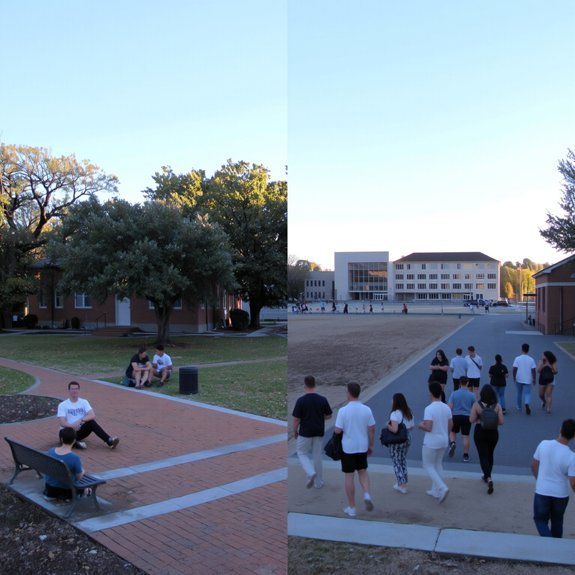
If you like elbow room, you’ll love scouting HBCU campuses—if you crave bustle, some of them will feel like a block party that never ends. You stroll grassy quads at a small school, breeze on your face, hear birds and a distant laugh; classes feel intimate, professors nod when you speak, you’re not a number. At a big HBCU, crowds pulse, tailgates rumble, footsteps sync like a drumline; lecture halls hum, you’ll trade personal chat for networking energy and instant friends. You’ll prefer small if you want mentorship, hands-on labs, and seats that know your name. Choose large if you crave events, variety, and serendipity. I’ll admit, I love both—depending on my mood and coffee.
Academic Programs and Research Opportunities
You’ll want to compare how many programs a school offers, and whether they go deep enough to make your eyes light up at 2 a.m. while you’re studying — I’ve poked around catalogs that promise “lots” and deliver one watered-down major, so trust me, ask for course lists and sample syllabi. Check who can get you into funded labs or summer grants, because hands-on research and real money change your resume and your confidence fast. I’ll walk you through spotting program depth and sniffing out research dollars, no PhD required.
Program Variety and Depth
When I walk into an HBCU campus lab or the lobby of its arts building, I can practically taste the possibilities—sharp coffee, solder smoke, oil paint, and that electric hum of people solving problems; you’ll find programs that run the gamut from nursing to aerospace engineering, from music business to environmental science, and each one often packs hands-on labs, internships, and faculty who actually remember your name. You’ll notice breadth and focus, small schools offering tight, specialized tracks, large ones hosting dozens of majors and cross-disciplinary hubs. You can switch gears without losing advisors, or dig deep in a niche with capstones that feel epic. Pick what fits your curiosity, because depth changes how you learn, how you network, and how ready you feel.
Research Access and Funding
Because research funding can feel like backstage passes and secret handshakes rolled into one, I want you to know how easy—or how maddening—it can be to get in the room. I’ll tell you straight: large HBCUs usually have bigger labs, steady grant pipelines, and named chairs who smell like old coffee and federal awards. You can tap into big equipment, join multi-campus projects, and ride co-authored papers to grad school faster than you can say “IRB.” Small HBCUs trade scale for access. You’ll sit beside a professor at 2 a.m., pipette in hand, getting credited as lead author because they mentor you directly. Both paths work. Pick the vibe you want: institutional horsepower or hands-on mentorship that actually sees you.
Faculty Access and Mentorship

If you want real growth, you need professors who pick up the phone, not just post office hours like a cryptic scavenger hunt; I’ve stalked bulletin boards, knocked on office doors, and yes, accidentally barged into a faculty meeting once—embarrassing, but memorable. You’ll find small HBCUs let you slide into a professor’s office, smell coffee, trade stories, get tailored advice. At big schools, you’ll wait in lines, body-heat and syllabus in hand, but you’ll also meet specialists who open lab doors and networks. Mentors at small schools know your name, your aunt’s cooking, your GPA, and they fight for you personally. Large campuses offer prestige and scaled opportunities, but if you crave hands-on coaching, choose closeness over crowd.
Social Life and Student Organizations
Three types of nights will define your social life at an HBCU: homecoming-level electric, low-key porch hangs, and those mysterious club meetings you swear you just wandered into — and I’ve been to all of them, oftentimes barefoot. You’ll find tight-knit clubs where leaders know your name, call you out on stage, and hand you a flyer like it’s a mission. Or you’ll stumble into a poetry slam, smell cinnamon coffee, hear someone drop a line that knocks the room silent — and you’ll clap like you invented rhythm. Big schools throw massive step shows and tailgates, small ones host backyard barbecues and spontaneous jams. Join early, try weird things, say yes more than no, and make stories you’ll retell.
Financial Considerations and Affordability
You’re going to want to open the tuition bill like it’s a mysterious menu — some items shock, some are surprisingly reasonable, and you’ll squint at the totals. I’ll walk you through common fees and the real cost of attendance, then we’ll sniff out grants, scholarships, and work-study like bargain-hunting pros. Ask loud questions, keep your calculator handy, and don’t be shy about haggling for aid — I promise I’ll win us a few metaphorical coupons.
Tuition and Fees
Let’s talk money—because college isn’t just late-night ramen and varsity sweatshirts, it’s also tuition and fees that sneak up like surprise pop quizzes. You’ll notice small HBCUs often list lower sticker prices, but read the fine print, breathe in that cafeteria smell, and know costs vary by program. Large HBCUs may charge more, yet offer scale: bigger labs, pricier facilities, and fees that stack like textbooks. You’ll want to compare per-credit rates, mandatory fees, and residency differentials. I say peek at billing statements like they’re plot twists.
- Compare in-state vs out-of-state tuition, and how that affects your wallet.
- Check course fees for labs, studios, and equipment.
- Scan campus service and activity fees.
- Note program-specific surcharges.
Financial Aid Options
Alright, if tuition was the generous-but-mysterious appetizer, financial aid is the main course — and I’m here to help you order smart. You’ll check FAFSA first, fingers crossed, because federal grants and loans set the table; community colleges and some small HBCUs sweeten the deal with institutional grants, like surprise dessert. Big HBCUs often offer merit scholarships, packaged with touring brochures and glossy smiles. Don’t skip work-study — you’ll earn coffee money and build resume cred. Ask about payment plans, emergency funds, and tuition freezes; poke admissions and financial aid offices, they love talking about money more than you think. Negotiate; get offers in writing. I’ll warn you: read fine print, breathe, then sign.
Career Services and Alumni Networks
Two things usually decide whether your college turns into a launchpad or a long nap: career services and the alumni network. You want hands, not brochures, and mentoring, not mystery. At a small HBCU, offices know your name, walk you to interviews, and alumni drop by like helpful relatives. Big HBCUs pack more recruiters, huge job fairs, and searchable alumni databases that feel like treasure maps.
Career services and alumni make the difference—personal mentors at small HBCUs, massive recruiter networks at big ones.
- Personalized resume reviews and mock interviews that actually sting—in a good way.
- Alumni mentorship programs, with phone calls that turn into internships.
- Large-scale career expos where you elbow for top firms, then celebrate tacos.
- Niche networks for industries, from education to tech, that send referrals.
Pick the vibe that gets your foot in the door.
Campus Safety and Student Support Services
If you’re going to live, study, and sometimes nap on campus, you want it to feel safe and supported — no mystery alarms or bureaucratic runarounds. I’ll be blunt: you’ll notice differences fast. At a small HBCU, you’ll hear names, not case numbers, and security folks know your face, your coffee order, maybe your dog’s name. At a large HBCU, you’ll get more tech — cameras, emergency apps, 24/7 dispatch — and organized counseling centers with specialists for whatever life throws. You’ll want to tour late, check lighting, ask about ride programs, and peek into wellness suites. Listen to your gut, ask for crime stats, and don’t be shy — safety’s personal, support should be obvious, not hidden behind three forms.
Conclusion
You’re standing at a fork: cozy cottage or buzzing city street. I’ll be blunt — pick the vibe that fits your soundtrack. If you want professors who know your coffee order, go small. If you crave energy, majors, and stadium lights, go large. Either way, you’ll grow, stumble, laugh, and find people who call you by your nickname. Trust your gut, pack a warm hoodie, and don’t forget to ask about scholarships.
Leave a Reply