Tag: academic success

  • How to Stay Motivated Academically at an HBCU

    How to Stay Motivated Academically at an HBCU

    You’re at the quad, sunlight glinting off the band uniforms, and you feel that push — or the yawning slump — depending on the week. I’ll tell you how to turn campus energy into study fuel: plug into traditions, build a loud study crew, use tutoring, block your time, and celebrate tiny wins — yes, even a snack counts. I’ll also show how to stay sane when work piles up and the vibe dips, but first, let me prove something important…

    Key Takeaways

    • Connect with campus traditions and alumni to draw inspiration and reinforce your academic purpose.
    • Build a small, reliable study cohort with shared deadlines and rotating teaching roles for accountability.
    • Use tutors, libraries, and academic centers for personalized support and structured study resources.
    • Set weekly, realistic goals and track progress to celebrate small victories and maintain momentum.
    • Prioritize mental health with boundaries, mindfulness breaks, consistent routines, and campus counseling when needed.

    Connect With Campus Traditions and Cultural Energy

    campus traditions energize students

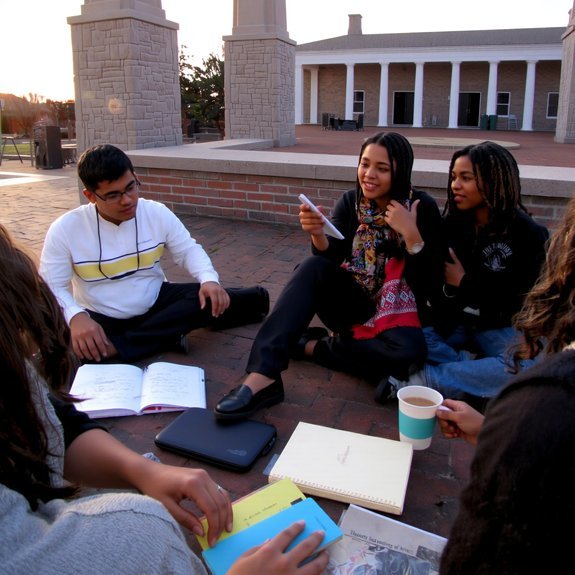
    If you haven’t yet stepped into a Homecoming yard show or felt the bass from the band make your chest rattle, you’re missing a key source of fuel — and trust me, I used to be that person, hiding in the library like a reluctant monk. You should go feel that energy; it’ll slap sleepiness right off your syllabus. Walk the quad during step practice, taste the sweet heat of carnival food, let the chants roll over you. Those rituals stitch you to purpose, remind you why you grind. Talk to alumni at events, snag stories between sets, catch that wink of shared struggle. You’ll leave buzzing, notebooks lighter, focus sharper. Don’t deny culture its pull — it’s study fuel, disguised as joy.

    Build a Reliable Study Network and Peer Accountability
    study group accountability benefits

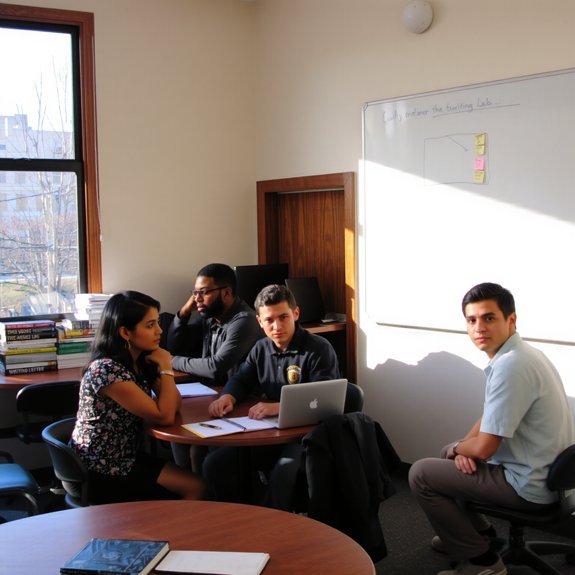
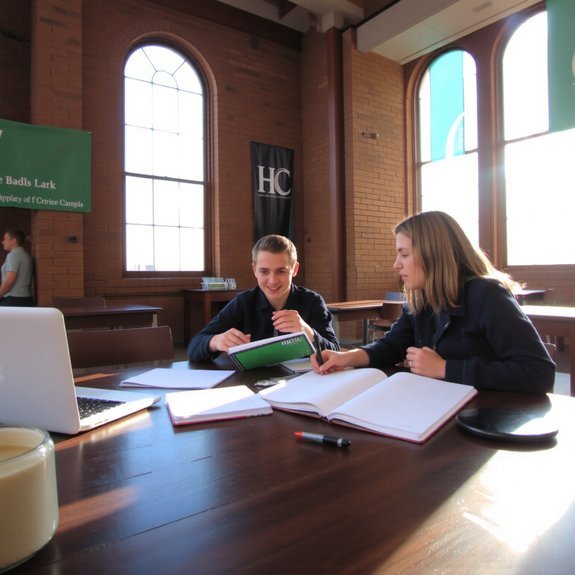
    You should rope in a small study cohort, people who show up on time and actually bring snacks, because group energy beats solo slog every time. Agree on shared deadlines and whisper sweet threats when someone dodges them, then swap teaching roles so everyone explains a chunk — it sticks better when you have to say it out loud. I’ll admit I’m bossy about this, but you’ll thank me when exam week feels like a team sport, not a solo marathon.

    Form a Study Cohort

    A few good people will change your semester—seriously. Pull together classmates who show up, bring snacks, and actually read the syllabus. You’ll meet in a dorm lounge or library corner, feel the hum of fluorescent lights, pass a highlighter, trade jokes, and get to work. I like starting with a 20-minute lightning round: everyone states one goal, one problem, one resource. That tiny ritual sharpens focus, makes procrastination awkward, and yes, it’s oddly satisfying. Rotate roles—scribe, questioner, cheerleader—so no one leads every time. Keep it flexible: sometimes you solve a proof, other times you quiz each other aloud until answers stick. You build trust, cut isolation, and leave energized, because learning’s better with people who care.

    Set Shared Deadlines

    Three simple deadlines can change the whole vibe of your semester—seriously. Pick three shared checkpoints: skim notes, draft answers, and final polish. You’ll meet in a café, hear the espresso hiss, pass phones into the “no doom-scrolling” basket, and aim for those checkpoints like it’s game day. I’ll text reminders, you’ll roast my punctuality if I’m late, we’ll laugh and get to work. Assign small, clear tasks, set timestamps, and rotate who nudges the group. When someone lags, call it out kindly, toss them a snack, and reset expectations. Those shared deadlines build pressure that’s gentle, predictable, and oddly comforting. You’ll finish more, panic less, and actually enjoy the momentum.

    Rotate Teaching Roles

    Okay, so after you’ve set those café checkpoints and perfected the art of collective panic mitigation, rotate teaching roles to keep the squad sharp and sane. You take turns teaching a concept, I quiz you like a grumpy pop quiz, someone else narrates a problem step-by-step, and the room smells like burnt coffee and confidence. Teaching forces you to explain, which reveals gaps fast. Stand up, grab the whiteboard, draw ugly diagrams, talk through examples, and let teammates interrupt with “wait, why?” It’s honest feedback, and it stings in the best way. Swap roles weekly, keep sessions short, and celebrate tiny wins with loud snacks. You’ll learn the material, build trust, and prank-proof your study group at the same time.

    Use Campus Resources: Tutors, Libraries, and Academic Centers
    campus academic support resources

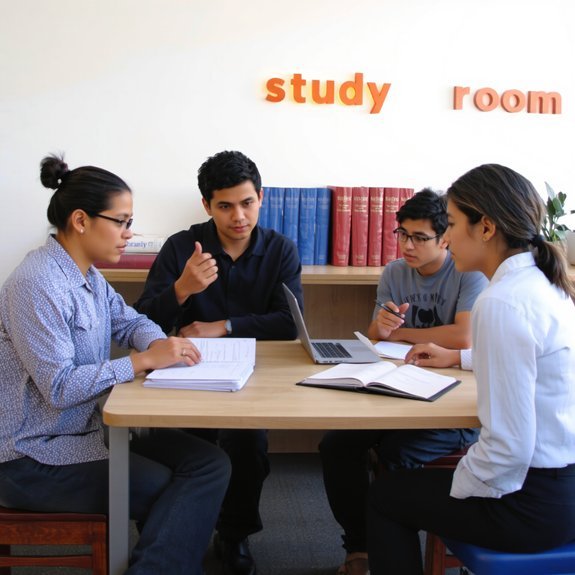
    Even when your brain feels like a soggy notebook, you’ve got allies right on campus—tutors, libraries, and academic centers—that’ll pull you out and hand you a fresh pen. I’ll say it straight: walk into that tutoring room, sit down, and ask the dumb question. Tutors listen, sketch problems on whiteboards, and cheer when your lightbulb flicks on. Head to the library, breathe the paper-and-coffee air, snag a window seat, and let sunlight chase drowsiness away. Academic centers offer workshops, quiet labs, and counselors who plot study maps with you, like low-key GPS for classes. Use their tools—practice tests, citation guides, study groups—so you stop guessing and start owning your term, one steady step at a time.

    Set Realistic Short-Term Goals and Track Progress

    If you want motivation that actually sticks, start by carving your semester into bite-sized victories you can taste—like finishing one problem set while the kettle whistles, or earning a solid quiz score before your favorite show drops. I tell you, map out weekly targets, but keep them tiny. Say: two pages read, one lecture summarized, one flashcard stack mastered. Check them off with a satisfying click, track progress on a sticky note or an app, watch the colors fill in. Celebrate small wins — a fist pump, a snack, a five-minute dance. When you miss one, note why, adjust the next goal, don’t scold yourself. These little proofs build momentum, you’ll see your streak grow, confidence follows, grades do, too.

    Balance Student Life, Work, and Mental Health

    When you’re juggling classes, a part-time job, and that stubborn need to actually sleep, don’t pretend you’re auditioning for a circus act — that’s how burnout sneaks in. I tell you straight: set firm boundaries, say no without guilt, and protect a mini sanctuary — a cozy corner with soft light, earbuds, and a mug that smells like home. Lean on campus resources, talk to your advisor before stress swallows you, and text a friend when tears bubble up. Pack snacks, hydrate, and notice your mood like it’s weather — cloudy days don’t mean permanent storms. Cut toxic “shoulds,” celebrate small wins with a goofy victory dance, and make sleep nonnegotiable. You’ll feel steadier, sharper, and actually human again.

    Develop Effective Study Routines and Time-Blocking

    Since college won’t hand you a study manual, you’ve got to build one that actually fits your life — not some Pinterest-perfect routine that collapses after two late nights and an overdue pizza. You’ll carve out blocks that actually work, wake up to the smell of coffee, and treat focus like a muscle you warm up. Try short sprints, then reward yourself with a five-minute dance break — yes, dance.

    • Pick a peak focus window, protect it like an exam.
    • Time-block classes, work, naps, and snack rituals.
    • Use a timer, log wins, tweak stubborn slots ruthlessly.
    • Create a simple ritual: clear desk, open book, breathe.

    You’ll feel calmer, get more done, and laugh at your past chaos.

    Seek Mentors, Faculty Allies, and Professional Guidance

    You’ve got a study groove now — timers ticking, coffee steaming, victory dance mid-sprint — but books and playlists aren’t the whole story; real academic horsepower comes from people who’ve been there, graded those exams, and will hand you the short-cuts they learned the hard way. Find a faculty ally who notices you in class, say hello after lecture, ask one smart question. Drop into office hours, bring specific problems, watch their face light up — professors love fixing puzzles. Tap alumni and career services, schedule mock interviews, get resume notes that don’t sound like your mom wrote them. Join a research lab or a student org, follow up, say thanks with a quick email. Mentors open doors, and you push through them, one confident step at a time.

    Celebrate Milestones and Practice Self-Recognition

    A tiny victory deserves a little fanfare — say it out loud, clap twice, pour a small victory snack (chocolate, chips, whatever fuels your brain) and savor that warm, guilty-grin glow. You’re doing this for you, so mark it. Celebrate projects turned in, study streaks kept, even mornings you rolled out of bed on time. I’ll cheer, you cheer, heck, the room cheers.

    • Take a photo of your notes, tag it, stash it in a “wins” folder.
    • Buy a cheap treat after a tough class, savor the salt and sugar.
    • Tell one friend, get real applause, laugh about the drama.
    • Pause five deep breaths, feel the shoulders drop, taste the relief.

    Recognize progress, own it, repeat.

    Conclusion

    I’ve seen you light up at midnight study sessions and cheer through halftime—so keep leaning into that HBCU buzz, it’s your secret fuel. Build your crew, hit the tutoring center, block your time like a pro, and breathe when you need to, okay? Celebrate tiny wins, they stack up faster than you think. You’ll wobble sometimes, that’s fine—think of it as seasoning; it makes the victory taste better. Keep going, I’ve got your back.

  • How to Use the Library and Academic Resources at an HBCU

    How to Use the Library and Academic Resources at an HBCU

    You’ll think the library is the size of a cathedral — and it kind of is, until you learn the secret back stair. I’ll walk you through the study nooks that actually get quiet, the librarians who’ll save your paper at midnight, and the hidden databases that make professors nod in approval, but first — grab a campus map, your ID, and a stubborn streak, because you’re about to claim every helpful corner.

    Key Takeaways

    • Take a guided tour to learn library layout, study rooms, peak hours, and where services like printing and tech loans are located.
    • Meet your subject librarian for personalized research help, database navigation, citation support, and saved-search setups.
    • Use tutoring centers and writing labs for assignment feedback, test-prep strategies, and time-management workshops.
    • Access special collections by searching the archive catalog, contacting archivists, and requesting materials in advance with proper handling tools.
    • Use the library’s digital resources and off-campus access for remote databases, embedded course support, and hands-on research workshops.

    Getting to Know Your Library: Services, Hours, and Staff

    explore library services confidently

    If you’re like me, you’ll think the library is a quiet maze until you actually walk in and start poking drawers and asking questions — and that’s the fun part. You’ll learn the hours fast, because late-night cram sessions and coffee runs shape your week, and you’ll notice the hum of printers, page rustle, and soft footsteps. Ask the desk about borrowing limits, room bookings, and tech loans, they’ll smile and tell you the hacks. Staff know the shortcuts, but you’ve got to show up, say hello, and admit when you’re lost. Tour the space, test the scanners, peek in study rooms, and note peak times. You’ll leave feeling less intimidated, more equipped, and oddly proud.

    Research Help and Subject Librarians

    research assistance from librarians

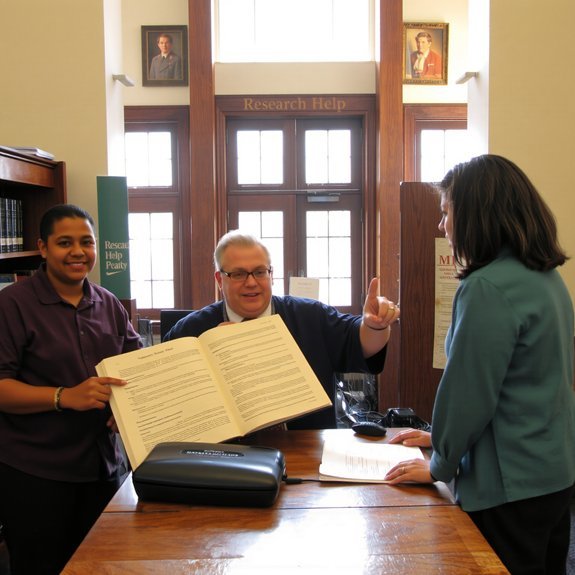
    When you’re stuck on a topic and staring at a blinking cursor like it’s judging you, go find a subject librarian — they’re the friendly research ninjas who actually enjoy untangling citation knots. I’ll say it straight: you don’t have to suffer alone. Walk into the quiet hum of the stacks, smell the paper, tap the desk, and ask. They’ll show databases, suggest keywords, pull obscure journals, and demo citation tools, fast and without the lecturing vibe. Here’s what you should expect:

    Stuck with a blinking cursor? Tap a subject librarian — research ninjas who find sources, demo tools, and save your sanity.

    1. Personalized research consultations, scheduled or drop-in, tailored to your assignment.
    2. Database navigation help, with hands-on demos and saved searches.
    3. Source evaluation tips, so you spot strong evidence quickly.
    4. Citation guidance, from APA to Chicago, with export-ready files.

    Tutoring Centers, Writing Labs, and Academic Support Programs

    hands on academic support services

    Alright — you’ve got your subject librarian in your corner, and that’s amazing, but let me show you where the real tag team happens: tutoring centers, writing labs, and academic support programs. You walk in, smell coffee, hear quiet confidence — tutors tapping keys, counselors flipping syllabi. Ask for a math walk-through, and someone’ll sketch a graph on the whiteboard, patient and proud. Bring a draft to the writing lab, they’ll read aloud, point out the clunky sentence, you’ll laugh and fix it. Sign up for workshops on study skills, time management, test anxiety — they hand you templates, timers, tiny victories. Drop-in or appointment, peer or pro, it’s hands-on help that meets you where you are, and nudges you forward.

    Accessing Special Collections and Archives at an HBCU

    You’ll start by scanning the archive catalog, eyes on the screen, fingers ready to bookmark anything that screams “you.” Then you’ll fill out a request form or email the special collections staff, because yes, some boxes need permission and a friendly human to gain entry to them. I’ll stand with you at the reading table, we’ll smell that old-paper tang, and I’ll whisper tips on access rules so you don’t accidentally pet a fragile scrapbook.

    Finding Archival Materials

    Because archives don’t usually leap off a shelf and shout “look at me,” you’ve got to be a little sleuthy — and I’ll admit, I enjoy the hunt. You’ll start by scanning catalogs, special collections guides, and finding aids, eyes skimming for names, dates, and places that make your pulse quicken. I’ll poke around online databases, then wander the stacks, fingers tracing box spines, breathing that paper-and-glue smell like it’s perfume. Talk to archivists, they’re the secret maps. Bring notebooks, gloves, and patience; archival work rewards slow curiosity.

    1. Search online catalogs and finding aids first.
    2. Note collection numbers and scope notes.
    3. Consult archivists for hidden gems.
    4. Prepare proper tools: pencil, gloves, camera (if allowed).

    Requesting Special Access

    Okay, now that you’ve sniffed out boxes and chatted up the archivists, it’s time to actually get in the room where the magic happens. You’ll request special access by filling a form, showing ID, and saying why you need the materials — be specific, not vague. I’ll tell you to book a visit ahead, because archives don’t do walk-ins like coffee shops. Expect gloves, pencil-only tables, dim lamps, a hush that feels holy. I’ll remind you to state handling needs, reproduction permissions, and any deadlines. If a restricted file needs supervisor approval, don’t panic, just follow their steps, politely nag if needed. You’ll leave with photos, notes, and the smug joy of having earned the privilege.

    Digital Tools, Databases, and Remote Research Resources

    If you want to dig up solid sources without trekking across campus in the heat, start here — the library’s digital toolbox is your new best friend, and yes, it talks back (kind of). You’ll log in, click databases, and the screen will hum with options. Don’t panic. I’ll show the quick moves: what to search, how to filter, and where PDFs hide — like finding snacks in a dorm drawer.

    1. Use subject databases first, they’re focused and save hours, trust me.
    2. Enable off-campus access, so you can work from bed, coffee in hand.
    3. Save searches and set alerts, your future self will thank you.
    4. Try citation managers, they stop your bibliography from becoming a train wreck.

    Workshops, Instruction Sessions, and Course-Integrated Support

    I’ll show you how the library’s workshops sharpen your research skills, whether you’re hunting down primary sources or taming citation chaos—come for the handouts, stay for the “aha” moment. You can book me or a librarian to visit your class, or we’ll embed sessions into your course so support shows up right where you work, on your syllabus and in your inbox. Bring questions, bring snacks if you want, and we’ll turn messy assignments into clear steps, one focused session at a time.

    Research Skills Workshops

    When you show up to a library workshop—coffee in hand, laptop half-asleep—you’ll get more than a slideshow; you’ll get hands-on skill training that actually sticks. You’ll learn to trace sources, tame databases, and build search strings that don’t puke results. I talk you through live demos, you riff on class examples, we all laugh when citations misbehave. Expect quick practice, messy drafts, and honest feedback that actually helps.

    1. Learn database tricks, filters, and boolean searches.
    2. Practice evaluating sources, bias, and credibility.
    3. Build annotated bibliographies, step by steady step.
    4. Get citation tools, templates, and time-saving hacks.

    Show up curious, leave armed, and yes, bring more coffee.

    Embedded Course Support

    Because we want you to actually use the library, not just visit it on exam week, I slide myself into your class schedule—literally or virtually—and we build research muscles together. You’ll see me at the front, laptop glowing, or popping into your Zoom like that one friend who brings snacks. We map assignments, break down prompts, and pick sources you can actually explain aloud. I demonstrate quick database tricks, then hand the controls to you, watching fingers fly, pride and mild terror mixed. We run mini-workshops, scaffolded activities, and tailored handouts that smell faintly of copier toner and possibility. You get feedback on drafts in real time, citation help that doesn’t make your eyes glaze, and a partner who won’t ghost you before finals.

    Building Relationships and Using Library Spaces for Collaboration

    If you want people to actually help you, start by showing up like you mean it — I stroll into the library, breathe that paper-and-coffee-smell, and make eye contact with the staff instead of pretending I’m invisible. You’ll learn names, snag tips, and get invited to study nights. Sit in shared rooms, bring snacks (ask first), and claim a whiteboard like it’s your tiny kingdom. Talk to librarians, not just Google. They know the archives, and they’ll laugh at your panicked citation voice.

    1. Introduce yourself, ask one specific question, follow up.
    2. Reserve rooms early, bring chargers, clean up.
    3. Join or start a study group, schedule meets.
    4. Share resources, give credit, say thanks.

    Conclusion

    You’ve got this—use the stacks, the tutors, the tech loans, and the librarians like they’re on speed dial. I’ll be blunt: 90% of students who meet a subject librarian report better grades, so don’t wing it alone. Walk the quiet study rooms, smell the coffee, snag a comfy chair, and ask for that citation help. I’ll cheer you on, I’ll laugh at your late-night notes, and I’ll remind you: ask early, ask often.

  • How to Form Study Groups That Actually Help You Learn

    How to Form Study Groups That Actually Help You Learn

    Funny coincidence: you and three classmates all forgot the same homework, so why not turn that mess into a study group that actually helps? You’ll pick people who show up, mix note-takers with explainers, set a clear goal for each hour, and ban phones like they’re contraband—small rules, big payoff. I’ll walk you through building agendas, swapping roles, and holding each other accountable, so you stop wasting time and start getting smarter—curious how it looks in action?

    Key Takeaways

    • Choose 2–4 reliable members who show commitment, complementary skills, and consistent attendance.
    • Define clear, measurable study goals and visible ground rules everyone agrees to.
    • Use a timed, structured agenda with role assignments and prioritized hard topics first.
    • Practice active techniques: teach-backs, quick summaries, and rotating roles to ensure participation.
    • Track progress publicly, schedule regular check-ins, and set small consequences for missed commitments.

    Choosing the Right Members

    choose reliable study partners

    Want someone who’ll actually show up, or would you rather end up chatting about snacks for two hours? You pick people who mean business, not just vibes. I scan class lists, spot reliable faces, and test-drive commitment with one quick question: “You coming next Tuesday?” Their pause tells me everything, trust me. Look for study-hardened habits — calendars, quick replies, that one friend who brings colored pens and snacks that aren’t excuses. Mix skills: a note-taker, a question-wrangler, someone who explains like coffee for your brain. Say no to chronic flakes, yes to two dependable people over five flaky ones. When you meet, watch body language, listen for specifics, hand them a time-slot, and feel the group click — satisfying, like the right puzzle piece.

    Setting Clear Goals and Ground Rules

    establish goals and rules

    If we don’t get the goals down first, your study group will devolve into a snack-and-scroll party faster than you can say “pop quiz.” I’m serious — start by saying out loud what you want: beat the midterm, master derivations, or just survive the lab practical. Say it, don’t whisper. I’ll jot goals on a whiteboard, you’ll nod, someone will snack anyway — fine, but we’ll agree when snacks are allowed. Set ground rules: punctuality, phones face-down, one speaker at a time, and who brings the snacks. Assign roles—timekeeper, question asker, explainer—so nobody fades into background TV-mode. Revisit goals each week, cross off milestones, tweak expectations. Clear rules keep focus sharp, morale high, and your study hours actually useful.

    Structuring Effective Sessions

    structured session management techniques

    Since you’ve already picked goals and ground rules, let’s turn that good intent into a session that actually runs like clockwork — not like a sitcom where everyone forgets why they showed up. I’ll walk you through a tight agenda: a quick 5-minute check-in, a focused 35-minute work block, a 10-minute break, then a 30-minute review, and a final 10-minute recap. You’ll set a visible timer, spread textbooks like weapons on a table, and call roles aloud — reader, checker, note-taker. I’ll remind you to start on the hardest bit, so momentum’s real, not fake. Keep snacks sensible, phones face-down, and celebrate tiny wins. If it derails, laugh, reset the timer, and get back to business.

    Techniques for Active Collaboration and Learning

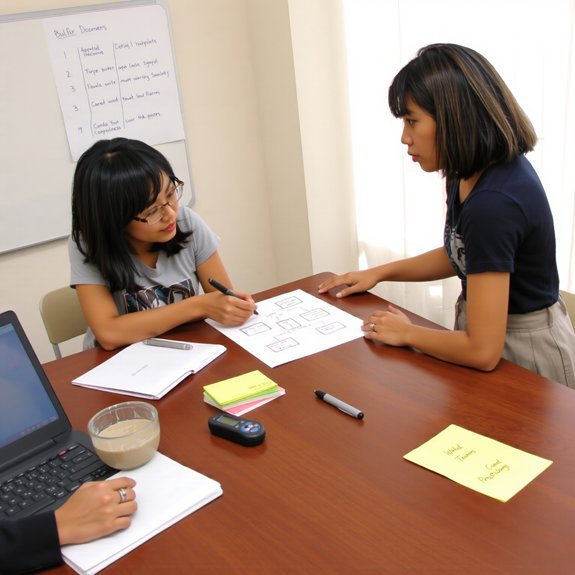
    While you’re swapping notes and staring down a mountain of problem sets, I’ll show you the tricks that make group work feel like a team sport instead of a chaotic free-for-all. You’ll rotate roles — explainer, questioner, checker — so nobody hogs the whiteboard, and you’ll use quick drills: two-minute summaries, teach-back pairs, and timed problem sprints that make brains hum. Call out confusion out loud, toss out dumb guesses, and laugh when someone invents a weird mnemonic; mistakes are your raw material. Use visible tools — colored pens, sticky notes, a shared doc — so ideas live where you can touch them. End each chunk with a one-line takeaway. You’ll leave energized, not buried, because learning should feel active, not passive.

    Keeping the Group Accountable and Sustainable

    Because you want this group to outlast midterms and not dissolve into ghosted calendars and sad snacks, you’ve got to treat accountability like a small, lovable appliance — reliable, slightly bossy, and easy to turn on. I tell you this like a friend who’s seen too many napkin schedules vanish. Set clear, tiny rituals: a shared calendar ping, a five-minute check-in, rotating roles — timer, note-taker, hype person. Make consequences light but real: missed turn buys coffee, flaking leads to a private nudge, repeated no-shows trigger a group chat room for honesty. Track wins visibly, a sticker board or a Google Sheet that sparkles. Celebrate, reset, and prune gently. Keep snacks sensible, humor ready, and the plan annoyingly simple.

    Conclusion

    You’ll pick allies, not passengers, and plan like generals, not dreamers. I’ve seen sleepy sofas turn into battlefields of notes, and that’s okay—because structure flips chaos into clarity. You’ll rotate roles, speak up about confusion, and celebrate tiny wins with high-fives and bad coffee. Stick to agendas, enforce rules kindly, and check in honestly. You’ll build a study group that’s equal parts warm team and sharp machine, messy but mighty, and worth showing up for.

  • Study Tips That Actually Work for HBCU Students

    Study Tips That Actually Work for HBCU Students

    You’re juggling class, orgs, and a social life that’s louder than the quad on step night, so let’s build a study plan that respects your vibe. I’ll show you how to turn campus spots into focus zones, use your crew as accountability fuel, and steal five-minute rituals that reset your brain — think bass-heavy timers and celebratory snack breaks. Stick around, I’ve got tactics that actually fit your schedule and your culture.

    Key Takeaways

    • Study in communal campus spaces with focused friends to blend accountability and Black cultural energy.
    • Use 50–90 minute focused blocks, with short breaks and music or spoken-word timers.
    • Form study squads with clear objectives, no-phone rules, and peer teaching to deepen understanding.
    • Meet regularly with campus mentors, tutors, and professors for targeted feedback and set deadlines.
    • Prioritize sleep, meals, and brief self-care breaks; say no to overcommitment to protect mental health.

    Building a Study Routine That Honors Culture and Community

    community focused study routine

    If you want a study routine that actually fits your life, start where your people are — literally. You walk into the quad, smell fried food and coffee, hear laughter; claim a bench, spread your notes, and tell yourself this is study time. Invite friends who respect focus, not party volume; trade flashcards, quiz each other, laugh at silly mnemonics. Use cultural touchstones — music, spoken word, church choir rhythms — as timers, not distractions. Celebrate small wins with fist bumps or a five-minute dance break, then get back to it. Rotate spots: library carrel, porch swing, student center nook. Keep snacks handy, phone on Do Not Disturb, pens lined up like soldiers. This routine honors both your mind and your community.

    Using Campus Resources and Mentorship Effectively

    utilize campus resources effectively

    When you know where to look, campus resources stop being posters on a bulletin board and start feeling like your personal hype team — I found that out the hard way, by wandering into the counseling center for directions and leaving with a study coach and two free semester planners. You walk in skeptical, you leave with a plan, and a human who actually remembers your name. Use mentors like GPS: ask for short, specific routes, not long lectures. Show up, bring questions, follow up.

    1. Meet a counselor, say one thing you’ll change, pick a deadline.
    2. Find a tutor, bring the hard page, work it aloud.
    3. Visit career services, try a mock interview now.
    4. Email professors, ask for feedback, then act on it.

    Making Group Study and Peer Networks Work for You

    study squads boost learning

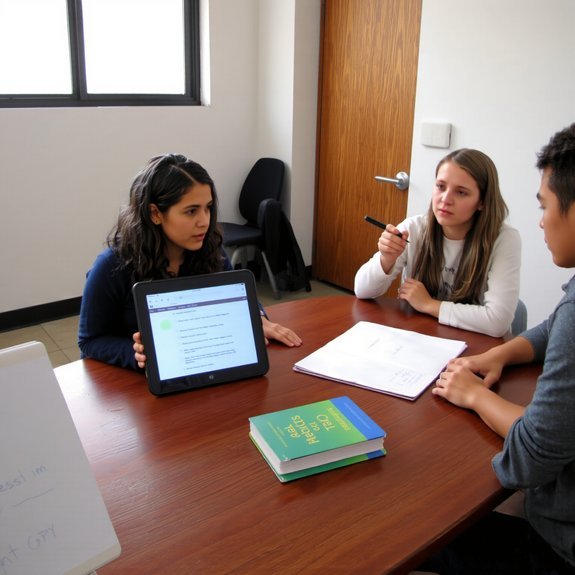
    You just left the counseling center with a planner in one hand and a tutor’s number in the other, and now it’s time to multiply that energy — study squads are where plans meet people. You pick a cozy corner in the student center, the table still warm from coffee, and invite two classmates. Say what you need: quizzes, formulas, proofread eyes. Trade roles — you teach for ten, they quiz for five — because teaching sticks, and ego gets humbled in the best way. Set one rule: phones away, unless it’s a timer or a joke breaker. Rotate snacks like tiny peace offerings. Keep notes shared, Google Doc open, highlight like you mean it. If chemistry drags, switch to walking problems aloud. Laugh when you mess up; that’s progress too.

    Managing Time, Work, and Leadership Responsibilities

    Since campus life never hits pause, you’ve got to choreograph your days like a DJ mixing tracks—sharp hands, better timing, and an eye on the crowd. I’ll walk with you, scene by scene: classes, meetings, shifts, events. You’ll stack blocks of time, smell coffee, hear clicks, and move like you own the schedule. Try this:

    When campus never pauses, mix your days like a DJ—stack focused blocks, sync calendars, and move like you own time.

    1. Block studio-style: reserve 50–90 minute focus sessions, label them, protect them.
    2. Sync calendars: color-code classes, shifts, leadership slots, and set two reminders.
    3. Trim meetings: ask for agendas, sit with a timer, leave with clear tasks.
    4. Recharge mini-breaks: five-minute walks, water, deep breaths, reset.

    You’ll juggle less, lead better, and sleep with fewer worries — promise, even if I’m the tired one cheering you on.

    Protecting Mental Health While Pursuing Academic Success

    If you’re hustling for grades and leadership roles, don’t let your mental health be the thing you tack onto a to-do list like extra credit—treat it like class you actually show up for. I tell you, schedule the small stuff first: sleep, walks, meals that aren’t instant noodles. Say no sometimes, out loud, like you mean it. Find one friend who gets you, text them when your head loud, let laughter cut the tension. Practice breathing—four counts in, four out—feel your shoulders unclench, like a curtain dropping. Go to counseling, even if it’s awkward, it’s less awkward than burnout. Put study blocks and chill blocks on the same calendar, honor both. Protect your mind, defend your joy, keep winning without losing yourself.

    Conclusion

    You’ve built a routine that respects your roots and your grind, so keep showing up—bring snacks, crank a playlist, switch spots when focus fades. Lean on mentors and your study squad, ask for help before you need a miracle, and guard your peace like it’s prime time. I’ve tripped over my own overconfidence, so trust me: small wins add up, and when push comes to shove, you’ve got this down to a science.

  • How to Balance Social Life and Academics at an HBCU

    How to Balance Social Life and Academics at an HBCU

    You can be at a loud step show and still ace a 9 a.m. lecture, but only if you plan like a boss and forgive yourself when plans go sideways. I’ll walk you through a weekly rhythm—color-coded blocks, clutch study hacks, and tiny rituals that protect your focus—while you keep the nights that matter; picture iced coffee cooling on a stack of notes, a group chat ping mid-quiz, you smiling because you’ve got a plan. Stick around—there’s a trick that saves weekends.

    Key Takeaways

    • Define 3 non-negotiable priorities (sleep, GPA threshold, leadership hours) and revisit them weekly to guide choices.
    • Create a color-coded weekly schedule with study blocks, classes, meals, and at least two social or recovery slots.
    • Use time-blocking and Pomodoro sprints, signaling focus (headphones) and setting hard stop times for work.
    • Leverage campus resources: tutoring, counseling, and advisors to prevent academic stress and optimize study time.
    • Communicate plans and boundaries clearly with friends and group members, offering alternative meet-ups when needed.

    Understanding Your Priorities and Values

    balance academics and social life

    Even though everyone around you seems to treat college like one long tailgate, I promise you can care about both your GPA and your social life without turning into a stressed-out emoji. You’ve got values, even if they’re messy—family pride, legacy, that hunger to shine—and they’ll guide the trade-offs you make. Sit with them, name them out loud, grab a campus bench, feel the evening breeze, and jot the non-negotiables. Say it: “I need sleep,” or “I want to lead.” Those sentences cut through FOMO like a sharp pair of scissors. You’ll test choices, fail sometimes, laugh it off, pivot faster. Keep a small set of priorities, revisit them each month, and let campus culture color your days, not dominate them.

    Building a Weekly Schedule That Works

    organize your weekly schedule

    When I started treating my week like a mixtape instead of a blur, everything got louder and cleaner—classes on beat, parties as the bridge, study sessions the hook. You’ll map your week like tracks: label class blocks, rehearsal, work, and downtime. Put colors on them, yes, like sticky notes that actually help. Block real food time, walks that wake you up, and a nightly ten-minute tidy that keeps your dorm from staging a coup. Say no to one event, say yes to one friend, then sleep. Check Mondays for deadlines, Wednesdays for critique sessions, Saturdays for soul food. Test the flow, tweak the pacing, don’t be afraid to scrap a bad verse. Your mixtape will start sounding like you.

    Mastering Time Management Techniques

    weekly planning and prioritizing

    You’ll start by carving out a weekly planning session, coffee in hand, calendar open, so you can map classes, socials, and deadlines on one page. Each morning you’ll prioritize tasks — quick wins first, heavy lifts next — and feel that tiny, satisfying click when you cross something off. Then block study slots like appointments you won’t bail on, silence your phone, and watch your productivity actually show up.

    Weekly Planning Sessions

    Since your week will explode into a blur if you don’t grab the reins, I make time every Sunday to map the next seven days like I’m planning a mini heist—only with textbooks and lunch dates instead of lasers. You sit with coffee, calendar open, and listen to the tiny clack of your pen, you assign blocks for class, study, meals, and friends, and you keep it real. You’ll build rhythm, spot conflicts, and protect downtime. Simple rules keep you sane:

    • Block strong, don’t overbook: guard study and social hours like VIPs.
    • Color-code moods: red for deadlines, blue for chill.
    • Adjust midweek: life twists, you pivot.

    You leave Sunday smiling, ready, and slightly smug.

    Prioritize Tasks Daily

    Alright, you’ve got your week sketched out and your color-coding looking smug on Sunday—now let’s make today actually count. You scan your list, feel the paper under your fingertips, and pick three must-dos. Start with the hardest one, when your brain’s fresh and coffee still hums. Break it into bites, two strong steps, one quick check-in. Say no to one social invite if it means you’ll sleep. I’ll remind you: small wins stack. Cross tasks off with flair, hear that satisfying scratch, and let momentum pull you through the easier stuff. Midday, reassess—swap priorities if campus curveballs hit. By evening, tally wins, stash tomorrow’s top three, and sleep knowing you did the day justice.

    Time-Blocking Study Slots

    When the library hum feels like a low-grade bassline, let’s carve your day into edible chunks—time-blocks that you actually stick to. You’ll set three solid slots: focus, review, and recharge. I’ll coach you, you’ll commit, we’ll celebrate small wins with a ridiculous fist pump. Picture a sunlit desk, sticky notes like confetti, and a timer that snaps you back to work.

    • Block 1: Deep focus, 50 minutes, no phone, noise-cancelling headband on.
    • Block 2: Quick review, 25 minutes, flashcards, teach it out loud like a goofy professor.
    • Block 3: Recharge, 30 minutes, walk, snack, chat with a friend—real social credit.

    Stick to the rhythm, tweak it, defend your blocks like a campus legend.

    Setting Healthy Boundaries With Friends and Commitments

    You’ve got to say no sometimes, even if your friends pout like they were personally offended by your study playlist. I set clear time limits—two hours for laughs, three for studying—and I stick to them, so my goals don’t get lost under late-night pizza and group chats. Picture the relief: your phone on Do Not Disturb, a textbook open, and friends who actually respect your schedule — that’s the sweet spot.

    Clear Time Limits

    If I’m being honest, you can love your friends and still tell them “not tonight” without turning into a villain; I’ve done it—awkward head nods, guilty smile, dramatic exit—and survived. You set a clear finish line, you say the time, you mean it. When you lock a study block, treat it like a VIP party: no random drop-ins, no last-minute “come thru” texts. You’ll sleep better, concentrate sharper, and still show up for the good stuff.

    • Say a concrete end time, like “I can hang until 10,” so expectations match reality.
    • Use a visible cue, like headphones or a study lamp, as your polite barricade.
    • Offer a quick swap, “Tonight’s study, tomorrow’s brunch,” to keep friendships intact.

    Prioritize Personal Goals

    Because your goals deserve a louder voice than the group chat, be ready to say what matters and mean it. I tell you this like a friend who’s tasted too many late-night study snacks: put your syllabus where you can see it, set alarms that buzz like a tiny coach, and tell friends, “Not tonight, I’ve got a paper.” Pause, breathe, and picture the quiet library light, the smell of coffee, the satisfying click of a finished draft. You’ll lose invites sometimes, that’s okay. Practice a quick script, firm but friendly. Swap vague promises for specific times. Keep one weekend slot sacred. When someone pouts, acknowledge them, then stick to your plan. You’ll build respect, and still laugh together later.

    Leveraging Campus Resources and Support Services

    Even when your schedule looks like a color-coded train wreck, campus resources are the safety rails that keep you from careening off the tracks. I’ll tell you how to use them without feeling like you’re begging for help. Swing by the tutoring center, sit under the fluorescent hum, ask for step-by-step help, and watch concepts click. Visit counseling, breathe in the quiet room, practice a five-minute grounding trick, then laugh at your own drama. Drop into academic advising, map classes, swap a chaotic plan for one that actually fits.

    When your color-coded schedule is a train wreck, use tutors, counselors, and advisors as your safety rails.

    • Tutors turn confusion into “aha” moments, fast.
    • Counselors help you steady, not fix you.
    • Advisors make your semester feel possible again.

    Choosing Involvement: Clubs, Greek Life, and Campus Events

    You’ve tapped into the tutoring center and leaned on counseling—now let’s talk about where you actually spend the rest of your awake hours. You’ll scan club flyers, smell popcorn at an outdoor movie, hear a step team stomp the quad—pick what makes you hum. Try one org this semester, another next. Go to a meeting, talk to members, snag a free T‑shirt, decide if the vibe fits. Greek life brings ritual, networking, late-night cookouts; clubs bring projects, leadership, sweaty volunteer shifts. Campus events are quick thrills, perfect for de-stressing between classes. Commit where you get energy, not FOMO. Say yes to some things, say no clearly to others, and keep your calendar honest—your future self will thank you.

    Study Strategies for Busy Social Calendars

    If your calendar looks like a glittery collage of club meetings, step rehearsals, and impromptu cookouts, I’ll help you carve out study time without turning into a hermit. You’ll treat studying like a social appointment, block short, fierce sessions, and carry a snack that smells like victory. Find pockets between classes, use transit time, and set a two-song focus rule — work until the playlist ends. I talk from experience, I’ve failed the “I’ll cram later” pledge.

    • Pick three nonnegotiable study slots each week, treat them like dates.
    • Use group study as mingling with a purpose, bring questions, not small talk.
    • Swap a party night for a sunrise review, watch campus wake up, feel sharp.

    Managing Stress and Avoiding Burnout

    You’ll spot burnout before it flats your energy if you watch for the early signs—foggy focus, yawns at noon, and that dread of checking your email—and I’ll call you out when you shrug them off. Let’s sketch a routine that actually fits your life, with steady sleep windows, tiny study sprints, and a weekly “do-nothing” recovery block you’ll protect like a VIP pass. Try a 10-minute walk, a goofy playlist, or texting one friend for a laugh, and notice how those small recoveries stack up to keep you going.

    Recognize Early Burnout Signs

    Ever notice your brain turning into a sticky note that’s lost its stick? You’ll know burnout’s knocking when colors dull, meals taste like cardboard, and your favorite hoodie feels like a straightjacket. You’ll feel tired in the middle of a sentence, snap at a friend, then apologize with a laugh that’s too loud. Pay attention to small alarms so they don’t become emergencies.

    • Your calendar fills up, but joy evaporates; you’re doing tasks, not living.
    • Your sleep shifts like tide—too little, or you nap through sunsets.
    • You stop laughing at campus jokes, you just nod and scroll.

    When you spot these signs, pause, tell someone, and get curious about what’s draining you.

    Build Sustainable Routines

    So you spotted the warning lights—gray mornings, fake laughs, a hoodie that feels like armor—and now we do something about it. You build routines that don’t punish you. Wake-up light, two deep breaths, and coffee you actually like. Block study sprints, five to seven, then stretch, step outside, squint at sun or campus trees. Schedule club nights, not every night, and say “no” like it’s a single syllable friend. Prep meals on Sunday so ramen isn’t your soul-food fallback. Pack headphones, playlists that shift mood, a tiny notebook for ideas before they vanish. Track sleep like it’s a GPA metric. Treat rituals as experiments: tweak, keep, ditch. You’ll dodge crashes, stay social without frying your brain, and feel like you own your days.

    Prioritize Recovery Activities

    When your brain feels like a group project that never showed up, prioritize recovery activities like they’re required credits—because they are. You’ll treat rest like a syllabus item, schedule it, protect it, and say no without guilt. I mean it: rest is non-negotiable.

    • Take short, sensory breaks: walk barefoot on grass, sip something warm, notice sunlight on your notes.
    • Set hard stop times: shut your laptop, dim lights, let your shoulders drop.
    • Swap one party night for sleep sometimes: you’ll show up sharper, funnier, and less like a caffeinated ghost.

    You’ll notice the difference fast. Your mood steadies, essays read cleaner, friendships get better quality time. Recovery isn’t lazy, it’s strategy. Prioritize it.

    Communicating With Professors and Group Members

    If you want professors and group members to take you seriously, start by being the kind of communicator people actually like—clear, punctual, and a little bit human. I tell you, show up with a concise email, subject line sharp, greeting friendly, and you already win points. Say when you’ll deliver work, then do it — don’t ghost. In meetings, lean in, take notes you can actually read later, and speak up with one good sentence, not a monologue. When conflicts pop, name the problem, suggest a fix, and ask for input; people respect solutions. Use office hours like a secret weapon, bring a list, sip your coffee, and ask the question you were too shy to post. Be dependable, humble, and slightly witty.

    Maintaining Physical Health and Sleep While Staying Social

    Because you’re juggling late-night study sessions, a buzzing social calendar, and the eternal temptation of campus pizza, you’ve got to treat sleep and fitness like classes you actually want to pass. I tell you this like a friend who’s napped through a lecture: prioritize sleep blocks, protect them with the ferocity of a group chat admin, and move your body even when the quad is calling you to gossip. You’ll feel sharper, smell less like stress, and laugh louder at parties.

    Treat sleep and movement like required classes: protect rest fiercely, sneak in activity, and you’ll feel sharper.

    • Schedule naps and 7–9 hour sleep windows, treat them like exams.
    • Walk to class, take the stairs, dance at socials—tiny habits stack.
    • Prep simple meals, hydrate, carry a reusable bottle, avoid sugar binges.

    Conclusion

    You’ll nail this — if you treat your week like a playlist: class beats, study bridges, social choruses, and a solo for sleep. I’ve tried bailing on a tutoring session to chase a party, learned the hard way, then found the sweet spot by scheduling both. Tell friends your plan, block your focus time, grab counseling when stress spikes, and enjoy the game-day buzz without flunking a quiz. Balance isn’t perfect, it’s practiced.