
Tag: academic support

  • How to Use HBCU Resources as a Part-Time Student

    How to Use HBCU Resources as a Part-Time Student

    Did you know part-timers make up nearly a third of HBCU enrollments? You’ll feel the campus pulse—late-night study lamps, coffee steam, advisors who actually get your schedule—and I’ll show you how to mine it without losing sleep or sanity. Swing by advising, nab evening labs, text a tutor, ask a professor for five minutes, and start stacking scholarships; trust me, there’s a rhythm here you’ll want in on—so stick with me.

    Key Takeaways

    • Schedule advising and classes around work using personalized course maps and evening/weekend options.
    • Leverage text-accessible advisors and faculty office hours for quick guidance outside work hours.
    • Use sliding-scale counseling, peer tutors, and campus workshops for affordable academic and mental-health support.
    • Join study groups, lab benches, and café meetups to build peer and faculty connections that open opportunities.
    • Apply for FAFSA, HBCU scholarships, tuition plans, and work-study to make attendance financially sustainable.

    Understanding Part-Time Student Services at HBCUs
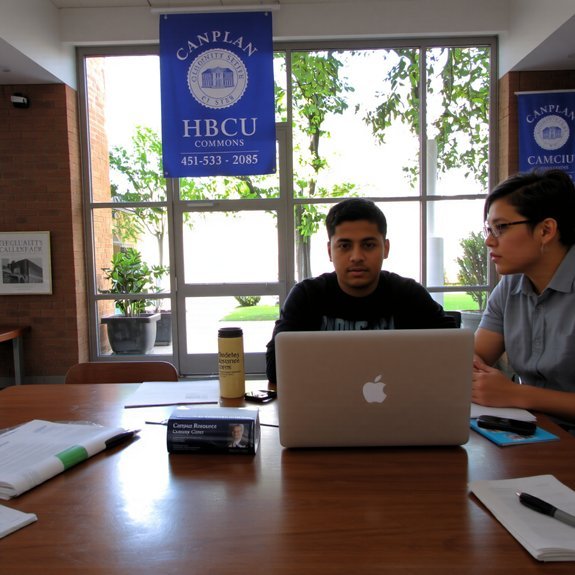
    supportive services for part time students

    Because you’re balancing classes, work, and a life that refuses to pause, you need the quick version of what part-time student services at an HBCU actually look like—and I’m going to give it to you straight. You walk in, audio of campus bustle under your shoes, and staff greet you like they know you, even if they don’t. There’s a hub for registrations, tech help, and sliding-scale counseling, all set up for people who pop in between shifts. You’ll find evening study rooms smelling of coffee, advisors who text back after midnight, peer tutors who’ll explain that one concept in plain English, and veteran students who share hacks, real-talk style. It’s practical, warm, efficient — made to fit your life, not the other way around.

    Flexible Academic Advising and Degree Planning

    personalized flexible academic advising

    You’ll get a personalized course map, sketched out like a road trip with pit stops for work, life, and sleep — I promise, it’s not a mystery novel. Ask for a part-time advisor who’s on your schedule, someone you can text between shifts, then meet over coffee or Zoom to tweak that map. I’ll say it plainly: with flexible advising, you won’t be juggling blindfolded, you’ll be steering with a GPS that actually knows your detours.

    Personalized Course Mapping

    If you’re juggling a job, family, and a social life, let’s map your courses so they actually fit into your week instead of busting it. You’ll list must-have classes, note deadlines, and smell the campus coffee as you plan — okay, maybe that last part’s wishful thinking, but you get the vibe. I’ll show you how to slot lectures around work shifts, pick labs on low-energy days, and batch readings for focused Sundays. You’ll use the academic calendar, syllabi, and a simple color-coded planner, then tweak when life throws curveballs. Say it out loud: “This semester is mine.” You’ll protect study blocks like VIP tickets, and celebrate small wins, loud and proud.

    Part-Time Advisor Access

    When life’s handing you work shifts, kids’ soccer, and a roommate who eats your snacks, you deserve advising that actually bends—so I’ll make sure it does. I meet you where you are, on campus steps, by the vending machine, or via a video call while you stir dinner. We’ll map semesters around your schedule, slot in night classes, and flag accelerated options that save time and money. I text reminders, draft degree plans, and call your bluff when you say “I’ll figure it out later.” You’ll get flexible hours, clear checklists, and someone who knows the catalog inside out. Bring your calendar, your coffee, and your messy questions — I’ll sort the rest, no judgment, just results.

    Scheduling: Evening, Weekend, and Online Course Options

    flexible evening and weekend classes

    Because life rarely lines up with a 9-to-5 bell, I carved out a schedule that actually fits me — evening classes after work, a weekend seminar for when my brain’s fresh, and a few online modules I can knock out between errands. You’ll learn to scout the course grid like a pro, snagging 6–9 p.m. lectures that leave your mornings free, and reserving Saturdays for labs that feel more like workshops than tests. Online units become your stealth study sessions, headphones on, coffee warm, kids chasing the dog in the background. You’ll mix live campus energy with flexible screens, and you’ll finish semesters feeling less frazzled, more proud, and oddly accomplished.

    1. Sunset classroom, chalk dust, quiet nods.
    2. Saturday studio, hands-on, laughter echoes.
    3. Laptop on a porch, breeze, notes typed.
    4. Midnight review, sticky notes, triumphant yawns.

    Financial Aid, Scholarships, and Tuition Strategies for Part-Timers

    Alright, you’ve got your evening classes and porch‑laptop rhythm down — now let’s talk money without making your brain want to nap. I’ll be blunt: part‑time students get creative, and so should you. Scan FAFSA deadlines, file on time, and call the financial aid office — they actually like helpful callers. Hunt HBCU‑specific scholarships, tap alumni funds, and email that faculty member who loves mentoring; yes, ask for leads. Consider tuition payment plans, stacking small awards, and auditing a class for skill without full cost. Work-study might fit odd hours; campus jobs can be quieter than retail. Keep receipts, appeal for exceptions if life hits, and negotiate like you’re bargaining at a farmers’ market — politely, persistently, and with snacks.

    Campus and Virtual Tutoring Resources

    You’ll find on-campus tutoring centers buzzing with fluorescent lights and helpful faces, where you can sit with a tutor, open your laptop, and actually understand that stubborn concept. If you’re juggling work and classes, virtual tutoring platforms let you book quick sessions, share screens, and get answers without changing out of your pajamas. I’ll show how to match hours and tech to your schedule, and yes, I’ve missed my own 8 a.m. appointment twice — you’re not alone.

    On-Campus Tutoring Centers

    1. A quiet room, fluorescent hum, whiteboard covered in arrows and erased mistakes.
    2. A friendly tutor, worn hoodie, patient smile, coffee stain on a notebook.
    3. Shared table, laptop glow, murmured “try this” exchanges.
    4. Success fist-bump, relieved laugh, homework conquered.

    Virtual Tutoring Platforms

    Three clicks, a blinking cursor, and you’re in—no campus map required. You log on, headset snug, coffee cooling, and a friendly tutor greets you by name. Virtual platforms stream live sessions, screen-share problem sets, and drop annotated PDFs right into your chat—like having a whiteboard in your lap. You can record explanations, rewind tricky steps, and replay until it clicks. I’ll bet you’ll appreciate instant feedback, real-time typing corrections, and the way a cursor highlights the exact phrase that confused you. Some sites match you to grad students, others offer peer tutoring; try both, see what fits. Don’t be shy, ask for examples, request slower pacing, and save sessions for finals—your future self will thank you.

    Scheduling and Accessibility

    Okay, so you loved the instant replay of virtual tutoring—me too—but now let’s talk about fitting those golden sessions into your life. You’ll map a weekly grid, color-code with highlighters, and set alarms that won’t let you snooze your future. I nudge, you laugh, we pick realistic slots.

    1. Morning campus lab, coffee steam, walk-in tutor waves you over.
    2. Lunch-hour virtual check-in, headphones, chat window buzzing.
    3. Evening booked block, calendar invite, do-not-disturb on.
    4. Weekend deep-dive, campus study room, quiet hum of printers.

    You balance commute, work shifts, and family, you prioritize rhythm over perfection, and you claim tutoring like it’s yours—because it is.

    Career Services, Internships, and Employer Partnerships

    Think of campus career services like a backstage pass you didn’t know you needed, and I’m here to drag you behind the curtain. You’ll find sharp résumés under fluorescent lights, mock interviews with honest feedback that stings a little, and internship listings pinned like secret flyers. Go in, say you’re part-time, and watch them pivot — they’ve helped night students, working parents, and people who commute with coffee stains. Tap employer partnerships for projects, informational interviews, and part-time roles that actually respect your schedule. I’ll nag you: RSVP, follow up, and bring a portfolio you can flash in five seconds flat. These offices love results, they’ll connect you, and yes, they’ll brag about you when it matters.

    Building Support Through Peer and Faculty Mentoring

    You’ve just left career services buzzing with business cards and a to-do list, now let me show you the people who’ll keep you honest about actually doing the work. I’m talking peers who read drafts at midnight, professors who answer one more question after office hours, mentors who nudge you toward deadlines, and friends who bring snacks when you forget to eat. You’ll find them in study rooms, lab benches, and campus cafés, voices low, coffee steam warm, pages rustling like tiny applause.

    1. A study buddy who flags errors with a laugh, sticky notes like confetti.
    2. A faculty mentor who sketches ideas on the whiteboard, marker squeaking.
    3. A peer tutor who rehearses presentations with you, timing you with a grin.
    4. A lab partner who saves your data, and your sanity.

    Leveraging Alumni Networks and Professional Connections

    If you want shortcuts through the maze, alumni are the secret doors — and yes, some of them still remember what it’s like to pull an all-nighter in the library. I tell you this because you should knock, not lurk. Send a crisp email, mention a shared professor, and say hello like a human. Go to mixers, feel the coffee buzz, swap business cards with a laugh. Ask for 15 minutes, then show up early, take notes, follow up. Use LinkedIn smartly: comment, congratulate, request advice, don’t pitch. Offer value — proofreading, event help, introductions — reciprocity wins. Keep tabs, celebrate wins, and call them by name. Those connections often open doors you didn’t know existed.

    Conclusion

    You’ve got this—half workday, half classroom, all hustle. Did you know nearly 30% of HBCU students attend part-time? That’s a crowd of comrade-students juggling shifts, kids, and dreams—so don’t feel like you’re alone. Use evening rooms, ping a tutor, pull up advising online, and slide into a professor’s office hour with confidence. I’ll cheer for you (loudly, awkwardly), but you’ve already done the biggest thing: you showed up.

  • How to Use Tutoring Services at an HBCU

    How to Use Tutoring Services at an HBCU

    A tutoring center is like that stubborn lighthouse on a foggy night—steady, blinking, and ready when you feel lost; you’ll find it tucked behind the student union, smelling faintly of coffee and marker ink, and yes, the tutors are real people who actually like algebra. Walk in or book online, bring a specific problem, and don’t be shy—ask for examples, say when you’re stuck, and let me guess: you’ll leave with a plan, a grin, and one more reason to come back.

    Key Takeaways

    • Locate your campus tutoring center online or in the academic commons and confirm session times and whether they are virtual or in-person.
    • Prepare for sessions by listing topics, bringing your syllabus and materials, and arriving five minutes early with specific questions.
    • Choose the right format—one-on-one for focused help, group workshops for collaboration, or drop-in hours for quick questions.
    • Maximize learning with active review, self-quizzing, targeted practice plans, and weekly mini-assessments to track progress.
    • Make tutoring recurring: schedule regular appointments, log attendance and grade changes, and adjust plans based on tutor feedback.

    Why Tutoring Matters at HBCUs

    tutoring confidence connection progress

    Because you’re not supposed to figure everything out alone, tutoring at an HBCU feels like a secret weapon that actually wants to be found. You walk in, smell coffee, hear low chatter, and realize help isn’t a lecture—it’s a conversation. I’ll tell you straight: you’ll save time, lower stress, and actually enjoy subjects that used to feel like cold soup. Tutors break problems into bite-sized steps, sketch diagrams on whiteboards, and quiz you with cheeky confidence. You’ll practice out loud, get feedback that’s sharp but kind, and leave with a plan you can trust. It builds your confidence, connects you to mentors who get your background, and turns late-night panic into steady progress. Stick with it, you’ll thank yourself.

    Locating Tutoring Centers and Peer Programs on Campus

    tutoring centers and study groups

    You’ll spot the campus tutoring center tucked into the academic commons, that hum of printers and coffee, where I always pretend I’m just “checking the Wi‑Fi” before snagging a tutor. Peer-led study groups pop up in dorm lounges and department notice boards, people swapping notes, snacks, and the occasional miracle explanation. Join one, you’ll learn faster and laugh more — I promise the awkward icebreakers are worth it.

    Campus Tutoring Centers

    Picture the tutoring center like your campus’s friendly, slightly nerdy cousin: it smells faintly of coffee, echoes with quiet laughter, and has whiteboards that look like modern art. You walk in, check the schedule board, and nod—there’s a drop-in window and reserved rooms. Go to the front desk, say your course and professor, they’ll point you to a tutor who actually gets your syllabus. Sit at a round table, spread notes, and ask the dumb question first—trust me, it loosens jaws. Tutors use examples, draw diagrams, hand you cheat-sheet strategies that aren’t cheating. Sign up for longer sessions when midterms loom, bring snacks, and leave with a plan. I promise, it’s less scary than the syllabus, and way more useful.

    Peer-Led Study Groups

    If you want the kind of study session that feels more like a team huddle than a snooze-fest, peer-led groups are where it’s at—I’ve seen them turn confused students into actual explainers in one weekend. You’ll find them posted on campus boards, in campus app groups, and pinned to professor syllabi. Walk into the common room, smell coffee, hear low laughter, grab a sticky note. Leaders usually wait with outlines, snacks, and a whiteboard they’ll shame into performing. Jump in, ask a dumb question — we all do — then explain one idea back, even badly; that’s when things click. If there’s no group, start one: book a room, post a time, bring pizza. You’ll be surprised what a two-hour, noisy, focused mess can fix.

    Types of Tutoring Offered: One-on-One, Group, and Drop-In

    tutoring options personalized collaborative flexible

    When I first walked into the tutoring center, the hum of conversation felt like a friendly engine, steady and promising, and I learned fast that there are three main ways to plug into help: one-on-one sessions, group workshops, and drop-in hours. You’ll love one-on-one for focused attention, the tutor leaning in, marker squeaking on the board as they untangle your specific problem. Group workshops bring energy, whiteboards filling up, peers trading aha moments — you’ll get different angles and embarrassingly good study hacks. Drop-in hours are fast, casual, like swinging by a neighbor’s porch for sugar and answers; quick fixes, clarifying a problem, or getting a shove in the right direction. Each style fits different moods, deadlines, and confidence levels.

    How to Schedule and Prepare for a Tutoring Session

    Okay, here’s how you actually set this up: I learned fast that picking the right kind of help is only half the battle — next you’ve got to book it and show up ready, not like the student who once brought a pizza to a calculus session and expected math to smell better. First, check your tutoring center’s schedule online or call; snag a slot that’s realistic for your energy, not at midnight after nap-crash. Confirm mode—virtual or in-person—so you don’t arrive to an empty room. Prep by listing topics, bringing syllabus, past quizzes, and a specific question. Pack chargers, notebook, and snacks that aren’t pizza. Send a quick email if you need materials reviewed first. Show up five minutes early, breathe, and commit to one clear goal.

    What to Expect During a Session With a Peer Tutor

    Curious how a peer tutor session actually plays out? You walk in, I wave—you find a seat. We skim your syllabus, open your laptop, and breathe; I ask what’s hardest, you point, I nod. We work a problem together, I talk through steps out loud, you try, I coach, we high-five when it clicks. I’ll draw quick diagrams, scribble with a marker, make the abstract look like a sandwich so it’s edible. We pause, sip bad campus coffee, joke about calculus trying to ruin our day, then tackle practice questions. I give a simple study plan, show a couple memory tricks, and set a quick goal for next time. You leave less stressed, with a plan, and maybe a laugh.

    Working With Faculty Tutors and Supplemental Instruction Leaders

    Peer tutors are fun-sized and fix problems fast, but sometimes you need someone who’s been there, graded your papers, or runs the whole lecture—so let me tell you about faculty tutors and Supplemental Instruction (SI) leaders. You’ll find faculty tutors in offices, glasses on, coffee steaming, ready to walk through an exam problem step by step, tell you where markers bleed, and point out the exact line they docked points. SI leaders host active review sessions, whiteboards clicking, popcorn-energy in the room, they replay lecture rhythms and model tricky thinking out loud. Talk specifics—bring your draft, ask how graders think, and request exam-style questions. I’ll warn you, faculty speak fast; don’t be shy, interrupt, and ask for one last example.

    Strategies to Maximize Learning Between Sessions

    You’ll boost retention by holding active review sessions between appointments, where you skim notes out loud, quiz yourself, and pretend the textbook is a stubborn friend who needs tough love. I’ll help you map a targeted practice plan—short daily drills, one messy problem you wrestle with each night, and a checklist that actually gets checked. Trust me, it’s weirdly satisfying to see messy work turn into crisp answers, and you’ll walk into the next session ready to win.

    Active Review Sessions

    When you’re not in the tutoring room, that’s when the real magic happens — and yes, I mean the sweaty-palmed, late-night, flashcard-wielding kind of magic that actually sticks; treat every gap between sessions like a tiny lab experiment. You grab a concept, you poke it, you listen for the clink. Read a paragraph aloud, sketch the idea on a napkin, explain it to your roommate like they’re five — dramatic gestures encouraged. Time-box 20 minutes, then take a brisk walk, let your brain marinate. Quiz yourself with fast, brutal questions, then celebrate small wins with a ridiculous high-five. Record a one-minute recap on your phone, play it back while doing dishes. Repeat, adjust, and bring precise questions to your next tutor — you’ll arrive sharper, calmer, and oddly proud.

    Targeted Practice Plans

    Alright, so you’ve got that sweaty-palmed, flashcard-fueled momentum going — let’s bottle it. You plan short, fierce sessions between tutoring, thirty minutes max, headphones on, timer set, no doomscrolling. I tell you what to practice: one weak concept, one problem type, one speed drill. Rotate daily, like a workout split, so your brain gets variety without frying. Write out mistakes in red, narrate them aloud, pretend you’re explaining to your future confident self. Use mini-assessments Friday evening, celebrate tiny wins with a snack. Send your tutor a two-line update: “Stalled on X, beat Y.” They’ll tweak your plan fast. You’ll walk into sessions sharper, with real questions, and actually own that A.

    Using Tutoring to Improve Study Skills and Time Management

    Think of tutoring as a secret weapon tucked into your backpack—small, practical, and oddly satisfying when you pull it out during a study sprint. I’ll show you how tutors turn chaos into a plan. You sit, they time you, you write for twenty-five minutes, breathe, then swap problems. They teach chunks: note-taking that actually helps, active recall you’ll use on exams, and a calendar that doesn’t scream “panic.” Say it out loud, “I’ll study three times this week,” and mean it. Tutors point out time-wasters, suggest quick rituals—coffee, five deep breaths, a clean desk—and hold you accountable without guilt-tripping. It’s handy, humane, and oddly motivating; you leave with tools, not lectures.

    Tracking Progress and Requesting More Intensive Support

    If you want proof that tutoring actually works, start tracking it like a scientist with a guilty snack habit: jot down what you tackled, how long you spent, and one quick note—did it click, or was it a hot mess? I have you check scores, quizzes, and that sinking feeling in your gut after exams. Mark improvements, note recurring stumbles, and snap photos of whiteboard breakthroughs, because evidence is persuasive. If progress stalls, ask for more intensive support: longer sessions, specialized tutors, or small-group labs. Say, “I’ve tracked X sessions, here’s my data, and I need focused help on Y.” Be specific, be honest, and bring your notes. Tutors respect prep, and admin responds to documented need.

    Making Tutoring Part of Your Long-Term Academic Plan

    Put tutoring on your calendar like a recurring appointment you actually keep, and I’ll bet your grades will notice the company. Bring your tutor into class projects and exam prep, hand them your syllabus like it’s a map, and watch study plans click into place with satisfying clacks of progress. Check scores, track assignment completion, and note the small wins—those tiny victories are the breadcrumbs that lead you out of last-minute panic.

    Schedule Regular Tutoring Sessions

    Alright — here’s the plan: I carve out the same two-hour block every Tuesday and Thursday, walk into the tutoring center with my backpack slung over one shoulder, and treat it like a class I can’t skip. You do the same. Put it on your calendar, set a loud alarm, tell your roommate like it’s sacred. Show up early, grab a chair by the window, let sunlight wake your brain. Bring notes, a snack, a water bottle that won’t roll away. Start with a quick goals list, say them out loud, make the tutor nod. End each session with a tiny victory, a next-step promise, and a checkpoint on your phone. Repeat weekly — consistency builds results, and you’ll actually enjoy the progress.

    Integrate Tutors Into Coursework

    Because you’re not here for one-off miracles, make tutors a regular part of your syllabus — literally. I tell professors to list weekly tutor hours on Canvas, so students see them like office hours, and you’ll thank me later. Invite a tutor to co-lead a review, hand out a cheat-sheet, or run a problem lab; you get the rhythm, peers hear the same voice, learning locks in. Ask tutors to grade a low-stakes quiz, then demo mistakes in class — candid, slightly embarrassing, very useful. Schedule short sign-up slots during project weeks, pop into a session, smell the coffee, hear students click. Tie assignments to tutor sessions, reward attendance with a tiny credit, and watch steady improvement replace panic.

    Track Academic Progress Metrics

    Three simple numbers will tell you whether your tutoring plan’s working or if you’re just throwing snacks at a problem: attendance, assignment lift, and confidence scores — and yes, I’m picky about the order. You check attendance like clockwork, tallying sessions on your phone, hearing the chair scrape in the center for each meetup. Then you measure assignment lift, comparing grades before and after tutoring, like weighing groceries, concrete and honest. Finally, you rate confidence — quick one-to-five surveys, a breathy “I got this” vs. a shaky “maybe,” jotting responses in a notebook that smells faintly of coffee. Review monthly, talk with your tutor, tweak strategies, celebrate small wins with a fist pump. Make metrics routine, not scary, and they’ll guide your long game.

    Conclusion

    Think of tutoring as your academic toolkit — a bright toolbox you actually want to open. I’ll say it straight: show up, ask the good questions, and do the messy practice between sessions. Grab a tutor, try a group workshop, track one small win a week. You’ll feel the weight lift, like sunlight through dorm blinds. Keep it steady, stay curious, and don’t be shy — I’ve fumbled through worse, and so have you.